Synthesis, Anti-Tumour, and Antibacterial Activities of Monocarbonyl Curcumin Analogues of Piperidones


Abstract
1. Introduction
2. Results and Discussion
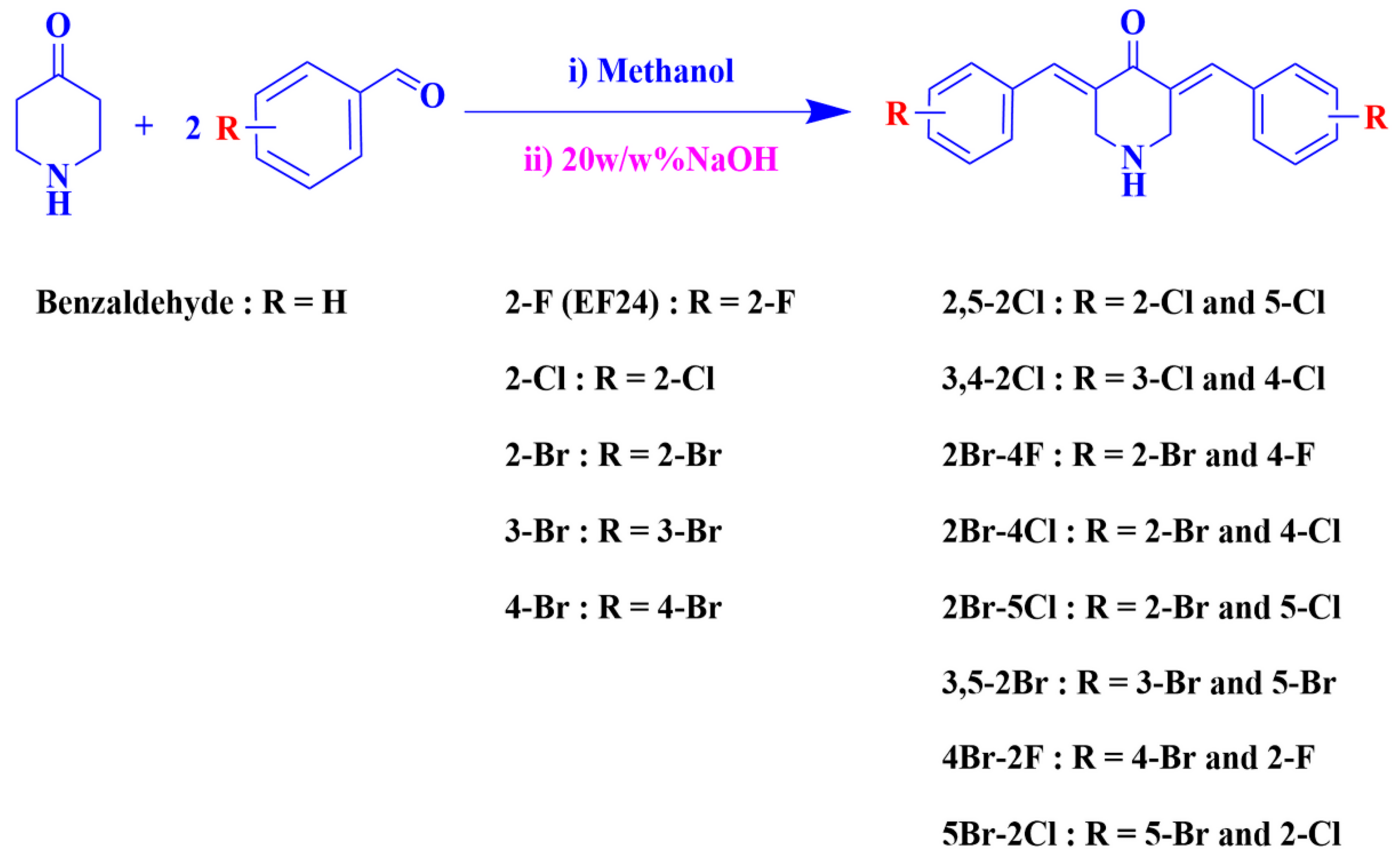
2.1. Chemistry
2.2. Biological Evaluation
2.2.1. Anti-Tumour Activity
Piperidone Monocarbonyl Curcumin Analogues Inhibited the Proliferation of Tumour Cell Lines In Vitro
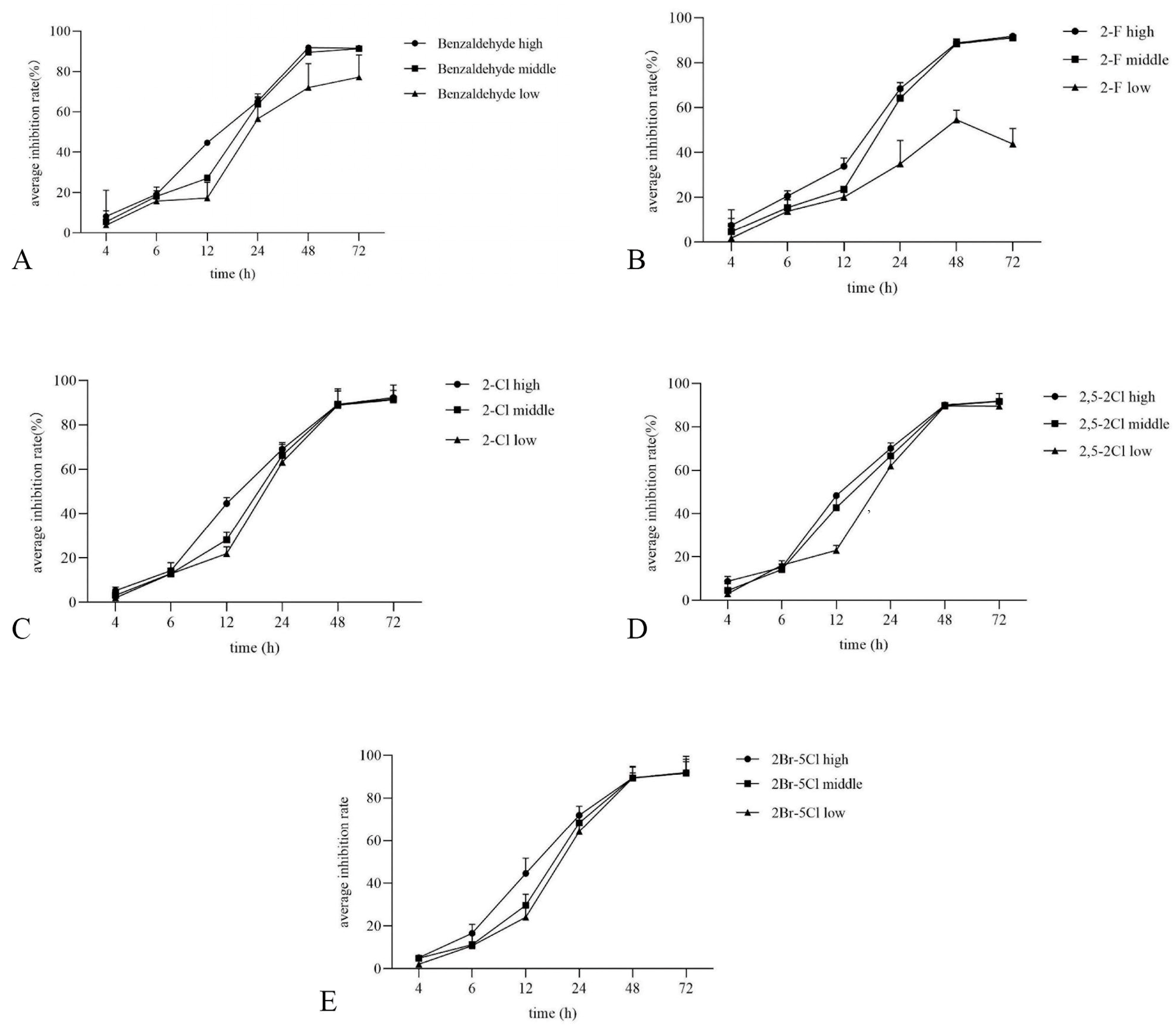
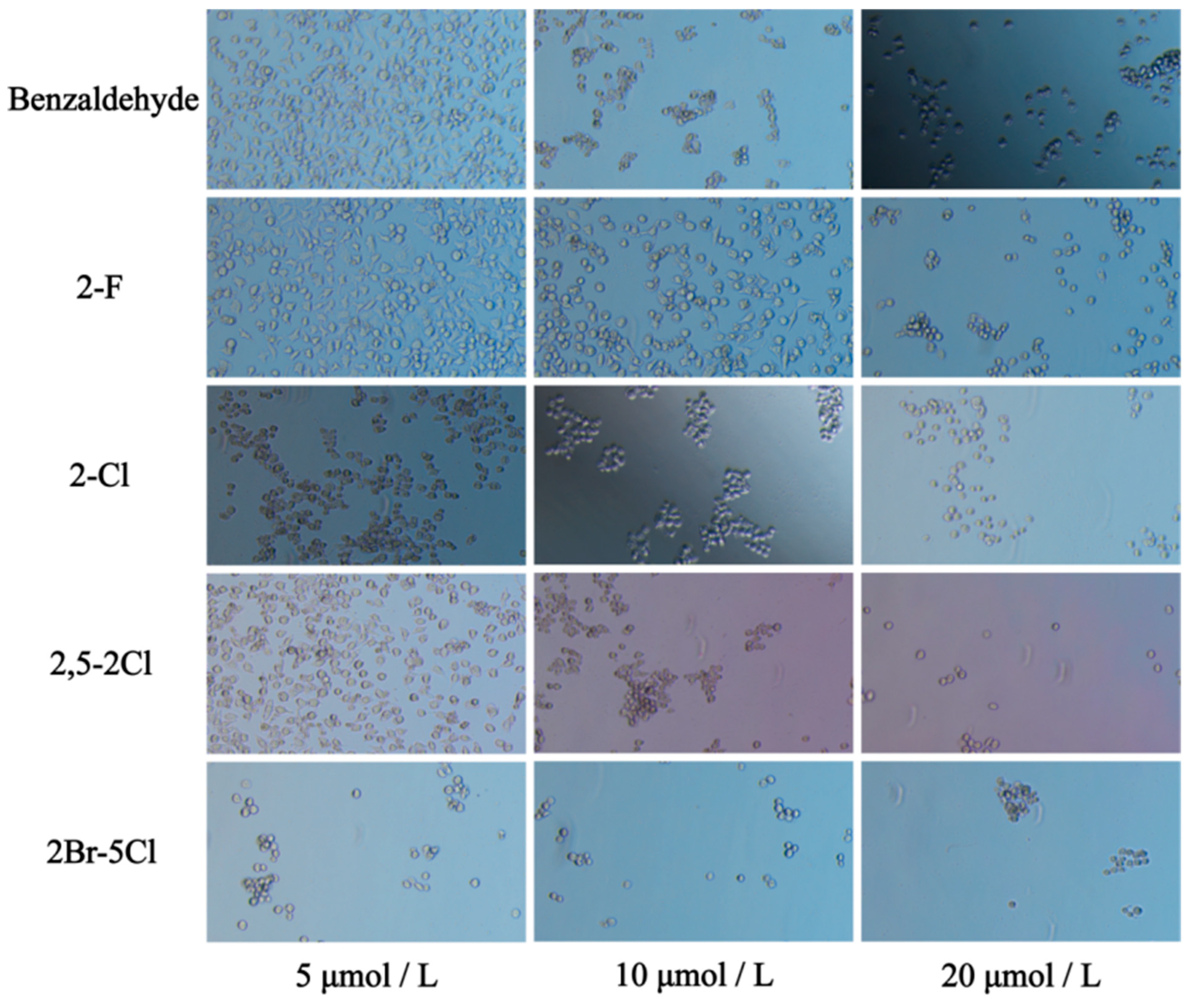
Five Promising Compounds Inhibited the Growth of A549 Cells
Toxicity of Five Promising Compounds to Human Normal Liver Cells (L02)
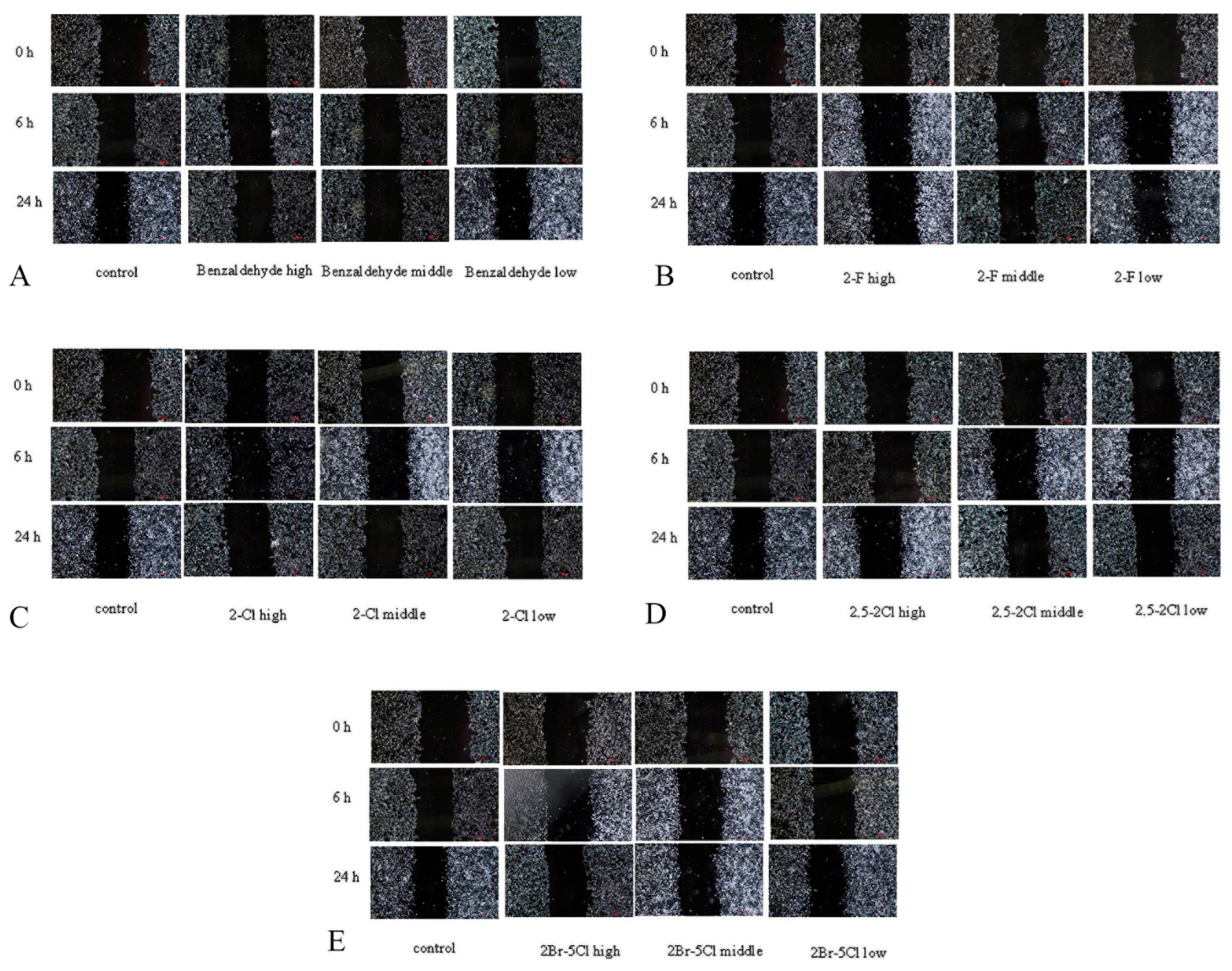
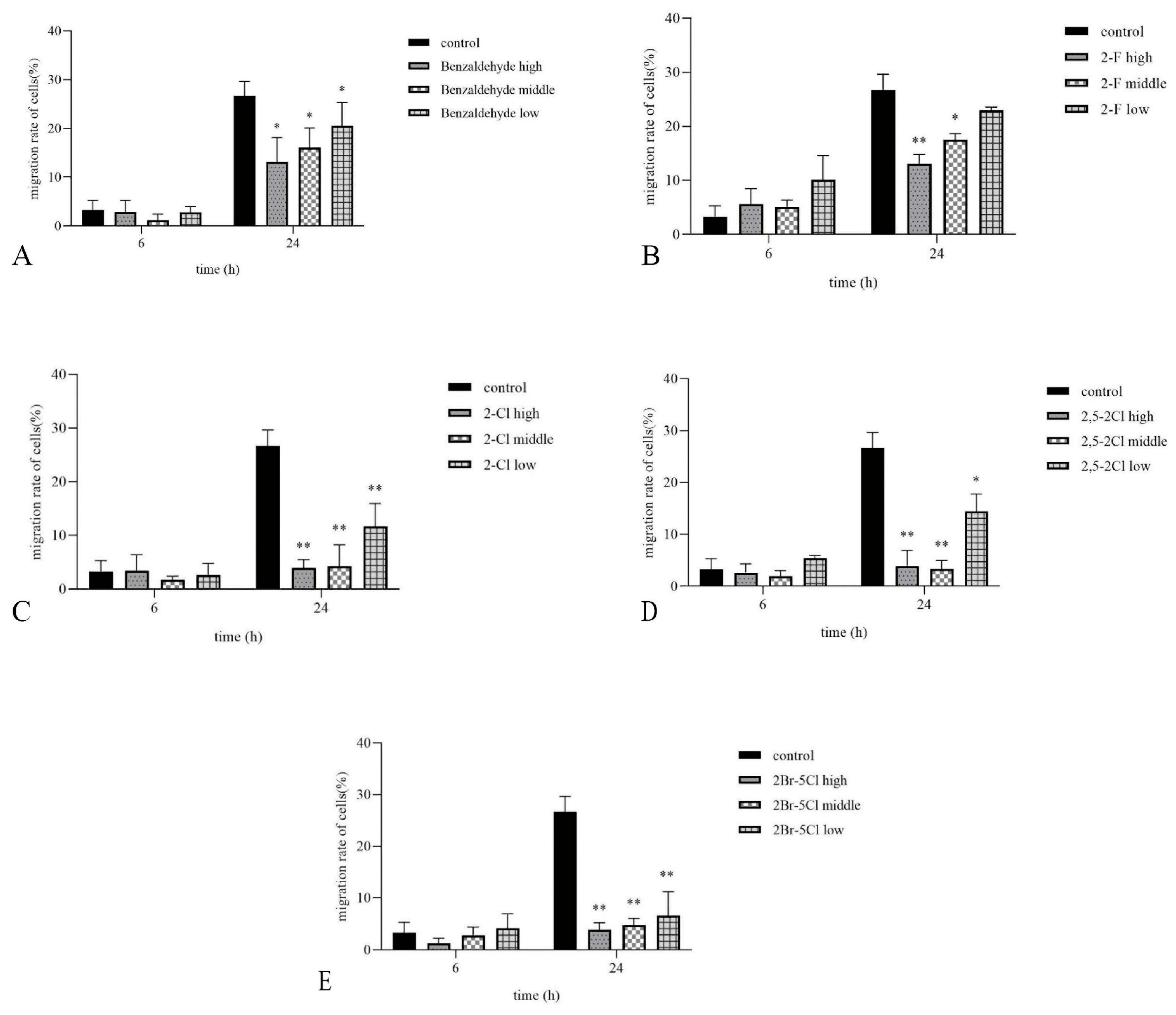
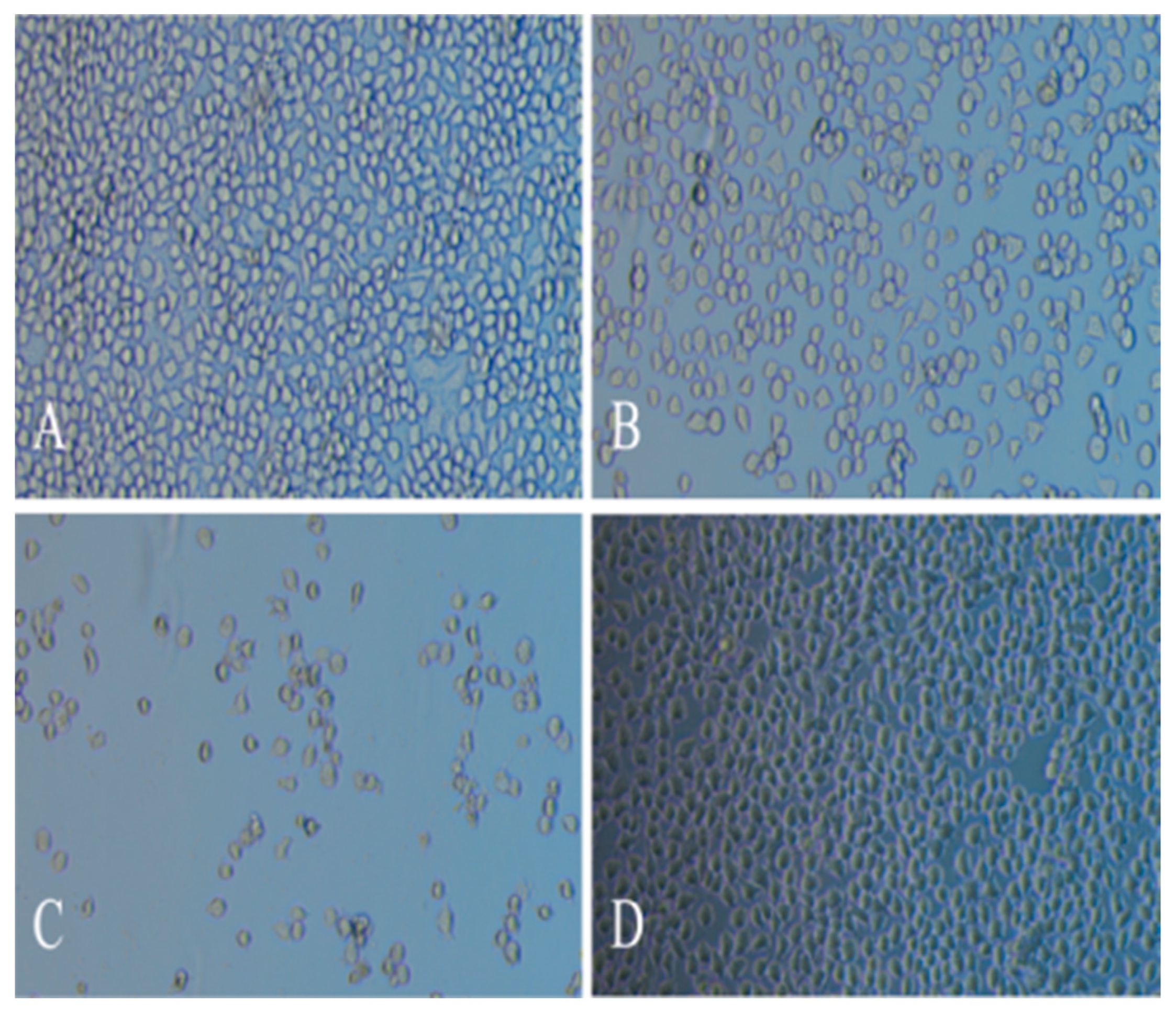
Effects of Five Promising Compounds on A549 Cell Migration
Effects of Five Promising Compounds on the A549 Cell Inhibition
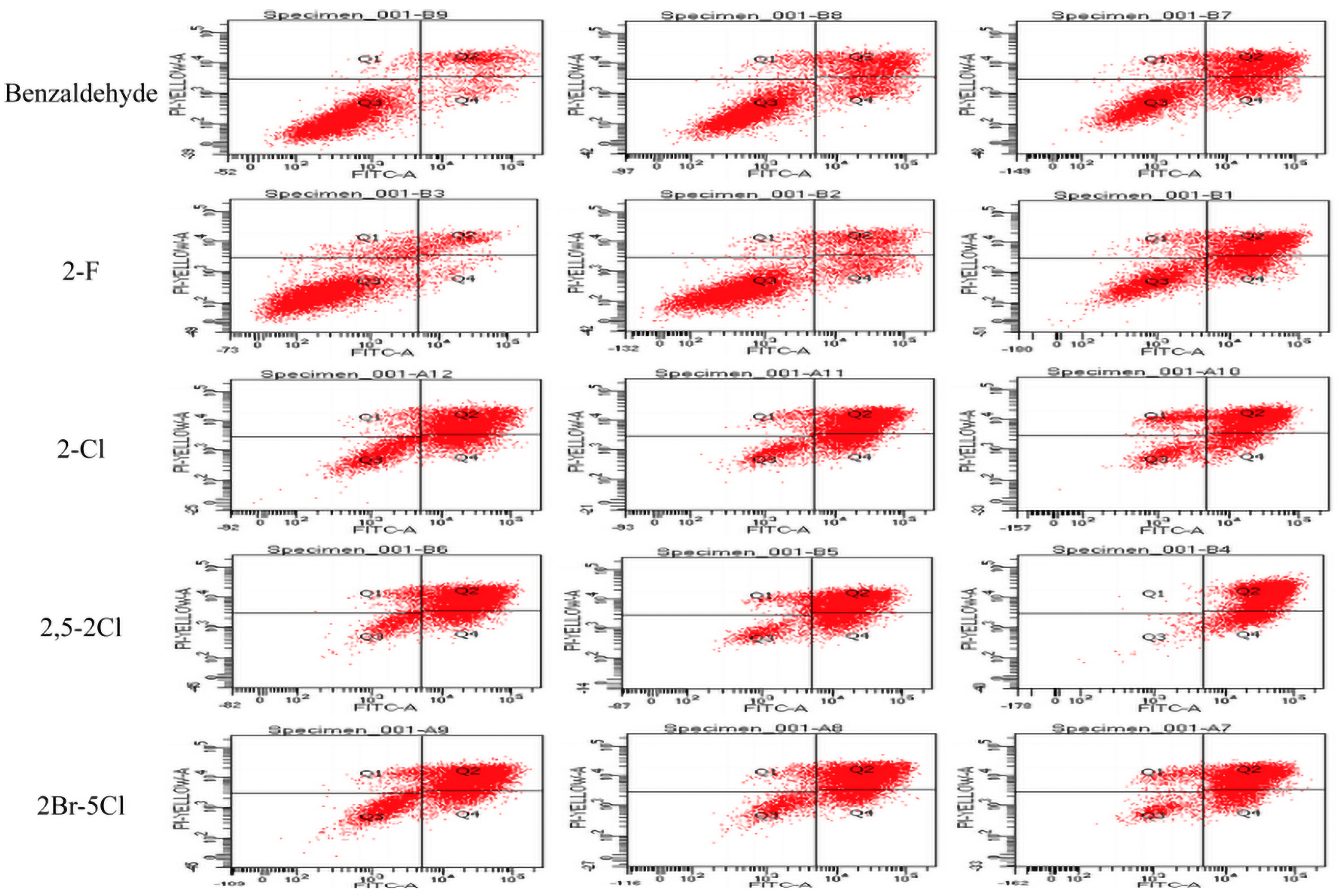
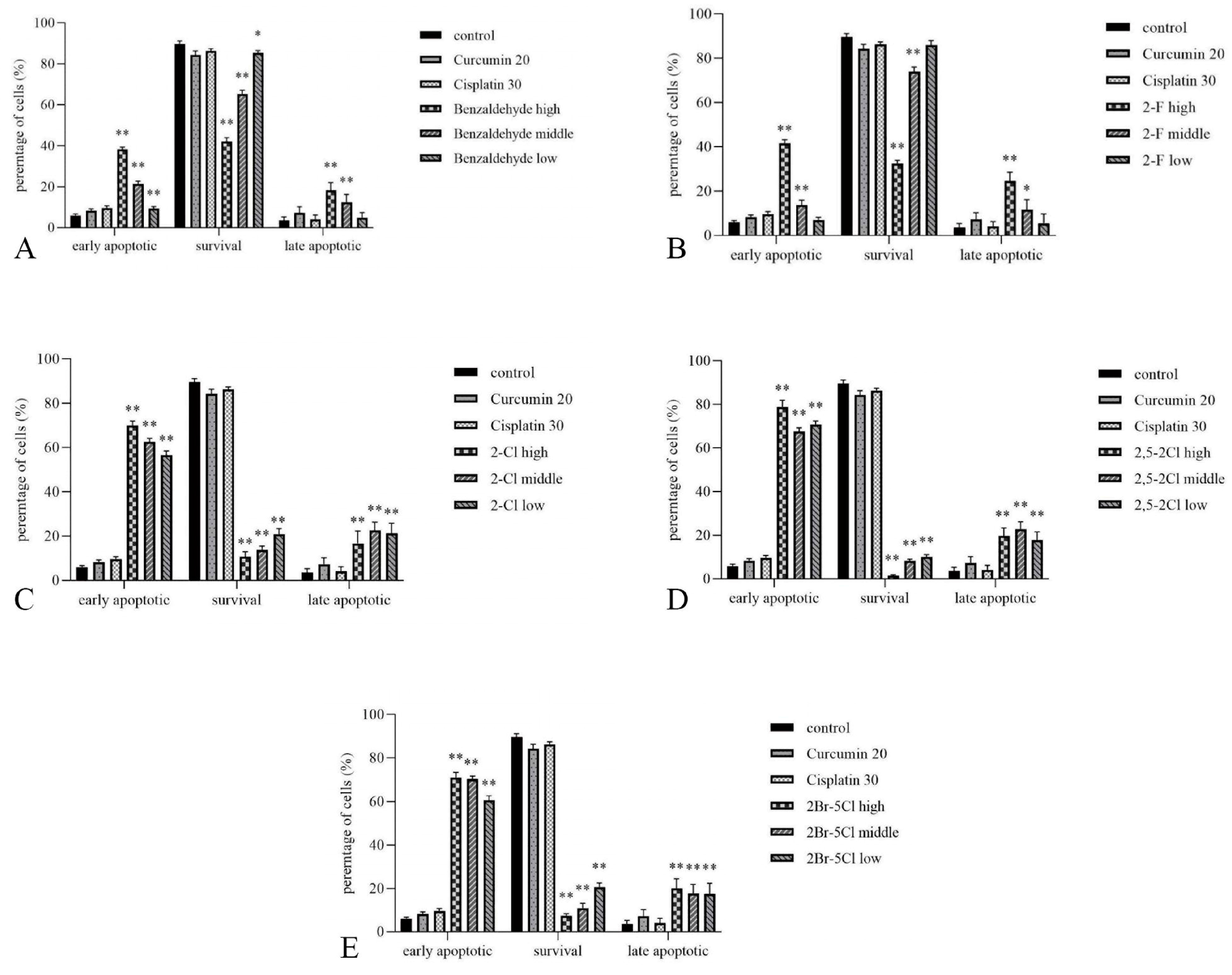
Effects of Five Promising Compounds on Apoptosis of A549 Cells
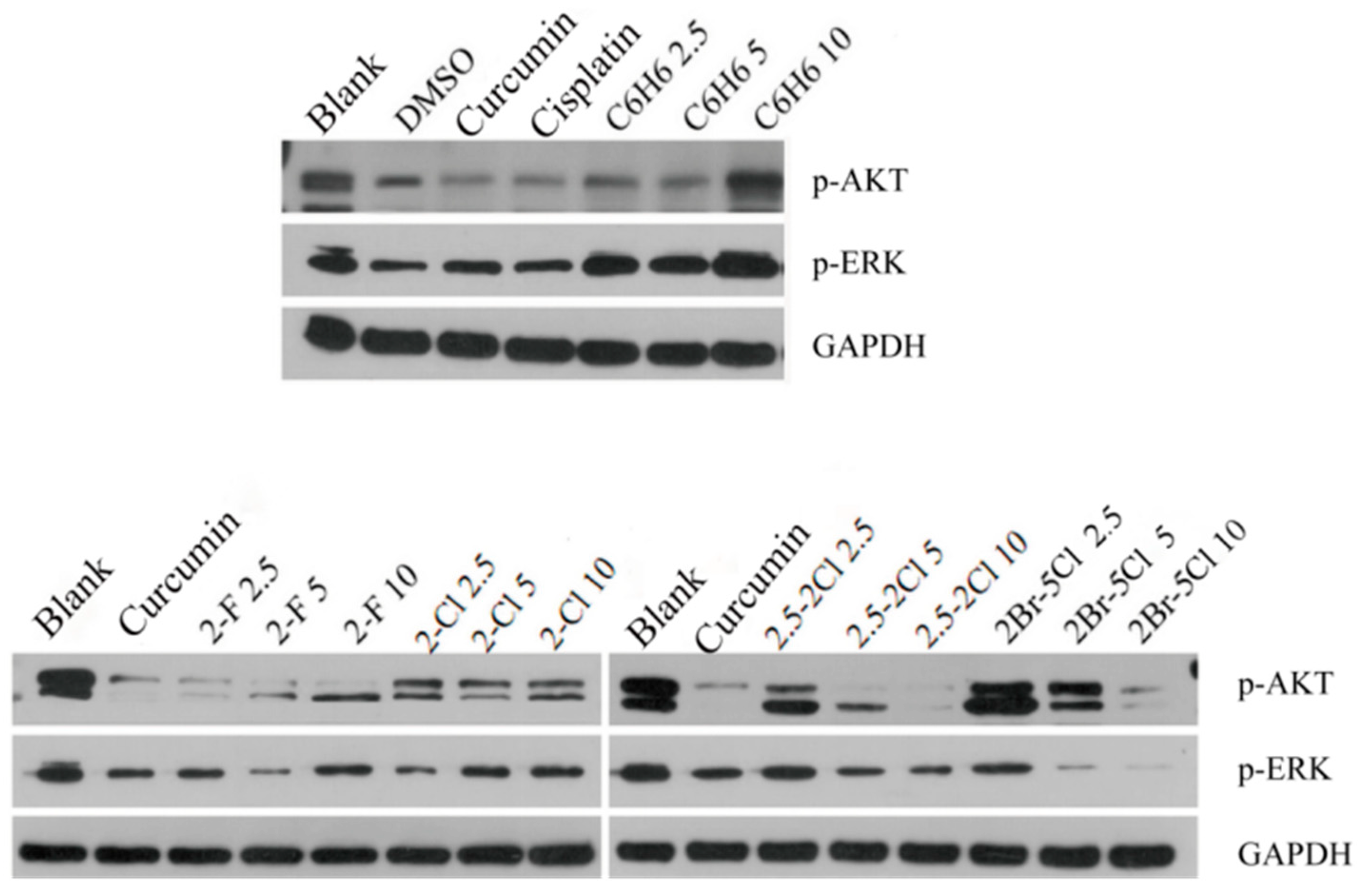
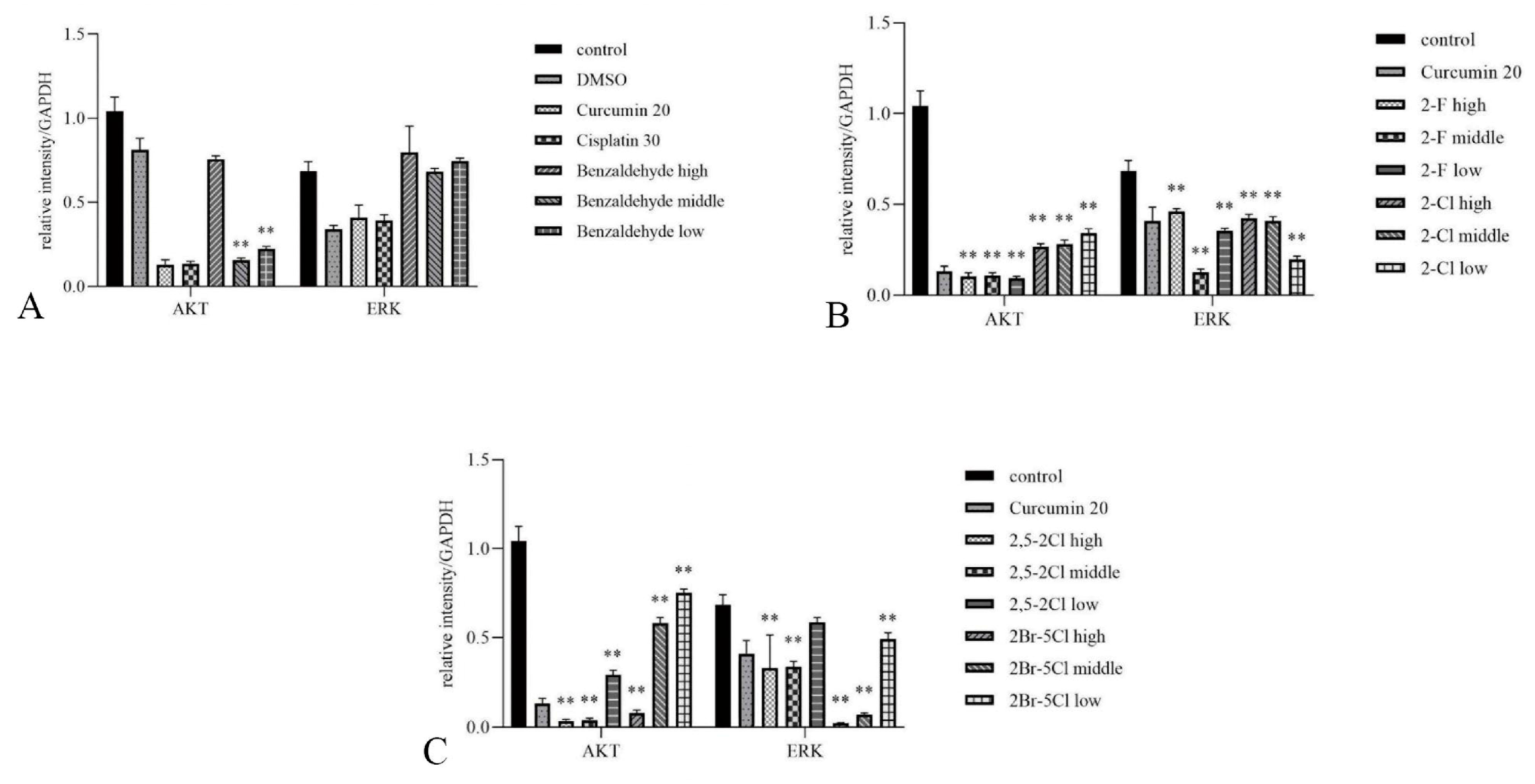
Effects of Five Promising Compounds on the Expression Levels of Related Proteins in Apoptosis of A549 Cells
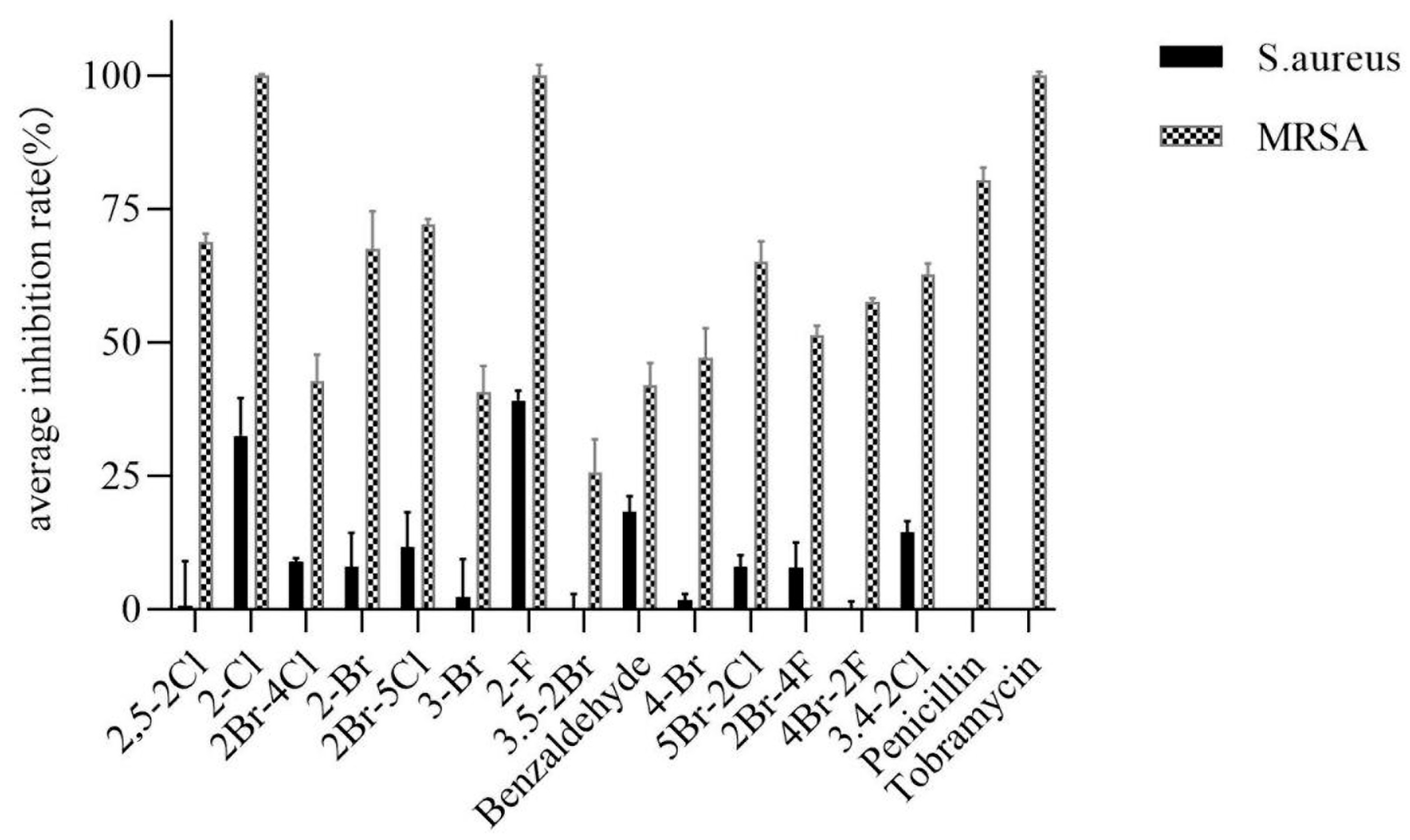
2.2.2. Antibacterial Activity of Curcumin Analogues on MRSA
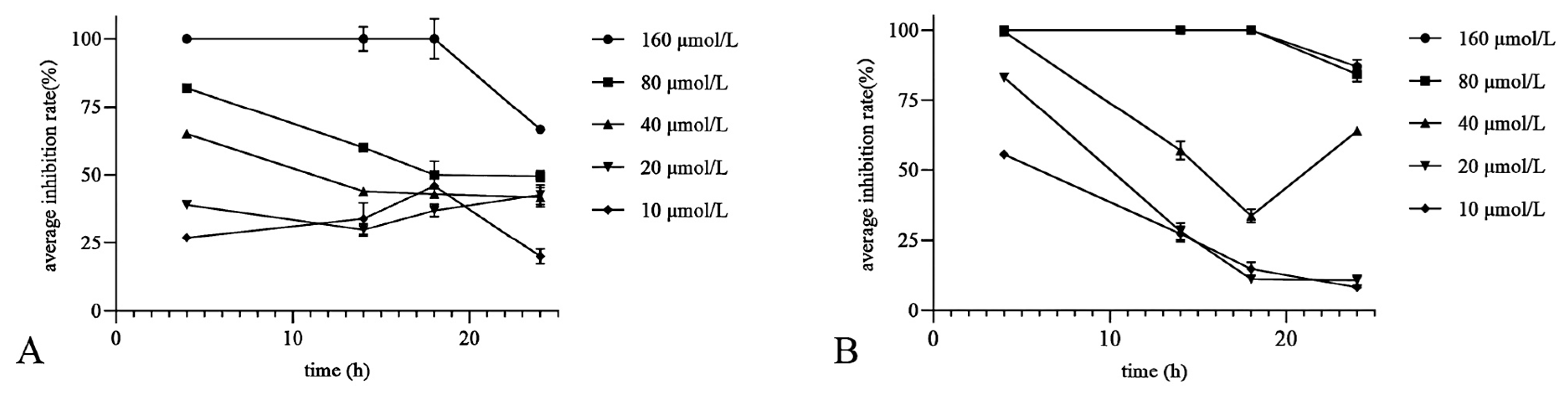
Determination of Minimum Inhibitory Concentration (MIC) and Inhibition Curve of Promising Compounds Against MRSA
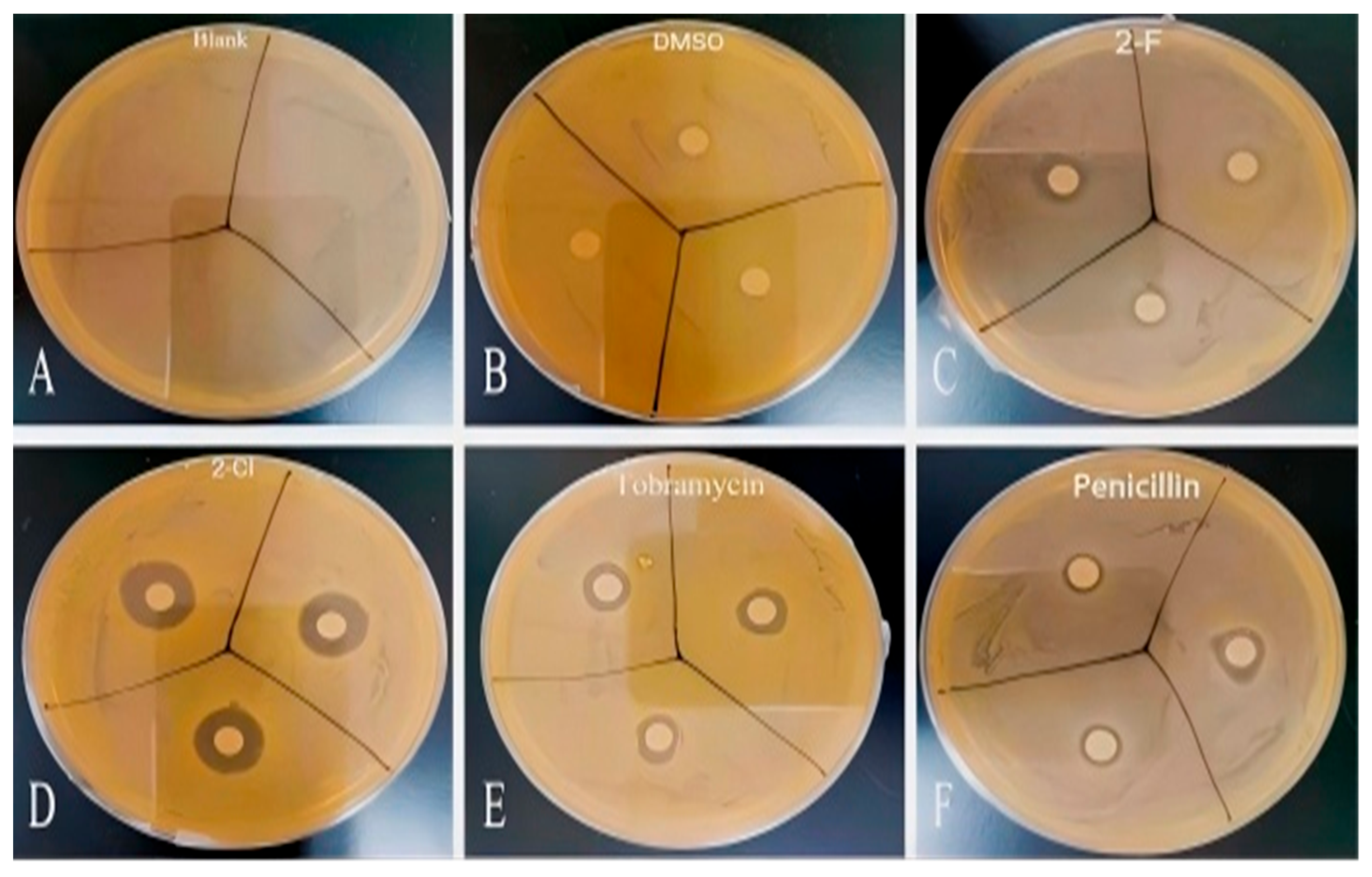
Determination of Inhibition Zone of Promising Compounds
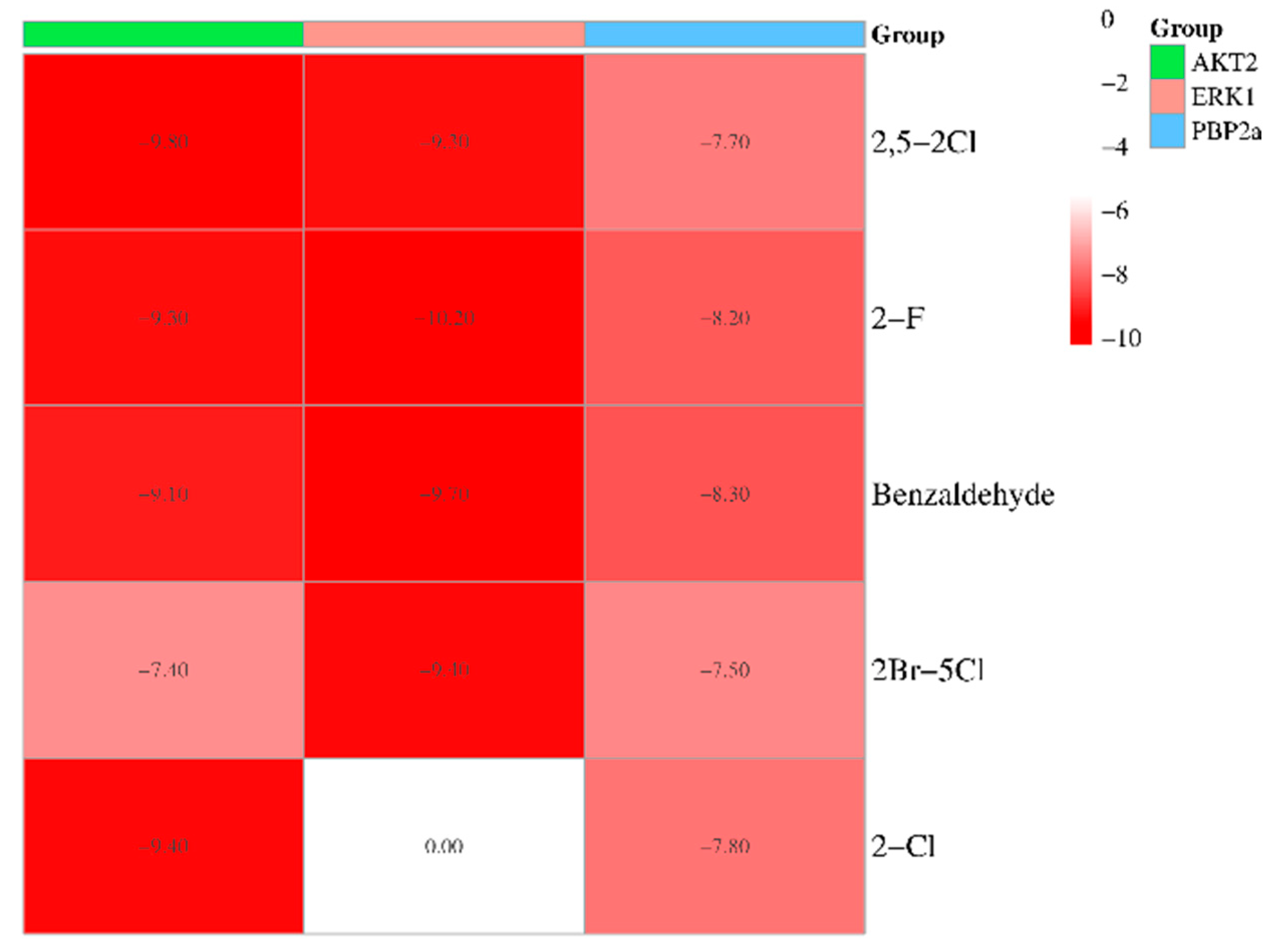
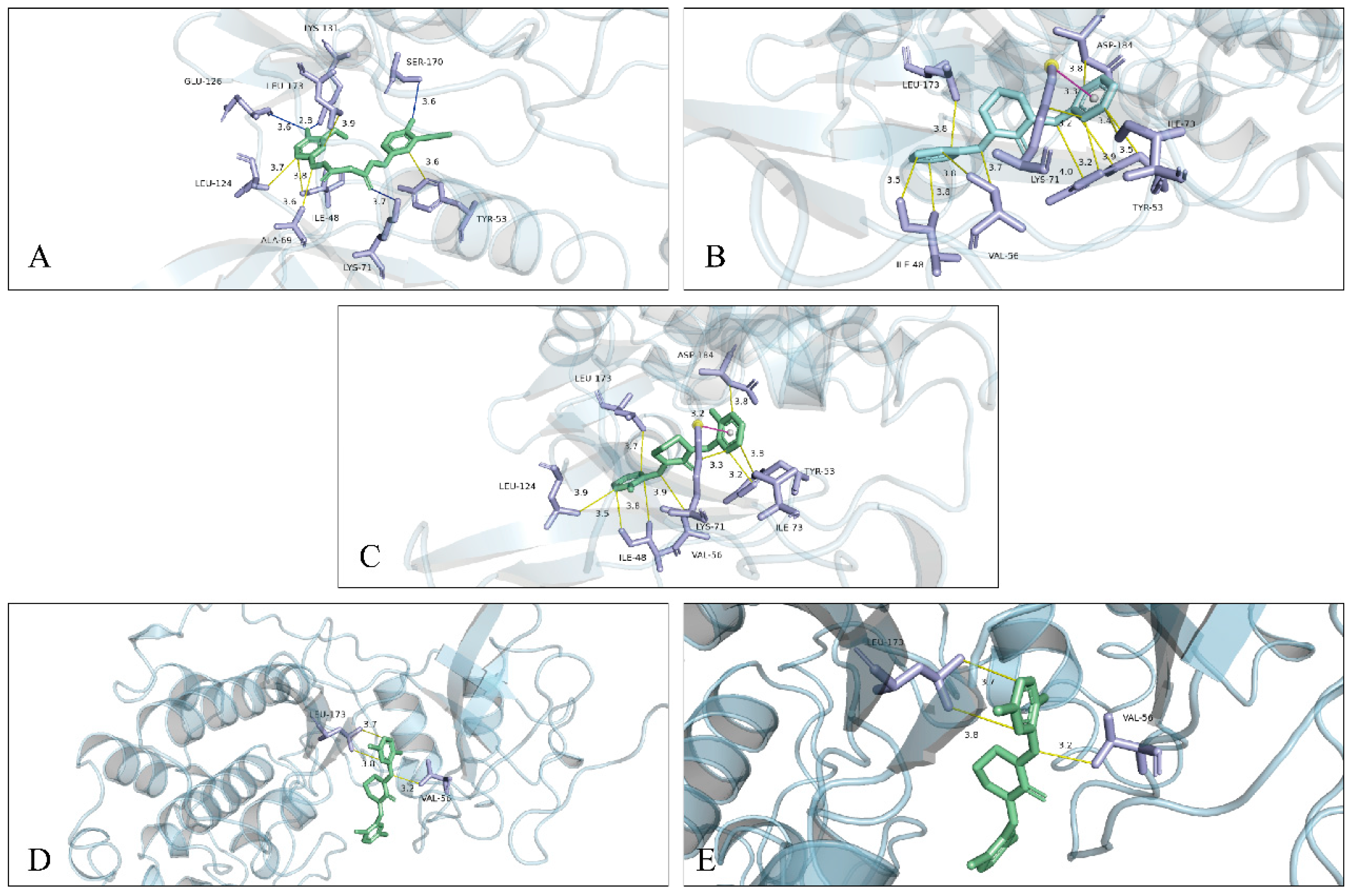
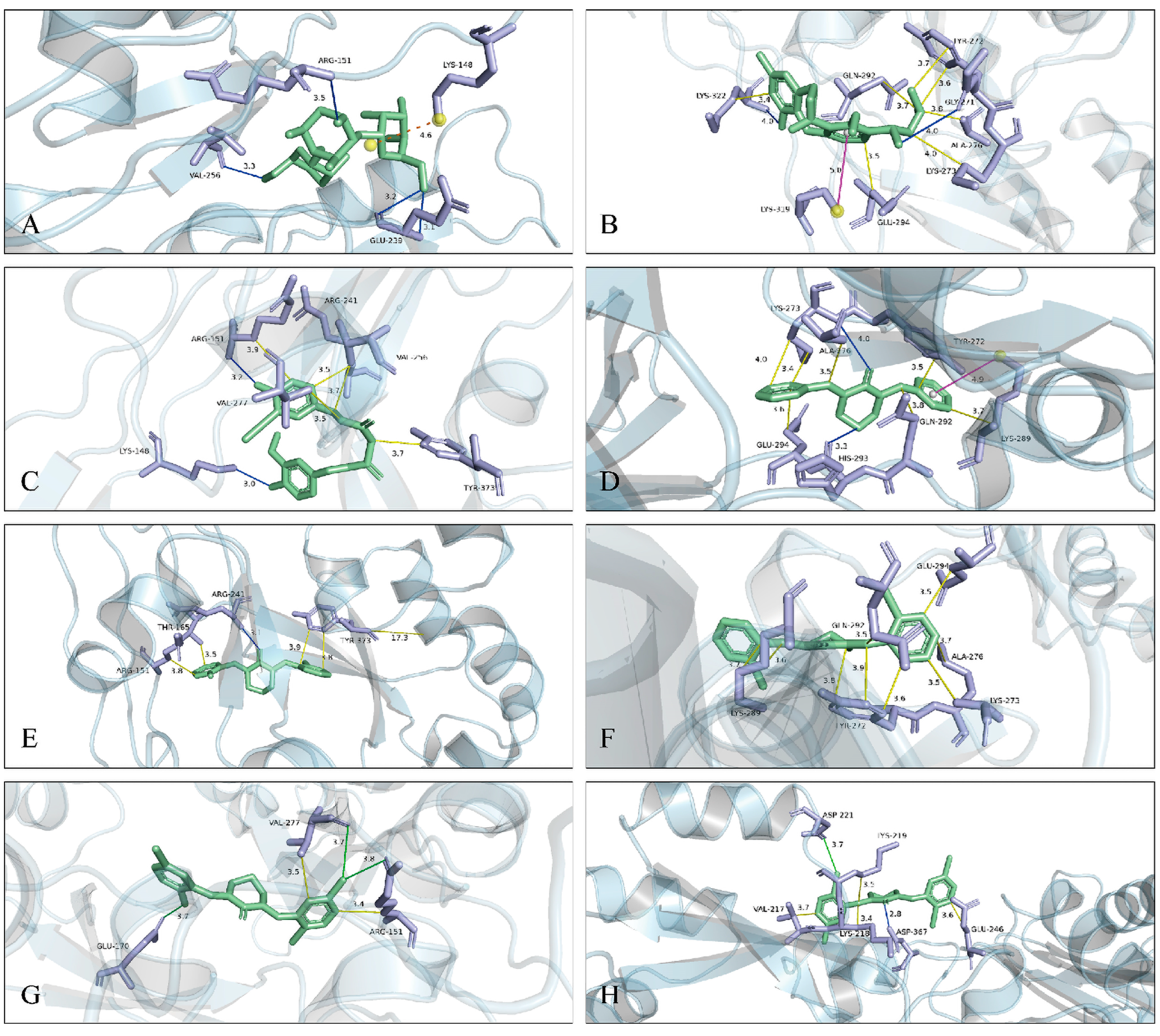
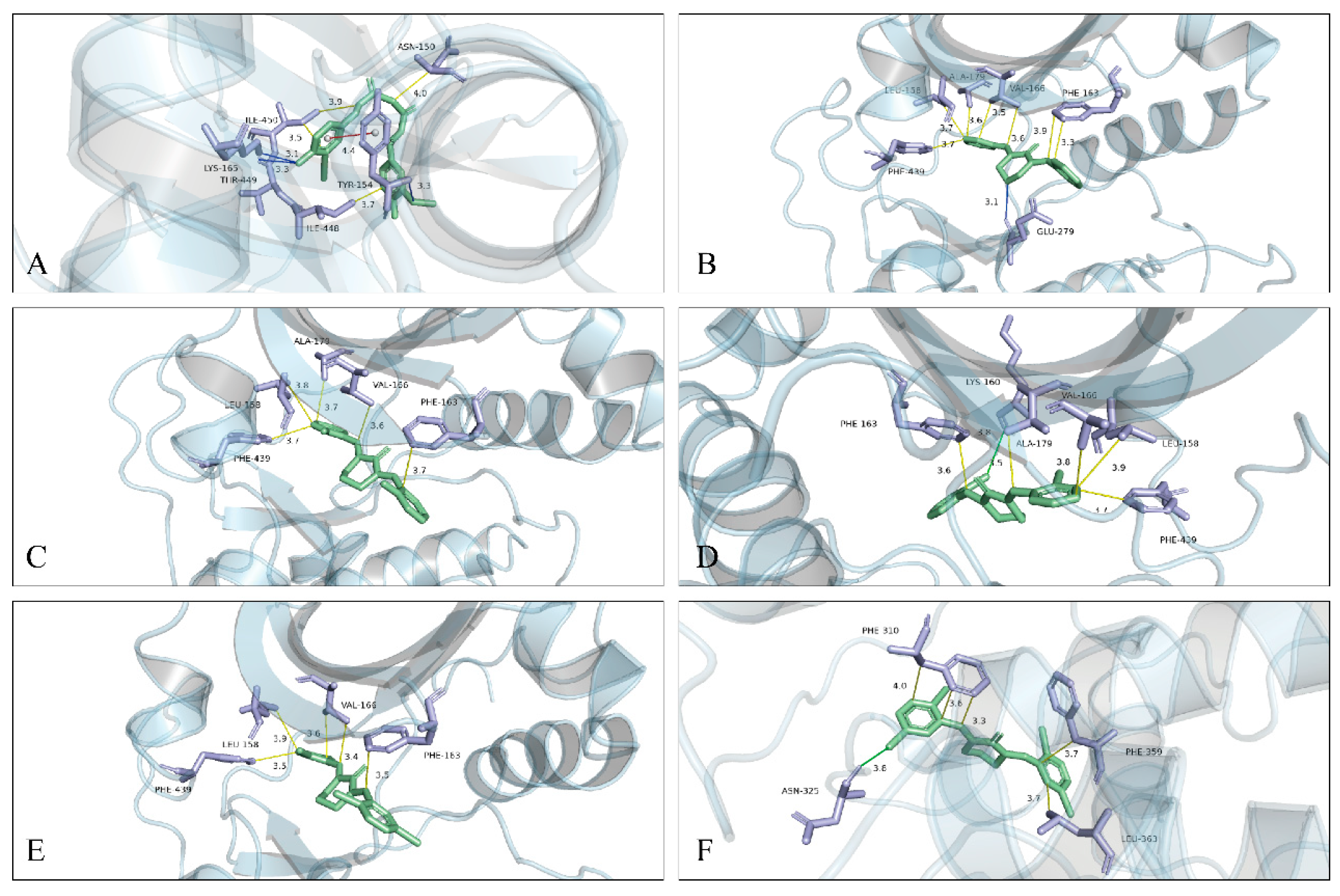
2.3. Results of Molecular Docking
2.4. ADMET Prediction
2.5. Discussion
3. Materials and Methods
3.1. Experimental Materials and Instruments
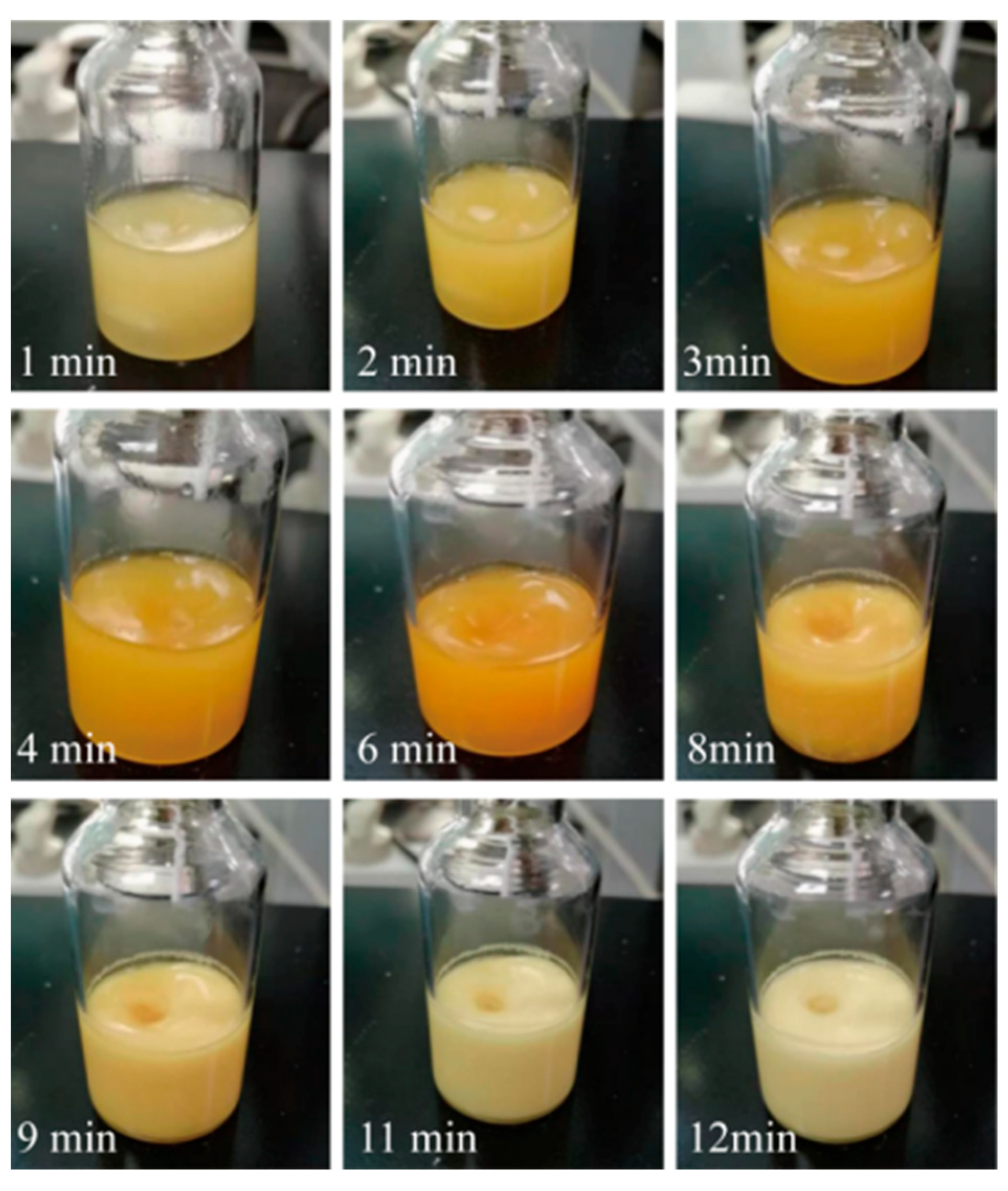
3.1.1. Synthesis of Monocarbonyl Curcumin Analogues of Piperidones [45]
Synthesis of 3,5-Dibenzylidene-4-piperidone (Benzaldehyde/C6H6)
Synthesis of 3,5-Bis(2-fluoro benzyl)-4-piperidinone (2-F)
Synthesis of 3,5-Bis(2-chloro-benzyl)-4-piperidinone (2-Cl)
Synthesis of 3,5-Bis(2-bromo-benzyl)-4-piperidone (2-Br, New Derivative)
Synthesis of 3,5-Bis(3-bromo-benzyl)-4-piperidone (3-Br, New Derivative)
Synthesis of 3,5-Bis(4-bromo-benzyl)-4-piperidinone (4-Br, New Derivative)
Synthesis of 3,5-Bis(2,5-dichlorobenzyl)-4-piperidone (2,5-2Cl, New Derivative)
Synthesis of 3,5-Bis(3,4-dichlorobenzylidene)-4-piperidone (3,4-2Cl, New Derivative)
Synthesis of 3,5-Bis(2-bromo-4-fluorobenzyl)-4-piperidone (2Br-4F, New Derivative)
Synthesis of 3,5-Bis(2-bromo-4-chlorobenzyl)-4-piperidone (2Br-4Cl, New Derivative)
Synthesis of 3,5-Bis(2-bromo-5-chlorobenzyl)-4-piperidone (2Br-5Cl, New Derivative)
Synthesis of 3,5-Bis(3,5-dibromo-benzyl)-4-piperidone (3,5-2Br, New Derivative)
Synthesis of 3,5-Bis(4-bromo-2-fluorobenzyl)-4-piperidinone (4Br-2F, New Derivative)
Synthesis of 3,5-Bis(5-bromo-2-chlorobenzyl)-4-piperidone (5Br-2Cl, New Derivative)
3.2. Anti-Tumour Activity Study
3.2.1. Experimental Materials and Instruments
3.2.2. Inhibition of Four Kinds of Tumour Cells
MTT Test [46]
Growth Curve of A549 Cells Induced by Five Promising Compounds [47]
The Toxicity of Five Promising Compounds to Human Normal Hepatocytes (L02) [48]
Effects of Five Promising Compounds on A549 Cell Migration [49]
A549 Cell Death Induced by Five Promising Compounds [50]
Effects of Five Promising Compounds on Apoptosis of A549 Cells [51]
Western Blot Was Used to Detect the Effects of Five Promising Compounds on the Expression Levels of Apoptosis-Related Proteins in A549 Cells [52,53]
3.3. Study on Antibacterial Effect
3.3.1. Experimental Materials and Instruments
3.3.2. Determination of Minimum Inhibitory Concentration (MIC) [54,55]
3.3.3. The Inhibition Curve of Promising Compounds Against MRSA
3.3.4. Determination of Inhibition Zone of Promising Compounds [56]
3.4. Molecular Docking [57]
3.5. ADMET Property Prediction [61]
3.6. Statistical Analysis [62]
4. Conclusions
Supplementary Materials
Author Contributions
Funding
Institutional Review Board Statement
Informed Consent Statement
Data Availability Statement
Acknowledgments
Conflicts of Interest
References
- Siegel, R.L.; Miller, K.D.; Wagle, N.S.; Jemal, A. Cancer statistics, 2023. CA Cancer J. Clin. 2023, 73, 17–48. [Google Scholar] [CrossRef]
- Zorofchian Moghadamtousi, S.; Abdul Kadir, H.; Hassandarvish, P.; Tajik, H.; Abubakar, S.; Zandi, K. A review on antibacterial, antiviral, and antifungal activity of curcumin. BioMed Res. Int. 2014, 2014, 186864. [Google Scholar] [CrossRef]
- Tomeh, M.A.; Hadianamrei, R.; Zhao, X. A review of curcumin and its derivatives as anticancer agents. Int. J. Mol. Sci. 2019, 20, 1033. [Google Scholar] [CrossRef] [PubMed]
- Aggarwal, B.B.; Kumar, A.; Bharti, A.C. Anticancer potential of curcumin: Preclinical and clinical studies. Anticancer Res. 2003, 23, 363–398. [Google Scholar]
- Teow, S.-Y.; Liew, K.; Ali, S.A.; Khoo, A.S.-B.; Peh, S.-C. Antibacterial action of curcumin against Staphylococcus aureus: A brief review. J. Trop. Med. 2016, 2016, 2853045. [Google Scholar] [CrossRef]
- Bouali, N.; Haddaji, N.; Hamadou, W.S.; Ghorbel, M.; Bechambi, O.; Mahdhi, A.; Snoussi, M. Methicillin-resistant Staphylococcus aurous: Epidemiology, transmission and new alternative therapies: A narrative review. Iran. J. Public Health 2023, 52, 1555. [Google Scholar] [CrossRef]
- Shimma, S.; Sagawa, T. Microscopy and mass spectrometry imaging reveals the distributions of curcumin species in dried turmeric root. J. Agric. Food Chem. 2019, 67, 9652–9657. [Google Scholar] [CrossRef] [PubMed]
- Abd El-Hack, M.E.; El-Saadony, M.T.; Swelum, A.A.; Arif, M.; Abo Ghanima, M.M.; Shukry, M.; Noreldin, A.; Taha, A.E.; El-Tarabily, K.A. Curcumin, the active substance of turmeric: Its effects on health and ways to improve its bioavailability. J. Sci. Food Agric. 2021, 101, 5747–5762. [Google Scholar] [CrossRef]
- Fu, Y.-S.; Chen, T.-H.; Weng, L.; Huang, L.; Lai, D.; Weng, C.-F. Pharmacological properties and underlying mechanisms of curcumin and prospects in medicinal potential. Biomed. Pharmacother. 2021, 141, 111888. [Google Scholar] [CrossRef] [PubMed]
- Beyene, A.M.; Moniruzzaman, M.; Karthikeyan, A.; Min, T. Curcumin nanoformulations with metal oxide nanomaterials for biomedical applications. Nanomaterials 2021, 11, 460. [Google Scholar] [CrossRef]
- Razavi, B.M.; Ghasemzadeh Rahbardar, M.; Hosseinzadeh, H. A review of therapeutic potentials of turmeric (Curcuma longa) and its active constituent, curcumin, on inflammatory disorders, pain, and their related patents. Phytother. Res. 2021, 35, 6489–6513. [Google Scholar] [CrossRef] [PubMed]
- Mosley, C.A.; Liotta, D.C.; Snyder, J.P. Highly active anticancer curcumin analogues. In The Molecular Targets and Therapeutic Uses of Curcumin in Health and Disease; Springer: Berlin/Heidelberg, Germany, 2007; pp. 77–103. [Google Scholar]
- Itokawa, H.; Shi, Q.; Akiyama, T.; Morris-Natschke, S.L.; Lee, K.-H. Recent advances in the investigation of curcuminoids. Chin. Med. 2008, 3, 11. [Google Scholar] [CrossRef] [PubMed]
- Martinez-Cifuentes, M.; Weiss-Lopez, B.; S. Santos, L.; Araya-Maturana, R. Heterocyclic curcumin derivatives of pharmacological interest: Recent progress. Curr. Top. Med. Chem. 2015, 15, 1663–1672. [Google Scholar] [CrossRef] [PubMed]
- Pröhl, M.; Schubert, U.S.; Weigand, W.; Gottschaldt, M. Metal complexes of curcumin and curcumin derivatives for molecular imaging and anticancer therapy. Coord. Chem. Rev. 2016, 307, 32–41. [Google Scholar] [CrossRef]
- Rosemond, M.J.C.; John-Williams, L.S.; Yamaguchi, T.; Fujishita, T.; Walsh, J.S. Enzymology of a carbonyl reduction clearance pathway for the HIV integrase inhibitor, S-1360: Role of human liver cytosolic aldo-keto reductases. Chem. Biol. Interact. 2004, 147, 129–139. [Google Scholar] [CrossRef]
- Grogan, G. Emergent mechanistic diversity of enzyme-catalysed β-diketone cleavage. Biochem. J. 2005, 388, 721–730. [Google Scholar] [CrossRef]
- Wiggers, H.; Zaioncz, S.; Cheleski, J.; Mainardes, R.; Khalil, N. Curcumin, a multitarget phytochemical: Challenges and perspectives. Stud. Nat. Prod. Chem. 2017, 53, 243–276. [Google Scholar]
- Liang, G.; Shao, L.; Wang, Y.; Zhao, C.; Chu, Y.; Xiao, J.; Zhao, Y.; Li, X.; Yang, S. Exploration and synthesis of curcumin analogues with improved structural stability both in vitro and in vivo as cytotoxic agents. Bioorganic Med. Chem. 2009, 17, 2623–2631. [Google Scholar] [CrossRef]
- Liang, G.; Zhou, H.; Wang, Y.; Gurley, E.C.; Feng, B.; Chen, L.; Xiao, J.; Yang, S.; Li, X. Inhibition of LPS-induced production of inflammatory factors in the macrophages by mono-carbonyl analogues of curcumin. J. Cell. Mol. Med. 2009, 13, 3370–3379. [Google Scholar] [CrossRef]
- Fuchs, J.R.; Pandit, B.; Bhasin, D.; Etter, J.P.; Regan, N.; Abdelhamid, D.; Li, C.; Lin, J.; Li, P.-K. Structure–activity relationship studies of curcumin analogues. Bioorganic Med. Chem. Lett. 2009, 19, 2065–2069. [Google Scholar] [CrossRef]
- Lagisetty, P.; Vilekar, P.; Sahoo, K.; Anant, S.; Awasthi, V. CLEFMA—An anti-proliferative curcuminoid from structure–activity relationship studies on 3, 5-bis (benzylidene)-4-piperidones. Bioorganic Med. Chem. 2010, 18, 6109–6120. [Google Scholar] [CrossRef] [PubMed]
- Simoni, E.; Bergamini, C.; Fato, R.; Tarozzi, A.; Bains, S.; Motterlini, R.; Cavalli, A.; Bolognesi, M.L.; Minarini, A.; Hrelia, P. Polyamine conjugation of curcumin analogues toward the discovery of mitochondria-directed neuroprotective agents. J. Med. Chem. 2010, 53, 7264–7268. [Google Scholar] [CrossRef]
- Vilekar, P.; King, C.; Lagisetty, P.; Awasthi, V.; Awasthi, S. Antibacterial activity of synthetic curcumin derivatives: 3, 5-bis (benzylidene)-4-piperidone (EF24) and EF24-dimer linked via diethylenetriaminepentacetic acid (EF 2 DTPA). Appl. Biochem. Biotechnol. 2014, 172, 3363–3373. [Google Scholar] [CrossRef]
- Reid, J.M.; Buhrow, S.A.; Gilbert, J.A.; Jia, L.; Shoji, M.; Snyder, J.P.; Ames, M.M. Mouse pharmacokinetics and metabolism of the curcumin analog, 4-piperidinone, 3, 5-bis [(2-fluorophenyl) methylene]-acetate (3E, 5E)(EF-24; NSC 716993). Cancer Chemother. Pharmacol. 2014, 73, 1137–1146. [Google Scholar] [CrossRef] [PubMed]
- Cheng, Y.; Yang, Y.; Wu, Y.; Wang, W.; Xiao, L.; Zhang, Y.; Tang, J.; Huang, Y.D.; Zhang, S.; Xiang, Q. The Curcumin Derivative, H10, Suppresses Hormone-Dependent Prostate Cancer by Inhibiting 17β-Hydroxysteroid Dehydrogenase Type 3. Front. Pharmacol. 2020, 11, 637. [Google Scholar] [CrossRef]
- Wu, J.; Wu, S.; Shi, L.; Zhang, S.; Ren, J.; Yao, S.; Yun, D.; Huang, L.; Wang, J.; Li, W. Design, synthesis, and evaluation of asymmetric EF24 analogues as potential anti-cancer agents for lung cancer. Eur. J. Med. Chem. 2017, 125, 1321–1331. [Google Scholar] [CrossRef] [PubMed]
- Jin, R.; Chen, Q.; Yao, S.; Bai, E.; Fu, W.; Wang, L.; Wang, J.; Du, X.; Wei, T.; Xu, H. Synthesis and anti-tumor activity of EF24 analogues as IKKβ inhibitors. Eur. J. Med. Chem. 2018, 144, 218–228. [Google Scholar] [CrossRef]
- Khor, P.Y.; Aluwi, M.F.F.M.; Rullah, K.; Lam, K.W. Insights on the synthesis of asymmetric curcumin derivatives and their biological activities. Eur. J. Med. Chem. 2019, 183, 111704. [Google Scholar] [CrossRef]
- Hsin, K.-Y.; Ghosh, S.; Kitano, H. Combining machine learning systems and multiple docking simulation packages to improve docking prediction reliability for network pharmacology. PLoS ONE 2013, 8, e83922. [Google Scholar] [CrossRef]
- Lipinski, C.A.; Lombardo, F.; Dominy, B.W.; Feeney, P.J. Experimental and computational approaches to estimate solubility and permeability in drug discovery and development settings. Adv. Drug Deliv. Rev. 2012, 64, 4–17. [Google Scholar] [CrossRef]
- Choi, C.-H. ABC transporters as multidrug resistance mechanisms and the development of chemosensitizers for their reversal. Cancer Cell Int. 2005, 5, 30. [Google Scholar] [CrossRef][Green Version]
- Aszalos, A. Drug–drug interactions affected by the transporter protein, P-glycoprotein (ABCB1, MDR1): II. Clinical aspects. Drug Discov. Today 2007, 12, 838–843. [Google Scholar] [CrossRef]
- Kuhnke, L.; Ter Laak, A.; Goller, A.H. Mechanistic reactivity descriptors for the prediction of Ames mutagenicity of primary aromatic amines. J. Chem. Inf. Model. 2019, 59, 668–672. [Google Scholar] [CrossRef]
- Berellini, G.; Waters, N.J.; Lombardo, F. In silico prediction of total human plasma clearance. J. Chem. Inf. Model. 2012, 52, 2069–2078. [Google Scholar] [CrossRef]
- Koepsell, H.; Endou, H. The SLC22 drug transporter family. Pflügers Arch. 2004, 447, 666–676. [Google Scholar] [CrossRef] [PubMed]
- Mandíková, J.; Volková, M.; Pávek, P.; Navrátilová, L.; Hyršová, L.; Janeba, Z.; Pavlík, J.; Bárta, P.; Trejtnar, F. Entecavir interacts with influx transporters hOAT1, hCNT2, hCNT3, but not with hOCT2: The potential for renal transporter-mediated cytotoxicity and drug–drug interactions. Front. Pharmacol. 2016, 6, 304. [Google Scholar] [CrossRef] [PubMed]
- Mladenov, M.; Bogdanov, J.; Bogdanov, B.; Hadzi-Petrushev, N.; Kamkin, A.; Stojchevski, R.; Avtanski, D. Efficacy of the monocarbonyl curcumin analog C66 in the reduction of diabetes-associated cardiovascular and kidney complications. Mol. Med. 2022, 28, 129. [Google Scholar] [CrossRef] [PubMed]
- Golonko, A.; Lewandowska, H.; Świsłocka, R.; Jasińska, U.; Priebe, W.; Lewandowski, W. Curcumin as tyrosine kinase inhibitor in cancer treatment. Eur. J. Med. Chem. 2019, 181, 111512. [Google Scholar] [CrossRef]
- Wang, M.; Liu, Z.M.; Li, X.C.; Yao, Y.T.; Yin, Z.X. Activation of ERK1/2 and Akt is associated with cisplatin resistance in human lung cancer cells. J. Chemother. 2013, 25, 162–169. [Google Scholar] [CrossRef]
- Stulpinas, A.; Sereika, M.; Vitkeviciene, A.; Imbrasaite, A.; Krestnikova, N.; Kalvelyte, A.V. Crosstalk between protein kinases AKT and ERK1/2 in human lung tumor-derived cell models. Front. Oncol. 2023, 12, 1045521. [Google Scholar] [CrossRef]
- Shalaby, M.-A.W.; Dokla, E.M.; Serya, R.A.; Abouzid, K.A. Penicillin binding protein 2a: An overview and a medicinal chemistry perspective. Eur. J. Med. Chem. 2020, 199, 112312. [Google Scholar] [CrossRef]
- Hussain, H.; Ahmad, S.; Shah, S.W.A.; Ghias, M.; Ullah, A.; Rahman, S.U.; Kamal, Z.; Khan, F.A.; Khan, N.M.; Muhammad, J. Neuroprotective potential of synthetic mono-carbonyl curcumin analogs assessed by molecular docking studies. Molecules 2021, 26, 7168. [Google Scholar] [CrossRef]
- Hussain, H.; Ahmad, S.; Shah, S.W.A.; Ullah, A.; Almehmadi, M.; Abdulaziz, O.; Allahyani, M.; Alsaiari, A.A.; Halawi, M.; Alamer, E. Investigation of antistress and antidepressant activities of synthetic curcumin analogues: Behavioral and biomarker approach. Biomedicines 2022, 10, 2385. [Google Scholar] [CrossRef]
- Hussain, H.; Ahmad, S.; Shah, S.W.A.; Ullah, A.; Ali, N.; Almehmadi, M.; Ahmad, M.; Khalil, A.A.K.; Jamal, S.B.; Ahmad, H. Attenuation of scopolamine-induced amnesia via cholinergic modulation in mice by synthetic curcumin analogs. Molecules 2022, 27, 2468. [Google Scholar] [CrossRef]
- Parthiban, A.; Sivasankar, R.; Rajdev, B.; Asha, R.N.; Jeyakumar, T.C.; Periakaruppan, R.; Naidu, V. Synthesis, in vitro, in silico and DFT studies of indole curcumin derivatives as potential anticancer agents. J. Mol. Struct. 2022, 1270, 133885. [Google Scholar] [CrossRef]
- Wang, W.; Wang, S.; Wang, M.; Ma, Y.; Hu, W.; Wu, B.; Li, C.; Zhang, D. Effects of TRAF3 on the proliferation and migration of lung adenocarcinoma depend partly on pyroptosis. BMC Cancer 2023, 23, 942. [Google Scholar] [CrossRef]
- Hu, Y.; Li, H.; Li, R.; Tian, Y.; Wu, Z. Protective effects of Schisandrin B against D-GalN-induced cell apoptosis in human hepatocyte (L02) cells via modulating Bcl-2 and Bax. Bioengineered 2021, 12, 7194–7203. [Google Scholar] [CrossRef] [PubMed]
- Yang, J.-F.; Liao, Q.; Lu, C.-L. SOX9 promotes the invasion and migration of lung adenocarcinoma cells by activating the RAP1 signaling pathway. BMC Pulm. Med. 2023, 23, 421. [Google Scholar] [CrossRef]
- Niu, J.; Jia, X.; Yang, N.; Ran, Y.; Wu, X.; Ding, F.; Tang, D.; Tian, M. Phytochemical analysis and anticancer effect of Camellia oleifera bud ethanol extract in non-small cell lung cancer A549 cells. Front. Pharmacol. 2024, 15, 1359632. [Google Scholar] [CrossRef]
- Guo, Y.; Chen, B.; Guo, J.; Jiang, P.; Wang, J.; Sun, W. Design, synthesis and biological evaluation of novel podophyllotoxin derivatives as tubulin-targeting anticancer agents. Pharm. Biol. 2024, 62, 233–249. [Google Scholar] [CrossRef] [PubMed]
- Li, X.; Huang, R.; Li, M.; Zhu, Z.; Chen, Z.; Cui, L.; Luo, H.; Luo, L. Parthenolide inhibits the growth of non-small cell lung cancer by targeting epidermal growth factor receptor. Cancer Cell Int. 2020, 20, 561. [Google Scholar] [CrossRef] [PubMed]
- Qi, M.; Chen, X.; Bian, L.; Zhang, H.; Ma, J. Honokiol combined with curcumin sensitizes multidrug-resistant human lung adenocarcinoma A549/DDP cells to cisplatin. Exp. Ther. Med. 2021, 22, 1301. [Google Scholar] [CrossRef]
- Jiamboonsri, P.; Eurtivong, C.; Wanwong, S. Assessing the Potential of Gallic Acid and Methyl Gallate to Enhance the Efficacy of β-Lactam Antibiotics against Methicillin-Resistant Staphylococcus aureus by Targeting β-Lactamase: In Silico and In Vitro Studies. Antibiotics 2023, 12, 1622. [Google Scholar] [CrossRef]
- Nolan, A.C.; Zeden, M.S.; Kviatkovski, I.; Campbell, C.; Urwin, L.; Corrigan, R.M.; Gründling, A.; O’Gara, J.P. Purine nucleosides interfere with c-di-AMP levels and act as adjuvants to re-sensitize MRSA to β-lactam antibiotics. mBio 2023, 14, e02478-22. [Google Scholar] [CrossRef]
- Al-Mosawi, R.M.; Jasim, H.A.; Haddad, A. Study of the antibacterial effects of the starch-based zinc oxide nanoparticles on methicillin resistance Staphylococcus aureus isolates from different clinical specimens of patients from Basrah, Iraq. AIMS Microbiol. 2023, 9, 90. [Google Scholar] [CrossRef]
- Xiao, W.; Xu, Y.; Baak, J.P.; Dai, J.; Jing, L.; Zhu, H.; Gan, Y.; Zheng, S. Network module analysis and molecular docking-based study on the mechanism of astragali radix against non-small cell lung cancer. BMC Complement. Med. Ther. 2023, 23, 345. [Google Scholar] [CrossRef]
- Liu, T.; Zhu, J.; Du, W.; Ning, W.; Zhang, Y.; Zeng, Y.; Liu, Z.; Huang, J.-A. AKT2 drives cancer progression and is negatively modulated by miR-124 in human lung adenocarcinoma. Respir. Res. 2020, 21, 227. [Google Scholar] [CrossRef]
- Erdonmez, B.; Altıntop, M.D.; Akalın Çiftçi, G.; Ozdemir, A.; Ece, A. Design, synthesis, and evaluation of a new series of hydrazones as small-molecule akt inhibitors for NSCLC therapy. ACS Omega 2023, 8, 20056–20065. [Google Scholar] [CrossRef]
- Wang, G.; Zhao, Y.; Liu, Y.; Sun, D.; Zhen, Y.; Liu, J.; Fu, L.; Zhang, L.; Ouyang, L. Discovery of a novel dual-target inhibitor of ERK1 and ERK5 that induces regulated cell death to overcome compensatory mechanism in specific tumor types. J. Med. Chem. 2020, 63, 3976–3995. [Google Scholar] [CrossRef] [PubMed]
- Pan, Z.; Shao, M.; Zhao, C.; Yang, X.; Li, H.; Cui, G.; Liang, X.; Yu, C.-W.; Ye, Q.; Gao, C. J24335 exerts neuroprotective effects against 6-hydroxydopamine-induced lesions in PC12 cells and mice. Eur. J. Pharm. Sci. Off. J. Eur. Fed. Pharm. Sci. 2024, 194, 106696. [Google Scholar] [CrossRef] [PubMed]
- Remadevi, V.; Jaikumar, V.S.; Vini, R.; Krishnendhu, B.; Azeez, J.M.; Sundaram, S.; Sreeja, S. Urolithin A, induces apoptosis and autophagy crosstalk in Oral Squamous Cell Carcinoma via mTOR/AKT/ERK1/2 pathway. Phytomedicine 2024, 130, 155721. [Google Scholar] [CrossRef] [PubMed]
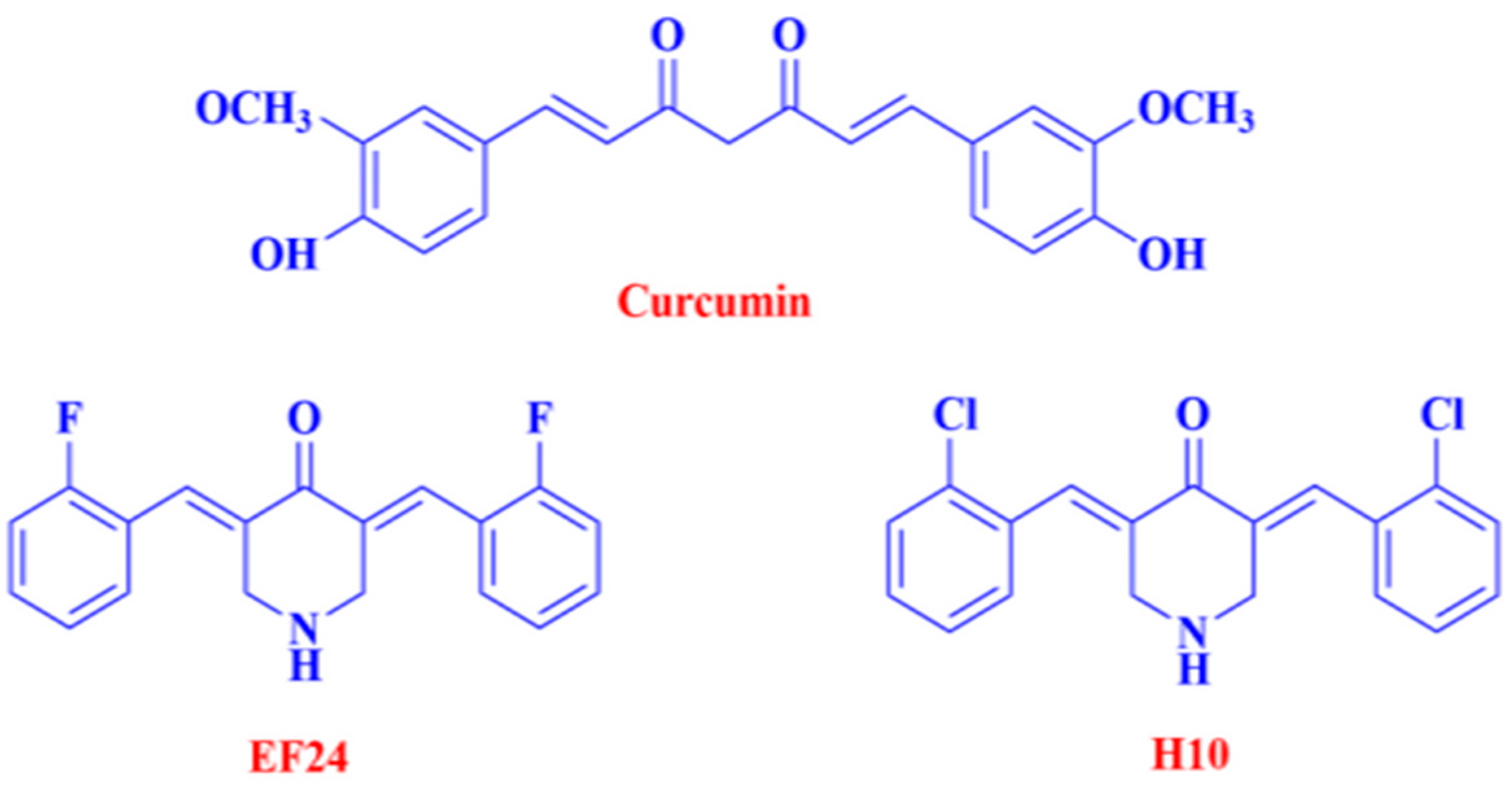







| Compound | HepG2 | A549 | Hela | MCF-7 |
|---|---|---|---|---|
| Cisplatin solution | 27.73 ± 3.26 | 41.21 ± 3.49 | 59.44 ± 1.70 | 55.24 ± 4.09 |
| Curcumin | 17.63 ± 3.43 | 33.51 ± 3.83 | 29.17 ± 2.57 | 39.22 ± 2.81 |
| Benzaldehyde | 10.34 ± 1.88 | 4.66 ± 2.39 | 12.36 ± 2.91 | 5.88 ± 1.44 |
| 2-F (EF24) | 6.15 ± 3.88 | 3.99 ± 1.19 | 21.95 ± 2.98 | 13.18 ± 1.26 |
| 2-Cl | 8.53 ± 2.61 | 4.81 ± 1.69 | 6.61 ± 1.93 | 5.70 ± 1.21 |
| 2-Br | 7.03 ± 3.24 | 16.58 ± 1.84 | 12.27 ± 2.67 | - |
| 3-Br | 18.29 ± 3.44 | - | - | 22.51 ± 3.55 |
| 4-Br | 7.15 ± 4.62 | 15.54 ± 2.35 | - | 19.65 ± 3.68 |
| 2,5-2Cl | 9.66 ± 1.09 | 2.87 ± 2.09 | 6.62 ± 2.10 | 4.72 ± 1.48 |
| 3,4-2Cl | - | 11.87 ± 4.64 | - | - |
| 2Br-4F | 18.27 ± 4.38 | 21.82 ± 3.68 | - | - |
| 2Br-4Cl | 27.29 ± 2.64 | 18.22 ± 3.15 | 23.42 ± 3.34 | - |
| 2Br-5Cl | 8.42 ± 1.99 | 4.75 ± 1.51 | 6.24 ± 2.46 | 6.36 ± 1.28 |
| 3,5-2Br | - | - | 12.85 ± 3.18 | - |
| 4Br-2F | 16.39 ± 1.97 | 20.22 ± 4.15 | 18.65 ± 3.66 | 28.46 ± 2.91 |
| 5Br-2Cl | 29.31 ± 2.94 | 14.23 ± 3.85 | - | - |
| Compound | IC50 (μmol/L) |
|---|---|
| Cisplatin solution | 48.36 ± 3.83 |
| Curcumin | 30.40 ± 1.04 |
| Benzaldehyde | 52.36 ± 1.89 |
| 2-F (EF24) | 62.03 ± 3.54 |
| 2-Cl | 70.48 ± 1.85 |
| 2,5-2Cl | 48.59 ± 3.59 |
| 2Br-5Cl | 58.25 ± 2.79 |
| Drug | Diameter of Bacteriostatic Zone (mm) |
|---|---|
| DMSO | 6.00 ± 0.00 |
| Tobramycin | 10.67 ± 0.58 ** |
| Penicillin | 8.67 ± 0.58 ** |
| 2-F | 8.33 ± 0.47 ** |
| 2-Cl | 14.67 ± 0.58 ** |
Disclaimer/Publisher’s Note: The statements, opinions and data contained in all publications are solely those of the individual author(s) and contributor(s) and not of MDPI and/or the editor(s). MDPI and/or the editor(s) disclaim responsibility for any injury to people or property resulting from any ideas, methods, instructions or products referred to in the content. |
© 2025 by the authors. Licensee MDPI, Basel, Switzerland. This article is an open access article distributed under the terms and conditions of the Creative Commons Attribution (CC BY) license (https://creativecommons.org/licenses/by/4.0/).
Share and Cite
Dong, R.; Xu, R.; Wang, X. Synthesis, Anti-Tumour, and Antibacterial Activities of Monocarbonyl Curcumin Analogues of Piperidones. Int. J. Mol. Sci. 2025, 26, 12179. https://doi.org/10.3390/ijms262412179
Dong R, Xu R, Wang X. Synthesis, Anti-Tumour, and Antibacterial Activities of Monocarbonyl Curcumin Analogues of Piperidones. International Journal of Molecular Sciences. 2025; 26(24):12179. https://doi.org/10.3390/ijms262412179
Chicago/Turabian StyleDong, Renhua, Ruirui Xu, and Xiuli Wang. 2025. "Synthesis, Anti-Tumour, and Antibacterial Activities of Monocarbonyl Curcumin Analogues of Piperidones" International Journal of Molecular Sciences 26, no. 24: 12179. https://doi.org/10.3390/ijms262412179
APA StyleDong, R., Xu, R., & Wang, X. (2025). Synthesis, Anti-Tumour, and Antibacterial Activities of Monocarbonyl Curcumin Analogues of Piperidones. International Journal of Molecular Sciences, 26(24), 12179. https://doi.org/10.3390/ijms262412179