Article

Cysteine Attenuates Intestinal Inflammation by Regulating the Gut Microbiota and TLR4-JNK/MAPK-NF-κB Pathway in Piglets

by
Rui Liu
1,†,
Pengxiang Qin
1,†,
Zihao Liu
1,
Wenjing Liu
1,
Shuzhen Jiang
1,
Xuejun Yuan
2,
Weiren Yang
1,
Caiyun Huang
3 and
Ning Jiao
1,*
1
Key Laboratory of Efficient Utilization of Non-Grain Feed Resources (Co-Construction by Ministry and Province), College of Animal Science and Technology, Ministry of Agriculture and Rural Affairs, Shandong Agricultural University, Tai’an 271017, China
2
College of Life Sciences, Shandong Agricultural University, Tai’an 271018, China
3
College of Animal Science and Technology, Fujian Agriculture and Forestry University, Fuzhou 350002, China
*
Author to whom correspondence should be addressed.
These authors contributed equally to this work.
Int. J. Mol. Sci. 2025, 26(24), 11991; https://doi.org/10.3390/ijms262411991
Submission received: 17 November 2025 / Revised: 6 December 2025 / Accepted: 9 December 2025 / Published: 12 December 2025
(This article belongs to the Special Issue Microbiome-Immunity Crosstalk and Its Role in Health and Disease)

Abstract

As a nutritionally important amino acid, cysteine (Cys) could attenuate oxidative damage on growth performance and intestinal barrier function in piglets. However, the mechanism of Cys in attenuating intestinal injury remains unclear. The aim of this study was to investigate the mechanism of Cys in defending against intestinal inflammation in piglets. A total of twenty-four piglets were divided into four groups and fed a diet with or without 0.1% BPA or Cys for a 28 d feeding trial. The results showed that Cys supplementation reinstated the jejunal barrier by increasing cell proliferation and the goblet cell number, and decreased cell apoptosis upon BPA exposure. Cys supplementation also decreased serum and jejunal pro-inflammatory cytokine and immunoglobulin levels in BPA-challenged piglets. Furthermore, Cys mitigated inflammation by normalizing the activation of the toll-like receptor 4 (TLR4)-JNK/MAPK-nuclear factor-kappa B (NF-κB) pathway caused by BPA. Additionally, dietary Cys supplementation restored the levels of butyrate, valerate and isovalerate in cecum contents that were decreased by BPA exposure. Meanwhile, Cys supplementation normalized the abundances of Prevotellaceae and Romboutsia upon BPA exposure. In conclusion, Cys is critical to nutrition through attenuating intestinal inflammation by regulating gut microbial balance and suppressing the TLR4-JNK/MAPK-NF-κB pathway.

1. Introduction

The intestine is the primary organ for nutrient digestion and absorption, and its epithelial barrier serves to defend against pathogenic bacteria [1]. Accumulating evidence indicates that intestinal function is influenced by a variety of factors, such as toxins, infections and oxidative stress, which can lead to intestinal mucosa damage and dysfunction, such as with inflammatory bowel disease (IBD) [2,3]. In addition, as the biological intestinal barrier, the gut microbiota plays a crucial role in maintaining intestinal health by regulating nutrient metabolism, intestinal epithelial integrity, and the immune system [4]. In addition, studies have shown that the gut microbiota participates in the immune response by alleviating intestinal inflammation [5,6]. Bisphenol A (BPA), which is commonly present in daily commodities, can induce inflammatory responses, reducing the species diversity of the gut microbiota in piglets [6,7]. This indicates that it is necessary to regulate the gut microbiota and immune response in order to maintain intestinal health.
Cysteine (Cys), as a type of amino acid and carrier of a thiol group, plays a key role in promoting the synthesis of glutathione (GSH) [8]. The relatively low bioavailability of Cys is considered to be consumed by 25% of the first-pass metabolism of piglets and mainly participates in the synthesis of intestinal mucosal epithelial proteins [9]. Cys could alleviate oxidative stress in inflammatory bowel disease [10]. In particular, Cys has beneficial effects on growth performance, inflammatory response and intestinal mucosal integrity, and exerts a role independent of GSH [10,11]. Previous studies have shown that Cys can effectively alleviate BPA-induced oxidative damage in piglets by increasing the average daily gain, improving antioxidant capacity and jejunal morphology [12]. However, the mechanism of Cys in attenuating intestinal injury is not fully understood.
The aim of this study was to investigate the potential mechanism of Cys in attenuating BPA-induced inflammation and regulating intestinal microbial composition in piglets. The results of this study could contribute to a better understanding of the potential mechanisms of Cys in alleviating intestinal inflammation and provide a foundation for Cys application in the pig industry.

2. Results

2.1. Jejunal Mucosal Cell Renewal

To investigate the effects of Cys on alleviating cell renewal upon BPA exposure, we evaluated cell proliferation and apoptosis in the jejunal mucosa. Compared with the CON group, BPA exposure significantly increased the mRNA expression of Bad and Caspase 8 (Figure 1A–C) (p < 0.05). However, Cys supplementation significantly decreased those expressions upon BPA exposure (p < 0.05). Moreover, BPA increased the protein abundance of C-caspase 3, while decreasing PCNA abundance (Figure 1D–F) (p < 0.05). However, Cys markedly restored the expression of C-caspase 3 and PCNA upon BPA exposure (p < 0.05). There were no significant differences in the mRNA expression of Bad, Bax and caspase 8 and the protein abundance of C-caspase 3 and PCNA between the control and BPA + Cys groups.

2.2. Jejunal Goblet Cell Distribution

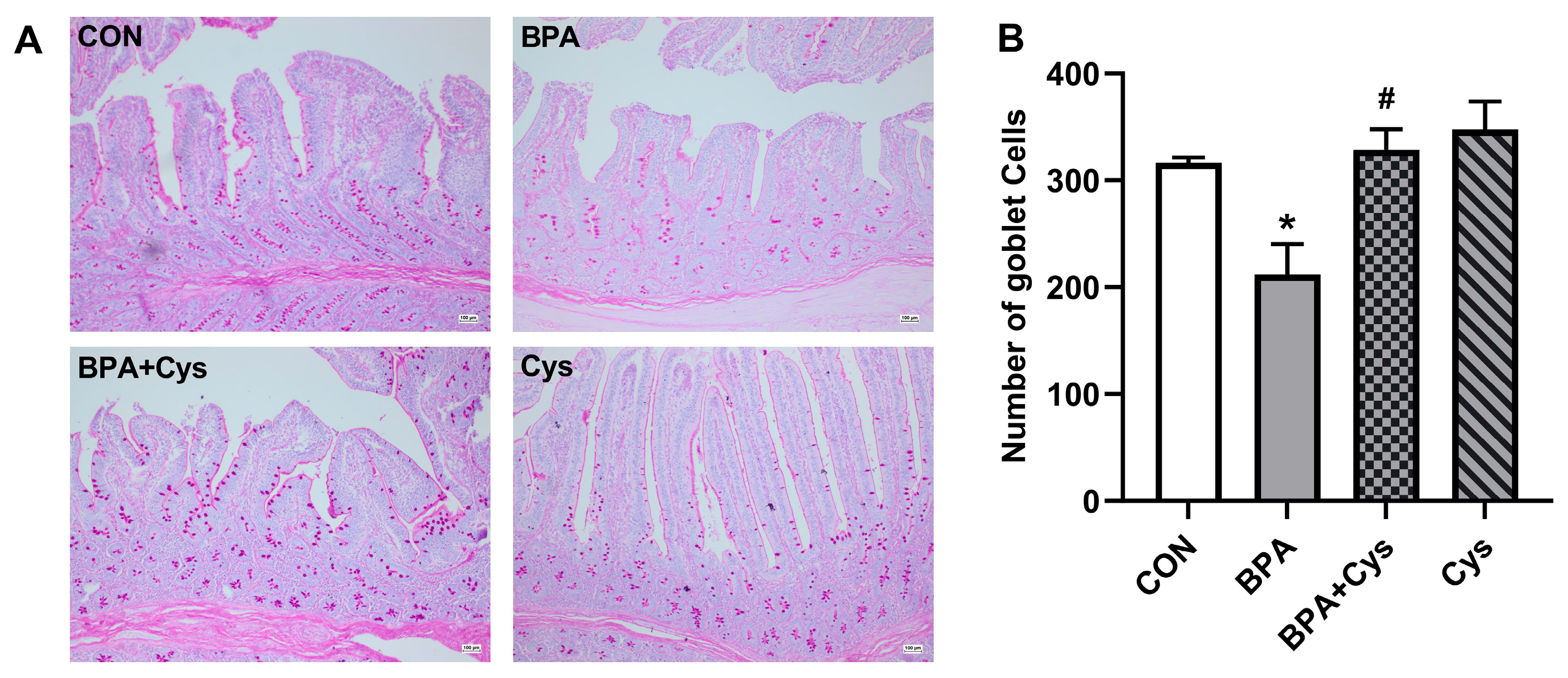
To evaluate the potential intestinal morphology alternations, PAS staining was used to detect the effects of BPA and Cys on the number of goblet cells. As shown in Figure 2, the mucin layer became thinner, and goblet cells were sparsely distributed and less evident in the BPA group compared to the CON group. However, dietary Cys supplementation restored the mucin layer. In addition, goblet cells were relatively densely distributed and more abundant in the BPA + Cys group compared to the BPA group.

2.3. Serum Inflammatory Factors and Immunoglobulin Content

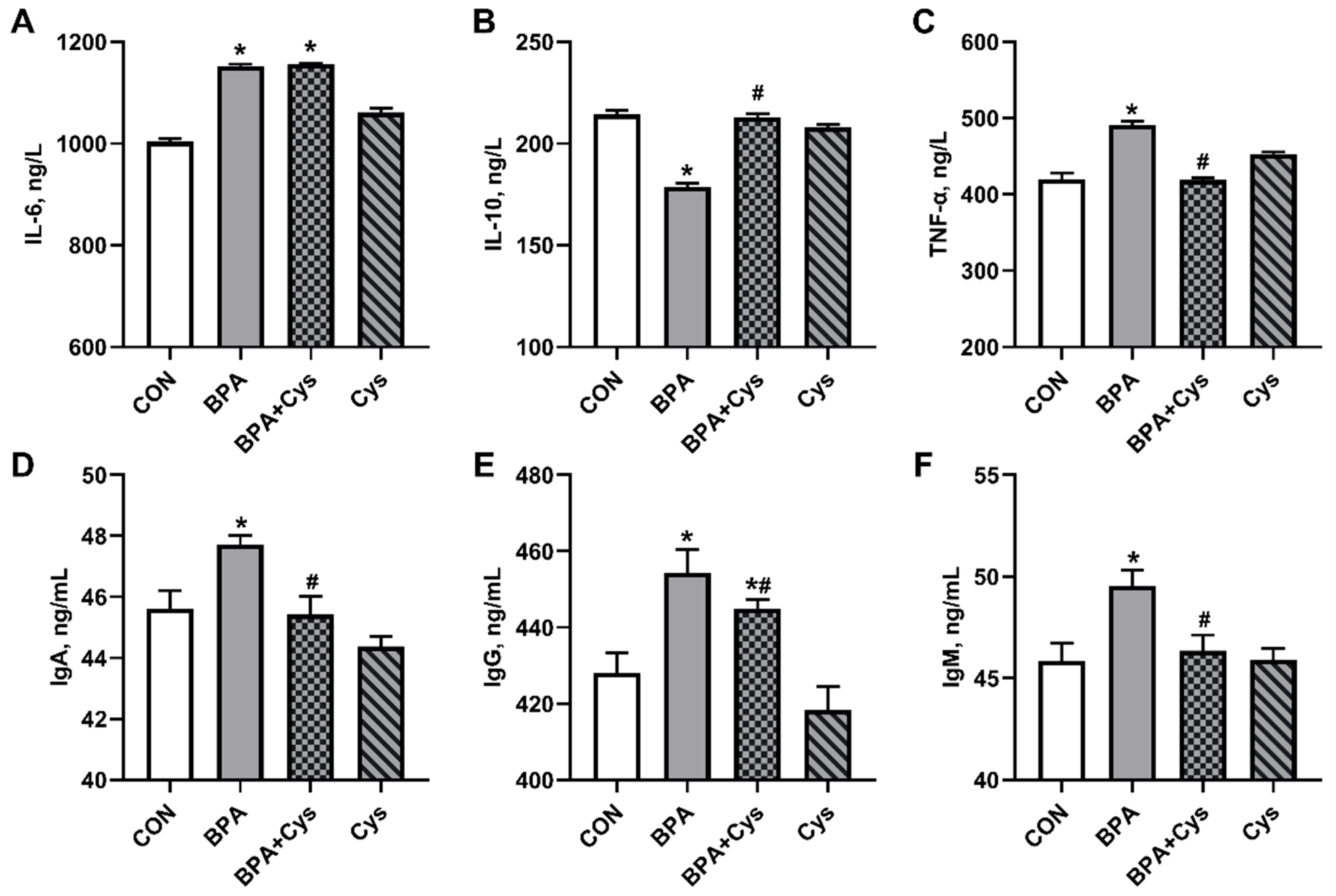
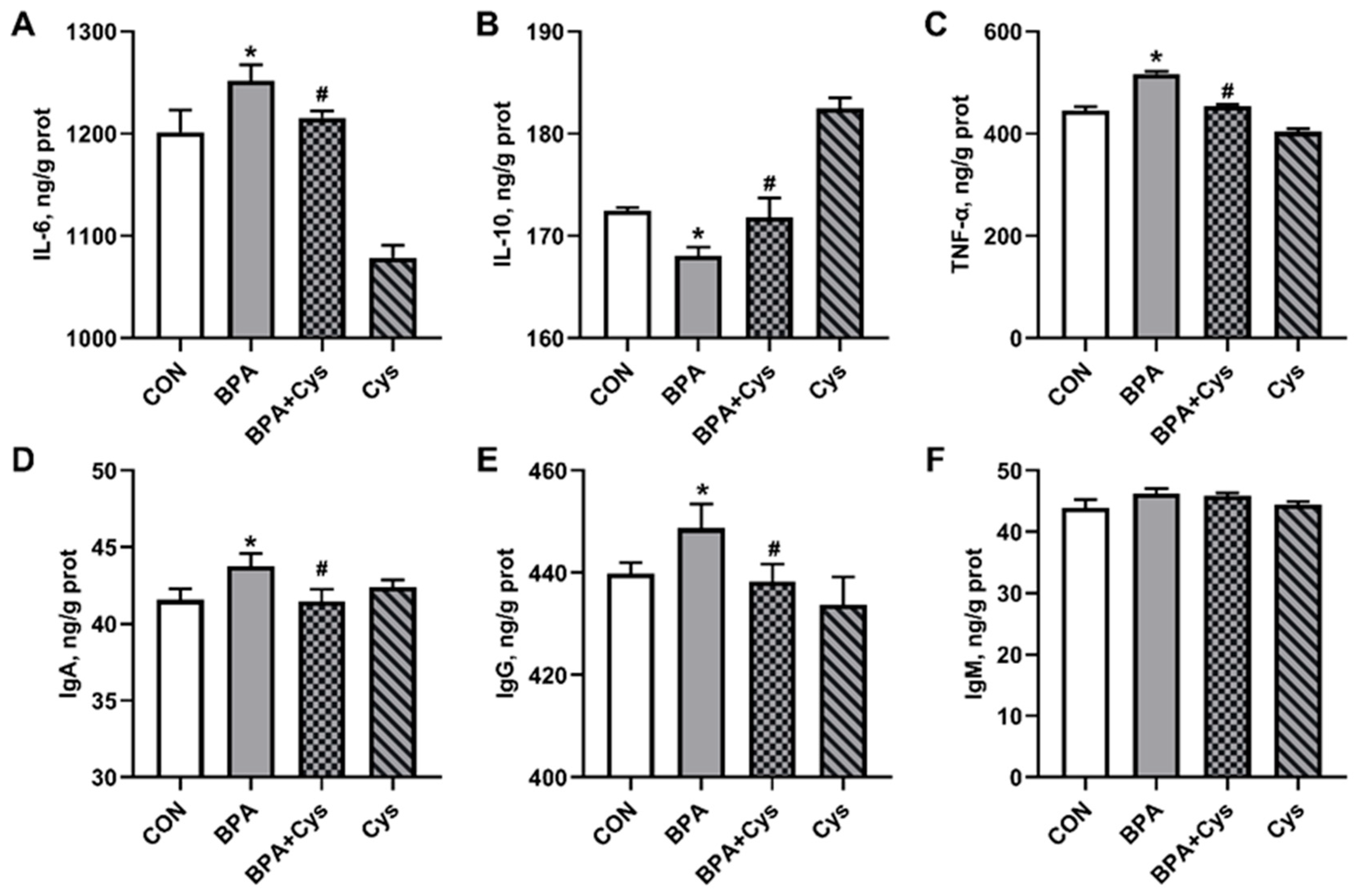
Compared with the CON group, BPA challenge significantly increased the serum levels of IL-6, TNF-α, IgA, IgG and IgM (Figure 3A,C,D–F) (p < 0.05), while decreasing the levels of IL-10 in the serum (Figure 3B) (p < 0.05). Under the condition of BPA challenge, cysteine supplementation significantly reduced the levels of TNF-α, IgA, IgG and IgM in the serum (p < 0.05) and increased the content of IL-10 in serum upon BPA exposure (p < 0.05). However, cysteine supplementation did not restore the concentration of IL-6 induced by BPA (p < 0.05). IgG content in the BPA + Cys group was higher than that in the control group (p < 0.05).

2.4. Jejunal Mucosa Inflammatory Factor and Immunoglobulin Contents

According to Figure 4, the intestinal concentrations of IL-6, TNF-α, IgA and IgG in the BPA group were significantly higher than those in the CON group (Figure 4A,C–E) (p < 0.05), while the concentration of IL-10 was lower in the jejunal mucosa (Figure 4B) (p < 0.05). However, cysteine supplementation reversed the contents of IL-6, IL-10, TNF-α, IgA and IgG upon BPA exposure (p < 0.05).

2.5. Jejunal Inflammation-Related Index Expression

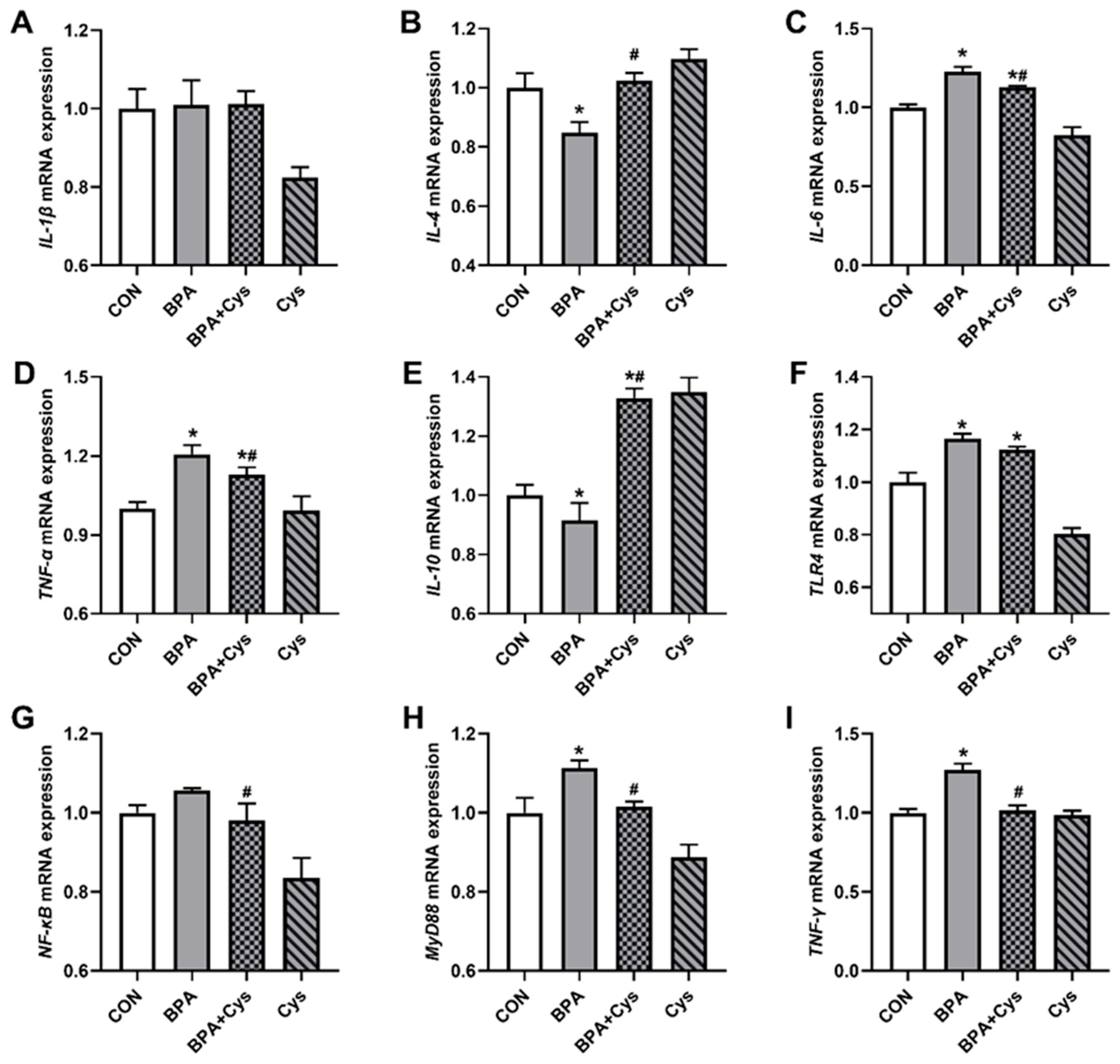
The effects of Cys on BPA-induced inflammation-relative indexes’ mRNA expression in piglets’ jejunal mucosa are shown in Figure 5. Compared to the CON group, the mRNA expression of IL-6, TNF-α, TLR4, MyD88 and TNF-γ in the BPA group was significantly increased and that of IL-10 and IL-4 was significantly decreased (p < 0.05). However, the mRNA expressions of IL-6, TNF-α, TLR4, NF-κB, MyD88 and TNF-γ in the BPA + Cys group were obviously lower and that of IL-10 and IL-4 was obviously higher than in the BPA group (p < 0.05). In addition, Cys supplementation decreased the mRNA expression of NF-κB upon BPA exposure (p < 0.05).

2.6. Cysteine Attenuated the Induction of NF-κB, TLR4 and p-p38 in BPA-Challenged Piglet Jejunum

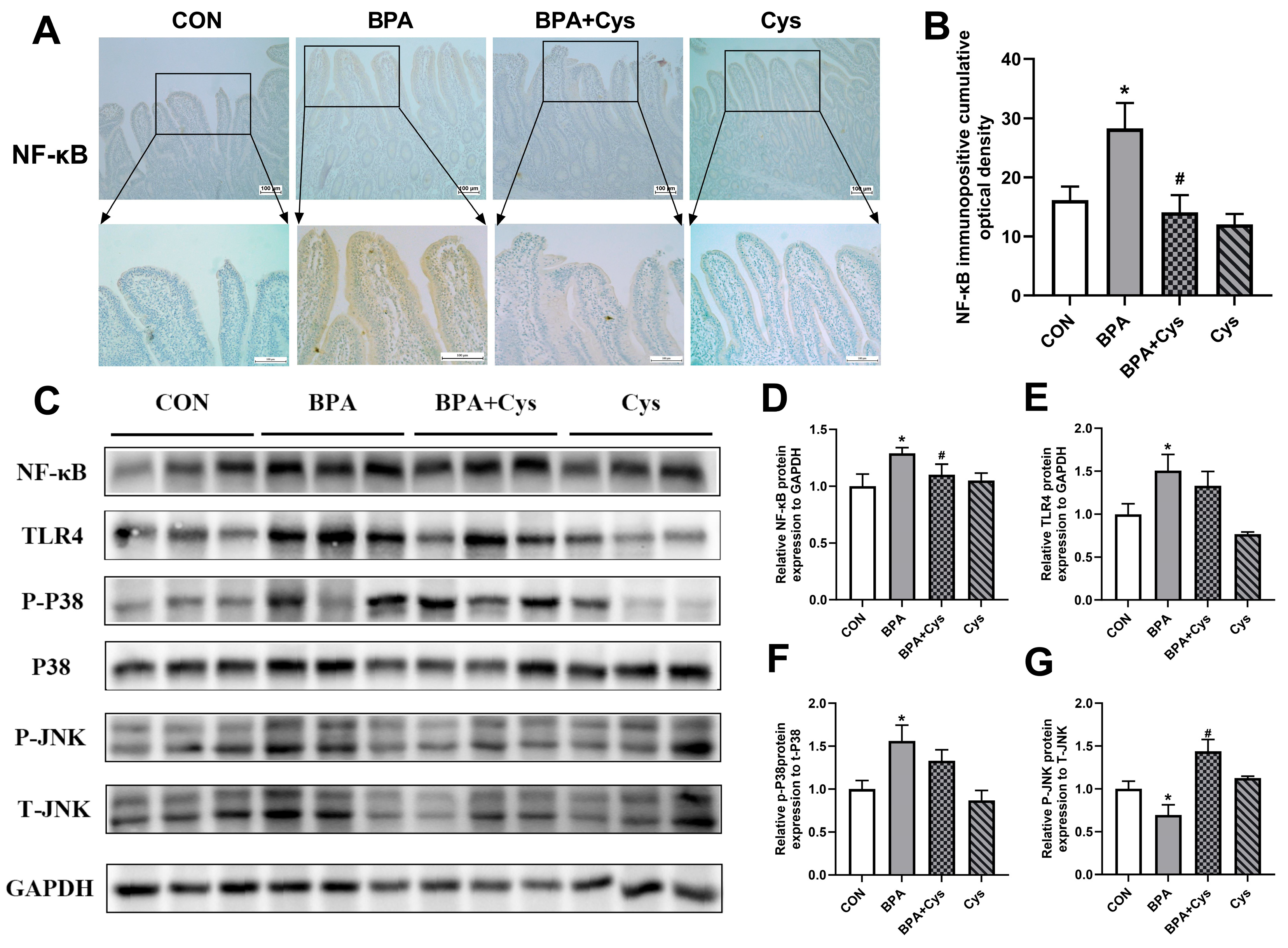
The immunohistochemical analysis showed that the light brown granular immune-reactive substances of NF-κB were mainly located in the intestinal villous cells and crypt cells of the piglet jejunum (Figure 6A). The NF-κB immune-reactive cells were densely distributed in the intestinal villous and crypt cells of the jejunum in the BPA group, compared with those in the CON group (Figure 6A,B) (p < 0.05). However, there were fewer NF-κB immune-reactive cells in the BPA + Cys group than in the BPA group (p < 0.05). In addition, BPA induced the activation of NF-κB and TLR4, and the phosphorylation of p38 and JNK (Figure 6C–G) (p < 0.05). However, Cys supplementation restored the abundance of NF-κB and phosphorylation of JNK upon BPA exposure.

2.7. Concentration of SCFAs in Cecal Content

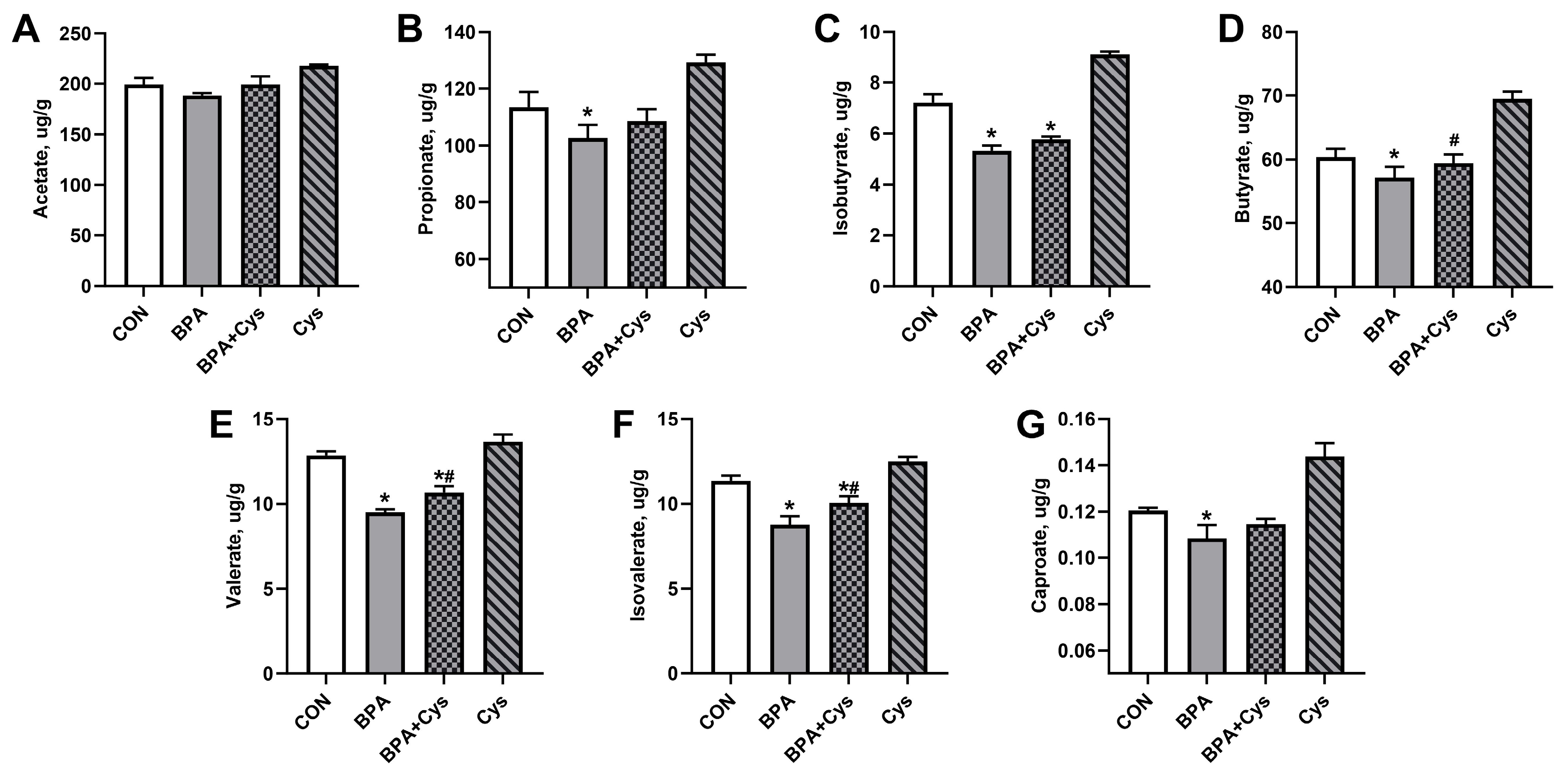
Compared to the CON group, BPA exposure led to a decrease in propionate, isobutyrate, butyrate, valerate, isovalerate and caproate levels in cecal content (Figure 7B–G). The levels of butyrate, valerate and isovalerate increased in the BPA + Cys group compared with the BPA group (p < 0.05) (Figure 7D–F). In addition, valerate and isovalerate levels were lower in the BPA + Cys group than in the control group (p < 0.05) (Figure 7E,F). There was no significant difference in acetate content between the groups (Figure 7A) (p > 0.05).

2.8. Diversity of Gut Microbiota

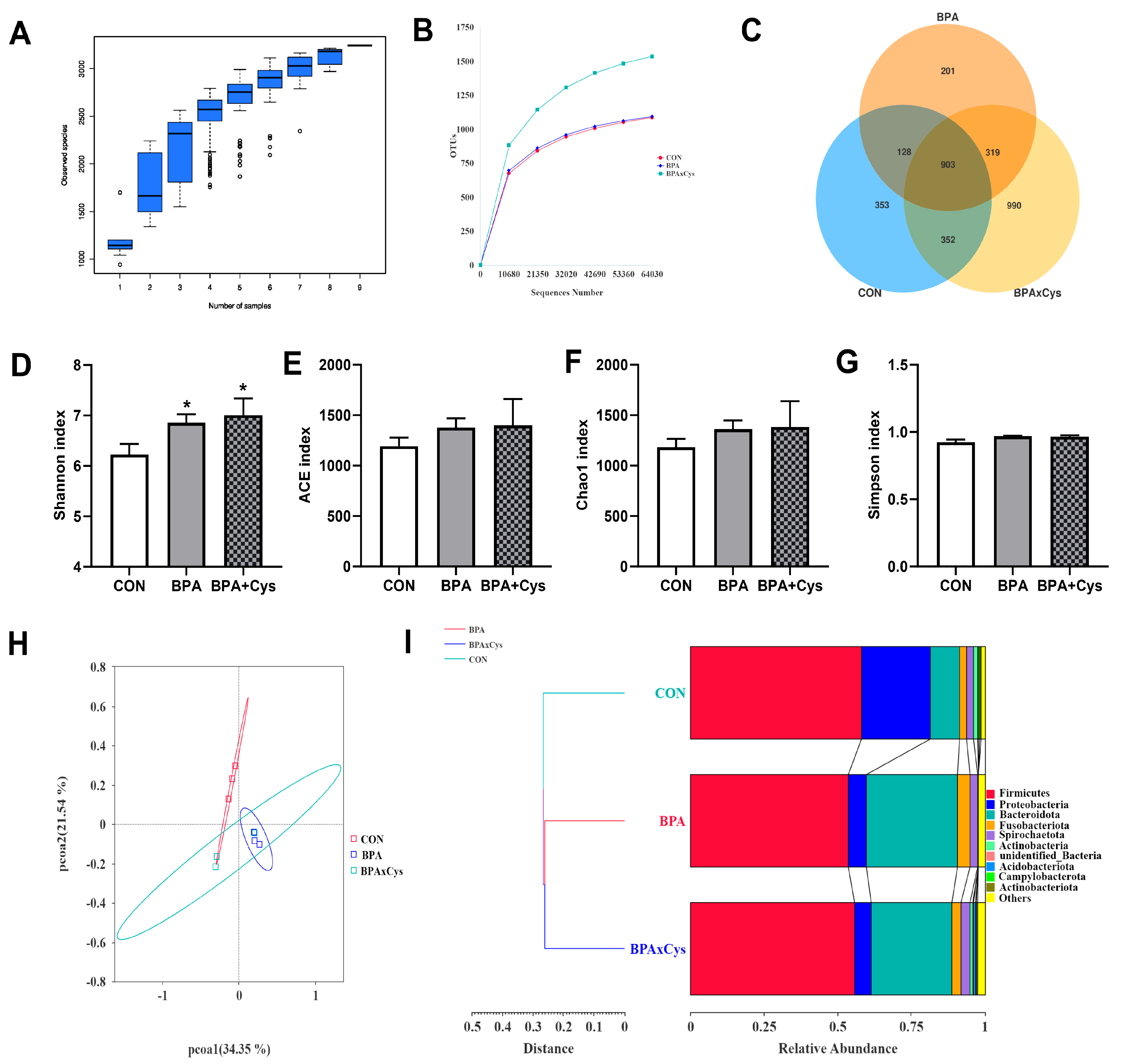
As shown in Figure 8A, the species accumulation curves tended to flatten as the number of analyzed sequences increased, indicating that the samples were sufficient for OTU testing to predict their species richness. The rarefaction curve tended to approach the asymptote, indicating that the sequence depth was also sufficient to represent most species richness and bacterial community diversity (Figure 8B). Based on a 97% sequence similarity, a total of 3246 OTUs were identified in this experiment, and the CON, BPA, and BPA + Cys groups contained 353, 201, and 990 unique OTUs, respectively (Figure 8C). Compared with the control group, BPA exposure significantly increased the Shannon index (Figure 8D) (p < 0.05). However, there were no significant differences in ACE, Chao1, and Simpson indexes among the three groups (Figure 8E–G) (p > 0.05). The PCoA analysis revealed that the BPA samples dispersed far from the CON samples, suggesting a clear separation between the BPA and CON groups (Figure 8H). Moreover, the UPGMA phylogenetic tree showed that the BPA and BPA + Cys groups were close together and clustered in one group, while the CON group was distributed in a separate branch (Figure 8I).

2.9. Abundance of Microbiota in the Cecal Content

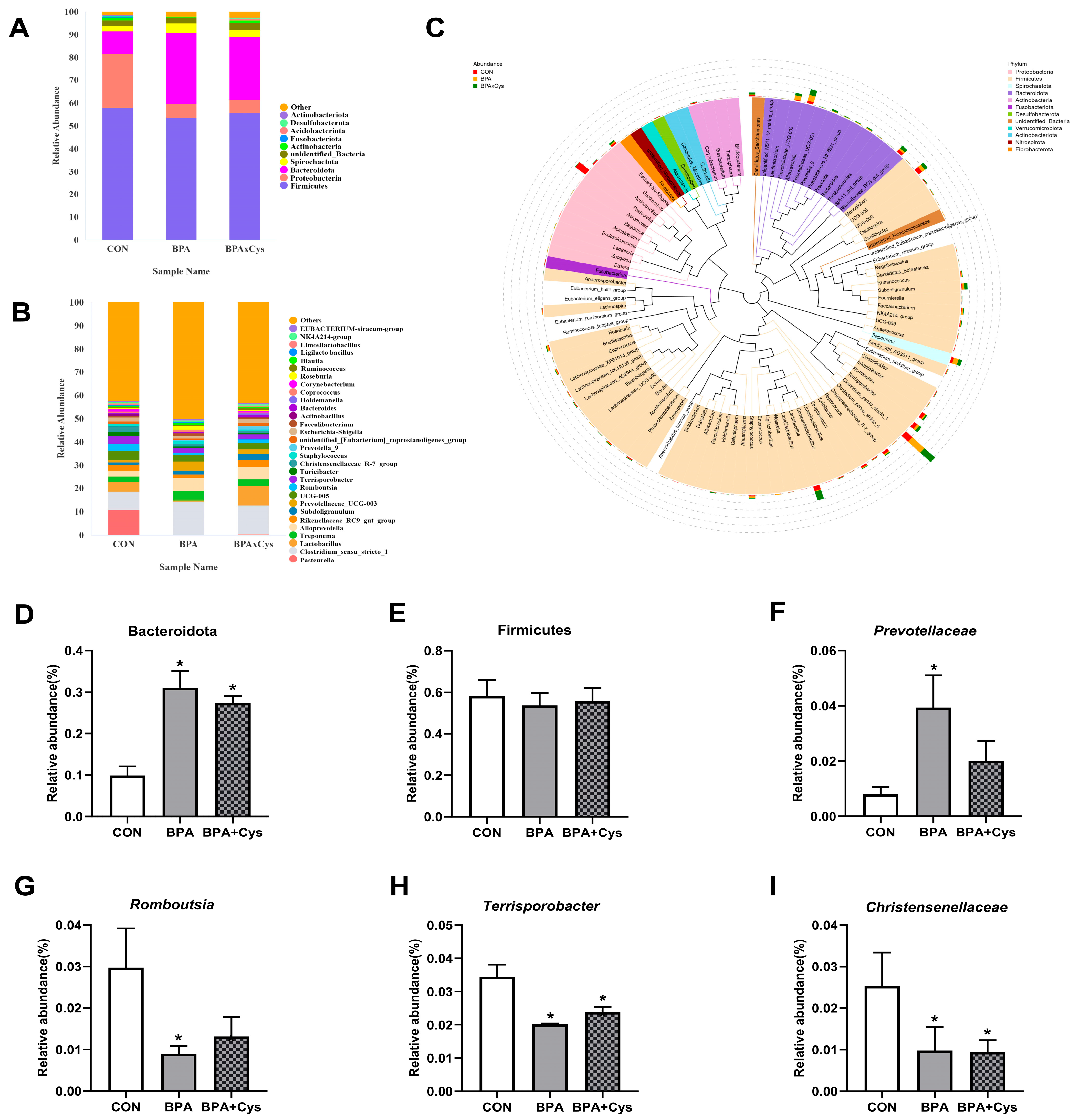
Figure 9A,C show the abundance of the top 10 phyla in the cecal microbiota. The most abundant phyla identified were Firmicutes and Bacteroidota, accounting for 58% and 23%, respectively. BPA exposure significantly increased the abundance of Bacteroidota (p < 0.05), while Cys supplementation did not alter the microbiota abundance at the phylum level compared to the BPA group (Figure 9D–F) (p > 0.05).
Figure 9B,C display the abundances of the top 30 species at genus level. The genus-level speciation tree shows that the relative abundance of Firmicutes was made up of Clostridium, Terrisporobacter, Romboutsia, Lactobacillus, Subdoligranulum and UCG-005. Bacteroidota was mainly distributed with Alloprevotella, Prevotellaceae_UCG-003 and Rikenellaceae_RC9. BPA significantly increased the abundance of harmful bacteria Prevotellaceae, but decreased that of beneficial bacteria Romboutsia, Terrisporobacter and Christensenellaceae (p < 0.05). Cys supplementation restored Prevotellaceae and Romboutsia abundances to normal levels, whereas the abundances of Terrisporobacter and Christensenellaceae in the BPA + Cys group were lower than those in the control group (p < 0.05).

3. Discussion

The consumption of BPA-contaminated food or feed can increase intestinal permeability, exacerbate oxidative stress, cause an inflammatory response and reduce gut microbiota diversity [13,14,15]. Our present study confirmed that Cys could attenuate the inflammatory response induced by BPA by regulating the gut microbiota and TLR4-JNK/MAPK-NF-κB signaling in the intestines of piglets. This provides an effective strategy for maintaining intestinal homeostasis and promoting intestine repair after BPA exposure.
The intestinal epithelial barrier maintains the integrity of the gut by protecting against harmful toxins and microorganisms, while also promoting nutrient digestion and absorption [1,16]. The dissociation and deformation of intestinal morphology is a sign of intestinal epithelium injury [17]. The integrity and normal physiological function of the small intestine mucosa are maintained by the continuous renewal of intestinal epithelial cells [18]. In the current study, we found that BPA exposure increased the mRNA expression of apoptosis genes Bad and Caspase 8, and increased the protein expression of C-caspase 3, as well as decreasing proliferation-related protein PCNA expression in the jejunal mucosa; these findings are similar to those of a previous study [19]. Additionally, it has been reported that Cys decreased enterocyte apoptosis and increased proliferation [20,21]. Similarly, the present study showed that dietary Cys significantly restored the renewal of intestinal epithelial cells by increasing intestinal epithelial cell proliferation and decreasing cell apoptosis upon BPA exposure. Moreover, a previous study has shown that Cys supplementation could relieve BPA-induced morphology damage in the jejunum [12]. Goblet cells play a key role in maintaining barrier function, as they produce mucins and secrete factors that regulate epithelial renewal and healing, and are closely related to the immune system [22,23]. Decreased numbers of goblet cells could increase the risk of pathogens invading the first line of intestinal defense and lead to diseases such as IBD [24,25]. In the present study, Cys supplementation increased the number of goblet cells in the jejunum of piglets exposed to BPA. This indicated that dietary Cys supplementation can reduce damage to the intestinal mucosa upon BPA exposure.
The inflammatory response is a kind of intestinal injury. In addition, injury in the mucosa leads to the activation of the mucosal immune system and the production of pro-inflammatory cytokines [26]. It has been reported that BPA could induce inflammation by upregulating the key factors of the innate immune system and transcriptional activity [6,19]. In addition, this study has shown that Cys supplementation decreased the concentration of serum TNF-α and jejunal IL-6 and TNF-α, while increasing the serum and jejunal concentration of IL-10 in piglets challenged with BPA. Moreover, Cys supplementation reduced the mRNA expression of inflammation-relative genes IL-6, TNF-α, NF-κB, MyD88 and TNF-γ, while significantly decreasing the expression of anti-inflammation-relative genes IL-10 and IL-4 in the jejunal tissue. These findings were consistent with a previous study, which showed that Cys reduced the expression of pro-inflammatory cytokines in DSS-induced porcine colonic injury [18]. Immunoglobulins serve as the primary defense against infections, and play a vital role in immune regulation and immunological tolerance [27]. However, we observed that Cys significantly decreased the levels of IgA and IgG in both the serum and jejunal mucosa following exposure to BPA. This may be due to BPA causing inflammation, which then leads to the abnormal secretion of immunoglobulin in the body, while Cys could restore self-adjustment of the intestinal immune system by decreasing the level of immunoglobulins.
It has been shown that TLR4 could activate downstream mediators such as NF-κB, which increases the production of pro-inflammatory factors such as TNF-α, IL-6 [28]. In addition, MAPK has been associated with stress response and inflammation, and the hyper-phosphorylation of MAPK could activate NF-κB [29]. Previous studies have demonstrated that BPA could lead to inflammatory responses through activating JNK/MAPK and TLR4-NF-κB pathways [30]. In this study, we found that BPA increased the expression of TLT4 and NF-κB and phosphorylation of JNK, which was consistent with the previous study [6,31]. Another study showed that Cys supplementation could attenuate LPS-induced inflammation by modulating the NF-κB signaling pathway [20], which was consistent with the findings of the present study. This indicates that Cys may attenuate BPA-induced inflammation by suppressing the TLR4-p38/MAPK-NF-κB signaling pathway.
The intestinal microbial community is involved in a variety of physiological processes, including nutrient digestion and absorption and immune system development [32,33]. A study has reported that BPA exposure can cause gut microbiota dysbiosis by increasing the abundance of harmful bacteria Proteobacteria, while decreasing that of beneficial bacteria Bacteroides, disrupting the homeostatic balance of the microbial community [6]. In this study, we analyzed the gut flora and found that BPA changed the microbiota community structure. Additionally, Cys supplementation increased the abundance of Bacteroidota upon BPA exposure. Bacteroidota are usually considered to be beneficial bacteria in the gut, and can maintain beneficial metabolite production and immunity [34]. A previous study has also found that Prevotellaceae has been implicated in IBD, which may disrupt mucosal barrier function through the production of sulfatases that actively degrade mucus oligosaccharides, thus leading to intestinal inflammation [35,36]. In the present study, BPA increased the abundance of Prevotellaceae, which was restored by Cys supplementation. Additionally, the decreased abundance of Romboutsia caused by BPA was also restored by Cys supplementation. Romboutsia plays a key role in maintaining a healthy state in the host, and damage to the gut drastically reduces its abundance, so it is considered to be the first indicator of an alteration to the mucosa [37,38]. Terrisporobacter plays an important role in the in vitro anaerobic fermentation of rice straw and is significantly correlated with acetate and total SCFA concentrations [39,40]. Christensenellaceae is involved in the production of butyrate and has been shown to be positively associated with a variety of diseases such as ulcerative colitis and Crohn’s disease [41,42]. We found that BPA decreased the abundances of Terrisporobacter and Christensenellaceae, and the levels of SCFAs. These results indicate that BPA exposure altered the abundance and diversity of the gut bacterial community, thus increasing the percentage of other harmful bacteria and decreasing the percentage of other beneficial bacteria, which may directly affect SCFA production. A study has also shown that SCFAs can promote the proliferation of beneficial bacteria, which can in turn suppress the inflammatory response through the production of SCFAs [43]. Similarly, research suggested that SCFAs control and reduce microbial infections and are indirectly involved in immunomodulation through suppressing NF-κB [33]. In the present study, Cys increased the levels of butyrate, valerate and isovalerate upon BPA exposure, which indicated that Cys could attenuate intestinal inflammation by regulating the intestinal microbiota and promoting SCFA production.

4. Materials and Methods

4.1. Animals and Experimental Design

The animal experiment was conducted according to the Chinese Guidelines for Animal Welfare and Experimental Protocol and approved by the Animal Care and Use Committee of Shandong Agricultural University (SDAUA-2021-081). A total of 24 healthy 35 d crossbred castrated piglets (Duroc × Lamdrace × Yorkshire) with an initial body weight of 14.45 ± 0.43 kg were randomly divided into four groups with six replicates per group and one piglet per replicate. The control group (CON) was fed a basal diet. The BPA group (BPA) was fed a basal diet supplemented with 0.1% BPA. The BPA + Cys group (BPA + Cys) was fed a diet with 0.11% Cys and 0.1% BPA. The Cys group (Cys) was fed a diet with 0.11% Cys. The doses of Cys and BPA and the experimental diets used in the study were in accordance with a previous study [12].

4.2. Sample Collection

After 12 h of fasting, venous blood was collected and serum was obtained by centrifugating blood at 3000 rpm for 15 min at 4 °C, which was then stored at −20 °C until analysis. After blood sampling, all piglets were humanely sacrificed. The intestine of each piglet was quickly removed, and 2 cm length segments were cut from the middle part of the jejunum, washed with saline solution, and fixed with 4% paraformaldehyde solution for morphological analysis. An additional middle portion of the jejunum was opened longitudinally and flushed gently, and then the jejunal mucosa was gently scraped and stored at −80 °C for further analysis. Moreover, cecal content samples were collected into sterile tubes for further analysis.

4.3. Determination of Inflammatory Factors and Immunoglobulin Contents

The levels of interleukin-6 (IL-6), interleukin-10 (IL-10), tumor necrosis factor-α (TNF-α), immunoglobulin A (IgA), immunoglobulin G (IgG) and immunoglobulin M (IgM) were measured in the serum and jejunum using enzyme-linked immunoassay (ELISA) kits (Nanjing Jiancheng Institute of Biological Engineering, Nanjing, China). All procedures were performed according to the manufacturer’s protocols.

4.4. Identification and Detection of Goblet Cells

The identification and detection of goblet cells were conducted according to a previous study [6]. Briefly, jejunal tissues were fixed in 4% paraformaldehyde solution for 3 d. Then, paraffin sections were prepared and sliced into 6 µm slices. Goblet cells were identified and detected using a PAS staining kit (Nanjing Jiancheng Institute of Biological Engineering, Nanjing, China) according to the manufacturer’s instructions. Intestinal tissue from six pigs in each treatment group was selected to prepare PAS sections. Due to good biological reproducibility, three pigs were chosen per treatment, with six sections cut from each pig for subsequent observation and measurement. Fifteen glands per slide were chosen and the number of goblet cells identified and detected by a researcher who was blinded to the experimental protocol. An OlympusBX41 microscope equipped with a DP25 digital camera (Olympus, Tokyo, Japan) was used for this procedure. The number of goblet cells was calculated per 100 μm of gland length separated from each gland.

4.5. Immunohistochemistry Analysis

The jejunal localization and expression of nuclear factor-kappa B (NF-κB) were determined by immunohistochemistry following the procedure outlined in the previous study [6]. Briefly, the prepared slides were treated with 10% hydrogen peroxide to deactivate endogenous peroxidase and then incubated with 10% fetal bovine serum. Afterward, the slides were incubated with NF-κB primary antibody (1:1000) at 4 °C overnight, followed by treatment with HRP anti-rabbit secondary antibody for 1 h at 37 °C. Finally, the slides were stained using the diaminobenzidine tetrachloride (DAB) kit (DAB kit, TIANGEN PA110, Beijing, China). The immunoreactive substances of NF-κB were observed using a Nikon Elipse 80i microscope (Nikon, Tokyo, Japan). The antibodies are listed in Table 1.

4.6. Quantitative Real-Time PCR (qRT-PCR) Analysis

The qRT-PCR analysis was conducted in accordance with the previous study [12]. To be specific, total RNA was extracted from jejunal tissues using an AG RNAex Pro (Accurate Biology, Changsha, China), and then reverse-transcribed to cDNA using a PrimeScript RT Reagent Kit (RR037A, TaKaRa Bio Inc., Shiga, Japan). Finally, qRT-PCR was completed using a SYBR® Green Premix Pro Taq HS qPCR Kit (AG11701, Accurate Biology, Dalian, China), according to the manufacturer’s instructions, on a LightCycler 96 (Roch, Basel, Switzerland) real-time PCR system. The relative mRNA expression of the target genes was analyzed with the 2−ΔΔCt method and normalized to β-actin. All gene primers are shown in Table 1.

4.7. Western Blot Analysis

The jejunal tissues were lysed by RIPA (P0013B, Beyotime, Shanghai, China) supplemented with the protease and phosphatase inhibitor mixture cocktail (P1050, Beyotime, Shanghai, China) to extract total protein. Then, the protein concentration was measured using a BCA kit (CoWin Biotech, Taizhou, China). Western blot measurements were carried out according to the method from a previous study [31]. Briefly, equal amounts of protein (30 μg) were loaded onto sodium dodecyl sulfate polyacrylamide gels and then blotted onto polyvinylidene difluoride membranes (IPVH00010, 0.45 μm, Merck Co., Inc., Hunterton, NJ, USA). The membranes were incubated with primary antibodies (1:1000 dilution) at 4 °C overnight and then with an HRP-conjugated secondary antibody (1:5000 dilution) for 1 h at 25 °C, followed by detection with Fusion FX7 (VILBER, Collégien, France) and quantification using Fusion software (16.0.9.0). Data are expressed as the protein normalized to GPADH expression, and all Western blot experiments were conducted in triplicate and repeated three times. The antibodies are listed in Table 2.

4.8. Short-Chain Fatty Acid Concentration in Cecum Content

The concentration of short-chain fatty acids (SCFAs) in cecal content was measured using the gas chromatograph method, as described by the previous study [6]. Briefly, the cecal content (1.5 g) was diluted in water and centrifuged at 15,000× g for 10 min at 4 °C. Then, 1 mL of supernatant was transferred and mixed with 0.2 mL metaphosphoric acid and then centrifuged at 15,000× g for 10 min. Next, MS analysis of the targeted metabolite was performed using Waters ACQUITY UPLC I-CLASS (Milford, MA, USA) ultra liquid chromatography, equipped with a Waters UPLC BEH C8 column(Milford, MA, USA). Finally, TargetLynx quantitative software (version 4.2, Milford, MA, USA) was used to calculate the peak area of the targeting data, and the retention time was given an allowable error of 15 s. The cecal content concentration calculations were performed using the standard curve method to obtain quantitative results.

4.9. Intestinal Microbial Diversity Analysis

Total microbial DNA was extracted from the cecum content using a commercial kit (Omega Bio-Tek, Inc., Norcross, GA, USA) following the manufacturer’s instructions. After determining the concentration, the DNA was diluted to 1 ng/μL using sterile solution. Subsequently, the V4 hypervariable region of the 16S rDNA gene was amplified using 515f and 806r primers (5′-GTGCCAGCMGCCGCGGTAA-3′ and 5′-GGACTACHVGGGTWTCTAAT-3′, respectively). The purified PCR products were used to construct the sequencing library using the AxyPrep DNA Gel Extraction Kit (Axygen Biosciences, Union City, CA, USA), following the manufacturer’s specifications. Purified amplicons were sequenced on the Illumina MiSeq platform (Illumina, Inc., San Diego, CA, USA) according to the standard protocol (Majorbio Bio-Pharm Technology, Co., Ltd., Shanghai, China). The obtained high-quality sequences were clustered as operational taxonomic units (OTUs) based on 97% similarity [44], and then classified to different taxonomic levels with the SILVA database [45] based on the Mothur algorithm to annotate taxonomic information. Alpha diversity indices (Shannon, Simpson, Chao 1 and ACE indexes) were calculated for each sample, and Bray–Curtis distances were calculated and visualized via principal coordinate analysis (PCoA) and UPGMA phylogenetic tree. The alpha and beta diversity of bacterial communities were determined using a Wilcoxon rank-sum test. Significant differences among the microbial communities were assessed with the analysis of similarity (ANOSIM) test.

4.10. Statistical Analysis

We performed statistical analyses on the three groups: CON, BPA, and Cys + BPA. All the data were statistically analyzed with one-way ANOVA using SAS (version 9.4, SAS institute, Cary, NC, USA), followed by the Student–Newman–Keuls test. The results are expressed as means ± SEMs. Differences were considered significant at a p value < 0.05. The figures were drawn using GraphPad Prism (version 8, La Jolla, CA, USA). * p < 0.05 as compared to the CON group; # p < 0.05 as compared to the BPA group.

5. Conclusions

In conclusion, the present study revealed that Cys supplementation could attenuate intestinal inflammation by balancing the gut microbiota and suppressing the TLR4-JNK/MAPK-NF-κB signaling pathway.

Author Contributions

Conceptualization, R.L. and N.J.; methodology, P.Q., R.L., Z.L., W.L. and C.H.; software, Z.L., W.L., X.Y. and S.J.; validation, R.L. and W.Y.; resources, P.Q.; data curation, R.L.; writing—original draft preparation, R.L. and P.Q.; writing—review and editing, R.L. and N.J.; funding acquisition, N.J. All authors have read and agreed to the published version of the manuscript.

Funding

This research was funded by the National Natural Science Foundation of China, grant number 32402800.

Institutional Review Board Statement

The piglets used in the present experiment were cared for in accordance with the Chinese Guidelines for Animal Welfare and Experimental Protocols, and the experiment was approved by the Animal Care and Use Committee of Shandong Agricultural University (SDAUA-2024-066, approval of 11 March 2024).

Informed Consent Statement

Not applicable.

Data Availability Statement

The original contributions presented in this study are included in the article. Further inquiries can be directed to the corresponding author.

Conflicts of Interest

The authors declare no conflicts of interest.

Abbreviations

The following abbreviations are used in this manuscript:
BadB-Cell Lymphoma-2 associated death promoter
BaxB-Cell Lymphoma-2 associated X
BPABisphenol A
CysCysteine
GSHGlutathione
IFN-γInterferon-γ
IgAImmunoglobulin A
IgGImmunoglobulin G
IgMImmunoglobulin M
IL-10Interleukin-10
IL-1βInterleukin-1β
IL-4Interleukin-4
IL-6Interleukin-6
MyD88Myeloid differentiation factor 88
NF-κBNuclear factor kappa-B
PCNAProliferating cell nuclear antigen
SCFAsShort-chain fatty acid
TLR4Toll-like receptor 4
TNF-αTumor necrosis factor-α

References

  1. Beumer, J.; Clevers, H. Cell fate specification and differentiation in the adult mammalian intestine. Nat. Rev. Mol. Cell Biol. 2021, 22, 39–53. [Google Scholar] [CrossRef]
  2. Liu, Y.; Chen, F.; Odle, J.; Lin, X.; Jacobi, S.K.; Zhu, H.; Wu, Z.; Hou, Y. Fish Oil Enhances Intestinal Integrity and Inhibits TLR4 and NOD2 Signaling Pathways in Weaned Pigs after LPS Challenge3. J. Nutr. 2012, 142, 2017–2024. [Google Scholar] [CrossRef] [PubMed]
  3. Wang, X.; Xiao, K.; Yu, C.; Wang, L.; Liang, T.; Zhu, H.; Xu, X.; Liu, Y. Xylooligosaccharide attenuates lipopolysaccharide-induced intestinal injury in piglets via suppressing inflammation and modulating cecal microbial communities. Anim. Nutr. 2021, 7, 609–620. [Google Scholar] [CrossRef]
  4. Li, Y.; Zhao, X.; Zhang, L.; Zhan, X.; Liu, Z.; Zhuo, Y.; Lin, Y.; Fang, Z.; Che, L.; Feng, B.; et al. Effects of a Diet Supplemented with Exogenous Catalase from Penicillium notatum on Intestinal Development and Microbiota in Weaned Piglets. Microorganisms 2020, 8, 391. [Google Scholar] [CrossRef]
  5. Hashimoto-Hill, S.; Alenghat, T. Inflammation-Associated Microbiota Composition Across Domestic Animals. Front. Genet. 2021, 12, 649599. [Google Scholar] [CrossRef]
  6. Liu, Z.; Liu, M.; Wang, H.; Qin, P.; Di, Y.; Jiang, S.; Li, Y.; Huang, L.; Jiao, N.; Yang, W. Glutamine attenuates bisphenol A-induced intestinal inflammation by regulating gut microbiota and TLR4-p38/MAPK-NF-κB pathway in piglets. Ecotoxicol. Environ. Saf. 2024, 270, 115836. [Google Scholar] [CrossRef]
  7. Szymanska, K.; Makowska, K.; Gonkowski, S. The Influence of High and Low Doses of Bisphenol A (BPA) on the Enteric Nervous System of the Porcine Ileum. Int. J. Mol. Sci. 2018, 19, 917. [Google Scholar] [CrossRef]
  8. Yin, J.; Ren, W.; Yang, G.; Duan, J.; Huang, X.; Fang, R.; Li, C.; Li, T.; Yin, Y.; Hou, Y.; et al. L-Cysteine metabolism and its nutritional implications. Mol. Nutr. Food Res. 2016, 60, 134–146. [Google Scholar] [CrossRef]
  9. Bauchart-Thevret, C.; Cottrell, J.; Stoll, B.; Burrin, D.G. First-pass splanchnic metabolism of dietary cysteine in weanling pigs1. J. Anim. Sci. 2011, 89, 4093–4099. [Google Scholar] [CrossRef]
  10. Oz, H.S.; Chen, T.S.; Nagasawa, H. Comparative efficacies of 2 cysteine prodrugs and a glutathione delivery agent in a colitis model. Transl. Res. 2007, 150, 122–129. [Google Scholar] [CrossRef]
  11. Jiao, N.; Wang, L.; Wang, Y.; Xu, D.; Zhang, X.; Yin, J. Cysteine Exerts an Essential Role in Maintaining Intestinal Integrity and Function Independent of Glutathione. Mol. Nutr. Food Res. 2022, 66, 2100728. [Google Scholar] [CrossRef] [PubMed]
  12. Qin, P.; Ma, S.; Li, C.; Di, Y.; Liu, Z.; Wang, H.; Li, Y.; Jiang, S.; Yang, W.; Jiao, N. Cysteine Attenuates the Impact of Bisphenol A-Induced Oxidative Damage on Growth Performance and Intestinal Function in Piglets. Toxics 2023, 11, 902. [Google Scholar] [CrossRef]
  13. Braniste, V.; Jouault, A.; Gaultier, E.; Polizzi, A.; Buisson-Brenac, C.; Leveque, M.; Martin, P.G.; Theodorou, V.; Fioramonti, J.; Houdeau, E. Impact of oral bisphenol A at reference doses on intestinal barrier function and sex differences after perinatal exposure in rats. Proc. Natl. Acad. Sci. USA 2010, 107, 448–453. [Google Scholar] [CrossRef]
  14. Lai, K.-P.; Chung, Y.-T.; Li, R.; Wan, H.-T.; Wong, C.K.-C. Bisphenol A alters gut microbiome: Comparative metagenomics analysis. Environ. Pollut. 2016, 218, 923–930. [Google Scholar] [CrossRef] [PubMed]
  15. Mou, D.; Wang, J.; Liu, H.; Chen, Y.; Che, L.; Fang, Z.; Xu, S.; Lin, Y.; Feng, B.; Li, J.; et al. Maternal methyl donor supplementation during gestation counteracts bisphenol A–induced oxidative stress in sows and offspring. Nutrition 2018, 45, 76–84. [Google Scholar] [CrossRef]
  16. Chen, Z.; Wang, F.; Wen, D.; Mu, R. Exposure to bisphenol A induced oxidative stress, cell death and impaired epithelial homeostasis in the adult Drosophila melanogaster midgut. Ecotoxicol. Environ. Saf. 2022, 248, 114285. [Google Scholar] [CrossRef]
  17. Zhu, C.; Liang, S.; Zan, G.; Wang, X.; Gao, C.; Yan, H.; Wang, X.; Zhou, J. Selenomethionine Alleviates DON-Induced Oxidative Stress via Modulating Keap1/Nrf2 Signaling in the Small Intestinal Epithelium. J. Agric. Food Chem. 2023, 71, 895–904. [Google Scholar] [CrossRef] [PubMed]
  18. Kim, C.J.; Kovacs-Nolan, J.; Yang, C.; Archbold, T.; Fan, M.Z.; Mine, Y. L-cysteine supplementation attenuates local inflammation and restores gut homeostasis in a porcine model of colitis. Biochim. Et Biophys. Acta (BBA)-Gen. Subj. 2009, 1790, 1161–1169. [Google Scholar] [CrossRef]
  19. Wang, K.; Qiu, L.; Zhu, J.; Sun, Q.; Qu, W.; Yu, Y.; Zhao, Z.; Yu, Y.; Shao, G. Environmental contaminant BPA causes intestinal damage by disrupting cellular repair and injury homeostasis in vivo and in vitro. Biomed. Pharmacother. 2021, 137, 111270. [Google Scholar] [CrossRef]
  20. Song, Z.H.; Tong, G.; Xiao, K.; Jiao, L.F.; Ke, Y.L.; Hu, C.H. L-Cysteine protects intestinal integrity, attenuates intestinal inflammation and oxidant stress, and modulates NF-κB and Nrf2 pathways in weaned piglets after LPS challenge. Innate Immun. 2016, 22, 152–161. [Google Scholar] [CrossRef] [PubMed]
  21. Zhu, L.; Cai, X.; Guo, Q.; Chen, X.; Zhu, S.; Xu, J. Effect of N-acetyl cysteine on enterocyte apoptosis and intracellular signalling pathways’ response to oxidative stress in weaned piglets. Br. J. Nutr. 2013, 110, 1938–1947. [Google Scholar] [CrossRef]
  22. Graziani, F.; Pinton, P.; Olleik, H.; Pujol, A.; Nicoletti, C.; Sicre, M.; Quinson, N.; Ajandouz, E.H.; Perrier, J.; Pasquale, E.D.; et al. Deoxynivalenol inhibits the expression of trefoil factors (TFF) by intestinal human and porcine goblet cells. Arch. Toxicol. 2019, 93, 1039–1049. [Google Scholar] [CrossRef]
  23. Yang, D.; Jacobson, A.; Meerschaert, K.A.; Sifakis, J.J.; Wu, M.; Chen, X.; Yang, T.; Zhou, Y.; Anekal, P.V.; Rucker, R.A.; et al. Nociceptor neurons direct goblet cells via a CGRP-RAMP1 axis to drive mucus production and gut barrier protection. Cell 2022, 185, 4190–4205.e25. [Google Scholar] [CrossRef]
  24. Bjarnason, I.; Macpherson, A.; Hollander, D. Intestinal permeability: An overview. Gastroenterology 1995, 108, 1566–1581. [Google Scholar] [CrossRef]
  25. Hermiston, M.L.; Gordon, J.I. Inflammatory Bowel Disease and Adenomas in Mice Expressing a Dominant Negative N-Cadherin. Science 1995, 270, 1203–1207. [Google Scholar] [CrossRef]
  26. Amoroso, C.; Perillo, F.; Strati, F.; Fantini, M.; Caprioli, F.; Facciotti, F. The Role of Gut Microbiota Biomodulators on Mucosal Immunity and Intestinal Inflammation. Cells 2020, 9, 1234. [Google Scholar] [CrossRef] [PubMed]
  27. Sun, Y.; Huang, T.; Hammarström, L.; Zhao, Y. The Immunoglobulins: New Insights, Implications, and Applications. Annu. Rev. Anim. Biosci. 2020, 8, 145–169. [Google Scholar] [CrossRef] [PubMed]
  28. Zusso, M.; Lunardi, V.; Franceschini, D.; Pagetta, A.; Lo, R.; Stifani, S.; Frigo, A.C.; Giusti, P.; Moro, S. Ciprofloxacin and levofloxacin attenuate microglia inflammatory response via TLR4/NF-kB pathway. J. Neuroinflamm. 2019, 16, 148. [Google Scholar] [CrossRef] [PubMed]
  29. Kim, B.-W.; More, S.V.; Yun, Y.-S.; Ko, H.-M.; Kwak, J.-H.; Lee, H.; Suk, K.; Kim, I.-S.; Choi, D.-K. A novel synthetic compound MCAP suppresses LPS-induced murine microglial activation in vitro via inhibiting NF-kB and p38 MAPK pathways. Acta Pharmacol. Sin. 2016, 37, 334–343. [Google Scholar] [CrossRef]
  30. Lee, J.; Lim, K.-T. Expression of TNF-α and IL-6 in HMC-1 cells treated with bisphenol A is attenuated by plant-originating glycoprotein (75 kDa) by blocking p38 MAPK. Naunyn-Schmiedeberg’s Arch. Pharmacol. 2010, 382, 51–61. [Google Scholar] [CrossRef] [PubMed]
  31. Jiao, N.; Xu, D.; Qiu, K.; Wang, L.; Wang, L.; Piao, X.; Yin, J. Restoring mitochondrial function and normalizing ROS-JNK/MAPK pathway exert key roles in glutamine ameliorating bisphenol a-induced intestinal injury. FASEB J. 2020, 34, 7442–7461. [Google Scholar] [CrossRef] [PubMed]
  32. Gresse, R.; Chaucheyras-Durand, F.; Fleury, M.A.; Van De Wiele, T.; Forano, E.; Blanquet-Diot, S. Gut Microbiota Dysbiosis in Postweaning Piglets: Understanding the Keys to Health. Trends Microbiol. 2017, 25, 851–873. [Google Scholar] [CrossRef] [PubMed]
  33. Hu, R.; Li, S.; Diao, H.; Huang, C.; Yan, J.; Wei, X.; Zhou, M.; He, P.; Wang, T.; Fu, H.; et al. The interaction between dietary fiber and gut microbiota, and its effect on pig intestinal health. Front. Immunol. 2023, 14, 1095740. [Google Scholar] [CrossRef]
  34. Oliphant, K.; Ali, M.; D’Souza, M.; Hughes, P.D.; Sulakhe, D.; Wang, A.Z.; Xie, B.; Yeasin, R.; Msall, M.E.; Andrews, B.; et al. Bacteroidota and Lachnospiraceae integration into the gut microbiome at key time points in early life are linked to infant neurodevelopment. Gut Microbes 2021, 13, 1997560. [Google Scholar] [CrossRef]
  35. Elinav, E.; Strowig, T.; Kau, A.L.; Henao-Mejia, J.; Thaiss, C.A.; Booth, C.J.; Peaper, D.R.; Bertin, J.; Eisenbarth, S.C.; Gordon, J.I.; et al. NLRP6 Inflammasome Regulates Colonic Microbial Ecology and Risk for Colitis. Cell 2011, 145, 745–757. [Google Scholar] [CrossRef]
  36. Wright, D.P.; Rosendale, D.I.; Roberton, A.M. Prevotella enzymes involved in mucin oligosaccharide degradation and evidence for a small operon of genes expressed during growth on mucin. FEMS Microbiol. Lett. 2000, 190, 73–79. [Google Scholar] [CrossRef]
  37. Gerritsen, J.; Hornung, B.; Renckens, B.; Van Hijum, S.A.F.T.; Martins Dos Santos, V.A.P.; Rijkers, G.T.; Schaap, P.J.; De Vos, W.M.; Smidt, H. Genomic and functional analysis of Romboutsia ilealis CRIBT reveals adaptation to the small intestine. PeerJ 2017, 5, e3698. [Google Scholar] [CrossRef]
  38. Mangifesta, M.; Mancabelli, L.; Milani, C.; Gaiani, F.; de’Angelis, N.; de’Angelis, G.L.; Van Sinderen, D.; Ventura, M.; Turroni, F. Mucosal microbiota of intestinal polyps reveals putative biomarkers of colorectal cancer. Sci. Rep. 2018, 8, 13974. [Google Scholar] [CrossRef] [PubMed]
  39. Li, H.; Ma, L.; Li, Z.; Yin, J.; Tan, B.; Chen, J.; Jiang, Q.; Ma, X. Evolution of the Gut Microbiota and Its Fermentation Characteristics of Ningxiang Pigs at the Young Stage. Animals 2021, 11, 638. [Google Scholar] [CrossRef]
  40. Zuo, X.; Yuan, H.; Wachemo, A.C.; Wang, X.; Zhang, L.; Li, J.; Wen, H.; Wang, J.; Li, X. The relationships among sCOD, VFAs, microbial community, and biogas production during anaerobic digestion of rice straw pretreated with ammonia. Chin. J. Chem. Eng. 2020, 28, 286–292. [Google Scholar] [CrossRef]
  41. Pascal, V.; Pozuelo, M.; Borruel, N.; Casellas, F.; Campos, D.; Santiago, A.; Martinez, X.; Varela, E.; Sarrabayrouse, G.; Machiels, K.; et al. A microbial signature for Crohn’s disease. Gut 2017, 66, 813–822. [Google Scholar] [CrossRef] [PubMed]
  42. Zhu, L.; Li, D.; Yang, X. Gut metabolomics and 16S rRNA sequencing analysis of the effects of arecoline on non-alcoholic fatty liver disease in rats. Front. Pharmacol. 2023, 14, 1132026. [Google Scholar] [CrossRef] [PubMed]
  43. Chi, Z.; Zhang, M.; Fu, B.; Wang, X.; Yang, H.; Fang, X.; Li, Z.; Teng, T.; Shi, B. Branched short-chain fatty acid-rich fermented protein food improves the growth and intestinal health by regulating gut microbiota and metabolites in young pigs. J. Agric. Food Chem. 2024, 72, 21594–21609. [Google Scholar] [CrossRef] [PubMed]
  44. Edgar, R.C. UPARSE: Highly accurate OTU sequences from microbial amplicon reads. Nat. Methods 2013, 10, 996–998. [Google Scholar] [CrossRef]
  45. Glöckner, F.O.; Yilmaz, P.; Quast, C.; Gerken, J.; Beccati, A.; Ciuprina, A.; Bruns, G.; Yarza, P.; Peplies, J.; Westram, R.; et al. 25 years of serving the community with ribosomal RNA gene reference databases and tools. J. Biotechnol. 2017, 261, 169–176. [Google Scholar] [CrossRef]
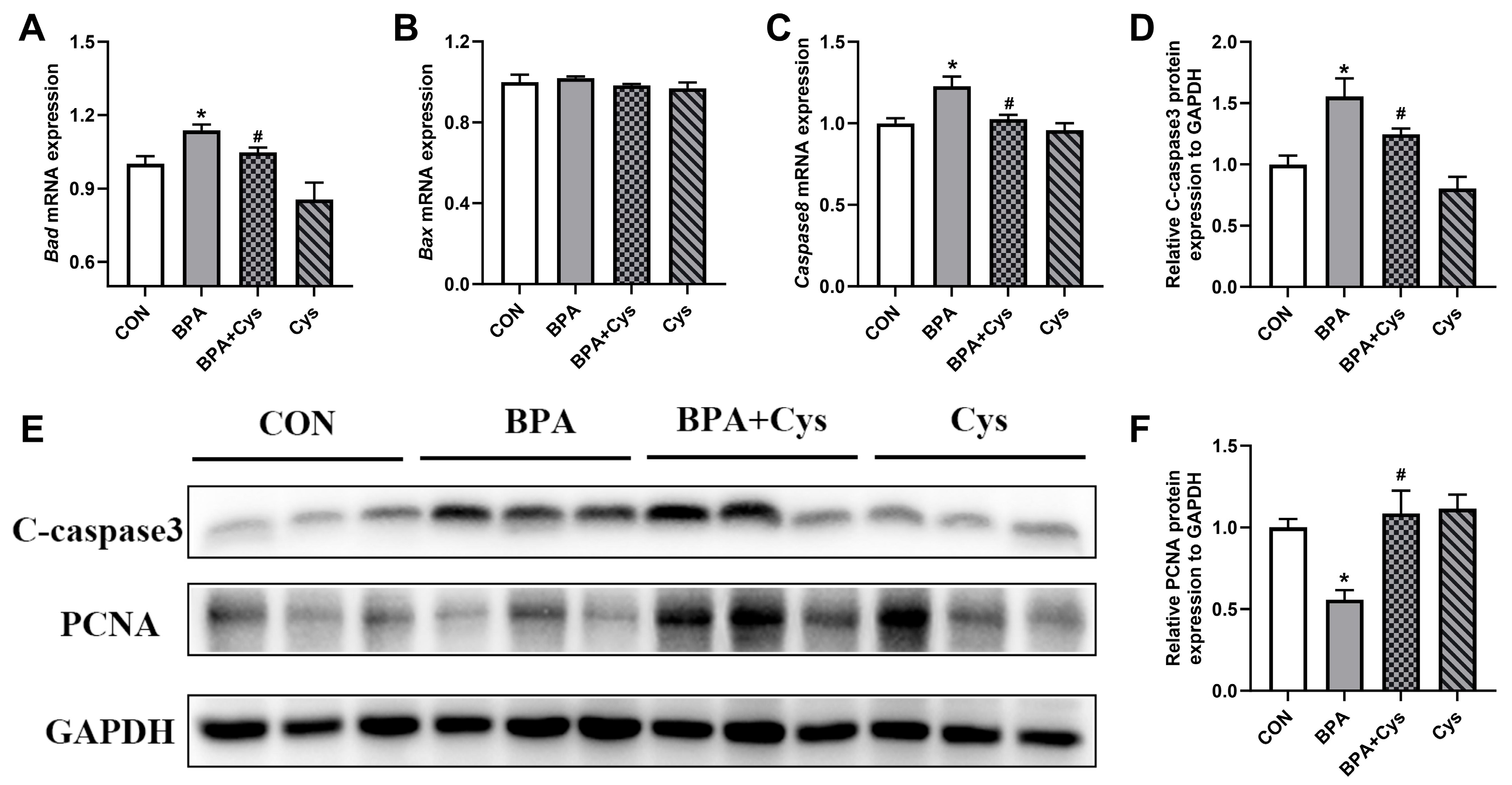
Figure 1. Cysteine alleviated BPA-induced disorder in jejunal cell renewal. (AC) mRNA expression of Bcl-2 associated death promoter (Bad), Bcl-2 associated X (Bax), and Caspase 8, respectively. (E) Protein expression of C-caspase 3 and proliferating cell nuclear antigen (PCNA). (D,F) Statistical analysis of Western blot using Fusion software (16.0.9.0). Results are expressed as means ± SEMs, n = 6 or 3. * p < 0.05 as compared to the CON group. # p < 0.05 as compared to the BPA group.
Ijms 26 11991 g001
Figure 2. Cysteine alleviated BPA-induced piglet jejunal injury. (A) Goblet cells were stained with PAS. (B) Statistical analysis of goblet cell number in jejunum. Results are presented as means ± SEMs, n = 3. Scale bars indicate 100 μm. * p < 0.05 as compared to the CON group. # p < 0.05 as compared to the BPA group.
Ijms 26 11991 g002
Figure 3. Effects of dietary cysteine supplementation on serum inflammatory factor and immunoglobulin contents in BPA-challenged piglets: (A) interleukin-6; (B) interleukin-10; (C) tumor necrosis factor-α; (D) immunoglobulin A; (E) immunoglobulin G; and (F) immunoglobulin M. Results are expressed as means ± SEMs, n = 6. * p < 0.05 as compared to the CON group. # p < 0.05 as compared to the BPA group.
Ijms 26 11991 g003
Figure 4. Effects of dietary cysteine supplementation on jejunal mucosa inflammatory factors and immunoglobulin contents in BPA-challenged piglets: (A) interleukin-6; (B) interleukin-10; (C) tumor necrosis factor-α; (D) immunoglobulin A; (E) immunoglobulin G; and (F) immunoglobulin M. Results are expressed as means ± SEMs, n = 6. * p < 0.05 as compared to the CON group. # p < 0.05 as compared to the BPA group.
Ijms 26 11991 g004
Figure 5. Cysteine alleviated the BPA-induced mRNA expression of inflammatory-relative indexes in the jejunal mucosa: (A) interleukin-1β (IL-1β); (B) interleukin-4 (IL-4); (C) interleukin-6 (IL-6); (D) tumor necrosis factor-α (TNF-α); (E) interleukin-10 (IL-10); (F) toll-like receptor 4 (TLR4); (G) nuclear factor kappa-B (NF-κB); (H) myeloid differentiation factor 88 (MyD88); and (I) interferon-γ (IFN-γ). Results are expressed as means ± SEMs, n = 6. * p < 0.05 as compared to the CON group. # p < 0.05 as compared to the BPA group.
Ijms 26 11991 g005
Figure 6. Effects of Cys supplementation on TLR4-NF-κB-MAPK signaling in BPA-challenged piglets. (A) Representative immunohistochemistry staining images of NF-κB in jejunum. (B) Statistical analysis of (A). Scale bars are 100 µm for the above set of figures and 20 µm for the below set of figures, n = 6. (C) Protein abundance of NF-κB and TLR4, P38 and JNK phosphorylation were measured by Western blot. (DG) Statistical analysis of Western blot using Fusion software (16.0.9.0). Results are expressed as means ± SEMs, n = 3. * p < 0.05 as compared to the CON group. # p < 0.05 as compared to the BPA group.
Ijms 26 11991 g006
Figure 7. Volatile fatty acid content in the cecal content: (A) acetate; (B) propionate; (C) isobutyrate; (D) butyrate; (E) valerate; (F) isovalerate; and (G) caproate. Results are expressed as means ± SEMs, n = 6. * p < 0.05 as compared to the CON group. # p < 0.05 as compared to the BPA group.
Ijms 26 11991 g007
Figure 8. Effects of Cys supplementation on gut microbiota in BPA-challenged piglets. (A) The species accumulation curve. (B) The rarefaction curve of OTUs. (C) Venn diagram. (D) Shannon index. (E) ACE index. (F) Chao 1 index. (G) Simpson index. (H) Principal coordinate analysis (PCoA). (I) Phylogenetic tree using bray_curtis algorithm. Results are expressed as means ± SEMs, n = 3. * p < 0.05 as compared to the CON group.
Ijms 26 11991 g008
Figure 9. Effects of Cys supplementation on microbiota phylum and genus abundance in BPA-challenged piglets. (A) Abundance of gut microbiota at the phylum level (top 10). (B) Abundance of gut microbiota at the genus level (top 30). (C) Phylogenetic tree constructed based on the sequences of the top 100 genera. Relative abundance of (D) Bacteroidota, (E) Firmicutes, (F) Prevotellaceae, (G) Romboutsia, (H) Terrisporobacter, and (I) Christensenellaceae. Results are expressed as means ± SEMs, n = 3. * p < 0.05 as compared to the CON group.
Ijms 26 11991 g009
Table 1. Primer sequences for quantitative real-time PCR.
GenePrimer Sequence (5′ to 3′)Accession No.Product Size (bp)
IL-1βF: TTGTCTGTGATGCCAACGTGXM_021085847.1108
R: TGAGGAGGTGGAGAGCCTTC
IL-4F: GCTTCGGCACATCTACAGACACCNM_214123.1110
R: TCTTGGCTTCATGCACAGAACAGG
IL-6F: ACCGGTCTTGTGGAGTTTCANM_001252429.1170
R: GCATTTGTGGTGGGGTTAGG
TNF-αF: CCAATGGCAGAGTGGGTATGJF831365.1116
R: TGAAGAGGACCTGGGAGTAG
IL-10F: AACCACAAGTCCGACTCAACGAAGNM_214041.181
R: GCCAGGAAGATCAGGCAATAGAGC
TLR4F: CTCCAGCTTTCCAGAACTGCNM_001113039.2192
R: AGGTTTGTCTCAACGGCAAC
NF-κBF: CTCGCACAAGGAGACATGAANM_001048232.1147
R: TGAAGAGGACCTGGGAGTAG
MyD88F: ATTGAAAAGAGGTGCCGTCGNM_001099923.1188
R: CAGACAGTGATGAACCGCAG
IFN-γF:AGCTTTGCGTGACTTTGTGTNM_213948.1247
R:ATGCTCCTTTGAATGGCCTG
β-ActinF: CCACGAAACTACCTTCAACTCNM_001170517.2131
R: TGATCTCCTTCTGCATCCTGT
Table 2. Information regarding antibodies for immunohistochemistry and Western blotting.
AntibodiesCatalog No.SourceDilutionCompany
PCNAbs-2006RRabbit1:1000Bioss, Beijing, China
Cleaved Caspase-3 (Asp175)#9661Rabbit1:2000Cell Signaling Technology, Danvers, MA, USA
SAPK/JNK#9252Rabbit1:2000Cell Signaling Technology, Danvers, MA, USA
Phospho-SAPK/JNK (Thr183/Tyr185) (81E11)#4668Rabbit1:2000Cell Signaling Technology, Danvers, MA, USA
NF-κB p65 (D14E12)#8242Rabbit1:2000Cell Signaling Technology, Danvers, MA, USA
Toll-like Receptor 4 (D8L5W)#14358Rabbit1:2000Cell Signaling Technology, Danvers, MA, USA
p38/MAPK#8690Rabbit1:2000Cell Signaling Technology, Danvers, MA, USA
Phospho-p38/MAPK (Thr180/Tyr182)#4511Rabbit1:2000Cell Signaling Technology, Danvers, MA, USA
GAPDHHX1832Rabbit1:5000Huaxingbio, Beijing, China
Anti-rabbit IgG (H+L)A0208 1:3000Beyotime, Shanghai, China
Disclaimer/Publisher’s Note: The statements, opinions and data contained in all publications are solely those of the individual author(s) and contributor(s) and not of MDPI and/or the editor(s). MDPI and/or the editor(s) disclaim responsibility for any injury to people or property resulting from any ideas, methods, instructions or products referred to in the content.