Review

Molecular Mechanisms of Neuroprotection after the Intermittent Exposures of Hypercapnic Hypoxia

by
Pavel P. Tregub
1,2,3,*,
Vladimir P. Kulikov
4,
Irada Ibrahimli
1,
Oksana F. Tregub
5,
Artem V. Volodkin
3,
Michael A. Ignatyuk
3,
Andrey A. Kostin
3 and
Dmitrii A. Atiakshin
3
1
Department of Pathophysiology, I.M. Sechenov First Moscow State Medical University, 119991 Moscow, Russia
2
Brain Science Institute, Research Center of Neurology, 125367 Moscow, Russia
3
Scientific and Educational Resource Center “Innovative Technologies of Immunophenotyping, Digital Spatial Profiling and Ultrastructural Analysis”, RUDN University, 117198 Moscow, Russia
4
Department of Ultrasound and Functional Diagnostics, Altay State Medical University, 656040 Barnaul, Russia
5
Independent Researcher, 127055 Moscow, Russia
*
Author to whom correspondence should be addressed.
Int. J. Mol. Sci. 2024, 25(7), 3665; https://doi.org/10.3390/ijms25073665
Submission received: 19 February 2024 / Revised: 19 March 2024 / Accepted: 21 March 2024 / Published: 25 March 2024
(This article belongs to the Special Issue Advances in the Prevention and Treatment of Ischemic Diseases)

Abstract

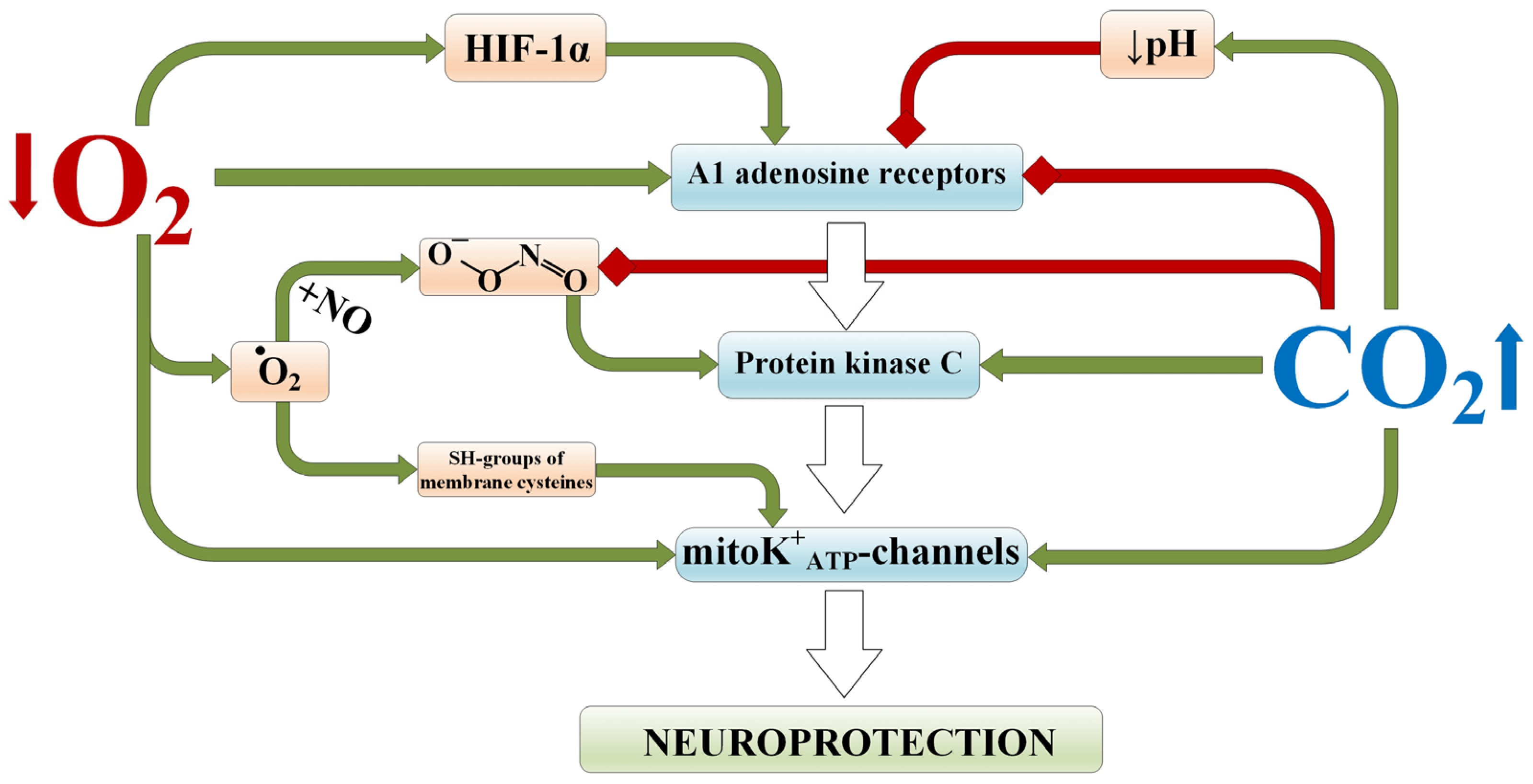
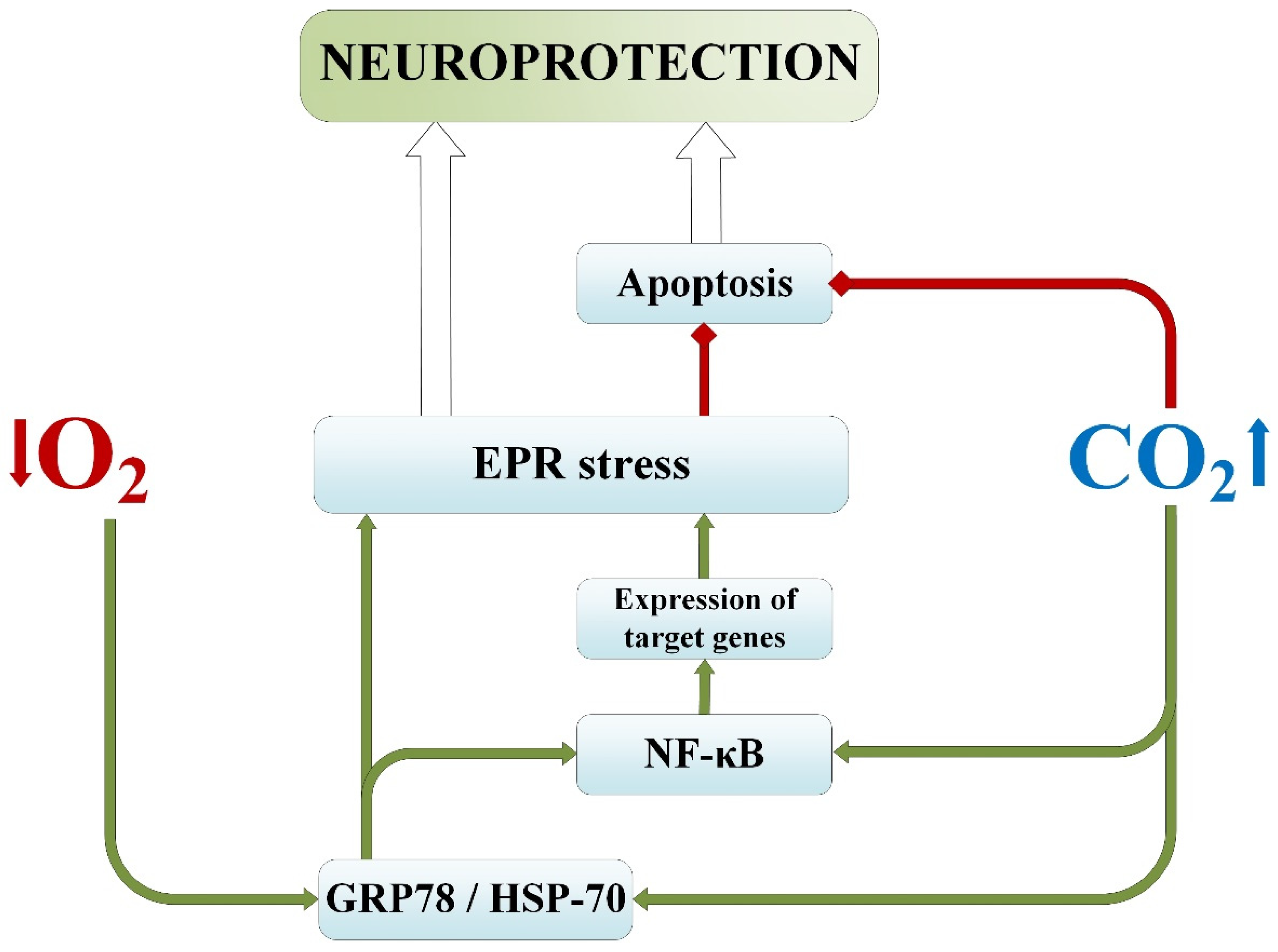
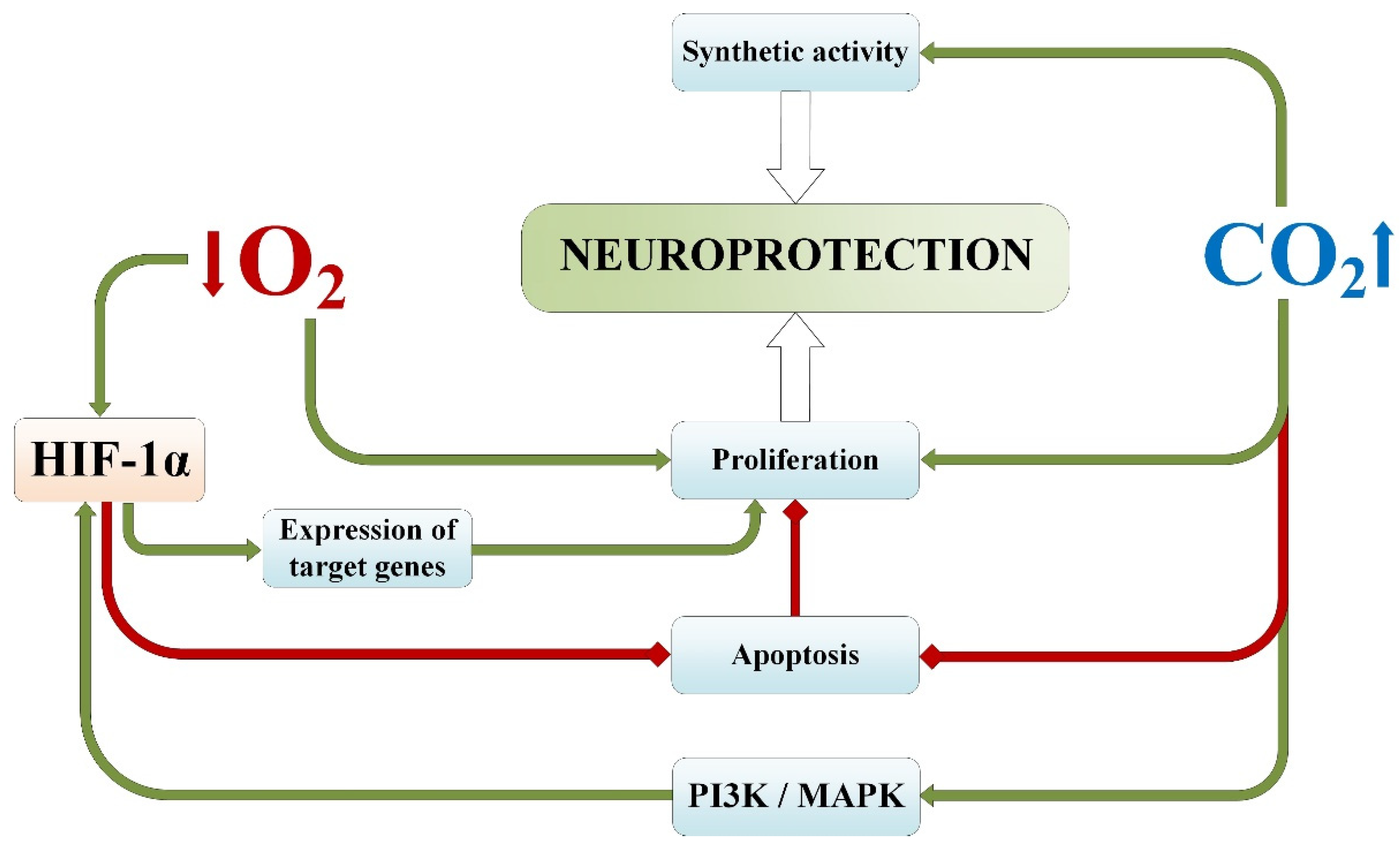
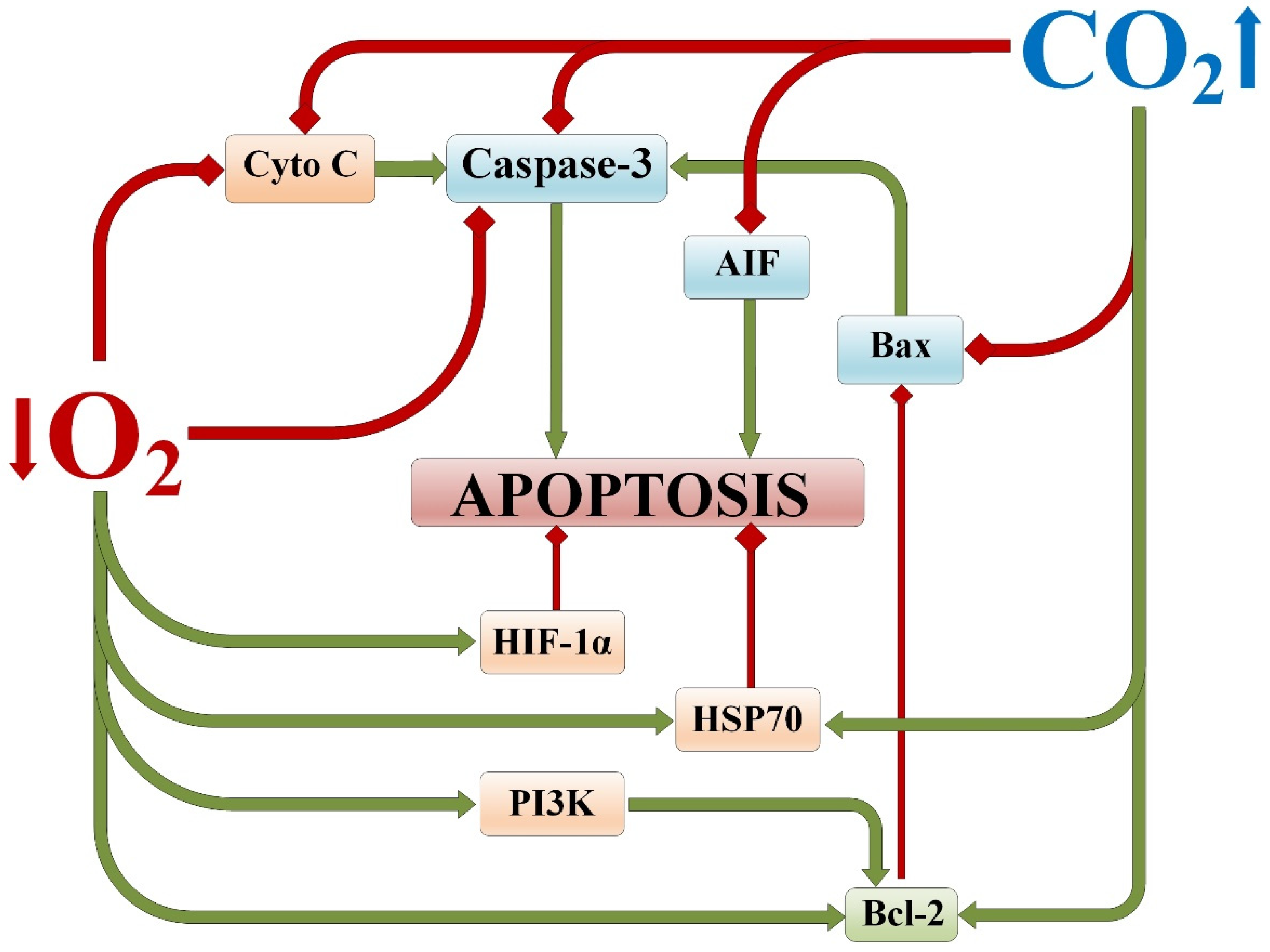
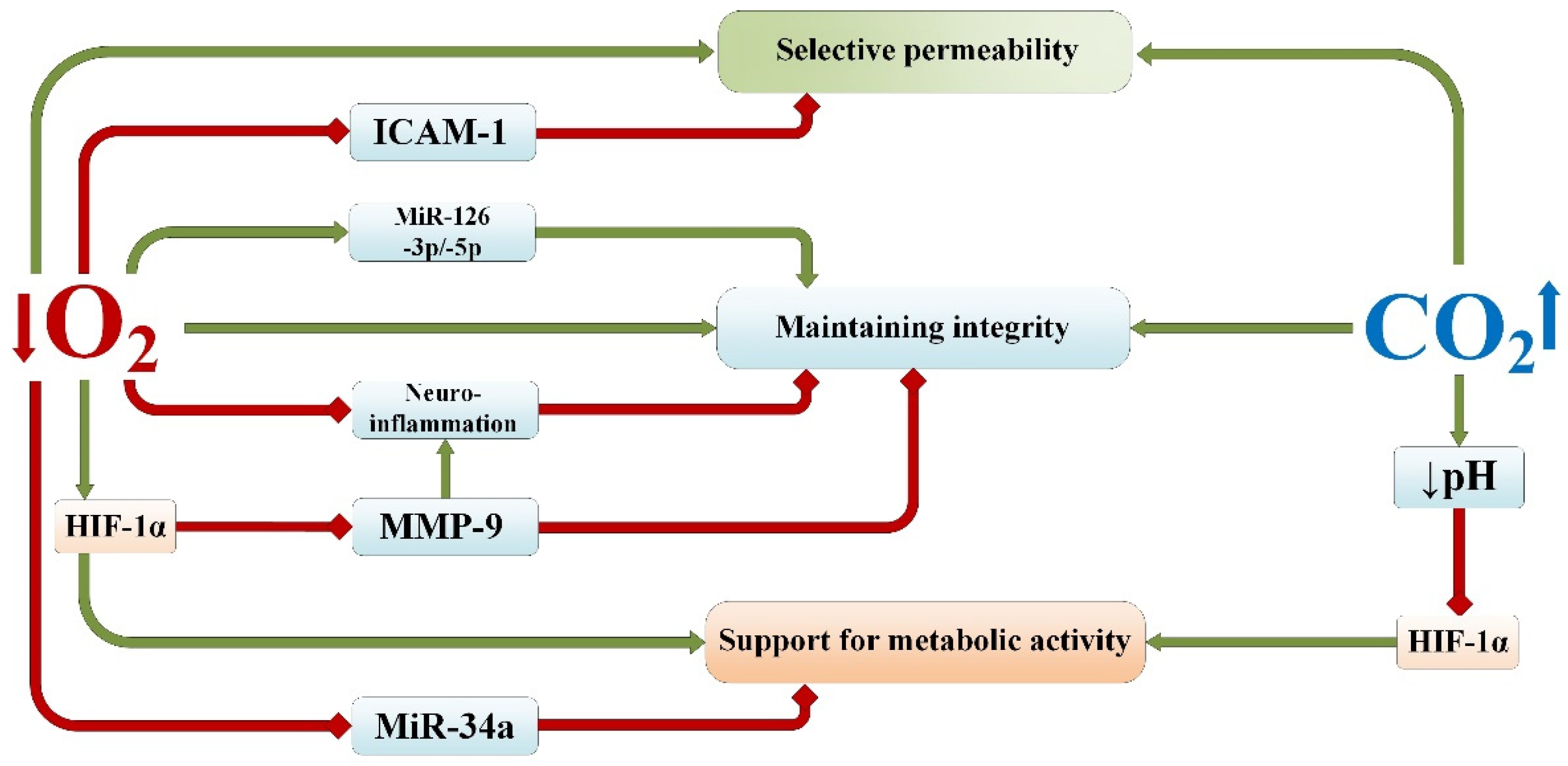
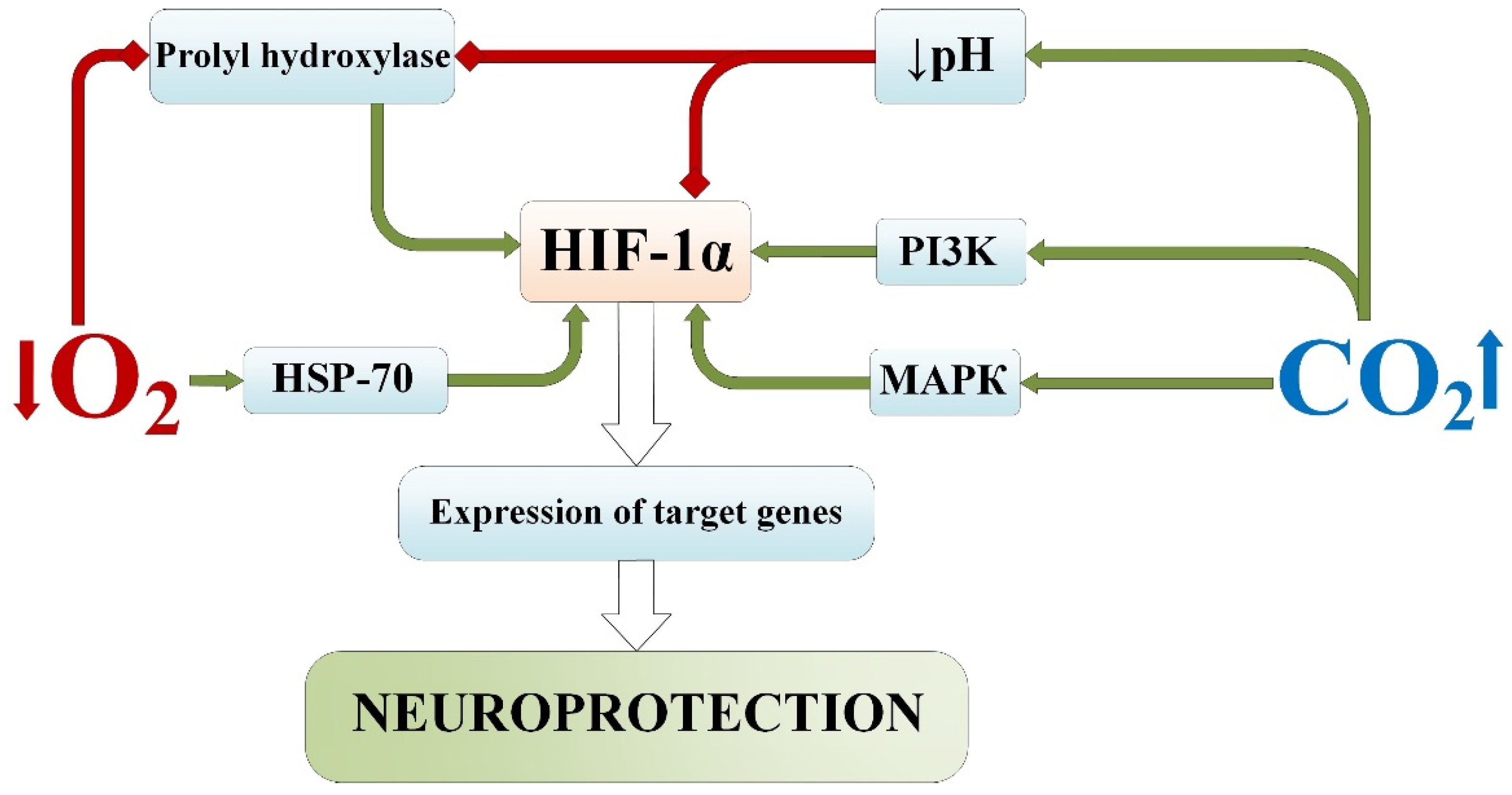
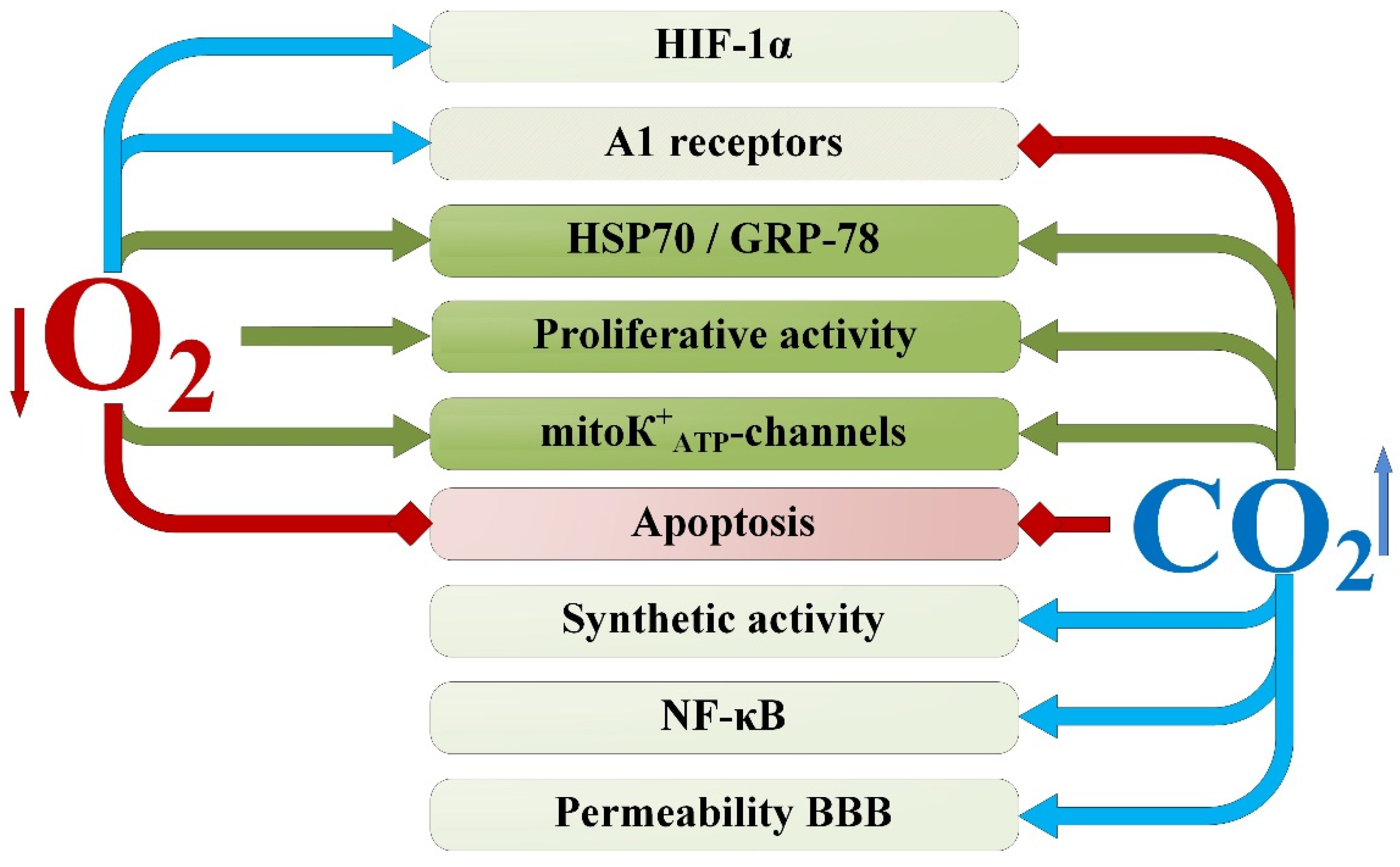
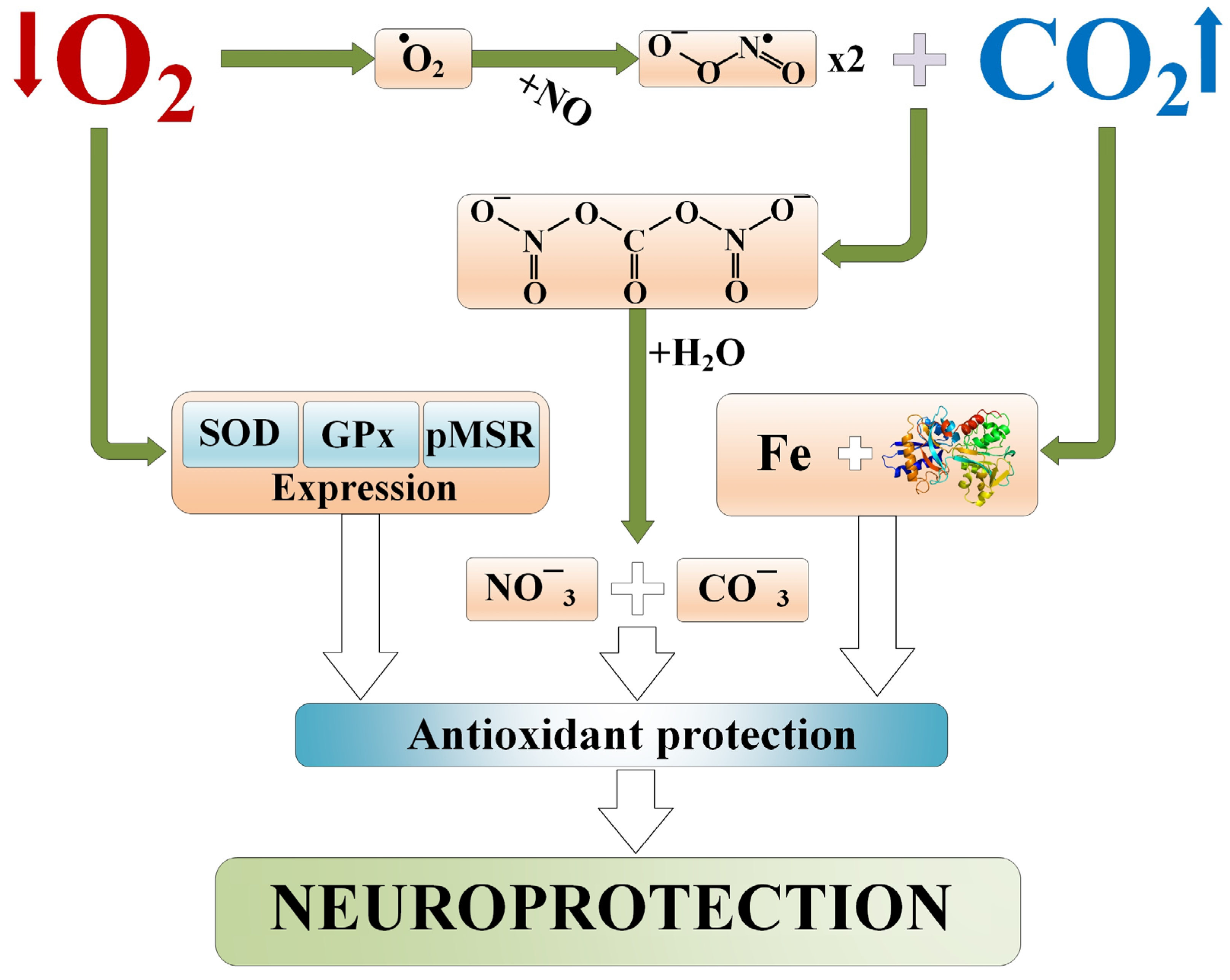
The review introduces the stages of formation and experimental confirmation of the hypothesis regarding the mutual potentiation of neuroprotective effects of hypoxia and hypercapnia during their combined influence (hypercapnic hypoxia). The main focus is on the mechanisms and signaling pathways involved in the formation of ischemic tolerance in the brain during intermittent hypercapnic hypoxia. Importantly, the combined effect of hypoxia and hypercapnia exerts a more pronounced neuroprotective effect compared to their separate application. Some signaling systems are associated with the predominance of the hypoxic stimulus (HIF-1α, A1 receptors), while others (NF-κB, antioxidant activity, inhibition of apoptosis, maintenance of selective blood–brain barrier permeability) are mainly modulated by hypercapnia. Most of the molecular and cellular mechanisms involved in the formation of brain tolerance to ischemia are due to the contribution of both excess carbon dioxide and oxygen deficiency (ATP-dependent potassium channels, chaperones, endoplasmic reticulum stress, mitochondrial metabolism reprogramming). Overall, experimental studies indicate the dominance of hypercapnia in the neuroprotective effect of its combined action with hypoxia. Recent clinical studies have demonstrated the effectiveness of hypercapnic–hypoxic training in the treatment of childhood cerebral palsy and diabetic polyneuropathy in children. Combining hypercapnic hypoxia with pharmacological modulators of neuro/cardio/cytoprotection signaling pathways is likely to be promising for translating experimental research into clinical medicine.
Keywords: hypoxia; hypercapnia; neuroprotection; blood–brain barrier permeability; apoptosis inhibition; antioxidant systems; chaperones; A1 adenosine receptors; endoplasmic reticulum; mitochondrial ATP-dependent potassium channels; HIF-1α hypoxia; hypercapnia; neuroprotection; blood–brain barrier permeability; apoptosis inhibition; antioxidant systems; chaperones; A1 adenosine receptors; endoplasmic reticulum; mitochondrial ATP-dependent potassium channels; HIF-1α