Article

MicroRNA Signature in an In Vitro Keratinocyte Model of Diabetic Wound Healing

1
Department of Life Sciences, Doctorial Program in Translational Medicine, National Chung Hsing University, Taichung 402, Taiwan
2
Department of Surgery, Taichung Hospital, Ministry of Health and Welfare, Taichung 403, Taiwan
3
Department of Surgery, Tungs’ Taichung Metro Harbor Hospital, Taichung 435, Taiwan
4
Department of Orthopedic Surgery, Taichung Armed Forces General Hospital, Taichung 411, Taiwan
5
Department of Internal Medicine, Jen-Ai Hospital, Dali Branch, Taichung 402, Taiwan
6
Department of Molecular Biology and Genetics, Erzurum Technical University, Erzurum 25250, Turkey
7
The iEGG and Animal Biotechnology Research Center, National Chung Hsing University, Taichung 402, Taiwan
8
Rong Hsing Research Center for Translational Medicine, Taichung Veterans General Hospital, Taichung 407, Taiwan
9
Center for General Educational, National Quemoy University, Kinmen 892, Taiwan
*
Author to whom correspondence should be addressed.
These authors contributed equally to this work.
Int. J. Mol. Sci. 2024, 25(18), 10125; https://doi.org/10.3390/ijms251810125
Submission received: 11 August 2024 / Revised: 12 September 2024 / Accepted: 18 September 2024 / Published: 20 September 2024
(This article belongs to the Special Issue Cellular and Molecular Mechanisms on Wound Healing)

Abstract

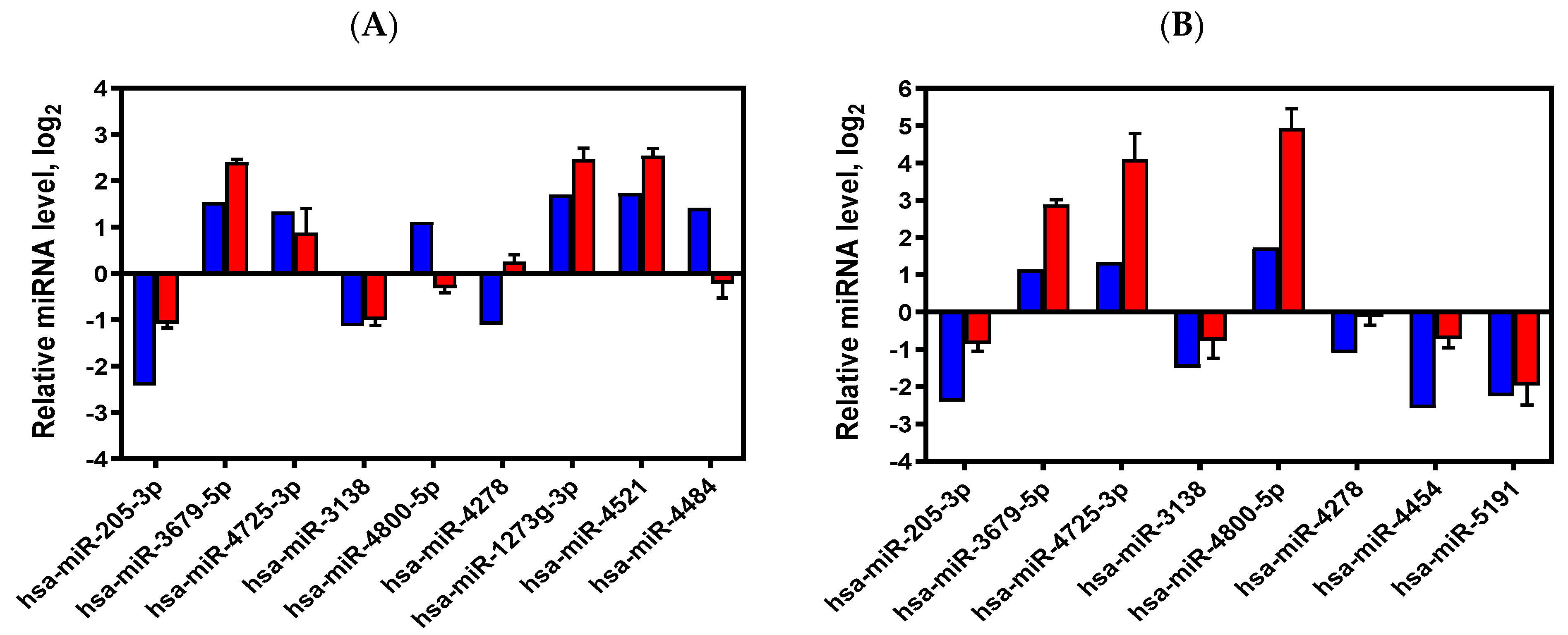
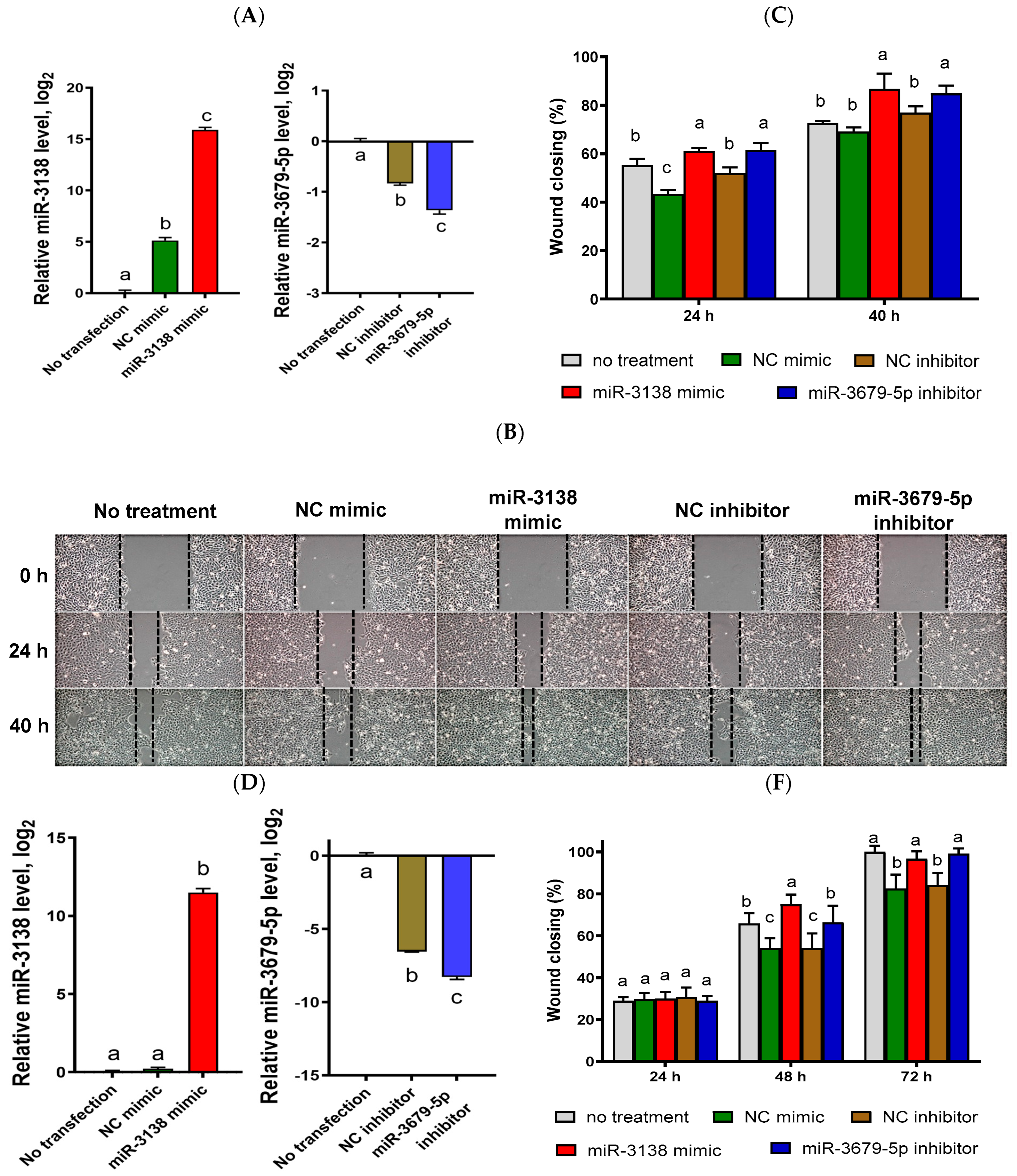
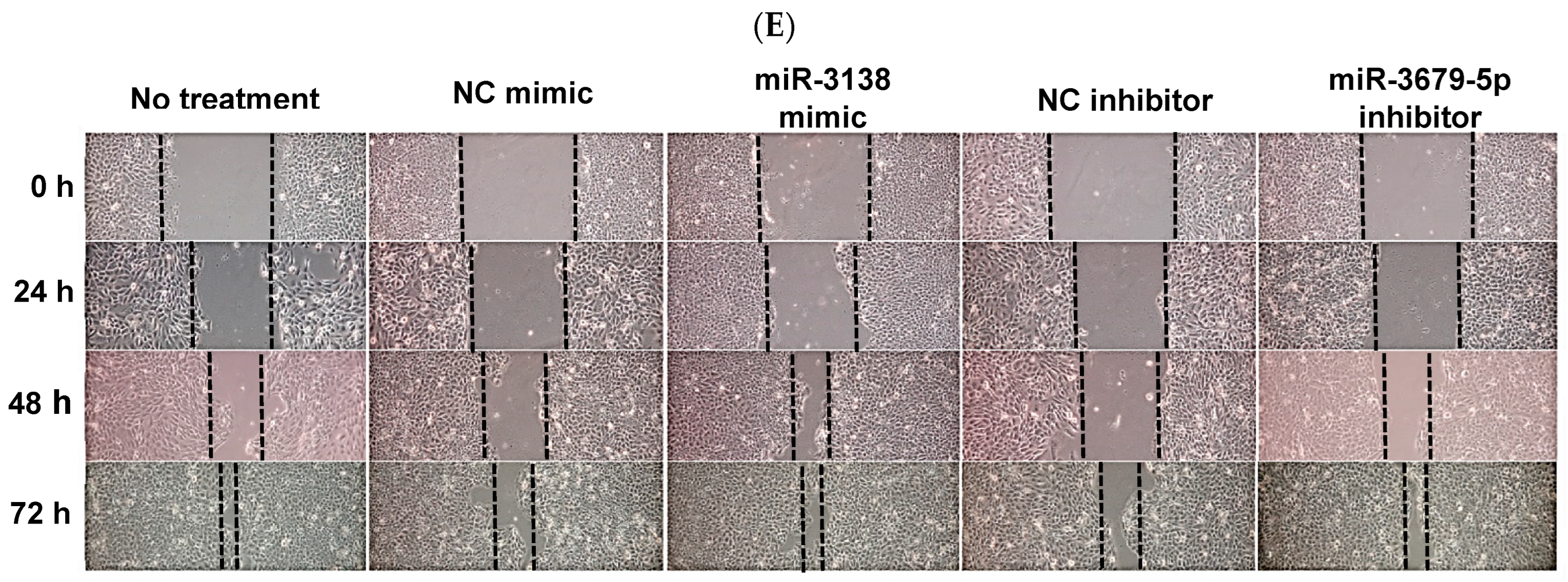
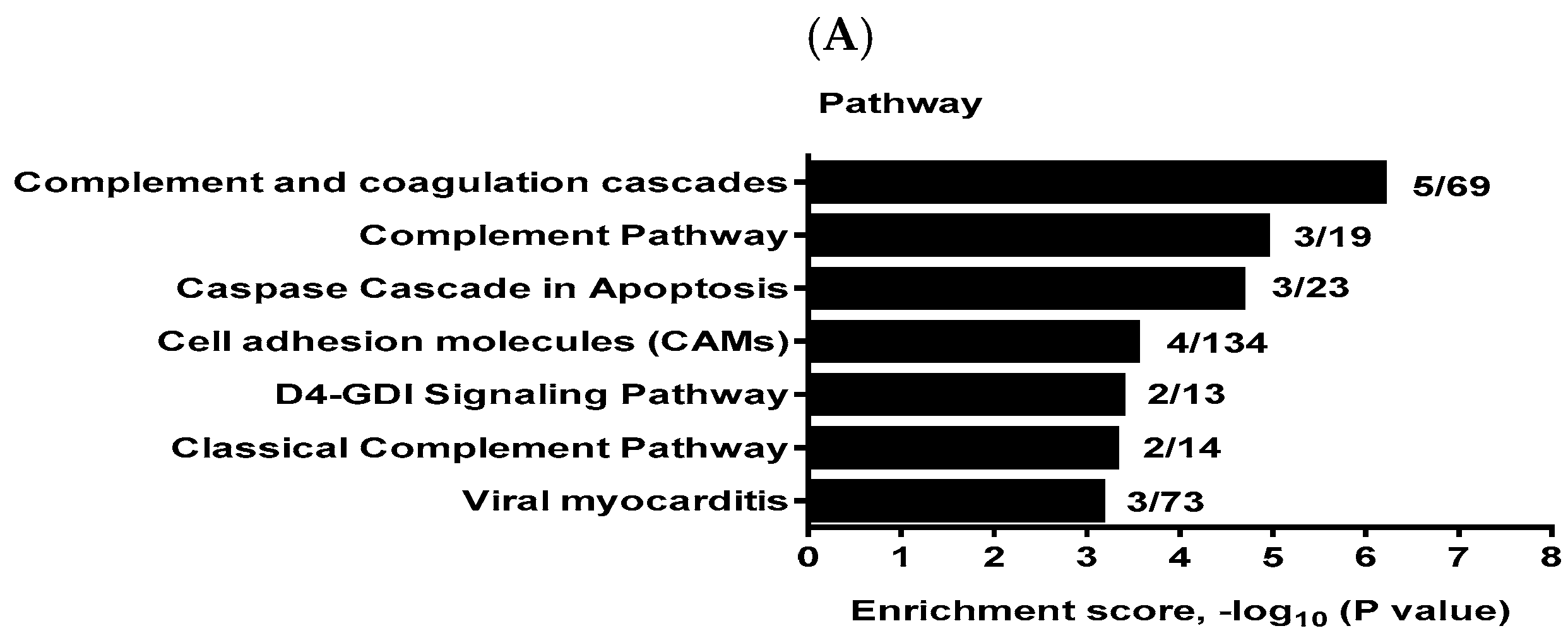
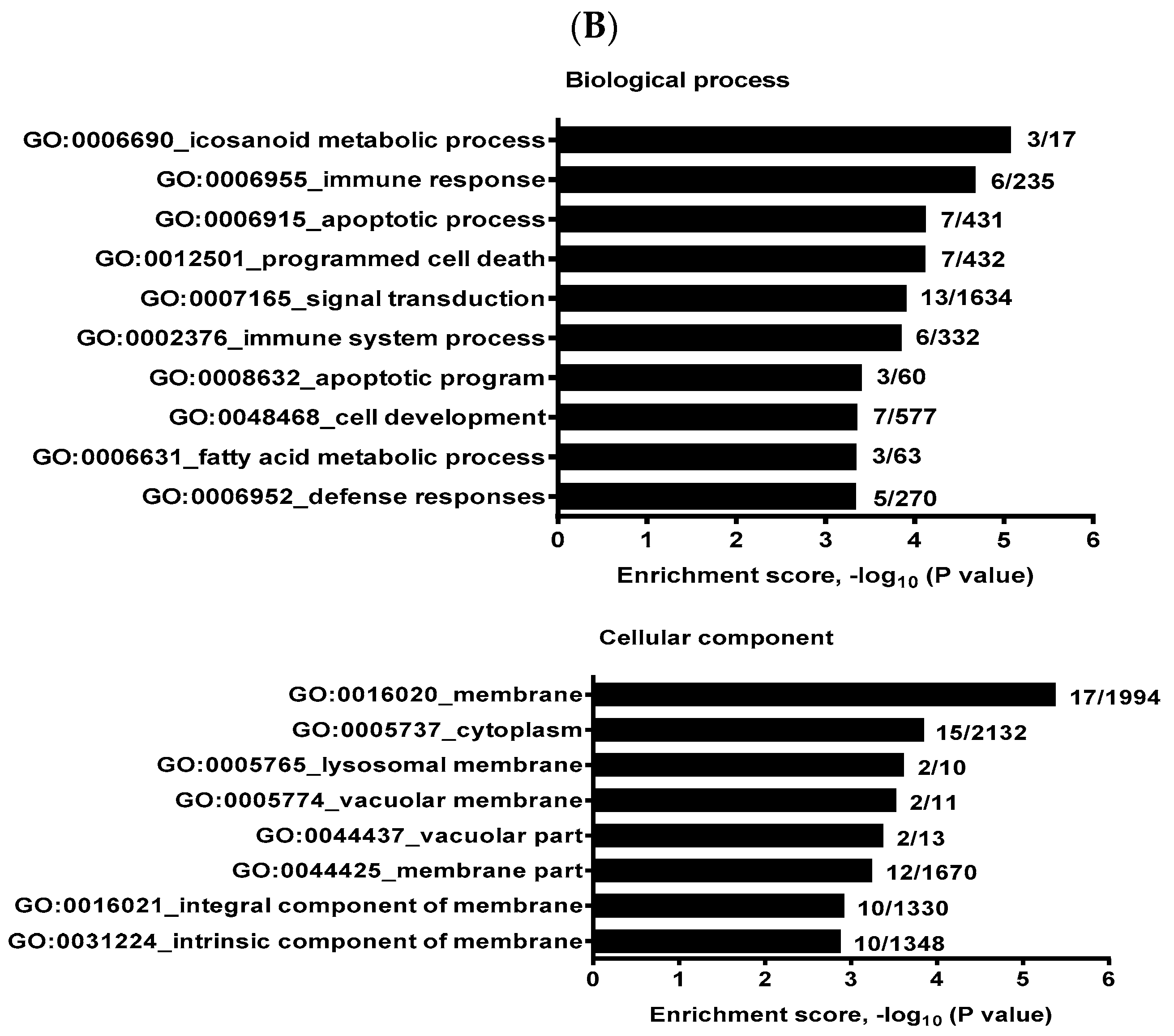
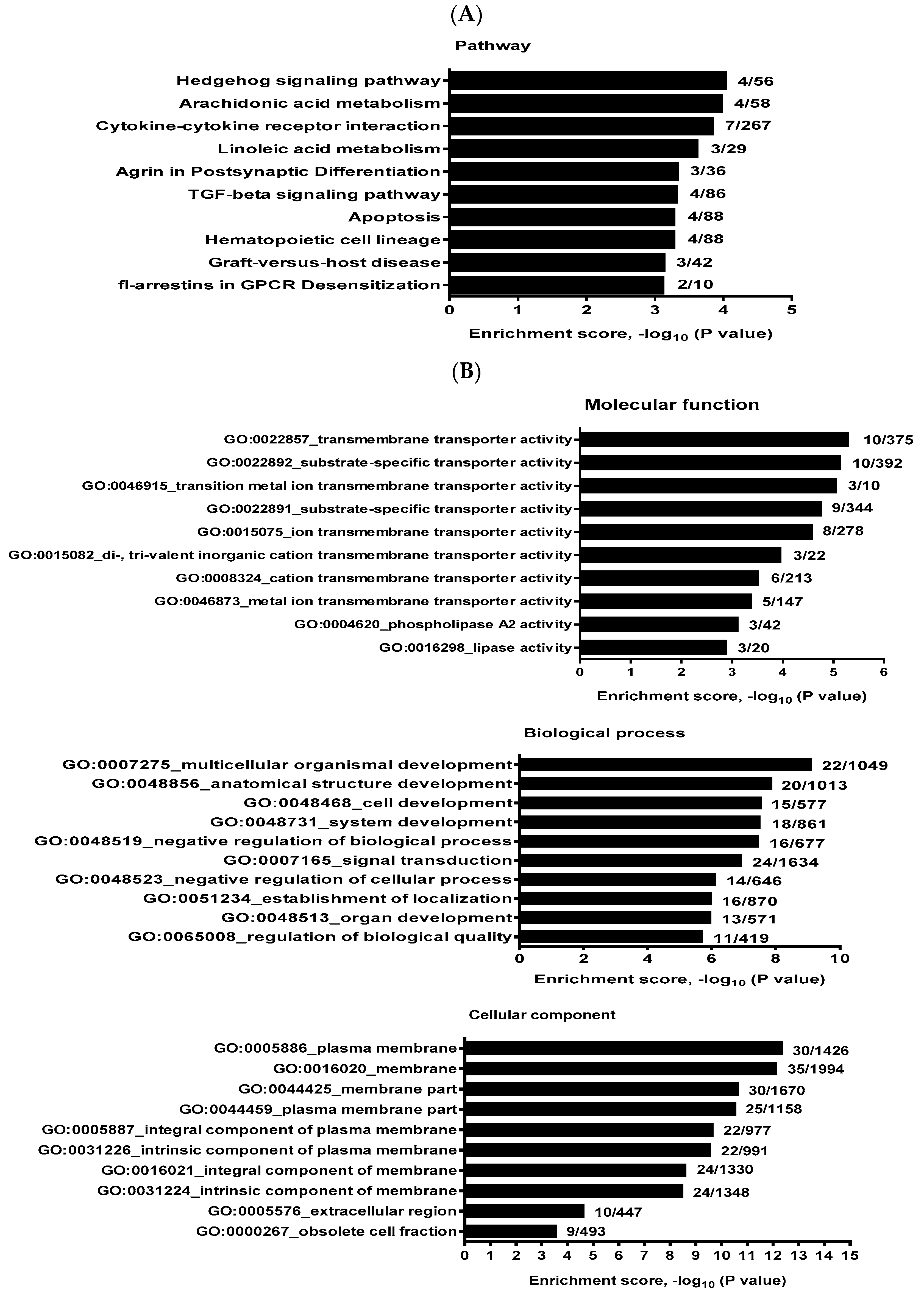
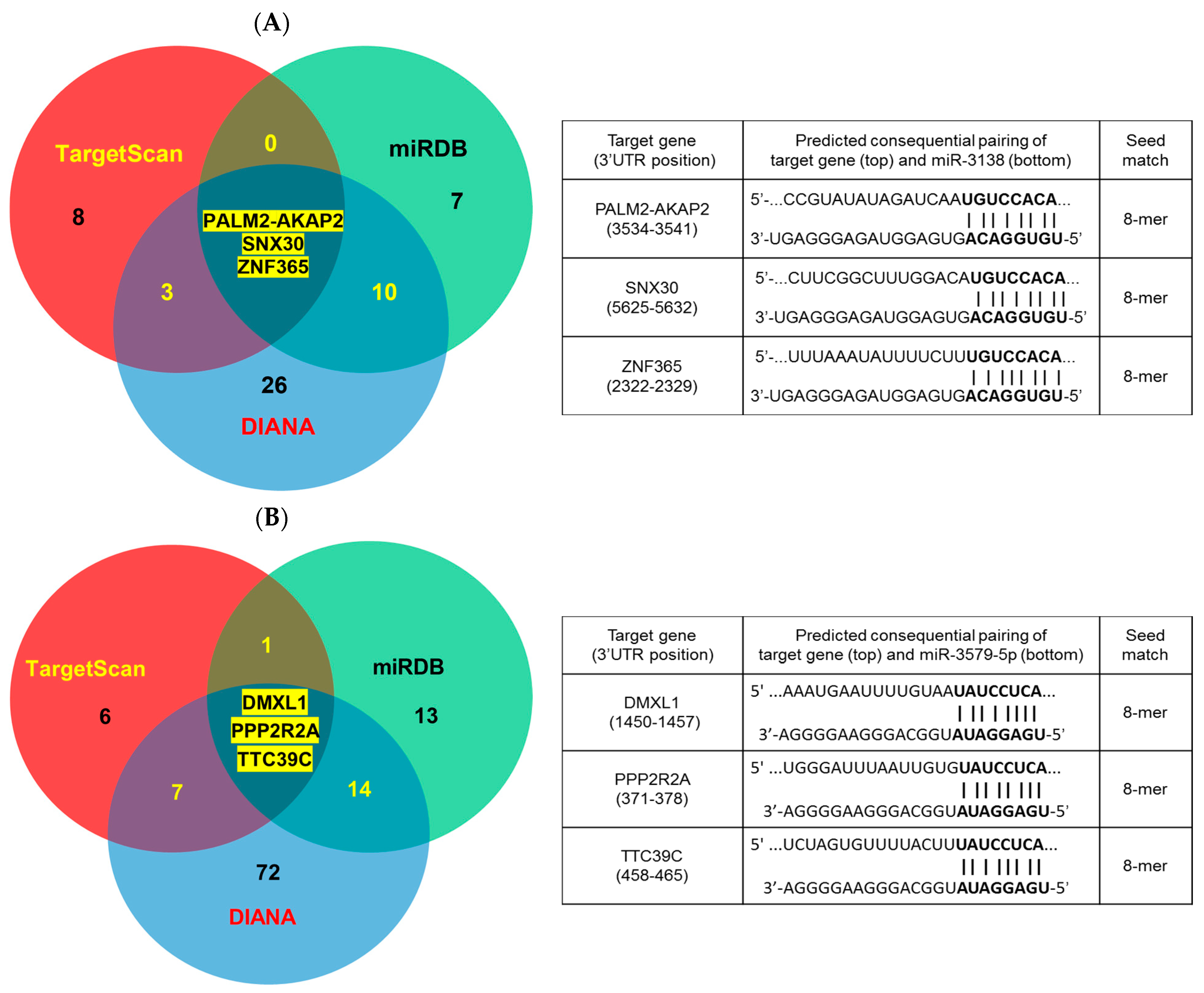
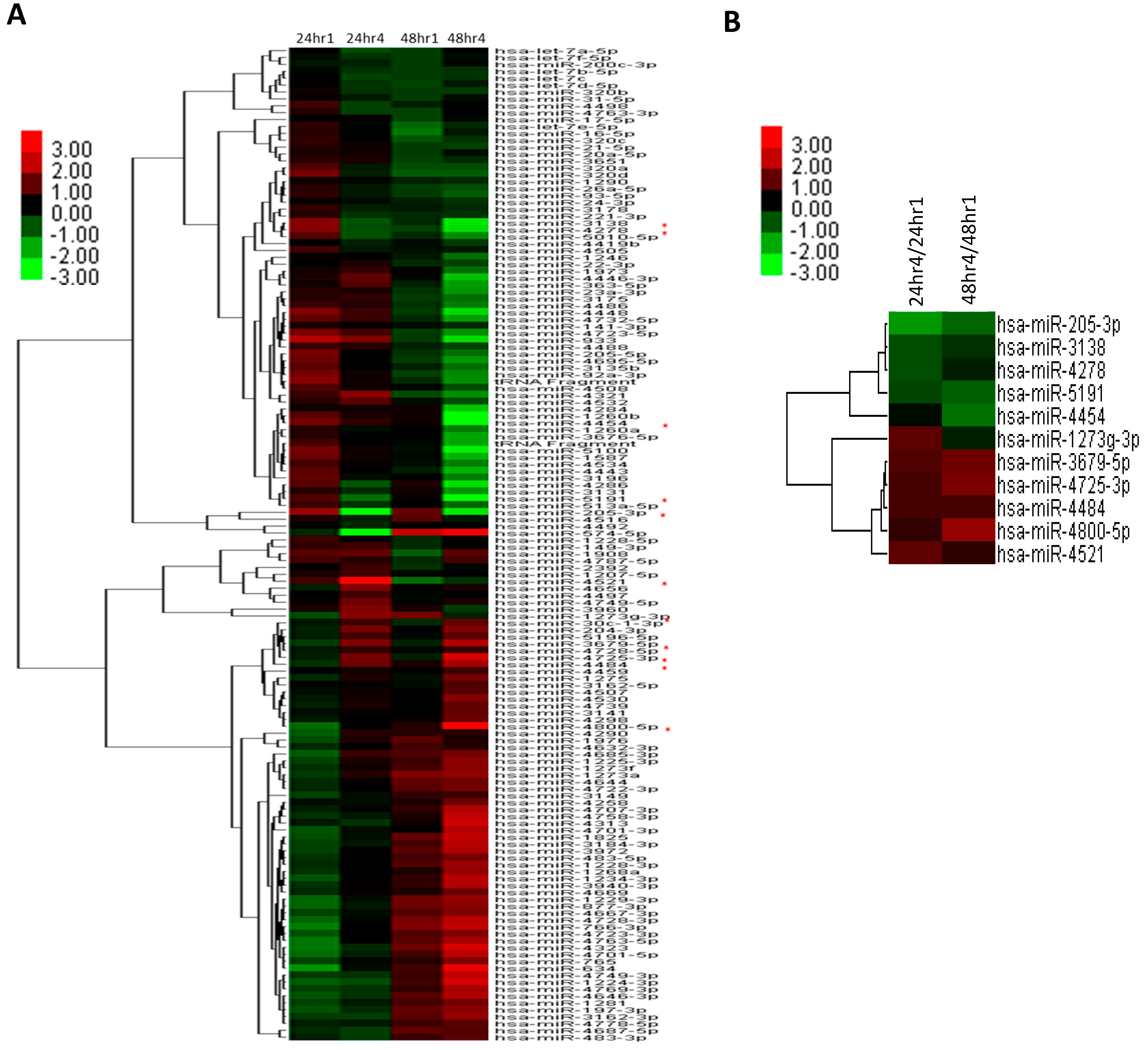
Treating diabetic wounds effectively remains a significant clinical challenge. Emerging studies suggest that microRNAs (miRNAs) play crucial roles in various physiological and pathological processes and hold promise as therapeutic tools. This study investigates the miRNA expression profile in keratinocytes using a cell model of diabetic wounds. Microarray analysis revealed that 43 miRNAs from wounded keratinocytes incubated under diabetic conditions (high glucose/hypoxia) exhibited a two-fold change in expression compared to those incubated under normal conditions (low glucose/normoxia). Quantitative RT-PCR confirmed significant differences in the expression of eight miRNAs, with miR-3138 and miR-3679-5p being further analyzed for their roles in keratinocyte migration. Transfection with a miR-3138 mimic and a miR-3679-5p inhibitor indicated that upregulation of miR-3138 and downregulation of miR-3679-5p enhance keratinocyte migration in both normal and diabetic wounds. Pathway and gene ontology (GO) analyses identified potential pathways and functional annotations associated with miR-3138 and miR-3679-5p in diabetic wound healing. Potential human gene targets of miR-3138 and miR-3679-5p were predicted using a three-way comparison of the TargetScan, miRDB, and DIANA databases. This study elucidates the miRNA expression signature of human keratinocytes in a diabetes-like environment, providing deeper insights into the pathogenesis of diabetic wounds.
Keywords: microRNAs (miRNAs); diabetic wound healing; keratinocytes; miR-3138 mimic; miR-3679-5p inhibitor; gene ontology (GO) microRNAs (miRNAs); diabetic wound healing; keratinocytes; miR-3138 mimic; miR-3679-5p inhibitor; gene ontology (GO)