Article

The Transcription Factor EB (TFEB) Sensitizes the Heart to Chronic Pressure Overload
1
Experimental and Clinical Research Center (ECRC), Max Delbrück Center (MDC) for Molecular Medicine in the Helmholtz Association, Charité-Universitätsmedizin Berlin, 13125 Berlin, Germany
2
DZHK (German Center for Cardiovascular Research), Partner Site Berlin, 10785 Berlin, Germany
3
Laboratory of Functional Genomics, Nutrigenomics and Systems Biology, Max Delbrück Center (MDC) for Molecular Medicine in the Helmholtz Association, Berlin Institute for Medical Systems Biology, 10115 Berlin, Germany
4
Berlin Institute of Health (BIH), 10178 Berlin, Germany
5
Department of Internal Medicine III, University Hospital Heidelberg, 69120 Heidelberg, Germany
6
DZHK (German Centre for Cardiovascular Research), Partner Site Heidelberg/Mannheim, 69120 Heidelberg, Germany
7
Heart Center Brandenburg, Department of Cardiology, Medical University Brandenburg (MHB), 16321 Bernau, Germany
8
Department of Cardiology and Angiology, University Medical Center Schleswig-Holstein, 14105 Kiel, Germany
9
DZHK (German Centre for Cardiovascular Research), Partner Site Hamburg/Kiel/Lübeck, 20251 Hamburg, Germany
10
DZHK (German Center for Cardiovascular Research), Partner Site Greifswald, 17475 Greifswald, Germany
11
Department of Internal Medicine B, Cardiology, University Medicine Greifswald, 17475 Greifswald, Germany
*
Author to whom correspondence should be addressed.
Int. J. Mol. Sci. 2022, 23(11), 5943; https://doi.org/10.3390/ijms23115943
Submission received: 30 April 2022 / Revised: 22 May 2022 / Accepted: 23 May 2022 / Published: 25 May 2022
(This article belongs to the Special Issue Targeted Protein Degradation)

Abstract

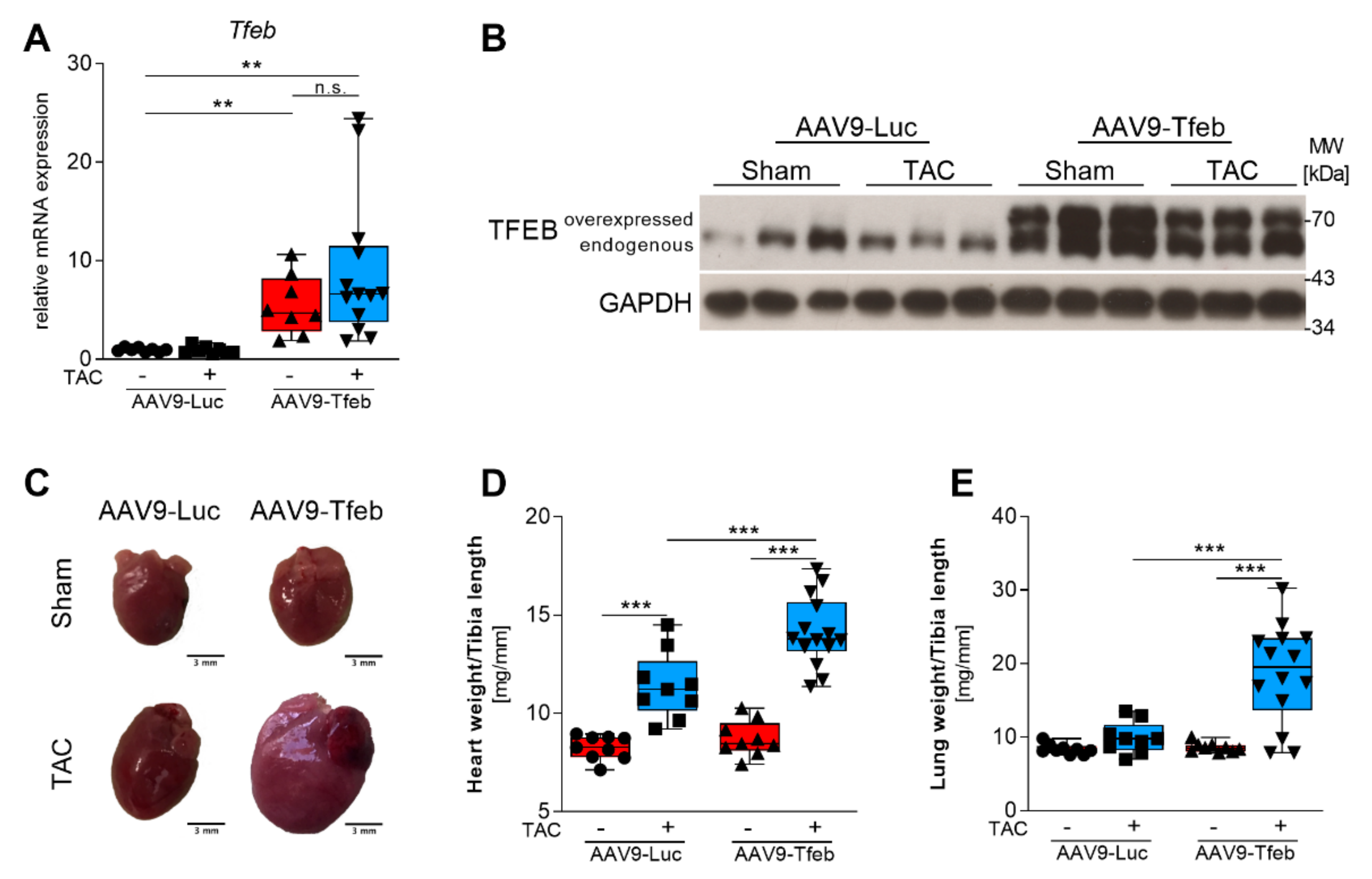
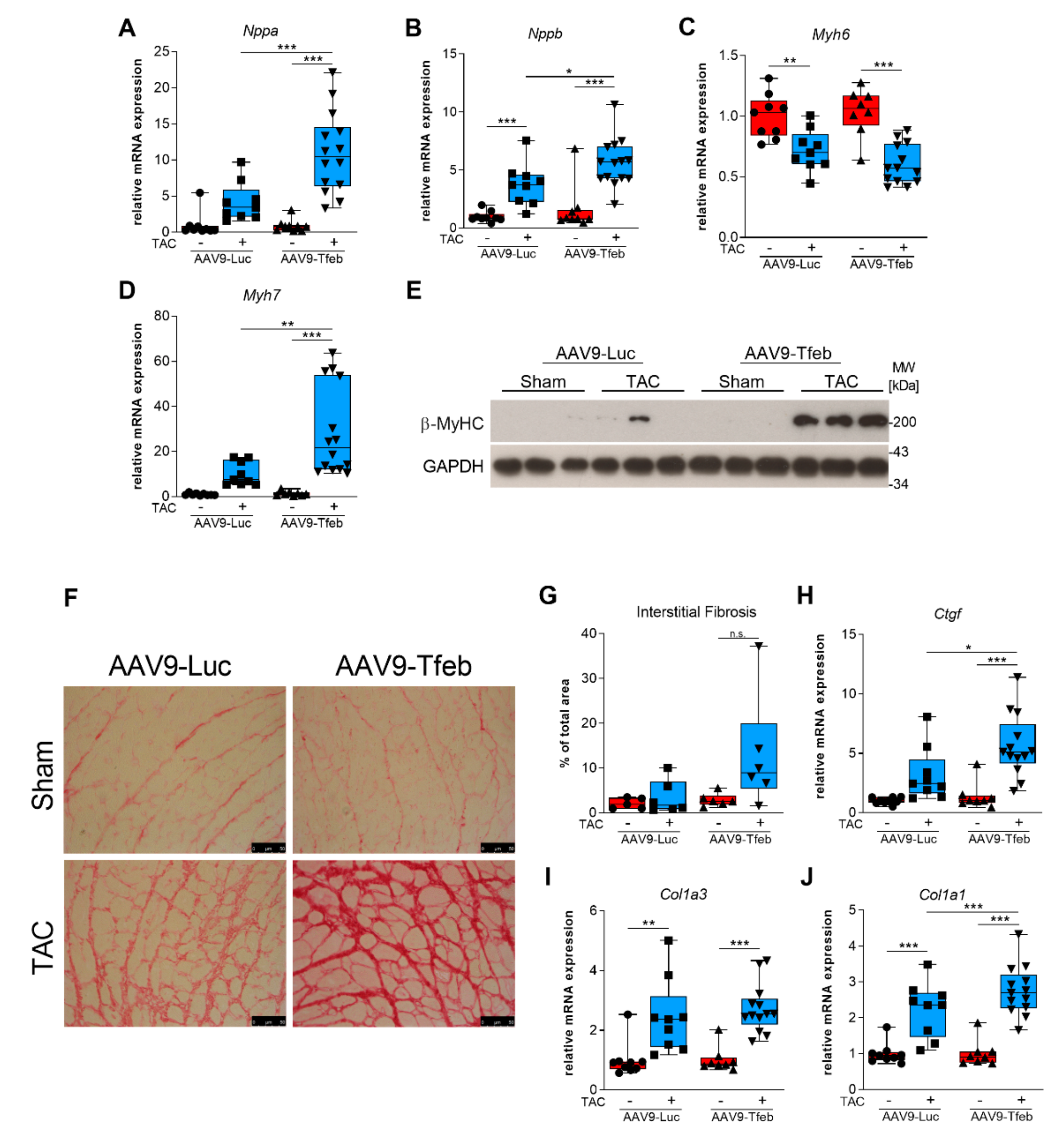
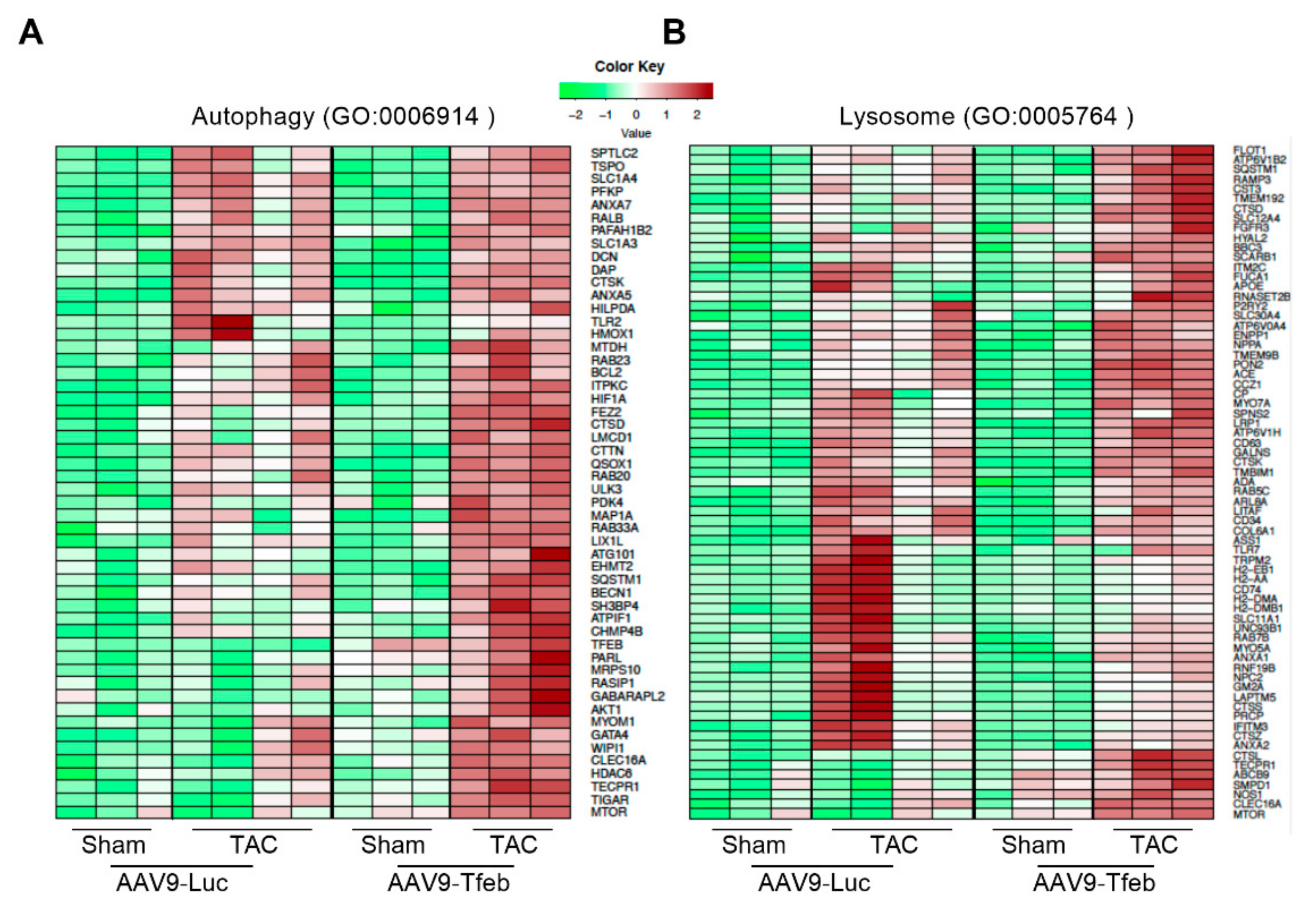
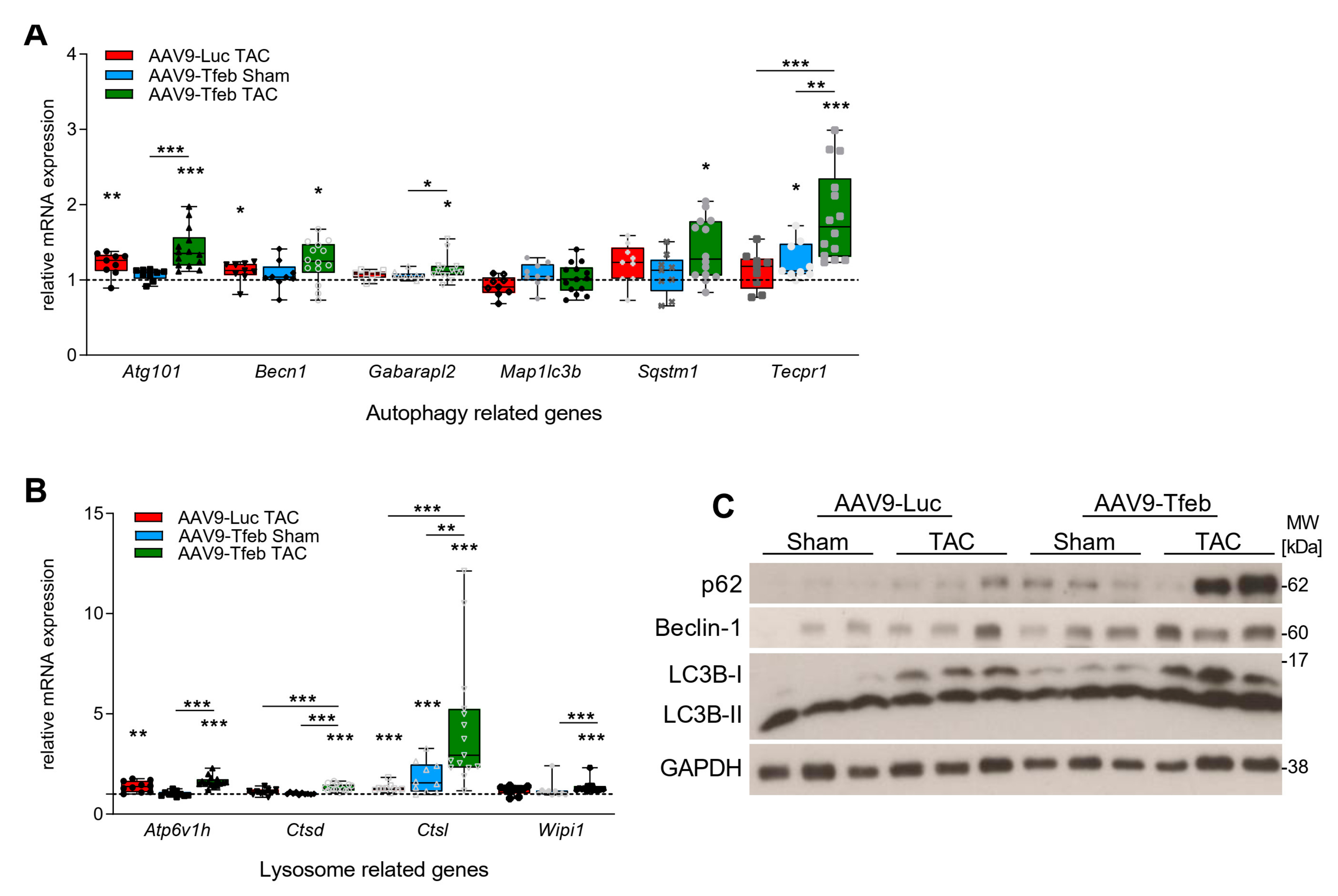
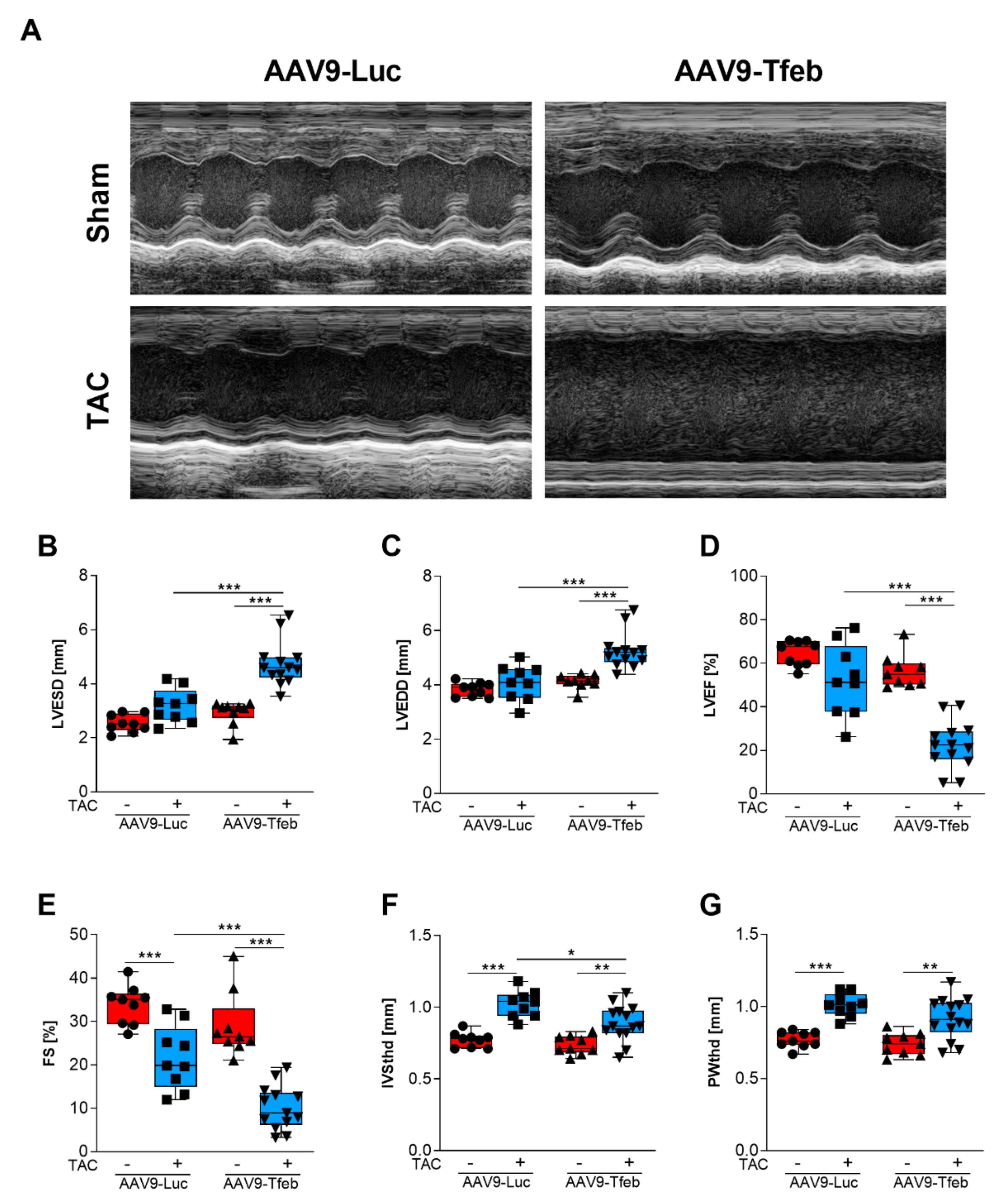
The transcription factor EB (TFEB) promotes protein degradation by the autophagy and lysosomal pathway (ALP) and overexpression of TFEB was suggested for the treatment of ALP-related diseases that often affect the heart. However, TFEB-mediated ALP induction may perturb cardiac stress response. We used adeno-associated viral vectors type 9 (AAV9) to overexpress TFEB (AAV9-Tfeb) or Luciferase-control (AAV9-Luc) in cardiomyocytes of 12-week-old male mice. Mice were subjected to transverse aortic constriction (TAC, 27G; AAV9-Luc: n = 9; AAV9-Tfeb: n = 14) or sham (AAV9-Luc: n = 9; AAV9-Tfeb: n = 9) surgery for 28 days. Heart morphology, echocardiography, gene expression, and protein levels were monitored. AAV9-Tfeb had no effect on cardiac structure and function in sham animals. TAC resulted in compensated left ventricular hypertrophy in AAV9-Luc mice. AAV9-Tfeb TAC mice showed a reduced LV ejection fraction and increased left ventricular diameters. Morphological, histological, and real-time PCR analyses showed increased heart weights, exaggerated fibrosis, and higher expression of stress markers and remodeling genes in AAV9-Tfeb TAC compared to AAV9-Luc TAC. RNA-sequencing, real-time PCR and Western Blot revealed a stronger ALP activation in the hearts of AAV9-Tfeb TAC mice. Cardiomyocyte-specific TFEB-overexpression promoted ALP gene expression during TAC, which was associated with heart failure. Treatment of ALP-related diseases by overexpression of TFEB warrants careful consideration.
Keywords: heart failure; left ventricular hypertrophy; transcription factor EB heart failure; left ventricular hypertrophy; transcription factor EB