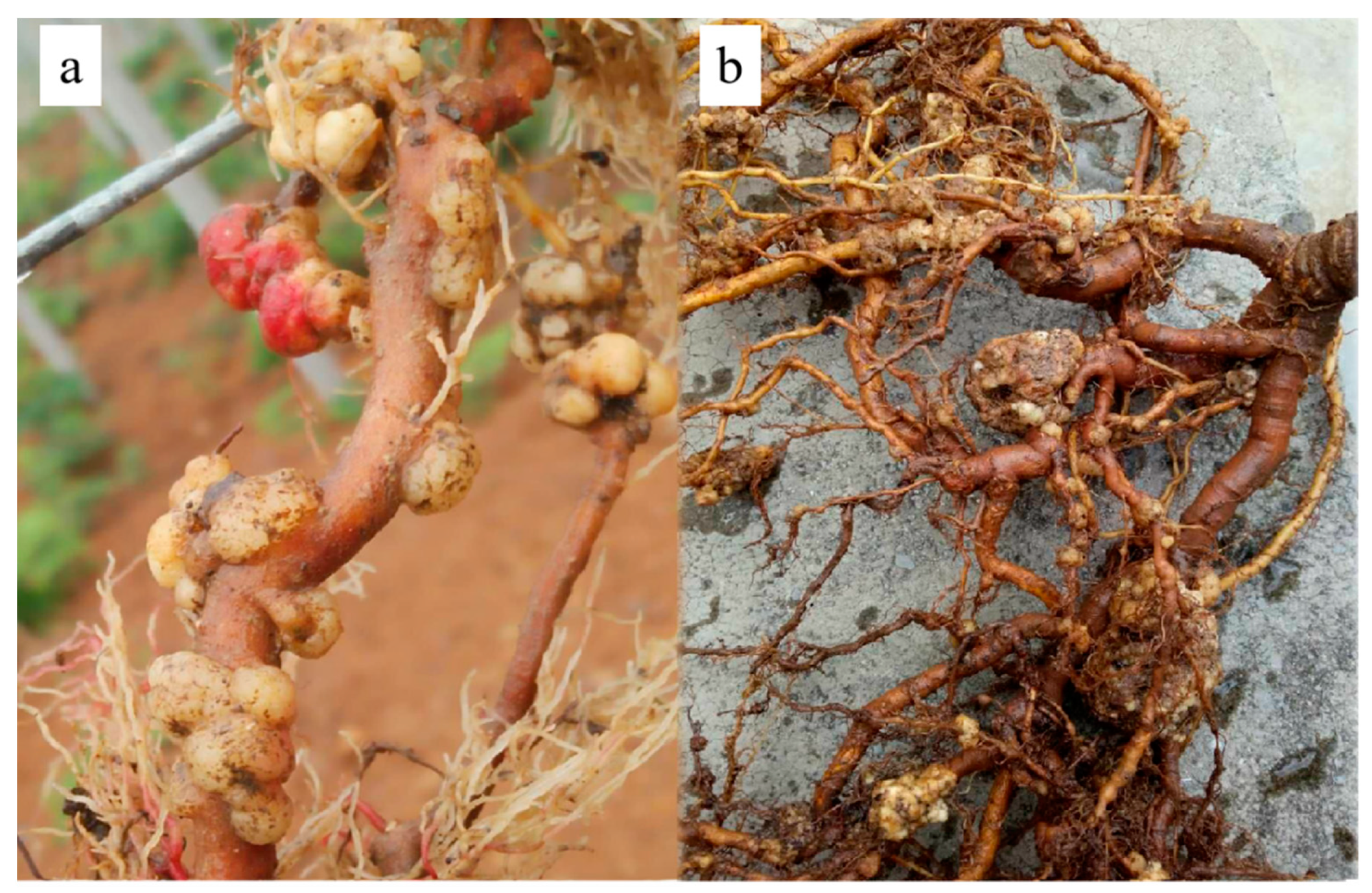
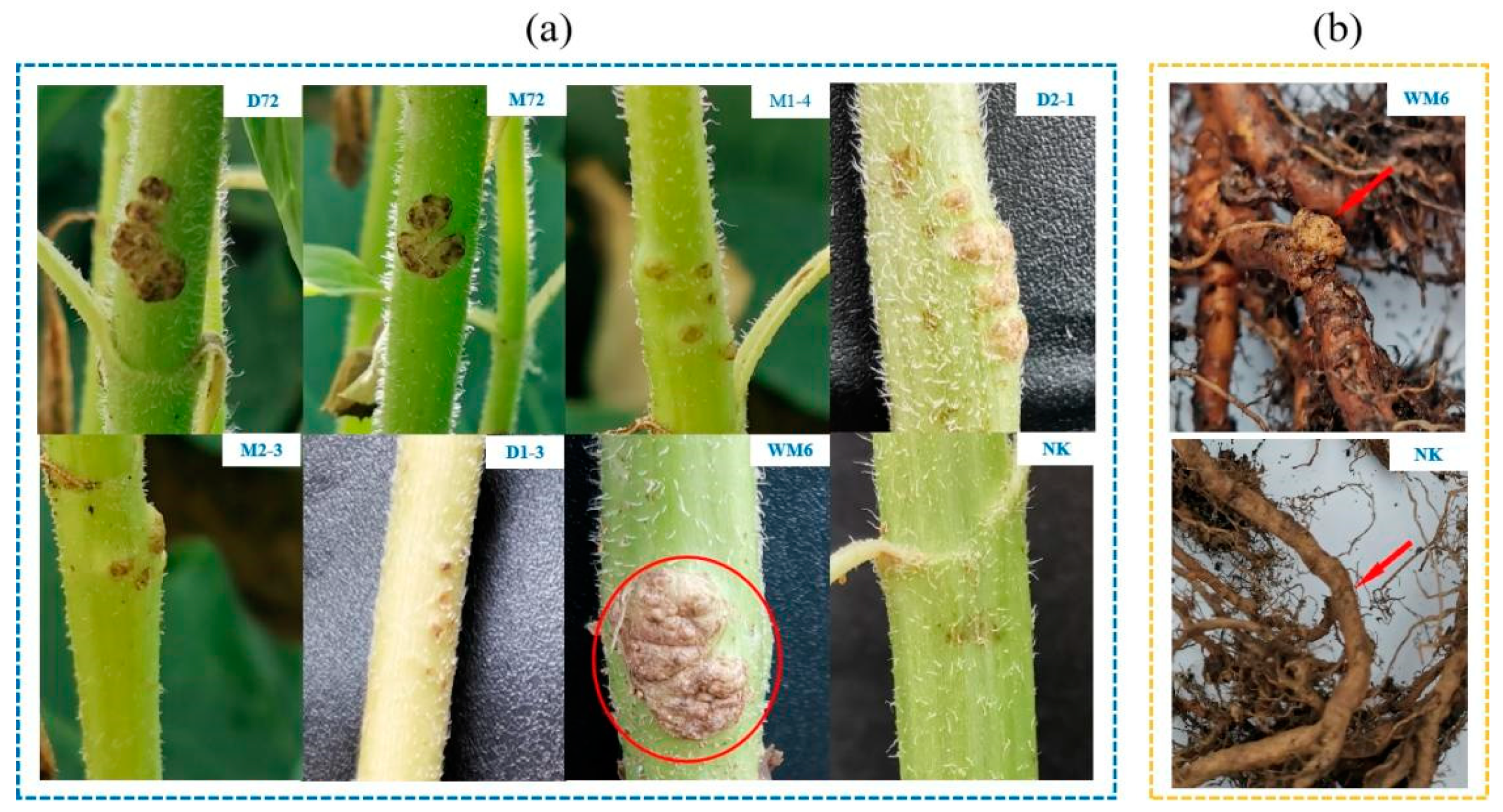
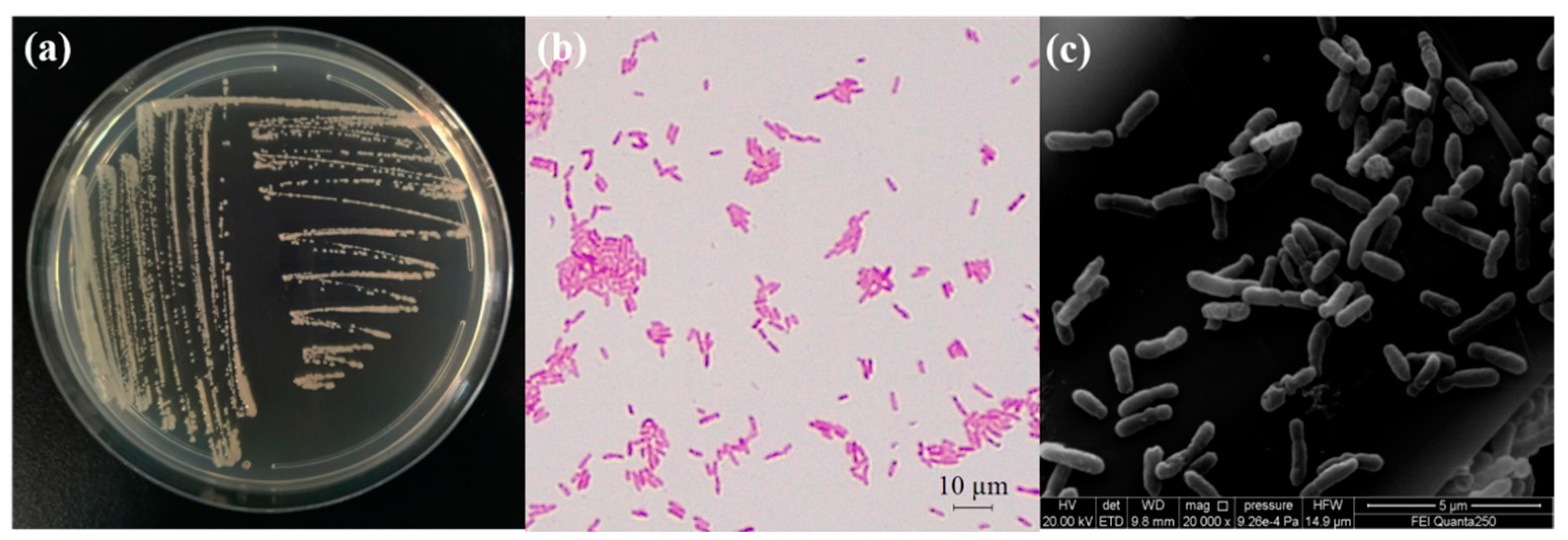
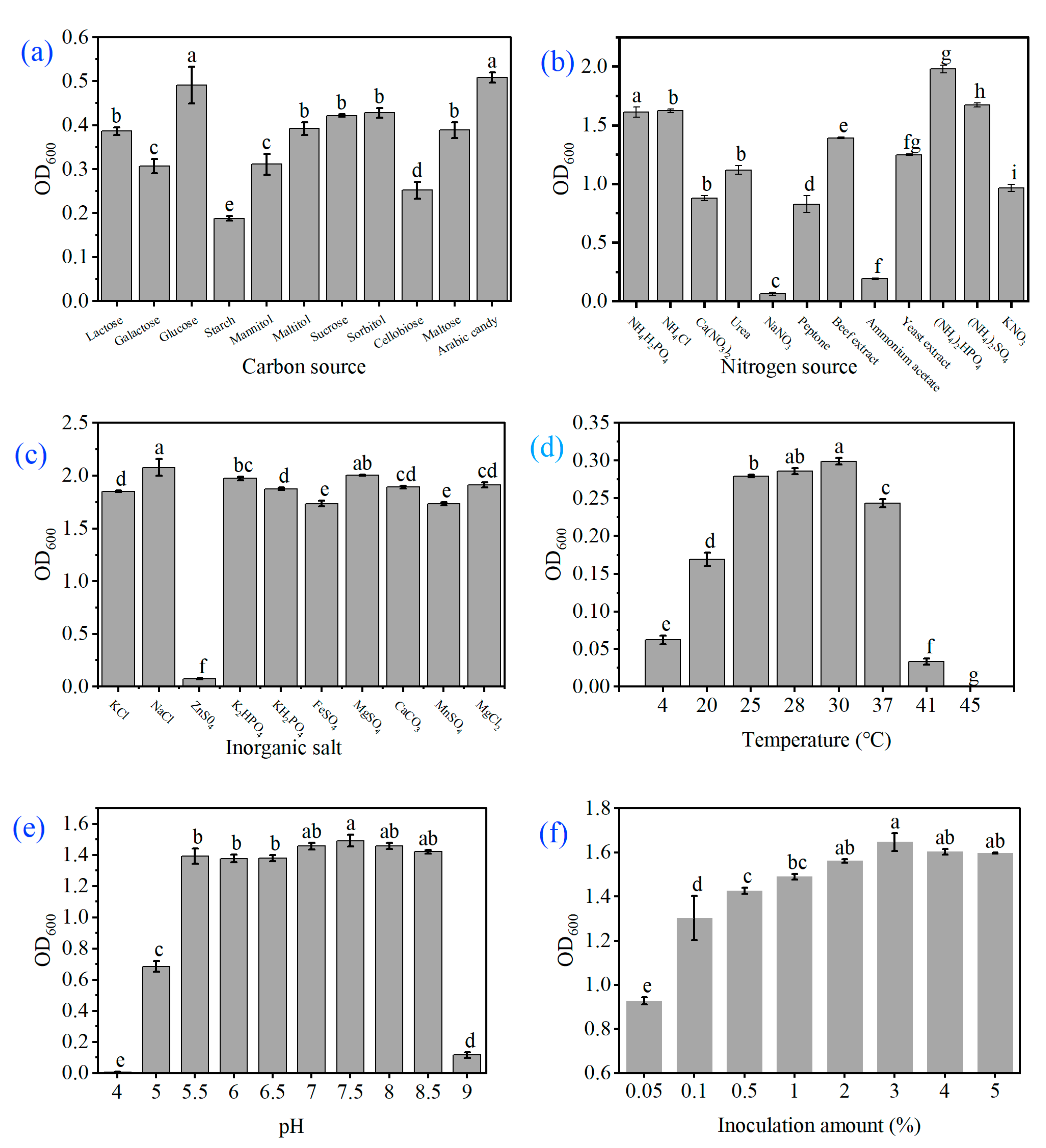
First Report of Crown Gall of Kiwifruit (Actinidia deliciosa) Caused by Agrobacterium fabacearum in China and the Establishment of Loop-Mediated Isothermal Amplification Technique
 ,
, Abstract
Share and Cite
He, L.; Shi, J.; Zhao, Z.; Ran, F.; Mo, F.; Long, Y.; Yin, X.; Li, W.; Chen, T.; Chen, J. First Report of Crown Gall of Kiwifruit (Actinidia deliciosa) Caused by Agrobacterium fabacearum in China and the Establishment of Loop-Mediated Isothermal Amplification Technique. Int. J. Mol. Sci. 2022, 23, 207. https://doi.org/10.3390/ijms23010207
He L, Shi J, Zhao Z, Ran F, Mo F, Long Y, Yin X, Li W, Chen T, Chen J. First Report of Crown Gall of Kiwifruit (Actinidia deliciosa) Caused by Agrobacterium fabacearum in China and the Establishment of Loop-Mediated Isothermal Amplification Technique. International Journal of Molecular Sciences. 2022; 23(1):207. https://doi.org/10.3390/ijms23010207
Chicago/Turabian StyleHe, Linan, Jinqiao Shi, Zhibo Zhao, Fei Ran, Feixu Mo, Youhua Long, Xianhui Yin, Wenzhi Li, Tingting Chen, and Jia Chen. 2022. "First Report of Crown Gall of Kiwifruit (Actinidia deliciosa) Caused by Agrobacterium fabacearum in China and the Establishment of Loop-Mediated Isothermal Amplification Technique" International Journal of Molecular Sciences 23, no. 1: 207. https://doi.org/10.3390/ijms23010207
APA StyleHe, L., Shi, J., Zhao, Z., Ran, F., Mo, F., Long, Y., Yin, X., Li, W., Chen, T., & Chen, J. (2022). First Report of Crown Gall of Kiwifruit (Actinidia deliciosa) Caused by Agrobacterium fabacearum in China and the Establishment of Loop-Mediated Isothermal Amplification Technique. International Journal of Molecular Sciences, 23(1), 207. https://doi.org/10.3390/ijms23010207