Article

Alginate-g-PNIPAM-Based Thermo/Shear-Responsive Injectable Hydrogels: Tailoring the Rheological Properties by Adjusting the LCST of the Grafting Chains
by
Konstantinos Safakas
,
Sofia-Falia Saravanou
,
Zacharoula Iatridi
and
Constantinos Tsitsilianis
*
Department of Chemical Engineering, University of Patras, 26500 Patras, Greece
*
Author to whom correspondence should be addressed.
Int. J. Mol. Sci. 2021, 22(8), 3824; https://doi.org/10.3390/ijms22083824
Submission received: 21 March 2021 / Revised: 4 April 2021 / Accepted: 5 April 2021 / Published: 7 April 2021
(This article belongs to the Special Issue Hydrogels in Regenerative Medicine and Other Biomedical Applications)

Abstract

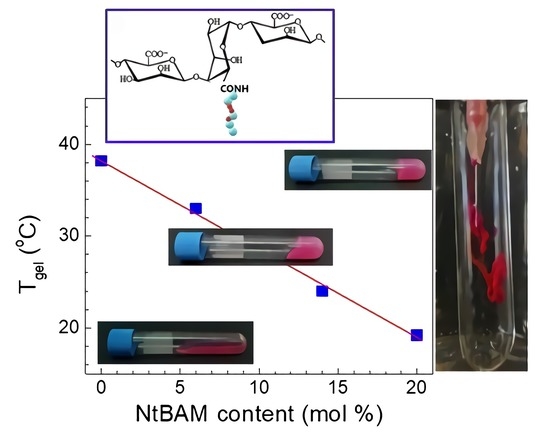
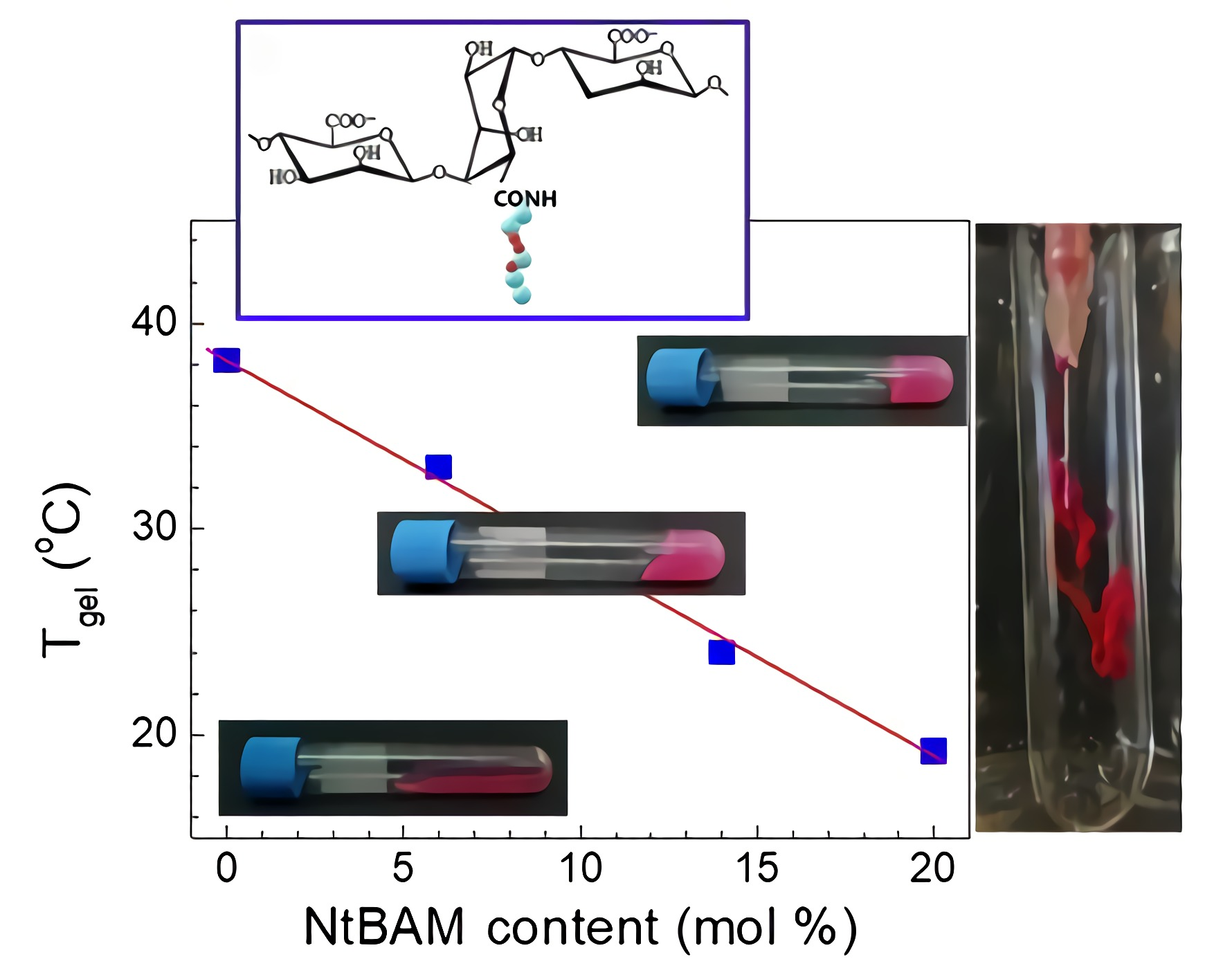
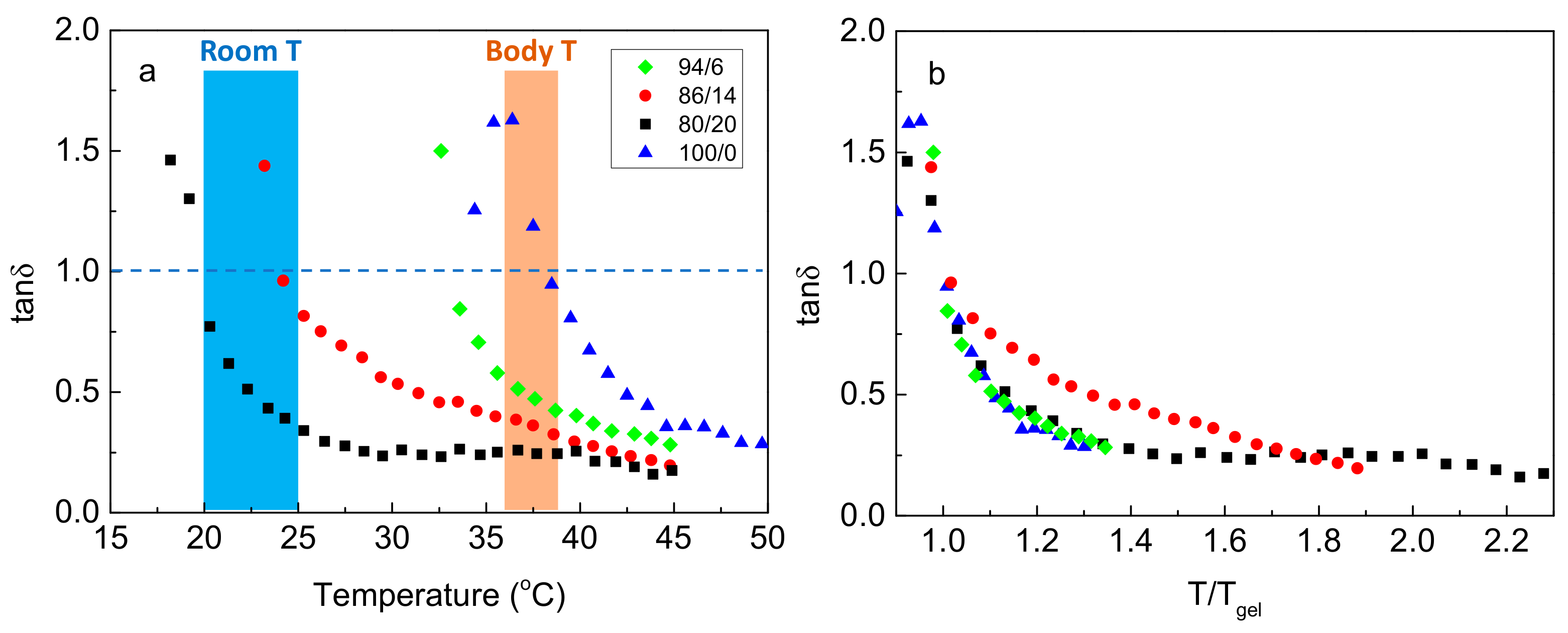
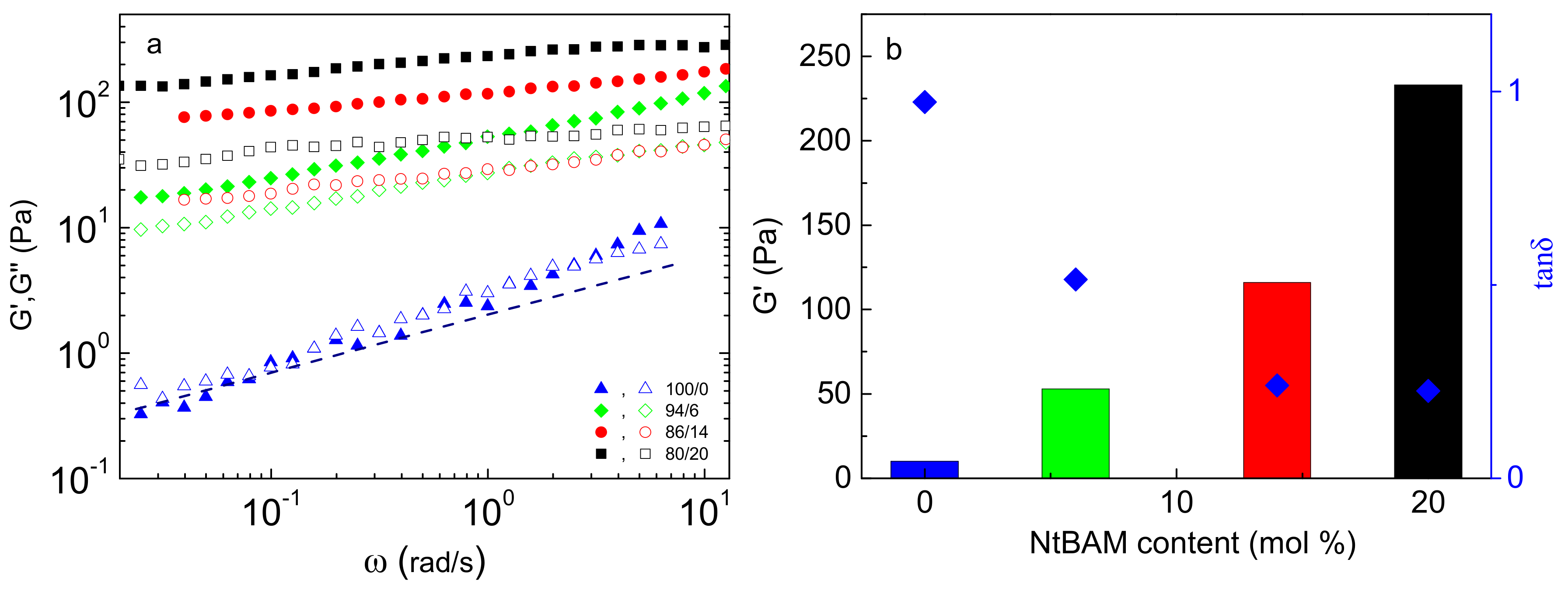
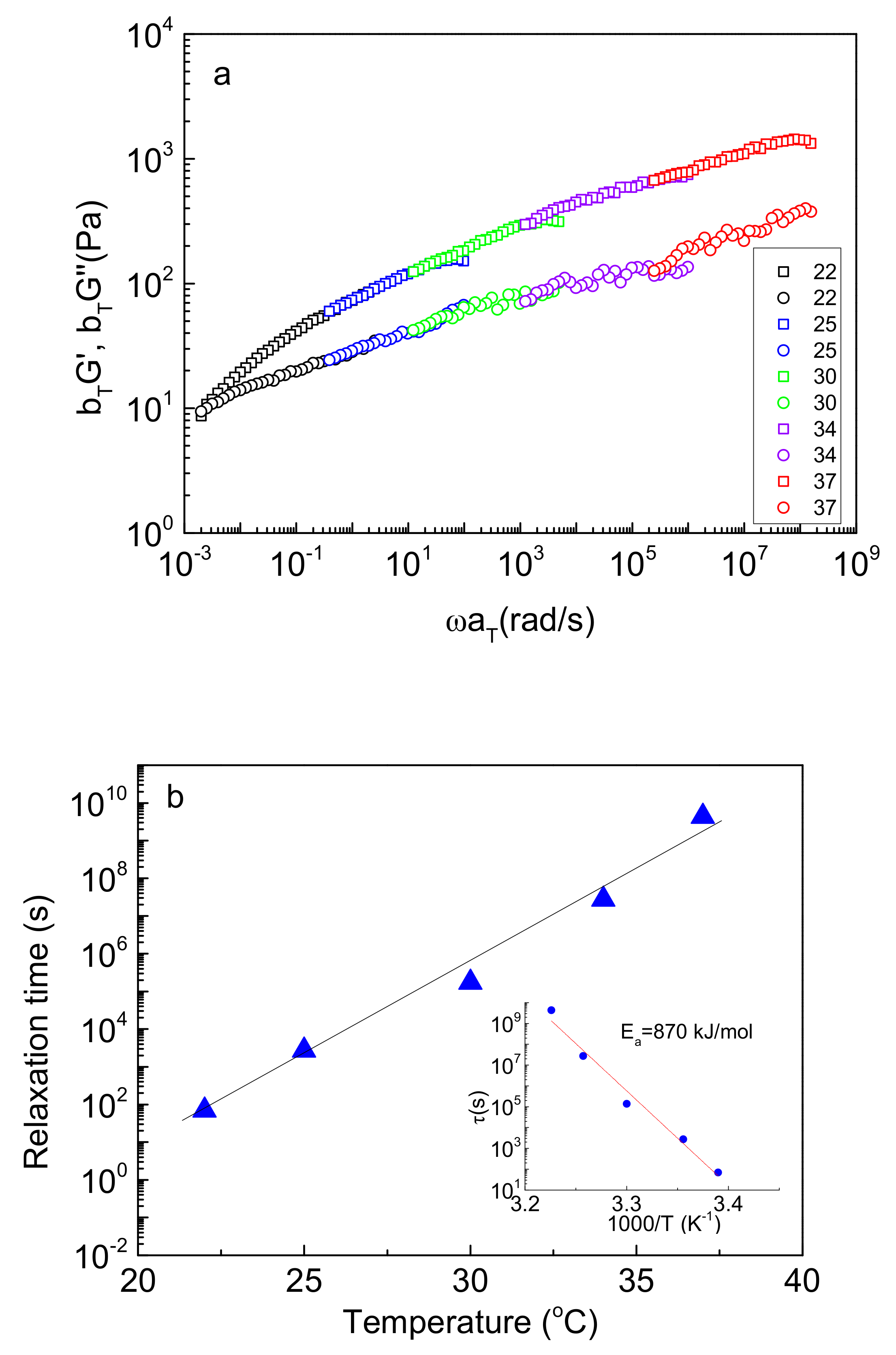
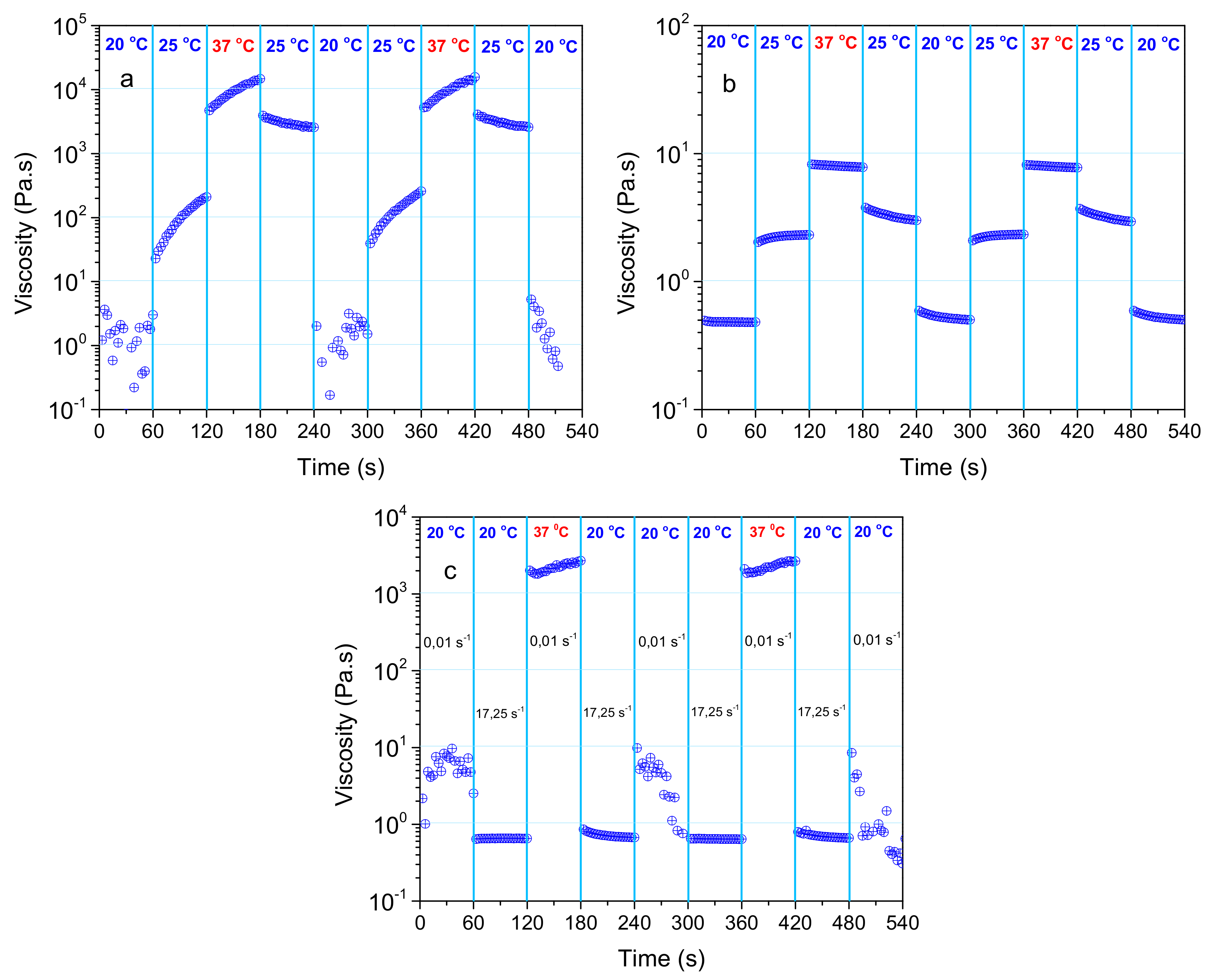
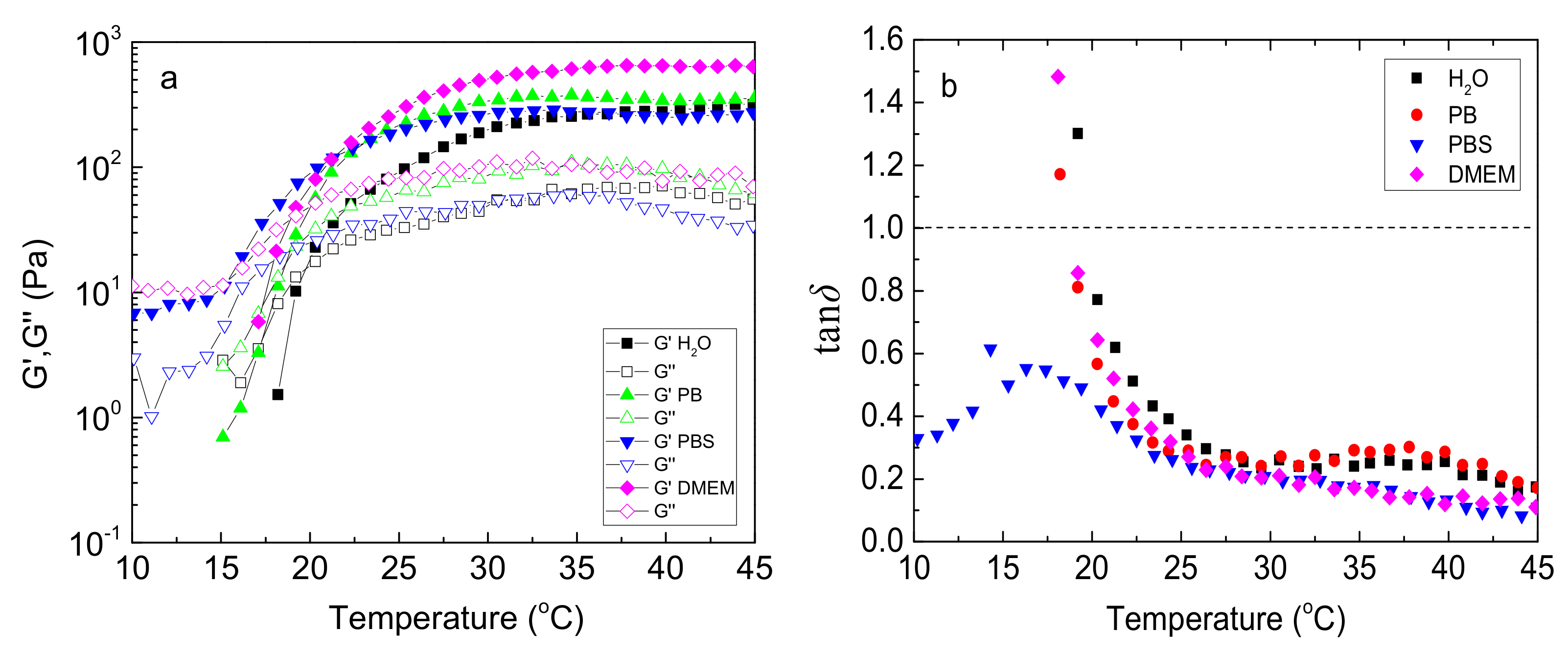
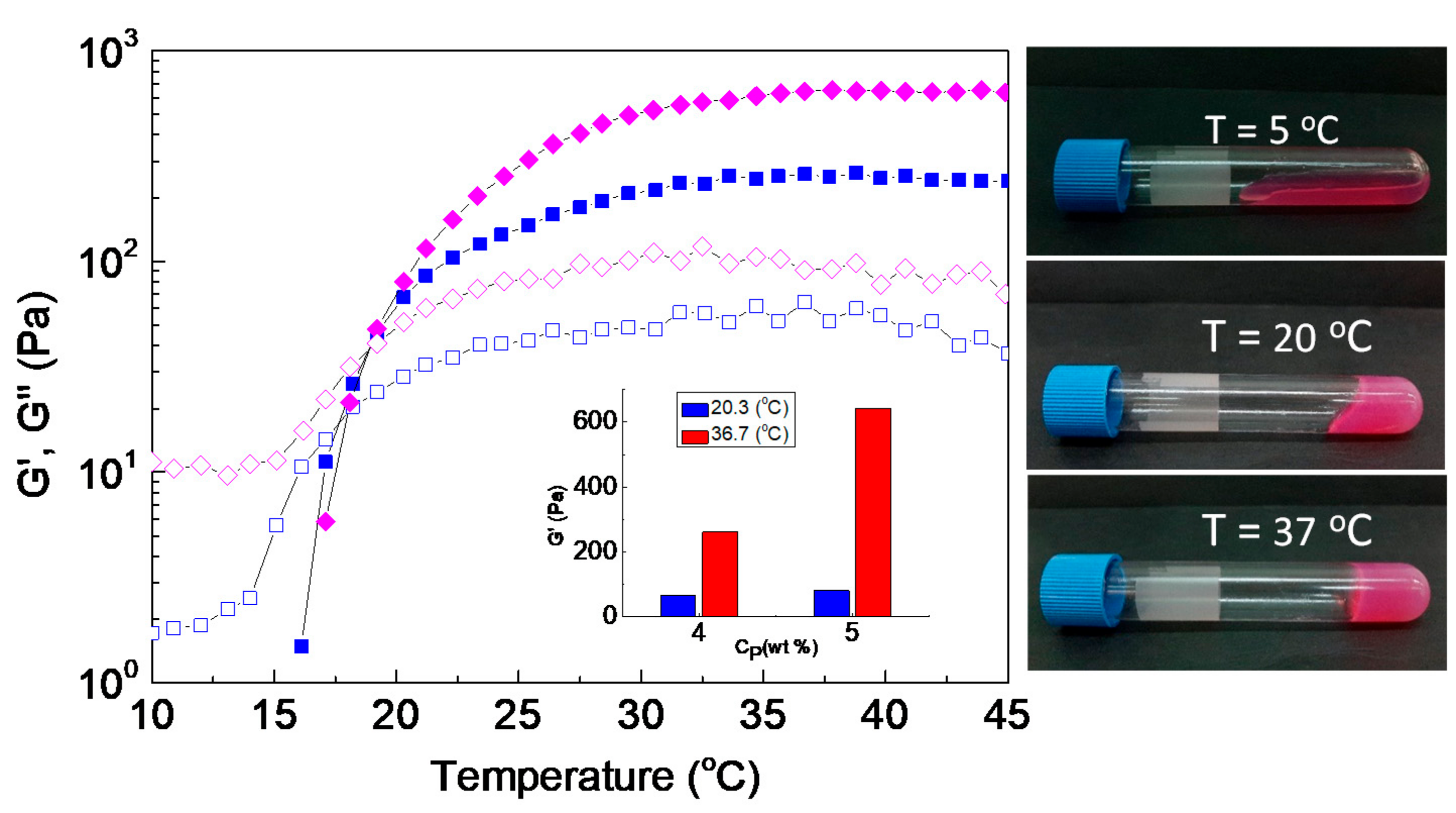
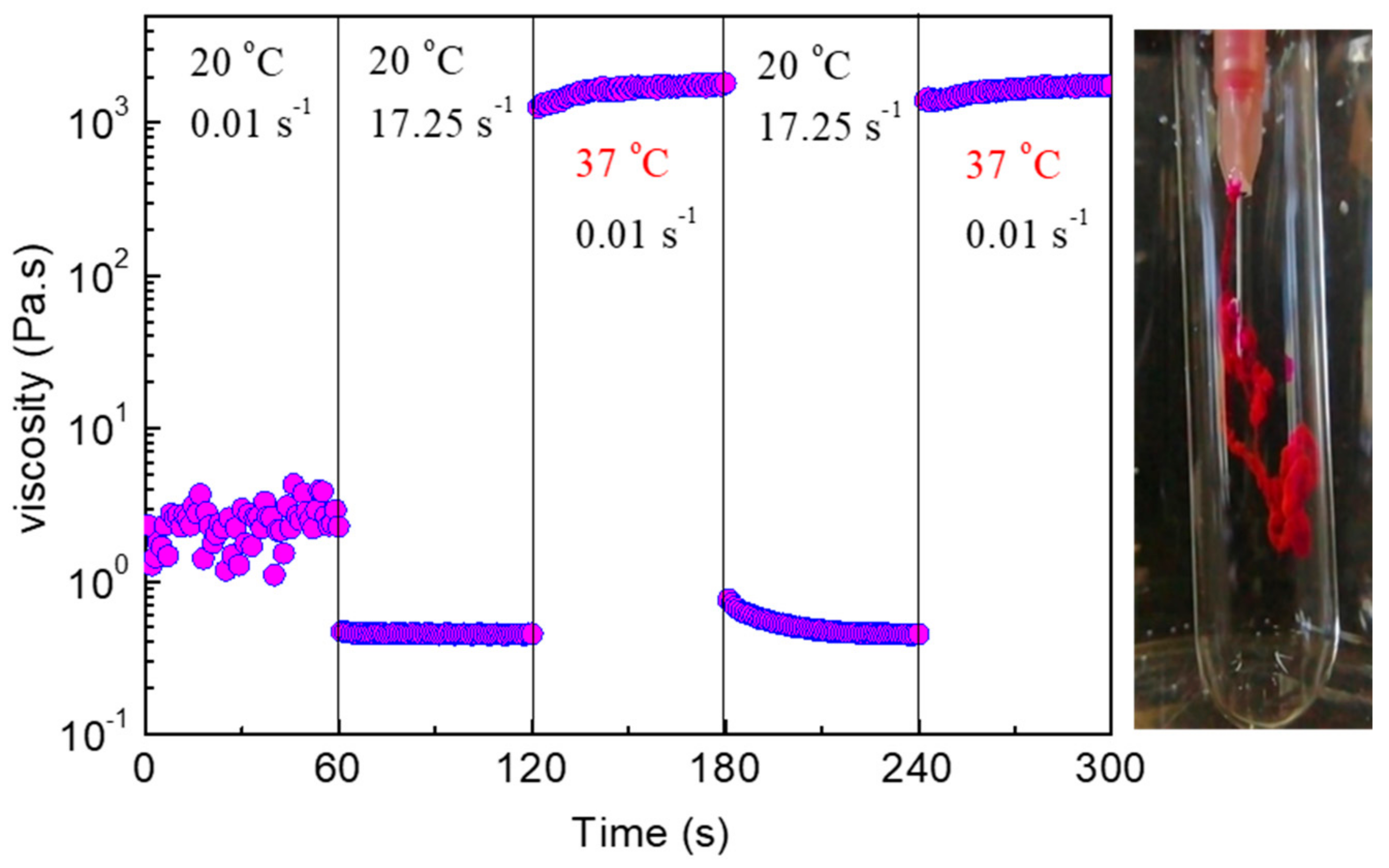
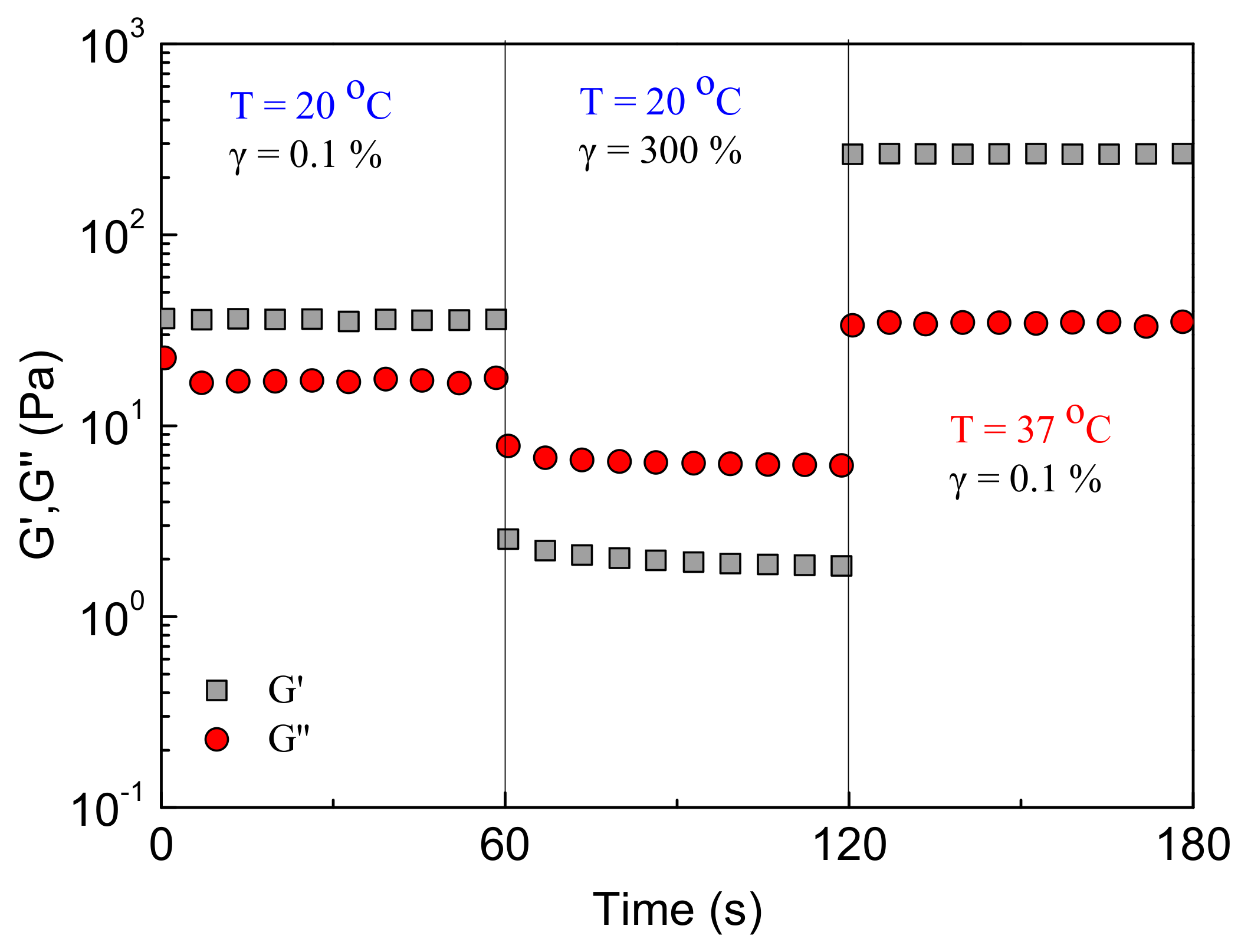
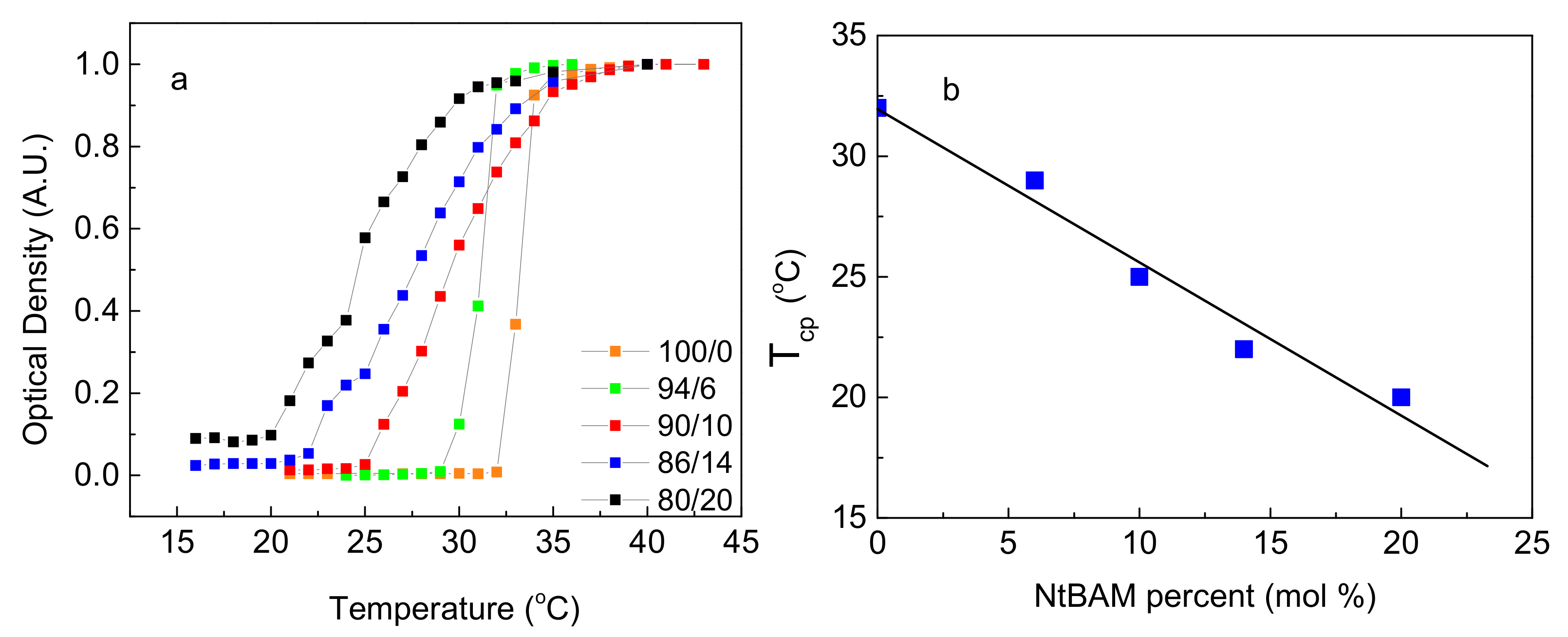
Graft copolymers of alginate backbone and N-isopropylacrylamide/N-tert-butylacrylamide random copolymer, P(NIPAMx-co-NtBAMy), side chains (stickers) with various NtBAM content were designed and explored in aqueous media. Self-assembling thermoresponsive hydrogels are formed upon heating, in all cases, through the hydrophobic association of the P(NIPAMx-co-NtBAMy) sticky pendant chains. The rheological properties of the formulations depend remarkably on the NtBAM hydrophobic content, which regulates the lower critical solution temperature (LCST) and, in turn, the stickers’ thermo-responsiveness. The gelation point, Tgel, was shifted to lower temperatures from 38 to 20 °C by enriching the PNIPAM chains with 20 mol % NtBAM, shifting accordingly to the gelation temperature window. The consequences of the Tgel shift to the hydrogels’ rheological properties are significant at room and body temperature. For instance, at 37 °C, the storage modulus increases about two orders of magnitude and the terminal relaxation time increase about 10 orders of magnitude by enriching the stickers with 20 mol % hydrophobic moieties. Two main thermo-induced behaviors were revealed, characterized by a sol–gel and a weak gel–stiff gel transition for the copolymer with stickers of low (0.6 mol %) and high (14, 20 mol %) NtBAM content, respectively. The first type of hydrogels is easily injectable, while for the second one, the injectability is provided by shear-thinning effects. The influence of the type of media (phosphate buffer (PB), phosphate-buffered saline (PBS), Dulbecco’s modified Eagle’s medium (DMEM)) on the hydrogel properties was also explored and discussed. The 4 wt % NaALG-g-P(NIPAM80-co-NtBAM20)/DMEM formulation showed excellent shear-induced injectability at room temperature and instantaneous thermo-induced gel stiffening at body temperature, rendering it a good candidate for cell transplantation potential applications.
Keywords: alginate; PNIPAM-based graft copolymers; hydrogel; thermo-responsive; shear-responsive; LCST adjustment; sol–gel transition; rheological properties; injectability alginate; PNIPAM-based graft copolymers; hydrogel; thermo-responsive; shear-responsive; LCST adjustment; sol–gel transition; rheological properties; injectability
Graphical Abstract