Review

The Interplay between Two Transcriptional Repressors and Chaperones Orchestrates Helicobacter pylori Heat-Shock Response


by
Davide Roncarati
* and
Vincenzo Scarlato
Department of Pharmacy and Biotechnology (FaBiT), University of Bologna, 40126 Bologna, Italy
*
Author to whom correspondence should be addressed.
Int. J. Mol. Sci. 2018, 19(6), 1702; https://doi.org/10.3390/ijms19061702
Submission received: 26 April 2018 / Revised: 1 June 2018 / Accepted: 5 June 2018 / Published: 7 June 2018
(This article belongs to the Special Issue Helicobacter pylori Research)

Abstract

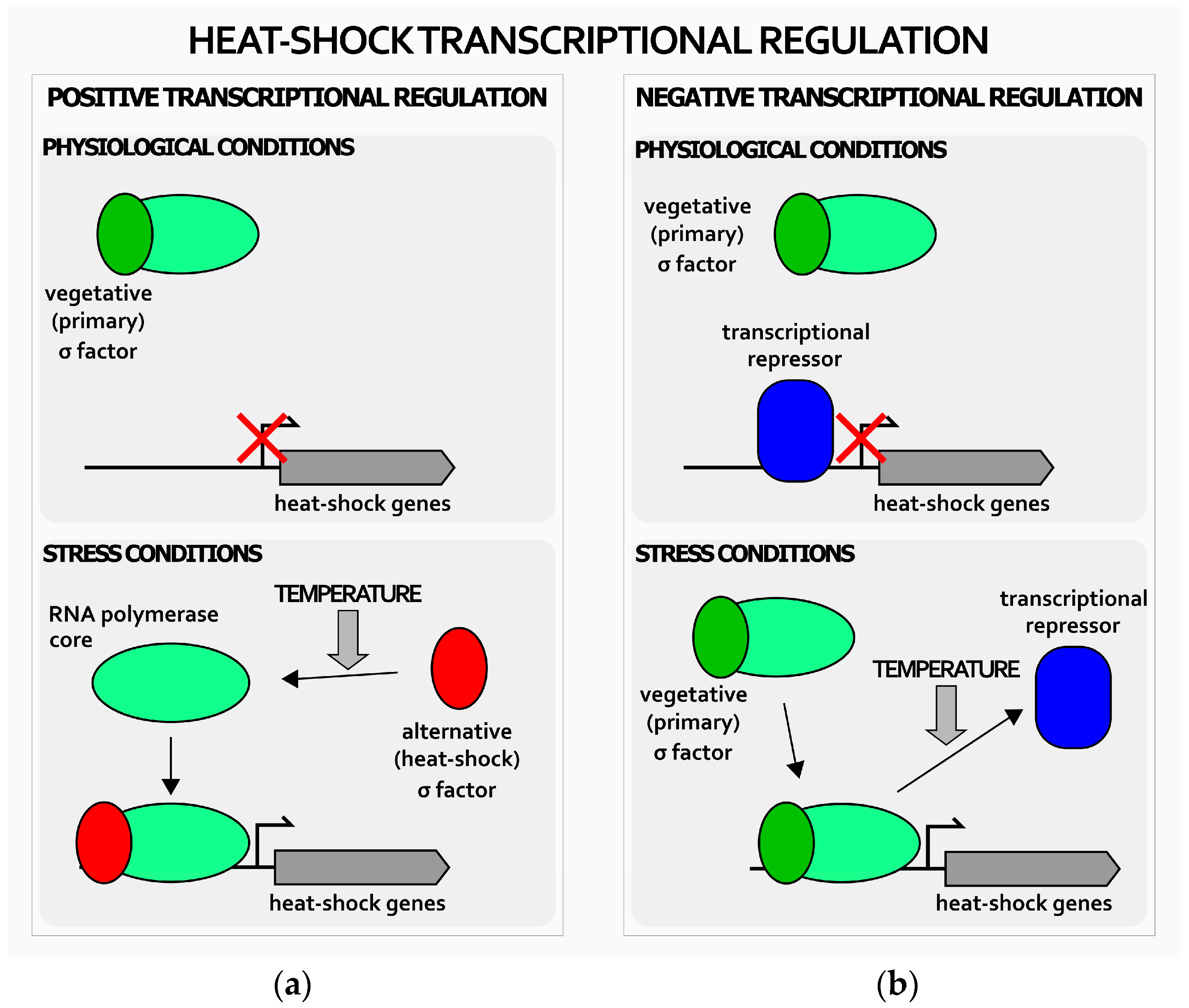
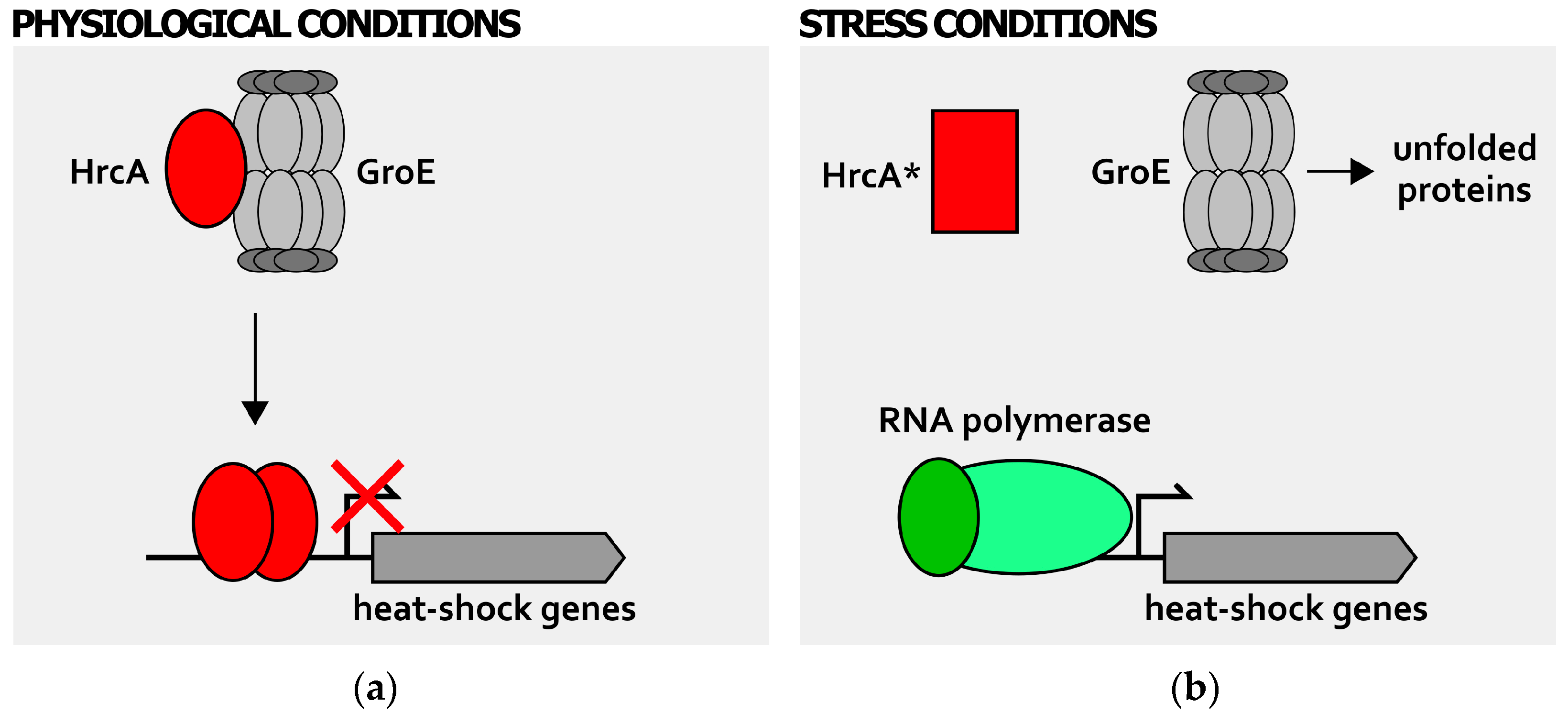
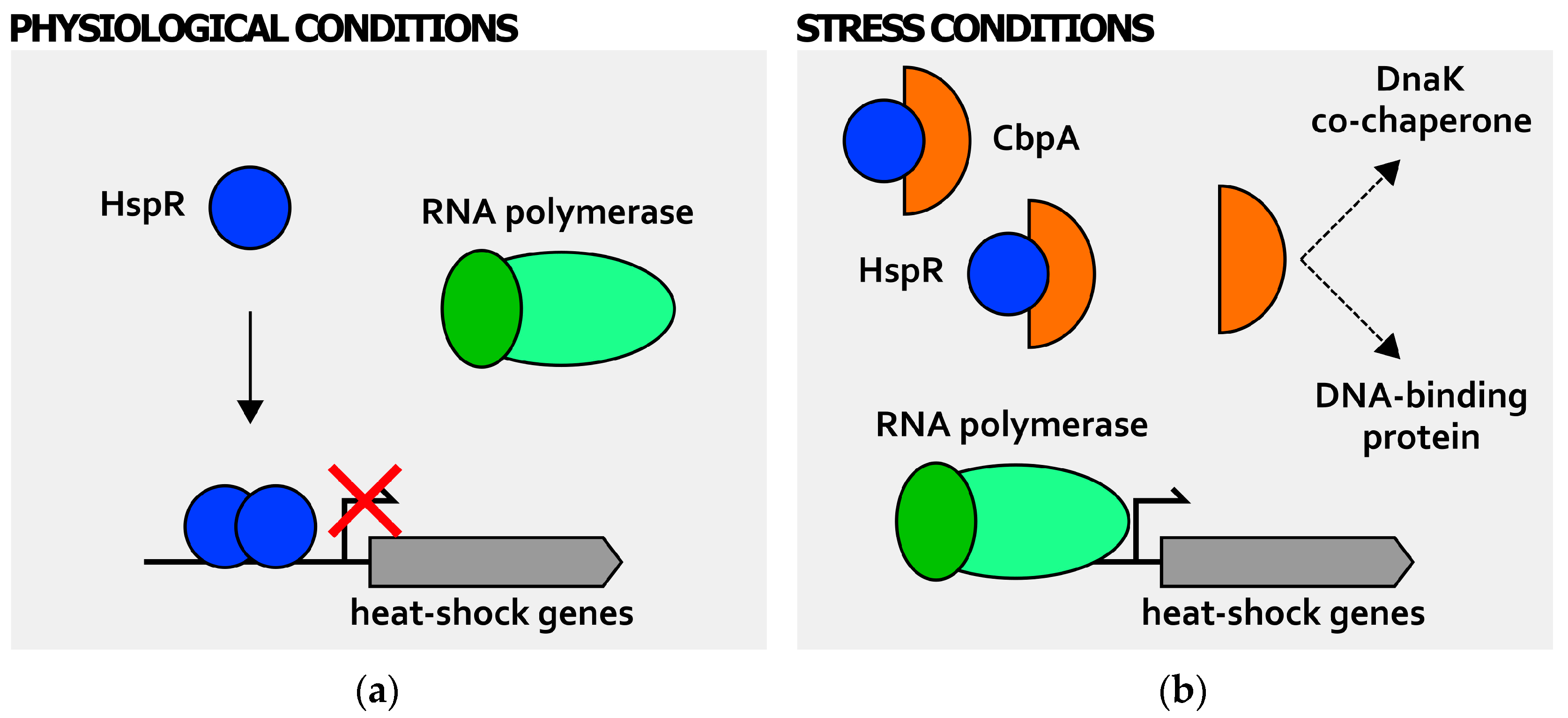
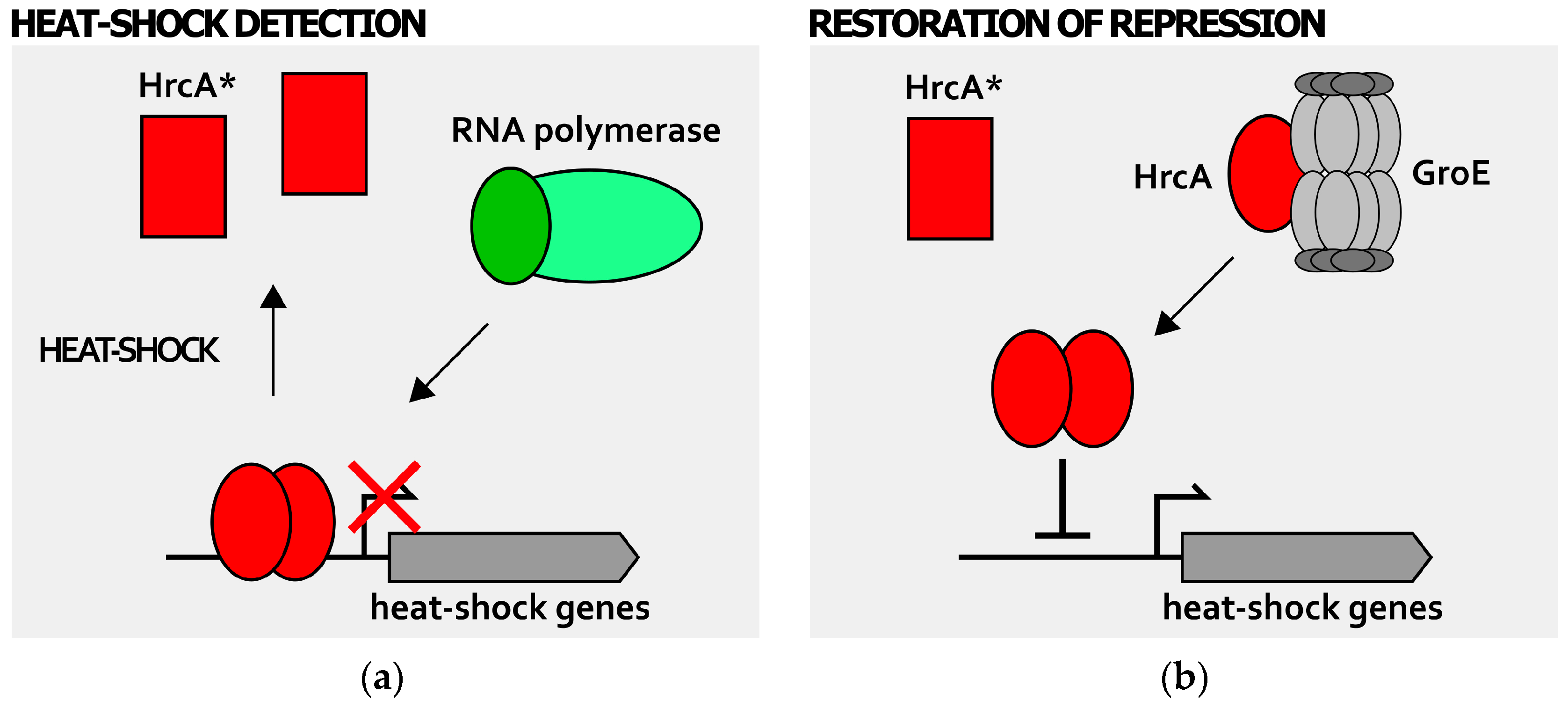
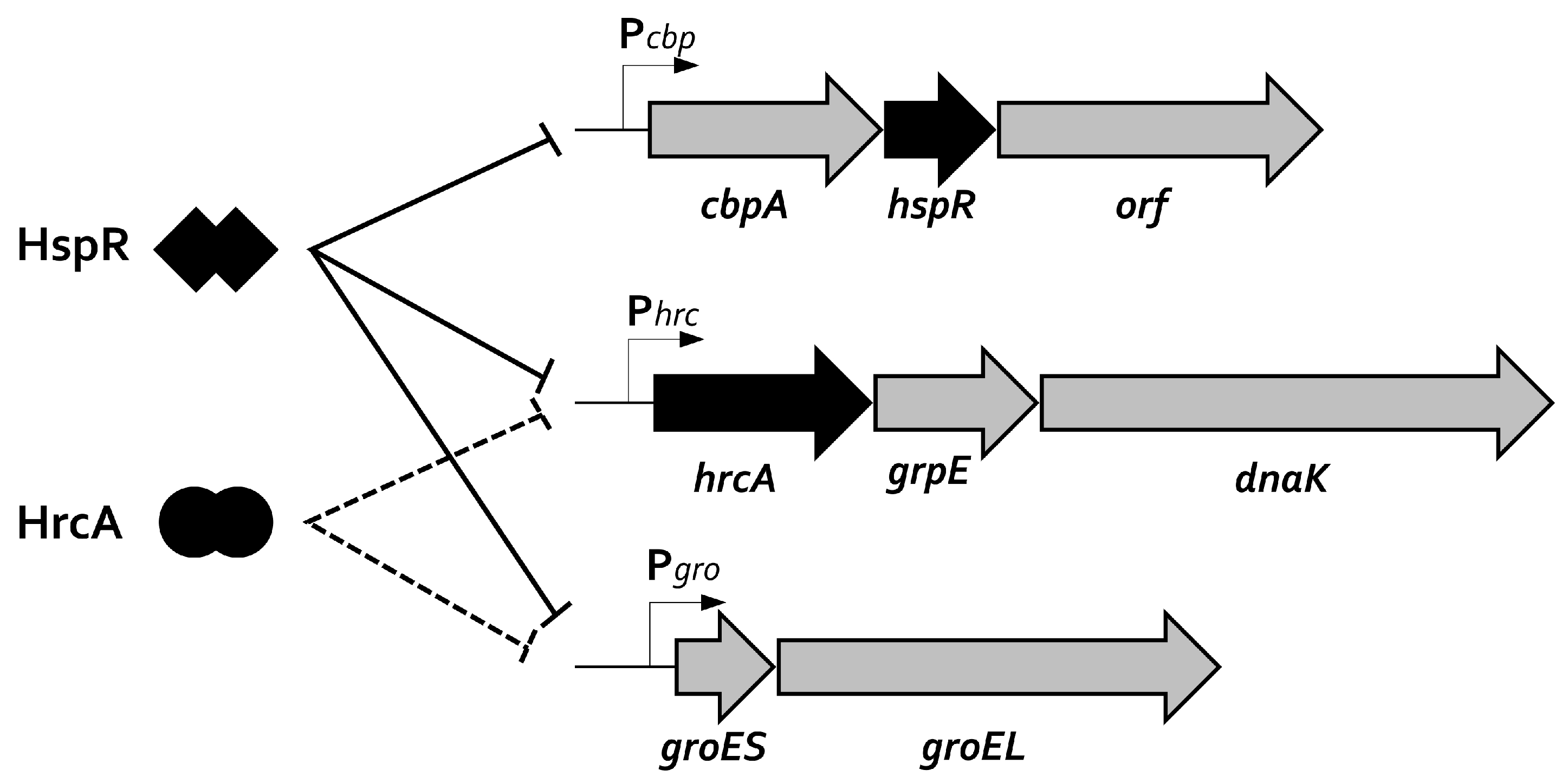
The ability to gauge the surroundings and modulate gene expression accordingly is a crucial feature for the survival bacterial pathogens. In this respect, the heat-shock response, a universally conserved mechanism of protection, allows bacterial cells to adapt rapidly to hostile conditions and to survive during environmental stresses. The important and widespread human pathogen Helicobacter pylori enrolls a collection of highly conserved heat-shock proteins to preserve cellular proteins and to maintain their homeostasis, allowing the pathogen to adapt and survive in the hostile niche of the human stomach. Moreover, various evidences suggest that some chaperones of H. pylori may play also non-canonical roles as, for example, in the interaction with the extracellular environment. In H. pylori, two dedicated transcriptional repressors, named HspR and HrcA, homologues to well-characterized regulators found in many other bacterial species, orchestrate the regulation of heat-shock proteins expression. Following twenty years of intense research, characterized by molecular, as well as genome-wide, approaches, it is nowadays possible to appreciate the complex picture representing the heat-shock regulation in H. pylori. Specifically, the HspR and HrcA repressors combine to control the transcription of target genes in a way that the HrcA regulon results embedded within the HspR regulon. Moreover, an additional level of control of heat-shock genes’ expression is exerted by a posttranscriptional feedback regulatory circuit in which chaperones interact and modulate HspR and HrcA DNA-binding activity. This review recapitulates our understanding of the roles and regulation of the most important heat-shock proteins of H. pylori, which represent a crucial virulence factor for bacterial infection and persistence in the human host.
Keywords: Helicobacter pylori; heat-shock response; transcriptional regulation; HspR repressor; HrcA repressor Helicobacter pylori; heat-shock response; transcriptional regulation; HspR repressor; HrcA repressor