Article

Modeling of the Reaction Mechanism of Enzymatic Radical C–C Coupling by Benzylsuccinate Synthase


1
Jerzy Haber Institute of Catalysis and Surface Chemistry, Polish Academy of Sciences, Kraków 30-239, Poland
2
Laboratory of Microbial Biochemistry, and LOEWE-Center for Synthetic Microbiology, Philipps-University of Marburg, Marburg 35043, Germany
*
Author to whom correspondence should be addressed.
Int. J. Mol. Sci. 2016, 17(4), 514; https://doi.org/10.3390/ijms17040514
Submission received: 15 February 2016 / Revised: 15 March 2016 / Accepted: 24 March 2016 / Published: 7 April 2016
(This article belongs to the Special Issue Computational Modelling of Enzymatic Reaction Mechanisms)

Abstract

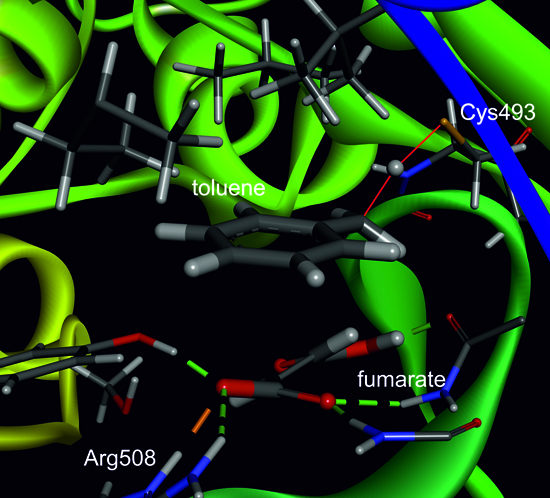
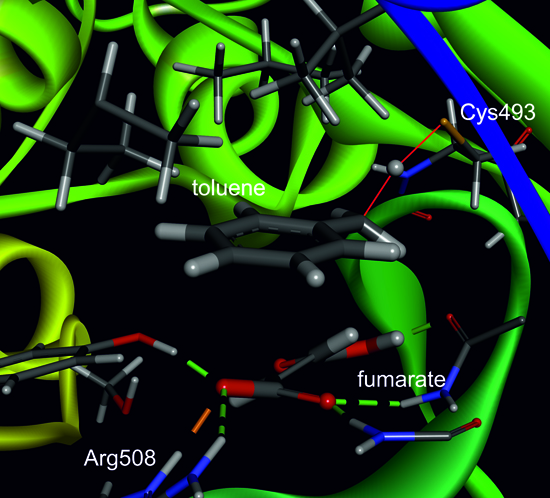
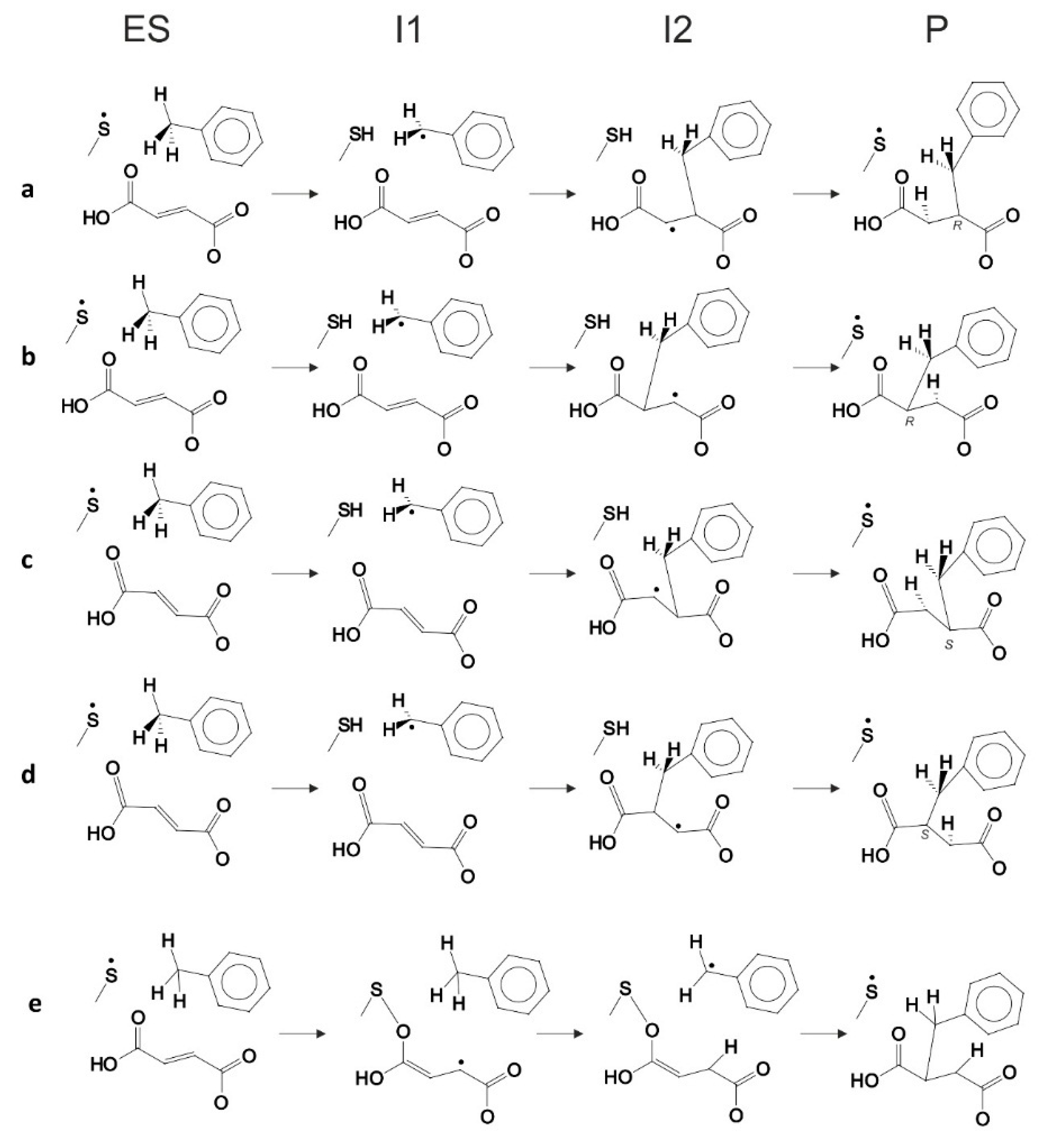
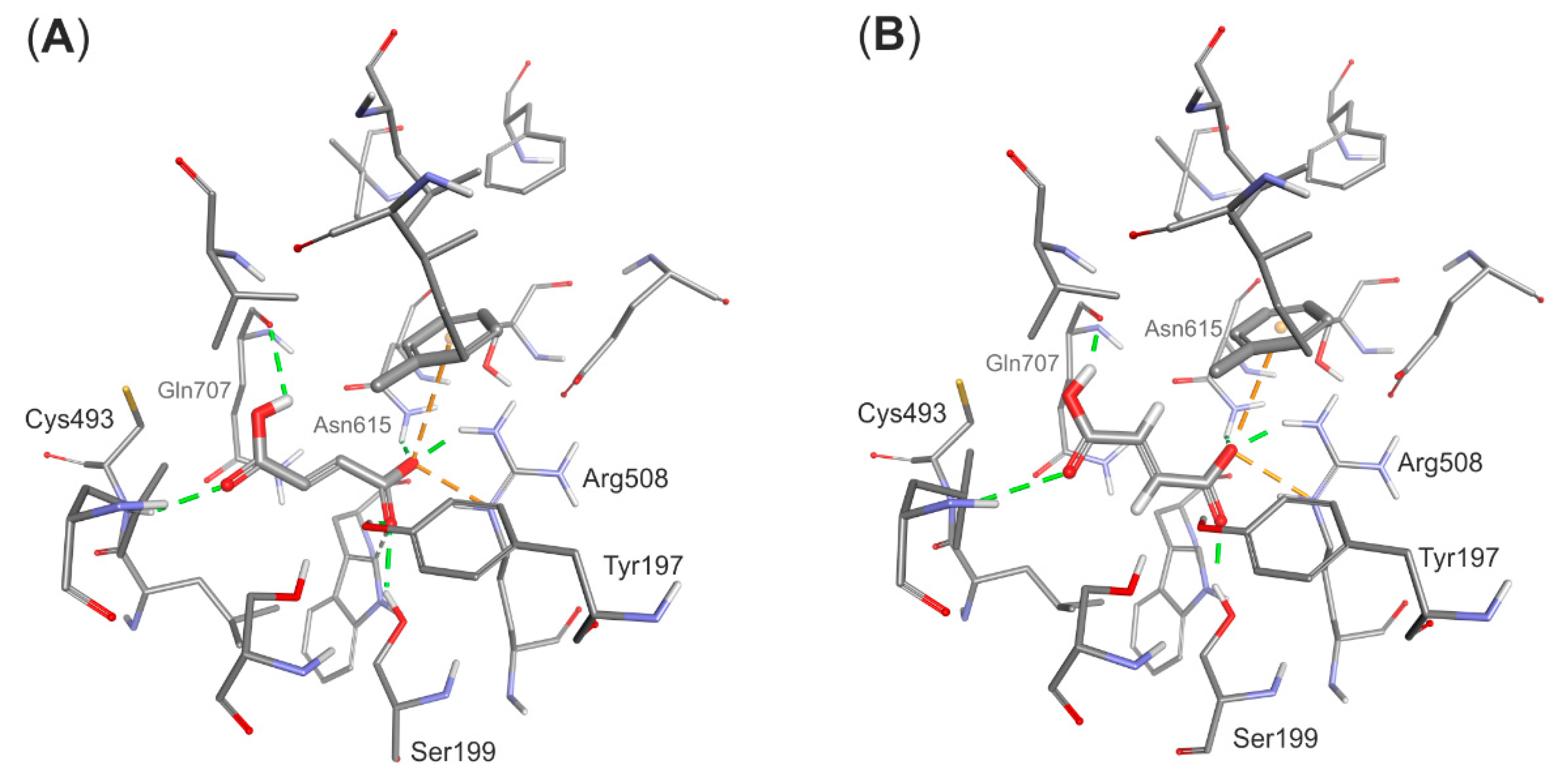
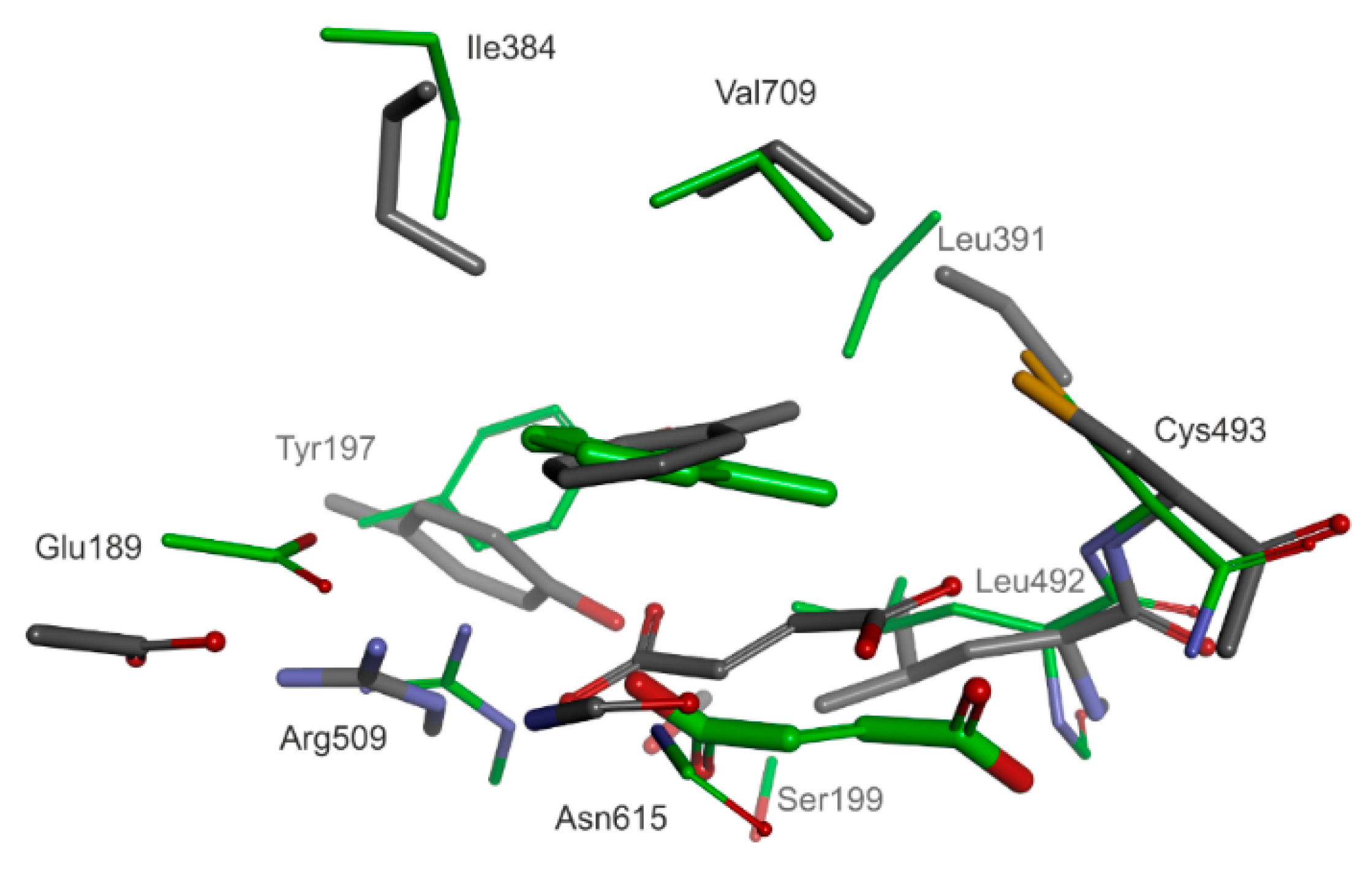
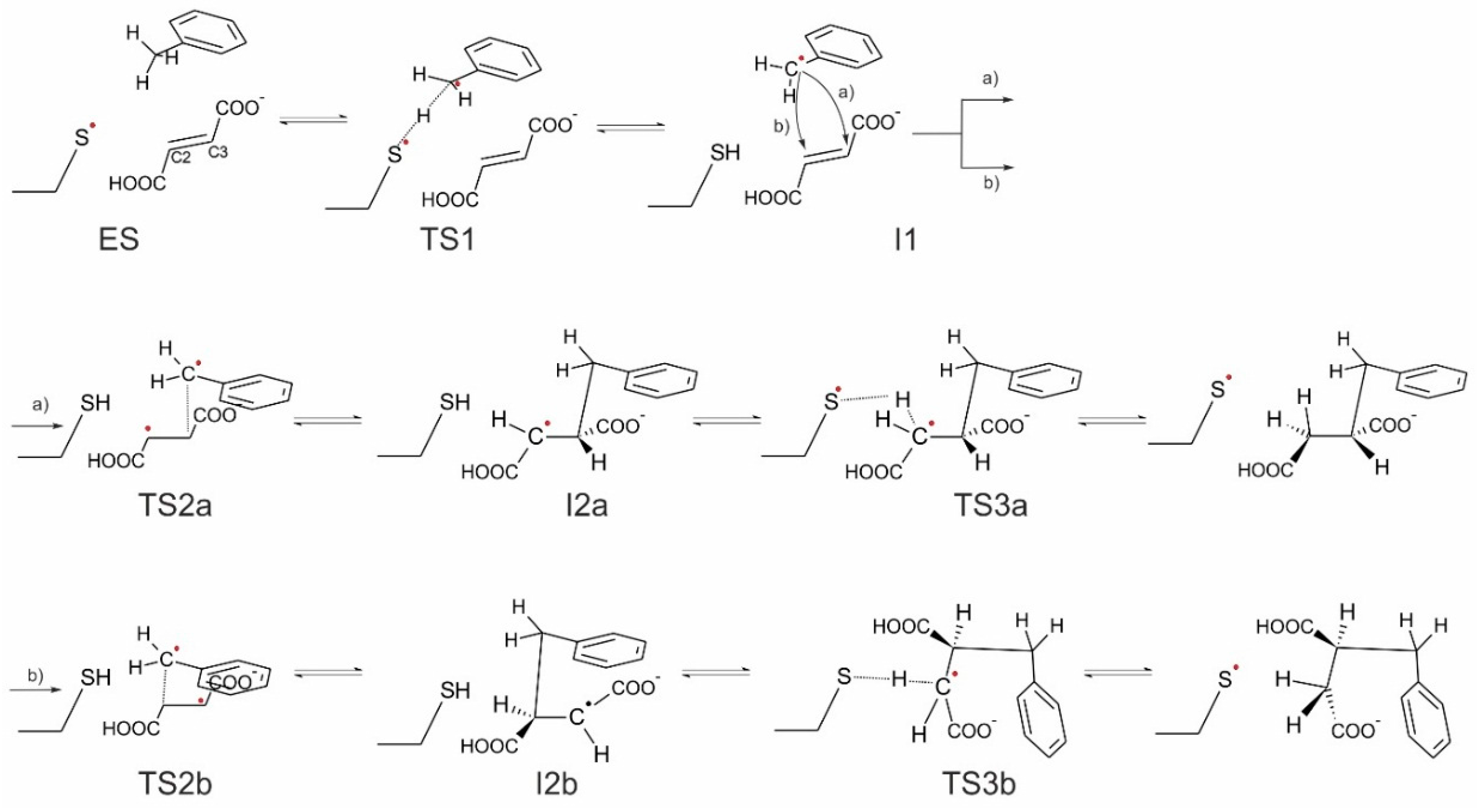
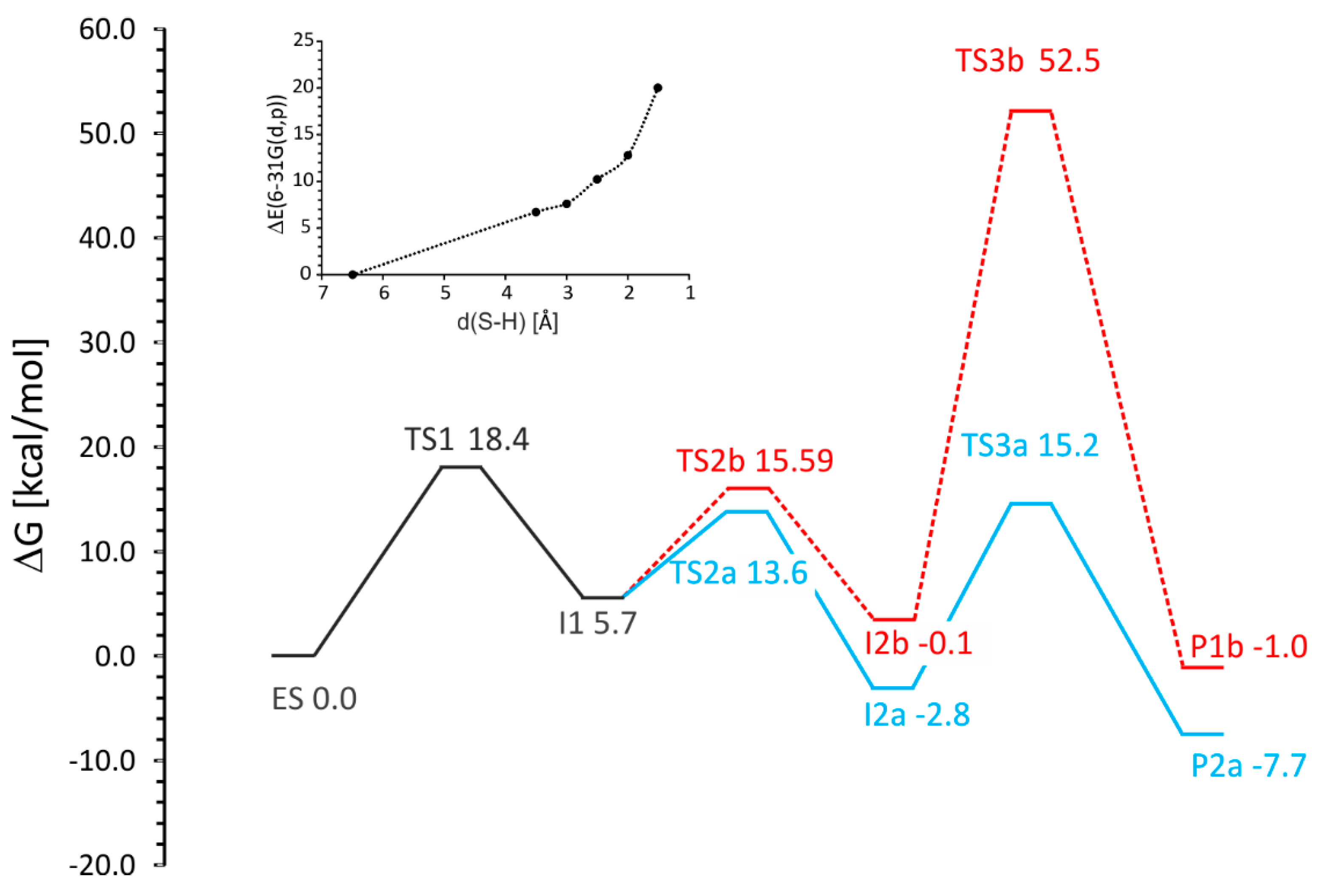
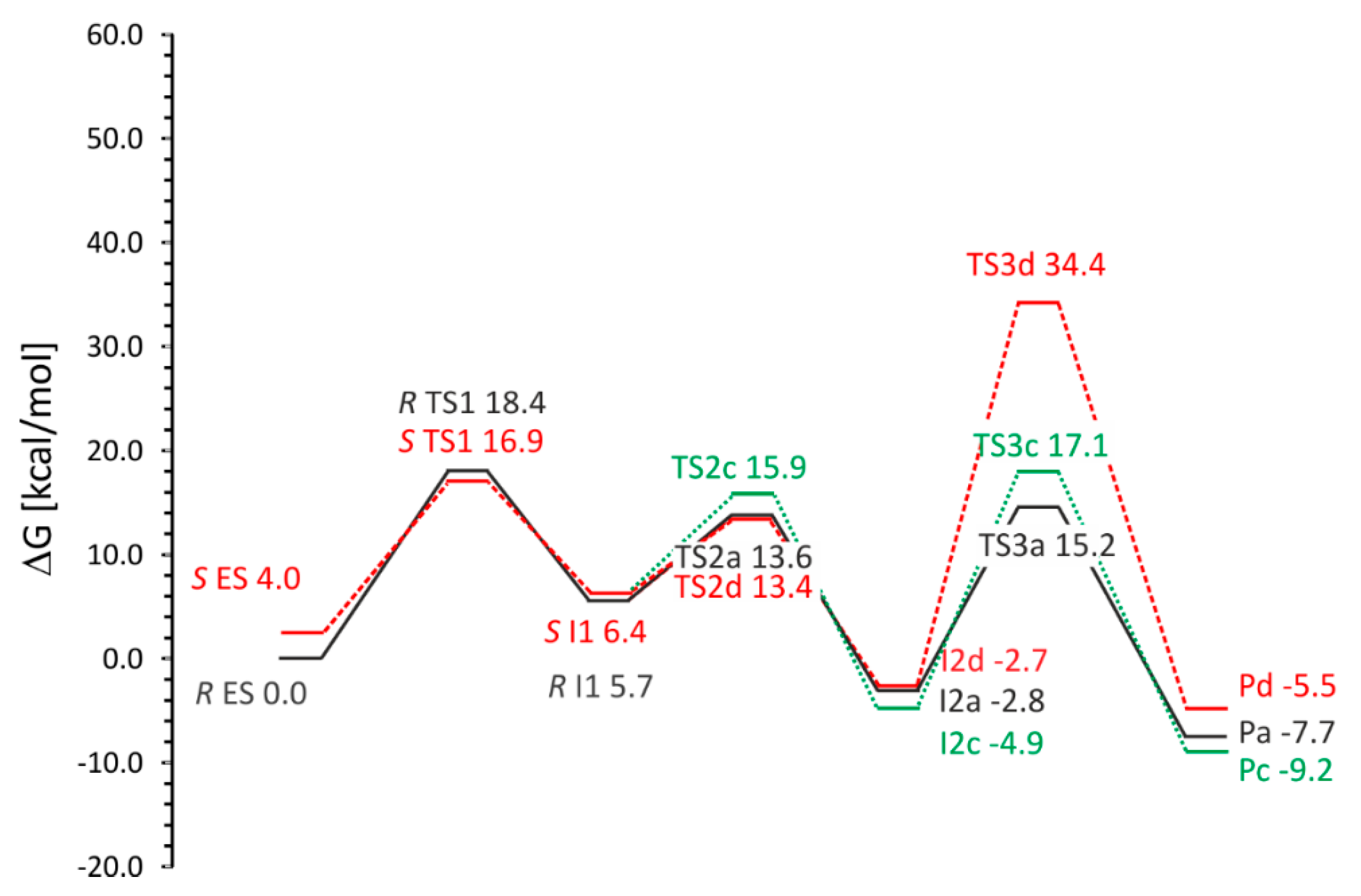
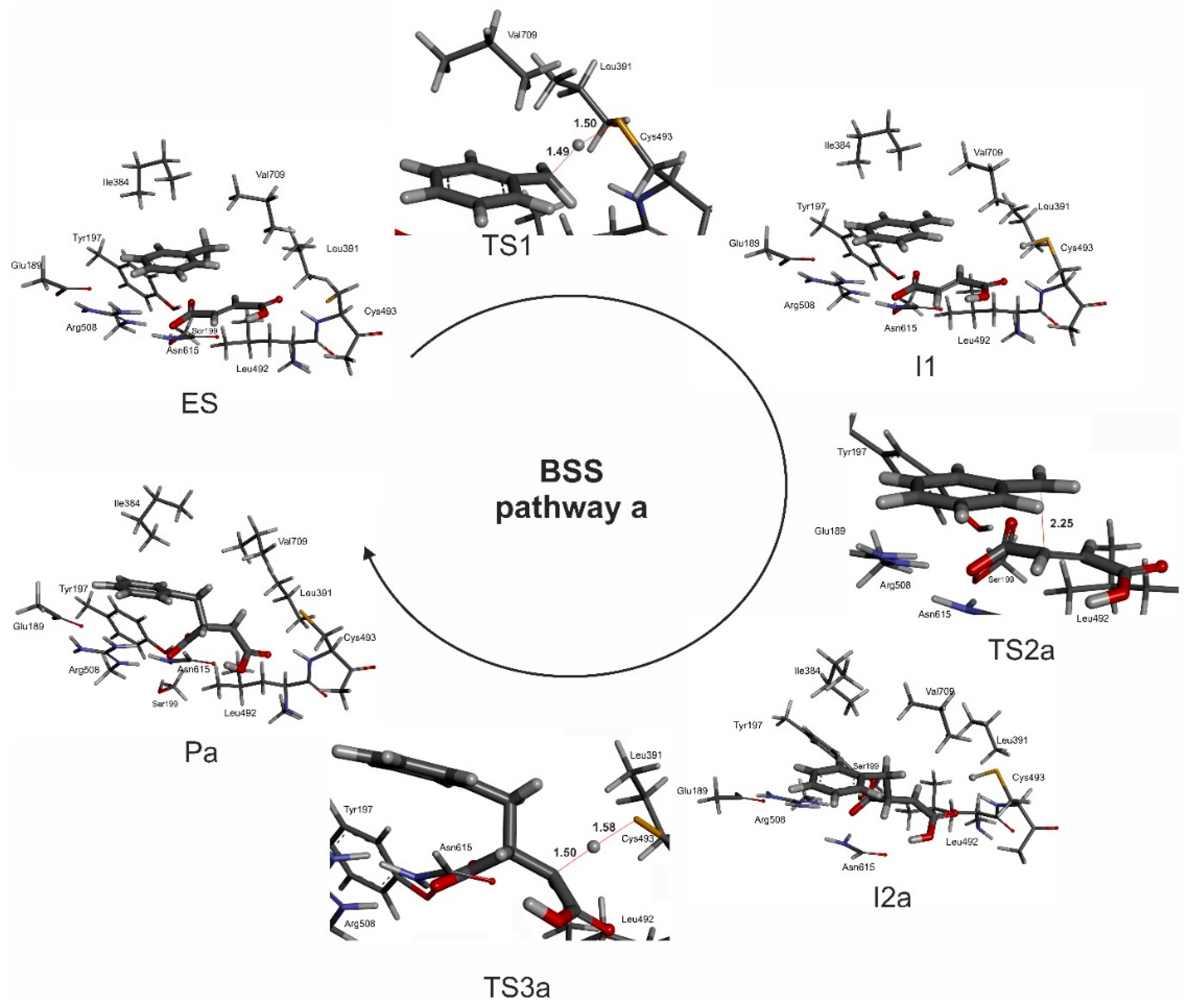
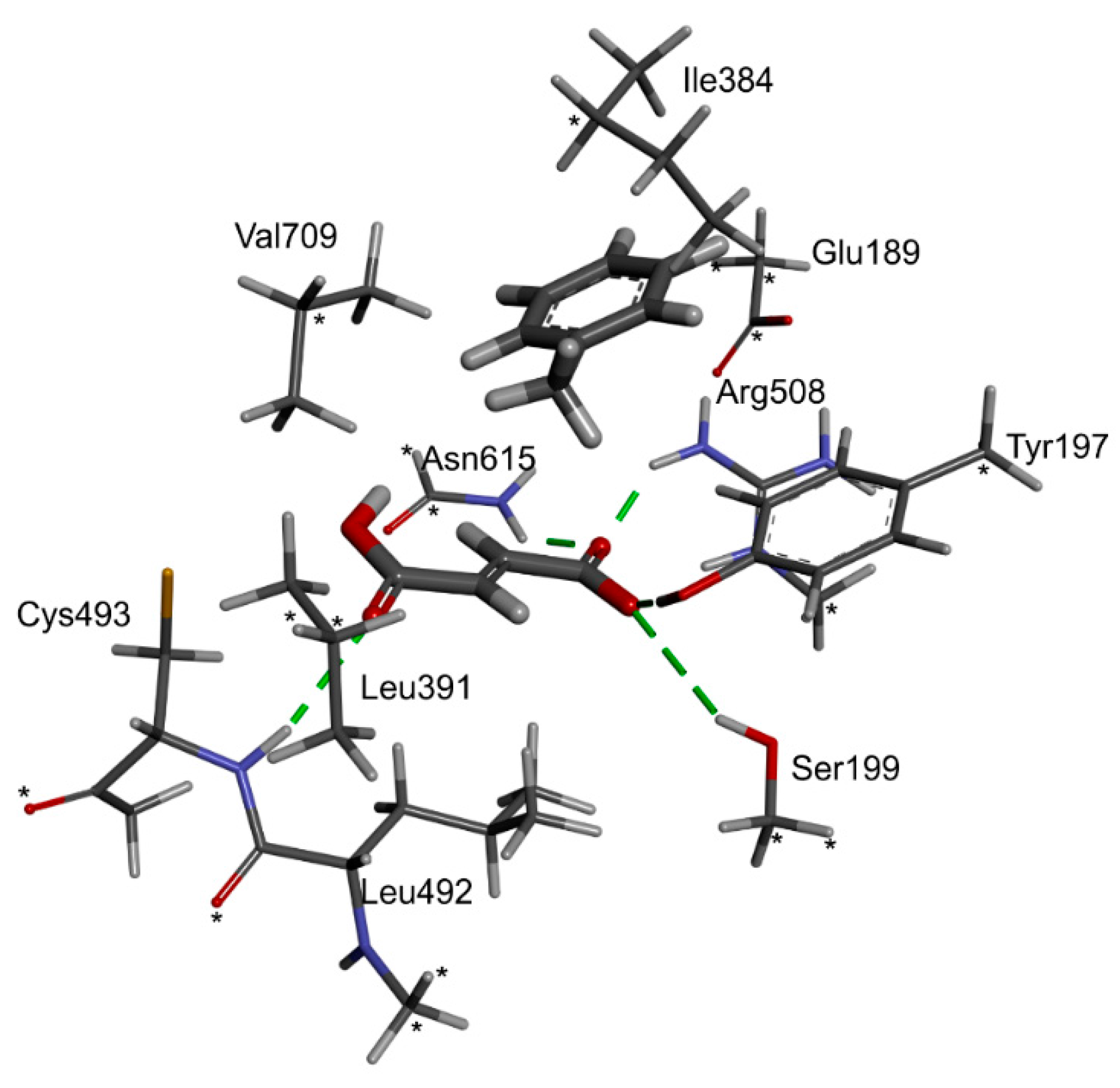
Molecular modeling techniques and density functional theory calculations were performed to study the mechanism of enzymatic radical C–C coupling catalyzed by benzylsuccinate synthase (BSS). BSS has been identified as a glycyl radical enzyme that catalyzes the enantiospecific fumarate addition to toluene initiating its anaerobic metabolism in the denitrifying bacterium Thauera aromatica, and this reaction represents the general mechanism of toluene degradation in all known anaerobic degraders. In this work docking calculations, classical molecular dynamics (MD) simulations, and DFT+D2 cluster modeling was employed to address the following questions: (i) What mechanistic details of the BSS reaction yield the most probable molecular model? (ii) What is the molecular basis of enantiospecificity of BSS? (iii) Is the proposed mechanism consistent with experimental observations, such as an inversion of the stereochemistry of the benzylic protons, syn addition of toluene to fumarate, exclusive production of (R)-benzylsuccinate as a product and a kinetic isotope effect (KIE) ranging between 2 and 4? The quantum mechanics (QM) modeling confirms that the previously proposed hypothetical mechanism is the most probable among several variants considered, although C–H activation and not C–C coupling turns out to be the rate limiting step. The enantiospecificity of the enzyme seems to be enforced by a thermodynamic preference for binding of fumarate in the pro(R) orientation and reverse preference of benzyl radical attack on fumarate in pro(S) pathway which results with prohibitively high energy barrier of the radical quenching. Finally, the proposed mechanism agrees with most of the experimental observations, although the calculated intrinsic KIE from the model (6.5) is still higher than the experimentally observed values (4.0) which suggests that both C–H activation and radical quenching may jointly be involved in the kinetic control of the reaction.
Keywords: benzylsuccinate synthase; anaerobic metabolism; DFT; kinetic isotope effect; toluene metabolism benzylsuccinate synthase; anaerobic metabolism; DFT; kinetic isotope effect; toluene metabolism
Graphical Abstract