


Abstract
Cancer threatens the health and lives of people around the world and causes a heavy economic burden on families and society. Dysbiosis of the gut microbiota has been observed in cancer patients and is an important factor in cancer progression. Quercetin, a widely distributed dietary flavonol, exhibits pleiotropic anti-cancer activities in preclinical models. Importantly, recent studies reveal a bidirectional crosstalk between quercetin and the gut microbiota that may critically shape its biological effects. Specifically, gut microbiota enzymes mediate quercetin biotransformation and produce tumor-suppressive quercetin metabolites. On the other hand, quercetin remodels specific gut microbial species and their metabolites to promote anti-tumor activity. This review provides a timely and systematic synthesis of the latest findings regarding quercetin, gut microbiota, and cancer. Furthermore, we discuss strategies to enhance this interaction for improved cancer therapy. By highlighting the pivotal role of the gut microbiota, this review offers novel insights and a refined theoretical framework to guide future research and potential clinical translation of quercetin in cancer prevention and treatment.
1. Introduction
Cancer is caused by multiple etiological factors and is primarily characterized by uncontrolled cellular proliferation and the behavior of invasion and metastasis [1]. In recent decades, cancer research has received heightened attention due to being the leading cause of human death and the economic burden it imposes on society [2]. However, traditional cancer treatments, including surgery, chemotherapy, radiotherapy, and immunotherapy, are constrained by challenges such as adverse effects and drug resistance [3,4]. Therefore, the development of more efficient or combined therapies to overcome these challenges is of great significance for cancer patients.
The human body harbors trillions of microorganisms, including bacteria, viruses, fungi, and protozoa, with their population approximately equating to that of the host cells [5,6]. Among them, the gut microbiota emerges as a hot topic of scientific research due to its critical role in maintaining normal physiological activities of the body. For this reason, the gut microbiota is also known as “the hidden organ” [7,8]. At the same time, dysbiosis of the gut microbiota has been reported to be closely associated with the occurrence and development of numerous diseases, especially cancer. With the advancement of detection technology, the underlying mechanisms of gut microbiota influencing cancer have been gradually revealed [9,10]. Moreover, experiments have also demonstrated that restoring the balance of the gut microbiota can effectively promote the outcomes of cancer treatment through drug biotransformation and synergistic anti-cancer effects [11,12].
Quercetin (3,3′,4′,5,7-pentahydroxyflavone) belongs to flavonoids classified within the polyphenol family and is present in a diverse array of dietary plants [13]. Both in vitro studies and animal models have revealed the direct antitumor effects of quercetin, with the specific mechanisms being extensively elucidated [14]. Notably, a portion of ingested quercetin reaches the colon, where it interacts with the gut microbiota [15,16,17,18]. The gut microbiota metabolizes quercetin into phenolic acids with highly anti-cancer activity, and, in turn, quercetin can drive the transformation of gut microbiota toward an anti-cancer phenotype. Currently, a growing body of research is gradually revealing the related phenolic acid metabolites and the bacterial species influenced by quercetin. Nevertheless, a corresponding review that comprehensively delineates this overall landscape remains notably absent. Highlighting and improving the role of the gut microbiota in the anti-cancer effect of quercetin has opened new avenues for clinical application.
This review will systematically summarize the influence of the interaction between quercetin and gut microbiota on tumor cells. Firstly, we outline the metabolic processes and anti-cancer effects of quercetin. Next, we describe the characteristics of gut microbiota imbalances in cancer patients and common modifications of gut microbiota. We then summarized the interaction between quercetin and gut microbiota from two aspects: (a) the metabolism of quercetin by gut microbiota and the anti-cancer mechanism of phenolic acids, and (b) how changes in gut microbiota structure and metabolites after quercetin treatment support cancer treatment and prevention. Based on the above process, we also propose the strategies of enhancing the interaction between quercetin and gut microbiota. These findings complement the perspective on the gut microbiota in quercetin’s anti-cancer therapy, providing theoretical support and guidance for further research.
2. Literature Search Strategy and Study Selection
This narrative review was conceptualized with reference to the Scale for the Assessment of Narrative Review Articles (SANRA) guidelines, though it was not formulated in strict adherence to these criteria. To compile this review, we systematically searched the most widely used and comprehensive biomedical databases, including PubMed, Embase, Web of Science, and Cochrane Library. Time Window (start and end dates): The literature search encompassed all relevant studies published from the inception of each database up to December 2025. Inclusion/Exclusion Criteria: Keywords such as “quercetin”, “quercetin metabolites/phenolic acids”, “flavonoids”, “flavonols”, “polyphenols”, “gut microbiota”, “gut microbiome”, “cancer”, “neoplasms”, “tumors”, “colorectal neoplasms”, “gastrointestinal microbiome”, “breast neoplasms”, “quercetin and cancer”, and “quercetin and gut microbiota/microbiome” were used for database searching. The search strategy employed controlled vocabulary terms and free-text keywords combined with Boolean operators. The core search string was structured as: (quercetin OR “quercetin glycoside”) AND (“gut microbiota” OR microbiome OR “intestinal flora”) AND (cancer OR neoplasm OR tumor). No publication date or language restrictions were initially applied. Studies were excluded if they were preprints or case reports (with <5 cases), lacked extractable data, used unvalidated methods, were irrelevant to the topic, or were duplicate publications. Study Selection Process: Database-derived articles underwent a three-step selection process: first, duplicate removal via reference management tool Mendeley; second, title and abstract screening to filter out irrelevant studies; and third, full-text retrieval and eligibility assessment in accordance with the preset inclusion and exclusion criteria. Quality/Risk-of-Bias Assessment: Formal quality or risk-of-bias assessment was not performed, as this review is intended to offer a broad perspective on the existing evidence and summarize key advances in the interplay between quercetin, gut microbiota, and cancer, rather than a rigorous systematic review or meta-analysis. However, the absence of such an assessment means we cannot systematically rule out the potential influence of studies with lower methodological quality (e.g., small sample size, lack of control groups, incomplete outcome reporting) on the overall findings. This could potentially lead to an overestimation of the strength or consistency of the effects of the quercetin-gut microbiota interaction, thereby somewhat attenuating the certainty of the conclusions drawn herein. To safeguard the credibility of the included studies, we focused on selecting high-quality publications with transparent methodologies and extractable data. Future research should address this issue through systematic reviews and meta-analyses that incorporate rigorous risk-of-bias assessments for a more quantitative synthesis.
3. Quercetin, Metabolic Processes, and Anti-Cancer Effects
The anti-cancer effects of quercetin are largely constrained by its metabolic processes and pharmacokinetic properties. Initially, quercitrin needs to be liberated from the food matrix and persist in the gastrointestinal lumen to be available for absorption, which is termed “bioaccessibility”. However, due to its low solubility and poor stability, quercitrin exhibits low bioaccessibility (bioaccessibility index < 1). To address this limitation, various delivery systems and in vitro fermentation technologies have been developed, enabling targeted release and significantly enhanced BI [19,20,21]. The released quercetin subsequently undergoes absorption, metabolism, and distribution. Ultimately, only a portion of the quercetin enters systemic circulation and reaches the target tissues, a process quantified as bioavailability. The bioavailability of quercetin is closely related to the metabolic process, which is the basis for the selection of quercetin intervention level in vitro experiments and the basis for improving the biological effect of quercetin in vivo. Multiple determination methods reveal that natural quercetin usually forms conjugates with sugar moieties, collectively known as quercitrin (Figure 1) [22,23,24,25]. In contrast to quercetin, which can be partially absorbed and metabolized by the stomach, quercetin glycosides are broken down by glycosidases produced by intestinal epithelial cells and gut microbiota [26]. Subsequently, released quercetin aglycones enter the intestinal epithelium via passive diffusion or organic anion transporting polypeptide [15,27,28,29]. Researchers also discovered that specific quercetin glycosides, such as Q3G, are previously transported into intestinal epithelial cells by glucose transporters and then hydrolyzed via cytosolic β-glucosidase (CBG) [27,30]. After absorption, quercetin undergoes phase II metabolism that has been investigated using mouse models and human intestinal and liver in vitro models. The results showed that the phase II metabolism of quercetin mainly occurred in the small intestine and liver, including glucuronidation, methylation, and sulfation [31,32]. Among them, the small intestine mostly contributes to the sulfation of quercetin, exhibiting significant variability among individuals. The produced quercetin metabolites may be either released into the bloodstream or excreted into the intestinal lumen with bile. Therefore, the level and activity of these enzymes that facilitate phase II metabolism and the rate of biliary excretion significantly affect the plasma concentration and bioavailability of quercetin [33]. Furthermore, the involvement of gut microbiota in the metabolic processing of quercetin glycosides is becoming increasingly elucidated. In the colon, the remaining quercetin glycosides, quercetin aglycones, and quercetin conjugates secreted with bile go through a multiple-step biotransformation to finally produce phenolic acids by the gut microbiota [15,34]. The relevant enzymes and microbial species are discussed in detail in the following sections. Eventually, quercetin-derived metabolites are excreted in feces or urine [35]. Overall, the comprehensive elucidation of the metabolic process of quercetin suggests potential strategies for enhancing its bioavailability [16]. Based on the role of gut microbiota, recent studies have concentrated on modulating the gut microbiota as a means to decrease the required dosage of quercetin for treatment purposes and address the variability observed among individuals. This approach is favored due to its potential for more straightforward detection and regulation.
Figure 1.
Foods rich in quercetin in nature and their corresponding structures.
The anti-cancer effects of quercetin have been confirmed in multiple studies. Decades ago, it was widely held that the antioxidant properties of quercetin could effectively prevent the occurrence of cancer [36]. Experiments also further revealed that quercetin induces direct apoptosis in cancer cells and disrupts their adaptive resistance mechanisms by moderately attenuating oxidative stress, thereby suppressing subsequent inflammatory pathways and other cancer-promoting signaling pathways [37,38]. Excitingly, more direct anticancer mechanisms of quercetin have been revealed, including inhibition of proliferation, induction of apoptosis, reduction of metastasis, and stimulation of anti-cancer immune responses [39,40]. Over the past few years, with the advancement of drug delivery technologies, a growing number of in vivo experiments have been conducted, which have further revealed the therapeutic application potential of quercetin (Table 1). For example, Lin et al. designed a self-assembled nanoparticle in which quercetin is encapsulated by fucoidan, with tea saponin serving as the linker between these two components. Compared with free quercetin, the nanoparticles exhibited higher inhibitory activity against tumor proliferation and migration in human non-small cell lung cancer A549 tumor-bearing mice [41]. Notably, owing to its diverse anti-cancer effects, quercetin can augment the efficacy of conventional cancer therapies and partially overcome resistance [42,43,44]. However, the anti-cancer function of quercetin lacks strong clinical evidence. A study reported that five patients with familial adenomatous polyposis who underwent colectomy experienced a 60.4% reduction in polyp count (p < 0.05) and a 50.9% decrease in polyp size (p < 0.05) after six months of treatment with curcumin and quercetin [45]. For cancer prevention, two observational studies found that quercetin intake may reduce the incidence of ovarian cancer and gastric cancer [46,47]. It is important to emphasize that these findings are derived from studies with small sample sizes or observational designs, and therefore constitute very limited evidence; they are not sufficient to form the basis for clinical recommendations. Confirmation through large-scale, randomized, double-blind, controlled trials is required. In the future, the clinical application of quercetin will need to overcome the problem of low bioavailability. Undeniably, quercetin as an adjuvant for cancer therapy is a promising option. Moreover, no clinical studies have involved the measurement of gut microbiota and quercetin-derived metabolite levels, which may be important contributors to the differences in therapeutic efficacy. In the future, delivery systems and gut microbiota are expected to facilitate the implementation of more high-quality clinical trials. Besides, clinical trials of quercetin still require safety assessment. Preclinical studies generally indicate a favorable safety profile for quercetin, with subchronic and chronic toxicity studies reporting no significant adverse effects on organ function or metabolism, and in vivo genotoxicity assays typically yielding negative results [48,49,50]. However, a phenomenon termed the “quercetin paradox” complicates this assessment: the oxidation of quercetin generates reactive ortho-quinone and quinone-methide intermediates, which exhibit high reactivity toward thiol groups, potentially leading to protein dysfunction, especially under conditions of glutathione depletion [51]. In addition to its inherent toxicological profile, quercetin may potentiate the toxicity of other substances by either enhancing their bioavailability or through direct synergistic mechanisms of cellular damage [52,53]. In summary, the safety profile of quercetin in humans requires a comprehensive assessment, particularly regarding the threshold for high-dose administration.
Table 1.
The anti-tumor effects of quercetin.
4. Gut Microbiota and Cancer
4.1. Characteristics of Gut Microbiota Dysbiosis in Cancer Patients
Notable disparities exist in the composition of gut microbiota and derived metabolites between cancer patients and healthy adults (Table 2). Firstly, the gut microbiota of cancer patients demonstrates reduced α and β diversity, which is negatively correlated with both the earlier age of onset and the advanced stage of cancer [59,60,61]. In addition, despite common variations among cancer patients, studies have observed the enrichment of some “cancer alliance” microorganisms. A notable illustration of this phenomenon is Fusobacterium nucleatum, which drives cancer progression through two key synergistic mechanisms: direct cancer cell modulation (via adhesins such as FadA that activate oncogenic β-catenin and NF-κB signaling) and shaping an immunosuppressive tumor microenvironment (by recruiting MDSCs and inhibiting T-cell-mediated cytotoxicity) [62,63,64,65,66,67,68]. Other carcinogenic species contain Enterococcus faecalis [69,70], Bacteroides fragilis [71,72], Escherichia coli [73,74], Helicobacter pylori [75], Peptostreptococcus anaerobius [76,77], etc. Surprisingly, these harmful microorganisms have the ability to colonize the tumor microenvironment by disrupting the mucosal barrier, migrating along physiological duct structures, and relying on blood dissemination [78]. Hence, the detection and elimination of carcinogenic bacteria is a promising direction for cancer prevention and treatment. At the metabolic level, the gut microbiota dysbiosis displays an upregulated sulfur metabolism profile, leading to an increase in genotoxic hydrogen sulfide (H2S) production [79]. Besides, enhanced conjugated bile acid anabolism is observed in some cancer patients, which is positively correlated with a high-fat diet and obesity [80,81]. Enrichment of polyamine metabolism, which supports cancer progression, has also been detected in the gut microbiota of cancer patients [82,83]. In contrast, short-chain fatty acids (SCFAs), which exhibit a range of health benefits and are generated through the fermentation of dietary fiber by gut microbiota, are markedly reduced in cancer patients [60,84,85]. As a result, it is intriguing to ponder whether alterations in the gut microbiota of cancer patients impair quercetin metabolism. Despite the lack of direct evidence, it has been reported that the species responsible for quercetin metabolism, such as Lactococcus and Akkermansia muciniphila, are mostly downregulated in cancer patients [86,87,88]. From a logical perspective, reduced utilization of quercetin by the gut microbiota can attenuate the inhibitory effect of dietary quercetin on tumor progression.
Table 2.
The characteristics of gut microbiota dysbiosis in cancer patients.
4.2. Targeted Modulations of Gut Microbiota
Based on evidence of gut microbial dysbiosis, it is reasonable to consider interventions aimed at restoring the balance of the gut microbiota as a potential adjunct to cancer treatment therapy [9,89]. Given that the pathways through which disturbed gut microbiota influence cancer have been extensively discussed in previous reviews, this section focuses on the regulatory mechanisms governing gut microbiota. Currently, the primary methods for modulating the gut microbiota include fecal microbiota transplantation (FMT), probiotics and prebiotics, and dietary interventions (Figure 2). Lessons learned from these interventions provide a conceptual framework for optimizing quercetin delivery and for stratifying patients according to microbiome features that may predict response.
Figure 2.
Methods for modulating gut microbiota: fecal microbial transplantation, probiotics and prebiotics, and dietary intervention.
4.2.1. FMT
FMT refers to the transplantation of the gut microbiota from a healthy donor to a diseased patient to achieve whole gut microbiota replacement and cure diseases [90]. Compared with traditional antibiotic applications, FMT can effectively enrich the diversity of intestinal microbes and exhibit positive, favorable outcomes in clinical investigations [91]. In particular, FMT has been included in clinical guidelines for the treatment of recurrent Clostridioides difficile infection [92,93]. In 2021, two studies were conducted to test for the first time whether FMT could improve the response to anti-PD-1 immunotherapy in refractory melanoma patients. The results indicated that part of refractory melanoma patients achieved clinical remission after receiving responder-derived FMT in conjunction with immunotherapy, yielding response rates of 30% (3 of 10) and 40% (6 of 15), respectively [93,94]. Heightened abundance of specific taxa associated with anti-PD-1 response and beneficial immune cell changes were observed in responding patients, consistent with the findings of animal model experiments [95,96]. In 2023, another study evaluated the effective response of untreated patients with advanced melanoma who were administered health donor-derived FMT and anti-PD-1 immunotherapy [97]. The objective response rate was 65% (13 of 20), which was superior to the reported clinical outcome of anti-PD-1 immunotherapy alone. Furthermore, FMT is also beneficial for the management of immune-related adverse events (irAEs). Halsey et al. found that FMT increased the α-diversity of gut microbes and the abundances of Collinsella and Bifidobacterium in refractory immune checkpoint inhibitor-induced colitis patients, ultimately achieving a clinical remission of 92% [98]. However, the extensive implementation of FMT continues to encounter several challenges. The first issue is the absence of a unified and standardized process setting for FMT [90]. Besides, the assurance of safety and efficacy is compromised due to the limitations of detection technologies and the intricate composition of the gut microbiota [99]. Of note, it has recently been reported that the regional microbiome mismatches resulting from FMT may lead to detrimental metabolic and immune consequences in the recipients. To address the above concerns, the next phase of FMT as cancer treatment therapy should prioritize improving the influencing factors of implementation procedures and exploring the feasibility of combining with other microbial interventions [100].
4.2.2. Probiotics and Prebiotics
A probiotic is a functional concept defined as live microorganisms that confer health benefits to the host when consumed in sufficient amounts. Probiotics primarily belong to the Lactobacillus and Bifidobacterium genera and are obtained from either healthy individuals or fermented foods [101]. Numerous experiments document the impact of probiotic supplementation on the composition of gut microbiota and the levels of microbiome-derived metabolites, as well as anti-cancer effects. For example, Lacticaseibacillus rhamnosus feeding significantly increased the alpha and beta diversity of the gut microbiota and shifted towards beneficial microbial dominance. Interestingly, the modulatory effects of probiotics on gut microbiota are intrinsically linked to enhanced quercetin metabolism. Specific probiotic strains, such as Lactobacillus and Bifidobacterium species, express functional enzymes such as β-glucosidases, which directly hydrolyze quercetin glycosides into bioactive aglycones [88,102]. Moreover, probiotics drive a broader microbial shift toward quercetin-metabolizing taxa (such as Akkermansia muciniphila), further amplifying the biotransformation capacity [87]. At the metabolic level, the accumulation of SCFA and alterations in other metabolites (including α-KG, N-acetyl-l-glutamic acid, and pyridoxine) were detected, thereby promoting the activation of CTLs and the inhibition of Tregs in the tumor microenvironment [103]. Another study demonstrated that oral administration of Lactobacillus acidophilus inhibited the growth of hepatocellular carcinoma by increasing pentanoate production and subsequent inhibition of the GPR41/43-Rho-GTPase pathway [104]. In recent years, in order to overcome the shortcomings of low colonization, researchers have developed more advanced application tools based on probiotics platforms. Embedding probiotics with delivery systems represents the most prevalent option. Current delivery systems include nanomaterials [105,106], liposomes [107,108], probiotic spores, and so on [109]. Strikingly, the delivery systems have been upgraded to target metabolic features (ROS and metabolic waste accumulation) within the tumor microenvironment, enabling a “release switch” configuration [105,110]. In addition, some research groups focus on employing synthetic biology and biomedical engineering techniques to modify probiotics, resulting in the development of “engineered probiotics.” There are two main functions of engineered probiotics: (1) directly interfering with the metabolic process of cancer cells and restoring tumor immune responses [111,112,113], and (2) acting as carriers that target the tumor microenvironment to deliver anti-cancer drugs and synergistically eliminate cancer cells [114,115,116]. Despite the limited number of advanced probiotics that have progressed to clinical trials, this nascent field demonstrates great potential for innovation [117,118].
Prebiotics broadly refer to non-digestible dietary components, which can selectively stimulate the growth and activity of beneficial gut microbes, thereby providing a range of health advantages [119]. With the emphasis on the regulatory function of the gut microbiota, the scope of prebiotics has expanded to include more than traditional oligosaccharide carbohydrates, such as plant polyphenols [120]. In the colon, prebiotics are utilized and fermented by specific microorganisms, serving not only to supply energy but also to generate advantageous metabolite SCFAs [121]. Interestingly, SCFAs and other acidic byproducts are involved in intestinal pH gradient formation, and variations in pH in turn influence the fermentation process. As in vitro simulation experiments have shown [122], a pH of 6.5 favored Bacteroides to produce propionate, while a pH reduction to 5.5 resulted in a greater tendency to produce butyrate. Undoubtedly, the enhancement of beneficial bacteria and SCFAs is the foundational element and critical connection of the prebiotics anti-cancer function. Han et al. developed an inulin gel that could stay in the colon for a longer period of time, and detected changes in microbiota using 16S ribosomal RNA gene sequencing. The results showed an increase in Akkermansia and a decrease in lipopolysaccharide-producing Oscillibacter, accompanied by an increase in SCFAs. The anti-tumor mechanism of inulin synergistically enhancing anti-PD-1 treatment was further explored, which relies on the activation of CD8 T cells via SCFAs and receptor GPR43 [123]. In addition to the regulation of immunity, SCFAs also exert direct inhibitory effects on cancer cells. Typically, after being converted to acetyl-CoA by β-oxidation, SCFAs enter the TCA cycle to provide energy for normal mammalian cells [124]. However, cancer cells preferentially consume glucose, a phenomenon known as the Warburg effect [125]. This metabolic preference results in the accumulation of SCFAs and inhibits the proliferation of cancer cells by acting as inhibitors of histone deacetylases (HDACs) [126]. Moreover, by activating the sensing receptors expressed on cancer cells, SCFAs suppress multiple oncogenic signaling pathways and cancer development [127,128,129]. However, the role of prebiotics is closely related to the state of the gut microbiota, which has higher requirements for the application. Personalizing the type and dosage of prebiotics according to the patient’s intestinal microbial characteristics is a problem that remains to be solved.
4.2.3. Diet
A reasonable and balanced diet is the fundamental basis for the preservation of human health. Based on a large number of experimental and clinical studies, several specific dietary patterns have been identified [130]. While dietary patterns exhibit differing capacities to influence the gut microbiota, they collectively have positive implications for cancer [131,132]. The ketogenic diet is made up of low carbohydrates, moderate amounts of protein, and high fat, forcing the body to consume fat and produce ketones [133,134]. A reduction in the Firmicutes phylum/Bacteroidetes phylum ratio was observed in participants on a ketogenic diet using 16S rRNA gene sequencing, with the most significant decline occurring in Bifidobacterium [135]. Another investigation examined the long-term impacts of the ketogenic diet on the composition of gut microbiota. In week 12, there was a statistically significant difference in the β-diversity of gut microbes. Similarly, the ketogenic diet decreased the relative abundance of Bifidobacteria at the genus level, beginning in week 4 and persisting through week 12 [136]. Besides, the ketogenic diet induced a shift in gut microbiota towards stearate accumulation, involving an increase in bacterial species such as Phocea spp. and Akkermansia spp. and depletion of Barnesiella spp. and others. Stearate facilitated apoptosis of cancer cells and a decrease in Th17 immune cells [137]. The Mediterranean diet represents the eating style of southern European countries along the Mediterranean coast, which is dominated by vegetables, fruits, whole grains, and olive oil. Consequently, the Mediterranean diet is rich in active ingredients such as polyunsaturated fatty acids ω-3, Phenolic compounds, and fiber, which have the effect of increasing both the α-diversity and metabolic activity of the gut microbiota [138,139]. Even in regions that are distant from the gastrointestinal tract, the microbiota inside them is regulated by the Mediterranean diet. Shively et al. reported that, compared to Western dietary feeding, Mediterranean diet feeding promoted Lactobacillus dominant growth in the mammary gland and observed an increase in bile acid metabolites and bacterial-processed bioactive compounds [140]. Symbiotic microbiota changes induced by the Mediterranean diet prevent the development of cancer mainly by attenuating systemic inflammatory responses (reducing the permeability of the intestinal barrier to LPS) and increasing antioxidative stress capacity [138,141]. It is noteworthy that quercetin, along with other polyphenols, constitutes a significant component of the Mediterranean diet, primarily derived from sources such as vegetables, fruits, and legumes [142]. In contrast, the ketogenic diet prioritizes high-fat intake while strictly limiting carbohydrate consumption, resulting in notably lower quercetin intake. This difference may, in part, explain the disparities between these two dietary patterns in terms of their regulatory effects on the gut microbiota and their respective anticancer efficacy [143]. In addition, the fasting-mimicking diet has recently made tremendous progress in cancer treatment, mainly achieved by limiting caloric intake to mimic the effects of fasting [144]. Ke et al. revealed that the fasting-mimicking diet enriched Bifidobacterium pseudolongum, which increased the attack of tissue-resident memory CD8 T-cell population on cancer cells by producing L-arginine [145]. The modulation of the gut microbiota by the fasting-mimicking diet varies depending on design schemes. Another fasting regimen (three days fasting, four days of feeding, three weeks of repetition) raised butyrate-producing bacteria and butyrate concentrations in mouse models. Elevated butyrate upregulated pan-Kcr expression and suppressed pancreatic cancer cell proliferation [146]. Fasting-mimicking diet treatment (four days of FMD diet followed by three days of unrestricted normal diet) also provided a protective effect for Lactobacillus [147]. Dietary interventions in gut microbiota have the advantages of simplicity, economy, and ease of operation, but whether cancer patients can tolerate potential adverse effects and achieve long-term management needs validation through more extensive data [148,149]. Besides, these dietary patterns are typically rich in plant polyphenols, including quercetin, which may partly mediate microbiota-dependent cancer-protective effects. However, the specific contribution of quercetin within these complex dietary exposures remains largely undefined.
5. The Influence of the Interaction Between Quercetin and Gut Microbiota on Cancer
Although the focus of current research is the direct anti-tumor mechanism of quercetin, with the exploration of the interaction between quercetin and the gut microbiota, the role of the gut microbiota in the antitumor effects of quercetin has garnered significant scholarly interest. On the one hand, the gut microbiota expresses a diverse array of enzymes capable of metabolizing quercetin, which not only takes part in the biotransformation of quercetin but also exerts inhibitory effects on tumor cells by producing quercetin-derived metabolites.
5.1. Metabolism of Quercetin by the Gut Microbiota
Similar to the metabolic processes in the stomach and small intestine, quercetin glycosides and quercetin conjugates that reach the colonic lumen are initially hydrolyzed by extracellular glycosidases secreted by microorganisms, resulting in the release of quercetin aglycones [15,150]. Rutin (Q-3-O-rutinoside), in particular, predominantly relies on the gut microbiota for degradation, as the human body does not possess the rhamnose-glucose deglycosylation enzymes [151]. Mediated by bacterial α-l-rhamnosidase and β-glucosidases, rutin is approximately transformed into isoquercetin (quercetin-3-O-glucoside) or quercetin aglycone [152,153]. However, only a limited number of bacterial species genomes express α-l-rhamnosidase, and there exist variations in both the metabolic rates and the metabolite composition. One study isolated and identified 10 bacterial strains capable of metabolizing rutin from healthy human fecal samples, mainly belonging to Enterococcus, Lactococcus, and Escherichia genera. Bacterial strains from the genus Lactococcus produced quercetin with the highest efficiency, while genus Enterococcus were more inclined to yield isoquercetin, which was positively correlated with l-rhamnosidase activity [88]. Surprisingly, none of the 33 human strains of genus Bifidobacterium demonstrated the ability to hydrolyze rutin, although the genomes of Bifidobacterium catenulatum and Bifidobacterium pseudocatenultum contained α-l-rhamnosidase sequence and could remove rutinose from hesperidin. This indicates that the expression level of α-l-rhamnosidase is not a definitive predictor of rutin hydrolytic ability [102]. Furthermore, an alternative research approach involves the analysis and comparison of the microbiota composition among donors exhibiting differing responses to rutin. The results showed that individuals exhibiting high levels of quercetin production were characterized by an increased abundance of Lachnospiraceae (Lachnoclostridium and Eisenbergiella) [154]. Enterobacteriaceae were enriched in high isoquercetin producers. There were also studies examining rutin fermentation by the microbiota residing in different intestinal segments within the same individual. The colonic microbiota has an increased fermentation rate of rutin relative to the ileum, attributable to the higher prevalence of genes encoding α-rhamnosesidase and β-glucosidase. Ileal fermentation accounted for about 20% of rutin, and the proportion was related to the abundance of Firmicutes [155]. In addition to the microbiota, the deconjugation of quercetin glycosides is also influenced by the sugar moiety, which encompasses the number of sugar moieties and the pattern and position of the hydroxyl group, as well as the type of glycosidic bond (C- or O-glycoside) [156]. Then, catalyzed by microbial enzymes, quercetin aglycones experience ring fission, accompanied by catabolic processes such as hydroxylation, methylation, decarboxylation, and the shortening of side chains, and are ultimately metabolized into a series of phenolic acids [157,158,159]. For example, Wang et al. found 11 derivatives of benzoic acid, phenylacetic acid, and phenyl propionic acid in the cecum contents after the introduction of quercetin aglycone and quercetin-3-O-sophoroside into the cecum [160]. 3,4-dihydroxyphenylacetic acid, 3-methoxy-4-hydroxyphenylacetic acid, and 3-hydroxyphenylacetic acid were detected in the urine of healthy volunteers after ingestion of tomato juice containing rutin, with concentrations corresponding to 22% of the rutin intake [161]. Analogous to the first step, a small fraction of gut microbiota is responsible for the generation of phenolic acids. Ranjini et al. screened five bacterial species that could degrade quercetin from 94 human gut bacteria, namely Bacillus glycinifermentans, Flavonifractor plautii, Bacteroides eggerthii, Olsenella scatoligenes, and Eubacterium eligens [162]. Clostridium perfringens and Bacteroides fragilis have also been demonstrated to convert quercetin to 3,4-dihydroxyphenylacetic acid, with the highest conversion efficiency at the concentration of 1 mg/mL quercetin in broth [163]. Interestingly, the fermentation activity of Bacteroides uniformis on quercetin-3-O-rutinose-7-O-α-l-rhamnoside promoted the proliferation of Akkermansia muciniphila. In B. uniformis culture, quercetin was transformed into taxifolin, whereas the quercetin metabolites identified in the coculture of B. uniformis and A. muciniphila included taxifolin and kaempferol. Thus, quercetin metabolism is not only the result of the activity of a particular single bacterial species [87]. Besides, the appropriate concentrations of bile acids and glucose confer a competitive advantage and improve metabolic capacity for the microbiota involved in the metabolism of quercetin [164,165]. To accurately explore the actual fermentation process, it is essential to develop novel experimental systems that can effectively mimic the in vivo conditions present within the intestinal lumen.
5.2. Anti-Cancer Mechanisms of Microbial Phenolic Acids
The observation of diminished microbial phenolic acid production in the colon of cancer patients and the protective effects of phenolic acid-rich diet against cancer suggest that these compounds may possess anti-cancer properties [166,167]. In fact, phenolic acids exert a variety of anti-cancer functions: arresting cell cycle/proliferation, inducing apoptosis, inhibiting EMT, reducing COX-2 activity and expression, enhancing cancer immunity, and reversing drug resistance (Table 3) [162,168].
Table 3.
Anti-cancer mechanisms of microbial phenolic acids.
The cell cycle is comprised of four distinct phases: the G1 phase (pre-DNA synthesis), S phase (DNA synthesis phase), G2 phase (late DNA synthesis phase), and M phase (mitotic phase), which are precisely controlled by the interplay of cyclins, cyclin-dependent kinases (CDKs), and cyclin-dependent kinase inhibitors (CKIs) [186]. Due to aberrant expression of regulatory factors, cancer cells exhibit cell cycle dysregulation and unlimited proliferation [187,188]. Thus, the block of the cell cycle can effectively target proliferating active cancer cells. Phenolic acids produced by microbial metabolism, consistent with quercetin, negatively inhibit the cell cycle of cancer cells. In colon adenocarcinoma Caco-2 and SW480 cell lines, 3-(3′-hydroxyphenyl) propanoic acid, 3-(3′-hydroxyphenyl) acetic acid, and 3-(3′,4′-dihydroxyphenyl) acetic acid treatments induced an increase in the percentage of S phase and a decrease of G2/M phase, indicating cell cycle arrest in the S phase [17]. Similarly, 3,4-dihydroxyphenylacetic acid exerts an inhibitory effect on cell cycle progression in the S phase by upregulating genes which are known to promote cell cycle arrest and apoptosis, such as EGR1 and TNF, in HT-29 cell lines [169]. Further, 3,4-dihydroxyphenylacetic acid also demonstrated the ability to reduce cell viability and manipulate cell cycle arrest in the G0/G1 phase in HT-29 cell lines [170]. Moreover, despite the absence of observed accumulation in a specific phase of the cell cycle, 2,4,6-trihydroxybenzoic acid impaired the proliferation and colony formation of SLC5A8-pLVX cells and MDA-MB-231 cells. This effect relied on direct suppression of CDK 1, 2, and 4 enzyme activity and promotion of CDK inhibitory proteins p21Cip1 and p27Kip1 expression by 2,4,6-trihydroxybenzoic acid after cellular uptake via SLC5A8 [171]. Besides, the growth of cancer tissues depends not only on unlimited proliferation, but also on resistance to the apoptosis program. Specific mechanisms have been identified, including altered equilibrium between pro-apoptotic and anti-apoptotic proteins, diminished caspase activity, and compromised signaling through death receptors [189,190]. Among various phenolic acids, 3,4-dihydroxybenzoic acid displays the most pronounced pro-apoptotic effect. Research indicated that 3,4-dihydroxybenzoic acid led to apoptosis in OVCAR-3 cells, through the activation of PARP and caspase-3, the upregulation of Bax, and the downregulation of Bcl-2 [172]. Further, 3,4-dihydroxybenzoic acid also curbed HO-1 expression, which catalyzed heme catabolism and generated antioxidant products, thereby inducing oxidative stress and apoptosis in Caco-2 cells [173]. JNK/p38 MAPK signaling activation and Fas-mediated caspase activation were also potential targets for 3,4-dihydroxybenzoic acid, inducing apoptosis in AGS cells [174]. During cancer progression, some cancer cells acquire the ability to invade locally and infiltrate the circulatory system for metastasis [1]. Aberrant reactivation of epithelial-mesenchymal transition (EMT) is a fundamental process that involves the remodeling of adhesion molecules and the cytoskeleton. Ujlaki et al. [191] identified the regulatory effect of bacterial metabolites on EMT in 4T1 murine breast cancer cells and found that 3-hydroxyphenylacetic acid and 4-hydroxybenzoic acid decreased the expression of EMT markers (such as vimentin and Snail) and the proportion of the mesenchymal cells. However, the underlying mechanism and the reason for the V-shaped dose-response curve have not been revealed [175]. Surprisingly, 3,4-dihydroxybenzoic acid could inhibit EMT in A549 and H1299 cells even under induction conditions of TGF-β by abrogating the activation of PI3K/Akt/mTOR signaling pathway [176]. In animal experiments, 3,4-dihydroxybenzoic acid also targeted RhoB and hindered the Ras/Akt/NF-κB pathway, thereby blocking metastasis of B16/F10 melanoma cells to the liver [177]. Cyclooxygenase-2 (COX-2) facilitates the transformation of arachidonic acid into prostaglandins primarily in the context of inflammatory processes. Notably, COX-2 and its downstream metabolite Prostaglandin E2 were upregulated in cancer tissues, which supported immune evasion and cancer progression [192,193]. Experiments indicated that phenolic acids are natural inhibitors of COX-2. Ana and her colleagues evaluated the binding affinity of 3-Hydroxyphenylacetic and 4-hydroxyphenylpropionic acid toward COX-2 through docking analysis and found that dianionic ligands directly inhibited the activity of COX-2 [178]. Furthermore, although the production of PGE2 remained unchanged, five phenolic acids, such as 3,4-dihydroxyphenylacetic acid and 3-(3,4-dihydroxyphenyl)-propionic acid, reduced the expression of COX-2 and hindered the induction of COX-2 by TNF-α [179,194]. In comparison to NSAIDs, phenolic acids have a higher safety profile and a reduced incidence of adverse effects. The immune system can recognize and eliminate mutant cells, a process called immune surveillance. However, after undergoing immune editing, cancer cells successfully attain the objective of immune escape [195]. Based on this fact, restoring the attack of immune cells against cancer cells is at the core of cancer immunotherapy. Phenolic acids contribute to the enhancement of anti-tumor immunity through the modulation of immune cell function and cytokine levels. Furthermore, 3,4-dihydroxyphenylacetic acid and 4-hydroxyphenylacetic acid stimulation improved the cytotoxic activity of macrophages against A375 cells and counteracted heme-induced suppression. Activated macrophages after stimulation upregulated the activity of hexokinase and pyruvate kinase, glycolysis, HIF-α levels, and release of IP-10 [180]. Also, 500 ppm 3,4-dihydroxybenzoic acid administration significantly raised IFN-γ and SMAD4 levels in primary cultured human natural killer cells, which was beneficial for shaping the anti-inflammatory tumor microenvironment [181]. In terms of cytokines, benzoic acid, phenylacetic acid, and phenylpropionic acid lessened the expression of IL-8, TNF-α, and VCAM-1 in Caco-2 cells and had a synergistic effect with SCFAs [182]. In female Balb/c mice after receiving probiotic Canan SV-53 and 3,4-dihydroxybenzoic acid treatment, there was a notable elevation in serum IgA levels and the population of IgA-producing B cells within the ileum. Concurrently, a reduction in the pro-inflammatory cytokines IL-17A, IL-6, and IL-23 was documented [183]. Finally, drug resistance is the main factor in the failure of cancer chemotherapy. P-glycoprotein expression is an important target of multidrug resistance and functions as an ATP-dependent transporter that can excrete chemotherapy drugs from cells, thereby diminishing intracellular drug levels. Experiments demonstrated that living multidrug-resistant K562/Dox cell lines treated with 4-hydroxybenzoic acid and 4-hydroxy-3-methoxybenzoic acid regained sensitivity to pirarubicin, which was associated with impaired P-glycoprotein function. The specific mechanism was ATP deficiency, as 4-hydroxybenzoic acid and 4-hydroxy-3-methoxybenzoic acid decreased ΔΨm, SDH activity, and mitochondrial function [184]. Moreover, 4-hydroxybenzoic acid also reversed adriamycin resistance in human breast cancer cells by inhibiting HDAC6 activity and promoting p53 and HIPK2 expression [185].
Overall, adequate evidence to date supports the potential of microbial phenolic acids as a therapeutic agent in cancer treatment. Supplementation of phenolic acids through diet and the metabolism of gut microbiota may be more effective than the administration of individual phenolic acids, as the antitumor mechanisms of phenolic acids of different structures are different and may have synergistic interactions (Figure 3).
Figure 3.
Quercetin metabolism by gut microbiota in the colon and the anti-cancer effects of phenolic acid metabolites.
5.3. Anti-Cancer Modification of the Gut Microbiota by Quercetin
During the past several years, the modification of gut microbiota by quercetin has been increasingly recognized (Figure 4). Functionally, quercetin can be categorized as a prebiotic, as evidenced by its effects on increasing the diversity of the microbial community, elevating the relative abundance of beneficial bacteria, and altering the microbial metabolic profile [196,197,198]. Moreover, modifications of the gut microbiota are indispensable mechanisms for the positive effects of quercetin on cancer. Comprehending microbial modifications paves the way for expanding anti-cancer applications of quercetin.
Figure 4.
Other beneficial bacterial candidates for quercetin-responsive anti-cancer targets. Chematic illustration of the modulatory effects of quercetin on gut microbiota composition across three levels (family, genus, species) and their associated metabolic profiles. Red arrows indicate upregulation, and blue arrows indicate downregulation.
Several recent studies have explored quercetin-induced structural alterations in gut microbiota and potential anti-cancer mechanisms. Manni et al. found that quercetin administration significantly increased the β-diversity of the gut microbiota and induced the enrichment of beneficial bacterial species, especially Akkermansia muciniphila. Microbial transformation potentiated the inhibitory efficacy of cyclophosphamide in triple-negative breast cancer models, which was mediated through a synergistic increase in the systemic populations of CD4+ T cells and NK cells, concomitant with a reduction in Treg cells [18]. Wu et al. examined changes in the gut microbiota and HCC following quercetin treatment. 16S rRNA sequencing revealed a restoration of gut microbiota imbalance, manifested by elevated abundances of Firmicutes, Actinomycetes, and Verrucomicrobia at the phylum level, alongside an increase of Dubosiella and Akkermansia at the species level. The combined application of quercetin and anti-PD-1 antibody enhanced the cytotoxic activity of macrophages and reshaped the cancer microenvironment, resulting in a marked suppression of HCC progression [199]. Gao et al. extracted natural exosome-like lipid nanoparticles rich in quercetin glycosides (rutin and quercetin 3-O-glucoside) from the black mulberry leaves, which had superior anti-HCC outcomes through direct cancer cell killing and gut microbiota regulation. Increased Chao and Shannon diversity index, reduced Firmicutes/Bacteroidetes ratio, and relative enrichment of Lactobacillus and Turicibacter were observed within the gut microbiota, all of which have been linked to the suppression of cancer progression [200]. Although quercetin interventions yielded divergent microbial outcomes, this variability can be tentatively explained by dosage, treatment duration, and the chemical structure of quercetin glycosides [16]. Furthermore, beyond the above-mentioned genera and species, there are other beneficial bacteria as candidates for anti-cancer targets in response to quercetin. Guo et al. revealed that green pea hull extract feeding, mainly composed of quercetin and other common polyphenols, promoted the growth of Lactobacillaceae and Lachnospiraceae and ultimately alleviated DSS-induced colitis in mice models [201]. In previous studies, the Lachnospiraceae family was found to be significantly reduced in tumor tissue. Supplementation of Ruminococcus gnavus and Blautia producta in the Lachnospiraceae family could degrade lyso-glycerophospholipids and restore the anti-cancer function of CD8+ T cells [202]. Pan et al. reported the modulation of gut microbiota by in vitro fermentation of nine flavonoids, including rutin, isoquercetin, and quercetin [198]. At the genus level, the relative abundance of Bifidobacterium and Lactobacillus was notably elevated, and their mechanisms of anti-cancer activity have been thoroughly elucidated. Conversely, the potentially pathogenic Lachnoclostridium and Bilophila were reduced, which were novel bacterial markers for cancer [95,203,204,205,206].
In addition to changes in the structure of gut microbiota, quercetin also induces the remodeling of microbial metabolic profiles. SCFAs, deficient in the gut microbiota of cancer patients, have been shown to be response molecules to quercetin. Mi et al. found that 0.2% quercetin-containing AIN-93G improved the disruption of the gut microbiota by antibiotics, mainly by the enrichment of butyrate-producing bacteria and the enhancement of butyrate production pathways (mainly lysine pathways) [207]. Ghimire et al. demonstrated that quercetin significantly increased Acidaminococcus intestini and iso-butyrate production. The combination of quercetin and prebiotic rice bran mainly increased propionate levels, which was associated with a decrease in the potentially pathogenic Enterobacteriaceae family [208]. Bile acids play a dual role in cancer progression. The biosynthesis of bile acids involves two pathways: the classical pathway to produce cholic acid (CA), and the alternative pathway to produce chenodeoxycholic acid (CDCA), which then enter the intestine and undergo microbial metabolism to form secondary bile acids such as deoxycholic acid (DCA), lithocholic acid (LCA), and ursodeoxycholic acid (UDCA) [209]. Experiments revealed that quercetin treatment accelerated the conversion of cholesterol to CA in a way that relied on increased A. Muciniphila abundance and sterol 12α-hydroxylase expression [210]. Quercetin treatment also facilitated the production of non-12α-hydroxylated BAs (UDCA and LCA) by enriching Lactobacillus [211]. Quercetin-driven remodeling of bile acid metabolism not only inhibits cancer development but also improves obesity and metabolic status to support cancer prevention [212,213,214]. In addition, through the feeding of quercetin, the gut microbiota enhanced tryptophan metabolism and increased levels of the metabolites indole-3-lactic acid and indole-3-propionic acid [210,215]. Tryptophan metabolites have potent anti-cancer immune cell stimulatory effects through epigenetic mechanisms and the activation of Aryl hydrocarbon receptor, suggesting that these metabolites likely contribute to the anti-cancer effects of quercetin [216,217,218].
6. Enhancement Strategies for Quercetin-Gut Microbiota Interaction in Cancer and Future Challenges
Due to the anti-cancer effect of phenolic acids, enhancing the metabolic efficiency of quercetin by gut microbiota is of great significance. First of all, the structure and physicochemical properties of quercetin glycosides are important influencing factors. As described in the metabolic process, the sugar moiety of quercetin glycosides greatly influences metabolism rate and bioavailability [156]. In addition, water-soluble αG-rutin demonstrated faster absorption and maintained higher plasma concentrations relative to rutin and quercetin, indicating that structural modification aimed at increasing solubility represents an optional strategy [219]. Secondly, for colorectal diseases, especially CRC prevention and treatment, advances in quercetin delivery systems can provide abundant quercetin glycoside substrates for gut microbiota, improving the instability and loss of quercetin glycosides. At present, the majority of carrier materials are selected from natural polysaccharides and prebiotics due to their favorable biocompatibility and reliance on microbial degradation. Zhang et al. employed porous starch to adsorb quercetin and embedded it in the CMC matrix to form hydrogel beads, which were pH-sensitive and effectively released quercetin under simulated intestinal conditions at a pH of 7.4. Jing et al. [220]. achieved the release of quercetin in a manner responsive to both pH and the colon microenvironment by formulating microspheres using pectin and Ca2+ and crosslinking with oligochitosan [221]. In the presence of natural polysaccharides and prebiotics, the microbial community responsible for quercetin metabolism also exhibited enhanced efficiency in producing phenolic acids. Quercetin loaded with alginate microspheres, supplemented with inulin and chitosan as a protective coating, produced higher levels of 3-HPPA, 3-HPAA, 3,4-DHPA, and 4-HPA relative to the administration of quercetin in its unencapsulated form. In the microsphere group, microbial diversity was enhanced, with a notable increase in the relative abundance of Lactobacillus, Turicibacter, Eubacterium, and Clostridium, alongside a reduction in Enterococcus levels, which collectively promoted phenolic acid production [222]. Besides, nanotechnology has also been applied to the targeted delivery of quercetin to the colon, but there is no evidence that nano-delivery promotes microbial metabolism of quercetin [223,224]. Finally, modulating the transformation of gut microbiota composition to quercetin hypermetabolism can significantly decrease drug dosage and toxic side effects. Different bacterial species possess distinct enzymatic capabilities for the degradation of quercetin, and this microbial variability explains the inconsistencies in quercetin metabolism observed between individuals. Fortunately, interventions targeting the gut microbiota are well established and have made progress. In vitro experiments demonstrated that the addition of common prebiotics, such as inulin, markedly enhanced the fermentation of rutin by fecal microbiota, especially 3,4-dihydroxyphenylacetic acid levels, which increased by 2.5-fold [225]. However, concurrent administration of prebiotics may impede the interaction between quercetin and the gut microbiota, potentially causing a delay or inhibition in the generation of phenolic acids [226]. Collectively, the literature presents a complex and sometimes contradictory picture regarding the efficacy of prebiotics in enhancing quercetin metabolism. These apparent discrepancies are not uncommon in microbiome research and likely stem from several critical variables. The type and structural specificity of the prebiotic, its administered dose, and the duration of intervention can differentially shape microbial community structure and function. More fundamentally, the baseline composition and functional capacity of an individual’s gut microbiota—a major source of inter-individual variation—determine whether a given prebiotic will enrich taxa capable of metabolizing quercetin. Additionally, experimental conditions and the potential for substrate competition between the prebiotic and quercetin glycosides for microbial utilization may further influence outcomes. Therefore, a blanket statement on the effect of prebiotics is not warranted. Instead, the current evidence supports a context-dependent view: prebiotics can enhance quercetin metabolism, but their success is contingent upon a favorable alignment of prebiotic properties, host microbial ecology, and intervention parameters. Additionally, probiotics are also a frequently employed combined strategy to boost phenolic acid production. Quercetin and probiotics exhibit a synergistic relationship: some probiotic strains express quercetin metabolism-related enzymes to support quercetin biotransformation, and quercetin creates environmental advantages conducive to probiotic growth and colonization [227,228]. In summary, strategies to improve microbial metabolism of quercetin are continually advancing. Most studies now quantify this metabolic process primarily by measuring the levels of phenolic acids in plasma or feces. However, the absence of assessment of the gut microbiota and metabolic enzymes may lead to reduced accuracy and reproducibility. Furthermore, integrating phenolic acid production patterns with microbiota analysis may guide patient stratification and outcome prediction.
The modulation of gut microbiota by quercetin is also affected by a variety of factors. It is reasonable that increasing the level and duration of quercetin in the colon can amplify microbial alteration. Hu et al. prepared quercetin and HP-β-CD inclusion complex gels, which have the advantages of intestinal release and sustained-release effect. Correspondingly, inclusion complex gels more effectively restore the diversity of gut microbiota and lower the Firmicutes/Bacteroidetes value, thereby mitigating brain injury induced by cancer radiation therapy [229]. Besides, quercetin and probiotics or other prebiotics may have a synergistic effect in microbial alteration, since these interventions are both able to drive a shift in the gut microbiota towards anti-cancer phenotypes. The combination of microencapsulated probiotics (Bifidobacterium bifidum and Lactobacillus gasseri) and quercetin significantly reduced the number of aberrant crypt foci and adenomas by inhibiting the Wnt/β-catenin signaling pathway in ApcMin/+ mice compared to application alone. At the microbial level, only the combination treatment group observed an increase in Bifidobacterium and Lactobacillus population and a decrease in Enterobacteriaceae, verifying the synergistic effect on the gut microbiota [230]. In addition, Qi et al. demonstrated that alternating feeding of β-glucan and quercetin increased Parabacteroides abundance, decreased TNF-α levels, and downregulated the expression of inflammatory and cancer-related genes (Hmgcs2, Fabp2, and Gpt) in mice with CRC [231]. The above studies reveal that improving quercetin-induced modification of gut microbiota is effective in boosting cancer suppression outcomes. More application details and mechanisms need to be confirmed due to differences in the gut microbiota of human and animal models and potential side effects.
7. Conclusions and Future Perspectives
Quercetin has explicit anti-cancer function and exhibits an easy-access and safe profile. However, quercetin treatment is also constrained by its inherent instability and low bioavailability [232]. Besides, the involvement of the gut microbiota in cancer represents an emerging research frontier. The dysbiosis of gut microbiota observed in cancer patients is mainly characterized by reduced α/β-diversity, relative enrichment of cancer-associated microorganisms, and decreased beneficial SCFAs. Despite the development of strategies aimed at regulating the gut microbiota, adverse events have been documented in clinical applications, and achieving sustained long-term management remains challenging [90,233]. Fortunately, recent findings reveal the molecular crosstalk between quercetin and the gut microbiota, offering a novel improvement strategy. The gut microbiota is responsible for metabolizing quercetin into phenolic acids, enhancing quercetin utilization and effective anti-cancer concentrations. Quercetin treatment induced a shift in the gut microbiota of cancer patients from dysbiosis to an anti-cancer phenotype, marked by enhanced microbial diversity, increased abundance of beneficial species, and elevated levels of SCFAs. To enhance the interaction between quercetin and the gut microbiota, the main approach is to modify the structure of quercetin, use carriers to deliver quercetin, or combine quercetin with other interventions for the gut microbiota. Specifically, the synergistic application of quercetin and probiotics, as functional foods or nutraceutical formulations, has been widely developed and evaluated for efficacy [234,235,236]. The synergistic anti-cancer mechanisms of quercetin and probiotics include that probiotics are beneficial for the growth of quercetin-metabolizing species, quercetin reshapes the gut microbiota to create a favorable colonization environment for probiotics, jointly promoting the anti-cancer phenotype of the gut microbiota and synergistically inhibiting cancer cell proliferation or enhancing anti-cancer immune responses.
In the future, more details regarding the crosstalk between quercetin and the gut microbiota are worth further exploration. First of all, specific gut microbial species involved in the metabolism of quercetin remain unidentified. Moreover, the metabolic activity of quercetin in certain species is also influenced by other species and environmental factors. Detecting the metabolic level of the gut microbiota prior to quercetin administration can be used to identify responsive patients and predict prognosis. Besides, quercetin is frequently co-administered with probiotics or prebiotics, which may theoretically interfere with the contact of quercetin with the gut microbiota. In order to achieve the maximum therapeutic effect, optimizing the timing of administration and reasonably choosing the types of probiotics or prebiotics are critical challenges in this domain. In addition, the production of phenolic acids and the alterations in the gut microbiota are diverse and exhibit individual differences, resulting in fluctuations in the final anti-cancer effects. Although the role of the gut microbiota in the anti-cancer function of quercetin cannot be ignored, there are currently only a few clues. Therefore, although the role of the gut microbiome in the anti-cancer function of quercetin cannot be ignored, current clues are limited and preliminary. To date, while the gut microbiota’s role in mediating quercetin’s anti-cancer effects is not to be overlooked, the evidence supporting this interaction remains limited and largely preliminary.
Author Contributions
G.Y.: Conceptualization, Writing—original draft. Y.L.: Data curation, Writing—original draft. G.L.: Conceptualization, Writing—original draft. K.C.: Writing—review and editing. All authors have read and agreed to the published version of the manuscript.
Funding
This research received no external funding.
Institutional Review Board Statement
Not applicable.
Informed Consent Statement
Not applicable.
Data Availability Statement
No new data were created or analyzed in this study. Data sharing is not applicable to this article.
Conflicts of Interest
The authors declare no conflict of interest.
Abbreviations
BI, Bioaccessibility Index; SCFAs, short-chain fatty acids; FMT, fecal microbiota transplantation; CRC, colorectal cancer; BC, breast cancer; HCC, hepatocellular carcinoma; ESCC, esophageal squamous cell carcinoma; PDAC, pancreatic ductal adenocarcinoma; EMT, epithelial-mesenchymal transition; COX-2, cyclooxygenase-2; HSP70, heat shock protein 70; HIF-1α, hypoxia-inducible factor 1-alpha; HDACs, histone deacetylases; CDKs, cyclin-dependent kinases; CKIs, cyclin-dependent kinase inhibitors; PARP, poly (ADP-ribose) polymerase; MAPK, mitogen-activated protein kinase; JNK, c-Jun N-terminal kinase; ERK, extracellular signal-regulated kinase; PI3K, phosphoinositide 3-kinase; Akt, protein kinase B; mTOR, mechanistic target of rapamycin; NF-κB, nuclear factor kappa-light-chain-enhancer of activated B cells; TNF-α, tumor necrosis factor-alpha; IL, interleukin; IFN-γ, interferon-gamma; TGF-β, transforming growth factor-beta; VEGF, vascular endothelial growth factor; LPS, lipopolysaccharide; H2S, hydrogen sulfide; GABA, γ-aminobutyric acid; PGE2, prostaglandin E2; PD-1, programmed cell death protein 1; CTLs, cytotoxic T lymphocytes; Tregs, regulatory T cells; NK cells, natural killer cells; irAEs, immune-related adverse events; ICD, immunogenic cell death; DSS, dextran sulfate sodium; 3-HPAA, 3-hydroxyphenylacetic acid; 4-HPAA, 4-hydroxyphenylacetic acid; 3,4-DHPAA, 3,4-dihydroxyphenylacetic acid; 4-HBA, 4-hydroxybenzoic acid; 3,4-DHPPA, 3-(3,4-dihydroxyphenyl)propionic acid; PCA, protocatechuic acid; VA, vanillic acid; HVA, homovanillic acid.
References
- Hanahan, D.; Weinberg, R.A. Hallmarks of cancer: The next generation. Cell 2011, 144, 646–674. [Google Scholar] [CrossRef] [Scilit]
- Han, B.; Zheng, R.; Zeng, H.; Wang, S.; Sun, K.; Chen, R.; Li, L.; Wei, W.; He, J. Cancer incidence and mortality in China, 2022. J. Natl. Cancer Cent. 2024, 4, 47–53. [Google Scholar] [CrossRef] [Scilit] [PubMed]
- Boshuizen, J.; Peeper, D.S. Rational Cancer Treatment Combinations: An Urgent Clinical Need. Mol. Cell 2020, 78, 1002–1018. [Google Scholar] [CrossRef] [Scilit]
- Scott, E.C.; Baines, A.C.; Gong, Y.; Moore, R., Jr.; Pamuk, G.E.; Saber, H.; Subedee, A.; Thompson, M.D.; Xiao, W.; Pazdur, R.; et al. Trends in the approval of cancer therapies by the FDA in the twenty-first century. Nat. Rev. Drug Discov. 2023, 22, 625–640. [Google Scholar] [CrossRef] [Scilit] [PubMed]
- Sender, R.; Fuchs, S.; Milo, R. Are We Really Vastly Outnumbered? Revisiting the Ratio of Bacterial to Host Cells in Humans. Cell 2016, 164, 337–340. [Google Scholar] [CrossRef] [Scilit]
- Sender, R.; Fuchs, S.; Milo, R. Revised Estimates for the Number of Human and Bacteria Cells in the Body. PLoS Biol. 2016, 14, e1002533. [Google Scholar] [CrossRef] [Scilit]
- Hou, K.; Wu, Z.X.; Chen, X.Y.; Wang, J.Q.; Zhang, D.; Xiao, C.; Zhu, D.; Koya, J.B.; Wei, L.; Li, J.; et al. Microbiota in health and diseases. Signal Transduct. Target. Ther. 2022, 7, 135. [Google Scholar] [CrossRef] [Scilit]
- Sanz, Y.; Cryan, J.F.; Deschasaux-Tanguy, M.; Elinav, E.; Lambrecht, R.; Veiga, P. The gut microbiome connects nutrition and human health. Nat. Rev. Gastroenterol. Hepatol. 2025, 22, 534–555. [Google Scholar] [CrossRef] [Scilit]
- Nobels, A.; van Marcke, C.; Jordan, B.F.; Van Hul, M.; Cani, P.D. The gut microbiome and cancer: From tumorigenesis to therapy. Nat. Metab. 2025, 7, 895–917. [Google Scholar] [CrossRef] [Scilit] [PubMed]
- Neurath, M.F.; Artis, D.; Becker, C. The intestinal barrier: A pivotal role in health, inflammation, and cancer. Lancet Gastroenterol. Hepatol. 2025, 10, 573–592. [Google Scholar] [CrossRef] [Scilit]
- Blake, S.J.; Wolf, Y.; Boursi, B.; Lynn, D.J. Role of the microbiota in response to and recovery from cancer therapy. Nat. Rev. Immunol. 2024, 24, 308–325. [Google Scholar] [CrossRef] [Scilit]
- Spanogiannopoulos, P.; Kyaw, T.S.; Guthrie, B.G.H.; Bradley, P.H.; Lee, J.V.; Melamed, J.; Malig, Y.N.A.; Lam, K.N.; Gempis, D.; Sandy, M.; et al. Host and gut bacteria share metabolic pathways for anti-cancer drug metabolism. Nat. Microbiol. 2022, 7, 1605–1620. [Google Scholar] [CrossRef] [Scilit] [PubMed]
- Zhu, X.; Ding, G.; Ren, S.; Xi, J.; Liu, K. The bioavailability, absorption, metabolism, and regulation of glucolipid metabolism disorders by quercetin and its important glycosides: A review. Food Chem. 2024, 458, 140262. [Google Scholar] [CrossRef] [Scilit]
- Tang, S.M.; Deng, X.T.; Zhou, J.; Li, Q.P.; Ge, X.X.; Miao, L. Pharmacological basis and new insights of quercetin action in respect to its anti-cancer effects. Biomed. Pharmacother. 2020, 121, 109604. [Google Scholar] [CrossRef] [Scilit]
- Kim, D.H.; Jung, E.A.; Sohng, I.S.; Han, J.A.; Kim, T.H.; Han, M.J. Intestinal bacterial metabolism of flavonoids and its relation to some biological activities. Arch. Pharm. Res. 1998, 21, 17–23. [Google Scholar] [CrossRef] [Scilit] [PubMed]
- Cheng, H.; Zhang, D.; Wu, J.; Liu, J.; Zhou, Y.; Tan, Y.; Feng, W.; Peng, C. Interactions between gut microbiota and polyphenols: A mechanistic and metabolomic review. Phytomedicine 2023, 119, 154979. [Google Scholar] [CrossRef] [Scilit]
- Cattivelli, A.; Conte, A.; Tagliazucchi, D. Quercetins, Chlorogenic Acids and Their Colon Metabolites Inhibit Colon Cancer Cell Proliferation at Physiologically Relevant Concentrations. Int. J. Mol. Sci. 2023, 24, 12265. [Google Scholar] [CrossRef] [Scilit]
- Manni, A.; Sun, Y.W.; Schell, T.D.; Lutsiv, T.; Thompson, H.; Chen, K.M.; Aliaga, C.; Zhu, J.; El-Bayoumy, K. Complementarity between Microbiome and Immunity May Account for the Potentiating Effect of Quercetin on the Antitumor Action of Cyclophosphamide in a Triple-Negative Breast Cancer Model. Pharmaceuticals 2023, 16, 1422. [Google Scholar] [CrossRef] [Scilit]
- Zieliński, H.; Wiczkowski, W.; Honke, J.; Piskuła, M.K. In Vitro Expanded Bioaccessibility of Quercetin-3-Rutinoside and Quercetin Aglycone from Buckwheat Biscuits Formulated from Flours Fermented by Lactic Acid Bacteria. Antioxidants 2021, 10, 571. [Google Scholar] [CrossRef] [Scilit] [PubMed]
- Rahaiee, S.; Assadpour, E.; Faridi Esfanjani, A.; Silva, A.S.; Jafari, S.M. Application of nano/microencapsulated phenolic compounds against cancer. Adv. Colloid Interface Sci. 2020, 279, 102153. [Google Scholar] [CrossRef] [Scilit]
- Lin, J.; Teo, L.M.; Leong, L.P.; Zhou, W. In vitro bioaccessibility and bioavailability of quercetin from the quercetin-fortified bread products with reduced glycemic potential. Food Chem. 2019, 286, 629–635. [Google Scholar] [CrossRef] [Scilit]
- Takahashi, S.; Muguruma, H.; Osakabe, N.; Inoue, H.; Ohsawa, T. Electrochemical determination with a long-length carbon nanotube electrode of quercetin glucosides in onion, apple peel, and tartary buckwheat. Food Chem. 2019, 300, 125189. [Google Scholar] [CrossRef] [Scilit]
- Zielinska, D.; Wiczkowski, W.; Piskula, M.K. Determination of the relative contribution of quercetin and its glucosides to the antioxidant capacity of onion by cyclic voltammetry and spectrophotometric methods. J. Agric. Food Chem. 2008, 56, 3524–3531. [Google Scholar] [CrossRef] [Scilit]
- Zielińska, D.; Nagels, L.; Piskuła, M.K. Determination of quercetin and its glucosides in onion by electrochemical methods. Anal. Chim. Acta 2008, 617, 22–31. [Google Scholar] [CrossRef] [Scilit]
- Cheng, Y.; Nie, J.; Li, J.; Liu, H.; Yan, Z.; Kuang, L. Synthesis and characterization of core-shell magnetic molecularly imprinted polymers for selective recognition and determination of quercetin in apple samples. Food Chem. 2019, 287, 100–106. [Google Scholar] [CrossRef] [Scilit] [PubMed]
- Crespy, V.; Morand, C.; Besson, C.; Manach, C.; Demigne, C.; Remesy, C. Quercetin, but not its glycosides, is absorbed from the rat stomach. J. Agric. Food Chem. 2002, 50, 618–621. [Google Scholar] [CrossRef] [Scilit]
- Németh, K.; Plumb, G.W.; Berrin, J.G.; Juge, N.; Jacob, R.; Naim, H.Y.; Williamson, G.; Swallow, D.M.; Kroon, P.A. Deglycosylation by small intestinal epithelial cell beta-glucosidases is a critical step in the absorption and metabolism of dietary flavonoid glycosides in humans. Eur. J. Nutr. 2003, 42, 29–42. [Google Scholar] [CrossRef] [Scilit]
- Day, A.J.; Cañada, F.J.; Díaz, J.C.; Kroon, P.A.; McLauchlan, R.; Faulds, C.B.; Plumb, G.W.; Morgan, M.R.; Williamson, G. Dietary flavonoid and isoflavone glycosides are hydrolysed by the lactase site of lactase phlorizin hydrolase. FEBS Lett. 2000, 468, 166–170. [Google Scholar] [CrossRef] [Scilit]
- Nait Chabane, M.; Al Ahmad, A.; Peluso, J.; Muller, C.D.; Ubeaud, G. Quercetin and naringenin transport across human intestinal Caco-2 cells. J. Pharm. Pharmacol. 2009, 61, 1473–1483. [Google Scholar] [CrossRef] [PubMed]
- Gee, J.M.; DuPont, M.S.; Rhodes, M.J.; Johnson, I.T. Quercetin glucosides interact with the intestinal glucose transport pathway. Free Radic. Biol. Med. 1998, 25, 19–25. [Google Scholar] [CrossRef] [Scilit] [PubMed]
- Graf, B.A.; Ameho, C.; Dolnikowski, G.G.; Milbury, P.E.; Chen, C.Y.; Blumberg, J.B. Rat gastrointestinal tissues metabolize quercetin. J. Nutr. 2006, 136, 39–44. [Google Scholar] [CrossRef] [Scilit]
- van der Woude, H.; Boersma, M.G.; Vervoort, J.; Rietjens, I.M. Identification of 14 quercetin phase II mono- and mixed conjugates and their formation by rat and human phase II in vitro model systems. Chem. Res. Toxicol. 2004, 17, 1520–1530. [Google Scholar] [CrossRef] [Scilit] [PubMed]
- Guo, Y.; Bruno, R.S. Endogenous and exogenous mediators of quercetin bioavailability. J. Nutr. Biochem. 2015, 26, 201–210. [Google Scholar] [CrossRef] [Scilit] [PubMed]
- Aura, A.M.; O’Leary, K.A.; Williamson, G.; Ojala, M.; Bailey, M.; Puupponen-Pimiä, R.; Nuutila, A.M.; Oksman-Caldentey, K.M.; Poutanen, K. Quercetin derivatives are deconjugated and converted to hydroxyphenylacetic acids but not methylated by human fecal flora in vitro. J. Agric. Food Chem. 2002, 50, 1725–1730. [Google Scholar] [CrossRef] [Scilit]
- Mullen, W.; Rouanet, J.M.; Auger, C.; Teissèdre, P.L.; Caldwell, S.T.; Hartley, R.C.; Lean, M.E.; Edwards, C.A.; Crozier, A. Bioavailability of [2-(14)C]quercetin-4′-glucoside in rats. J. Agric. Food Chem. 2008, 56, 12127–12137. [Google Scholar] [CrossRef] [Scilit]
- Seufi, A.M.; Ibrahim, S.S.; Elmaghraby, T.K.; Hafez, E.E. Preventive effect of the flavonoid, quercetin, on hepatic cancer in rats via oxidant/antioxidant activity: Molecular and histological evidences. J. Exp. Clin. Cancer Res. 2009, 28, 80. [Google Scholar] [CrossRef] [Scilit] [PubMed]
- Hu, Y.; Li, R.; Jin, J.; Wang, Y.; Ma, R. Quercetin improves pancreatic cancer chemo-sensitivity by regulating oxidative-inflammatory networks. J. Food Biochem. 2022, 46, e14453. [Google Scholar] [CrossRef] [Scilit]
- Jain, S.; Lenaghan, S.; Dia, V.; Zhong, Q. Co-delivery of curcumin and quercetin in shellac nanocapsules for the synergistic antioxidant properties and cytotoxicity against colon cancer cells. Food Chem. 2023, 428, 136744. [Google Scholar] [CrossRef] [Scilit]
- Deng, H.; Wei, F.; Han, W.; Li, Y.; Xu, X.; Zhang, L.; Zhang, Y. Synergistic chemotherapy and immunomodulatory effects of Quercetin in cancer: A review. Front. Immunol. 2025, 16, 1547992. [Google Scholar] [CrossRef] [Scilit]
- Duan, X.; Zhang, L.; Liu, F. The potential value of quercetin for colorectal cancer: A systematic review and a meta-analysis of preclinical studies. Front. Pharmacol. 2025, 16, 1642957. [Google Scholar] [CrossRef] [Scilit]
- Lin, Z.; Liu, Y.; Gong, X.; Nie, F.; Xu, J.; Guo, Y. Construction of quercetin-fucoidan nanoparticles and their application in cancer chemo-immunotherapy treatment. Int. J. Biol. Macromol. 2024, 256, 128057. [Google Scholar] [CrossRef] [Scilit] [PubMed]
- Lu, X.; Yang, F.; Chen, D.; Zhao, Q.; Chen, D.; Ping, H.; Xing, N. Quercetin reverses docetaxel resistance in prostate cancer via androgen receptor and PI3K/Akt signaling pathways. Int. J. Biol. Sci. 2020, 16, 1121–1134. [Google Scholar] [CrossRef] [Scilit]
- He, D.; Wu, Q.; Tian, P.; Liu, Y.; Jia, Z.; Li, Z.; Wang, Y.; Jin, Y.; Luo, W.; Li, L.; et al. Chemotherapy awakens dormant cancer cells in lung by inducing neutrophil extracellular traps. Cancer Cell 2025, 43, 1622–1636.e7. [Google Scholar] [CrossRef] [Scilit]
- Xiong, Z.; Zhuang, R.L.; Yu, S.L.; Xie, Z.X.; Peng, S.R.; Li, Z.A.; Li, B.H.; Xie, J.J.; Li, Y.N.; Li, K.W.; et al. Cancer-associated fibroblasts regulate mitochondrial metabolism and inhibit chemosensitivity via ANGPTL4-IQGAP1 axis in prostate cancer. J. Adv. Res. 2025, 75, 663–678. [Google Scholar] [CrossRef] [Scilit]
- Cruz-Correa, M.; Shoskes, D.A.; Sanchez, P.; Zhao, R.; Hylind, L.M.; Wexner, S.D.; Giardiello, F.M. Combination treatment with curcumin and quercetin of adenomas in familial adenomatous polyposis. Clin. Gastroenterol. Hepatol. 2006, 4, 1035–1038. [Google Scholar] [CrossRef] [Scilit]
- Ekström, A.M.; Serafini, M.; Nyrén, O.; Wolk, A.; Bosetti, C.; Bellocco, R. Dietary quercetin intake and risk of gastric cancer: Results from a population-based study in Sweden. Ann. Oncol. 2011, 22, 438–443. [Google Scholar] [CrossRef] [Scilit]
- Gates, M.A.; Tworoger, S.S.; Hecht, J.L.; De Vivo, I.; Rosner, B.; Hankinson, S.E. A prospective study of dietary flavonoid intake and incidence of epithelial ovarian cancer. Int. J. Cancer 2007, 121, 2225–2232. [Google Scholar] [CrossRef] [Scilit]
- Cunningham, P.; Patton, E.; VanderVeen, B.N.; Unger, C.; Aladhami, A.; Enos, R.T.; Madero, S.; Chatzistamou, I.; Fan, D.; Murphy, E.A.; et al. Sub-chronic oral toxicity screening of quercetin in mice. BMC Complement. Med. Ther. 2022, 22, 279. [Google Scholar] [CrossRef] [Scilit] [PubMed]
- Utesch, D.; Feige, K.; Dasenbrock, J.; Broschard, T.H.; Harwood, M.; Danielewska-Nikiel, B.; Lines, T.C. Evaluation of the potential in vivo genotoxicity of quercetin. Mutat. Res. 2008, 654, 38–44. [Google Scholar] [CrossRef] [Scilit] [PubMed]
- Harwood, M.; Danielewska-Nikiel, B.; Borzelleca, J.F.; Flamm, G.W.; Williams, G.M.; Lines, T.C. A critical review of the data related to the safety of quercetin and lack of evidence of in vivo toxicity, including lack of genotoxic/carcinogenic properties. Food Chem. Toxicol. 2007, 45, 2179–2205. [Google Scholar] [CrossRef] [Scilit]
- Boots, A.W.; Li, H.; Schins, R.P.; Duffin, R.; Heemskerk, J.W.; Bast, A.; Haenen, G.R. The quercetin paradox. Toxicol. Appl. Pharmacol. 2007, 222, 89–96. [Google Scholar] [CrossRef] [Scilit]
- Liu, P.; Yin, Z.; Chen, M.; Huang, C.; Wu, Z.; Huang, J.; Ou, S.; Zheng, J. Cytotoxicity of adducts formed between quercetin and methylglyoxal in PC-12 cells. Food Chem. 2021, 352, 129424. [Google Scholar] [CrossRef] [Scilit]
- Pingili, R.B.; Pawar, A.K.; Challa, S.R. Systemic exposure of Paracetamol (acetaminophen) was enhanced by quercetin and chrysin co-administration in Wistar rats and in vitro model: Risk of liver toxicity. Drug Dev. Ind. Pharm. 2015, 41, 1793–1800. [Google Scholar] [CrossRef] [Scilit] [PubMed]
- Das, S.; Dash, B.S.; Lu, Y.J.; Tg, D.; Chen, J.P. Photo-Enhanced Chemotherapy with NIR-Triggered Co-Delivery of IR820-MnO2 and Quercetin from Targeted Thermosensitive Liposomes for Photo-Chemo Combination Cancer Therapy. ACS Appl. Mater. Interfaces 2025, 17, 40303–40325. [Google Scholar] [CrossRef] [Scilit]
- Elbeltagi, S.; Al-Zharani, M.; Nasr, F.A.; Ismail, A.M.; El-Tohamy, H.M.; Abdelbased, K.M.; Shakor, A.B.A.; Eldin, Z.E. Unveiling the photothermal mechanism and therapeutic potential of quercetin-loaded MXene-ZMOF@Chitosan in MCF-7 breast cancer. Int. J. Biol. Macromol. 2025, 327, 147294. [Google Scholar] [CrossRef] [Scilit] [PubMed]
- Wang, K.; Liu, R.; Li, J.; Mao, J.; Lei, Y.; Wu, J.; Zeng, J.; Zhang, T.; Wu, H.; Chen, L.; et al. Quercetin induces protective autophagy in gastric cancer cells: Involvement of Akt-mTOR- and hypoxia-induced factor 1α-mediated signaling. Autophagy 2011, 7, 966–978. [Google Scholar] [CrossRef] [Scilit] [PubMed]
- Yang, C.; Ma, H.; Liang, Z.; Zhuang, Y.; Hu, L.; Zhang, K.; Huang, L.; Li, M.; Zhang, S.; Zhen, Y. Cyclic RGD modified dextran-quercetin polymer micelles for targeted therapy of breast cancer. Int. J. Biol. Macromol. 2025, 308, 142272. [Google Scholar] [CrossRef] [Scilit]
- Qiu, C.; Xia, F.; Tu, Q.; Tang, H.; Liu, Y.; Liu, H.; Wang, C.; Yao, H.; Zhong, L.; Fu, Y.; et al. Multimodal lung cancer theranostics via manganese phosphate/quercetin particle. Mol. Cancer 2025, 24, 43. [Google Scholar] [CrossRef] [Scilit]
- Hong, J.; Fu, Y.; Chen, X.; Zhang, Y.; Li, X.; Li, T.; Liu, Y.; Fan, M.; Lin, R. Gut microbiome changes associated with chronic pancreatitis and pancreatic cancer: A systematic review and meta-analysis. Int. J. Surg. 2024, 110, 5781–5794. [Google Scholar] [CrossRef] [Scilit]
- Kong, C.; Liang, L.; Liu, G.; Du, L.; Yang, Y.; Liu, J.; Shi, D.; Li, X.; Ma, Y. Integrated metagenomic and metabolomic analysis reveals distinct gut-microbiome-derived phenotypes in early-onset colorectal cancer. Gut 2023, 72, 1129–1142. [Google Scholar] [CrossRef] [Scilit]
- Witt, R.G.; Cass, S.H.; Tran, T.; Damania, A.; Nelson, E.E.; Sirmans, E.; Burton, E.M.; Chelvanambi, M.; Johnson, S.; Tawbi, H.A.; et al. Gut Microbiome in Patients with Early-Stage and Late-Stage Melanoma. JAMA Dermatol. 2023, 159, 1076–1084. [Google Scholar] [CrossRef] [Scilit]
- Yu, T.; Guo, F.; Yu, Y.; Sun, T.; Ma, D.; Han, J.; Qian, Y.; Kryczek, I.; Sun, D.; Nagarsheth, N.; et al. Fusobacterium nucleatum Promotes Chemoresistance to Colorectal Cancer by Modulating Autophagy. Cell 2017, 170, 548–563.e16. [Google Scholar] [CrossRef] [Scilit] [PubMed]
- Xu, C.; Fan, L.; Lin, Y.; Shen, W.; Qi, Y.; Zhang, Y.; Chen, Z.; Wang, L.; Long, Y.; Hou, T.; et al. Fusobacterium nucleatum promotes colorectal cancer metastasis through miR-1322/CCL20 axis and M2 polarization. Gut Microbes 2021, 13, 1980347. [Google Scholar] [CrossRef] [Scilit] [PubMed]
- Chen, S.; Zhang, L.; Li, M.; Zhang, Y.; Sun, M.; Wang, L.; Lin, J.; Cui, Y.; Chen, Q.; Jin, C.; et al. Fusobacterium nucleatum reduces METTL3-mediated m6A modification and contributes to colorectal cancer metastasis. Nat. Commun. 2022, 13, 1248. [Google Scholar] [CrossRef] [Scilit]
- Zhang, J.W.; Zhang, D.; Yin, H.S.; Zhang, H.; Hong, K.Q.; Yuan, J.P.; Yu, B.P. Fusobacterium nucleatum promotes esophageal squamous cell carcinoma progression and chemoresistance by enhancing the secretion of chemotherapy-induced senescence-associated secretory phenotype via activation of DNA damage response pathway. Gut Microbes 2023, 15, 2197836. [Google Scholar] [CrossRef] [Scilit]
- Gur, C.; Ibrahim, Y.; Isaacson, B.; Yamin, R.; Abed, J.; Gamliel, M.; Enk, J.; Bar-On, Y.; Stanietsky-Kaynan, N.; Coppenhagen-Glazer, S.; et al. Binding of the Fap2 protein of Fusobacterium nucleatum to human inhibitory receptor TIGIT protects tumors from immune cell attack. Immunity 2015, 42, 344–355. [Google Scholar] [CrossRef] [Scilit]
- Rubinstein, M.R.; Wang, X.; Liu, W.; Hao, Y.; Cai, G.; Han, Y.W. Fusobacterium nucleatum promotes colorectal carcinogenesis by modulating E-cadherin/β-catenin signaling via its FadA adhesin. Cell Host Microbe 2013, 14, 195–206. [Google Scholar] [CrossRef] [Scilit]
- Parhi, L.; Alon-Maimon, T.; Sol, A.; Nejman, D.; Shhadeh, A.; Fainsod-Levi, T.; Yajuk, O.; Isaacson, B.; Abed, J.; Maalouf, N.; et al. Breast cancer colonization by Fusobacterium nucleatum accelerates tumor growth and metastatic progression. Nat. Commun. 2020, 11, 3259. [Google Scholar] [CrossRef] [Scilit] [PubMed]
- Iida, N.; Mizukoshi, E.; Yamashita, T.; Yutani, M.; Seishima, J.; Wang, Z.; Arai, K.; Okada, H.; Yamashita, T.; Sakai, Y.; et al. Chronic liver disease enables gut Enterococcus faecalis colonization to promote liver carcinogenesis. Nat. Cancer 2021, 2, 1039–1054. [Google Scholar] [CrossRef] [Scilit]
- Ju, Y.; Ma, C.; Huang, L.; Tao, Y.; Li, T.; Li, H.; Huycke, M.M.; Yang, Y.; Wang, X. Inactivation of glutathione S-transferase alpha 4 blocks Enterococcus faecalis-induced bystander effect by promoting macrophage ferroptosis. Gut Microbes 2025, 17, 2451090. [Google Scholar] [CrossRef] [Scilit]
- Ma, W.; Zhang, L.; Chen, W.; Chang, Z.; Tu, J.; Qin, Y.; Yao, Y.; Dong, M.; Ding, J.; Li, S.; et al. Microbiota enterotoxigenic Bacteroides fragilis-secreted BFT-1 promotes breast cancer cell stemness and chemoresistance through its functional receptor NOD1. Protein Cell 2024, 15, 419–440. [Google Scholar] [CrossRef] [Scilit]
- Sun, L.; Zhang, Y.; Cai, J.; Rimal, B.; Rocha, E.R.; Coleman, J.P.; Zhang, C.; Nichols, R.G.; Luo, Y.; Kim, B.; et al. Bile salt hydrolase in non-enterotoxigenic Bacteroides potentiates colorectal cancer. Nat. Commun. 2023, 14, 755. [Google Scholar] [CrossRef] [Scilit]
- Jans, M.; Kolata, M.; Blancke, G.; D’Hondt, A.; Gräf, C.; Ciers, M.; Sze, M.; Thiran, A.; Petta, I.; Andries, V.; et al. Colibactin-driven colon cancer requires adhesin-mediated epithelial binding. Nature 2024, 635, 472–480. [Google Scholar] [CrossRef] [Scilit]
- de Oliveira Alves, N.; Dalmasso, G.; Nikitina, D.; Vaysse, A.; Ruez, R.; Ledoux, L.; Pedron, T.; Bergsten, E.; Boulard, O.; Autier, L.; et al. The colibactin-producing Escherichia coli alters the tumor microenvironment to immunosuppressive lipid overload facilitating colorectal cancer progression and chemoresistance. Gut Microbes 2024, 16, 2320291. [Google Scholar] [CrossRef] [Scilit]
- Maleki Kakelar, H.; Barzegari, A.; Dehghani, J.; Hanifian, S.; Saeedi, N.; Barar, J.; Omidi, Y. Pathogenicity of Helicobacter pylori in cancer development and impacts of vaccination. Gastric Cancer 2019, 22, 23–36. [Google Scholar] [CrossRef] [Scilit] [PubMed]
- Liu, Y.; Wong, C.C.; Ding, Y.; Gao, M.; Wen, J.; Lau, H.C.; Cheung, A.H.; Huang, D.; Huang, H.; Yu, J. Peptostreptococcus anaerobius mediates anti-PD1 therapy resistance and exacerbates colorectal cancer via myeloid-derived suppressor cells in mice. Nat. Microbiol. 2024, 9, 1467–1482. [Google Scholar] [CrossRef] [Scilit] [PubMed]
- Long, X.; Wong, C.C.; Tong, L.; Chu, E.S.H.; Ho Szeto, C.; Go, M.Y.Y.; Coker, O.O.; Chan, A.W.H.; Chan, F.K.L.; Sung, J.J.Y.; et al. Peptostreptococcus anaerobius promotes colorectal carcinogenesis and modulates tumour immunity. Nat. Microbiol. 2019, 4, 2319–2330. [Google Scholar] [CrossRef] [Scilit]
- Cao, Y.; Xia, H.; Tan, X.; Shi, C.; Ma, Y.; Meng, D.; Zhou, M.; Lv, Z.; Wang, S.; Jin, Y. Intratumoural microbiota: A new frontier in cancer development and therapy. Signal Transduct. Target. Ther. 2024, 9, 15. [Google Scholar] [CrossRef] [Scilit] [PubMed]
- Wolf, P.G.; Cowley, E.S.; Breister, A.; Matatov, S.; Lucio, L.; Polak, P.; Ridlon, J.M.; Gaskins, H.R.; Anantharaman, K. Diversity and distribution of sulfur metabolic genes in the human gut microbiome and their association with colorectal cancer. Microbiome 2022, 10, 64. [Google Scholar] [CrossRef] [Scilit]
- Wirbel, J.; Pyl, P.T.; Kartal, E.; Zych, K.; Kashani, A.; Milanese, A.; Fleck, J.S.; Voigt, A.Y.; Palleja, A.; Ponnudurai, R.; et al. Meta-analysis of fecal metagenomes reveals global microbial signatures that are specific for colorectal cancer. Nat. Med. 2019, 25, 679–689. [Google Scholar] [CrossRef] [Scilit]
- Fu, T.; Huan, T.; Rahman, G.; Zhi, H.; Xu, Z.; Oh, T.G.; Guo, J.; Coulter, S.; Tripathi, A.; Martino, C.; et al. Paired microbiome and metabolome analyses associate bile acid changes with colorectal cancer progression. Cell Rep. 2023, 42, 112997. [Google Scholar] [CrossRef] [Scilit]
- Yang, Y.; Misra, B.B.; Liang, L.; Bi, D.; Weng, W.; Wu, W.; Cai, S.; Qin, H.; Goel, A.; Li, X.; et al. Integrated microbiome and metabolome analysis reveals a novel interplay between commensal bacteria and metabolites in colorectal cancer. Theranostics 2019, 9, 4101–4114. [Google Scholar] [CrossRef] [Scilit]
- Holbert, C.E.; Cullen, M.T.; Casero, R.A., Jr.; Stewart, T.M. Polyamines in cancer: Integrating organismal metabolism and antitumour immunity. Nat. Rev. Cancer 2022, 22, 467–480. [Google Scholar] [CrossRef] [Scilit] [PubMed]
- Alvandi, E.; Wong, W.K.M.; Joglekar, M.V.; Spring, K.J.; Hardikar, A.A. Short-chain fatty acid concentrations in the incidence and risk-stratification of colorectal cancer: A systematic review and meta-analysis. BMC Med. 2022, 20, 323. [Google Scholar] [CrossRef] [Scilit]
- Yang, Y.; Han, Z.; Gao, Z.; Chen, J.; Song, C.; Xu, J.; Wang, H.; Huang, A.; Shi, J.; Gu, J. Metagenomic and targeted metabolomic analyses reveal distinct phenotypes of the gut microbiota in patients with colorectal cancer and type 2 diabetes mellitus. Chin. Med. J. 2023, 136, 2847–2856. [Google Scholar] [CrossRef] [Scilit]
- Esmeeta, A.; Adhikary, S.; Dharshnaa, V.; Swarnamughi, P.; Ummul Maqsummiya, Z.; Banerjee, A.; Pathak, S.; Duttaroy, A.K. Plant-derived bioactive compounds in colon cancer treatment: An updated review. Biomed. Pharmacother. 2022, 153, 113384. [Google Scholar] [CrossRef] [Scilit]
- Tang, S.; Xu, C.; Zhou, Y.; Shen, Y.; Zeng, Q.; Su, D. Akkermansia muciniphila Growth Promoted by Lychee Major Flavonoid through Bacteroides uniformis Metabolism. J. Agric. Food Chem. 2024, 72, 24552–24560. [Google Scholar] [CrossRef] [Scilit]
- Byambaakhuu, N.; Duan, S.; Sa, R.; Yang, Q.L.; Xu, H.Y.; Shan, C.B.; Xu, R.H.; Ma, C.M. Characterization of intestinal bacteria for the production of quercetin and isoquercitrin from rutin. Arch. Microbiol. 2025, 207, 83. [Google Scholar] [CrossRef] [Scilit]
- El Tekle, G.; Garrett, W.S. Bacteria in cancer initiation, promotion and progression. Nat. Rev. Cancer 2023, 23, 600–618. [Google Scholar] [CrossRef] [Scilit] [PubMed]
- Yadegar, A.; Bar-Yoseph, H.; Monaghan, T.M.; Pakpour, S.; Severino, A.; Kuijper, E.J.; Smits, W.K.; Terveer, E.M.; Neupane, S.; Nabavi-Rad, A.; et al. Fecal microbiota transplantation: Current challenges and future landscapes. Clin. Microbiol. Rev. 2024, 37, e0006022. [Google Scholar] [CrossRef] [Scilit] [PubMed]
- Ooijevaar, R.E.; Terveer, E.M.; Verspaget, H.W.; Kuijper, E.J.; Keller, J.J. Clinical Application and Potential of Fecal Microbiota Transplantation. Annu. Rev. Med. 2019, 70, 335–351. [Google Scholar] [CrossRef] [Scilit] [PubMed]
- Minkoff, N.Z.; Aslam, S.; Medina, M.; Tanner-Smith, E.E.; Zackular, J.P.; Acra, S.; Nicholson, M.R.; Imdad, A. Fecal microbiota transplantation for the treatment of recurrent Clostridioides difficile (Clostridium difficile). Cochrane Database Syst. Rev. 2023, 4, Cd013871. [Google Scholar] [CrossRef] [Scilit]
- van Prehn, J.; Reigadas, E.; Vogelzang, E.H.; Bouza, E.; Hristea, A.; Guery, B.; Krutova, M.; Norén, T.; Allerberger, F.; Coia, J.E.; et al. European Society of Clinical Microbiology and Infectious Diseases: 2021 update on the treatment guidance document for Clostridioides difficile infection in adults. Clin. Microbiol. Infect. 2021, 27, S1–S21. [Google Scholar] [CrossRef] [Scilit]
- Baruch, E.N.; Youngster, I.; Ben-Betzalel, G.; Ortenberg, R.; Lahat, A.; Katz, L.; Adler, K.; Dick-Necula, D.; Raskin, S.; Bloch, N.; et al. Fecal microbiota transplant promotes response in immunotherapy-refractory melanoma patients. Science 2021, 371, 602–609. [Google Scholar] [CrossRef] [Scilit]
- Sivan, A.; Corrales, L.; Hubert, N.; Williams, J.B.; Aquino-Michaels, K.; Earley, Z.M.; Benyamin, F.W.; Lei, Y.M.; Jabri, B.; Alegre, M.L.; et al. Commensal Bifidobacterium promotes antitumor immunity and facilitates anti-PD-L1 efficacy. Science 2015, 350, 1084–1089. [Google Scholar] [CrossRef] [Scilit]
- Matson, V.; Fessler, J.; Bao, R.; Chongsuwat, T.; Zha, Y.; Alegre, M.L.; Luke, J.J.; Gajewski, T.F. The commensal microbiome is associated with anti-PD-1 efficacy in metastatic melanoma patients. Science 2018, 359, 104–108. [Google Scholar] [CrossRef] [Scilit]
- Routy, B.; Lenehan, J.G.; Miller, W.H., Jr.; Jamal, R.; Messaoudene, M.; Daisley, B.A.; Hes, C.; Al, K.F.; Martinez-Gili, L.; Punčochář, M.; et al. Fecal microbiota transplantation plus anti-PD-1 immunotherapy in advanced melanoma: A phase I trial. Nat. Med. 2023, 29, 2121–2132. [Google Scholar] [CrossRef] [Scilit]
- Halsey, T.M.; Thomas, A.S.; Hayase, T.; Ma, W.; Abu-Sbeih, H.; Sun, B.; Parra, E.R.; Jiang, Z.D.; DuPont, H.L.; Sanchez, C.; et al. Microbiome alteration via fecal microbiota transplantation is effective for refractory immune checkpoint inhibitor-induced colitis. Sci. Transl. Med. 2023, 15, eabq4006. [Google Scholar] [CrossRef] [Scilit]
- DeLeon, O.; Mocanu, M.; Tan, A.; Sidebottom, A.M.; Koval, J.; Ceccato, H.D.; Kralicek, S.; Colgan, J.J.; St George, M.M.; Lake, J.M.; et al. Microbiome mismatches from microbiota transplants lead to persistent off-target metabolic and immunomodulatory effects. Cell 2025, 188, 3927–3941.e13. [Google Scholar] [CrossRef] [Scilit] [PubMed]
- Porcari, S.; Benech, N.; Valles-Colomer, M.; Segata, N.; Gasbarrini, A.; Cammarota, G.; Sokol, H.; Ianiro, G. Key determinants of success in fecal microbiota transplantation: From microbiome to clinic. Cell Host Microbe 2023, 31, 712–733. [Google Scholar] [CrossRef] [Scilit] [PubMed]
- Suez, J.; Zmora, N.; Segal, E.; Elinav, E. The pros, cons, and many unknowns of probiotics. Nat. Med. 2019, 25, 716–729. [Google Scholar] [CrossRef] [Scilit]
- Amaretti, A.; Raimondi, S.; Leonardi, A.; Quartieri, A.; Rossi, M. Hydrolysis of the rutinose-conjugates flavonoids rutin and hesperidin by the gut microbiota and bifidobacteria. Nutrients 2015, 7, 2788–2800. [Google Scholar] [CrossRef] [Scilit]
- Gao, G.; Shen, S.; Zhang, T.; Zhang, J.; Huang, S.; Sun, Z.; Zhang, H. Lacticaseibacillus rhamnosus Probio-M9 enhanced the antitumor response to anti-PD-1 therapy by modulating intestinal metabolites. eBioMedicine 2023, 91, 104533. [Google Scholar] [CrossRef] [Scilit]
- Lau, H.C.; Zhang, X.; Ji, F.; Lin, Y.; Liang, W.; Li, Q.; Chen, D.; Fong, W.; Kang, X.; Liu, W.; et al. Lactobacillus acidophilus suppresses non-alcoholic fatty liver disease-associated hepatocellular carcinoma through producing valeric acid. eBioMedicine 2024, 100, 104952. [Google Scholar] [CrossRef] [Scilit] [PubMed]
- Cao, F.; Jin, L.; Zhang, C.; Gao, Y.; Qian, Z.; Wen, H.; Yang, S.; Ye, Z.; Hong, L.; Yang, H.; et al. Engineering Clinically Relevant Probiotics with Switchable “Nano-Promoter” and “Nano-Effector” for Precision Tumor Therapy. Adv. Mater. 2024, 36, e2304257. [Google Scholar] [CrossRef] [Scilit]
- Li, S.; Liu, T.; Li, C.; Zhang, Z.; Zhang, J.; Sun, D. Overcoming immunotherapy resistance in colorectal cancer through nano-selenium probiotic complexes and IL-32 modulation. Biomaterials 2025, 320, 123233. [Google Scholar] [CrossRef] [Scilit] [PubMed]
- Sun, X.; Shan, X.; Zhu, B.; Cai, Y.; He, Z.; Zhou, L.; Yin, L.; Liu, Y.; Liu, K.; Zhang, T.; et al. 5-Fluorouracil Loaded Prebiotic-Probiotic Liposomes Modulating Gut Microbiota for Improving Colorectal Cancer Chemotherapy. Adv. Healthc. Mater. 2025, 14, e2403587. [Google Scholar] [CrossRef] [Scilit] [PubMed]
- Zheng, C.; Sun, L.; Zhao, H.; Niu, M.; Zhang, D.; Liu, X.; Song, Q.; Zhong, W.; Wang, B.; Zhang, Y.; et al. A biomimetic spore nanoplatform for boosting chemodynamic therapy and bacteria-mediated antitumor immunity for synergistic cancer treatment. Asian J. Pharm. Sci. 2024, 19, 100912. [Google Scholar] [CrossRef] [Scilit]
- Han, Z.Y.; Chen, Q.W.; Fu, Z.J.; Cheng, S.X.; Zhang, X.Z. Probiotic Spore-Based Oral Drug Delivery System for Enhancing Pancreatic Cancer Chemotherapy by Gut-Pancreas-Axis-Guided Delivery. Nano Lett. 2022, 22, 8608–8617. [Google Scholar] [CrossRef] [Scilit]
- Luo, B.; Zhang, Y.; Yi, J.; Sun, Y.; Ya, J.; Fang, Y.; Liu, M.; Ren, J.; Qu, X. A Biohybrid Nanoengine Powered Probiotics-Mediated Cancer Therapy. Small 2025, 21, e2503629. [Google Scholar] [CrossRef] [Scilit]
- Canale, F.P.; Basso, C.; Antonini, G.; Perotti, M.; Li, N.; Sokolovska, A.; Neumann, J.; James, M.J.; Geiger, S.; Jin, W.; et al. Metabolic modulation of tumours with engineered bacteria for immunotherapy. Nature 2021, 598, 662–666. [Google Scholar] [CrossRef] [Scilit]
- Wang, J.; Wang, J.; Yu, Z.; Wen, H.; Zhao, C.; Zhong, J.; Xiao, C.; Li, Y.; Xu, J.; Wang, J.; et al. Targeting the Adenosine-Mediated Metabolic Immune Checkpoint with Engineered Probiotic for Enhanced Chemo-Immunotherapy. Adv. Sci. 2025, 12, e2411813. [Google Scholar] [CrossRef] [Scilit] [PubMed]
- Zhang, S.-M.; Jin, X.-K.; Luo, G.-F.; Liang, J.-L.; Wang, Y.-Z.; Wang, J.-W.; Meng, R.; Lin, Y.-T.; Chen, W.-H.; Zhang, X.-Z. An Engineered Bacterium-Based Lactate Bioconsumer for Regulating Immunosuppressive Tumor Microenvironment to Potentiate Antitumor Immunity. ACS Mater. Lett. 2023, 5, 2785–2798. [Google Scholar] [CrossRef] [Scilit]
- Zhu, J.; Ke, Y.; Liu, Q.; Yang, J.; Liu, F.; Xu, R.; Zhou, H.; Chen, A.; Xiao, J.; Meng, F.; et al. Engineered Lactococcus lactis secreting Flt3L and OX40 ligand for in situ vaccination-based cancer immunotherapy. Nat. Commun. 2022, 13, 7466. [Google Scholar] [CrossRef] [Scilit]
- Chen, Z.; Yong, T.; Wei, Z.; Zhang, X.; Li, X.; Qin, J.; Li, J.; Hu, J.; Yang, X.; Gan, L. Engineered Probiotic-Based Personalized Cancer Vaccine Potentiates Antitumor Immunity through Initiating Trained Immunity. Adv. Sci. 2024, 11, e2305081. [Google Scholar] [CrossRef] [Scilit]
- Li, F.; Yang, Z.; Savage, T.M.; Vincent, R.L.; de Los Santos-Alexis, K.; Ahn, A.; Rouanne, M.; Mariuzza, D.L.; Danino, T.; Arpaia, N. Programmable bacteria synergize with PD-1 blockade to overcome cancer cell-intrinsic immune resistance mechanisms. Sci. Immunol. 2024, 9, eadn9879. [Google Scholar] [CrossRef] [Scilit]
- Luke, J.J.; Piha-Paul, S.A.; Medina, T.; Verschraegen, C.F.; Varterasian, M.; Brennan, A.M.; Riese, R.J.; Sokolovska, A.; Strauss, J.; Hava, D.L.; et al. Phase I Study of SYNB1891, an Engineered E. coli Nissle Strain Expressing STING Agonist, with and without Atezolizumab in Advanced Malignancies. Clin. Cancer Res. 2023, 29, 2435–2444. [Google Scholar] [CrossRef] [Scilit] [PubMed]
- Gurbatri, C.R.; Radford, G.A.; Vrbanac, L.; Im, J.; Thomas, E.M.; Coker, C.; Taylor, S.R.; Jang, Y.; Sivan, A.; Rhee, K.; et al. Engineering tumor-colonizing E. coli Nissle 1917 for detection and treatment of colorectal neoplasia. Nat. Commun. 2024, 15, 646. [Google Scholar] [CrossRef] [Scilit]
- Kaźmierczak-Siedlecka, K.; Daca, A.; Fic, M.; van de Wetering, T.; Folwarski, M.; Makarewicz, W. Therapeutic methods of gut microbiota modification in colorectal cancer management—Fecal microbiota transplantation, prebiotics, probiotics, and synbiotics. Gut Microbes 2020, 11, 1518–1530. [Google Scholar] [CrossRef] [Scilit]
- Gibson, G.R.; Hutkins, R.; Sanders, M.E.; Prescott, S.L.; Reimer, R.A.; Salminen, S.J.; Scott, K.; Stanton, C.; Swanson, K.S.; Cani, P.D.; et al. Expert consensus document: The International Scientific Association for Probiotics and Prebiotics (ISAPP) consensus statement on the definition and scope of prebiotics. Nat. Rev. Gastroenterol. Hepatol. 2017, 14, 491–502. [Google Scholar] [CrossRef] [Scilit] [PubMed]
- Cecchini, D.A.; Laville, E.; Laguerre, S.; Robe, P.; Leclerc, M.; Doré, J.; Henrissat, B.; Remaud-Siméon, M.; Monsan, P.; Potocki-Véronèse, G. Functional metagenomics reveals novel pathways of prebiotic breakdown by human gut bacteria. PLoS ONE 2013, 8, e72766. [Google Scholar] [CrossRef] [Scilit]
- Walker, A.W.; Duncan, S.H.; McWilliam Leitch, E.C.; Child, M.W.; Flint, H.J. pH and peptide supply can radically alter bacterial populations and short-chain fatty acid ratios within microbial communities from the human colon. Appl. Environ. Microbiol. 2005, 71, 3692–3700. [Google Scholar] [CrossRef] [Scilit]
- Han, K.; Nam, J.; Xu, J.; Sun, X.; Huang, X.; Animasahun, O.; Achreja, A.; Jeon, J.H.; Pursley, B.; Kamada, N.; et al. Generation of systemic antitumour immunity via the in situ modulation of the gut microbiome by an orally administered inulin gel. Nat. Biomed. Eng. 2021, 5, 1377–1388. [Google Scholar] [CrossRef] [Scilit]
- Donohoe, D.R.; Garge, N.; Zhang, X.; Sun, W.; O’Connell, T.M.; Bunger, M.K.; Bultman, S.J. The microbiome and butyrate regulate energy metabolism and autophagy in the mammalian colon. Cell Metab. 2011, 13, 517–526. [Google Scholar] [CrossRef] [Scilit] [PubMed]
- Pavlova, N.N.; Zhu, J.; Thompson, C.B. The hallmarks of cancer metabolism: Still emerging. Cell Metab. 2022, 34, 355–377. [Google Scholar] [CrossRef] [Scilit]
- Donohoe, D.R.; Collins, L.B.; Wali, A.; Bigler, R.; Sun, W.; Bultman, S.J. The Warburg effect dictates the mechanism of butyrate-mediated histone acetylation and cell proliferation. Mol. Cell 2012, 48, 612–626. [Google Scholar] [CrossRef] [Scilit]
- Chen, D.; Jin, D.; Huang, S.; Wu, J.; Xu, M.; Liu, T.; Dong, W.; Liu, X.; Wang, S.; Zhong, W.; et al. Clostridium butyricum, a butyrate-producing probiotic, inhibits intestinal tumor development through modulating Wnt signaling and gut microbiota. Cancer Lett. 2020, 469, 456–467. [Google Scholar] [CrossRef] [Scilit] [PubMed]
- Song, Q.; Zhang, X.; Liu, W.; Wei, H.; Liang, W.; Zhou, Y.; Ding, Y.; Ji, F.; Ho-Kwan Cheung, A.; Wong, N.; et al. Bifidobacterium pseudolongum-generated acetate suppresses non-alcoholic fatty liver disease-associated hepatocellular carcinoma. J. Hepatol. 2023, 79, 1352–1365. [Google Scholar] [CrossRef] [Scilit] [PubMed]
- Leong, W.; Huang, G.; Liao, W.; Xia, W.; Li, X.; Su, Z.; Liu, L.; Wu, Q.; Wong, V.K.W.; Law, B.Y.K.; et al. Traditional Patchouli essential oil modulates the host’s immune responses and gut microbiota and exhibits potent anti-cancer effects in ApcMin/+ mice. Pharmacol. Res. 2022, 176, 106082. [Google Scholar] [CrossRef] [Scilit]
- Santos, L. The impact of nutrition and lifestyle modification on health. Eur. J. Intern. Med. 2022, 97, 18–25. [Google Scholar] [CrossRef] [Scilit]
- Perler, B.K.; Friedman, E.S.; Wu, G.D. The Role of the Gut Microbiota in the Relationship Between Diet and Human Health. Annu. Rev. Physiol. 2023, 85, 449–468. [Google Scholar] [CrossRef] [Scilit]
- Li, C. Understanding interactions among diet, host and gut microbiota for personalized nutrition. Life Sci. 2023, 312, 121265. [Google Scholar] [CrossRef] [Scilit] [PubMed]
- Wan, S.; Zhou, X.; Xie, F.; Zhou, F.; Zhang, L. Ketogenic diet and cancer: Multidimensional exploration and research. Sci. China Life Sci. 2025, 68, 1010–1024. [Google Scholar] [CrossRef] [Scilit]
- Santangelo, A.; Corsello, A.; Spolidoro, G.C.I.; Trovato, C.M.; Agostoni, C.; Orsini, A.; Milani, G.P.; Peroni, D.G. The Influence of Ketogenic Diet on Gut Microbiota: Potential Benefits, Risks and Indications. Nutrients 2023, 15, 3680. [Google Scholar] [CrossRef] [Scilit] [PubMed]
- Ang, Q.Y.; Alexander, M.; Newman, J.C.; Tian, Y.; Cai, J.; Upadhyay, V.; Turnbaugh, J.A.; Verdin, E.; Hall, K.D.; Leibel, R.L.; et al. Ketogenic Diets Alter the Gut Microbiome Resulting in Decreased Intestinal Th17 Cells. Cell 2020, 181, 1263–1275.e16. [Google Scholar] [CrossRef] [Scilit]
- Hengist, A.; Davies, R.G.; Walhin, J.P.; Buniam, J.; Merrell, L.H.; Rogers, L.; Bradshaw, L.; Moreno-Cabañas, A.; Rogers, P.J.; Brunstrom, J.M.; et al. Ketogenic diet but not free-sugar restriction alters glucose tolerance, lipid metabolism, peripheral tissue phenotype, and gut microbiome: RCT. Cell Rep. Med. 2024, 5, 101667. [Google Scholar] [CrossRef] [Scilit]
- Tsenkova, M.; Brauer, M.; Pozdeev, V.I.; Kasakin, M.; Busi, S.B.; Schmoetten, M.; Cheung, D.; Meyers, M.; Rodriguez, F.; Gaigneaux, A.; et al. Ketogenic diet suppresses colorectal cancer through the gut microbiome long chain fatty acid stearate. Nat. Commun. 2025, 16, 1792. [Google Scholar] [CrossRef] [Scilit]
- Merra, G.; Noce, A.; Marrone, G.; Cintoni, M.; Tarsitano, M.G.; Capacci, A.; De Lorenzo, A. Influence of Mediterranean Diet on Human Gut Microbiota. Nutrients 2020, 13, 7. [Google Scholar] [CrossRef] [Scilit]
- Almanza-Aguilera, E.; Cano, A.; Gil-Lespinard, M.; Burguera, N.; Zamora-Ros, R.; Agudo, A.; Farràs, M. Mediterranean diet and olive oil, microbiota, and obesity-related cancers. From mechanisms to prevention. Semin. Cancer Biol. 2023, 95, 103–119. [Google Scholar] [CrossRef] [Scilit]
- Shively, C.A.; Register, T.C.; Appt, S.E.; Clarkson, T.B.; Uberseder, B.; Clear, K.Y.J.; Wilson, A.S.; Chiba, A.; Tooze, J.A.; Cook, K.L. Consumption of Mediterranean versus Western Diet Leads to Distinct Mammary Gland Microbiome Populations. Cell Rep. 2018, 25, 47–56.e3. [Google Scholar] [CrossRef] [Scilit] [PubMed]
- Avelar-Barragan, J.; Mendez Luque, L.F.; Nguyen, J.; Nguyen, H.; Odegaard, A.O.; Fleischman, A.G.; Whiteson, K.L. Characterizing the microbiome of patients with myeloproliferative neoplasms during a Mediterranean diet intervention. mBio 2023, 14, e0230823. [Google Scholar] [CrossRef] [Scilit]
- Nani, A.; Murtaza, B.; Sayed Khan, A.; Khan, N.A.; Hichami, A. Antioxidant and Anti-Inflammatory Potential of Polyphenols Contained in Mediterranean Diet in Obesity: Molecular Mechanisms. Molecules 2021, 26, 985. [Google Scholar] [CrossRef] [Scilit]
- Yammine, A.; Namsi, A.; Vervandier-Fasseur, D.; Mackrill, J.J.; Lizard, G.; Latruffe, N. Polyphenols of the Mediterranean Diet and Their Metabolites in the Prevention of Colorectal Cancer. Molecules 2021, 26, 3483. [Google Scholar] [CrossRef] [Scilit]
- Vernieri, C.; Ligorio, F.; Tripathy, D.; Longo, V.D. Cyclic fasting-mimicking diet in cancer treatment: Preclinical and clinical evidence. Cell Metab. 2024, 36, 1644–1667. [Google Scholar] [CrossRef] [Scilit]
- Nan, K.; Zhong, Z.; Yue, Y.; Shen, Y.; Zhang, H.; Wang, Z.; Zhuma, K.; Yu, B.; Fu, Y.; Wang, L.; et al. Fasting-mimicking diet-enriched Bifidobacterium pseudolongum suppresses colorectal cancer by inducing memory CD8+ T cells. Gut 2025, 74, 775–786. [Google Scholar] [CrossRef] [Scilit]
- Li, H.; Li, C.; Ren, M.; Zhang, F.; Cao, L.; Ren, K.; Ren, H. Fasting-Mimicking Diet Prevents Pancreatic Carcinogenesis via Gut Microbiota and Metabolites. J. Agric. Food Chem. 2024, 72, 25638–25647. [Google Scholar] [CrossRef] [Scilit]
- Luo, M.; Wang, Q.; Sun, Y.; Jiang, Y.; Wang, Q.; Gu, Y.; Hu, Z.; Chen, Q.; Xu, J.; Chen, S.; et al. Fasting-mimicking diet remodels gut microbiota and suppresses colorectal cancer progression. npj Biofilms Microbiomes 2024, 10, 53. [Google Scholar] [CrossRef] [Scilit]
- Armet, A.M.; Deehan, E.C.; O’Sullivan, A.F.; Mota, J.F.; Field, C.J.; Prado, C.M.; Lucey, A.J.; Walter, J. Rethinking healthy eating in light of the gut microbiome. Cell Host Microbe 2022, 30, 764–785. [Google Scholar] [CrossRef] [Scilit]
- Xiao, Y.L.; Gong, Y.; Qi, Y.J.; Shao, Z.M.; Jiang, Y.Z. Effects of dietary intervention on human diseases: Molecular mechanisms and therapeutic potential. Signal Transduct. Target. Ther. 2024, 9, 59. [Google Scholar] [CrossRef] [Scilit]
- Landete, J.M. Flavone, flavanone and flavonol metabolism from soybean and flaxseed extracts by the intestinal microbiota of adults and infants. J. Sci. Food Agric. 2022, 102, 2575–2583. [Google Scholar] [CrossRef] [Scilit]
- Wang, M.; Lu, Y.; Wu, Q.; Chen, G.; Zhao, H.; Ho, C.T.; Li, S. Biotransformation and Gut Microbiota-Mediated Bioactivity of Flavonols. J. Agric. Food Chem. 2023, 71, 8317–8331. [Google Scholar] [CrossRef] [Scilit]
- Yang, J.; Qian, D.; Jiang, S.; Shang, E.X.; Guo, J.; Duan, J.A. Identification of rutin deglycosylated metabolites produced by human intestinal bacteria using UPLC-Q-TOF/MS. J. Chromatogr. B Anal. Technol. Biomed. Life Sci. 2012, 898, 95–100. [Google Scholar] [CrossRef] [Scilit]
- Ding, J.; Gao, T.; Liu, S.; Li, Z.; Hu, B.; Zheng, J.; Yao, X.; Liu, H.; Hu, H. Rhamnosidase from Parabacteroides distasonis exhibit the catabolism of epimedin C in the human gut microbiota. Int. J. Biol. Macromol. 2025, 309, 142481. [Google Scholar] [CrossRef] [Scilit]
- Riva, A.; Kolimár, D.; Spittler, A.; Wisgrill, L.; Herbold, C.W.; Abrankó, L.; Berry, D. Conversion of Rutin, a Prevalent Dietary Flavonol, by the Human Gut Microbiota. Front. Microbiol. 2020, 11, 585428. [Google Scholar] [CrossRef] [Scilit]
- Ulluwishewa, D.; Montoya, C.A.; Mace, L.; Rettedal, E.A.; Fraser, K.; McNabb, W.C.; Moughan, P.J.; Roy, N.C. Biotransformation of Rutin in In Vitro Porcine Ileal and Colonic Fermentation Models. J. Agric. Food Chem. 2023, 71, 12487–12496. [Google Scholar] [CrossRef] [Scilit]
- Hein, E.M.; Rose, K.; van’t Slot, G.; Friedrich, A.W.; Humpf, H.U. Deconjugation and degradation of flavonol glycosides by pig cecal microbiota characterized by Fluorescence in situ hybridization (FISH). J. Agric. Food Chem. 2008, 56, 2281–2290. [Google Scholar] [CrossRef] [Scilit]
- Huang, G.; Lai, M.; Xu, C.; He, S.; Dong, L.; Huang, F.; Zhang, R.; Young, D.J.; Liu, H.; Su, D. Novel Catabolic Pathway of Quercetin-3-O-Rutinose-7-O-α-L-Rhamnoside by Lactobacillus plantarum GDMCC 1.140: The Direct Fission of C-Ring. Front. Nutr. 2022, 9, 849439. [Google Scholar] [CrossRef] [Scilit]
- Rechner, A.R.; Smith, M.A.; Kuhnle, G.; Gibson, G.R.; Debnam, E.S.; Srai, S.K.; Moore, K.P.; Rice-Evans, C.A. Colonic metabolism of dietary polyphenols: Influence of structure on microbial fermentation products. Free Radic. Biol. Med. 2004, 36, 212–225. [Google Scholar] [CrossRef] [Scilit]
- Braune, A.; Gütschow, M.; Engst, W.; Blaut, M. Degradation of quercetin and luteolin by Eubacterium ramulus. Appl. Environ. Microbiol. 2001, 67, 5558–5567. [Google Scholar] [CrossRef] [Scilit]
- Wang, Y.; Berhow, M.A.; Black, M.; Jeffery, E.H. A comparison of the absorption and metabolism of the major quercetin in brassica, quercetin-3-O-sophoroside, to that of quercetin aglycone, in rats. Food Chem. 2020, 311, 125880. [Google Scholar] [CrossRef] [Scilit]
- Jaganath, I.B.; Mullen, W.; Edwards, C.A.; Crozier, A. The relative contribution of the small and large intestine to the absorption and metabolism of rutin in man. Free Radic. Res. 2006, 40, 1035–1046. [Google Scholar] [CrossRef] [Scilit]
- Sankaranarayanan, R.; Sekhon, P.K.; Ambat, A.; Nelson, J.; Jose, D.; Bhat, G.J.; Scaria, J. Screening of Human Gut Bacterial Culture Collection Identifies Species That Biotransform Quercetin into Metabolites with Anticancer Properties. Int. J. Mol. Sci. 2021, 22, 7045. [Google Scholar] [CrossRef] [Scilit]
- Peng, X.; Zhang, Z.; Zhang, N.; Liu, L.; Li, S.; Wei, H. In vitro catabolism of quercetin by human fecal bacteria and the antioxidant capacity of its catabolites. Food Nutr. Res. 2014, 58, 23406. [Google Scholar] [CrossRef] [Scilit]
- Mader, J.A.; Macdonald, I.A. Effect of bile acids on formation of the mutagen, quercetin, from two flavonol glycoside precursors by human gut bacterial preparations. Mutat. Res. 1985, 155, 99–104. [Google Scholar] [CrossRef] [Scilit] [PubMed]
- Jaganath, I.B.; Mullen, W.; Lean, M.E.; Edwards, C.A.; Crozier, A. In vitro catabolism of rutin by human fecal bacteria and the antioxidant capacity of its catabolites. Free Radic. Biol. Med. 2009, 47, 1180–1189. [Google Scholar] [CrossRef] [Scilit] [PubMed]
- Nannini, G.; Meoni, G.; Tenori, L.; Ringressi, M.N.; Taddei, A.; Niccolai, E.; Baldi, S.; Russo, E.; Luchinat, C.; Amedei, A. Fecal metabolomic profiles: A comparative study of patients with colorectal cancer vs adenomatous polyps. World J. Gastroenterol. 2021, 27, 6430–6441. [Google Scholar] [CrossRef] [Scilit]
- González, A.; Fullaondo, A.; Odriozola, I.; Odriozola, A. Microbiota and beneficial metabolites in colorectal cancer. Adv. Genet. 2024, 112, 367–409. [Google Scholar] [CrossRef] [Scilit] [PubMed]
- Catalán, M.; Ferreira, J.; Carrasco-Pozo, C. The Microbiota-Derived Metabolite of Quercetin, 3,4-Dihydroxyphenylacetic Acid Prevents Malignant Transformation and Mitochondrial Dysfunction Induced by Hemin in Colon Cancer and Normal Colon Epithelia Cell Lines. Molecules 2020, 25, 4138. [Google Scholar] [CrossRef] [Scilit]
- García-Gutiérrez, N.; Luna-Bárcenas, G.; Herrera-Hernández, G.; Campos-Vega, R.; Lozano-Herrera, S.J.; Sánchez-Tusié, A.A.; García-Solis, P.; Vergara-Castañeda, H.A. Quercetin and Its Fermented Extract as a Potential Inhibitor of Bisphenol A-Exposed HT-29 Colon Cancer Cells’ Viability. Int. J. Mol. Sci. 2023, 24, 5604. [Google Scholar] [CrossRef] [Scilit]
- Rosa, L.S.; Jordão, N.A.; da Costa Pereira Soares, N.; deMesquita, J.F.; Monteiro, M.; Teodoro, A.J. Pharmacokinetic, Antiproliferative and Apoptotic Effects of Phenolic Acids in Human Colon Adenocarcinoma Cells Using In Vitro and In Silico Approaches. Molecules 2018, 23, 2569. [Google Scholar] [CrossRef] [Scilit]
- Henning, S.M.; Wang, P.; Abgaryan, N.; Vicinanza, R.; de Oliveira, D.M.; Zhang, Y.; Lee, R.P.; Carpenter, C.L.; Aronson, W.J.; Heber, D. Phenolic acid concentrations in plasma and urine from men consuming green or black tea and potential chemopreventive properties for colon cancer. Mol. Nutr. Food Res. 2013, 57, 483–493. [Google Scholar] [CrossRef] [Scilit]
- Xie, Z.; Guo, Z.; Wang, Y.; Lei, J.; Yu, J. Protocatechuic acid inhibits the growth of ovarian cancer cells by inducing apoptosis and autophagy. Phytother. Res. 2018, 32, 2256–2263. [Google Scholar] [CrossRef] [Scilit]
- Acquaviva, R.; Tomasello, B.; Di Giacomo, C.; Santangelo, R.; La Mantia, A.; Naletova, I.; Sarpietro, M.G.; Castelli, F.; Malfa, G.A. Protocatechuic Acid, a Simple Plant Secondary Metabolite, Induced Apoptosis by Promoting Oxidative Stress through HO-1 Downregulation and p21 Upregulation in Colon Cancer Cells. Biomolecules 2021, 11, 1485. [Google Scholar] [CrossRef] [Scilit] [PubMed]
- Lin, H.H.; Chen, J.H.; Huang, C.C.; Wang, C.J. Apoptotic effect of 3,4-dihydroxybenzoic acid on human gastric carcinoma cells involving JNK/p38 MAPK signaling activation. Int. J. Cancer 2007, 120, 2306–2316. [Google Scholar] [CrossRef] [Scilit]
- Ujlaki, G.; Kovács, T.; Vida, A.; Kókai, E.; Rauch, B.; Schwarcz, S.; Mikó, E.; Janka, E.; Sipos, A.; Hegedűs, C.; et al. Identification of Bacterial Metabolites Modulating Breast Cancer Cell Proliferation and Epithelial-Mesenchymal Transition. Molecules 2023, 28, 5898. [Google Scholar] [CrossRef] [Scilit] [PubMed]
- Yang, M.H.; Baek, S.H.; Chinnathambi, A.; Alharbi, S.A.; Ahn, K.S. Identification of protocatechuic acid as a novel blocker of epithelial-to-mesenchymal transition in lung tumor cells. Phytother. Res. 2021, 35, 1953–1966. [Google Scholar] [CrossRef] [Scilit]
- Lin, H.H.; Chen, J.H.; Chou, F.P.; Wang, C.J. Protocatechuic acid inhibits cancer cell metastasis involving the down-regulation of Ras/Akt/NF-κB pathway and MMP-2 production by targeting RhoB activation. Br. J. Pharmacol. 2011, 162, 237–254. [Google Scholar] [CrossRef] [Scilit]
- Amić, A.; Marković, Z.; Marković, J.M.D.; Jeremić, S.; Lučić, B.; Amić, D. Free radical scavenging and COX-2 inhibition by simple colon metabolites of polyphenols: A theoretical approach. Comput. Biol. Chem. 2016, 65, 45–53. [Google Scholar] [CrossRef] [Scilit] [PubMed]
- Karlsson, P.C.; Huss, U.; Jenner, A.; Halliwell, B.; Bohlin, L.; Rafter, J.J. Human fecal water inhibits COX-2 in colonic HT-29 cells: Role of phenolic compounds. J. Nutr. 2005, 135, 2343–2349. [Google Scholar] [CrossRef] [Scilit]
- Carrasco-Pozo, C.; Tan, K.N.; Avery, V.M. Hemin Prevents Increased Glycolysis in Macrophages upon Activation: Protection by Microbiota-Derived Metabolites of Polyphenols. Antioxidants 2020, 9, 1109. [Google Scholar] [CrossRef] [Scilit]
- Dong, A.; Lin, C.W.; Echeveste, C.E.; Huang, Y.W.; Oshima, K.; Yearsley, M.; Chen, X.; Yu, J.; Wang, L.S. Protocatechuic Acid, a Gut Bacterial Metabolite of Black Raspberries, Inhibits Adenoma Development and Alters Gut Microbiome Profiles in ApcMin/+ Mice. J. Cancer Prev. 2022, 27, 50–57. [Google Scholar] [CrossRef] [Scilit]
- Zheng, S.; Zhang, H.; Liu, R.; Huang, C.L.; Li, H.; Deng, Z.Y.; Tsao, R. Do short chain fatty acids and phenolic metabolites of the gut have synergistic anti-inflammatory effects?—New insights from a TNF-α-induced Caco-2 cell model. Food Res. Int. 2021, 139, 109833. [Google Scholar] [CrossRef] [Scilit] [PubMed]
- Shahbazi, R.; Yasavoli-Sharahi, H.; Mallet, J.F.; Sharifzad, F.; Alsadi, N.; Cuenin, C.; Cahais, V.; Chung, F.F.; Herceg, Z.; Matar, C. Novel Probiotic Bacterium Rouxiella badensis subsp. acadiensis (Canan SV-53) Modulates Gut Immunity through Epigenetic Mechanisms. Microorganisms 2023, 11, 2456. [Google Scholar] [CrossRef] [Scilit] [PubMed]
- Myint, O.; Wattanapongpitak, S.; Kothan, S.; Udomtanakunchai, C.; Tima, S.; Tungjai, M. Modulation of p-glycoprotein-mediated efflux pirarubicin in living multidrug-resistant K562/Dox cell lines by 4-hydroxybenzoic acid and 4-hydroxy-3-methoxybenzoic acid via impairment of the cellular energetic state. Toxicol. Rep. 2022, 9, 1443–1451. [Google Scholar] [CrossRef] [Scilit]
- Wang, X.N.; Wang, K.Y.; Zhang, X.S.; Yang, C.; Li, X.Y. 4-Hydroxybenzoic acid (4-HBA) enhances the sensitivity of human breast cancer cells to adriamycin as a specific HDAC6 inhibitor by promoting HIPK2/p53 pathway. Biochem. Biophys. Res. Commun. 2018, 504, 812–819. [Google Scholar] [CrossRef] [Scilit] [PubMed]
- Uzbekov, R.; Prigent, C. A Journey through Time on the Discovery of Cell Cycle Regulation. Cells 2022, 11, 704. [Google Scholar] [CrossRef] [Scilit]
- Liu, J.; Peng, Y.; Wei, W. Cell cycle on the crossroad of tumorigenesis and cancer therapy. Trends Cell Biol. 2022, 32, 30–44. [Google Scholar] [CrossRef] [Scilit]
- Matthews, H.K.; Bertoli, C.; de Bruin, R.A.M. Cell cycle control in cancer. Nat. Rev. Mol. Cell Biol. 2022, 23, 74–88. [Google Scholar] [CrossRef] [Scilit]
- Moyer, A.; Tanaka, K.; Cheng, E.H. Apoptosis in Cancer Biology and Therapy. Annu. Rev. Pathol. 2025, 20, 303–328. [Google Scholar] [CrossRef] [Scilit]
- Wong, R.S. Apoptosis in cancer: From pathogenesis to treatment. J. Exp. Clin. Cancer Res. 2011, 30, 87. [Google Scholar] [CrossRef] [Scilit]
- Huang, Y.; Hong, W.; Wei, X. The molecular mechanisms and therapeutic strategies of EMT in tumor progression and metastasis. J. Hematol. Oncol. 2022, 15, 129. [Google Scholar] [CrossRef] [Scilit]
- Zhang, Z.; Gao, Y.; Qian, Y.; Wei, B.; Jiang, K.; Sun, Z.; Zhang, F.; Yang, M.; Baldi, S.; Yu, X.; et al. The Lyn/RUVBL1 Complex Promotes Colorectal Cancer Liver Metastasis by Regulating Arachidonic Acid Metabolism Through Chromatin Remodeling. Adv. Sci. 2025, 12, e2406562. [Google Scholar] [CrossRef] [Scilit]
- Bayerl, F.; Meiser, P.; Donakonda, S.; Hirschberger, A.; Lacher, S.B.; Pedde, A.M.; Hermann, C.D.; Elewaut, A.; Knolle, M.; Ramsauer, L.; et al. Tumor-derived prostaglandin E2 programs cDC1 dysfunction to impair intratumoral orchestration of anti-cancer T cell responses. Immunity 2023, 56, 1341–1358.e11. [Google Scholar] [CrossRef] [Scilit]
- Miene, C.; Weise, A.; Glei, M. Impact of polyphenol metabolites produced by colonic microbiota on expression of COX-2 and GSTT2 in human colon cells (LT97). Nutr. Cancer 2011, 63, 653–662. [Google Scholar] [CrossRef] [Scilit]
- Roerden, M.; Spranger, S. Cancer immune evasion, immunoediting and intratumour heterogeneity. Nat. Rev. Immunol. 2025, 25, 353–369. [Google Scholar] [CrossRef] [Scilit] [PubMed]
- Xie, J.; Sun, N.; Huang, H.; Xie, J.; Chen, Y.; Hu, X.; Hu, X.; Dong, R.; Yu, Q. Catabolism of polyphenols released from mung bean coat and its effects on gut microbiota during in vitro simulated digestion and colonic fermentation. Food Chem. 2022, 396, 133719. [Google Scholar] [CrossRef] [Scilit] [PubMed]
- Meng, X.; Xia, C.; Wu, H.; Gu, Q.; Li, P. Metabolism of quercitrin in the colon and its beneficial regulatory effects on gut microbiota. J. Sci. Food Agric. 2024, 104, 9255–9264. [Google Scholar] [CrossRef] [Scilit]
- Pan, L.; Ye, H.; Pi, X.; Liu, W.; Wang, Z.; Zhang, Y.; Zheng, J. Effects of several flavonoids on human gut microbiota and its metabolism by in vitro simulated fermentation. Front. Microbiol. 2023, 14, 1092729. [Google Scholar] [CrossRef] [Scilit] [PubMed]
- Wu, R.; Xiong, J.; Zhou, T.; Zhang, Z.; Huang, Z.; Tian, S.; Wang, Y. Quercetin/Anti-PD-1 Antibody Combination Therapy Regulates the Gut Microbiota, Impacts Macrophage Immunity and Reshapes the Hepatocellular Carcinoma Tumor Microenvironment. Front. Biosci. (Landmark Ed.) 2023, 28, 327. [Google Scholar] [CrossRef] [Scilit]
- Gao, Q.; Chen, N.; Li, B.; Zu, M.; Ma, Y.; Xu, H.; Zhu, Z.; Reis, R.L.; Kundu, S.C.; Xiao, B. Natural lipid nanoparticles extracted from Morus nigra L. leaves for targeted treatment of hepatocellular carcinoma via the oral route. J. Nanobiotechnol. 2024, 22, 4. [Google Scholar] [CrossRef] [Scilit]
- Guo, F.; Tsao, R.; Li, C.; Wang, X.; Zhang, H.; Jiang, L.; Sun, Y.; Xiong, H. Green Pea (Pisum sativum L.) Hull Polyphenol Extracts Ameliorate DSS-Induced Colitis through Keap1/Nrf2 Pathway and Gut Microbiota Modulation. Foods 2021, 10, 2765. [Google Scholar] [CrossRef] [Scilit] [PubMed]
- Zhang, X.; Yu, D.; Wu, D.; Gao, X.; Shao, F.; Zhao, M.; Wang, J.; Ma, J.; Wang, W.; Qin, X.; et al. Tissue-resident Lachnospiraceae family bacteria protect against colorectal carcinogenesis by promoting tumor immune surveillance. Cell Host Microbe 2023, 31, 418–432.e8. [Google Scholar] [CrossRef] [Scilit]
- Chen, Y.; Fang, H.; Chen, H.; Liu, X.; Zhao, J.; Stanton, C.; Ross, R.P.; Chen, W.; Yang, B. Bifidobacterium inhibits the progression of colorectal tumorigenesis in mice through fatty acid isomerization and gut microbiota modulation. Gut Microbes 2025, 17, 2464945. [Google Scholar] [CrossRef] [Scilit]
- Garbacz, K. Anticancer activity of lactic acid bacteria. Semin. Cancer Biol. 2022, 86, 356–366. [Google Scholar] [CrossRef] [Scilit]
- Liang, J.Q.; Li, T.; Nakatsu, G.; Chen, Y.X.; Yau, T.O.; Chu, E.; Wong, S.; Szeto, C.H.; Ng, S.C.; Chan, F.K.L.; et al. A novel faecal Lachnoclostridium marker for the non-invasive diagnosis of colorectal adenoma and cancer. Gut 2020, 69, 1248–1257. [Google Scholar] [CrossRef] [Scilit]
- Yang, H.; Jin, C.; Li, J.; Zhang, Z.; Zhao, K.; Yin, X.; Wang, Z.; Zhu, G.; Yan, X.; Jiang, Z.; et al. Causal relationship between bladder cancer and gut microbiota contributes to the gut-bladder axis: A two-sample Mendelian randomization study. Urol. Oncol. 2025, 43, 267.e9–267.e18. [Google Scholar] [CrossRef] [Scilit]
- Mi, W.; Hu, Z.; Xu, L.; Bian, X.; Lian, W.; Yin, S.; Zhao, S.; Gao, W.; Guo, C.; Shi, T. Quercetin positively affects gene expression profiles and metabolic pathway of antibiotic-treated mouse gut microbiota. Front. Microbiol. 2022, 13, 983358. [Google Scholar] [CrossRef] [Scilit]
- Ghimire, S.; Wongkuna, S.; Sankaranarayanan, R.; Ryan, E.P.; Bhat, G.J.; Scaria, J. Positive Synergistic Effects of Quercetin and Rice Bran on Human Gut Microbiota Reduces Enterobacteriaceae Family Abundance and Elevates Propionate in a Bioreactor Model. Front. Microbiol. 2021, 12, 751225. [Google Scholar] [CrossRef] [Scilit] [PubMed]
- Wang, X.; Klaassen, C.D.; Chen, X.; Zhang, Y. Pathological and therapeutic roles of bile acid metabolism and signaling in hepatocellular carcinoma: Insights from human and mouse studies. Pharmacol. Rev. 2025, 77, 100073. [Google Scholar] [CrossRef] [Scilit] [PubMed]
- Liu, J.; Liu, Y.; Huang, C.; He, C.; Yang, T.; Ren, R.; Xin, Z.; Wang, X. Quercetin-Driven Akkermansia Muciniphila Alleviates Obesity by Modulating Bile Acid Metabolism via an ILA/m6A/CYP8B1 Signaling. Adv. Sci. 2025, 12, e2412865. [Google Scholar] [CrossRef] [Scilit]
- Zhu, X.; Dai, X.; Zhao, L.; Li, J.; Zhu, Y.; He, W.; Guan, X.; Wu, T.; Liu, L.; Song, H.; et al. Quercetin activates energy expenditure to combat metabolic syndrome through modulating gut microbiota-bile acids crosstalk in mice. Gut Microbes 2024, 16, 2390136. [Google Scholar] [CrossRef] [Scilit]
- Varanasi, S.K.; Chen, D.; Liu, Y.; Johnson, M.A.; Miller, C.M.; Ganguly, S.; Lande, K.; LaPorta, M.A.; Hoffmann, F.A.; Mann, T.H.; et al. Bile acid synthesis impedes tumor-specific T cell responses during liver cancer. Science 2025, 387, 192–201. [Google Scholar] [CrossRef] [Scilit]
- Shen, Y.; Lu, C.; Song, Z.; Qiao, C.; Wang, J.; Chen, J.; Zhang, C.; Zeng, X.; Ma, Z.; Chen, T.; et al. Ursodeoxycholic acid reduces antitumor immunosuppression by inducing CHIP-mediated TGF-β degradation. Nat. Commun. 2022, 13, 3419. [Google Scholar] [CrossRef] [Scilit] [PubMed]
- Li, W.; Wang, Z.; Lin, R.; Huang, S.; Miao, H.; Zou, L.; Liu, K.; Cui, X.; Wang, Z.; Zhang, Y.; et al. Lithocholic acid inhibits gallbladder cancer proliferation through interfering glutaminase-mediated glutamine metabolism. Biochem. Pharmacol. 2022, 205, 115253. [Google Scholar] [CrossRef] [Scilit]
- Lu, J.; Huang, Y.; Zhang, Y.; Xie, J.; Guo, Q.; Yang, H.; Yang, Y.; Chen, J.; Su, L. Quercetin ameliorates obesity and inflammation via microbial metabolite indole-3-propionic acid in high fat diet-induced obese mice. Front. Nutr. 2025, 12, 1574792. [Google Scholar] [CrossRef] [Scilit] [PubMed]
- Li, Y.; Li, Q.; Yuan, R.; Wang, Y.; Guo, C.; Wang, L. Bifidobacterium breve-derived indole-3-lactic acid ameliorates colitis-associated tumorigenesis by directing the differentiation of immature colonic macrophages. Theranostics 2024, 14, 2719–2735. [Google Scholar] [CrossRef] [Scilit] [PubMed]
- Zhang, Q.; Zhao, Q.; Li, T.; Lu, L.; Wang, F.; Zhang, H.; Liu, Z.; Ma, H.; Zhu, Q.; Wang, J.; et al. Lactobacillus plantarum-derived indole-3-lactic acid ameliorates colorectal tumorigenesis via epigenetic regulation of CD8+ T cell immunity. Cell Metab. 2023, 35, 943–960.e9. [Google Scholar] [CrossRef] [Scilit]
- Jia, D.; Wang, Q.; Qi, Y.; Jiang, Y.; He, J.; Lin, Y.; Sun, Y.; Xu, J.; Chen, W.; Fan, L.; et al. Microbial metabolite enhances immunotherapy efficacy by modulating T cell stemness in pan-cancer. Cell 2024, 187, 1651–1665.e1621. [Google Scholar] [CrossRef] [Scilit]
- Shimoi, K.; Yoshizumi, K.; Kido, T.; Usui, Y.; Yumoto, T. Absorption and urinary excretion of quercetin, rutin, and alphaG-rutin, a water soluble flavonoid, in rats. J. Agric. Food Chem. 2003, 51, 2785–2789. [Google Scholar] [CrossRef] [Scilit]
- Zhang, X.; Guo, S.; Niu, W.; Wei, L.; Liu, Y.; Wang, H.; Niu, B.; Li, W. Carboxymethylcellulose hydrogel beads containing quercetin-embedded porous starch: An intestinal tract drug delivery system. Int. J. Biol. Macromol. 2025, 304, 140927. [Google Scholar] [CrossRef] [Scilit]
- Jing, S.; Chen, H.; Liu, E.; Zhang, M.; Zeng, F.; Shen, H.; Fang, Y.; Muhitdinov, B.; Huang, Y. Oral pectin/oligochitosan microspheres for colon-specific controlled release of quercetin to treat inflammatory bowel disease. Carbohydr. Polym. 2023, 316, 121025. [Google Scholar] [CrossRef] [Scilit]
- Liu, S.; Loo, Y.T.; Li, Z.; Ng, K. Alginate-inulin-chitosan based microspheres alter metabolic fate of encapsulated quercetin, promote short chain fatty acid production, and modulate pig gut microbiota. Food Chem. 2023, 418, 135802. [Google Scholar] [CrossRef] [Scilit]
- Sun, D.; Zou, Y.; Song, L.; Han, S.; Yang, H.; Chu, D.; Dai, Y.; Ma, J.; O’Driscoll, C.M.; Yu, Z.; et al. A cyclodextrin-based nanoformulation achieves co-delivery of ginsenoside Rg3 and quercetin for chemo-immunotherapy in colorectal cancer. Acta Pharm. Sin. B 2022, 12, 378–393. [Google Scholar] [CrossRef] [Scilit]
- Ghanbari-Movahed, M.; Mondal, A.; Farzaei, M.H.; Bishayee, A. Quercetin- and rutin-based nano-formulations for cancer treatment: A systematic review of improved efficacy and molecular mechanisms. Phytomedicine 2022, 97, 153909. [Google Scholar] [CrossRef] [Scilit]
- Havlik, J.; Marinello, V.; Gardyne, A.; Hou, M.; Mullen, W.; Morrison, D.J.; Preston, T.; Combet, E.; Edwards, C.A. Dietary Fibres Differentially Impact on the Production of Phenolic Acids from Rutin in an In Vitro Fermentation Model of the Human Gut Microbiota. Nutrients 2020, 12, 1577. [Google Scholar] [CrossRef] [Scilit] [PubMed]
- Mansoorian, B.; Combet, E.; Alkhaldy, A.; Garcia, A.L.; Edwards, C.A. Impact of Fermentable Fibres on the Colonic Microbiota Metabolism of Dietary Polyphenols Rutin and Quercetin. Int. J. Environ. Res. Public Health 2019, 16, 292. [Google Scholar] [CrossRef] [Scilit] [PubMed]
- Rodríguez-Daza, M.C.; Pulido-Mateos, E.C.; Lupien-Meilleur, J.; Guyonnet, D.; Desjardins, Y.; Roy, D. Polyphenol-Mediated Gut Microbiota Modulation: Toward Prebiotics and Further. Front. Nutr. 2021, 8, 689456. [Google Scholar] [CrossRef] [Scilit]
- Dos Santos, A.S.; de Albuquerque, T.M.R.; de Brito Alves, J.L.; de Souza, E.L. Effects of Quercetin and Resveratrol on in vitro Properties Related to the Functionality of Potentially Probiotic Lactobacillus Strains. Front. Microbiol. 2019, 10, 2229. [Google Scholar] [CrossRef] [Scilit]
- Hu, J.; Jiao, W.; Tang, Z.; Wang, C.; Li, Q.; Wei, M.; Song, S.; Du, L.; Jin, Y. Quercetin inclusion complex gels ameliorate radiation-induced brain injury by regulating gut microbiota. Biomed. Pharmacother. 2023, 158, 114142. [Google Scholar] [CrossRef] [Scilit] [PubMed]
- Benito, I.; Encío, I.J.; Milagro, F.I.; Alfaro, M.; Martínez-Peñuela, A.; Barajas, M.; Marzo, F. Microencapsulated Bifidobacterium bifidum and Lactobacillus gasseri in Combination with Quercetin Inhibit Colorectal Cancer Development in ApcMin/+ Mice. Int. J. Mol. Sci. 2021, 22, 4906. [Google Scholar] [CrossRef] [Scilit]
- Qi, J.; Yu, J.; Li, Y.; Luo, J.; Zhang, C.; Ou, S.; Zhang, G.; Yang, X.; Peng, X. Alternating consumption of β-glucan and quercetin reduces mortality in mice with colorectal cancer. Food Sci. Nutr. 2019, 7, 3273–3285. [Google Scholar] [CrossRef] [Scilit] [PubMed]
- Wang, W.; Sun, C.; Mao, L.; Ma, P.; Liu, F.; Yang, J.; Gao, Y. The biological activities, chemical stability, metabolism and delivery systems of quercetin: A review. Trends Food Sci. Technol. 2016, 56, 21–38. [Google Scholar] [CrossRef] [Scilit]
- Merenstein, D.; Pot, B.; Leyer, G.; Ouwehand, A.C.; Preidis, G.A.; Elkins, C.A.; Hill, C.; Lewis, Z.T.; Shane, A.L.; Zmora, N.; et al. Emerging issues in probiotic safety: 2023 perspectives. Gut Microbes 2023, 15, 2185034. [Google Scholar] [CrossRef] [Scilit] [PubMed]
- Brito Sampaio, K.; Luiz de Brito Alves, J.; Mangueira do Nascimento, Y.; Fechine Tavares, J.; Sobral da Silva, M.; Dos Santos Nascimento, D.; Dos Santos Lima, M.; Priscila de Araújo Rodrigues, N.; Fernandes Garcia, E.; Leite de Souza, E. Nutraceutical formulations combining Limosilactobacillus fermentum, quercetin, and or resveratrol with beneficial impacts on the abundance of intestinal bacterial populations, metabolite production, and antioxidant capacity during colonic fermentation. Food Res. Int. 2022, 161, 111800. [Google Scholar] [CrossRef] [Scilit]
- Sampaio, K.B.; do Nascimento, Y.M.; Tavares, J.F.; Cavalcanti, M.T.; de Brito Alves, J.L.; Garcia, E.F.; de Souza, E.L. Development and in vitro evaluation of novel nutraceutical formulations composed of Limosilactobacillus fermentum, quercetin and/or resveratrol. Food Chem. 2021, 342, 128264. [Google Scholar] [CrossRef] [Scilit] [PubMed]
- Brasil, J.M.A.; Melo, N.C.O.; Sampaio, K.B.; Costa, P.; Duman, H.; Karav, S.; Lima, M.D.S.; de Souza, E.L.; Alves, J.L.B. Impact of a Limosilactobacillus fermentum, Quercetin, and Resveratrol Nutraceutical on Fecal Microbiota Composition and Metabolic Activity in Healthy and Hypertensive Subjects. Foods 2025, 14, 986. [Google Scholar] [CrossRef] [Scilit]
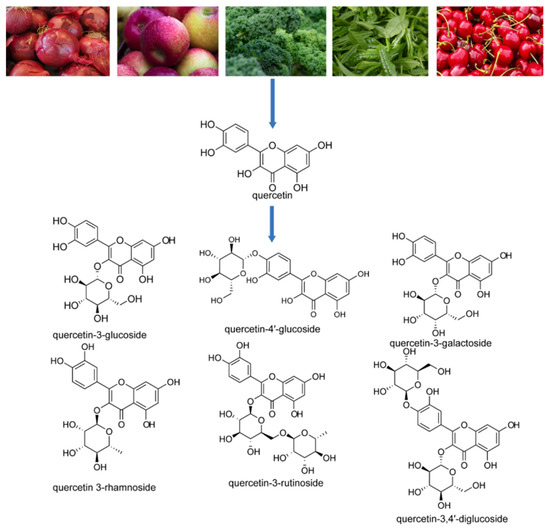
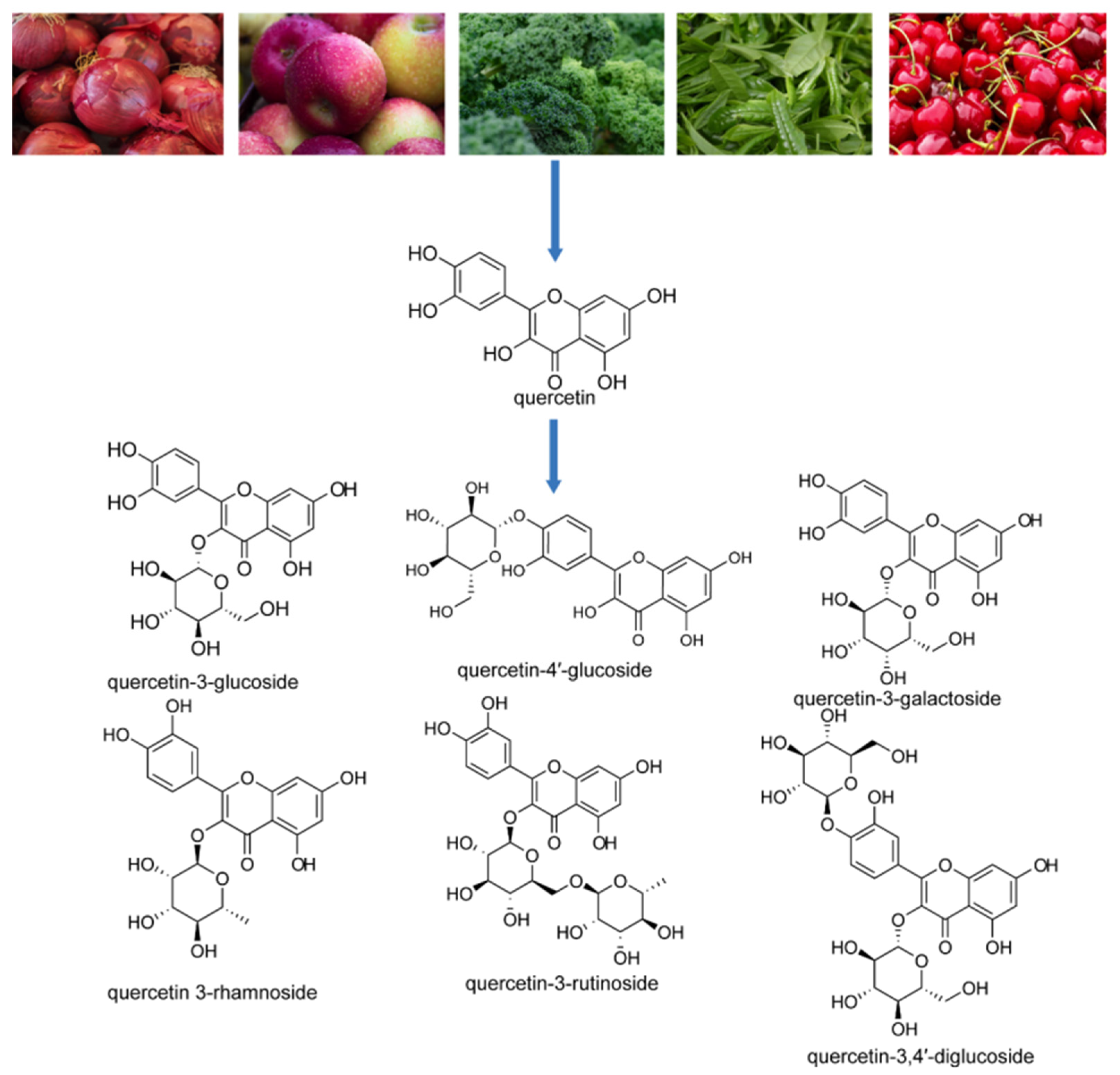
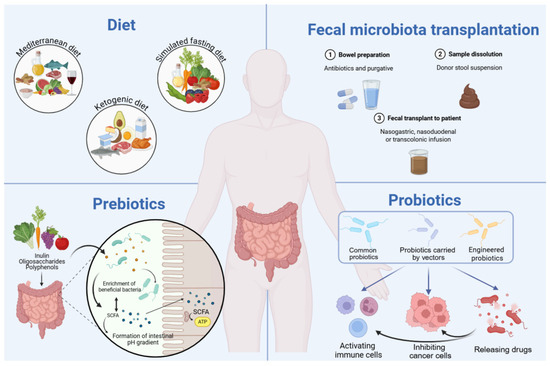
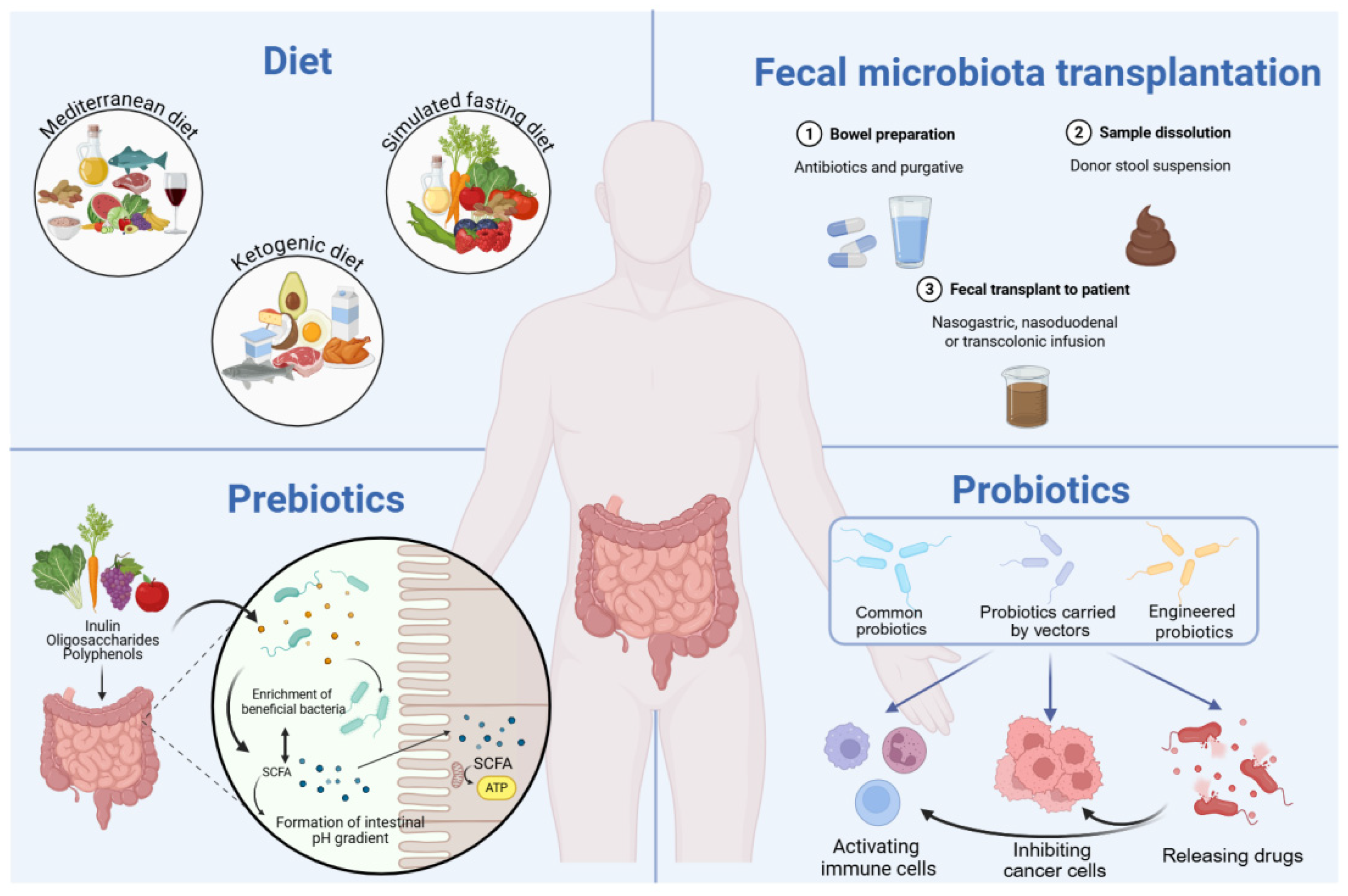
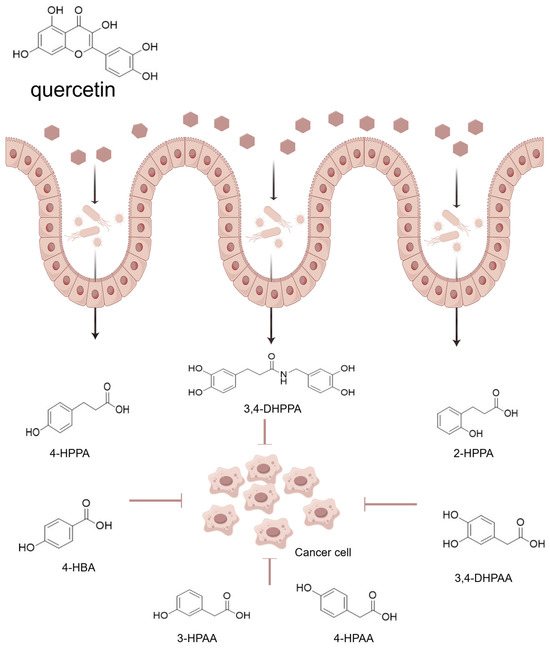
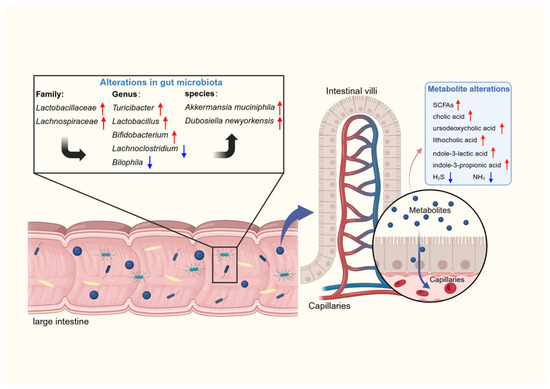
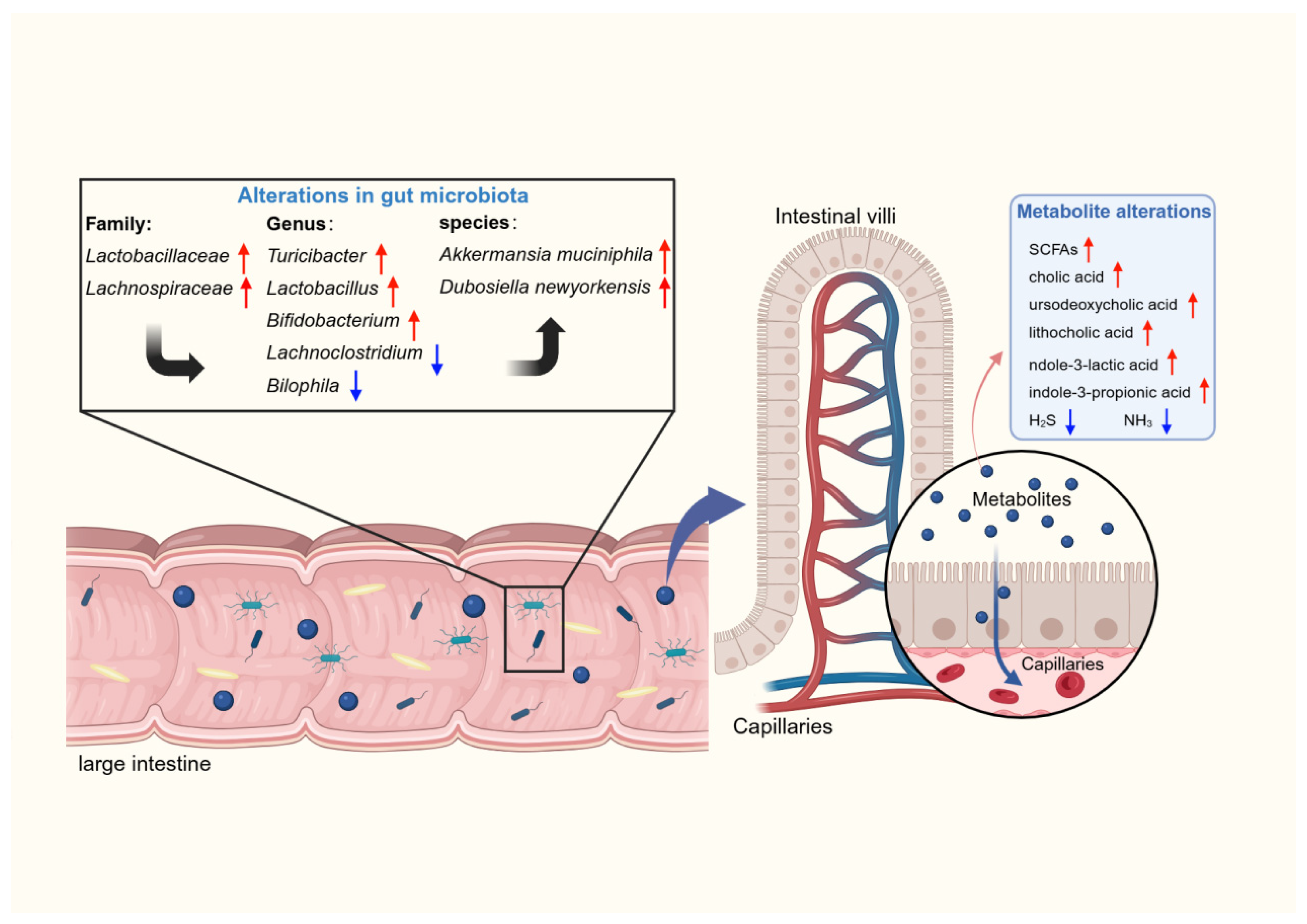

Disclaimer/Publisher’s Note: The statements, opinions and data contained in all publications are solely those of the individual author(s) and contributor(s) and not of MDPI and/or the editor(s). MDPI and/or the editor(s) disclaim responsibility for any injury to people or property resulting from any ideas, methods, instructions or products referred to in the content. |
© 2026 by the authors. Licensee MDPI, Basel, Switzerland. This article is an open access article distributed under the terms and conditions of the Creative Commons Attribution (CC BY) license.