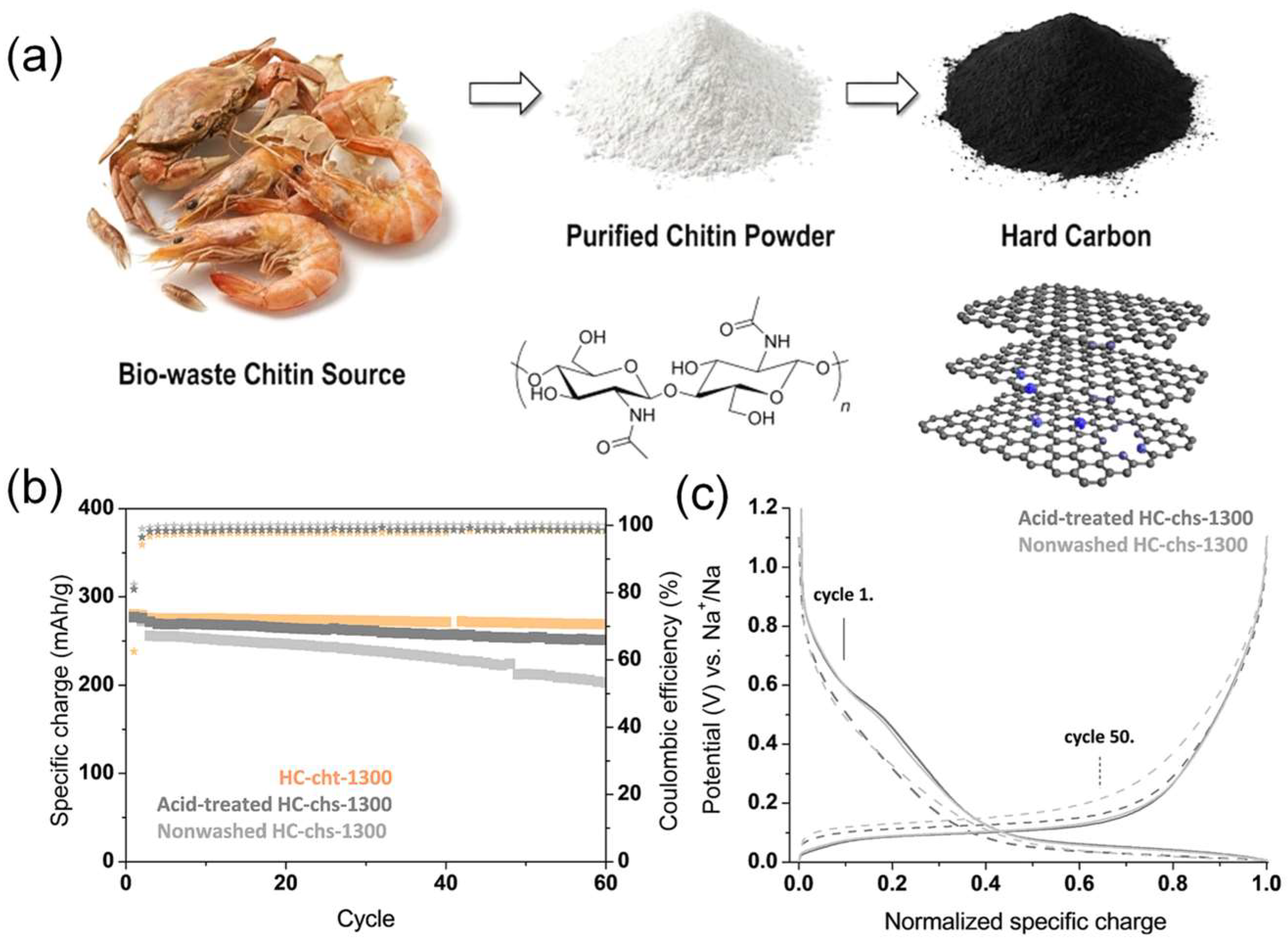
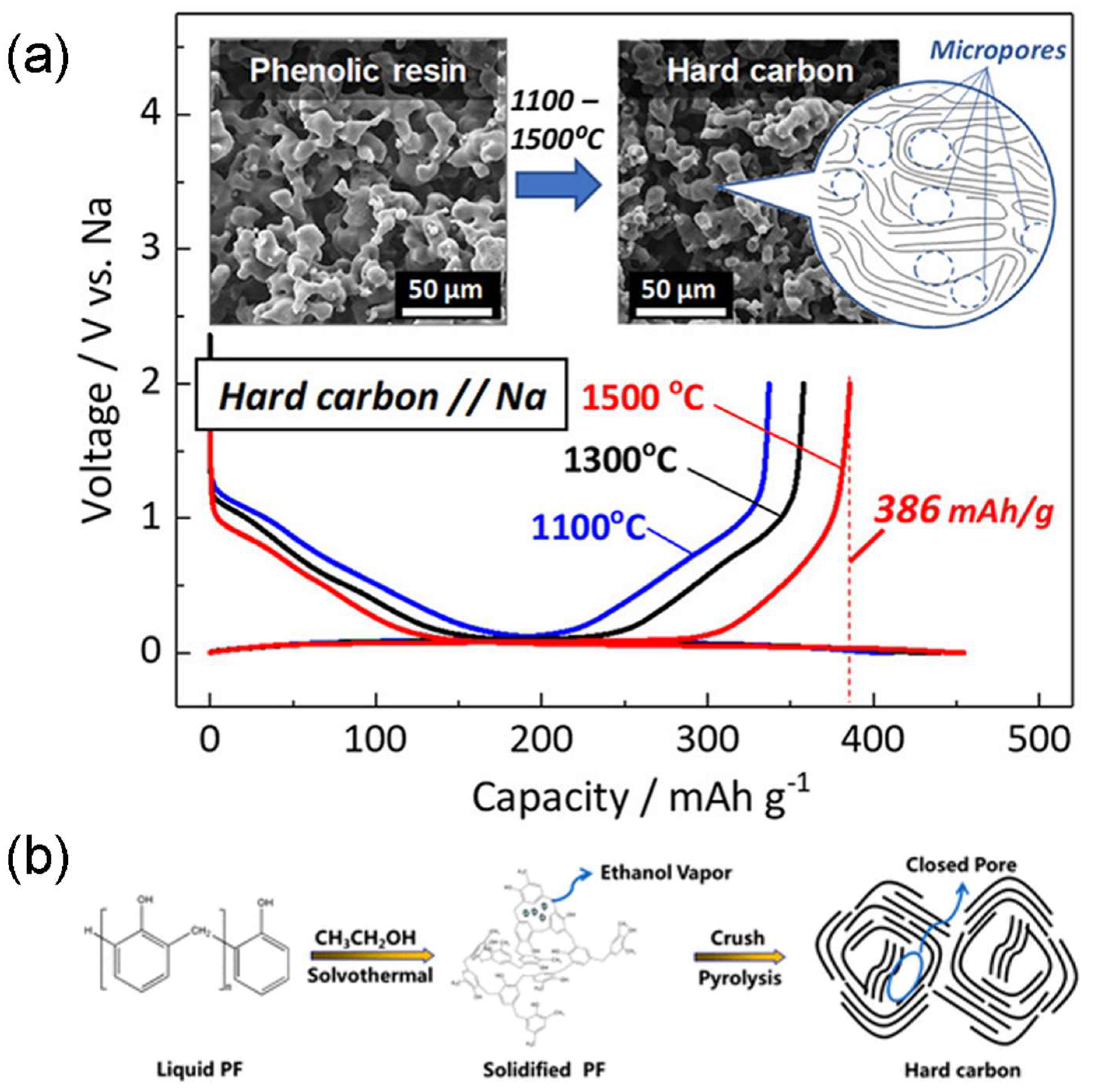
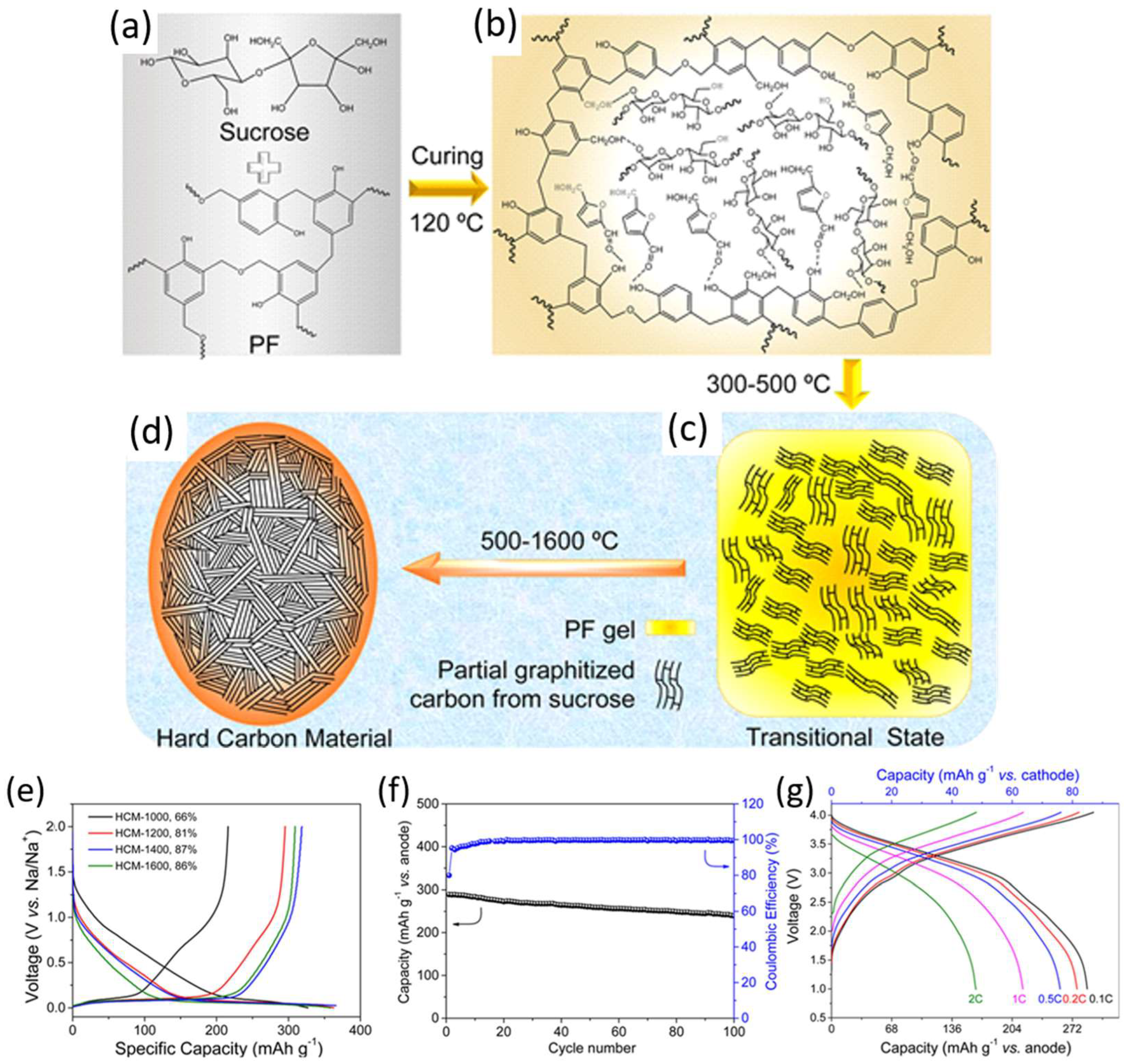
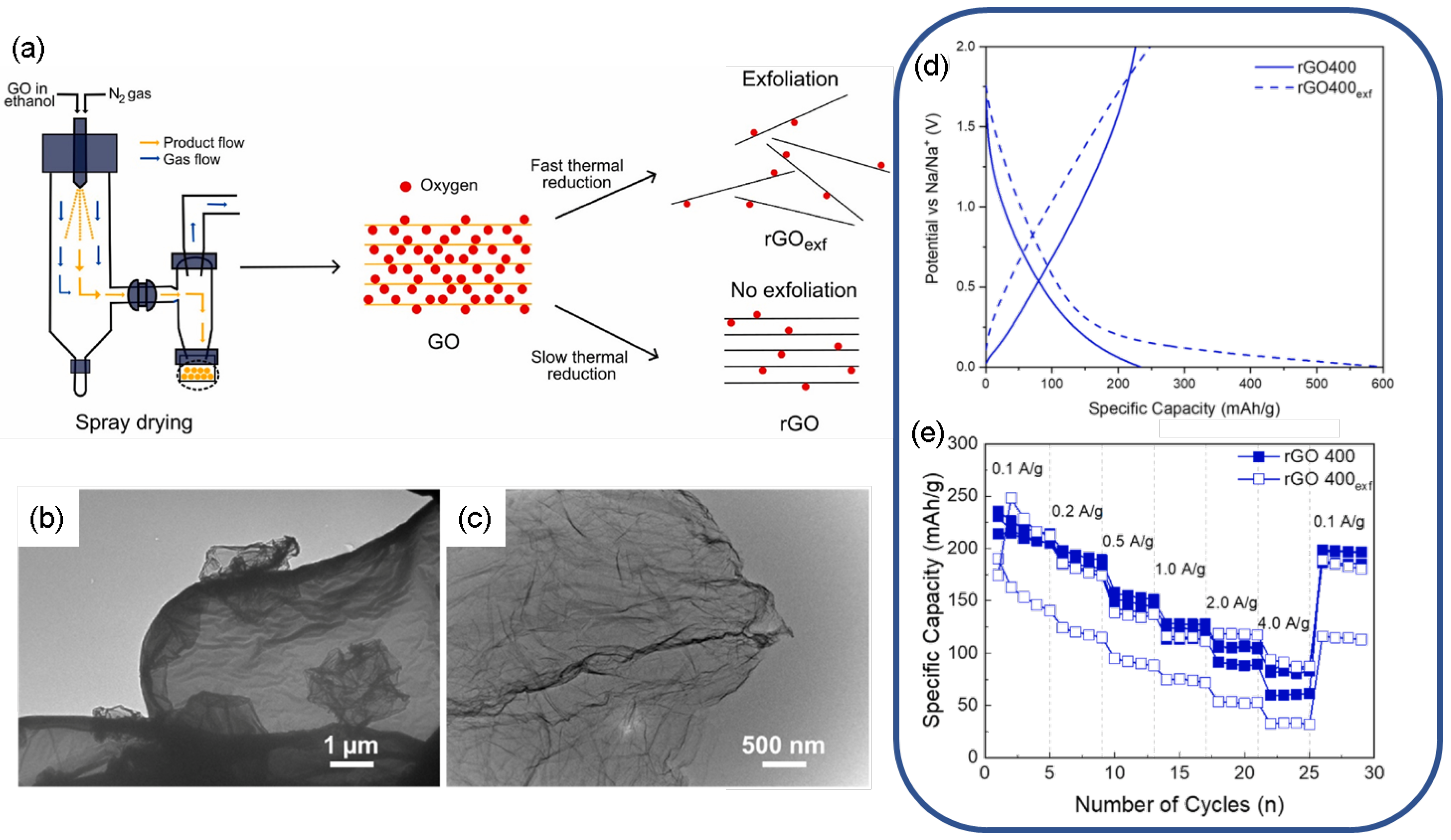
Structural Engineering and Functionalization of Carbon-Based Anodes for Sodium-Ion Batteries: From Biomass to Composites

Abstract
Share and Cite
Iqbal, B.; Moyseowicz, A. Structural Engineering and Functionalization of Carbon-Based Anodes for Sodium-Ion Batteries: From Biomass to Composites. Molecules 2026, 31, 843. https://doi.org/10.3390/molecules31050843
Iqbal B, Moyseowicz A. Structural Engineering and Functionalization of Carbon-Based Anodes for Sodium-Ion Batteries: From Biomass to Composites. Molecules. 2026; 31(5):843. https://doi.org/10.3390/molecules31050843
Chicago/Turabian StyleIqbal, Bushra, and Adam Moyseowicz. 2026. "Structural Engineering and Functionalization of Carbon-Based Anodes for Sodium-Ion Batteries: From Biomass to Composites" Molecules 31, no. 5: 843. https://doi.org/10.3390/molecules31050843
APA StyleIqbal, B., & Moyseowicz, A. (2026). Structural Engineering and Functionalization of Carbon-Based Anodes for Sodium-Ion Batteries: From Biomass to Composites. Molecules, 31(5), 843. https://doi.org/10.3390/molecules31050843