A Review on Applications of Artificial Intelligence (AI) in Monoclonal Antibody (mAb) Manufacturing


Abstract
1. Introduction
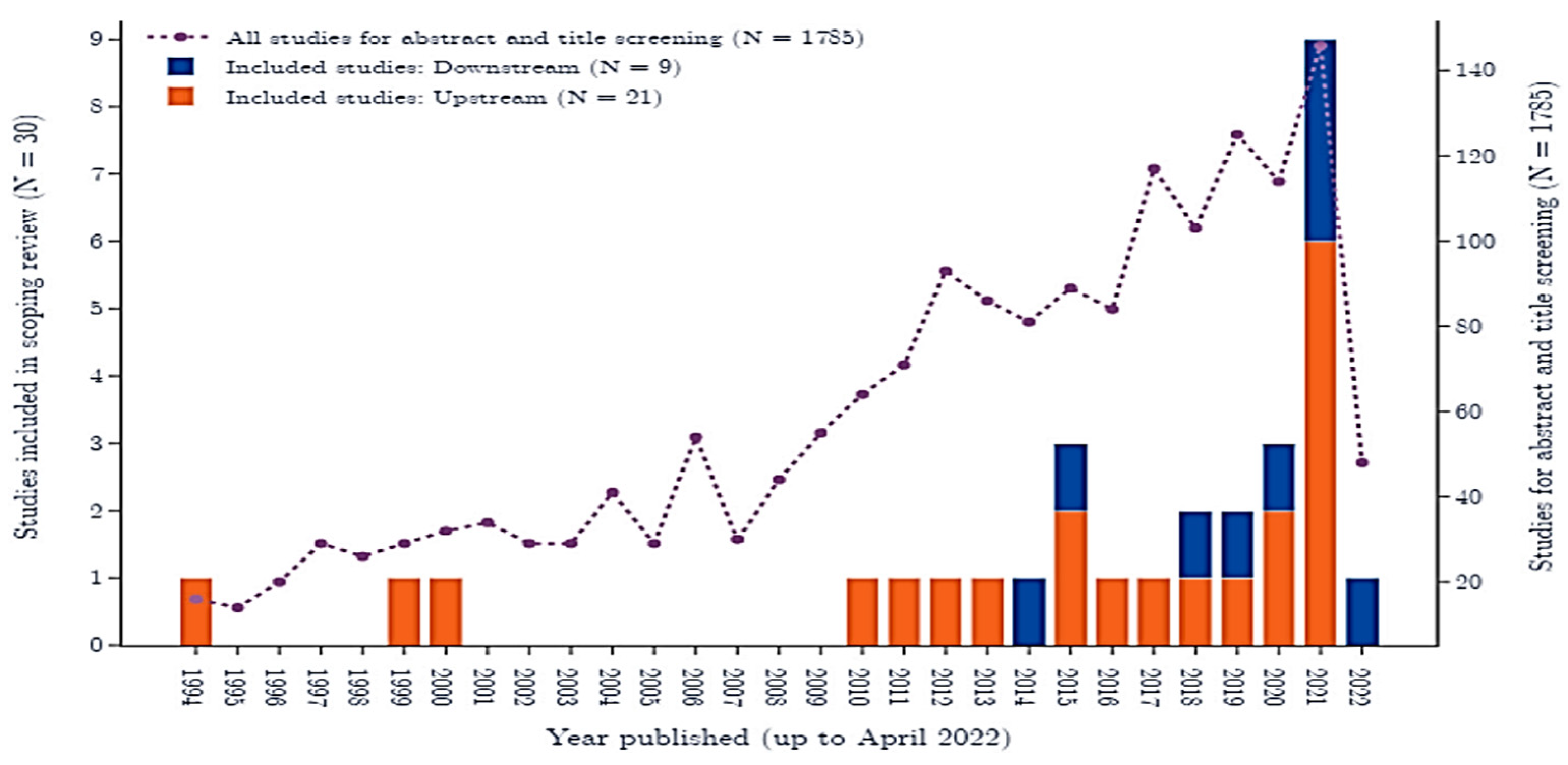
1.1. AI Methodologies
1.1.1. Supervised Learning (SL)
1.1.2. Unsupervised Learning (UL)
1.1.3. Reinforcement Learning (RL)
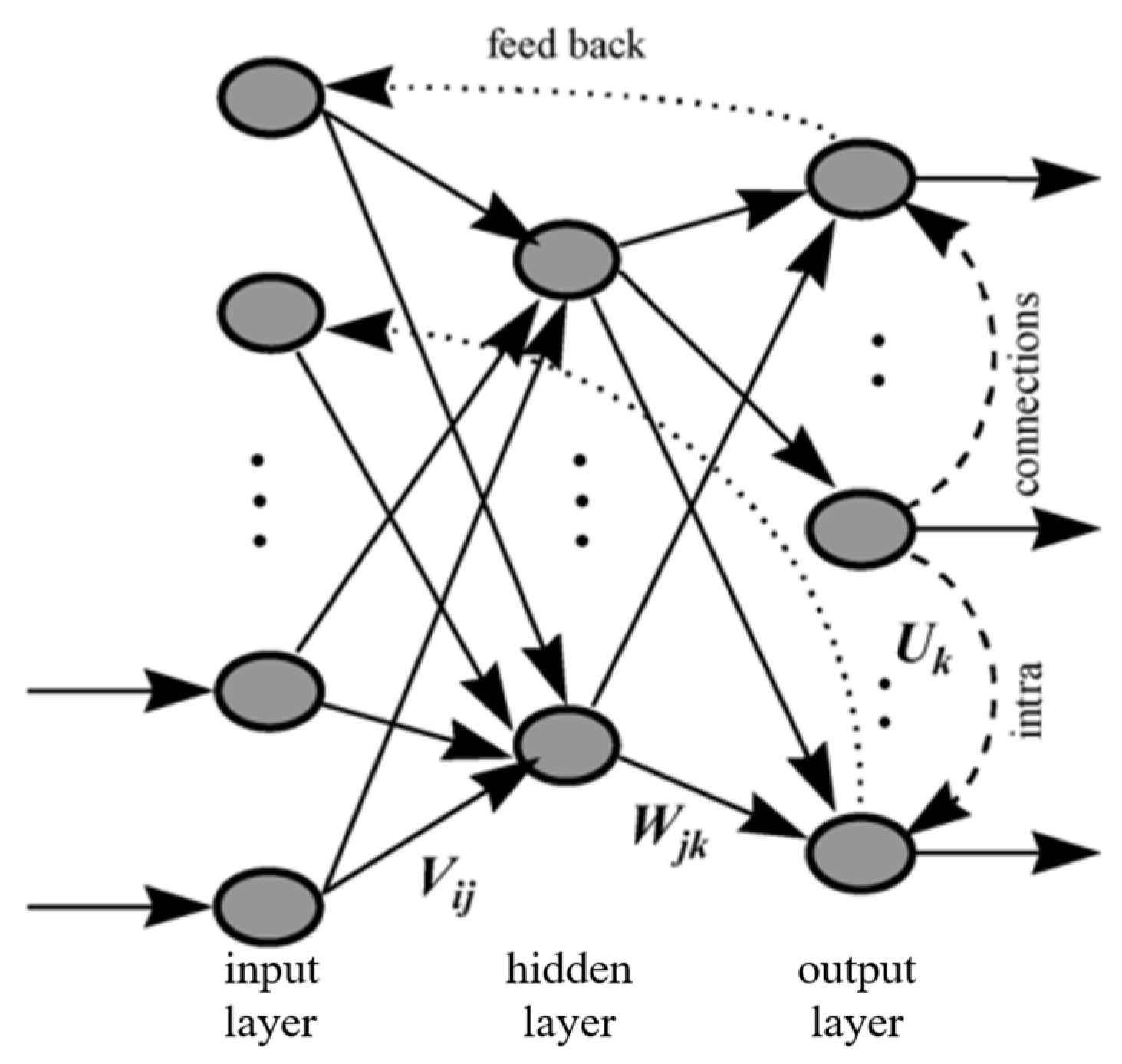
1.1.4. Artificial Neural Networks (ANNs) and Deep Learning (DL)
2. Model Development
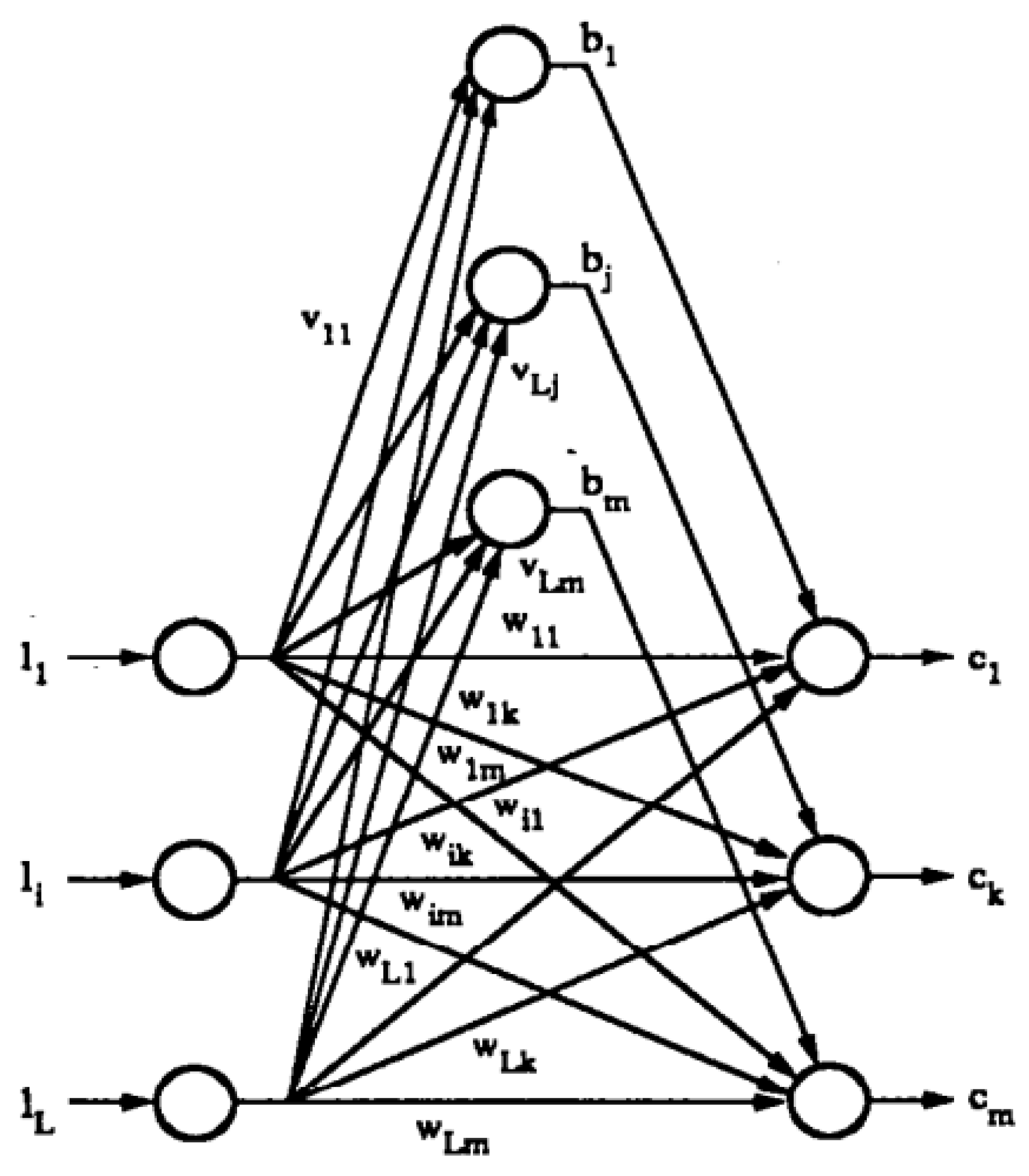
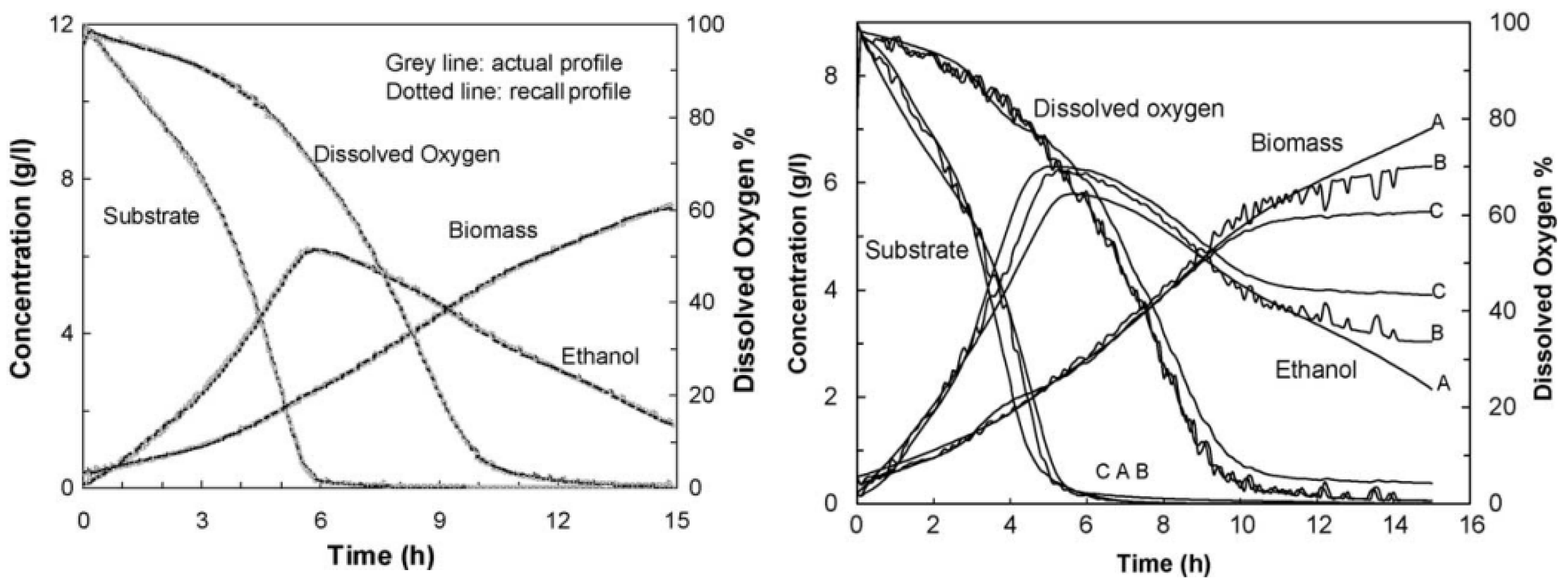
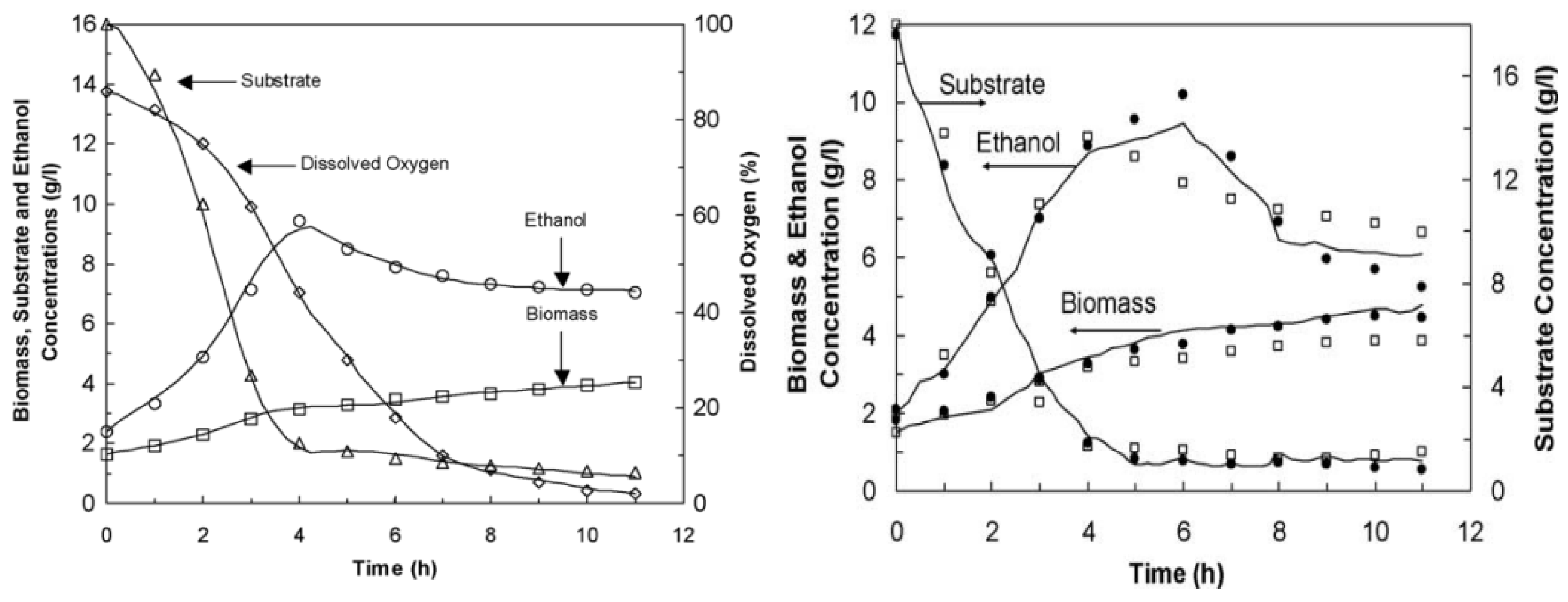
2.1. ANN Models
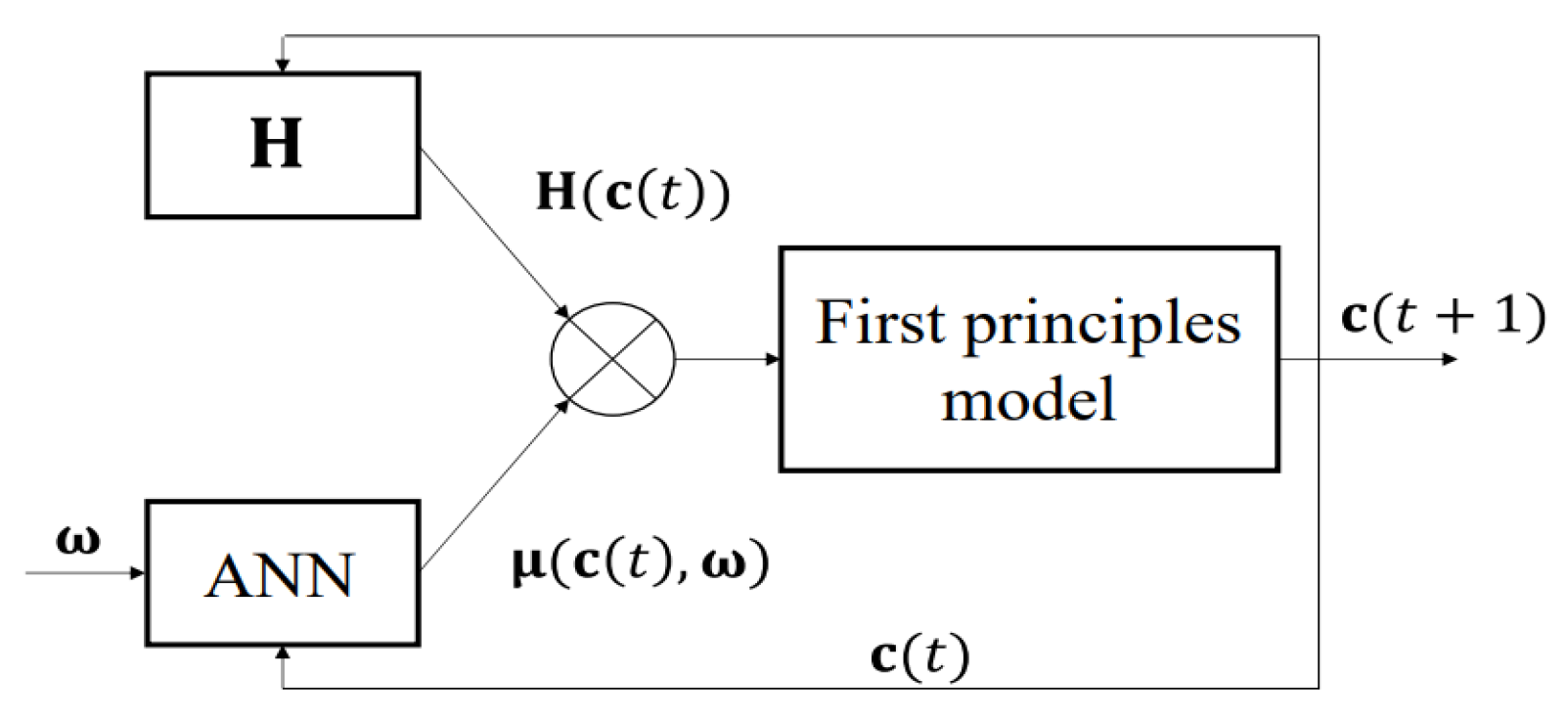
2.2. Hybrid Modelling
3. Process Analysis, Control and Optimisation
3.1. Process Control
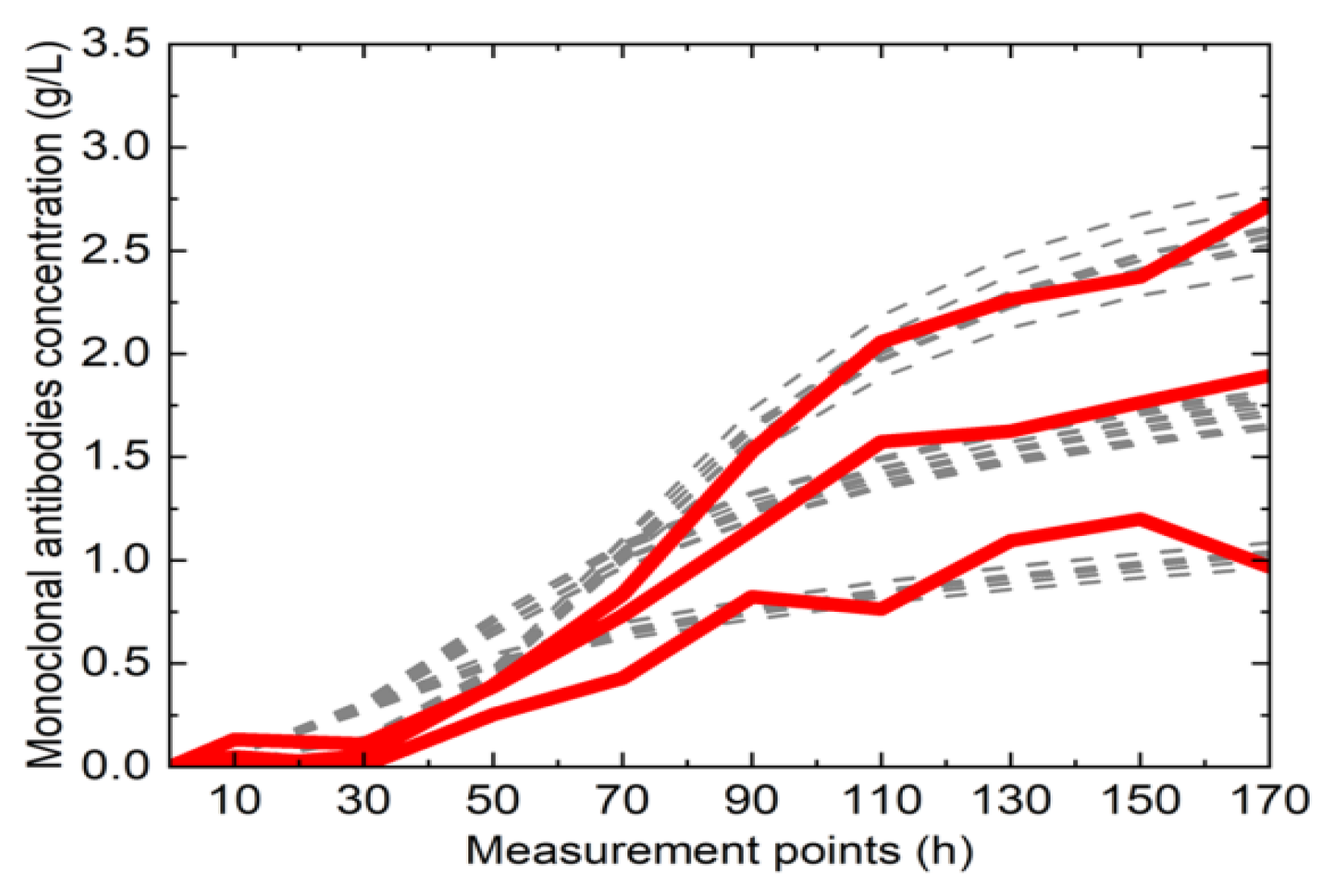
3.2. Process Optimisation
- Rapid stoichiometry estimation that is independent of reaction kinetics, reducing the number of unknown model parameters (half of the latter are actually stoichiometric).
- A small number of reactions, to avoid useless model complication vs. experimental rig while capturing underlying biological mechanisms (viability, growth, inhibition).
3.3. Process Monitoring and Control
4. Downstream mAb Processing
5. Biopharmaceutical Process Scale-Up
6. ML for mAb Property and Quality Control
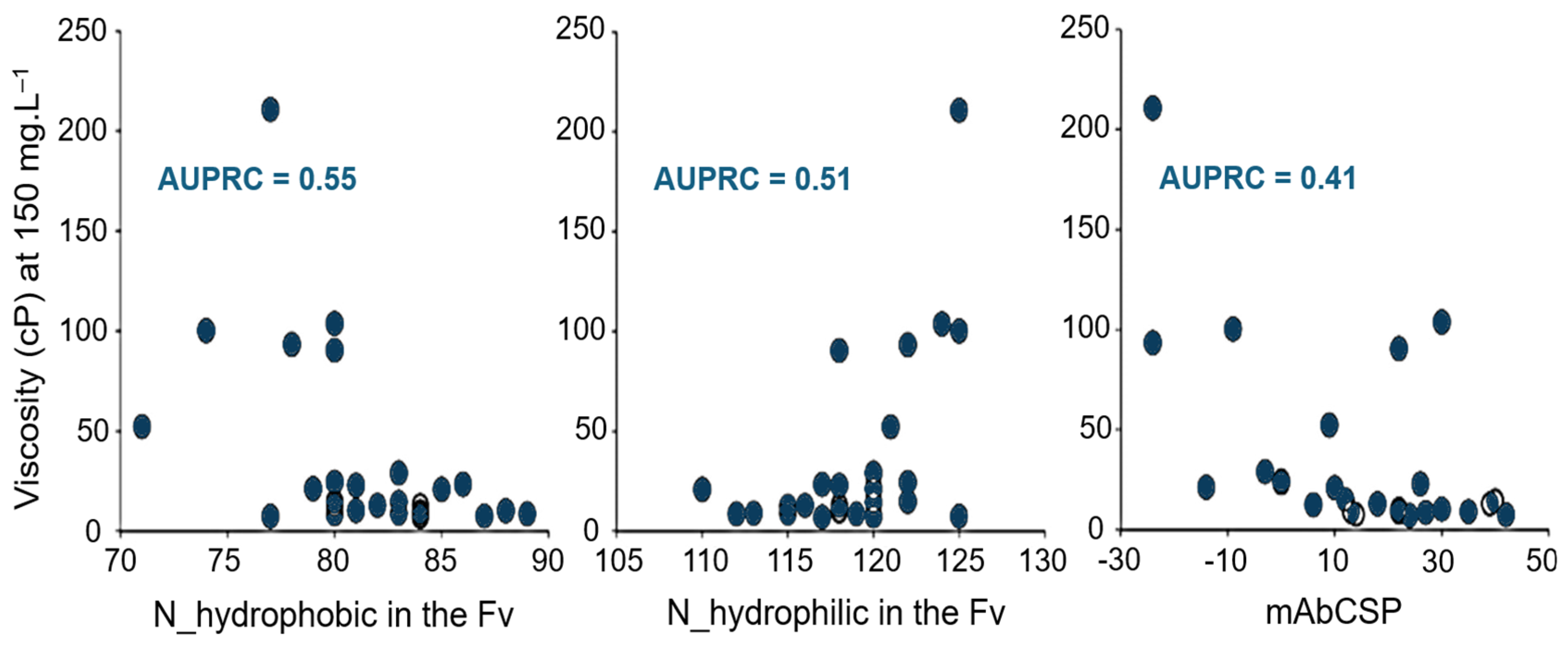
6.1. Viscosity
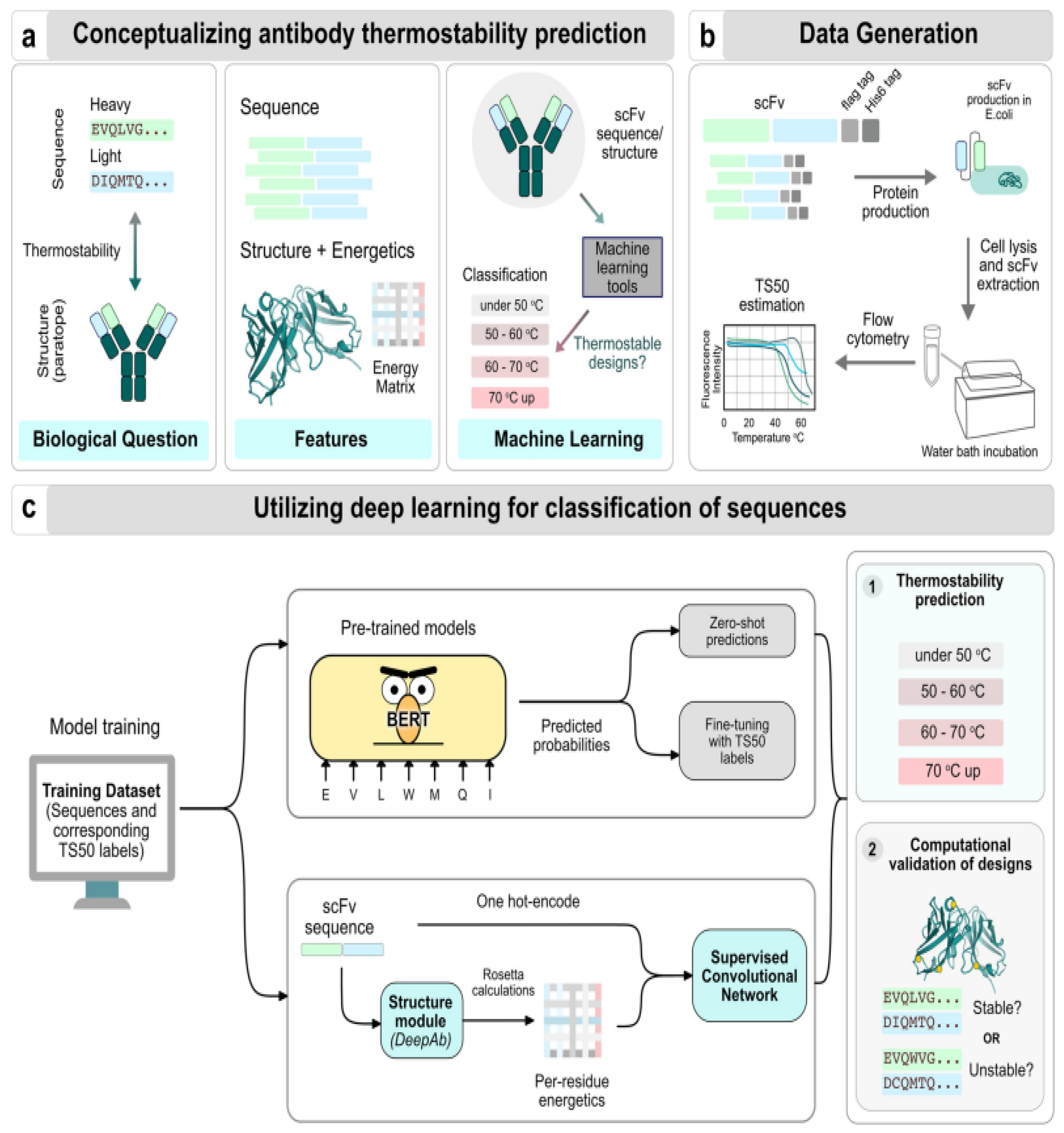
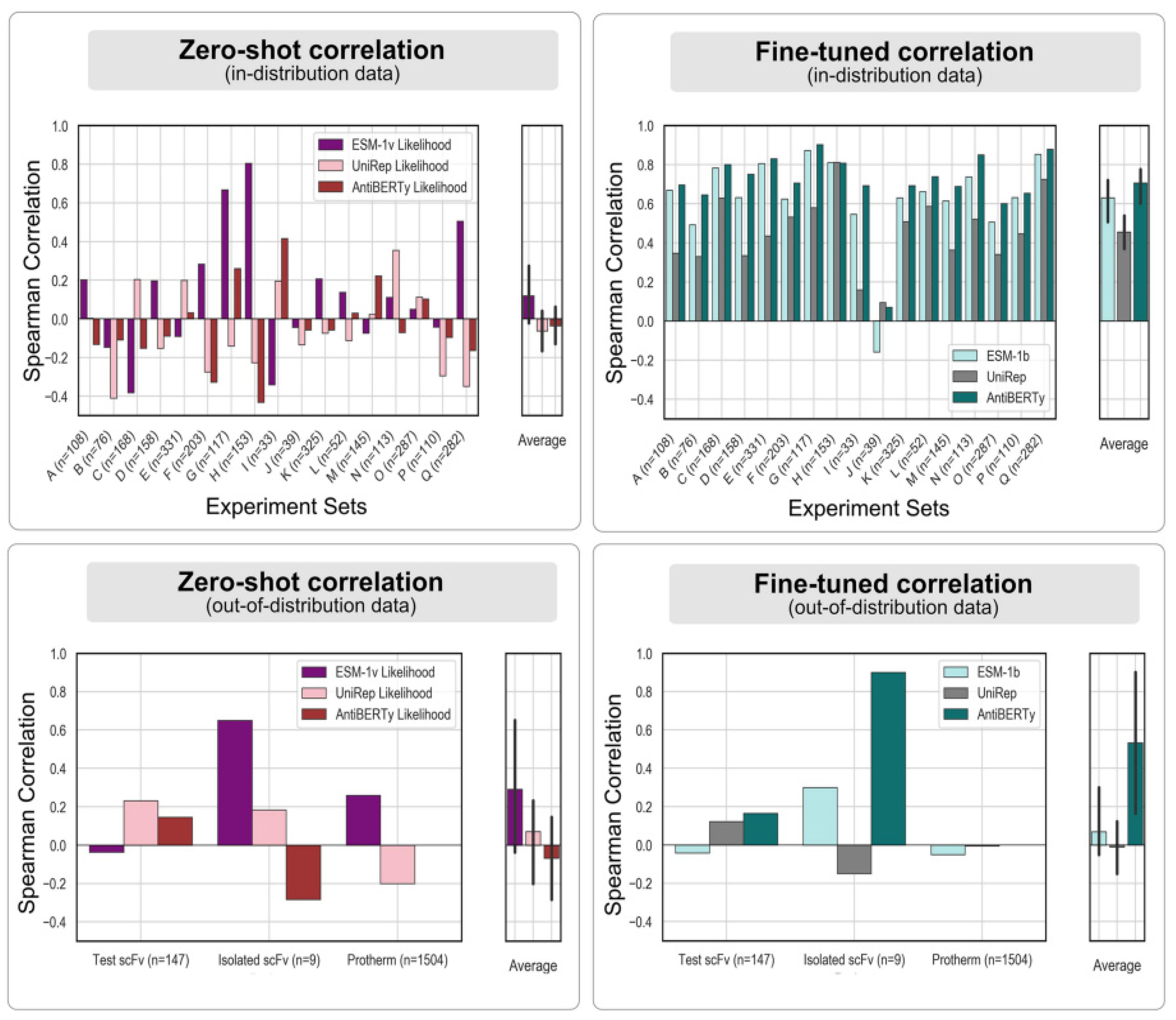
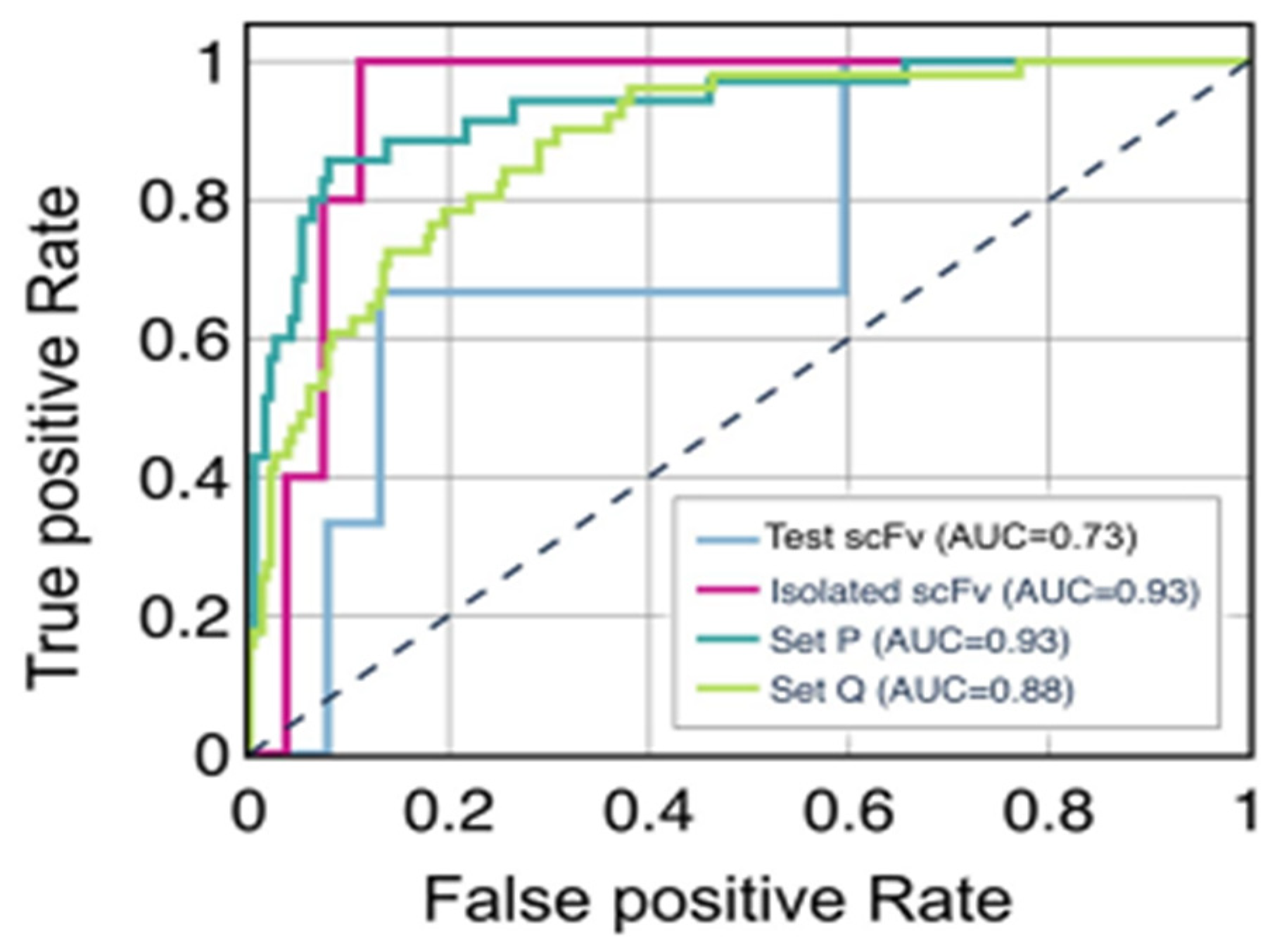
6.2. Thermal Stability
6.3. Characterisation
7. Conclusions
Author Contributions
Funding
Institutional Review Board Statement
Informed Consent Statement
Data Availability Statement
Conflicts of Interest
References
- Lawson, C.E.; Martí, J.M.; Radivojevic, T.; Jonnalagadda, S.V.R.; Gentz, R.; Hillson, N.J.; Peisert, S.; Kim, J.; Simmons, B.A.; Petzold, C.J.; et al. Machine learning for metabolic engineering: A review. Metab. Eng. 2021, 63, 34–60. [Google Scholar] [CrossRef] [Scilit] [PubMed]
- Abidi, F.; Gerogiorgis, D.I. Process Analytical Technologies (PAT) for accurate quantification of monoclonal antibodies (mAbs). J. Chem. Eng. Jpn. 2026, 59, 2570711. [Google Scholar] [CrossRef] [Scilit]
- Pham, T.D.; Manapragada, C.; Sun, Y.; Basset, R.; Aickelin, U. A scoping review of supervised learning modelling and data-driven optimisation in monoclonal antibody process development. Digit. Chem. Eng. 2023, 7, 100080. [Google Scholar] [CrossRef] [Scilit]
- Rolandi, P.A. The unreasonable effectiveness of equations: Advanced modeling for biopharmaceutical process development. Comput. Aided Chem. Eng. 2019, 47, 137–150. [Google Scholar] [CrossRef] [Scilit]
- Dewasme, L.; Cote, F.; Filee, P.; Hansson, A.; Wouwer, A.V. Macroscopic dynamic modeling of sequential batch cultures of hybridoma cells: An experimental validation. Bioengineering 2017, 4, 17. [Google Scholar] [CrossRef] [Scilit] [PubMed]
- Dewasme, L.; Makinen, M.; Chotteau, V. Practical data-driven modeling and robust predictive control of mammalian cell fed-batch process. Comput. Chem. Eng. 2023, 171, 108164. [Google Scholar] [CrossRef] [Scilit]
- Kotidis, P.; Kontoravdi, C. Harnessing the potential of artificial neural networks for predicting protein glycosylation. Metab. Eng. Commun. 2020, 10, e00131. [Google Scholar] [CrossRef] [Scilit] [PubMed]
- Kotidis, P.; Jedrzejewski, P.; Sou, S.N.; Sellick, C.; Polizzi, K.; Del Val, I.J.; Kontoravdi, C. Model-based optimization of antibody galactosylation in CHO cell culture. Biotechnol. Bioeng. 2019, 116, 1612–1626. [Google Scholar] [CrossRef] [Scilit] [PubMed]
- Zhang, D.; Del Rio-Chanona, E.A.; Petsagkourakis, P.; Wagner, J. Hybrid physics-based and data-driven modeling for bioprocess online simulation & optimization. Biotechnol. Bioeng. 2019, 116, 2919–2930. [Google Scholar] [CrossRef] [Scilit] [PubMed]
- Rathore, A.S.; Nikita, S.; Thakur, G. Artificial intelligence and machine learning applications in biopharmaceutical manufacturing. Trends Biotechnol. 2023, 41, 497–510. [Google Scholar] [CrossRef] [Scilit] [PubMed]
- Pinto, J.; Ramos, J.R.C.; Costa, R.S.; Rossell, S.; Dumas, P.; Oliveira, R. Hybrid deep modelling of a CHO-K1 fed-batch process: Combining first-principles with deep neural networks. Front. Bioeng. Biotechnol. 2023, 11, 1237963. [Google Scholar] [CrossRef] [Scilit] [PubMed]
- Das, P.K.; Sahoo, A.; Veeranki, V.D. Modeling and optimization of recombinant Tocilizumab production from Pichia pastoris using response surface methodology and artificial neural network. Biotechnol. Bioeng. 2024, 122, 2093–2110. [Google Scholar] [CrossRef] [Scilit] [PubMed]
- Fu, P.C.; Barford, J.P. A hybrid neural network—First principles approach for modelling of cell metabolism. Comput. Chem. Eng. 1996, 20, 951–958. [Google Scholar] [CrossRef] [Scilit]
- Quantrille, T.Ε.; Liu, Y.A. Artificial Intelligence in Chemical Engineering; Academic Press: San Diego, CA, USA, 1991; Volume 374. [Google Scholar]
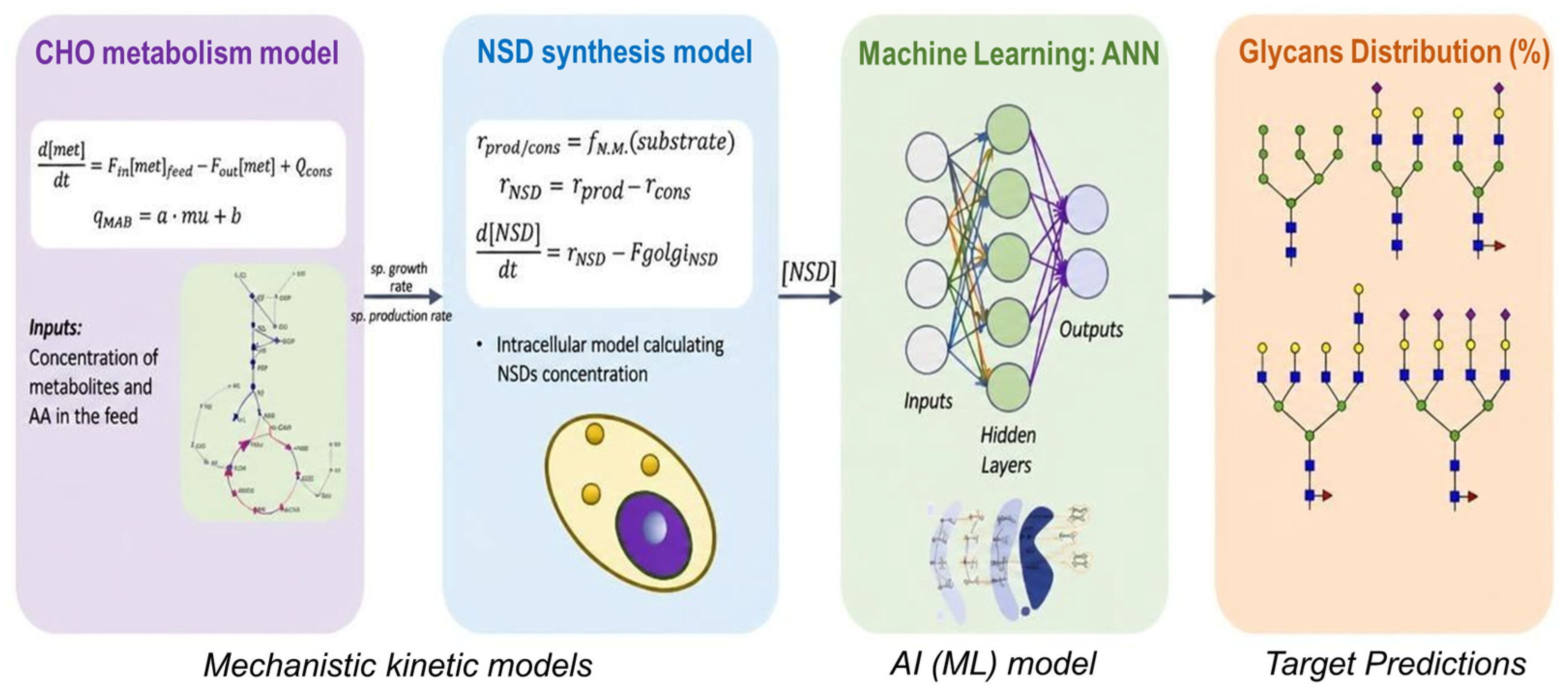
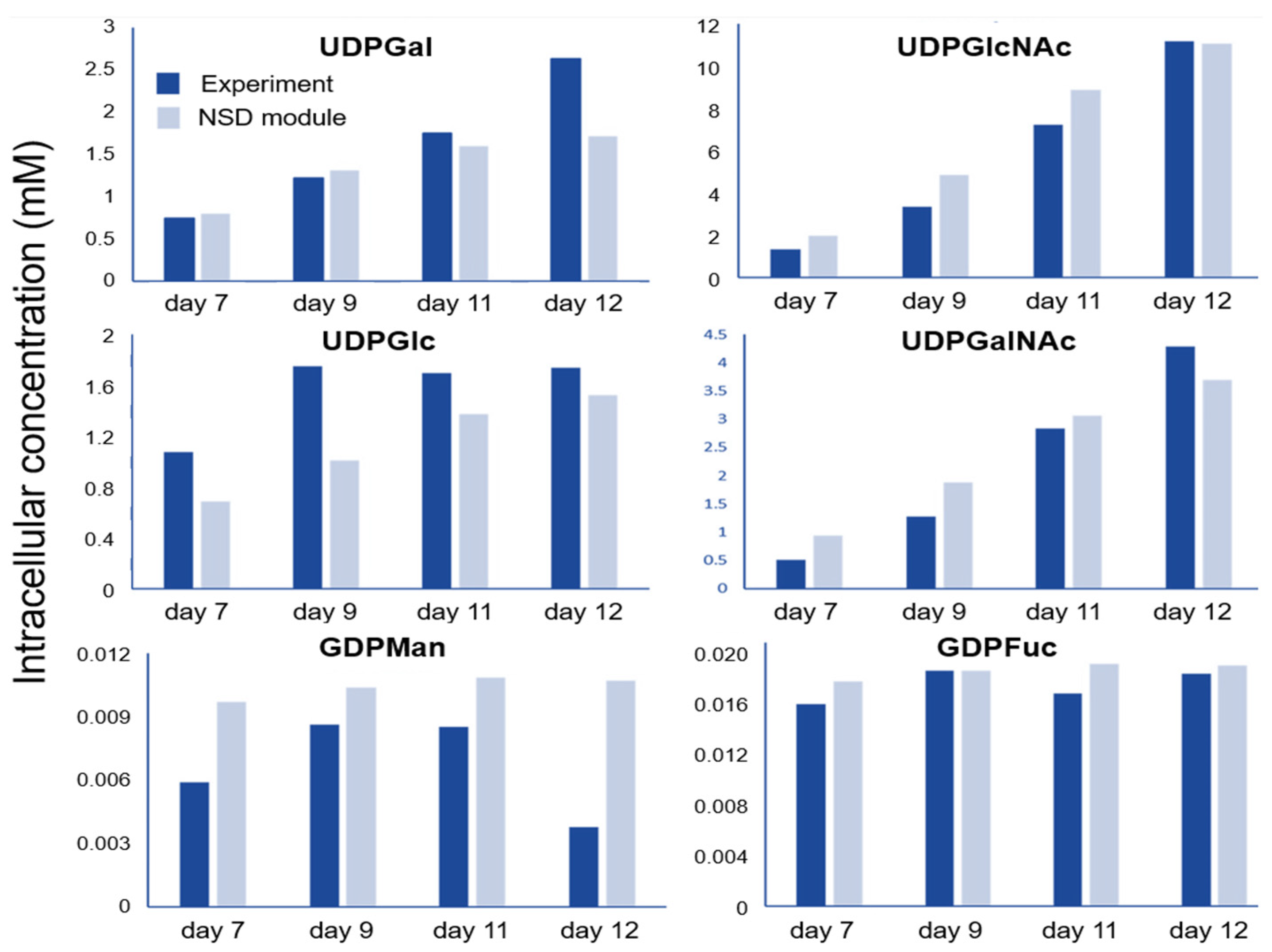
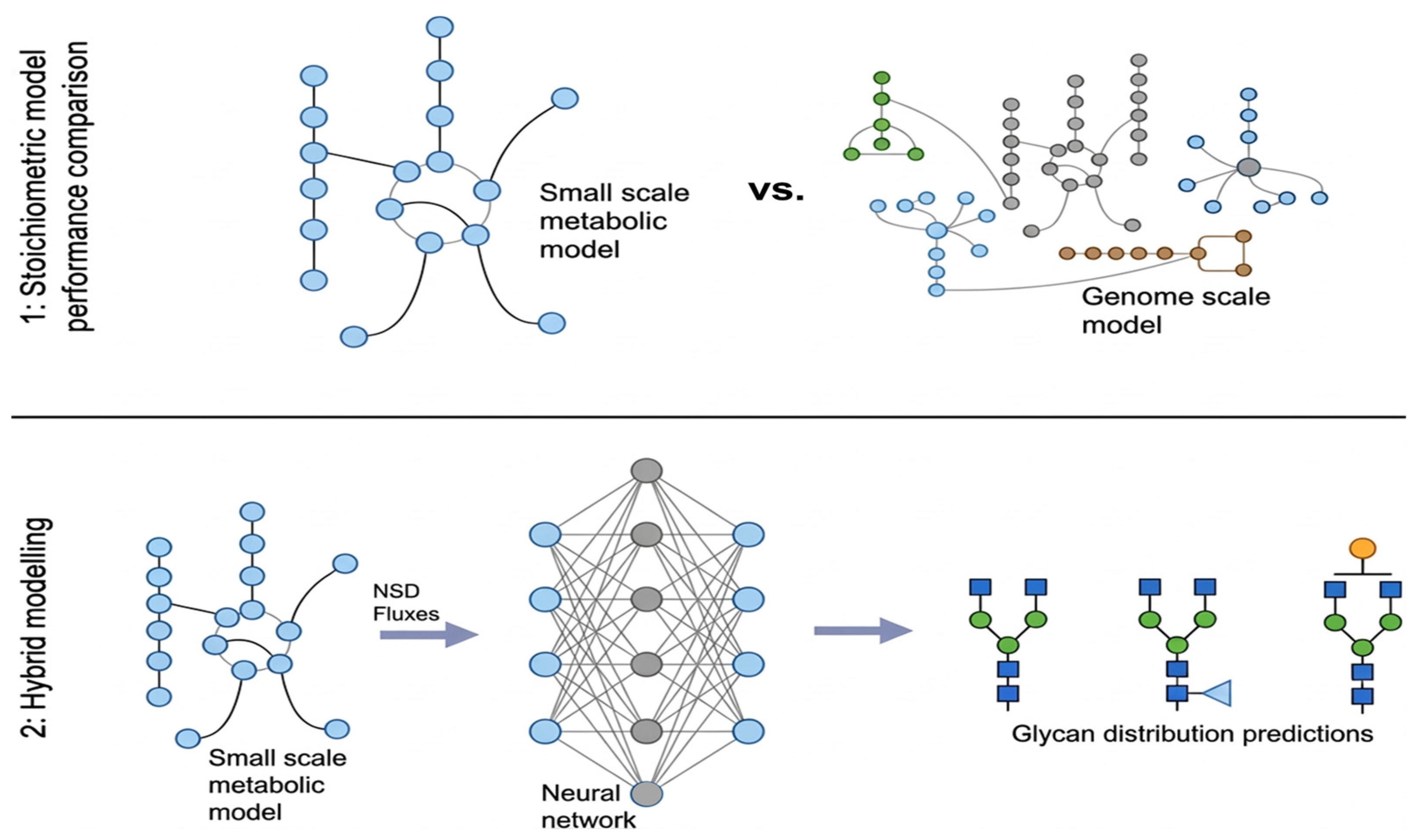
- Antonakoudis, A.; Strain, B.; Barbosa, R.; Jimenez del Val, I.; Kontoravdi, C. Synergising stoichiometric modelling with artificial neural networks to predict antibody glycosylation patterns in Chinese hamster ovary cells. Comput. Chem. Eng. 2021, 154, 107471. [Google Scholar] [CrossRef] [Scilit]
- Gutierrez, J.M.; Feizi, A.; Li, S.; Kallehauge, T.B.; Hefzi, H.; Grav, L.M.; Ley, D.; Baycin Hizal, D.; Betenbaugh, M.J.; Voldborg, B.; et al. Genome-scale reconstructions of the mammalian secretory pathway predict metabolic costs and limitations of protein secretion. Nat. Commun. 2020, 11, 68. [Google Scholar] [CrossRef] [Scilit] [PubMed]
- Botton, A.; Barberi, G.; Facco, P. Data augmentation to support biopharmaceutical process development through digital models—A proof of concept. Processes 2022, 10, 1796. [Google Scholar] [CrossRef] [Scilit]
- Buşoniu, L.; de Bruin, T.; Tolić, D.; Kober, J.; Palunko, I. Reinforcement learning for control: Performance, stability, and deep approximators. Annu. Rev. Control 2018, 46, 8–28. [Google Scholar] [CrossRef] [Scilit]
- Mowbray, M.; Smith, R.; Del Rio-Chanona, E.A.; Zhang, D. Using process data to generate an optimal control policy via apprenticeship and reinforcement learning. AIChE J. 2021, 67, e17306. [Google Scholar] [CrossRef] [Scilit]
- Gadkar, K.; Mehra, S.; Gomes, J. On-line adaptation of neural networks for bioprocess control. Comput. Chem. Eng. 2005, 29, 1047–1057. [Google Scholar] [CrossRef] [Scilit]
- Lucia, S.; Finkler, T.; Engell, S. Multi-stage nonlinear model predictive control applied to a semi-batch polymerization reactor under uncertainty. J. Process Control 2013, 23, 1306–1319. [Google Scholar] [CrossRef] [Scilit]
- Manapragada, C.; Pham, T.D.; Rajan, N.; Aickelin, U. Pharmaceutical process optimisation: Decision support under high uncertainty. Comput. Chem. Eng. 2023, 170, 108100. [Google Scholar] [CrossRef] [Scilit]
- Hashizume, T.; Ozawa, Y.; Ying, B.W. Employing active learning in the optimization of culture medium for mammalian cells. npj Syst. Biol. Appl. 2023, 9, 20. [Google Scholar] [CrossRef] [Scilit] [PubMed]
- Baako, T.-M.D.; Kulkarni, S.K.; McClendon, J.L.; Harcum, S.W.; Gilmore, J. Machine learning and deep learning strategies for Chinese hamster ovary cell bioprocess optimization. Fermentation 2024, 10, 234. [Google Scholar] [CrossRef] [Scilit]
- Alam, M.N.; Anurag, A.; Gangwar, N.; Ramteke, M.; Kodamana, H.; Rathore, A.S. Physics-informed neural networks guided modelling and multi-objective optimization of a mAb production process. Can. J. Chem. Eng. 2025, 103, 1319–1334. [Google Scholar] [CrossRef] [Scilit]
- Ranbhor, R. Advancing monoclonal antibody manufacturing: Process optimization, cost reduction strategies, and emerging technologies. Biol. Targets Ther. 2025, 19, 177–187. [Google Scholar] [CrossRef] [Scilit] [PubMed]
- Facco, P.; Zomer, S.; Rowland-Jones, R.C.; Marsh, D.; Diaz-Fernandez, P.; Finka, G.; Bezzo, F.; Barolo, M. Using data analytics to accelerate biopharmaceutical process scale-up. Biochem. Eng. J. 2020, 164, 107791. [Google Scholar] [CrossRef] [Scilit]
- Alavijeh, M.K.; Lee, Y.Y.; Gras, S.L. A perspective-driven and technical evaluation of machine learning in bioreactor scale-up: A case-study for potential model developments. Eng. Life Sci. 2024, 24, e2400023. [Google Scholar] [CrossRef] [Scilit] [PubMed]
- Le, L.M.M.; Kegl, B.; Gramfort, A.; Marini, C. Optimization of classification and regression analysis of four monoclonal antibodies from Raman spectra using collaborative machine learning approach. Talanta 2018, 184, 260–265. [Google Scholar] [CrossRef] [Scilit] [PubMed]
- Pedregosa, G.; Varoquaux, A.; Gramfort, V.; Michel, B.; Thirion, O.; Grisel, M.; Blondel, P.; Prettenhofer, R.; Weiss, V.; Dubourg, J.; et al. Duchesnay, Scikit-learn: Machine learning in Python. J. Mach. Learn. Res. 2011, 12, 2825–2830. [Google Scholar]
- Schölkopf, B.; Smola, A.; Müller, K. Nonlinear component analysis as a kernel eigenvalue problem. Neural Comput. 1998, 10, 1299–1319. [Google Scholar] [CrossRef] [Scilit]
- Cristianini, N.; Shawe-Taylor, J. An Introduction to Support Vector Machines and Other Kernel-based Learning Methods; Cambridge University Press: Cambridge, UK, 2000. [Google Scholar]
- Nitika, N.; Keerthiveena, B.; Thakur, G.; Rathore, A.S. Convolutional neural networks guided Raman spectroscopy as a process analytical technology (PAT) tool for monitoring and simultaneous prediction of monoclonal antibody charge variants. Pharm. Res. 2024, 41, 463–479. [Google Scholar] [CrossRef] [Scilit] [PubMed]
- Mel, M.; Saad, M.M.; Hashim, Y.Z.H.; Salleh, M.R.M. Monoclonal antibody production: Media optimization for enhancement the cell viability of hybridoma cell. Asian J. Sci. Res. 2008, 1, 525–531. [Google Scholar] [CrossRef] [Scilit][Green Version]
- Ibrahim, S.; Abdul Wahab, N. Improved artificial neural network training based on response surface methodology for membrane flux prediction. Membranes 2022, 12, 726. [Google Scholar] [CrossRef] [Scilit] [PubMed]
- Bashokouh, F.; Abbasilaisi, S.; Tan, J.S. Optimization of cultivation conditions for monoclonal IgM antibody production by M1A2 hybridoma using artificial neural network. Cytotechnology 2019, 71, 849–860. [Google Scholar] [CrossRef] [Scilit] [PubMed]
- Sovány, T.; Tislér, Z.; Kristó, K.; Kelemen, A.; Géza Regdon, G. Estimation of design space for an extrusion–spheronization process using response surface methodology and artificial neural network modelling. Eur. J. Pharm. Biopharm. 2016, 106, 79–87. [Google Scholar] [CrossRef] [Scilit] [PubMed]
- Ishida, T.; Ichihara, M.; Wang, X.; Yamamoto, K.; Kimura, J.; Majima, E.; Kiwada, H. Injection of PEGylated liposomes in rats elicits PEG specific IgM, which is responsible for rapid elimination of a second dose of PEGylated liposomes. J. Control Release 2006, 112, 15–25. [Google Scholar] [CrossRef] [Scilit] [PubMed]
- Chong, S.L.; Mou, D.G.; Ali, A.M.; Lim, S.H.; Tey, B.T. Cell growth, cell-cycle progress, and antibody production in hybridoma cells cultivated under mild hypothermic conditions. Hybridoma 2008, 27, 107–111. [Google Scholar] [CrossRef] [Scilit] [PubMed]
- Alam, M.N.; Anupa, A.; Kodamana, H.; Rathore, A.S. A deep learning-aided multi-objective optimization of a downstream process for production of monoclonal antibody products. Biochem. Eng. J. 2024, 208, 109357. [Google Scholar] [CrossRef] [Scilit]
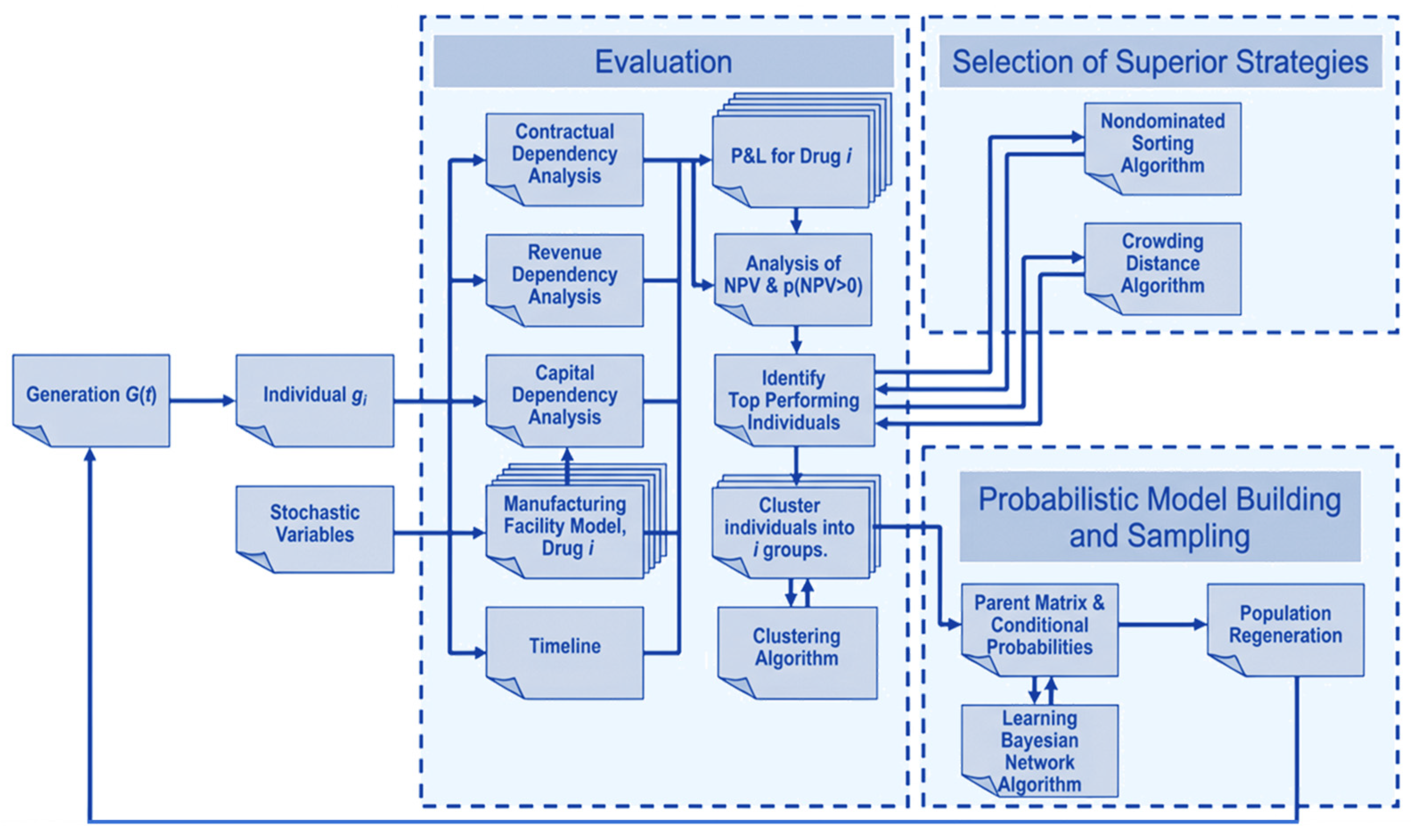
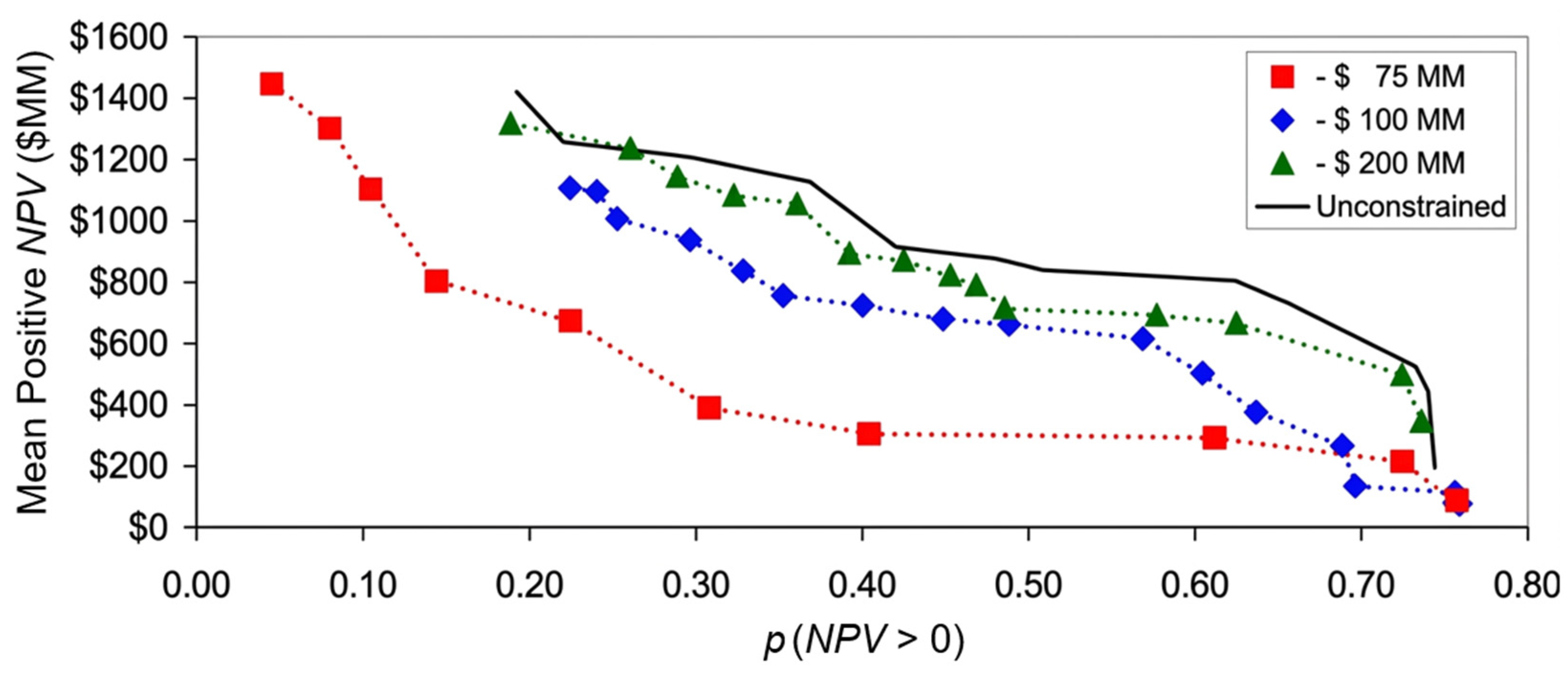
- George, E.; Farid, S. Strategic biopharmaceutical portfolio development: An analysis of constraint-induced implications. Biotechnol. Prog. 2008, 24, 698–713. [Google Scholar] [CrossRef] [Scilit] [PubMed]
- George, E.; Farid, S. Combinatorial optimisation algorithms for strategic biopharmaceutical portfolio & capacity management. Comput.-Aided Chem. Eng. 2009, 26, 1063–1068. [Google Scholar] [CrossRef] [Scilit]
- Liu, S.; Simaria, A.S.; Farid, S.S.; Papageorgiou, L. Mixed integer optimisation of antibody purification processes. Comput.-Aided Chem. Eng. 2013, 32, 157–162. [Google Scholar] [CrossRef] [Scilit]
- Jones, W.; Gerogiorgis, D.I. Plantwide optimisation of monoclonal antibody (mab) manufacturing platforms via Mixed Integer Nonlinear Programming (MINLP). R. Soc. Open Sci. 2026, in press. [Google Scholar]
- Nikita, S.; Thakur, G.; Jesubalan, N.G.; Kulkarni, A.; Yezhuvath, V.B.; Rathore, A.S. AI-ML applications in bioprocessing: ML as an enabler of real time quality prediction in continuous manufacturing of mAbs. Comput. Chem. Eng. 2022, 164, 107896. [Google Scholar] [CrossRef] [Scilit]
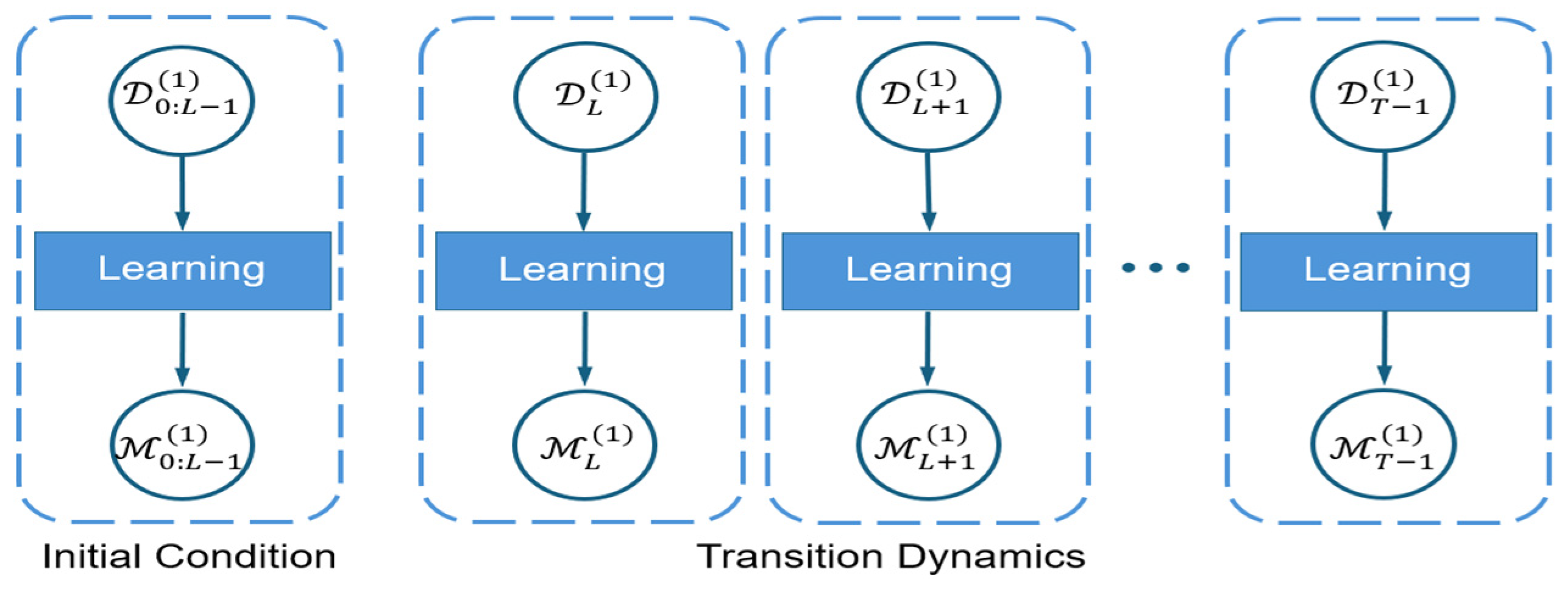
- Park, S.Y.; Kim, S.J.; Park, C.H.; Kim, J.; Lee, D.Y. Data-driven prediction models for forecasting multistep ahead profiles of mammalian cell culture toward bioprocess digital twins. Biotechnol. Bioeng. 2023, 119, 3596–3611. [Google Scholar] [CrossRef] [Scilit] [PubMed]
- Thakur, G.; Nikita, S.; Tiwari, A.; Rathore, A.S. Control of surge tanks for continuous manufacturing of monoclonal antibodies. Biotechnol. Bioeng. 2021, 118, 1913–1931. [Google Scholar] [CrossRef] [Scilit] [PubMed]
- Tulsyan, A.; Garvin, C.; Undey, C. Industrial batch process monitoring with limited data. J. Process Control 2019, 77, 114–133. [Google Scholar] [CrossRef] [Scilit]
- Jin, Y.; Qin, S.J.; Saucedo, V.; Meier, A.; Kunda, S. Process variability source analysis for a multi-step bioprocess. Comput.-Aided Chem. Eng. 2018, 44, 2497–2502. [Google Scholar] [CrossRef] [Scilit]
- Jin, Y.; Qin, S.J.; Huang, Q.; Saucedo, V. Classification and diagnosis of bioprocess cell growth productions using early-stage data. Ind. Eng. Chem. Res. 2019, 58, 13469–13480. [Google Scholar] [CrossRef] [Scilit]
- Jesubalan, N.G.; Thakur, G.; Rathore, A.S. Deep neural network for prediction and control of permeability decline in single pass tangential flow ultrafiltration in continuous processing of monoclonal antibodies. Front. Chem. Eng. 2023, 5, 1182817. [Google Scholar] [CrossRef] [Scilit]
- Walsh, I.; Myint, M.; Nguyen-Khuong, T.; Ho, S.K.N.; Lakshmanan, M. Harnessing the potential of machine learning for advancing “Quality by Design” in biomanufacturing. mAbs 2022, 14, 2013593. [Google Scholar] [CrossRef] [Scilit] [PubMed]
- Wu, I.E.; Kalejaye, L.; Lai, P.K. Machine learning models for predicting monoclonal antibody biophysical properties from molecular dynamics simulations and deep learning-based surface descriptors. Mol. Pharm. 2025, 22, 142–153. [Google Scholar] [CrossRef] [Scilit] [PubMed]
- Lai, P.K.; Fernando, A.; Cloutier, T.K.; Gokarn, Y.; Zhang, J.F.; Schwenger, W.; Chari, R.; Calero-Rubio, C.; Trout, B.L. Machine learning applied to determine the molecular descriptors responsible for the viscosity behavior of concentrated therapeutic antibodies. Mol. Pharm. 2021, 18, 1167–1175. [Google Scholar] [CrossRef] [Scilit] [PubMed]
- Lai, P.; Gallegos, A.; Mody, N.; Sathish, H.A.; Trout, B.L. Machine learning prediction of antibody aggregation and viscosity for high concentration formulation development of protein therapeutics. mAbs 2022, 14, e2026208. [Google Scholar] [CrossRef] [Scilit] [PubMed]
- Li, L.; Kumar, S.; Buck, P.M.; Burns, C.; Lavoie, J.; Singh, S.K.; Warne, N.W.; Nichols, P.; Luksha, N.; Boardman, D. Concentration dependent viscosity of monoclonal antibody solutions: Explaining experimental behavior in terms of molecular properties. Pharm. Res. 2014, 31, 3161−3178. [Google Scholar] [CrossRef] [Scilit] [PubMed]
- Sharma, V.K.; Patapoff, T.W.; Kabakoff, B.; Pai, S.; Hilario, E.; Zhang, B.; Li, C.; Borisov, O.; Kelley, R.F.; Chorny, I.; et al. In silico selection of therapeutic antibodies for development: Viscosity, clearance, and chemical stability. Proc. Natl. Acad. Sci. USA 2014, 111, 18601−18606. [Google Scholar] [CrossRef] [Scilit] [PubMed]
- Tomar, D.S.; Li, L.; Broulidakis, M.P.; Luksha, N.G.; Burns, C.T.; Singh, S.K.; Kumar, S. In-silico prediction of concentration- dependent viscosity curves for monoclonal antibody solutions. mAbs 2017, 9, 476−489. [Google Scholar] [CrossRef] [Scilit] [PubMed]
- Schmitt, J.; Razvi, A.; Grapentin, C. Predictive modeling of concentration-dependent viscosity behavior of monoclonal antibody solutions using artificial neural networks. mAbs 2023, 15, 2169440. [Google Scholar] [CrossRef] [Scilit] [PubMed]
- Makowski, E.K.; Chen, H.T.; Wang, T.X.; Wu, L.N.; Huang, J.; Mock, M.; Underhill, P.; Pelegri-O’Day, E.; Maglalang, E.; Winters, D. Reduction of monoclonal antibody viscosity using interpretable machine learning. mAbs 2024, 16, 2303781. [Google Scholar] [CrossRef] [Scilit] [PubMed]
- Kalejaye, L.A.; Chu, J.M.; Wu, I.E.; Amofah, B.; Lee, A.M.; Hutchinson, M.; Chakiath, C.; Dippel, A.; Kaplan, G.; Damschroder, M. Accelerating high-concentration monoclonal antibody development with large-scale viscosity data and ensemble deep learning. mAbs 2025, 17, 2483944. [Google Scholar] [CrossRef] [Scilit] [PubMed]
- Harmalkar, A.; Rao, R.; Xie, Y.; Honer, J.; Gray, J.; Wei, K. Toward generalizable prediction of antibody thermostability using machine learning on sequence and structure features. mAbs 2023, 15, e2163584. [Google Scholar] [CrossRef] [Scilit] [PubMed]
- Koenig, P.; Lee, C.V.; Walters, B.T.; Janakiraman, V.; Stinson, J.; Patapoff, T.W.; Fuh, G. Mutational landscape of antibody variable domains reveals a switch modulating the interdomain conformational dynamics and antigen binding. Proc. Natl. Acad. Sci. USA 2017, 114, E486–E495. [Google Scholar] [CrossRef] [Scilit] [PubMed]
- Warszawski, S.; Katz, A.B.; Lipsh, R.; Khmelnitsky, L.; Nissan, G.B.; Javitt, G.; Dym, O.; Unger, T.; Knop, O.; Albeck, S. Optimizing antibody affinity and stability by the automated design of the variable light-heavy chain interfaces. PLoS Comput. Biol. 2019, 15, 1–24. [Google Scholar] [CrossRef] [Scilit] [PubMed]
- Alford, R.F.; Leaver-Fay, A.; Jeliazkov, J.R.; O’Meara, M.J.; DiMaio, F.P.; Park, H.; Shapovalov, M.V.; Renfrew, P.D.; Mulligan, V.K.; Kappel, K. The Rosetta all-atom energy function for macromolecular modeling and design. J. Chem. Theory Comput. 2017, 13, 3031–3048. [Google Scholar] [CrossRef] [Scilit] [PubMed]
- Greenblott, D.N.; Zhang, J.D.; Calderon, C.P.; Randolph, T.W. Machine learning approaches to root cause analysis, characterization, and monitoring of subvisible particles in monoclonal antibody formulations. Biotechnol. Bioeng. 2022, 119, 3596–3611. [Google Scholar] [CrossRef] [Scilit] [PubMed]
- Calderon, C.P.; Daniels, A.L.; Randolph, T.W. Deep convolutional neural network analysis of flow imaging microscopy data to classify subvisible particles in protein formulations. J. Pharm. Sci. 2018, 107, 999–1008. [Google Scholar] [CrossRef] [Scilit] [PubMed]
- Shrivastava, A.; Mandal, S.; Pattanayak, S.; Rathore, A. Rapid estimation of size-based heterogeneity in monoclonal antibodies by machine learning-enhanced dynamic light scattering. Anal. Chem. 2023, 95, 8299−8309. [Google Scholar] [CrossRef] [Scilit] [PubMed]
- Zidar, M.; Šušterič, A.; Ravnik, M.; Kuzman, D. High throughput prediction approach for monoclonal antibody aggregation at high concentration. Pharm. Res. 2017, 34, 1831–1839. [Google Scholar] [CrossRef] [Scilit] [PubMed]
- Gentiluomo, L.; Roessner, D.; Augustijn, D.; Svilenova, H.; Kulakova, A. Application of interpretable artificial neural networks to early monoclonal antibodies development. Eur. J. Pharm. Biopharm. 2019, 141, 81–89. [Google Scholar] [CrossRef] [Scilit] [PubMed]
- del Rio-Chanona, E.A.; Cong, X.Y.; Bradford, E.; Zhang, D.D.; Jing, K.J. Review of advanced physical and data-driven models for dynamic bioprocess simulation: Case study of algae-bacteria consortium wastewater treatment. Biotechnol. Bioeng. 2019, 116, 342–353. [Google Scholar] [CrossRef] [Scilit] [PubMed]
- Budholiya, N.; Roy, S.; Rathore, A.S. Neural network-based fingerprinting of monoclonal antibody aggregation using biolayer interferometry. Anal. Bioanal. Chem. 2019, 412, 2177–2186. [Google Scholar] [CrossRef] [Scilit] [PubMed]
- Gerogiorgis, D.I.; Barton, P.I. Steady-state optimization of a continuous pharmaceutical process. Comput.-Aided Chem. Eng. 2009, 7, 927–932. [Google Scholar] [CrossRef] [Scilit]
- Delmar, J.A.; Buehler, E.; Chetty, A.K.; Das, A.; Quesada, G.M.; Wang, J.; Chen, X. Machine learning prediction of methionine and tryptophan photooxidation susceptibility. Mol. Ther. Methods Clin. Dev. 2021, 21, 466–477. [Google Scholar] [CrossRef] [Scilit] [PubMed]
- Knez, B.; Erzin, L.; Kos, Ž.; Kuzman, D.; Ravnik, M. Prediction of aggregation in monoclonal antibodies from molecular surface curvature. Sci. Rep. 2025, 15, 28266. [Google Scholar] [CrossRef] [Scilit] [PubMed]
- Fuh, G.; Wu, P.; Liang, W.C.; Ultsch, M.; Lee, C.V.; Moffat, B.; Wiesmann, C. Structure-function studies of two synthetic anti-vascular endothelial growth factor Fabs and comparison with the Avastin Fab. J. Biol. Chem. 2006, 281, 6625–6631. [Google Scholar] [CrossRef] [Scilit] [PubMed]
- Shapovalov, M.V.; Dunbrack, R.L.J. A smoothed backbone-dependent rotamer library for proteins derived from adaptive kernel density estimates and regressions. Structure 2011, 19, 844–858. [Google Scholar] [CrossRef] [Scilit] [PubMed]




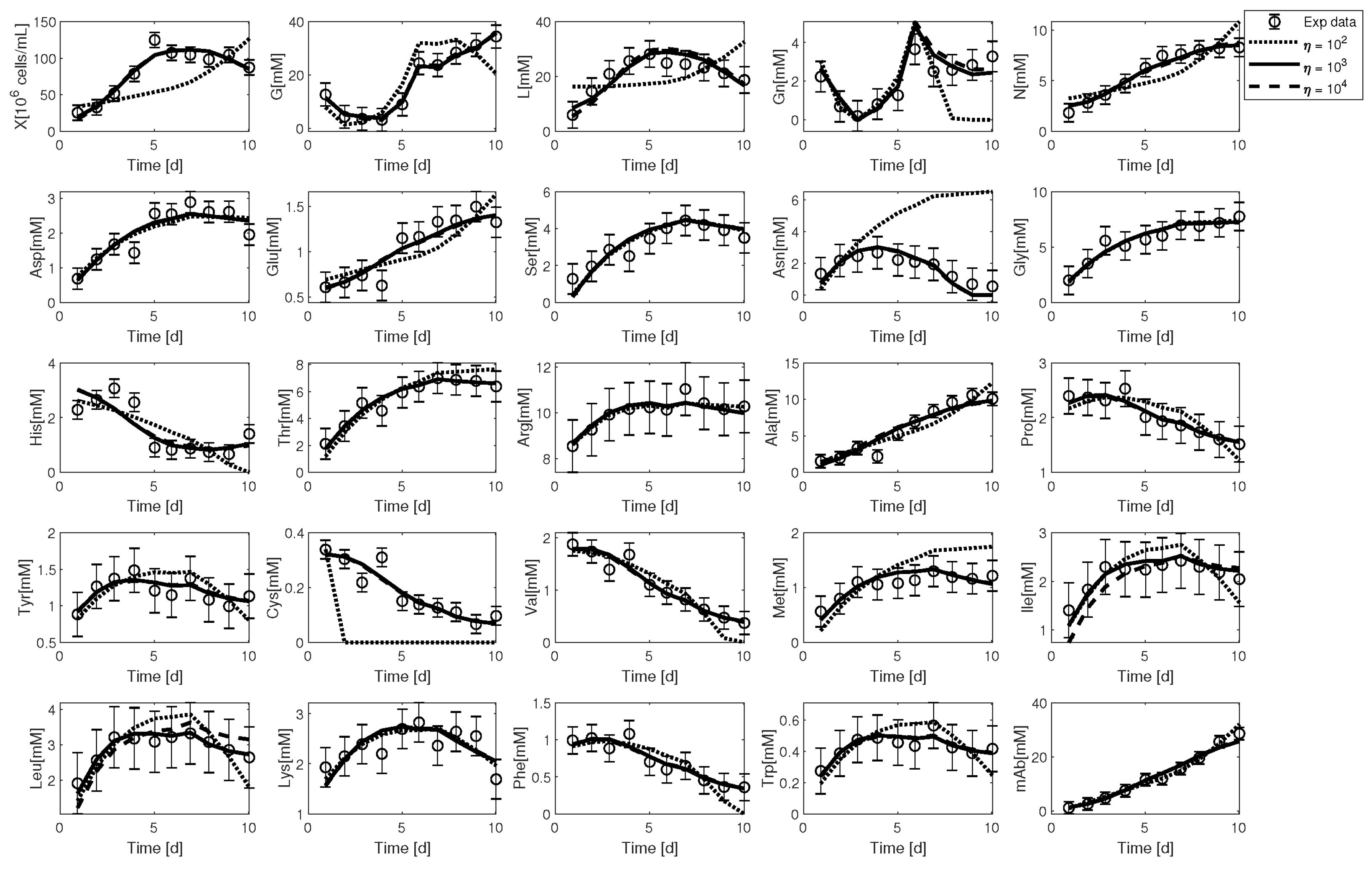


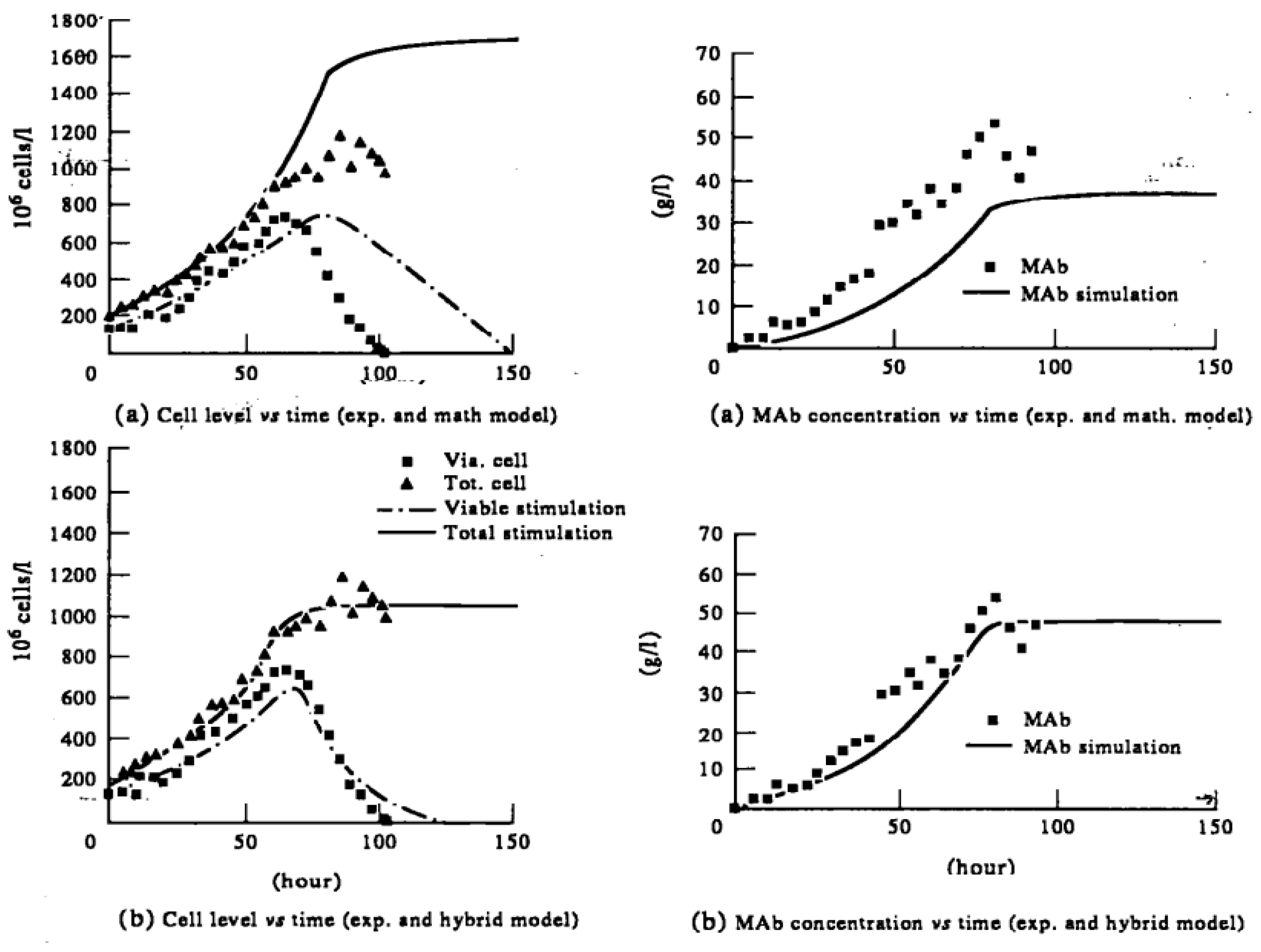
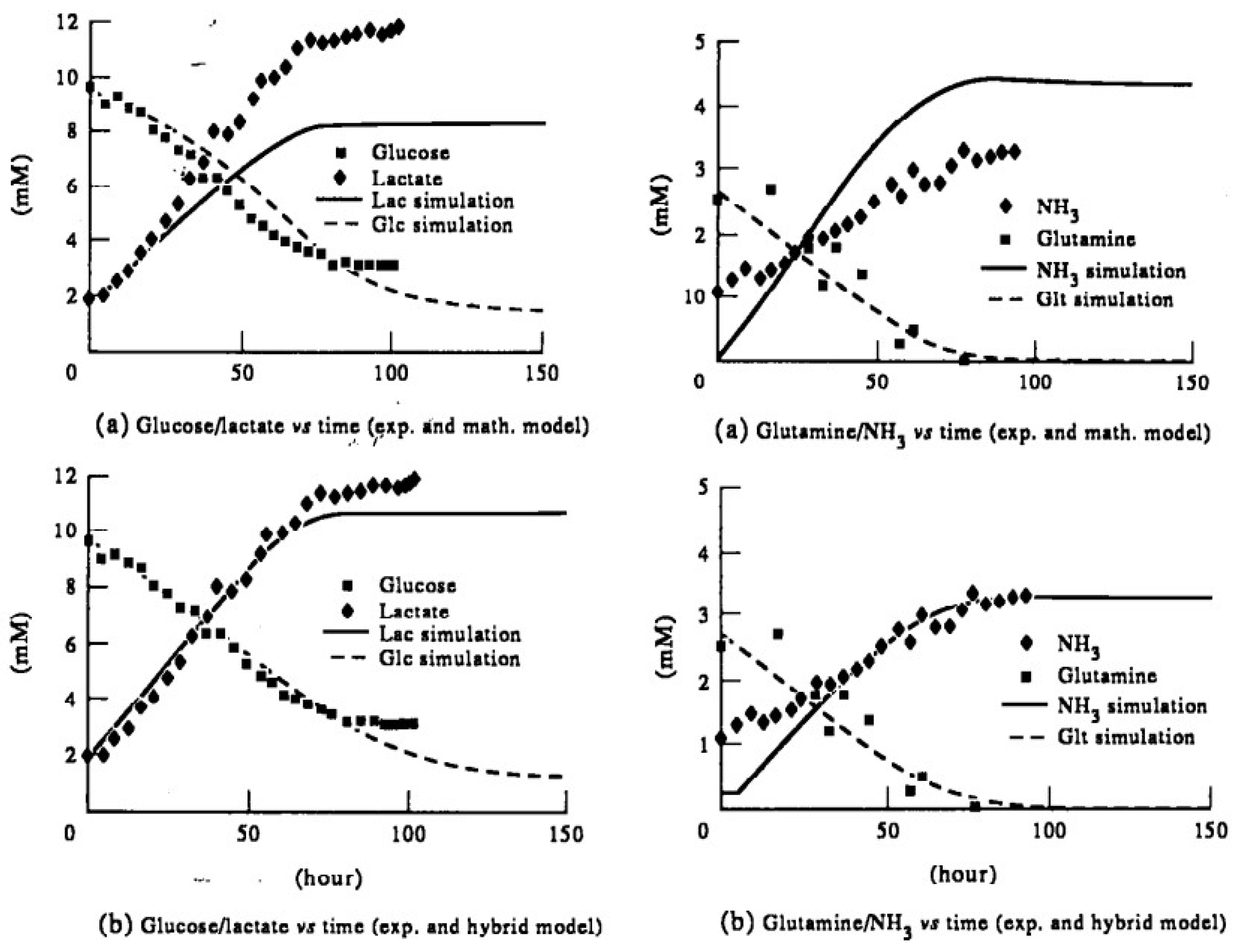

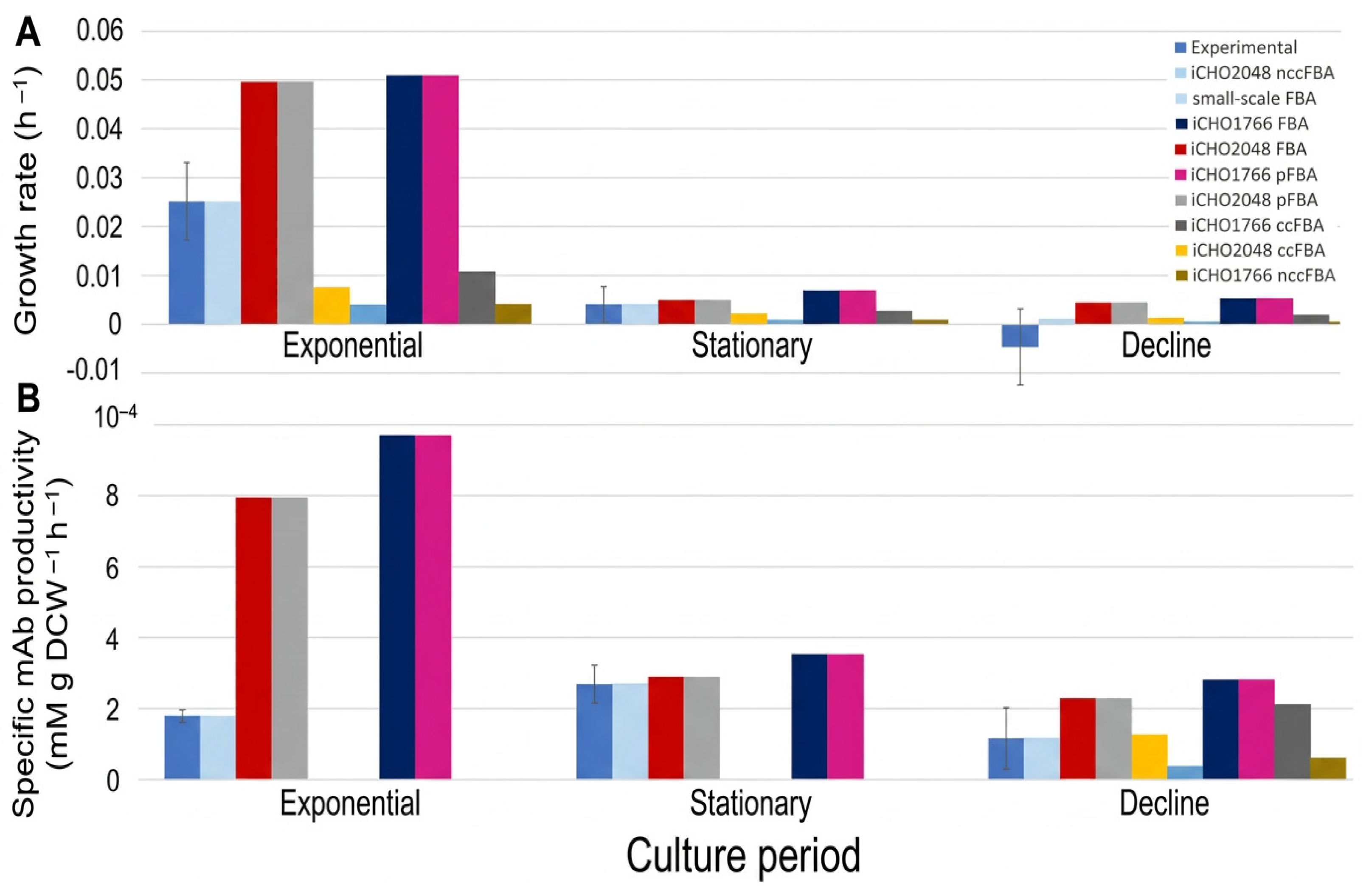

















| Parameter | Value | Unit | Parameter | Value | Unit |
|---|---|---|---|---|---|
| φmax (1) | 17.166 | d−1 | KN,s | 48.147 | mM |
| φmax (2) | 199.847 | d−1 | KAsn,s | 0.135 | mM |
| φmax (3) | 0.0243 | d−1 | KArg,s | 67.467 | mM |
| KCys,s | 0.099 | mM | KAla,inh | 0.113 | mM−1 |
| KVal,s | 0.288 | mM | KMet,inh | 6.179 | mM−1 |
| KIle,s | 0.294 | mM | KPro,inh | 19.991 | mM−1 |
| KLeu,s | 0.298 | mM | KVal,inh | 0.221 | mM−1 |
| KLys,s | 2.805 | mM | (kinetic rate expressions φ (i) detailed in [3]) | ||
| Experiment | JML (n = 103) | JML (n = 104) |
|---|---|---|
| 3 | 0.444 | 0.553 |
| 4 | 0.879 | 1.076 |
| 5 | 0.840 | 0.974 |
| Days | 0–8 | 8–10 | 10–12 | 12+ |
|---|---|---|---|---|
| Training Error (%) | 0.14 | 0.4 | 0.27 | 0.07 |
| Prediction Error (%) | 0.11 | 0.22 | 0.13 | 0.03 |
| Condition | Replicate | Product Concentration (mg.L−1) |
|---|---|---|
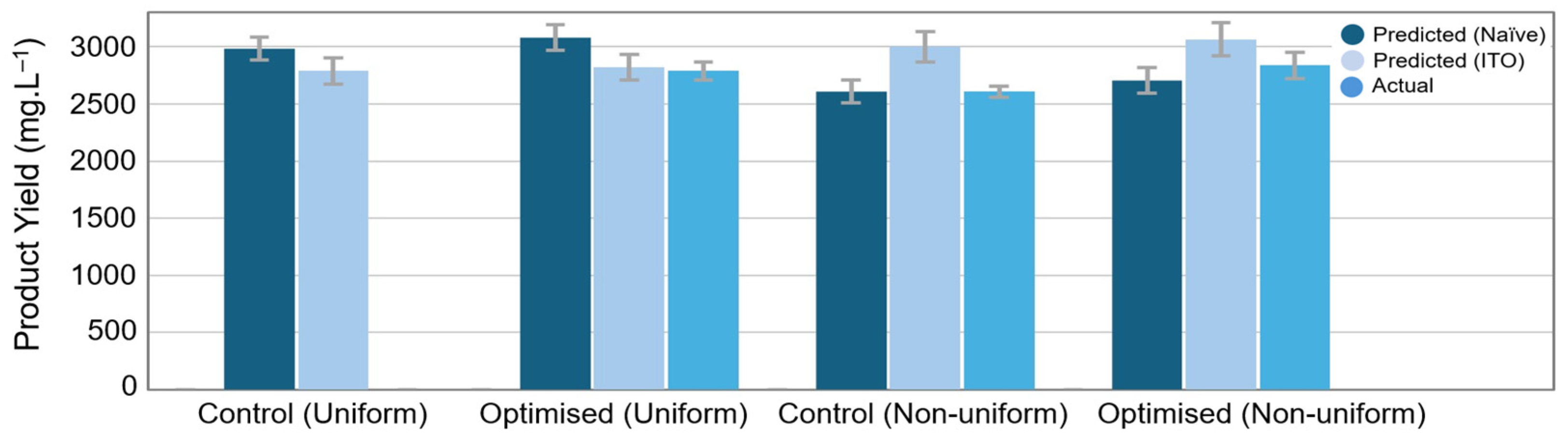
| Control with non-uniform feeding | 1 | 3635.036 |
| Control with non-uniform feeding | 2 | 2665.541 |
| Optimised feed with non-uniform feeding | 1 | 2825.806 |
| Optimised feed with non-uniform feeding | 2 | 2927.120 |
| Optimised feed with uniform feeding | 1 | 2828.525 |
| Optimised feed with uniform feeding | 2 | 2752.028 |
| Linear (Chemometrics) | Machine Learning | |||||
|---|---|---|---|---|---|---|
| Molecule | Rclf (%) | Rreg (%) | Rcomb (%) | Rclf (%) | Rreg (%) | Rcomb (%) |
| Infliximab | 13.7 | 12.3 | 13.2 | 0.9 | 8.4 | 3.4 |
| Bevacizumab | 19.8 | 14.0 | 17.9 | 1.0 | 4.3 | 2.1 |
| Ramucirumab | 9.0 | 7.3 | 8.4 | 0.0 | 3.5 | 1.2 |
| Rituximab | 16.0 | 26.7 | 19.6 | 1.0 | 6.9 | 3.0 |
| Overall | 14.5 | 14.7 | 14.6 | 0.7 | 5.8 | 2.4 |
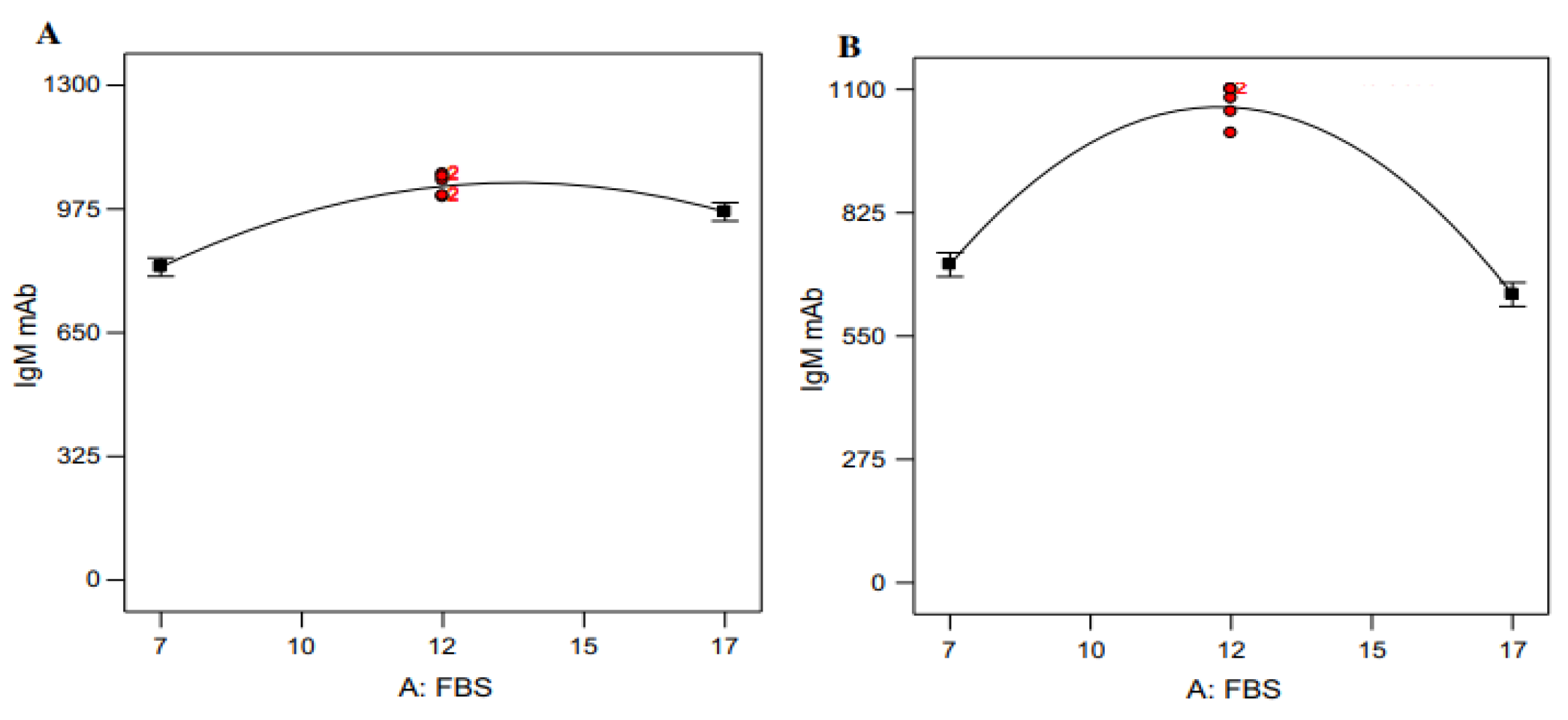
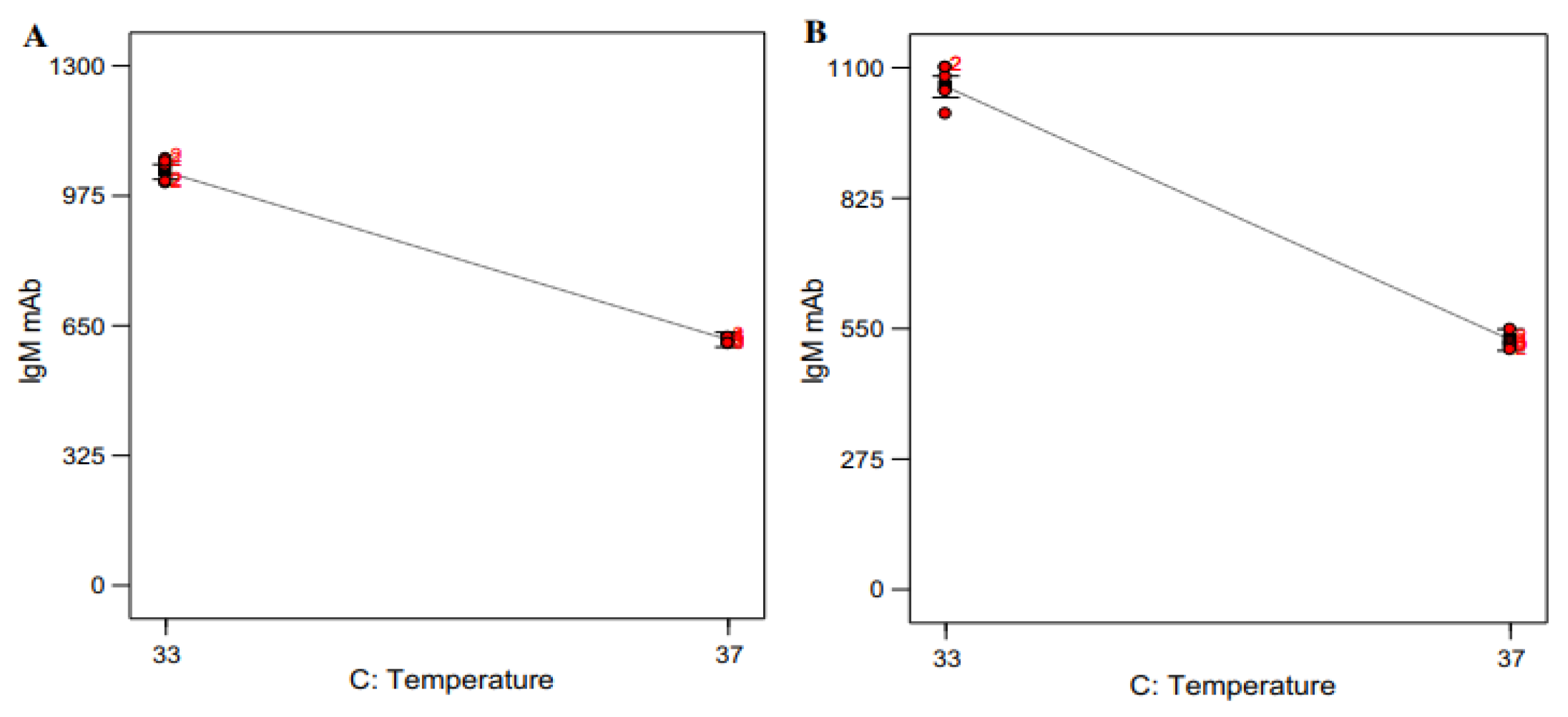
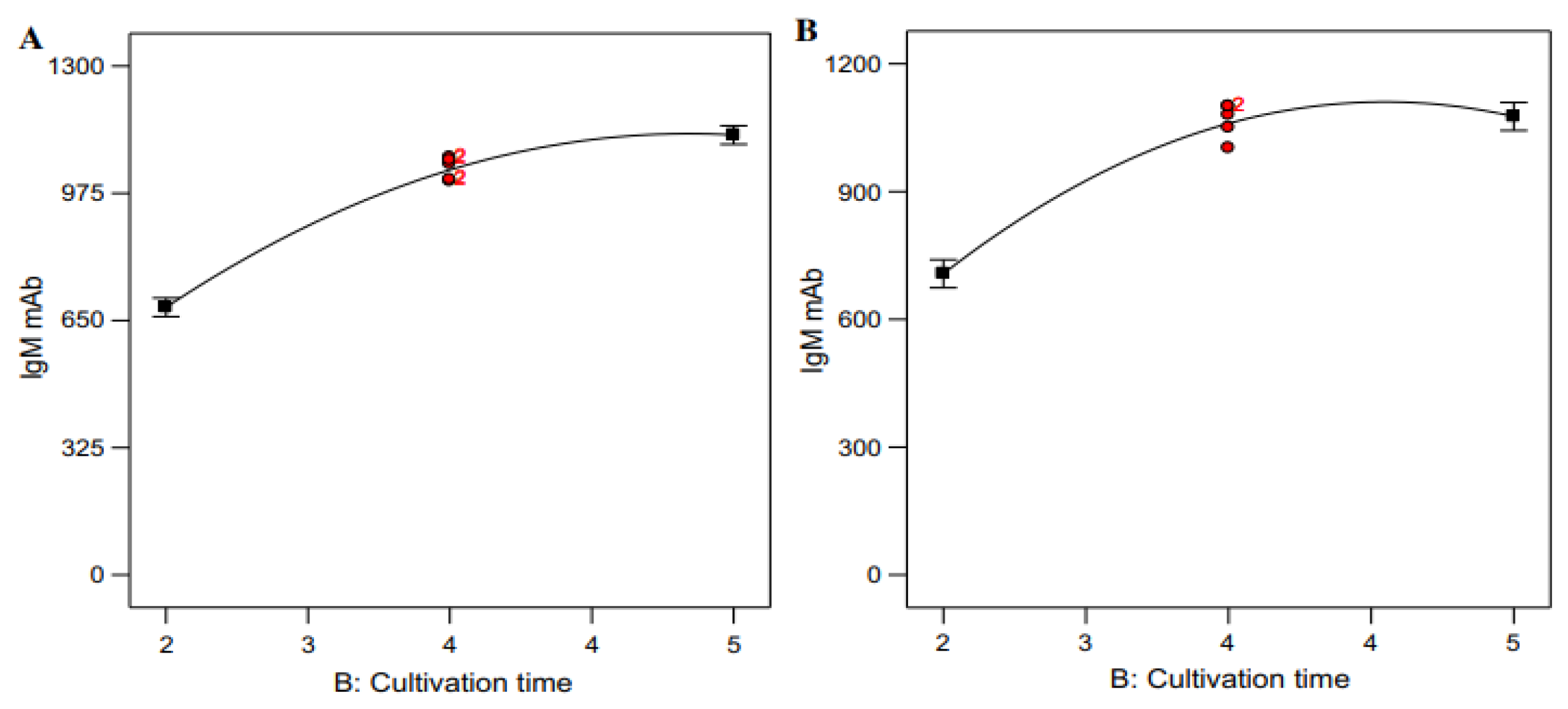
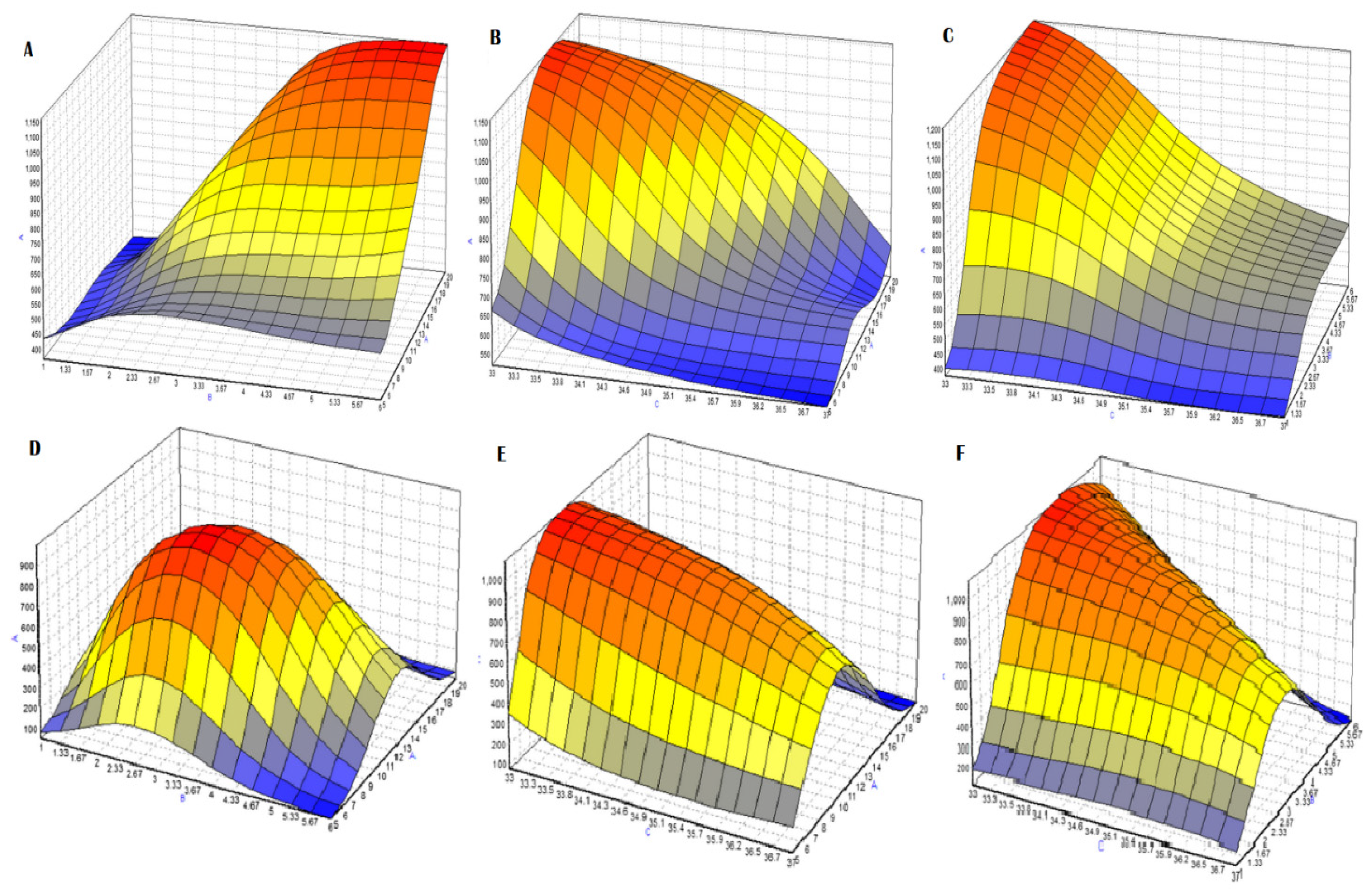
| Dataset Type and Medium Type | FBS (%) | Cultivation Time (day) | Temperature (°C) | Experimental mAb (μg/mL) | Predicted mAb (μg/mL) |
|---|---|---|---|---|---|
| Training data | 5 | 3 | 33 | 673.97 | 673.88 |
| (DMEM) | 7 | 5 | 33 | 719.24 | 719.34 |
| 7 | 2 | 33 | 638.02 | 638.08 | |
| 20 | 3 | 33 | 821.39 | 821.37 | |
| 17 | 2 | 33 | 509.83 | 509.88 | |
| 17 | 5 | 33 | 1220.0 | 1219.8 | |
| 5 | 3 | 37 | 529.14 | 529.14 | |
| 10 | 4 | 37 | 603.78 | 607.98 | |
| 10 | 4 | 37 | 610.00 | 605.77 | |
| 10 | 4 | 33 | 1066.7 | 1033.8 | |
| 10 | 4 | 33 | 1006.0 | 1039.5 | |
| 17 | 5 | 37 | 600.00 | 600.04 | |
| 10 | 6 | 37 | 600.00 | 599.98 | |
| 10 | 1 | 33 | 411.87 | 411.78 | |
| 20 | 3 | 37 | 529.14 | 529.15 | |
| 10 | 6 | 33 | 1097.2 | 1097.1 | |
| Testing data | 10 | 4 | 37 | 610.00 | 608.00 |
| (DMEM) | 10 | 4 | 33 | 1050.0 | 1034.0 |
| 7 | 2 | 37 | 504.31 | 545.62 | |
| 7 | 5 | 37 | 569.24 | 585.93 | |
| 10 | 1 | 33 | 400.00 | 411.72 | |
| Training data | 5 | 3 | 33 | 354.06 | 354.06 |
| (RPMI 1640) | 7 | 5 | 33 | 600.00 | 600.00 |
| 7 | 2 | 33 | 446.90 | 446.90 | |
| 20 | 3 | 33 | 125.29 | 125.28 | |
| 17 | 2 | 33 | 194.82 | 194.81 | |
| 17 | 5 | 37 | 568.18 | 568.17 | |
| 5 | 3 | 37 | 289.52 | 289.52 | |
| 10 | 4 | 37 | 547.45 | 547.45 | |
| 10 | 4 | 33 | 520.00 | 520.00 | |
| 10 | 4 | 37 | 1100.0 | 1100.0 | |
| 17 | 5 | 37 | 120.00 | 120.00 | |
| 10 | 6 | 37 | 100.00 | 100.00 | |
| 10 | 1 | 33 | 332.01 | 332.00 | |
| Testing data | 10 | 4 | 37 | 520.00 | 533.73 |
| (RPMI 1640) | 10 | 4 | 33 | 1002.0 | 1100.0 |
| 7 | 2 | 37 | 451.42 | 504.14 | |
| 7 | 5 | 37 | 110.00 | 213.54 | |
| 10 | 1 | 33 | 153.76 | 243.23 |
| Authors | Year | ML Method | Effectiveness | Remarks |
|---|---|---|---|---|
| Dewasme et al. [5] | 2017 | Principal Component Analysis (PCA), and MATLAB 2025a (fmincon) | 30% increased production | Final mAb titre: 60.92 µg.mL−1 vs. 40 to 45 µg.mL−1 |
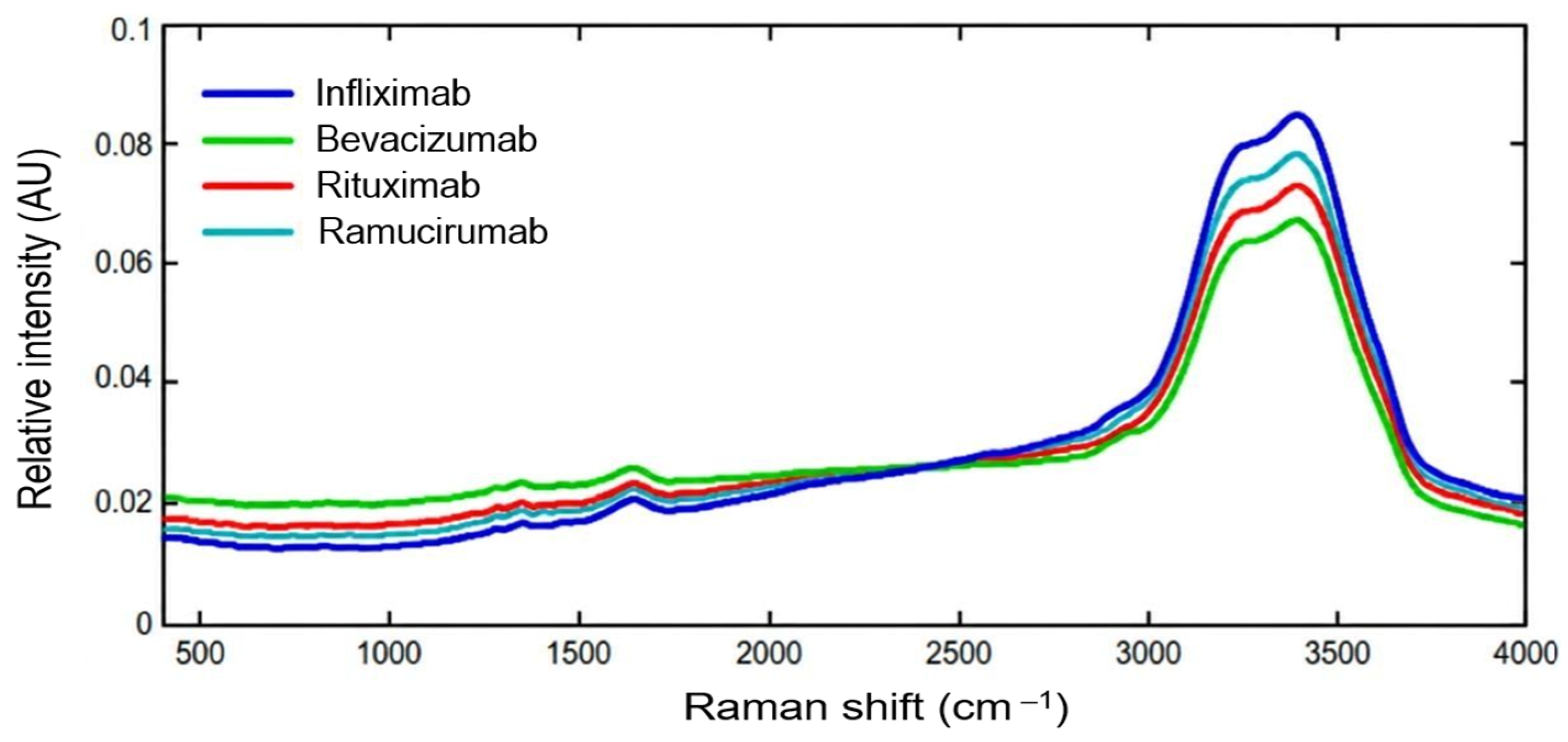
| Le et al. [29] | 2018 | Kernel PCA and Support Vector Machines (SVM) | 97.6% prediction accuracy | Combined error of 2.4% vs. 14.6% by a linear approach |
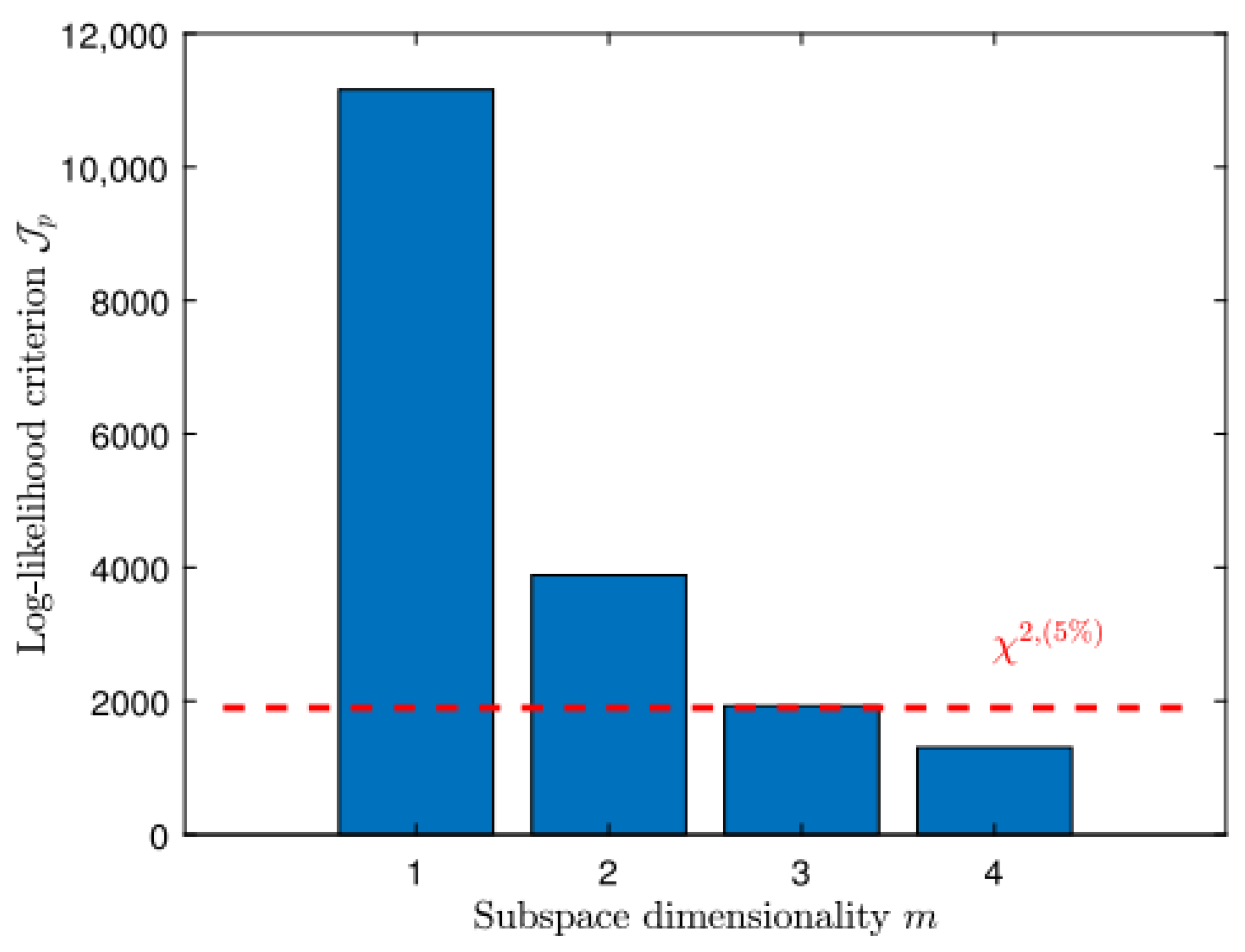
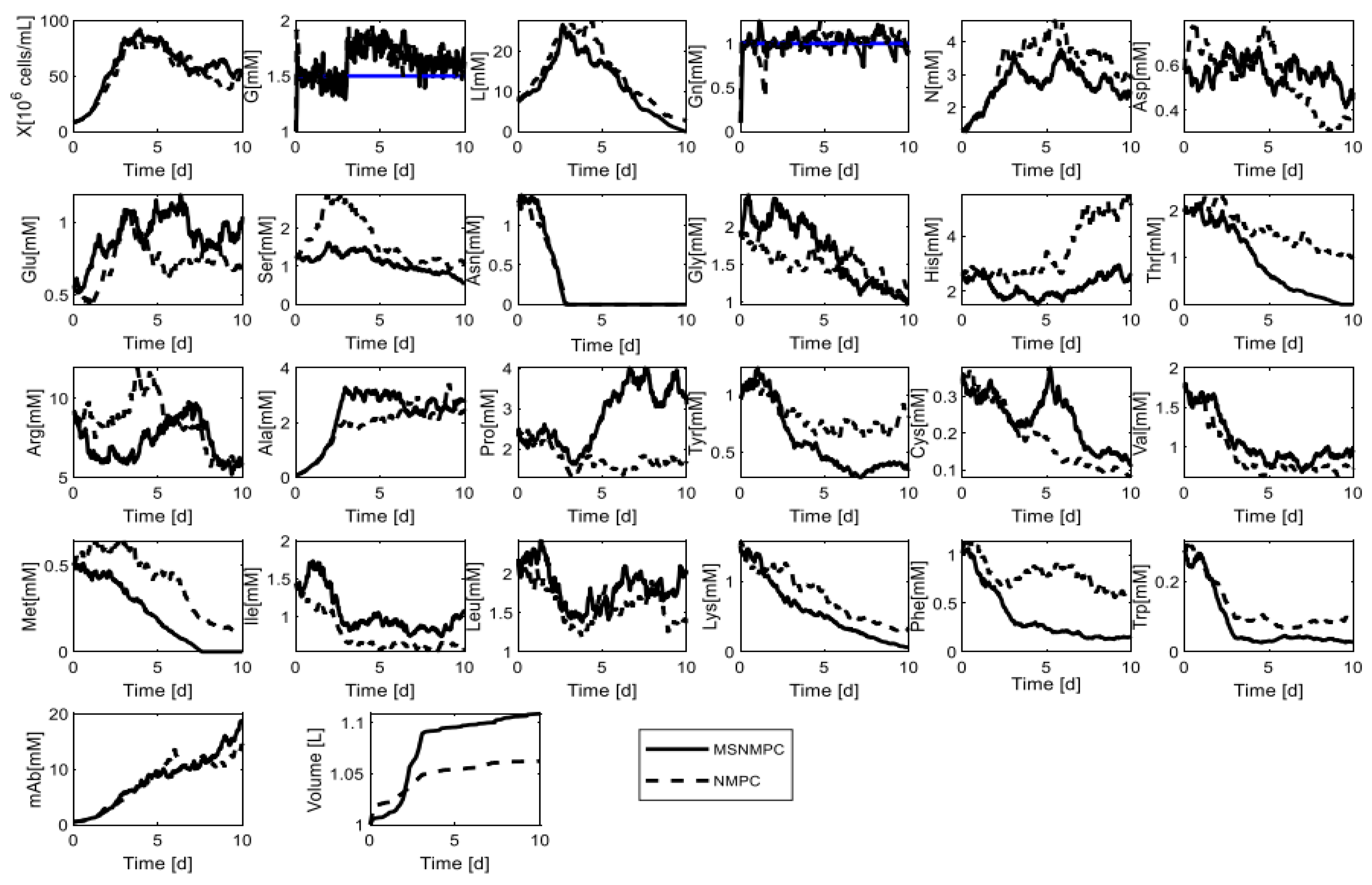
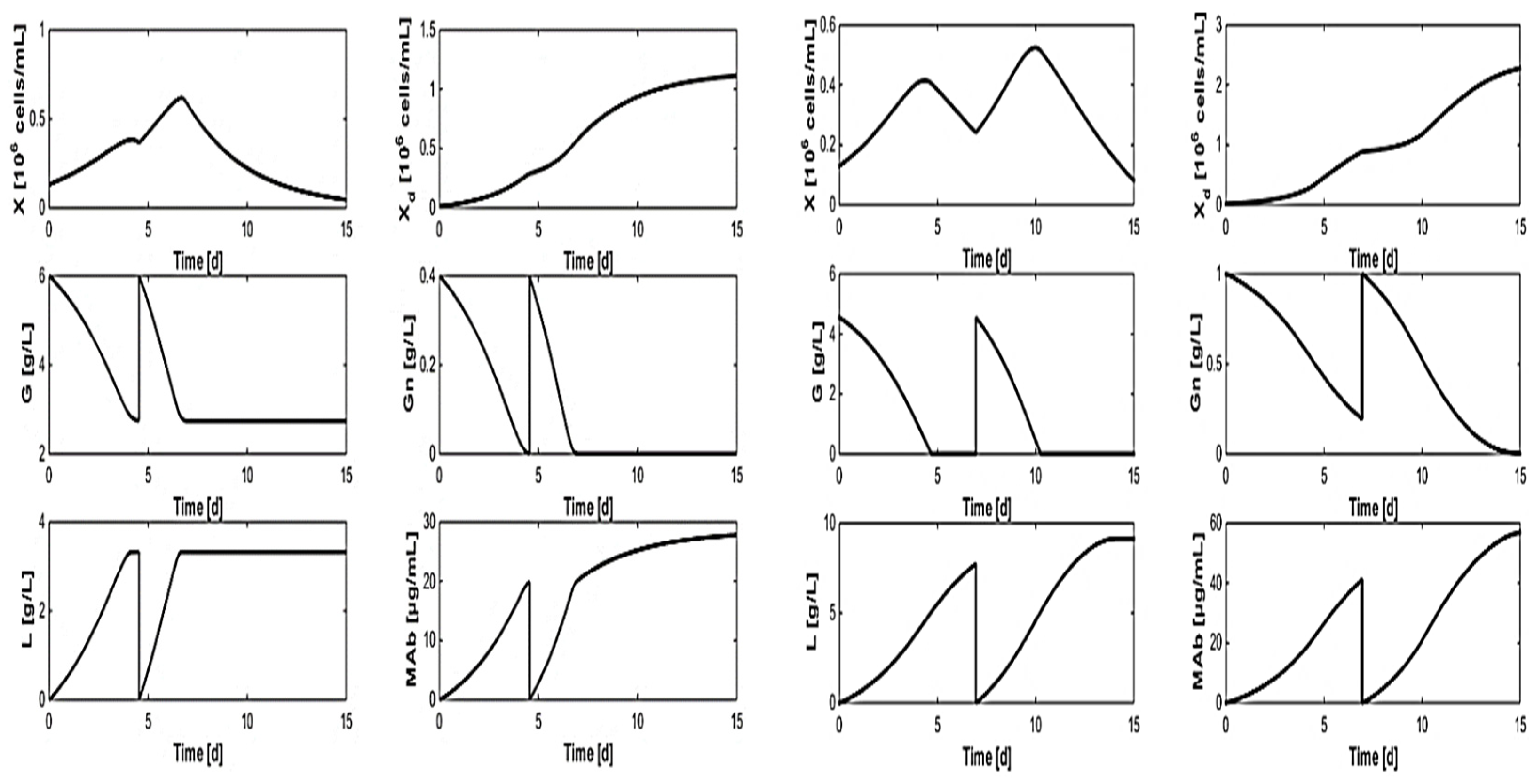
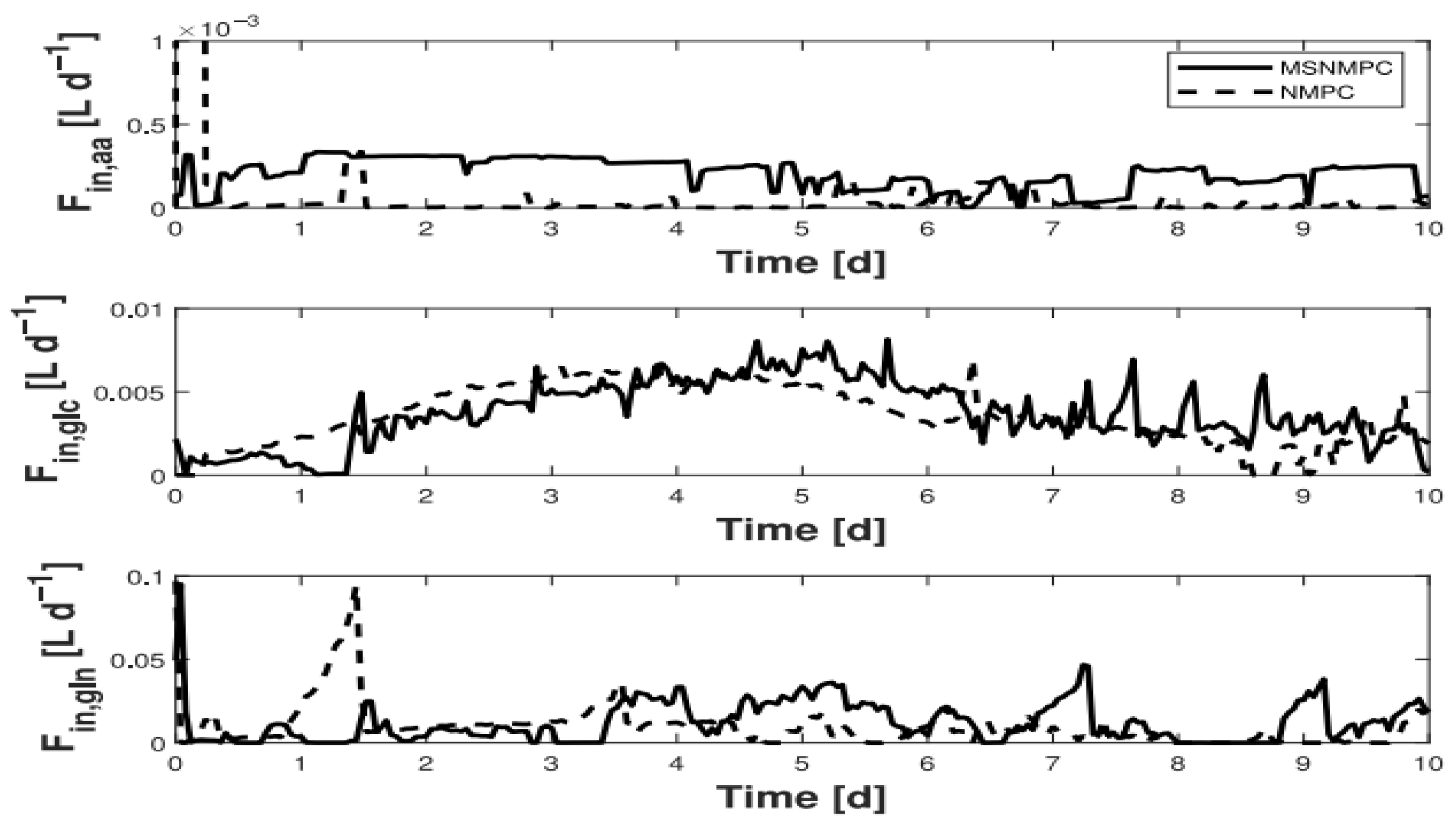
| Dewasme et al. [6] | 2023 | Max. Likelihood Principal Component Analysis (MLPCA) and Multi-Stage Nonlinear Model Predictive Control (MSNMPC) | 28% increased production | Final mAb titre: 17.1 mM vs. 12.5 mM by NMPC |
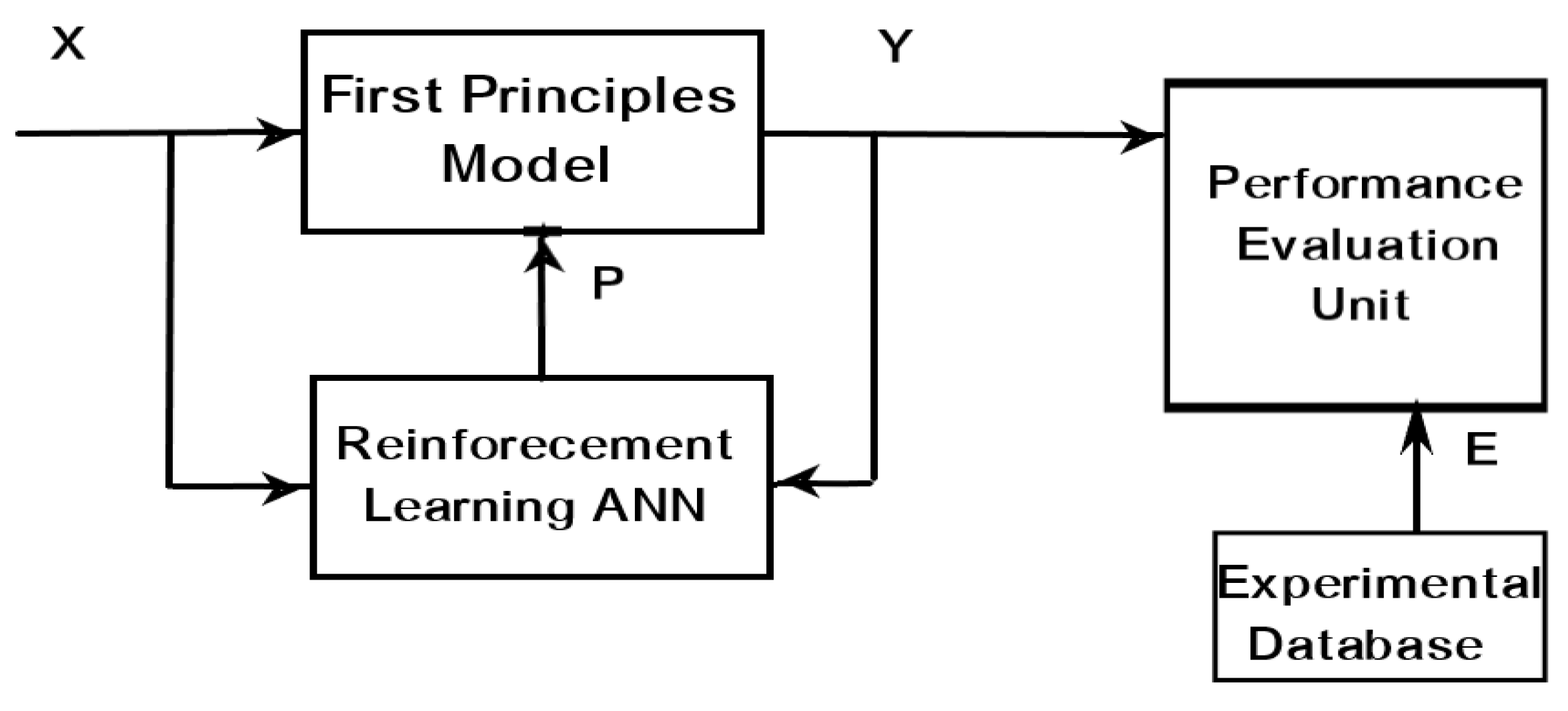
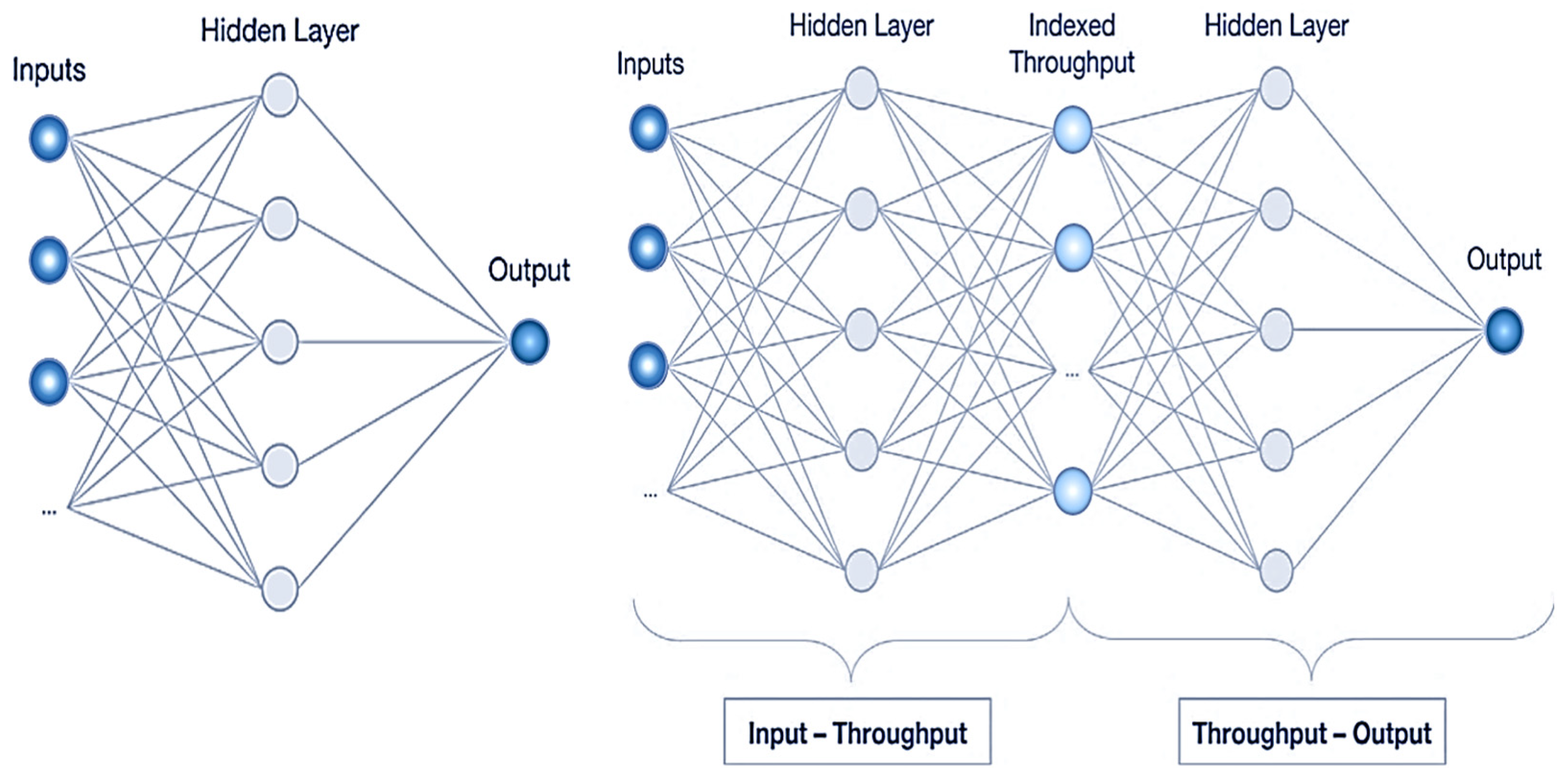
| Manapragada et al. [22] | 2023 | Input–Throughput– Output (ITO) dual ANN model | 8.9% increased production | Product titre via feed optimisation: 2927 vs. 2665 mg.L−1 |
| Pham et al. [3] | 2023 | Supervised Learning (SL) & data-driven optimisation (SLDDO) use in studies | - | (Review paper) |
| Rathore et al. [10] | 2023 | A review of several AI/ML applications in the modern biopharmaceutical industry | - | (Review paper) |
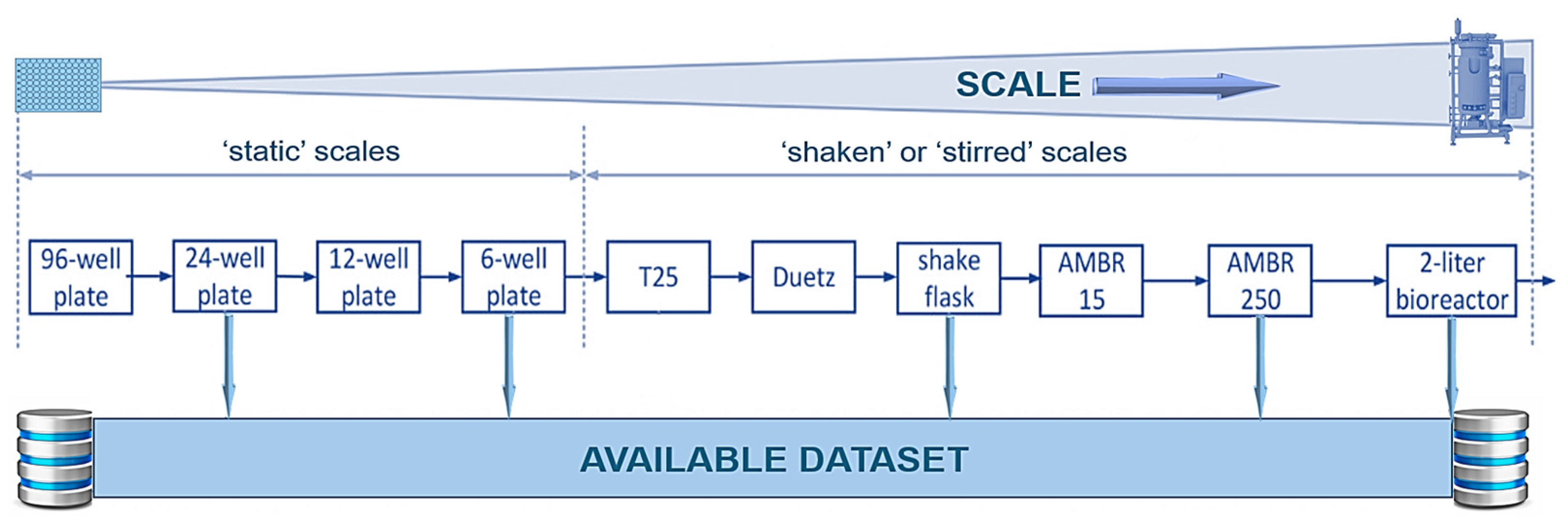
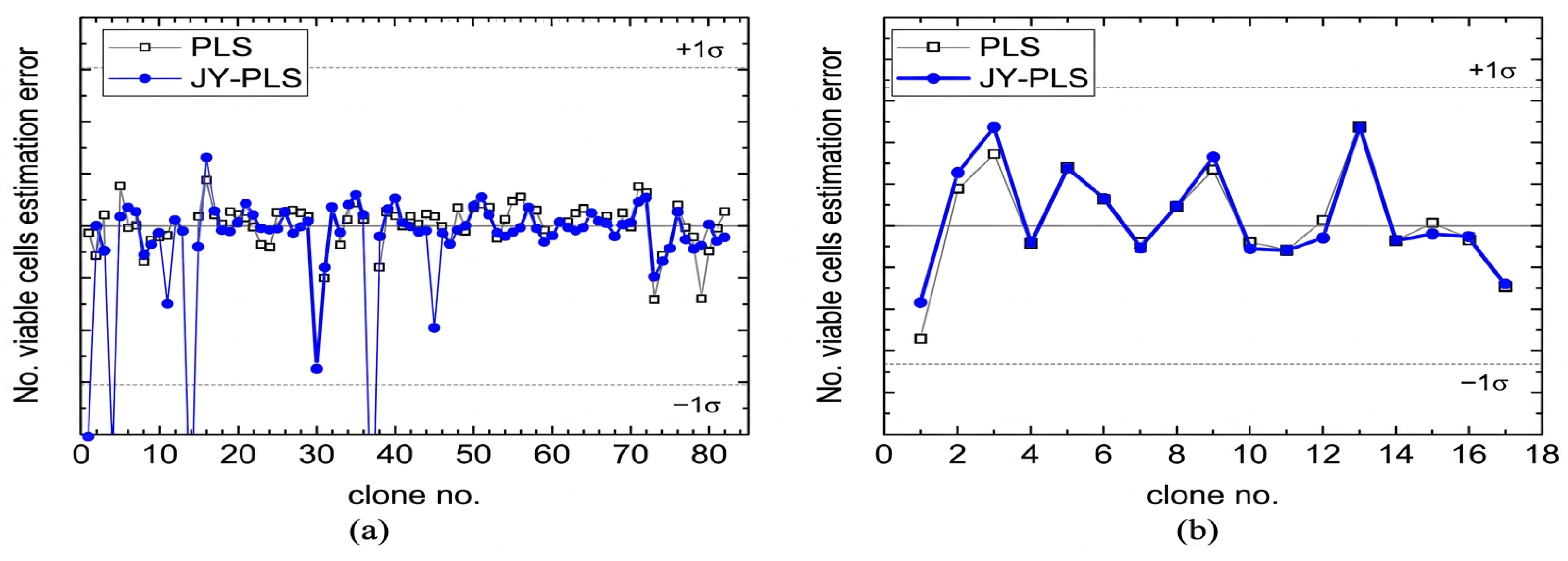
| Scale (Figure 46) | Number of Available Clones | R2PLS | R2JY-PLS | eJY-PLS < ePLS (%) |
|---|---|---|---|---|
| 24 w | 277 | 0.99 | 0.98 | 35 |
| 24 w L | 195 | 0.96 | 0.88 | 28 |
| 6 w | 82 | 0.99 | 0.98 | 45 |
| 6 w L | 42 | 0.94 | 0.95 | 40 |
| T25 | 48 | 0.96 | 0.95 | 52 |
| T25 L | 17 | 0.86 | 0.86 | 52 |
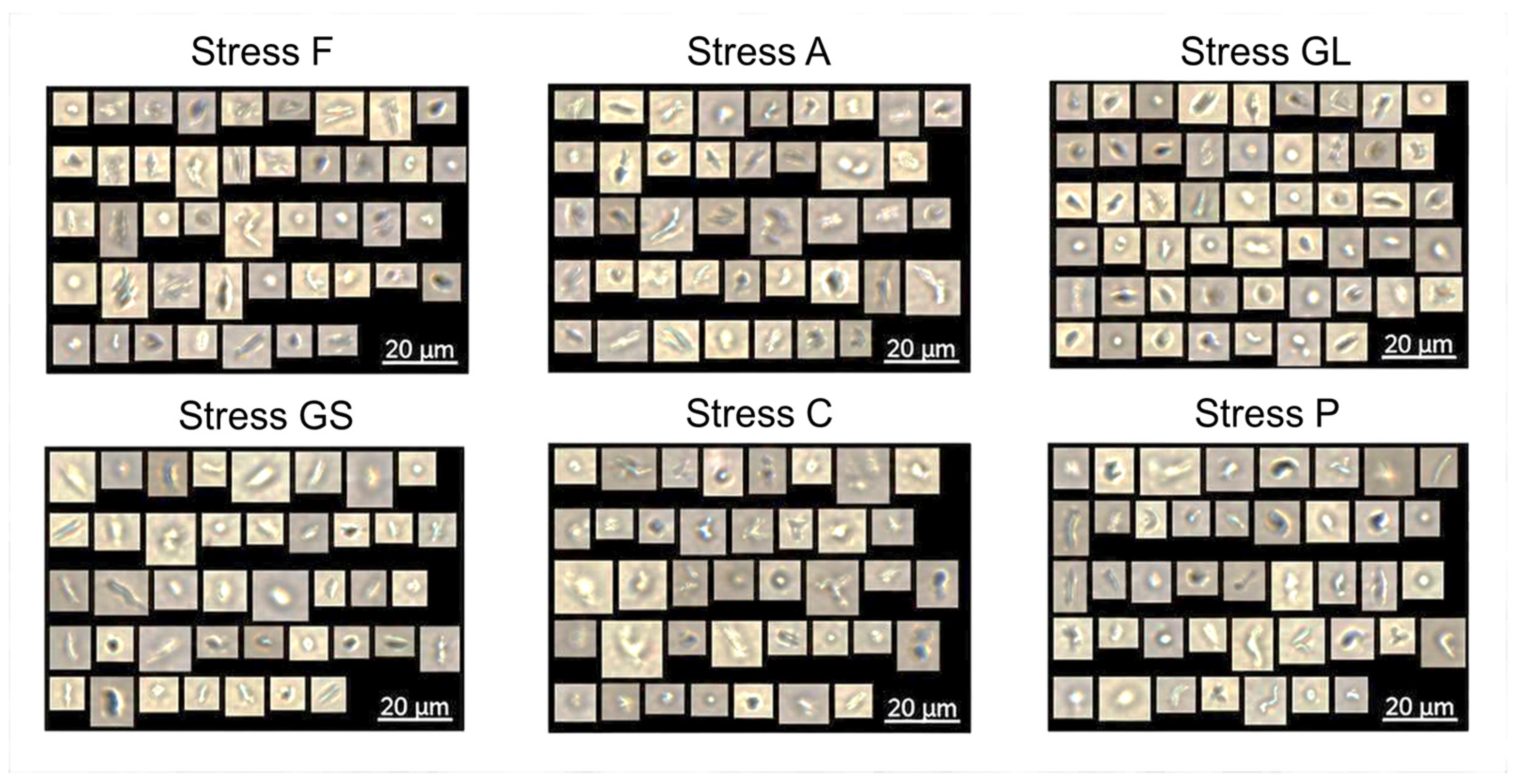
| Stress | Abbreviation |
|---|---|
| Freeze–thaw | Stress F |
| Agitation | Stress A |
| Pumping in Gore® large diameter tubing | Stress GL |
| Pumping in Gore® small diameter tubing | Stress GS |
| Pumping in C-flex® ULTRA tubing | Stress C |
| pH swing | Stress P |
| Predicted Sign of kD | ||
|---|---|---|
| Sign of kD Count: | Negative | Positive |
| Negative | 48 + 24 | 0 |
| Positive | 0 | 24 + 12 |
Disclaimer/Publisher’s Note: The statements, opinions and data contained in all publications are solely those of the individual author(s) and contributor(s) and not of MDPI and/or the editor(s). MDPI and/or the editor(s) disclaim responsibility for any injury to people or property resulting from any ideas, methods, instructions or products referred to in the content. |
© 2026 by the authors. Licensee MDPI, Basel, Switzerland. This article is an open access article distributed under the terms and conditions of the Creative Commons Attribution (CC BY) license.
Share and Cite
Abidi, F.; Gerogiorgis, D.I. A Review on Applications of Artificial Intelligence (AI) in Monoclonal Antibody (mAb) Manufacturing. Molecules 2026, 31, 3313. https://doi.org/10.3390/molecules31183313
Abidi F, Gerogiorgis DI. A Review on Applications of Artificial Intelligence (AI) in Monoclonal Antibody (mAb) Manufacturing. Molecules. 2026; 31(18):3313. https://doi.org/10.3390/molecules31183313
Chicago/Turabian StyleAbidi, Fawad, and Dimitrios I. Gerogiorgis. 2026. "A Review on Applications of Artificial Intelligence (AI) in Monoclonal Antibody (mAb) Manufacturing" Molecules 31, no. 18: 3313. https://doi.org/10.3390/molecules31183313
APA StyleAbidi, F., & Gerogiorgis, D. I. (2026). A Review on Applications of Artificial Intelligence (AI) in Monoclonal Antibody (mAb) Manufacturing. Molecules, 31(18), 3313. https://doi.org/10.3390/molecules31183313