Bacterial Cellulose from Tobacco Waste Extract and Its Silver Composite: A Potential Wound Dressing Material


Abstract
1. Introduction
2. Results
2.1. Analysis of Tobacco Waste Extract Composition
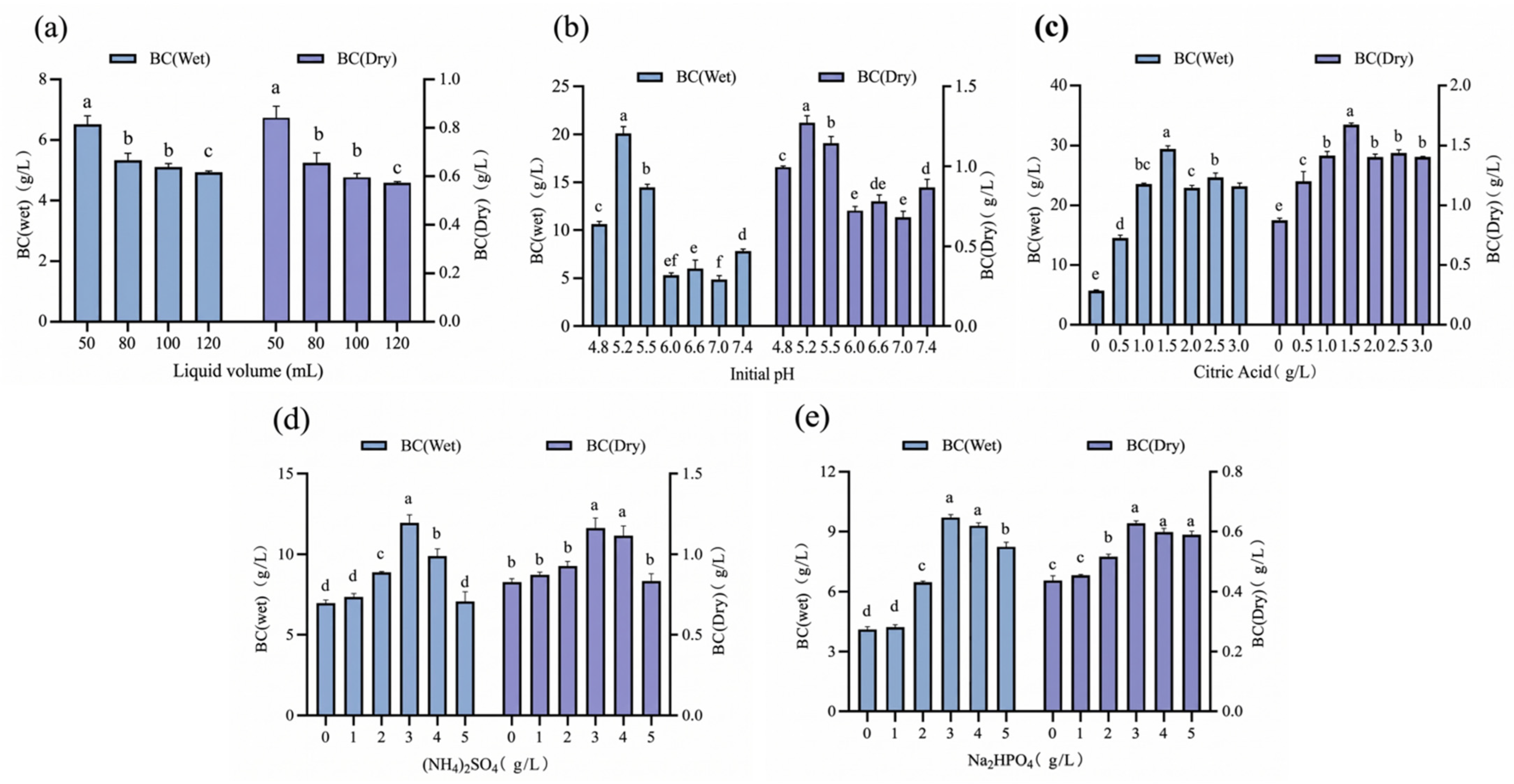
2.2. BC Production with TWE
2.3. Results of Orthogonal Experimental Design for BC Fermentation (L9(34))
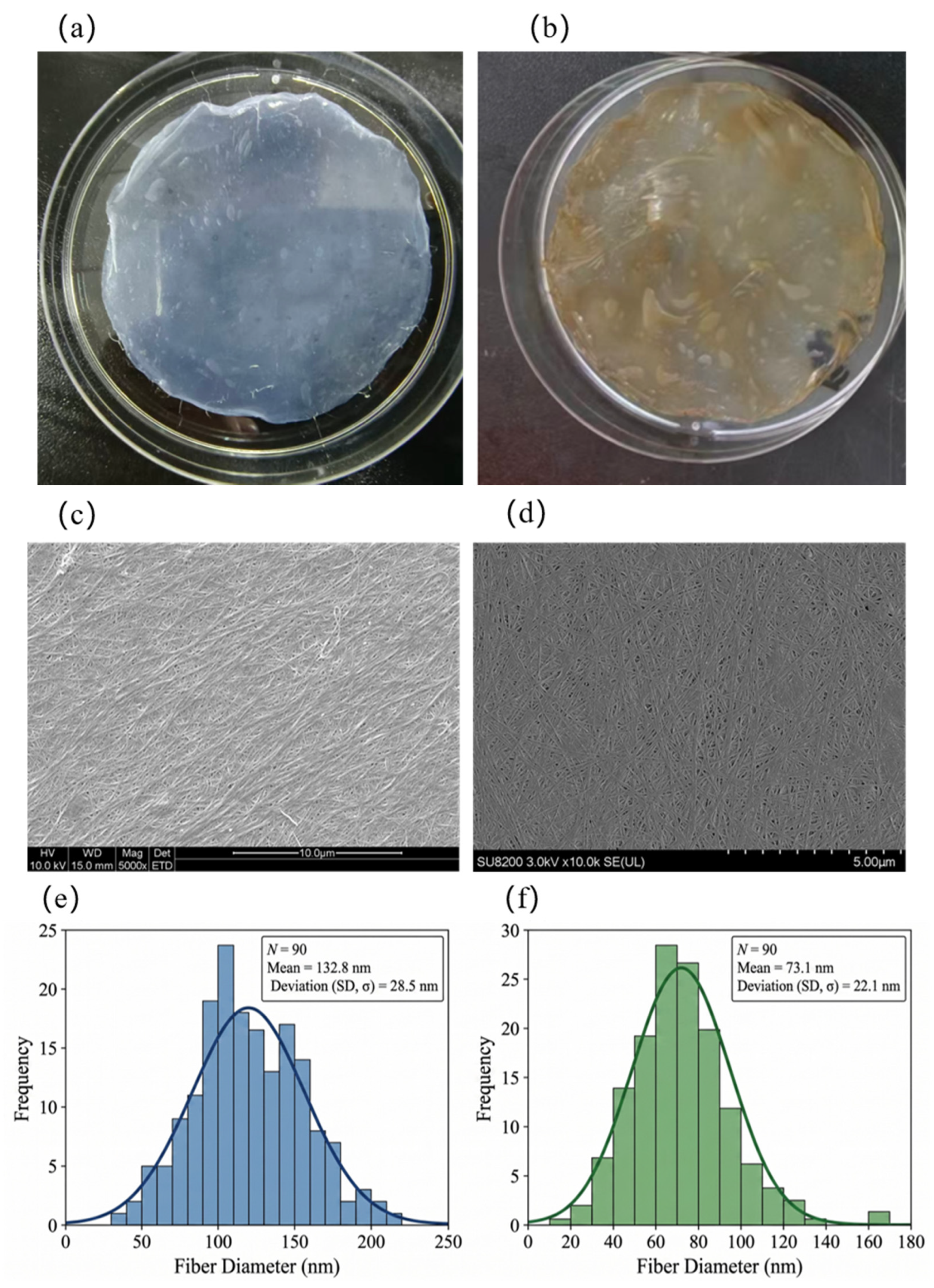
2.4. Morphology, Structure, and Mechanical Characterization of BC
2.4.1. SEM Analysis
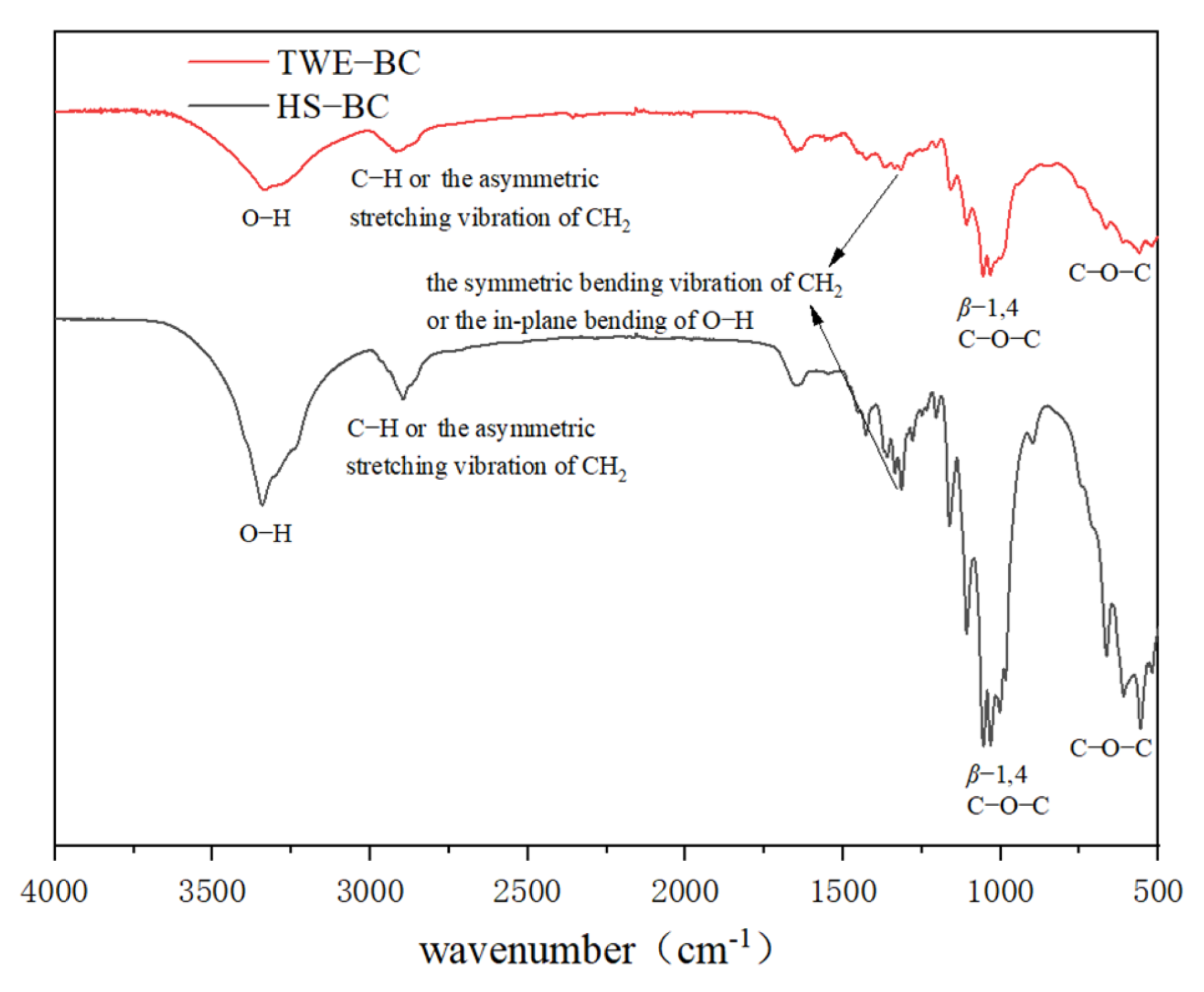
2.4.2. FTIR Analysis
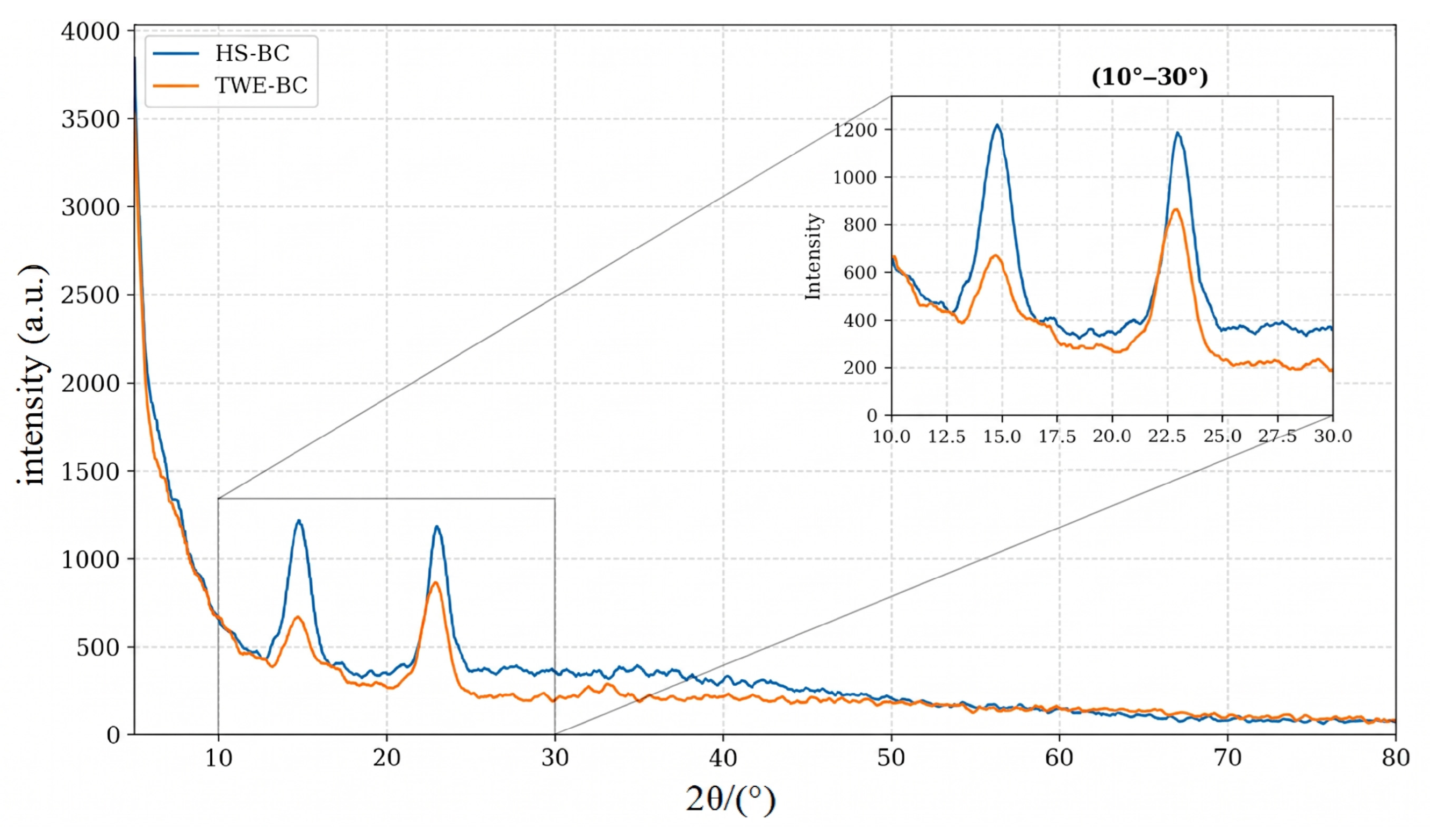
2.4.3. XRD Analysis
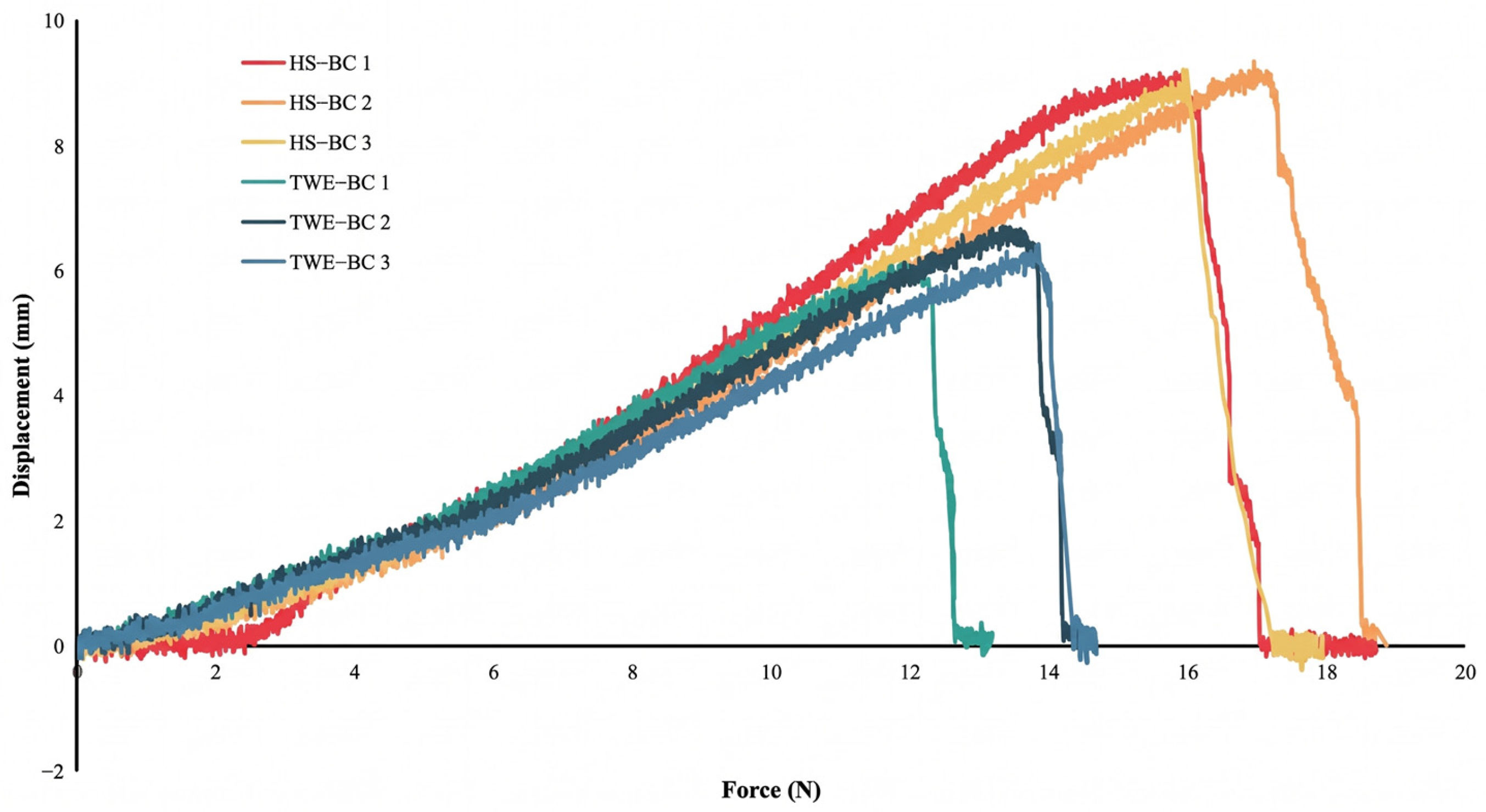
2.4.4. Mechanical Property Analysis
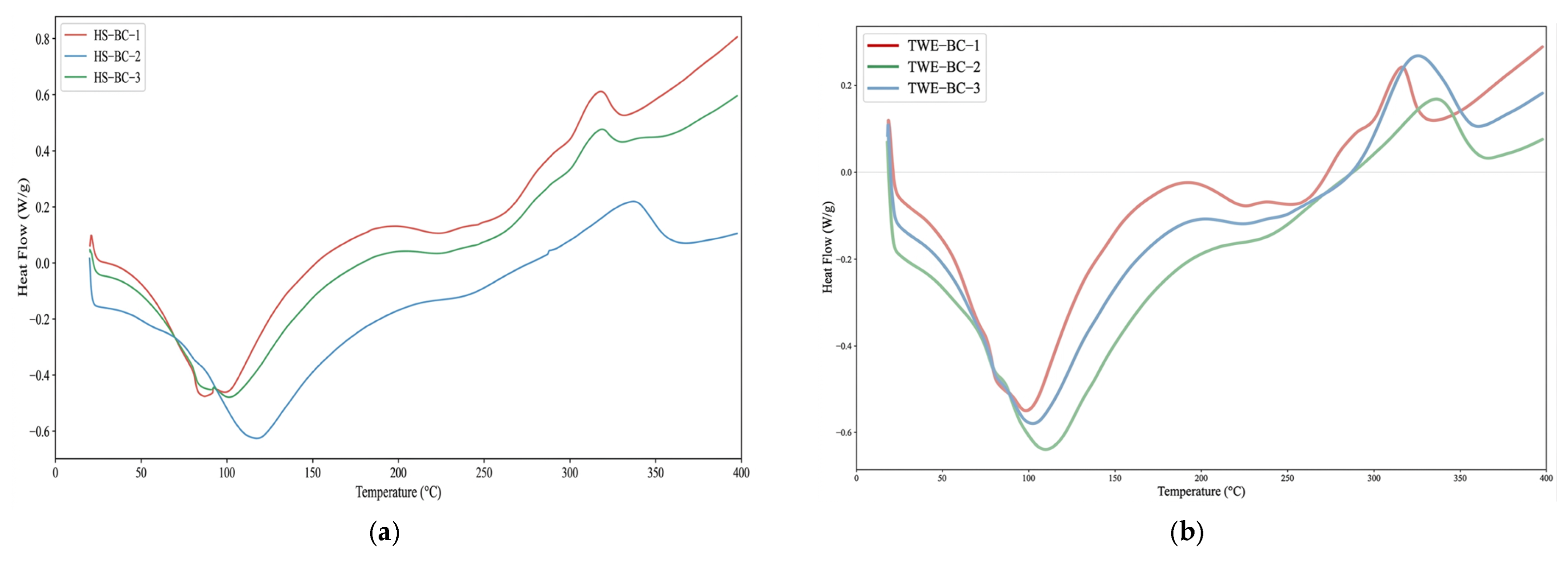
2.4.5. Thermal Analysis
2.5. Preparation, Characterization and Performance Analysis of BC-Ag Composites
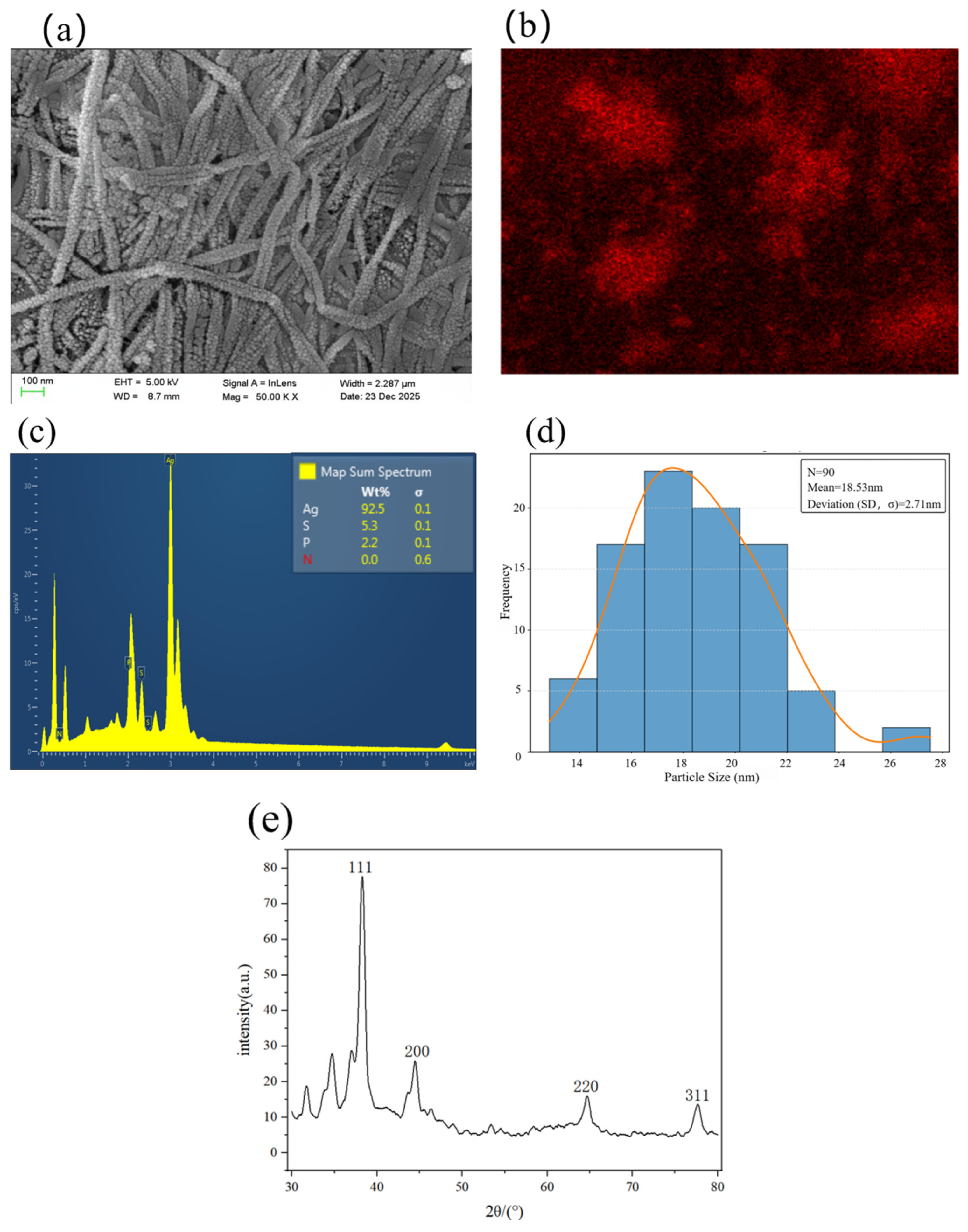
2.5.1. Preparation and Structural Characterization of BC-Ag Composites
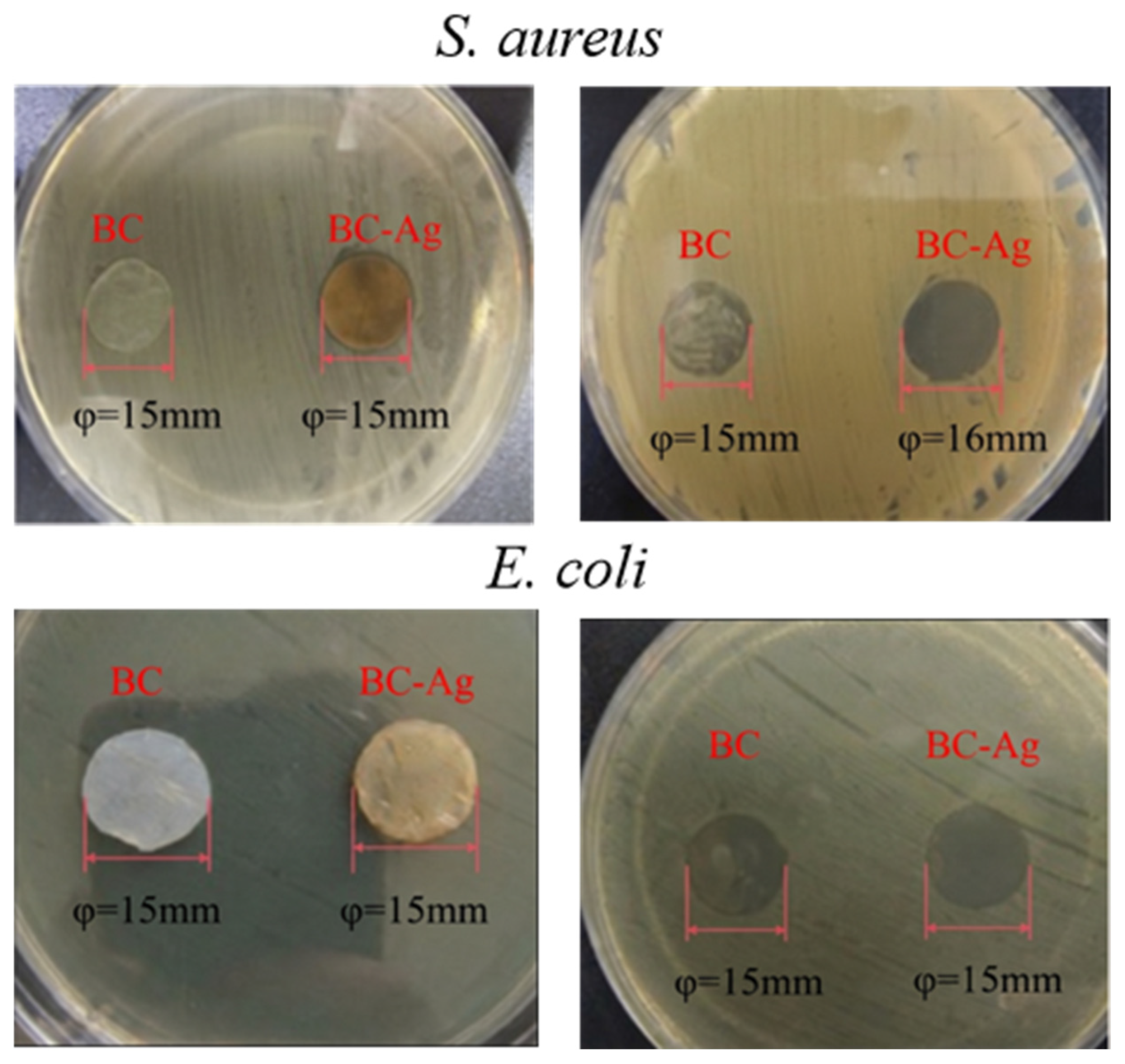
2.5.2. Evaluation of Antibacterial Properties of BC-Ag Composite
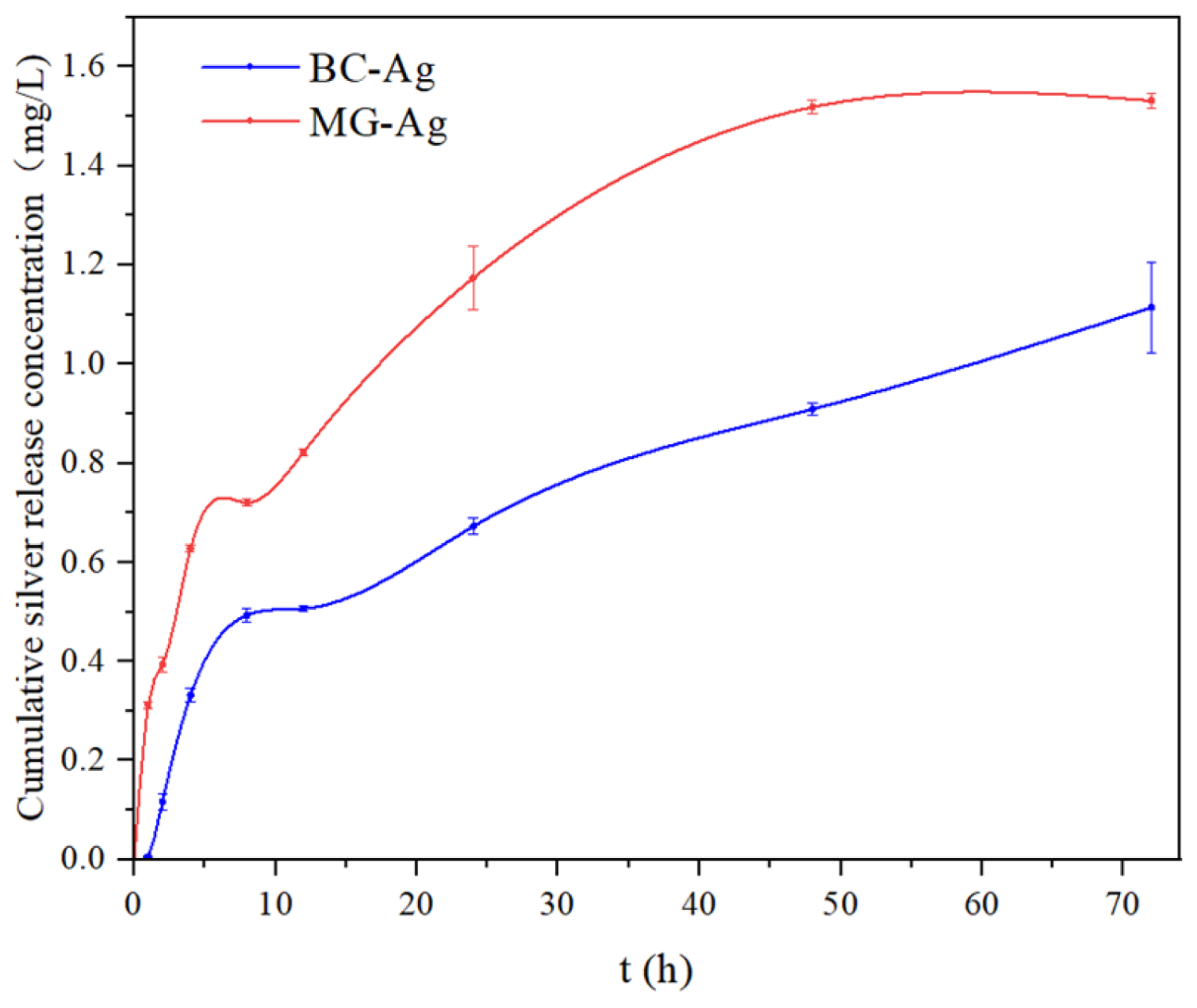
2.5.3. Silver Ion Release of BC-Ag Composites
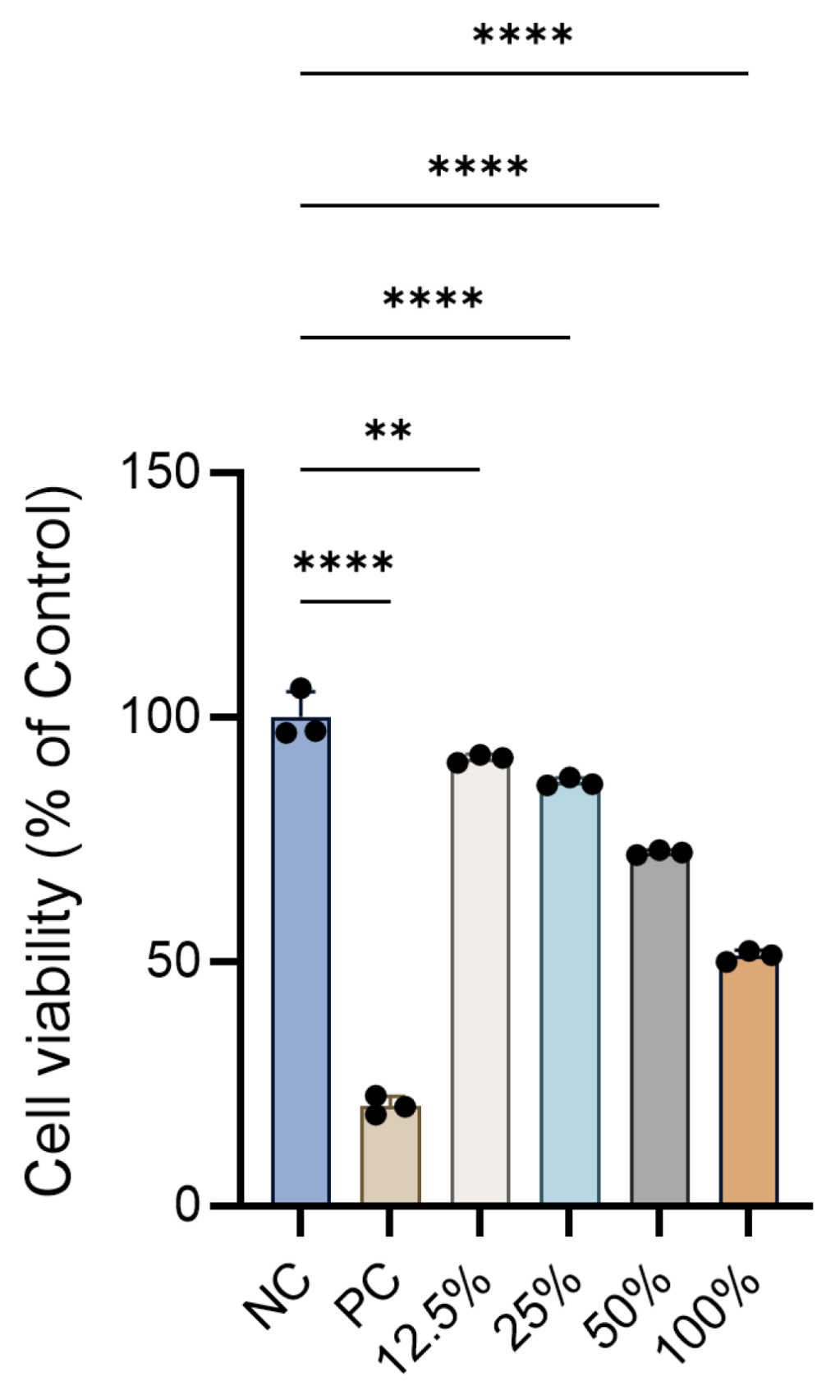
2.6. Cytotoxicity of BC-Ag Composites
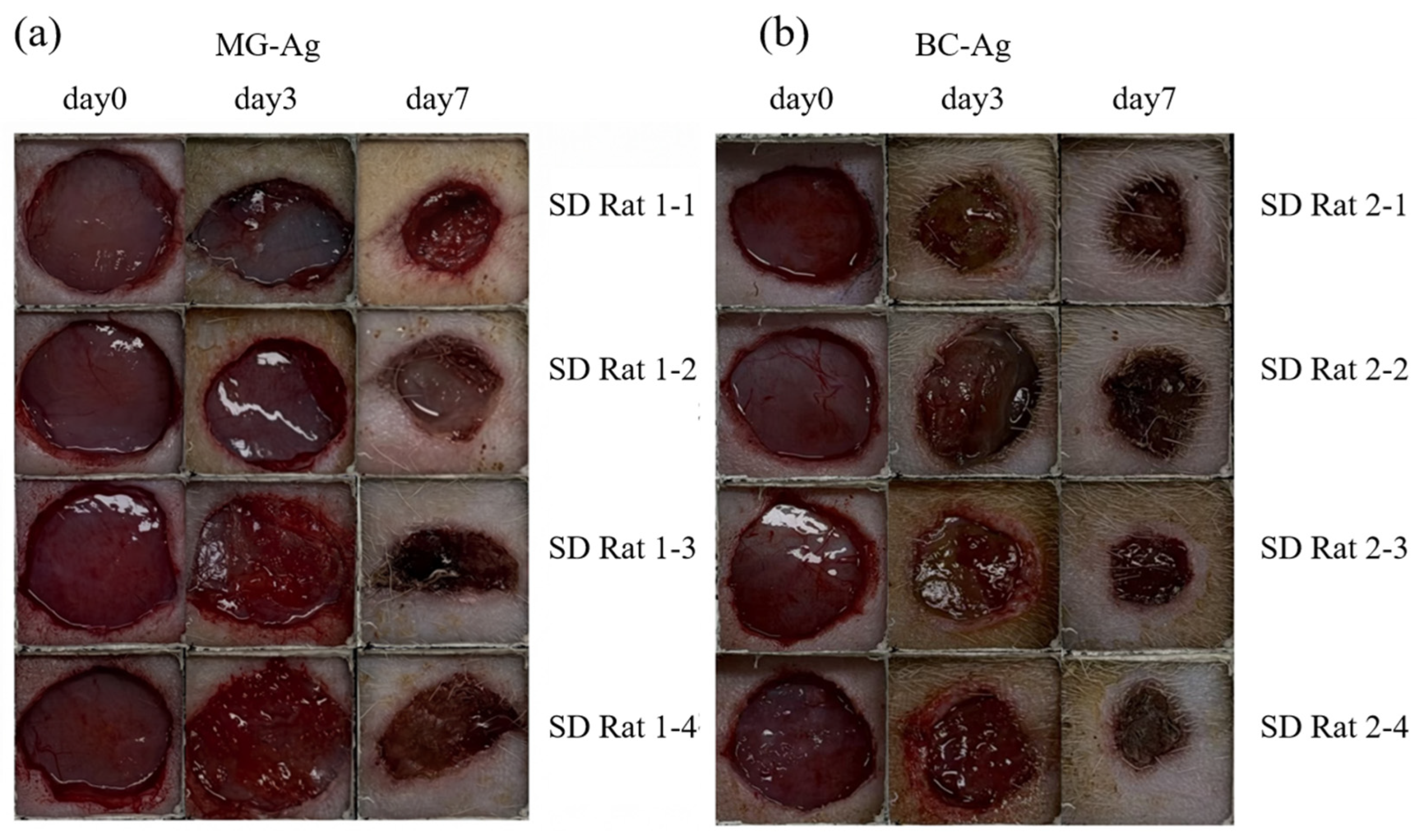
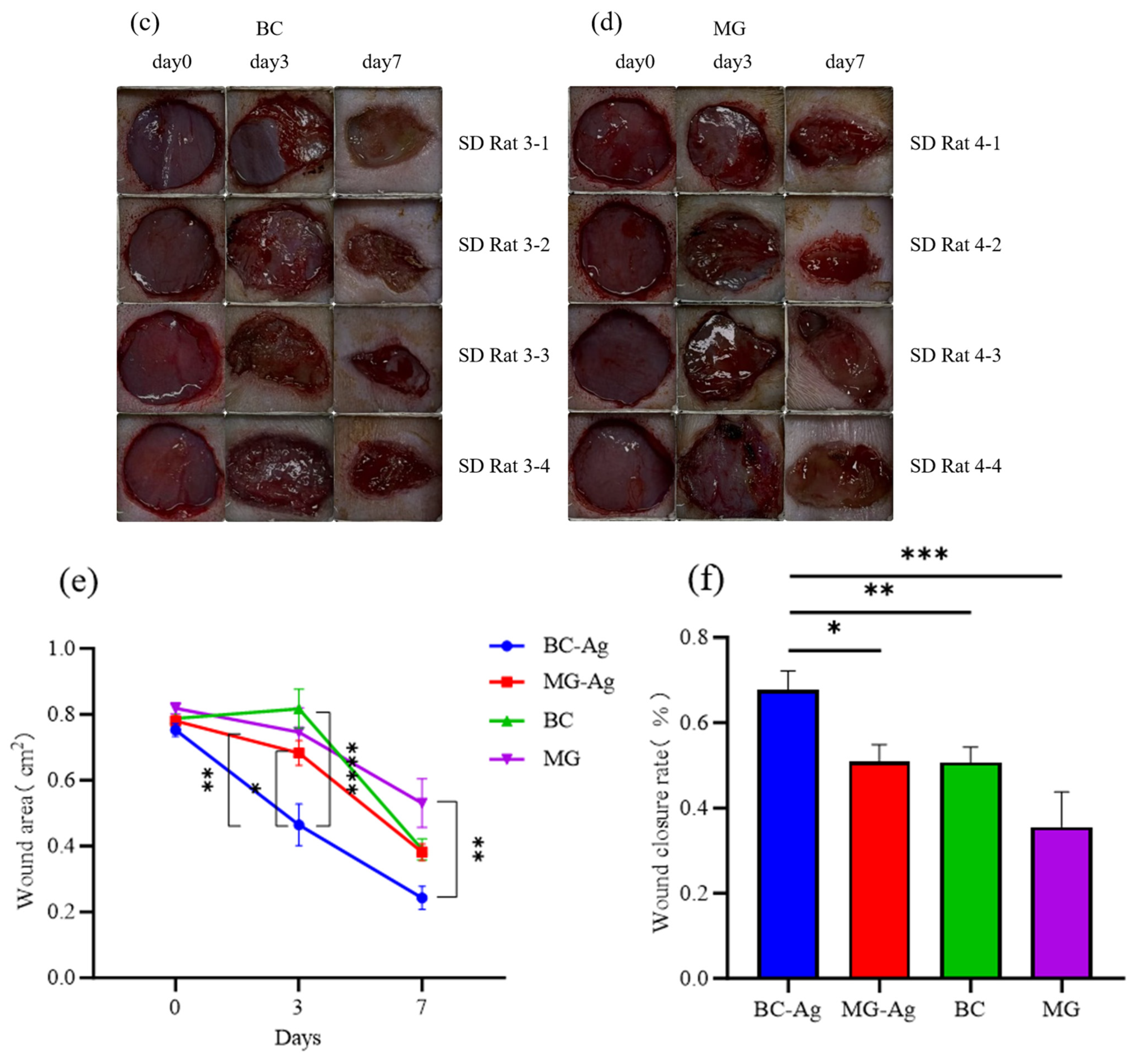
2.7. Evaluation of the Wound Healing Effect of BC-Ag Composites
3. Discussion
4. Materials and Methods
4.1. Materials
4.2. Analytical Methods
4.3. Experimental Design for BC Fermentation
4.4. Orthogonal Experimental Design for BC Fermentation (L9(34))
4.5. BC Extraction and Characterization
4.6. Preparation and Characterization of Silver-Loaded BC (BC-Ag)
4.6.1. Preparation of BC-Ag Composites
4.6.2. Characterization of BC-Ag Composites
4.6.3. In Vitro Antibacterial Evaluation of BC-Ag Composites
4.6.4. Quantification of Total Silver Loading and In Vitro Release
4.7. In Vitro Cytotoxicity of BC-Ag Against L929 Mouse Fibroblasts
4.8. Wound Healing Capability in a Rat Model
4.9. Statistical Analysis
5. Conclusions
Author Contributions
Funding
Institutional Review Board Statement
Data Availability Statement
Conflicts of Interest
Abbreviations
| TWE | Tobacco stem waste extract |
| BC | Bacterial cellulose |
| SEM | Scanning electron microscope |
| EDS | Energy dispersive spectrometer |
| FTIR | Fourier transform infrared spectroscopy |
| XRD | X-ray diffraction |
| HSM | Hestrin Schramm medium |
| TWEM | Tobacco stem waste extract medium |
| HS-BC | Bacterial cellulose produced on HS medium |
| TWE-BC | Bacterial cellulose produced on tobacco stem waste extract medium |
| BC-Ag | Bacterial cellulose loaded with silver nanoparticles |
| ICP-OES | Inductively coupled plasma-optical emission spectrometer |
| MG-Ag | Medical gauze loaded with silver nanoparticles |
| CCK-8 | Cell counting kit-8 |
| PBS | Phosphate-buffered saline |
| DNS | 3,5-Dinitrosalicylic acid |
| DMEM | Dulbecco’s modified eagle medium |
References
- Takayama, G.; Kondo, T. Quantitative evaluation of fiber network structure–property relationships in bacterial cellulose hydrogels. Carbohydr. Polym. 2023, 321, 121311. [Google Scholar] [CrossRef] [Scilit]
- Ullah, H.; Wahid, F.; Santos, H.A.; Khan, T. Advances in biomedical and pharmaceutical applications of functional bacterial cellulose-based nanocomposites. Carbohydr. Polym. 2016, 150, 330–352. [Google Scholar] [CrossRef] [Scilit]
- Huang, Y.; Zhu, C.; Yang, J.; Nie, Y.; Chen, C.; Sun, D. Recent advances in bacterial cellulose. Cellulose 2014, 21, 1–30. [Google Scholar] [CrossRef] [Scilit]
- Gorgieva, S. Bacterial cellulose as a versatile platform for research and development of biomedical materials. Processes 2020, 8, 624. [Google Scholar] [CrossRef] [Scilit]
- Lee, S.H.; Lim, Y.M.; Jeong, S.I.; An, S.J.; Kang, S.S.; Jeong, C.M.; Huh, J.B. The effect of bacterial cellulose membrane compared with collagen membrane on guided bone regeneration. J. Adv. Prosthodont. 2015, 7, 484–495. [Google Scholar] [CrossRef] [Scilit]
- Portela, R.; Leal, C.R.; Almeida, P.L.; Sobral, R.G. Bacterial cellulose: A versatile biopolymer for wound dressing applications. Microb. Biotechnol. 2019, 12, 586–610. [Google Scholar] [CrossRef] [Scilit]
- Selim, S.; Harun-Ur-Rashid, M.; Hamoud, Y.; Shaghaleh, H.; Almuhayawi, M.; Almehayawi, M.; Al Jaouni, S. Bacterial cellulose: A novel antibacterial material for biomedical applications, wound healing, and sustainable infection control. BioResources 2025, 20, 11166–11188. [Google Scholar] [CrossRef] [Scilit]
- Almeida, A.P.C.; Saraiva, J.N.; Cavaco, G.; Portela, R.P.; Leal, C.R.; Sobral, R.G.; Almeida, P.L. Crosslinked bacterial cellulose hydrogels for biomedical applications. Eur. Polym. J. 2022, 177, 111438. [Google Scholar] [CrossRef] [Scilit]
- Helenius, G.; Bäckdahl, H.; Bodin, A.; Nannmark, U.; Gatenholm, P.; Risberg, B. In vivo biocompatibility of bacterial cellulose. J. Biomed. Mater. Res. A 2006, 76, 431–438. [Google Scholar] [CrossRef] [Scilit]
- Klemm, D.; Kramer, F.; Moritz, S.; Lindström, T.; Ankerfors, M.; Gray, D.; Dorris, A. Nanocelluloses: A new family of nature-based materials. Angew. Chem. Int. Ed. 2011, 50, 5438–5466. [Google Scholar] [CrossRef] [Scilit]
- Picheth, G.F.; Pirich, C.L.; Sierakowski, M.R.; Woehl, M.A.; Sakakibara, C.N.; de Souza, C.F.; Martin, A.A.; da Silva, R.; de Freitas, R.A. Bacterial cellulose in biomedical applications: A review. Int. J. Biol. Macromol. 2017, 104, 97–106. [Google Scholar] [CrossRef] [Scilit]
- Guziewicz, W.; Srivatsa, S.; Zambrzycki, M.; Dziadek, M.; Szatkowski, P.; Szymczak, P.; Berent, K.; Marciszko-Wiąckowska, M.; Radecka, M.; Kołodziejczyk, A.; et al. MXene/Bacterial cellulose hybrid materials for sustainable soft electronics. Materials 2024, 17, 5513. [Google Scholar] [CrossRef] [Scilit]
- de Amorim, J.D.P.; da Silva Junior, C.J.G.; de Medeiros, A.D.M.; do Nascimento, H.A.; Sarubbo, M.; de Medeiros, T.P.M.; Costa, A.F.S.; Sarubbo, L.A. Bacterial cellulose as a versatile biomaterial for wound dressing application. Molecules 2022, 27, 5580. [Google Scholar] [CrossRef] [Scilit]
- Gomes, N.O.; Carrilho, E.; Machado, S.A.S.; Sgobbi, L.F. Bacterial cellulose-based electrochemical sensing platform: A smart material for miniaturized biosensors. Electrochim. Acta 2020, 349, 136341. [Google Scholar] [CrossRef] [Scilit]
- Ali, A. A review article of unraveling the potential; exploring application and synthesis of bacterial cellulose. Mod. Approaches Drug Des. 2025, 4, 1–8. [Google Scholar] [CrossRef] [Scilit]
- Fatima, A.; Ortiz-Albo, P.; Neves, L.A.; Nascimento, F.X.; Crespo, J.G. Biosynthesis and characterization of bacterial cellulose membranes presenting relevant characteristics for air/gas filtration. J. Membr. Sci. 2023, 674, 121509. [Google Scholar] [CrossRef] [Scilit]
- Venturelli, G.; Villa, F.; Petraretti, M.; Guagliano, G.; Levi, M.; Petrini, P. Bacterial cellulose for scalable and sustainable bio-gels in the circular economy. Gels 2025, 11, 262. [Google Scholar] [CrossRef] [Scilit]
- Revin, V.; Liyaskina, E.; Nazarkina, M.; Bogatyreva, A.; Shchankin, M. Cost-effective production of bacterial cellulose using acidic food industry by-products. Braz. J. Microbiol. 2018, 49, 151–159. [Google Scholar] [CrossRef] [Scilit]
- Raiszadeh-Jahromi, Y.; Rezazadeh-Bari, M.; Almasi, H.; Amiri, S. Optimization of bacterial cellulose production by Komagataeibacter xylinus PTCC 1734 in a low-cost medium using optimal combined design. J. Food Sci. Technol. 2020, 57, 2524–2533. [Google Scholar] [CrossRef] [Scilit]
- Poddar, M.K.; Dikshit, P.K. Recent development in bacterial cellulose production and synthesis of cellulose based conductive polymer nanocomposites. Nano Sel. 2021, 2, 1605–1628. [Google Scholar] [CrossRef] [Scilit]
- Cheng, Z.; Yang, R.; Liu, X.; Liu, X.; Chen, H. Green synthesis of bacterial cellulose via acetic acid pre-hydrolysis liquor of agricultural corn stalk used as carbon source. Bioresour. Technol. 2017, 234, 8–14. [Google Scholar] [CrossRef] [Scilit]
- Kumari, R.; Sakhrie, M.; Kumar, M.; Vivekanand, V.; Pareek, N. Enhanced production of bacterial cellulose employing banana peel as a cost-effective nutrient resource. Braz. J. Microbiol. 2023, 54, 2745–2753. [Google Scholar] [CrossRef] [Scilit]
- Rincón, A.; Restrepo, G.M.; Hoyos, F.E. Review of bacterial cellulose production using agricultural and agroindustrial wastes: Physical and mechanical properties. Int. J. Agri. Biol. Eng. 2025, 18, 15–25. [Google Scholar] [CrossRef] [Scilit]
- Aragao, J.; Costa, A.; Silva, G.; Silva, S.; Macedo, J.; Galdino Junior, C.J.; Milanez, V.; Asfora Sarubbo, L. Analysis of the Environmental Life Cycle of Bacterial Cellulose Production. Chem. Eng. Trans. 2020, 79, 445–450. [Google Scholar]
- Gröndahl, J.; Karisalmi, K.; Vapaavuori, J. Micro- and nanocelluloses from non-wood waste sources; processes and use in industrial applications. Soft Matter 2021, 17, 9842–9858. [Google Scholar] [CrossRef] [Scilit]
- Obidziński, S.; Puchlik, M.; Dołżyńska, M. Pelletization of Post-Harvest Tobacco Waste and Investigation of Flue Gas Emissions from Pellet Combustion. Energies 2020, 13, 6002. [Google Scholar] [CrossRef] [Scilit]
- Muzyka, R.; Sobek, S.; Dudziak, M.; Ouadi, M.; Sajdak, M. A comparative analysis of waste biomass pyrolysis in Py-GC-MS and fixed-bed reactors. Energies 2023, 16, 3528. [Google Scholar] [CrossRef] [Scilit]
- Mahmud, M.; Islam, M.S.; Rahman, A.; Fares, A.; Rahman, M.Z. Development and comparative assessment of tobacco waste-based composts for sustainable agriculture. Sustainability 2025, 17, 10144. [Google Scholar] [CrossRef] [Scilit]
- Mohajerani, A.; Kadir, A.A.; Larobina, L. A practical proposal for solving the world’s cigarette butt problem: Recycling in fired clay bricks. Waste Manag. 2016, 52, 228–244. [Google Scholar] [CrossRef] [Scilit]
- Liu, Y.; Shao, Y.R.; Li, X.Y.; Wang, Z.M.; Yang, L.R.; Zhang, Y.Z.; Wu, M.B.; Yao, J.M. Analysis of nicotine-induced metabolic changes in Blakeslea trispora by GC-MS. J. Zhejiang Univ. Sci. B 2020, 21, 172–177. [Google Scholar] [CrossRef] [Scilit]
- Nie, W.; He, Z.; Gu, M.; Zhou, T.; Xu, J.; Zhong, J.; Yang, Y.; Zhong, W. Improved bacterial cellulose production by Acetobacter oryzoeni MGC-N8819 in tobacco waste extract coupled with nicotine removal by Pseudomonas sp. JY-Q/5∆. Int. J. Biol. Macromol. 2025, 293, 139336. [Google Scholar] [CrossRef] [Scilit]
- Ye, J.; Zheng, S.; Zhang, Z.; Yang, F.; Ma, K.; Feng, Y.; Zheng, J.; Mao, D.; Yang, X. Bacterial cellulose production by Acetobacter xylinum ATCC 23767 using tobacco waste extract as culture medium. Bioresour. Technol. 2019, 274, 518–524. [Google Scholar] [CrossRef] [Scilit]
- Sya’di, Y.K.; Wahyuni, E.T.; Rahayu, E.S.; Cahyanto, M.N. Physical Properties of Bacterial Cellulose Produced by Gluconacetobacter xylinus BTCC B796 with Different Temperature and Agitation. Int. J. Sci. Res. 2017, 6, 2163–2168. [Google Scholar]
- Kamal, R.; AlZubaidy, Z.M. Determination of the physiochemical properties of bacterial cellulose produced by local isolates of Acetobacter xylinum. Plant Arch. 2020, 19, 3995–4004. [Google Scholar]
- Muhammad, H.; Alburae, N.A.; Salam, M.A.; Badshah, M.; Khan, T.; Abo-Aba, S.E.M. Identification of Cellulose Producing Bacterial Strains-An Eco-friendly and Cost-effective Approach. J. Pure Appl. Microbiol. 2024, 18, 483–499. [Google Scholar] [CrossRef] [Scilit]
- Gök, C.; Işıtan, A.; Bersani, M.; Bettotti, P.; Pasquardini, L.; Fedrizzi, M.; D’Angelo, D.; Boyacıoğlu, H.; Koluman, A. Physicochemical and antimicrobial evaluation of bacterial cellulose derived from spent tea waste. Polymers 2025, 17, 2521. [Google Scholar] [CrossRef] [Scilit]
- Thongwai, N.; Futui, W.; Ladpala, N.; Sirichai, B.; Weechan, A.; Kanklai, J.; Rungsirivanich, P. Characterization of Bacterial Cellulose Produced by Komagataeibacter maltaceti P285 Isolated from Contaminated Honey Wine. Microorganisms 2022, 10, 528. [Google Scholar] [CrossRef] [Scilit]
- Sanchavanakit, N.; Sangrungraungroj, W.; Kaomongkolgit, R.; Banaprasert, T.; Pavasant, P.; Phisalaphong, M. Growth of human keratinocytes and fibroblasts on bacterial cellulose film. Biotechnol. Prog. 2006, 22, 1194–1199. [Google Scholar] [CrossRef] [Scilit]
- Tsouko, E.; Kourmentza, C.; Ladakis, D.; Kopsahelis, N.; Mandala, I.; Papanikolaou, S.; Paloukis, F.; Alves, V.; Koutinas, A. Bacterial Cellulose Production from Industrial Waste and by-Product Streams. Int. J. Mol. Sci. 2015, 16, 14832–14849. [Google Scholar] [CrossRef] [Scilit]
- Gea, S.; Reynolds, C.T.; Roohpour, N.; Wirjosentono, B.; Soykeabkaew, N.; Bilotti, E.; Peijs, T. Investigation into the Structural, Morphological, Mechanical and Thermal Behaviour of Bacterial Cellulose after a Two-Step Purification Process. Bioresour. Technol. 2011, 102, 9105–9110. [Google Scholar] [CrossRef] [Scilit]
- Lopez-Sanchez, P.; Cersosimo, J.; Wang, D.; Flanagan, B.; Stokes, J.R.; Gidley, M.J. Micromechanics and Poroelasticity of Hydrated Cellulose Networks. Biomacromolecules 2014, 15, 2274–2284. [Google Scholar] [CrossRef] [Scilit]
- Zhao, H.; Xia, J.; Wang, J.; Yan, X.; Wang, C.; Lei, T.; Xian, M.; Zhang, H. Production of bacterial cellulose using polysaccharide fermentation wastewater as inexpensive nutrient sources. Biotechnol. Biotechnol. Equip. 2018, 32, 350–356. [Google Scholar] [CrossRef] [Scilit]
- Fijałkowski, K.; Żywicka, A.; Drozd, R.; Niemczyk, A.; Junka, A.; Peitler, D.; Kordas, M.; Konopacki, M.; Szymczyk, P.; Fray, M.E.; et al. Modification of bacterial cellulose through exposure to the rotating magnetic field. Carbohydr. Polym. 2015, 133, 52–60. [Google Scholar] [CrossRef] [Scilit]
- George, J.; Ramana, K.V.; Sabapathy, S.N.; Jagannath, J.H.; Bawa, A.S. Characterization of chemically treated bacterial (Acetobacter xylinus) biopolymer: Some thermo-mechanical properties. Int. J. Biol. Macromol. 2005, 37, 189–194. [Google Scholar] [CrossRef] [Scilit]
- Vasconcellos, V.M.; Farinas, C.S. The effect of the drying process on the properties of bacterial cellulose films from Gluconacetobacter hansenii. Chem. Eng. Trans. 2018, 64, 145–150. [Google Scholar]
- Pal, S.; Nisi, R.; Stoppa, M.; Licciulli, A. Silver-Functionalized Bacterial Cellulose as Antibacterial Membrane for Wound-Healing Applications. ACS Omega 2017, 2, 3632–3639. [Google Scholar] [CrossRef] [Scilit]
- Zhong, C. Industrial-Scale Production and Applications of Bacterial Cellulose. Front. Bioeng. Biotechnol. 2020, 8, 605374. [Google Scholar] [CrossRef] [Scilit]
- ISO 10993-5:2009; Biological Evaluation of Medical Devices—Part 5: Tests for In Vitro Cytotoxicity. International Organization for Standardization: Geneva, Switzerland, 2009.
- Idris, N.U.; Faruk, A.U.; Yerima, M.I.; Isa, A.K. Recent advances in the delivery, mechanism of action and antibacterial activity of silver nanoparticles. UMYU J. Microbiol. Res. 2024, 9, 104–121. [Google Scholar] [CrossRef] [Scilit]
- Dos Santos, S.S.; Cerqueira, M.Â.; Azevedo, A.G.; Pastrana, L.M.; Aouada, F.A.; Tanaka, F.C.; Perotti, G.F.; de Moura, M.R. Biotechnological utilization of amazonian fruit: Development of active nanocomposites from bacterial cellulose and silver nanoparticles based on astrocaryum aculeatum (tucumã) extract. Pharmaceuticals 2025, 18, 799. [Google Scholar] [CrossRef] [Scilit]
- Moradpoor, H.; Mohammadi, H.; Safaei, M.; Mozaffari, H.R.; Sharifi, R.; Gorji, P.; Sulong, A.B.; Muhamad, N.; Ebadi, M. Recent Advances on Bacterial Cellulose-Based Wound Management: Promises and Challenges. Int. J. Polym. Sci. 2022, 2022, 1214734. [Google Scholar] [CrossRef] [Scilit]
- Sulaeva, I.; Henniges, U.; Rosenau, T.; Potthast, A. Bacterial cellulose as a material for wound treatment: Properties and modifications. A review. Biotechnol. Adv. 2015, 33, 1547–1571. [Google Scholar] [CrossRef] [Scilit]
- Yue, F.; Zhang, J.; Xu, J.; Niu, T.; Lü, X.; Liu, M. Effects of monosaccharide composition on quantitative analysis of total sugar content by phenol-sulfuric acid method. Front. Nutr. 2022, 9, 963318. [Google Scholar] [CrossRef] [Scilit]
- Madivoli, E.S. Development of Cellulose-Chitosan Silver Nanocomposites Films for Wound Dressing Applications. Ph.D. Thesis, Jomo Kenyatta University of Agriculture and Technology, Juja, Kenya, 2021. [Google Scholar]
- Ghasemzadeh, H.; Mahboubi, A.; Karimi, K.; Hassani, S. Full polysaccharide chitosan-CMC membrane and silver nan composite: Synthesis, characterization, and antibacterial behaviors. Polym. Adv. Technol. 2016, 27, 1204–1210. [Google Scholar] [CrossRef] [Scilit]
- Yang, H.; Zang, Z.; Wang, Z.; Song, K.; Gao, Y.; Wei, J.; Han, L.; Zhang, J.; Liu, C. Rapid Determination of Cellulose and Starch in Tobacco by Colorimetric Method. ACS Omega 2025, 10, 13548–13554. [Google Scholar] [CrossRef] [Scilit]
- Zhang, J.; Cao, Q.; Li, X.S.; Chen, M.; Wang, J. Removing pectin in tobacco stems for reconstituted tobacco manufacturing. Tob. Sci. Technol. 2016, 49, 91–98. [Google Scholar]
- Sun, Y.; Li, Q.; Du, X.; Thipe, V.; Vardhanabhuti, B.; Sengupta, S.; Katti, K.; Wan, C. Lignin-containing nanocellulose for in situ chemical-free synthesis of agau-based nanoparticles with potent antibacterial activities. ACS Omega 2022, 7, 41548–41558. [Google Scholar] [CrossRef] [Scilit]
- ISO 10993-12:2021; Biological Evaluation of Medical Devices—Part 12: Sample Preparation and Reference Materials. International Organization for Standardization: Geneva, Switzerland, 2021.
- Kosik-Kozioł, A.; Nakielski, P.; Rybak, D.; Frączek, W.; Rinoldi, C.; Lanzi, M.; Grodzik, M.; Pierini, F. Adhesive antibacterial moisturizing nanostructured skin patch for sustainable development of atopic dermatitis treatment in humans. ACS Appl. Mater. Interfaces 2024, 16, 32128–32146. [Google Scholar] [CrossRef] [Scilit]
- Gao, Y.; Liu, D.; Zhou, J.; Zhang, W.; Sun, D.; Wang, S.; Yang, Y.; Xiang, Y.; Zhang, Y.; Lei, W.; et al. Instant and secure fixation of e-PTFE medical implants in surgery by designing a bioadhesive interface. Sci. Adv. 2025, 11, eadw3845. [Google Scholar] [CrossRef] [Scilit]
- Sun, C.; Jun, Y.; Shi, H.; Chen, X.; Ru, Y.; Dan, T.; Bin, F.; Gao, M.; Zai, Z.; Ye, Z.; et al. Designing injectable dermal matrix hydrogel combined with silver nanoparticles for methicillin-resistant Staphylococcus aureus infected wounds healing. Nano Converg. 2024, 11, 41. [Google Scholar] [CrossRef] [Scilit]



| Total Water-Soluble Sugar (g/L) | Total Reducing Sugar (g/L) | Starch (g/L) | Pectin (g/L) | Protein (g/L) | Proportion in Total Water-Soluble Sugar | |||
|---|---|---|---|---|---|---|---|---|
| Glucose (%) | Fructose (%) | Sucrose (%) | Maltose (%) | |||||
| 16.78 ± 0.03 | 15.80 ± 0.04 | 19.5 ± 0.20 | 6.40 ± 0.71 | 0.57 ± 0.01 | 37.45 ± 0.03 | 36.46 ± 0.02 | 16.43 ± 0.02 | 4.23 ± 0.02 |
| Level | A: Citric Acid (g/L) | B: Initial pH | C: (NH4)2SO4 (g/L) |
|---|---|---|---|
| 1 | 0.5 | 5 | 0.5 |
| 2 | 1 | 5.5 | 1 |
| 3 | 1.5 | 6 | 1.5 |
| Exp. No. | A: Citric Acid (g/L) | B: Initial pH | C: (NH4)2SO4 (g/L) | D: Blank Column | BC Yield (g/L) |
|---|---|---|---|---|---|
| 1 | 1 (0.5) | 1 (5.0) | 1 (0.5) | 1 | 1.41 ± 0.05 |
| 2 | 1 (0.5) | 2 (5.5) | 2 (1.0) | 2 | 1.48 ± 0.11 |
| 3 | 1 (0.5) | 3 (6.0) | 3 (1.5) | 3 | 1.46 ± 0.06 |
| 4 | 2 (1.0) | 1 (5.0) | 2 (1.0) | 3 | 1.67 ± 0.08 |
| 5 | 2 (1.0) | 2 (5.5) | 3 (1.5) | 1 | 1.89 ± 0.13 |
| 6 | 2 (1.0) | 3 (6.0) | 1 (0.5) | 2 | 2.17 ± 0.10 |
| 7 | 3 (1.5) | 1 (5.0) | 3 (1.5) | 2 | 1.65 ± 0.06 |
| 8 | 3 (1.5) | 2 (5.5) | 1 (0.5) | 3 | 2.40 ± 0.12 |
| 9 | 3 (1.5) | 3 (6.0) | 2 (1.0) | 1 | 2.11 ± 0.09 |
| k1 (Mean) | 1.45 | 1.577 | 1.993 | 1.803 | |
| k2 (Mean) | 1.91 | 1.923 | 1.753 | 1.767 | |
| k3 (Mean) | 2.053 | 1.913 | 1.667 | 1.843 | |
| R (Range) | 0.603 | 0.346 | 0.326 | 0.076 | |
| Order of influence | 1 | 2 | 3 | - | A > B > C |
| Optimal level | A3 | B2 | C1 | - | A3B2C1 |
| Sample | 2θ (°) | I200 | Iam | FWHM (°) | Crystallinity Index (CrI, %) | Crystallite Size (D, nm) |
|---|---|---|---|---|---|---|
| HS-BC | 22.97 | 1185.33 | 322.1 | 1.85 | 72.83 | 4.34 |
| TWE-BC | 22.73 | 864.35 | 278.81 | 2.07 | 67.74 | 3.87 |
| Sample | Cross-Sectional Area, (mm2) | Pmax (N) | Ultimate Tensile Strength, σ (MPa) | Strain at Ultimate Tensile Strength, εm (%) | Young’s Modulus, Et (MPa) |
|---|---|---|---|---|---|
| HS-BC | 19.25 | 9.11 | 0.48 | 52.70 | 1.04 |
| TWE-BC | 9.58 | 6.40 | 0.67 | 42.23 | 1.56 |
| Sample | Tg (°C) | Tpeak, Dehydration (°C) | ΔH, Dehydration (J/g) | Tmax, Decomposition (°C) |
|---|---|---|---|---|
| HS-BC | 48 | 87.6–117.6 | 207.4–212.9 | 316.6–334.3 |
| TWE-BC | 58.5 | 99.1–110.8 | 195.8–212.6 | 316.3–333.4 |
| Sample Number | Sample Mass m0 (g) | Final Volume V0 (mL) | Concentration in Test Solution C0 (mg/L) | Dilution Factor f | Concentration in Digested Solution C1 (mg/L) | Elemental Content in Sample Cx (mg/kg) | Elemental Content W (%) |
|---|---|---|---|---|---|---|---|
| 1 | 0.0020 | 25 | 7.06 | 1 | 7.06 | 88,238.05 | 8.82% |
| 2 | 0.0020 | 25 | 7.10 | 1 | 7.10 | 88,695.41 | 8.87% |
| 3 | 0.0020 | 25 | 7.06 | 1 | 7.06 | 88,207.78 | 8.82% |
Disclaimer/Publisher’s Note: The statements, opinions and data contained in all publications are solely those of the individual author(s) and contributor(s) and not of MDPI and/or the editor(s). MDPI and/or the editor(s) disclaim responsibility for any injury to people or property resulting from any ideas, methods, instructions or products referred to in the content. |
© 2026 by the authors. Licensee MDPI, Basel, Switzerland. This article is an open access article distributed under the terms and conditions of the Creative Commons Attribution (CC BY) license.
Share and Cite
Niu, X.; Yang, X.; Wang, X.; Wu, J.; Gao, M. Bacterial Cellulose from Tobacco Waste Extract and Its Silver Composite: A Potential Wound Dressing Material. Molecules 2026, 31, 3270. https://doi.org/10.3390/molecules31183270
Niu X, Yang X, Wang X, Wu J, Gao M. Bacterial Cellulose from Tobacco Waste Extract and Its Silver Composite: A Potential Wound Dressing Material. Molecules. 2026; 31(18):3270. https://doi.org/10.3390/molecules31183270
Chicago/Turabian StyleNiu, Xuewei, Xinlu Yang, Xueru Wang, Jianrong Wu, and Minjie Gao. 2026. "Bacterial Cellulose from Tobacco Waste Extract and Its Silver Composite: A Potential Wound Dressing Material" Molecules 31, no. 18: 3270. https://doi.org/10.3390/molecules31183270
APA StyleNiu, X., Yang, X., Wang, X., Wu, J., & Gao, M. (2026). Bacterial Cellulose from Tobacco Waste Extract and Its Silver Composite: A Potential Wound Dressing Material. Molecules, 31(18), 3270. https://doi.org/10.3390/molecules31183270