Lipid Composition Drives Mutant Huntingtin Dimerization and Membrane Association: Insights from Computational Simulations

 , , and
Abstract
1. Introduction
2. Results
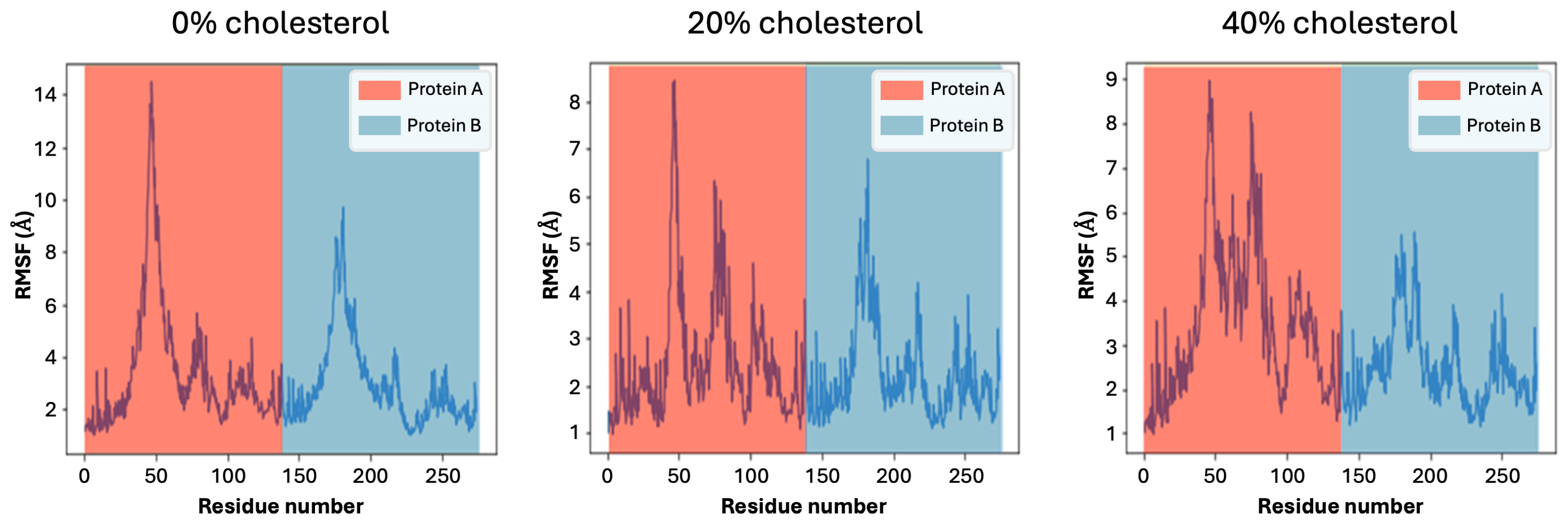
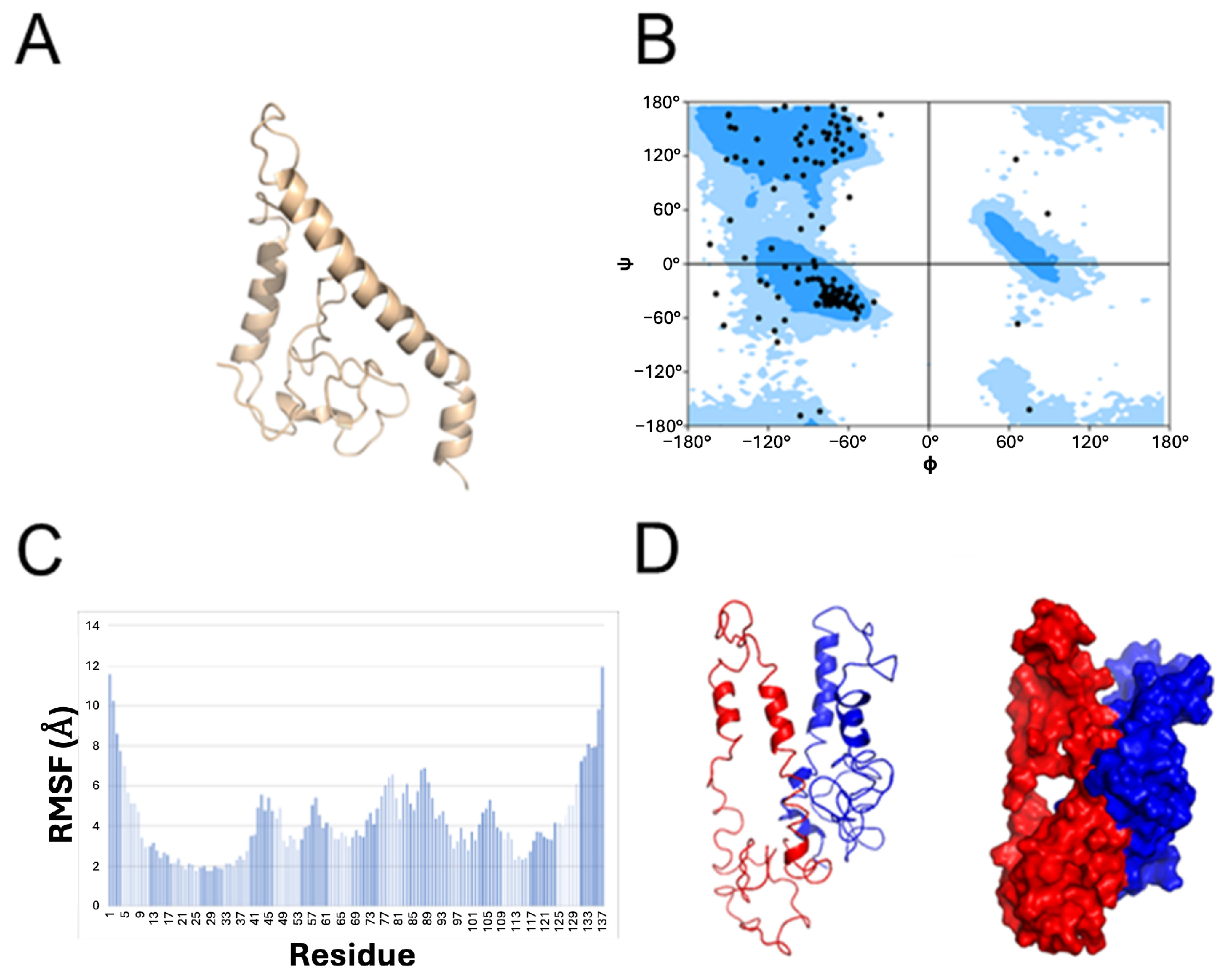
2.1. Structural Characterization and Analysis of Dimerization Propensity of mHTT
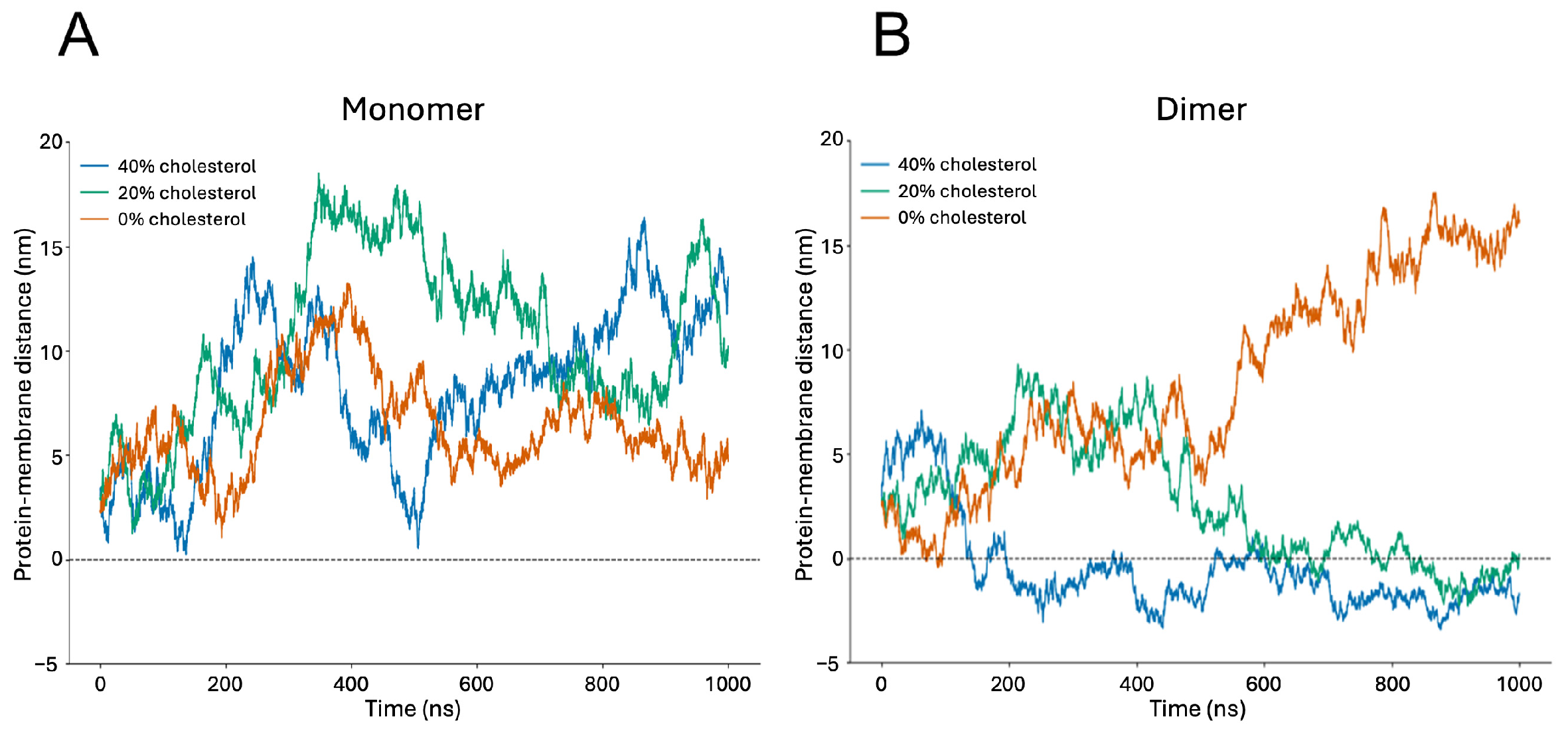
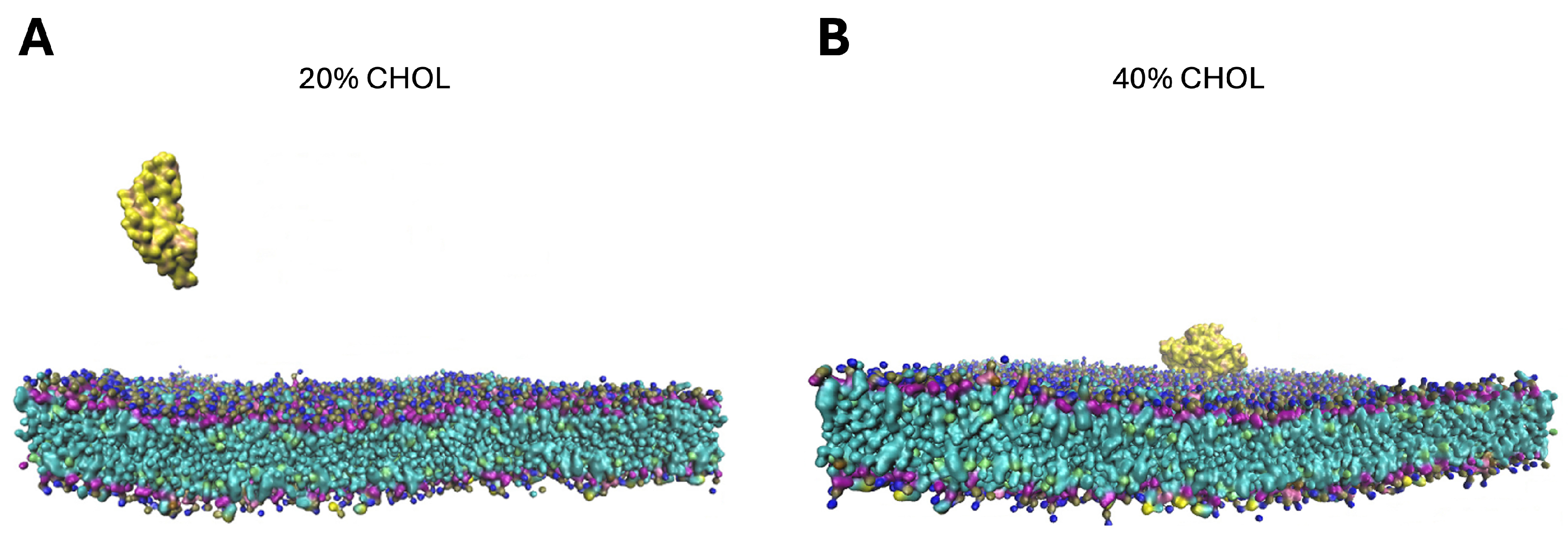
2.2. Role of Cholesterol on mHTT-Q70–Neuronal Membrane Interaction
2.3. Effect of Distinct Lipids on the Interaction of mHTT-Q70 with Neuronal Membranes
3. Discussion
4. Conclusions
5. Methods
5.1. Protein Modeling
5.2. All-Atom Molecular Dynamics Simulations
5.3. Energy Minimization
5.4. Equilibration
5.5. Production Runs
5.6. Accelerated Molecular Dynamics Simulations of mHTT-Q70
5.7. Coarse-Grained Molecular Dynamics Simulations
5.8. Dimerization Simulations in Aqueous Solution
5.9. Membrane System Preparation
5.10. Energy Minimization of Membrane Systems
5.11. Multi-Step Equilibration of Membrane Systems
5.12. Production Runs of Membrane Systems
5.13. Trajectory Analysis
Author Contributions
Funding
Institutional Review Board Statement
Informed Consent Statement
Data Availability Statement
Acknowledgments
Conflicts of Interest
Abbreviations
| HD | Huntington’s disease |
| HTT | huntingtin |
| mHTT | mutant huntingtin |
| mHTT-Q70 | mHTT with 70 polyglutamine (Q70) |
| polyQ | polyglutamine |
| CAG | cytosine–adenine–guanine trinucleotide repeat |
| MD | molecular dynamics |
| CG-MD | coarse-grained molecular dynamics |
| RMSF | root mean square fluctuation |
| PDB | Protein Data Bank |
| N17 | N-terminal 17–residue domain of huntingtin |
| OPSG | glycolipids |
| POPC | 1-palmitoyl-2-oleoyl-sn-glycero-3-phosphocholine |
| POPE | 1-palmitoyl-2-oleoyl-sn-glycero-3-phosphoethanolamine |
| POPS | 1-palmitoyl-2-oleoyl-sn-glycero-3-phospho-L-serine |
| POPI | 1-palmitoyl-2-oleoyl-sn-glycero-3-phosphoinositol |
| PSM | palmitoylsphingomyelin |
| PIP3 | phosphatidylinositol(3,4,5)-trisphosphate |
| CHOL | cholesterol |
References
- Duyao, M.P.; Auerbach, A.B.; Ryan, A.; Persichetti, F.; Barnes, G.T.; McNeil, S.M.; Ge, P.; Vonsattel, J.-P.; Gusella, J.F.; Joyner, A.L.; et al. Inactivation of the Mouse Huntington’s Disease Gene Homolog Hdh. Science 1995, 269, 407–410. [Google Scholar] [CrossRef]
- Zeitlin, S.; Liu, J.-P.; Chapman, D.L.; Papaioannou, V.E.; Efstratiadis, A. Increased Apoptosis and Early Embryonic Lethality in Mice Nullizygous for the Huntington’s Disease Gene Homologue. Nat. Genet. 1995, 11, 155–163. [Google Scholar] [CrossRef]
- O’Kusky, J.R.; Nasir, J.; Cicchetti, F.; Parent, A.; Hayden, M.R. Neuronal Degeneration in the Basal Ganglia and Loss of Pallido-Subthalamic Synapses in Mice with Targeted Disruption of the Huntington’s Disease Gene. Brain Res. 1999, 818, 468–479. [Google Scholar] [CrossRef] [PubMed]
- Saudou, F.; Humbert, S. The Biology of Huntingtin. Neuron 2016, 89, 910–926. [Google Scholar] [CrossRef]
- Cattaneo, E.; Zuccato, C.; Tartari, M. Normal Huntingtin Function: An Alternative Approach to Huntington’s Disease. Nat. Rev. Neurosci. 2005, 6, 919–930. [Google Scholar] [CrossRef] [PubMed]
- Maestri, S.; Scalzo, D.; Damaggio, G.; Zobel, M.; Besusso, D.; Cattaneo, E. Navigating Triplet Repeats Sequencing: Concepts, Methodological Challenges and Perspective for Huntington’s Disease. Nucleic Acids Res. 2025, 53, gkae1155. [Google Scholar] [CrossRef] [PubMed]
- Fields, E.; Vaughan, E.; Tripu, D.; Lim, I.; Shrout, K.; Conway, J.; Salib, N.; Lee, Y.; Dhamsania, A.; Jacobsen, M.; et al. Gene Targeting Techniques for Huntington’s Disease. Ageing Res. Rev. 2021, 70, 101385. [Google Scholar] [CrossRef]
- Roos, R.A. Huntington’s Disease: A Clinical Review. Orphanet J. Rare Dis. 2010, 5, 40. [Google Scholar] [CrossRef]
- Bano, D.; Zanetti, F.; Mende, Y.; Nicotera, P. Neurodegenerative Processes in Huntington’s Disease. Cell Death Dis. 2011, 2, e228. [Google Scholar] [CrossRef]
- Walker, F.O. Huntington’s Disease. Lancet 2007, 369, 218–228. [Google Scholar] [CrossRef]
- Migliore, S.; D’Aurizio, G.; Maffi, S.; Ceccarelli, C.; Ristori, G.; Romano, S.; Castaldo, A.; Mariotti, C.; Curcio, G.; Squitieri, F. Cognitive and Behavioral Associated Changes in Manifest Huntington Disease: A Retrospective Cross-sectional Study. Brain Behav. 2021, 11, e02151. [Google Scholar] [CrossRef] [PubMed]
- Hampel, H.; Hardy, J.; Blennow, K.; Chen, C.; Perry, G.; Kim, S.H.; Villemagne, V.L.; Aisen, P.; Vendruscolo, M.; Iwatsubo, T.; et al. The Amyloid-β Pathway in Alzheimer’s Disease. Mol. Psychiatry 2021, 26, 5481–5503. [Google Scholar] [CrossRef]
- Calabresi, P.; Mechelli, A.; Natale, G.; Volpicelli-Daley, L.; Di Lazzaro, G.; Ghiglieri, V. Alpha-Synuclein in Parkinson’s Disease and Other Synucleinopathies: From Overt Neurodegeneration Back to Early Synaptic Dysfunction. Cell Death Dis. 2023, 14, 176. [Google Scholar] [CrossRef]
- Estrada-Sánchez, A.M.; Rebec, G.V. Role of Cerebral Cortex in the Neuropathology of Huntington’s Disease. Front. Neural Circuits 2013, 7, 19. [Google Scholar] [CrossRef] [PubMed]
- Tong, H.; Yang, T.; Xu, S.; Li, X.; Liu, L.; Zhou, G.; Yang, S.; Yin, S.; Li, X.-J.; Li, S. Huntington’s Disease: Complex Pathogenesis and Therapeutic Strategies. Int. J. Mol. Sci. 2024, 25, 3845. [Google Scholar] [CrossRef]
- Wright, G.E.B.; Black, H.F.; Collins, J.A.; Gall-Duncan, T.; Caron, N.S.; Pearson, C.E.; Hayden, M.R. Interrupting Sequence Variants and Age of Onset in Huntington’s Disease: Clinical Implications and Emerging Therapies. Lancet Neurol. 2020, 19, 930–939. [Google Scholar] [CrossRef]
- Bonfanti, S.; Lionetti, M.C.; Fumagalli, M.R.; Chirasani, V.R.; Tiana, G.; Dokholyan, N.V.; Zapperi, S.; La Porta, C.A.M. Molecular Mechanisms of Heterogeneous Oligomerization of Huntingtin Proteins. Sci. Rep. 2019, 9, 7615. [Google Scholar] [CrossRef]
- Jimenez-Sanchez, M.; Licitra, F.; Underwood, B.R.; Rubinsztein, D.C. Huntington’s Disease: Mechanisms of Pathogenesis and Therapeutic Strategies. Cold Spring Harb. Perspect. Med. 2017, 7, a024240. [Google Scholar] [CrossRef]
- Gatto, E.M.; Rojas, N.G.; Persi, G.; Etcheverry, J.L.; Cesarini, M.E.; Perandones, C. Huntington Disease: Advances in the Understanding of Its Mechanisms. Clin. Park. Relat. Disord. 2020, 3, 100056. [Google Scholar] [CrossRef] [PubMed]
- Jurcau, A. Molecular Pathophysiological Mechanisms in Huntington’s Disease. Biomedicines 2022, 10, 1432. [Google Scholar] [CrossRef]
- Zheng, J.; Winderickx, J.; Franssens, V.; Liu, B. A Mitochondria-Associated Oxidative Stress Perspective on Huntington’s Disease. Front. Mol. Neurosci. 2018, 11, 329. [Google Scholar] [CrossRef]
- Deo, A.; Ghosh, R.; Ahire, S.; Marathe, S.; Majumdar, A.; Bose, T. Two Novel DnaJ Chaperone Proteins CG5001 and P58IPK Regulate the Pathogenicity of Huntington’s Disease Related Aggregates. Sci. Rep. 2024, 14, 20867. [Google Scholar] [CrossRef]
- Li, S.-H.; Schilling, G.; Young, W.S.; Li, X.J.; Margolis, R.L.; Stine, O.C.; Wagster, M.V.; Abbott, M.H.; Franz, M.L.; Ranen, N.G.; et al. Huntington’s Disease Gene (IT15) Is Widely Expressed in Human and Rat Tissues. Neuron 1993, 11, 985–993. [Google Scholar] [CrossRef]
- Strong, T.V.; Tagle, D.A.; Valdes, J.M.; Elmer, L.W.; Boehm, K.; Swaroop, M.; Kaatz, K.W.; Collins, F.S.; Albin, R.L. Widespread Expression of the Human and Rat Huntington’s Disease Gene in Brain and Nonneural Tissues. Nat. Genet. 1993, 5, 259–265. [Google Scholar] [CrossRef]
- DiFiglia, M.; Sapp, E.; Chase, K.; Schwarz, C.; Meloni, A.; Young, C.; Martin, E.; Vonsattel, J.-P.; Carraway, R.; Reeves, S.A.; et al. Huntingtin Is a Cytoplasmic Protein Associated with Vesicles in Human and Rat Brain Neurons. Neuron 1995, 14, 1075–1081. [Google Scholar] [CrossRef] [PubMed]
- Sharp, A.H.; Loev, S.J.; Schilling, G.; Li, S.-H.; Li, X.-J.; Bao, J.; Wagster, M.V.; Kotzuk, J.A.; Steiner, J.P.; Lo, A.; et al. Widespread Expression of Huntington’s Disease Gene (IT15) Protein Product. Neuron 1995, 14, 1065–1074. [Google Scholar] [CrossRef] [PubMed]
- Kegel, K.B.; Sapp, E.; Alexander, J.; Valencia, A.; Reeves, P.; Li, X.; Masso, N.; Sobin, L.; Aronin, N.; DiFiglia, M. Polyglutamine Expansion in Huntingtin Alters Its Interaction with Phospholipids. J. Neurochem. 2009, 110, 1585–1597. [Google Scholar] [CrossRef] [PubMed]
- Stonebraker, A.R.; Hankin, R.; Kapp, K.L.; Li, P.; Valentine, S.J.; Legleiter, J. Charge within Nt17 Peptides Modulates Huntingtin Aggregation and Initial Lipid Binding Events. Biophys. Chem. 2023, 303, 107123. [Google Scholar] [CrossRef]
- Zhang, Z.; Gehin, C.; Abriata, L.A.; Dal Peraro, M.; Lashuel, H. Differential Effects of Post-Translational Modifications on the Membrane Interaction of Huntingtin Protein. ACS Chem. Neurosci. 2024, 15, 2408–2419. [Google Scholar] [CrossRef]
- Riguet, N.; Mahul-Mellier, A.-L.; Maharjan, N.; Burtscher, J.; Croisier, M.; Knott, G.; Hastings, J.; Patin, A.; Reiterer, V.; Farhan, H.; et al. Nuclear and Cytoplasmic Huntingtin Inclusions Exhibit Distinct Biochemical Composition, Interactome and Ultrastructural Properties. Nat. Commun. 2021, 12, 6579. [Google Scholar] [CrossRef]
- Adegbuyiro, A.; Sedighi, F.; Jain, P.; Pinti, M.V.; Siriwardhana, C.; Hollander, J.M.; Legleiter, J. Mitochondrial Membranes Modify Mutant Huntingtin Aggregation. Biochim. Biophys. Acta (BBA)-Biomembr. 2021, 1863, 183663. [Google Scholar] [CrossRef]
- Valencia, A.; Reeves, P.B.; Sapp, E.; Li, X.; Alexander, J.; Kegel, K.B.; Chase, K.; Aronin, N.; DiFiglia, M. Mutant Huntingtin and Glycogen Synthase Kinase 3-β Accumulate in Neuronal Lipid Rafts of a Presymptomatic Knock-in Mouse Model of Huntington’s Disease. J. Neurosci. Res. 2010, 88, 179–190. [Google Scholar] [CrossRef]
- Tao, M.; Pandey, N.K.; Barnes, R.; Han, S.; Langen, R. Structure of Membrane-Bound Huntingtin Exon 1 Reveals Membrane Interaction and Aggregation Mechanisms. Structure 2019, 27, 1570–1580.e4. [Google Scholar] [CrossRef]
- Marquette, A.; Aisenbrey, C.; Bechinger, B. Membrane Interactions Accelerate the Self-Aggregation of Huntingtin Exon 1 Fragments in a Polyglutamine Length-Dependent Manner. Int. J. Mol. Sci. 2021, 22, 6725. [Google Scholar] [CrossRef] [PubMed]
- Legleiter, J. Membranes as Targets and Modifiers of Mutant Huntingtin Aggregation. Trends Biochem. Sci. 2025, 50, 1015–1026. [Google Scholar] [CrossRef]
- Gamage, Y.I.; Pan, J. Elucidating the Influence of Lipid Composition on Bilayer Perturbations Induced by the N-Terminal Region of the Huntingtin Protein. Biophysica 2023, 3, 582–597. [Google Scholar] [CrossRef]
- Araldi, R.P.; Dias Pinto, J.R.; Kerkis, I. AI-Enhanced Transcriptomic Discovery of Druggable Targets and Repurposed Therapies for Huntington’s Disease. Brain Sci. 2025, 15, 865. [Google Scholar] [CrossRef] [PubMed]
- Wolfe, K.J.; Cyr, D.M. Amyloid in Neurodegenerative Diseases: Friend or Foe? Semin. Cell Dev. Biol. 2011, 22, 476–481. [Google Scholar] [CrossRef]
- Walter, J.; Van Echten-Deckert, G. Cross-Talk of Membrane Lipids and Alzheimer-Related Proteins. Mol. Neurodegener. 2013, 8, 34. [Google Scholar] [CrossRef] [PubMed]
- Shahmoradian, S.H.; Lewis, A.J.; Genoud, C.; Hench, J.; Moors, T.E.; Navarro, P.P.; Castaño-Díez, D.; Schweighauser, G.; Graff-Meyer, A.; Goldie, K.N.; et al. Lewy Pathology in Parkinson’s Disease Consists of Crowded Organelles and Lipid Membranes. Nat. Neurosci. 2019, 22, 1099–1109. [Google Scholar] [CrossRef]
- Waschuk, S.A.; Elton, E.A.; Darabie, A.A.; Fraser, P.E.; McLaurin, J. Cellular Membrane Composition Defines Aβ-Lipid Interactions. J. Biol. Chem. 2001, 276, 33561–33568. [Google Scholar] [CrossRef] [PubMed]
- Davidson, W.S.; Jonas, A.; Clayton, D.F.; George, J.M. Stabilization of α-Synuclein Secondary Structure upon Binding to Synthetic Membranes. J. Biol. Chem. 1998, 273, 9443–9449. [Google Scholar] [CrossRef] [PubMed]
- Sharon, R.; Bar-Joseph, I.; Frosch, M.P.; Walsh, D.M.; Hamilton, J.A.; Selkoe, D.J. The Formation of Highly Soluble Oligomers of α-Synuclein Is Regulated by Fatty Acids and Enhanced in Parkinson’s Disease. Neuron 2003, 37, 583–595. [Google Scholar] [CrossRef]
- Jo, E.; Darabie, A.A.; Han, K.; Tandon, A.; Fraser, P.E.; McLaurin, J. α-Synuclein–Synaptosomal Membrane Interactions: Implications for Fibrillogenesis. Eur. J. Biochem. 2004, 271, 3180–3189. [Google Scholar] [CrossRef]
- Becerra-Calixto, A.; Mukherjee, A.; Ramirez, S.; Sepulveda, S.; Sinha, T.; Al-Lahham, R.; De Gregorio, N.; Gherardelli, C.; Soto, C. Lewy Body-like Pathology and Loss of Dopaminergic Neurons in Midbrain Organoids Derived from Familial Parkinson’s Disease Patient. Cells 2023, 12, 625. [Google Scholar] [CrossRef]
- Stonebraker, A.R.; Beasley, M.; Massinople, S.; Wunder, M.; Li, P.; Valentine, S.J.; Legleiter, J. Cholesterol Impacts the Formation of Huntingtin/Lipid Complexes and Subsequent Aggregation. Protein Sci. 2023, 32, e4642. [Google Scholar] [CrossRef]
- Valenza, M.; Birolini, G.; Cattaneo, E. The Translational Potential of Cholesterol-Based Therapies for Neurological Disease. Nat. Rev. Neurol. 2023, 19, 583–598. [Google Scholar] [CrossRef]
- Orlikowska-Rzeznik, H.; Krok, E.; Chattopadhyay, M.; Lester, A.; Piatkowski, L. Laurdan Discerns Lipid Membrane Hydration and Cholesterol Content. J. Phys. Chem. B 2023, 127, 3382–3391. [Google Scholar] [CrossRef] [PubMed]
- Guixà-González, R.; Albasanz, J.L.; Rodriguez-Espigares, I.; Pastor, M.; Sanz, F.; Martí-Solano, M.; Manna, M.; Martinez-Seara, H.; Hildebrand, P.W.; Martín, M.; et al. Membrane Cholesterol Access into a G-Protein-Coupled Receptor. Nat. Commun. 2017, 8, 14505. [Google Scholar] [CrossRef]
- Chen, H.; Yang, J.; Low, P.S.; Cheng, J.-X. Cholesterol Level Regulates Endosome Motility via Rab Proteins. Biophys. J. 2008, 94, 1508–1520. [Google Scholar] [CrossRef]
- Shin, K.C.; Ali Moussa, H.Y.; Park, Y. Cholesterol Imbalance and Neurotransmission Defects in Neurodegeneration. Exp. Mol. Med. 2024, 56, 1685–1690. [Google Scholar] [CrossRef]
- Valenza, M.; Chen, J.Y.; Di Paolo, E.; Ruozi, B.; Belletti, D.; Ferrari Bardile, C.; Leoni, V.; Caccia, C.; Brilli, E.; Di Donato, S.; et al. Cholesterol-loaded Nanoparticles Ameliorate Synaptic and Cognitive Function in H Untington’s Disease Mice. EMBO Mol. Med. 2015, 7, 1547–1564. [Google Scholar] [CrossRef]
- Gao, X.; Campbell, W.A.; Chaibva, M.; Jain, P.; Leslie, A.E.; Frey, S.L.; Legleiter, J. Cholesterol Modifies Huntingtin Binding to, Disruption of, and Aggregation on Lipid Membranes. Biochemistry 2016, 55, 92–102. [Google Scholar] [CrossRef]
- Valenza, M.; Rigamonti, D.; Goffredo, D.; Zuccato, C.; Fenu, S.; Jamot, L.; Strand, A.; Tarditi, A.; Woodman, B.; Racchi, M.; et al. Dysfunction of the Cholesterol Biosynthetic Pathway in Huntington’s Disease. J. Neurosci. 2005, 25, 9932–9939. [Google Scholar] [CrossRef]
- Valenza, M.; Cattaneo, E. Emerging Roles for Cholesterol in Huntington’s Disease. Trends Neurosci. 2011, 34, 474–486. [Google Scholar] [CrossRef]
- Kacher, R.; Mounier, C.; Caboche, J.; Betuing, S. Altered Cholesterol Homeostasis in Huntington’s Disease. Front. Aging Neurosci. 2022, 14, 797220. [Google Scholar] [CrossRef]
- Di Paolo, G.; Kim, T.-W. Linking Lipids to Alzheimer’s Disease: Cholesterol and Beyond. Nat. Rev. Neurosci. 2011, 12, 284–296. [Google Scholar] [CrossRef]
- Valenza, M. Dysregulated Astrocyte Cholesterol Synthesis in Huntington’s Disease: A Potential Intersection with Other Cellular Dysfunctions. J. Huntington’s Dis. 2025, 14, 229–240. [Google Scholar] [CrossRef]
- Trushina, E.; Canaria, C.A.; Lee, D.-Y.; McMurray, C.T. Loss of Caveolin-1 Expression in Knock-in Mouse Model of Huntington’s Disease Suppresses Pathophysiology in Vivo. Hum. Mol. Genet. 2014, 23, 129–144. [Google Scholar] [CrossRef]
- Korade, Z.; Kenworthy, A.K. Lipid Rafts, Cholesterol, and the Brain. Neuropharmacology 2008, 55, 1265–1273. [Google Scholar] [CrossRef]
- Vance, J.E. Dysregulation of Cholesterol Balance in the Brain: Contribution to Neurodegenerative Diseases. Dis. Models Mech. 2012, 5, 746–755. [Google Scholar] [CrossRef]
- Trushina, E.; Singh, R.D.; Dyer, R.B.; Cao, S.; Shah, V.H.; Parton, R.G.; Pagano, R.E.; McMurray, C.T. Mutant Huntingtin Inhibits Clathrin-Independent Endocytosis and Causes Accumulation of Cholesterol in Vitro and in Vivo. Hum. Mol. Genet. 2006, 15, 3578–3591. [Google Scholar] [CrossRef]
- Lemkul, J.A.; Bevan, D.R. Assessing the Stability of Alzheimer’s Amyloid Protofibrils Using Molecular Dynamics. J. Phys. Chem. B 2010, 114, 1652–1660. [Google Scholar] [CrossRef]
- Koldsø, H.; Sansom, M.S.P. Organization and Dynamics of Receptor Proteins in a Plasma Membrane. J. Am. Chem. Soc. 2015, 137, 14694–14704. [Google Scholar] [CrossRef]
- Prasanna, X.; Sengupta, D.; Chattopadhyay, A. Cholesterol-Dependent Conformational Plasticity in GPCR Dimers. Sci. Rep. 2016, 6, 31858. [Google Scholar] [CrossRef]
- Hollingsworth, S.A.; Dror, R.O. Molecular Dynamics Simulation for All. Neuron 2018, 99, 1129–1143. [Google Scholar] [CrossRef]
- Todkar, R.; Shirote, P.; Mohite, S. In Silico Screening and DFT Analysis of Nelumbo Nucifera Phytochemicals as Potential BACE-1 Inhibitors for Alzheimer’s Disease. Prospect. Pharm. Sci. 2025, 23, 29–36. [Google Scholar] [CrossRef]
- Krobitsch, S.; Lindquist, S. Aggregation of Huntingtin in Yeast Varies with the Length of the Polyglutamine Expansion and the Expression of Chaperone Proteins. Proc. Natl. Acad. Sci. USA 2000, 97, 1589–1594. [Google Scholar] [CrossRef]
- Sethi, R.; Roy, I. Stabilization of Elongated Polyglutamine Tracts by a Helical Peptide Derived from N-terminal Huntingtin. IUBMB Life 2020, 72, 1528–1536. [Google Scholar] [CrossRef]
- Hazeki, N.; Nakamura, K.; Goto, J.; Kanazawa, I. Rapid Aggregate Formation of the Huntingtin N-Terminal Fragment Carrying an Expanded Polyglutamine Tract. Biochem. Biophys. Res. Commun. 1999, 256, 361–366. [Google Scholar] [CrossRef]
- Li, S. Aggregation of N-Terminal Huntingtin Is Dependent on the Length of Its Glutamine Repeats. Hum. Mol. Genet. 1998, 7, 777–782. [Google Scholar] [CrossRef]
- Khaled, M.; Strodel, B.; Sayyed-Ahmad, A. Comparative Molecular Dynamics Simulations of Pathogenic and Non-Pathogenic Huntingtin Protein Monomers and Dimers. Front. Mol. Biosci. 2023, 10, 1143353. [Google Scholar] [CrossRef]
- Priya, S.B.; Gromiha, M.M. Structural Insights into the Aggregation Mechanism of Huntingtin Exon 1 Protein Fragment with Different polyQ-lengths. J. Cell. Biochem. 2019, 120, 10519–10529. [Google Scholar] [CrossRef]
- Wear, M.P.; Kryndushkin, D.; O’Meally, R.; Sonnenberg, J.L.; Cole, R.N.; Shewmaker, F.P. Proteins with Intrinsically Disordered Domains Are Preferentially Recruited to Polyglutamine Aggregates. PLoS ONE 2015, 10, e0136362. [Google Scholar] [CrossRef]
- Yushchenko, T.; Deuerling, E.; Hauser, K. Insights into the Aggregation Mechanism of PolyQ Proteins with Different Glutamine Repeat Lengths. Biophys. J. 2018, 114, 1847–1857. [Google Scholar] [CrossRef]
- Hoop, C.L.; Lin, H.-K.; Kar, K.; Magyarfalvi, G.; Lamley, J.M.; Boatz, J.C.; Mandal, A.; Lewandowski, J.R.; Wetzel, R.; Van Der Wel, P.C.A. Huntingtin Exon 1 Fibrils Feature an Interdigitated β-Hairpin–Based Polyglutamine Core. Proc. Natl. Acad. Sci. USA 2016, 113, 1546–1551. [Google Scholar] [CrossRef]
- Chen, M.; Wolynes, P.G. Aggregation Landscapes of Huntingtin Exon 1 Protein Fragments and the Critical Repeat Length for the Onset of Huntington’s Disease. Proc. Natl. Acad. Sci. USA 2017, 114, 4406–4411. [Google Scholar] [CrossRef]
- Daldin, M.; Fodale, V.; Cariulo, C.; Azzollini, L.; Verani, M.; Martufi, P.; Spiezia, M.C.; Deguire, S.M.; Cherubini, M.; Macdonald, D.; et al. Polyglutamine Expansion Affects Huntingtin Conformation in Multiple Huntington’s Disease Models. Sci. Rep. 2017, 7, 5070. [Google Scholar] [CrossRef]
- Beasley, M.; Stonebraker, A.R.; Hasan, I.; Kapp, K.L.; Liang, B.J.; Agarwal, G.; Groover, S.; Sedighi, F.; Legleiter, J. Lipid Membranes Influence the Ability of Small Molecules to Inhibit Huntingtin Fibrillization. Biochemistry 2019, 58, 4361–4373. [Google Scholar] [CrossRef]
- Beasley, M.; Groover, S.; Valentine, S.J.; Legleiter, J. Lipid Headgroups Alter Huntingtin Aggregation on Membranes. Biochim. Biophys. Acta (BBA)-Biomembr. 2021, 1863, 183497. [Google Scholar] [CrossRef]
- Beasley, M.; Frazee, N.; Groover, S.; Valentine, S.J.; Mertz, B.; Legleiter, J. Physicochemical Properties Altered by the Tail Group of Lipid Membranes Influence Huntingtin Aggregation and Lipid Binding. J. Phys. Chem. B 2022, 126, 3067–3081. [Google Scholar] [CrossRef]
- Chaibva, M.; Gao, X.; Jain, P.; Campbell, W.A.; Frey, S.L.; Legleiter, J. Sphingomyelin and GM1 Influence Huntingtin Binding to, Disruption of, and Aggregation on Lipid Membranes. ACS Omega 2018, 3, 273–285. [Google Scholar] [CrossRef]
- Côté, S.; Binette, V.; Salnikov, E.S.; Bechinger, B.; Mousseau, N. Probing the Huntingtin 1-17 Membrane Anchor on a Phospholipid Bilayer by Using All-Atom Simulations. Biophys. J. 2015, 108, 1187–1198. [Google Scholar] [CrossRef]
- Levy, G.R.; Shen, K.; Gavrilov, Y.; Smith, P.E.S.; Levy, Y.; Chan, R.; Frydman, J.; Frydman, L. Huntingtin’s N-Terminus Rearrangements in the Presence of Membranes: A Joint Spectroscopic and Computational Perspective. ACS Chem. Neurosci. 2019, 10, 472–481. [Google Scholar] [CrossRef] [PubMed]
- Pandey, N.K.; Isas, J.M.; Rawat, A.; Lee, R.V.; Langen, J.; Pandey, P.; Langen, R. The 17-Residue-Long N Terminus in Huntingtin Controls Stepwise Aggregation in Solution and on Membranes via Different Mechanisms. J. Biol. Chem. 2018, 293, 2597–2605. [Google Scholar] [CrossRef]
- Ingólfsson, H.I.; Carpenter, T.S.; Bhatia, H.; Bremer, P.-T.; Marrink, S.J.; Lightstone, F.C. Computational Lipidomics of the Neuronal Plasma Membrane. Biophys. J. 2017, 113, 2271–2280. [Google Scholar] [CrossRef]
- Loschwitz, J.; Olubiyi, O.O.; Hub, J.S.; Strodel, B.; Poojari, C.S. Computer Simulations of Protein–Membrane Systems. Prog. Mol. Biol. Transl. Sci. 2020, 170, 273–403. [Google Scholar]
- Methorst, J.; Verwei, N.; Hoffmann, C.; Chodnicki, P.; Sansevrino, R.; Pyne, P.; Wang, H.; Van Hilten, N.; Aschmann, D.; Kros, A.; et al. Physics-Based Evolution of Transmembrane Helices Reveals Mechanisms of Cholesterol Attraction. Nat. Commun. 2025, 16, 9275. [Google Scholar] [CrossRef]
- Luchini, A.; Vitiello, G. Mimicking the Mammalian Plasma Membrane: An Overview of Lipid Membrane Models for Biophysical Studies. Biomimetics 2020, 6, 3. [Google Scholar] [CrossRef]
- Bates, G.P.; Dorsey, R.; Gusella, J.F.; Hayden, M.R.; Kay, C.; Leavitt, B.R.; Nance, M.; Ross, C.A.; Scahill, R.I.; Wetzel, R.; et al. Huntington Disease. Nat. Rev. Dis. Primers 2015, 1, 15005. [Google Scholar] [CrossRef]
- Gropp, M.H.M.; Klaips, C.L.; Hartl, F.U. Formation of Toxic Oligomers of polyQ-Expanded Huntingtin by Prion-Mediated Cross-Seeding. Mol. Cell 2022, 82, 4290–4306.e11. [Google Scholar] [CrossRef]
- Jain, G.; Trombetta-Lima, M.; Matlahov, I.; Ribas, H.T.; Chen, T.; Parlato, R.; Portale, G.; Dolga, A.M.; Van Der Wel, P.C.A. Inhibitor-Based Modulation of Huntingtin Aggregation Mechanisms Mitigates Fibril-Induced Cellular Stress. Nat. Commun. 2025, 16, 3588. [Google Scholar] [CrossRef]
- Tan, Z.; Dai, W.; Van Erp, T.G.M.; Overman, J.; Demuro, A.; Digman, M.A.; Hatami, A.; Albay, R.; Sontag, E.M.; Potkin, K.T.; et al. Huntington’s Disease Cerebrospinal Fluid Seeds Aggregation of Mutant Huntingtin. Mol. Psychiatry 2015, 20, 1286–1293. [Google Scholar] [CrossRef]
- Van Meer, G.; Voelker, D.R.; Feigenson, G.W. Membrane Lipids: Where They Are and How They Behave. Nat. Rev. Mol. Cell Biol. 2008, 9, 112–124. [Google Scholar] [CrossRef]
- Lorent, J.H.; Levental, K.R.; Ganesan, L.; Rivera-Longsworth, G.; Sezgin, E.; Doktorova, M.; Lyman, E.; Levental, I. Plasma Membranes Are Asymmetric in Lipid Unsaturation, Packing and Protein Shape. Nat. Chem. Biol. 2020, 16, 644–652. [Google Scholar] [CrossRef]
- Sun, X.; Dyson, H.J.; Wright, P.E. Role of Conformational Dynamics in Pathogenic Protein Aggregation. Curr. Opin. Chem. Biol. 2023, 73, 102280. [Google Scholar] [CrossRef]
- Bravo-Arredondo, J.M.; Kegulian, N.C.; Schmidt, T.; Pandey, N.K.; Situ, A.J.; Ulmer, T.S.; Langen, R. The Folding Equilibrium of Huntingtin Exon 1 Monomer Depends on Its Polyglutamine Tract. J. Biol. Chem. 2018, 293, 19613–19623. [Google Scholar] [CrossRef]
- Thakur, A.K.; Jayaraman, M.; Mishra, R.; Thakur, M.; Chellgren, V.M.; L Byeon, I.-J.; Anjum, D.H.; Kodali, R.; Creamer, T.P.; Conway, J.F.; et al. Polyglutamine Disruption of the Huntingtin Exon 1 N Terminus Triggers a Complex Aggregation Mechanism. Nat. Struct. Mol. Biol. 2009, 16, 380–389. [Google Scholar] [CrossRef]
- Matlahov, I.; Van Der Wel, P.C. Conformational Studies of Pathogenic Expanded Polyglutamine Protein Deposits from Huntington’s Disease. Exp. Biol. Med. 2019, 244, 1584–1595. [Google Scholar] [CrossRef]
- Williamson, T.E.; Vitalis, A.; Crick, S.L.; Pappu, R.V. Modulation of Polyglutamine Conformations and Dimer Formation by the N-Terminus of Huntingtin. J. Mol. Biol. 2010, 396, 1295–1309. [Google Scholar] [CrossRef]
- Mohanty, P.; Phan, T.M.; Mittal, J. Transient Interdomain Interactions Modulate the Monomeric Structural Ensemble and Self-Assembly of Huntingtin Exon 1. Adv. Sci. 2025, 12, 2501462. [Google Scholar] [CrossRef]
- Ernest James Phillips, T.; Maguire, E. Phosphoinositides: Roles in the Development of Microglial-Mediated Neuroinflammation and Neurodegeneration. Front. Cell. Neurosci. 2021, 15, 652593. [Google Scholar] [CrossRef]
- Kegel-Gleason, K.B. Huntingtin Interactions with Membrane Phospholipids: Strategic Targets for Therapeutic Intervention? J. Huntington’s Dis. 2013, 2, 239–250. [Google Scholar] [CrossRef]
- Benn, C.L.; Sun, T.; Sadri-Vakili, G.; McFarland, K.N.; DiRocco, D.P.; Yohrling, G.J.; Clark, T.W.; Bouzou, B.; Cha, J.-H.J. Huntingtin Modulates Transcription, Occupies Gene Promoters In Vivo, and Binds Directly to DNA in a Polyglutamine-Dependent Manner. J. Neurosci. 2008, 28, 10720–10733. [Google Scholar] [CrossRef]
- Prowse, E.N.P.; Turkalj, B.A.; Gursu, L.; Hendricks, A.G. The Huntingtin Transport Complex. Biochemistry 2025, 64, 760–769. [Google Scholar] [CrossRef]
- Chakraborty, S.; Doktorova, M.; Molugu, T.R.; Heberle, F.A.; Scott, H.L.; Dzikovski, B.; Nagao, M.; Stingaciu, L.-R.; Standaert, R.F.; Barrera, F.N.; et al. How Cholesterol Stiffens Unsaturated Lipid Membranes. Proc. Natl. Acad. Sci. USA 2020, 117, 21896–21905. [Google Scholar] [CrossRef]
- Giraldo-Lorza, J.M.; Leidy, C.; Manrique-Moreno, M. The Influence of Cholesterol on Membrane Targeted Bioactive Peptides: Modulating Peptide Activity Through Changes in Bilayer Biophysical Properties. Membranes 2024, 14, 220. [Google Scholar] [CrossRef]
- Levental, I.; Lyman, E. Regulation of Membrane Protein Structure and Function by Their Lipid Nano-Environment. Nat. Rev. Mol. Cell Biol. 2023, 24, 107–122. [Google Scholar] [CrossRef]
- Pinkwart, K.; Schneider, F.; Lukoseviciute, M.; Sauka-Spengler, T.; Lyman, E.; Eggeling, C.; Sezgin, E. Nanoscale Dynamics of Cholesterol in the Cell Membrane. J. Biol. Chem. 2019, 294, 12599–12609. [Google Scholar] [CrossRef]
- Litvinov, D.Y.; Savushkin, E.V.; Dergunov, A.D. Intracellular and Plasma Membrane Events in Cholesterol Transport and Homeostasis. J. Lipids 2018, 2018, 3965054. [Google Scholar] [CrossRef]
- Thomasen, F.E.; Skaalum, T.; Kumar, A.; Srinivasan, S.; Vanni, S.; Lindorff-Larsen, K. Rescaling Protein-Protein Interactions Improves Martini 3 for Flexible Proteins in Solution. Nat. Commun. 2024, 15, 6645. [Google Scholar] [CrossRef]
- Soni, J.; Gupta, S.; Mandal, T. Recalibration of MARTINI-3 Parameters for Improved Interactions between Peripheral Proteins and Lipid Bilayers. J. Chem. Theory Comput. 2024, 20, 9673–9686. [Google Scholar] [CrossRef]
- Chaudhary, H.; Stefanovic, A.N.D.; Subramaniam, V.; Claessens, M.M.A.E. Membrane Interactions and Fibrillization of A-synuclein Play an Essential Role in Membrane Disruption. FEBS Lett. 2014, 588, 4457–4463. [Google Scholar] [CrossRef]
- Braun, A.R.; Lacy, M.M.; Ducas, V.C.; Rhoades, E.; Sachs, J.N. α-Synuclein-Induced Membrane Remodeling Is Driven by Binding Affinity, Partition Depth, and Interleaflet Order Asymmetry. J. Am. Chem. Soc. 2014, 136, 9962–9972. [Google Scholar] [CrossRef]
- Lindberg, D.J.; Wesén, E.; Björkeroth, J.; Rocha, S.; Esbjörner, E.K. Lipid Membranes Catalyse the Fibril Formation of the Amyloid-β (1–42) Peptide through Lipid-Fibril Interactions That Reinforce Secondary Pathways. Biochim. Biophys. Acta (BBA)-Biomembr. 2017, 1859, 1921–1929. [Google Scholar] [CrossRef]
- Khondker, A.; Alsop, R.; Rheinstädter, M. Membrane-Accelerated Amyloid-β Aggregation and Formation of Cross-β Sheets. Membranes 2017, 7, 49. [Google Scholar] [CrossRef]
- Jones, E.M.; Dubey, M.; Camp, P.J.; Vernon, B.C.; Biernat, J.; Mandelkow, E.; Majewski, J.; Chi, E.Y. Interaction of Tau Protein with Model Lipid Membranes Induces Tau Structural Compaction and Membrane Disruption. Biochemistry 2012, 51, 2539–2550. [Google Scholar] [CrossRef]
- El Mammeri, N.; Gampp, O.; Duan, P.; Hong, M. Membrane-Induced Tau Amyloid Fibrils. Commun. Biol. 2023, 6, 467. [Google Scholar] [CrossRef]
- Sanghera, N.; Swann, M.J.; Ronan, G.; Pinheiro, T.J.T. Insight into Early Events in the Aggregation of the Prion Protein on Lipid Membranes. Biochim. Biophys. Acta (BBA)-Biomembr. 2009, 1788, 2245–2251. [Google Scholar] [CrossRef][Green Version]
- Kovač, V.; Čurin Šerbec, V. Prion Protein: The Molecule of Many Forms and Faces. Int. J. Mol. Sci. 2022, 23, 1232. [Google Scholar] [CrossRef]
- Liu, Y.; Flores, D.; Carrisoza-Gaytán, R.; Rohatgi, R. Cholesterol Affects Flow-Stimulated Cyclooxygenase-2 Expression and Prostanoid Secretion in the Cortical Collecting Duct. Am. J. Physiol.-Ren. Physiol. 2015, 308, F1229–F1237. [Google Scholar] [CrossRef][Green Version]
- Aleksandrov, D.A.; Zagryagskaya, A.N.; Pushkareva, M.A.; Bachschmid, M.; Peters-Golden, M.; Werz, O.; Steinhilber, D.; Sud’ina, G.F. Cholesterol and Its Anionic Derivatives Inhibit 5-lipoxygenase Activation in Polymorphonuclear Leukocytes and MonoMac6 Cells. FEBS J. 2006, 273, 548–557. [Google Scholar] [CrossRef]
- Rådmark, O.; Samuelsson, B. 5-Lipoxygenase: Mechanisms of Regulation. J. Lipid Res. 2009, 50, S40–S45. [Google Scholar] [CrossRef]
- Dainese, E.; Oddi, S.; Simonetti, M.; Sabatucci, A.; Angelucci, C.B.; Ballone, A.; Dufrusine, B.; Fezza, F.; De Fabritiis, G.; Maccarrone, M. The Endocannabinoid Hydrolase FAAH Is an Allosteric Enzyme. Sci. Rep. 2020, 10, 2292. [Google Scholar] [CrossRef]
- Dainese, E.; De Fabritiis, G.; Sabatucci, A.; Oddi, S.; Angelucci, C.B.; Di Pancrazio, C.; Giorgino, T.; Stanley, N.; Del Carlo, M.; Cravatt, B.F.; et al. Membrane Lipids Are Key Modulators of the Endocannabinoid-Hydrolase FAAH. Biochem. J. 2014, 457, 463–472. [Google Scholar] [CrossRef]
- Vieweg, S.; Mahul-Mellier, A.-L.; Ruggeri, F.S.; Riguet, N.; DeGuire, S.M.; Chiki, A.; Cendrowska, U.; Dietler, G.; Lashuel, H.A. The Nt17 Domain and Its Helical Conformation Regulate the Aggregation, Cellular Properties and Neurotoxicity of Mutant Huntingtin Exon 1. J. Mol. Biol. 2021, 433, 167222. [Google Scholar] [CrossRef]
- Jo, S.; Kim, T.; Iyer, V.G.; Im, W. CHARMM-GUI: A Web-based Graphical User Interface for CHARMM. J. Comput. Chem. 2008, 29, 1859–1865. [Google Scholar] [CrossRef]
- Berendsen, H.J.C.; Van Der Spoel, D.; Van Drunen, R. GROMACS: A Message-Passing Parallel Molecular Dynamics Implementation. Comput. Phys. Commun. 1995, 91, 43–56. [Google Scholar] [CrossRef]
- Huang, J.; Rauscher, S.; Nawrocki, G.; Ran, T.; Feig, M.; De Groot, B.L.; Grubmüller, H.; MacKerell, A.D. CHARMM36m: An Improved Force Field for Folded and Intrinsically Disordered Proteins. Nat. Methods 2017, 14, 71–73. [Google Scholar] [CrossRef]
- Hamelberg, D.; Mongan, J.; McCammon, J.A. Accelerated Molecular Dynamics: A Promising and Efficient Simulation Method for Biomolecules. J. Chem. Phys. 2004, 120, 11919–11929. [Google Scholar] [CrossRef]
- Souza, P.C.T.; Alessandri, R.; Barnoud, J.; Thallmair, S.; Faustino, I.; Grünewald, F.; Patmanidis, I.; Abdizadeh, H.; Bruininks, B.M.H.; Wassenaar, T.A.; et al. Martini 3: A General Purpose Force Field for Coarse-Grained Molecular Dynamics. Nat. Methods 2021, 18, 382–388. [Google Scholar] [CrossRef]
- Bussi, G.; Donadio, D.; Parrinello, M. Canonical Sampling through Velocity Rescaling. J. Chem. Phys. 2007, 126, 014101. [Google Scholar] [CrossRef]
- Parrinello, M.; Rahman, A. Polymorphic Transitions in Single Crystals: A New Molecular Dynamics Method. J. Appl. Phys. 1981, 52, 7182–7190. [Google Scholar] [CrossRef]
- Michaud-Agrawal, N.; Denning, E.J.; Woolf, T.B.; Beckstein, O. MDAnalysis: A Toolkit for the Analysis of Molecular Dynamics Simulations. J. Comput. Chem. 2011, 32, 2319–2327. [Google Scholar] [CrossRef]
- McGibbon, R.T.; Beauchamp, K.A.; Harrigan, M.P.; Klein, C.; Swails, J.M.; Hernández, C.X.; Schwantes, C.R.; Wang, L.-P.; Lane, T.J.; Pande, V.S. MDTraj: A Modern Open Library for the Analysis of Molecular Dynamics Trajectories. Biophys. J. 2015, 109, 1528–1532. [Google Scholar] [CrossRef]


Disclaimer/Publisher’s Note: The statements, opinions and data contained in all publications are solely those of the individual author(s) and contributor(s) and not of MDPI and/or the editor(s). MDPI and/or the editor(s) disclaim responsibility for any injury to people or property resulting from any ideas, methods, instructions or products referred to in the content. |
© 2026 by the authors. Licensee MDPI, Basel, Switzerland. This article is an open access article distributed under the terms and conditions of the Creative Commons Attribution (CC BY) license.
Share and Cite
Nicoara, C.; Criscuolo, E.; De Cristofaro, A.; Fezza, F.; Maccarrone, M. Lipid Composition Drives Mutant Huntingtin Dimerization and Membrane Association: Insights from Computational Simulations. Molecules 2026, 31, 1965. https://doi.org/10.3390/molecules31111965
Nicoara C, Criscuolo E, De Cristofaro A, Fezza F, Maccarrone M. Lipid Composition Drives Mutant Huntingtin Dimerization and Membrane Association: Insights from Computational Simulations. Molecules. 2026; 31(11):1965. https://doi.org/10.3390/molecules31111965
Chicago/Turabian StyleNicoara, Catalin, Emanuele Criscuolo, Angela De Cristofaro, Filomena Fezza, and Mauro Maccarrone. 2026. "Lipid Composition Drives Mutant Huntingtin Dimerization and Membrane Association: Insights from Computational Simulations" Molecules 31, no. 11: 1965. https://doi.org/10.3390/molecules31111965
APA StyleNicoara, C., Criscuolo, E., De Cristofaro, A., Fezza, F., & Maccarrone, M. (2026). Lipid Composition Drives Mutant Huntingtin Dimerization and Membrane Association: Insights from Computational Simulations. Molecules, 31(11), 1965. https://doi.org/10.3390/molecules31111965