Review

Mechanistic Insights into the Anticancer Potential of Methoxyflavones Analogs: A Review

by
Mohammad Aidiel
1,
Maisarah Abdul Mutalib
1,*,
Rajesh Ramasamy
2,
Nik Nasihah Nik Ramli
1,
Shirley Gee Hoon Tang
3 and
Siti Hajar Adam
4
1
School of Graduate Studies, Management & Science University, University Drive, Off Persiaran Olahraga, Section 13, Shah Alam 40100, Malaysia
2
Department of Pathology, Faculty of Medicine and Health Science, Universiti Putra Malaysia, Serdang 43400, Malaysia
3
Center for Toxicology and Health Risk Studies (CORE), Faculty of Health Sciences, Universiti Kebangsaan Malaysia, Jalan Raja Muda Abdul Aziz, Kuala Lumpur 50300, Malaysia
4
Preclinical Department, Faculty of Medicine & Defence Health, Universiti Pertahanan Nasional Malaysia, Kuala Lumpur 57000, Malaysia
*
Author to whom correspondence should be addressed.
Molecules 2025, 30(2), 346; https://doi.org/10.3390/molecules30020346

Submission received: 10 October 2024 / Revised: 4 December 2024 / Accepted: 9 December 2024 / Published: 16 January 2025

Abstract

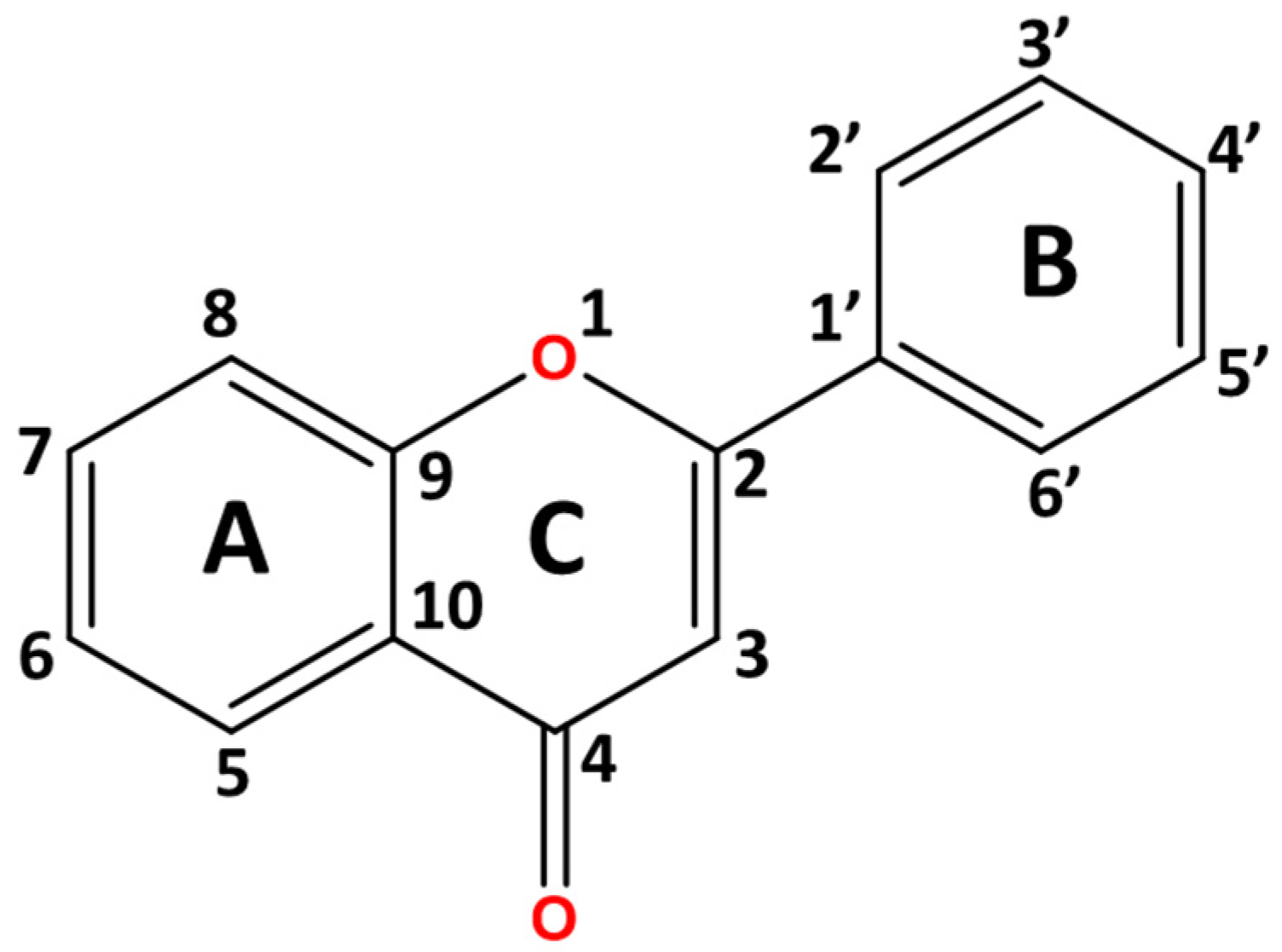
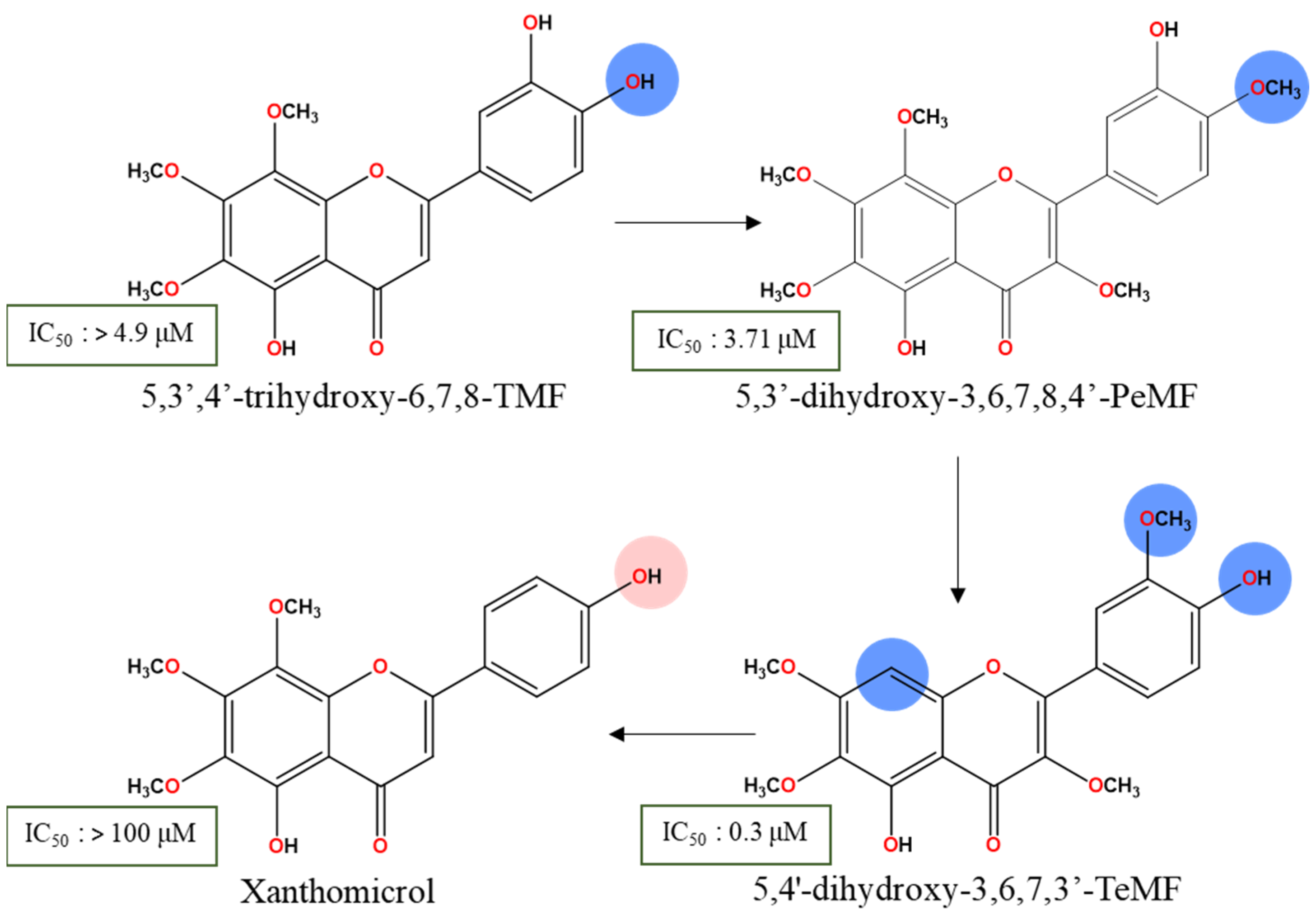
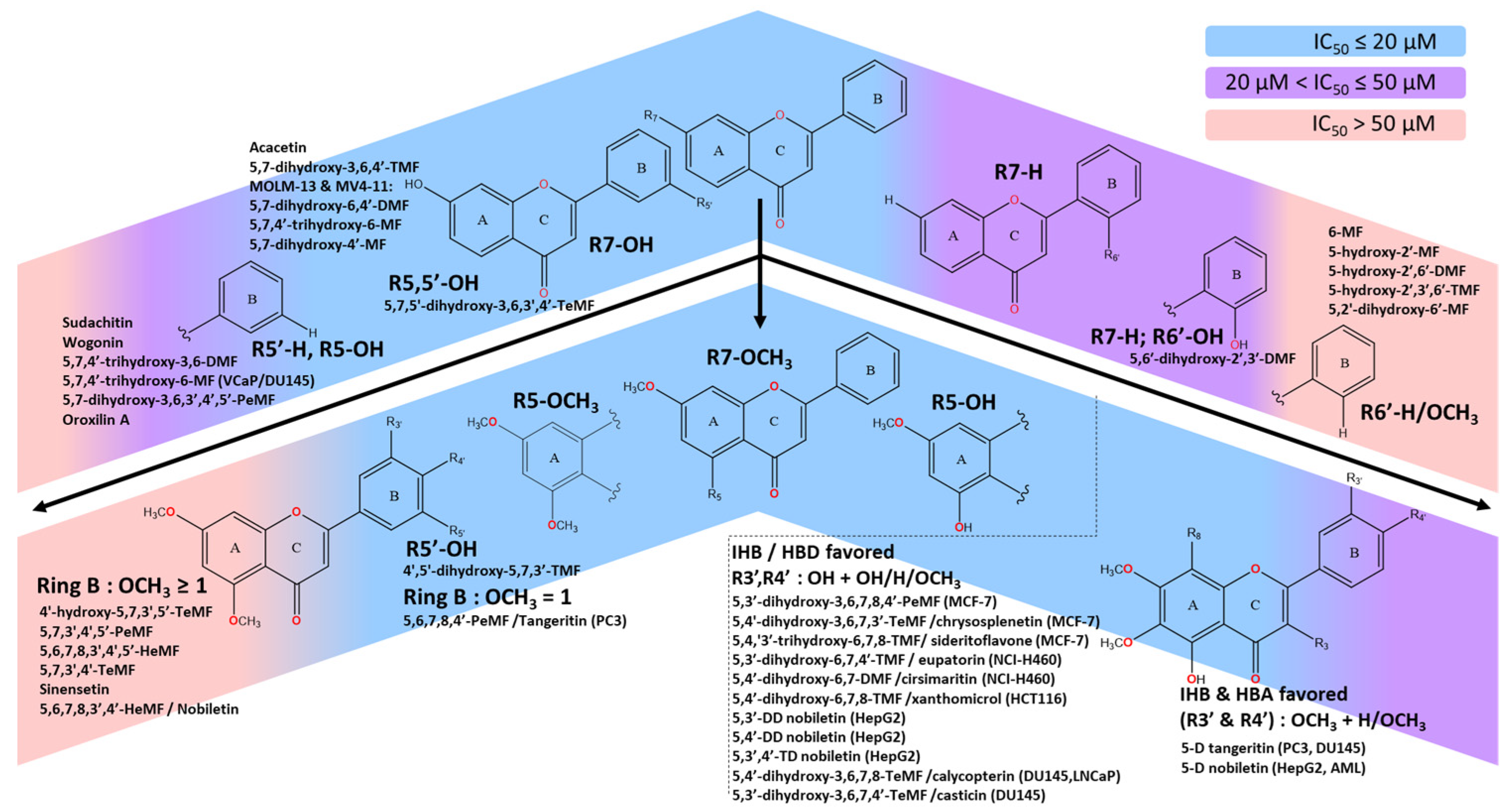
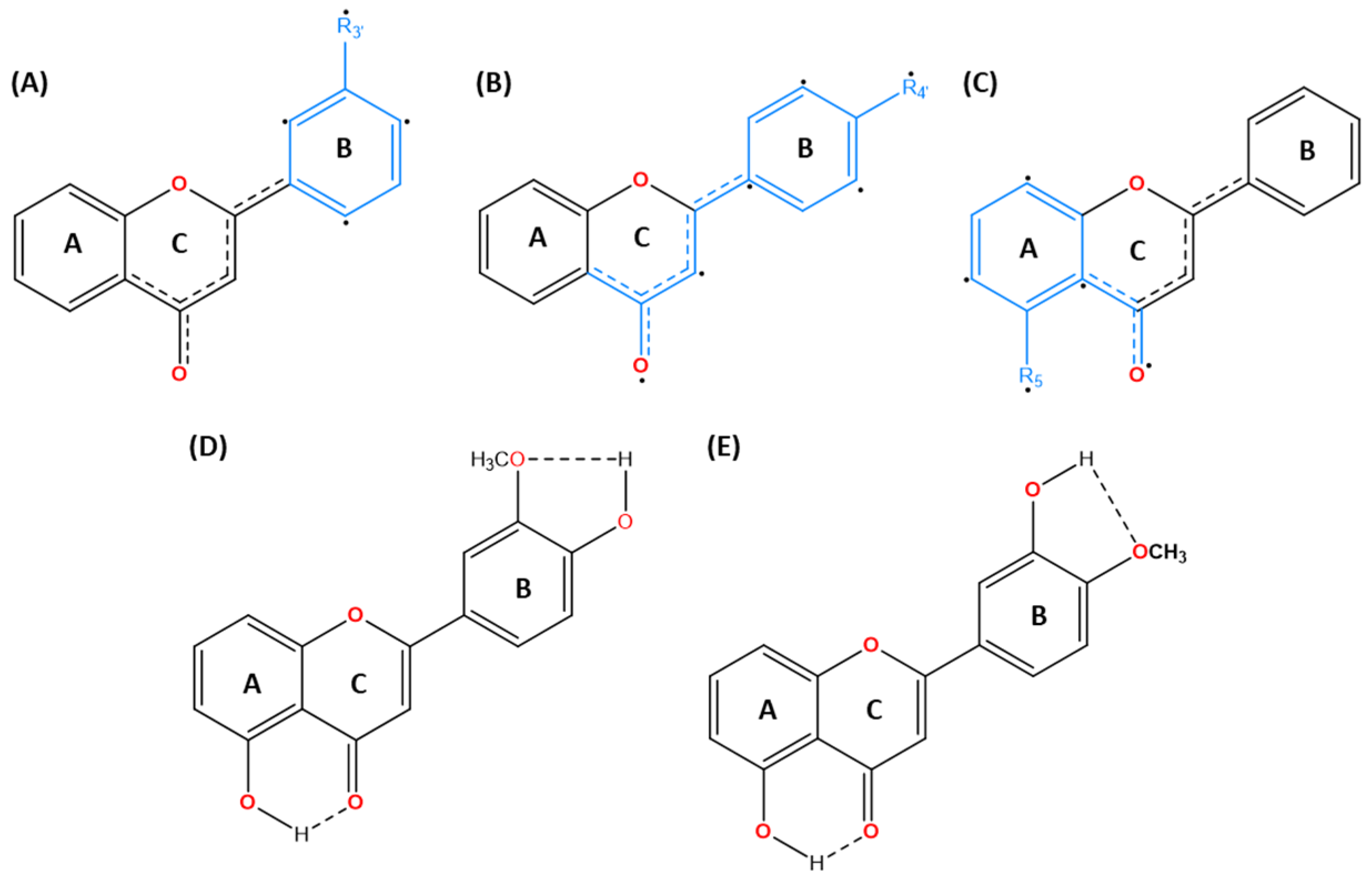
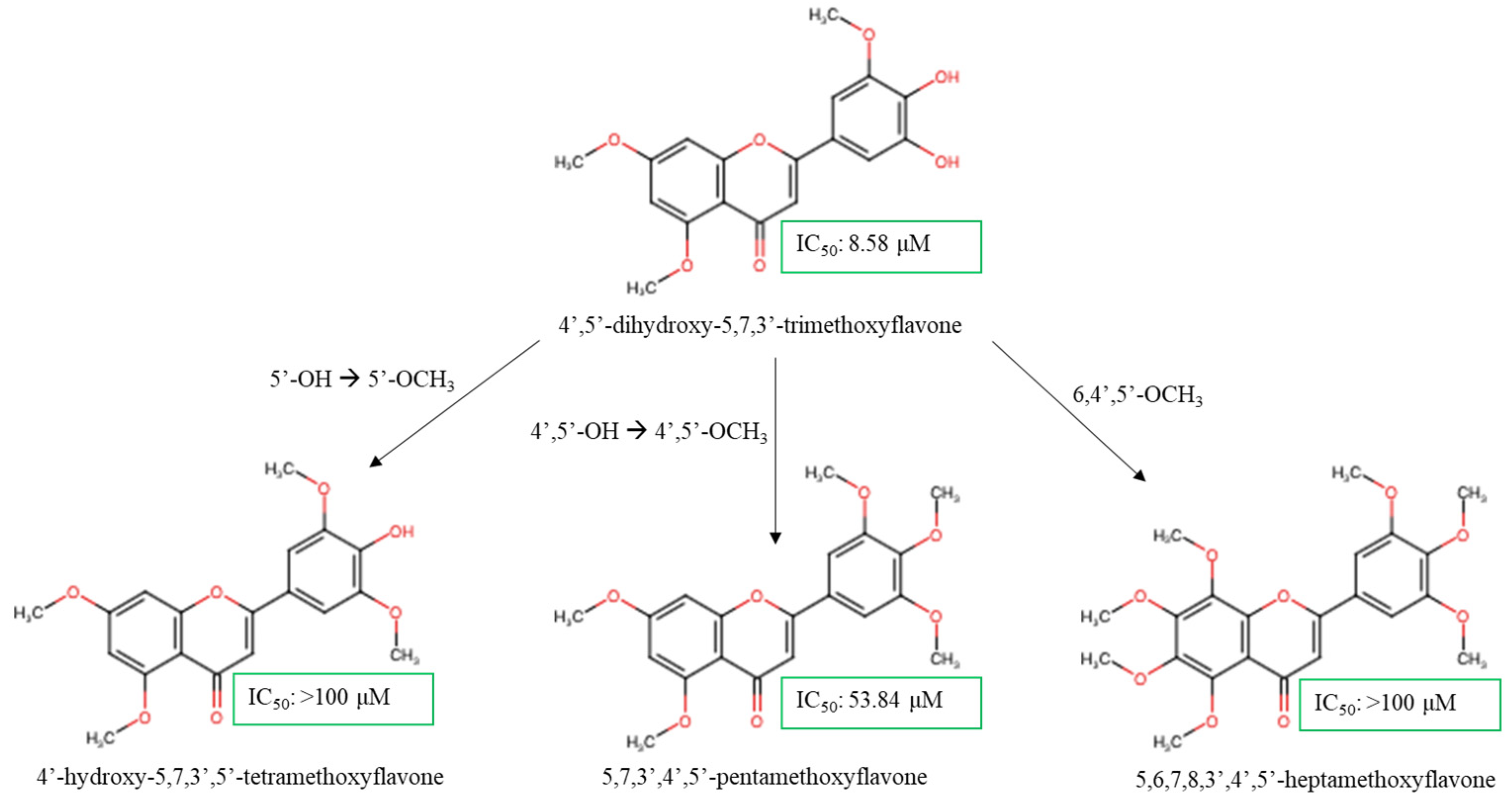
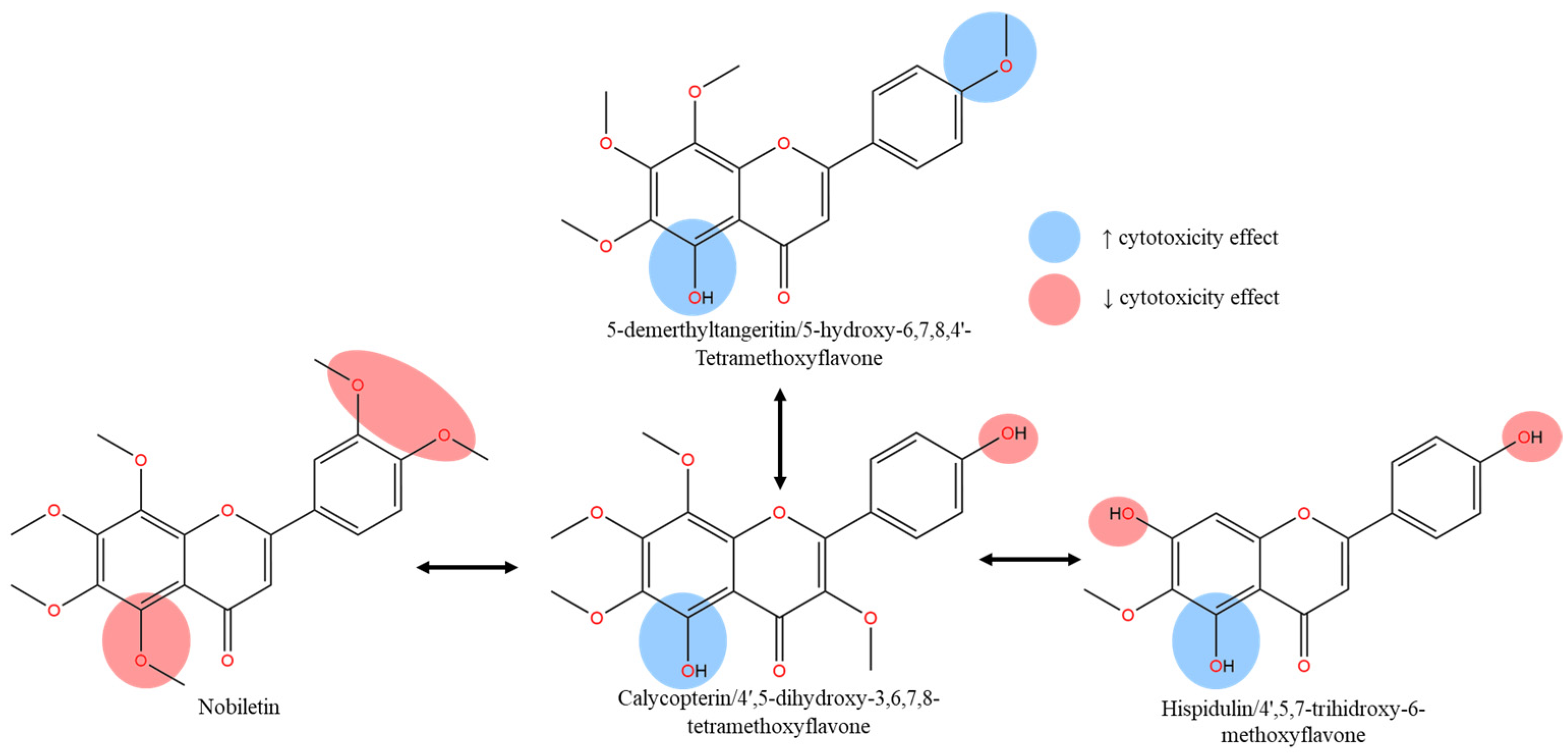
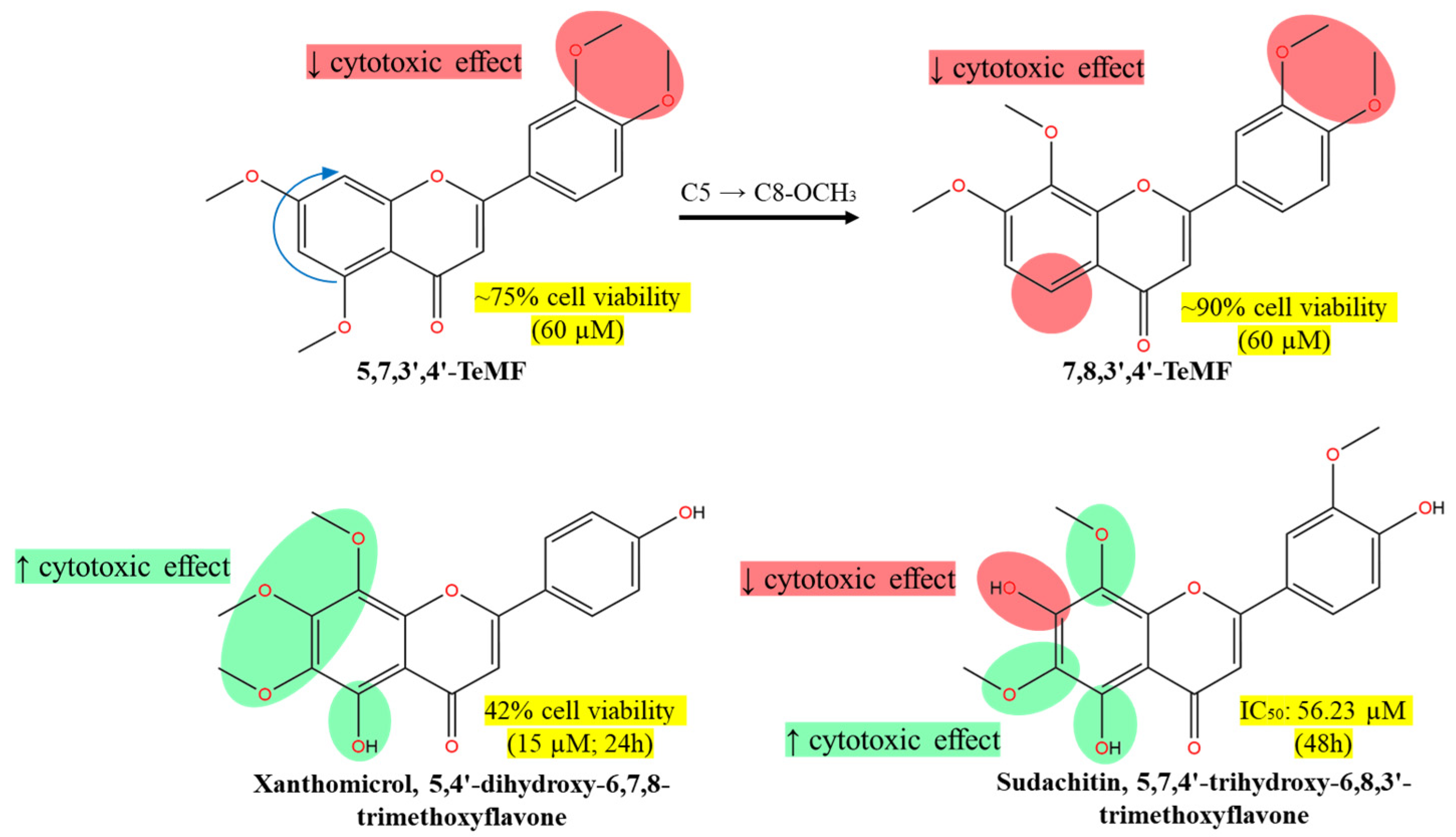
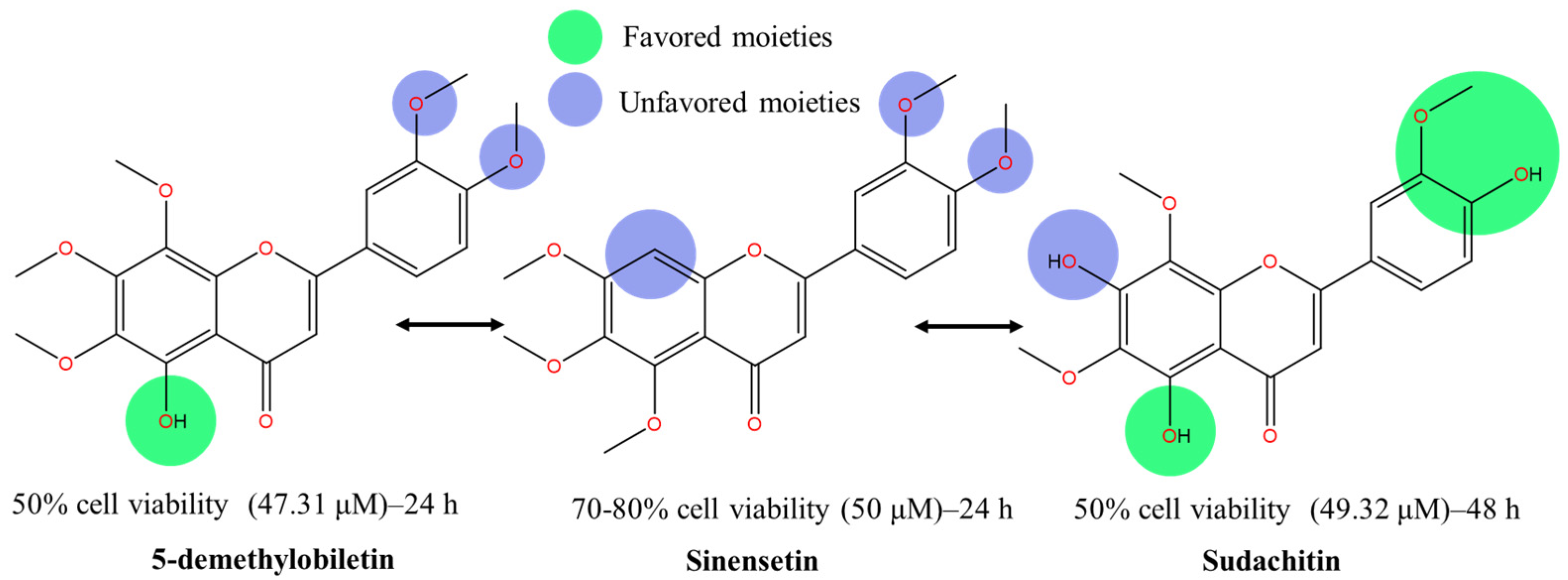
2-phenylchromen-4-one, commonly known as flavone, plays multifaceted roles in biological response that can be abundantly present in natural sources. The methoxy group in naturally occurring flavones promotes cytotoxic activity in various cancer cell lines by targeting protein markers, in facilitating ligand–protein binding mechanisms and activating cascading downstream signaling pathways leading to cell death. However, the lipophilic nature of these analogs is a key concern as it impacts drug membrane transfer. While lipophilicity is crucial for drug efficacy, the excessive lipophilic effects in flavonoids can reduce water solubility and hinder drug transport to target sites. Recent in vitro studies suggest that the incorporation of polar hydroxyl groups which can form hydrogen bonds and stabilize free radicals may help overcome the challenges associated with methoxy groups while maintaining their essential lipophilic properties. Naturally coexisting with methoxyflavones, this review explores the synergistic role of hydroxy and methoxy moieties through hydrogen bonding capacity in maximizing cytotoxicity against cancer cell lines. The physicochemical analysis revealed the potential intramolecular interaction and favorable electron delocalization region between both moieties to improve cytotoxicity levels. Together, the analysis provides a useful strategy for the structure–activity relationship (SAR) of flavonoid analogs in distinct protein markers, suggesting optimal functional group positioning to achieve balanced lipophilicity, effective hydrogen bonding, and simultaneously minimized steric hindrance in targeting specific cancer cell types.
Keywords: medicinal plants; methoxyflavones; physicochemical properties; structural-activity relationship; anticancer mechanisms medicinal plants; methoxyflavones; physicochemical properties; structural-activity relationship; anticancer mechanisms