


Abstract
Non-diabetic chronic kidney disease (ND-CKD) refers to the progressive and irreversible decline in kidney function occurring in the absence of diabetes mellitus—a distinction that sets it apart from the more prevalent diabetic CKD. While diabetic nephropathy remains the leading cause of CKD globally, ND-CKD encompasses a heterogeneous group of etiologies, including hypertensive nephrosclerosis, glomerulonephritis, and interstitial nephritis. Its incidence and prevalence are steadily increasing, particularly in aging populations, and are often underrecognized. Importantly, ND-CKD is not a benign entity; it independently contributes to systemic inflammation, oxidative stress, and metabolic dysregulation, which in turn amplify cardiovascular risk. Among the most severe complications is heart failure (HF), a complex syndrome arising from structural and functional impairments in cardiac performance. Despite ongoing advancements in HF management, mortality remains unacceptably high, ranging from 2–3% at 30 days to up to 50–75% over five years. Standard pharmacologic therapies frequently fall short in halting disease progression and may provoke undesirable side effects. This therapeutic gap has spurred growing interest in natural compounds with multi-targeted effects. Bioactive molecules such as arjunolic acid, kaempferol, luteolin, and resveratrol have shown anti-inflammatory and antioxidant properties that may offer dual benefits for both renal and cardiac function. By modulating shared molecular pathways—including those involved in inflammation, oxidative damage, and cellular dysfunction—these agents hold promise as adjunctive treatments in ND-CKD complicated by heart failure.
1. Introduction
Chronic kidney disease (CKD) has become a significant public health issue worldwide, with its incidence and prevalence increasing steadily in recent years. Research highlights the considerable impact of this disease, indicating that around 700 million people globally [1], or 8–16% of the population, suffer from CKD [2]. The disease is linked to high morbidity and mortality rates, with approximately 1.5 million deaths each year. The rising costs of CKD treatment [3], primarily driven by the growing need for kidney transplants for patients with end-stage CKD, further exacerbate this alarming trend [4]. CKD is characterized by a gradual and irreversible deterioration in kidney function due to structural and/or functional abnormalities [5]. While diabetes is a leading cause of CKD [6,7,8,9,10], a significant proportion of cases occur independently of diabetes and are classified as non-diabetic chronic kidney disease (ND-CKD). ND-CKD refers to CKD arising from non-diabetic etiologies such as hypertensive nephrosclerosis [11,12,13], obesity- and metabolic syndrome-related nephropathy [14,15,16,17,18], autoimmune diseases including glomerulonephritis and tubulopathies, and drug-induced nephrotoxicity, notably from chronic use of non-steroidal anti-inflammatory drugs [19]. This variability underscores the diverse etiological spectrum of ND-CKD and the influence of coexisting medical conditions, treatments received, and environmental factors that may contribute to disease progression [20]. Notably, ND-CKD carries a high risk of complications, especially cardiovascular, which remain a leading cause of morbidity and mortality in this population.
Heart failure (HF) is a multifaceted syndrome arising from various structural or functional changes in the heart, resulting in diminished pumping ability [21]. This condition is categorized based on the left ventricular ejection fraction (LVEF) into reduced, moderately reduced, and preserved ejection fraction types. Heart failure with reduced ejection fraction (LVEF below 40%) or moderately reduced ejection fraction (LVEF between 40% and 50%) is frequently triggered by hypertension, different valvular heart diseases, and ischemic heart disease. It is characterized by impaired or slightly impaired systolic function of the left ventricle [22]. Conversely, heart failure with preserved ejection fraction (LVEF over 50%) is commonly multifactorial but presents clinically similarly to heart failure with reduced ejection fraction. However, it is marked by increased ventricular stiffness and decreased left ventricular compliance, leading to impaired diastolic filling and reduced cardiac output [23]. This reduction in cardiac output can ultimately compromise renal function [24].
Throughout history, traditional medicine has utilized the power of natural compounds derived from plants, animals, and minerals for healing. These natural products laid the foundation for early medicine, offering a vast array of remedies for various ailments [25]. Modern science is now re-examining these natural compounds, unlocking the secrets behind their effectiveness. Thanks to advancements in biochemistry, researchers have been able to accurately characterize the ubiquitous natural compounds found in plants that were used for therapeutic purposes in the past. As a result, similarities have been observed between the effects of these natural compounds and those of first-line drugs in various chronic pathologies, such as heart failure and chronic kidney disease. Furthermore, natural compounds can serve as blueprints for designing synthetic drugs with enhanced therapeutic properties [26,27,28,29,30]. Importantly, the selection of natural compounds for this study, arjunolic acid, kaempferol, luteolin, and resveratrol, was based on existing evidence from experimental models and clinical research specifically focused on non-diabetic CKD and heart failure. These compounds have demonstrated anti-inflammatory and antioxidant effects in preclinical studies targeting pathways implicated in ND-CKD and HF, including oxidative stress, endothelial dysfunction, myocardial remodeling, and tubulointerstitial inflammation. Their pleiotropic mechanisms may confer both renoprotective and cardioprotective benefits in this complex clinical setting.
In view of the increasing global burden of ND-CKD and HF, with chronic kidney disease projected to rise from 23rd in 2022 to among the top 10 causes of disease burden worldwide by 2050, while heart failure is expected to remain the leading contributor [31], and considering the limitations of current pharmacological therapies, this study aims to evaluate the potential benefits of these natural agents. Our objectives are to assess their capacity to modulate inflammatory and oxidative pathways, preserve renal and cardiac function, and potentially delay disease progression, while minimizing the risk of adverse effects. This research responds to an urgent need for safe and effective adjunctive therapies for non-diabetic individuals suffering from chronic kidney disease and heart failure.
2. Search Strategy and Compound Selection
We conducted a comprehensive literature search using PubMed, Scopus, and Web of Science to identify studies published between 2005 and 2025 that investigated natural compounds with potential benefits in non-diabetic chronic kidney disease (ND-CKD) and heart failure (HF). Search terms included combinations of keywords such as “non-diabetic chronic kidney disease,” “heart failure,” “natural compounds,” “flavonoids,” “polyphenols,” “antioxidant,” “anti-inflammatory,” and the names of specific molecules (e.g., “resveratrol,” “kaempferol,” “luteolin,” “arjunolic acid”). Boolean operators (AND, OR) were applied to refine results. Inclusion criteria comprised original experimental studies, clinical data, and reviews published in English that addressed the effects of natural compounds on relevant pathophysiological pathways, namely oxidative stress, inflammation, fibrosis, and apoptosis, in both renal and cardiac contexts. We excluded articles that focused exclusively on diabetes-related CKD models without relevance to ND-CKD or articles that did not mention how the CKD was induced. Reference lists of key articles were manually screened to identify additional sources. Priority was given to studies providing mechanistic insights into molecular pathways (e.g., NF-κB, TGF-β, mitochondrial function), histopathological outcomes, or functional parameters such as glomerular filtration rate or left ventricular ejection fraction. Based on these criteria, only four compounds, arjunolic acid, kaempferol, luteolin, and resveratrol, fulfilled the dual requirement of demonstrating protective effects in both ND-CKD and HF models. Their consistent antioxidant, anti-inflammatory, antifibrotic, and antiapoptotic properties, along with evidence of functional improvements in preclinical and limited clinical studies, informed their selection for detailed discussion in this review.
3. Non-Diabetic Chronic Kidney Disease and Heart Failure-Biomarkers of Diagnostic and Prognostic
3.1. Non-Diabetic Chronic Kidney Disease
Non-diabetic chronic kidney disease (ND-CKD) refers to a progressive and often irreversible decline in renal function not caused by diabetes, but by a range of other etiologies such as hypertension, glomerulonephritis, chronic interstitial nephritis, nephrosclerosis, or exposure to nephrotoxic agents. As with all forms of CKD, ND-CKD is defined by persistent alterations in kidney structure or function lasting more than three months, including a decreased estimated glomerular filtration rate (eGFR below 60 mL/min/1.73 m2), albuminuria, proteinuria, active urinary sediment, structural or histopathological abnormalities, or a history of kidney transplantation [32]. This condition contributes significantly to the global burden of disease due to its association with increased risks of hospitalization, cardiovascular complications, cognitive impairment, and overall morbidity and mortality [33].
ND-CKD is staged using the same criteria as general CKD, based on the severity of kidney damage and functional decline. The two primary markers used in clinical practice are eGFR and albuminuria [34]. eGFR serves as a practical measure of the kidneys’ ability to filter waste products [35], while the urinary albumin-to-creatinine ratio (UACR) quantifies the extent of albuminuria, which independently predicts not only the rate of renal function decline but also the cardiovascular risk in these patients [36]. As ND-CKD advances, patients may experience worsening hypertension, anemia, and electrolyte disturbances, with the terminal stage requiring renal replacement therapy through dialysis or transplantation. Early identification and management of albuminuria in ND-CKD are crucial, yet underdiagnosis remains a significant issue. For example, a study by Chu et al. (2023) revealed that approximately 66% of hypertensive and diabetic patients with clinically significant albuminuria were overlooked due to insufficient screening [37]. This observation underscores the need for routine assessment of UACR and eGFR, even in patients without diabetes, to enable earlier intervention.
Recognizing the clinical significance of both eGFR and albuminuria in predicting CKD progression, the KDIGO CKD Work Group developed a structured classification system that integrates these parameters to guide risk stratification and clinical decision-making [32,38] (Figure 1). This framework allows for individualized assessment of disease progression risk and supports tailored therapeutic approaches for patients with ND-CKD.
Figure 1.
Risk of renal impairment based on eGFR and Albuminuria/URAC (adapted after “KDIGO 2024 Clinical Practice Guideline for the Evaluation and Management of Chronic Kidney Disease”).
The progression of ND-CKD is heterogeneous and depends on multiple factors, including underlying pathology, comorbidities, genetic predisposition, and response to therapy. While the KDIGO staging system offers a valuable tool for stratifying patients, it does not capture this complexity entirely. Therefore, personalized management strategies, incorporating early diagnosis, close monitoring, and multidisciplinary care, are essential to slowing disease progression and improving patient outcomes. Early detection through routine screening remains one of the most effective strategies for altering the course of ND-CKD and minimizing long-term complications. However, for many CKD patients, while a complete cure may not be achievable, therapeutic interventions can significantly slow the progression of renal function decline [39].
3.2. Heart Failure
Heart failure (HF) is a complex clinical syndrome characterized by a spectrum of underlying pathophysiological mechanisms [40]. These mechanisms include structural and functional abnormalities of the heart, which can impair the ability of the heart to pump blood effectively or to fill adequately during diastole. The diverse etiology of heart failure necessitates a robust classification system to facilitate accurate diagnosis, effective risk stratification, and the development of targeted therapeutic strategies [41].
This refined classification system provides a framework for understanding the diverse etiological landscape of heart failure, paving the way for targeted therapeutic approaches.
Effectively managing heart failure necessitates a precise assessment of a patient’s functional capacity. The New York Heart Association (NYHA) classification system [42], a cornerstone in clinical practice, stratifies patients based on their ability to tolerate physical exertion and the severity of symptoms experienced during activity, ranging from no limitations (Class I) to severe symptoms even at rest (Class IV) [43].
The NYHA classification serves as a pivotal determinant of therapeutic strategies in heart failure management. For patients exhibiting mild to moderate symptoms (NYHA Class I and II), treatment is primarily aimed at symptom alleviation, quality of life enhancement, and disease progression prevention. This involves meticulous medication optimization, lifestyle interventions, and patient education, collectively improving functional capacity. Conversely, patients with severe symptoms (NYHA Class III and IV) require a more aggressive approach focused on maximizing functional capacity and symptom control to preserve independence and well-being. This encompasses medication adjustments, comprehensive symptom management, and potentially, cardiac rehabilitation [44,45,46].
Another classification criterion of heart failure is based on the left ventricular ejection fraction (LVEF), which serves as a critical determinant in stratifying heart failure patients. Heart failure with reduced ejection fraction (HFrEF), characterized by an LVEF ≤ 40%, reflects impaired systolic function leading to reduced cardiac output [22]. In contrast, heart failure with preserved ejection fraction (HFpEF), with an LVEF ≥ 50%, is associated with diastolic dysfunction and impaired ventricular filling [47]. The distinct pathophysiologies of these two phenotypes necessitate tailored therapeutic approaches. However, the emergence of heart failure with moderately reduced ejection fraction (HFmrEF), a category encompassing LVEF values between 41 and 49%, underscores the spectrum of heart failure and the need for more nuanced treatment strategies [48].
Heart failure represents a complex constellation of factors rather than a singular disease. A comprehensive understanding of its underlying etiology, a patient’s functional capacity, and the heart’s pumping ability is essential for optimal care. This individualized approach enables tailored treatment strategies. As scientific knowledge expands, the classification of heart failure will undoubtedly evolve, leading to more precise diagnoses, effective therapies, and improved patient outcomes.
3.3. Biomarkers in Non-Diabetic Chronic Kidney Disease and Heart Failure: Interplay and Interpretation
In the management of patients with non-diabetic chronic kidney disease (ND-CKD) and heart failure (HF), biomarkers play a central role in diagnosis, risk stratification, and prognosis. While estimated glomerular filtration rate (eGFR) and urine albumin-to-creatinine ratio (UACR) remain the primary measures for assessing kidney function [38], several circulating biomarkers are widely used in HF, including natriuretic peptides [49], troponins [50], galectin-3 [51], soluble ST2 (sST2) [52], and inflammatory markers such as C-reactive protein [53]. The interpretation of these biomarkers is strongly influenced by renal function, and conversely, cardiac dysfunction can impact renal biomarkers, reflecting the complex cardio-renal interplay [54,55]. Biomarkers in HF and ND-CKD can be broadly conceptualized based on their clinical utility as either diagnostic or prognostic. Diagnostic biomarkers help establish the presence of disease or acute decompensation. In HF, natriuretic peptides (BNP and NT-proBNP) are the most widely used, reflecting myocardial wall stress [49], while in ND-CKD, serum creatinine, cystatin C, and UACR indicate impaired renal function or structural kidney damage [38]. Prognostic biomarkers provide information about future risk, disease progression, or adverse outcomes. In HF, troponins, galectin-3, sST2, and inflammatory markers such as high-sensitivity C-reactive protein are primarily employed for risk stratification [51], whereas longitudinal trends in eGFR, cystatin C, and albuminuria predict ND-CKD progression and cardiovascular complications [38]. Renal function has a significant impact on the interpretation of HF biomarkers. Natriuretic peptides are cleared via the kidneys, and baseline levels are often elevated in ND-CKD independently of acute HF, necessitating adjusted diagnostic thresholds and careful trend monitoring [54]. Troponins can also remain chronically elevated in ND-CKD due to reduced clearance and subclinical myocardial stress [56]. Similarly, galectin-3 may be elevated in renal impairment, potentially overestimating HF risk [57]. In contrast, sST2 is less affected by kidney function, making it a particularly reliable prognostic marker in patients with coexisting HF and ND-CKD [58].
Conversely, HF influences renal biomarkers. Reduced cardiac output and increased central venous pressure can impair renal perfusion, transiently elevating creatinine and cystatin C levels, which may mimic ND-CKD progression [59]. Therapies for HF, such as diuretics or renin–angiotensin–aldosterone system inhibitors, can also modify renal biomarker levels [60]. This bidirectional interplay underscores the importance of interpreting biomarkers in the context of both cardiac and renal status, rather than relying on single measurements.
Overall, an integrated approach, combining renal function measures with HF biomarker trends, and using markers with lower renal dependence when possible, enhances diagnostic accuracy and prognostic precision in patients with overlapping ND-CKD and HF.
4. Therapeutic Strategies and Limitations
The intricate interplay between heart failure and chronic kidney disease presents a formidable challenge for clinicians. The heterogeneous etiologies and complex pathophysiological interactions of these conditions create a multifaceted clinical picture [61]. Individual patient variability, influenced by a wide range of comorbidities, further complicates therapeutic decision-making. The cardiovascular manifestations in patients with kidney dysfunction diverge from those observed in the general population, with atherosclerosis, cardiomyopathies, and congestive heart failure complications emerging as primary drivers of mortality [62]. Recognizing the profound impact of kidney function on heart failure prognosis, therapeutic strategies that mitigate renal deterioration are paramount. Notably, medications that concurrently enhance renal perfusion and cardiac output have shown substantial benefits in this patient population, underscoring the importance of a holistic approach to management [49] (Table 1).
Table 1.
Treatment options for heart failure and chronic kidney disease.
Despite the availability of various therapeutic classes, establishing an optimal treatment regimen remains highly challenging, especially in patients suffering from both heart failure and chronic kidney disease, an increasingly common combination. For instance, beta-blockers have not demonstrated direct efficacy on renal function in chronic kidney disease and are only recommended in the presence of concomitant heart failure [64]. Angiotensin-converting enzyme inhibitors (ACEIs) have proven effective on renal function in hypertensive disease, while angiotensin receptor blockers (ARBs) are considered second-line therapy to replace ACEIs in cases of hypersensitivity or other contraindications [77]. Regarding diuretics, this therapeutic class has a very narrow therapeutic index in patients with advanced chronic kidney disease and congestive heart failure, as doses required to stabilize one condition often lead to the worsening of the other [49]. Lastly, SGLT2 inhibitors have demonstrated remarkable efficacy in heart failure and are now also indicated for chronic kidney disease regardless of diabetic status, although they are not recommended for patients with type 1 diabetes due to the risk of diabetic ketoacidosis [78]. Therefore, patients suffering from heart failure and chronic kidney disease, particularly non-diabetic ones, continue to suffer from a continuous deterioration of renal function. Thus, this subclass of patients requires additional therapies for a better quality of life. In this context, considering the extensive research conducted in recent years on natural compounds and the extremely promising initial results, therapies that can be proven effective for these patients could be developed based on them, rather than embarking on the path of synthesizing new molecules.
5. Natural Compounds
Throughout history, various natural therapies have been used to treat different pathologies, including chronic kidney disease and heart failure. These approaches often relied on herbal remedies, dietary modifications, and lifestyle changes. Traditional Chinese medicine, for example, employed herbs like dandelion root and licorice root to support kidney function and reduce inflammation [79]. Ayurvedic medicine advocated for a balanced diet and lifestyle to promote overall health and address underlying imbalances that could contribute to these conditions [80]. In ancient Greece and Rome, therapeutic baths and herbal infusions were used to treat kidney diseases and heart diseases [81]. In contemporary medicine, although the primary focus remains on the development of synthetic drugs, there is growing interest in naturally occurring compounds found in foods, including arjunolic acid, kaempferol, luteolin, resveratrol, and pterostilbene.
However, a significant limitation of the current literature is the predominance of diabetes-induced CKD models or the lack of clarity regarding the underlying etiology of CKD in experimental studies. In contrast, the present investigation specifically focused on identifying natural compounds that demonstrated beneficial effects in both heart failure and non-diabetic chronic kidney disease (ND-CKD). Only a limited number of bioactive agents, namely arjunolic acid, kaempferol, luteolin, and resveratrol, met this dual criterion, as they were the only compounds found in the literature to exhibit protective properties in models of ND-CKD as well as HF. These findings informed the selection of compounds evaluated in this study (Figure 2 and Figure 3), ensuring relevance to the targeted patient population and pathophysiological mechanisms.
Figure 2.
The cardioprotective activity of natural compounds.
Figure 3.
The renoprotective activity of natural compounds.
5.1. Arjunolic Acid
Arjunolic acid (Figure 4), a naturally occurring triterpenoid saponin, has garnered interest for its potential health benefits. Found in various plants used in Chinese traditional medicine like Terminalia arjuna, Combretum nelsonii, and Lophostemon confertus, arjunolic acid was investigated for its antioxidant, anti-inflammatory, cardioprotective properties, and, recently, for its renoprotective effects [82,83,84,85,86].
Figure 4.
Chemical structure of arjunolic acid.
Therefore, in the study of Bansal et al. (2017), the researchers studied the impact of 10 mg/kg every other day of arjunolic acid on 21 male Wistar rats with right renal artery ligation-induced cardiac hypertrophy. They observed that the rats treated with arjunolic acid showed an improvement in cardiac function, a reduced expression of collagen, and a reduced activity of transforming growth factor β (TGF-β) [84]. When looking into the renoprotective effects of arjunolic acid, two studies that both used animal models of cisplatin-induced nephropathy observed that the rats treated with 100 or 250 mg/kg of arjunolic acid administered on the first, fourth, and seventh day of the experiment, respectively, with 20 mg/kg/day of arjunolic acid, had reduced levels of creatinine, urea, and blood urea nitrogen (BUN) and less histological signs of renal injury. Moreover, both studies ascribed the renoprotective effects to both antioxidant activity, noting markedly diminished levels of malondialdehyde (MDA), nitric oxide (NO), and latency-associated peptide (LAP), and concurrently increased levels of glutathione (GSH), alongside anti-inflammatory activity, demonstrated by lowered levels of nuclear factor-κB (NF-κB), tumor necrosis factor-alpha (TNFα), interleukin 1 beta (IL-1β), and kidney injury molecule-1 (Kim-1) in renal homogenates [85,86]. While further studies are needed to fully understand its therapeutic potential, arjunolic acid exemplifies the continued exploration of natural compounds that promote human health (Table 2).
Table 2.
Effects of arjunolic acid on heart failure and non-diabetic chronic kidney disease.
5.2. Kaempferol
Kaempferol (Figure 5), a natural flavonoid, is widely distributed throughout the plant kingdom. Found in high concentrations in fruits, vegetables, and some medicinal herbs, it is particularly abundant in apples, grapes, kale, spinach, and green tea. Research suggests kaempferol possesses various health benefits, including antioxidant, anti-inflammatory, and potentially anticancer properties [87,88,89,90].
Figure 5.
Chemical structure of kaempferol.
In addition to these effects and driven by the need for novel and effective therapies for heart failure and chronic kidney disease, researchers have conducted studies to investigate the cardioprotective and renoprotective effects of kaempferol (Table 3). Consequently, investigations were carried out on rats with isoproterenol-induced heart failure under the treatment with a daily dose of 10 or 20 mg/kg of kaempferol [91]. In this heart failure animal model, an enhancement of cardiac function was evident directly, as observed by diminished levels of brain natriuretic peptide (BNP), lactate dehydrogenase (LDH), and troponin I, as well as by reducing the levels of pro-inflammatory cytokines such as interleukin 6 (IL-6), interleukin 1 beta (IL-1β), tumor necrosis factor-alpha (TNF-α), while increasing the levels of the antioxidant enzymes like superoxide dismutase (SOD), catalase (CAT), glutathione reductase (GR), glutathione peroxidase (GPx), and glutathione-S-transferase (GST). Renoprotective effects were further corroborated in the investigation by Wang et al. (2020) involving rats with cisplatin-induced nephropathy and in the study by Guan et al. (2023) involving rats with hypertensive chronic kidney disease in both under treatment with kaempferol, in the first one using a daily dose of 100 or 200 mg/kg, while in the second study a daily dose of 10, 20 or 40 mg/kg. Both studies highlighted enhancements in renal function, as evidenced by both a reduction in serum creatinine and BUN levels and a reduction in histologically observed renal atrophy and necrosis [92,93].
Table 3.
Effects of kaempferol on heart failure and non-diabetic chronic kidney disease.
5.3. Luteolin
Luteolin (Figure 6) is a flavonoid, a type of plant-based compound known for its antioxidant and anti-inflammatory properties. It was observed that luteolin possesses many potential health benefits, from anti-inflammatory and antioxidant activities to even neuroprotective properties [96,97,98,99,100,101].
Figure 6.
Chemical structure of luteolin.
Besides these, recent studies suggest a potential extension of the beneficial effects of this natural compound on the cardiovascular and renal systems. In this stance, the cardioprotective effects were investigated in rats with pressure overload via abdominal aortic constriction-induced heart failure under the treatment with luteolin using a daily intraperitoneal dose of 10 μg/kg [102]. In this heart failure animal model, the researchers observed that the treatment with luteolin decreased left ventricular diameters while increasing both ejection fraction and fractional shortening. Moreover, during the histological examination, they observed a reduction in myocardial apoptosis and fibrosis. Renoprotective effects were highlighted in the studies by Domitrović et al. (2013) and Arslan et al. (2016), where the researchers studied the effects of luteolin on rats with cisplatin-induced nephropathy, which was administered intraperitoneally using a dose of 10 mg/kg. Both research teams observed improvements in renal function, as indicated by lower serum creatinine and BUN levels, and reduced histological signs of renal injury, atrophy, and necrosis [103,104]. Consistent with the findings observed with arjunolic acid and kaempferol, luteolin also exhibited robust antioxidant properties in both animal models, as demonstrated by markedly elevated levels of glutathione reductase (GR), superoxide dismutase (SOD), and catalase (CAT), and anti-inflammatory properties, characterized by diminished levels of interleukins 12 and 1β, of tumor necrosis factor alpha (TNF-α) and a reduction in the expression of several pro-inflammatory genes such as tumor protein-53 (TP53), nuclear factor-κB (NF-κB), and Bax/Bcl-2. Studies are ongoing to elucidate its full therapeutic potential, but both kaempferol’s and luteolin’s presence in commonly consumed foods make these intriguing natural compounds for promoting human health (Table 4).
Table 4.
Effects of luteolin on heart failure and non-diabetic chronic kidney disease.
5.4. Resveratrol
Further expanding the repertoire of naturally occurring compounds with promising health benefits, resveratrol and pterostilbene (Figure 7) emerge as a subject of considerable scientific interest. Classified as a stilbenoid, resveratrol and, respectively, pterostilbene, a natural analog of it, are present especially in grapes, peanuts, and certain berries. While research into its therapeutic potential remains ongoing, resveratrol exhibits intriguing properties, including antioxidant and anti-inflammatory effects [110,111,112,113,114].
Figure 7.
Chemical structures of resveratrol and pterostilbene.
This investigation delves deeper into the current understanding of resveratrol, examining its potential applications within the medical field and emphasizing its contribution as a potential treatment for both heart failure and chronic kidney disease. In the context of heart failure, a significant study investigating the effects of resveratrol is that of Xuan et al. (2012) [115], who used an animal model of cardiac dysfunction induced by left coronary artery ligation. Their primary observation was that the intraperitoneal treatment with a daily dose of 20 mg/kg of resveratrol led to an enhanced survival rate. Furthermore, echocardiographic assessments revealed a reduction in heart chamber dimensions, coupled with an increase in ejection fraction and left ventricular shortening. These findings were attributed to a downregulation in the expression of several profibrotic and proapoptotic genes, including procollagen-1, procollagen-3, fractalkine, and matrix metalloproteinase-9 [115]. Similar echocardiographic observations were reported in the study by Raj et al. (2021), which examined the effects of daily resveratrol administration at a dose of 2.5 mg/kg [116], and in the study by Gupta et al. (2014), which utilized a dose of 10 mg/kg/day of resveratrol in an animal model of heart failure induced by aortic constriction [117]. While the full implications of inflammation and oxidative stress in heart failure are yet to be fully elucidated, studies such as that of Ma et al. (2023) have observed that a daily dose of 45.51 mg/kg in a rat model of angiotensin-II-induced cardiomyopathy exhibits anti-inflammatory effects, evidenced by a significant reduction in nuclear factor-κB (NF-kB) gene expression [118]. Similarly, the study by Zhang et al. (2023) demonstrated the antioxidant effects of resveratrol when administered at a daily dose of 50 mg/kg to rats with heart failure induced by aortic constriction, as reflected by enhanced expression of superoxide dismutase (SOD), glutathione peroxidase 4 (GPX4), glutathione (GSH), and solute carrier family 7 member 11 (SLC7A11) genes [119]. A significant step forward was made by Gal et al. (2020), who investigated the effects of administering a daily dose of 100mg resveratrol to 60 patients with heart failure and reduced ejection fraction in a single-center, randomized, double-blind, placebo-controlled trial. They observed that clinically, the therapy with resveratrol improved the quality of life, respiratory parameters, and exercise capacity, biologically, it reduced NT-proBNP and galectin-3 levels, and echocardiographically, resveratrol improved the left ventricular contractile function. Additionally, resveratrol exhibited anti-inflammatory effects, demonstrated by a significant reduction in interleukin 1 and 6 levels [120]. Therefore, this study highlights the potential therapeutic benefits of resveratrol in patients with HFrEF. Further research is warranted to confirm these findings and to determine the optimal dosage and duration of resveratrol treatment.
In the context of chronic kidney disease, the effects of resveratrol have been investigated in studies such as that of Chander et al. (2006) [121], who administered 5 mg/kg/day of resveratrol to 50 male Wistar rats with 5/6 nephrectomy-induced chronic kidney disease. They observed an increase in survival rate, a reduction in proteinuria and serum levels of creatinine, BUN, and urea, as well as a reduction in glomerular sclerosis and interstitial fibrosis during histological examination [121]. Similar observations were made in the study by Wang et al. (2020), who administered 200 mg/kg/day of pterostilbene to 20 rats with a high-adenine diet-induced chronic kidney disease [122]. In addition to its antioxidant and anti-inflammatory effects in heart failure, resveratrol also has these effects in chronic kidney disease. This was observed in the study of Cheng et al. (2019) [123], where the research team administered 100 mg/kg/day of resveratrol to 30 C57BL/6 male rats with high-fat diet-induced nephropathy. They found that resveratrol treatment exhibited significant anti-inflammatory activity in the renal system, characterized by a decrease in interleukin-6 (IL-6) and tumor necrosis factor-alpha (TNF-α) levels and an increase in interleukin-10 (IL-10) levels in renal homogenates. Moreover, resveratrol also acted as an effective antioxidant, leading to a decrease in malondialdehyde (MDA) levels and an increase in T-SOD and GPx levels in renal homogenates [123]. Similar effects of resveratrol were observed in the study by Liang et al. (2014), where daily administration of 20 mg/kg of resveratrol to 24 C57BL/6J male rats with unilateral ureteral obstruction-induced nephropathy led to enhanced antioxidant activity evidenced by an increase in SOD levels and a decrease in 8-OHdG and MDA levels in renal homogenates, respectively, to a reduce in inflammation, demonstrated by a decrease in the expression of intercellular adhesion molecule 1 (ICAM-1), transforming growth factor beta (TGF-β), and TNF-α, and an increase in silent information regulator 1 (Sirt1) gene expression [124]. In the existing literature, we have identified a single study that investigated the simultaneous effects of resveratrol on both the heart and kidneys. Li et al. (2020) examined the effects of daily administration of 20 mg/kg of resveratrol to 12 rats with 5/6-nephrectomy-induced chronic kidney disease on renal and cardiac functions. In the renal system, they observed a decrease in serum creatinine and BUN levels and histologically a reduction in renal fibrosis, sclerosis, and necrosis. Cardiac effects included, echocardiographically, a decrease in cardiac hypertrophy and cavity dilatation, while histologically, they included a reduction in cardiomyocyte hypertrophy and perivascular and interstitial fibrosis [125]. These findings suggest that resveratrol’s antioxidant and anti-inflammatory properties may contribute to its protective effects in both heart failure and chronic kidney disease (Table 5).
Table 5.
Effects of resveratrol on heart failure and non-diabetic chronic kidney disease.
5.5. Common and Distinct Mechanisms of Action and Effects of Natural Compounds in Non-Diabetic Chronic Kidney Disease
Natural compounds such as arjunolic acid, kaempferol, luteolin, and resveratrol exert significant biological effects in non-diabetic chronic kidney disease (ND-CKD) through overlapping mechanisms that converge on the modulation of oxidative stress, inflammation, and fibrotic remodeling (Table 6). In ND-CKD, these compounds have consistently demonstrated renoprotective effects by attenuating tubular damage, glomerular sclerosis, and interstitial inflammation [86,95,108,121,124]. These effects are largely mediated through the enhancement of endogenous antioxidant defenses, characterized by increased activity of enzymes such as superoxide dismutase (SOD), glutathione peroxidase (GPx), and glutathione-S-transferase (GST), alongside a reduction in lipid peroxidation markers such as malondialdehyde (MDA) and nitric oxide (NO) [109,113]. In addition to their antioxidative properties, these compounds also exert pronounced anti-inflammatory effects by down-regulating nuclear factor-κB (NF-κB) signaling and reducing the expression of pro-inflammatory cytokines, including tumor necrosis factor-alpha (TNF-α), interleukin-1 beta (IL-1β), and interleukin-6 (IL-6) [85,106]. These changes are associated with decreased leukocyte infiltration and preservation of renal parenchyma. Furthermore, several studies have highlighted the ability of these compounds to modulate apoptotic signaling pathways, with a notable down-regulation of pro-apoptotic markers such as p53 and Bax, and an up-regulation of anti-apoptotic proteins such as Bcl-2, thereby contributing to tubular and glomerular cell survival [86,92].
Table 6.
Common and distinct mechanisms of action and effects of natural compounds in non-diabetic chronic kidney disease.
Another key mechanism involves the attenuation of fibrogenesis. Arjunolic acid and kaempferol have been shown to reduce transforming growth factor-beta (TGF-β) activity and the expression of extracellular matrix proteins, including collagen types I and III, which are hallmarks of renal fibrosis [85,93]. Similarly, resveratrol and luteolin have demonstrated the ability to decrease histological indicators of fibrosis and interstitial thickening. These effects were accompanied by improvements in renal function, evidenced by reductions in serum creatinine and blood urea nitrogen (BUN), as well as improved histological architecture in multiple experimental models of ND-CKD, including cisplatin-induced nephropathy, hypertensive nephropathy, and unilateral ureteral obstruction [103,124]. While these shared pathways underscore a unified mechanism of action, compound-specific differences also exist. For instance, kaempferol exhibited pronounced effects on calcium oxalate nephropathy, with evidence of decreased crystal deposition and oxidative burden [95]. Resveratrol, in turn, was associated with improved mitochondrial function and biogenesis, reflected in enhanced ATP synthesis and increased activity of respiratory complexes, particularly in nephrectomy-induced models of renal impairment [134]. Taken together, the available evidence supports the therapeutic potential of these natural compounds in ameliorating the pathophysiological processes underlying non-diabetic kidney injury through a combination of anti-inflammatory, antioxidant, anti-fibrotic, and cytoprotective actions.
5.6. Common and Distinct Mechanisms of Action and Effects of Natural Compounds in Heart Failure
In heart failure (HF), the pathophysiological mechanisms targeted by natural compounds align closely with those observed in chronic kidney disease, particularly concerning oxidative stress and inflammation. Arjunolic acid, kaempferol, luteolin, and resveratrol have been extensively studied in various animal models of heart failure, where they have demonstrated cardioprotective properties through the modulation of cellular redox state, cytokine signaling, and myocardial remodeling (Table 7).
Table 7.
Common and distinct mechanisms of action and effects of natural compounds in heart failure.
A central mechanism shared across all compounds is their capacity to reduce oxidative damage within cardiac tissue. This is evidenced by elevated levels of endogenous antioxidants such as superoxide dismutase (SOD), catalase (CAT), and glutathione peroxidase (GPx) following treatment, along with a reduction in markers of oxidative injury, including malondialdehyde (MDA), nitric oxide (NO), and 4-hydroxynonenal (4-HNE) [91,106,116,119]. In parallel, anti-inflammatory effects have been consistently documented, with decreased expression of nuclear factor-κB (NF-κB) and pro-inflammatory cytokines, including tumor necrosis factor alpha (TNF-α) and interleukin 6 (IL-6), contributing to reduced myocardial inflammation and fibrosis [84,91,106,120]. Functionally, the administration of these compounds has been associated with improved cardiac performance. This includes increased left ventricular ejection fraction, reduced end-diastolic and end-systolic diameters, and attenuation of ventricular wall thickening [94,105,115,120]. Histological analyses have confirmed the reversal of adverse structural remodeling, as demonstrated by reduced collagen deposition, diminished myocyte hypertrophy, and preservation of cardiac architecture [94,102,128]. For example, arjunolic acid enhanced the expression of peroxisome proliferator-activated receptor alpha (PPARα), which plays a pivotal role in myocardial energy metabolism and contractility [84]. Similarly, luteolin was found to increase the expression of sarcoplasmic/endoplasmic reticulum Ca2+-ATPase 2a (SERCA2a), leading to improved calcium handling and contractile function [102]. Notably, some compounds exerted unique effects that extend beyond their shared antioxidative and anti-inflammatory properties. Resveratrol, in particular, influenced cardiac energy metabolism by activating adenosine monophosphate-activated protein kinase (AMPK) and sirtuin 1 (Sirt1), leading to enhanced mitochondrial efficiency and reduced cardiac fibrosis. These molecular effects translated into improved exercise capacity, reduced levels of natriuretic peptides, and improved quality of life in clinical settings [129,130]. Kaempferol also demonstrated efficacy in mitigating angiotensin II-induced myocardial damage, preserving both systolic and diastolic function [94].
In contrast to ND-CKD, where the focus lies primarily on preserving nephron integrity and preventing fibrotic progression, heart failure therapies aim to improve hemodynamics and reverse maladaptive myocardial remodeling. Nonetheless, the overlap in molecular targets across both conditions, particularly those involving oxidative and inflammatory pathways, supports the use of these compounds in the cardio-renal continuum. While further clinical studies are warranted, the current evidence suggests that natural compounds possess multimodal properties that may offer significant therapeutic advantages in the management of heart failure.
6. Knowledge Gaps and Future Directions
While the preclinical evidence supporting the therapeutic promise of natural compounds in non-diabetic chronic kidney disease (ND-CKD) and heart failure (HF) is both encouraging and substantial, it is equally important to acknowledge the current limitations that constrain their integration into clinical practice. A more complete understanding of their mechanisms, along with rigorous translational efforts, remains essential before these agents can be confidently adopted as adjunctive or standalone therapies.
One of the most significant limitations lies in the preclinical models themselves. Many experimental studies investigating natural compounds rely on acute, chemically induced forms of renal or cardiac injury, often in young, otherwise healthy animals. Such models, although informative, do not fully capture the complex, chronic, and multifactorial nature of ND-CKD and HF as they manifest in human patients, particularly older individuals with multiple comorbidities. Moreover, a disproportionate number of studies continue to focus on diabetic nephropathy, with far fewer specifically examining non-diabetic etiologies such as hypertensive nephrosclerosis, glomerulonephritis, or cardiometabolic-induced nephropathy. This distinction is critical, as the pathophysiological profiles and treatment responses may differ significantly between these subgroups. Additionally, although antioxidant and anti-inflammatory pathways have emerged as common targets of natural compounds, the precise molecular mechanisms remain only partially understood. While many studies identify reductions in oxidative markers or pro-inflammatory cytokines, fewer have explored the upstream regulators or downstream functional consequences of these changes. Critical signaling nodes, such as nuclear factor erythroid 2-related factor 2 (Nrf2), sirtuins, or mitochondrial transcription factors, are often under-investigated, and the tissue-specificity of these responses are not always clear. The interplay between systemic and local effects, particularly within the context of the cardio-renal axis, warrants deeper exploration through integrative, systems-level approaches.
Another area in need of development concerns pharmacokinetics and bioavailability. Several natural compounds, including resveratrol and kaempferol, are known to suffer from limited oral absorption and rapid metabolic degradation. Without appropriate delivery systems or bioenhancing strategies, their therapeutic potential may not be fully realized in vivo, especially in humans. Yet, formulation science has received limited attention in the current literature, and detailed pharmacokinetic profiles across species, disease states, and administration routes are still lacking. Furthermore, while preclinical findings are often promising, translation into human studies has been sporadic and, in many cases, absent. Clinical trials involving these natural agents remain limited in scale, scope, and methodological rigor. Resveratrol is perhaps the only compound among those discussed that has undergone meaningful clinical testing in heart failure patients, albeit with small sample sizes and relatively short durations. For the other compounds, there is a pressing need for controlled human studies to determine safety, tolerability, optimal dosing, and long-term efficacy. These trials should be designed to complement, not replace, existing standards of care, highlighting the role of natural compounds as supportive, rather than alternative, therapies. Finally, the potential for synergistic or antagonistic interactions between natural compounds and conventional medications has not been thoroughly studied. Patients with ND-CKD and HF frequently receive multiple pharmacologic treatments, and the introduction of natural agents could alter the pharmacodynamics or toxicity profile of these regimens. A more robust investigation into drug–nutrient interactions, especially in the setting of polypharmacy, would contribute greatly to patient safety and therapeutic efficacy.
Taken together, these gaps underscore the need for a multidisciplinary research agenda. Future studies should not only deepen mechanistic understanding but also address formulation challenges, incorporate realistic disease models, and include rigorous clinical trials. With such an approach, the therapeutic landscape for patients with ND-CKD and HF may be expanded in a manner that is both scientifically sound and clinically meaningful.
7. Conclusions
Non-diabetic chronic kidney disease and heart failure are increasingly prevalent conditions that share overlapping pathophysiological mechanisms and often coexist, thereby compounding disease burden and complicating management. Despite advances in pharmacological therapy, existing treatments remain limited in fully addressing disease progression, systemic inflammation, and oxidative stress. Preclinical and a few clinical findings reviewed here suggest that certain natural compounds, such as arjunolic acid, kaempferol, luteolin, and resveratrol, possess antioxidant, anti-inflammatory, antifibrotic, and antiapoptotic properties that may benefit both renal and cardiac systems. While their pleiotropic mechanisms point to potential value as adjunctive agents within the cardio-renal continuum, translation into clinical use is constrained by knowledge gaps, including a lack of disease-specific models, limited human data, poor bioavailability of some compounds, and incomplete understanding of pharmacodynamic interactions.
Future efforts should prioritize formulation improvements, mechanistic studies, and well-designed clinical trials to better define the role of these natural bioactives as complementary therapies alongside guideline-directed treatments. With further research, they may help expand therapeutic options for patients with non-diabetic chronic kidney disease and heart failure, but current evidence supports cautious optimism rather than substitution for established care.
Author Contributions
Conceptualization, D.C.M., I.C.B., R.M.P. and A.D.B.; methodology, M.A.N., A.M.L. and V.S.C.; software, D.C.M.; validation, A.M.L. and V.S.C.; formal analysis, I.C.B. and M.A.N.; investigation, D.C.M. and R.M.P.; resources, R.M.P. and A.D.B. data curation, A.M.L.; writing—original draft preparation, D.C.M.; writing—review and editing, R.M.P., V.S.C., A.C. and I.C.B.; visualization, M.A.N.; supervision, A.D.B.; project administration, I.C.B. and R.M.P. All authors have read and agreed to the published version of the manuscript.
Funding
This work was supported by the Romanian Ministry of Agriculture and Rural Development, grant number ADER 6.5.4./2024, and by “Iuliu Hațieganu” University of Medicine and Pharmacy, Cluj-Napoca, Romania, grant number 646/23/11.01.2024.
Informed Consent Statement
Not applicable.
Data Availability Statement
Not applicable.
Conflicts of Interest
The authors declare no conflicts of interest.
References
- Bikbov, B.; Purcell, C.A.; Levey, A.S.; Smith, M.; Abdoli, A.; Abebe, M.; Adebayo, O.M.; Afarideh, M.; Agarwal, S.K.; Agudelo-Botero, M.; et al. Global, Regional, and National Burden of Chronic Kidney Disease, 1990–2017: A Systematic Analysis for the Global Burden of Disease Study 2017. Lancet 2020, 395, 709. [Google Scholar] [CrossRef] [Scilit] [PubMed]
- Jha, V.; Garcia-Garcia, G.; Iseki, K.; Li, Z.; Naicker, S.; Plattner, B.; Saran, R.; Wang, A.Y.M.; Yang, C.W. Chronic Kidney Disease: Global Dimension and Perspectives. Lancet 2013, 382, 260–272. [Google Scholar] [CrossRef] [Scilit]
- Himmelfarb, J.; Ikizler, T.A. Hemodialysis. N. Engl. J. Med. 2010, 363, 1833–1845. [Google Scholar] [CrossRef] [Scilit]
- Liyanage, T.; Ninomiya, T.; Jha, V.; Neal, B.; Patrice, H.M.; Okpechi, I.; Zhao, M.H.; Lv, J.; Garg, A.X.; Knight, J.; et al. Worldwide Access to Treatment for End-Stage Kidney Disease: A Systematic Review. Lancet 2015, 385, 1975–1982. [Google Scholar] [CrossRef] [Scilit]
- Narayanan, M.; Setia, S. Chronic Kidney Disease. In The Perioperative Medicine Consult Handbook, 3rd ed.; Springer: Berlin/Heidelberg, Germany, 2019; Volume 66, pp. 301–305. [Google Scholar] [CrossRef] [Scilit]
- Saeedi, P.; Petersohn, I.; Salpea, P.; Malanda, B.; Karuranga, S.; Unwin, N.; Colagiuri, S.; Guariguata, L.; Motala, A.A.; Ogurtsova, K.; et al. Global and Regional Diabetes Prevalence Estimates for 2019 and Projections for 2030 and 2045: Results from the International Diabetes Federation Diabetes Atlas, 9th Edition. Diabetes Res. Clin. Pract. 2019, 157, 107843. [Google Scholar] [CrossRef] [Scilit]
- Sun, H.; Saeedi, P.; Karuranga, S.; Pinkepank, M.; Ogurtsova, K.; Duncan, B.B.; Stein, C.; Basit, A.; Chan, J.C.N.; Mbanya, J.C.; et al. IDF Diabetes Atlas: Global, Regional and Country-Level Diabetes Prevalence Estimates for 2021 and Projections for 2045. Diabetes Res. Clin. Pract. 2022, 183, 109119. [Google Scholar] [CrossRef] [Scilit]
- Shin, J.Y. Trends in the Prevalence and Management of Diabetes in Korea: 2007-2017. Epidemiol. Health 2019, 41, e2019029. [Google Scholar] [CrossRef] [Scilit]
- Krastev, E.; Abanos, S.; Kovachev, P.; Tcharaktchiev, D. Diabetes Prevalence and Duration Data Extracted from Outpatient Records Representative for the Bulgarian Population. Stud. Health Technol. Inform. 2023, 305, 230–233. [Google Scholar] [CrossRef] [Scilit] [PubMed]
- Glovaci, D.; Fan, W.; Wong, N.D. Epidemiology of Diabetes Mellitus and Cardiovascular Disease. Curr. Cardiol. Rep. 2019, 21, 21. [Google Scholar] [CrossRef] [Scilit] [PubMed]
- Zhou, B.; Carrillo-Larco, R.M.; Danaei, G.; Riley, L.M.; Paciorek, C.J.; Stevens, G.A.; Gregg, E.W.; Bennett, J.E.; Solomon, B.; Singleton, R.K.; et al. Worldwide Trends in Hypertension Prevalence and Progress in Treatment and Control from 1990 to 2019: A Pooled Analysis of 1201 Population-Representative Studies with 104 Million Participants. Lancet 2021, 398, 957–980. [Google Scholar] [CrossRef] [Scilit]
- Mills, K.T.; Stefanescu, A.; He, J. The Global Epidemiology of Hypertension. Nat. Rev. Nephrol. 2020, 16, 223. [Google Scholar] [CrossRef] [Scilit]
- Dorans, K.S.; Mills, K.T.; Liu, Y.; He, J. Trends in Prevalence and Control of Hypertension According to the 2017 American College of Cardiology/American Heart Association (ACC/AHA) Guideline. J. Am. Heart Assoc. 2018, 7. [Google Scholar] [CrossRef] [Scilit]
- Arroyo-Johnson, C.; Mincey, K.D. Obesity Epidemiology Worldwide. Gastroenterol. Clin. N. Am. 2016, 45, 571–579. [Google Scholar] [CrossRef] [Scilit]
- Engin, A. The Definition and Prevalence of Obesity and Metabolic Syndrome. Adv. Exp. Med. Biol. 2017, 960, 1–17. [Google Scholar] [CrossRef] [Scilit]
- Williams, E.P.; Mesidor, M.; Winters, K.; Dubbert, P.M.; Wyatt, S.B. Overweight and Obesity: Prevalence, Consequences, and Causes of a Growing Public Health Problem. Curr. Obes. Rep. 2015, 4, 363–370. [Google Scholar] [CrossRef] [Scilit]
- Dai, H.; Alsalhe, T.A.; Chalghaf, N.; Riccò, M.; Bragazzi, N.L.; Wu, J. The Global Burden of Disease Attributable to High Body Mass Index in 195 Countries and Territories, 1990–2017: An Analysis of the Global Burden of Disease Study. PLoS Med. 2020, 17. [Google Scholar] [CrossRef] [Scilit]
- Li, Q.; Blume, S.W.; Huang, J.C.; Hammer, M.; Ganz, M.L. Prevalence and Healthcare Costs of Obesity-Related Comorbidities: Evidence from an Electronic Medical Records System in the United States. J. Med. Econ. 2015, 18, 1020–1028. [Google Scholar] [CrossRef] [Scilit] [PubMed]
- Yan, M.T.; Chao, C.T.; Lin, S.H. Chronic Kidney Disease: Strategies to Retard Progression. Int. J. Mol. Sci. 2021, 22, 10084. [Google Scholar] [CrossRef] [Scilit] [PubMed]
- Li, L.; Astor, B.C.; Lewis, J.; Hu, B.; Appel, L.J.; Lipkowitz, M.S.; Toto, R.D.; Wang, X.; Wright, J.T.; Greene, T.H. Longitudinal Progression Trajectory of GFR Among Patients With CKD. Am. J. Kidney Dis. 2012, 59, 504. [Google Scholar] [CrossRef] [Scilit] [PubMed]
- Heidenreich, P.A.; Bozkurt, B.; Aguilar, D.; Allen, L.A.; Byun, J.J.; Colvin, M.M.; Deswal, A.; Drazner, M.H.; Dunlay, S.M.; Evers, L.R.; et al. 2022 AHA/ACC/HFSA Guideline for the Management of Heart Failure: A Report of the American College of Cardiology/American Heart Association Joint Committee on Clinical Practice Guidelines. Circulation 2022, 145, E895–E1032. [Google Scholar] [CrossRef] [Scilit]
- Murphy, S.P.; Ibrahim, N.E.; Januzzi, J.L. Heart Failure with Reduced Ejection Fraction: A Review. JAMA—J. Am. Med. Assoc. 2020, 324, 488–504. [Google Scholar] [CrossRef] [Scilit]
- Dunlay, S.M.; Roger, V.L.; Redfield, M.M. Epidemiology of Heart Failure with Preserved Ejection Fraction. Nat. Rev. Cardiol. 2017, 14, 591–602. [Google Scholar] [CrossRef] [Scilit]
- Schefold, J.C.; Filippatos, G.; Hasenfuss, G.; Anker, S.D.; Von Haehling, S. Heart Failure and Kidney Dysfunction: Epidemiology, Mechanisms and Management. Nat. Rev. Nephrol. 2016, 12, 610–623. [Google Scholar] [CrossRef] [Scilit]
- Yuan, H.; Ma, Q.; Ye, L.; Piao, G. The Traditional Medicine and Modern Medicine from Natural Products. Molecules 2016, 21, 559. [Google Scholar] [CrossRef] [Scilit]
- Li, J.W.H.; Vederas, J.C. Drug Discovery and Natural Products: End of an Era or an Endless Frontier? Science 2009, 325, 161–165. [Google Scholar] [CrossRef] [Scilit]
- Newman, D.J.; Cragg, G.M. Natural Products as Sources of New Drugs from 1981 to 2014. J. Nat. Prod. 2016, 79, 629–661. [Google Scholar] [CrossRef] [Scilit]
- Atanasov, A.G.; Waltenberger, B.; Pferschy-Wenzig, E.M.; Linder, T.; Wawrosch, C.; Uhrin, P.; Temml, V.; Wang, L.; Schwaiger, S.; Heiss, E.H.; et al. Discovery and Resupply of Pharmacologically Active Plant-Derived Natural Products: A Review. Biotechnol. Adv. 2015, 33, 1582–1614. [Google Scholar] [CrossRef] [Scilit]
- Barnes, E.C.; Kumar, R.; Davis, R.A. The Use of Isolated Natural Products as Scaffolds for the Generation of Chemically Diverse Screening Libraries for Drug Discovery. Nat. Prod. Rep. 2016, 33, 372–381. [Google Scholar] [CrossRef] [Scilit] [PubMed]
- Harvey, A.L.; Edrada-Ebel, R.; Quinn, R.J. The Re-Emergence of Natural Products for Drug Discovery in the Genomics Era. Nat. Rev. Drug Discov. 2015, 14, 111–129. [Google Scholar] [CrossRef] [Scilit] [PubMed]
- Naghavi, M.; Ong, K.L.; Aali, A.; Ababneh, H.S.; Abate, Y.H.; Abbafati, C.; Abbasgholizadeh, R.; Abbasian, M.; Abbasi-Kangevari, M.; Abbastabar, H.; et al. Global Burden of 288 Causes of Death and Life Expectancy Decomposition in 204 Countries and Territories and 811 Subnational Locations, 1990–2021: A Systematic Analysis for the Global Burden of Disease Study 2021. Lancet 2024, 403, 2100. [Google Scholar] [CrossRef] [Scilit] [PubMed]
- Stevens, P.E.; Levin, A. KDIGO 2012 Clinical Practice Guideline for the Evaluation and Management of Chronic Kidney Disease. Off J Int Soc Nephrol. 2013. Ann. Intern. Med. 2013, 158, 825–831. [Google Scholar] [CrossRef] [Scilit]
- Tonelli, M.; Wiebe, N.; Culleton, B.; House, A.; Rabbat, C.; Fok, M.; McAlister, F.; Garg, A.X. Chronic Kidney Disease and Mortality Risk: A Systematic Review. J. Am. Soc. Nephrol. 2006, 17, 2034–2047. [Google Scholar] [CrossRef] [Scilit]
- Blum, M.F.; Surapaneni, A.; Stewart, J.D.; Liao, D.; Yanosky, J.D.; Whitsel, E.A.; Power, M.C.; Grams, M.E. Particulate Matter and Albuminuria, Glomerular Filtration Rate, and Incident CKD. Clin. J. Am. Soc. Nephrol. 2020, 15, 311–319. [Google Scholar] [CrossRef] [Scilit]
- Hill, N.R.; Fatoba, S.T.; Oke, J.L.; Hirst, J.A.; O’Callaghan, C.A.; Lasserson, D.S.; Hobbs, F.D.R. Global Prevalence of Chronic Kidney Disease–A Systematic Review and Meta-Analysis. PLoS ONE 2016, 11. [Google Scholar] [CrossRef] [Scilit]
- Sunderraj, A.; Wong, M.; Gutiérrez, O.M.; Wolf, M.; Akhabue, E.; Carnethon, M.R.; Yancy, C.W.; Isakova, T. Associations of FGF23 with 10-Year Change in EGFR and UACR and with Incident CKD in the CARDIA Cohort. Kidney360 2023, 4, E1236–E1244. [Google Scholar] [CrossRef] [Scilit]
- Chu, C.D.; Xia, F.; Du, Y.; Singh, R.; Tuot, D.S.; Lamprea-Montealegre, J.A.; Gualtieri, R.; Liao, N.; Kong, S.X.; Williamson, T.; et al. Estimated Prevalence and Testing for Albuminuria in US Adults at Risk for Chronic Kidney Disease. JAMA Netw. Open 2023, 6, E2326230. [Google Scholar] [CrossRef] [Scilit] [PubMed]
- Stevens, P.E.; Ahmed, S.B.; Carrero, J.J.; Foster, B.; Francis, A.; Hall, R.K.; Herrington, W.G.; Hill, G.; Inker, L.A.; Kazancıoğlu, R.; et al. KDIGO 2024 Clinical Practice Guideline for the Evaluation and Management of Chronic Kidney Disease. Kidney Int. 2024, 105, S117–S314. [Google Scholar] [CrossRef] [Scilit] [PubMed]
- Flagg, A.J. Chronic Renal Therapy. Nurs. Clin. N. Am. 2018, 53, 511–519. [Google Scholar] [CrossRef] [Scilit] [PubMed]
- Rees, O.L.; Wheen, P.; Anderson, L.J. Updates in Heart Failure. Clin. Med. 2023, 23, 432. [Google Scholar] [CrossRef] [Scilit]
- Boorsma, E.M.; ter Maaten, J.M.; Damman, K.; Dinh, W.; Gustafsson, F.; Goldsmith, S.; Burkhoff, D.; Zannad, F.; Udelson, J.E.; Voors, A.A. Congestion in Heart Failure: A Contemporary Look at Physiology, Diagnosis and Treatment. Nat. Rev. Cardiol. 2020, 17, 641–655. [Google Scholar] [CrossRef] [Scilit]
- Bennett, J.A.; Riegel, B.; Bittner, V.; Nichols, J. Validity and Reliability of the NYHA Classes for Measuring Research Outcomes in Patients with Cardiac Disease. Hear. Lung J. Acute Crit. Care 2002, 31, 262–270. [Google Scholar] [CrossRef] [Scilit]
- Ghali, J.K. Subjective versus Objective Classification of NYHA Class IV. J. Card. Fail. 2010, 16, 707. [Google Scholar] [CrossRef] [Scilit]
- Caraballo, C.; Desai, N.R.; Mulder, H.; Alhanti, B.; Wilson, F.P.; Fiuzat, M.; Felker, G.M.; Piña, I.L.; O’Connor, C.M.; Lindenfeld, J.; et al. Clinical Implications of the New York Heart Association Classification. J. Am. Hear. Assoc. Cardiovasc. Cerebrovasc. Dis. 2019, 8. [Google Scholar] [CrossRef] [Scilit]
- Gilbert, E.M.; Xu, W.D. Rationales and Choices for the Treatment of Patients with NYHA Class II Heart Failure. Postgrad. Med. 2017, 129, 619–631. [Google Scholar] [CrossRef] [Scilit]
- Almenar, L.; Díaz, B.; Quesada, A.; Crespo, C.; Martí, B.; Mealing, S.; Linde, C.; Daubert, C. Cost-Effectiveness Analysis of Cardiac Resynchronization Therapy in Patients with NYHA I and NYHA II Heart Failure in Spain. Int. J. Technol. Assess. Health Care 2013, 29, 140–146. [Google Scholar] [CrossRef] [Scilit] [PubMed]
- Borlaug, B.A.; Sharma, K.; Shah, S.J.; Ho, J.E. Heart Failure With Preserved Ejection Fraction: JACC Scientific Statement. J. Am. Coll. Cardiol. 2023, 81, 1810–1834. [Google Scholar] [CrossRef] [Scilit] [PubMed]
- Xiang, B.; Zhang, R.; Wu, X.; Zhou, X. Optimal Pharmacologic Treatment of Heart Failure With Preserved and Mildly Reduced Ejection Fraction: A Meta-Analysis. JAMA Netw. Open 2022, 5, E2231963. [Google Scholar] [CrossRef] [Scilit] [PubMed]
- McDonagh, T.A.; Metra, M.; Adamo, M.; Baumbach, A.; Böhm, M.; Burri, H.; Čelutkiene, J.; Chioncel, O.; Cleland, J.G.F.; Coats, A.J.S.; et al. 2021 ESC Guidelines for the Diagnosis and Treatment of Acute and Chronic Heart Failure. Eur. Heart J. 2021, 42, 3599–3726. [Google Scholar] [CrossRef] [Scilit]
- Castiglione, V.; Aimo, A.; Vergaro, G.; Saccaro, L.; Passino, C.; Emdin, M. Biomarkers for the Diagnosis and Management of Heart Failure. Heart Fail. Rev. 2022, 27, 625. [Google Scholar] [CrossRef] [Scilit]
- Yancy, C.W.; Jessup, M.; Bozkurt, B.; Butler, J.; Casey, D.E.; Colvin, M.M.; Drazner, M.H.; Filippatos, G.S.; Fonarow, G.C.; Givertz, M.M.; et al. 2017 ACC/AHA/HFSA Focused Update of the 2013 ACCF/AHA Guideline for the Management of Heart Failure: A Report of the American College of Cardiology/American Heart Association Task Force on Clinical Practice Guidelines and the Heart Failure Society of America. Circulation 2017, 136, e137–e161. [Google Scholar] [CrossRef] [Scilit]
- Aimo, A.; Januzzi, J.L.; Bayes-Genis, A.; Vergaro, G.; Sciarrone, P.; Passino, C.; Emdin, M. Clinical and Prognostic Significance of SST2 in Heart Failure: JACC Review Topic of the Week. J. Am. Coll. Cardiol. 2019, 74, 2193–2203. [Google Scholar] [CrossRef] [Scilit]
- Aimo, A.; Castiglione, V.; Borrelli, C.; Saccaro, L.F.; Franzini, M.; Masi, S.; Emdin, M.; Giannoni, A. Oxidative Stress and Inflammation in the Evolution of Heart Failure: From Pathophysiology to Therapeutic Strategies. Eur. J. Prev. Cardiol. 2020, 27, 494–510. [Google Scholar] [CrossRef] [Scilit] [PubMed]
- Guaricci, A.I.; Sturdà, F.; Russo, R.; Basile, P.; Baggiano, A.; Mushtaq, S.; Fusini, L.; Fazzari, F.; Bertandino, F.; Monitillo, F.; et al. Assessment and Management of Heart Failure in Patients with Chronic Kidney Disease. Heart Fail. Rev. 2024, 29, 379–394. [Google Scholar] [CrossRef] [Scilit] [PubMed]
- Zoccali, C.; Mallamaci, F.; Halimi, J.M.; Rossignol, P.; Sarafidis, P.; De Caterina, R.; Giugliano, R.; Zannad, F. From Cardiorenal Syndrome to Chronic Cardiovascular and Kidney Disorder: A Conceptual Transition. Clin. J. Am. Soc. Nephrol. 2024, 19, 813–820. [Google Scholar] [CrossRef] [Scilit] [PubMed]
- Sun, J.; Axelsson, J.; Machowska, A.; Heimbürger, O.; Bárány, P.; Lindholm, B.; Lindström, K.; Stenvinkel, P.; Qureshi, A.R. Biomarkers of Cardiovascular Disease and Mortality Risk in Patients with Advanced CKD. Clin. J. Am. Soc. Nephrol. 2016, 11, 1163–1172. [Google Scholar] [CrossRef] [Scilit]
- Rebholz, C.M.; Selvin, E.; Liang, M.; Ballantyne, C.M.; Hoogeveen, R.C.; Aguilar, D.; McEvoy, J.W.; Grams, M.E.; Coresh, J. Plasma Galectin-3 Levels Are Associated with the Risk of Incident Chronic Kidney Disease. Kidney Int. 2018, 93, 252–259. [Google Scholar] [CrossRef] [Scilit]
- Ma, H.; Zhou, J.; Zhang, M.; Shen, C.; Jiang, Z.; Zhang, T.; Gao, F. The Diagnostic Accuracy of N-Terminal Pro-B-Type Natriuretic Peptide and Soluble ST2 for Heart Failure in Chronic Kidney Disease Patients: A Comparative Analysis. Med. Sci. Monit. 2023, 29, e940641. [Google Scholar] [CrossRef] [Scilit]
- Costanzo, M.R.; Barasch, J. Creatinine and Cystatin C: Not the Troponin of the Kidney. Circulation 2018, 137, 2029. [Google Scholar] [CrossRef] [Scilit]
- Banerjee, D.; Rosano, G.; Herzog, C.A. Management of Heart Failure Patient with CKD. Clin. J. Am. Soc. Nephrol. 2021, 16, 1131. [Google Scholar] [CrossRef] [Scilit]
- Savira, F.; Magaye, R.; Liew, D.; Reid, C.; Kelly, D.J.; Kompa, A.R.; Sangaralingham, S.J.; Burnett, J.C.; Kaye, D.; Wang, B.H. Cardiorenal Syndrome: Multi-organ Dysfunction Involving the Heart, Kidney and Vasculature. Br. J. Pharmacol. 2020, 177, 2906. [Google Scholar] [CrossRef] [Scilit]
- Szlagor, M.; Dybiec, J.; Młynarska, E.; Rysz, J.; Franczyk, B. Chronic Kidney Disease as a Comorbidity in Heart Failure. Int. J. Mol. Sci. 2023, 24, 2988. [Google Scholar] [CrossRef] [Scilit]
- Masarone, D.; Martucci, M.L.; Errigo, V.; Pacileo, G. The Use of β-Blockers in Heart Failure with Reduced Ejection Fraction. J. Cardiovasc. Dev. Dis. 2021, 8, 101. [Google Scholar] [CrossRef] [Scilit] [PubMed]
- Badve, S.V.; Roberts, M.A.; Hawley, C.M.; Cass, A.; Garg, A.X.; Krum, H.; Tonkin, A.; Perkovic, V. Effects of Beta-Adrenergic Antagonists in Patients with Chronic Kidney Disease: A Systematic Review and Meta-Analysis. J. Am. Coll. Cardiol. 2011, 58, 1152–1161. [Google Scholar] [CrossRef] [Scilit]
- The Consensus Trial Study Group. Effects of Enalapril on Mortality in Severe Congestive Heart Failure. N. Engl. J. Med. 1987, 316, 1429–1435. [Google Scholar] [CrossRef] [Scilit]
- Zhang, Y.; He, D.; Zhang, W.; Xing, Y.; Guo, Y.; Wang, F.; Jia, J.; Yan, T.; Liu, Y.; Lin, S. ACE Inhibitor Benefit to Kidney and Cardiovascular Outcomes for Patients with Non-Dialysis Chronic Kidney Disease Stages 3–5: A Network Meta-Analysis of Randomised Clinical Trials. Drugs 2020, 80, 797. [Google Scholar] [CrossRef] [Scilit]
- Heran, B.S.; Musini, V.M.; Bassett, K.; Taylor, R.S.; Wright, J.M. Angiotensin Receptor Blockers for Heart Failure. Cochrane Database Syst. Rev. 2012, 2012. [Google Scholar] [CrossRef] [Scilit]
- Kobori, H.; Mori, H.; Masaki, T.; Nishiyama, A. Angiotensin II Blockade and Renal Protection. Curr. Pharm. Des. 2013, 19, 3033. [Google Scholar] [CrossRef] [Scilit]
- Tsai, Y.N.; Cheng, W.H.; Chang, Y.T.; Hsiao, Y.W.; Chang, T.Y.; Hsieh, Y.C.; Lin, Y.J.; Lo, L.W.; Chao, T.F.; Kuo, M.J.; et al. Mechanism of Angiotensin Receptor-Neprilysin Inhibitor in Suppression of Ventricular Arrhythmia. J. Cardiol. 2021, 78, 275–284. [Google Scholar] [CrossRef] [Scilit] [PubMed]
- McMurray, J.J.; Packer, M.; Desai, A.S.; Gong, J.; Lefkowitz, M.P.; Rizkala, A.R.; Rouleau, J.L.; Shi, V.C.; Solomon, S.D.; Swedberg, K.; et al. Angiotensin-Neprilysin Inhibition versus Enalapril in Heart Failure. N. Engl. J. Med. 2014, 371, 132–133. [Google Scholar] [CrossRef] [Scilit]
- Vizzardi, E.; Regazzoni, V.; Caretta, G.; Gavazzoni, M.; Sciatti, E.; Bonadei, I.; Trichaki, E.; Raddino, R.; Metra, M. Mineralocorticoid Receptor Antagonist in Heart Failure: Past, Present and Future Perspectives. Int. J. Cardiol. Hear. Vessel. 2014, 3, 6. [Google Scholar] [CrossRef] [Scilit] [PubMed]
- Agarwal, R.; Filippatos, G.; Pitt, B.; Anker, S.D.; Rossing, P.; Joseph, A.; Kolkhof, P.; Nowack, C.; Gebel, M.; Ruilope, L.M.; et al. Cardiovascular and Kidney Outcomes with Finerenone in Patients with Type 2 Diabetes and Chronic Kidney Disease: The FIDELITY Pooled Analysis. Eur. Heart J. 2022, 43, 474–484A. [Google Scholar] [CrossRef] [Scilit]
- Magdy, J.S.; McVeigh, J.; Indraratna, P. Diuretics in the Management of Chronic Heart Failure: When and How. Aust. Prescr. 2022, 45, 200. [Google Scholar] [CrossRef] [Scilit] [PubMed]
- Ali, S.; Navaneethan, S.D.; Virani, S.S.; Gregg, L.P. Revisiting Diuretic Choice in Chronic Kidney Disease. Curr. Opin. Nephrol. Hypertens. 2022, 31, 406–413. [Google Scholar] [CrossRef] [Scilit]
- Talha, K.M.; Anker, S.D.; Butler, J. SGLT-2 Inhibitors in Heart Failure: A Review of Current Evidence. Int. J. Hear. Fail. 2023, 5, 82. [Google Scholar] [CrossRef] [Scilit]
- Thomas, M.C.; Neuen, B.L.; Twigg, S.M.; Cooper, M.E.; Badve, S.V. SGLT2 Inhibitors for Patients with Type 2 Diabetes and CKD: A Narrative Review. Endocr. Connect. 2023, 12, e230005. [Google Scholar] [CrossRef] [Scilit]
- McCarthy, C.P.; Bruno, R.M.; Brouwers, S.; Canavan, M.D.; Ceconi, C.; Christodorescu, R.M.; Daskalopoulou, S.S.; Ferro, C.J.; Gerdts, E.; Hanssen, H.; et al. 2024 ESC Guidelines for the Management of Elevated Blood Pressure and Hypertension. Eur. Heart J. 2024, 45, 3912–4018. [Google Scholar] [CrossRef] [Scilit]
- McDonagh, T.A.; Metra, M.; Adamo, M.; Gardner, R.S.; Baumbach, A.; Böhm, M.; Burri, H.; Butler, J.; Celutkiene, J.; Chioncel, O.; et al. 2023 Focused Update of the 2021 ESC Guidelines for the Diagnosis and Treatment of Acute and Chronic Heart Failure Developed by the Task Force for the Diagnosis and Treatment of Acute and Chronic Heart Failure of the European Society of Cardiology (ESC) Wi. Eur. Heart J. 2023, 44, 3627–3639. [Google Scholar] [CrossRef] [Scilit]
- Zhang, D.; Jiang, H.; Yang, X.; Zheng, S.; Li, Y.; Liu, S.; Xu, X. Traditional Chinese Medicine and Renal Regeneration: Experimental Evidence and Future Perspectives. Chin. Med. 2024, 19, S13020–S13024. [Google Scholar] [CrossRef] [Scilit]
- Vinothkanna, A.; Prathiviraj, R.; Sivakumar, T.R.; Ma, Y.; Sekar, S. GC-MS and Network Pharmacology Analysis of the Ayurvedic Fermented Medicine, Chandanasava, Against Chronic Kidney and Cardiovascular Diseases. Appl. Biochem. Biotechnol. 2023, 195, 2803–2828. [Google Scholar] [CrossRef] [Scilit] [PubMed]
- Tekiner, H. Aretaeus of Cappadocia and His Treatises on Diseases. Turk. Neurosurg. 2015, 25, 508–512. [Google Scholar] [CrossRef] [Scilit] [PubMed]
- Sumitra, M.; Manikandan, P.; Kumar, D.A.; Arutselvan, N.; Balakrishna, K.; Manohar, B.M.; Puvanakrishnan, R. Experimental Myocardial Necrosis in Rats: Role of Arjunolic Acid on Platelet Aggregation, Coagulation and Antioxidant Status. Mol. Cell. Biochem. 2001, 224, 135–142. [Google Scholar] [CrossRef] [Scilit] [PubMed]
- Al-Gayyar, M.M.H.; Al Youssef, A.; Sherif, I.O.; Shams, M.E.E.; Abbas, A. Protective Effects of Arjunolic Acid against Cardiac Toxicity Induced by Oral Sodium Nitrite: Effects on Cytokine Balance and Apoptosis. Life Sci. 2014, 111, 18–26. [Google Scholar] [CrossRef] [Scilit]
- Bansal, T.; Chatterjee, E.; Singh, J.; Ray, A.; Kundu, B.; Thankamani, V.; Sengupta, S.; Sarkar, S. Arjunolic Acid, a Peroxisome Proliferator-Activated Receptor Agonist, Regresses Cardiac Fibrosis by Inhibiting Non-Canonical TGF- Signaling. J. Biol. Chem. 2017, 292, 16440–16462. [Google Scholar] [CrossRef] [Scilit]
- Elsherbiny, N.M.; Eladl, M.A.; Al-Gayyar, M.M.H. Renal Protective Effects of Arjunolic Acid in a Cisplatin-Induced Nephrotoxicity Model. Cytokine 2016, 77, 26–34. [Google Scholar] [CrossRef] [Scilit]
- Sherif, I.O. Amelioration of Cisplatin-Induced Nephrotoxicity in Rats by Triterpenoid Saponin of Terminalia Arjuna. Clin. Exp. Nephrol. 2015, 19, 591–597. [Google Scholar] [CrossRef] [Scilit]
- Alam, W.; Khan, H.; Shah, M.A.; Cauli, O.; Saso, L. Kaempferol as a Dietary Anti-Inflammatory Agent: Current Therapeutic Standing. Molecules 2020, 25, 4073. [Google Scholar] [CrossRef] [Scilit] [PubMed]
- Kluska, M.; Juszczak, M.; Żuchowski, J.; Stochmal, A.; Woźniak, K. Effect of Kaempferol and Its Glycoside Derivatives on Antioxidant Status of HL-60 Cells Treated with Etoposide. Molecules 2022, 27, 333. [Google Scholar] [CrossRef] [Scilit] [PubMed]
- Imran, M.; Salehi, B.; Sharifi-Rad, J.; Gondal, T.A.; Saeed, F.; Imran, A.; Shahbaz, M.; Fokou, P.V.T.; Arshad, M.U.; Khan, H.; et al. Kaempferol: A Key Emphasis to Its Anticancer Potential. Molecules 2019, 24, 2277. [Google Scholar] [CrossRef] [Scilit]
- Khafaji, S.S. Antioxidant, Anti-Inflammatory, and Anti-Reprotoxic Effects of Kaempferol and Vitamin E on Lead Acetate-Induced Testicular Toxicity in Male Rats. Open Vet. J. 2023, 13, 1683–1695. [Google Scholar] [CrossRef] [Scilit]
- Zhang, L.; Guo, Z.; Wang, Y.; Geng, J.; Han, S. The Protective Effect of Kaempferol on Heart via the Regulation of Nrf2, NF-Κβ, and PI3K/Akt/GSK-3β Signaling Pathways in Isoproterenol-Induced Heart Failure in Diabetic Rats. Drug Dev. Res. 2019, 80, 294–309. [Google Scholar] [CrossRef] [Scilit]
- Wang, Z.; Sun, W.; Sun, X.; Wang, Y.; Zhou, M. Kaempferol Ameliorates Cisplatin Induced Nephrotoxicity by Modulating Oxidative Stress, Inflammation and Apoptosis via ERK and NF-ΚB Pathways. AMB Express 2020, 10, 58. [Google Scholar] [CrossRef] [Scilit] [PubMed]
- Guan, Y.; Quan, D.; Chen, K.; Kang, L.; Yang, D.; Wu, H.; Yan, M.; Wu, S.; Lv, L.; Zhang, G. Kaempferol Inhibits Renal Fibrosis by Suppression of the Sonic Hedgehog Signaling Pathway. Phytomedicine 2023, 108, 154246. [Google Scholar] [CrossRef] [Scilit]
- Du, Y.; Han, J.; Zhang, H.; Xu, J.; Jiang, L.; Ge, W. Kaempferol Prevents against Ang II-Induced Cardiac Remodeling through Attenuating Ang II-Induced Inflammation and Oxidative Stress. J. Cardiovasc. Pharmacol. 2019, 74, 326–335. [Google Scholar] [CrossRef] [Scilit] [PubMed]
- Yuan, P.; Sun, X.; Liu, X.; Hutterer, G.; Pummer, K.; Hager, B.; Ye, Z.; Chen, Z. Kaempferol Alleviates Calcium Oxalate Crystal-Induced Renal Injury and Crystal Deposition via Regulation of the AR/NOX2 Signaling Pathway. Phytomedicine 2021, 86, 153555. [Google Scholar] [CrossRef] [Scilit]
- Chen, D.; Shen, F.; Liu, J.; Tang, H.; Teng, X.; Yang, F.; Liu, H. Luteolin Enhanced Antioxidant Capability and Induced Pyroptosis through NF-ΚB/NLRP3/Caspase-1 in Splenic Lymphocytes Exposure to Ammonia. Sci. Total Environ. 2024, 919, 70699. [Google Scholar] [CrossRef] [Scilit] [PubMed]
- Wang, I.C.; Lin, J.H.; Lee, W.S.; Liu, C.H.; Lin, T.Y.; Yang, K.T. Baicalein and Luteolin Inhibit Ischemia/Reperfusion-Induced Ferroptosis in Rat Cardiomyocytes. Int. J. Cardiol. 2023, 375, 74–86. [Google Scholar] [CrossRef] [Scilit]
- De Stefano, A.; Caporali, S.; Di Daniele, N.; Rovella, V.; Cardillo, C.; Schinzari, F.; Minieri, M.; Pieri, M.; Candi, E.; Bernardini, S.; et al. Anti-Inflammatory and Proliferative Properties of Luteolin-7-O-Glucoside. Int. J. Mol. Sci. 2021, 22, 1321. [Google Scholar] [CrossRef] [Scilit]
- Gendrisch, F.; Esser, P.R.; Schempp, C.M.; Wölfle, U. Luteolin as a Modulator of Skin Aging and Inflammation. Biofactors 2021, 47, 170–180. [Google Scholar] [CrossRef] [Scilit]
- Nabavi, S.F.; Braidy, N.; Gortzi, O.; Sobarzo-Sanchez, E.; Daglia, M.; Skalicka-Woźniak, K.; Nabavi, S.M. Luteolin as an Anti-Inflammatory and Neuroprotective Agent: A Brief Review. Brain Res. Bull. 2015, 119, 1–11. [Google Scholar] [CrossRef] [Scilit]
- Kempuraj, D.; Thangavel, R.; Kempuraj, D.D.; Ahmed, M.E.; Selvakumar, G.P.; Raikwar, S.P.; Zaheer, S.A.; Iyer, S.S.; Govindarajan, R.; Chandrasekaran, P.N.; et al. Neuroprotective Effects of Flavone Luteolin in Neuroinflammation and Neurotrauma. Biofactors. 2021, 47, 190–197. [Google Scholar] [CrossRef] [Scilit]
- Hu, W.; Xu, T.; Wu, P.; Pan, D.; Chen, J.; Chen, J.; Zhang, B.; Zhu, H.; Li, D. Luteolin Improves Cardiac Dysfunction in Heart Failure Rats by Regulating Sarcoplasmic Reticulum Ca2+-ATPase 2a. Sci. Rep. 2017, 7, 41017. [Google Scholar] [CrossRef] [Scilit]
- Domitrović, R.; Cvijanović, O.; Pugel, E.P.; Zagorac, G.B.; Mahmutefendić, H.; Škoda, M. Luteolin Ameliorates Cisplatin-Induced Nephrotoxicity in Mice through Inhibition of Platinum Accumulation, Inflammation and Apoptosis in the Kidney. Toxicology 2013, 310, 115–123. [Google Scholar] [CrossRef] [Scilit]
- Arslan, B.Y.; Arslan, F.; Erkalp, K.; Alagöl, A.; Sevdi, M.S.; Yıldız, G.; Küçük, S.H.; Altınay, S. Luteolin Ameliorates Colistin-Induced Nephrotoxicity in the Rat Models. Ren. Fail. 2016, 38, 1735–1740. [Google Scholar] [CrossRef] [Scilit]
- Wang, G.; Li, W.; Lu, X.; Bao, P.; Zhao, X. Luteolin Ameliorates Cardiac Failure in Type I Diabetic Cardiomyopathy. J. Diabetes Complicat. 2012, 26, 259–265. [Google Scholar] [CrossRef] [Scilit]
- Oyagbemi, A.A.; Akinrinde, A.S.; Adebiyi, O.E.; Jarikre, T.A.; Omobowale, T.O.; Ola-Davies, O.E.; Saba, A.B.; Emikpe, B.O.; Adedapo, A.A. Luteolin Supplementation Ameliorates Cobalt-Induced Oxidative Stress and Inflammation by Suppressing NF-KB/Kim-1 Signaling in the Heart and Kidney of Rats. Environ. Toxicol. Pharmacol. 2020, 80, 103488. [Google Scholar] [CrossRef] [Scilit]
- Kalbolandi, S.M.; Gorji, A.V.; Babaahmadi-Rezaei, H.; Mansouri, E. Luteolin Confers Renoprotection against Ischemia–Reperfusion Injury via Involving Nrf2 Pathway and Regulating MiR320. Mol. Biol. Rep. 2019, 46, 4039–4047. [Google Scholar] [CrossRef] [Scilit] [PubMed]
- Alekhya Sita, G.J.; Gowthami, M.; Srikanth, G.; Krishna, M.M.; Rama Sireesha, K.; Sajjarao, M.; Nagarjuna, K.; Nagarjuna, M.; Chinnaboina, G.K.; Mishra, A.; et al. Protective Role of Luteolin against Bisphenol A-Induced Renal Toxicity through Suppressing Oxidative Stress, Inflammation, and Upregulating Nrf2/ARE/HO-1 Pathway. IUBMB Life 2019, 71, 1041–1047. [Google Scholar] [CrossRef] [Scilit]
- Owumi, S.E.; Lewu, D.O.; Arunsi, U.O.; Oyelere, A.K. Luteolin Attenuates Doxorubicin-Induced Derangements of Liver and Kidney by Reducing Oxidative and Inflammatory Stress to Suppress Apoptosis. Hum. Exp. Toxicol. 2021, 40, 1656–1672. [Google Scholar] [CrossRef] [Scilit] [PubMed]
- Hogan, S.; Canning, C.; Sun, S.; Sun, X.; Zhou, K. Effects of Grape Pomace Antioxidant Extract on Oxidative Stress and Inflammation in Diet Induced Obese Mice. J. Agric. Food Chem. 2010, 58, 11250–11256. [Google Scholar] [CrossRef] [Scilit]
- Chedea, V.S.; Tomoiagǎ, L.L.; Macovei, Ş.O.; Mǎgureanu, D.C.; Iliescu, M.L.; Bocsan, I.C.; Buzoianu, A.D.; Voşloban, C.M.; Pop, R.M. Antioxidant/Pro-Oxidant Actions of Polyphenols From Grapevine and Wine By-Products-Base for Complementary Therapy in Ischemic Heart Diseases. Front. Cardiovasc. Med. 2021, 8, 1522. [Google Scholar] [CrossRef] [Scilit]
- Shen, M.; Wu, R.X.; Zhao, L.; Li, J.; Guo, H.T.; Fan, R.; Cui, Y.; Wang, Y.M.; Yue, S.Q.; Pei, J.M. Resveratrol Attenuates Ischemia/Reperfusion Injury in Neonatal Cardiomyocytes and Its Underlying Mechanism. PLoS ONE 2012, 7, e51223. [Google Scholar] [CrossRef] [Scilit]
- Saldanha, J.F.; Leal, V.O.; Rizzetto, F.; Grimmer, G.H.; Ribeiro-Alves, M.; Daleprane, J.B.; Carraro-Eduardo, J.C.; Mafra, D. Effects of Resveratrol Supplementation in Nrf2 and NF-ΚB Expressions in Nondialyzed Chronic Kidney Disease Patients: A Randomized, Double-Blind, Placebo-Controlled, Crossover Clinical Trial. J. Ren. Nutr. 2016, 26, 401–406. [Google Scholar] [CrossRef] [Scilit]
- Rodriguez-Rodriguez, R.; Justo, M.L.; Claro, C.M.; Vila, E.; Parrado, J.; Herrera, M.D.; Alvarez De Sotomayor, M. Endothelium-Dependent Vasodilator and Antioxidant Properties of a Novel Enzymatic Extract of Grape Pomace from Wine Industrial Waste. Food Chem. 2012, 135, 1044–1051. [Google Scholar] [CrossRef] [Scilit]
- Xuan, W.; Wu, B.; Chen, C.; Chen, B.; Zhang, W.; Xu, D.; Bin, J.; Liao, Y. Resveratrol Improves Myocardial Ischemia and Ischemic Heart Failure in Mice by Antagonizing the Detrimental Effects of Fractalkine. Crit. Care Med. 2012, 40, 3026–3033. [Google Scholar] [CrossRef] [Scilit]
- Raj, P.; Sayfee, K.; Parikh, M.; Yu, L.; Wigle, J.; Netticadan, T.; Zieroth, S. Comparative and Combinatorial Effects of Resveratrol and Sacubitril/Valsartan alongside Valsartan on Cardiac Remodeling and Dysfunction in Mi-Induced Rats. Molecules 2021, 26, 5006. [Google Scholar] [CrossRef] [Scilit]
- Gupta, P.K.; DiPette, D.J.; Supowit, S.C. Protective Effect of Resveratrol against Pressure Overload-Induced Heart Failure. Food Sci. Nutr. 2014, 2, 218–229. [Google Scholar] [CrossRef] [Scilit]
- Ma, E.; Wu, C.; Chen, J.; Wo, D.; Ren, D.N.; Yan, H.; Peng, L.; Zhu, W. Resveratrol Prevents Ang II-Induced Cardiac Hypertrophy by Inhibition of NF-ΚB Signaling. Biomed. Pharmacother. 2023, 165, 115275. [Google Scholar] [CrossRef] [Scilit]
- Zhang, W.; Qian, S.; Tang, B.; Kang, P.; Zhang, H.; Shi, C. Resveratrol Inhibits Ferroptosis and Decelerates Heart Failure Progression via Sirt1/P53 Pathway Activation. J. Cell. Mol. Med. 2023, 27, 3075–3089. [Google Scholar] [CrossRef] [Scilit] [PubMed]
- Gal, R.; Deres, L.; Horvath, O.; Eros, K.; Sandor, B.; Urban, P.; Soos, S.; Marton, Z.; Sumegi, B.; Toth, K.; et al. Resveratrol Improves Heart Function by Moderating Inflammatory Processes in Patients with Systolic Heart Failure. Antioxidants 2020, 9, 1108. [Google Scholar] [CrossRef] [Scilit] [PubMed]
- Chander, V.; Chopra, K. Possible Role of Nitric Oxide in the Protective Effect of Resveratrol in 5/6th Nephrectomized Rats. J. Surg. Res. 2006, 133, 129–135. [Google Scholar] [CrossRef] [Scilit] [PubMed]
- Wang, Y.J.; Chen, Y.Y.; Hsiao, C.M.; Pan, M.H.; Wang, B.J.; Chen, Y.C.; Ho, C.T.; Huang, K.C.; Chen, R.J. Induction of Autophagy by Pterostilbene Contributes to the Prevention of Renal Fibrosis via Attenuating NLRP3 Inflammasome Activation and Epithelial-Mesenchymal Transition. Front. Cell Dev. Biol. 2020, 8, 436. [Google Scholar] [CrossRef] [Scilit] [PubMed]
- Cheng, K.; Song, Z.; Chen, Y.; Li, S.; Zhang, Y.; Zhang, H.; Zhang, L.; Wang, C.; Wang, T. Resveratrol Protects Against Renal Damage via Attenuation of Inflammation and Oxidative Stress in High-Fat-Diet-Induced Obese Mice. Inflammation 2019, 42, 937–945. [Google Scholar] [CrossRef] [Scilit] [PubMed]
- Liang, J.; Tian, S.; Han, J.; Xiong, P. Resveratrol as a Therapeutic Agent for Renal Fibrosis Induced by Unilateral Ureteral Obstruction. Ren. Fail. 2014, 36, 285–291. [Google Scholar] [CrossRef] [Scilit]
- Li, P.; Song, X.; Zhang, D.; Guo, N.; Wu, C.; Chen, K.; Liu, Y.; Yuan, L.; Chen, X.; Huang, X. Resveratrol Improves Left Ventricular Remodeling in Chronic Kidney Disease via Sirt1-Mediated Regulation of FoxO1 Activity and MnSOD Expression. BioFactors 2020, 46, 168–179. [Google Scholar] [CrossRef] [Scilit]
- Sung, M.M.; Byrne, N.J.; Robertson, I.M.; Kim, T.T.; Samokhvalov, V.; Levasseur, J.; Soltys, C.L.; Fung, D.; Tyreman, N.; Denou, E.; et al. Resveratrol Improves Exercise Performance and Skeletal Muscle Oxidative Capacity in Heart Failure. Am. J. Physiol.–Hear. Circ. Physiol. 2017, 312, H842–H856. [Google Scholar] [CrossRef] [Scilit]
- Zhang, F.; Zeng, Z.; Zhang, J.; Li, X.; Yang, W.; Wei, Y.; Guo, X. Pterostilbene Attenuates Heart Failure by Inhibiting Myocardial Ferroptosis through SIRT1/GSK-3β/GPX4 Signaling Pathway. Heliyon 2024, 10, e24562. [Google Scholar] [CrossRef] [Scilit]
- Riba, A.; Deres, L.; Sumegi, B.; Toth, K.; Szabados, E.; Halmosi, R. Cardioprotective Effect of Resveratrol in a Postinfarction Heart Failure Model. Oxid. Med. Cell. Longev. 2017, 2017, 6819281. [Google Scholar] [CrossRef] [Scilit] [PubMed]
- Matsumura, N.; Takahara, S.; Maayah, Z.H.; Parajuli, N.; Byrne, N.J.; Shoieb, S.M.; Soltys, C.L.M.; Beker, D.L.; Masson, G.; El-Kadi, A.O.S.; et al. Resveratrol Improves Cardiac Function and Exercise Performance in MI-Induced Heart Failure through the Inhibition of Cardiotoxic HETE Metabolites. J. Mol. Cell. Cardiol. 2018, 125, 162–173. [Google Scholar] [CrossRef] [Scilit] [PubMed]
- Sung, M.M.; Das, S.K.; Levasseur, J.; Byrne, N.J.; Fung, D.; Kim, T.T.; Masson, G.; Boisvenue, J.; Soltys, C.L.; Oudit, G.Y.; et al. Resveratrol Treatment of Mice with Pressure-Overloadinduced Heart Failure Improves Diastolic Function and Cardiac Energy Metabolism. Circ. Hear. Fail. 2015, 8, 128–137. [Google Scholar] [CrossRef] [Scilit] [PubMed]
- Ahmet, I.; Tae, H.J.; Lakatta, E.G.; Talan, M. Long-Term Low Dose Dietary Resveratrol Supplement Reduces Cardiovascular Structural and Functional Deterioration in Chronic Heart Failure in Rats. Can. J. Physiol. Pharmacol. 2016, 95, 268–274. [Google Scholar] [CrossRef] [Scilit] [PubMed]
- Wang, L.; Gao, M.; Chen, J.; Yang, Z.; Sun, J.; Wang, Z.; Huang, X.; Yuan, T.; Shen, X.; Xian, S. Resveratrol Ameliorates Pressure Overload-Induced Cardiac Dysfunction and Attenuates Autophagy in Rats. J. Cardiovasc. Pharmacol. 2015, 66, 376–382. [Google Scholar] [CrossRef] [Scilit] [PubMed]
- Gu, X.S.; Wang, Z.B.; Ye, Z.; Lei, J.P.; Li, L.; Su, D.F.; Zheng, X. Resveratrol, an Activator of SIRT1, Upregulates AMPK and Improves Cardiac Function in Heart Failure. Genet. Mol. Res. 2014, 13, 323–335. [Google Scholar] [CrossRef] [Scilit] [PubMed]
- Hui, Y.; Lu, M.; Han, Y.; Zhou, H.; Liu, W.; Li, L.; Jin, R. Resveratrol Improves Mitochondrial Function in the Remnant Kidney from 5/6 Nephrectomized Rats. Acta Histochem. 2017, 119, 392–399. [Google Scholar] [CrossRef] [Scilit]
- Basta, M.; Saleh, S.R.; Aly, R.G.; Dief, A.E. Resveratrol Ameliorates the Behavioural and Molecular Changes in Rats Exposed to Uninephrectomy: Role of Hippocampal SIRT1, BDNF and AChE. J. Physiol. Biochem. 2023, 79, 273–285. [Google Scholar] [CrossRef] [Scilit] [PubMed]
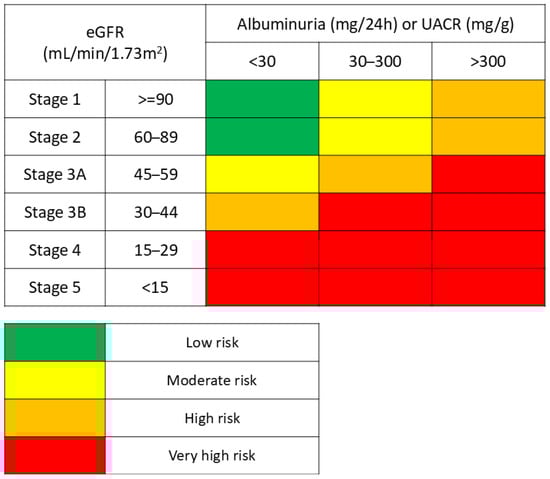
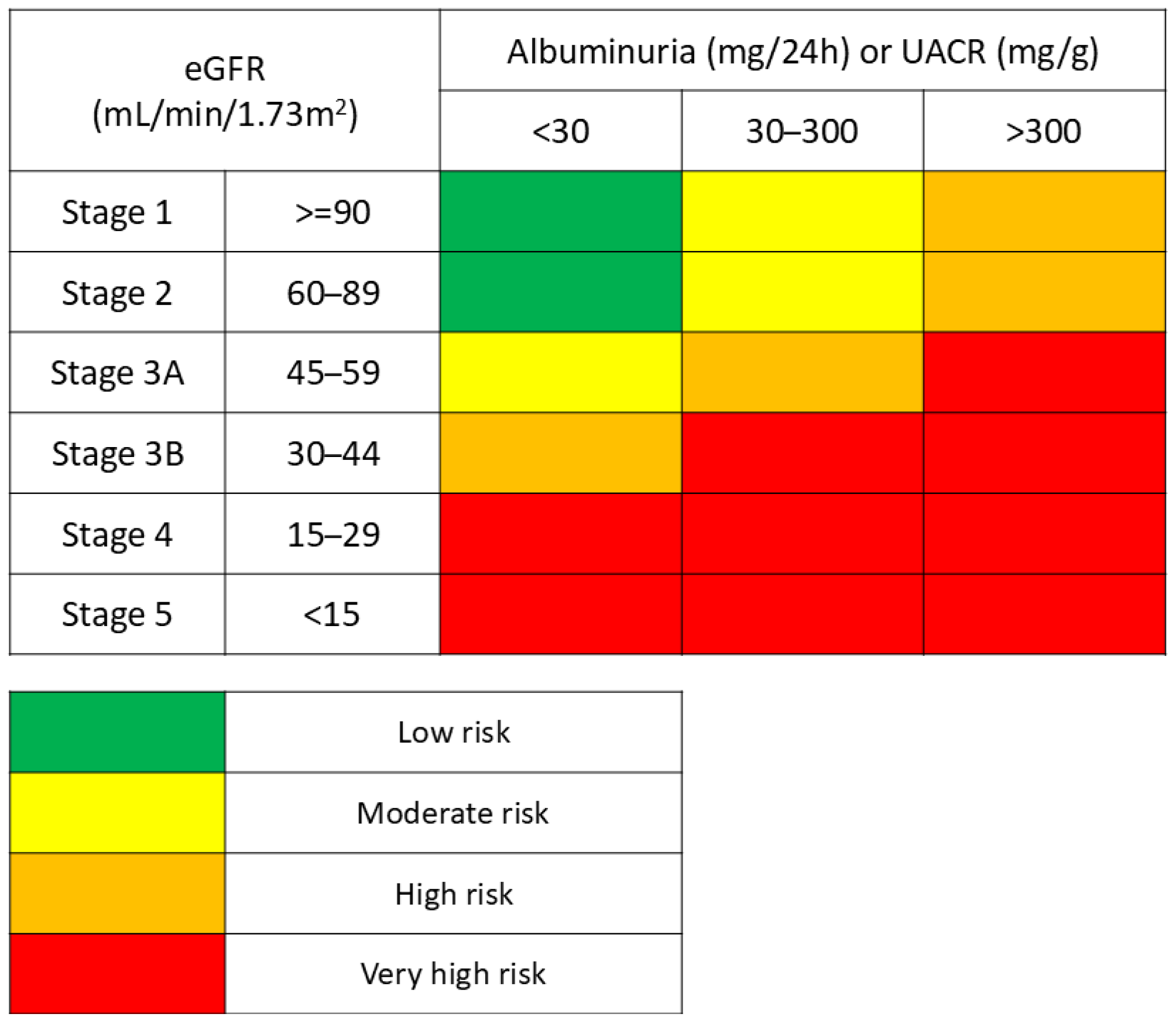
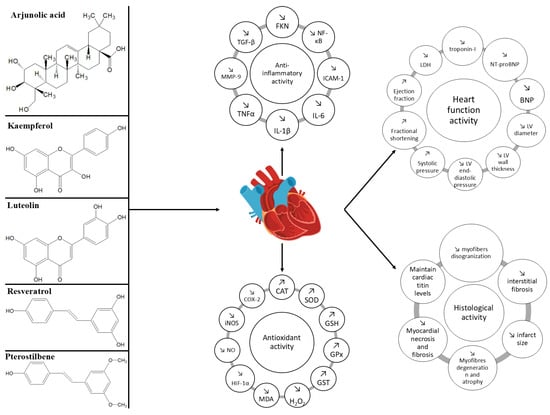
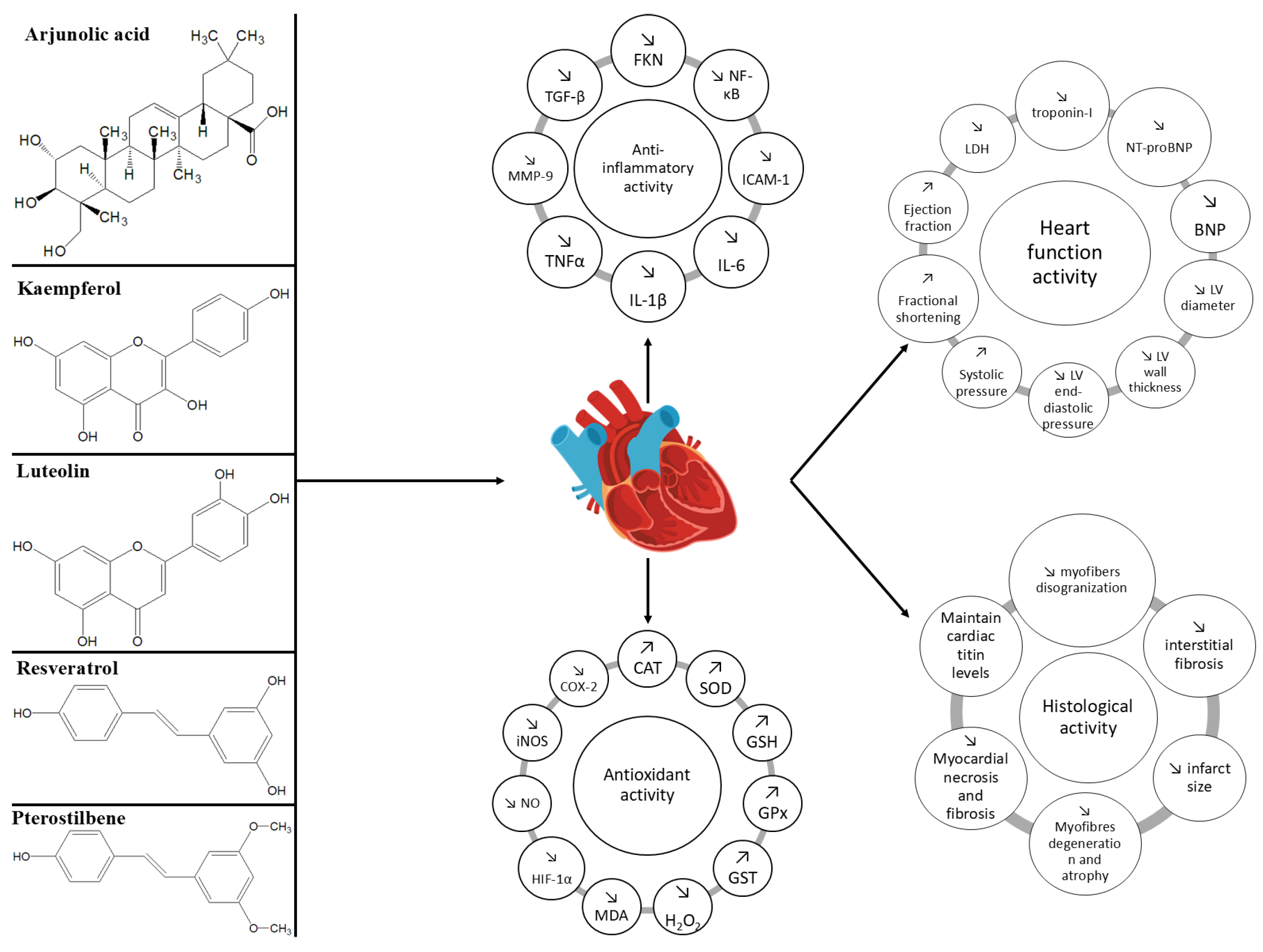
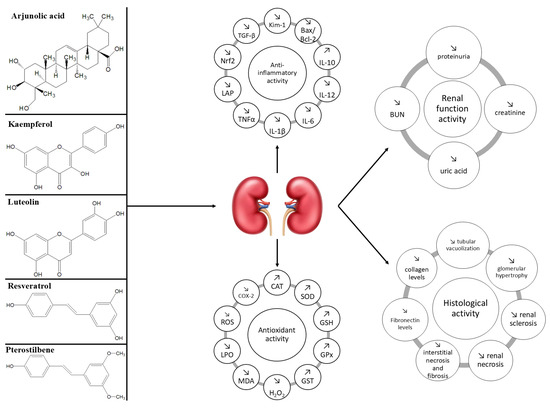
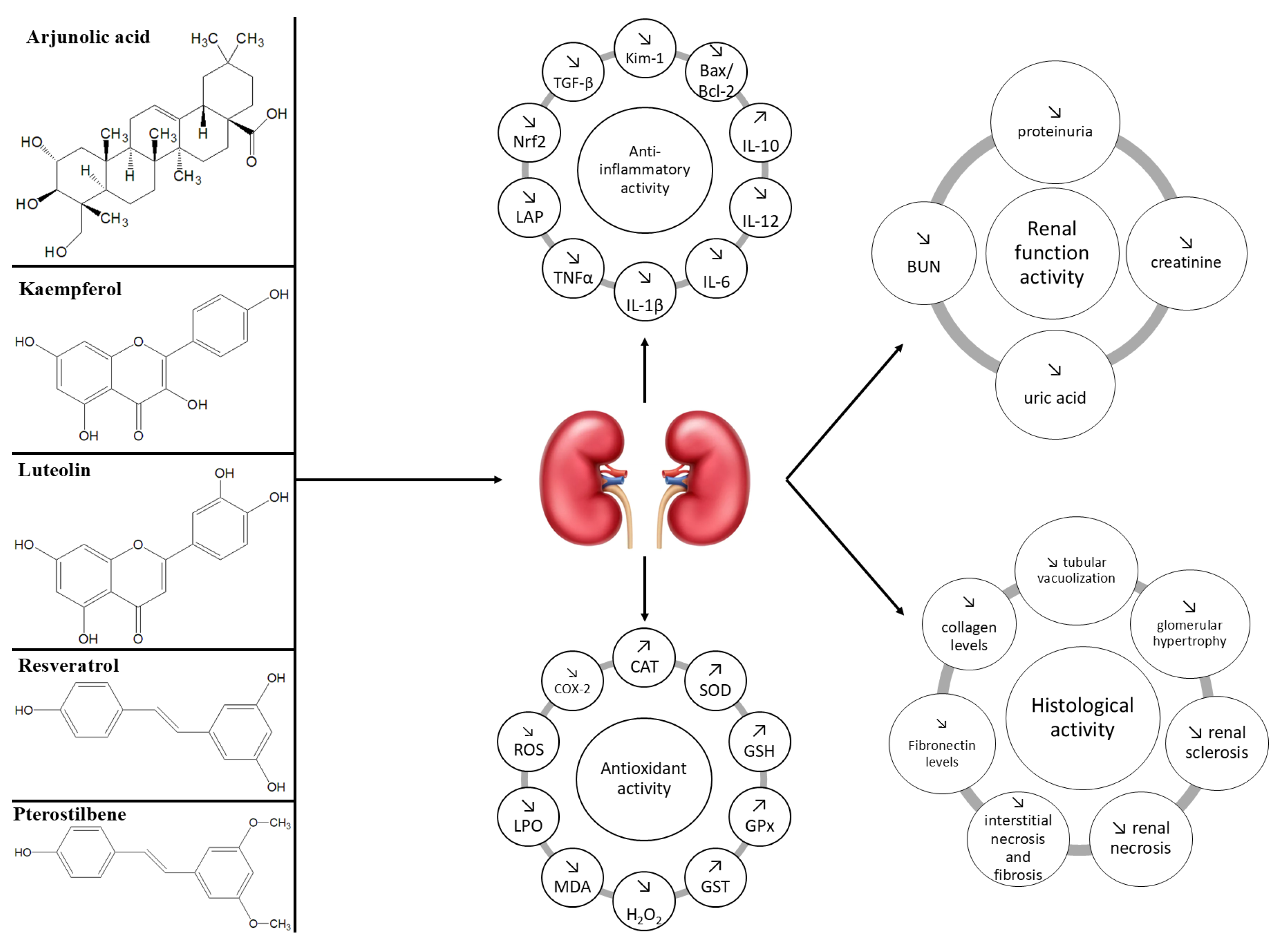
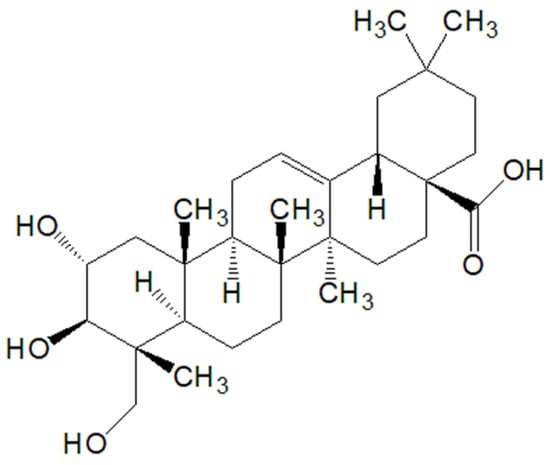
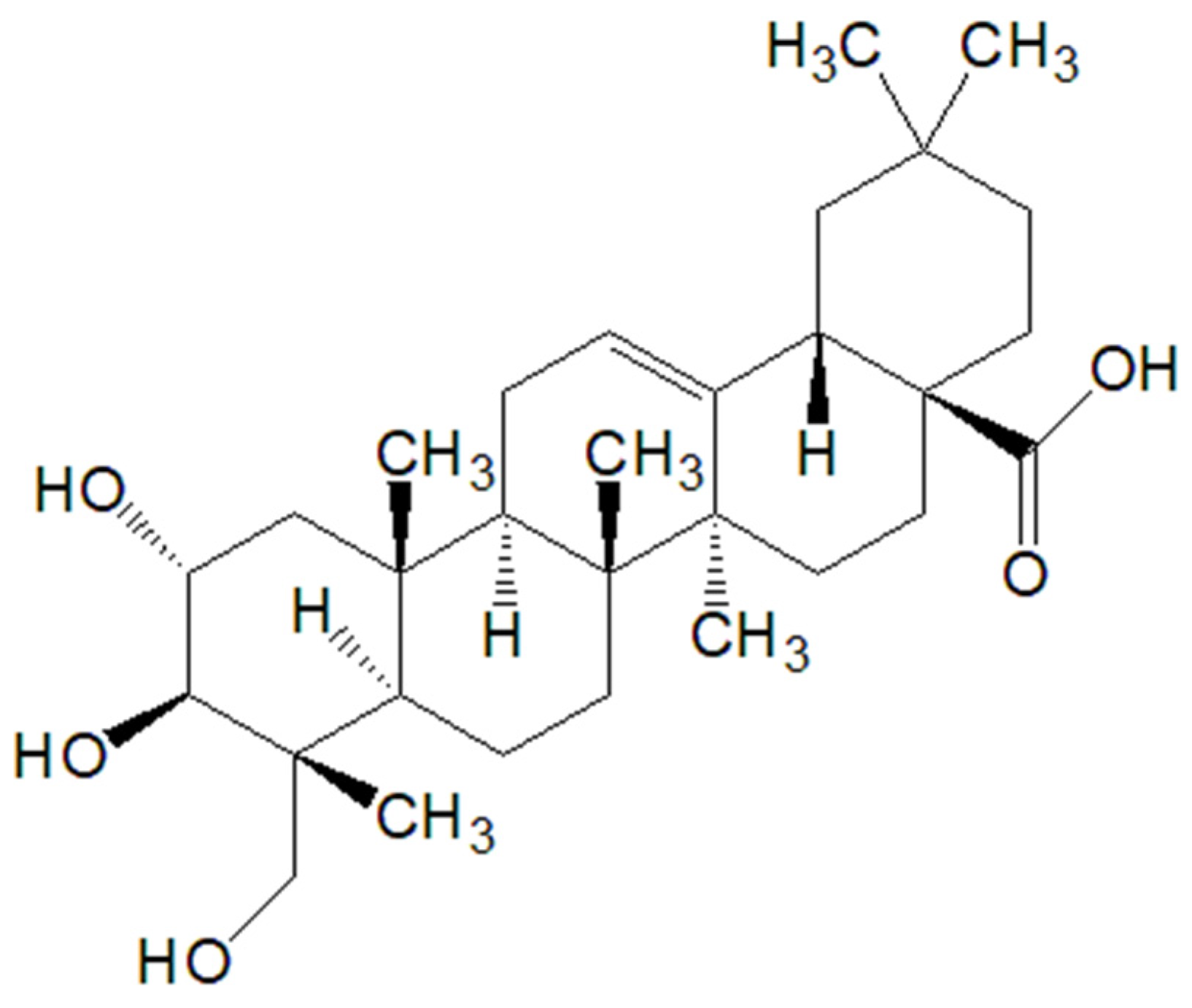
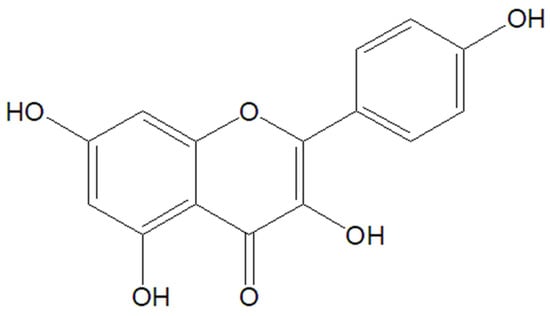
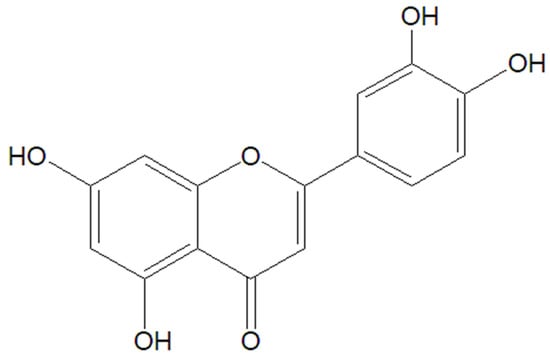
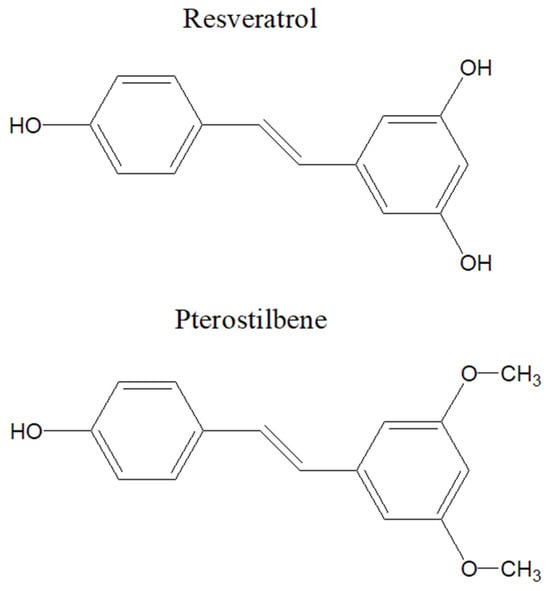
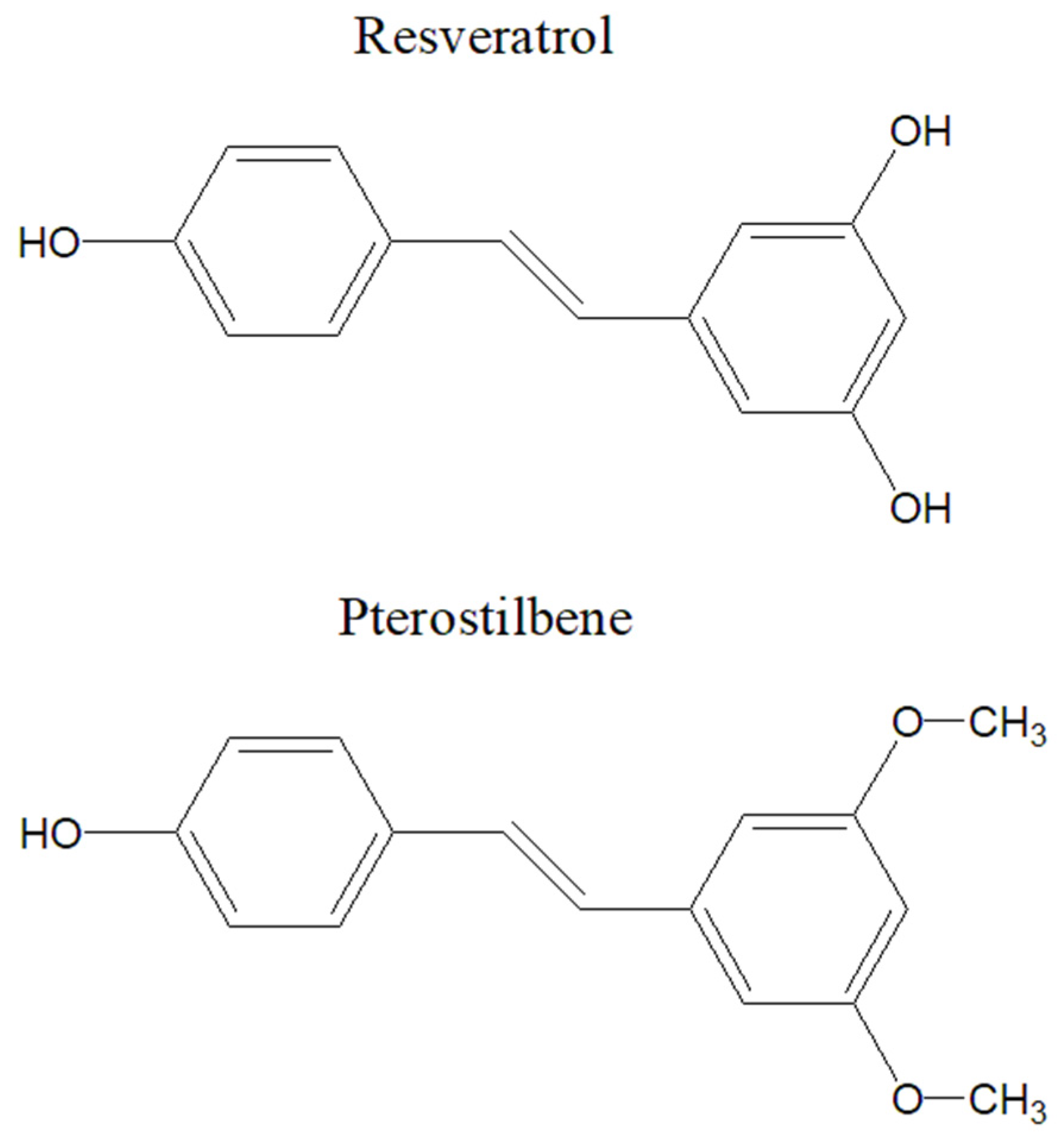

Disclaimer/Publisher’s Note: The statements, opinions and data contained in all publications are solely those of the individual author(s) and contributor(s) and not of MDPI and/or the editor(s). MDPI and/or the editor(s) disclaim responsibility for any injury to people or property resulting from any ideas, methods, instructions or products referred to in the content. |
© 2025 by the authors. Licensee MDPI, Basel, Switzerland. This article is an open access article distributed under the terms and conditions of the Creative Commons Attribution (CC BY) license (https://creativecommons.org/licenses/by/4.0/).