Article

Stability and Existence of Noncanonical I-motif DNA Structures in Computer Simulations Based on Atomistic and Coarse-Grained Force Fields

1
Jerzy Haber Institute of Catalysis and Surface Chemistry, Polish Academy of Sciences, ul. Niezapominajek 8, 30239 Cracow, Poland
2
Department of Theoretical Chemistry, Institute of Chemical Sciences, Faculty of Chemistry, Maria Curie-Sklodowska University in Lublin pl. Maria Curie-Sklodowska 3, 20031 Lublin, Poland
*
Author to whom correspondence should be addressed.
Molecules 2022, 27(15), 4915; https://doi.org/10.3390/molecules27154915

Submission received: 24 June 2022 / Revised: 13 July 2022 / Accepted: 26 July 2022 / Published: 1 August 2022
(This article belongs to the Section Computational and Theoretical Chemistry)

Abstract

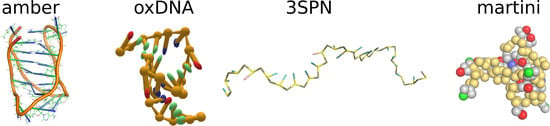
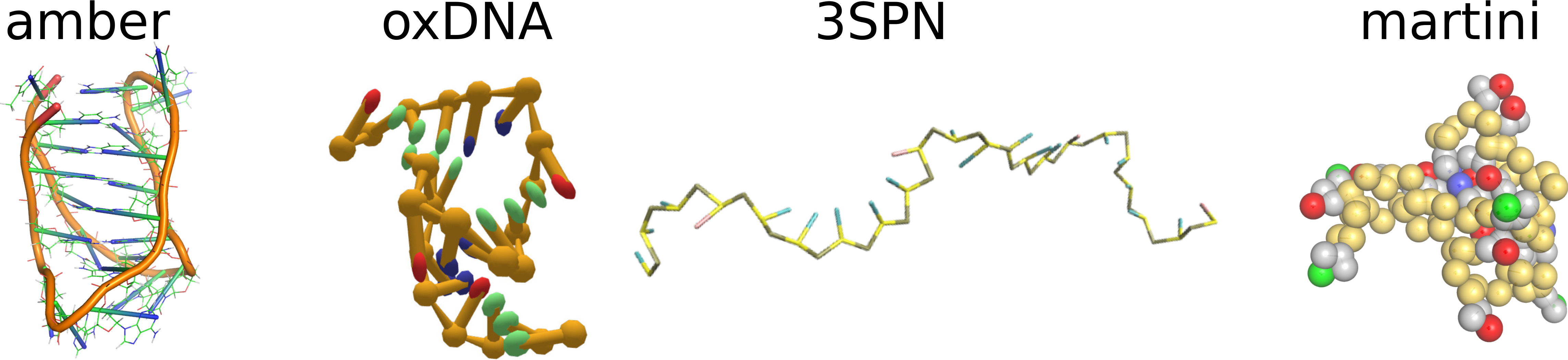
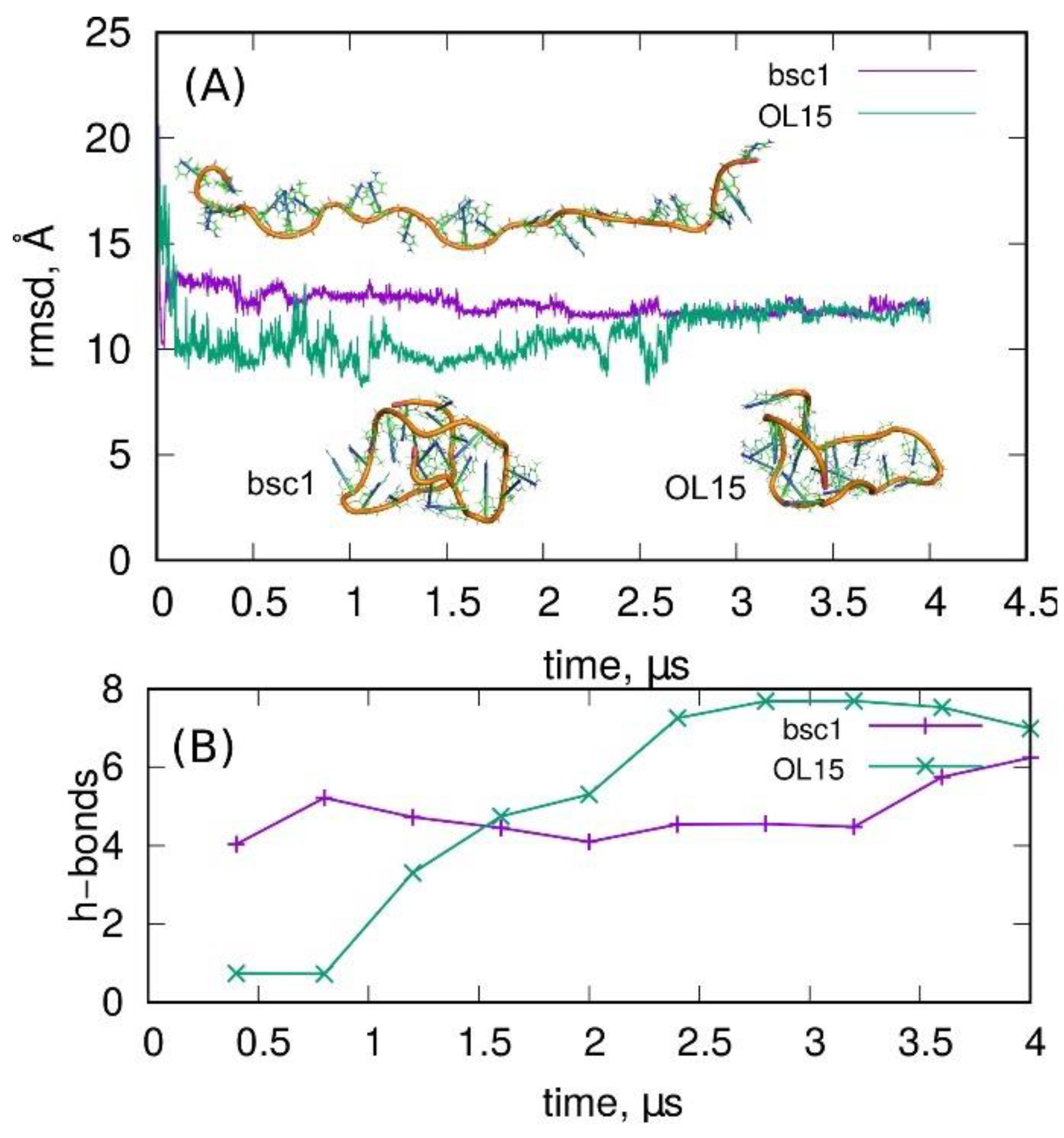
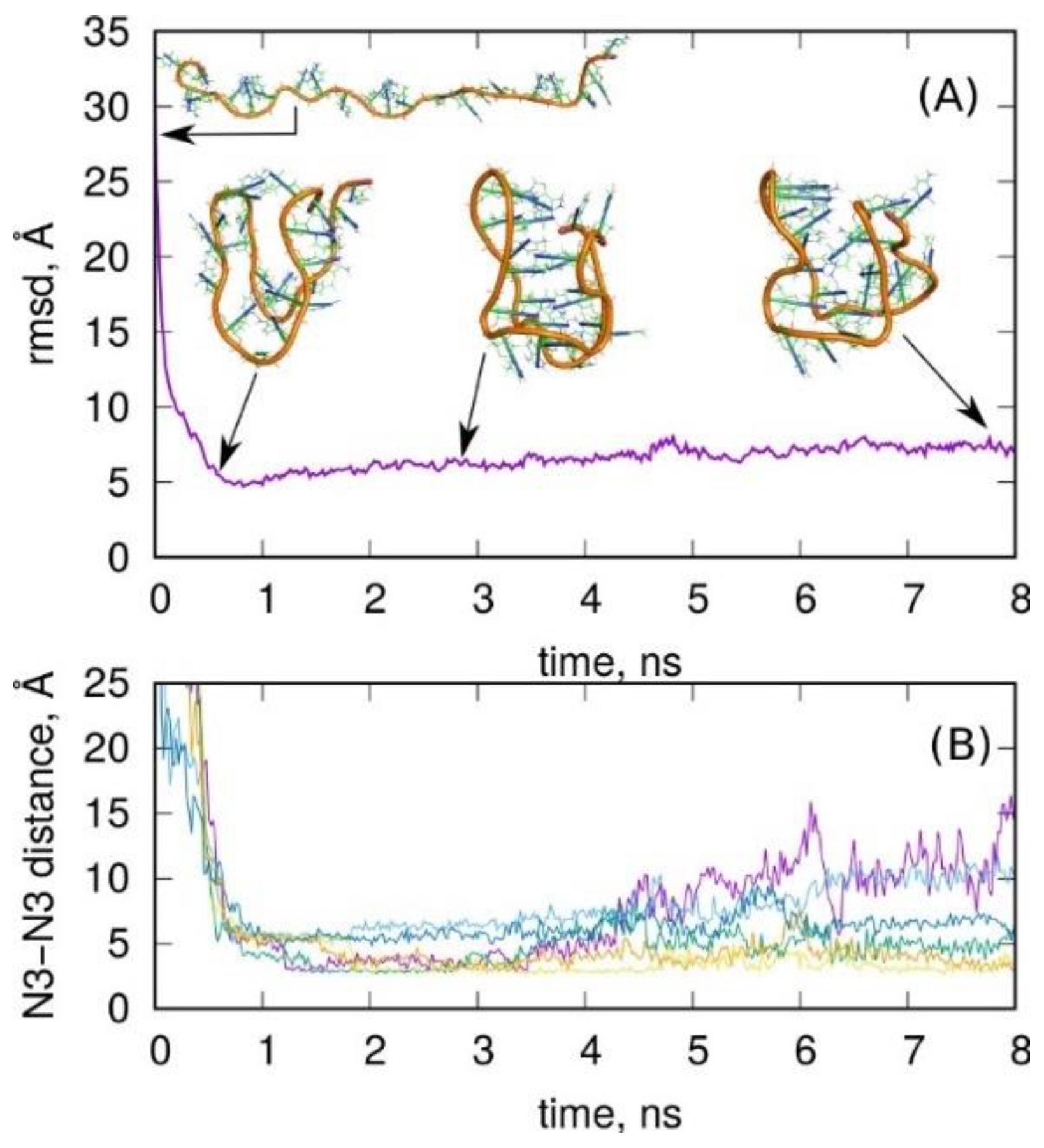
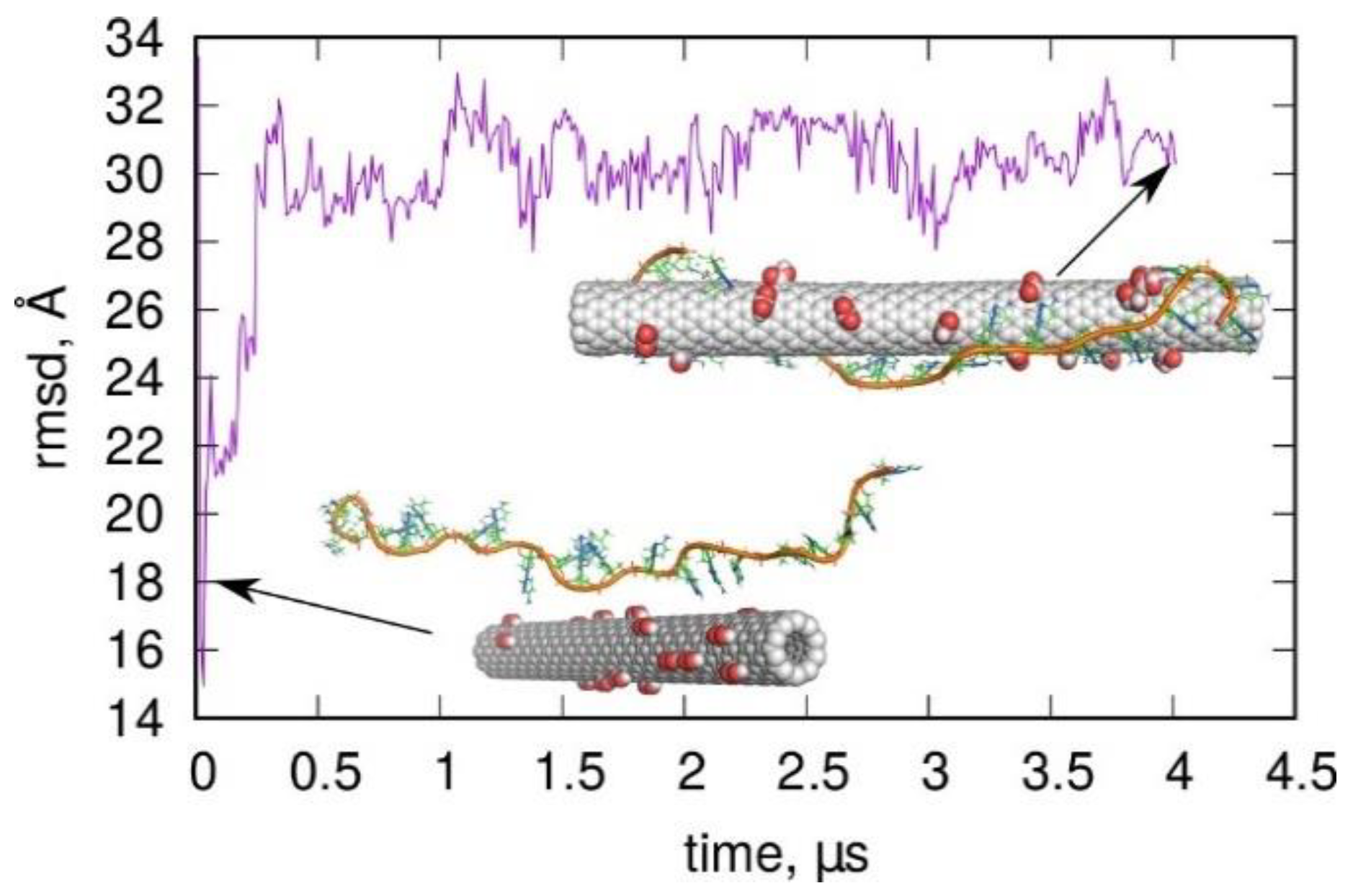
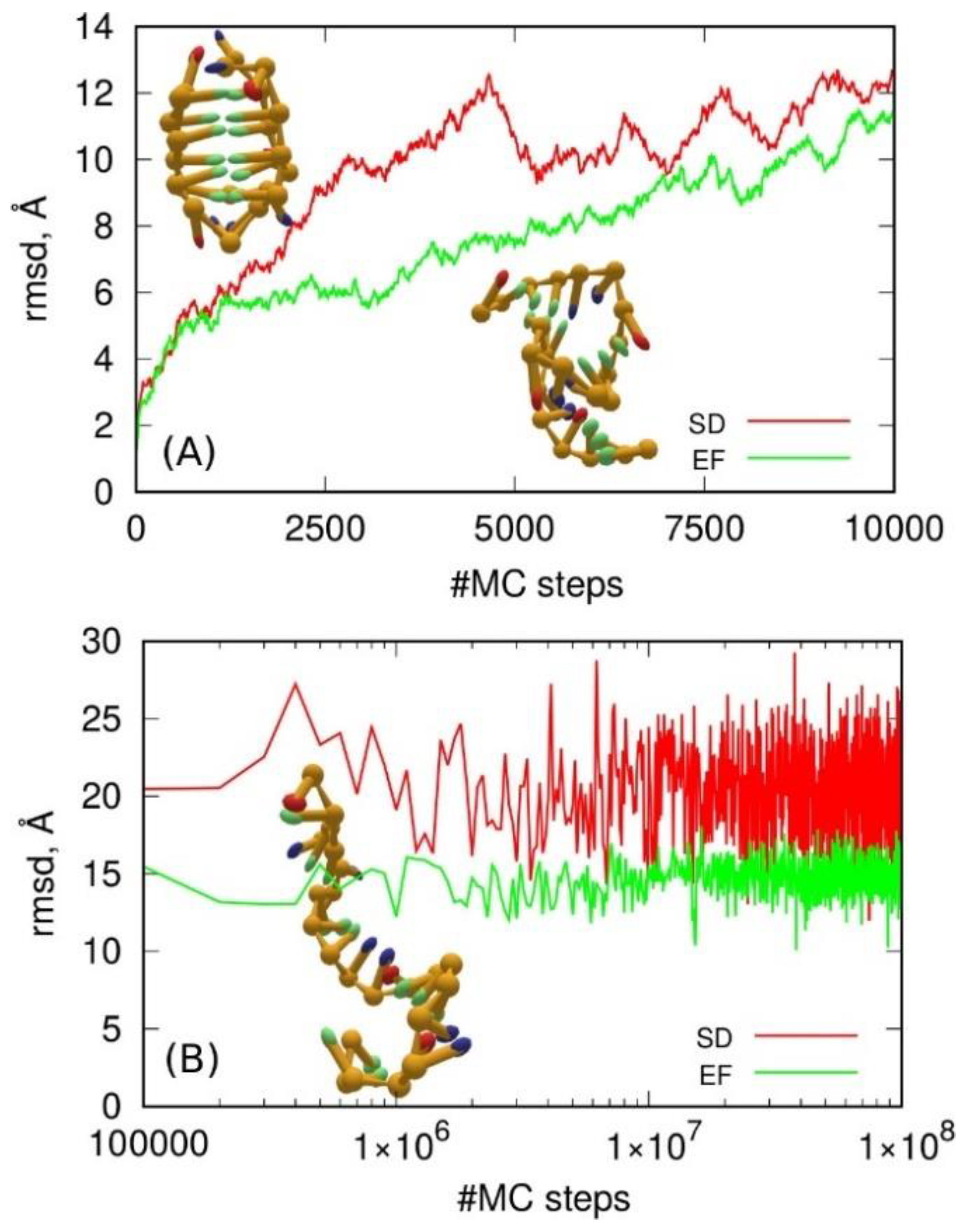
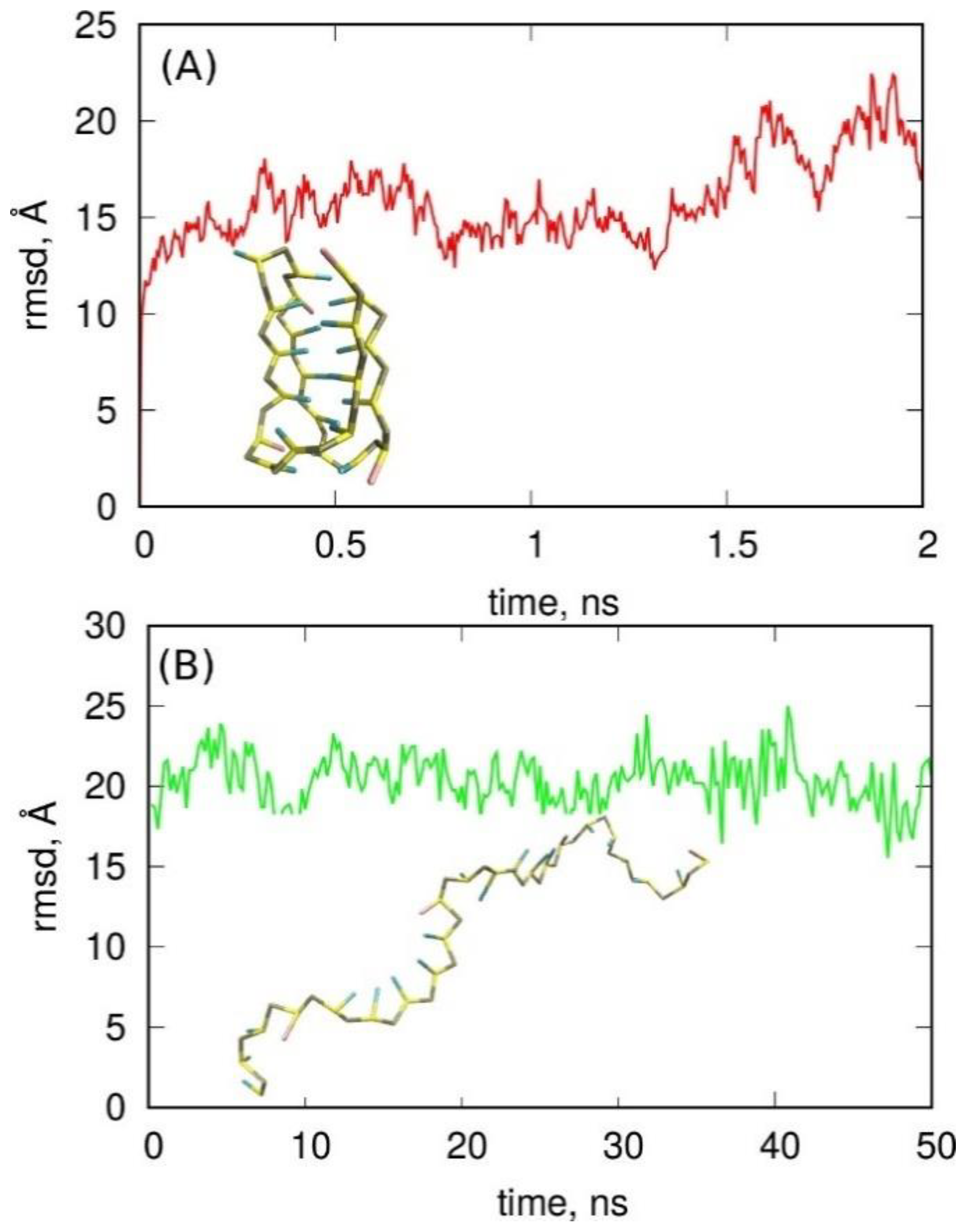
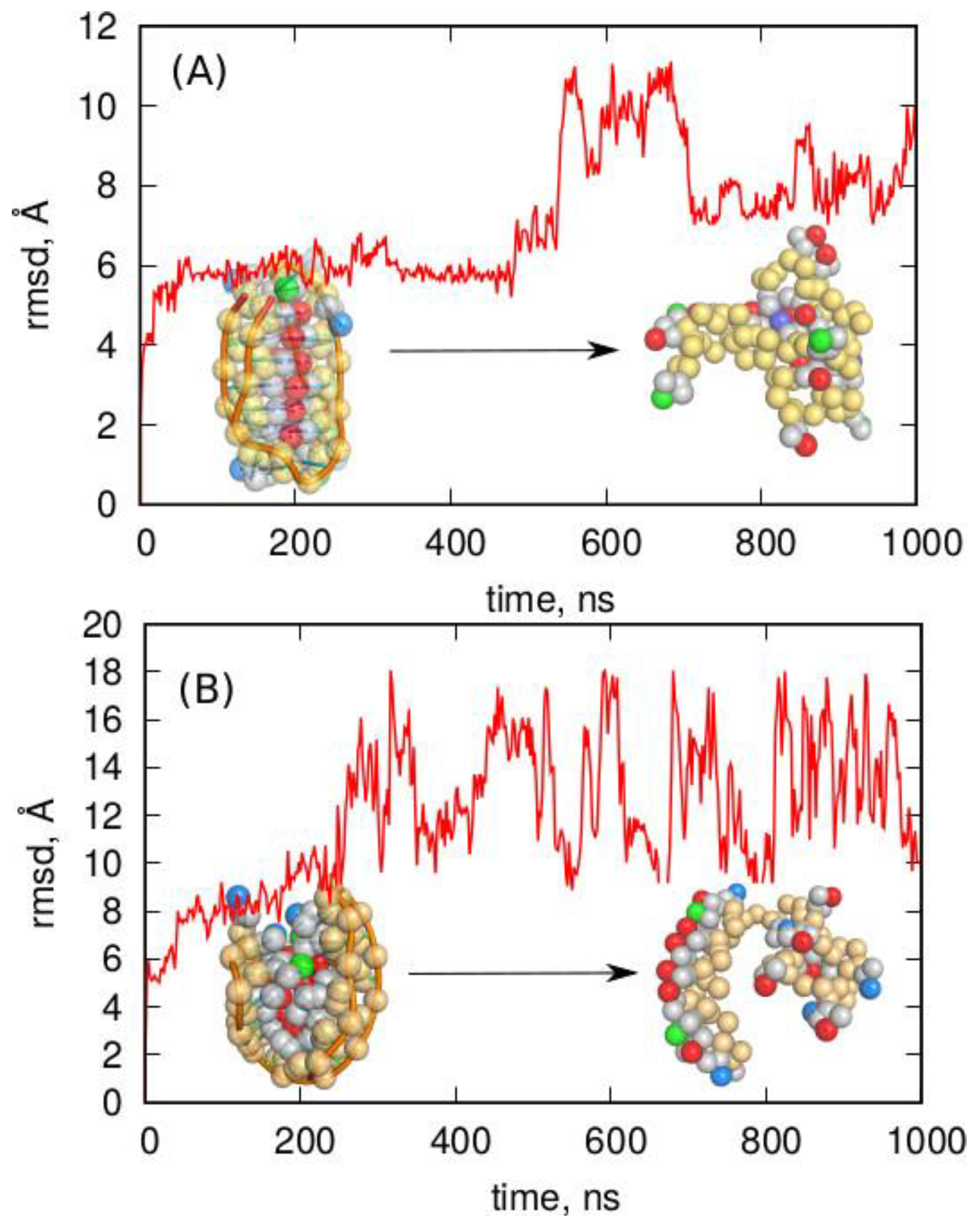
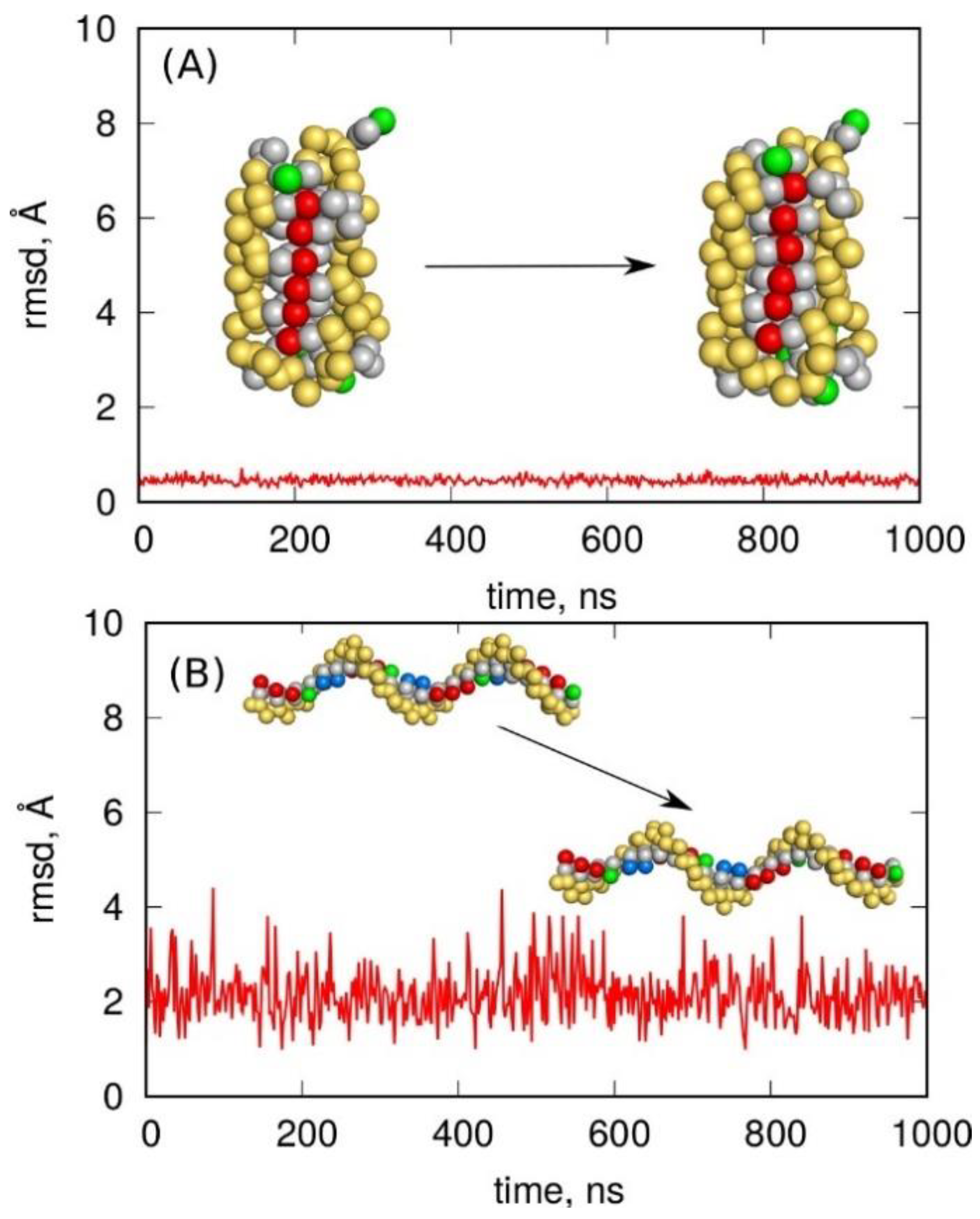
Cytosine-rich DNA sequences are able to fold into noncanonical structures, in which semi-protonated cytosine pairs develop extra hydrogen bonds, and these bonds are responsible for the overall stability of a structure called the i-motif. The i-motif can be formed in many regions of the genome, but the most representative is the telomeric region in which the CCCTAA sequences are repeated thousands of times. The ability to reverse folding/unfolding in response to pH change makes the above sequence and i-motif very promising components of nanomachines, extended DNA structures, and drug carriers. Molecular dynamics analysis of such structures is highly beneficial due to direct insights into the microscopic structure of the considered systems. We show that Amber force fields for DNA predict the stability of the i-motif over a long timescale; however, these force fields are not able to predict folding of the cytosine-rich sequences into the i-motif. The reason is the kinetic partitioning of the folding process, which makes the transitions between various intermediates too time-consuming in atomistic force field representation. Application of coarse-grained force fields usually highly accelerates complex structural transitions. We, however, found that three of the most popular coarse-grained force fields for DNA (oxDNA, 3SPN, and Martini) were not able to predict the stability of the i-motif structure. Obviously, they were not able to accelerate the folding of unfolded states into an i-motif. This observation must be strongly highlighted, and the need to develop suitable extensions of coarse-grained force fields for DNA is pointed out. However, it will take a great deal of effort to successfully solve these problems.
Keywords: i-motif; oxDNA; Martini; 3SPN; Amber; carbon nanotube i-motif; oxDNA; Martini; 3SPN; Amber; carbon nanotube
Graphical Abstract