Article

Calculating the Wasserstein Metric-Based Boltzmann Entropy of a Landscape Mosaic


1
Faculty of Geosciences & Environmental Engineering, Southwest Jiaotong University, Chengdu 611756, China
2
State Key Laboratory of Earth Surface Processes and Resource Ecology, Beijing Normal University, Beijing 100875, China
3
Faculty of Geographical Science, Beijing Normal University, Beijing 100875, China
4
Department of Land Surveying and Geoinformatics, The Hong Kong Polytechnic University, Kowloon, Hong Kong
*
Author to whom correspondence should be addressed.
Entropy 2020, 22(4), 381; https://doi.org/10.3390/e22040381
Submission received: 9 February 2020 / Revised: 13 March 2020 / Accepted: 24 March 2020 / Published: 26 March 2020
(This article belongs to the Special Issue Entropy in Landscape Ecology II)

Abstract

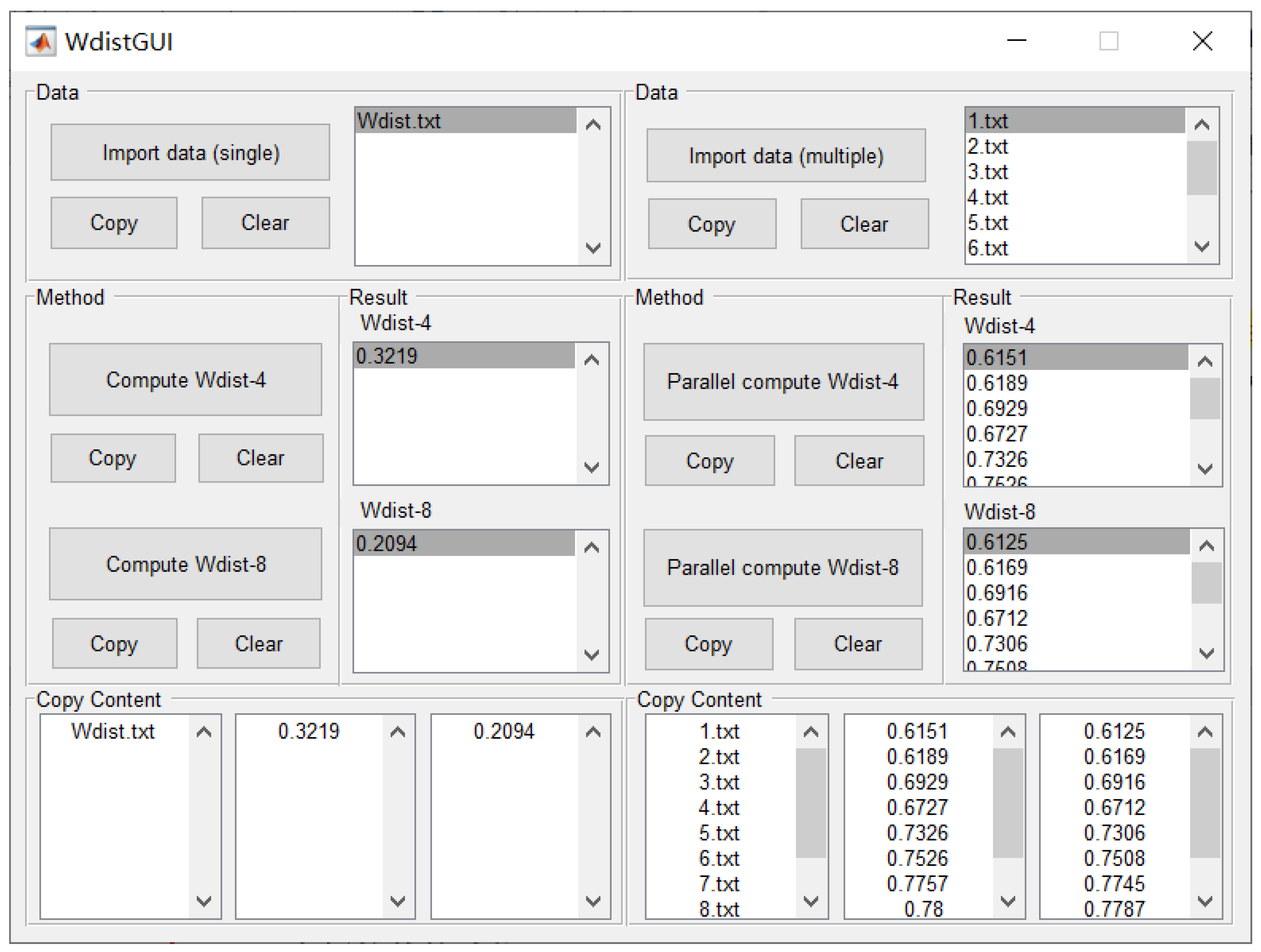
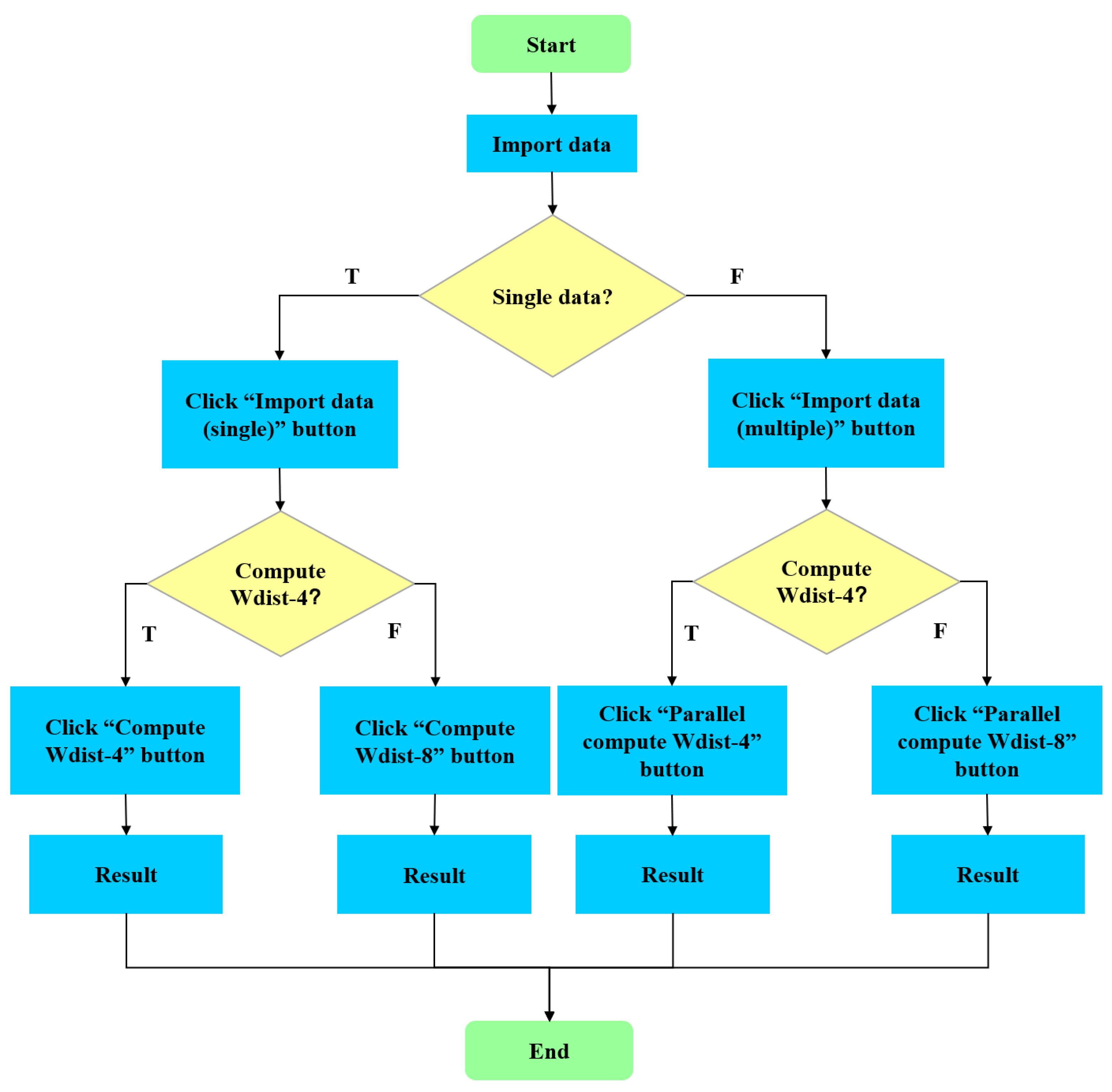
Shannon entropy is currently the most popular method for quantifying the disorder or information of a spatial data set such as a landscape pattern and a cartographic map. However, its drawback when applied to spatial data is also well documented; it is incapable of capturing configurational disorder. In addition, it has been recently criticized to be thermodynamically irrelevant. Therefore, Boltzmann entropy was revisited, and methods have been developed for its calculation with landscape patterns. The latest method was developed based on the Wasserstein metric. This method incorporates spatial repetitiveness, leading to a Wasserstein metric-based Boltzmann entropy that is capable of capturing the configurational disorder of a landscape mosaic. However, the numerical work required to calculate this entropy is beyond what can be practically achieved through hand calculation. This study developed a new software tool for conveniently calculating the Wasserstein metric-based Boltzmann entropy. The tool provides a user-friendly human–computer interface and many functions. These functions include multi-format data file import function, calculation function, and data clear or copy function. This study outlines several essential technical implementations of the tool and reports the evaluation of the software tool and a case study. Experimental results demonstrate that the software tool is both efficient and convenient.
Keywords: landscape; configuration; Boltzmann entropy; Wasserstein metric; software tool; information entropy; configurational entropy; compositional entropy landscape; configuration; Boltzmann entropy; Wasserstein metric; software tool; information entropy; configurational entropy; compositional entropy