


Abstract
The rapid integration of AI customer service in e-commerce raises an important managerial question: Can AI effectively reduce product-related information asymmetry and improve sales performance across different product types? While prior research highlights both the uncertainty-reducing benefits of information and the risks of algorithm aversion, little is known about how AI customer service performs under varying levels of product uncertainty and information asymmetry. Using a difference-in-differences design with fixed effects across time, products, shops, and categories, we examine the impact of replacing customer service with AI on sales outcomes, distinguishing between search and experience goods. We further test how the depth and breadth of product information moderate these effects. Our findings indicate that AI customer service reduces sales for experience goods but not for search goods, unless accompanied by sufficient informational depth and breadth. We argue that this effect arises because AI technically inherits and amplifies the information asymmetry inherent in experience products, while greater informational depth and breadth of product information can mitigate this amplified asymmetry. Additionally, we find that this mitigating effect is more pronounced among products with high return rate. These findings clarify when AI-generated information mitigates product uncertainty and when it exacerbates it. Our results provide actionable guidance for firms seeking to deploy AI strategically in digital commerce environments.
1. Introduction
Artificial intelligence (AI) has emerged as a pivotal infrastructure for information exchange in digital markets [1,2,3]. Among its many applications, AI customer service is increasingly utilized to address consumer inquiries, convey product details, and facilitate purchase decisions [4,5]. By providing continuous availability and standardized responses, AI customer service is widely regarded as an efficient alternative to human agents, leading to its rapid adoption across e-commerce platforms globally. For example, Amazon’s AI assistant can search for products by use case, add items to the cart, check for the best prices, identify top daily deals, auto-purchase at preset prices, and convert handwritten lists into cart items (https://www.aboutamazon.com/news/retail/amazon-rufus-ai-assistant-personalized-shopping-features (accessed on 14 March 2026)). Recent reports indicate that Taobao’s upgraded AI customer service “Dian Xiao Mi 5.0” has demonstrated in pilot tests the ability to enhance store conversion rates by over 35% while simultaneously reducing the transfer rate to human agents by more than 20% (https://finance.sina.com.cn/tech/roll/2025-09-05/doc-infpmuwf0786571.shtml (accessed on 14 March 2026)). Appendix A Figure A1 and Figure A2 illustrate the user interfaces of these two tools.
Despite the rapid adoption of AI customer service in e-commerce, firms face a strategic dilemma: Should AI customer service be deployed uniformly across product categories, or does its effectiveness depend on the nature of product uncertainty and information asymmetry? In particular, while search goods allow consumers to evaluate attributes prior to purchase, experience goods involve higher post-purchase uncertainty [6,7]. It is unclear whether AI reduces this uncertainty effectively, or whether consumers exhibit distrust towards AI in high-uncertainty contexts.
Prior research indicates that AI customer service can enhance efficiency and facilitate decision-making in certain contexts [2,8,9]. However, it may perform inadequately when consumers encounter complex evaluations or heightened uncertainty [10,11]. These contrasting findings suggest that the effects of AI customer service are highly context-dependent. An important yet insufficiently examined context pertains to the differences across product types. Products vary in the extent to which consumers can evaluate quality prior to purchase [6,12]. For search goods, key attributes are relatively observable, whereas for experience goods, quality is difficult to assess without consumption, resulting in higher information asymmetry [12,13]. In such scenarios, interactive information exchange plays a central role in consumer decision-making. AI customer service differs from human agents in this aspect. Instead of interpreting or enriching information, automated AI customer service primarily retrieves and relays seller-provided content in response to consumer inquiries [14]. Consequently, AI customer service may not alleviate information asymmetry for experience goods and may even exacerbate existing informational limitations by transmitting them at scale. Whether this process leads to differential sales effects for experience goods compared to search goods remains an open empirical question.
Existing research also has several additional limitations. First, current studies primarily articulate the negative consequences of AI customer service from the consumer perspective, emphasizing psychological mechanisms such as trust, perceived competence, and algorithm aversion [15,16,17]. While these insights are valuable, they provide limited understanding of how AI customer service influences the transmission of product information during customer interactions. Second, prior research largely treats firms’ utilization of AI customer service as a binary decision [3,18], implicitly suggesting that unfavorable outcomes necessitate a reduced reliance on AI. This perspective neglects the reality that, even after adopting AI customer service, merchants maintain discretion over the content and organization of the product information conveyed to consumers. The extent to which such information disclosure strategies can modify the consequences of AI usage remains largely unexplored.
To address these gaps, we investigate whether AI reduces product uncertainty and information asymmetry in online customer service, and whether this effect systematically differs between search and experience goods. Furthermore, we examine whether the informational depth and breadth of different products moderate this effect. From this perspective, the performance impact of AI customer service depends not only on the type of product but also on the merchant’s information disclosure strategies, which determine the informational depth and breadth available to the AI system. Disclosure depth captures the amount of unique product-related information provided by the seller, while disclosure breadth reflects the diversity of product attributes and informational dimensions covered [19,20].
We test our arguments using quasi-experimental data from 6921 products on a prominent Chinese e-commerce platform that implemented AI customer service to replace human agents. Utilizing a difference-in-differences (DID) design, we demonstrate that the introduction of AI customer service has a significantly more negative effect on the sales of experience goods compared to the sales of search goods, for which no adverse effects are observed. Consistent with our theoretical framework, we further find that greater levels of disclosure depth and disclosure breadth substantially mitigate the negative impact of AI customer service on experience goods. These moderating effects are particularly pronounced for products with higher return rates, where information asymmetry is more severe.
This study makes three significant contributions. First, our analysis reveals a contextual effect of AI customer service on product sales performance. The results indicate that AI customer service reduces the sales of experience goods, while leaving the performance of search goods largely unaffected, thereby clarifying when the use of AI customer service is likely to be beneficial or detrimental. Second, we propose an information-based explanation for this effect, arguing that AI customer service operates as an automated information transmission mechanism that inherits and amplifies the information asymmetries associated with experience goods, ultimately undermining their sales performance. This perspective extends beyond dominant consumer psychological explanations [2,21,22,23]. Third, the study elucidates how merchants can strategically intervene in this information process. By adjusting the depth and breadth of information disclosure, merchants can mitigate the adverse consequences of AI customer service, emphasizing that firms are not merely passive recipients of AI outcomes.
2. Theoretical Foundation and Hypotheses Development
2.1. AI Customer Service in Online Selling
In the online retail environment, generative AI has been extensively utilized across various stages of the retail process, including the pre-purchase, purchase, and post-purchase phases [17]. For instance, during the pre-purchase and purchase stages, chatbot interfaces powered by generative AI autonomously engage with customers, addressing inquiries, and providing product recommendations to facilitate purchasing decisions [8,24]. In the post-purchase stage, generative AI enhances the efficiency and effectiveness of after-sales management responses [25]. By integrating data with machine learning algorithms, AI can also predict whether dissatisfied repeat customers are likely to revise their subsequent ratings upward, thereby enabling firms to manage customer complaints more proactively [26].
Despite the growing body of research on AI customer service in online selling, empirical findings remain mixed. Some studies highlight positive effects, while others reveal potential drawbacks. For example, the real-time responsiveness and high efficiency of AI customer service enable it to perform sales tasks more effectively compared to human agents [8,9,27]. Because consumers often have lower expectations of AI, its implementation can reduce dissatisfaction and negative emotions in adverse situations [2,28]. Additionally, AI is perceived as more objective and neutral than human agents, which can enhance consumer receptiveness to recommendations [16,23]. Conversely, concerns regarding perceived privacy and time risks, alongside technology-related anxiety, can diminish the willingness to utilize AI customer service [18] and undermine trust in brands [3]. In complex or critical interactions, distrust toward AI can lead to lower satisfaction and retention rates [11,29]. Furthermore, emotional states and service failures can exacerbate these negative effects [30], sometimes even provoking adverse consumer behavior [10].
The heterogeneous outcomes indicate that AI customer service is highly context-dependent. Effectiveness varies according to product or brand characteristics. For example, consumers prefer AI support for brands emphasizing competence, while they favor human service for brands that convey sincerity [31]. AI is perceived as more transparent and credible when recommending search products, whereas no significant difference exists for experience goods [16,32]. Task characteristics also play a crucial role. In unfavorable tasks, AI’s perceived impartiality enhances the likelihood of purchase; conversely, in favorable tasks, consumers exhibit a more positive response to human agents [23]. Trust in AI further varies by task type: consumers prefer AI for objective information but favor human agents for subjective content [15]. Additionally, emotional states significantly influence outcomes, with anger reducing satisfaction and purchase intentions during AI interactions [30]. In contrast, other emotions, such as embarrassment or neutrality, yield more moderate effects.
While prior research has acknowledged the context-specific effects, significant gaps remain in the literature. Most studies have focused on consumer experiments that primarily investigate perceptions, satisfaction, and purchase intentions [31,33], leaving the influence on actual product sales insufficiently explored. Furthermore, there is a dearth of research examining how firms can actively manage these effects. Existing mitigation strategies, such as humanization or algorithmic optimization [34], often demand considerable resources and are limited to operators with in-house AI capabilities [3,35,36]. Lastly, prior studies predominantly emphasize consumer-level psychological mechanisms [15,16], neglecting the role of information asymmetry in online environments [12,37]. Given that technological interventions can either mitigate or exacerbate these asymmetries [38,39], information asymmetry emerges as a crucial yet underexplored mechanism that drives heterogeneous outcomes.
2.2. Information Asymmetry in Online Markets
Online markets are significantly affected by information asymmetry, which arises from imperfect information, principal–agent problems, and physical separation between buyers and sellers [40,41]. This asymmetry between merchants and consumers represents a central challenge in online shopping [42,43]. Prior research identifies two primary sources of this information asymmetry.
The first source is related to the seller. Merchants may withhold crucial information regarding product characteristics or future intentions [41]. This type of seller-side information asymmetry can be categorized into two distinct forms. Firstly, hidden information occurs when sellers conceal product-related details, making it challenging for consumers to accurately assess quality prior to purchase (adverse selection) [41]. Secondly, post-transaction asymmetry emerges when consumers are unable to fully observe sellers’ behavior after the purchase, which creates the potential for reduced effort or deviations from commitments (moral hazard) [41,43,44].
The second source of information asymmetry pertains to product attributes, particularly experiential features. Physical separation constrains consumers’ ability to evaluate products prior to purchase, a phenomenon that is particularly pronounced for experience goods [43]. In contrast to search goods, which allow for the assessment of key quality attributes through comparison and evaluation—thereby resulting in lower uncertainty—experience goods can only be fully appraised through consumption. This leads to a higher degree of quality-related information asymmetry [6,12]. Furthermore, experience goods are also subject to matching-related asymmetry [7,39], as consumers often find it challenging to ascertain whether products align with their preferences before making a purchase [7,45].
The rise of digital technologies, particularly AI, has significantly transformed information exchange in online markets. While technology can alleviate consumers’ information scarcity [46,47], it may also inherit and amplify structural asymmetries. For example, online advertising algorithms may prioritize advertisers’ cost-minimization objectives, thereby limiting access to critical information for certain groups [48]. In the healthcare sector, AI systems trained on human-generated data can amplify latent cognitive biases, resulting in distorted judgments [38]. More broadly, machine learning systems that process human language can reproduce historical stereotypes and structural inequalities, leading to systematic and persistent biases [49]. Despite their importance, these technology-induced forms of information asymmetry remain underexplored. As an increasing number of merchants adopt AI customer service to mediate product information, it becomes increasingly critical to examine this mechanism to understand the differentiated effects of AI in online selling.
2.3. AI-Powered Customer Service and Product Sales
For experience products, the use of AI customer service is likely to reduce sales performance due to its exacerbation of information asymmetry. This negative effect can be understood through several interrelated factors that hinder the effectiveness of AI customer service in conveying experiential information.
First, AI customer service is predicated on structured information processing, which limits its ability to communicate the complex and ambiguous information embedded in experience products. Such products are characterized by subjective feelings, emotional responses, and situational experiences that are difficult to fully standardize or structure [7,12]. AI systems typically process information through feature selection, weight allocation, and pattern matching [50,51]. When applied to experience products, this process compresses rich experiential content into simplified representations, weakening subtle distinctions and emotional cues. Furthermore, repeated interactions with AI can further reinforce this simplification over time [38,49], ultimately amplifying pre-existing information asymmetry.
Second, when information is conveyed through AI, experiential products are more likely to suffer from reduced perceived information quality [32]. This phenomenon occurs because consumers tend to question the evaluative capability of systems when they recognize that algorithms are performing tasks that inherently require subjective judgment or contextual understanding. Consequently, this skepticism diminishes their trust in the information provided [11,15,51,52]. Such erosion of algorithmic credibility complicates consumers’ ability to regard AI-generated information as a reliable foundation for decision-making, thereby intensifying information asymmetry concerning experience products.
Third, AI customer service lacks the human judgment cues that are especially valuable in experiential contexts. In human-mediated interactions, empathy, analogical reasoning, and intuitive inference can partially mitigate the uncertainty surrounding experience products [53,54]. Conversely, AI customer service lacks embodied experience and contextual embeddedness, which restricts its ability to convey judgment cues rooted in firsthand experience [51]. As a result, consumers receive less decision-relevant information, undermining sales performance. Consequently, in the context of experience products, the deployment of AI customer service technologically amplifies information asymmetry and leads to negative effects on sales performance.
In contrast, AI customer service is unlikely to influence sales performance for search products. Search products are characterized by objective, verifiable, and highly structured attributes, which can be evaluated prior to purchase [6,12]. These attributes are easily quantifiable and can be effectively communicated. Given AI’s comparative advantage in processing structured information [50], replacing human customer service with AI does not diminish the quantity or quality of decision-relevant information for search products. Appendix A Table A1 presents a structured comparison of AI and human customer service across experience and search products. Therefore, we propose:
Hypothesis 1.
Compared with search products, the use of AI customer service has a more negative effect on the sales of experience products.
2.4. Moderating Effects of Information Disclosure Strategies
Information disclosure strategies refer to the methods employed by online merchants to present product-related information, including the types, amount, and sources of disclosed information [41]. Given the inherent information asymmetry present in online environments, online merchants’ disclosure strategies play a central role in influencing consumers’ purchase decisions [12,55]. In this study, we focus on two key dimensions of information disclosure: depth, which captures the amount and granularity of product-related information, and breadth, which reflects the diversity of information types or sources [19,20]. We argue that an increase in both disclosure depth and breadth can mitigate the negative effect of AI customer service on experiential product sales by improving the interpretability, credibility, and comprehensiveness of experiential information.
Information disclosure depth mitigates the negative impact of AI customer service by enhancing the diagnosticity of product information. Deeper disclosure enables merchants to provide more detailed, layered, and causally structured descriptions, which alleviates the difficulty AI systems face in encoding and conveying experiential attributes [20]. For example, instead of vague claims such as “warm” or “suitable for winter,” merchants can specify insulation materials, applicable temperature ranges, and performance across various usage scenarios. Such fine-grained and causally anchored information is more amenable to algorithmic encoding and transmission [56], allowing experiential attributes that would otherwise depend on subjective judgment to be represented in a more structured manner. By improving the interpretability and diagnosticity of information delivered through AI customer service [50], deeper disclosure reduces information loss arising from excessive abstraction and partially compensates for AI’s limited ability to convey judgment cues grounded in firsthand experience. As a result, information asymmetry in experiential product contexts is diminished. Thus, we propose:
Hypothesis 2.
Higher information disclosure depth weakens the negative effect of AI customer service on the sales of experience products.
Information disclosure breadth mitigates the negative impact of AI customer service by expanding the range of decision-relevant cues available to consumers. Beyond merchants’ self-provided descriptions, broader disclosure incorporates information from multiple sources, such as customer reviews, influencer evaluations, and third-party certifications [57]. The availability of information from diverse sources facilitates cross-validation, which helps reduce consumers’ skepticism toward AI-mediated information when evaluating experiential products [7]. By allowing information from different sources to corroborate one another, broader disclosure also limits biases that may arise from AI-mediated information transmission [38].
Moreover, experience products are characterized by highly heterogeneous consumer preferences, such that different consumers attend to different attributes of the same product [7,58]. Greater disclosure breadth increases the likelihood that at least some of the disclosed information aligns with consumers’ specific concerns. Consequently, when disclosure breadth is high, consumers can rely on multiple complementary cues to form trust and understanding, even when information is mediated by AI customer service. This reduces declines in perceived information quality caused by AI customer service and mitigates the amplification of information asymmetry in experiential product contexts. Thus, we propose:
Hypothesis 3.
Higher information disclosure breadth weakens the negative effect of AI customer service on the sales of experience products.
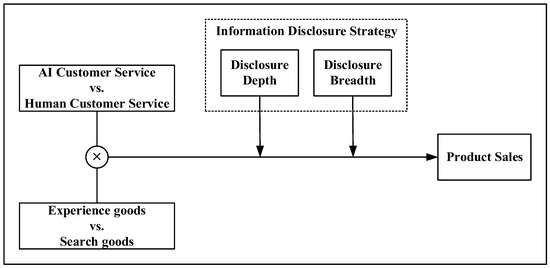
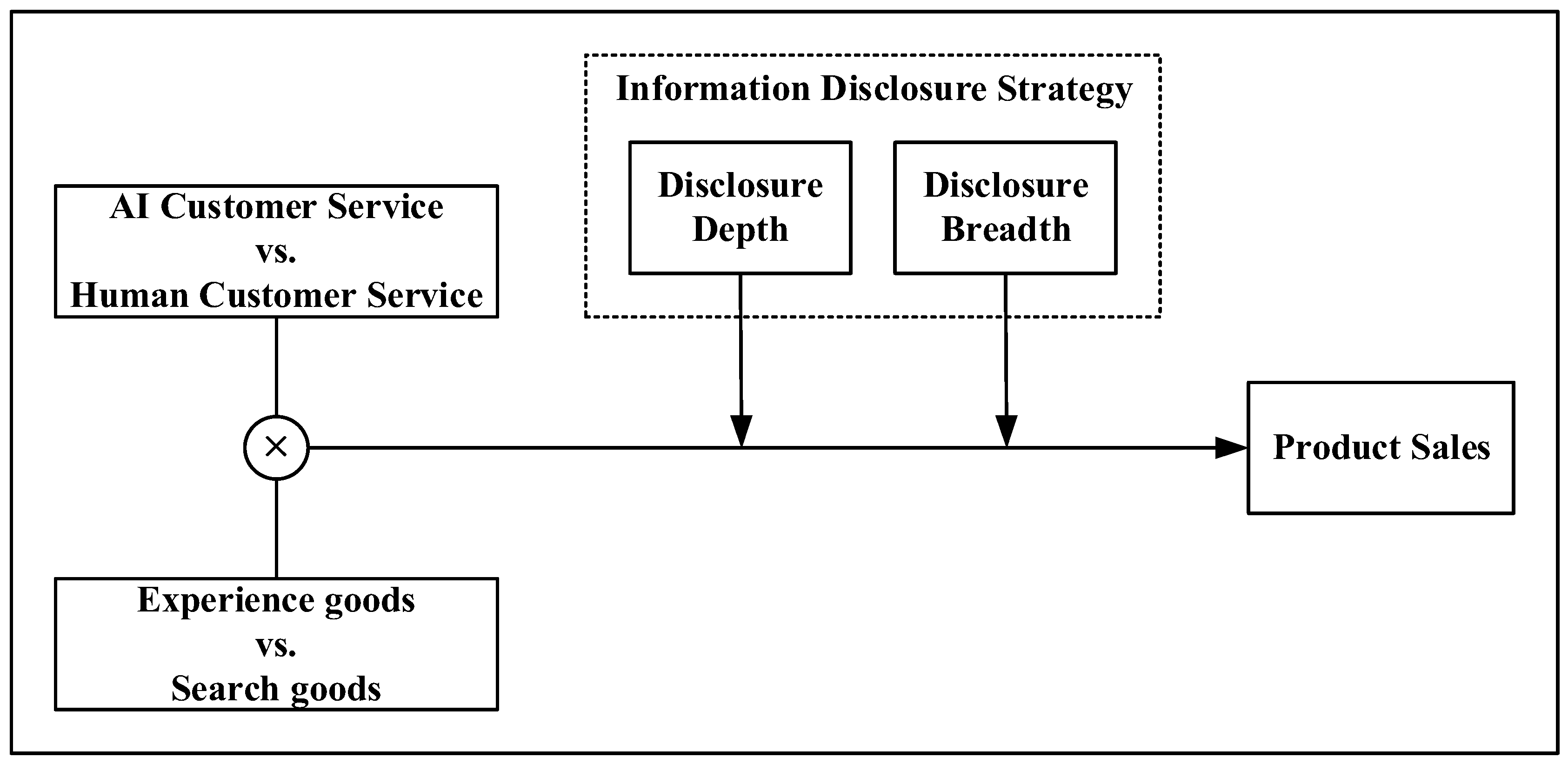
Figure 1 illustrates the theoretical framework of this study.
Figure 1.
Theoretical framework.
3. Methodology
3.1. Research Background
The empirical setting of this study is a large online retail platform in China. Founded in 2009, the platform opened its marketplace to third-party retailers, allowing them to establish independent online stores, list and update products, disclose product information, and interact and transact with consumers.
Between 2017 and 2020, the platform operator independently developed an AI-powered customer service chatbot. The chatbot was trained using platform-generated data and is capable of automatically responding to consumers’ inquiries based on product-related information provided in the backend system. After conducting internal pilot testing and calibration, the platform made the chatbot freely available to all retailers, who could independently decide whether to adopt it. Importantly, the chatbot is fully developed, maintained, and updated by the platform operator, and third-party retailers cannot modify or customize its algorithms. Consequently, the quality and performance of the AI customer service system are standardized across all third-party retailers.
The AI customer service operates as follows. First, retailers independently decide whether to implement the AI customer service, which, if adopted, fully replaces human customer service for all products in the store. Second, the AI system automatically integrates the product information provided by the retailer into the backend system. Third, the AI customer service responds exclusively to consumer-initiated inquiries via the chat interface. Fourth, responses are generated solely based on the product information available in the backend and do not extend beyond what the retailer has disclosed. Finally, all purchase decisions are made independently by consumers.
This setting supports our research design and identification strategy in several ways. First, adoption decisions are made independently by merchants and without restrictions, such as usage fees, contractual constraints, or technical barriers, which minimizes selection bias. Second, the discretion exercised by merchants in their adoption decisions naturally creates a treatment group (products with AI customer service) and a control group (products without AI), facilitating a DID design. Third, since the AI tool is uniform across all merchants, variations in AI quality do not confound the analysis. Finally, the platform offers a diverse range of product categories and rich transactional and informational data, enabling us to distinguish between experience and search products and to examine how merchants’ information disclosure strategies moderate the effects of AI service adoption.
3.2. Sample and Data
We randomly sampled a set of products from the platform’s 2021 data. Following a series of data preprocessing steps, including removing products with zero sales and those exhibiting fraudulent or abnormal sales patterns (e.g., extreme price anomalies or extremely short selling periods), we retained a final sample of 6921 products spanning 53 product categories. Products that initially relied on human customer service and subsequently adopted AI customer service in a given month during 2021 are classified as the treatment group, comprising 4312 products. In contrast, products that never adopted AI customer service during the observation period are classified as the control group, consisting of 2609 products. Among all sampled products, 5196 are categorized as experience products, and 1725 are search products. We collected monthly sales-related data for all sampled products, resulting in a final panel dataset comprising 37,313 product–month observations for empirical analysis. Given that products adopted AI at different times, we employed a staggered DID design for our empirical analysis.
3.3. Measurements
3.3.1. Independent and Dependent Variables
The key independent variable in this study is the adoption of AI customer service. We operationalize AI adoption using a DID indicator constructed as the interaction between Treat and Post. Specifically, Treat equals 1 for products that initially used human customer service and subsequently adopted AI customer service during 2021, and 0 for products that never adopted AI. Post equals 1 for the month of adoption and all subsequent months, and 0 for all prior months. For non-adopters, Post is 0 in all periods. Accordingly, the DID indicator captures whether a given product uses AI customer service in a given month. The dependent variable is Product Sales, measured as the natural logarithm of each product’s monthly sales revenue.
3.3.2. Moderating Variables
Following Nelson [12], we classify product attributes into search and experience categories. Search products are those with objective attributes whose quality can be evaluated prior to purchase (e.g., books and basic electronic products), whereas experience products are characterized by attributes that can only be fully assessed through consumption or use (e.g., apparel and hotels) and thus involve greater subjectivity. Based on this classification, we construct a binary indicator, Experience, which equals 1 for experience products and 0 for search products. Appendix A Table A2 reports the detailed classification of products in our sample.
We characterize merchants’ product information disclosure strategies along two dimensions: depth and breadth. Information disclosure depth reflects the extent to which sellers provide fine-grained, specific, and diagnostic information about a product’s key attributes, reflecting how thoroughly each attribute is described [19,20]. We measure disclosure depth as the average number of unique, product-related information elements associated with each product, with higher values indicating greater depth.
Information disclosure breadth reflects the diversity of product-related information, capturing the range of distinct attributes, aspects, or information sources associated with a given product [19]. Shannon entropy is a widely used measure of information diversity that captures the dispersion of information across categories [59,60], calculated as:
where represents the probability of observing information of type i. Higher values of H(x) indicate a more even distribution of information across categories, reflecting greater disclosure breadth, while lower values reflect concentration in fewer categories and lower diversity.
To operationalize disclosure breadth, we first use text-mining techniques to segment and identify all information elements disclosed for each product. We then compute Shannon entropy based on these elements to quantify the diversity of merchants’ information disclosure strategies.
3.3.3. Control Variables
We include a set of time-varying control variables that may affect product sales. First, we control for the overall volume of consumer demand on the platform (platform demand) to account for demand-side fluctuations driven by marketing campaigns or changes in aggregate demand [61]. Second, we control for product-level factors, including price discount, product return, and consumer review, which influence purchase decisions and reflect product performance [53,57]. Third, we account for competitive intensity within the same product category (peer competition), capturing the effect of category-level competition on sales outcomes [62]. Month, store, and product category fixed effects were included, with standard errors clustered at the product level. Table 1 reports descriptive statistics and the correlation matrix for all variables. Appendix A Table A3 summarizes the variable operationalization.
Table 1.
Correlation matrix (N = 37,313).
3.4. Coarsened Exact Matching Between Treatment and Control Groups
To address potential endogeneity concerns in testing our hypotheses, we employ Coarsened Exact Matching (CEM) to preprocess the sample [63,64]. CEM improves causal inference by reducing covariate imbalance between treated and control groups prior to estimation. We consider CEM covariates at three levels. At the product level, we match on product category, product price, and product quality (proxied by the return rate). At the consumer level, we include the level of customer reviews, and customer demand intensity (measured by the product’s annual number of orders). At the store level, we control for store size, measured by annual sales revenue.
Table 2 reports the L1 statistic after CEM. The L1 statistic provides a comprehensive measure of global imbalance, calculated as the L1 distance between the multidimensional histograms of all pretreatment covariates in the treated and control groups [64]. As shown in Table 2, the multivariate L1 statistic decreases substantially from 0.665 before matching to 0.198 after matching, indicating a significant improvement in covariate balance between the treatment and control groups. As a result of the matching procedure, the total number of observations decreases from 37,313 to 25,692. In addition, Appendix A Table A4 reports univariate imbalance before and after matching. The results show that the imbalance across all six covariates is substantially reduced after matching.
Table 2.
Results of coarsened exact matching.
In the subsequent analyses, to further ensure the robustness of our findings, we conduct the main regression analyses using both the full sample and the CEM-matched sample.
3.5. Model Specification
To examine the differential effects of AI customer service on the sales of experience and search products, we specify the following baseline empirical model:
where denotes the sales performance of particular product i at month t; index the interactive term between treat and post. The coefficient on captures the differential sales effect of AI customer service on experience products relative to search products. We employ a four-way fixed effects specification to address potential sources of unobserved heterogeneity. Specifically, product fixed effects Ii control for time-invariant characteristics specific to each product; month fixed effects Tt absorb temporal shocks common across firms (e.g., seasonality or macroeconomic factors), category fixed effects Cc capture structural differences across product categories, and store fixed effects Ss absorb time-invariant differences across the stores to which products belong. Additionally, CVit denotes a vector of control variables, and εit represents the error term.
4. Results
4.1. Hypothesis Tests
4.1.1. Main Results
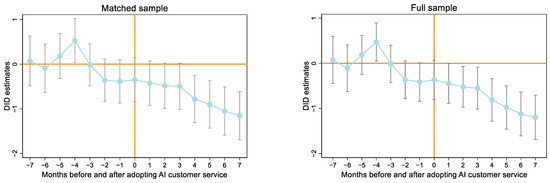
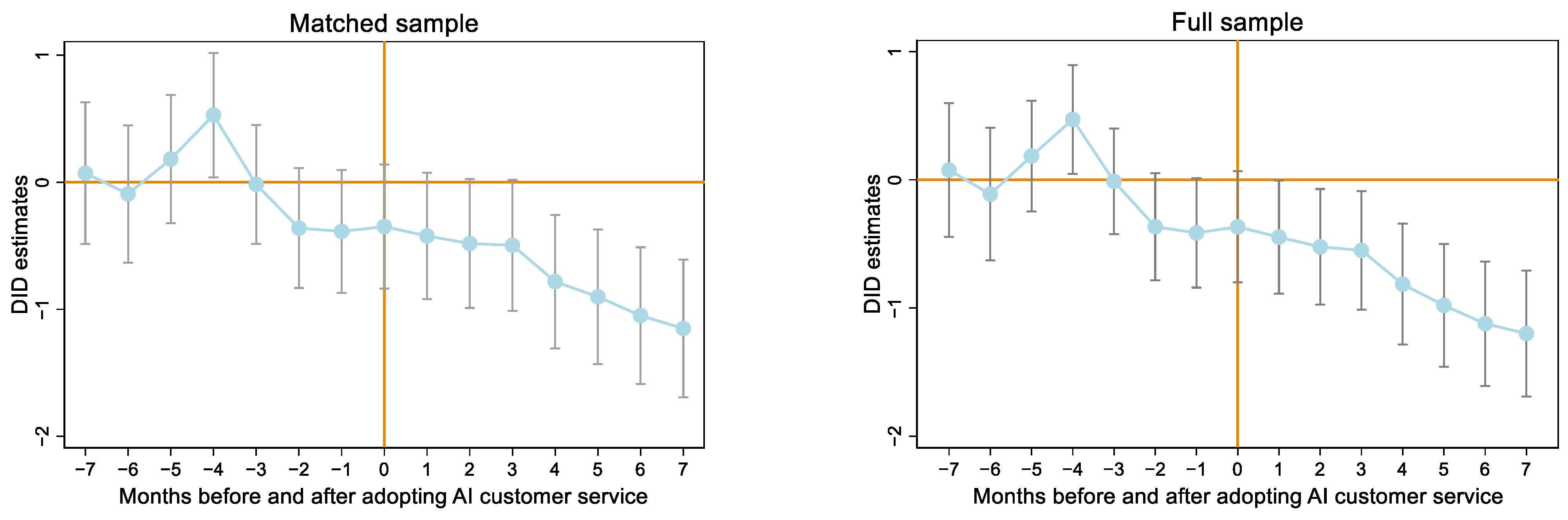
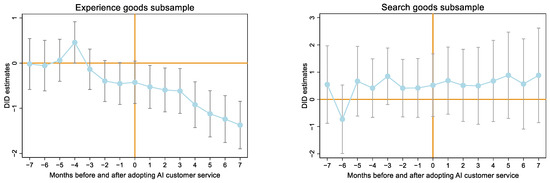
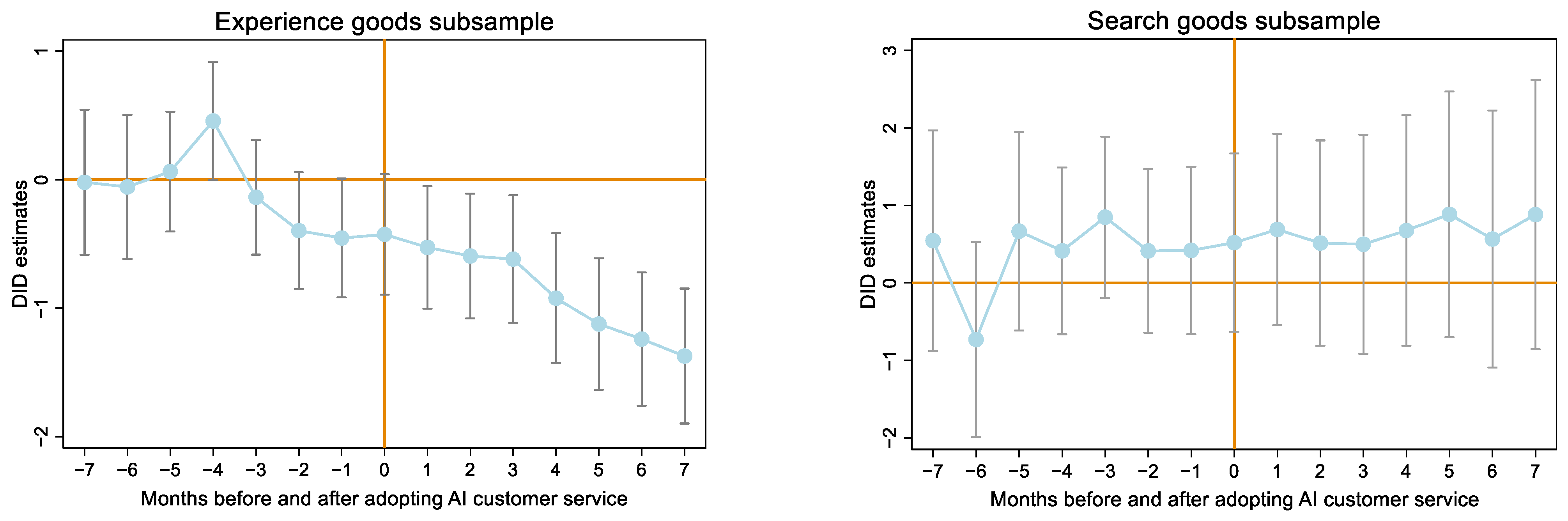
A key identifying assumption of the DID approach is that, prior to treatment, the treatment and control groups follow parallel trends [65] (pp. 241–246). To assess this assumption, we construct event-time graphs that depict dynamic treatment effects across periods relative to the timing of AI customer service adoption. We conduct parallel trends tests separately for the full sample, the matched sample, the experience product subsample, and the search product subsample. The results are presented in Figure 2 and Figure 3. As illustrated in these Figures, there are no statistically significant differences in pre-treatment sales trends between the treatment and control groups across all the samples, indicating that the parallel trends assumption is satisfied. Furthermore, sales exhibit a significant downward trend in the full sample and among experience products after the adoption of AI customer service, which aligns with our theoretical expectations.
Figure 2.
Parallel trends test for matched sample (left) and full sample (right).
Figure 3.
Parallel trends test for experience goods subsample (left) and search goods subsample (right).
We subsequently conduct the main regression analyses utilizing both the full sample and the CEM-matched sample. The results are reported in Table 3. Models 1 and 3 focus solely on the main effect of AI customer service on product sales, while Models 2 and 4 additionally incorporate the interaction between AI customer service and product type to assess the differential effects on experience products. Overall, the findings derived from both the full sample and the matched sample are highly consistent, indicating that our results are robust and unlikely to be driven by sample selection bias.
Table 3.
Main results.
As shown in columns (3) and (6) of Table 3, the coefficient on the interaction term DID × Experience is negative and statistically significant (β = −0.554, p < 0.01), and its sign is opposite to that of the main DID effect. This result indicates that the negative effect of AI customer service is predominantly observed in experience products. Overall, the evidence provides robust support for H1.
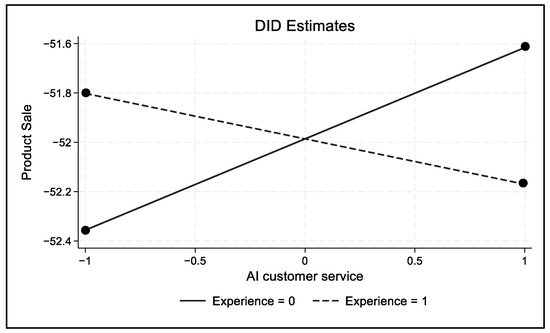
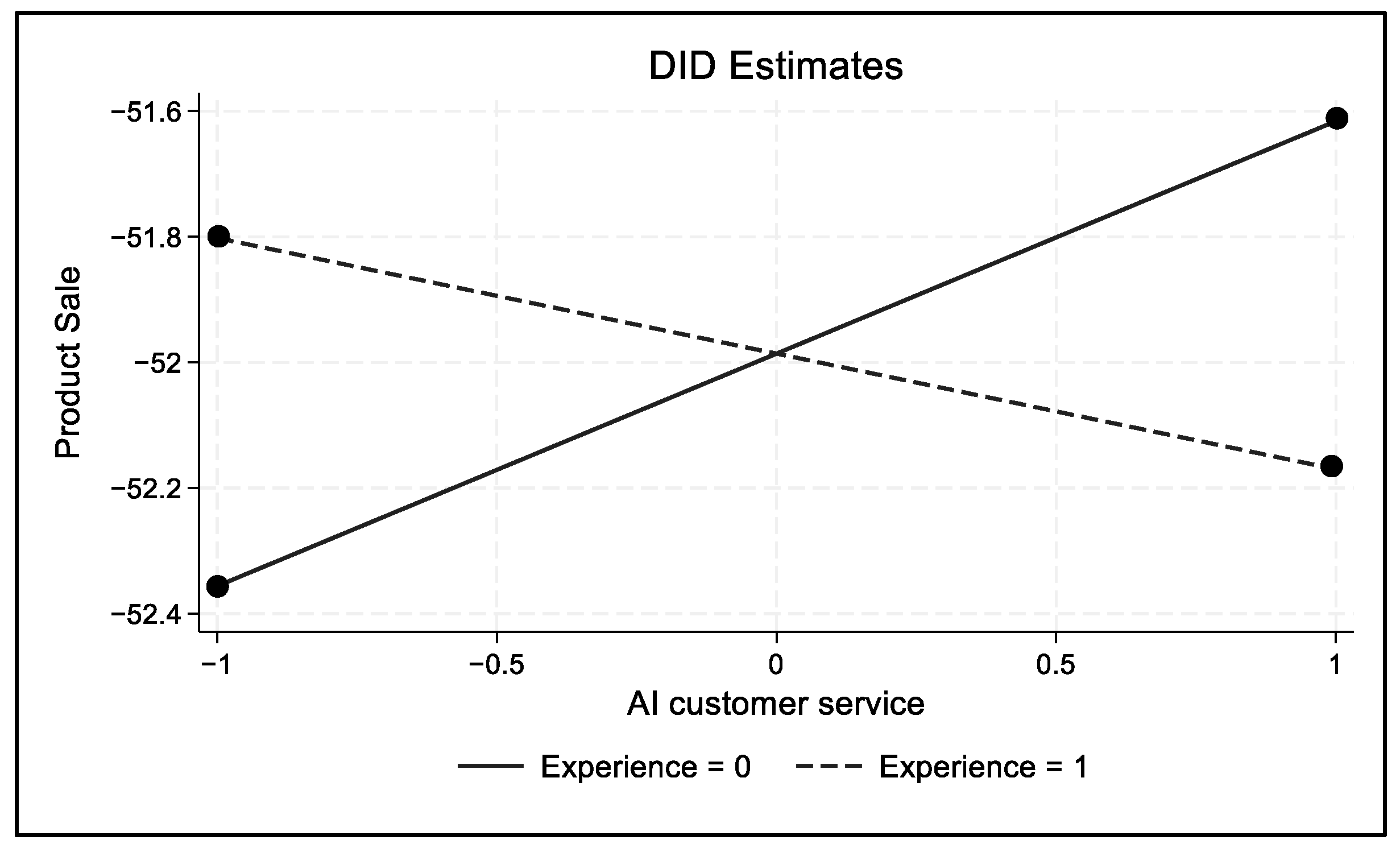
To illustrate the distribution of this moderating effect, we plotted the interaction between AI customer service and experience products in Figure 4. As the experiential attribute variable Experience transitions from 0 to 1, the relationship between AI customer service and product sales shifts from positive to negative, indicated by a reversal in the slope.
Figure 4.
Moderating effect of product attribution.
Furthermore, we conduct subsample analyses by estimating separate regressions for experience products and search products. The results, reported in Appendix A Table A5, reveal that substituting human customer service with AI customer service has a significantly negative effect on the sales of experiential products, whereas no significant effect is observed for search products. These findings further substantiate our argument.
4.1.2. Endogeneity Concerns
To further address potential endogeneity concerns in our model, we conduct an instrumental variable (IV) analysis. We utilize peer adoption of AI customer service at the category level as an instrument, measured as the monthly proportion of same-category products adopting AI customer service. This instrument satisfies both the relevance and exclusion restrictions. The peer adoption rate is directly correlated with the likelihood of a focal product adopting AI customer service, while it does not exert a direct influence on the focal product’s sales outcomes, except through its impact on the focal product’s AI adoption decision.
Table 4 reports the results of the instrumental variable analysis. In the first stage, the coefficient for the Peer Rate is positive and statistically significant (β = 0.505, p < 0.01), confirming the relevance of the instrument. Moreover, the Kleibergen–Paap Wald rk F statistic is well above the conventional threshold of 10, alleviating concerns about weak instruments [66]. In the second stage, the treatment effect of AI customer service remains negative and statistically significant (β = −0.984, p < 0.01). The moderating effect of product experiential attributes also remains significant (β = −0.924, p < 0.01). These results indicate that our main findings remain robust after accounting for potential endogeneity concerns.
Table 4.
Results of the instrumental variable analysis.
4.1.3. Robustness Tests
We conduct two sets of robustness checks. First, we employ an alternative dependent variable by replacing monthly sales revenue with the monthly number of orders. The results are reported in Appendix A Table A6. As shown in columns (2) and (4) of the table, after substituting the dependent variable, the coefficient on the interaction term DID × Experience remains statistically significant in both the full sample and the matched sample. These results further reinforce our main conclusions.
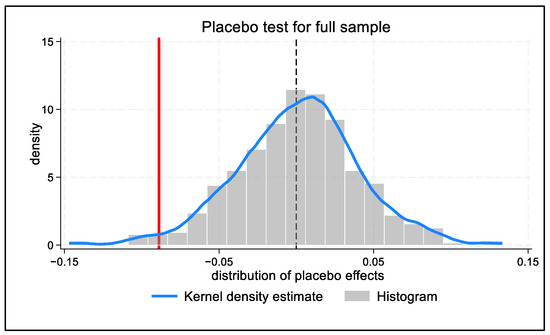
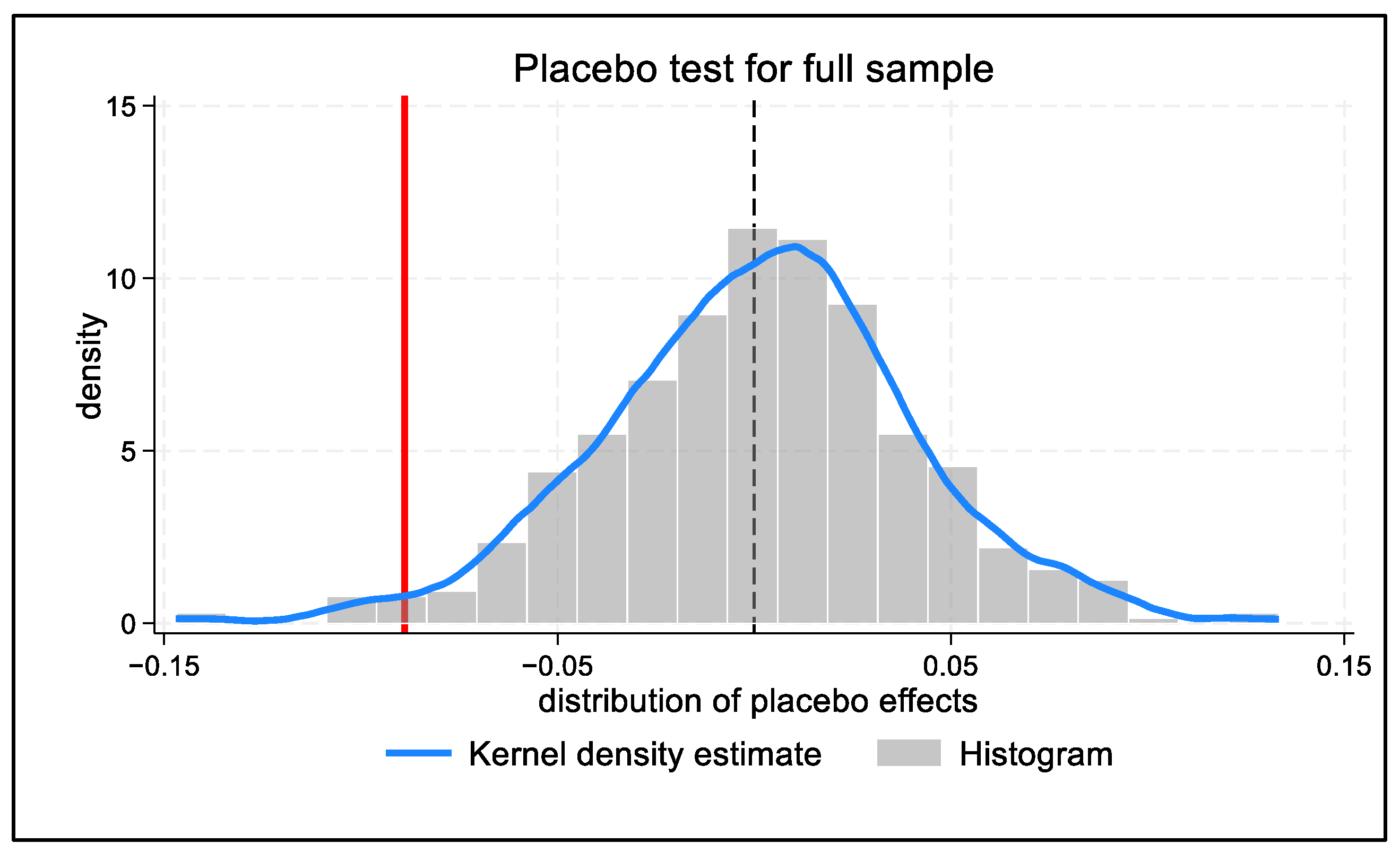
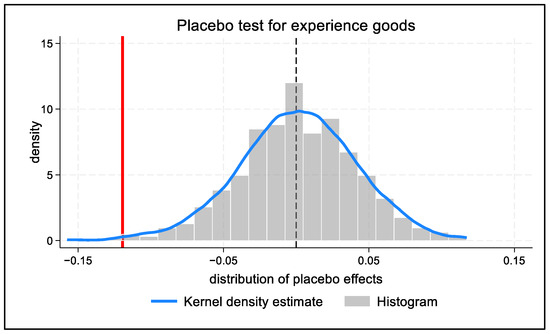
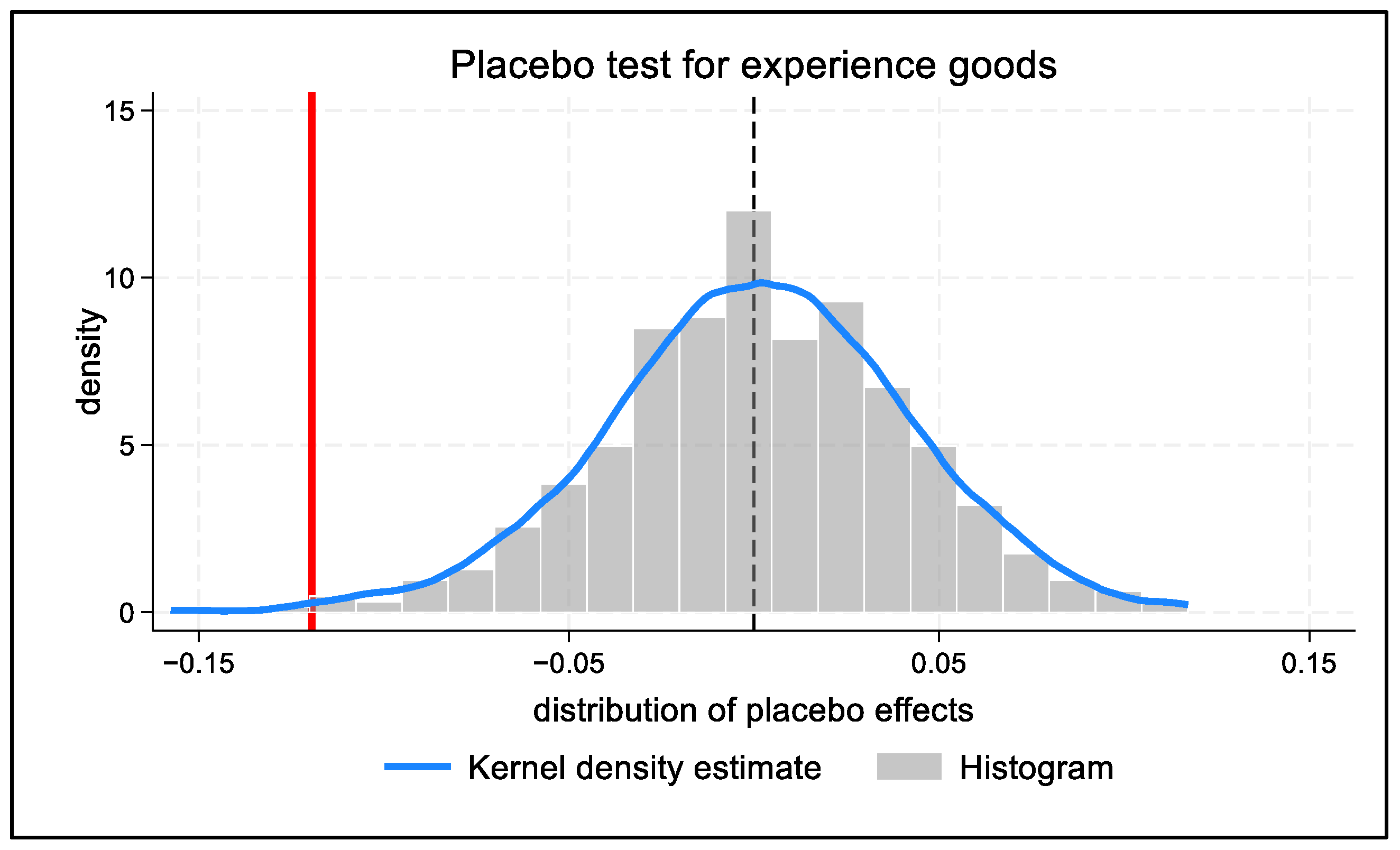
Second, we conduct a placebo test to assess whether our findings could be driven by model misspecification or unobserved trends rather than the treatment itself [67,68]. Specifically, we randomly partition the sample into G groups, where G equals the number of actual treatment periods in the original data. Each group contains the same number of products as in the original sample. We then randomly assign a placebo treatment time to each group and construct a placebo interaction term analogous to the DID indicator. Using these placebo variables, we re-estimate the baseline model for both the full sample and the experiential product subsample.
Because treatment assignment in the placebo test is random, the estimated coefficients are expected to be statistically insignificant and centered around zero. To strengthen the inference, we repeat this procedure 500 times. The distributions of the estimated placebo coefficients are presented in Figure 5 and Figure 6. As shown in the figures, the placebo estimates for both the full sample and the experience product subsample are tightly centered around zero, whereas our actual estimated coefficients lie well outside the simulated distributions. This evidence suggests that our estimates capture a substantively and statistically meaningful treatment effect, rather than spurious correlations driven by random noise or underlying trends.
Figure 5.
Placebo test for the full sample.
Figure 6.
Placebo test for the experience goods sample.
4.2. Moderating Effects
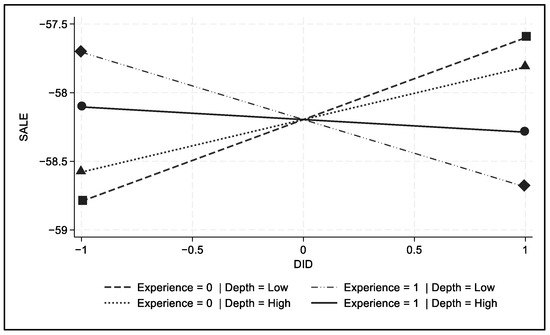
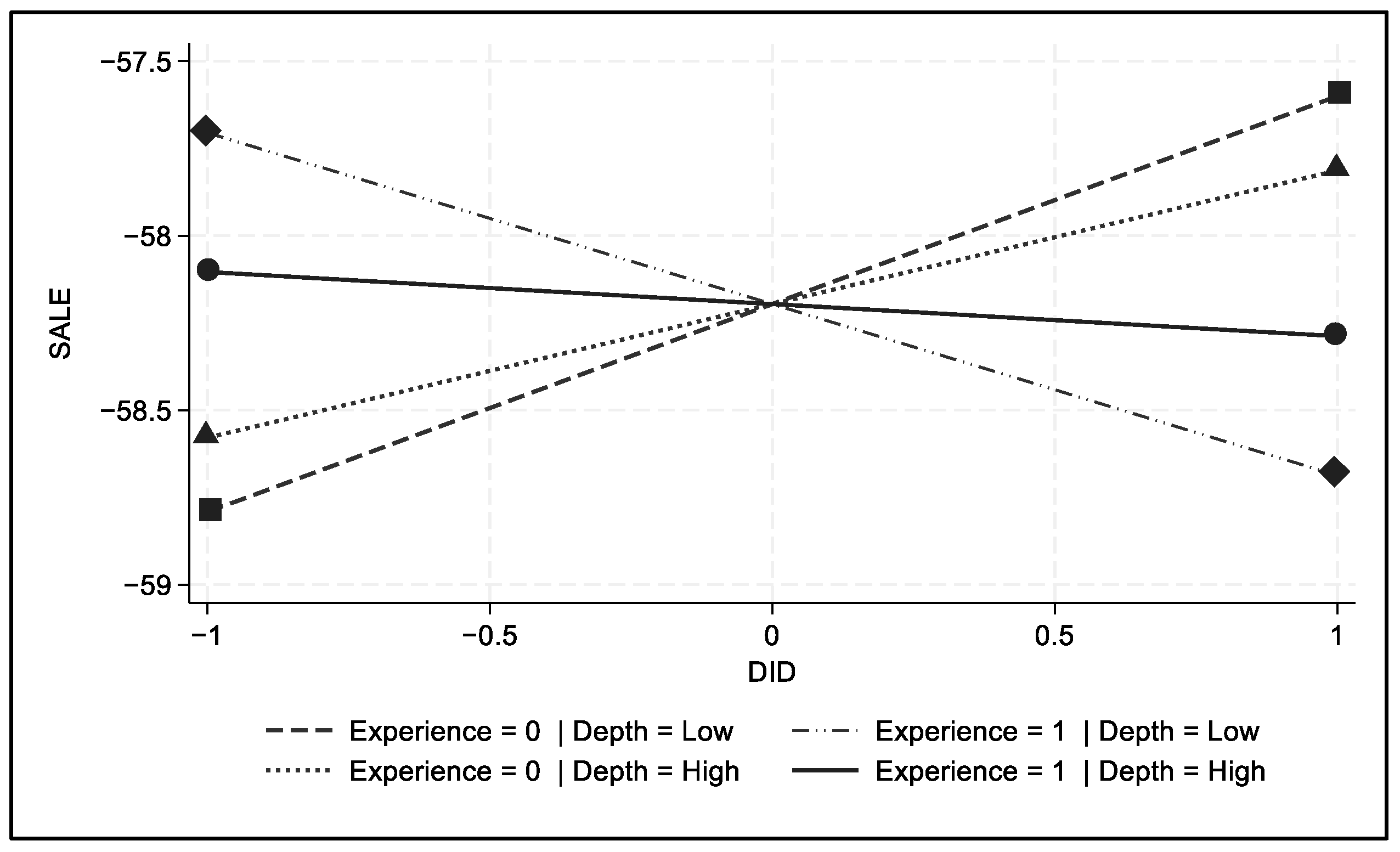
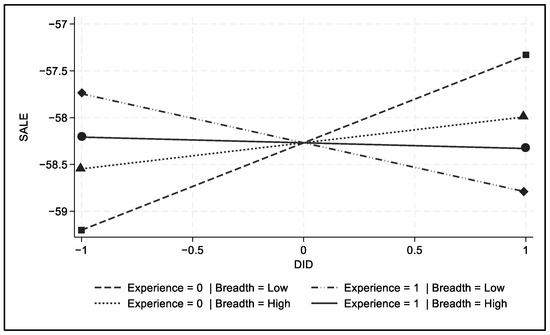
We further examine the moderating role of merchants’ product information disclosure strategies. Building on Equation (1), we introduce two three-way interaction terms, and , to assess whether information disclosure depth and breadth mitigate the negative effect of AI customer service on experience product sales. The significance and sign of the three-way interaction coefficients indicate the direction and strength of these moderating effects.
We conduct the analyses using both the full sample and the CEM-matched sample. The results are reported in Table 5 and Table 6. As shown in the tables, the coefficient on the interaction term DID × Experience × Depth is positive and statistically significant (β = 0.497, p < 0.05), indicating that greater information disclosure depth weakens the negative impact of AI customer service on the sales of experiential products. Similarly, as reported in column (4) of Table 5 and column (4) of Table 6, the coefficient on DID × Experience × Breadth is also positive and statistically significant (β = 0.936, p < 0.05). This result suggests that when merchants disclose more diverse product information, the negative effect of AI customer service on experience product sales is attenuated. Together, these findings provide support for Hypotheses 2 and 3.
Table 5.
Moderating effects of information disclosure strategy (Full sample).
Table 6.
Moderating effects of information disclosure strategy (Matched sample).
We further validate the moderating effects of information disclosure strategies through subsample analyses. The results, reported in Appendix A Table A7, indicate that in the experience product subsample, both information disclosure depth and breadth positively moderate the negative effect of AI customer service adoption. In contrast, for search products, neither disclosure strategy demonstrates a significant moderating effect. These results offer additional support for Hypotheses 2 and 3.
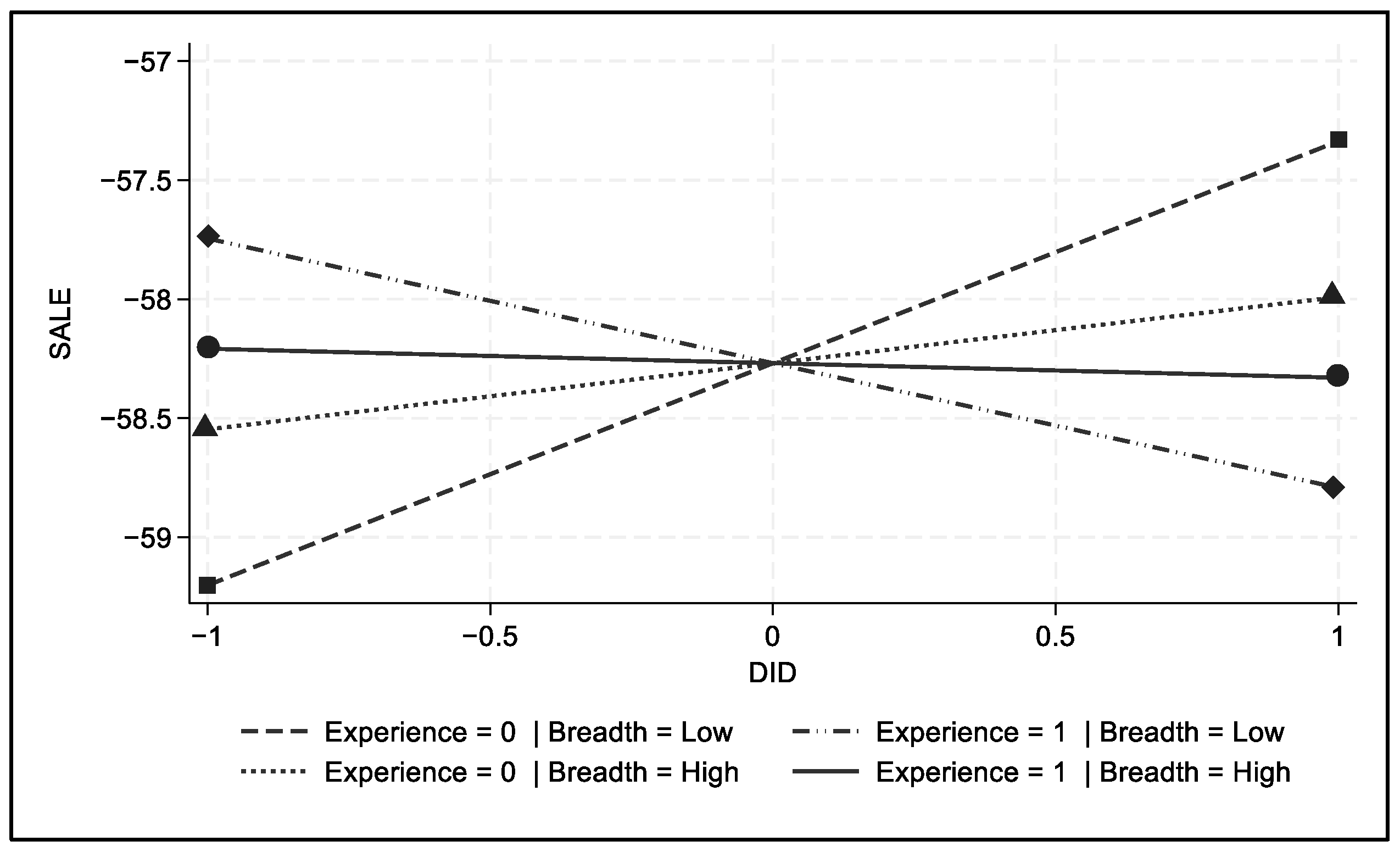
To provide a more intuitive illustration of these moderating effects, we plot Figure 7 and Figure 8. As depicted in these figures, when information disclosure depth increases from low to high, the negative relationship between AI customer service and experience product sales becomes less pronounced (Experience = 1 & Depth = High). Similarly, when information disclosure breadth increases from low to high, the negative impact of AI customer service on experience product sales is also weakened (Experience = 1 & Breadth = High). These visualizations corroborate the regression results and highlight the mitigating role of merchants’ information disclosure strategies.
Figure 7.
Three-way moderating effect of disclosure depth.
Figure 8.
Three-way moderating effect of disclosure breadth.
4.3. Additional Tests
A key assumption of our study is that AI customer service inherits and amplifies information asymmetry in experiential products, thereby reducing product sales. If this mechanism is valid, the mitigating effects of information disclosure strategies should be stronger when initial information asymmetry is higher.
Since information asymmetry is a key driver of consumer return behavior, we use product return rates as a proxy for the underlying level of information asymmetry [53,69]. We divide the sample into high- and low-return-rate groups based on the median return rate and re-estimate the moderating effects of information disclosure strategies within each subgroup. The results are reported in Table 7 and Table 8.
Table 7.
Subsample regression results by return level (Full Sample).
Table 8.
Subsample regression results by return level (Matched sample).
As shown in models 1 and 3 of Table 7 (and Table 8), the coefficients on the three-way interaction terms DID × Experience × Depth and DID × Experience × Breadth are not statistically significant in the low-return-rate subsample. This indicates that when initial information asymmetry is relatively low, the depth and breadth of disclosure strategies do not meaningfully moderate the effect of AI customer service. In contrast, for products with high return rates (Models 2 and 4), both three-way interaction terms are positive and statistically significant in the high-return-rate subsample. These results suggest that information disclosure depth and breadth more effectively mitigate the negative impact of AI customer service on experience product sales when the initial information asymmetry is more severe.
Collectively, these findings support the proposed information asymmetry mechanism and provide further evidence that AI customer service negatively affects experience product sales by inheriting and amplifying information asymmetry.
5. Discussion
Adopting an information asymmetry perspective, this paper advances understanding of when AI customer service reduces versus amplifies product uncertainty in online markets. Specifically, we investigate the effects of replacing human customer service with AI customer service on the sales of different product types (experience versus search products), as well as the merchant information disclosure strategies that moderate this relationship. Our analyses are based on quasi-experimental data from 6921 products on a major Chinese online retail platform.
First, by integrating CEM with a DID design, our analysis reveals an asymmetric and differentiated effect of AI customer service across product types. We find that substituting human customer service with AI for conveying product information leads to a significant decline in the sales of experience products, whereas no comparable effect is observed for search products. We argue that this divergence occurs because AI customer service technologically inherits and amplifies the information asymmetry inherent in experience products. Experience product information is intrinsically unstructured, contextual, and subjective, which creates a structural misfit with AI’s information-processing paradigm that relies on structured, codifiable representations. This misalignment amplifies information asymmetry in AI-mediated interactions and ultimately results in reduced sales of experience products. By articulating this mechanism, our findings offer a new perspective on the contextualized effects of AI customer service, complementing prior research that has largely emphasized consumer psychological mechanisms [15,16].
Second, we examine how merchants’ information disclosure strategies can actively regulate the effects of AI. Our moderation analyses show that both the depth and breadth of information disclosure significantly mitigate the negative impact of AI customer service on experiential product sales. When merchants provide more detailed, fine-grained product information and disclose information from more diverse and complementary sources, the adverse effects of AI customer service on experience products are substantially attenuated. These findings not only reinforce our information-asymmetry-based explanation, but also complement prior research by highlighting how firms can proactively intervene in the contextual effects of AI.
In addition, we find that the positive moderating effects of information disclosure strategies are more pronounced for experience products with higher return rates. Prior research widely recognizes product returns as a proxy of information asymmetry in online transactions [44,53]. Accordingly, in product contexts characterized by higher return rates and thus more severe information asymmetry, AI customer service is more likely to amplify pre-existing information gaps and biases. Conversely, by increasing the depth and breadth of information disclosure, online sellers can more effectively mitigate the information asymmetry issue. As a result, the negative effects associated with the adoption of AI customer service are less pronounced in high-return settings.
5.1. Theoretical Contributions
This study makes several theoretical contributions.
First, we extend research on the contextualized effects of AI by examining tangible market outcomes in addition to psychological outcomes. While prior experimental research has extensively documented consumer perceptions, such as trust and evaluations [15,16,32], evidence regarding the impact of AI on actual sales remains scant. Addressing this gap, our study shows that AI customer service generates asymmetric and differentiated effects on product sales: specifically, it tends to inhibit the sales of experience products while remaining neutral for search products.
Second, our findings suggest that the effectiveness of AI deployment depends on its alignment with product uncertainty and information structure. Uniform AI implementation across product categories may be suboptimal. Current literature primarily attributes AI’s impact to psychological factors like trust [15,29], perceived transparency [16], perceived intent [23], or expectation levels [17,28]. In contrast, we argue that AI customer service inherits and amplifies information asymmetries inherent in digital markets. By pivoting the theoretical lens from how consumers perceive AI to how AI mediates information transmission, we provide a novel information mechanism for the context-specific effects of AI.
Third, this study highlights the role of technology as a potential source of information asymmetry, thereby enriching the online information asymmetry literature. Traditionally, information asymmetry is viewed as a byproduct of seller opportunism or intrinsic product characteristics [6,41]. We suggest that the choice of information intermediary (AI vs. human) can itself constitute a potential source of asymmetry. This perspective offers novel insights into how information asymmetry emerges and operates in digital contexts.
Fourth, this study suggests that online merchants can actively shape AI outcomes through improving informational disclosure depth and breadth. By identifying boundary conditions under which AI enhances versus harms sales performance, this research provides a contingency framework for AI-driven information design in online markets. Prior research offers limited insight into how AI outcomes can be managed or intervened in. Some studies have examined interventions such as anthropomorphism or algorithmic optimization [3,35,36], yet these approaches are largely confined to the capabilities of AI. In contrast, our study adopts a strategic and operational perspective and demonstrates that firms can manage the outcomes of AI customer service by adjusting the product information disclosure strategies.
Finally, this study shows how AI customer service can lead to bias in online purchase decisions, thereby contributing to the emerging literature on algorithmic bias. Prior research suggests that algorithmic systems tend to absorb and inherit preexisting structural biases embedded in their input data, and that these biases are reinforced through continuous iteration and repeated use [38,49,70]. We argue that the AI customer service can similarly inherit and amplify the preexisting information asymmetry associated with experience goods when conveying information to customers. This insight extends current understanding of how algorithmic bias forms and operates in digital contexts.
5.2. Managerial Implications
This study offers valuable managerial implications for online merchants’ AI adoption decisions, information disclosure strategies, and online operational practices.
First, when introducing AI customer service, firms should adopt a differentiated deployment strategy based on the informational attributes of their products, rather than indiscriminately replacing human agents. Our findings suggest that AI customer service is relatively more effective for search goods, whereas in the context of experience goods, it may generate adverse effects due to the non-structured nature of the information involved. Accordingly, when deploying AI customer service, firms should carefully assess whether the informational characteristics of their products are suitable for AI consumer interactions.
Second, firms should treat information disclosure as a key managerial lever to offset the limitations of AI. Our results show that greater disclosure depth and breadth can significantly mitigate the negative effects of AI customer service for experience goods. Accordingly, when firms rely on AI as the primary information intermediary, they should enhance the structure and interpretability of product information, for example, by providing more detailed usage scenarios, comparative information, or authentic customer feedback. Such practices can reduce consumer uncertainty arising from AI-mediated communication.
Third, firms should exercise greater caution in deploying AI customer service for high-return-rate product categories. Our findings indicate that for products with higher return rates, information disclosure strategies play a particularly critical role in mitigating the adverse effects of AI customer service. This suggests that for goods characterized by high uncertainty and information asymmetry, firms should place stronger emphasis on their product information disclosure.
5.3. Limitations and Future Research
This study has several limitations. First, although we rely on large-scale transactional data from a real online platform and thus enjoy strong external validity, the research context is still confined to e-commerce platforms. Future research could extend our findings to other types of online platforms, such as online crowdfunding platforms or B2B platforms [8]. On these platforms, customer characteristics and product attributes may differ substantially, potentially leading to different outcomes of AI deployment. For instance, on platforms where customer service agents are responsible for providing product quotations, consumers’ psychological expectations play an important role in shaping the outcomes of AI service [23]. Thus, the interaction between psychological expectations and product type represents a promising direction for future research. Second, in our research setting, the AI system is uniformly deployed, with no variation in its capabilities. This limits our ability to distinguish differences in AI customer service across levels of capability, interaction depth, or degree of anthropomorphism [4]. For example, prior studies have shown that anthropomorphism can alleviate consumers’ distrust toward AI [30,35]. Therefore, examining how different levels of AI anthropomorphism interact with product characteristics may represent a promising direction for future research. Third, another promising direction is to examine hybrid human–AI service systems. In many real-world settings, AI customer service is not used as a complete substitute for human agents but rather operates in combination with them [71]. Future research could explore how different configurations of human–AI collaboration affect consumer decision-making, particularly for products characterized by high uncertainty. Fourth, prior research has highlighted the important role of consumers’ emotions in shaping the outcomes of AI-enabled services [28,30]. Future studies could integrate consumer emotions into the current model to examine whether emotions moderate the heterogeneous effects of AI across different product types. Finally, although we identify information asymmetry as a key mechanism, the validation of this mechanism remains indirect. Future studies could combine experimental methods or process-level data (e.g., clickstream data, reading time, or eye-tracking data) to more directly observe the underlying mechanism.
Author Contributions
Conceptualization, S.B. and J.X.; methodology, S.B. and X.W.; formal analysis, S.B.; investigation, S.B. and X.W.; writing—original draft preparation, S.B.; writing—review and editing, X.W. and J.X.; project administration, J.X. All authors have read and agreed to the published version of the manuscript.
Funding
This research received no external funding.
Institutional Review Board Statement
Not applicable.
Informed Consent Statement
Not applicable.
Data Availability Statement
The raw data supporting the conclusions of this article will be made available by the authors on request.
Conflicts of Interest
The authors declare no conflicts of interest.
Appendix A
Figure A1.
Amazon’s Rufus AI assistant.
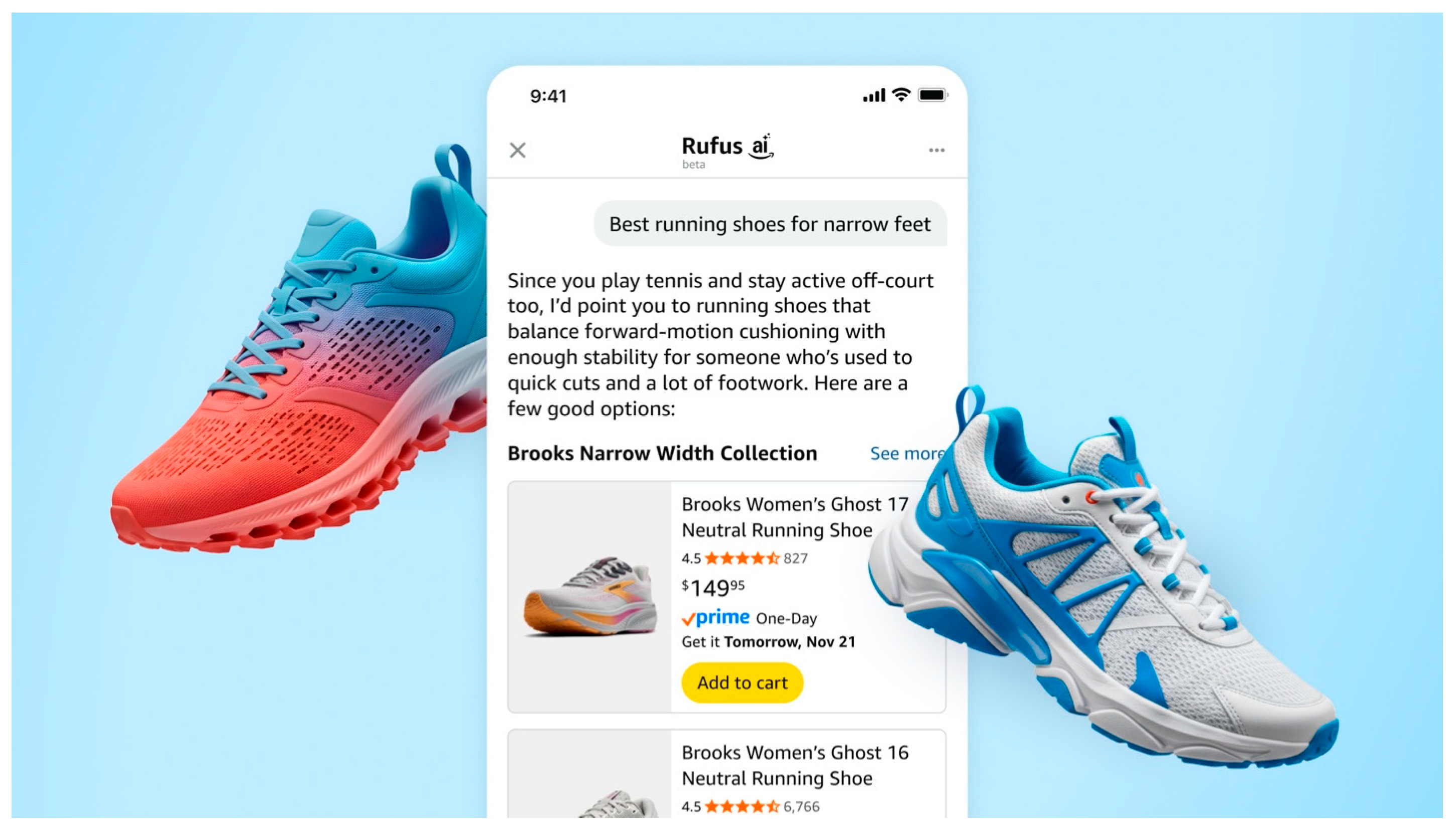
Figure A2.
Taobao’s Dian Xiao Mi 5.0.

Table A1.
Comparison of AI and Human Customer Service Across Product Types.
Table A2.
Search and Experience Goods Classification.
Table A3.
Variable operationalization.
Table A4.
Univariate Imbalance after Coarsened Exact Matching.
Table A5.
Subsample regression results by product type (Experience vs. Search goods).
Table A6.
Robustness tests using an alternative dependent variable.
Table A7.
Moderating regression results by product type (Experience vs. Search goods).
References
- Ahmed, S.; Aziz, N.A. Impact of AI on Customer Experience in Video Streaming Services: A Focus on Personalization and Trust. Int. J. Hum.–Comput. Interact. 2025, 41, 7726–7745. [Google Scholar] [CrossRef] [Scilit]
- Yu, S.; Xiong, J.; Shen, H. The Rise of Chatbots: The Effect of Using Chatbot Agents on Consumers’ Responses to Request Rejection. J. Consum. Psychol. 2024, 34, 35–48. [Google Scholar] [CrossRef] [Scilit]
- Lefkeli, D.; Karataş, M.; Gürhan-Canli, Z. Sharing Information with AI (versus a Human) Impairs Brand Trust: The Role of Audience Size Inferences and Sense of Exploitation. Int. J. Res. Mark. 2024, 41, 138–155. [Google Scholar] [CrossRef] [Scilit]
- Yun, J.; Park, J. The Effects of Chatbot Service Recovery with Emotion Words on Customer Satisfaction, Repurchase Intention, and Positive Word-Of-Mouth. Front. Psychol. 2022, 13, 922503. [Google Scholar] [CrossRef] [Scilit] [PubMed]
- Song, Y.; Wang, L.; Zhang, Z.; Hikkerova, L. AI or Human: How Endorser Shapes Online Purchase Intention? Comput. Hum. Behav. 2024, 158, 108300. [Google Scholar] [CrossRef] [Scilit]
- Dimoka, A.; Hong, Y.; Pavlou, P.A. On Product Uncertainty in Online Markets: Theory and Evidence. MIS Q. 2012, 36, 395–426. [Google Scholar] [CrossRef] [Scilit]
- Hong, Y.; Pavlou, P.A. Product Fit Uncertainty in Online Markets: Nature, Effects, and Antecedents. Inf. Syst. Res. 2014, 25, 328–344. [Google Scholar] [CrossRef] [Scilit]
- Chang, W. The Effectiveness of AI Salesperson vs. Human Salesperson across the Buyer-Seller Relationship Stages. J. Bus. Res. 2022, 148, 241–251. [Google Scholar] [CrossRef] [Scilit]
- Selamat, M.A.; Windasari, N.A. Chatbot for SMEs: Integrating Customer and Business Owner Perspectives. Technol. Soc. 2021, 66, 101685. [Google Scholar] [CrossRef] [Scilit]
- Huang, Y.S.; Dootson, P. Chatbots and Service Failure: When Does It Lead to Customer Aggression. J. Retail. Consum. Serv. 2022, 68, 103044. [Google Scholar] [CrossRef] [Scilit]
- Castelo, N.; Bos, M.W.; Lehmann, D.R. Task-Dependent Algorithm Aversion. J. Mark. Res. 2019, 56, 809–825. [Google Scholar] [CrossRef] [Scilit]
- Nelson, P. Information and Consumer Behavior. J. Polit. Econ. 1970, 78, 311–329. [Google Scholar] [CrossRef] [Scilit]
- Nelson, P. Advertising as Information. J. Polit. Econ. 1974, 82, 729–754. [Google Scholar] [CrossRef] [Scilit]
- Huang, M.-H.; Rust, R.T. A Strategic Framework for Artificial Intelligence in Marketing. J. Acad. Mark. Sci. 2021, 49, 30–50. [Google Scholar] [CrossRef] [Scilit]
- Dai, X.; Zhang, L.; Huang, Z.; Wang, L. AI or Human: How the Type of Information to Be Disclosed Alters Customer Service Agent Preferences. J. Retail. Consum. Serv. 2026, 89, 104621. [Google Scholar] [CrossRef] [Scilit]
- Mazzù, M.F.; Andria, A.; Baccelloni, A.; De Angelis, M. The Impact of Humans vs. AI Recommendation on Consumer Reactions to Products Exposure. Electron. Commer. Res. 2025. [Google Scholar] [CrossRef] [Scilit]
- Adam, M.; Roethke, K.; Benlian, A. Human vs. Automated Sales Agents: How and Why Customer Responses Shift across Sales Stages. Inf. Syst. Res. 2023, 34, 1148–1168. [Google Scholar] [CrossRef] [Scilit]
- Kwangsawad, A.; Jattamart, A. Overcoming Customer Innovation Resistance to the Sustainable Adoption of Chatbot Services: A Community-Enterprise Perspective in Thailand. J. Innov. Knowl. 2022, 7, 100211. [Google Scholar] [CrossRef] [Scilit]
- Lin, Y.; Pazgal, A. Effects of Information Quantity and Diversity on Consumers under Complex Uncertainty. J. Retail. Consum. Serv. 2024, 77, 103652. [Google Scholar] [CrossRef] [Scilit]
- Franke, G.R.; Huhmann, B.A.; Mothersbaugh, D.L. Information Content and Consumer Readership of Print Ads: A Comparison of Search and Experience Products. J. Acad. Mark. Sci. 2004, 32, 20–31. [Google Scholar] [CrossRef] [Scilit]
- Liu, T.; Xu, Y.; Yang, J.; Li, K. Mindful Machines: Understanding How AI’s Theory of Mind Capabilities Influence Consumer Response to Product Recommendations. Psychol. Mark. 2025, 42, 3081–3100. [Google Scholar] [CrossRef] [Scilit]
- Gu, C.; Jia, S.; Lai, J.; Chen, R.; Chang, X. Exploring Consumer Acceptance of AI-Generated Advertisements: From the Perspectives of Perceived Eeriness and Perceived Intelligence. J. Theor. Appl. Electron. Commer. Res. 2024, 19, 2218–2238. [Google Scholar] [CrossRef] [Scilit]
- Garvey, A.M.; Kim, T.; Duhachek, A. Bad News? Send an AI. Good News? Send a Human. J. Mark. 2023, 87, 10–25. [Google Scholar] [CrossRef] [Scilit]
- Chen, S.; Li, X.; Liu, K.; Wang, X. Chatbot or Human? The Impact of Online Customer Service on Consumers’ Purchase Intentions. Psychol. Mark. 2023, 40, 2186–2200. [Google Scholar] [CrossRef] [Scilit]
- Koc, E.; Hatipoglu, S.; Kivrak, O.; Celik, C.; Koc, K. Houston, We Have a Problem!: The Use of ChatGPT in Responding to Customer Complaints. Technol. Soc. 2023, 74, 102333. [Google Scholar] [CrossRef] [Scilit]
- Gokce, A.; Tajvidi, M.; Hajli, N. Management Respond to Negative Feedback: AI-Powered Insights for Effective Engagement. IEEE Trans. Eng. Manag. 2024, 71, 13983–13996. [Google Scholar] [CrossRef] [Scilit]
- Bunea, O.-I.; Corboș, R.-A.; Mișu, S.I.; Triculescu, M.; Trifu, A. The Next-Generation Shopper: A Study of Generation-Z Perceptions of AI in Online Shopping. J. Theor. Appl. Electron. Commer. Res. 2024, 19, 2605–2629. [Google Scholar] [CrossRef] [Scilit]
- Tran, A.D.; Pallant, J.I.; Johnson, L.W. Exploring the Impact of Chatbots on Consumer Sentiment and Expectations in Retail. J. Retail. Consum. Serv. 2021, 63, 102718. [Google Scholar] [CrossRef] [Scilit]
- Mozafari, N.; Weiger, W.H.; Hammerschmidt, M. Trust Me, I’m a Bot—Repercussions of Chatbot Disclosure in Different Service Frontline Settings. J. Serv. Manag. 2022, 33, 221–245. [Google Scholar] [CrossRef] [Scilit]
- Crolic, C.; Thomaz, F.; Hadi, R.; Stephen, A.T. Blame the Bot: Anthropomorphism and Anger in Customer-Chatbot Interactions. J. Mark. 2022, 86, 132–148. [Google Scholar] [CrossRef] [Scilit]
- Yang, C.; Hu, J. When Do Consumers Prefer AI-Enabled Customer Service? The Interaction Effect of Brand Personality and Service Provision Type on Brand Attitudes and Purchase Intentions. J. Brand Manag. 2022, 29, 167–189. [Google Scholar] [CrossRef] [Scilit]
- Ruan, Y.Y.; Mezei, J. When Do AI Chatbots Lead to Higher Customer Satisfaction than Human Frontline Employees in Online Shopping Assistance? Considering Product Attribute Type. J. Retail. Consum. Serv. 2022, 68, 103059. [Google Scholar] [CrossRef] [Scilit]
- Frank, B. Consumer Preferences for Artificial Intelligence-Enhanced Products: Differences across Consumer Segments, Product Types, and Countries. Technol. Forecast. Soc. Change 2024, 209, 123774. [Google Scholar] [CrossRef] [Scilit]
- Tang, L.; Zhu, J.; Dou, W. Equality Matters: The Impact of Human–AI Relationship Types on Responsible Consumption in Shared Services. J. Theor. Appl. Electron. Commer. Res. 2025, 20, 27. [Google Scholar] [CrossRef] [Scilit]
- Klein, K.; Martinez, L.F. The Impact of Anthropomorphism on Customer Satisfaction in Chatbot Commerce: An Experimental Study in the Food Sector. Electron. Commer. Res. 2023, 23, 2789–2825. [Google Scholar] [CrossRef] [Scilit]
- Konya-Baumbach, E.; Biller, M.; von Janda, S. Someone out There? A Study on the Social Presence of Anthropomorphized Chatbots. Comput. Hum. Behav. 2023, 139, 107513. [Google Scholar] [CrossRef] [Scilit]
- Huang, P.; Lurie, N.H.; Mitra, S. Searching for Experience on the Web: An Empirical Examination of Consumer Behavior for Search and Experience Goods. J. Mark. 2009, 73, 55–69. [Google Scholar] [CrossRef] [Scilit]
- Ahsen, M.E.; Ayvaci, M.U.S.; Raghunathan, S. When Algorithmic Predictions Use Human-Generated Data: A Bias-Aware Classification Algorithm for Breast Cancer Diagnosis. Inf. Syst. Res. 2019, 30, 97–116. [Google Scholar] [CrossRef] [Scilit]
- Sun, M.; Tyagi, R.K. Product Fit Uncertainty and Information Provision in a Distribution Channel. Prod. Oper. Manag. 2020, 29, 2381–2402. [Google Scholar] [CrossRef] [Scilit]
- Pandey, S. Tackling Consumer Information Asymmetry and Perceived Uncertainty for Luxury Re-Commerce through Seller Signals. J. Retail. Consum. Serv. 2024, 79, 103736. [Google Scholar] [CrossRef] [Scilit]
- Pavlou, P.A.; Liang, H.; Xue, Y. Understanding and Mitigating Uncertainty in Online Exchange Relationships: A Principal-Agent Perspective. MIS Q. 2007, 31, 105–136. [Google Scholar] [CrossRef] [Scilit]
- Ning, Y.; Tong, Y.; Li, J. Information Sharing with Uncertain Consumer Preferences for Store Brands. J. Theor. Appl. Electron. Commer. Res. 2025, 20, 58. [Google Scholar] [CrossRef] [Scilit]
- Mavlanova, T.; Benbunan-Fich, R.; Koufaris, M. Signaling Theory and Information Asymmetry in Online Commerce. Inf. Manag. 2012, 49, 240–247. [Google Scholar] [CrossRef] [Scilit]
- Wang, Y.; Ramachandran, V.; Liu Sheng, O.R. Do Fit Opinions Matter? The Impact of Fit Context on Online Product Returns. Inf. Syst. Res. 2021, 32, 268–289. [Google Scholar] [CrossRef] [Scilit]
- Matt, C.; Hess, T. Product Fit Uncertainty and Its Effects on Vendor Choice: An Experimental Study. Electron. Mark. 2016, 26, 83–93. [Google Scholar] [CrossRef] [Scilit]
- Cheng, H.; Li, J.; Lu, J.; Lo, S.-L.; Xiang, Z. Incentive-Driven Information Sharing in Leasing Based on a Consortium Blockchain and Evolutionary Game. J. Theor. Appl. Electron. Commer. Res. 2023, 18, 206–236. [Google Scholar] [CrossRef] [Scilit]
- Zhang, Y.; Wang, S. The Influence of Anthropomorphic Appearance of Artificial Intelligence Products on Consumer Behavior and Brand Evaluation under Different Product Types. J. Retail. Consum. Serv. 2023, 74, 103432. [Google Scholar] [CrossRef] [Scilit]
- Lambrecht, A.; Tucker, C. Algorithmic Bias? An Empirical Study of Apparent Gender-Based Discrimination in the Display of STEM Career Ads. Manag. Sci. 2019, 65, 2966–2981. [Google Scholar] [CrossRef] [Scilit]
- Caliskan, A.; Bryson, J.J.; Narayanan, A. Semantics Derived Automatically from Language Corpora Contain Human-like Biases. Science 2017, 356, 183–186. [Google Scholar] [CrossRef] [Scilit]
- Hastie, T.; Tibshirani, R.; Friedman, J. The Elements of Statistical Learning, 2nd ed.; Springer Series in Statistics; Springer: New York, NY, USA, 2009; pp. 1–745. [Google Scholar]
- Lee, M.K. Understanding Perception of Algorithmic Decisions: Fairness, Trust, and Emotion in Response to Algorithmic Management. Big Data Soc. 2018, 5, 1–16. [Google Scholar] [CrossRef] [Scilit]
- Dijkstra, J.J.; Liebrand, W.B.G.; Timminga, E. Persuasiveness of Expert Systems. Behav. Inf. Technol. 1998, 17, 155–163. [Google Scholar] [CrossRef] [Scilit]
- Nugroho, A.; Wang, W.-T. Credibility of Youtube Product Reviews and Customers’ Product Return Intention: A Product Fit Uncertainty Perspective. Inf. Technol. People 2023, 37, 1560–1586. [Google Scholar] [CrossRef] [Scilit]
- Chen, P.; Hitt, L.M.; Hong, Y.; Wu, S. Measuring Product Type and Purchase Uncertainty with Online Product Ratings: A Theoretical Model and Empirical Application. Inf. Syst. Res. 2021, 32, 1470–1489. [Google Scholar] [CrossRef] [Scilit]
- Sun, C.; Fang, Y.; Kong, M.; Chen, X.; Liu, Y. Influence of Augmented Reality Product Display on Consumers’ Product Attitudes: A Product Uncertainty Reduction Perspective. J. Retail. Consum. Serv. 2022, 64, 102828. [Google Scholar] [CrossRef] [Scilit]
- Huang, S.; Jiang, Y. Alignment of GenAI Modalities with Product Types in Generating Ads: The Mediating Roles of Cognitive Load and Perceived Immersion. J. Consum. Behav. 2025, 25, 159–175. [Google Scholar] [CrossRef] [Scilit]
- Sahoo, N.; Dellarocas, C.; Srinivasan, S. The Impact of Online Product Reviews on Product Returns. Inf. Syst. Res. 2018, 29, 723–738. [Google Scholar] [CrossRef] [Scilit]
- Markopoulos, P.M.; Clemons, E.K. Reducing Buyers’ Uncertainty about Taste-Related Product Attributes. J. Manag. Inf. Syst. 2013, 30, 269–299. [Google Scholar] [CrossRef] [Scilit]
- Shannon, C.E. A Mathematical Theory of Communication. Bell Syst. Tech. J. 1948, 27, 379–423. [Google Scholar] [CrossRef] [Scilit]
- Gray, R.M. Entropy and Information Theory; Springer US: Boston, MA, USA, 2011; pp. 1–409. [Google Scholar]
- Raj, M. More Is (Sometimes) Merrier: Heterogeneity in Demand Spillovers and Competition on a Digital Platform. Strateg. Manag. J. 2024, 45, 2611–2641. [Google Scholar] [CrossRef] [Scilit]
- Yoo, D.K.; Roh, J.J.; Cho, S.; Yang, M.M. Coopetition in a Platform Ecosystem: From the Complementors’ Perspective. Electron. Commer. Res. 2024, 24, 1509–1532. [Google Scholar] [CrossRef] [Scilit]
- Blackwell, M.; Iacus, S.; King, G.; Porro, G. Cem: Coarsened Exact Matching in Stata. Stata J. 2009, 9, 524–546. [Google Scholar] [CrossRef] [Scilit]
- Iacus, S.M.; King, G.; Porro, G. Causal Inference without Balance Checking: Coarsened Exact Matching. Polit. Anal. 2012, 20, 1–24. [Google Scholar] [CrossRef] [Scilit]
- Angrist, J.D.; Pischke, J.-S. Mostly Harmless Econometrics: An Empiricist’s Companion; Princeton University Press: Princeton, NJ, USA, 2008; pp. 241–246. [Google Scholar]
- Stock, J.H.; Yogo, M. Testing for Weak Instruments in Linear IV Regression. In Identification and Inference for Econometric Models; Andrews, D.W.K., Stock, J.H., Eds.; Cambridge University Press: Cambridge, UK, 2005; pp. 80–108. [Google Scholar]
- Chetty, R.; Looney, A.; Kroft, K. Salience and Taxation: Theory and Evidence. Am. Econ. Rev. 2009, 99, 1145–1177. [Google Scholar] [CrossRef] [Scilit]
- La Ferrara, E.; Chong, A.; Duryea, S. Soap Operas and Fertility: Evidence from Brazil. Am. Econ. J. Appl. Econ. 2012, 4, 1–31. [Google Scholar] [CrossRef] [Scilit]
- Wang, N.; Liang, H.; Xue, Y.; Ge, S. Mitigating Information Asymmetry to Achieve Crowdfunding Success: Signaling and Online Communication. J. Assoc. Inf. Syst. 2021, 22, 773–796. [Google Scholar] [CrossRef] [Scilit]
- Hu, X.; Huang, Y.; Li, B.; Lu, T. Human–Algorithmic Bias: Source, Evolution, and Impact. Manag. Sci. 2025, 72, 495–514. [Google Scholar] [CrossRef] [Scilit]
- Sharma, A.; Lin, I.W.; Miner, A.S.; Atkins, D.C.; Althoff, T. Human–AI Collaboration Enables More Empathic Conversations in Text-Based Peer-to-Peer Mental Health Support. Nat. Mach. Intell. 2023, 5, 46–57. [Google Scholar] [CrossRef] [Scilit]
- Polidoro, F., Jr.; Yang, W. Porting Learning from Interdependencies Back Home: Performance Implications of Multihoming for Complementors in Platform Ecosystems. Strateg. Manag. J. 2024, 45, 1791–1821. [Google Scholar] [CrossRef] [Scilit]
- Kim, J.; Choi, J.; Chang, S.R.; Trivedi, M. The Impact of Offline Store Presence on Digital Sales: The Moderating Role of Product Functionality. J. Retail. Consum. Serv. 2024, 78, 103754. [Google Scholar] [CrossRef] [Scilit]
- Tan, Q.; Yang, Y.; Lu, B.; He, H.; Teng, L. Use of the Baidu Index to Measure Public Attention in China on the China–Myanmar Border. Sage Open 2024, 14, 1–14. [Google Scholar] [CrossRef] [Scilit]

Disclaimer/Publisher’s Note: The statements, opinions and data contained in all publications are solely those of the individual author(s) and contributor(s) and not of MDPI and/or the editor(s). MDPI and/or the editor(s) disclaim responsibility for any injury to people or property resulting from any ideas, methods, instructions or products referred to in the content. |
© 2026 by the authors. Licensee MDPI, Basel, Switzerland. This article is an open access article distributed under the terms and conditions of the Creative Commons Attribution (CC BY) license.