Article

The Spillover Effects of E-Commerce Platform Algorithmic Governance: A Focus on Ride-Hailing Drivers’ High-Calorie Food Consumption

1
Dong Fureng Institute of Economic and Social Development, Wuhan University, Wuhan 430072, China
2
School of Journalism and Communication, Wuhan University, Wuhan 430072, China
*
Author to whom correspondence should be addressed.
J. Theor. Appl. Electron. Commer. Res. 2026, 21(2), 66; https://doi.org/10.3390/jtaer21020066
Submission received: 11 November 2025 / Revised: 11 February 2026 / Accepted: 13 February 2026 / Published: 15 February 2026

Abstract

This study investigates how algorithmic governance, a core feature of modern e-commerce platforms, impacts the consumption behavior of its service providers—specifically, ride-hailing drivers’ preference for high-calorie food. From an e-commerce ecosystem perspective, the dynamic interaction between platforms and their service providers is critical for long-term value co-creation and platform sustainability. By examining how algorithmic control mechanisms spill over into drivers’ off-platform behaviors, this research offers crucial insights for designing more sustainable and human-centric platform business models. Analyzing 710 survey responses from ride-hailing drivers in China via PLS-SEM, our findings reveal that algorithmic tracking evaluation and behavioral constraints are positively associated with high-calorie food consumption, with emotional exhaustion acting as a key mediator. Notably, standard guidance algorithms showed no significant effect. These results contribute to the e-commerce literature by demonstrating how platform-centric control can inadvertently lead to adverse externalities that may undermine service quality and provider well-being, ultimately posing a risk to the platform’s brand reputation and operational stability. We offer practical recommendations for e-commerce platform managers on optimizing algorithmic strategies to foster a healthier and more sustainable gig worker ecosystem.

1. Introduction

The rise of e-commerce has fundamentally reshaped market dynamics, particularly in the service sector through the gig economy model [1]. In this ecosystem, ride-hailing platforms manage vast networks of independent providers not through human managers, but through algorithmic control—an automated governance model relying on AI and big data [2,3,4,5]. This model enables platforms to guide service providers’ behaviors through predefined technical rules, transforming them from traditional partners into nodes within a digitally managed system [6,7].
While algorithmic control significantly enhances matching efficiency and market liquidity [8,9,10,11], its unintended consequences on the “off-platform” domain warrant deeper investigation [12,13,14,15]. The existing literature has extensively examined the impact of algorithmic governance on on-platform behaviors (e.g., order acceptance rates, service efficiency) [16,17,18]. However, research on its spillover effects into providers’ private lives—specifically health-compromising consumption behaviors—remains limited [1,19]. This oversight masks long-term systemic risks: ignoring the erosion of provider human capital (e.g., through poor health) ultimately undermines the reliability and sustainability of the entire platform ecosystem [11,14,20].
This tension between algorithmic efficiency and provider health is particularly acute in the context of dietary habits. Behind the burgeoning ride-hailing industry—with over 7.48 million drivers in China alone—lies an escalating health challenge. Due to rigid algorithmic scheduling and the intense pressure to maintain performance, drivers frequently endure long hours and irregular breaks [21]. Consequently, high-calorie food consumption has become a prevalent coping mechanism for fatigue and hunger [13]. Given that unhealthy diets are a primary risk factor for chronic diseases [22,23,24,25], understanding how specific algorithmic governance strategies drive this consumption behavior is not merely a public health concern, but a critical imperative for platform sustainability [26,27].
To address this gap, this study asks the following question: How does a platform’s algorithmic governance strategy create spillover effects that influence high-calorie food consumption among its service providers? We propose a conceptual framework linking algorithmic governance to high-calorie food consumption, conceptualizing governance through three dimensions: algorithmic standard guidance, algorithmic tracking and evaluation, and algorithmic behavior constraints [5,19]. Furthermore, we examine whether drivers’ emotional exhaustion acts as a key mediator in this process.
This study advances the literature by shifting the narrative from a techno-centric view to a human-centric one, offering three key contributions. First, we bridge the gap between platform governance and behavioral health. By identifying high-calorie food consumption as a critical spillover effect, we uncover the biological costs of digital governance, extending the research boundary from “organizational efficiency” to “off-platform externalities.” Second, we offer a granular perspective. Rather than viewing algorithms as a monolithic stressor, we differentiate between supportive (guidance) and coercive (tracking, constraints) dimensions, clarifying which specific mechanisms trigger negative health outcomes. Third, by integrating Conservation of Resources (COR) theory with Ego Depletion theory, we delineate the psychological-to-behavioral pathway—from resource depletion to willpower collapse—revealing the underlying logic of how digital nudges translate into biological stressors.

2. Theory and Hypotheses

2.1. Research on High-Calorie Food Consumption

High-calorie food consumption typically refers to the intake of foods with high energy content, measured in calories [28]. In nutritional science, calories quantify the energy in food and beverages, with high-calorie foods often containing elevated levels of fat, sugar, or protein. Numerous factors influence high-calorie food consumption, including socioeconomic, environmental, psychological, and behavioral factors, as well as the effects of policies and regulations [29,30]. Early research assumed that people begin eating when their internal energy levels are low and stop when replenished, a model governed by the body’s homeostatic energy regulation mechanisms [28]. However, this model does not fully account for the widespread phenomenon of overeating seen in recent years, particularly in modern dietary environments where high-calorie foods are abundant and affordable. Therefore, comprehensively understanding high-calorie food consumption requires considering a wide range of contributing factors [31].
Beyond the traditional homeostatic regulation model, insights from nutrition and behavioral economics offer critical explanations. From a nutritional physiology perspective, stress and fatigue trigger the hypothalamic–pituitary–adrenal axis, leading to elevated cortisol levels. This hormonal response biologically drives cravings for “comfort foods” rich in sugar and fat to dampen stress responses [32]. Simultaneously, behavioral economics suggests that under cognitive load or stress, individuals exhibit ‘hyperbolic discounting’—a tendency to prefer smaller, immediate rewards such as sensory gratification from food over larger, delayed rewards like long-term health [33,34,35]. In the modern dietary landscape, eating habits are increasingly driven by desire rather than pure energy needs. This shift has been widely discussed in the literature, particularly in relation to failed self-control. Prior research suggests that individuals often forgo long-term weight management goals for immediate gratification when confronted with temptations [36], thereby engaging in hedonic consumption. This pattern of hedonic eating is increasingly prevalent in contemporary society, facilitated by the high accessibility and relative affordability of calorie-dense foods [37].
However, a significant gap remains in applying these behavioral theories to the emerging digital labor market. While the existing literature enumerates various stressors driving high-calorie intake [36,38,39], it frequently treats dietary choices as isolated decisions, overlooking the critical nexus between specific digital governance mechanisms and individual physiological urges. Most health-related studies focus on general populations or traditional office environments, failing to account for the unique algorithmic pressures inherent in the gig economy. In the specific context of the platform economy, the governance model—primarily executed through algorithmic control—serves as a pivotal environmental factor shaping the daily routines of ride-hailing drivers [40]. Current research has yet to empirically verify how the distinct features of algorithmic management (as opposed to general work stress) trigger the resource depletion that leads to such health-compromising behaviors. Addressing this gap is essential to understanding the systemic health risks [41,42] that threaten the platform’s overall operational stability [43].

2.2. Algorithmic Control and High-Calorie Food Consumption

Platform governance involves monitoring, guiding, and evaluating service provider behavior. Traditional organizations often rely on top-down control, characterized by direct human-to-human interactions [44,45]. However, with advancements in digital technologies, many organizations have integrated algorithms into management processes, sometimes even replacing certain responsibilities of human managers [19]. Algorithmic control is a management approach in which organizations use intelligent algorithms and advanced digital technologies to automatically guide behavior through built-in technical rules and standardized processes, aligning service provider actions with platform goals [1]. Studies indicate that, compared to how organizations implement algorithmic control, independent service providers within the platform ecosystem (such as ride-hailing drivers) are more influenced by the algorithmic control they “perceive”, and this perceived impact is often greater. Accordingly, this study focuses on perceived algorithmic control among digital platform ride-hailing drivers.
As a core mechanism of e-commerce platform governance, algorithmic control and its fundamental functions and managerial consequences remain a subject of significant debate. One stream of research emphasizes the positive role of algorithms [1,46]. This perspective posits that through big data analytics, algorithms automate task allocation and dynamic pricing, which not only enhances market matching efficiency but also mitigates subjective bias and information asymmetry inherent in traditional human management, yielding highly significant positive effects [19,47]. Conversely, another school of research provides starkly contrasting evidence, revealing the detrimental impacts of algorithmic control. These studies suggest that when algorithmic governance manifests as stringent real-time tracking, rigid performance appraisals, and punitive behavioral constraints, it severely constrains the autonomy of gig workers [25,37].
Despite these extensive discussions, two critical research gaps persist in the current literature. First, existing studies largely focus on the “on-platform” consequences of algorithmic control (e.g., efficiency, turnover, compliance), while the “off-platform” spillover effects—particularly regarding physical health outcomes like dietary habits—remain underexplored. The central paradox in the current literature lies in the fact that while standardized rules can improve operational consistency, they simultaneously create technical black boxes and non-negotiable power structures, leaving drivers in a state of passive stress. Second, most studies treat algorithmic control as a monolithic construct, overlooking the heterogeneous impacts of its distinct dimensions. By failing to deconstruct the algorithm, prior research obscures which specific governance elements act as benign guidance versus detrimental stressors.
Grounded in this realization and drawing upon the work of Pei et al. (2021) [46], this study categorizes gig workers’ perception of algorithmic control into three dimensions, algorithmic standardized guidance, algorithmic tracking evaluation, and algorithmic behavioral constraints [40], in an attempt to reconcile these scholarly disputes and address the aforementioned gaps. Algorithmic standardized guidance refers to drivers’ perception of the process by which algorithms provide task assignments, service standards, and decision-making information through standardized rules and procedures. Following the conceptual framework established by Pei et al. (2021) [46] and validated in recent studies [26,48], we conceptually distinguish this construct from traditional human-based support. Unlike informational support or job clarity—which involve human judgment and social interaction—algorithmic standardized guidance is rigid, automated, and deeply embedded within the platform’s technical architecture [19]. Algorithmic tracking evaluation encompasses drivers’ perception of real-time tracking and recording of their location, task progress, and work demeanor, with performance assessments based on both customer feedback and platform criteria. Algorithmic behavioral constraints refer to drivers’ perception of the reward and punishment mechanisms enforced by algorithms, which compel them to adjust their behavior to align with the platform’s desired outcomes [25,37].
In examining the impact of algorithmic governance on service providers, it is imperative to distinguish between dimensions that function as supportive resources and those that act as coercive stressors. According to management control theory, organizational controls can be categorized into enabling and coercive forms [49]. Algorithmic standardized guidance serves an enabling function by providing drivers with task assignment information and decision-making support, thereby reducing job uncertainty and facilitating task completion. In contrast, algorithmic tracking evaluation and algorithmic behavioral constraints represent more intrusive and coercive forms of control, characterized by continuous surveillance and punitive or incentive-based pressures. From a Conservation of Resources (COR) perspective [50,51], coercive mechanisms (namely, algorithmic tracking evaluation and algorithmic behavioral constraints) act as hindrance stressors that deplete personal emotional and psychological resources. Conversely, the supportive nature of algorithmic standardized guidance provides a preliminary framework for tasks without directly dictating or monitoring every action, and thus may not necessarily trigger an equivalent level of resource depletion. This granular categorization fills a theoretical void by clarifying how different algorithmic design choices exert divergent impacts on driver well-being and subsequent consumption behavior.
According to Conservation of Resources (COR) theory [50], individuals possess a fundamental drive to obtain, retain, and safeguard their stock of valued resources. Psychological stress emerges when resources are threatened or lost, prompting individuals to take defensive actions to prevent further depletion [50,51]. However, the impact of organizational control on this resource reservoir depends on the specific nature of the control mechanisms involved. Specifically, algorithmic tracking evaluation and algorithmic behavioral constraints function as coercive hindrance stressors. These mechanisms impose continuous surveillance and rigid reward-punishment structures, significantly diminishing drivers’ autonomy and individuality, which leads to a direct and intensive drain on personal emotional and psychological resources [4,52,53]. For ride-hailing drivers, these automated systems place them in a passive position with limited capacity to negotiate work terms [13,54]. In contrast, algorithmic standardized guidance is theoretically characterized as an “enabling resource” that reduces task ambiguity by providing decision-making support. Although algorithmic standardized guidance may facilitate task completion, it remains embedded within the platform’s overarching algorithmic management regime. Therefore, whether the supportive nature of algorithmic standardized guidance can offset the inherent psychological costs of being managed by an automated system remains an empirical question to be tested.
A core principle of COR theory, known as “loss primacy,” suggests that the negative impact of resource loss is more potent and enduring than the positive impact of gaining an equivalent amount of new resources [24,41]. In the context of high-calorie food temptation, resisting such cues requires substantial self-regulatory resources and willpower [38]. When platforms implement coercive algorithmic controls (namely, algorithmic tracking evaluation and algorithmic behavioral constraints), the resulting resource depletion and emotional exhaustion force drivers into a “defensive mode.” To preserve their remaining psychological energy, drivers are more likely to abandon self-control in food choices, opting for the immediate gratification of high-calorie “comfort foods” to dampen their stress response. While algorithmic standardized guidance is more supportive in nature, we still propose a general positive association for the overall construct to test for potential divergent effects across these dimensions. Thus, we propose:
H1. 
Perceived algorithmic control is positively related to high-calorie food consumption among ride-hailing drivers, specifically through its dimensions of (H1a) standard guidance, (H1b) tracking evaluation, and (H1c) behavioral constraint.

2.3. Emotional Exhaustion as a Mediator

Emotional exhaustion refers to the depletion of psychological and physical resources due to prolonged emotional tension and workload, resulting in feelings of exhaustion, negativity, depression, and diminished confidence [55]. From a COR perspective, workplace demands are conceptualized as stressors that tax an individual’s finite cognitive, emotional, and psychological reserves. This progressive depletion of personal resources is what ultimately culminates in emotional exhaustion [50,51].
In the context of algorithmic governance, the impact on emotional exhaustion is contingent upon the functional nature of the control dimensions. Specifically, algorithmic tracking evaluation and algorithmic behavioral constraints act as coercive stressors. The real-time, continuous surveillance and rigid performance enforcement inherent in these mechanisms create a state of ‘relentless alertness.’ This constant pressure to conform to automated standards without the possibility of human negotiation rapidly drains drivers’ emotional energy, directly culminating in emotional exhaustion [56]. Conversely, while algorithmic standardized guidance is theoretically an enabling resource that provides task clarity, its integration into a rigid, automated system means it still contributes to the overall cognitive load and the feeling of being ‘managed by a machine’.
To provide a comprehensive understanding of how this exhaustion translates into dietary shifts, we integrate COR theory with Ego Depletion theory [57]. The coercive demands of algorithmic governance require drivers to constantly suppress natural impulses and maintain high levels of vigilance, a process that consumes self-regulatory resources (willpower). When emotional exhaustion occurs, it signifies a state of resource bankruptcy or ego depletion, where drivers experience a collapse in self-control.
Physiologically, this state of exhaustion triggers a biological drive for rapid energy replenishment. Stress-induced hormonal changes (e.g., elevated cortisol) override rational dietary goals, creating a biological craving for high-calorie ‘comfort foods’ to mitigate negative affect [32]. From a behavioral economics standpoint, this depletion leads to present bias [57], where the cognitive cost of prioritizing long-term health becomes too high. Consequently, exhausted drivers lack the willpower to resist high-calorie temptations, succumbing to immediate sensory gratification to restore subjective vitality. Therefore, we argue that algorithmic control dimensions—particularly the coercive ones—induce a state of resource depletion that manifests as emotional exhaustion, which in turn necessitates high-calorie consumption as a maladaptive coping mechanism. Therefore, we propose the following hypothesis:
H2. 
Emotional exhaustion mediates the positive relationship between perceived algorithmic control and high-calorie food consumption among ride-hailing drivers, specifically through the dimensions of (H2a) standard guidance, (H2b) tracking evaluation, and (H2c) behavioral constraint.
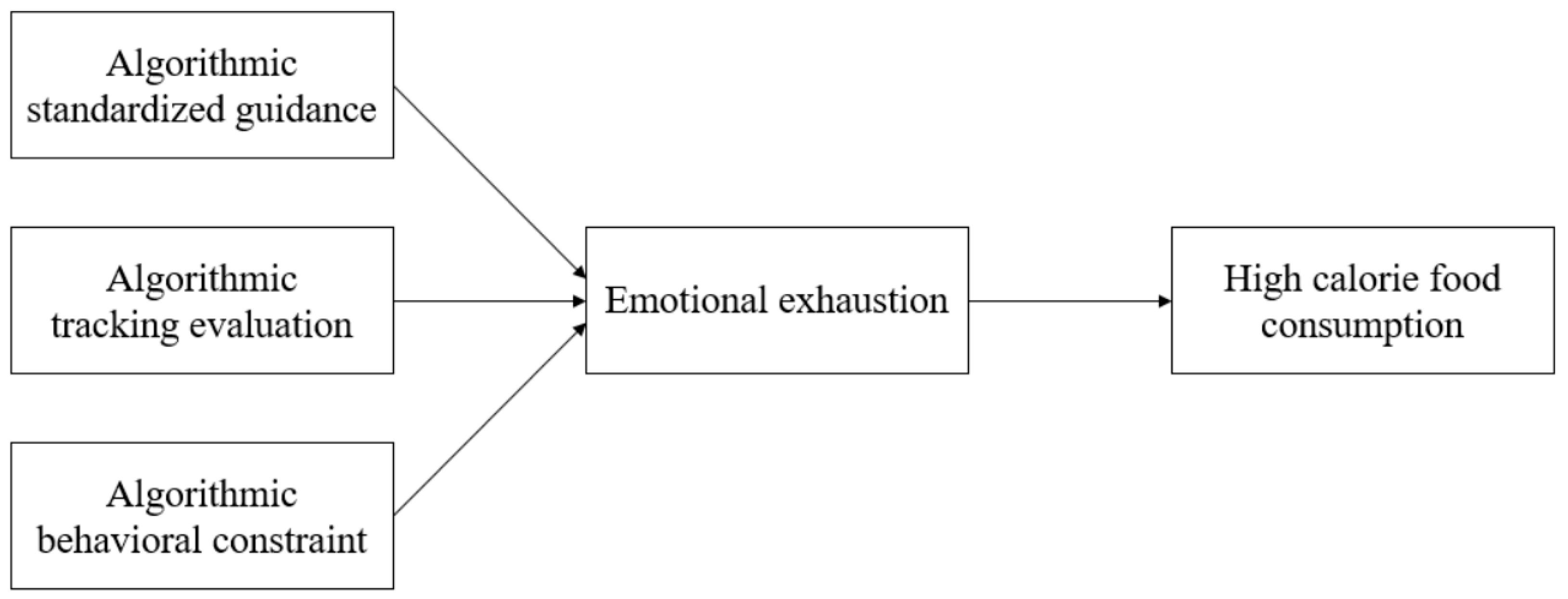
Figure 1 demonstrates the conceptual framework that integrates the hypotheses that we have developed.


3. Methods

3.1. Participants and Procedure

We conducted a quota-based online survey of ride-hailing drivers in China from April to May 2022, utilizing the professional survey firm Credamo for sampling and data collection. Given that ride-hailing drivers are a specific and hard-to-reach population, we implemented a rigorous multi-stage quality control procedure to ensure respondent authenticity. First, the Credamo platform enforces a strict real-name authentication system for all panelists [58]. Second, to prevent false reporting, we used “blind” screening questions where participants had to select their occupation from a mixed list of industries; only those identifying as ride-hailing drivers were admitted. Third, we embedded trap questions to detect inattentive responses. The sample of drivers was comparable in gender, age, and education level to the demographic data published in Cao Cao Travel’s “Ride-Hailing Driver Portrait Analysis Report,” a leading ride-hailing platform in China. We initially collected 800 completed surveys. Following a data screening process, which included checks for completion time and attentiveness, 90 responses were removed. This procedure yielded a final valid sample of 710 participants (88.75% effectiveness rate). Furthermore, the sample collection process was approved by our institution’s ethics committee.
Among the valid respondents, 82.39% were male (n = 585), with most drivers being aged 31–45 (59.30%, n = 421). Most of the participants suggested that their highest level of education was high school or lower (66.90%, n = 475). The largest group of drivers worked 6–10 h per day (54.65%, n = 388), and a higher proportion worked exclusively for a single ride-hailing platform (68.17%, n = 484), as detailed in Table 1.

3.2. Measurement

To ensure the content validity and reliability of our constructs, we predominantly utilized well-established scales adapted from high-impact studies, tailored to the specific context of ride-hailing services. All constructs were measured using multi-item Likert scales (1 = strongly disagree, 7 = strongly agree). The choice of measures followed the principle of psychometric rigor and contextual relevance. All items underwent a rigorous back-translation process and a pilot study with 30 drivers to ensure clarity and linguistic equivalence in the Chinese context.
Perceived Algorithmic Standardized Guidance. We measured this variable by adopting an 4-item scale derived from Pei et al. (2021) [46]. An example of an illustrative item from the scale is “Algorithms provide me with extensive information to support me in completing my work tasks”.
Perceived Algorithmic Tracking Evaluation. The measure for this variable consisted of three items modified from Pei et al. (2021) [46]. A sample item is “The algorithm continuously tracks my work progress.”
Perceived Algorithmic Behavioral Constraint. This variable was measured with three items adapted from Pei et al. (2021) [46]. A sample item is “The algorithm encourages me to take orders at specific times by offering a cash bonus”.
Emotional Exhaustion. We evaluated emotional exhaustion through a 3-item scale derived from Watkins et al. (2015) [59]. Subjects responded to items such as “I feel exhausted when I think about having to face another day on the job”.
High-Calorie Food Consumption. We measured high-calorie food consumption using the purchase intention of high-calorie food, as actual dietary intake is difficult to observe accurately in field surveys [38]. While purchase intention is a proxy, it is widely accepted in marketing research as a reliable predictor of consumption propensity. It was assessed with three items adapted from Wu and Lee (2016) [60]. A sample item is, “The likelihood of purchasing high-calorie food is”.
Control Variables. To minimize potential confounding effects and ensure the internal validity of the structural model, we incorporated five control variables based on the existing gig economy and health behavior literature [4,5]. Gender, age, and education level were included to account for demographic variations in dietary habits and health-related self-regulation. Daily working hours were controlled to differentiate the psychological impacts of algorithmic management from general fatigue caused by the length of the workday. Finally, we controlled for multi-platform affiliation, as the complexity of juggling multiple algorithms may influence a driver’s perceived control and stress levels, thereby affecting their compensatory consumption behaviors. This inclusion allows us to more accurately estimate the specific spillover effects of the primary algorithmic governance dimensions.

3.3. Testing of Common Method Bias

To safeguard participant privacy and foster candid responses, we guaranteed anonymity and assured all respondents that their raw data would remain confidential. While this procedure helps partially mitigate common method bias (CMB), a potential for such bias persists, given that all variables were obtained solely through self-report [61]. We therefore formally tested for this possibility. An exploratory factor analysis, which extracted a single factor, revealed that this lone factor accounted for well under the 50% threshold for total variance, demonstrating that CMB is unlikely to be a significant concern in this data [62]. However, acknowledging the limitations of Harman’s test, we further employed the Unmeasured Latent Method Construct (ULMC) approach [63,64]. We explicitly modeled single-indicator constructs to partition the variance of the indicators. The analysis revealed that the average substantive variance (R12) was 0.774, whereas the average method variance (R22) was only 0.005. The ratio of substantive variance to method variance was approximately 170:1, and most method factor loadings were insignificant (as shown in Table 2). These results demonstrate that CMB is unlikely to be a significant concern in this data.

3.4. Data Processing and Analysis

The decision to utilize PLS-SEM instead of CB-SEM was grounded in two primary considerations. From a theoretical standpoint, this study was characterized by theoretical integration and extension rather than simple confirmation. By synthesizing Conservation of Resources theory with Ego Depletion Theory, Self-Regulation perspectives, Behavioral Economics, and Nutritional Physiology, we developed a new framework to predict the unintended spillover effects of algorithmic governance. PLS-SEM is particularly suitable for interdisciplinary theory development where the goal is to explain and predict variations in key target constructs. From a statistical perspective, this choice stemmed from the inherent characteristics of our survey data. Survey-based research often struggles to meet the stringent multivariate normality requirements of CB-SEM. As a variance-based approach, PLS-SEM offers greater robustness to non-normal data distributions. Additionally, given the complexity of the model involving five key variables and multiple mediation paths, PLS-SEM ensures higher statistical power and obviates the convergence issues common in complex structural relationships.

4. Results

4.1. Reliability and Validity of the Measurement Model

First, we assessed the relationship between latent and observed variables. The indicator factor loading values were significant, ranging from 0.812 to 0.930 (recommended factor loading values > 0.5), for the respective constructs. The average variance extracted (AVE) for all constructs was found to be between 0.705 and 0.858. As all values surpassed the 0.5 criterion, strong convergent validity was established [65].
The Cronbach alpha values for the independent variables (perceived algorithmic standardized guidance, tracking evaluation, and behavioral constraint), as well as the mediator variable emotional exhaustion and the dependent variable high-calorie food consumption, were all above 0.8 (recommended Cronbach’s alpha > 0.7), which falls within the commonly acceptable range [66]. Composite reliability (CR) values exceeded 0.9, suggesting strong internal consistency reliability. The detailed results are presented in Table 3.
To ensure that the model was free from collinearity, we inspected the variance inflation factor (VIF) values. The observed VIFs for all items fell between 1.691 and 3.635. As this entire range is substantially lower than the commonly accepted threshold of 5.0, our results affirm the absence of significant collinearity issues.
We conducted a two-pronged assessment to establish discriminant validity. Initially, we employed the Fornell–Larcker criterion; as detailed in Table 4, the square root of the AVE for all constructs (all > 0.7) surpassed all corresponding correlation coefficients. Subsequently, we evaluated the HTMT ratios. The values for all constructs ranged from 0.332 to 0.758 (Table 5), satisfying the <0.9 threshold. Collectively, these results (Table 3 and Table 4) affirm the model’s discriminant validity.

4.2. Assessment of the Structural Model

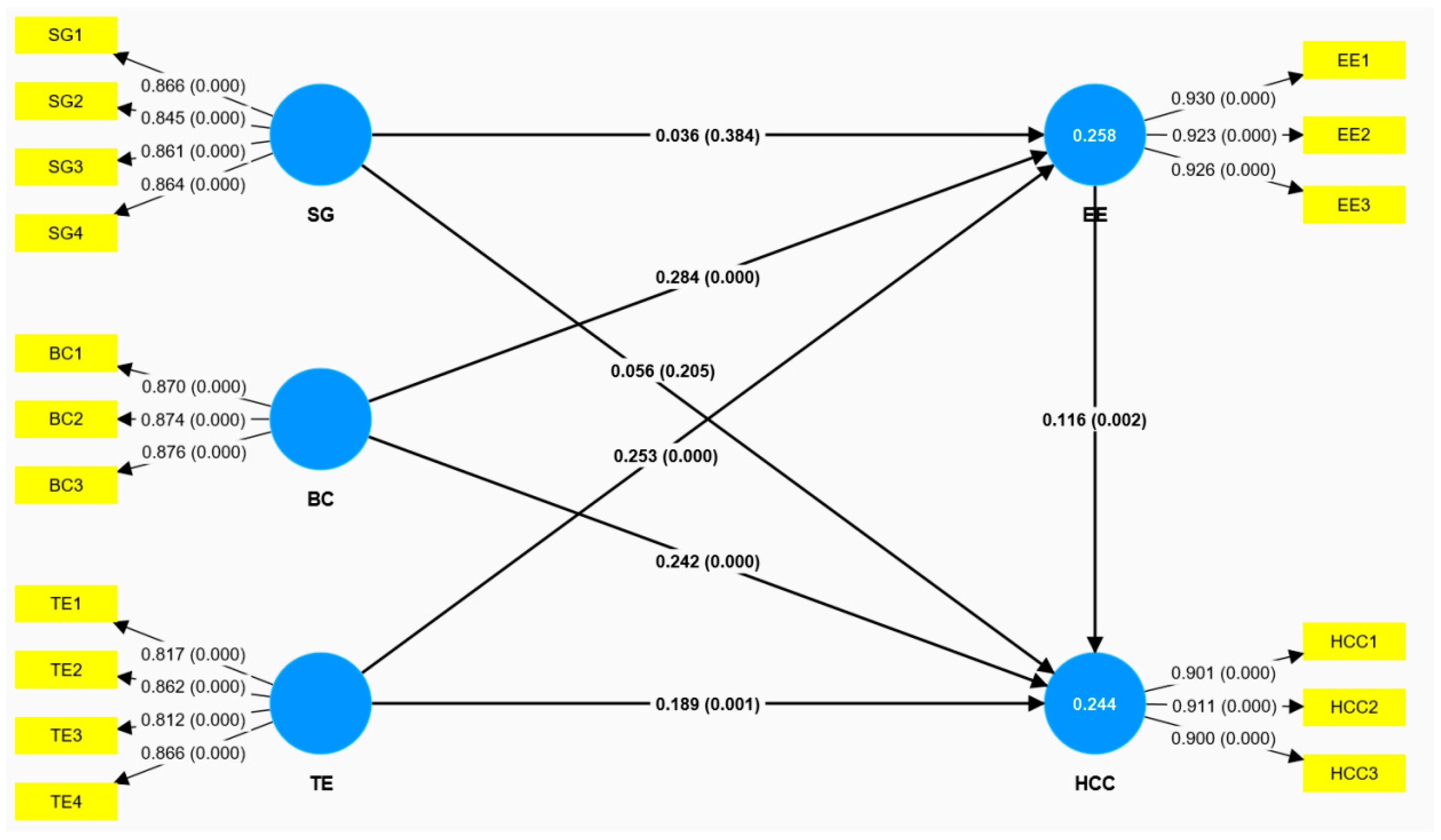
The R2 values of the latent constructs, ranging from 0 to 1, indicate model strength. The R2 values for emotional exhaustion and purchase intention were 0.258 and 0.244, respectively, showing that the model explains 25.8% of the variance in the mediator variable (emotional exhaustion) and 24.4% in the dependent variable (purchase intention), demonstrating the explanatory power of the research model. In addition, we assessed the effect sizes f2 to determine the substantive impact of the independent variables. The f2 values for the paths from algorithmic behavioral constraint and tracking evaluation to high-calorie food consumption were 0.039 and 0.025, respectively. These values exceed the 0.02 criterion suggested by Cohen (1988) [67], confirming that these dimensions of algorithmic governance have a small but significant effect on drivers’ unhealthy consumption behaviors.
The Q2 values, calculated through blindfolding, further validate model appropriateness, with values above zero considered adequate. The Q2 values for emotional exhaustion and purchase intention were 0.218 and 0.197, respectively, both above zero, suggesting model significance.
Additionally, the SRMR value was 0.050, below the acceptable threshold of 0.10, affirming the structural model’s alignment [68].

4.3. Hypotheses Testing

The empirical analysis of the hypotheses was conducted using a bootstrapping approach with 5000 samples (see Figure 2 for the results). Table 6 also presents the direct, indirect, and total path results of the study. The t-values and p-values were used to determine whether to accept or reject each hypothesis. The outcomes for each hypothesis are summarized in Table 7.
Hypothesis H1a proposed that drivers’ perceived algorithmic standardized guidance is positively associated with their intention to purchase high-calorie food. The statistical results (β = 0.056, t = 1.269, p > 0.05) indicate that perceived algorithmic standardized guidance is not significantly associated with drivers’ purchase intention for high-calorie food; thus, H1a is rejected.
Hypothesis H1b proposed that drivers’ perceived algorithmic tracking evaluation is positively associated with their purchase intention for high-calorie food. The statistical outcome (β = 0.242, t = 4.469, p < 0.001) confirms this positive association, supporting the acceptance of H1b.
Hypothesis H1c suggested that drivers’ perceived algorithmic behavioral constraint is positively associated with their purchase intention for high-calorie food. The statistical results (β = 0.189, t = 3.341, p < 0.01) confirm this positive association, supporting the acceptance of H1c.
This study also examines the mediating effect of emotional exhaustion on the relationships between perceived algorithmic standardized guidance and purchase intention for high-calorie food, perceived algorithmic tracking evaluation and purchase intention, and perceived algorithmic behavioral constraint and purchase intention, respectively.
Hypothesis H2a proposed that emotional exhaustion functions as a pathway linking perceived algorithmic standardized guidance with purchase intention for high-calorie food. The statistical results for H2a (indirect effect = 0.004, t = 0.797, p > 0.05, 95% CI [−0.005, 0.016]) indicate that emotional exhaustion does not mediate this relationship. Therefore, H2a is rejected.
Hypothesis H2b proposed that emotional exhaustion mediates the relationship between perceived algorithmic tracking evaluation and purchase intention for high-calorie food. The statistical results (indirect effect = 0.033, t = 2.773, p < 0.01, 95% CI [0.011, 0.057]) confirm this mediation effect, supporting the acceptance of H2b.
Hypothesis H2c proposed that emotional exhaustion mediates the relationship between perceived algorithmic behavioral constraint and purchase intention for high-calorie food. The statistical results (indirect effect = 0.029, t = 2.767, p < 0.01, 95% CI [0.010, 0.052]) confirm this mediation effect as well, supporting the acceptance of H2c.

5. Conclusions and Discussion

The findings of this study offer a nuanced interpretation of the unintended spillover effects of e-commerce platform governance, revealing that distinct algorithmic mechanisms exert divergent impacts on service providers’ off-platform health behaviors. Specifically, our results confirm that the coercive dimensions—algorithmic tracking evaluation (H1b) and algorithmic behavioral constraints (H1c)—function as significant drivers of high-calorie food consumption, with emotional exhaustion serving as the pivotal mediating mechanism (H2b and H2c).
In contrast, algorithmic standardized guidance was found to have a non-significant impact on both emotional exhaustion (H1a) and subsequent consumption behavior (H2a). We argue that algorithmic standardized guidance functions as a challenge stressor rather than a hindrance stressor. While it involves the inherent pressure of machine-led management, its primary function is to provide task clarity and decision support, which are instrumental in reducing role ambiguity. This enabling effect likely acts as a resource-replenishing factor that offsets the minor psychological costs of automated coordination [7,9,11]. Consequently, the net effect on emotional exhaustion is neutralized, explaining why this specific dimension does not trigger the same physiological spillover as its coercive counterparts. Furthermore, this result contributes to the ongoing scholarly debate regarding the nature of algorithmic governance. While some monolithic perspectives characterize all forms of algorithmic management as oppressive Digital Taylorism [9,11], our findings suggest that service providers distinguish between helpful technical guidance and invasive surveillance. In the specific context of the ride-hailing industry, drivers may have undergone a process of habituation toward standardized instructions, such as GPS navigation and service protocols. These elements become part of the ‘occupational background’ rather than being perceived as active stressors that deplete self-regulatory resources. By establishing this distinction, our study moves beyond describing the phenomenon to revealing the psychological-to-physiological logic of how different algorithmic design choices influence human well-being.
Overall, our findings clearly delineate the differential impacts of a platform’s algorithmic governance tools. We demonstrate that coercive mechanisms, such as monitoring and behavioral constraints, can trigger resource depletion and escalate high-calorie food purchase intentions, while supportive mechanisms, like standardized guidance, appear to be benign in this regard. Although purchase intention is a proxy for actual intake, it serves as a critical indicator of a stress-induced propensity toward unhealthy consumption behaviors. These findings suggest that the adverse externalities of platform governance are not inevitable but are instead a function of specific algorithmic design choices. It is noteworthy that the observed positive relationship between algorithmic control and food intake signifies an adverse consequence for human capital sustainability, illustrating how platform efficiency and provider health can be in conflict.

5.1. Theoretical Contributions

This study provides three key theoretical implications for the literature on e-commerce platform governance and gig worker well-being. First, we shift the research focus from on-platform efficiency to off-platform health externalities, effectively linking algorithmic management with public health concerns. While prior research has predominantly examined how algorithmic control impacts organizational outcomes such as turnover and service quality, we uncover the hidden “biological costs” of digital governance. By identifying high-calorie food consumption as a tangible spillover effect, we demonstrate that the impact of algorithms extends far beyond the app interface, eroding the physical health and sustainability of the workforce. This offers a new perspective for evaluating the adverse externalities of the platform economy.
Second, we advance understanding of algorithmic governance by moving beyond a monolithic view to a granular, dimensional approach. We empirically demonstrate that “not all algorithms are created equal.” By distinguishing between coercive mechanisms (tracking, constraints) and supportive mechanisms (standardized guidance), we clarify that stress arises specifically from monitoring and restriction, whereas guidance can be benign. This nuanced finding refines the “technostress” narrative, helping scholars distinguish between the functional and dysfunctional elements of algorithmic architecture.
Finally, we enrich the theoretical framework by integrating Conservation of Resources (COR) theory with Ego Depletion theory and physiological perspectives. Beyond the general notion of stress, we delineate a complete psychological-to-behavioral pathway: algorithmic pressure acts as an external stressor that drains self-regulatory resources (willpower), driving drivers into a state of ego depletion. This depletion, coupled with physiological urges for energy replenishment, leads to “present bias” and hedonic consumption. This multi-theoretical integration offers a robust explanation for why rational gig workers succumb to irrational health behaviors under algorithmic pressure.

5.2. Practical Implications

The findings of this study highlight the varied effects of different dimensions of algorithmic control on ride-hailing drivers’ high-calorie food consumption, offering valuable insights for platforms aiming to balance algorithmic efficiency with workforce sustainability. Specifically, the study indicates that Algorithmic Tracking/Evaluation and Behavioral Constraints are positively associated with drivers’ high-calorie food consumption via the mechanism of emotional exhaustion. Conversely, Standardized Guidance shows no significant negative impact on such behaviors. Based on these empirical links, we propose the following practical recommendations.
First, platform managers should reassess the intensity of coercive algorithmic controls to mitigate drivers’ emotional exhaustion. Our data suggest that rigid behavioral constraints and excessive tracking are key stressors that drive unhealthy eating as a coping mechanism. While complete removal of control is unrealistic in the gig economy, platforms can implement “Health-Conscious Algorithmic Management.” For instance, instead of purely maximizing order efficiency, algorithms could be optimized to detect prolonged periods of continuous driving and automatically suggest or enforce “micro-breaks” without penalizing the driver’s acceptance rate. By reducing the continuous cognitive load and time pressure (the sources of emotional exhaustion identified in our model), platforms can indirectly reduce the physiological and psychological drive for high-calorie comfort foods.
Second, considering the mediating role of emotional exhaustion, platforms can intervene through supportive rather than punitive features. Our findings reveal that drivers eat unhealthily largely to replenish energy or cope with stress caused by the system. Rather than implementing costly offline counseling services, platforms can leverage their digital interfaces to provide low-cost informational support. For example, platforms could integrate dietary health nudges into the driver app, such as recommending healthy, quick meal options nearby during break times or providing brief educational tips on managing energy levels without relying on sugar-heavy foods. This shifts the focus from invasive psychological monitoring to proactive, supportive resource provision, which aligns better with the autonomous nature of gig work.
Finally, referencing the null effect of Standardized Guidance, platforms should maintain clear operational standards while reducing micromanagement. Since standardized guidance was not found to trigger unhealthy eating, platforms can continue to use clear rules and standard operating procedures (SOPs) to ensure service quality. The distinction is crucial: drivers accept clear rules (Guidance) but suffer from the stress of constant surveillance and restriction (Tracking/Constraints). Therefore, managers should prioritize clear communication of expectations over real-time, high-pressure monitoring. By fostering a healthier driver pool, platforms can contribute to the long-term sustainability of the gig workforce, reducing the invisible health costs transferred to drivers and society.

5.3. Research Limitations and Future Research Directions

This study has certain limitations that should be acknowledged and addressed in future research. First, although we employed rigorous screening procedures and validated demographic representativeness against industry reports, our data relies on an online panel. Respondents in online panels may be more tech-savvy or have different working patterns compared to the general driver population, which could introduce sampling bias regarding actual working conditions. Future research could utilize offline field surveys or collaborate directly with platforms to validate the robustness of our findings across broader driver populations [69]. Moreover, the data on ride-hailing drivers’ high-calorie food consumption was gathered through self-reported measures, which may introduce biases due to the subjective nature of self-reporting. Future research could utilize objective data sources to further validate the robustness of our findings through multiple data collection methods.
Second, our model provides a foundational understanding of the main effects, but future e-commerce research should explore critical boundary conditions [4,5]. For instance, does the platform’s compensation structure (e.g., fixed vs. incentive-based pay) moderate these effects? How does provider tenure or their multi-homing behavior (working for multiple platforms) influence their resilience to algorithmic pressures [70]? Furthermore, future studies could adopt an experimental design to test the effectiveness of different “supportive governance” interventions proposed in our managerial implications.
Third, this study employs purchase intention as a proxy for high-calorie food consumption behavior, rather than measuring actual dietary intake. Although behavioral theories (e.g., Theory of Planned Behavior) posit that intention is a strong predictor of actual behavior, a gap between intention and action may still exist due to impulse control or situational constraints. Consequently, our findings reflect drivers’ stress-induced desire or propensity to seek comfort food, rather than a precise measurement of their caloric intake. Future research could address this limitation by utilizing longitudinal diary studies or objective platform transaction data to capture actual dietary behaviors more accurately [71].
Finally, the cultural and contextual specificity of the sample deserves further attention. This study focused exclusively on ride-hailing drivers within the Chinese e-commerce ecosystem. The intense competition within China’s gig economy, combined with specific local dietary cultures (e.g., the high prevalence of affordable delivery-based high-calorie foods), may influence how drivers perceive algorithmic control and react to stress. Future research should investigate these mechanisms in different cultural contexts to enhance the generalizability of our findings and to identify potential cultural moderators [72] in the link between digital governance and behavioral health.

Author Contributions

Conceptualization, X.W.; methodology, X.W.; software, Y.R.; validation, X.W. and Y.R.; formal analysis, Y.R.; investigation, Y.R.; re-sources, X.W.; data curation, X.W.; writing—original draft preparation, X.W.; writing—review and editing, Y.R.; visualization, Y.R.; supervision, X.W.; project administration, X.W. All authors have read and agreed to the published version of the manuscript.

Funding

This research received no external funding.

Institutional Review Board Statement

The data collection was approved by the Dong Fu Rong Social and Economic Development Institute, Wuhan University, and was carried out in full compliance with the ethical norms for social survey research.

Informed Consent Statement

Informed consent was obtained from all subjects involved in the study.

Data Availability Statement

The data presented in this study are available on request from the corresponding author. The data are not publicly available due to privacy restrictions.

Conflicts of Interest

The authors declare no conflict of interest.

Correction Statement

This article has been republished with a minor correction to the existing affiliation information. This change does not affect the scientific content of the article.

References

  1. Kellogg, K.C.; Valentine, M.A.; Christin, A. Algorithms at work: The new contested terrain of control. Acad. Manag. Ann. 2020, 14, 366–410. [Google Scholar] [CrossRef]
  2. Wang, C.L. New frontiers and future directions in interactive marketing: Inaugural Editorial. J. Res. Interact. Mark. 2021, 15, 1–9. [Google Scholar] [CrossRef]
  3. Chong, S.-E.; Ng, S.-I.; Basha, N.K.; Lim, X.-J. Social commerce in the social media age: Understanding how interactive commerce enhancements navigate app continuance intention. J. Res. Interact. Mark. 2024, 18, 865–899. [Google Scholar]
  4. Wang, C.L. Interactive Marketing is the New Normal. In The Palgrave Handbook of Interactive Marketing; Wang, C.L., Ed.; Springer-Nature International Publishing: Cham, Switzerland, 2023; pp. 1–12. Available online: https://link.springer.com/book/10.1007/978-3-031-14961-0 (accessed on 18 June 2024).
  5. Wang, C.L. Editorial-What is an interactive marketing perspective and what are emerging research areas? J. Res. Interact. Mark. 2024, 18, 161–165. [Google Scholar] [CrossRef]
  6. Gao, S.; Jia, Y.; Liu, B.; Mu, W. Algorithmic monitoring increases unethical behavior in gig workers: The mediating role of moral disengagement. Inf. Technol. People 2025, 38, 2506–2530. [Google Scholar] [CrossRef]
  7. Möhlmann, M.; Zalmanson, L.; Henfridsson, O.; Gregory, R.W. Algorithmic management of work on online labor platforms: When matching meets control. MIS Q. 2021, 45, 1999–2022. [Google Scholar] [CrossRef]
  8. Peltier, J.W.; Dahl, A.J.; Drury, L.; Khan, T. Cutting-edge research in social media and interactive marketing: A review and research agenda. J. Res. Interact. Mark. 2024, 18, 900–944. [Google Scholar]
  9. Li, W.; Lu, Y.; Hu, P.; Gupta, S. Work engagement of online car-hailing drivers: The effects of platforms’ algorithmic management. Inf. Technol. People 2024, 37, 1423–1448. [Google Scholar] [CrossRef]
  10. Gao, L.; Li, G.; Tsai, F.; Gao, C.; Zhu, M.; Qu, X. The impact of artificial intelligence stimuli on customer engagement and value co-creation: The moderating role of customer ability readiness. J. Res. Interact. Mark. 2023, 17, 317–333. [Google Scholar] [CrossRef]
  11. Jarrahi, M.H.; Newlands, G.; Lee, M.K.; Wolf, C.T.; Kinder, E.; Sutherland, W. Algorithmic management in a work context. Big Data Soc. 2021, 8, 20539517211020332. [Google Scholar] [CrossRef]
  12. Lee, M.K. Understanding perception of algorithmic decisions: Fairness, trust, and emotion in response to algorithmic management. Big Data Soc. 2018, 5, 2053951718756684. [Google Scholar] [CrossRef]
  13. Jaydarifard, S.; Behara, K.; Baker, D.; Paz, A. Driver fatigue in taxi, ride-hailing, and ridesharing services: A systematic review. Transp. Rev. 2024, 44, 572–590. [Google Scholar] [CrossRef]
  14. Bu, T.; Ma, R.; Wang, Y.; Wang, X.; Tang, D.; Deng, L. Measurement on Health Capital of Workforce: Evidence from China. Soc. Indic. Res. 2024, 174, 569–587. [Google Scholar] [CrossRef]
  15. Duggan, J.; Sherman, U.; Carbery, R.; McDonnell, A. Algorithmic management and app-work in the gig economy: A research agenda for employment relations and HRM. Hum. Resour. Manag. J. 2020, 30, 114–132. [Google Scholar] [CrossRef]
  16. Jia, Y.; Chen, Q.; Mu, W.; Zhang, W. Managing the value co-creation of peer service providers in the sharing economy: The perspective of customer incivility. Heliyon 2023, 9, e16820. [Google Scholar] [CrossRef]
  17. Parent-Rocheleau, X.; Parker, S.K. Algorithms as work designers: How algorithmic management influences the design of jobs. Hum. Resour. Manag. Rev. 2022, 32, 100838. [Google Scholar] [CrossRef]
  18. Liang, X.; Fu, W.; Luo, P.; Huo, Y. Challenge or hindrance? The dual impact of algorithmic control on gig workers’ prosocial service behaviors. Behav. Sci. 2024, 14, 497. [Google Scholar] [CrossRef]
  19. Teng, Z.; Xia, H.; He, Y. Algorithmic Fairness and Digital Financial Stress: Evidence from AI-Driven E-Commerce Platforms in OECD Economies. J. Theor. Appl. Electron. Commer. Res. 2025, 20, 213. [Google Scholar] [CrossRef]
  20. Jia, Y.; Yan, J.; Liu, T.; Huang, J. How does internal and external CSR affect employees’ work engagement? Exploring multiple mediation mechanisms and boundary conditions. Int. J. Environ. Res. Public Health 2019, 16, 2476. [Google Scholar] [CrossRef] [PubMed]
  21. Baidu Baijiahao. Online Car-Hailing Observation Room. Available online: https://baijiahao.baidu.com/s?id=1694008038468426096&wfr=spider&for=pc (accessed on 15 December 2025).
  22. Napoleão, A.; Fernandes, L.; Miranda, C.; Marum, A.P. Effects of calorie restriction on health span and insulin resistance: Classic calorie restriction diet vs. ketosis-inducing diet. Nutrients 2021, 13, 1302. [Google Scholar] [CrossRef] [PubMed]
  23. Farooqui, A.A. High Calorie Diet and the Human Brain: Metabolic Consequences of Long-Term Consumption; Springer International Publishing: Cham, Switzerland, 2015. [Google Scholar] [CrossRef]
  24. Park, S.; Ryoo, S. How does algorithm control affect platform workers’ responses? Algorithm as a digital Taylorism. J. Theor. Appl. Electron. Commer. Res. 2023, 18, 273–288. [Google Scholar] [CrossRef]
  25. Halbesleben, J.R.B.; Neveu, J.-P.; Paustian-Underdahl, S.C.; Westman, M. Getting to the “COR”: Understanding the role of resources in conservation of resources theory. J. Manag. 2014, 40, 1334–1364. [Google Scholar] [CrossRef]
  26. Zhang, L.; Yang, J.; Zhang, Y.; Xu, G. Gig worker’s perceived algorithmic management, stress appraisal, and destructive deviant behavior. PLoS ONE 2023, 18, e0294074. [Google Scholar] [CrossRef] [PubMed]
  27. Cohen, D.A.; Babey, S.H. Contextual influences on eating behaviours: Heuristic processing and dietary choices. Obes. Rev. 2012, 13, 766–779. [Google Scholar] [CrossRef]
  28. Cohen, B.; Kietzmann, J. Ride on! Mobility business models for the sharing economy. Organ. Environ. 2014, 27, 279–296. [Google Scholar] [CrossRef]
  29. de Vries, R.; Morquecho-Campos, P.; de Vet, E.; de Rijk, M.; Postma, E.; de Graaf, K.; Engel, B.; Boesveldt, S. Human spatial memory implicitly prioritizes high-calorie foods. Sci. Rep. 2020, 10, 15174. [Google Scholar] [CrossRef]
  30. Cornil, Y.; Gomez, P.; Vasiljevic, D. Food as fuel: Performance goals increase the consumption of high-calorie foods at the expense of good nutrition. J. Consum. Res. 2020, 47, 147–166. [Google Scholar] [CrossRef]
  31. Jiang, Y.; Lei, J. Will Recommend A salad but choose a burger for you: The effect of decision tasks and social distance on food decisions for others. J. Appl. Bus. Behav. Sci. 2025, 1, 95–114. [Google Scholar] [CrossRef]
  32. Adam, T.C.; Epel, E.S. Stress, eating and the reward system. Physiol. Behav. 2007, 91, 449–458. [Google Scholar] [CrossRef]
  33. Ainslie, G. De Gustibus Disputare: Hyperbolic delay discounting integrates five approaches to impulsive choice. J. Econ. Methodol. 2017, 24, 166–189. [Google Scholar] [CrossRef]
  34. Liu, T.; Jia, Y.; Yang, Y.; Yan, J.; Mu, W. Validation of the revised Chen internet addition scale for Chinese older adults. Res. Soc. Work Pract. 2024, 34, 922–932. [Google Scholar] [CrossRef]
  35. Jia, Y.; Ye, Y.; Ma, Z.; Wang, T. The effect of subnational legal effectiveness and social trust on foreign firm performance: From subnational analysis in emerging economies. Int. J. Emerg. Mark. 2024, 19, 1669–1694. [Google Scholar] [CrossRef]
  36. Berthoud, H.-R. Mind versus metabolism in the control of food intake and energy balance. Physiol. Behav. 2004, 81, 781–793. [Google Scholar] [CrossRef]
  37. Polivy, J.; Herman, C.P. Dieting and binging: A causal analysis. Am. Psychol. 1985, 40, 193–201. [Google Scholar] [CrossRef]
  38. Wansink, B.; Chandon, P. Slim by design: Redirecting the accidental drivers of mindless overeating. J. Consum. Psychol. 2014, 24, 413–431. [Google Scholar] [CrossRef]
  39. Papies, E.K.; Stroebe, W.; Aarts, H. The allure of forbidden food: On the role of attention in self-regulation. J. Exp. Soc. Psychol. 2008, 44, 1283–1292. [Google Scholar] [CrossRef]
  40. Shiv, B.; Fedorikhin, A. Heart and mind in conflict: The interplay of affect and cognition in consumer decision making. J. Consum. Res. 1999, 26, 278–292. [Google Scholar] [CrossRef]
  41. Han, L.; Wang, T.; Jia, Y.; Ye, Y.; Liu, T.; Lv, J. The influence of service provider’s role overload on value co-creation behavior in the sharing economy: A mediated moderation model. J. Res. Interact. Mark. 2024, 4, 570–587. [Google Scholar]
  42. Liu, R.; Yin, H. How algorithmic management influences gig workers’ job crafting. Behav. Sci. 2024, 14, 952. [Google Scholar] [CrossRef] [PubMed]
  43. Lopes, J.M.; Silva, L.F.; Massano-Cardoso, I. AI meets the shopper: Psychosocial factors in ease of use and their effect on e-commerce purchase intention. Behav. Sci. 2024, 14, 616. [Google Scholar] [CrossRef]
  44. Graham, M.; Woodcock, J.; Heeks, R.; Mungai, P.; Van Belle, J.-P.; Du Toit, D.; Fredman, S.; Osiki, A.; Van Der Spuy, A.; Silberman, S.M. The Fairwork Foundation: Strategies for improving platform work in a global context. Geoforum 2020, 112, 100–103. [Google Scholar] [CrossRef]
  45. Jaworski, B.J. Toward a theory of marketing control: Environmental context, control types, and consequences. J. Mark. 1988, 52, 23–39. [Google Scholar] [CrossRef]
  46. Pei, J.; Liu, S.; Cui, X.; Qu, J. Perceived algorithmic control of gig workers: Conceptualization, measurement and verification the impact on service performance. Nankai Bus. Rev. 2021, 24, 14–25. [Google Scholar]
  47. Carew, B.N.; Peltier, J.W.; Dahl, A.J. AI strategic orientation and the b2b social media brand meaning process: Antecedents, consequences, and outcomes. J. Appl. Bus. Behav. Sci. 2025, 1, 184–209. [Google Scholar] [CrossRef]
  48. Zhu, J.; Zhang, B.; Wang, H. The double-edged sword effects of perceived algorithmic control on platform workers’ service performance. Humanit. Soc. Sci. Commun. 2024, 11, 316. [Google Scholar] [CrossRef]
  49. Jia, Y.; Wang, T.; Xiao, K.; Guo, C. How to reduce opportunism through contractual governance in the cross-cultural supply chain context: Evidence from Chinese exporters. Ind. Mark. Manag. 2020, 91, 323–337. [Google Scholar] [CrossRef]
  50. Hobfoll, S.E. Conservation of resources: A new attempt at conceptualizing stress. Am. Psychol. 1989, 44, 513–524. [Google Scholar] [CrossRef]
  51. Hobfoll, S.E.; Halbesleben, J.; Neveu, J.-P.; Westman, M. Conservation of resources in the organizational context: The reality of resources and their consequences. Annu. Rev. Organ. Psychol. Organ. Behav. 2018, 5, 103–128. [Google Scholar] [CrossRef]
  52. Glavin, P.; Bierman, A.; Schieman, S. Über-alienated: Powerless and alone in the gig economy. Work Occup. 2021, 48, 399–431. [Google Scholar] [CrossRef]
  53. Jia, Y.; Yu, J.; Liu, T.; Huang, J.; Mu, W.; Deng, F. Research on the Matching Effect of Social Media Advertising Appeal and Narrative Person: Evidence from China. J. Theor. Appl. Electron. Commer. Res. 2024, 19, 2980–2996. [Google Scholar] [CrossRef]
  54. Rosenblat, A.; Stark, L. Algorithmic labor and information asymmetries: A case study of Uber’s drivers. Int. J. Commun. 2016, 10, 27. [Google Scholar]
  55. Maslach, C.; Jackson, S.E. The measurement of experienced burnout. J. Organ. Behav. 1981, 2, 99–113. [Google Scholar] [CrossRef]
  56. Loewenstein, G. Out of control: Visceral influences on behavior. Organ. Behav. Hum. Decis. Process. 1996, 65, 272–292. [Google Scholar] [CrossRef]
  57. Baumeister, R.F.; Bratslavsky, E.; Muraven, M.; Tice, D.M. Ego depletion: Is the active self a limited resource? J. Personal. Soc. Psychol. 1998, 74, 1252. [Google Scholar] [CrossRef] [PubMed]
  58. Yao, K.; He, K.; Zhang, C. Leveraging credamo for efficient data collection: Functional introductions and cross-field applications in academic and commercial settings. J. Appl. Bus. Behav. Sci. 2025, 1, 232–255. [Google Scholar] [CrossRef]
  59. Watkins, M.B.; Ren, R.; Umphress, E.E.; Boswell, W.R.; Triana, M.D.C.; Zardkoohi, A. Compassion organizing: Employees’ satisfaction with corporate philanthropic disaster response and reduced job strain. J. Occup. Organ. Psychol. 2015, 88, 436–458. [Google Scholar] [CrossRef]
  60. Wu, L.; Lee, C. Limited edition for me and best seller for you: The impact of scarcity versus popularity cues on self versus other-purchase behavior. J. Retail. 2016, 92, 486–499. [Google Scholar] [CrossRef]
  61. Wang, T.; Deng, X.; Sheng, S.; Jia, Y. Mitigating the damage of a global pandemic on the international buyer-supplier relationship: Evidence from Chinese suppliers. J. Bus. Res. 2024, 172, 114446. [Google Scholar] [CrossRef]
  62. Yang, Y.; Liu, T.; Jia, Y. The impact of interaction with children on internet addiction in older adults: A moderated mediation model. Front. Psychol. 2022, 13, 989942. [Google Scholar] [CrossRef]
  63. Liang, H.; Saraf, N.; Hu, Q.; Xue, Y. Assimilation of enterprise systems: The effect of institutional pressures and the mediating role of top management. MIS Q. 2007, 31, 59–87. [Google Scholar] [CrossRef]
  64. Lu, X.; Wang, Y.; Chen, X.; Lu, Q. From stress to screen: Understanding cyberloafing through cognitive and affective pathways. Behav. Sci. 2024, 14, 249. [Google Scholar] [CrossRef] [PubMed]
  65. Wang, T.; Han, Z.; Fan, Z.; Jia, Y. Impact of changes in political affinity on opportunism in global supply chain: The moderating role of national culture. J. Int. Manag. 2025, 31, 101206. [Google Scholar] [CrossRef]
  66. Liu, F.; Gao, J.; Jia, Y. Cross-border digital platforms and discretionary adaptation strategy of exporters in emerging markets: The capability building perspective. Int. Bus. Rev. 2025, 34, 102427. [Google Scholar] [CrossRef]
  67. Cohen, J. Statistical Power Analysis for the Behavioral Sciences, 2nd ed.; Lawrence Erlbaum Associates: Mahwah, NJ, USA, 1988. [Google Scholar]
  68. Henseler, J.; Ringle, C.M.; Sarstedt, M. A new criterion for assessing discriminant validity in variance-based structural equation modeling. J. Acad. Mark. Sci. 2015, 43, 115–135. [Google Scholar] [CrossRef]
  69. Wang, C.L. Basic but frequently overlooked issues in manuscript submissions: Tips from an editor’s perspective. J. Appl. Bus. Behav. Sci. 2025, 1, 140–144. [Google Scholar] [CrossRef]
  70. Wang, C.L. Demonstrating contributions through storytelling. J. Res. Interact. Mark. 2025, 19, 1–5. [Google Scholar] [CrossRef]
  71. Wang, C.L. The changing landscape of marketing research in the AI era: Prospects and challenges. J. Res. Interact. Mark. 2026, 20, 1–10. [Google Scholar] [CrossRef]
  72. Wang, T.; Han, L.; Yang, Z.; Jia, Y. The effect of cultural differences on the relationship between contract governance and opportunism. Eur. J. Mark. 2023, 57, 2974–3004. [Google Scholar] [CrossRef]
Figure 1. Conceptual framework.
Jtaer 21 00066 g001
Figure 2. Path estimates. Note. The p-values are in parentheses.
Jtaer 21 00066 g002
Table 1. Respondents’ demographic information.
CategoriesSubcategoriesNumbersPercentage
GenderMale58582.39%
Female12517.61%
Age18–30 years14420.28%
31–45 years42159.30%
46 years or above14520.42%
Education degreeHigh school degree or below47566.90%
Associate degree19627.61%
Bachelor degree or above395.49%
Working hours per dayLess than 5 h9012.68%
6–10 h38854.65%
11 h or above23232.68%
Multi-platformYes22631.83%
No48468.17%
Table 2. Common method bias analysis.
Latent VariableItemsSubstantive Variance Loadings (R1)R12Method Variance Loadings (R2)R22
Algorithmic standardized guidance (SG)SG10.7810.6100.0870.008
SG20.9010.812−0.0540.003
SG30.9080.824−0.0460.002
SG40.8480.7190.0170.000
Algorithmic tracking evaluation (TE)TE10.9450.893−0.1140.013
TE20.9520.906−0.0870.008
TE30.6160.3790.1880.035
TE40.8320.6920.0330.001
Algorithmic behavioral constraint (BC)BC10.8750.766−0.0020.000
BC20.8580.7360.0130.000
BC30.8870.787−0.0110.000
Emotional exhaustion (EE)EE10.9800.960−0.0660.004
EE20.9000.8100.0310.001
EE30.8990.8080.0370.001
High-calorie food consumption (HCC)HCC10.8970.8050.0050.000
HCC20.9000.8100.0140.000
HCC30.9150.837−0.0190.000
Table 3. Assessment of measurement model.
Latent VariableItemsConvergent ValidityConsistency ReliabilityVIF
LoadingsAVECRAlpha
Algorithmic standardized guidance (SG)SG10.8660.7380.9180.8832.101
SG20.845 2.285
SG30.861 2.469
SG40.864 2.303
Algorithmic tracking evaluation (TE)TE10.8170.7050.9050.8612.353
TE20.862 2.577
TE30.812 1.691
TE40.866 2.190
Algorithmic behavioral constraint (BC)BC10.8700.7620.9060.8442.020
BC20.874 1.971
BC30.876 2.064
Emotional exhaustion (EE)EE10.9300.8580.9480.9183.635
EE20.923 3.098
EE30.926 3.201
High-calorie food consumption (HCC)HCC10.9010.8180.9310.8882.500
HCC20.911 2.680
HCC30.900 2.556
Table 4. The discriminant validity of Fornell and Larcker.
BCSGTEEEHCC
BC0.873
SG0.5030.859
TE0.6480.4780.839
EE0.4660.3000.4540.926
HCC0.4470.3030.4260.3320.904
Note. SG = algorithmic standardized guidance; TE = algorithmic tracking evaluation; BC = algorithmic behavioral constraint; EE = emotional exhaustion; HCC = high-calorie food consumption.
Table 5. The discriminant validity of HTMT.
BCSGTEEEHCC
BC
SG0.581
TE0.7580.549
EE0.5270.3270.499
HCC0.5160.3320.4790.367
Note. SG = algorithmic standardized guidance; TE = algorithmic tracking evaluation; BC = algorithmic behavioral constraint; EE = emotional exhaustion; HCC = high-calorie food consumption.
Table 6. Direct, indirect and total path estimates.
Direct PathBetaSDt Valuesp ValuesConfidence Intervals
2.50%97.50%
SG → EE0.0360.0410.8700.384−0.0430.118
BC → EE0.2840.0456.3090.0000.1920.366
TE → EE0.2530.0406.3470.0000.1760.333
SG → HCC0.0560.0451.2690.205−0.0290.143
BC → HCC0.2420.0544.4690.0000.1360.349
TE → HCC0.1890.0573.3410.0010.0760.300
EE → HCC0.1160.0373.1140.0020.0410.186
Indirect effects
SG → EE → HCC0.0040.0050.7970.426−0.0050.016
BC → EE → HCC0.0330.0122.7730.0060.0110.057
TE → EE → HCC0.0290.0112.7670.0060.0100.052
Note. SG = algorithmic standardized guidance; TE = algorithmic tracking evaluation; BC = algorithmic behavioral constraint; EE = emotional exhaustion; HCC = high-calorie food consumption.
Table 7. The summarize of the hypotheses testing.
HypothesesCoefficientResults
H1aSG → HCC0.056Not supported
H1bBC → HCC0.242 ***Supported
H1cTE → HCC0.189 ***Supported
H2aSG → EE → HCC0.004Not supported
H2bBC → EE → HCC0.033 **Supported
H2cTE → EE → HCC0.029 **Supported
Note. ** p < 0.01 and *** p < 0.001. SG = algorithmic standardized guidance; TE = algorithmic tracking evaluation; BC = algorithmic behavioral constraint; EE = emotional exhaustion; HCC = high-calorie food consumption.
Disclaimer/Publisher’s Note: The statements, opinions and data contained in all publications are solely those of the individual author(s) and contributor(s) and not of MDPI and/or the editor(s). MDPI and/or the editor(s) disclaim responsibility for any injury to people or property resulting from any ideas, methods, instructions or products referred to in the content.