1. Introduction
The contemporary era is characterized by considerable interest in the evolving role and future direction of libraries within a world undergoing continuous change, reconfiguration, and transformation. Although a wide range of terms has been used to describe this undeniably transitional period, the underlying reality remains that the nature of libraries is undergoing a fundamental transformation. As key agents of this transition, librarians assume multidimensional roles that require the integration of new skills into an already well-established set of professional competencies. Their responsibilities extend beyond collection development to encompass serving as knowledge intermediaries, educators, activity coordinators, and active contributors to social cohesion (
Moccia, 2025). Furthermore, outreach initiatives and the development of collaborative networks with schools, universities, and other community stakeholders have emerged as defining characteristics of the modern library, which functions as a hub for learning, culture, and civic engagement.
This reconfiguration of the professional role necessitates continuous support for skills development, as Library and Information Science (LIS) curricula primarily provide the foundational knowledge and competencies required for entry into the profession (
Crumpton, 2015). Consequently, Continuing Professional Development (CPD) has become a well-established concept within the professional discourse of librarianship, encompassing not only graduates of LIS programs but also other professional groups employed in library settings (
Feitknecht & Lovey, 2021).
Continuing professional education may be delivered through multiple channels (
ur Rehman et al., 2025) and can have varying levels of impact on the communities it serves (
ur Rehman & Ganaie, 2024). In addition to the institutional framework and the instructional methodologies employed, the information resources upon which such initiatives are based constitute a critical determinant of their effectiveness (
Al-Kubaisi et al., 2023). Empirical studies indicate that some continuing education programs rely on printed educational materials in response to user preferences (
Al-Kubaisi et al., 2023), whereas others are delivered exclusively through electronic resources (
Clode et al., 2021).
This study investigates the range of information resources available to Greek academic librarians to support their professional information needs and enhance their professional competencies. More specifically, it addresses the following research questions:
Which thematic fields of LIS are reflected in the book holdings of academic libraries?
What is the degree of currency of book titles addressing professional issues of librarians, as indicated by their year of publication?
What proportion of the Journal Impact Factor list regarding LIS domain is accessible, and how is this access distributed across the different quartiles?
What is the content and the number of eBooks that are accessible to Greek academic librarians?
The remainder of this article is organized as follows.
Section 2 reviews the related literature on the importance of educational resources for Continuing Professional Development (CPD).
Section 3 describes the methodological approach adopted in this study.
Section 4 presents the research findings. Finally,
Section 5 concludes by highlighting the study’s principal findings, discussing their implications, and identifying directions for future research.
2. Literature Review
The continuous development of the professional competencies of library personnel constitutes a fundamental prerequisite for the effective and sustainable operation of libraries. Recent studies indicate that libraries continue to place insufficient emphasis on the Continuing Professional Development (CPD) of their staff (
Terese & Johannessen, 2018). This managerial challenge is multifactorial in nature. The management of libraries’ intellectual capital extends beyond organizational considerations alone (
P. Kostagiolas, 2012), encompassing individual-level determinants as well. In particular, employee characteristics such as Conscientiousness and Openness to Experience have been identified as strong predictors of a broad range of professional competencies (
Mandal et al., 2025).
The literature further suggests that, although librarians graduate from higher education with a solid foundation of professional competencies, important skills gaps remain (
Borbély, 2022). For example, academic librarians in Hungary require further development in areas such as programming and digital security (
Borbély, 2022), whereas librarians in Nigeria need to strengthen competencies in metadata creation and digitization (
Emezie et al., 2024). As
Bright and Colón-Aguirre (
2022) argue, librarians should be “prepared to be unprepared,” recognizing that professional expertise is shaped not only through formal education but also through continuous learning embedded in the workplace. Moreover, ongoing skills development enhances librarians’ professional self-confidence (
Daland, 2015).
The need for targeted and continuous professional development extends beyond librarians to include staff from other disciplinary backgrounds, as well as paraprofessional and support personnel who are frequently assigned responsibilities outside their areas of expertise. Such misalignment between qualifications and assigned duties may contribute to increased occupational stress and potentially compromise the quality and effectiveness of library services (
Flynn, 2025).
Project BIBLIO (Boosting Digital Skills and Competencies for Librarians in Europe) sought to define librarians’ emerging professional profiles in order to design an evidence-based training program (
Barbuti et al., 2022). Using a mixed-methods approach that combined a desk study, a survey, and interviews, the project identified two distinct professional profiles: (a) the Community Engagement and Communication Officer and (b) the Digital Transformation Facilitator. The former is responsible for assessing community needs, designing appropriate initiatives, and engaging with users by drawing on communication, pedagogical, collaborative, digital, and data analysis competencies. The latter supports libraries in their digital transformation by facilitating the adoption of emerging technologies, overseeing digitization processes, and managing digital resources while employing advanced digital, technical, pedagogical, and collaborative competencies.
According to
Moonasar (
2024), successful Continuing Professional Development (CPD) depends, among other factors, on organizational support and reliable access to relevant and up-to-date information resources. However, providing such resources extends beyond ensuring access to electronic materials, as research has shown that printed materials continue to play a significant role in CPD programs (
Al-Kubaisi et al., 2023). Librarians exhibit hybrid information-seeking behavior, using e-books in their research activities while continuing to prefer printed materials for sustained and in-depth reading (
Hanz & McKinnon, 2018). Furthermore, although professionals incorporate audiovisual materials into CPD programs to enhance specific skills, they continue to regard reading materials as fundamental to the systematic development and deepening of professional knowledge (
Samuel et al., 2025).
A further prerequisite for effective CPD is the removal of barriers to accessing information resources. Consequently, CPD initiatives are increasingly designed around the provision and integration of Open Educational Resources (
Barbuti et al., 2019). It is equally important to recognize that the learning process underpinning CPD should be informed by professionals’ learning preferences (
Bryson, 2009).
Bryson (
2009) argues that no single learning approach is universally optimal; rather, learning is shaped by individual characteristics, preferred learning styles, and the contextual conditions in which it occurs.
Although previous studies have extensively examined librarians’ competencies and Continuing Professional Development (CPD), comparatively little attention has been devoted to the role of library collections in supporting librarians’ lifelong learning. Consequently, empirical evidence remains limited regarding the extent to which academic libraries systematically develop and maintain professional Library and Information Science (LIS) collections to support their own staff. Addressing this gap, the present study provides a comprehensive national-level assessment of LIS collections in Greek academic libraries by combining quantitative collection analysis with indicators of accessibility, currency, thematic coverage, and journal availability. In doing so, it proposes an evidence-based framework for evaluating the extent to which academic library collections support librarians’ continuing professional development.
Against the backdrop of ongoing transformation and increasing demands for librarians to adapt to evolving professional roles, an important question concerns the institutional infrastructure available to facilitate this process of adaptation. To what extent do academic libraries provide adequate information resources to support the professional development of their staff? While librarians are expected to develop collections that meet the needs of diverse academic disciplines, the extent to which their own professional information needs are supported remains insufficiently understood. Focusing on the case of Greek academic libraries, this study examines whether and to what extent these institutions have succeeded in meeting the professional information needs of their workforce.
3. Materials and Methods
3.1. Data Selection and Retrieval
Initially, the study collected data on personnel employed in Greek academic libraries, together with financial indicators, to assess the economic conditions of these institutions and subsequently examine the development of their library collections. To this end, annual statistical data published by the Quality Assurance Unit of Academic Libraries (
QAUAL, 2023) were used, covering the period from 1998 to 2023. In the second stage, bibliographic records were retrieved from the MITOS union catalog of Greek academic libraries (
Kouis et al., 2018) in March 2026.
The retrieved records corresponded to Dewey Decimal Classification (DDC) class 020 (Library and Information Science). To identify Library and Information Science (LIS) materials, DDC class 020 was adopted as the primary retrieval criterion because it represents the internationally recognized classification for Library and Information Science and is consistently applied across the participating academic library catalogs included in the HEAL-Link union catalog (MITOS). The use of a standardized classification criterion ensured methodological consistency, minimized subjective selection bias, and enabled reliable comparisons across institutional collections. The union catalog includes records from nearly all Greek academic libraries, with the exception of four institutions. The search retrieved a total of 8291 bibliographic records from 17 academic libraries.
Among the 17 libraries included in the analysis, records from the collections of three university departments specializing in Library and Information Science were also represented: (a) the Department of Archives, Library Science and Museology at the Ionian University; (b) the Department of Archival, Library and Information Studies at the University of West Attica; and (c) the Department of Library, Archive and Information Science at the International Hellenic University. Finally, the Journal Citation Reports (JCR) were used to determine the range of LIS scholarly journals available to Greek academic librarians.
At first glance, the inclusion of collections from these departments may appear to introduce a potential source of bias by influencing the overall dataset. This concern is partly mitigated by the fact that these materials are accessible to Greek academic librarians through the Hellenic Academic Libraries Link (HEAL-Link) interlibrary loan service. Moreover, examining the subject distribution within these specialized collections provides valuable insights into thematic trends in areas directly relevant to the profession of librarianship. Nevertheless, although these collections are technically accessible through the HEAL-Link interlibrary loan service, such access should not be considered equivalent to the immediate availability of locally held collections, as interlibrary borrowing inevitably involves additional time and administrative procedures. Consequently, the inclusion of these holdings may lead to a slight overestimation of the practical accessibility of LIS resources available to librarians at institutions without dedicated LIS departments.
3.2. Data Processing
The data retrieved from the union catalog search were systematically processed in Microsoft Excel and subsequently visualized using Datawrapper (
Adams, 2026). Prior to the analysis, the retrieved bibliographic records underwent a multi-stage data cleaning and preprocessing procedure to improve data consistency and reliability. First, duplicate bibliographic records originating from the aggregation of multiple academic library catalogs were identified through a comparison of bibliographic metadata (title, author, publication year, ISBN where available, and source library) and retained only when they represented distinct institutional holdings rather than duplicate catalog entries. Records with insufficient descriptive metadata (e.g., missing publication year or subject headings) were excluded only from analyses requiring those specific fields, while remaining eligible for analyses based on the available metadata.
Particular attention was given to the normalization of subject headings, as the union catalog contained both Greek- and English-language descriptors, spelling variants, capitalization inconsistencies, and repeated headings referring to the same concept. Equivalent subject headings were harmonized through manual authority control by mapping synonymous Greek and English terms to a common preferred form. Duplicate subject headings within the same bibliographic record were removed to avoid inflating co-occurrence frequencies. In addition, punctuation symbols, non-informative separators, and numeric identifiers that did not represent publication years or centuries were eliminated. Subject headings were then tokenized and split into individual descriptors using the “|” delimiter employed in the catalog records.
Finally, the cleaned subject heading dataset was used to construct the co-occurrence network. Subject pairs were generated only once per bibliographic record, and edge weights represent the number of records in which two normalized subject headings co-occurred. This preprocessing ensured that the resulting network reflected meaningful thematic relationships rather than inconsistencies introduced by heterogeneous cataloging practice.
3.3. Data Analysis and Evaluation Framework
The evaluation framework was designed to assess the potential of academic library collections to support librarians’ professional information needs through a multidimensional set of bibliometric indicators rather than relying solely on collection size or publication dates. Specifically, the assessment considered five complementary criteria: (i) the volume of Library and Information Science (LIS) resources (DDC 020), reflecting the breadth of disciplinary coverage; (ii) publication year, indicating collection currency; (iii) document format (print and electronic), representing accessibility and diversity of access; (iv) language, reflecting the availability of both national and international scholarly resources; and (v) normalized subject headings and their co-occurrence, capturing the thematic diversity and knowledge structure of the collections. Together, these indicators provide a comparative evaluation of the characteristics that may influence the capacity of library collections to support professional learning and development. Therefore, the study does not assess collection adequacy against established collection evaluation standards but offers a descriptive comparison of the principal attributes associated with professional support across Greek academic libraries.
It should be noted that the evaluation is based on bibliographic records as standardized representations of library collections rather than on measures of actual resource use or user behaviour. Consequently, the findings reflect the potential capacity of the collections to support librarians’ professional information needs through the availability, thematic coverage, and characteristics of LIS resources. They should not be interpreted as direct evidence of resource accessibility, usage, or the extent to which librarians utilize the available collections for their professional development.
Table 1 provides a concise overview of the methodological steps followed in the study.
4. Results
4.1. Libraries’ Records
Before assessing the content of the collections and their adequacy in meeting the professional information needs of librarians in Greece, it is important to contextualize the analysis by considering both the size of the professional community they serve and the financial conditions under which the collections were developed.
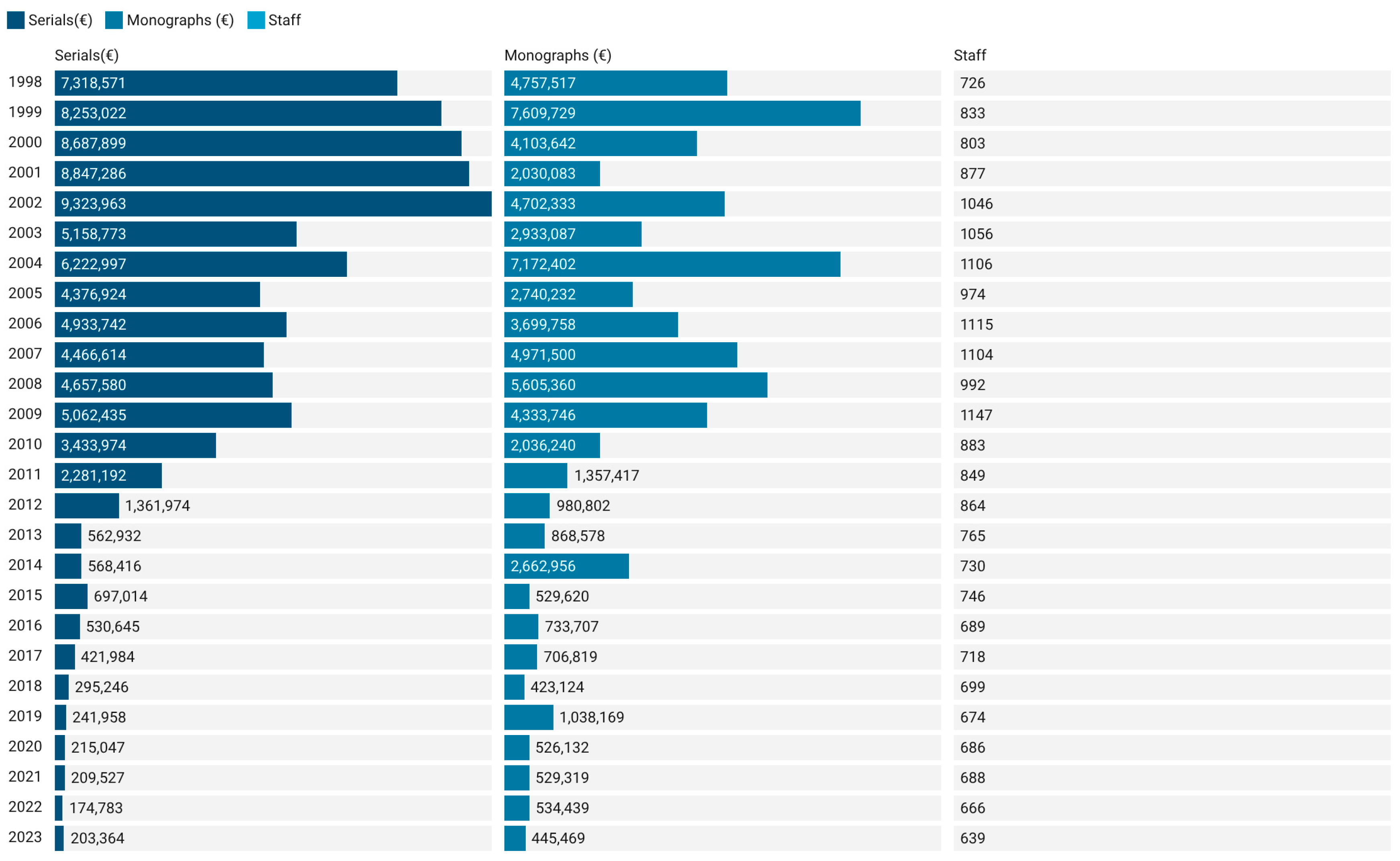
Figure 1 illustrates the evolution of staffing levels and collection-related expenditures in Greek academic libraries over the 25-year period from 1998 to 2023.
The data indicate that the period between 1998 and 2002 may be regarded as a “golden era” for expenditure on journal acquisitions, with annual spending reaching approximately €9 million. A gradual decline followed, with 2010 representing a critical turning point after which the reduction became particularly pronounced. This period coincided with Greece’s entry into a fiscal adjustment program, which was accompanied by extensive reductions in public expenditure (
P. A. Kostagiolas et al., 2013). It is therefore reasonable to assume that investment in academic library collections was similarly affected. By contrast, expenditure on monographs exhibited greater year-to-year variation, with notable peaks in 1999, 2004, and 2008.
A comparable downward trend is observed in staffing levels across Greek academic libraries. The highest number of employees was recorded in 2009 (n = 1147), after which staffing declined steadily. By 2023, the workforce had been reduced by nearly half, reaching 639 employees.
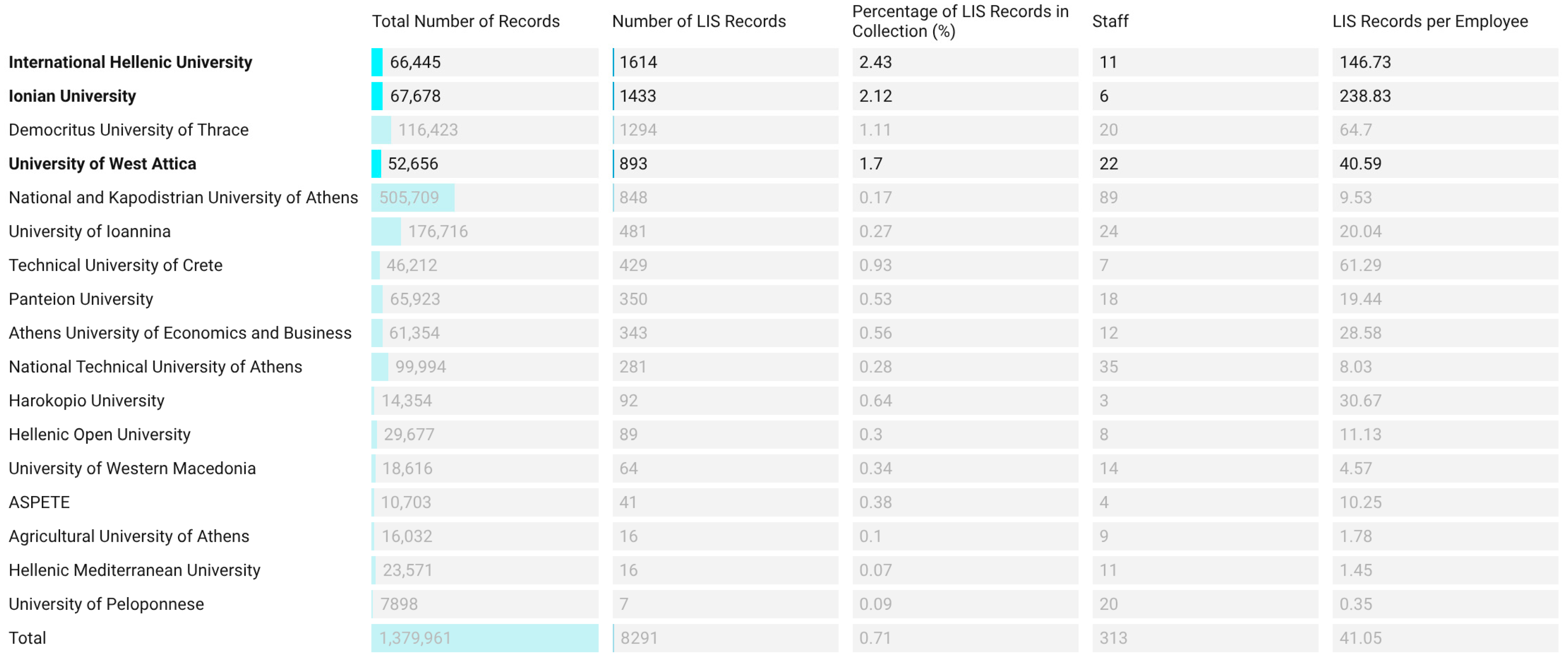
Figure 2 provides a comparative overview of Greek academic libraries with respect to total collection size, the number of records classified under Dewey Decimal Classification (DDC) class 020 (Library and Information Science), the proportion of these records within the overall collection, the number of staff members, and the ratio of LIS records per employee. As expected, the libraries of the Ionian University, the International Hellenic University, and the University of West Attica maintain comparatively strong collections in this subject area, reflecting the academic orientation and disciplinary focus of their respective institutions. Nevertheless, the Democritus University of Thrace ranks third in terms of the absolute number of LIS records. This position, however, should be interpreted with caution, as the institution also possesses the third-largest overall collection within the Integrated Library System as a Service (ILSaS+) infrastructure (
n = 116,423), following the National and Kapodistrian University of Athens (
n = 505,709) and the University of Ioannina (
n = 176,716).
A more informative indicator for comparative purposes is the proportion of LIS records relative to the total collection. Based on this measure, the leading position of libraries supporting LIS departments is clearly confirmed. By contrast, several institutions exhibit a very limited representation of LIS materials, including the Hellenic Mediterranean University (0.07%), the University of the Peloponnese (0.09%), and the Agricultural University of Athens (0.01%). Notably, the National and Kapodistrian University of Athens—the largest academic library in Greece—ranks fifth from the bottom according to the proportion of LIS records in its collection (0.017%). Similarly low proportions are observed for the University of Ioannina (0.27%) and the National Technical University of Athens (0.28%), further underscoring the limited representation of LIS materials within their collections.
Finally, after excluding outlier cases, the Democritus University of Thrace (64.70) and the Technical University of Crete (61.29) exhibit the highest values for the indicator of LIS records per employee, highlighting a comparatively high concentration of professional LIS resources relative to the size of their library staff.
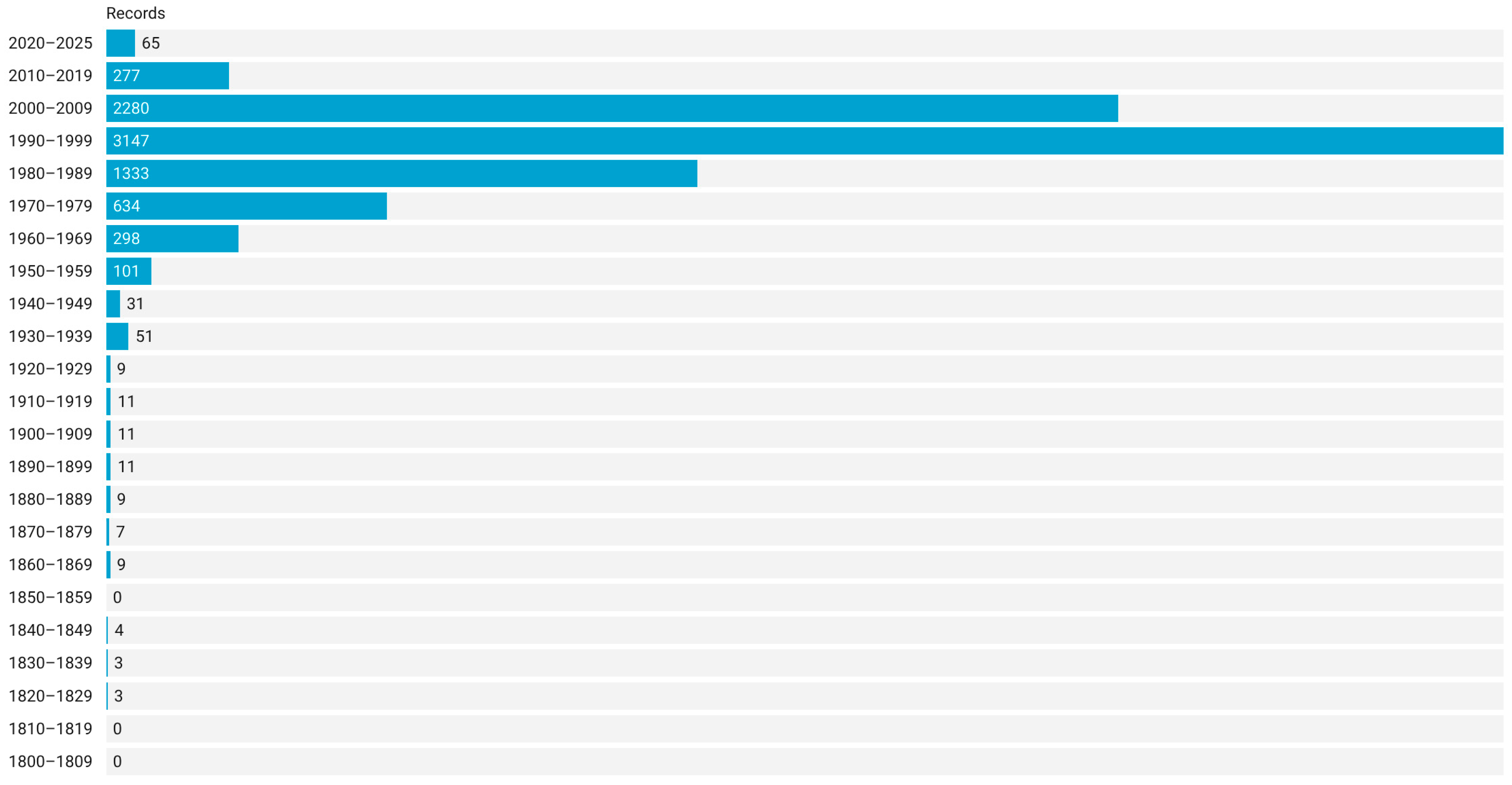
In addition to quantitative and thematic parameters, the chronological composition of collections constitutes a critical dimension in evaluating their capacity to support current scholarly discourse and professional practice (
Figure 3). A diachronic analysis of publication dates, categorized by decade, indicates that the holdings are concentrated predominantly in the period 1990–2009. By contrast, the decade 2010–2019 is characterized by a pronounced contraction in output represented within the collections, reflecting a substantial decline in the acquisition of recent publications. This temporal distribution suggests a limited incorporation of contemporary scholarly production into Greek academic library holdings. In a field such as LIS, marked by rapid technological transformation and evolving theoretical paradigms, the relative absence of the recent literature raises concerns regarding the alignment of collections with current epistemological and professional developments.
When these findings are interpreted in conjunction with the expenditure patterns illustrated in
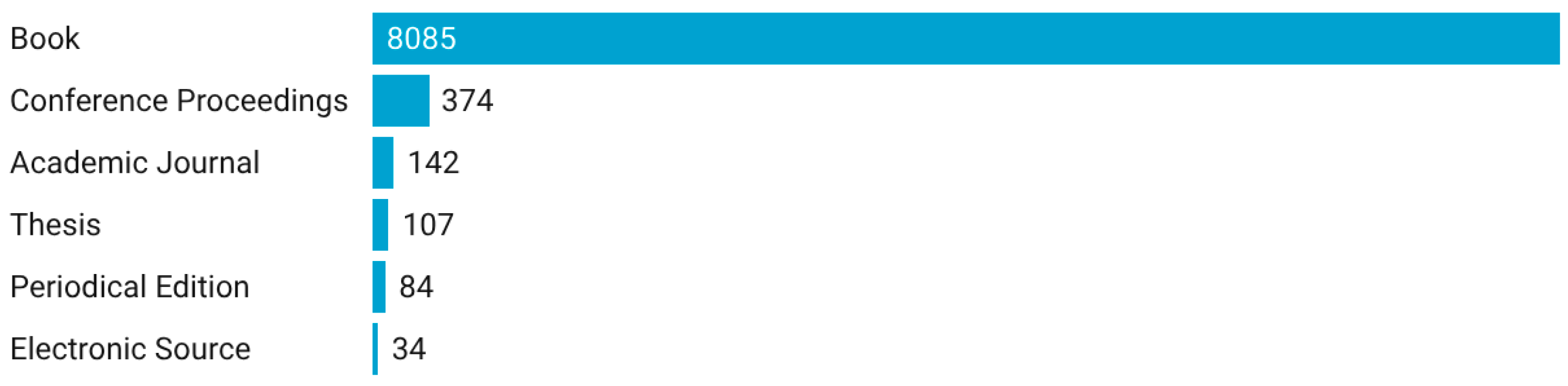
Figure 1, the observed lag acquires additional explanatory depth. The predominance of pre-2010 publications correspond to the period preceding the Greek financial crisis, after which sustained fiscal austerity measures significantly constrained public expenditure, including allocations for collection development. Although the temporal correspondence between declining expenditures and the aging of print collections suggests a plausible association, the present study does not establish a direct causal relationship. Additional factors may also have contributed to the observed patterns, including the progressive shift from print to electronic acquisitions, changes in cataloguing and collection development practices, evolving LIS curricula, the interdisciplinary distribution of recent publications beyond DDC 020, and the increasing availability of Open Access resources and external digital platforms. Moreover, the material composition of the collections reveals a clear predominance of monographs, with conference proceedings constituting a secondary component (
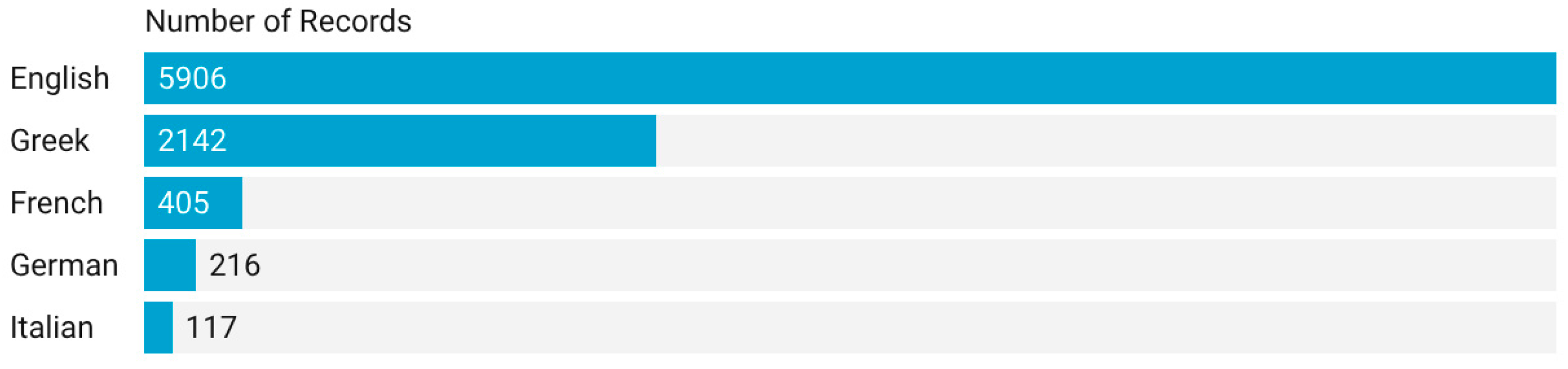
Figure 4). With respect to linguistic distribution, the holdings are primarily composed of English-language publications, while Greek-language materials represent a comparatively smaller, albeit still notable, proportion of the total corpus (
Figure 5).
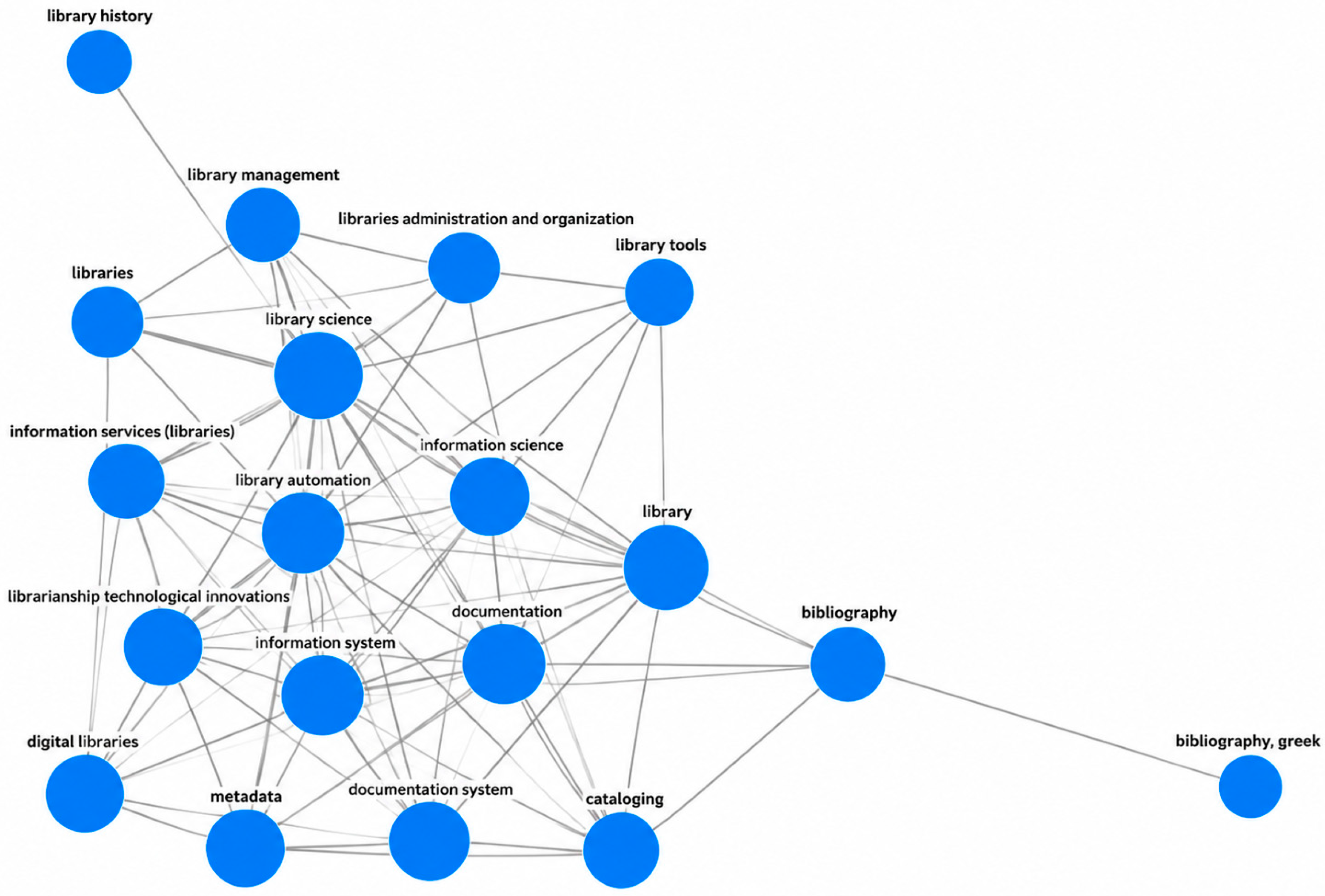
Figure 6 illustrates a co-occurrence network of subject headings extracted from the bibliographic records of the libraries under examination. In this visualization, each node corresponds to a subject term, while the edges denote instances of co-occurrence within the same bibliographic record. Node size is proportional to the frequency of occurrence, thereby providing an indication of the relative prominence of each term within the dataset. The structural core of the network is formed by high-frequency terms such as “library,” “library science,” and “information science,” an unsurprising finding given the disciplinary scope of the analysis. These central nodes are surrounded by a cluster of conceptually related terms—including “library automation,” “information system,” “cataloging,” “metadata,” and “documentation system”—which collectively delineate a thematic nexus associated with the technological infrastructure and organizational processes of contemporary libraries.
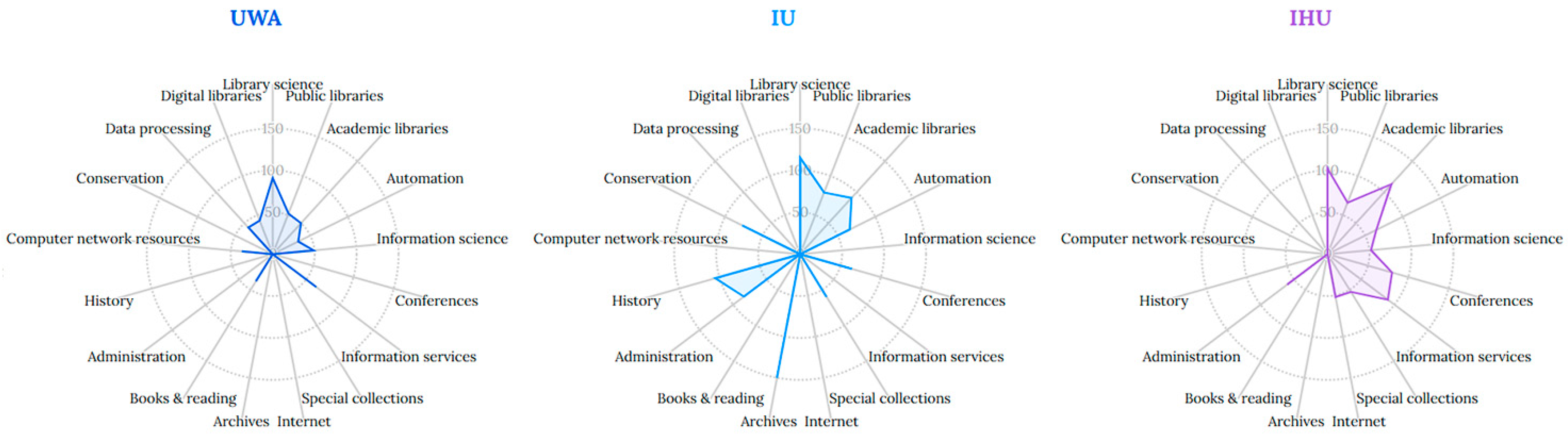
By contrast, subject headings pertaining to governance and administrative dimensions appear comparatively peripheral, as reflected in the more limited prominence of terms such as “library management” and “libraries—administration and organization.” Even less represented are thematic references to “library history” and “bibliography, Greek,” suggesting a relatively modest emphasis on historical and nationally oriented bibliographic scholarship within the examined collections. Regarding the thematic composition of the collections maintained by academic libraries that support LIS departments, three discernible orientations emerge (
Figure 7). The library of the International Hellenic University (IHU) demonstrates strong representation in academic libraries and library science, indicating a conventional academic focus, with comparatively less emphasis on technological innovation and administrative specialization.
The library of the Ionian University (IU) exhibits a pronounced concentration in archives, a pattern that directly corresponds to the department’s specialization in archival studies. Its substantial representation in library science and history further consolidates a profile oriented toward the stewardship, organization, and study of archival and historical materials. The comparatively limited presence of themes related to automation and conferences should therefore be interpreted not as a structural weakness but as a reflection of its distinct academic mission. Finally, the library of the University of West Attica (UWA) presents a more evenly distributed—though less intensely differentiated—subject profile, with “library science” and “information services” emerging as its most salient thematic axes.
4.2. LIS Oriented Electronic Resources
Access to LIS–related electronic content has also been a decisive factor in shaping the professional development and information practices of Greek librarians. In Greece, such access has been effectively assured through HEAL-Link, the national consortium responsible for providing unified access to a wide range of scholarly electronic resources across academic and research institutions. HEAL-Link’s infrastructure enables librarians to utilize a broad spectrum of LIS journals, databases, and digital collections, supporting both their daily professional activities and continuous learning. This coordinated access framework has substantially mitigated traditional barriers related to cost and institutional disparities, ensuring a more equitable dissemination of knowledge within the Greek library community.
Firstly, we examined the level of access available to Greek academic librarians to the 166 scholarly journal titles
1 included in the LIS subject category, as indexed in JCR. Out of 166 journals, 19 (11.4%) were not accessible. As shown in
Table 2, non-accessibility was unevenly distributed across the JCR quartiles, with the highest concentration observed in Q3 journals. This pattern suggests a selective subscription strategy, whereby limited financial resources are primarily allocated to higher-impact, internationally visible journals. Consequently, collection development appears to prioritize core, high-impact titles rather than pursuing exhaustive coverage. Titles in the lower quartiles, which often have a more specialized or regional scope, may receive lower acquisition priority. Thus, non-accessibility in these quartiles does not necessarily indicate marginalization, but rather reflects a rational optimization of collective collection development within the constraints of national consortial agreements. Although a small number of Q1 journals remain inaccessible, the vast majority of top-quartile titles are included in the national collaborative access scheme.
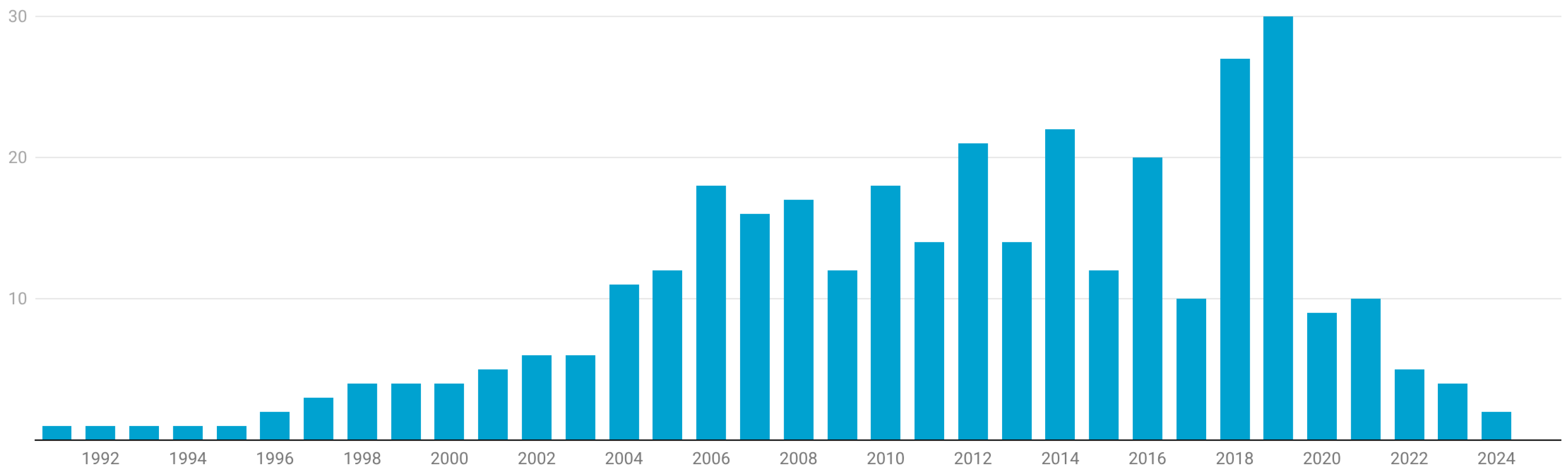
Conversely, the consortium has secured access to 344 eBooks (
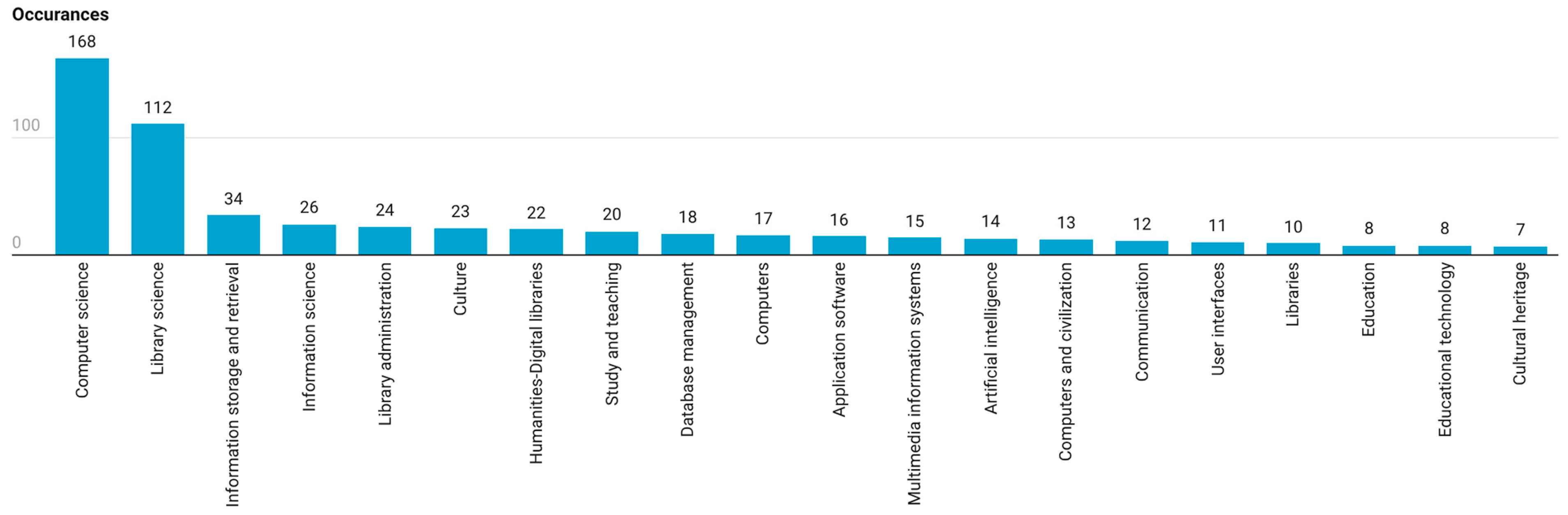
Figure 8). This development appears to mitigate, to a considerable extent, the deficit in up-to-date information resulting from the predominantly print-based composition of library collections. Notably, a substantial proportion of the accessible eBooks were published in 2019 and 2020, indicating a marked improvement in the currency of available resources. The thematic orientation of the electronic book collection (
Figure 9) is situated primarily within the domain of Computer Science, thereby addressing the previously identified gap in emerging technological subjects that was insufficiently covered by the print holdings. This shift suggests a strategic rebalancing of subject coverage through digital acquisitions.
It is also noteworthy that the subject list includes references to the Humanities and to Culture/Cultural Heritage. The presence of these terms indicates an effort to position LIS within a broader interdisciplinary framework, fostering connections with scholarly domains that are less technology-centric but have more recently begun to integrate digital and information-oriented dimensions into their research and practice.
5. Discussion
The present study has brought to light significant shortcomings in Greek academic libraries with regard to the existing collections intended to support their staff. The findings indicate that these libraries rely predominantly on printed material that is largely outdated, with limited evidence of systematic efforts toward its renewal and enrichment. Although recent studies point to a marked decline in the circulation of print materials, the availability of recent editions continues to function as an important factor in attracting users (
Thornton et al., 2024).
Given the widely acknowledged rapid evolution of the LIS field, aging collections are unlikely to fulfill their intended role effectively. It is also noteworthy that in certain libraries, fewer than two LIS titles correspond per staff member, a finding that may signal insufficient institutional support for professional development. When empirical research demonstrates that even low-frequency user groups borrow an average of 4.6 books annually—while the most active group borrows as many as 52.3 (
Zhang & Zhang, 2023)—serious questions arise as to how such collections can be considered adequate for supporting library personnel.
Support for library employees encompasses two interrelated dimensions: (a) integration into the organization and (b) professional development within it. As
Allen et al. (
2024, p. 731) observe, “while it would be ideal that information science education could completely prepare a new librarian for a liaison position, that is an unrealistic expectation.” Academic preparation alone is therefore insufficient; sustained institutional support is essential. Libraries have the potential to serve as exemplars of organizations in which employees do not merely survive but truly thrive (
Allen et al., 2024). However, the absence of adequate resources and managerial support has been identified as a constraining factor that limits employee creativity and innovation in library settings (
Falciani-White, 2024).
In the Greek context, the findings indicate, on the one hand, that existing collections cannot be considered sufficient and, on the other, that expenditures for the acquisition of new materials remain limited. This situation reflects a condition of informational scarcity, which institutional leadership appears either unable or unwilling to address effectively. According to the organizational culture model for innovation proposed by
Dobni and Wilson (
2024), resources constitute an institutionally embedded factor—rather than a sporadic provision—that underpins organizational strategy and functions as a contextual driver of employee behaviors and actions. The current state of collections in Greek academic libraries does not reflect organizations that actively pursue or strategically support innovation.
Viewed through this theoretical perspective, the inadequacy of professional LIS collections represents more than a collection development issue; it reflects an organizational environment in which continuous learning is insufficiently embedded in institutional strategy. Professional collections constitute strategic knowledge resources that enable librarians to acquire new competencies, remain informed about emerging developments, and translate knowledge into innovative services and practices. Consequently, the observed deficiencies suggest that opportunities for organizational learning and innovation are constrained not only by financial limitations but also by the absence of a systematic organizational commitment to supporting professional development through knowledge resources.
The challenges identified in Greek academic libraries are broadly consistent with developments reported in other national academic library systems following the global financial crisis.
Lowry (
2010), examining member libraries of the Association of Research Libraries (ARL), reported that prolonged budget reductions significantly affected acquisitions, staffing, and operational expenditures, prompting libraries to reconsider collection development priorities. Similarly,
Guarria and Wang (
2011) found that financial constraints led many academic libraries to reduce expenditures on collections and professional development while adopting more efficient resource management strategies. Reviewing international acquisitions literature,
Moeller (
2013) further highlighted a widespread shift toward electronic resources, increased scrutiny of large subscription packages, and the adaptation of collection development workflows in response to continuing fiscal pressures. These findings indicate that the trends observed in Greek academic libraries reflect broader international developments rather than an isolated national phenomenon. Nevertheless, the prolonged duration and severity of the Greek financial crisis appear to have intensified these challenges, resulting in more persistent constraints on collection development than those reported in many other academic library systems.
However, the deficiency does not pertain solely to the size of the collections. A more substantive gap emerges between current knowledge production in the field and the knowledge reflected in the materials held by libraries. The content of many collections appears outdated, thereby limiting their capacity to support contemporary professional needs. This imbalance in the currency of content between print and electronic resources should not prompt hasty or unilateral shifts in collection development strategies. Libraries should continue to adopt and refine a hybrid development model (
de Leon, 2025). Indeed, the objective of a fully electronic library remains unattainable in practice. Empirical evidence suggests that librarians tend to use eBooks primarily for research purposes and for rapid access to, or consultation of, specific sections of text, whereas printed books are generally preferred for sustained and in-depth reading, as they facilitate comprehension and engagement with complete works (
Hanz & McKinnon, 2018). Given that individuals follow diverse learning pathways and exhibit distinct learning preferences, the availability of multiple formats is essential. Librarians are no different from other groups of learners and should be afforded equitable access to varied forms of informational resources.
The findings may also be interpreted through the concept of vocational awe (
Ettarh, 2018), which describes the tendency to regard librarianship as a profession sustained primarily by personal commitment, self-sacrifice, and service. Within this perspective, librarians may be implicitly expected to maintain their professional competencies regardless of the level of institutional support available. The limited and often outdated professional collections identified in this study suggest that responsibility for continuing professional development may increasingly shift from the institution to individual librarians. Such a situation risks normalizing organizational underinvestment in professional learning resources while reinforcing expectations that librarians will independently acquire the knowledge required to respond to technological change and the evolving demands of the profession.
The consortium of Greek academic libraries appears, to a considerable extent, to constitute a successful collaborative model (
Gonda & Papatheodorou, 2023). Nevertheless, its strong dependence on state funding affects its overall performance, a factor that may, in turn, influence the provision of access to electronic resources. Furthermore, the reported negative efficiency of the consortium in the areas of Resource Sharing and Interlibrary Loan (
Gonda & Papatheodorou, 2023) seemingly poses an inherent obstacle to the development of a coherent collaborative collection development strategy. On the other hand, librarians’ generally positive attitudes toward cooperative collection development schemes may serve as a supportive foundation for strengthening the initiatives of HEAL-Link (
Levenson & Hess, 2020). The consortium could also capitalize on the expertise of the academic staff of the three LIS Departments in order to formulate centralized guidelines regarding the potential implementation of a coordinated collection development framework (
Ashilungu & Onyancha, 2024). Even in the absence of a formally centralized collection policy, the three academic libraries with the most dynamic LIS collections could function as benchmarks for the remaining institutions, indicating strategic directions and best practices for further development.
The findings of this study also provide practical guidance for academic library managers and policy makers. Based on the evidence presented, libraries should establish measurable indicators to systematically monitor the adequacy of collections supporting librarians’ continuing professional development. Such indicators may include the ratio of LIS titles per librarian, the proportion of recently published LIS resources, the balance between print and electronic materials, and the periodic assessment of thematic coverage against emerging trends in Library and Information Science. Collection development policies should be guided by evidence-based acquisition priorities that address identified gaps in subject coverage and improve the currency of professional collections. At the consortium level, HEAL-Link could further strengthen collaborative collection development by coordinating the acquisition of specialized LIS resources, promoting shared collection responsibilities among member libraries, and developing common guidelines for core professional collections. Implementing these measures would contribute to a more sustainable, coordinated, and evidence-informed approach to supporting librarians’ lifelong learning and professional development.
A practical approach would be the adoption of a distributed responsibility model, whereby member libraries voluntarily assume responsibility for collecting and maintaining excellence in specific LIS subject areas (e.g., research data management, scholarly communication, digital preservation, information literacy, or artificial intelligence in libraries). Through HEAL-Link, these specialized collections could be made discoverable and readily accessible to all consortium members via coordinated resource sharing mechanisms, thereby reducing unnecessary duplication while broadening national coverage of professional literature. A second complementary approach would involve the establishment of a national core professional collection framework. Under such a scheme, the consortium could identify a minimum set of essential LIS monographs and journals that every academic library should maintain locally, while more specialized resources would be acquired collaboratively at the consortium level. Periodic reviews coordinated by representatives of the three Greek LIS Departments and collection development librarians could ensure that the framework remains aligned with emerging research areas and professional competencies.
It should be underscored that Open Access journals, particularly those indexed in the Directory of Open Access Journals (DOAJ), can play a pivotal role during periods of crisis, including economic austerity and armed conflict (
Zimba et al., 2025). Greek academic libraries have faced prolonged underfunding, resulting in reduced expenditures for the acquisition of materials and the provision of access to subscription-based resources. Inevitably, these financial constraints have also affected collections in the field of LIS. At the same time, librarians are well versed in the principles and practices of Open Access publishing and make extensive use of Open Access journals in their professional activities (
Adeyemi et al., 2025). Within this framework, DOAJ can serve as a consistently available and strategically valuable tool, enabling librarians to address a significant portion of their information needs in a timely and cost-effective manner.
6. Conclusions
Library collections represent one important component of the broader professional information support infrastructure. Other sources of professional learning, such as conferences, training programs, professional associations, peer networks, institutional repositories, Open Access resources, and personal subscriptions, were beyond the scope of the present study. This study sought to initiate a process of critical reflection on the capacity of academic libraries to support the information needs of their own staff. Although librarians are not traditionally regarded as the primary user community, it is imperative for institutions to actively invest in and foster the development of their own human capital. The idealization of librarianship as a “vocation” undermines labor rights, underscoring the need to prioritize working conditions and institutional support for employees (
Ettarh, 2018). The present study seeks to serve as a point of departure for a process of collective introspection within the library community, encouraging a critical assessment of the resources available to support its professional sustainability and continued development. Even if librarians perceive their role as a calling imbued with a strong sense of duty, the fulfillment of this mission requires a solid and well-supported foundation in order to be carried out effectively and with quality. The findings of this research indicate that, in prioritizing the knowledge needs of other academic disciplines, librarians have consistently demonstrated a service-oriented ethos. However, this outward-looking orientation does not appear to have been accompanied by a proportional investment in the consolidation and renewal of their own disciplinary knowledge base.
Unlike previous studies that primarily examine librarians’ competencies or continuing professional development, this study evaluates the capacity of academic library collections themselves to support librarians’ professional learning. The findings reveal considerable variation among institutions, limited collection currency, low availability of LIS resources relative to staff in several libraries, broad consortium-based access to LIS journals and eBooks, and the complementary role of Open Access resources in strengthening professional information provision. Beyond the Greek context, the proposed evidence-based evaluation framework may serve as a transferable approach for assessing the extent to which academic library collections support librarians’ professional information needs in other national settings.
Future research could further explore the scope, quality, and institutional support of research activity conducted within academic libraries by their own professionals. Attention should be given to the challenges librarians encounter in engaging in research, as well as to their perceptions regarding the adequacy and relevance of the resources available to meet their professional and informational needs. Such inquiry would contribute to a more comprehensive understanding of the structural and epistemic conditions shaping the development of the discipline within its own institutional context. Libraries are regarded as part of the academic sphere, in which research is per se a defining characteristic. Additionally, future research could complement the present findings through surveys or interviews with academic librarians to examine whether the collection gaps identified in this study correspond to their perceived professional information needs.