1. Introduction
The
AMA Guides to the Evaluation of Permanent Impairment have long served as the principal standard for assessing permanent impairment in clinical, occupational, and medicolegal settings. Since their introduction, the Guides have provided a structured framework intended to improve consistency, objectivity, and reproducibility in impairment determination. The Guides have been widely adopted by workers’ compensation systems, disability programs, insurers, courts, and regulatory agencies throughout the United States and internationally [
1,
2,
3].
First published in 1971, the AMA Guides have undergone multiple revisions reflecting advances in medical science, changing concepts of impairment assessment, and evolving expectations regarding evidence-based practice. Major revisions were published in the Second Edition (1984), Third Edition (1988), Fourth Edition (1993), Fifth Edition (2000), and Sixth Edition (2008). The Sixth Edition represented a substantial methodological departure from earlier versions through its increased emphasis on diagnosis-based impairment, functional assessment, and evidence-based medicine [
1].
Historically, revisions occurred through periodic publication of new print editions. Although this approach permitted comprehensive review and restructuring, it also resulted in lengthy intervals between updates. As medical knowledge evolved, emerging diagnostic technologies, therapeutic interventions, and scientific evidence often could not be incorporated until publication of a subsequent edition. Critics of earlier editions frequently cited concerns regarding complexity, limited adaptability to new evidence, and variability in application [
2,
3]. Over time, it became increasingly evident that a static print-based model was insufficient to meet the demands of contemporary medical practice, in which advances in diagnosis, treatment, and outcomes research occur rapidly and continuously [
4].
In response to these challenges, the American Medical Association initiated a transition to a digital platform known as AMA Guides Digital [
5]. Available through the American Medical Association “
https://ama-guides.ama-assn.org (accessed on 20 January 2026)”, AMA Guides Digital was designed not merely as an electronic version of the Sixth Edition but as a fundamentally different model for content development and maintenance. Rather than relying on periodic wholesale revisions, the platform enables continuous refinement of individual chapters and methodologies as new evidence becomes available.
A critical component of this transformation was the establishment of the AMA Guides Editorial Panel in 2019. The Editorial Panel introduced a formal governance structure and evidence-based framework for evaluating proposed revisions, incorporating expert consensus methodologies, peer review, and stakeholder input [
5]. Through this process, AMA Guides Digital has evolved into a continuously updated resource capable of integrating scientific advances while preserving continuity with the foundational principles of the Sixth Edition.
The purpose of this narrative review is to examine the evolution of AMA Guides Digital, the development and role of the Editorial Panel, and the major system-specific refinements implemented between 2021 and 2025. Particular attention is given to the Mental and Behavioral Disorders, Nervous System, Musculoskeletal, and Pulmonary chapters, which collectively illustrate the broader methodological transformation occurring across the AMA Guides framework.
2. Review Methodology
This manuscript was conducted as a narrative review of the evolution of AMA Guides Sixth Edition Digital and associated system-specific refinements implemented between 2019 and 2025. The objective was not to perform a systematic review of clinical outcomes studies but rather to examine the historical development, governance structure, methodological framework, and major chapter revisions associated with the transition from a static print publication to a continuously refined digital resource.
Literature sources included the AMA Guides to the Evaluation of Permanent Impairment, Sixth Edition; AMA Guides Digital publications and chapter updates; Editorial Panel communications; peer-reviewed medical literature; methodological publications describing the RAND/UCLA Appropriateness Method and Delphi consensus processes; and publications addressing specific chapter refinements. Sources were identified through targeted searches of PubMed, Google Scholar, journal publications, and official American Medical Association resources.
Publications were selected based on relevance to one or more of the following topics: (1) historical development of the AMA Guides; (2) governance and revision methodologies employed by the AMA Guides Editorial Panel; (3) refinements to the Mental and Behavioral Disorders, Nervous System, Musculoskeletal, and Pulmonary chapters; and (4) broader implications for impairment evaluation in clinical and medicolegal practice. Given the narrative nature of this review, formal study quality assessment and quantitative synthesis were not performed.
3. Establishment and Role of the AMA Guides Editorial Panel
The creation of the AMA Guides Editorial Panel in 2019 marked a pivotal moment in the evolution of impairment evaluation. Prior to this development, revisions to the AMA Guides generally occurred through publication of new editions separated by extended intervals. Although comprehensive, this approach lacked a formalized mechanism for ongoing review and refinement of individual chapters between editions [
5].
The Editorial Panel was established to provide a structured governance framework for AMA Guides Digital and to oversee the continuous refinement process. The Panel functions as a multidisciplinary body responsible for evaluating proposed revisions, promoting methodological consistency, integrating stakeholder feedback, and ensuring alignment with contemporary scientific evidence. Through this governance structure, the AMA Guides transitioned from a static publication model to a dynamic and continuously evolving resource.
The Panel’s work is characterized by a strong emphasis on evidence-based decision-making and structured consensus development [
6,
7]. Proposed revisions undergo systematic evaluation through literature review, expert consultation, peer review, and consensus methodologies designed to maximize transparency and reproducibility. Adoption of RAND/UCLA modified Delphi approaches has facilitated more rigorous evaluation of proposed changes while reducing the influence of individual bias [
6].
Importantly, the Editorial Panel incorporates expertise from a broad range of clinical and methodological disciplines. Members and contributing experts represent specialties commonly involved in impairment evaluation, including occupational medicine, physical medicine and rehabilitation, orthopedic surgery, neurology, psychiatry, psychology, pulmonology, pain medicine, and other relevant clinical fields. In addition, the Panel includes expertise in evidence-based medicine, outcomes assessment, methodology development, and medicolegal practice. This multidisciplinary structure helps ensure that refinements are both scientifically rigorous and practically applicable across diverse clinical and legal settings.
In addition to methodological oversight, the Editorial Panel serves as a central coordinating entity that integrates contributions from subject matter experts, clinicians, professional organizations, and other stakeholders. This collaborative approach strengthens the credibility, consistency, and reproducibility of the revision process while promoting broad professional engagement in the continuing evolution of the Guides.
4. Development of a Continuous Refinement Methodology
The implementation of a continuous refinement model represents one of the most significant innovations introduced through AMA Guides Digital. Under this framework, chapters are identified for revision on the basis of advances in medical science, documented limitations of existing methodologies, emerging clinical evidence, and feedback from users and stakeholders [
5]. Once selected, revisions undergo structured processes that include evidence synthesis, expert consensus development, peer review, public comment, and validation through case-based application [
6].
Unlike traditional publication models that require comprehensive revision of an entire text, the continuous refinement approach permits targeted modification of specific chapters or methodologies as new evidence emerges. This process enhances flexibility and allows more timely incorporation of advances in clinical practice, diagnostic technology, and outcomes research. As a result, impairment evaluation methodologies can evolve alongside contemporary standards of care rather than remaining fixed for prolonged periods.
A defining feature of the refinement process is its reliance on formal consensus methodologies. The RAND/UCLA Appropriateness Method and modified Delphi processes provide structured frameworks through which experts evaluate proposed revisions and develop consensus recommendations [
6,
7]. These methodologies improve transparency, reduce variability in decision-making, and promote methodological consistency across organ systems.
The refinement process also incorporates opportunities for stakeholder participation. Proposed revisions may undergo public comment periods and review by professional organizations, specialty societies, workers’ compensation stakeholders, and other interested parties. This collaborative process promotes transparency and allows incorporation of diverse perspectives while maintaining scientific rigor.
Importantly, the continuous refinement model establishes a sustainable framework for future development. Rather than waiting for publication of an entirely new edition, improvements can be implemented incrementally and integrated across body systems. This capability has enabled the development of increasingly harmonized methodologies that emphasize consistency, reproducibility, and evidence-based practice throughout AMA Guides Digital.
5. Chapter 14 Mental & Behavioral Disorders (2021)
The Mental and Behavioral Disorders chapter represented one of the earliest major refinements implemented through the AMA Guides Digital framework and served as an important demonstration of the continuous refinement model. The 2021 revision updated terminology and methodology to align with contemporary psychiatric practice and the transition from the Diagnostic and Statistical Manual of Mental Disorders, Fourth Edition (DSM-IV), to the Diagnostic and Statistical Manual of Mental Disorders, Fifth Edition (DSM-5).
Among the most significant refinements was the elimination of the Global Assessment of Functioning (GAF) score from the impairment rating process. The GAF had long been criticized for limited reliability, substantial interrater variability, and difficulties distinguishing symptom severity from functional impairment. Removal of the GAF reflected broader changes within psychiatric practice and aligned impairment evaluation methodology with contemporary mental health assessment standards.
Additional refinements included updated descriptions of malingering, symptom validity considerations, motivation, and behavioral assessment. The chapter also incorporated newer assessment instruments and contemporary clinical terminology, thereby improving consistency between impairment evaluation and current psychiatric practice.
These revisions enhanced both the clarity and clinical relevance of mental and behavioral impairment determinations. By incorporating contemporary psychiatric concepts and eliminating outdated methodologies, the chapter provided a more defensible framework for evaluating mental and behavioral disorders in clinical and medicolegal settings.
Beyond the specific content changes, the Mental and Behavioral Disorders chapter served as an early example of the continuous refinement philosophy that would subsequently be applied across additional body systems. The principles of evidence-based revision, methodological transparency, and improved reproducibility established in this chapter would later influence refinements in the Nervous System, Musculoskeletal, and Pulmonary chapters.
6. Chapter 13 the Nervous System (2023)
The 2023 revision of Chapter 13, The Nervous System, represents one of the most significant methodological refinements implemented through AMA Guides Digital. Historically, neurologic impairment evaluation has presented substantial challenges because of the complexity of neurologic disorders, variability in clinical presentation, and difficulties in translating functional limitations into reproducible impairment ratings [
3].
One of the most frequently cited criticisms of earlier editions of the AMA Guides involved the broad impairment ranges assigned within each Class designation. Although the Class system provided a framework for categorizing severity, it offered limited guidance regarding selection of a specific impairment percentage within the assigned range. This issue was particularly evident in the evaluation of cognitive impairment following traumatic brain injury and other disorders affecting mental status, cognition, and higher integrative function.
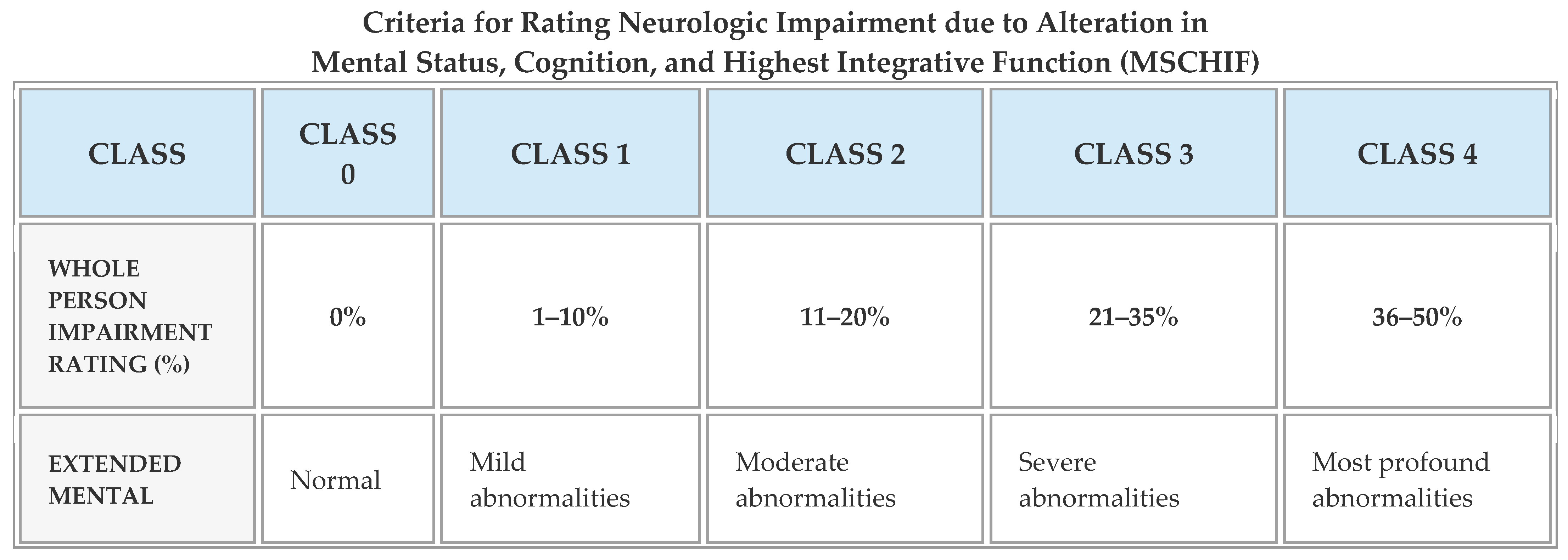
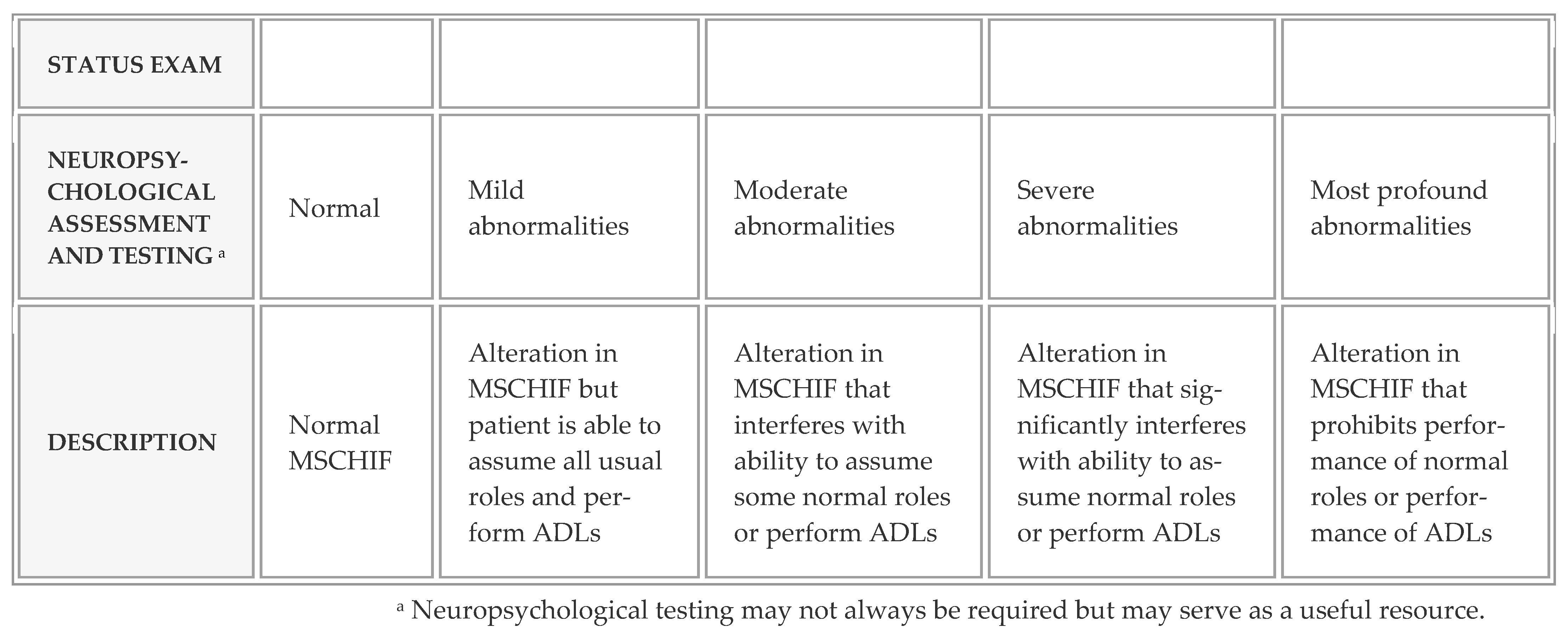
For example, under the original 2008 Sixth Edition framework shown in
Figure 1, an individual assigned to Class 2 could receive an impairment rating anywhere from 11% to 20% whole person impairment. Similar broad ranges existed throughout the classification system. Because no structured methodology existed to determine where within those ranges a specific rating should fall, substantial variability could occur among examiners evaluating similar clinical presentations. Consequently, two physicians could independently evaluate the same individual, apply the same diagnostic criteria, and yet assign materially different impairment ratings while remaining technically compliant with the Guides methodology.
This variability generated concerns regarding reproducibility, interrater reliability, and medicolegal defensibility. Differences in impairment ratings could affect compensation determinations, disability assessments, and legal proceedings, creating uncertainty among clinicians, attorneys, insurers, employers, and adjudicators.
Figure 1 illustrates the original Sixth Edition framework for rating neurologic impairment related to alteration in mental status, cognition, and highest integrative function. The table demonstrates the use of broad Class ranges without a structured mechanism for selecting a specific impairment value within each category.
The enhanced Nervous System chapter places greater emphasis on objective neurologic findings and refines diagnostic criteria, thereby improving consistency in impairment ratings across central and peripheral nervous system conditions [
5]. The revision aligns the evaluation process more closely with contemporary neurologic practice and incorporates advances in diagnostic imaging, neuropsychological assessment, and functional evaluation.
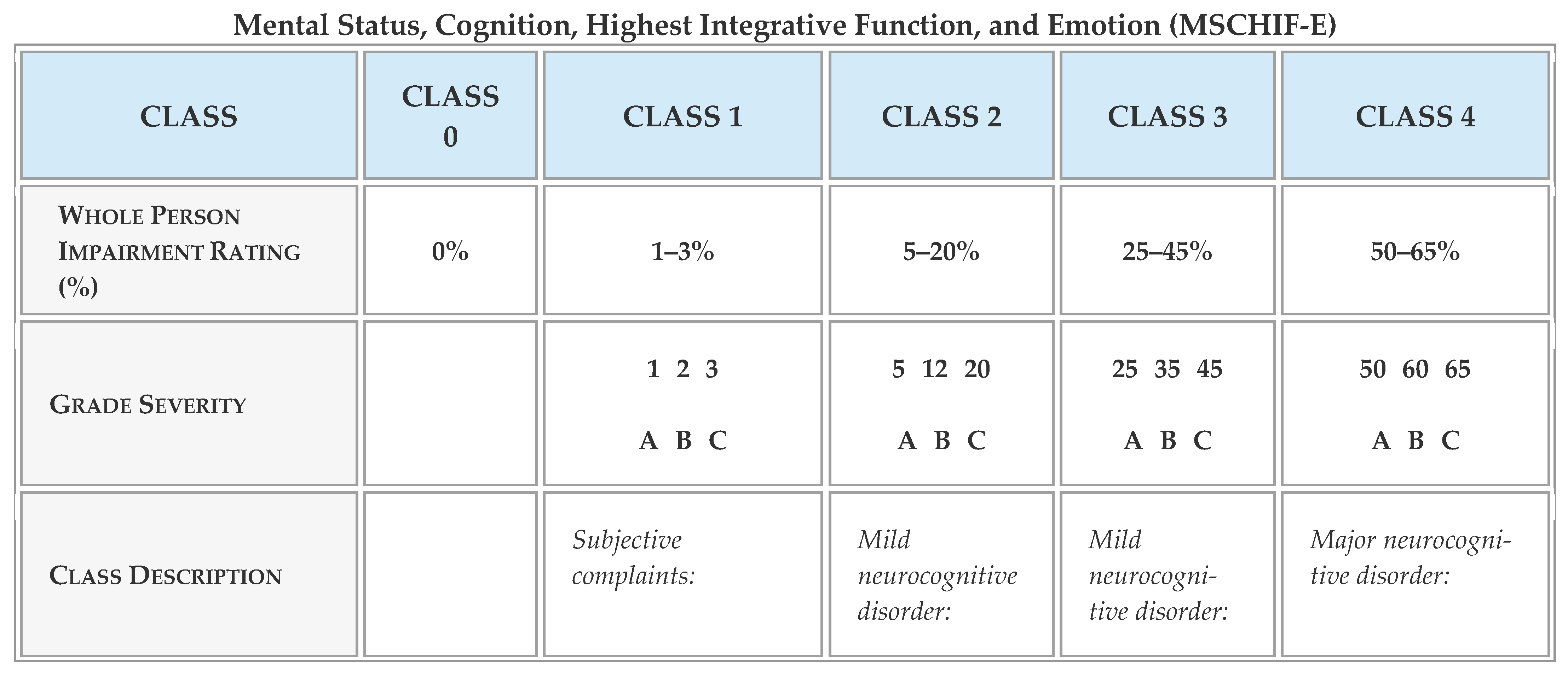
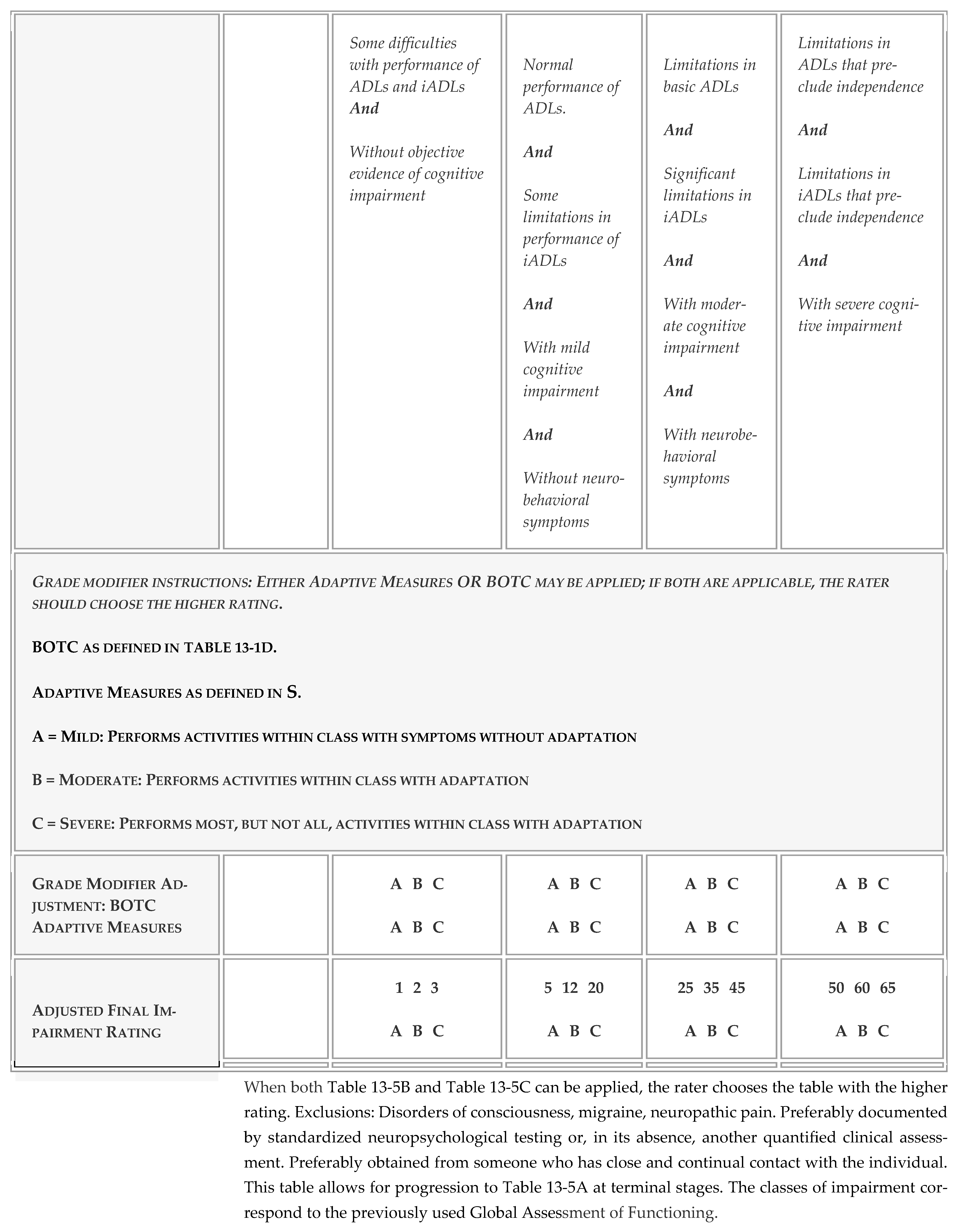
A defining feature of the revised chapter is the introduction of a structured methodology for determining specific numerical impairment values. Rather than selecting a value from a broad range based largely on examiner judgment, evaluators are required to assign one of three Grades (A, B, or C) within each Class on the basis of adaptive measures and burden of treatment compliance (BOTC). This approach introduces objective decision points that improve consistency and reduce discretionary variability.
Figure 2 illustrates the revised methodology. In contrast to the original framework, the revised table provides explicit criteria for assigning impairment values within each Class, thereby creating a more reproducible pathway from clinical findings to final impairment rating.
Comparison of
Figure 1 and
Figure 2 highlights a fundamental methodological shift. Under the original framework, assignment of a specific impairment percentage within a Class depended largely upon examiner judgment. Under the revised framework, adaptive functioning and treatment burden provide structured criteria that guide assignment of a specific impairment value. This change substantially reduces ambiguity and improves reproducibility among examiners.
The numerical grade assignments were developed through the Editorial Panel’s structured consensus methodology and were intended to represent clinically meaningful distinctions in functional impact within each impairment Class. Rather than using simple sequential increments, the grade values were calibrated to preserve continuity with existing impairment ranges while creating sufficient separation between mild, moderate, and severe presentations within each Class. This approach allows examiners to distinguish clinically relevant differences in adaptive functioning and treatment burden while maintaining consistency with the broader impairment framework established in the Sixth Edition.
The incorporation of adaptive measures represents a particularly important innovation. By evaluating an individual’s ability to function within daily activities and social environments, the revised methodology places greater emphasis on real-world functional performance rather than relying solely upon diagnostic labels or isolated examination findings. Similarly, incorporation of burden of treatment compliance recognizes that ongoing treatment requirements may substantially affect an individual’s overall level of impairment.
Collectively, these refinements improve clarity, transparency, and reproducibility while maintaining continuity with the foundational principles of the Sixth Edition. The structured grading methodology introduced in the Nervous System chapter subsequently served as a model for later refinements in other organ systems and represents an important step toward harmonization of impairment evaluation methodologies across AMA Guides Digital.
7. Chapters 15, 16, 17 Musculoskeletal (2024)
The 2024 revisions to the Musculoskeletal chapters represent one of the most comprehensive refinements implemented within the Sixth Edition framework. These revisions encompass the Upper Extremity, Lower Extremity, and Spine and Pelvis chapters and introduce substantial methodological changes designed to improve consistency, usability, and reproducibility [
8,
9].
Musculoskeletal impairment evaluations are among the most frequently performed assessments in occupational medicine, workers’ compensation, and disability determination systems. Consequently, even modest improvements in methodology have the potential to affect a large number of clinical and medicolegal evaluations. The Editorial Panel therefore focused on simplifying the evaluation process while preserving diagnostic specificity and clinical relevance.
Central to the enhanced framework is a refined diagnosis-based impairment model that integrates clinical history, physical examination findings, and diagnostic studies into a cohesive evaluative structure known as Specific Individual Elements (SIEs) [
8]. This methodology places greater emphasis on objective findings while reducing unnecessary complexity within the rating process.
One of the most notable refinements was the elimination of multiple modifier tables and net adjustment calculations that had previously contributed to confusion among users. In addition, nonspecific descriptors such as “mild,” “moderate,” and “severe” were removed in favor of more clearly defined clinical criteria. These changes simplify application of the Guides while improving consistency among examiners.
The revised chapters also adopted a methodology conceptually similar to that introduced in the Nervous System chapter. Rather than relying heavily on subjective interpretation, the new framework incorporates structured criteria that guide assignment of impairment values within defined categories. This approach promotes greater consistency while preserving flexibility necessary for individualized clinical assessment.
Development of the Musculoskeletal revisions relied heavily upon formal consensus methodologies, including the RAND/UCLA modified Delphi process [
6,
9]. Through iterative review, expert consultation, stakeholder input, and public comment, the Editorial Panel developed a framework intended to balance scientific rigor with practical clinical applicability.
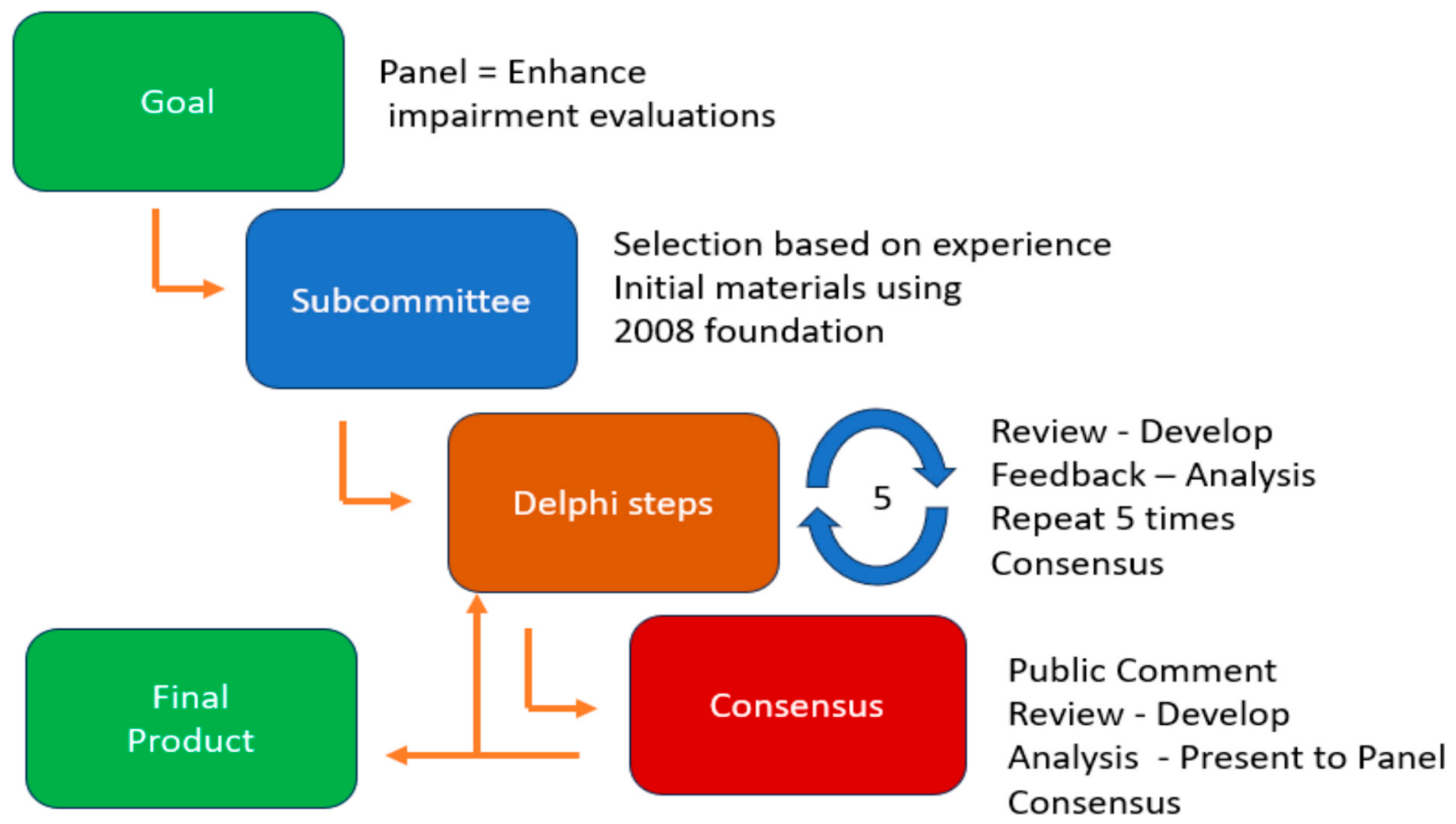
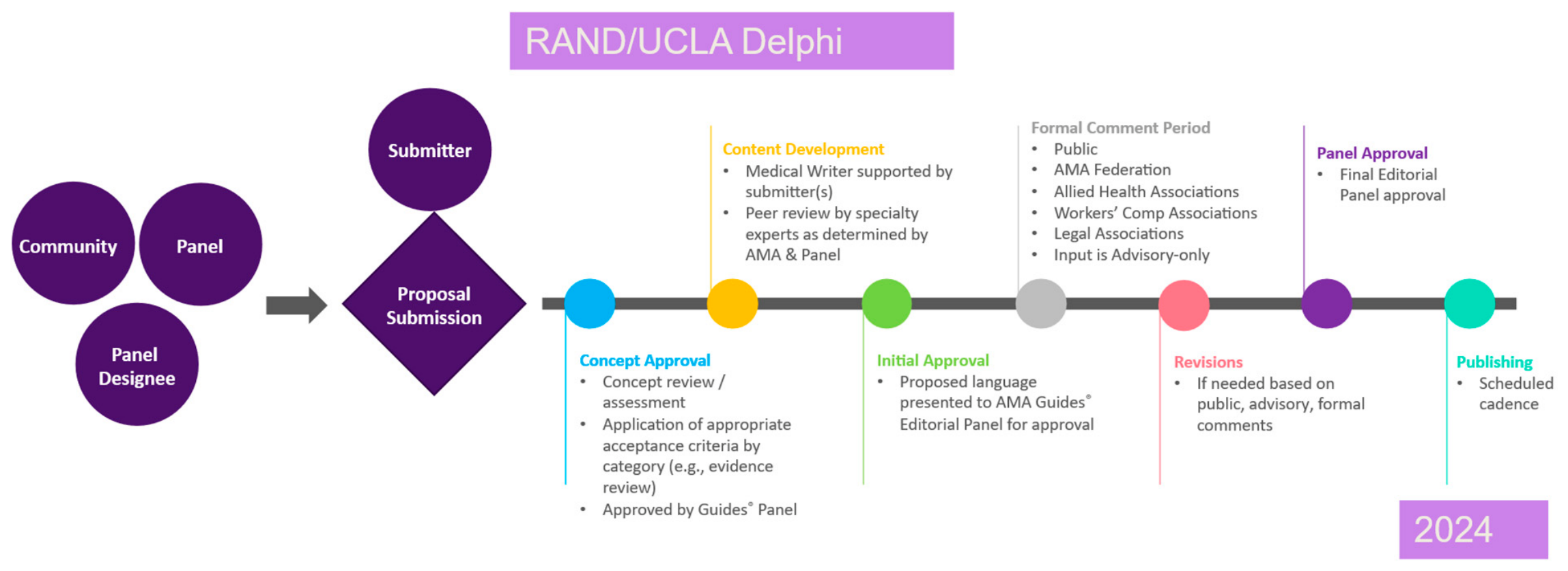
Figure 3 and
Figure 4 illustrate the structured review and consensus process used during development of these revisions. The process demonstrates the increasingly transparent and methodologically rigorous approach that characterizes AMA Guides Digital refinements.
Emerging evidence suggests that the enhanced musculoskeletal methodology improves efficiency while maintaining or enhancing reliability and interrater agreement [
8]. These findings support the utility of the revised framework in both clinical and medicolegal settings.
Beyond the specific changes to musculoskeletal impairment evaluation, these revisions represent an important step toward harmonization across body systems. The emphasis on structured decision-making, reproducibility, transparency, and evidence-based methodology mirrors the refinements introduced within the Nervous System chapter and reflects a broader effort to establish a unified evaluative framework throughout AMA Guides Digital.
8. Chapter 5 Pulmonary (2025): Transition to Race-Neutral Reference Standards
The 2025 refinements to the Pulmonary chapter represent one of the most conceptually significant revisions implemented through AMA Guides Digital. Unlike many prior refinements that focused primarily on methodological consistency or usability, the pulmonary revisions addressed both scientific and ethical considerations related to interpretation of pulmonary function testing.
Historically, the Sixth Edition relied on pulmonary reference equations derived from the National Health and Nutrition Examination Survey (NHANES III), which incorporated race-specific adjustments for spirometric values [
10,
11]. These equations were widely accepted for many years and became integrated into numerous clinical and occupational health practices. However, increasing scrutiny of race-based clinical algorithms prompted reevaluation of their scientific foundation and potential impact on health equity.
The revised Pulmonary chapter replaces NHANES-based reference equations with those derived from the Global Lung Function Initiative (GLI), incorporating race-neutral or composite reference standards [
12]. This transition reflects a growing consensus that race-based adjustments often lack a robust biological basis and may contribute to systematic misclassification of pulmonary impairment [
4,
13,
14].
Evidence suggests that race-specific reference equations may underestimate respiratory impairment in certain populations. Studies have demonstrated that individuals classified as normal under race-adjusted equations may nonetheless experience increased symptoms, functional limitations, and adverse clinical outcomes [
15]. Similarly, adoption of race-neutral reference standards has been associated with improved detection of clinically meaningful respiratory impairment and greater consistency across populations [
4].
The Global Lung Function Initiative equations provide predicted pulmonary function values based on age, sex, and height without requiring race as a variable [
16]. Their adoption aligns the AMA Guides with recommendations from major professional societies advocating removal of race from pulmonary function interpretation [
17]. From a methodological perspective, this transition promotes greater standardization and international harmonization of respiratory assessment.
The implications of this revision are substantial. Elimination of race-based adjustments reduces the risk of underestimating impairment in historically underserved populations and promotes greater equity in impairment evaluation. At the same time, implementation of race-neutral standards may alter impairment classifications for certain individuals, potentially resulting in higher impairment ratings than would have been assigned under previous methodologies [
15].
This possibility illustrates an important aspect of the continuous refinement model. As scientific understanding evolves, methodological changes may influence impairment determinations in ways that affect compensation systems, disability programs, and medicolegal proceedings. While such changes may initially generate debate among stakeholders, they also demonstrate the capacity of AMA Guides Digital to incorporate emerging scientific evidence and ethical considerations in a timely manner.
Although focused specifically on respiratory impairment, the Pulmonary revision reflects the same overarching principles guiding refinements throughout AMA Guides Digital: incorporation of contemporary evidence, improvement of methodological consistency, promotion of transparency, and advancement of scientifically defensible impairment evaluation.
9. Integration Across Body Systems
A defining characteristic of recent AMA Guides Digital refinements is the increasing alignment of methodologies across body systems. Although each chapter addresses unique clinical conditions and specialty-specific considerations, the revisions implemented between 2021 and 2025 demonstrate a clear movement toward a more unified framework for impairment evaluation.
Historically, individual chapters of the AMA Guides evolved somewhat independently, often reflecting specialty-specific approaches and terminology. While clinically useful, this sometimes resulted in differences in methodology, terminology, and rating structures across organ systems. Such variation could create challenges for clinicians evaluating complex cases involving multiple body systems and could contribute to inconsistency in impairment determinations.
The recent refinements reveal a deliberate effort by the Editorial Panel to harmonize evaluation methodologies while preserving the unique clinical considerations relevant to each specialty. The Mental and Behavioral Disorders revision introduced updated terminology and contemporary assessment principles. The Nervous System chapter established a structured grading methodology designed to reduce interrater variability. The Musculoskeletal chapters expanded the use of standardized decision-making processes and evidence-based consensus methodologies. The Pulmonary chapter demonstrated the ability of the refinement model to incorporate evolving scientific evidence and address emerging issues related to health equity and clinical interpretation.
Despite their differences, these revisions share several common themes. First, they emphasize objective clinical findings and clearly defined evaluative criteria. Second, they reduce reliance on subjective interpretation through structured methodologies. Third, they promote transparency in the assignment of impairment ratings. Fourth, they utilize formal consensus processes and evidence-based review procedures. Finally, they seek to improve reproducibility across evaluators and practice settings.
This increasing methodological alignment enhances usability for clinicians who perform evaluations across multiple body systems. It also strengthens the overall coherence of the Guides by reducing unnecessary variation between chapters and establishing common principles that can be applied throughout the impairment evaluation process.
From a medicolegal perspective, harmonization across body systems may improve confidence in impairment determinations by providing greater consistency in methodology regardless of the organ system being evaluated. As additional chapters undergo refinement, continued movement toward a unified evaluative framework is likely to further strengthen the reliability and defensibility of impairment assessments.
The coordinated evolution of the Nervous System, Musculoskeletal, and Pulmonary chapters demonstrates that AMA Guides Digital is not simply updating individual sections in isolation. Rather, it is progressively developing a more integrated and methodologically consistent framework for impairment evaluation across the entire spectrum of clinical practice.
10. Implications for Clinical and Medicolegal Practice
The transition from a static print publication to a continuously refined digital resource has important implications for clinicians, impairment evaluators, attorneys, claims administrators, insurers, employers, and adjudicators. By allowing timely incorporation of scientific evidence and methodological improvements, AMA Guides Digital has the potential to improve both the accuracy and consistency of impairment determinations.
For clinicians, the enhanced methodologies provide clearer guidance regarding assignment of impairment ratings and reduce uncertainty associated with subjective interpretation. Structured decision-making frameworks, improved diagnostic criteria, and standardized grading systems promote more consistent application of the Guides while reducing variability among evaluators. This may be particularly beneficial for practitioners who perform impairment evaluations infrequently or who evaluate conditions spanning multiple organ systems.
For medicolegal stakeholders, increased methodological transparency enhances the defensibility of impairment ratings. Historically, disputes often arose when different evaluators assigned substantially different impairment values despite evaluating similar clinical findings. The adoption of structured grading methodologies, objective criteria, and evidence-based frameworks may reduce these discrepancies and improve confidence in impairment determinations.
The continuous refinement model also allows impairment evaluation methodologies to remain aligned with contemporary standards of care. This capability is particularly important in rapidly evolving fields such as neurology, psychiatry, pulmonary medicine, and musculoskeletal medicine, where advances in diagnostic technology and treatment can quickly render static methodologies outdated.
Another important implication involves education and professional development. Because AMA Guides Digital evolves continuously rather than through periodic publication of new editions, clinicians must remain engaged with ongoing updates and refinements. This represents a departure from traditional approaches in which practitioners could rely on a fixed text for extended periods. Ongoing education, training programs, and professional engagement will therefore become increasingly important components of competent impairment evaluation practice.
The transition may also influence medicolegal proceedings. As methodologies become more transparent and evidence-based, impairment ratings may become easier to explain and defend before administrative agencies, workers’ compensation boards, arbitrators, and courts. Greater consistency among evaluators may reduce disputes related to methodology and shift attention toward clinical findings and factual issues relevant to individual cases.
Taken together, these developments suggest that AMA Guides Digital has the potential to improve the quality, consistency, and credibility of impairment evaluation while maintaining flexibility necessary to accommodate future advances in medical science.
Challenges and Remaining Controversies
Despite the substantial advantages of the continuous refinement model, several challenges and areas of ongoing debate remain.
One challenge involves variability in adoption across jurisdictions. Workers’ compensation systems, disability programs, insurers, and regulatory agencies may implement revisions at different rates. As a result, clinicians may encounter situations in which different versions of the AMA Guides apply depending on jurisdictional requirements. Such variation may create temporary inconsistencies during periods of transition and require evaluators to remain familiar with multiple methodologies.
A second challenge involves education and training. Continuous refinement requires clinicians to maintain awareness of ongoing updates rather than relying on a static reference text. Although this model enhances scientific currency, it also increases the importance of continuing education and may create barriers for practitioners who perform impairment evaluations infrequently.
Methodological changes may also generate disagreement among stakeholders. Revisions designed to improve reliability, reproducibility, or equity may alter impairment ratings for certain conditions or populations. For example, adoption of race-neutral pulmonary reference equations may increase impairment ratings in some individuals compared with prior methodologies. While such changes may reflect contemporary scientific understanding, they may also affect compensation outcomes, disability determinations, and legal proceedings, thereby generating debate among affected stakeholders.
Questions regarding validation and long-term outcomes will also remain important as additional refinements are implemented. Although many revisions are based upon structured consensus methodologies and contemporary scientific evidence, ongoing evaluation will be necessary to determine whether these changes achieve their intended goals of improving reliability, consistency, and clinical relevance.
Finally, maintaining stakeholder confidence will require continued transparency throughout the refinement process. The credibility of AMA Guides Digital depends not only upon the quality of individual revisions but also upon the perceived fairness, openness, and scientific rigor of the processes through which those revisions are developed.
These challenges should not be viewed as limitations of the digital model itself but rather as expected considerations associated with any effort to modernize a widely utilized clinical and medicolegal framework. Continued engagement among clinicians, researchers, professional organizations, policymakers, and legal stakeholders will be essential to ensuring the long-term success of the continuous refinement model.
11. Future Directions
The evolution of AMA Guides Digital remains an ongoing process rather than a completed transformation. The establishment of a continuous refinement model creates opportunities for future development that were not feasible under traditional print-based publication paradigms.
Additional organ systems will likely undergo revision as new scientific evidence emerges and existing methodologies are evaluated. Future refinements may further harmonize impairment determination across body systems while preserving the specialty-specific considerations necessary for accurate clinical assessment. Continued application of structured consensus methodologies, peer review, and stakeholder engagement will remain critical to maintaining the scientific integrity of the revision process.
An important future direction involves greater incorporation of functional outcome measures. As healthcare increasingly emphasizes patient-centered outcomes and functional performance, future refinements may place greater emphasis on validated measures that capture the real-world impact of disease and injury. Such approaches may complement traditional impairment assessment methodologies and provide additional insight into the practical consequences of medical conditions.
Technological innovation may also play an increasingly important role. Digital decision-support tools, interactive rating calculators, automated consistency checks, and integrated educational resources have the potential to improve usability while reducing administrative burden. These technologies may further enhance reproducibility and facilitate adoption of updated methodologies.
International harmonization represents another area of potential growth. The adoption of Global Lung Function Initiative reference equations within the Pulmonary chapter illustrates the ability of AMA Guides Digital to align with internationally recognized scientific standards. Similar opportunities may emerge in other specialty areas as global consensus develops regarding best practices in impairment evaluation.
Finally, the continuous refinement model itself will continue to evolve. Ongoing assessment of revision processes, stakeholder participation mechanisms, and implementation outcomes may identify opportunities to further improve transparency, efficiency, and scientific rigor. The ability to adapt both content and process represents one of the most significant advantages of the digital framework.
As medical science continues to advance, AMA Guides Digital is uniquely positioned to remain current, responsive, and scientifically relevant. The transition from episodic revision to continuous refinement may ultimately prove to be one of the most important developments in the history of impairment evaluation.
12. Conclusions
The evolution of the AMA Guides Sixth Edition from a static print publication into a continuously refined digital resource represents a fundamental transformation in the methodology and governance of impairment evaluation. The creation of the AMA Guides Editorial Panel in 2019 established the organizational structure necessary to support ongoing evidence-based refinement while promoting transparency, consistency, and methodological rigor.
The revisions implemented between 2021 and 2025 illustrate the practical impact of this transformation. Updates to the Mental and Behavioral Disorders chapter modernized psychiatric impairment evaluation and eliminated outdated methodologies. The Nervous System chapter introduced structured grading systems that improve reproducibility and reduce interrater variability. The Musculoskeletal revisions streamlined complex methodologies while enhancing consistency and usability. The Pulmonary chapter incorporated contemporary scientific evidence and race-neutral reference standards, demonstrating the capacity of AMA Guides Digital to address both scientific and ethical considerations in impairment evaluation.
Collectively, these refinements reveal a broader movement toward harmonization across body systems. Common themes including evidence-based methodology, structured decision-making, objective clinical criteria, stakeholder engagement, and enhanced reproducibility are increasingly evident throughout the Guides. This coordinated evolution suggests that AMA Guides Digital is developing into a more unified and methodologically coherent framework for impairment determination.
Although challenges remain—including variability in jurisdictional adoption, ongoing educational requirements, and debate regarding certain methodological changes—the advantages of the continuous refinement model are substantial. The ability to incorporate emerging scientific evidence in a timely manner allows impairment evaluation methodologies to remain aligned with contemporary clinical practice while avoiding many of the limitations associated with traditional publication cycles.
The transition to AMA Guides Digital therefore represents more than a technological modernization. It constitutes a paradigm shift in the way impairment evaluation standards are developed, maintained, and applied. As additional chapters undergo refinement and the methodology continues to evolve, AMA Guides Digital is likely to remain a central and authoritative resource in clinical, occupational, disability, and medicolegal practice for years to come.