1. Introduction
The National Health Service (NHS) UK purposefully founded NHS England in 1948 [
1] to promote high-quality healthcare for all through its long-term plan. As a part of quality healthcare management, clinical trials are considered as one of the critical management areas [
2]. Effective clinical trial protocols have provided absolute indication for drug efficacy and safety, compared treatment options, and further contributed to vast and varied evidence-based medicine [
3]. Clinical trials are indeed important as they help ensure good health outcomes among patients through new medicine research and vaccine development. Therefore, the current study aimed to shed light on how effective management of clinical trials can help improve patient outcomes and healthcare service delivery within the NHS setting.
The management of clinical trials requires plenty of resources, finances, ethical approval, and a governance framework to deliver the desired outcome; however, the routine practice settings for clinical trials are inadequate for the best interventions, programmes, and policies to address the need for overall patient’s satisfaction [
4]. Needless to say, effective management of clinical trial outcomes within NHS England is crucial for enhancing healthcare service delivery. In the view of [
5], clinical trials provide essential data on the safety and efficiency of new treatments. Efficient trial management ensures that clinical trial results are rapidly and adequately integrated into the healthcare system, enabling a timely adoption of innovative therapies. The alignment of public health strategies with clinical trial management supports integrated care systems and improves policy recommendations as well as patient services [
6]. Meanwhile, the implementation of a randomised evaluation of a COVID-19 therapy trial launched in March 2020 to identify effective treatments within the NHS during COVID-19 can be considered an example of effective management of clinical trial outcomes, and it has its impact on patient health outcome and overall healthcare service delivery [
7]. The results of such an efficient clinical trial management were swiftly communicated to healthcare providers and policymakers to support their decision making.
Despite understanding the importance of efficient management of clinical trials, which can effectively improve patient outcomes and improve overall healthcare services, one of the key issues is the slow pace and fragmented integration of clinical trial outcomes into NHS culture. Adekugbe and Ibeh [
8] detailed that issues such as administrative delays, insufficient infrastructure, and limited stakeholder collaboration have often hindered the process of adopting innovative therapies. These inefficiencies, without proper and effective management, can lead to prolonged patient suffering and suboptimal treatment practices, causing an increase in healthcare costs. Hence, this study has aimed to address the key challenges by acknowledging the mechanisms and strategies that facilitate efficient management of clinical trial outcomes. Furthermore, this study has aimed to investigate the appropriate models and identify the best practices in data management, protocol standardisation, and stakeholder engagement, believing it may effectively address these challenges in the NHS by gauging the staff perceptions and experiences of clinical trial management.
The background literature review identified five important key themes related to the research topic in the effective management of clinical trial outcomes and its impact of healthcare service delivery within the NHS. This theme includes; clinical trial standardised treatment methods, clinical trial protocols encourage evidence-based practice, clinical trials support clinical decisions and improve care, impacts of clinical trials management on healthcare service delivery, and exploring obstacles to clinical trials. Along with these themes, the gaps in the literature (
Table 1) will be addressed.
1.1. Effective Clinical Trial Management Through Standardised Treatment Methods
Clinical trials of specifically randomised trials have a crucial impact on improving treatment standards, such as Proton Beam Therapy [
9]. On the other hand, improvement in this area currently offers unprecedented opportunities to deliver internationally leading radiotherapy trials, and this has become indispensable in optimising treatment methods for the patient and social benefits in the NHS. However, much more research is needed to fully understand the effect and the mechanisms responsible for the biological responses of this technique. Maleki [
10] indicated that clinical trials are further addressed as pivotal research studies that can help in evaluating therapeutic effects, risks, and benefits.. In addition to this, the researchers have further discussed the significance of evidence-based medicines that meticulously guide the introduction of new treatments to ensure that the new medicines or vaccines are safe and effective for public use. Methods for standardised treatment in clinical trials can be vast and varied; for instance, developing comprehensive protocols is the foundation of standardisation [
11]. Documents that are used for protocol development help in identifying each vital aspect of the trial, starting from selecting participants to treatment administration. Protocols ensure that all trial sites operate under the same guidelines, reducing variability and enhancing comparability of the results.
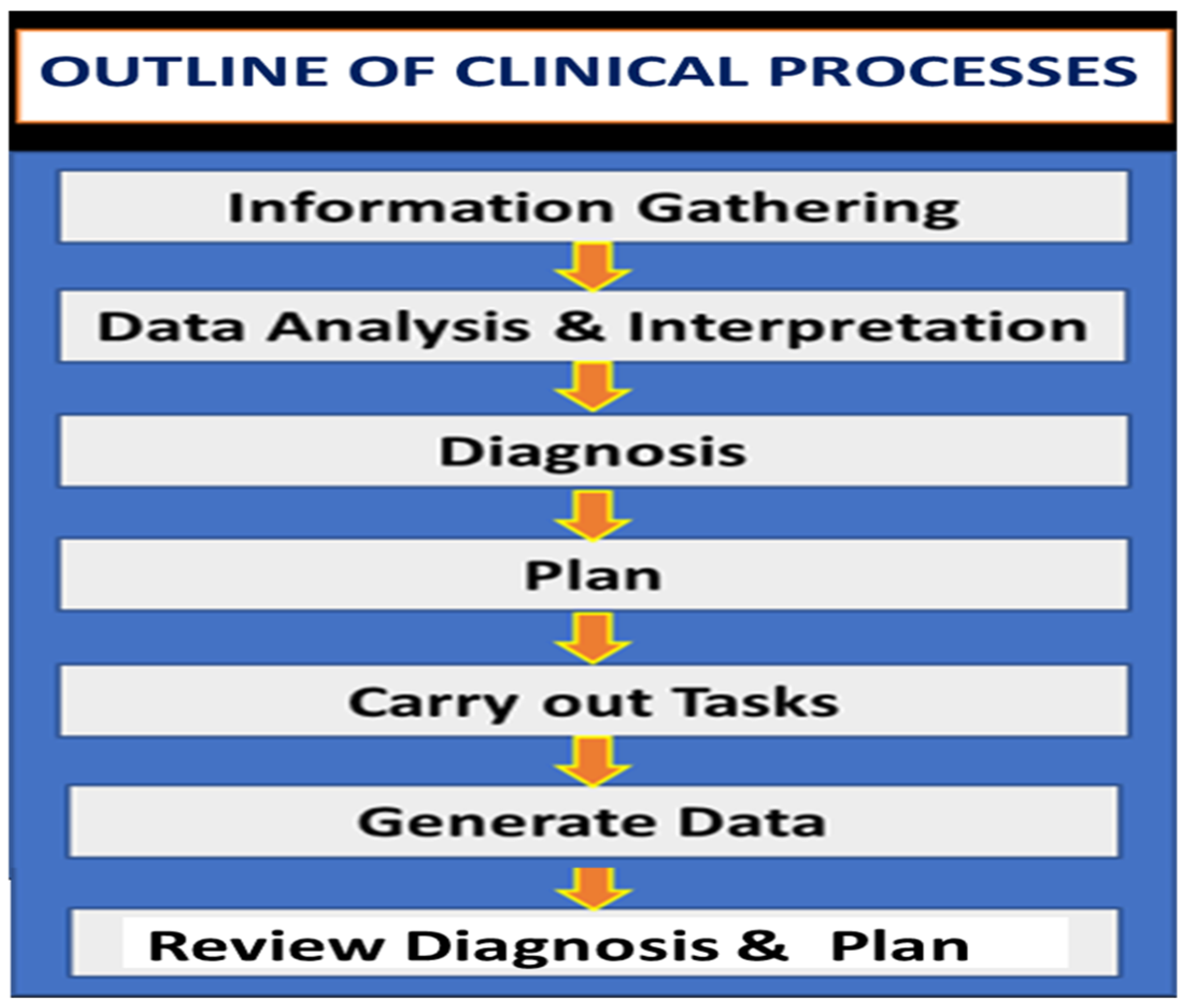
On the other hand, standard operating procedures (SOPs) (
Figure 1) are defined as a set of instructions that organisations, especially healthcare institutions, develop to support workers to perform individual tasks efficiently. They further help people maintain consistency throughout the work processes or procedures. SOPs tend to cover several various important consents in ensuring efficient healthcare service delivery [
12]. For example, they significantly help ensure all personnel involved in the clinical trial and help reduce errors and inconsistencies. Electronic data capture (EDC) systems are another key method for standardised treatment in clinical trials. According to Islam [
13], electronic data capture systems and other relative digital tools facilitate standardisation by ensuring constant data entry and real-time monitoring. Such technologies effectively help reduce the risk of data entry errors and provide a streamlined way to manage and analyse data efficiently. Therefore, it can be said that standardised treatment methods enhance the reliability and validity of clinical trials, which further leads to more accurate and generalisable findings. Furthermore, it helps in minimising variability and ensuring high-quality data; these methods help in developing safe and effective treatments for the public.
1.2. Effectiveness of Clinical Trial Protocols Promoting Evidence-Based Practice
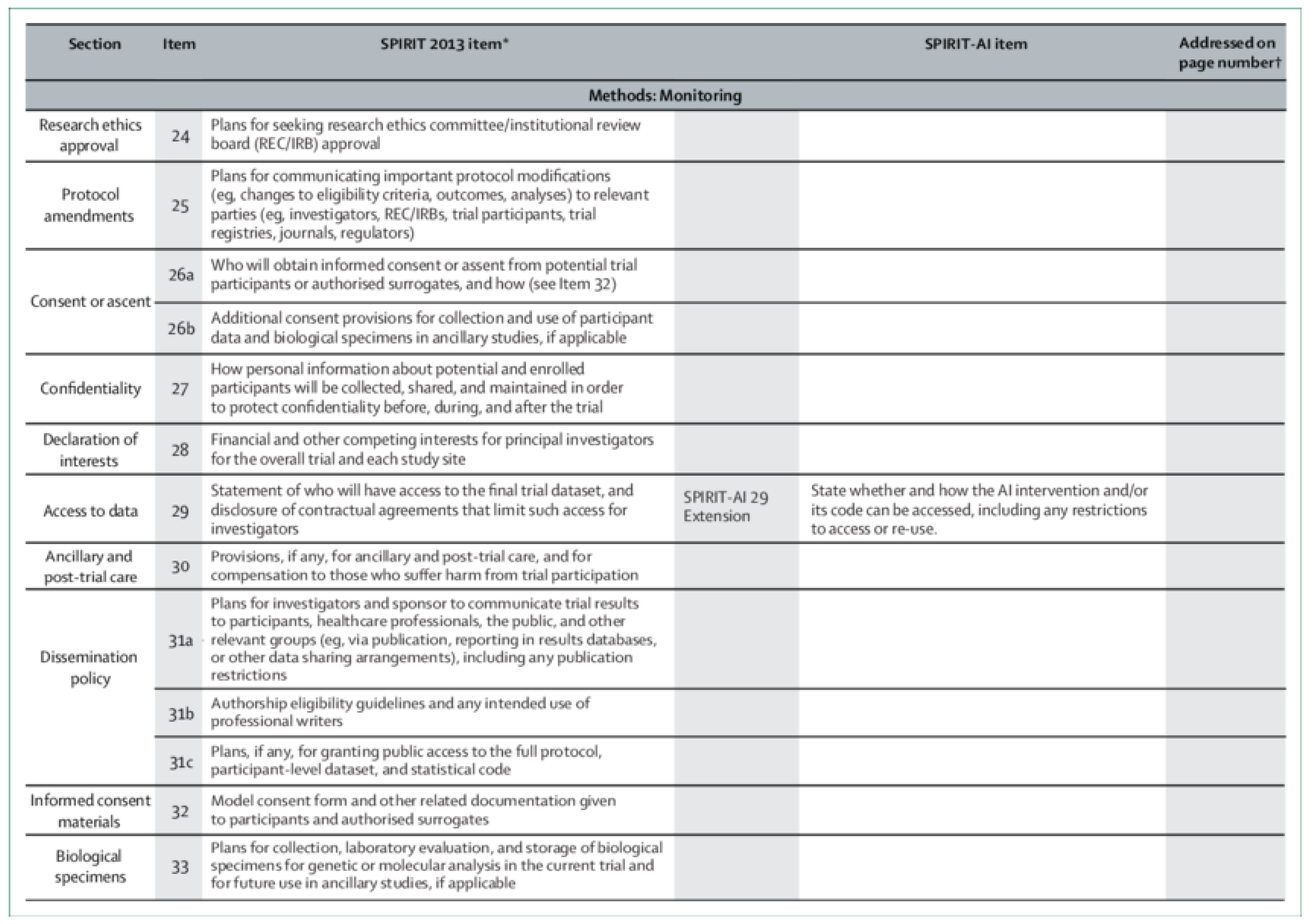
According to Rivera [
15], Standard Protocol Items and Recommendations for Interventional Trials–Artificial Intelligence (SPIRIT-AI), are identified as guidelines that are designed to enhance the transparency, reproducibility, and rigorousness of clinical trials involving artificial intelligence. SPIRIT-AI often served as an extension to the original SPIRIT 2013 protocol [
16]. The statement provides a brief outline regarding the standard protocol items, which are essentially required for clinical trials. In addition to this, it has been highlighted that the advent of SPIRIT-AI responds to every unique challenge that may be posed by AI technologies in clinical research, assuring that AI-related trials are either meticulously planned or reported. Needless to say, concerning today’s healthcare industry, AI has played a pivotal role in bringing massive and transformative changes in this field. However, AI-driven protocols for clinical trials improve clinical decisions for patient management in relevant areas as they are dependent on their operational environment but not on their developmental environment algorithms.
The SPIRIT-AI checklist (
Figure 2) fills this gap by providing an effective framework that tailors the nuances of AI in clinical settings.
Various studies have repeatedly mentioned that one of the key aspects of effective clinical trial protocols is the clear definition of intervention and control conditions. This process ensures that understanding the interventions and the control conditions can effectively measure the outcome and provide robust evidence for their efficacy and safety. The NHS follows the same approach to promoting evidence-based practices in their clinical trial protocols. For example, during COVID-19, the Royal College of General Practitioners (RCGP) introduced new principles regarding receiving, storing, and sending intimate clinical images, and patients have the right to access and receive a copy of their data [
17]. Therefore, by adhering to well-designed clinical trial protocols, researchers can effectively generate evidence that is trustworthy and applicable in a clinical context.
Evidence shows existing patient-reported outcome (PRO) guidance for protocol developers remains difficult to access and lacks consistency [
18].
1.3. Contribution of Clinical Trials Improving Care Process and Clinical Decisions
Clinical trials play a pivotal role in advancing healthcare by providing robust evidence of the efficiency and safety of new treatments, interventions, and diagnostic tools [
19]. It has been said that the systematic and scientific nature of clinical trials not only assures that clinical decisions are grounded in high-quality evidence but also enhances the overall healthcare processes. However, the contribution of clinical training helps to improve the care processes and make effective clinical decisions in vast and various ways.
It has shown that a clinical decision support system (CDSS) embodied with the latest cutting technology, like artificial intelligence, machine learning, and big data, when integrated into clinical trials, has the potential benefit to improve the average percentage of patient care outcomes [
20]. Firstly, clinical trials can improve the care processes as well as the clinical decisions by informing clinical guidelines and protocols, which leads to improved decision making. For instance, RCTs, or randomised controlled trials, are frequently regarded as one of the highest standards in clinical research [
21]. They offer a high level of evidence that efficiently influences clinical practice. In contrast to this, these clinical trials are also compared with the new treatments, which are typically considered the current standard of care. Unlike traditional standards of care, like RCTs, the current standard of care aims to provide clear data on relative effectiveness [
22]. A notable example of such trials is the new anticoagulants for atrial fibrillation, which further led to changes in guidelines and helped to reduce stroke in patients.
Other findings related to the contribution of clinical trials to improving healthcare processes and related decision-making choices state that clinical trials typically help in the optimisation of care processes by identifying the best practices and effective practices [
23]. An insight into the benefits and income that the NHS providers gain through undertaking commercial contract research is in studies sponsored by life science companies and delivered alongside NHS care, which have informed the value of payments to NHS trusts for delivering commercial research studies. They also estimate how much NHS providers save through using medicines provided as part of commercial studies, where the company bears the cost of the medicine in place of the standard NHS treatment [
24]. Apart from this, clinical trials also help in critically focusing on patient-centred outcomes through providing quality of life, mere survival rates, and others. Cella and Hays [
25] highlighted that the Patient-Reported Outcomes Measurement Information System (PROMIS) is one of the remarkable examples of a tool developed through clinical trials. It helps in providing a better understanding of the patient’s experiences and outcomes. However, clinical trials are effective in terms of reducing unwarranted variations in care and help in promoting advancements in technology and methodology. Therefore, it can be said that clinical trials significantly contribute to the improvement of care processes and decision-making choices related to clinical interventions, processes, approaches, and strategies. However, despite the potential benefit of CDSS, its challenges regarding data privacy, system integration, and clinician acceptance are a concern [
26].
1.4. Impacts of Clinical Trials to Enhance Healthcare Service Delivery
Inan [
27] observed that one of the major benefits is that clinical trials improve the care process and clinical decisions by efficiently assessing risks in trial management. Managing the intervention delivery of the clinical trial system helps to assess the safety and risk in trial management. However, the strategies or approaches to ensure better clinical outcomes during the trials can be vast and varied. One of the common ways to improve the healthcare process and create better clinical decisions is establishing effective ongoing communication between the staff and responsible members to take care of the patient such as physicians, pharmacists, nurses, and others [
28]. Establishing a strong communication link will allow the relevant trial members to stay updated on all information related to clinical trials and the patient. Furthermore, this process can help minimise the communication or information gap between the team and reduce the risks in clinical trials.
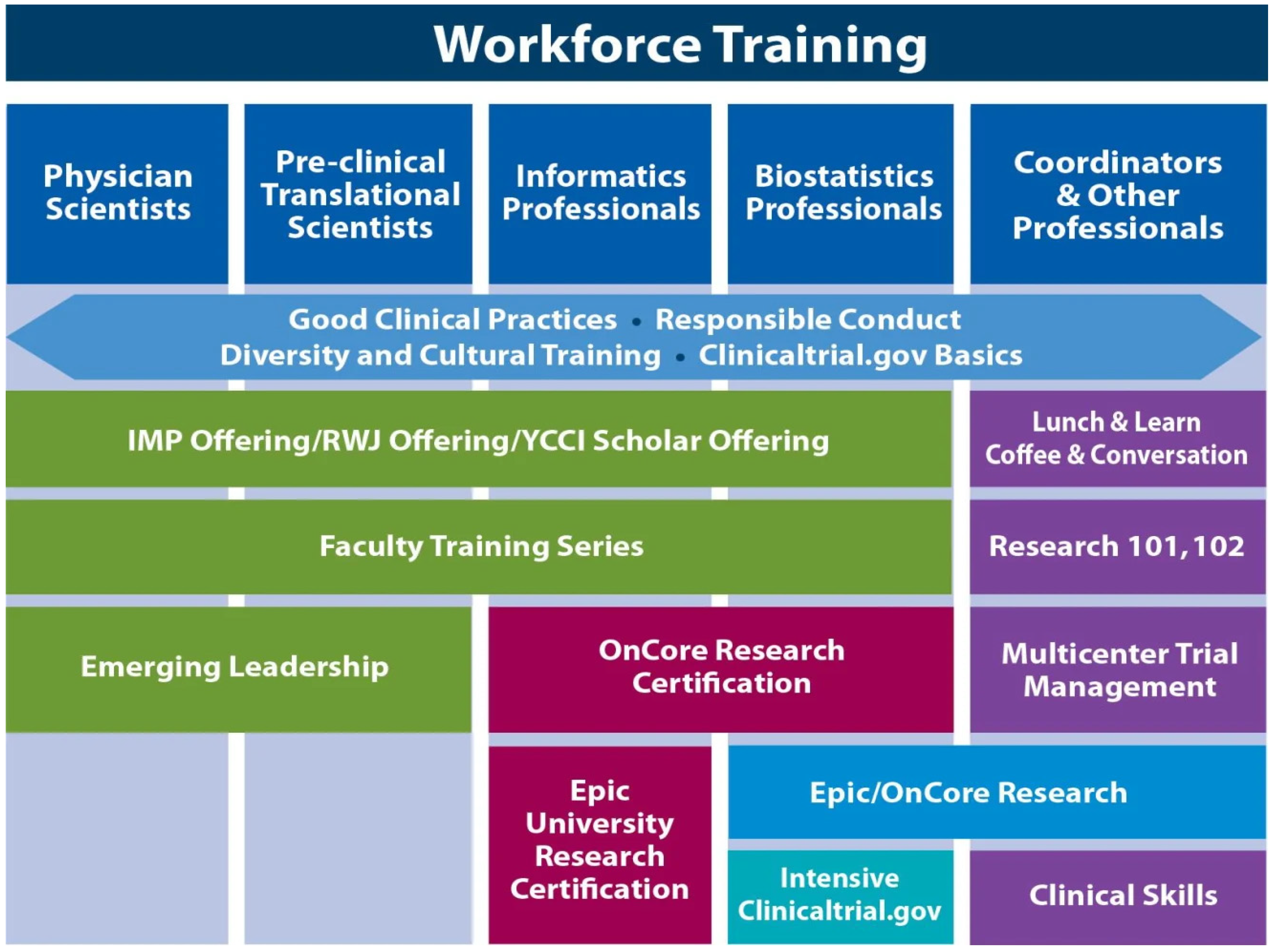
Meanwhile, trial-specific training (
Figure 3) for staff associated with clinical trial development or management processes has positively impacted overall healthcare service delivery [
29]. To transform services and improve outcomes within the NHS, embedding research is a vital strategy that provides the evidence that is required by the healthcare centre [
30]. It was stated that clinical trials help in re-configuring the treatment and development processes for under-served or vulnerable people in society [
31]. However, there is a limited quality of the evidence and the variation in interventions on the impact on recruitment rates and patient understanding of randomised controlled trials (RCTs), satisfaction with recruiter communication, and informed consent [
32].
1.5. Obstacles to Clinical Trial Management
Generally, clinical trials are effective in ensuring better healthcare outcomes for patients. However, the process of clinical trials involves several barriers. A baseline in clinical trials is often referred to as an initial measurement of a condition that is taken early and used for comparison over time to look for changes. For instance, the size of a tumour will be measured before and after the treatment to check the effect. Buse et al. [
34] indicated that the absence of a streamlined baseline has been addressed as one of the major barriers in clinical trials. Other authors have demonstrated that in clinical trial delivery, fewer efforts to streamline baseline activities are significant barriers [
35]. The process of clinical trials involves a foolproof method that seeks to evaluate the efficiency of new medical interventions. However, it is further said that the successful completion of clinical trials depends on the retention of the participants enrolled [
36]. Therefore, poor participation can lead to a significant time and cost burden and will further have the potential of adverse biases on the results as well. Apart from the discussed obstacles in clinical trials, other barriers involve a lack of personnel, preferences for other treatments, time constraints, a lack of awareness in the trial process, and provider bias.
1.6. Gaps in the Literature
Several studies detail the current clinical trial systems and their impact on patient care. However, there is a significant dearth of studies on the improvement of trial implementation and its impact on patient outcomes. This study aims to examine the management tactics used within the clinical trial system at the NHS to address the identified gaps in literature (
Table 1).
Table 1.
Key themes and gaps in the literature.
Table 1.
Key themes and gaps in the literature.
| S/N | Themes | Gaps |
|---|
| 1 | Effective Clinical Trial Management through Standardised Treatment Methods | - (1)
In other to ensure that tumour control is maintained, much more research is needed to fully understand the tissue effect and clarify the mechanisms responsible for the biological responses to this technique. - (2)
There has been discord on the extent of the role of PBT [ 37], as less is known about its effectiveness.
|
| 2 | Effectiveness of Clinical Trial Protocols in Promoting Evidence-Based Practice | - (1)
Evidence shows existing patient-reported outcome (PRO) guidance for protocol developers remains difficult to access and lacks consistency [ 18].
|
| 3 | Contribution of Clinical Trials Improving Care Process and Clinical Decisions | - (1)
Due to threats of alert fatigue, clinical decision support in diverse care settings can be compromised (Kwan et al., 2020). - (2)
Despite the potential benefits of CDSS, its challenges regarding data privacy, system integration, and clinician acceptance are a concern [ 26].
|
| 4 | Impacts of Clinical Trials to Enhance Healthcare Service Delivery | There is a limited quality of the evidence and the variation in interventions on the impact on recruitment rates and patient understanding of RCTs, satisfaction with recruiter communication, and informed consent [32]. |
| 5 | Obstacles to Clinical Trial Management | Other barriers include lack of personnel, preferences for another treatment, time constraints, lack of awareness in the trial process, and provider bias [35]. |
It can be concluded that most scholars have agreed that the management of clinical trials is not only effective but impacts healthcare delivery. However, healthcare providers need to ensure better patient outcomes by reducing risks from clinical trials.
2. Design and Methodology
This study explored staff perception of the management of clinical trials and its impact on healthcare service delivery and patient outcomes within the NHS. To achieve this study’s aims and objectives, a primary qualitative research methodology in accordance with the interpretivism research philosophy has been adopted to guide this study. Additionally, ethnographic research has been considered, and ethical norms have been followed to obtain unbiased findings. The process of interview question formulation was adopted using a proposed conceptual framework (SPICE). This framework encourages the researcher to align the interview questions with the study objectives.
2.1. Study Philosophy and Design
This study focused on the management of clinical trial systems within the NHS; hence, the use of interpretivism philosophy appeared quintessential. The philosophy enabled us to incorporate real-time insights from different but interrelated and relevant aspects to have a better understanding of the study objective [
38]. The rationale behind adopting interpretivism is that it is complementary to the qualitative analysis, and it is efficient in assessing real-world experience [
39], thereby incorporating subjective knowledge regarding the study questions. However, Ali et al. [
38] also studied the major weakness of interpretivism as the chances of generalisability by researchers.
The ethnography study design approach is used in this qualitative study methodology and has been chosen to conduct this study because it is highly relevant in the field of healthcare [
40]. It helps to explore and interact with people in the natural surroundings, understand facts, and produce a comprehensive account of their social setting [
41].
2.2. Sampling Technique
Sampling in this study is studied to identify and select the potential respondents with information-rich cases. Considering the qualitative nature of this study, to identify the most potential participants for this research, a non-probability purposive sampling technique has been applied [
42]. To support data collection in a cost-effective and highly flexible way, the sampling technique appeared ideal, as it helps this study to select a group of individuals with a broad spectrum of perspectives in the area of interest [
43].
2.3. Sample Size
Participants were recruited from 1 August to 22 August 2024. During this period, 68 eligible participants were contacted, and 19% of responses were received, with about 13% of the eligible participants showing interest and being recruited for this study.
A sample size of 10 was determined for this study from a range of healthcare professionals who have worked or are working in the process of managing clinical trials at the teaching hospitals of the particular NHS Foundation Trust.
2.4. Data Collection
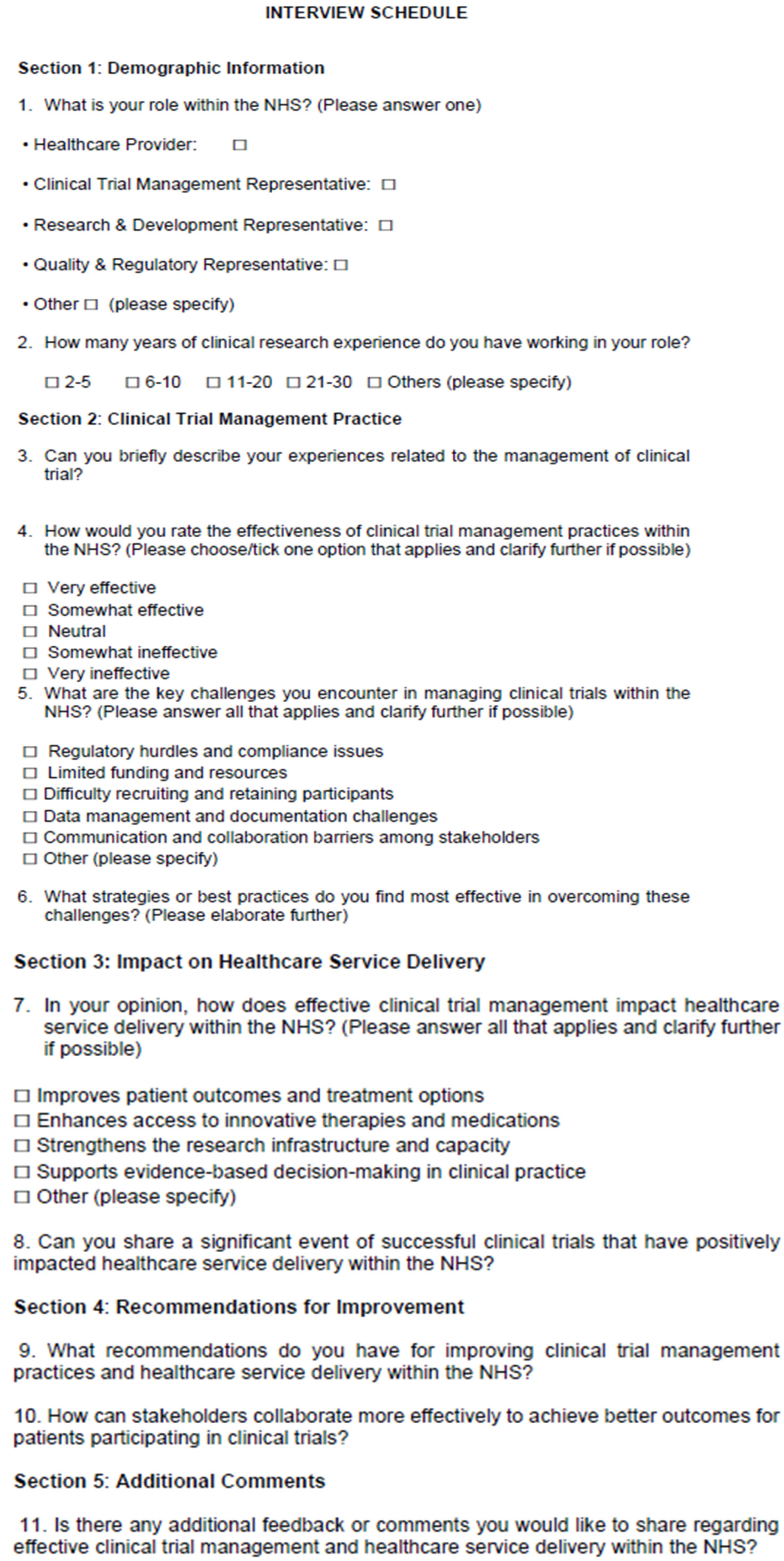
Participants were invited directly and via the gatekeepers through work email using personal networks. Participants were provided with a participant information sheet, and no incentives were offered for participating in this study. Participants were included if they have worked or are currently working on a substantive or honorary contract role in the process of managing clinical trials at the specific university hospitals NHS Foundation Trust, as a research clinician, research nurse, trial manager, trial pharmacist, or research and development manager. This is intended to seek out participants who have first-hand experience with the phenomena of clinical trial management and can provide the most relevant data to answer the research question since the particular teaching hospitals of the NHS Foundation Trust is a research-active site. Semi-structured interviews, as shown in
Figure 4, were conducted via a video conferencing platform, Microsoft Teams, and they lasted approximately 60 min, with an average interview time of 42 min.
Each participant provided a signed informed consent prior to the interview, and the interview began by first requesting consent to start the recording and then by briefly facilitating the participants to share views and work-related experiences focusing on how effective clinical trial management contributes to improved patient care and treatment outcomes within the NHS. Also, participants were briefed on the significance of this study to potentially identify a non-compliment area that may be used in designing a proper improvement strategy aligning with the UK health legislation. Participants were first asked to describe their experience in the management of clinical trials. They were then asked specific questions directed at exploring both the key challenges encountered and the impact of effective clinical trials in the management of clinical trials on patient outcomes within the NHS. All participants were probed on their responses to ensure that the study topic was comprehensively explored. Areas of improvement were asked to ensure acknowledgment of their views. Data collection continued until every interested participant had been given the opportunity to share their views. Interviews were recorded and transcribed verbatim.
The data collected were then saved and secured in a passworded laptop.
2.5. Data Analysis
To analyse the primary responses from the participants regarding clinical trial management at the NHS, the data collected were analysed systematically using thematic analysis [
44] supported by NVivo 14 software.
Firstly, interviews were transcribed and read repeatedly. After familiarisation with the transcripts, phrases were coded for common patterns and concepts. Then, the coded data were reviewed to identify themes for clustered codes. The generated themes were then reviewed by listening to the recording and re-reviewing the transcripts to ensure the themes suitably represent the data concerning the study question. The final themes were discussed with the supervisor to ensure that the researcher could justify and defend the selected themes [
44].
The thematic method of data analysis is appropriate because it allows the researcher to obtain findings in a logical manner and in a systematic way [
45]. Utilising the method of data analysis, themes were created on the management of clinical trial outcomes within the NHS, focusing on the objectives of this study.
2.6. Validity and Reliability
The validity of this study shows the measures of accuracy by reflecting whether the data adequately measured the facts and information collected to obtain the results. On the other hand, reliability refers to the consistency of the research outcomes. Sürücü and Maslakçi [
46], convey that the results of the research are consistent by synthesising the data under the same conditions. This study has been conducted by following consistency while defining the results. Meanwhile, reliability was applied during the interpretation of the interview transcripts. Following the validity, a proper study outline was made before starting this study to achieve the objectives.
2.7. Ethical Consideration
Ethical approval was obtained from Anglia Ruskin University School Research Ethics Panel (SREP) and ratified by the Faculty Research Ethics Panel (FREP) under the terms of Anglia Ruskin University’s Policy and Code of Practice for the Conduct of Research with Human Participants. Ethical clearance was obtained on 25 July 2024 with the number ETH2324-6668.
Research permits were also obtained from the Research & Development—Patient Outcome Unit of the particular research active (University) hospitals NHS Foundation Trust in east of England. All participants were provided with the participant information sheet and were informed about the purpose of this study, the procedure involved, their voluntary participation and right to withdraw at any time, and the measures taken to protect their privacy and confidentiality. Informed consent was obtained prior to participation in this study, and consent was gained before starting the recording of the interview.
All interviews were conducted in private, and no identifying information was included in any data or reports. The participants were given a unique code, and all participant identifiers were destroyed after analysis was completed.
Data were anonymised to protect participant identity and data were stored securely, and this study complied with the “Data Protection Act 2018” [
47].
This study maintained all ethical guidelines, authenticity, and accuracy of data collected and their interpretation throughout the conduct of the study project.
3. Results
Out of the ten participants anticipated for this study, the actual sample of this study was nine participants from whom the interview transcripts were collected and analysed thematically. The final analysis emerging from the understanding of staff’s experience and perception in the management of clinical trials identified four related conceptual themes (
Table 2). Interview excerpts have been used to categories these into patterns and common themes. To retain participant anonymity and compare themes across the dataset, I have used pseudonyms (
CT01-CT10) for participants. CT10 did not participate in this study.
3.1. Perceptions of Staff on Existing Clinical Trial Management
This theme describes the overall rating of the existing management of clinical trials within the NHS (
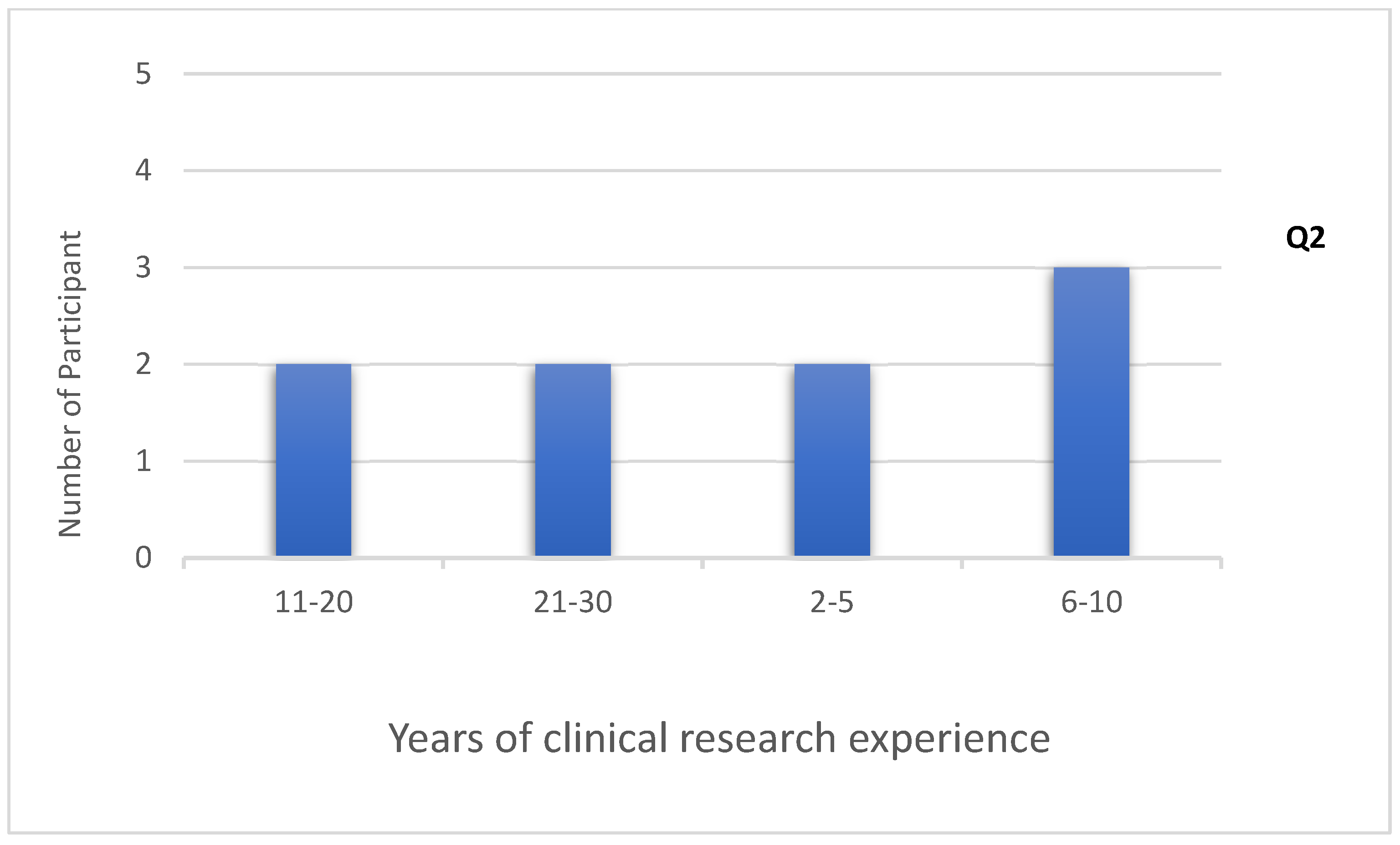
Q4). The participants interviewed have between 2 and 30 years of working experience in the management of clinical trials within the NHS (
Figure 4). This accounted for participants with 6–10 years of work experience in clinical trial management who make up 33.33% of the total participants (
n = 9), while participants with 2–5 years, 11–20 years, and 21–30 years made up the remaining 22.22%, respectively.
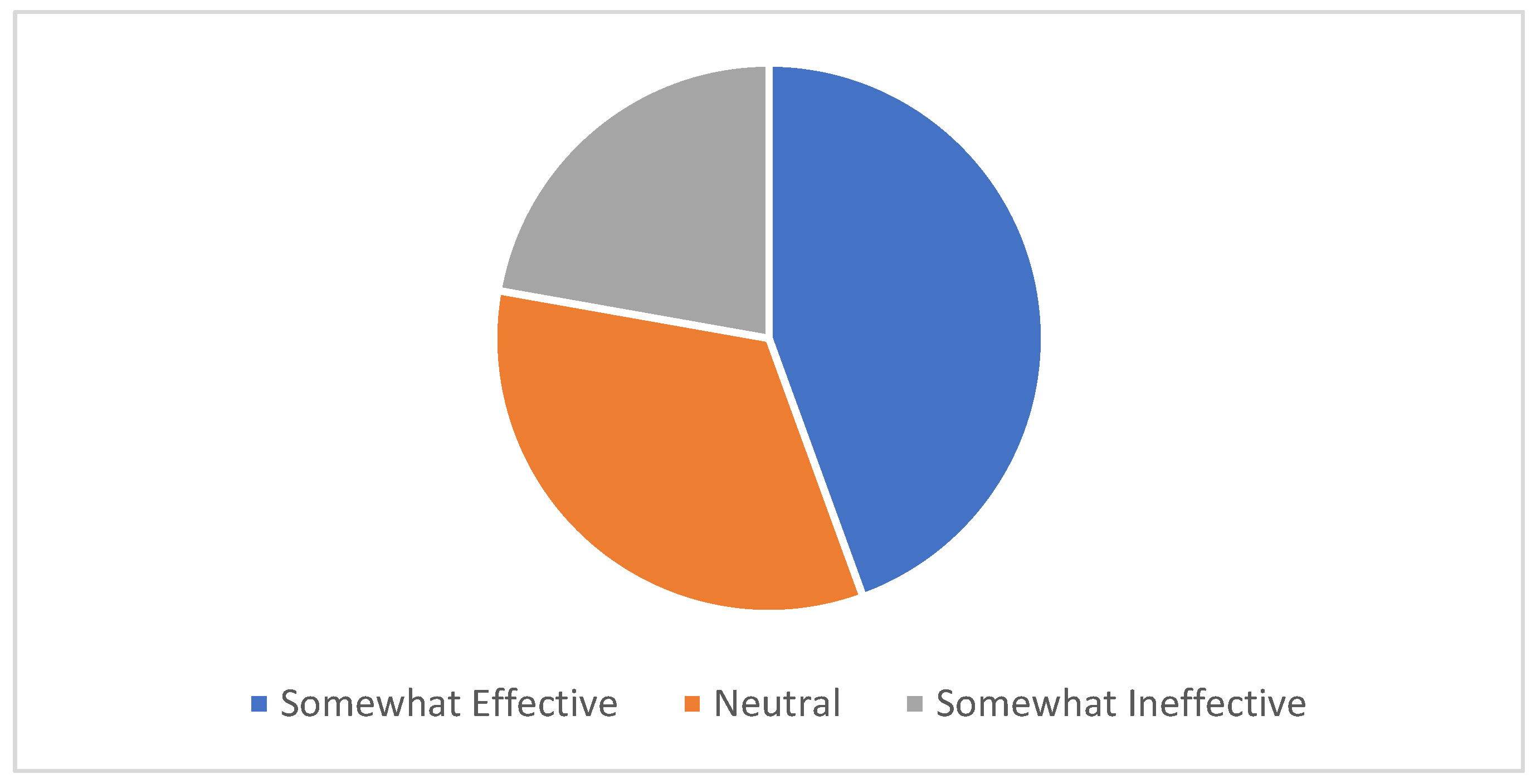
Participants CT01, CT06, CT08, and CT09 perceived the current practices in clinical trial management as “somewhat effective” (
Figure 5).
About 45% of the participants perceived the current practices as “somewhat effective”, while 33% said they were “neutral”, and 22% viewed the practice as “somewhat ineffective” (
Figure 6). However, participants with 21–30 years of clinical trial management experience (CT03 and CT07) rated the existing practice as either somewhat ineffective or neutral (
Table 3) with improvements recommended.
The quotes below are from participant responses when clarifying further their chosen option on the rate of existing effectiveness of CTM.
| Participant Code | Quotes |
| CT08 | “
I think we have not improved a lot in sample management. We were not as effective or efficient as we could have been with sample management…. But that’s kind of much improved now. So, I think we’re reasonably effective across the board, but there are some sections where we could perhaps be better”.
|
| Interpretation | Management of collected samples in clinical trials has improved compared to some years back and it has sped up the efficiency of the entire process; however, clinical trials of sample collection require further improvement. |
| CT09 | “
I think the actual processes we have are effective, but we’re often very constrained by resource available. During the pandemic, we demonstrated that we could set up a trial within about three weeks and set up recovery trials within about three days or something, so it shows that the practises that we had were effective if we’re allowed to drop everything else, I think often what happens in real life is that everything just enters a queuing system and that can be ineffective because if there’s only so much of an answer you can get for one project then it gets put down…. You may or not go back to the queue then found yourself at the start of the original trial.”
|
| Interpretation | The process of streamlining the regulatory hurdles and compliance of clinical trials should be adopted to ensure the timely delivery of the research. |
| CT07 | “I will remain neutral because historically, we were not governed by the clinical trial regulations and were able to do clinical trials very quickly without much review and governance, and without much costing and that was effective in 2004 when we were not governed before the law changed…. We are now governed by clinical trials regulations as applied to pharmaceutical companies so we have a lot more of a burden of governments, monitoring and oversight, which is all fine, but this is very costly and it’s meant that we have struggled to get the resources to do clinical trials which are taking much longer. Now fewer people are doing investigator led clinical trials…. I think we’ve become less effective as a result of all of this challenges because we’re under-resourced” |
| Interpretation | The compliance challenges experienced nowadays have worsened compared to how it was prior to the implementation of the clinical trial regulation. This could be the result of many costly compliance tasks with no availability of resources. |
| CT03 | “Given the option from that list, I would say somewhat ineffective. I think some clinical trial units are good in managing pharmaceutical studies compared to the implementation/device studies. So, I think the problem with some of this trial units have no flexibility and are used to dealing with specific kind of randomised controlled trials for pharma company and they are not used to any other sort of trial pattern. Yeah, and the statistical advice has been very unhelpful”. |
Overall, the effectiveness rating of existing clinical trial management has been perceived to be partially effective and requires further improvement.
3.2. Challenges in Clinical Trial Management
Some of the key challenges encountered in clinical trial management within the NHS are listed below.
| Key Challenges |
| Regulatory hurdles and compliance issues |
| Limited funding and resources |
| Difficulty recruiting and retaining participants |
| Data management and documentation challenges |
| Communication and collaboration barriers among stakeholders |
| Other (limited research knowledge) |
Almost 96% of the participants demonstrated that limited funding and resources, difficulty in participant recruitment and retention, and regulatory hurdles are some key obstacles. There was a marked significant challenge with poor data management and communication barriers. Another barrier identified was limited knowledge of research.
| Participant Code | Quotes |
| CT05 | “On limited funding and resources, this is a huge one because clinical research and as part of that clinical trial activity is not thought to be core activity for the NHS. None of clinical research is accounted for in terms of clinical time, so when it comes to medical, nursing, and imaging time, etcetera, all of this has to be paid and agreed for separately. Because there’s a direct competition with clinical pressures, it’s very difficult to find this resource, they cannot get resource out of departments that don’t have any because they’re not coping with the clinical pressure”.
“Also, the lack of existing career pathways makes accessing resource extra difficult because there are no established clinical trials career pathways especially for the so-called end MAPS (medical associate professions), the nurses, midwives and other allied health professionals. It is very difficult to identify individuals who have an interest or are even aware of this opportunity to have portfolio careers. So even if we wanted to find research interested physiotherapist, I doubt it would be very easy to identify even in a research active hospital like ours” |
| Interpretation | Since clinical research has not been the key activity of the NHS, limited funding and resources remain part of the challenges, unlike medical and other key activities, where patient treatment has been givenpriority. Meanwhile, identifying staff with a keen interest in research is difficult because clinical trials have no career pathways. |
Meanwhile, it was identified that the lack of a unified standard operating procedure (SOP) across the NHS trusts led to additional work and inefficiencies, as all the trusts write their own SOPs, review them, and implement their own process.
| Participant Code | Quotes |
| CT09 | “I think limited resource is an issue because we don’t have time to maintain all of our trial’s documentation and from our perspective that includes invoicing, so there are a lot of administrative tasks though we’re in the process of actually employing a new administrative post to try and tackle that challenge. It’s just all work that needs to be done, and with limited funding and resource... things like documentation can be the first to slip down that list of priorities”. |
| CT01 | “Recruitment to some trial is always difficult and time consuming. I think one of the issues is that representation of underserved population in clinical trials is not particularly good and this is a huge equity issue…. Demographically, I think the clinical trial participants can be well educated and engaged in regards to their high health literacy which often correlates with strong socio-economic status however, that has been an issue for the generalizability of trials to underserved population”. |
| CT08 | “I think communication between all the collaborators and between the individuals on contracts are spills over the sites. So, if you’ve got half a dozen signatories on an agreement, but then also have your site agreements with the local R&D, it would take time to complete the signatory process. That process could have been made more easier and streamline rather than longing the process”. |
It was emphasised that there was a perception that research is an ivory tower activity. Meanwhile, the majority of the opportunities available are to rapidly improve care for everyone, but there is a cultural issue that requires changes for the change needed to be properly implemented.
3.3. Key Strategies and Best Practices
The thematic analysis simultaneously analyses the key strategies and best practices to overcome the challenges and identify the communication, training, and implementation of proactive measures as factors that can improve the standards of the clinical trial management system.
3.3.1. Communication: Overall, Participants Have Particularly Identified Communication and Built Strong Relationships with the Team or Stakeholders as a Key Strategy to Improve Clinical Trial Management
| Participant Code | Quotes |
| CT02 | “The best strategy to overcome all of these challenges is to keep expressing the importance and value of the research to the local teams ensuring you’ve engaged an interested PI (Principal investigator). If you’ve got an engaged PI, this will be the largest, biggest factor in pushing that research forward as a clinical trials site”. |
| CT06 | “I think it’s communication and building relationships. If you can build up relationships with other departments and other areas, you will get a much better response when you kind of say can I do, can I use your space”. |
3.3.2. Implementation of Proactive Measures, Specifically, Training to Staff and Stakeholder Collaboration: Major Responses Stated the Importance of Proactive Measures to Overcome Existing Issues
| Participant Code | Quotes |
| CT07 | “I would say engaging educational activities and trainings to bring together the people involved in the day-to-day coordination’s and management of clinical trials.” |
| CT09 | “We try and continually working to streamline our procedures such that there’s some minimal duplication and make the most of the resources that we’ve got”.
“In terms of funding, we’re always looking for additional funding to make sure our trials are appropriately costed and reflect the work that is being done”. |
| Interpretation | Resources have been limited, and sourcing for additional funding is the only way to streamline tasks and maintain efficiency. |
Having a strong communication link between the team and stakeholders and also effective communication are the best practices to mitigate the key challenges.
3.4. Impact of Effective Clinical Trial Management
The major theme analysed is that if clinical trial management was effective, it would impact healthcare service delivery and
improve patient outcomes and treatment options. CT04 stated the following.
| Participant Code | Quotes |
| CT04 | “Better resource allocation to clinical trials could enhance the overall healthcare service delivery within the NHS.” |
| CT09 | “Of course, it does improve our patient outcomes and treatment options mainly because when clinical trial management is effective, it’s safe and allows you to do more clinical trials. Basically, by putting more people for clinical trials, you are bound to contribute to improved outcomes and more treatment options hence enhancing access to innovative therapies and medications”. |
| Interpretation | Aside from the fact that effective clinical trial management improves patient outcomes and treatment options when it is safe and effective, it enhances new treatments and medications. |
Another key impact is that about 75% of the respondents supported evidence-based decision making. Most of the participants stated that the impact of effective clinical trial management on innovative therapy and study infrastructure improved.
However, CT07 agreed with all of the options in Q7, except that it strengthens the study infrastructure and capacity or supports evidence-based decision making and clinical practise, which are probably not true.
| Participant Code | Quotes |
| CT07 | “I would say an important thing is training up staff to do clinical trial work. Even if a trial isn’t successful and it doesn’t impact on healthcare delivery, it can still be useful because people get some enthusiastic which can be some sort of capacity building amongst research staff”. |
| Interpretation | Irrespective of the outcome of clinical trials, they can be a learning avenue for research staff. |
Additionally, some significant experiences of successful clinical trials that have positively impacted healthcare service delivery within the NHS have been demonstrated in the implementation of devices, the introduction of monoclonal antibodies (MAB-based therapies), and the COVID-19 recovery trials
4. Discussion
The major findings from the result describe the holistic and positive impact of effective clinical trial management on health service delivery and patient care at the National Health Service (NHS) setting. It is shown that managing clinical trials effectively can extraordinarily improve patient care and health-related outcomes. Moreover, the findings from the analysis also represent an improvement in innovative therapies and study infrastructure. These findings show relevance to the study by Maleki [
10], as the study also described the transformative shift in clinical trial design through the integration of advanced technology. Both findings show similarities in aspects of study and development. Maleki [
10] stated that the cornerstone of medical study and the findings of this study interpret the necessity for the efficiency of new treatments. It is shown that the effective management of clinical trials can improve the study infrastructure; hence, the methods, protocols, and consistent procedures utilised for effective management should be proactive and potential. Bus et al. [
11] also demonstrated similar requirements for the management of clinical trials by using comprehensive protocols and standardisation. Meanwhile, it has been demonstrated that employing evidence-based guidelines and practices using the Grading of Recommendations Assessment Development and Evaluation (GRADE) framework can be more reliable for the implementation of informed clinical practice. However, to perform these systematic approaches, a strong foundation of a diverse expert panel is essential.
It was deduced that all the participants have demonstrated a positive impact on healthcare service delivery due to effective clinical trial management. Benefits such as improved patient outcomes, evidence-based decision making in clinical practice, and more access to innovative therapies are highlighted in the findings. The findings of this study are credible and show relevance to the study conducted by Davis et al. [
19], which explicated that effective designing of clinical trials and the inclusion of patient satisfaction biomarkers with heterogeneous pathophysiology importantly provide a personalised approach to patient care. Also, they help provide a real-time assessment of the condition in a population, increasing diagnostic utility and specificity. The findings in the aspect of improving healthcare service delivery also indicate that well-managed clinical trials advance medical knowledge and directly influence and improve clinical practices on a national scale. The findings from the study conducted by Granholm et al. [
22] also represented the standardisation of clinical trials, providing significant advantages, such as increased compatibility and less competition between trials, which lead to more precise results. Effectively managing clinical trials enables a larger sample size, which, in turn, is significant in improving patient outcomes by increasing precision and addressing safety concerns. It has been seen that clinical trials considering large samples increase generalisability and external validity, even at the international level. The findings of Granholm et al. [
22] also show relevance to the study finding of evidence-based decision making in clinical practices. It is observed that effectively managing clinical trials improves programmes and includes multiple study types, which leads to prior evidence synthesis and is also beneficial in detecting knowledge gaps. This study also asserts that the evidence may not be used to change clinical practices, but it can neutralise the risk of adverse incidents and invasiveness. This consideration is widely applied in both clinical practice and trial guidelines.
It is clearly interpreted that improved patient outcome has been connected with effective clinical trial management. Improved patient outcome is inextricably associated with the use of innovative technology and methods in clinical trial management. Moreover, the findings of this study also supported the view that effective management facilitates access to innovative therapies and technologies. Weissler et al. [
23] assert the technological advancements in population identification and recruitment in the trial process. The study describes the use of natural language processing (NLP) technology for the identification and recruitment of patients. It can help to match the desired phenotype and reduce labour-intensive processes and also the risk of bias. NLP employs a cross-model interface learning algorithm, which is better than the traditional learning approaches that help to encode patient records and enrolment criteria and easily match patients for trial only using their electronic health record (HER) data. A potential benefit of this approach is to avoid bias and entire reliance on completely structured data. Likewise, the study findings show that patient retention and monitoring are challenging in the existing infrastructure at the NHS. Weissler et al. [
23] further stated that the advancement of technology in trials can improve patient retention and monitoring. This study highlighted that machine-learning-assisted methods can improve retention and protocol adherence. The ML approach analyses large amounts of data and decreases the study burden on participants, improving patient outcomes. In this context, more research by Kwan et al. [
20] on clinical decision support systems in trial management improves patient outcomes. It has been observed that the application of machine learning and artificial intelligence in clinical decisions supports embodied patient care. Leveraging the power of technology can help in the earlier detection of problems and also impede clinical deterioration. Therefore, the fact is prominent that the implementation of effective evidence-based decision making and decision support systems helps with targeted care to patients and improves patient outcomes.
Apart from the impacts, the findings of this study explored the challenges faced by the existing clinical trial system. Understanding and addressing the challenges are important for improving the overall clinical trial management system. From the findings, the major challenges such as limited funding, patient recruitment and retention issues, and regulatory hurdles have been addressed. It has been analysed that limited funding adversely impacts the study infrastructure and technological advancement in clinical trials, which hinders the scope for innovative therapies and scalability as well. However, the findings from the literature show contrary results. They show that a lack of a streamlined baseline process in clinical trials can be a major problem in managing clinical trials effectively [
34]. This study adopted a set of site readiness frameworks for the trial site, which is important, irrespective of clinical specialty and size, as it would reduce inefficiencies in trial conduct and help prepare new sites to enter the clinical trials enterprise, with the potential to improve the reach of clinical trials to underserved communities. The application of a streamlined practice helps to clarify the requirements and importantly minimises duplicative efforts in clinical trials. The findings also highlighted data management issues and communication barriers as other key issues. It has been shown that the absence of a standard operating procedure (SOP) affects the data management abilities of the organisation. Salleh [
14] further demonstrated the need for SOP to support individualised tasks across the clinical trial system. However, the findings from the literature affirmed the importance of effective regular communication in clinical trial improvement. Effective communication between staff and key stakeholders minimises information gaps, increases the quality of informed decision making, and reduces information bias and risk [
28]. However, there is a lack of studies in the literature that can establish views on regulatory hurdles in clinical trial management.
Also, the findings represent a mixed perception of existing staff managing clinical trials to achieve efficiency and establish views on possible challenges. From the findings, strategies and best practices have also been obtained, which can have the potential to solve the major challenges. The key strategies such as communication, staff training, patient retention and recruitment, and strategies for initial support are highlighted in the thematic analysis. To support the strategy of initial support, the research by Buse et al. [
34] can be interrelated, as they focus on the initial management of the practice to ensure better outcomes. Buttgereit et al. [
36] stressed the importance of retention and recruitment, as enrolling mismatched populations and older people can lead to adverse outcomes. Hence, ensuring appropriate and essential resources (study staff) can solve the issues related to retention and recruitment. Additionally, patient communication is also vital for better retention. The importance of communication in the clinical trial process has already been highlighted by Mitchell et al. [
28]. The strategies of direct communication can be implemented to ensure coordination and collaboration between the staff and the patients to improve the trial outcomes. Lastly, implementing training and education interventions for the staff in relation to the clinical trial is another evidence-based strategy for gaining effectiveness. The training of staff enhances their specialised knowledge and expertise within clinical trial units, which is significant for staff improvement and resource allocation. Moreover, Abajobir et al. [
29] also proposed trial-based training intervention for staff. They claimed that the implementation of standard training activities can translate staff behaviour and knowledge, predicting a positive impact on trials.
Following the context, the findings show the perception of staff on the effectiveness of current practices in clinical trial management, where staff considers it as somewhat or partially effective with a focus on improvement, such as strong engagement with the Principal Investigators (PIs), as part of the recommendations for further improvement. These findings show relevance to the findings from this study, as this study stated the importance of PIs with oversight responsibility for clinical trials at the local sites. Meanwhile, stakeholder collaboration has been observed as a key recommendation both in this study and the literature findings. It has been interpreted that the importance of collaboration between stakeholders promotes the flexibility and reliability of clinical trials. Also, it can improve the success rate and efficiency of clinical trials, benefiting the healthcare service delivery system [
34]. The study findings have also demonstrated a few improvements such as increasing investment for study and development activities, encouraging more funding pathways to support the study infrastructure, and the inclusion of diversity in the clinical trial workforce by adding underserved populations can be more beneficial for achieving excellent healthcare service outcomes.
However, this study adds to the literature by providing a detailed examination of staff perceptions and their impacts on healthcare service delivery, an area that has been relatively underexplored.
5. Conclusions
This comprehensive study helps us understand the benefits associated with improved clinical trial management within the NHS. Effectively managing clinical trials significantly improves patient outcomes and creates systematic differences in relation to the institution and the procedure of care. From this study, it is understood that several factors in the existing clinical trial system hinder the effectiveness of the clinical trial method and patient care. Although it has been observed that the clinical trial system at the NHS is effective, a lack of adequate funding shrinks the potential for innovative infrastructure. It has been observed that the staff managing clinical trials in the NHS has often faced difficulties in terms of recruiting and retaining patients, which exacerbates one of the issues of trial management.
This study has evaluated the benefits of a clinical study in the areas of clinical trials as multidimensional and assertive. This study found that effective clinical trial management not only improves the healthcare service delivery system but also improves patient outcomes, innovative therapies, and study infrastructure. Therefore, it can be said that improving clinical trials while recruiting more participants can provide better care and lessen the mortality rate. Moreover, the quality of care and hospital treatment are associated with evidence-based decision making during trials. Therefore, from this study, it can be concluded that to implement an effective clinical trial system, it is necessary to include a system of evidence-based decision making, adequate reporting, and responses to efforts for improvement. Furthermore, this study has illuminated the link between stakeholder engagement at all levels with better clinical trials and outcomes. Coordinating and collaborating with internal staff and external stakeholders significantly contributes to better performance and support, leading to extraordinary patient care and trial outcomes. Indeed, providing administrative and training support to the staff increases compliance with the trial-related guidelines. From this observation, it can be said that streamlining the trial process can further improve vital collaboration and coordination between stakeholders.
Moreover, this study confirms the impact of trial participation on healthcare delivery with improved and innovative treatment options. From the staff perspective, it is also explored that in order to receive high-quality care at the NHS, it is important to establish effective strategies such as communication, initial support, streamlined guidance, and proactive measures. This study highlighted the areas that create constraints on existing systems that require improvements such as funding, communication, and regulatory areas. Therefore, this study provides a broader understanding of the factors that are required for improvement to ensure a well-established clinical trial management system at the NHS.
The significance of this study relies on its potential to drive efficiency for healthcare delivery within the NHS. The identification of best practices and efficient integration allow for better decisions and better policies to be developed [
48]. Therefore, this context will probably help future healthcare decision makers develop better policies and utilise best practices to avoid key challenges in clinical trial management. Additionally, this study is significant for streamlining processes, reducing bureaucratic delays, and enhancing collaboration among stakeholders. Furthermore, the information or data gained through this study can serve as a more responsive and adaptive approach to medical advancements and promote high-quality public health on a broader scale.


_Basu.png)