Review

Comprehensive Roles of ZIP and ZnT Zinc Transporters in Metabolic Inflammation

by
Susmita Barman
1,2,3,*,†,
Seetur R. Pradeep
1,3,† and
Krishnapura Srinivasan
1
1
Department of Biochemistry, CSIR—Central Food Technological Research Institute, Mysore 570020, Karnataka, India
2
Department of Obstetrics and Gynecology, University of Nebraska Medical Center, Omaha, NE 68198, USA
3
Division of Yoga & Life Sciences, Swami Vivekananda Yoga Anusandhana Samsthana (S-VYASA), Swami Vivekananda Rd., Jigani, Bingipura, Bangalore 560105, Karnataka, India
*
Author to whom correspondence should be addressed.
These authors contributed equally to this work.
Submission received: 20 November 2025 / Revised: 18 January 2026 / Accepted: 19 January 2026 / Published: 27 January 2026

Abstract

Zinc homeostasis is fundamental to metabolic health, orchestrated by the coordinated actions of two major zinc transporter families: ZIP (Zrt- and Irt-like proteins) and ZnT (zinc transporters). ZIP transporters facilitate zinc influx into the cytosol from the extracellular space or from the lumen of intracellular organelles, whereas ZnT transporters control zinc efflux from the cytosol to the extracellular space or facilitate its sequestration into intracellular vesicles and organelles, concurrently harboring the meticulous intracellular zinc homeostasis. This equilibrium is essential for all critical functions like cellular response, metabolic control, and immune pathway alteration. Disruption of this homeostasis is a driver of different pathological alterations like metabolic inflammation, a chronic low-grade inflammatory state underlying obesity; type 2 diabetes; and nonalcoholic fatty liver disease. Recent studies revealed that ZIP and ZnT transporters dynamically regulate metabolic and inflammatory cues, with their tissue-specific expression varying by tissue and acclimating to different physiological and pathological conditions. Recent advanced research in molecular and genetic understanding has helped to deepen our knowledge of the interplay of activity between ZIP and ZnT transporters and their crosstalk in metabolic tissues, underscoring the potential therapeutic prospect for restoring zinc balance and ameliorating metabolic inflammation. This review provides a comprehensive overview that covers the function, regulation, and interactive crosstalk of ZIP and ZnT zinc transporters in metabolic tissues and their pathological conditions.

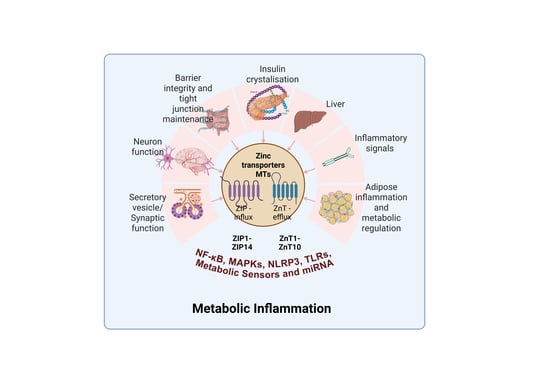
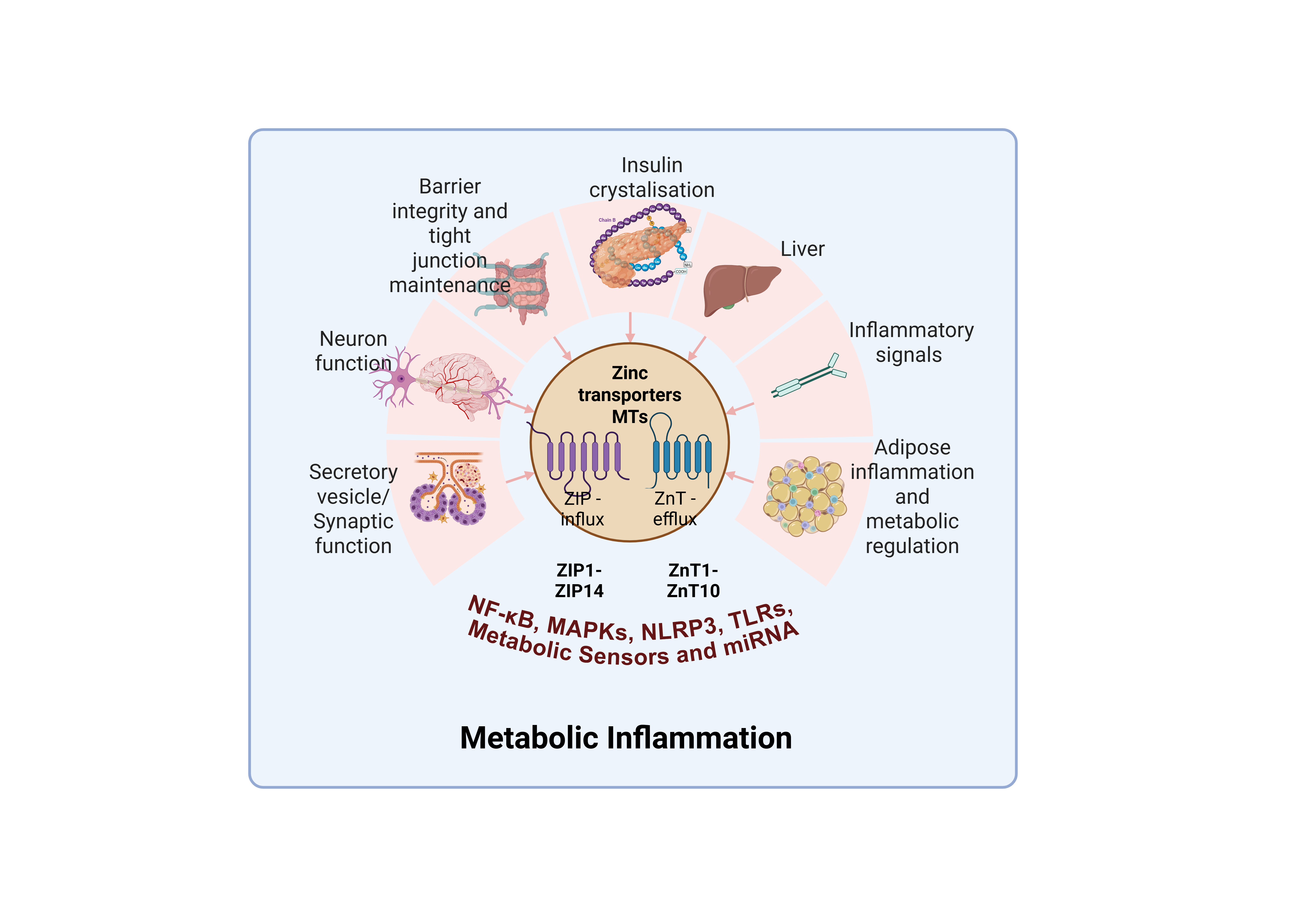
Graphical Abstract

1. Introduction

Zinc is an essential trace element intricately interwoven into the foundation of human physiology. It protects cellular homeostasis, controls gene transcription, supports metabolic reactions, and intervenes in intercellular communication and many more. Computational research indicates that approximately one tenth of the human proteome possesses zinc-binding capability, while over three percent of human genes encode zinc finger-containing proteins, underscoring the profound functional significance of zinc in regulating diverse biological systems [1]. A tightly organized orchestration of membrane-bound transport mechanisms controls zinc’s intracellular equilibrium, essential for its biological activity. Two primary families of zinc transporters are chiefly responsible for maintaining zinc homeostasis: the SLC30 family (ZnT), which facilitates zinc efflux from the cytoplasm to the extracellular space or into intracellular compartments, and the SLC39 family (ZIP), which mediates zinc influx into the cytoplasm from either extracellular sources or intracellular organelles [1]. Complementing these transporters is another indispensable class of proteins, metallothioneins (MTs), cysteine-rich, zinc-binding proteins that function as intracellular zinc reservoirs which also bind to excess free zinc ions to avoid cytotoxicity [2].
Researchers have identified an intricate association between zinc equilibrium and metabolic inflammation, a phenomenon also known as metaflammation, which is a chronic, low-grade inflammatory state arising from metabolic disorders rather than classical infectious triggers. Metaflammation is a defining feature of several prevalent metabolic diseases, including type 2 diabetes (T2D), nonalcoholic fatty liver disease (NAFLD), obesity, and cardiovascular disease. Persistent metabolic stress, especially developed from dietary habits which are rich in saturated fats and refined carbohydrates, initiates inflammatory cascades in different metabolic organs. These insults result in the secretion of pro-inflammatory cytokines like interleukin-1β (IL-1β) and tumor necrosis factor-alpha (TNF-α), which subsequently interfere with insulin signaling, impair glucose metabolism, and promote metabolic dysfunction [3].
Emerging research evidence indicates that zinc transporter dysfunction plays a crucial role in the pathophysiology of metaflammation. To maintain the intracellular zinc pool, several zinc transporters exhibit tissue-specific critical roles that significantly contribute to immune and metabolic regulation. In light of this, ZIP14 is increased in hepatocytes during inflammation and affects insulin sensitivity. In pancreatic cells, ZnT8 performs a crucial function in insulin formation and secretion, and its malfunction leads to decreased insulin production or β-cell stress [4,5]. Meanwhile, ZIP4 and -8 and ZnT2 are involved in immune cell activation and gut epithelial barrier function, respectively, both of which are pivotal for maintaining systemic inflammatory balance [6,7].
Importantly, besides maintaining zinc flux, zinc transporters are active participants in immune and metabolic signaling pathways. Transcriptional regulation of zinc transporter genes involves key inflammatory transcription factors such as nuclear factor-kappa B (NF-κB) and metal-regulatory transcription factor 1 (MTF-1) [8]. Furthermore, the innate immune system components, including Toll-like receptors (TLRs) and the NLRP3 (NOD-like receptor family, pyrin domain-containing 3) inflammasome, are known to modulate the expression of various transporters in response to metabolic stressors. Recent insights have further identified zinc as a second messenger in intracellular signaling, which is influenced by this stimulus [9].
Few commendable prior reviews have addressed zinc biology in immunity or metabolic illness independently, although they have often concentrated on either systemic zinc status or particular transporters in isolation. In this review, we endeavored to consolidate existing information about the unique and interrelated roles of ZIP and ZnT transporters in metabolic inflammation. We tried to present an overview of their molecular processes, tissue-specific functions, and intersection with metaflammation in primary metabolic disorders (T2D, NAFLD, and obesity). We also accentuated their potential as therapeutic targets in metabolic disorders and inflammation by elucidating the zinc-dependent regulatory webs that govern these functions. Overall, we wanted to highlight the translational prospect of zinc signaling ordinance in reforming metabolic health and mitigating chronic inflammation as a cohesive framework, which has not been comprehensively addressed in previous research. To systematically identify and evaluate studies examining ZIP and ZnT transporters in the context of metabolic inflammation, we performed a structured literature search across multiple electronic databases [e.g., PubMed, Scopus, and Web of Science]. The selection process, including the specific counts of records identified, screened, and excluded based on predefined eligibility criteria, is detailed in the PRISMA flow diagram (Figure S1).

2. Key Machinery for Zinc Homeostasis

Maintaining tightly regulated cellular and tissue zinc concentrations is essential for the function of hundreds of enzymes, transcription factors, and signaling molecules. Zinc homeostasis requires the coordinated action of membrane-bound transporter families, metallothioneins, and organelle-specific trafficking mechanisms enabling dynamic control over import, export, and intracellular zinc distribution.

2.1. ZnT and ZIP Families: The Core Zinc Transporters

The ZIP (Zrt/Irt-like protein) transporter family (1–14 members) is essential for preserving intercellular zinc status by facilitating zinc transfer from the extracellular milieu to the cytoplasm or from intracellular organelle reserves. The transport system is crucial for maintaining zinc homeostasis within the cells or the whole system, particularly in zinc deficiency or cellular stress, to ensure adequate zinc supply to support the variety of biochemical processes that are essential for cellular function [10].
On the other hand, the ZnT (zinc transporter) transporter family (ZnT1–ZnT10) is responsible for facilitating the efflux of zinc from the cytoplasm, either into the extracellular space or into intracellular organelles such as the Golgi apparatus, vesicles, and mitochondria. These transporters are essential for maintaining cellular zinc homeostasis by excess zinc-induced cytotoxicity and ensuring proper compartmentalization of zinc pools, critical for specific signaling pathways within the cell [11].
The “yin–yang” regulation mechanism of these two families maintains cellular zinc homeostasis in opposition. ZIP transporters deliver cytosolic zinc for cellular processes, whereas ZnT transporters export excess zinc to ensure optimal storage for optimal cellular performance [12]. While numerous ZIP and ZnT members exhibit overlapping localizations and can partially compensate for the absence of a single transporter, such as ZnT4, ZnT5/6, and ZnT7 collectively regulating Golgi zinc, or the upregulation of ZIP4/ZIP14 in the liver in response to ZnT8 deficiency, genetic and experimental investigations also demonstrate significant non-redundant, tissue-specific functions, indicating that the loss of critical transporters like ZnT8 in β-cells or ZIP14 in hepatocytes cannot be entirely compensated by other family members. Comprehensive details are discussed in the following sections.

2.2. Metallothioneins: Crucial Intracellular Zinc Buffers

Metallothioneins (MTs), a group of small, cysteine-rich proteins, function as the crucial intracellular zinc buffers and dynamic reservoirs, which help in tightly regulating the concentration of free/labile zinc ions [Zn2+] in the picomolar (pM) to low nanomolar (nM) range [13]. This dynamic binding allows MTs to buffer both steady-state and transient levels of free zinc ions (which are typically in the picomolar range), thereby controlling zinc availability for a wide range of biological processes, including enzyme activity, gene expression, boosting immunity, and fighting against oxidative stress via zinc-finger transcription factors. MTs are not exclusively zinc-specific; they can also chelate other divalent and certain monovalent metal ions, including copper, cadmium, mercury, and silver. MTs play dual roles in essential metal homeostasis and detoxification of toxic metals [14]. Considering the complex role of metallothioneins, the partly zinc-depleted variant MT2 functions not only as a zinc buffer but also dynamically regulates cytosolic zinc concentrations by both donating and accepting zinc ions to maintain the zinc pool, releasing them when they are required for enzymatic or structural activities inside the cell [13,15]. Moreover, MTs are essential for eliminating surplus zinc and thereby evading the cytotoxic consequences of zinc aggregation. Of note, MTs are involved in redox regulation, as their zinc–thiolate clusters are highly sensitive to oxidative and reductive changes, allowing them to modulate cellular redox status and mitigate oxidative stress as well as cellular defense [6,16]. MTF-1 meticulously controls MT synthesis. MTF-1 recognizes an increase in free zinc and activates MTs to control the surplus zinc [17].
The synchronized and antagonistic function of ZIP and ZnT transporters, in conjunction with zinc-binding protein MTs, is crucial for maintaining the cytosolic free zinc content within a confined, low range (pM to low nM values). By shuttling zinc across designated membranes, with precise orchestrated mechanisms they maintain the intracellular zinc gradients essential for the finest cellular signaling and general physiological function.

2.3. Key Cellular Zinc Compartments and Organelle-Specific Zinc Trafficking

Zinc has a markedly heterogeneous distribution across different cellular compartments, each of which maintains specific zinc concentrations targeted for certain enzymatic, structural, or signaling roles. The complementary functions of ZnT and ZIP transporters coordinate zinc flow across organellar membranes to dynamically modulate subcellular zinc distribution. Precise regulation of the zinc pool is critical for basic cell survival, redox equilibrium, and intracellular signaling.
Endoplasmic Reticulum (ER): In the endoplasmic reticulum, zinc transporters such as ZnT5 and ZnT7 play a critical role in facilitating zinc influx into the ER lumen, where this transported zinc is essential for the proper folding and structural maturation of nascent proteins, including several crucial zinc-requiring ectoenzymes like Phosphatidylinositol-glycan anchor biosynthesis (PIG) proteins, Sphingomyelin phosphodiesterase 1 (SMPD1), chaperones, etc. [18,19]. Zinc present in the ER promotes the activity of certain folding enzymes and chaperones, and it is crucial for managing unfolded protein response (UPR) pathways for cellular stress adaptation, hence aiding cellular responses to metabolic or oxidative stressors [20].
Golgi Apparatus: Zinc is crucial in the Golgi apparatus as a cofactor for specific enzymes involved in protein post-translational modification and transport. ERp44 (Endoplasmic Reticulum protein 44), an early secretory pathway chaperone, binds Zn2+ to regulate client binding and release for protein flow and homeostasis. In return for protons, ZnT4, ZnT5/ZnT6, and ZnT7 membrane transporter complexes import Zn2+ into the Golgi lumen. The Amagai research group, in their study, showed that systematic ZnT-knockdowns exhibited distinct control of labile Zn2+ within the Golgi stack. ZnT4, ZnT5/ZnT6, and ZnT7 control labile Zn2+ content in the distal, middle, and proximal Golgi, respectively, consistent with their local ZnT-mediated Zn2+ fluxes regulating ERp44 localization, trafficking, and client-retrieval activity, as shown by time-course imaging of cells undergoing synchronized secretory protein traffic and functional experiments [21]. Additionally, key zinc-dependent processes and enzymes include Golgi alpha-mannosidase II (GMII or MAN2A1/MAN2A2), Beta-4-galactosyltransferase, and alkaline phosphatases (ALPs), which mostly depend on ZnT4–7 to maintain zinc homeostasis within the Golgi lumen [22,23,24]. Zinc supports these enzymatic activities related to glycosylation, protein packaging, and vesicle trafficking. Disruption in these transporters, particularly ZnT4 mutations, has been shown to impair secretory pathway efficiency and compromise protein maturation, potentially leading to broader cellular dysfunction in secretory tissues.
Mitochondria: Mitochondrial zinc homeostasis, albeit less well characterized, is increasingly acknowledged as a vital regulatory axis. Recent research emphasizes the importance of precisely regulated mitochondrial zinc homeostasis, as both deficiency and excess can affect redox homeostasis, increase oxidative stress, and cause metabolic inflammation and mitochondrial dysfunction by targeting specific electron transport chain (ETC) complexes [25]. Several ongoing studies have shown interest in defining the involvement of transporters in mitochondrial zinc transportation, highlighting a promising novel approach for targeted therapies in different mitochondria-dependent pathological conditions, including metabolic disorders and cancer.
Vesicles and Insulin Granules: Vesicles accumulate high concentrations of zinc within their lumen through specific transporters of the ZnT (SLC30) family, such as ZnT2, ZnT3, and ZnT8, which pump zinc from the cytosol into secretory and synaptic vesicles. According to a cryo-EM and immunolocalization study, ZnT transporters are required for vesicular zinc storage and controlled zinc secretion in neuronal, endocrine, and epithelial cells [26]. ZnT2 (SLC30A2) is a vesicular zinc transporter that directs zinc into lysosomes and secretory vesicles, especially in mammary epithelial cells, enabling zinc secretion into breast milk [27]. The ZnT2 mutation degrades this process, which in turn leads to transient newborn zinc deficit (TNZD) in breastfed babies due to low milk zinc levels [28]. ZnT8 transports zinc into insulin granules in pancreatic β-cells, facilitating insulin crystallization and further maturation and secretion. Furthermore, zinc-mediated crystallization is crucial for maintaining proper glucose homeostasis in the body, and dysfunction of this transporter contributes to β-cell stress and T2D [29].
Lysosomes and Endosomes: Zinc trafficking within lysosomes and endosomes is systematically regulated by the ZnT and ZIP family transporters, the TRPML1 (transient receptor potential mucolipin 1) ion channel, and lysosomal exocytosis. ZnT2 and ZnT4 localize to the lysosomal membrane and mediate zinc import into the lumen for storage or detoxification, as documented by recent experimental knockdown (TRPML1KD) and colocalization studies. TRPML1 (MCOLN1) serves as a key channel for zinc efflux from lysosomal stores to the cytoplasm, with loss of function (LOF) causing pathological zinc accumulation and lysosomal enlargement, a phenotype seen in mucolipidosis type IV, a rare genetic disorder. The function of these transporters is modulated by lysosomal acidification (via Vascular-ATPase) and the transcription factor MTF-1, which upregulate the expression of ZnT2 and ZnT4 in response to excess zinc [30]. ZIP transporters like ZIP8 and ZIP13 can also regulate lysosomal–cytosolic zinc exchange and immune signaling [31]. Proper zinc balance in these organelles is crucial for protein degradation, autophagy, immune activation, and receptor recycling, and dysregulation is implicated in immune disorders, metabolic disease, and lysosomal storage pathologies.
This intricate and compartmentalized zinc trafficking system ensures that each organelle maintains the optimal zinc concentration for its specialized functions. Alterations in the zinc concentration within organelles, either due to mutations in transporter genes, inflammation, or metabolite disturbances, can compromise their integrity and proper functioning. This may lead to disruption of fundamental operations, including autophagy, protein folding, and immune signaling, which ultimately leads to cellular dysfunction and associated pathological conditions. Thus, precise regulation of zinc distribution within organelles is a critical mechanism underpinning cellular physiology and pathology, going beyond basic maintenance to serve as a foundation for organelle and cell health. Key components of Compartments and Organelle-Specific zinc homeostasis are summarized in Table 1.

3. Functional Links Between Zinc and Metaflammation

Metaflammation is classified as persistent, low-grade systemic low-grade inflammation that originates in metabolic tissues in response to different factors. Chronic overnutrition and sedentary lifestyle drive metabolic dysfunction that lays the foundation for metaflammation by overloading key metabolic pathways in the liver, adipose tissue, skeletal muscle, and pancreatic β-cells. This condition is distinct from acute inflammation, which is transitory and subsides upon rejuvenation. Metaflammation, which affects metabolically active tissues such as adipose tissue, the liver, the pancreas, and skeletal muscle, stays constant, though it is less intense [3].
The hallmark of metaflammation is the sustained production of pro-inflammatory cytokines, such as IL-1β, TNF-α, and interleukin-6 (IL-6). Metaflammation is intricately associated with metabolic overload, a condition resulting from uncontrolled intake of food components, which triggers complex and crucial crosstalk between the systemic immune and metabolic pathways. The core mechanism involves specific immune cells that reside within metabolic tissues, most notably tissue-resident macrophages and other components of the innate immune system [47]. These interactions can lead to insulin resistance, glucose intolerance, and disturbances in lipid metabolism, thereby contributing to the development of chronic health conditions such as type 2 diabetes (T2D), nonalcoholic fatty liver disease (NAFLD), atherosclerosis, and hypertension associated with obesity. Collectively, alterations in insulin signaling, mitochondrial–ER–Golgi functions, and PRR (pattern recognition receptor) activation represent the onset of metaflammation from metabolic dysfunction, transforming nutrient-sensing pathways into chronic inflammatory signaling hubs in different metabolic tissues. Zinc dyshomeostasis and altered activity of ZIP/ZnT transporters further modulate and amplify this response by modulating NF-κB, NLRP3, and oxidative stress pathways. Interestingly, zinc maintains a bidirectional relationship with inflammation: both deficiency and excess can promote metaflammation through overlapping mechanisms. Inadequate zinc disrupts metallothionein buffering, increases NF-κB and NLRP3 action, and favors immunity towards pro-inflammatory conditions. On the other hand, zinc overload, commonly adjudicated by transporters, disrupts mitochondrial redox equilibrium, lysosomal function, and ER homeostasis, while also triggering NLRP3 and oxidative stress cascade. While zinc deficiency is clinically more prevalent, pathological zinc accumulation in specific compartments (such as ZIP14-mediated hepatic zinc influx and ZnT lysosomal sequestration) reflects these pro-inflammatory influences. Thus, maintaining optimal intracellular zinc mandates careful coordination between ZIP and ZnT to control both extremes.
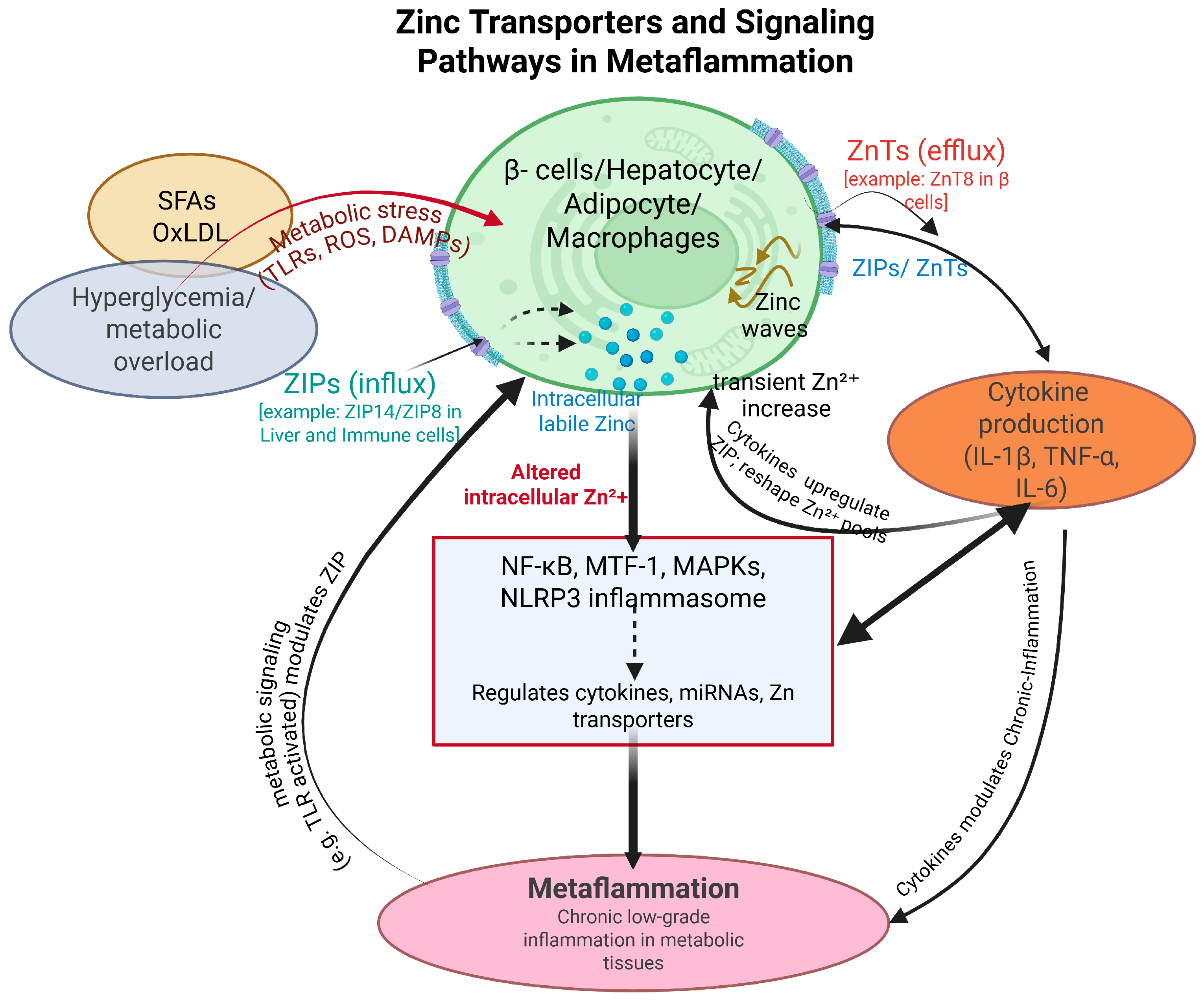
Therefore, the choice of dietary intake plays a major role in establishing and aggravating metaflammation. As a prominent example, Western diets high in saturated fatty acids (SFAs) and processed carbs fuel metabolic organ inflammatory signals and lead to ER stress, mitochondrial dysfunction, and ROS [48,49,50]. Lipotoxicity, ER stress, and NLRP3 inflammasome activation arise from saturated fatty acid stimulation of TLR4. This cascade increases IL-1β production and promotes pro-inflammatory macrophage polarization in adipose tissue [51,52]. Importantly, overconsuming glucose and fructose facilitates the production of advanced glycation end-products (AGEs), which worsen liver inflammation and lipid metabolism via the receptor for AGEs (RAGE) signaling pathway [53,54,55]. The chronic state of overnutrition also drives the production of ROS due to mitochondrial overload and the activity of NADPH oxidase [56,57]. This redox can displace zinc from specific zinc-binding proteins like cysteine thiols, MTs, which can further interfere in signaling dependent on cytosolic zinc status [58]. Thus, metabolic tissues can convert into immunological-active organs, addressing the close relationship between food signaling and immune responses in metaflammation. These relationships are summarized schematically in Figure 1, which illustrates how metabolic stressors, zinc fluxes, and zinc transporters converge on inflammatory signaling pathways to drive metaflammation.

3.1. The Influence of Zinc Transporter Imbalance in Metaflammation

Zinc plays a dual role in modulating metaflammation. An imbalance in zinc equilibrium, either through deficiency or mis-localization within the cell’s compartments, disrupts immune homeostasis and increases both oxidative stress and inflammatory signaling pathways [59,60]. Importantly, the zinc-deprived condition influences cytokine production, affecting pro-inflammatory profile activation, primarily associated with increased levels of TNF-α, IL-1β, and IL-6, coupled with a decline in anti-inflammatory cytokines such as IL-10 [61]. This imbalance fosters the polarization of macrophages towards the M1 phenotype, impairs T-cell growth, and limits the efficacy of regulatory T-cells, consequently intensifying insulin resistance [62,63].
The expression of zinc transporters is tightly regulated by inflammatory signals. For instance, in the liver, ZIP14 is upregulated by IL-6. This upregulation leads to enhanced zinc accumulation in the liver and subsequent changes in how zinc is distributed throughout the body, ultimately affecting insulin sensitivity [64]. Dysfunctional ZnT8 can impair the crystallization and secretion of insulin in pancreatic β-cells, while ZIP8 influences NF-κB signaling in immune cells. Disruptions in the function or expression of specific zinc transporters are indeed linked to impaired metabolic function and sustained inflammatory responses involving several mechanisms. Specific levels of zinc are also critical in modulating inflammatory responses within the system, primarily by inhibiting the NF-κB signaling pathway [65,66]. This inhibition occurs through the blockage of IκB kinase activity, a key enzyme responsible for the phosphorylation and subsequent degradation of IκB proteins. Under normal, zinc-sufficient conditions, NF-κB is held in an inactive state in the cytoplasm by IκB proteins. In response to inflammatory stimuli (like infection or cytokines), IκB is phosphorylated by the IκB kinase (IKK) complex, ubiquitinated, and degraded by the proteasome. This degradation allows NF-κB to translocate into the nucleus and activate pro-inflammatory gene expression [66]. In contrast, zinc deficiency impairs inflammation regulation by enhancing NLRP3 inflammasome activation, a multi-protein complex central to innate immune responses that promotes IL-1β secretion, a key pro-inflammatory cytokine. This occurs through zinc-dependent mechanisms, including lysosomal stress, reduced metallothionein buffering, and increased reactive oxygen species that prime NLRP3 assembly across immune and metabolic cells [67]. While causality varies by tissue, these changes contribute to the sustained low-grade inflammation characteristic of metaflammation, underscoring the importance of maintaining optimal zinc levels to support immune–metabolic balance.

3.2. Zinc Transporters and MicroRNA-Mediated Regulation of Metaflammation

Zinc transporters regulate the biogenesis and expression of specific microRNAs (miRNAs) involved in immune and metabolic pathways, in part by altering intracellular zinc concentrations that affect zinc-sensitive transcription factors and signaling nodes. Rather than acting as generic regulators, zinc-modulated miRNAs influence defined targets that connect zinc status to cytokine production, immune cell behavior, and metabolic programming. Recent studies demonstrated that transporters such as ZIP14 modulate the expression of zinc-sensitive miRNAs such as miR-675 and others within intestinal and hepatic tissues [68]. In enterocytes, ZIP14 deficiency has been shown to impact intracellular zinc balance, resulting in modified miRNA profiles, which in turn influence the transcriptional regulation of inflammatory pathways, including NF-κB and STAT3 signaling, thereby fostering a pro-inflammatory condition and undermining gut barrier integrity. Moreover, aberrant zinc homeostasis resulting from transporter dysfunction in different metabolic tissues has been shown to regulate the expression of miRNAs by the “zinc–miRNA axis” linked to insulin resistance and lipid metabolism, further contributing to metaflammation [69]. Another study has shown that zinc deficiency upregulates miR-21 and promotes inflammation in adipose tissue by targeting the tumor suppressor PDCD4, whereas zinc repletion can normalize miR-21 levels and attenuate these inflammatory effects [69]. Similarly, miR-34a is increased in states of zinc deficiency and obesity, exacerbating insulin resistance and driving pro-inflammatory M1 macrophage polarization through suppression of SIRT1 and Klf4, as confirmed in both murine and human adipose tissue models.
In obesity and NAFLD, miR-122 influences systemic cholesterol and lipid metabolism by regulating key enzyme expressions and signaling pathways in hepatocytes. Studies show that miR-122 generally acts to promote hepatic lipogenesis and cholesterol synthesis in a healthy liver, and its dysregulation in disease states can either aggravate steatosis or, when markedly suppressed, alter lipid export and circulate lipid profiles in divergent ways. Different studies have evidenced a complex, dose-dependent relationship between zinc status and the expression of specific miRNAs, specifically involving miR-122 and miR-144-3p in metabolic tissues [70]. Moderate zinc deficiency has been shown to reduce miR-122 expression, leading to altered hepatic lipid handling and changes in serum lipid levels, while zinc supplementation can partially restore miR-122 and normalize aspects of lipid metabolism. Alternatively, excessive zinc exposure upregulated miR-144-3p, which has been exhibited to directly impair the Nrf2 antioxidant defense pathway and exacerbates oxidative stress and insulin resistance, as demonstrated in in vitro hepatocyte and adipocyte models. Together, these findings suggest that zinc status, acting through transporter-regulated miRNAs, such as miR-122 and miR-144-3p, forms a functional molecular axis that links zinc homeostasis to inflammatory, metabolic, and redox signaling pathways, with different zinc concentrations driving distinct miRNA-mediated outcomes rather than a simple linear effect. Of note, while these studies collectively establish a zinc–miRNA axis linking transporter status to inflammation, important limitations remain. Most evidence derives from cell culture or rodent models, with human data limited to correlative expression changes rather than causal transporter–miRNA relationships. Conflicting reports on miR-122 directionality (up- vs. downregulation) in NAFLD highlight tissue- and context-specific effects that require clarification through targeted genetic and longitudinal human studies. Key zinc transporter–regulated inflammatory and metabolic pathways in different tissues are summarized in Table 2.

4. Tissue-Specific Roles of Zinc Transporters

Zinc transporters exhibit specific, non-redundant roles depending on the tissue and the subcellular compartment where they are expressed, allowing for fine-tuned control of zinc homeostasis for particular physiological functions. The following discussion delves into the evidence highlighting the functions of key zinc transporters in specific organs, particularly their implications for metaflammation and metabolic disorders.

4.1. Liver

The Role of ZIP and ZnT Transporters in inflammation and insulin resistance: The liver serves as a pivotal regulator of metabolism and acts as a primary site for the redistribution of zinc during inflammatory responses. Among the several zinc transporters, ZIP14 is a pivotal zinc importer, with its expression markedly increased in hepatocytes during both acute and chronic inflammation. This induction is mostly initiated by pro-inflammatory cytokines, including IL-6 and TNF-α [75]. The overexpression of ZIP14 enhances the inflow of zinc into hepatocytes, which is closely associated with the acute-phase response and marked by a fast decrease in blood zinc levels while hepatic zinc reserves simultaneously increase. ZIP14 is located in the cytosol and the mitochondria of hepatocytes, where it conjunctively works with ZIP8 to maintain zinc balance within mitochondria [76]. Controlling pathways like glycolysis, gluconeogenesis, glycogenesis, and glycogenolysis helps liver cells conserve energy and adapt to insulin and glucose fluctuations. ZIP14 regulates insulin signaling pathways via affecting PTP1B (protein tyrosine phosphatase 1B) and c-Met phosphorylation [75]. ZIP14KO animals demonstrated hepatic insulin resistance, glucose intolerance, and lipid metabolic issues. These mice also exhibited increased body fat and altered expression of glucose and lipid metabolism genes, such as GLUT2, SREBP-1c, and FASN [77]. ZIP4/14 and ZnT9 depletion or dysregulation impairs the liver’s response to inflammatory stimuli and regeneration signals, increasing the likelihood of NAFLD and metabolic syndrome [78]. ZnT transporters export zinc from hepatocytes or store it intracellularly to lower cytosolic zinc levels. ZnT8 is an interesting exception to the steady expression of most ZnT transporters during inflammation. Studies have shown that ZnT8 deficiency in ZnT8 KO mice can protect the liver from injury due to acetaminophen (APAP)-induced oxidative stress and damage [79]. This protection is linked to an increase in hepatic zinc and MT levels, which enhances the liver’s antioxidant defense system, and it is also associated with reduced liver cell death and inflammation. This protective strategy involves compensatory ZIP4 and ZIP14 overexpression, which increases hepatic zinc absorption, antioxidant protein production, and hepatocyte proliferation [78,79]. Overall, ZIP14 and ZnT8 work in concert to control the metabolic pathways and response to inflammation in the liver for proper maintenance of zinc homeostasis. Understanding these mechanisms is essential for elucidating the pathways that contribute to metabolic diseases and developing targeted therapeutic strategies.

4.2. Pancreas

ZIP and ZnT Transporters in Insulin Granule Biogenesis and Inflammation: Zinc is indispensable for insulin production, storage, and controlled secretion in pancreatic β-cells. The ZIP and ZnT transporters perform distinct, non-overlapping roles necessary for insulin granule production and cellular responses to metabolic and inflammatory stressors. ZnT8 is the main zinc exporter in insulin-producing β-cell membranes, where it transports cytosolic zinc into the lumen for insulin crystallization [80]. This transport is essential for insulin crystallization, which allows dense storage, proteolytic degradation protection, and structural stability. ZnT8-KO mice showed a significant reduction in crystalline insulin granules. Moreover, in ZnT8−/−-knockout mice, β-cells form immature, less dense granules packed with water-soluble insulin instead of solid zinc–insulin crystals [81]. These mice can still process and secrete basal insulin, but they struggle to maintain glucose homeostasis under metabolic stress, such as a high-fat diet. During high metabolic demand, crystalline insulin produced from ZnT8 is essential for reserve and packaging. Human genome-wide association studies (GWASs) have identified risk variants in the SLC30A8 gene, which encodes ZnT8, that are associated with a higher risk of T2D [82,83]. This gene is strongly linked to T2D pathogenesis, with specific common polymorphisms and rare LOF mutations impacting the risk of developing the disease. The finding underscores ZnT8’s role in T2D, suggesting it as a potential therapeutic target. In addition to ZnT8, islet cells have ZnT5 and ZnT7 in their ER and Golgi apparatus [84]. These transporters collaborate to give zinc for proinsulin folding, hexamerization, and maturation before granulation. Proper insulin production and storage granule integrity are orchestrated by the functioning of these transporters. The ZIP family of zinc importers helps maintain β-cell zinc homeostasis, especially under high insulin demand. Glucose stimulation upregulates transporters such ZIP6, ZIP7, ZIP8, and ZIP14 in mouse and human islets, increasing zinc absorption to replace granule reserves and fulfill cell biosynthetic needs. A recent study highlighted that ZIP14 acts as a negative regulator of glucose-stimulated insulin secretion (GSIS) by regulating the zinc trafficking and proper compartmentalization of intracellular zinc, particularly involving the ER [85]. This signifies the dynamic interplay between ZIP and ZnT transporters in regulating zinc trafficking during insulin production, storage, and secretion. On the other hand, inflammatory states associated with exposure to cytokines may drastically alter the expression and function of zinc transporters in β-cells during inflammatory conditions [86]. This modification may cause β-cell malfunction and death, which is frequently evinced in metabolic disorders like T2D. Pro-inflammatory stimuli can disrupt the expression of ZnT8 and ZIP transporters, thereby impairing zinc-dependent processes and linking immunometabolic stress to β-cell failure. In overview, zinc transporters, particularly ZnT8 and the various members of the ZIP family, are indispensable for orchestrating the biogenesis, structural integrity, and functionality of insulin granules in pancreatic β-cells. Dysregulation of these transporters results in decreased insulin processing, secretion, and β-cell resilience under inflammatory and metabolic stress. Understanding zinc homeostasis in pancreas functioning is crucial since such abnormalities are the key cause of diabetes and other metabolic diseases.

4.3. Adipose Tissue

As is well known, ZIP and ZnT transporters serve as crucial regulators of zinc homeostasis in adipose tissue, and their dysregulation profoundly affects adipose inflammation, insulin resistance, and overall metabolic health in this tissue. Within this complex tissue, zinc transporters, particularly those belonging to the ZIP and ZnT families, are essential regulators of immune responses, metabolic functions, inflammation, and insulin sensitivity across various adipose depots. Among these transporters, the most important is ZIP14 due to its significant increased expression in white adipose tissue (WAT) during systemic inflammation and metabolic stress [87]. This upregulation is especially prominent in adipocytes in conditions like lipopolysaccharide-induced endotoxemia, where inflammatory signals concomitantly stimulate a rise in ZIP14 expression. ZIP14 overexpression facilitates a surge in zinc influx into cells, effectively redistributing zinc in response to pro-inflammatory cytokines: IL-6 and TNF-α. Studies have revealed striking consequences of ZIP14 deficiency in the ZIP14KO murine model. ZIP14-deficient mice exhibited significant adipocyte hypertrophy, increased leptin production, and raised concentrations of pro-inflammatory cytokines such as IL-6, TNF-α, and IL-1β [88]. Additionally, ZIP14 deletion disrupts normal adipocyte differentiation and alters the fat mass-to-lean mass ratio, resulting in a phenotype marked by metabolic endotoxemia, excessive adipose tissue growth, and systemic insulin resistance [89]. This diseased condition closely resembles the characteristics of human metabolic syndrome and T2D, highlighting the significance of ZIP14 in metabolic health. Moreover, in mice, deficiency in ZIP14 leads to extensive systemic dysfunctions beyond adipocyte impacts, particularly chronic, low-grade systemic inflammation (metabolic endotoxemia), substantial manganese (Mn) accumulation in the brain resulting in neurotoxicity and motor impairments, as well as disrupted glucose and iron metabolism [77,90].
Another study showed that ZIP14 inhibition resulted in reduced bioavailability of cytosolic zinc, leading to dysregulation of pivotal inflammatory pathways, including the JAK/STAT and NF-κB signaling pathways [87]. Other members of the family, such as ZIP13, ZIP8, and ZnT7, have also been shown to play significant roles in modulating adipose tissue functionality and inflammatory responses [91]. In one study, ZIP13-null mice displayed enhanced thermogenesis and improved insulin sensitivity, suggesting a complex interplay between zinc transport and adipose tissue browning [92]. On the other hand, apart from zinc efflux, the other family, i.e., ZnT transporters, significantly influence adipokine secretion, fat metabolism, and local immune responses. In chronic inflammatory conditions, such as obesity, studies have documented associations with altered expression and functionality of both ZIP and ZnT transporters, perpetuating a vicious cycle of adipose inflammation and metabolic dysfunction. Overall, the ZIP and ZnT transporter families’ delicate balance of zinc influx and efflux determines adipose tissue’s immunological and metabolic characteristics. The findings on ZIP disruption and inflammation, abnormal fat accumulation, and insulin resistance highlight the mechanistic importance of zinc homeostasis in adipose health and illness, making zinc transporters interesting targets for obesity-related metabolic diseases. The investigation into these transporters may lead to new treatments for metabolic illnesses associated with malfunctioning adipose tissue.

4.4. Gut Barrier

Firstly, it is well documented that zinc homeostasis is a critical player in maintaining gut health and its permeability. Zinc is essential for maintaining the integrity of the intestinal mucosal barrier and protecting against pathogens and toxins [93]. In a complex network, all the zinc transporters are intricately regulated to maintain the intestinal barrier and regulate immunological responses. The gut epithelium and immunological cells need these transporters to precisely absorb and distribute zinc. Proper zinc homeostasis maintains tight junctions, the mucosal layer, antimicrobial peptide production, and resident and recruited immune cell activity. ZIP4, the ZIP family’s major zinc transporter, is located on enterocytes’ apical membranes [6,94]. Of note, studies have shown that ZIP4 mutation results in acrodermatitis enteropathica, a condition that highlights the transporter’s critical role in zinc homeostasis and overall gut health [95]. Other ZIP transporter family members, including ZIP2, ZIP6, ZIP7, and ZIP10, are also transcriptionally regulated in response to dietary zinc levels and activation of the aryl hydrocarbon receptor (AHR), which collectively boosts zinc import and fortifies intestinal barrier function [96]. Zinc influx is a critical player in maintaining the integrity of tight junction proteins, including claudins and occludins, which is again mediated by specific zinc transporters, primarily ZIP4 for dietary absorption and ZIP14 for systemic zinc uptake into enterocytes [73]. In ZIP14-knockout (ZIP14KO) mice, the observed increase in intestinal permeability, local inflammatory responses, and reduction in major histocompatibility complex class II (MHCII) gene expression are a consequence of intracellular zinc deficiency in intestinal epithelial cells (IECs) and the resulting epigenetic modifications and altered signaling pathways [97]. At the same time, loss of the ZIP14 transporter in Zip14ΔIEC experimental mice notably impacted intestinal integrity by disrupting chromatin accessibility and altering gene expression, which compromised the gut barrier and immune response through mechanisms involving zinc-dependent histone deacetylases (HDACs) and key transcription factors like CIITA. Furthermore, ZIP14 has been shown to influence gut microbiome composition, important for epithelial zinc homeostasis, microbial diversity, and immune functionality [89]. ZnT2 is predominantly found in the secretory granules of Paneth and goblet cells, where it plays a critical role in the secretion of antimicrobial peptides and mucins [98]. In the ZnT2-null mouse model, Paneth cells exhibited impaired function due to zinc-deficient secretory granules, leading to a compromised chemical barrier. Though ZnT1 and other ZnT members have been studied less extensively in the context of the intestine, they are believed to play a protective role by preventing cytosolic zinc overload and modulating zinc signaling during episodes of intestinal stress.
On the other hand, zinc is essential for tight junction protein production and maintenance, and deficits due to transporter failure or diet may cause intestinal permeability or “leaky gut.” A weakened mucosal layer, decreased antimicrobial peptide synthesis, and dysregulated innate and adaptive immune responses are linked to this disease. In past decades, research showed the significance of zinc acting as a signaling cofactor via GPR39, activating PKCζ to improve epithelial barrier function [99]. Zinc supplementation and plant-derived AHR ligands increase zinc importer transcription, notably ZIP4, which has been shown to upregulate tight junction and mucin genes, strengthening barrier defense mechanisms [96]. Moreover, zinc transporter dysfunction is shown to weaken gut physical and chemical barriers and intestinal immune cell antigen presentation and cytokine transmission. This disruption may enhance microbial product translocation into systemic circulation, causing inflammation and metabolic abnormalities which may further lead to different pathological conditions such as metaflammation, IBD, obesity, and T2D [6,7,72,100]. Thus, ZIP and ZnT transporters are essential for zinc-dependent gut barrier function, immunological homeostasis, and microbiota composition. Their malfunction might significantly impact gut integrity and immunological competency, exposing people to chronic inflammatory diseases and health concerns, which underscore the need for better understanding of transporters’ complex functions in zinc homeostasis and metabolic illness.
The tissue-specific results indicate both convergent (dysregulation of NF-κB/NLRP3) and divergent (protective versus pathogenic roles of ZnT/ZIPs) functions of zinc transporters; however, cross-study comparisons are hindered by variations in models (genetic versus pharmacological) and endpoints (insulin sensitivity versus inflammation). Human genetic correlations provide corroborative but inconclusive data since population studies are unable to differentiate causation from confounding variables. Extending this analysis to signaling mechanisms reveals similar patterns of convergence and complexity. Critical gaps include tissue-specific “optimal zinc set points” and the potential for single transporter manipulation to provide therapeutic advantages without off-target consequences. On the other hand, the apparent convergence of zinc effects on NF-κB, NLRP3, and TLR pathways across studies supports zinc as a central immune–metabolic regulator, yet mechanistic discrepancies persist. Some reports emphasize transcriptional regulation via MTF-1, while others highlight rapid zinc wave signaling, suggesting context-dependent mechanisms that remain poorly integrated. Clinical translation is limited by a lack of zinc compartment-specific biomarkers and uncertainty about whether systemic zinc supplementation can recapitulate tissue-specific transporter effects. Representative experimental and clinical evidence linking zinc transporter dysregulation to metabolic inflammation across tissues is summarized in Table 3.
Roles of ZIP and ZnT Zinc Transporters in Key Metabolic Diseases:
To summarize the disease-specific roles of ZIP and ZnT transporters in the aforementioned pathological conditions, the following paragraphs highlight their key contributions. Zinc transporters play a significant role in the pathophysiology of T2D mainly by disrupting insulin synthesis and overall insulin sensitivity (as elaborated in Section 4.2 and Section 5). As mentioned before, ZnT8 dysfunction hinders zinc loading and release of insulin granules in β-cells, elevating the risk of T2D, as shown by human genetic variations and knockout models [81,115]. Additionally, modifications in ZIP14 and ZnT7 within the liver disturb glucose homeostasis and PTP1B/c-Met signaling [77]. Additionally, in NAFLD, the overexpression of ZIP14 facilitates hepatic zinc accumulation, insulin resistance, and steatosis via the deregulation of SREBP-1c/FASN, whereas animals defective in ZIP14 exhibit protection against metabolic syndrome (refer to Section 4.1 and Section 5). The deletion of ZnT8 paradoxically provides hepatoprotection against oxidative damage by inducing compensatory ZIP expression and upregulating metallothionein. Of note, obesity implicates ZIP14 and ZIP13 in white adipose tissue, facilitating inflammation, adipocyte hypertrophy, and inhibited browning, in conjunction with ZnT7’s influence on adipokine release and insulin sensitivity (detailed in Section 4.3 and Section 5). These transporters perpetuate metaflammation and macrophage polarization, exacerbating insulin resistance and comorbidities associated with obesity.

5. Zinc-Modulated Signaling Pathways

Zinc is known as a dynamic signal transducer and serves as a second messenger by regulating signaling cascades, affecting protein activities, and enabling cellular communication between external stimuli and intracellular responses. Recent studies have shown that rapid intracellular zinc release concomitant with calcium signaling influences cellular responses [116]. Intracellular zinc signaling is divided into two categories. One involves the relatively swift, stimulus-driven “zinc waves,” and the other involves more gradual, transcription-mediated changes depending on the expression of zinc transporters [1]. Zinc waves occur within minutes following receptor activation, such as the FcɛRI in mast cells, requiring both calcium influx and the activation of the MEK signaling cascade. This phenomenon leads to a transient increase in free cytosolic zinc levels, which directly modulates critical protein phosphatase and kinase activity. Notably, zinc inhibits the activity of phosphatases, thus prolonging the activation of mitogen-activated protein kinases (MAPKs), including ERK, JNK, and p38. Beyond these rapid signaling events, zinc also influences long-term cellular responses by affecting the expression and function level of different transcription factors, most notably MTF-1. Conversely, MTF-1 senses cytosolic zinc fluctuations and subsequently regulates the expression of MTs and zinc transporters involved in zinc homeostasis [17]. By activating these genes, MTF-1 helps maintain intracellular zinc balance and cellular adaptation to stress or excess metal exposure.

Zinc’s Crosstalk with Canonical Pathways: NF-κB, MAPKs, NLRP3, and TLRs

Zinc plays a crucial role in suppressing the nuclear translocation of NF-κB by stabilizing its inhibitor, IκB, and directly inhibiting the activity of upstream kinases [117]. Conversely, when zinc levels are depleted, there is an enhancement in NF-κB-driven inflammatory gene expression, which can activate NLRP3 inflammasomes, a key component in metaflammation and immune responses [51]. The interplay between zinc waves and extracellular zinc influx activates key signaling pathways such as ERK and Akt. This happens through the phosphatase inhibition and direct stimulation of Ras and MEK, resulting in the subsequent phosphorylation and activation of CREB and Fosl1 [1,118]. Depleted zinc levels also activate stress-responsive kinases like JNK and p38, which are integral to the cellular response to inflammatory stimuli and stress [119]. Adequate intracellular zinc levels serve to restrict the activation of the NLRP3 inflammasome, thereby mitigating the release of the pro-inflammatory cytokine IL-1β [67]. In contrast, zinc chelation or deficiency removes this inhibitory effect, resulting in an exaggerated inflammatory response.
Crosstalk Between Zinc, TLRs, and Metabolic Sensors: Zinc is essential for the immune system, playing a dual role as a cofactor and a signaling molecule (secondary messenger) that connects innate immunity and metabolic regulation. As a cofactor, it regulates thousands of proteins involved in basic cell functions like DNA replication and cell division. Interestingly, zinc ions can also function as a signaling molecule, modulating intracellular signaling pathways in immune cells and serving as second messengers in response to stimuli. This dual function allows zinc to markedly affect cellular responses to diverse danger signals, especially via its interaction with TLR and metabolic sensor pathways. On the other hand, TLRs are crucial pattern recognition receptors (PRRs) that serve as a first line of defense in the immune system by detecting molecules from microbes (like LPS) and also from the body (damage-associated molecular patterns or DAMPs) [120]. Recent research shows that TLRs can also be activated by metabolic stresses, such as saturated fatty acids, and that this activation is linked to chronic inflammation in metabolic diseases like obesity. Zinc’s involvement in TLR signaling can be categorized into several critical functions which have been discussed briefly here. After being stimulated by LPS or palmitate, it directs rapid activation of NF-κB, with subsequent enhancement of pro-inflammatory cytokines [121], though this initial response is tightly regulated by negative feedback mechanisms to prevent excessive inflammation and potential tissue damage. As a feedback mechanism, this activation also triggers the upregulation of zinc importers, particularly ZIP14, facilitating the sequestration of zinc in the liver, a commonly observed response during acute inflammation [77], wherein an adequate zinc level is critical for negative regulation to curb excessive inflammation driven by TLRs.
In addition, zinc pilots MyD88-dependent pathways to decrease pro-inflammatory cytokine production by direct inhibition of IKK, preventing the activation and nuclear translocation of NF-κB. By blocking NF-κB, zinc restricts the downstream inflammatory response [122]. Zinc does indeed influence the functions of precise regulatory proteins like A-20 and the other zinc-finger protein, which again underscores its crucial role in preserving the critical equilibrium or the fine line between immune activation and its tolerance [123]. Research from past decades consistently highlights the importance of zinc as a trace element essential for the immune system, often modulating immune responses by serving as a critical cofactor for various enzymes and regulatory molecules.
Zinc transporters, particularly ZIP8 and ZIP14, therefore serve as critical modulators that restrain NF-κB activity and adjust protein tyrosine phosphatase function, thereby fine-tuning cellular responses to TLR activation in metabolic tissues [66,77,86]. In this way, zinc and its transporters act at the interface of immune and metabolic signaling, linking TLR-driven inflammatory responses with nutrient- and energy-sensing pathways summarized in the following sections, rather than functioning as independent or universal metabolic sensors.
Zinc is known to modulate AMPK activity, which serves as a master regulator of cellular energy homeostasis and fatty acid oxidation. It is known that AMPK integrates metabolic stress signals to maintain cellular energy equilibrium and that it has anti-inflammatory characteristics. Moreover, zinc may affect mTOR signaling pathways, which are vital for controlling autophagy, immune cell differentiation, and anabolic activities necessary for cell growth and metabolism [124]. Of note, zinc has been shown as a critical regulator in experimental tissues for activating insulin receptors and the ensuing IRS-1/PI3K/Akt signaling pathway, facilitating effective glucose absorption and metabolism [125]. The zinc transporter ZnT8 is particularly important for insulin crystallization and secretion in β-cells, while zinc in peripheral tissues plays a role in modulating insulin sensitivity and downstream metabolic pathways. As mentioned earlier, in pathological conditions such as obesity and type 2 diabetes, metabolic stressors like SFA and ROS trigger chronic, low-grade inflammation via activation of TLRs and inflammasomes, which in turn leads to altered expression of zinc transporters like increased ZIP14 and decreased ZnT8 [77]. Disruption of intracellular zinc levels initiates a malicious cycle of metabolic and inflammatory signaling pathways by impairing the body’s innate anti-inflammatory and insulin-sensitizing mechanisms, which in turn further dysregulates zinc equilibrium. Thus, extensive experimental and clinical research underscores zinc’s critical role as an integrator of immune and metabolic signaling pathways. As has been shown, zinc modulates TLR responses and metabolic sensors, hence influencing cytokine production, metabolic adaptability, and the course of many illnesses. Consequently, focusing on zinc homeostasis and the related transporter pathways offers a viable therapeutic strategy for treating inflammatory and metabolic disorders. Figure 1 provides an overview of these zinc-modulated signaling events, highlighting ZIP/ZnT-dependent changes in labile Zn2+ and their impact on NF-κB, MAPK, MTF-1, and NLRP3 activation in metabolic tissues. Zinc-modulated signaling pathways, their functional roles, and associated physiological impacts, are summarized in Table 4.

6. Therapeutic Implications and Translational Potential of Zinc Transporters

Recent advancements have established zinc transporters as promising therapeutic targets for metabolic disorders like T2D, NAFLD, and obesity. The therapeutic landscape has been traversed via principal intervention strategies, which include employing promising clinically approved small-molecule modulators to affect zinc transporter activity, the implementation of nutritional zinc supplementation, and the direct targeting of zinc transporter proteins as viable drug candidates in clinical applications.
Small-Molecule Modulators of Zinc Transporters: The development of small compounds that may regulate the activity or expression of zinc transporters has considerable promise for reestablishing zinc homeostasis and improving cellular signaling pathways affected in several disease conditions. Currently there are no specific, approved small-molecule drugs that directly target the zinc transporter ZIP5 for clinical use in T2D, NAFLD, or obesity. Existing research in the form of genetic studies and experimental models suggests that pharmacological inhibition of SLC39A5 could be a viable therapeutic strategy in the future. This effect has been observed in human subjects harboring LOF mutations as well as in genetically modified mouse models, even when subjected to high-fat, high-fructose diets [127]. Furthermore, targeting the transporter ZIP13 has shown promise in modulating adipocyte browning, which could be beneficial in the context of obesity and T2D management [92,128]. ZnT8 in pancreatic β- cells supports insulin synthesis, storage, and release, positioning it as a key target for diabetes therapies. Strategy-based therapies for insulin resistance, glucose intolerance, and dysregulated lipid metabolism may include zinc transporter augmentation or inhibition [129] for targeted therapeutics for metabolic illnesses such as T2D, NAFLD, and obesity. Research shows that addressing zinc imbalances in metabolic organs, including the pancreas, liver, adipose tissue, and muscle, may restore cellular function.
Nutritional interventions involving zinc supplementation have been linked to favorable outcomes in glycemic control and overall metabolic health, as evidenced by various animal studies and clinical trials [71,130,131]. Supplementation studies carried out by different researchers have shown that it has the ability to improve insulin sensitivity in individuals, decrease fasting glucose levels, lower triglyceride concentrations, and alleviate systemic inflammation, especially in those with zinc insufficiency [56,71]. In populations such as obese mice and humans suffering from metabolic syndrome or T2D, zinc supplementation has been associated with improved insulin response and beneficial alterations in metabolic profiles. Personalized zinc therapy is an emerging field, and while routine clinical practice does not yet widely offer specific zinc dosing based on an individual’s full genetic profile, certain genetic tests and specialized medical consultation are available. To pursue personalized zinc therapy based on genetic variations, you would typically need to undergo genetic testing ordered by a medical professional or a specialized nutritionist, followed by consultation with a dietitian or genetic counselor to tailor a plan. This field is a developing area of nutritional science, and the clinical application of specific genetic variants for general zinc supplementation recommendations is still evolving.
Zinc Transporters as Druggable Targets in T2D, NAFLD, and Obesity: Several zinc transporters have emerged as promising candidates for future therapeutic targeting in metabolic disease, although most supporting data are currently preclinical or genetic in nature. Research indicates that genetic ablation or pharmacological inhibition of the ZIP5 transporter can lower the risk of diabetes and provide protection against hepatic metabolic dysfunction, supported by clinical evidence from large population studies and direct animal experimentation [132]. Variants of the ZnT8 transporter, whether gain- or loss-of-function variants, have been associated with altered susceptibility to T2D, primarily through their impact on insulin storage and release. Current investigations are exploring the modulation of ZnT8 as a therapeutic strategy for diabetes management primarily in experimental systems [29,126]. On the other hand, the ZIP13 and ZIP14 transporters have been documented as essential controllers of adipogenesis, insulin sensitivity, and hepatic glucose metabolism, as discussed earlier. Their modification may target concerns such as insulin resistance, adipose tissue inflammation, and steatosis, with considerable implications for the treatment of obesity and NAFLD. Though there are no currently FDA-approved drugs that specifically target ZIP13 or ZIP14 for the treatment of metabolic disorders, research in animal models has identified potential therapeutic strategies involving the modulation of zinc signaling pathways associated with these transporters. For example, proof-of-concept studies showed that bortezomib, used to treat the genetic disorder spondylocheirodysplastic Ehlers–Danlos syndrome (SCD-EDS), caused by mutations in the ZIP13 gene, helped to restore normal ZIP13 protein levels and intracellular zinc homeostasis in cellular models, such that it could be a promising repurposed or adapted drug option for common metabolic diseases in the future [133]. Therefore, targeting the zinc signaling cascade might reveal a potential restorative approach. From the above discussion, we know that zinc transporters not only orchestrate systemic zinc disbandment but also engage in cellular signaling mechanisms that control metabolic operations and inflammatory responses. Continued advancements in our understanding of the structure, regulation, and functions of these transporters will accelerate the development of innovative small molecules and biologics, paving the way for new therapeutic options in the management of diabetes, fatty liver disease, and obesity.

Pharmaceutical Development and Contemporary Case Analyses

In the realm of drug development, significant advancements have emerged, particularly with regard to targeting different zinc transporters considering different pathological conditions. These efforts are mainly focused on two primary strategies: the direct modulation of transporter activity and the chemical inhibition of excessive zinc trafficking. A recent study, published in April 2025, used gene-edited human embryonic stem cell-derived β-cells (SC-β-cells) and human primary islet models to specifically examine the role of zinc and demonstrated that an increased influx of zinc causes ER stress, eventually resulting in β-cell death, a mechanism of considerable importance in diabetes pathogenesis [134]. Another study by Batta et al. aligns closely with current efforts to pharmacologically modulate zinc homeostasis by identifying small-molecule ligands that selectively target members of the ZIP and ZnT transporter families [135]. Using in silico docking, Batta and a different research group screened multiple phytochemical and drug-like compounds against modeled structures of ZIP4, ZIP8, ZIP10, and ZnT8, identifying several candidates with notable predicted binding affinity, most prominently quercetin, kaempferol, genistein, resveratrol, and curcumin [136]. The recognized compounds had promising potential and interactions with the transporters’ active or regulatory regions, suggesting possible altering influences on zinc translocation. This study sought to realize the ultimate goal of developing isoform-specific modulators for zinc transporters. It established the first computational framework to facilitate the selection of potent compounds, thereby encouraging further biochemical confirmation and therapeutic outcomes.
On the other hand, utilizing a sophisticated drug-screening platform centered on isogenic SC-β-cells, researchers made a groundbreaking discovery that low doses of anisomycin (at a concentration of 25 nM), which is conventionally recognized as a protein synthesis inhibitor at higher doses, showed selective inhibition of the over-transportation of zinc [134]. Remarkably, treatment with a low dose (25 nM) of anisomycin was found to protect human pancreatic beta cells from stress-induced cell death and prevent the onset of T2D in mice fed a high-fat diet. This low-dose anisomycin not only safeguarded human β-cells from stress-induced cell death but also demonstrated efficacy in vivo. Rui et al. showed that when administered to primary human islets and diabetic mice, it successfully prevented the onset of type 2 diabetes induced by a high-fat diet. This unique pharmaceutical technique targeting zinc transporters is a novel therapeutic approach to maintaining β-cell function in the diabetic population [134]. A significant milestone in the field of translational zinc biology has been achieved with the identification of LOF mutations in the zinc transporter ZIP5. Comprehensive large-scale exome and cohort studies across many ethnic groups have shown that people with uncommon LOF mutations in ZIP5 have significantly increased blood zinc levels and a much decreased risk of developing T2D [127]. Functional assays corroborated that these mutations lead to a complete loss of transporter function, resulting in systemic zinc elevation. Similar to human genetic findings, ZIP5/Slc39a5-null mice had elevated tissue zinc levels, decreased fasting glucose, improved hepatic insulin sensitivity, and reduced liver inflammation and fibrosis, even with congenital or diet-induced obesity [127]. These strong in vivo data suggest that ZIP5 may be a viable metabolic illness treatment target, especially for individuals who do not benefit from zinc supplementation alone. Clinical investigations of zinc supplementation in metabolic syndrome, obesity, and diabetes patients have consistently shown improvements in insulin resistance and metabolic biomarkers. However, recent approaches aim to prioritize the modulation of intracellular zinc trafficking.
To circumvent the limits of “one-size-fits-all” supplementing techniques, small compounds or transporter proteins are used to address the molecular causes of metabolic disease dysregulations. Due to both gain- and loss-of-function variants of ZnT8 having been shown to affect β-cell function and insulin granule biogenesis, it has drawn attention in diabetes research. This duality in genetic variation justifies the exploration of both pharmacological enhancement and inhibition as viable strategies, tailored to individual patient genotypes.
Recent advancements in zinc-centric pharmacological research have highlighted zinc transporters as potential therapeutic targets for inflammatory disorders, such as rheumatoid arthritis (RA). Case studies in experimental arthritis models, namely, collagen-induced arthritis (CIA) mice and ex vivo synovial fibroblast systems, show that the modulation of zinc flux may influence critical inflammatory pathways [137,138]. ZIP8 has been shown to be highly elevated in the arthritic synovium and has been proposed as a druggable target due to its zinc-dependent stimulation of MMP-9 and MMP-13, which is directly responsible for cartilage degradation [139]. Small-molecule ZIP8 inhibitors and siRNA-mediated suppression methods have shown effectiveness in mitigating joint inflammation and matrix deterioration in CIA models [138]. Moreover, targeting the ZIP14 transporter, which moves zinc in response to cytokines in tissues like the liver and joints or other synovial tissue, can reduce systemic inflammation and the acute-phase response [64,87,140]. Compounds that regulate ZnT1 and ZnT5 activity are being studied for their ability to restore cytosolic zinc buffering capacity and inhibit NF-κB-mediated cytokine production [141]. These case studies together highlight the potential of zinc transporter-focused therapies, establishing them as promising candidates for the development of next-generation anti-inflammatory drugs. Key therapeutic interventions and experimental strategies targeting zinc transporters and zinc-modulated pathways are summarized in Table 5.

7. Future Perspectives and Open Questions

Zinc’s role as a dynamic immunometabolic regulator has changed our knowledge of chronic illness development and opened new treatment avenues. However, zinc signaling’s molecular details, tissue-specific control, and translational promise for precision metabolic therapy are still little understood. One major challenge lies in the context-specific nature of zinc transporter regulation. To achieve this, single-cell mapping of transporter expression in physiological and pathological states and tissue-specific delivery strategies like nanoparticle carriers or gene promoters are needed to precisely modulate transporter function. To achieve therapeutic selectivity, ligand-specific modulators that utilize transporter isoform structural differences might be designed. We also need biomarkers that can track intracellular zinc dynamics and transporter function in real time. Circulating miRNAs (e.g., miR-34a in NAFLD), metallothionein levels as proxies for cytosolic zinc buffering and redox balance, and zinc-sensitive contrast agents or genetically encoded biosensors for noninvasive PET or MRI zinc flux imaging seem promising. Genetic variants in the SLC30 and SLC39 families may predict zinc-targeted therapy response, allowing patient classification and customized intervention. T2D and NAFLD are complicated; hence, zinc-based monotherapies may not be enough. Instead, integrative combination techniques can work better. Zinc modulation may boost the metabolic advantages of GLP-1 receptor agonists, synergize with anti-inflammatory medicines like IL-1β inhibitors or NLRP3 antagonists, or improve gut–immune interaction with microbiome-directed therapy. Co-targeting AMPK, mTOR, and zinc homeostasis may improve cellular energy balance and immune–metabolic integration. To maximize its therapeutic potential, future translational research should focus on multi-axis techniques and incorporate zinc signaling into metabolic and inflammatory control.

8. Conclusions

Both preclinical and human genetic studies have underscored the critical role of zinc homeostasis in metabolic health, showing that alterations in transporter expression, genetic mutations, or disease-induced mis-localization can all lead to the pathogeneses of T2D, NFLD, obesity, and/or related metabolic disturbances. Breakthrough studies in imaging and biosensor advances have revealed zinc as a second messenger, as well as its signaling mechanisms. Zinc transporter mutations protect metabolic illness models, proving that targeting transporter activity when zinc supplementation is inadequate is therapeutic. Though precise regulation of zinc flux in disease-relevant tissues is a critical emerging area in biomedical research, future therapeutic success is highly dependent on addressing tissue specificity and context-driven treatment methods. Altogether, modulation of zinc transporter functions either by small molecules, gene targeting, or precision nutritional strategies holds significant translational potential to restore immunometabolic balance and reduce the burden of chronic metabolic diseases. By integrating organelle, tissue, and signaling perspectives on ZIP and ZnT transporters in metaflammation, this review provides a unified framework that extends beyond prior zinc-centered overviews and highlights specific transporters and axes (zinc–miRNA and NF-κB/NLRP3) with translational potential in metabolic disease. Translating these insights into clinical practice for metabolic inflammation remains an active research area facing substantial challenges and opportunities in biomarker development, drug delivery, and combinatorial treatment strategies. Continued multidisciplinary efforts will be essential to advance these findings toward next-generation therapies for T2D, NAFLD, and obesity.

Supplementary Materials

The following supporting information can be downloaded at: https://www.mdpi.com/article/10.3390/targets4010005/s1, Figure S1: PRISMA flow diagram of study selection.

Author Contributions

Conceptualization, S.B. and K.S.; writing—original draft preparation, S.B. and S.R.P.; writing—review and editing, S.B.; visualization, S.B.; supervision, K.S.; project administration, K.S. All authors have read and agreed to the published version of the manuscript.

Funding

This research received no external funding.

Institutional Review Board Statement

Not Applicable.

Informed Consent Statement

Not Applicable.

Data Availability Statement

No new data were created or analyzed in this study.

Conflicts of Interest

The authors declare no conflict of interest.

References

  1. Chen, B.; Yu, P.; Chan, W.N.; Xie, F.; Zhang, Y.; Liang, L.; Leung, K.T.; Lo, K.W.; Yu, J.; Tse, G.M.K.; et al. Cellular Zinc Metabolism and Zinc Signaling: From Biological Functions to Diseases and Therapeutic Targets. Signal Transduct. Target. Ther. 2024, 9, 6. [Google Scholar] [CrossRef]
  2. Kimura, T.; Kambe, T. The Functions of Metallothionein and ZIP and ZnT Transporters: An Overview and Perspective. Int. J. Mol. Sci. 2016, 17, 336. [Google Scholar] [CrossRef]
  3. Charles-Messance, H.; Mitchelson, K.A.J.; Castro, E.D.M.; Sheedy, F.J.; Roche, H.M. Regulating Metabolic Inflammation by Nutritional Modulation. J. Allergy Clin. Immunol. 2020, 146, 706–720. [Google Scholar] [CrossRef] [PubMed]
  4. Aydemir, T.B.; Troche, C.; Kim, M.-H.; Cousins, R.J. Hepatic ZIP14-Mediated Zinc Transport Contributes to Endosomal Insulin Receptor Trafficking and Glucose Metabolism. J. Biol. Chem. 2016, 291, 23939–23951. [Google Scholar] [CrossRef]
  5. Barman, S.; Srinivasan, K. Diabetes and Zinc Dyshomeostasis: Can Zinc Supplementation Mitigate Diabetic Complications? Crit. Rev. Food Sci. Nutr. 2022, 62, 1046–1061. [Google Scholar] [CrossRef] [PubMed]
  6. Barman, S.; Pradeep, S.R.; Srinivasan, K. Zinc Supplementation Mitigates Its Dyshomeostasis in Experimental Diabetic Rats by Regulating the Expression of Zinc Transporters and Metallothionein. Metallomics 2017, 9, 1765–1777. [Google Scholar] [CrossRef]
  7. Barman, S.; Srinivasan, K. Ameliorative Effect of Zinc Supplementation on Compromised Small Intestinal Health in Streptozotocin-Induced Diabetic Rats. Chem. Biol. Interact. 2019, 307, 37–50. [Google Scholar] [CrossRef] [PubMed]
  8. Fan, Y.-G.; Wu, T.-Y.; Zhao, L.-X.; Jia, R.-J.; Ren, H.; Hou, W.-J.; Wang, Z.-Y. From Zinc Homeostasis to Disease Progression: Unveiling the Neurodegenerative Puzzle. Pharmacol. Res. 2024, 199, 107039. [Google Scholar] [CrossRef]
  9. Paik, S.; Kim, J.K.; Silwal, P.; Sasakawa, C.; Jo, E.-K. An Update on the Regulatory Mechanisms of NLRP3 Inflammasome Activation. Cell. Mol. Immunol. 2021, 18, 1141–1160. [Google Scholar] [CrossRef]
  10. Jeong, J.; Eide, D.J. The SLC39 Family of Zinc Transporters. Mol. Asp. Med. 2013, 34, 612–619. [Google Scholar] [CrossRef]
  11. Kambe, T.; Taylor, K.M.; Fu, D. Zinc Transporters and Their Functional Integration in Mammalian Cells. J. Biol. Chem. 2021, 296, 100320. [Google Scholar] [CrossRef]
  12. Roca-Umbert, A.; Garcia-Calleja, J.; Vogel-González, M.; Fierro-Villegas, A.; Ill-Raga, G.; Herrera-Fernández, V.; Bosnjak, A.; Muntané, G.; Gutiérrez, E.; Campelo, F.; et al. Human Genetic Adaptation Related to Cellular Zinc Homeostasis. PLoS Genet. 2023, 19, e1010950. [Google Scholar] [CrossRef]
  13. Krężel, A.; Maret, W. The Bioinorganic Chemistry of Mammalian Metallothioneins. Chem. Rev. 2021, 121, 14594–14648. [Google Scholar] [CrossRef]
  14. Thirumoorthy, N.; Manisenthil Kumar, K.; Shyam Sundar, A.; Panayappan, L.; Chatterjee, M. Metallothionein: An Overview. World J. Gastroenterol. 2007, 13, 993–996. [Google Scholar] [CrossRef] [PubMed]
  15. Bafaro, E.; Liu, Y.; Xu, Y.; Dempski, R.E. The Emerging Role of Zinc Transporters in Cellular Homeostasis and Cancer. Signal Transduct. Target. Ther. 2017, 2, 17029. [Google Scholar] [CrossRef] [PubMed]
  16. Oteiza, P.I. Zinc and the Modulation of Redox Homeostasis. Free Radic. Biol. Med. 2012, 53, 1748–1759. [Google Scholar] [CrossRef]
  17. Laity, J.H.; Andrews, G.K. Understanding the Mechanisms of Zinc-Sensing by Metal-Response Element Binding Transcription Factor-1 (MTF-1). Arch. Biochem. Biophys. 2007, 463, 201–210. [Google Scholar] [CrossRef] [PubMed]
  18. Watanabe, S.; Amagai, Y.; Sannino, S.; Tempio, T.; Anelli, T.; Harayama, M.; Masui, S.; Sorrentino, I.; Yamada, M.; Sitia, R.; et al. Zinc Regulates ERp44-Dependent Protein Quality Control in the Early Secretory Pathway. Nat. Commun. 2019, 10, 603. [Google Scholar] [CrossRef]
  19. Wagatsuma, T.; Shimotsuma, K.; Sogo, A.; Sato, R.; Kubo, N.; Ueda, S.; Uchida, Y.; Kinoshita, M.; Kambe, T. Zinc Transport via ZNT5-6 and ZNT7 Is Critical for Cell Surface Glycosylphosphatidylinositol-Anchored Protein Expression. J. Biol. Chem. 2022, 298, 102011. [Google Scholar] [CrossRef]
  20. Kim, M.-H.; Aydemir, T.B.; Kim, J.; Cousins, R.J. Hepatic ZIP14-Mediated Zinc Transport Is Required for Adaptation to Endoplasmic Reticulum Stress. Proc. Natl. Acad. Sci. USA 2017, 114, E5805–E5814. [Google Scholar] [CrossRef]
  21. Amagai, Y.; Yamada, M.; Kowada, T.; Watanabe, T.; Du, Y.; Liu, R.; Naramoto, S.; Watanabe, S.; Kyozuka, J.; Anelli, T.; et al. Zinc Homeostasis Governed by Golgi-Resident ZnT Family Members Regulates ERp44-Mediated Proteostasis at the ER-Golgi Interface. Nat. Commun. 2023, 14, 2683. [Google Scholar] [CrossRef]
  22. Suzuki, T.; Ishihara, K.; Migaki, H.; Ishihara, K.; Nagao, M.; Yamaguchi-Iwai, Y.; Kambe, T. Two Different Zinc Transport Complexes of Cation Diffusion Facilitator Proteins Localized in the Secretory Pathway Operate to Activate Alkaline Phosphatases in Vertebrate Cells. J. Biol. Chem. 2005, 280, 30956–30962. [Google Scholar] [CrossRef]
  23. Yuasa, H.; Morino, N.; Wagatsuma, T.; Munekane, M.; Ueda, S.; Matsunaga, M.; Uchida, Y.; Katayama, T.; Katoh, T.; Kambe, T. ZNT5-6 and ZNT7 Play an Integral Role in Protein N-Glycosylation by Supplying Zn2+ to Golgi α-Mannosidase II. J. Biol. Chem. 2024, 300, 107378. [Google Scholar] [CrossRef]
  24. McCormick, N.H.; Kelleher, S.L. ZnT4 Provides Zinc to Zinc-Dependent Proteins in the Trans-Golgi Network Critical for Cell Function and Zn Export in Mammary Epithelial Cells. Am. J. Physiol.-Cell Physiol. 2012, 303, C291–C297. [Google Scholar] [CrossRef]
  25. Liu, H.Y.; Gale, J.R.; Reynolds, I.J.; Weiss, J.H.; Aizenman, E. The Multifaceted Roles of Zinc in Neuronal Mitochondrial Dysfunction. Biomedicines 2021, 9, 489. [Google Scholar] [CrossRef]
  26. Ishida, H.; Yo, R.; Zhang, Z.; Shimizu, T.; Ohto, U. Cryo-EM Structures of the Zinc Transporters ZnT3 and ZnT4 Provide Insights into Their Transport Mechanisms. FEBS Lett. 2025, 599, 41–52. [Google Scholar] [CrossRef] [PubMed]
  27. Rivera, O.C.; Geddes, D.T.; Barber-Zucker, S.; Zarivach, R.; Gagnon, A.; Soybel, D.I.; Kelleher, S.L. A Common Genetic Variant in Zinc Transporter ZnT2 (Thr288Ser) Is Present in Women with Low Milk Volume and Alters Lysosome Function and Cell Energetics. Am. J. Physiol.-Cell Physiol. 2020, 318, C1166–C1177. [Google Scholar] [CrossRef] [PubMed]
  28. Chowanadisai, W.; Lönnerdal, B.; Kelleher, S.L. Identification of a Mutation in SLC30A2 (ZnT-2) in Women with Low Milk Zinc Concentration That Results in Transient Neonatal Zinc Deficiency. J. Biol. Chem. 2006, 281, 39699–39707. [Google Scholar] [CrossRef] [PubMed]
  29. Davidson, H.W.; Wenzlau, J.M.; O’Brien, R.M. Zinc Transporter 8 (ZnT8) and β Cell Function. Trends Endocrinol. Metab. 2014, 25, 415–424. [Google Scholar] [CrossRef]
  30. Kukic, I.; Lee, J.K.; Coblentz, J.; Kelleher, S.L.; Kiselyov, K. Zinc-Dependent Lysosomal Enlargement in TRPML1-Deficient Cells Involves MTF-1 Transcription Factor and ZnT4 (Slc30a4) Transporter. Biochem. J. 2013, 451, 155–163. [Google Scholar] [CrossRef]
  31. Aydemir, T.B.; Liuzzi, J.P.; McClellan, S.; Cousins, R.J. Zinc Transporter ZIP8 (SLC39A8) and Zinc Influence IFN-γ Expression in Activated Human T Cells. J. Leukoc. Biol. 2009, 86, 337–348. [Google Scholar] [CrossRef]
  32. Wang, F.; Dufner-Beattie, J.; Kim, B.-E.; Petris, M.J.; Andrews, G.; Eide, D.J. Zinc-Stimulated Endocytosis Controls Activity of the Mouse ZIP1 and ZIP3 Zinc Uptake Transporters. J. Biol. Chem. 2004, 279, 24631–24639. [Google Scholar] [CrossRef]
  33. Xian, Y.; Zhou, M.; Hu, Y.; Liu, J.; Zhu, W.; Wang, Y. Free Zinc Determines the Formability of the Vesicular Dense Core in Diabetic Beta Cells. Cell Insight 2022, 1, 100020. [Google Scholar] [CrossRef] [PubMed]
  34. McAllister, B.B.; Dyck, R.H. Zinc Transporter 3 (ZnT3) and Vesicular Zinc in Central Nervous System Function. Neurosci. Biobehav. Rev. 2017, 80, 329–350. [Google Scholar] [CrossRef]
  35. Lee, S.; Rivera, O.C.; Kelleher, S.L. Zinc Transporter 2 Interacts with Vacuolar ATPase and Is Required for Polarization, Vesicle Acidification, and Secretion in Mammary Epithelial Cells. J. Biol. Chem. 2017, 292, 21598–21613. [Google Scholar] [CrossRef] [PubMed]
  36. Kambe, T.; Matsunaga, M.; Takeda, T. Understanding the Contribution of Zinc Transporters in the Function of the Early Secretory Pathway. Int. J. Mol. Sci. 2017, 18, 2179. [Google Scholar] [CrossRef]
  37. Wijesekara, N.; Dai, F.F.; Hardy, A.B.; Giglou, P.R.; Bhattacharjee, A.; Koshkin, V.; Chimienti, F.; Gaisano, H.Y.; Rutter, G.A.; Wheeler, M.B. Beta Cell Specific ZnT8 Deletion in Mice Causes Marked Defects in Insulin Processing, Crystallization and Secretion. Diabetologia 2010, 53, 1656–1668. [Google Scholar] [CrossRef]
  38. Palmiter, R.D.; Cole, T.B.; Quaife, C.J.; Findley, S.D. ZnT-3, a Putative Transporter of Zinc into Synaptic Vesicles. Proc. Natl. Acad. Sci. USA 1996, 93, 14934–14939. [Google Scholar] [CrossRef]
  39. Fukunaka, A.; Kurokawa, Y.; Teranishi, F.; Sekler, I.; Oda, K.; Ackland, M.L.; Faundez, V.; Hiromura, M.; Masuda, S.; Nagao, M.; et al. Tissue Nonspecific Alkaline Phosphatase Is Activated via a Two-Step Mechanism by Zinc Transport Complexes in the Early Secretory Pathway. J. Biol. Chem. 2011, 286, 16363–16373. [Google Scholar] [CrossRef]
  40. Thornton, J.K.; Taylor, K.M.; Ford, D.; Valentine, R.A. Differential Subcellular Localization of the Splice Variants of the Zinc Transporter ZnT5 Is Dictated by the Different C-Terminal Regions. PLoS ONE 2011, 6, e23878. [Google Scholar] [CrossRef] [PubMed]
  41. Bai, M.; Cui, Y.; Sang, Z.; Gao, S.; Zhao, H.; Mei, X. Zinc Ions Regulate Mitochondrial Quality Control in Neurons under Oxidative Stress and Reduce PANoptosis in Spinal Cord Injury Models via the Lgals3-Bax Pathway. Free Radic. Biol. Med. 2024, 221, 169–180. [Google Scholar] [CrossRef] [PubMed]
  42. Dabravolski, S.A.; Sadykhov, N.K.; Kartuesov, A.G.; Borisov, E.E.; Sukhorukov, V.N.; Orekhov, A.N. Interplay between Zn2+ Homeostasis and Mitochondrial Functions in Cardiovascular Diseases and Heart Ageing. Int. J. Mol. Sci. 2022, 23, 6890. [Google Scholar] [CrossRef]
  43. Deng, H.; Qiao, X.; Xie, T.; Fu, W.; Li, H.; Zhao, Y.; Guo, M.; Feng, Y.; Chen, L.; Zhao, Y.; et al. SLC-30A9 Is Required for Zn2+ Homeostasis, Zn2+ Mobilization, and Mitochondrial Health. Proc. Natl. Acad. Sci. USA 2021, 118, e2023909118. [Google Scholar] [CrossRef]
  44. Jiang, D.; Sullivan, P.G.; Sensi, S.L.; Steward, O.; Weiss, J.H. Zn2+ Induces Permeability Transition Pore Opening and Release of Pro-Apoptotic Peptides from Neuronal Mitochondria. J. Biol. Chem. 2001, 276, 47524–47529. [Google Scholar] [CrossRef]
  45. Mendoza, A.D.; Dietrich, N.; Tan, C.-H.; Herrera, D.; Kasiah, J.; Payne, Z.; Cubillas, C.; Schneider, D.L.; Kornfeld, K. Lysosome-Related Organelles Contain an Expansion Compartment That Mediates Delivery of Zinc Transporters to Promote Homeostasis. Proc. Natl. Acad. Sci. USA 2024, 121, e2307143121. [Google Scholar] [CrossRef] [PubMed]
  46. Lichtlen, P.; Schaffner, W. Putting Its Fingers on Stressful Situations: The Heavy Metal-regulatory Transcription Factor MTF-1. BioEssays 2001, 23, 1010–1017. [Google Scholar] [CrossRef] [PubMed]
  47. Hotamisligil, G.S. Foundations of Immunometabolism and Implications for Metabolic Health and Disease. Immunity 2017, 47, 406–420. [Google Scholar] [CrossRef]
  48. Clemente-Suárez, V.J.; Beltrán-Velasco, A.I.; Redondo-Flórez, L.; Martín-Rodríguez, A.; Tornero-Aguilera, J.F. Global Impacts of Western Diet and Its Effects on Metabolism and Health: A Narrative Review. Nutrients 2023, 15, 2749. [Google Scholar] [CrossRef]
  49. Diet Review: Anti-Inflammatory Diet. The Nutrition Source. 2021. Available online: https://nutritionsource.hsph.harvard.edu/healthy-weight/diet-reviews/anti-inflammatory-diet/ (accessed on 18 January 2025).
  50. Milanski, M.; Degasperi, G.; Coope, A.; Morari, J.; Denis, R.; Cintra, D.E.; Tsukumo, D.M.L.; Anhe, G.; Amaral, M.E.; Takahashi, H.K.; et al. Saturated Fatty Acids Produce an Inflammatory Response Predominantly through the Activation of TLR4 Signaling in Hypothalamus: Implications for the Pathogenesis of Obesity. J. Neurosci. 2009, 29, 359–370. [Google Scholar] [CrossRef]
  51. Finucane, O.M.; Lyons, C.L.; Murphy, A.M.; Reynolds, C.M.; Klinger, R.; Healy, N.P.; Cooke, A.A.; Coll, R.C.; McAllan, L.; Nilaweera, K.N.; et al. Monounsaturated Fatty Acid–Enriched High-Fat Diets Impede Adipose NLRP3 Inflammasome–Mediated IL-1β Secretion and Insulin Resistance Despite Obesity. Diabetes 2015, 64, 2116–2128. [Google Scholar] [CrossRef]
  52. Li, X.; Ren, Y.; Chang, K.; Wu, W.; Griffiths, H.R.; Lu, S.; Gao, D. Adipose Tissue Macrophages as Potential Targets for Obesity and Metabolic Diseases. Front. Immunol. 2023, 14, 1153915. [Google Scholar] [CrossRef] [PubMed]
  53. Barman, S.; Srinivasan, K. Zinc Supplementation Ameliorates Diabetic Cataract Through Modulation of Crystallin Proteins and Polyol Pathway in Experimental Rats. Biol. Trace Elem. Res. 2019, 187, 212–223. [Google Scholar] [CrossRef]
  54. Izgilov, R.; Kislev, N.; Omari, E.; Benayahu, D. Advanced Glycation End-Products Accelerate Amyloid Deposits in Adipocyte’s Lipid Droplets. Cell Death Dis. 2024, 15, 846. [Google Scholar] [CrossRef]
  55. Asadipooya, K.; Lankarani, K.B.; Raj, R.; Kalantarhormozi, M. RAGE Is a Potential Cause of Onset and Progression of Nonalcoholic Fatty Liver Disease. Int. J. Endocrinol. 2019, 2019, 2151302. [Google Scholar] [CrossRef]
  56. Barman, S.; Srinivasan, K. Attenuation of Oxidative Stress and Cardioprotective Effects of Zinc Supplementation in Experimental Diabetic Rats. Br. J. Nutr. 2017, 117, 335–350. [Google Scholar] [CrossRef]
  57. Barman, S.; Pradeep, S.R.; Srinivasan, K. Zinc Supplementation Alleviates the Progression of Diabetic Nephropathy by Inhibiting the Overexpression of Oxidative-Stress-Mediated Molecular Markers in Streptozotocin-Induced Experimental Rats. J. Nutr. Biochem. 2018, 54, 113–129. [Google Scholar] [CrossRef]
  58. Hotamisligil, G.S. Inflammation, Metaflammation and Immunometabolic Disorders. Nature 2017, 542, 177–185. [Google Scholar] [CrossRef] [PubMed]
  59. Marreiro, D.d.N.; Cruz, K.J.C.; Morais, J.B.S.; Beserra, J.B.; Severo, J.S.; de Oliveira, A.R.S. Zinc and Oxidative Stress: Current Mechanisms. Antioxidants 2017, 6, 24. [Google Scholar] [CrossRef]
  60. Wessels, I.; Maywald, M.; Rink, L. Zinc as a Gatekeeper of Immune Function. Nutrients 2017, 9, 1286. [Google Scholar] [CrossRef]
  61. Wessels, I.; Haase, H.; Engelhardt, G.; Rink, L.; Uciechowski, P. Zinc Deficiency Induces Production of the Proinflammatory Cytokines IL-1β and TNFα in Promyeloid Cells via Epigenetic and Redox-Dependent Mechanisms. J. Nutr. Biochem. 2013, 24, 289–297. [Google Scholar] [CrossRef] [PubMed]
  62. Dierichs, L.; Kloubert, V.; Rink, L. Cellular Zinc Homeostasis Modulates Polarization of THP-1-Derived Macrophages. Eur. J. Nutr. 2018, 57, 2161–2169. [Google Scholar] [CrossRef] [PubMed]
  63. Kulik, L.; Maywald, M.; Kloubert, V.; Wessels, I.; Rink, L. Zinc Deficiency Drives Th17 Polarization and Promotes Loss of Treg Cell Function. J. Nutr. Biochem. 2019, 63, 11–18. [Google Scholar] [CrossRef]
  64. Liuzzi, J.P.; Lichten, L.A.; Rivera, S.; Blanchard, R.K.; Aydemir, T.B.; Knutson, M.D.; Ganz, T.; Cousins, R.J. Interleukin-6 Regulates the Zinc Transporter Zip14 in Liver and Contributes to the Hypozincemia of the Acute-Phase Response. Proc. Natl. Acad. Sci. USA 2005, 102, 6843–6848. [Google Scholar] [CrossRef]
  65. Merriman, C.; Fu, D. Down-Regulation of the Islet-Specific Zinc Transporter-8 (ZnT8) Protects Human Insulinoma Cells against Inflammatory Stress. J. Biol. Chem. 2019, 294, 16992–17006. [Google Scholar] [CrossRef]
  66. Liu, M.-J.; Bao, S.; Gálvez-Peralta, M.; Pyle, C.J.; Rudawsky, A.C.; Pavlovicz, R.E.; Killilea, D.W.; Li, C.; Nebert, D.W.; Wewers, M.D.; et al. ZIP8 Regulates Host Defense through Zinc-Mediated Inhibition of NF-κB. Cell Rep. 2013, 3, 386–400. [Google Scholar] [CrossRef]
  67. Summersgill, H.; England, H.; Lopez-Castejon, G.; Lawrence, C.B.; Luheshi, N.M.; Pahle, J.; Mendes, P.; Brough, D. Zinc Depletion Regulates the Processing and Secretion of IL-1β. Cell Death Dis. 2014, 5, e1040. [Google Scholar] [CrossRef]
  68. Jimenez-Rondan, F.R.; Ruggiero, C.H.; Cousins, R.J. Long Noncoding RNA, MicroRNA, Zn Transporter Zip14 (Slc39a14) and Inflammation in Mice. Nutrients 2022, 14, 5114. [Google Scholar] [CrossRef]
  69. Taslim, N.A.; Graciela, A.M.; Harbuwono, D.S.; Syauki, A.Y.; Anthony, A.N.; Ashari, N.; Aman, A.M.; Tjandrawinata, R.R.; Hardinsyah, H.; Bukhari, A.; et al. Zinc as a Modulator of miRNA Signaling in Obesity. Nutrients 2025, 17, 3375. [Google Scholar] [CrossRef] [PubMed]
  70. Ye, Z.; Cheng, M.; Fan, L.; Ma, J.; Zhang, Y.; Gu, P.; Xie, Y.; You, X.; Zhou, M.; Wang, B.; et al. Plasma microRNA Expression Profiles Associated with Zinc Exposure and Type 2 Diabetes Mellitus: Exploring Potential Role of miR-144-3p in Zinc-Induced Insulin Resistance. Environ. Int. 2023, 172, 107807. [Google Scholar] [CrossRef] [PubMed]
  71. Barman, S.; Srinivasan, K. Zinc Supplementation Alleviates Hyperglycemia and Associated Metabolic Abnormalities in Streptozotocin-Induced Diabetic Rats. Can. J. Physiol. Pharmacol. 2016, 94, 1356–1365. [Google Scholar] [CrossRef]
  72. Mitchell, S.B.; Aydemir, T.B. Roles of Zinc and Zinc Transporters in Development, Progression, and Treatment of Inflammatory Bowel Disease (IBD). Front. Nutr. 2025, 12, 1649658. [Google Scholar] [CrossRef] [PubMed]
  73. Wan, Y.; Zhang, B. The Impact of Zinc and Zinc Homeostasis on the Intestinal Mucosal Barrier and Intestinal Diseases. Biomolecules 2022, 12, 900. [Google Scholar] [CrossRef]
  74. Fan, Y.; Zhang, X.; Yang, L.; Wang, J.; Hu, Y.; Bian, A.; Liu, J.; Ma, J. Zinc Inhibits High Glucose-Induced NLRP3 Inflammasome Activation in Human Peritoneal Mesothelial Cells. Mol. Med. Rep. 2017, 16, 5195–5202. [Google Scholar] [CrossRef] [PubMed]
  75. Aydemir, T.B.; Cousins, R.J. The Multiple Faces of the Metal Transporter ZIP14 (SLC39A14). J. Nutr. 2018, 148, 174–184. [Google Scholar] [CrossRef]
  76. Winslow, J.W.W.; Limesand, K.H.; Zhao, N. The Functions of ZIP8, ZIP14, and ZnT10 in the Regulation of Systemic Manganese Homeostasis. Int. J. Mol. Sci. 2020, 21, 3304. [Google Scholar] [CrossRef]
  77. Aydemir, T.B.; Chang, S.-M.; Guthrie, G.J.; Maki, A.B.; Ryu, M.-S.; Karabiyik, A.; Cousins, R.J. Zinc Transporter ZIP14 Functions in Hepatic Zinc, Iron and Glucose Homeostasis during the Innate Immune Response (Endotoxemia). PLoS ONE 2012, 7, e48679. [Google Scholar] [CrossRef]
  78. Gartmann, L.; Wex, T.; Grüngreiff, K.; Reinhold, D.; Kalinski, T.; Malfertheiner, P.; Schütte, K. Expression of Zinc Transporters ZIP4, ZIP14 and ZnT9 in Hepatic Carcinogenesis—An Immunohistochemical Study. J. Trace Elem. Med. Biol. 2018, 49, 35–42. [Google Scholar] [CrossRef] [PubMed]
  79. Su, W.; Feng, M.; Liu, Y.; Cao, R.; Liu, Y.; Tang, J.; Pan, K.; Lan, R.; Mao, Z. ZnT8 Deficiency Protects From APAP-Induced Acute Liver Injury by Reducing Oxidative Stress Through Upregulating Hepatic Zinc and Metallothioneins. Front. Pharmacol. 2021, 12, 721471. [Google Scholar] [CrossRef]
  80. Germanos, M.; Gao, A.; Taper, M.; Yau, B.; Kebede, M.A. Inside the Insulin Secretory Granule. Metabolites 2021, 11, 515. [Google Scholar] [CrossRef]
  81. Lemaire, K.; Ravier, M.A.; Schraenen, A.; Creemers, J.W.M.; Van de Plas, R.; Granvik, M.; Van Lommel, L.; Waelkens, E.; Chimienti, F.; Rutter, G.A.; et al. Insulin Crystallization Depends on Zinc Transporter ZnT8 Expression, but Is Not Required for Normal Glucose Homeostasis in Mice. Proc. Natl. Acad. Sci. USA 2009, 106, 14872–14877. [Google Scholar] [CrossRef]
  82. da Silva Xavier, G.; Bellomo, E.A.; McGinty, J.A.; French, P.M.; Rutter, G.A. Animal Models of GWAS-Identified Type 2 Diabetes Genes. J. Diabetes Res. 2013, 2013, 906590. [Google Scholar] [CrossRef]
  83. Sladek, R.; Rocheleau, G.; Rung, J.; Dina, C.; Shen, L.; Serre, D.; Boutin, P.; Vincent, D.; Belisle, A.; Hadjadj, S.; et al. A Genome-Wide Association Study Identifies Novel Risk Loci for Type 2 Diabetes. Nature 2007, 445, 881–885. [Google Scholar] [CrossRef]
  84. Cai, Y.; Kirschke, C.P.; Huang, L. SLC30A Family Expression in the Pancreatic Islets of Humans and Mice: Cellular Localization in the β-Cells. J. Mol. Histol. 2018, 49, 133–145. [Google Scholar] [CrossRef]
  85. Liu, Y.; Batchuluun, B.; Ho, L.; Zhu, D.; Prentice, K.J.; Bhattacharjee, A.; Zhang, M.; Pourasgari, F.; Hardy, A.B.; Taylor, K.M.; et al. Characterization of Zinc Influx Transporters (ZIPs) in Pancreatic β Cells. J. Biol. Chem. 2015, 290, 18757–18769. [Google Scholar] [CrossRef] [PubMed]
  86. Egefjord, L.; Jensen, J.L.; Bang-Berthelsen, C.H.; Petersen, A.B.; Smidt, K.; Schmitz, O.; Karlsen, A.E.; Pociot, F.; Chimienti, F.; Rungby, J.; et al. Zinc Transporter Gene Expression Is Regulated by Pro-Inflammatory Cytokines: A Potential Role for Zinc Transporters in Beta-Cell Apoptosis? BMC Endocr. Disord. 2009, 9, 7. [Google Scholar] [CrossRef]
  87. Troche, C.; Beker Aydemir, T.; Cousins, R.J. Zinc Transporter Slc39a14 Regulates Inflammatory Signaling Associated with Hypertrophic Adiposity. Am. J. Physiol.-Endocrinol. Metab. 2016, 310, E258–E268. [Google Scholar] [CrossRef] [PubMed]
  88. Aydemir, T.B.; Kim, M.-H.; Kim, J.; Colon-Perez, L.M.; Banan, G.; Mareci, T.H.; Febo, M.; Cousins, R.J. Metal Transporter Zip14 (Slc39a14) Deletion in Mice Increases Manganese Deposition and Produces Neurotoxic Signatures and Diminished Motor Activity. J. Neurosci. 2017, 37, 5996–6006. [Google Scholar] [CrossRef] [PubMed]
  89. Mitchell, S.B.; Thorn, T.L.; Lee, M.-T.; Kim, Y.; Comrie, J.M.C.; Bai, Z.S.; Johnson, E.L.; Aydemir, T.B. Metal Transporter SLC39A14/ZIP14 Modulates Regulation between the Gut Microbiome and Host Metabolism. Am. J. Physiol.-Gastrointest. Liver Physiol. 2023, 325, G593–G607. [Google Scholar] [CrossRef]
  90. McCabe, S.; Limesand, K.; Zhao, N. Recent Progress toward Understanding the Role of ZIP14 in Regulating Systemic Manganese Homeostasis. Comput. Struct. Biotechnol. J. 2023, 21, 2332–2338. [Google Scholar] [CrossRef]
  91. Tepaamorndech, S.; Kirschke, C.P.; Pedersen, T.L.; Keyes, W.R.; Newman, J.W.; Huang, L. Zinc Transporter 7 Deficiency Affects Lipid Synthesis in Adipocytes by Inhibiting Insulin-Dependent Akt Activation and Glucose Uptake. FEBS J. 2016, 283, 378–394. [Google Scholar] [CrossRef]
  92. Fukunaka, A.; Fukada, T.; Bhin, J.; Suzuki, L.; Tsuzuki, T.; Takamine, Y.; Bin, B.-H.; Yoshihara, T.; Ichinoseki-Sekine, N.; Naito, H.; et al. Zinc Transporter ZIP13 Suppresses Beige Adipocyte Biogenesis and Energy Expenditure by Regulating C/EBP-β Expression. PLoS Genet. 2017, 13, e1006950. [Google Scholar] [CrossRef]
  93. Barman, S.; Srinivasan, K. Enhanced Intestinal Absorption of Micronutrients in Streptozotocin-Induced Diabetic Rats Maintained on Zinc Supplementation. J. Trace Elem. Med. Biol. 2018, 50, 182–187. [Google Scholar] [CrossRef]
  94. Andrews, G.K. Regulation and Function of Zip4, the Acrodermatitis Enteropathica Gene. Biochem. Soc. Trans. 2008, 36, 1242–1246. [Google Scholar] [CrossRef]
  95. Kuliyev, E.; Zhang, C.; Sui, D.; Hu, J. Zinc Transporter Mutations Linked to Acrodermatitis Enteropathica Disrupt Function and Cause Mistrafficking. J. Biol. Chem. 2021, 296, 100269. [Google Scholar] [CrossRef]
  96. Hu, X.; Xiao, W.; Lei, Y.; Green, A.; Lee, X.; Maradana, M.R.; Gao, Y.; Xie, X.; Wang, R.; Chennell, G.; et al. Aryl Hydrocarbon Receptor Utilises Cellular Zinc Signals to Maintain the Gut Epithelial Barrier. Nat. Commun. 2023, 14, 5431. [Google Scholar] [CrossRef] [PubMed]
  97. Jimenez-Rondan, F.R.; Ruggiero, C.H.; Riva, A.; Yu, F.; Stafford, L.S.; Cross, T.R.; Larkin, J.; Cousins, R.J. Deletion of Metal Transporter Zip14 Reduces Major Histocompatibility Complex II Expression in Murine Small Intestinal Epithelial Cells. Proc. Natl. Acad. Sci. USA 2025, 122, e2422321121. [Google Scholar] [CrossRef]
  98. Podany, A.B.; Wright, J.; Lamendella, R.; Soybel, D.I.; Kelleher, S.L. ZnT2-Mediated Zinc Import into Paneth Cell Granules Is Necessary for Coordinated Secretion and Paneth Cell Function in Mice. Cell. Mol. Gastroenterol. Hepatol. 2016, 2, 369–383. [Google Scholar] [CrossRef]
  99. Shao, Y.-X.; Lei, Z.; Wolf, P.G.; Gao, Y.; Guo, Y.-M.; Zhang, B.-K. Zinc Supplementation, via GPR39, Upregulates PKCζ to Protect Intestinal Barrier Integrity in Caco-2 Cells Challenged by Salmonella Enterica Serovar Typhimurium. J. Nutr. 2017, 147, 1282–1289. [Google Scholar] [CrossRef] [PubMed]
  100. Franco, C.; Canzoniero, L.M.T. Zinc Homeostasis and Redox Alterations in Obesity. Front. Endocrinol. 2024, 14, 1273177. [Google Scholar] [CrossRef] [PubMed]
  101. Lichten, L.A.; Ryu, M.-S.; Guo, L.; Embury, J.; Cousins, R.J. MTF-1-Mediated Repression of the Zinc Transporter Zip10 Is Alleviated by Zinc Restriction. PLoS ONE 2011, 6, e21526. [Google Scholar] [CrossRef]
  102. Jou, M.-Y.; Hall, A.G.; Philipps, A.F.; Kelleher, S.L.; Lönnerdal, B. Tissue-Specific Alterations in Zinc Transporter Expression in Intestine and Liver Reflect a Threshold for Homeostatic Compensation during Dietary Zinc Deficiency in Weanling Rats. J. Nutr. 2009, 139, 835–841. [Google Scholar] [CrossRef]
  103. Ziatdinova, M.M.; Valova, Y.V.; Mukhammadiyeva, G.F.; Fazlieva, A.S.; Karimov, D.D.; Kudoyarov, E.R. Analysis of MT1 and ZIP1 Gene Expression in the Liver of Rats with Chronic Poisoning with Cadmium Chloride. Hyg. Sanit. 2021, 100, 1298–1302. [Google Scholar] [CrossRef]
  104. Dufner-Beattie, J.; Huang, Z.L.; Geiser, J.; Xu, W.; Andrews, G.K. Mouse ZIP1 and ZIP3 Genes Together Are Essential for Adaptation to Dietary Zinc Deficiency during Pregnancy. Genesis 2006, 44, 239–251. [Google Scholar] [CrossRef] [PubMed]
  105. Fukada, T.; Civic, N.; Furuichi, T.; Shimoda, S.; Mishima, K.; Higashiyama, H.; Idaira, Y.; Asada, Y.; Kitamura, H.; Yamasaki, S.; et al. The Zinc Transporter SLC39A13/ZIP13 Is Required for Connective Tissue Development; Its Involvement in BMP/TGF-β Signaling Pathways. PLoS ONE 2008, 3, e3642. [Google Scholar] [CrossRef]
  106. Bahadoran, Z.; Ghafouri-Taleghani, F.; Todorčević, M. Zinc and Adipose Organ Dysfunction: Molecular Insights into Obesity and Metabolic Disorders. Curr. Nutr. Rep. 2025, 14, 117. [Google Scholar] [CrossRef]
  107. Samuelson, D.R.; Haq, S.; Knoell, D.L. Divalent Metal Uptake and the Role of ZIP8 in Host Defense Against Pathogens. Front. Cell Dev. Biol. 2022, 10, 924820. [Google Scholar] [CrossRef]
  108. McMahon, R.J.; Cousins, R.J. Regulation of the Zinc Transporter ZnT-1 by Dietary Zinc. Proc. Natl. Acad. Sci. USA 1998, 95, 4841–4846. [Google Scholar] [CrossRef] [PubMed]
  109. Cai, Z.; Wu, X.; Wang, T.; Song, Z.; Ni, P.; Zhong, M.; Su, Y.; Xie, E.; Sun, S.; Lin, Y.; et al. SLC39A8-Mediated Zinc Dyshomeostasis Potentiates Kidney Disease. Proc. Natl. Acad. Sci. USA 2025, 122, e2426352122. [Google Scholar] [CrossRef]
  110. Chen, W.; Lu, H.; Ying, Y.; Li, H.; Shen, H.; Cai, J. Zinc and Chronic Kidney Disease: A Review. J. Nutr. Sci. Vitaminol. 2024, 70, 98–105. [Google Scholar] [CrossRef]
  111. Chi, Y.; Zhang, X.; Liang, D.; Wang, Y.; Cai, X.; Dong, J.; Li, L.; Chi, Z. ZnT8 Exerts Anti-Apoptosis of Kidney Tubular Epithelial Cell in Diabetic Kidney Disease Through TNFAIP3-NF-κB Signal Pathways. Biol. Trace Elem. Res. 2023, 201, 2442–2457. [Google Scholar] [CrossRef]
  112. Liuzzi, J.P.; Blanchard, R.K.; Cousins, R.J. Differential Regulation of Zinc Transporter 1, 2, and 4 mRNA Expression by Dietary Zinc in Rats. J. Nutr. 2001, 131, 46–52. [Google Scholar] [CrossRef] [PubMed]
  113. Grubman, A.; Lidgerwood, G.E.; Duncan, C.; Bica, L.; Tan, J.-L.; Parker, S.J.; Caragounis, A.; Meyerowitz, J.; Volitakis, I.; Moujalled, D.; et al. Deregulation of Subcellular Biometal Homeostasis through Loss of the Metal Transporter, Zip7, in a Childhood Neurodegenerative Disorder. Acta Neuropathol. Commun. 2014, 2, 25. [Google Scholar] [CrossRef]
  114. Sabouri, S.; Rostamirad, M.; Dempski, R.E. Unlocking the Brain’s Zinc Code: Implications for Cognitive Function and Disease. Front. Biophys. 2024, 2, 1406868. [Google Scholar] [CrossRef]
  115. Mao, Z.; Lin, H.; Su, W.; Li, J.; Zhou, M.; Li, Z.; Zhou, B.; Yang, Q.; Zhou, M.; Pan, K.; et al. Deficiency of ZnT8 Promotes Adiposity and Metabolic Dysfunction by Increasing Peripheral Serotonin Production. Diabetes 2019, 68, 1197–1209. [Google Scholar] [CrossRef]
  116. Alshawaf, A.J.; Alnassar, S.A.; Al-Mohanna, F.A. The Interplay of Intracellular Calcium and Zinc Ions in Response to Electric Field Stimulation in Primary Rat Cortical Neurons In Vitro. Front. Cell. Neurosci. 2023, 17, 1118335. [Google Scholar] [CrossRef]
  117. Jarosz, M.; Olbert, M.; Wyszogrodzka, G.; Młyniec, K.; Librowski, T. Antioxidant and Anti-Inflammatory Effects of Zinc. Zinc-Dependent NF-κB Signaling. Inflammopharmacology 2017, 25, 11–24. [Google Scholar] [CrossRef]
  118. Anson, K.J.; Corbet, G.A.; Palmer, A.E. Zn2+ Influx Activates ERK and Akt Signaling Pathways. Proc. Natl. Acad. Sci. USA 2021, 118, e2015786118. [Google Scholar] [CrossRef] [PubMed]
  119. Zhu, B.; Yang, C.; Liu, D.; Zhi, Q.; Hua, Z.-C. Zinc Depletion Induces JNK/P38 Phosphorylation and Suppresses Akt/mTOR Expression in Acute Promyelocytic NB4 Cells. J. Trace Elem. Med. Biol. 2023, 79, 127264. [Google Scholar] [CrossRef] [PubMed]
  120. Maywald, M.; Wessels, I.; Rink, L. Zinc Signals and Immunity. Int. J. Mol. Sci. 2017, 18, 2222. [Google Scholar] [CrossRef]
  121. Fessler, M.B.; Rudel, L.L.; Brown, M. Toll-like Receptor Signaling Links Dietary Fatty Acids to the Metabolic Syndrome. Curr. Opin. Lipidol. 2009, 20, 379–385. [Google Scholar] [CrossRef]
  122. Kim, B.; Lee, W.-W. Regulatory Role of Zinc in Immune Cell Signaling. Mol. Cells 2021, 44, 335–341. [Google Scholar] [CrossRef]
  123. Prasad, A.S.; Bao, B. Molecular Mechanisms of Zinc as a Pro-Antioxidant Mediator: Clinical Therapeutic Implications. Antioxidants 2019, 8, 164. [Google Scholar] [CrossRef]
  124. Kim, Y.-H.; Eom, J.-W.; Koh, J.-Y. Mechanism of Zinc Excitotoxicity: A Focus on AMPK. Front. Neurosci. 2020, 14, 577958. [Google Scholar] [CrossRef]
  125. Wong, V.V.T.; Nissom, P.M.; Sim, S.-L.; Yeo, J.H.M.; Chuah, S.-H.; Yap, M.G.S. Zinc as an Insulin Replacement in Hybridoma Cultures. Biotechnol. Bioeng. 2006, 93, 553–563. [Google Scholar] [CrossRef]
  126. Huang, Q.; Du, J.; Merriman, C.; Gong, Z. Genetic, Functional, and Immunological Study of ZnT8 in Diabetes. Int. J. Endocrinol. 2019, 2019, 1524905. [Google Scholar] [CrossRef] [PubMed]
  127. Chim, S.M.; Howell, K.; Dronzek, J.; Wu, W.; Hout, C.V.; Ferreira, M.A.R.; Ye, B.; Li, A.; Brydges, S.; Arunachalam, V.; et al. Genetic Inactivation of Zinc Transporter SLC39A5 Improves Liver Function and Hyperglycemia in Obesogenic Settings. eLife 2023, 12, RP90419. [Google Scholar] [CrossRef]
  128. Fukunaka, A.; Fujitani, Y. Role of Zinc Homeostasis in the Pathogenesis of Diabetes and Obesity. Int. J. Mol. Sci. 2018, 19, 476. [Google Scholar] [CrossRef]
  129. Horton, T.M.; Allegretti, P.A.; Lee, S.; Moeller, H.P.; Smith, M.; Annes, J.P. Zinc-Chelating Small Molecules Preferentially Accumulate and Function within Pancreatic β Cells. Cell Chem. Biol. 2019, 26, 213–222.e6. [Google Scholar] [CrossRef]
  130. Ranasinghe, P.; Wathurapatha, W.S.; Galappatthy, P.; Katulanda, P.; Jayawardena, R.; Constantine, G.R. Zinc Supplementation in Prediabetes: A Randomized Double-Blind Placebo-Controlled Clinical Trial. J. Diabetes 2018, 10, 386–397. [Google Scholar] [CrossRef] [PubMed]
  131. Ranasinghe, P.; Jayawardena, R.; Pigera, A.; Katulanda, P.; Constantine, G.R.; Galappaththy, P. Zinc Supplementation in Pre-Diabetes: Study Protocol for a Randomized Controlled Trial. Trials 2013, 14, 52. [Google Scholar] [CrossRef] [PubMed]
  132. Chim, S.M.; Howell, K.; Dronzek, J.; Wu, W.; Hout, C.V.; Ferreira, M.A.R.; Ye, B.; Li, A.; Brydges, S.; Arunachalam, V.; et al. Genetic Inactivation of Zinc Transporter SLC39A5 Improves Liver Function and Hyperglycemia in Obesogenic Settings. medRxiv 2021, 2021.12.08.21267440. [Google Scholar] [CrossRef]
  133. Bin, B.-H.; Hojyo, S.; Ryong Lee, T.; Fukada, T. Spondylocheirodysplastic Ehlers-Danlos Syndrome (SCD-EDS) and the Mutant Zinc Transporter ZIP13. Rare Dis. 2014, 2, e974982. [Google Scholar] [CrossRef]
  134. Hu, R.; Ma, Q.; Kong, Y.; Wang, Z.; Xu, M.; Chen, X.; Su, Y.; Xiao, T.; He, Q.; Wang, X.; et al. A Compound Screen Based on Isogenic hESC-Derived β Cell Reveals an Inhibitor Targeting ZnT8-Mediated Zinc Transportation to Protect Pancreatic β Cell from Stress-Induced Cell Death. Adv. Sci. 2025, 12, 2413161. [Google Scholar] [CrossRef]
  135. Batta, I.; Sharma, G. Molecular Docking Simulation to Predict Inhibitors Against Zinc Transporters. ChemRxiv 2024. [Google Scholar] [CrossRef]
  136. Jangid, H.; Shah, N.H.; Dar, M.A.; Wani, A.K. Identification of Potent Phytochemical Inhibitors against Mobilized Colistin Resistance: Molecular Docking, MD Simulations, ADMET, and Toxicity Predictions. Silico Res. Biomed. 2025, 1, 100013. [Google Scholar] [CrossRef]
  137. Kim, B.; Kim, H.Y.; Yoon, B.R.; Yeo, J.; In Jung, J.; Yu, K.-S.; Kim, H.C.; Yoo, S.-J.; Park, J.K.; Kang, S.W.; et al. Cytoplasmic Zinc Promotes IL-1β Production by Monocytes and Macrophages through mTORC1-Induced Glycolysis in Rheumatoid Arthritis. Sci. Signal. 2022, 15, eabi7400. [Google Scholar] [CrossRef]
  138. Kang, J.-A.; Kwak, J.-S.; Park, S.-H.; Sim, K.-Y.; Kim, S.K.; Shin, Y.; Jung, I.J.; Yang, J.-I.; Chun, J.-S.; Park, S.-G. ZIP8 Exacerbates Collagen-Induced Arthritis by Increasing Pathogenic T Cell Responses. Exp. Mol. Med. 2021, 53, 560–571. [Google Scholar] [CrossRef]
  139. Kim, J.-H.; Jeon, J.; Shin, M.; Won, Y.; Lee, M.; Kwak, J.-S.; Lee, G.; Rhee, J.; Ryu, J.-H.; Chun, C.-H.; et al. Regulation of the Catabolic Cascade in Osteoarthritis by the Zinc-ZIP8-MTF1 Axis. Cell 2014, 156, 730–743. [Google Scholar] [CrossRef] [PubMed]
  140. Gálvez-Peralta, M.; Wang, Z.; Bao, S.; Knoell, D.L.; Nebert, D.W. Tissue-Specific Induction of Mouse ZIP8 and ZIP14 Divalent Cation/Bicarbonate Symporters by, and Cytokine Response to, Inflammatory Signals. Int. J. Toxicol. 2014, 33, 246–258. [Google Scholar] [CrossRef]
  141. Briassoulis, G.; Briassoulis, P.; Ilia, S.; Miliaraki, M.; Briassouli, E. The Anti-Oxidative, Anti-Inflammatory, Anti-Apoptotic, and Anti-Necroptotic Role of Zinc in COVID-19 and Sepsis. Antioxidants 2023, 12, 1942. [Google Scholar] [CrossRef] [PubMed]
  142. Barman, N.; Haque, M.A.; Ridwan, M.; Ghosh, D.; Islam, A.B.M.M.K. Loss-of-Function Variant of SLC30A8 Rs13266634 (C > T) Protects against Type 2 Diabetes by Stabilizing ZnT8: Insights from Epidemiological and Computational Analyses. J. Genet. Eng. Biotechnol. 2025, 23, 100565. [Google Scholar] [CrossRef]
  143. Thomsen, S.K.; Gloyn, A.L. Human Genetics as a Model for Target Validation: Finding New Therapies for Diabetes. Diabetologia 2017, 60, 960–970. [Google Scholar] [CrossRef] [PubMed]
  144. Yang, J.C.; Zhao, M.; Chernikova, D.; Arias-Jayo, N.; Zhou, Y.; Situ, J.; Gutta, A.; Chang, C.; Liang, F.; Lagishetty, V.; et al. ZIP8 A391T Crohn’s Disease-Linked Risk Variant Induces Colonic Metal Ion Dyshomeostasis, Microbiome Compositional Shifts, and Inflammation. Dig. Dis. Sci. 2024, 69, 3760–3772. [Google Scholar] [CrossRef]
  145. Hall, S.C.; Smith, D.R.; Dyavar, S.R.; Wyatt, T.A.; Samuelson, D.R.; Bailey, K.L.; Knoell, D.L. Critical Role of Zinc Transporter (Zip8) in Myeloid Innate Immune Cell Function and the Host Response against Bacterial Pneumonia. J. Immunol. 2021, 207, 1357–1370. [Google Scholar] [CrossRef]
  146. Miyai, T.; Hojyo, S.; Ikawa, T.; Kawamura, M.; Irié, T.; Ogura, H.; Hijikata, A.; Bin, B.-H.; Yasuda, T.; Kitamura, H.; et al. Zinc Transporter SLC39A10/ZIP10 Facilitates Antiapoptotic Signaling during Early B-Cell Development. Proc. Natl. Acad. Sci. USA 2014, 111, 11780–11785. [Google Scholar] [CrossRef]
  147. Wang, J.; Cheng, X.; Zhao, H.; Yang, Q.; Xu, Z. Downregulation of the Zinc Transporter SLC39A13 (ZIP13) Is Responsible for the Activation of CaMKII at Reperfusion and Leads to Myocardial Ischemia/Reperfusion Injury in Mouse Hearts. J. Mol. Cell. Cardiol. 2021, 152, 69–79. [Google Scholar] [CrossRef] [PubMed]
  148. Weaver, B.; Zhang, Y.; Hiscox, S.; Guo, G.; Apte, U.; Taylor, K.; Sheline, C.; Wang, L.; Andrews, G. Zip4 (Slc39a4) Expression Is Activated in Hepatocellular Carcinomas and Functions to Repress Apoptosis, Enhance Cell Cycle and Increase Migration. PLoS ONE 2010, 5, e13158. [Google Scholar] [CrossRef]
  149. Sun, S.; Xie, E.; Xu, S.; Ji, S.; Wang, S.; Shen, J.; Wang, R.; Shen, X.; Su, Y.; Song, Z.; et al. The Intestinal Transporter SLC30A1 Plays a Critical Role in Regulating Systemic Zinc Homeostasis. Adv. Sci. 2024, 11, 2406421. [Google Scholar] [CrossRef]
  150. Trial|NCT01062347. Available online: https://cdek.pharmacy.purdue.edu/trial/NCT01062347/ (accessed on 19 November 2025).
  151. Hara, T.; Yoshigai, E.; Ohashi, T.; Fukada, T. Zinc Transporters as Potential Therapeutic Targets: An Updated Review. J. Pharmacol. Sci. 2022, 148, 221–228. [Google Scholar] [CrossRef] [PubMed]
  152. Liu, L.; Yang, J.; Wang, C. Analysis of the Prognostic Significance of Solute Carrier (SLC) Family 39 Genes in Breast Cancer. Biosci. Rep. 2020, 40, BSR20200764. [Google Scholar] [CrossRef]
  153. Liu, Y.; Wei, L.; Zhu, Z.; Ren, S.; Jiang, H.; Huang, Y.; Sun, X.; Sui, X.; Jin, L.; Sun, X. Zinc Transporters Serve as Prognostic Predictors and Their Expression Correlates with Immune Cell Infiltration in Specific Cancer: A Pan-Cancer Analysis. J. Cancer 2024, 15, 939–954. [Google Scholar] [CrossRef] [PubMed]
Figure 1. Zinc transporters and signaling pathways in metaflammation. Hyperglycemia, metabolic overload, saturated fatty acids (SFAs), oxidized LDL (OxLDL), and damage-associated molecular patterns (DAMPs) stimulate pattern recognition receptors, including Toll-like receptors (TLRs), inducing metabolic stress in β-cells, hepatocytes, adipocytes, and macrophages. The stress revises the activity and expression of ZIP (influx) and ZnT (efflux) zinc transporters, resulting in transient elevation and redistribution of intracellular labile Zn2+ (“zinc waves”). Modifications in zinc pools, characterized by shifts in intracellular free zinc concentration, act as signaling mechanisms that control immune cell activity and inflammatory responses. Pro-inflammatory cytokines upregulate ZIPs and modulate zinc homeostasis in metabolic and immunological organs, creating a positive feedback loop involving cytokine signaling, TLR activation, zinc transporters, and zinc reservoirs. Metaflammation/persistent low-grade inflammation in metabolic tissues is the foundation for several metabolism-associated diseases, including obesity, insulin resistance, and type 2 diabetes.
Targets 04 00005 g001
Table 1. Zinc homeostasis components.
OrganelleTransporters InvolvedFunction and Physiological SignificanceKey Experimental Study Details and InsightsReference
CytosolZIP family (influx), ZnT family (efflux into organelles/extracellular space)Maintains low free Zn2+ (picomolar) to support signaling and prevent toxicity; main hub for zinc-sensitive enzymes and kinases.ZIP1/ZIP3 found in intracellular organelles (HEK293, mouse), localize dynamically based on zinc status. Cytosolic zinc waves observed in mast cells, dependent on ZIP/ZnT activity.[32]
Secretory Vesicles (e.g., synaptic, insulin granules)ZnT3, ZnT8, ZnT2, ZnT4Accumulate high vesicular zinc (millimolar range); ZnT3 loads synaptic vesicles (neurons); ZnT8 loads insulin granules (pancreatic β-cells); ZnT2 regulates glandular vesicles; ZnT4 traffics vesicles in secretory tissues.ZnT8 knockout and variant studies confirm granule-specific insulin packaging/diabetes risk. ZnT3 is involved in heterogeneous synaptic vesicle assembly and neurotransmission. ZnT2 is critical for zinc vesicle formation and stress protection.[29,33,34,35,36,37,38]
Golgi Apparatus and ERZnT5, ZnT6, ZnT7 (influx into lumen); ZIP7, ZIP13 (efflux into cytosol)Zinc is required for folding and activation of secreted/membrane proteins, e.g., tissue-nonspecific alkaline phosphatase (TNAP), ERp44; ZIP exports zinc in “zinc wave” for cytosolic signaling; ZnT5/6/7 localized to Golgi and ER, essential for ALP activation.ZnT5 variant B localizes to ER, colocalizes with ZIP7, forming zinc efflux pathway; ZIP7 essential for cytosolic zinc signaling. ZnT7 localizes to proximal Golgi and regulates ERp44-dependent homeostasis. ZnT5/6/7 activate tissue-nonspecific alkaline phosphatase in two-step mechanism.[15,18,21,22,39,40]
MitochondriaZnT2 (suggested), ZnT9 (SLC30A9), ZIP family (potential roles)Mitochondrial zinc pools regulate oxidative metabolism, apoptosis, mitophagy; zinc influx/efflux affects mitochondrial stress resilience and cytochrome c release.SLC30A9 (ZnT9) loss causes zinc mishandling and mitochondrial overload in HeLa cells, shown by live dye tracking and ERC coevolution analysis. Zn-induced mitochondrial swelling triggers mPTP opening, mediates apoptosis.[25,41,42,43,44]
Lysosome-Related Organelles (LROs)CDF-2 (ZnT family), ZIPT-2.3 (ZIP family, C. elegans), ZnT4Dynamic zinc storage and release; maintain organellar zinc pools for protein degradation/homeostasis, critical in stress adaptation.In C. elegans, CDF-2 stores zinc in LROs during excess, ZIPT-2.3 releases zinc during deficiency; co-regulation and colocalization confirmed by super-resolution microscopy and transgenics. Morphological changes reflect zinc status and transporter levels.[45]
NucleusMetallothioneins (MTs), potential transportersZinc primarily bound to transcription factors (zinc fingers), essential for gene expression/DNA replication; labile pool controls TF binding/dynamics.Single-molecule microscopy reveals that zinc availability modulates DNA binding of zinc finger TFs (MTF-1, CTCF, GR) in live mammalian cells; zinc depletion shortens TF dwell time. MTs buffer nuclear zinc and protect against oxidative injury.[2,46]
Table 2. Zinc-related impacts of pathogenic triggers on inflammatory outcomes.
Pathogenic TriggerZinc-Related ImpactInflammatory Outcome/MechanismMechanistic/Clinical Notes
SFAs, ROS, glucose overloadDisruption of zinc transporter expression: ZIP14 ↑ (in hepatocytes, adipocytes), ZnT8 ↓ (in pancreatic β-cells)NLRP3 inflammasome activation, increased IL-1β/IL-18 release, chronic metabolic inflammationZIP14 upregulation in response to TLR4 activation and IL-6 drives hepatic/adipose zinc accumulation and insulin resistance. ZnT8 downregulation impairs insulin granule formation and β-cell function. High glucose and ROS amplify IL-1β/IL-18 via NLRP3.[51,64,65]
Zinc deficiencyReduced Treg (regulatory T) cell numbers, increased NF-κB activation, impaired metallothionein bufferingChronic low-grade inflammation, heightened NLRP3 activation, increased cytokine outputZn deficiency leads to lysosomal stress, ROS generation, and NLRP3 inflammasome activation/secretion of IL-1β. Zinc supplementation inhibits NLRP3 and supports immune balance.[56,67,71]
Zinc transporter dysfunctionAlters zinc distribution in pancreas (ZnT8), liver/adipose (ZIP14), gut (ZnT2/ZIP8)Insulin resistance, gut barrier leakiness, cytokine imbalanceGenetic or acquired dysfunction in ZnT8/ZIP14 impairs insulin packaging/secretion and hepatic/adipose zinc homeostasis. ZnT2/ZIP8 regulate intestinal barrier integrity; dysfunction increases permeability and systemic inflammation.[64,65,72,73]
Oxidative stressDisplaces zinc from protein binding sites, impairs antioxidant functionAmplifies ROS, triggers NLRP3 activation, further immune cell recruitment and cytokine releaseOxidative stress displaces zinc, activates stress kinases, and amplifies pro-inflammatory signaling. Zinc repletion reduces ROS and NLRP3 activity, supporting antioxidant defenses.[56,74]
Table 3. Tissue-specific zinc transporters, functions, and pathological implications and supporting studies.
TissueZinc TransportersFunctionsPathological Implications and Supporting StudiesReferences
LiverZIP14, ZIP8, ZIP1, ZIP10, ZnT1, ZnT5, ZnT6ZIP14/ZIP8: hepatic zinc uptake; ZIP14 acute-phase-responsive; ZIP1/ZIP10 vesicular influx; ZnT1 zinc efflux.ZIP14: hepatic inflammation, NAFLD, insulin resistance. ZnT1: systemic zinc balance. ZIP1: membrane/vesicle shuttling. [76,78,101,102,103]
PancreasZnT8, ZnT5, ZnT7, ZIP6, ZIP7, ZIP8, ZIP1ZnT8: insulin granule zinc loading (T2D-linked); ZnT5/7: ER/Golgi zinc for hormone biosynthesis; ZIPs (ZIP1/ZIP3): cytosolic and organelle zinc homeostasis.ZnT8: β-cell failure, impaired insulin secretion, diabetes risk. ZIP6/7/8: proinsulin processing, stress responses. ZIP1: vesicular localization.[37,84,104]
Adipose TissueZIP14, ZIP13, ZIP8, ZIP1, ZnT7, ZnT5ZIP14: inflammatory zinc influx and immune signaling; ZIP13: secretory pathway and adipocyte differentiation/BMP–TGF-β; ZnT7: fat metabolism.ZIP13: adipose inflammation, altered fat mass. ZIP14: metabolic syndrome, obesity-related inflammation. ZnT7: insulin sensitivity, adiposity. ZIP1/ZIP8: adipocyte zinc and cytokine regulation.[88,91,92,105,106]
Gut (Intestine)ZIP4, ZIP8, ZIP1, ZIP10, ZnT1, ZnT2, ZnT4ZIP4: dietary zinc uptake (mutations → acrodermatitis enteropathica); ZIP8: immune cell zinc; ZIP1/ZIP10: epithelial zinc balance; ZnT1: basolateral export; ZnT2: zinc secretion from Paneth/goblet cells.ZIP4: intestinal integrity, systemic zinc. ZnT1: gut zinc export, serum zinc. ZnT4: vesicle trafficking in enterocytes. ZIP8/ZIP1/ZIP10: intestinal immunity and barrier function.[94,95,96,98,107,108]
KidneyZIP8, ZIP1, ZnT3, ZIP10, ZnT1, ZnT4, ZnT8ZIPs/ZnTs support renal zinc reabsorption, homeostasis, and excretion; ZnT1/2 mRNA unique in kidneys; ZnT4 and ZnT6 traffic in vesicular compartment.ZnT3, ZIP8, ZIP1: nephropathy risk, renal zinc handling. Transporter regulation in acute-phase zinc redistribution.[57,109,110,111,112]
BrainZIP3, ZIP8, ZIP1, ZIP6, ZIP7, ZnT1, ZnT3, ZnT4, ZnT6ZnT3: synaptic vesicle zinc; ZIP3/8/1/6: neuronal zinc influx and homeostasis; ZIP7: Golgi/ER zinc in neurons and glia; ZnT4/ZnT6: neural vesicular zinc.ZnT3: synaptic zinc, plasticity, neurodegeneration. ZIP7: ER/Golgi zinc signaling in neurons/glia. Imbalance: cognition and neuroinflammation.[34,113,114]
Table 4. Zinc-modulated signaling pathways, roles, and physiological impacts (with literature support).
Signaling PathwayZinc’s RolePhysiological ImpactStudy DetailsReferences
Zinc WavesActs as a second messenger; rapid release from ER/perinuclear stores after receptor stimulation (FcεRI, TLR, cAMP/PKA)Modulates protein tyrosine phosphatase activity, prolongs MAPK activation, amplifies/controls cytokine (IL-6, TNF-α) productionZinc waves occur within minutes after FcεRI crosslinking, dependent on Ca2+ and MEK signals. Inhibits phosphatases and sustains MAPKs; first described in mast cells.[1]
NF-κBInhibits IκB kinase (IKK), stabilizes IκB, directly and indirectly restricts NF-κB nuclear translocationSuppresses pro-inflammatory gene expression (e.g., TNF-α, IL-1β); zinc deficiency or transporter dysfunction relieves this suppressionZinc wave enhances cytokine gene induction via prolonged MAPK and potentially NF-κB activation after FcεRI stimulation. Zinc essentially gates the amplitude/duration of the NF-κB response.[1,9,51]
MTF-1Direct zinc sensor: zinc binding activates metal response elements, upregulating metallothioneins and select ZnT genesPromotes cellular defense against oxidative stress; increases zinc buffering capacity; adapts transporter profile to stressZinc exposure or cytosolic elevation leads to MTF-1 nuclear translocation and oxidative stress protection, well documented in immune and liver cells.[17]
MAPKs (ERK, JNK, p38)Zinc waves/influx modulate phosphorylation, inhibiting protein phosphatases, sustaining MAPK signalingControls cell proliferation, inflammation, cytokine output, and survival/differentiation signalsZinc ionophores mimic zinc waves by prolonging MAPK activation, increasing late-phase IL-6/TNF-α expression in mast cells.[1]
NLRP3 InflammasomeZinc deficiency or oxidation-driven displacement of zinc from proteins activates NLRP3 inflammasome, increases IL-1βPromotes metaflammation, insulin resistance, and chronic inflammatory diseaseZinc supplementation inhibits NLRP3 activation; deficiency/oxidative stress enhances it. Linked to response in macrophages, adipose tissue.[51]
TLRsZinc suppresses MyD88 and canonical NF-κB pathway activation in TLR4/2 signaling, modulates inflammatory thresholdPrevents excessive cytokine release on microbial/metabolic stimulation; restricts prolonged inflammationTLR activation results in rapid transporter regulation and a decrease in free zinc as an early signal for dendritic cell activation. ZIP14 and ZIP8 up-/downregulation tightly couple TLR activity to zinc homeostasis.[77,122]
Insulin SignalingZinc enhances Akt activation, supports phosphorylation cascade; ZnT8 ensures proper insulin packaging/releasePromotes glucose uptake, insulin secretion, and β-cell function; deficiency linked to impaired glycemic controlZnT8 mutations disrupt insulin granule biogenesis and secretion, increasing T2D risk. Zinc signaling also influences IRS-1/PI3K/Akt sensitivity in target tissues.[125,126]
Table 5. Zinc transporter proteins as therapeutic drug targets: clinical trials and translational studies.
Zinc Transporter/TargetMechanism/RationaleDisease/ConditionDrug/Intervention TypeStudy DetailsReferences
ZnT8Zinc transport into insulin granules (β-cell specific); impacts insulin maturation and secretionType 2 diabetes (T2D)Targeted modulator/precision therapy (in development)GWASs and rare-variant studies: loss-of-function alleles reduce T2D risk. Ongoing drug development focused on enhancing or mimicking protective variants. ZnT8-KO mouse studies confirm islet-specific function.[142,143]
ZIP5Regulates glucose sensing and insulin secretion in β-cells; impacts gut/pancreas zinc handlingDiabetes, metabolic diseasesSmall-molecule/genetic modulation (preclinical)Mouse knockout protects against glucose dysregulation and pancreatic zinc toxicity. SLC39A5 variants studied in large cohorts; shown to modulate serum zinc and glucose homeostasis in humans and animals.[127]
ZIP8Modulates zinc uptake in gut/liver/adipose; influences innate immunity, metabolism, Crohn’s disease riskCrohn’s disease, gut/liver inflammationGenetic and pharmacological modulation (early translational phase)Functional variant linked to Crohn’s disease and microbiome composition. Modifiers of ZIP8 studied in immune/inflammatory disease animal models.[144,145]
ZIP10Controls B-cell receptor signaling, humoral immunity, anti-apoptotic signalingHematologic malignancy, immunodeficiencyGenetic targeting/therapeutic antibodies (preclinical)ZIP10 critical for B cell survival; mouse genetic studies. ZIP10 inhibitors/enhancers are under investigation for immune modulation; drug development in early preclinical phase.[146]
ZIP13Regulates vascular and cardiac/skin function; upregulation linked to fibrosis and inflammationCardiovascular disease, fibrosisSmall-molecule inhibitor/antisense RNA (in development)Mouse ZIP13 downregulation reduces ischemia/reperfusion injury via CaMKII regulation. Pharmacologic inhibition as a therapeutic strategy is under study.[147]
ZIP4Dietary zinc absorption/homeostasis; overexpression in cancerPancreatic and GI cancers, acrodermatitis enteropathicaAntibody drugs/antisense oligonucleotidesAnti-ZIP4 therapies in preclinical cancer studies. Genetic therapies for acrodermatitis enteropathica are under development.[94,148]
ZnT1Exports zinc from cells; affects systemic and tissue zinc levelsZinc deficiency/excess, intestinal disordersDietary/pharmacological/translational biomarkerPlays a role in dietary and supplemental zinc absorption; involved in biomarker trial (NCT01062347).[149,150]
SLC transporters (class)General therapeutic target class: several subtypes, including SLC30A, SLC39A, individually druggableT2D, metabolic, cancer, inflammationSmall-molecule/monoclonal antibody/combo therapySLC30A8 and related SLCs identified as most promising for metabolic indications from human genetic and animal studies; some SLCs targeted in marketed and experimental cancer/metabolic drugs.[151,152,153]
Disclaimer/Publisher’s Note: The statements, opinions and data contained in all publications are solely those of the individual author(s) and contributor(s) and not of MDPI and/or the editor(s). MDPI and/or the editor(s) disclaim responsibility for any injury to people or property resulting from any ideas, methods, instructions or products referred to in the content.