Article

Synthetic Derivatives of Vinpocetine as Antiproliferative Agents


Department of Chemistry, Aspiring Scholars Directed Research Program, Fremont, CA 94539, USA
*
Author to whom correspondence should be addressed.
Drugs Drug Candidates 2025, 4(4), 53; https://doi.org/10.3390/ddc4040053
Submission received: 6 October 2025 / Revised: 22 November 2025 / Accepted: 23 November 2025 / Published: 28 November 2025
(This article belongs to the Section Preclinical Research)

Abstract

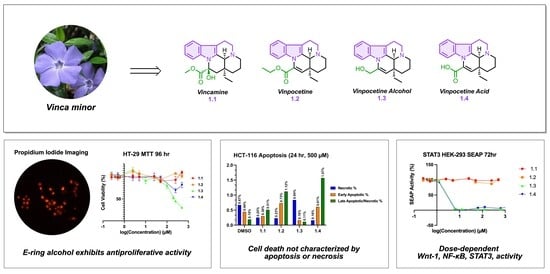
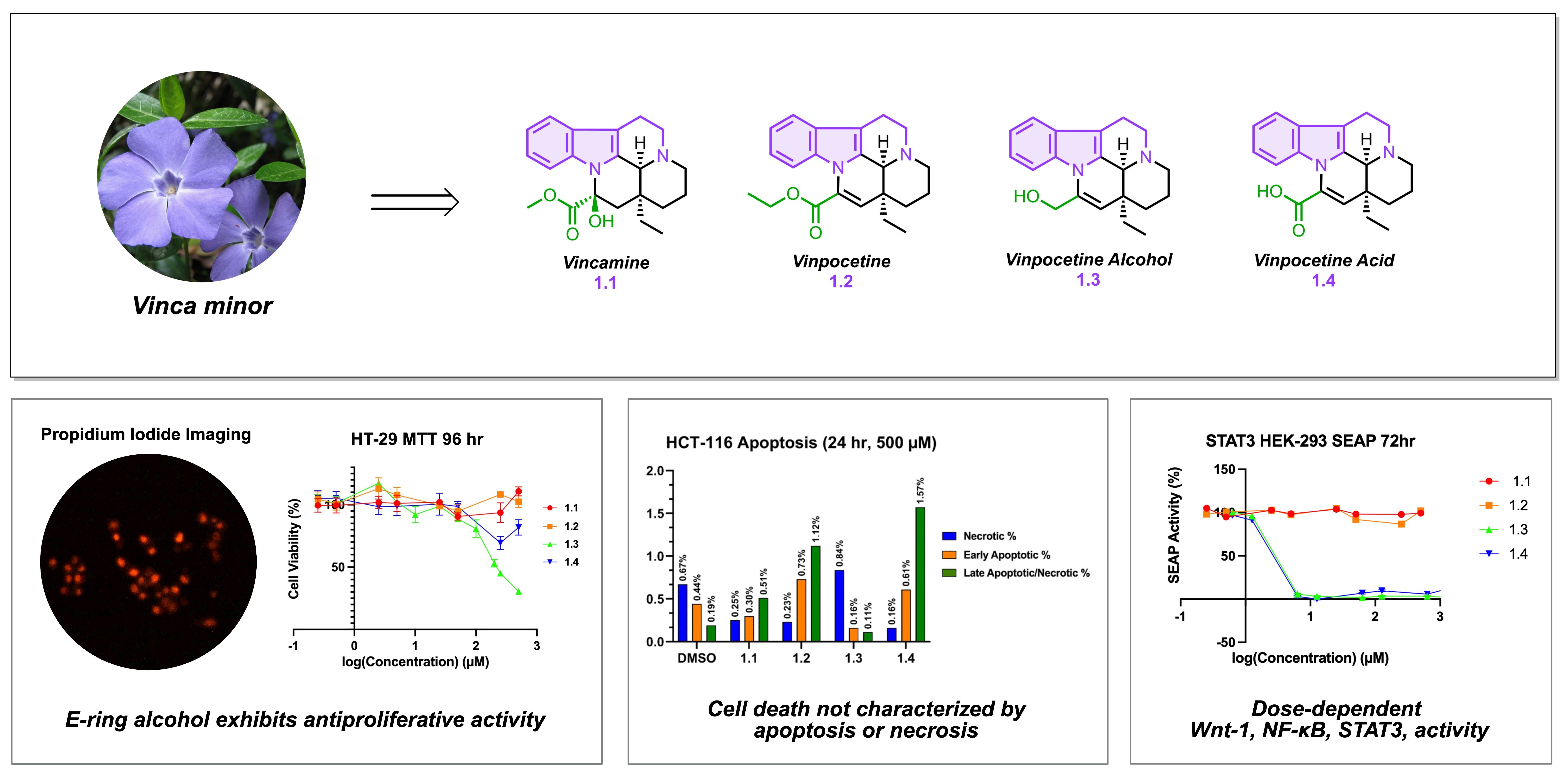
Background/Objectives: Vincamine is an indole alkaloid initially isolated from plants of the Vinca genus and has previously been demonstrated to have antioxidant, hypoglycemic, and hypolipidemic activities. Vinpocetine, a synthetic derivative of vincamine with an enhanced pharmacological profile, has demonstrated promising antiproliferative properties. While previously reported vinpocetine derivatives have undergone extensive investigation for their pharmacological properties, the role of the E-ring ethyl ester in the antiproliferative properties of compounds with this scaffold has not yet been fully described. Methods: Here, the antiproliferative activity of two vinpocetine analogs with modifications at the E-ring was evaluated through cell viability and LDH assays, and their mechanism of action was investigated through cell cycle analysis, apoptosis detection, and reporter assays for Wnt-1, NF-κB, and STAT3 signaling. Results: Cell viability assays revealed that reduction of the ethyl ester to an alcohol exhibited strong dose-dependent antiproliferative activity across five mammalian cell lines, but did not induce significant markers of apoptosis or necrotic death as determined by FITC/Annexin V and cell cycle flow cytometry, respectively. Through label-free cell imaging, we found the antiproliferative activity of vinpocetine alcohol to be correlated with a decrease in membrane integrity in treated cells. We further observe that both analogs exhibit dose-dependent modulation of TCF/LEF, NF-kB, and STAT3 reporter cells, which appears to be coupled with trends in antiproliferative activity. Conclusions: Altogether, this work demonstrates the potential for E-ring modifications of vinpocetine as antiproliferative agents.

Graphical Abstract

1. Introduction

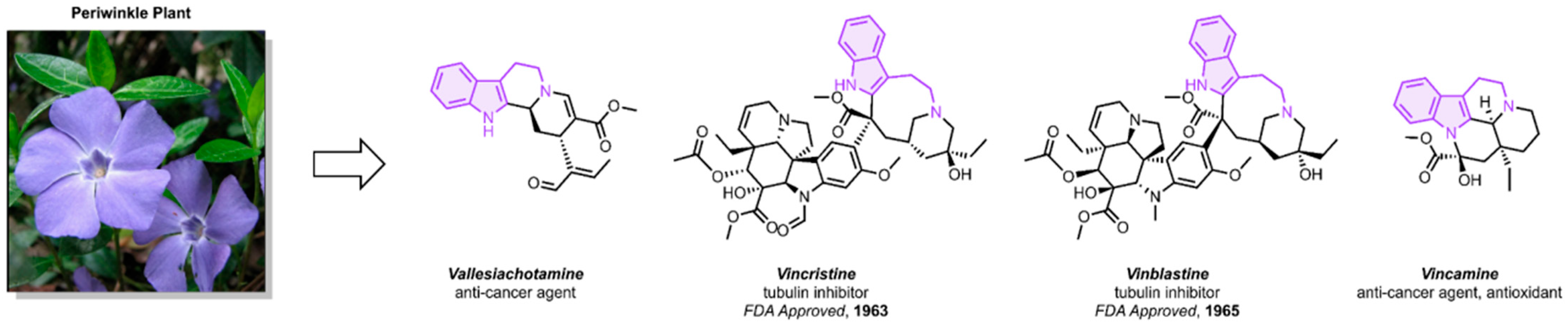
Vinca alkaloids and their derivatives, which share biosynthetic origins from tryptamine and related aminoindoles [1], have demonstrated remarkable potency for diverse applications in chemical biology as neuroactive agents [2], anti-inflammatory agents [3], immunomodulators [4], and as lead compounds for the treatment of cancer [5,6]. To date, three such alkaloids have received FDA approval as chemotherapy agents, such as vincristine and vinblastine, which were first to be FDA-approved in 1961 and 1963, respectively [7,8] (Figure 1).
Vincamine is an indole alkaloid initially isolated from the periwinkle plant Vinca minor, later identified in Vinca rosea (Catharanthus roseus), and has previously demonstrated to have antioxidant, hypoglycemic, and hypolipidemic activities [9,10,11]. Additionally, vincamine has also been studied in preclinical models for the treatment of type 2 diabetes mellitus and drug addiction [12,13]. Due to its potent antioxidant effects, vincamine has been further investigated for the treatment of cerebrovascular diseases [11,14,15,16,17].
A synthetic derivative of vincamine, vinpocetine, was developed to enhance its pharmacological profile and has been in clinical use in several European countries, including Hungary, Germany, and Poland, as well as Japan, for the treatment of cerebrovascular diseases for over 30 years [18,19]. In recent years, studies have found vinpocetine to have a variety of pharmacological activities, including anti-inflammatory, cardioprotective, and hepatoprotective activity [20]. Remarkably, both vincamine and vinpocetine have also demonstrated promising antiproliferative and anticarcinogenic activities, highlighting their broader therapeutic potential [11,21,22,23,24,25,26]. Various biological targets have been proposed as putative targets through which vincamine, vinpocetine, and their derivatives elicit their biological effects, including phosphodiesterase 1 (PDE1) [27,28], Wnt-1 [29], and nuclear factor-κB (NF-κB) [3].
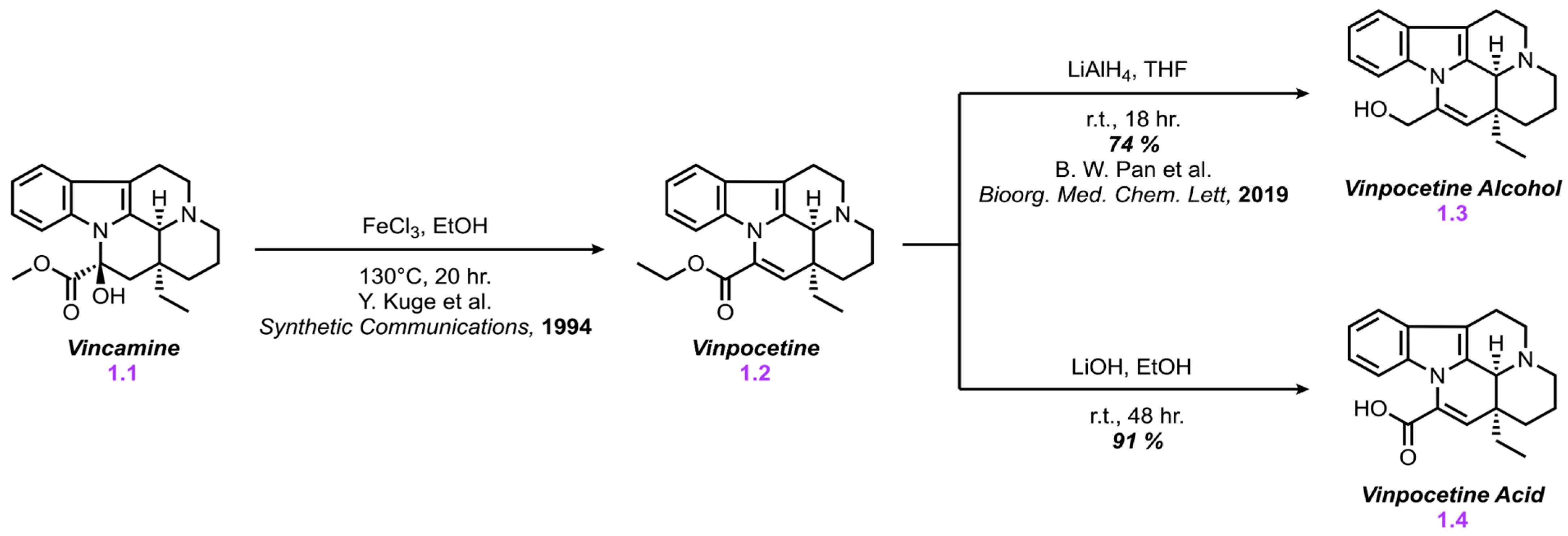
Previously reported vinpocetine derivatives have undergone extensive investigation for their pharmacological properties [30,31]. Specifically, derivatization of the E-ring, reported with initial reduction followed by carbamate protection and hydrolysis followed by the introduction of an amide [32,33], aldehyde [34], nitroxy group [35], or fluorine atom [36], has been studied for its PDE1 inhibition, antioxidant effects, artery blood flow effects, and blood–brain barrier permeability [30]. However, the antiproliferative properties of vinpocetine derivatives with E-ring modifications have yet to be fully described. Reduction of the E-ring ester or hydrolysis to the corresponding acid are two immediate strategies for changes to the vinpocetine scaffold (Scheme 1), and in this study, we specifically sought to identify the effect of these two subtle chemical modifications on the biological activity of vinpocetine and its analogs in mammalian cancer models. While the corresponding alcohol and acid have been previously explored for their PDE1A inhibition and antioxidant activity [32,33], their potential in applications related to cancer has not been fully explored.

2. Results and Discussion

2.1. Structural Modifications and Chemical Synthesis

Given the critical role of the E-ring in the biological activity of vinpocetine, particularly the influence of the ethyl ester, we synthesized two analogs to investigate the effect of structural modifications on its activity. Compound 1.3 was prepared through lithium aluminum hydride reduction in tetrahydrofuran in 74% isolated yield [32] (Scheme 1), and was spectroscopically determined to be identical to previously reported syntheses of 1.3 [12,38]. Additionally, compound 1.4 was synthesized by hydrolysis of the ethyl ester of vinpocetine to the corresponding acid with lithium hydroxide in ethanol in 91% isolated yield (Scheme 1), which was also determined to be structurally identical to previous reports [34]. The structures of alcohol 1.3 and acid 1.4 were determined by 1H and 13C nuclear magnetic resonance (NMR) and Fourier-transform infrared (FT-IR) spectroscopy, and mass spectrometry.

2.2. Cell Viability and Cytotoxicity Assays

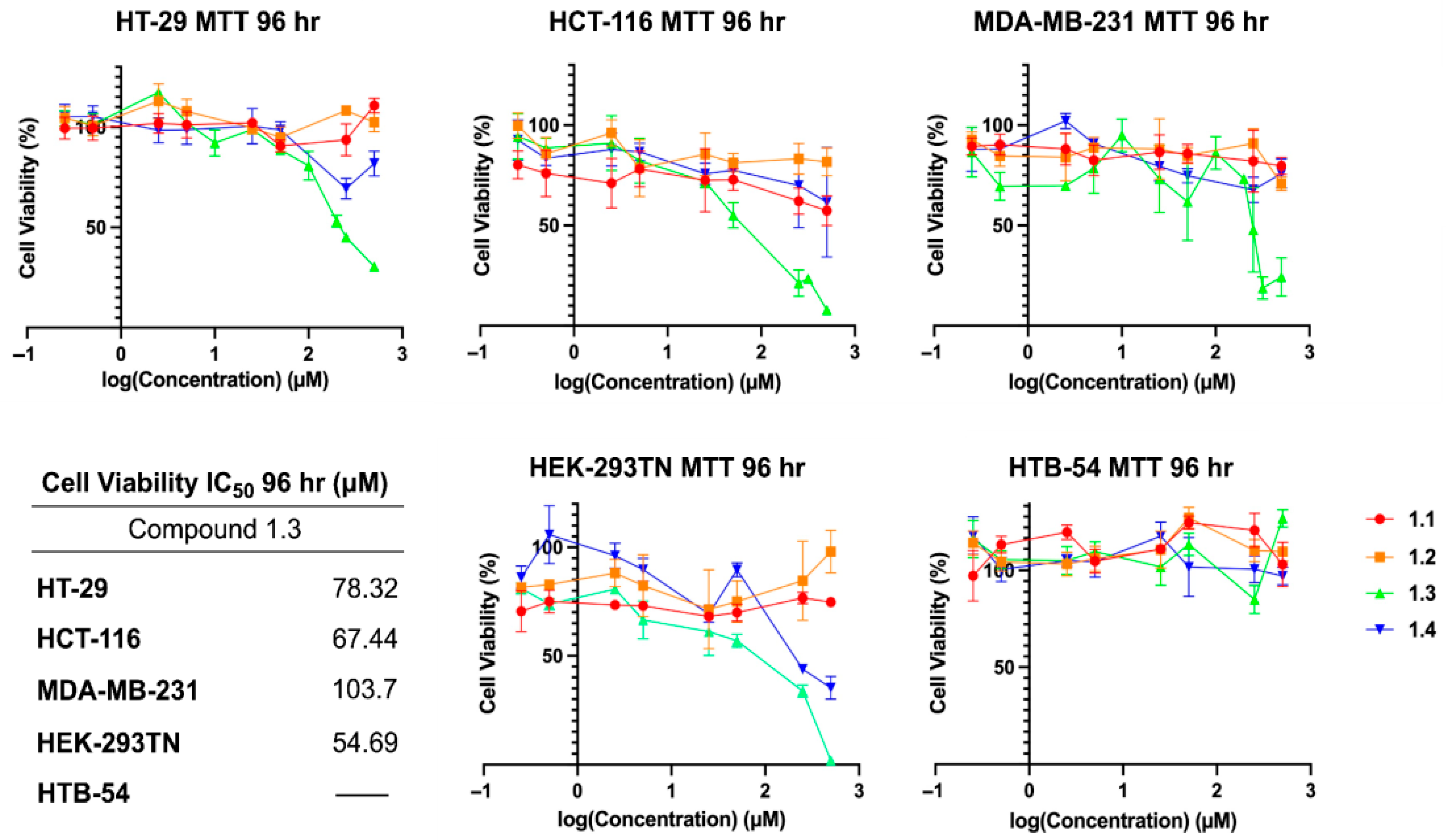
In order to assess the antiproliferative activity of compounds 1.11.4, we performed MTT assays in five mammalian cell lines, including HCT-116 and HT-29 human colorectal carcinoma, MDA-MB-231 human breast cancer, and HTB-54 human non-small cell lung cancer. Additionally, we evaluated the antiproliferative activity of each compound in HEK-293TN human embryonic kidney cells (Figure 2) as a non-cancerous cell line, and to validate whether any observed biological activity is specific to cancer cells over non-cancerous cells. As a positive control, (+)-vinblastine (VB), a related vinca alkaloid that is a known inhibitor of tubulin, was dosed at an equivalent concentration gradient to each analog.
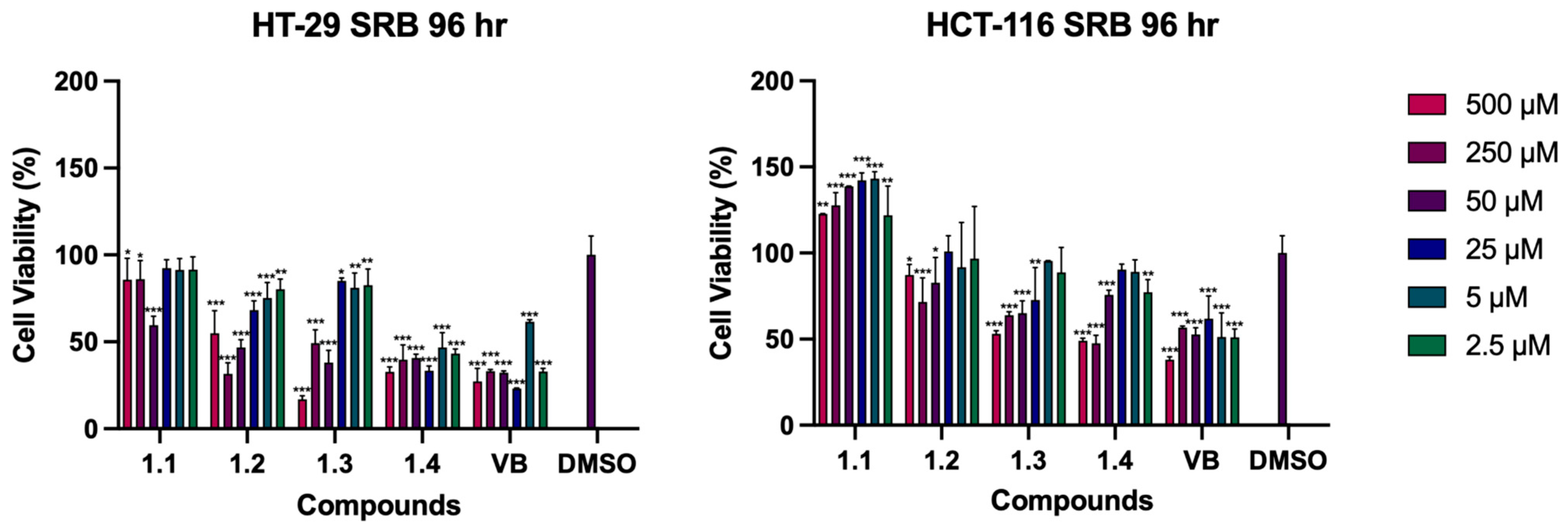
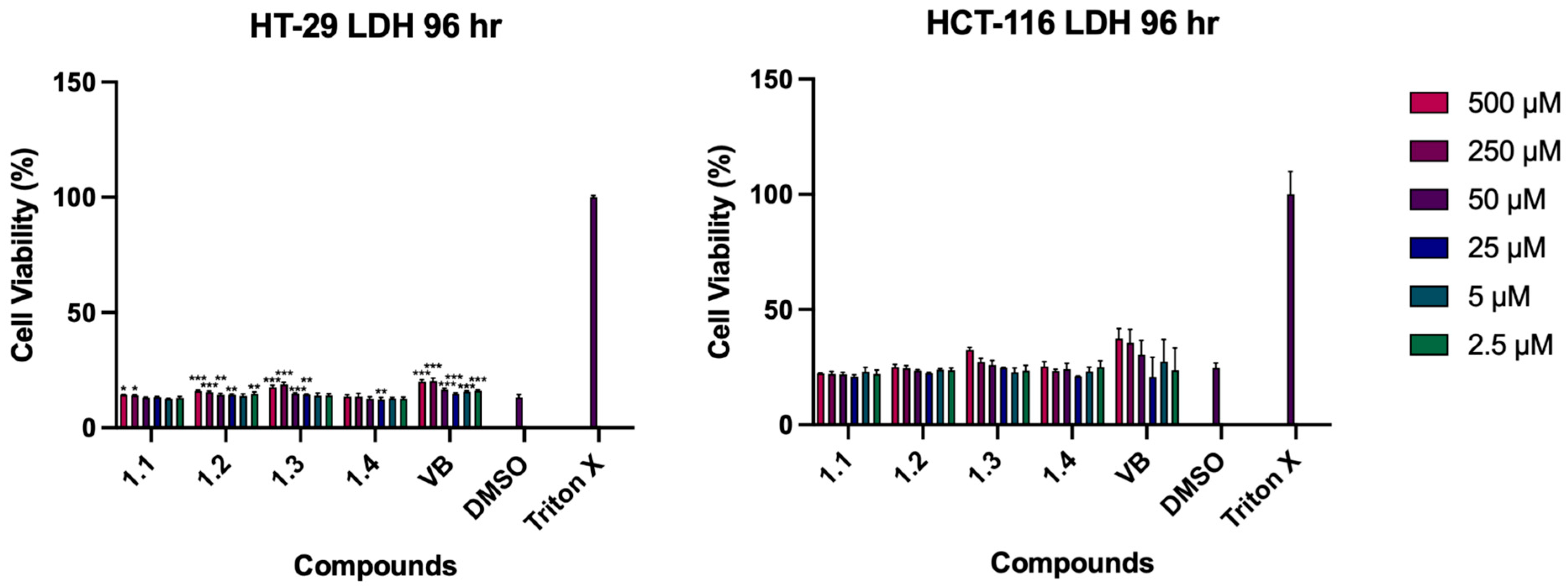
Cell viabilities were determined colorimetrically after 96 h of exposure to each compound through endpoint MTT and SRB (Sulforhodamine B) assay (Figure 3), and endpoint cytotoxicity was determined by a lactose dehydrogenase (LDH) assay. Cell viability was determined in comparison to cells dosed with the appropriate amount of undrugged DMSO vehicle, and cytotoxicity was determined as a percent of maximal cytotoxicity generated by Triton X as a positive control (Figure 4).
After 96 h, compound 1.3 exhibited dose-dependent antiproliferative activity, exhibiting an IC50 value in the double-digit to triple-digit micromolar range across all cell lines except HTB-54 cells. Comparatively, while vincamine 1.1, vinpocetine 1.2, and acid 1.4 exhibited minimal antiproliferative activity, alcohol 1.3 had IC50 values of 78.32 μM, 67.44 μM, 103.7 μM, and 54.69 μM in HT-29, HCT-116, MDA-MB-231, and HEK-293TN cells, respectively. Remarkably, all compounds failed to exhibit any potency against HTB-54 lung adenocarcinoma cells. The increase in potency in the cells treated with compound 1.3 suggests that the activity of vinpocetine derivatives is dependent on modifications on the E-ring. Further, alcohol 1.3 exhibits similar, if not more potent activity in HEK-293TN cells in comparison to the other colon cancer cells employed in the study, suggesting that 1.3 targets a mechanism of antiproliferative activity that is ubiquitous across cell types, and which is not specific to cancer cell proliferation. All derivatives of vincamine exhibited far more limited potency in comparison to vincamine and its synthetic derivatives.

2.3. Cell Cycle Analysis by Flow Cytometry

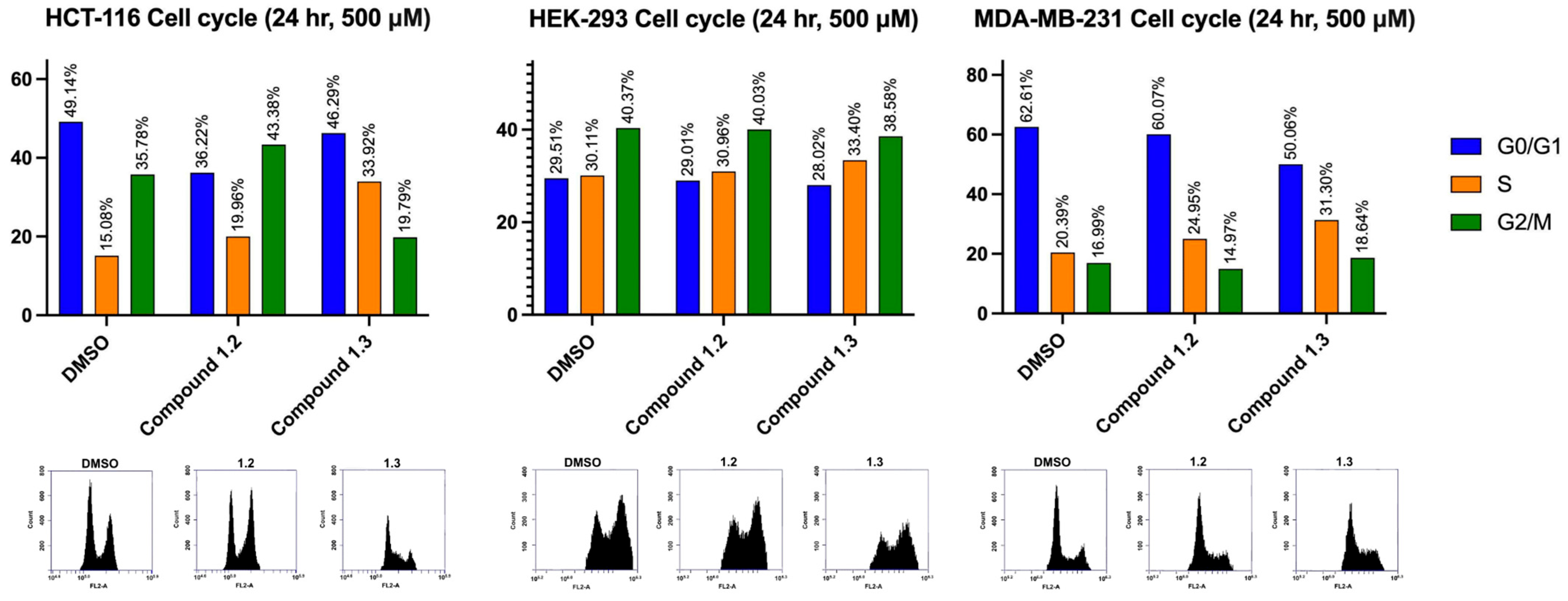
In order to analyze the cell cycle arrest capabilities of compounds 1.11.4, we performed cell cycle flow cytometry assays in three mammalian cell lines, including HCT-116 human colorectal carcinoma cells, MDA-MB-231 human breast cancer cells, and HEK-293TN human embryonic kidney cells (Figure 5). We observe minimal cell-cycle arrest via cell-cycle analysis in HCT-116 cells in the S-phase with alcohol 1.3, but no significant effect with other compounds, suggesting that the primary mechanism through which 1.3 exhibits its antiproliferative activity is not related to mechanical inhibition of the cell cycle, unlike vincristine and vinblastine, which function through mitotic inhibition.

2.4. Apoptosis Assay by Flow Cytometry

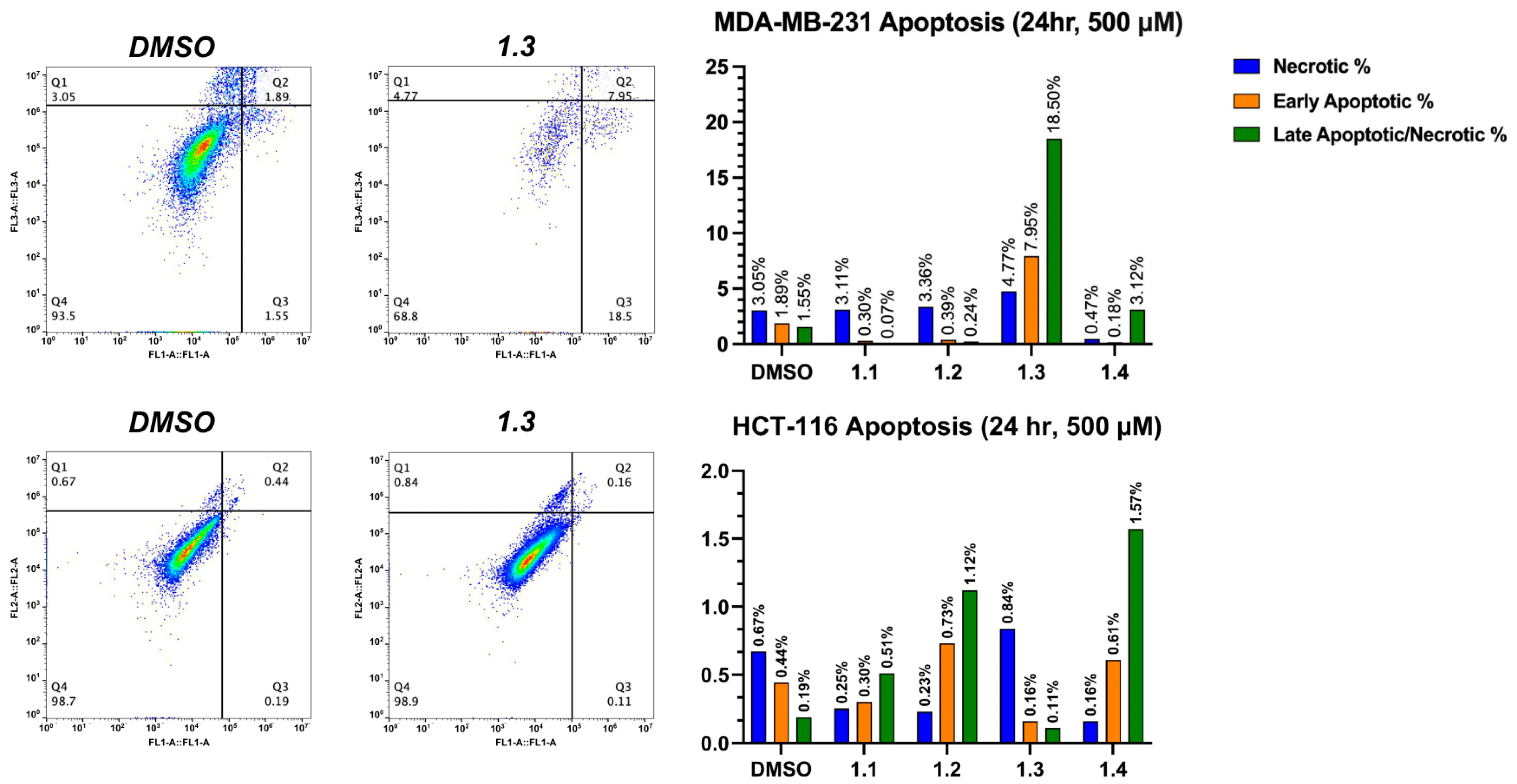
Next, we sought to evaluate whether our compounds potentially functioned through a pro-apoptotic pathway. To detect and quantify the level of apoptosis of compounds 1.11.4, we performed apoptosis flow cytometry assays in HCT-116 and MDA-MB-231 human colorectal carcinoma cells (Figure 6), utilizing a propidium iodide (PI) and FITC-labeled Annexin V double stain. We found that these compounds do not appear to function via a pro-apoptotic pathway due to lack of FITC signals. We also observed minimal PI signals in both cell lines. This suggests that while 1.3 exhibits strong antiproliferative activity, this attenuation of cell proliferation results in minimal differences in cytotoxicity.

2.5. Wnt-1 Luminescence-Based Reporter Assay

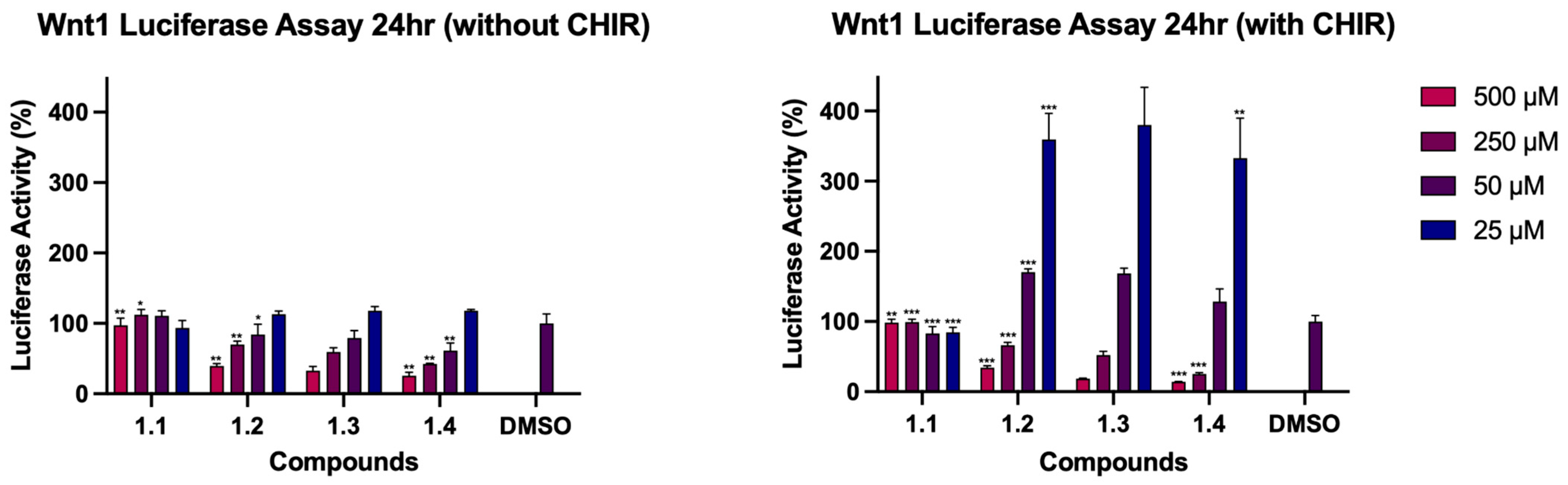
To determine the effect of compounds 1.11.4 on Wnt-1 signaling, we employed an in vitro reporter cell luciferase assay using a stable transfected Wnt-1-responsive 3T3 murine fibroblast cell line expressing a TCF/LEF-activated firefly luciferase gene. Compounds 1.11.4 were administered at 500 µM, 250 µM, 50 µM, and 25 µM concentrations and incubated for 24 h, after which a luciferin substrate mix was added, and luminescence was observed on a 96-well plate reader. In the absence of a GSK-3β kinase inhibitor, vinpocetine 1.2 and its analogs 1.3 and 1.4 exhibit dose-dependent inhibition of fLuc activity at the highest concentrations, while vincamine 1.1 is largely inactive in this assay (Figure 7). However, when co-delivered with 10 μM CHIR-99021, a selective GSK-3β kinase inhibitor [39], compounds 1.21.4 appear to have a net inhibitory effect by fLuc signal at high concentrations but a net activation at concentrations above 50μM. Additionally, while vinpocetine 1.2 and its carboxylic acid 1.4 exhibit minimal antiproliferative activity, similar trends are observed in our luciferase assay, suggesting that while compounds of this class may alter Wnt-1 signaling in cells, this is not the basis for the antiproliferative activity exhibited by alcohol 1.3.

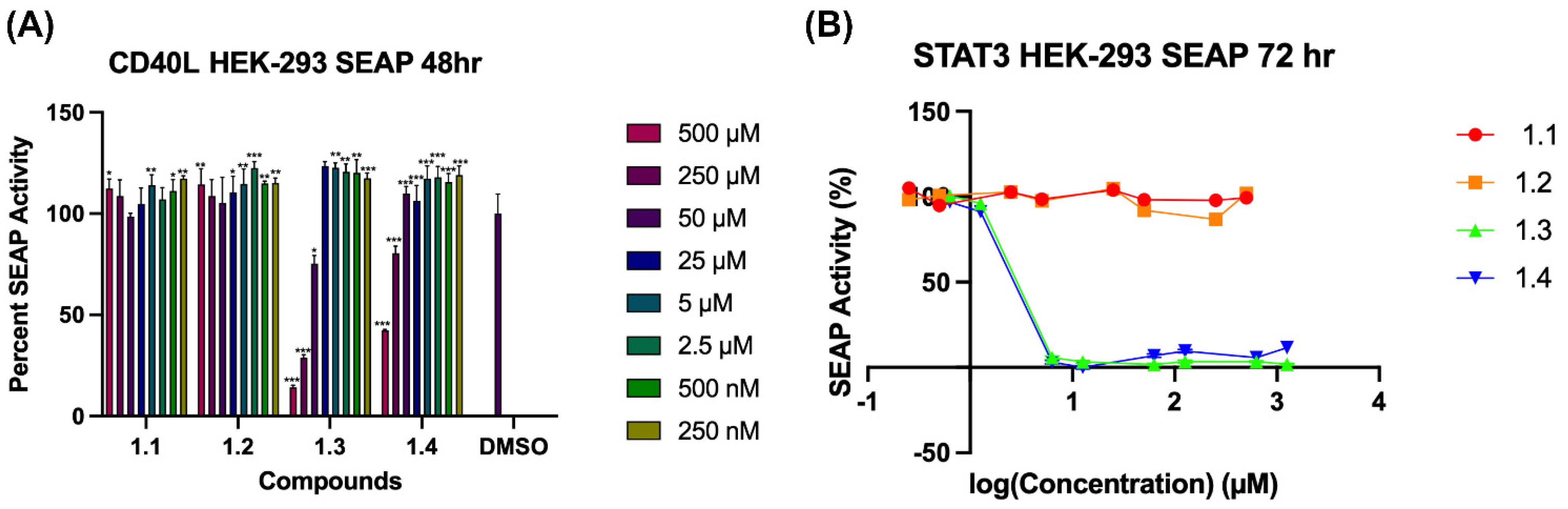
2.6. NF-κB and STAT3 Secreted Alkaline Phosphatase (SEAP) Reporter Assays

Previous reports have demonstrated that vinpocetine and its analogs function in connection to the NF-κB pathway, which is implicated in cancer cell survival and inflammation, as well as the STAT3 pathway, which is upregulated in many cancers. To determine the effect of compounds 1.11.4 on NF-κB and STAT3 pathways, we utilized two stable-transfected HEK293 cell lines with the secreted alkaline phosphatase (SEAP) under control of CD40L-activated NF-κB signaling and IL-10-activated STAT3-signaling, respectively. Positive and negative controls were established by dosing 3 ng/mL of CD40L and 1 ng/mL IL-10, respectively. Vincamine 1.1 and vinpocetine 1.2 exhibited negligible activity in these reporter assays, suggesting that administration of these compounds does not directly inhibit CD40L-activated NF-κB signaling (Figure 8). Moreover, a similar trend was observed in a dose-dependent decrease in SEAP activity in stably transfected cells expressing an IL-10-activatable STAT3 pathway, with compounds 1.3 and 1.4 exhibiting potent dose-dependent decrease in around 0.5–2 μM range (Figure 8). While compounds 1.3 and 1.4 exhibit dose-dependent decrease in secreted alkaline phosphatase (SEAP) optical readout, this was found to be concomitant with decreasing cell viability (Figure S1), suggesting that this observed dose-dependent decrease in SEAP activity is a function of generalized decrease in cell viability rather than direct pathway inhibition.

2.7. Propidium Iodide Imaging of Cytotoxicity

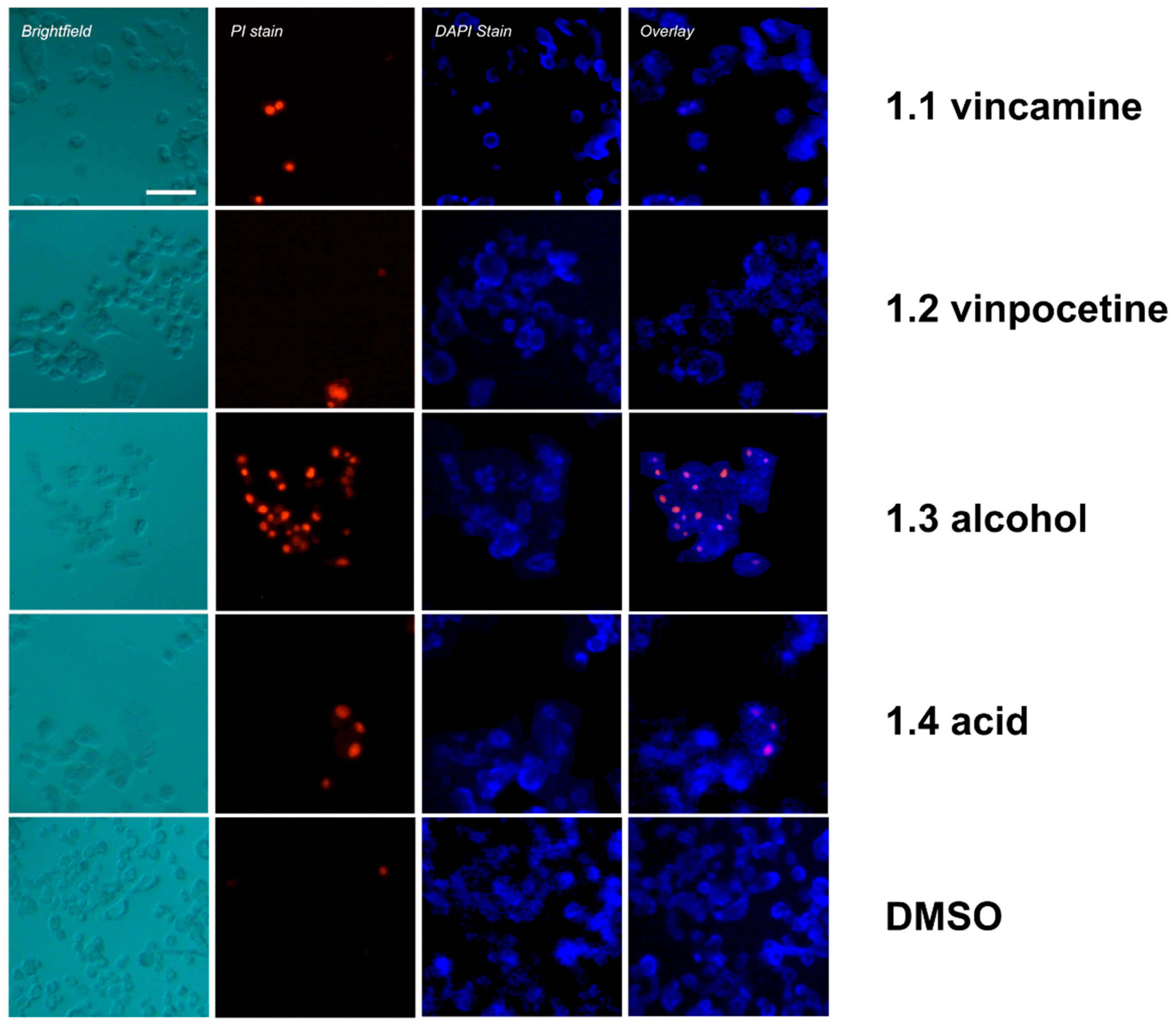
To visualize the effects of dosing cancer cells with vinpocetine and its analogs on propidium iodide permeability, we performed fluorescence imaging of HCT-116 cells after 48 h of exposure to each compound (Figure 9). Propidium iodide, which selectively stains dead cells red, was found to stain a significant number of cells treated with alcohol 1.3, whereas, consistent with colorimetric assays performed, both vincamine 1.1 and vinpocetine 1.2 exhibited far more limited red fluorescence. This increase in red fluorescence observed in cells treated with alcohol 1.3 suggests that the compound’s antiproliferative activity can be, in part, attributed to a loss of membrane integrity in treated cells.

3. Materials and Methods

3.1. General Information

All reagents, solvents, and analytical standards were purchased from AK Scientific (Union City, CA, USA) and Sigma Aldrich (St. Louis, MO, USA) and were used without further purification unless otherwise stated. McCoy’s 5A Media, Dulbecco’s Modified Eagle’s Medium (DMEM), RPMI-1640 Medium, penicillin-streptomycin, and 0.25% trypsin-EDTA were all obtained from Tribioscience (Sunnyvale, CA, USA). Fetal bovine serum (FBS) was obtained from Gibco (Miami, FL, USA). MTT and synthetic reagents were obtained from AK Scientific.

3.2. Cell Culture

Human colorectal cancer (HCT-116 and HT-29) and human non-small-cell lung cancer (HTB-54) cell lines were obtained from the European Collection of Authenticated Cell Cultures (ECACC) (Salisbury, United Kingdom) and maintained in McCoy’s 5A Media (Tribioscience; Sunnyvale, CA, USA) supplemented with 10% fetal bovine serum (FBS) from Gibco and 1% penicillin-streptomycin from Tribioscience (Sunnyvale, CA, USA). Human embryonic kidney (HEK-293TN) cell lines were obtained from System Biosciences (Palo Alto, CA, USA) and donated by SunnyBay Biotech (Fremont, CA, USA), and cultured in Dulbecco’s Modified Eagle’s Medium (DMEM) from Tribioscience, supplemented with 10% fetal bovine serum (FBS) and 1% penicillin-streptomycin. Human breast cancer (MDA-MB-231) cell lines, donated by SunnyBay Biotech (Fremont, CA, USA), were cultured in RPMI-1640 Medium from Corning (Sunnyvale, CA, USA) supplemented with 10% fetal bovine serum (FBS) and 1% penicillin-streptomycin. Leading Light® Wnt Reporter 3T3 mouse embryonic fibroblast cells from Enzo Life Sciences (Farmingdale, NY, USA) (Cat. # ENZ-61002-0001) were maintained in DMEM, supplemented with 10% fetal bovine serum (FBS) and 1% penicillin-streptomycin. All cells were grown in 25 cm2 and 75 cm2 flasks (Bio Basics; Markham, ON, Canada) in a humidified incubator at 37 °C in 5% CO2.

3.3. MTT Cell Viability Assay

Cells (HCT-116, HT-29, HEK-293TN, MDA-MB-231, HTB-54) were seeded in a 96-well tissue culture-treated flat-bottom plate at 20–25% confluency and incubated in a humidified incubator at 37 °C in 5% CO2. Treatment was conducted at 96 h at different concentrations of compound in DMSO (500 μM, 250 μM, 50 μM, 25 μM, 5 μM, 2.5 μM, 500 nM, 200 nM). After incubation, 10 μL of a 5 mg/mL MTT (3-(4,5-dimethylthiazol-2-yl)-2,5-diphenyltetrazolium bromide) solution in 1X PBS was added to each well, and then incubated for 2 h at 37 °C. Then, each well was replaced with 100 μL of DMSO before measuring absorbance at 570 nm using a Molecular Devices SpectraMax 250 Microplate Spectrophotometer (San Jose, CA, USA). Percent cell viability was determined through the ratio of absorbance of treated cells to the negative control cells (DMSO, without compound). IC50 values were calculated on GraphPad Prism 10.

3.4. SRB Cell Viability Assay

Cells (HCT-116, HT-29) were seeded in a 96-well tissue culture-treated flat-bottom plate at 20–25% confluency and incubated in a humidified incubator at 37 °C with 5% CO2. After 24 h, treatments were applied at varying concentrations of the compound diluted in DMSO (500 μM, 250 μM, 50 μM, 25 μM, 5 μM, 2.5 μM, 500 nM, 250 nM). Following 96 h of incubation, cells were fixed by gently adding 25 μL of cold 50% (w/v) trichloroacetic acid (TCA) directly to each well and incubating at 4 °C for 1 h. Plates were then washed four times with DI water, blotted dry, and air-dried at room temperature. Next, 50 μL of 0.04% (w/v) sulforhodamine B (SRB) solution was added to each well and incubated for 1 h at room temperature. Excess dye was removed by rinsing four times with 1% (v/v) acetic acid, and the plates were again air-dried. To solubilize the protein-bound dye, 100 μL of 10 mM Tris base (pH 10.5) was added to each well, and the plates were shaken on an orbital shaker. Absorbance was measured at 510 nm using a Molecular Devices SpectraMax 250 Microplate Spectrophotometer. Percent cell viability was determined by normalizing the absorbance of treated wells to that of DMSO vehicle control wells.

3.5. Lactate Dehydrogenase (LDH) Assay

Extracellular LDH activity, released due to a loss of cell membrane integrity, was measured using a previously reported Cold Spring Harbor Protocol. HCT-116 and HT-29 cells were seeded at 70% confluency in McCoy’s 5A Medium and RPMI-1640, respectively, supplemented with 10% v/v fetal bovine serum (FBS, Gibco) and 1% v/v 100 × penicillin–streptomycin (Tribioscience), and treated with 200-fold dilutions of compound to reach final concentrations of 500 µM, 250 µM, 50 µM, 25 µM, 5 µM, 2.5 µM, 500 nM, and 250 nM. A negative control of 0.5% v/v DMSO was also included. At 96 h, to a negative control of cells drugged with DMSO was added 15 μL of lysis solution (10% v/v Triton X-100) for 5 min to act as a positive control for maximum LDH release. Then, 50 µL of cell media from each treatment was moved to a non-tissue culture treated 96-well plate and allowed to react with 50 µL of the LDH substrate solution (L-( +)-lactic acid (0.054 M), β-NAD+ (1.30 mM), 1-Methoxy-5-methylphenazinium methyl sulfate (0.28 mM), and 2-p-iodophenyl-3-p-nitrophenyl tetrazolium chloride (INT) solution (0.66 mM) dissolved in 0.2 M Tris–HCl buffer (pH 8.2)), for 45 min at 37 °C (5.0% CO2) protected from light before the addition of 100 µL of stop solution (50% dimethylformamide and 20% SDS at pH 4.7) to each sample well. The final product was measured spectrophotometrically at 490 nm using a Molecular Devices SPECTRAmax 250 Microplate Spectrophotometer to calculate LDH activity.

3.6. Cell Cycle Flow Cytometry

Cells (HCT-116, HEK-293TN, MDA-MB-231) were seeded at 70% confluency in a 6-well tissue culture-treated flat-bottom plate and incubated in a humidified incubator at 37 °C in 5% CO2 for 24 h, after which treatment was conducted at the highest concentration of 500 µM. After incubation for a subsequent 24 h, the supernatant media was aspirated off, and the cells were trypsinized with 500 µL 0.25% trypsin-EDTA. Trypsin was then deactivated with 500 µL of cell-line respective media (McCoy’s for HCT-116, DMEM for HEK-293TN, RPMI-1640 for MDA-MB-231), and cells with supernatant media were centrifuged for 5 min at 1900 rpm until a cell pellet formed. Supernatant media was removed, and the cell pellet was resuspended in 100 µL of 1X PBS. After centrifuging for an additional 4 min, PBS was removed, and cells were resuspended in cold 70% ethanol. Cells were left to fix on ice for 30 min, after which they were centrifuged into pellets for an additional 4 min, ethanol was removed, and cells were resuspended in 200 µL PBS. 50 µL RNase (1 mg/mL) was added to the cells, which were subsequently incubated for 5 min at 37 °C in 5% CO2. After incubation, the cells were stained with 1 µL Propidium Iodide stain for 30 min prior to analysis by flow cytometry. Cell cycle analysis was run on a BD C6 Accuri Flow Cytometer to 50,000–100,000 events for each compound. Analysis of results was performed through BD C6 Accuri Software Version 1.0.264.21 (San Jose, CA, USA). Single cells were gated to exclude debris and cell aggregates based on forward scatter and side scatter. Based on PI/count gating, the percentage of cells that were in the G0/G1 phase, S phase, and G2/M phase was calculated for each sample.

3.7. Apoptosis Flow Cytometry

Cells (HCT-116, MDA-MB-231) were seeded at 70% confluency in a 12-well tissue culture-treated flat-bottom plate and incubated in a humidified incubator at 37 °C in 5% CO2. Treatment was conducted for 72 h at the highest concentration of 500 µM. After incubation, the supernatant media was aspirated off, and the cells were trypsinized with 400 µL 0.25% trypsin-EDTA. Subsequently, the trypsin was deactivated with 400 µL of cell-line respective media (McCoy’s for HCT-116, RPMI-1640 for MDA-MB-231), and cells with supernatant media were centrifuged at 1900 rpm until a cell pellet formed. The cell pellet was then washed with 100 µL of 1X PBS, re-pelleted by centrifugation, and stained with 100 µL 1X Annexin binding buffer (Invitrogen; Carlsbad, CA, USA), 5 µL FITC-Annexin stain (Southern Biotech; Birmingham, AL, USA), and 1 µL 1.0 mg/mL propidium iodide (PI) stain on ice for 15 min. Apoptosis analysis was performed by flow cytometry on a BD C6 Accuri Flow Cytometer to 25,000 events for each sample. Single cells were gated to exclude debris and cell aggregates based on forward scatter and side scatter. Based on Annexin V/PI quadrant gating, the percentage of cells that were viable in the early apoptotic, late-stage apoptotic, and necrotic populations was quantified and expressed as percentages of total cell populations for each sample.

3.8. Wnt-1 Luminescence-Based Reporter Assay

Leading Light® Wnt Reporter 3T3 mouse embryonic fibroblast cells were obtained from Enzo Life Sciences (cat. ENZ-61002-0001) and seeded at 80% confluency in 96-well flat-bottom plates (Corning Costar; Kennebunk, ME, USA). After 24 h of incubation at 37 °C with 5% CO2, the plates were treated for 24 h with the compounds at 500 μM, 250 μM, 50 μM, and 25 μM, and with and without CHIR-99021 (AK Scientific), a known GSK-3β inhibitor at a final concentration of 10 μM. A negative control of 0.5% v/v DMSO and a background control were included. After 24 h of incubation at 37 °C with 5% CO2, 70 μL of 3X Firefly Assay Buffer (15 mM Dithiothreitol, 0.45 mM ATP, 4.2 mg/mL D-luciferin, Triton X-100 Lysis Buffer (0.1082 M Tris-HCl powder, 0.0419 M Tris-base powder, 75 mM NaCl, 3 mM MgCl2, 0.25% Triton X-100, H2O)) were added to each well on top of the cell media. Immediately after, luminescence was quantified using a Tecan SpectraFLUOR Plus plate reader (San Jose, CA, USA).

3.9. NF-κB CD40L SEAP-Based Reporter Assay

HEK-Blue™ CD40L cells, obtained from Invivogen (San Diego, CA, USA) (Cat. #hkb-cd40), were seeded at 80% confluency in a 96-well tissue culture-treated flat-bottom plate (Corning) with 100 µL per well and incubated at 37 °C (5.0% CO2) for 24 h. Seeding media was then aspirated off, and a drug solution was prepared using CD40L-laced (2 ng/mL, Tribioscience) High Glucose Dulbecco’s Modified Eagle’s Medium was added, reaching final concentrations of compounds 1 through 8, ranging from 50 µM to 10 nM. A negative control of 0.5% v/v DMSO with CD40L-laced media and with regular media was also included. The general protocol for preparing the para-Nitrophenylphosphate solution is as follows: the para-Nitrophenylphosphate solution was prepared to final concentrations of 10% v/v diethanolamine, 0.10 mM magnesium chloride, 5 mg/mL of para-Nitrophenylphosphate, and adjusted to a pH of 9.8 in deionized (DI) water. Following 24 h incubation at 37 °C (5.0% CO2), 10 µL of culture supernatant from SEAP-expressing cells was added to 90 µL of a para-Nitrophenylphosphate solution (prepared using the general protocol) in a secondary 96-well plate. After incubation for 45 min at 37 °C (5.0% CO2), optical density was measured at 405 nm using a Molecular Devices SPECTRAmax 250 Microplate Spectrophotometer.

3.10. STAT3 SEAP-Based Reporter Assay

HEK-Blue™ IL-10 cells, obtained from Invivogen (Cat. #hkb-il10) were seeded at 70% confluency in a 96-well tissue culture treated flat bottom plate (Corning) with 100 µL per well and incubated at 37 °C (5.0% CO2) for 24 h. Seeding media was then aspirated off and a drug solution prepared with IL-10 laced (1 ng/mL, Tribioscience) High Glucose Dulbecco’s Modified Eagle’s Medium was added reaching final concentrations of compounds 1.11.4 ranging from 500 µM to 250 nM. A negative control of 0.5% v/v DMSO with IL-10 laced media and with regular media was also included. Following 24 h incubation at 37 °C (5.0% CO2), 10 µL of culture supernatant from SEAP-expressing cells was added to 90 µL of a para-Nitrophenylphosphate solution (prepared using the general protocol) in a secondary 96-well plate. After incubation for 20 min at 37 °C (5.0% CO2), optical density was measured at 405 nm using a Molecular Devices SPECTRAmax 250 Microplate Spectrophotometer.

3.11. Label-Free Cell Imaging

Cells (HCT-116) were seeded at 70% confluency in a 24-well tissue culture-treated flat-bottom plate and incubated in a humidified incubator at 37 °C in 5% CO2. Afterward, a drug medium of compounds 1.11.4 in DMSO were added to media to reach the desired concentration of 250 μM. Two columns were used for negative controls with cells and media only and with 0.5% v/v DMSO. After incubation for 48 h, the media was removed and the cells were rinsed with the addition of 1X PBS. Then, a 14.3 mM solution of DAPI in DMF was diluted 50-fold in PBS, before another dilution 1000-fold in PBS, to result in a final concentration of 300 nM. After washing with PBS twice, 100 μL of this solution was added to each well along with a 1 mg/mL solution of PI stain before being covered with aluminum foil and stored in the refrigerator for 30 min at 4 °C. Cells were imaged with a Zeiss Axiovert 200 Fluorescence Microscope with an Objective LD Plan-Neofluar 40×/0.6 Corr Ph2 M27 lens (Dublin, CA, USA) and the final images were processed using Fiji.

3.12. Statistical Analysis

All statistical analyses were performed using GraphPad Prism 10.4.1. Data in each group were compared using a one-way ANOVA. p-values ≤ 0.05 were considered statistically significant.

4. Conclusions

Inspired by the diverse biological activities of several Vinca alkaloids, we sought to identify the effects of simple modifications of the E-ring ethyl ester of vinpocetine in a panel of mammalian cancer cell lines. In this work, we prepared two E-ring analogs of vinpocetine, a primary alcohol 1.3 and carboxylic acid 1.4, and evaluated their potencies in antiproliferative activity in HCT-116 and HT-29 human colorectal cancer cells, MDA-MB-231 human breast cancer cells, HTB-54 human non-small cell lung cancer cells, and HEK-293TN human embryonic kidney cells. Consistent with prior reports on the limited toxicity of vinpocetine, we observed that both this and its parent natural product, vincamine, exhibited minimal effects on the five cell lines in this study. Similarly, acid 1.4 exhibited slight antiproliferative activity only at the highest concentrations (500 μM). However, alcohol 1.3 exhibited strong dose-dependent antiproliferative activity uniformly across all five mammalian cell lines with IC50 values ranging from 54.69 μM in HEK-293TN to 103.7 μM in MDA-MB-231 μM. The lack of selectivity between the cancer cell lines assayed and the HEK-293 noncancerous embryonic kidney cell line suggests that the action of vinpocetine alcohol 1.3 is connected to a mechanism that is general to all cell types rather than selective inhibition of a pathway specific to cancer cell lines. In all experiments, we found that synthetic derivatives of vinpocetine were significantly less potent than vinblastine, an FDA-approved vinca alkaloid with potent anticancer activity. These results were further validated by sulforhodamine B (SRB) colorimetric assays for cell viability and lactate dehydrogenase (LDH) assays for cell toxicity. Finally, we observed the accumulation of intracellular propidium iodide in fluorescence imaging of cells treated with compound 1.3, suggesting that the vinpocetine alcohol has some activity in producing a loss of membrane integrity.
Further mechanistic evaluation performed by flow cytometry suggests that alcohol 1.3 exhibits minimal cell cycle arrest, suggesting that mechanical mitotic inhibition is not involved in the primary mechanism through which 1.3 acts. Additional flow cytometry experiments revealed that cells treated with alcohol 1.3 do not significantly produce positive signals in accumulated Annexin V, suggesting that the observed antiproliferative activity of 1.3 is not attributed to the activation of pro-apoptotic pathways. Moreover, the differential activity exhibited by the compounds in this study in a Wnt-1/TCF/LEF fLuc reporter assay suggests that the mechanism of action through which 1.3 exhibits antiproliferative activity is not likely to be through direct involvement of the Wnt-1 pathway.
Subsequently, we sought to identify the role of vinpocetine and its synthetic analogs on key pathways involved in the progression of cancer, including the NF-κB and STAT3 signaling pathways. When assayed against two stable-transfected reporter cell lines for the CD40L-activated NF-κB pathway and IL-10 activated STAT3 signaling pathway, we found that while compounds 1.3 and 1.4 exhibited inhibition of production of secreted alkaline phosphatase (SEAP), which is the optical readout basis for these reporter cells; this dose-dependent behavior correlates strongly with decreases in overall cell viability, suggesting that the synthetic analogs of vinpocetine prepared inhibit cell activity and growth in other mechanisms potentially independent of NF-κB and STAT3 signaling.
In conclusion, we show that, while vinpocetine and vincamine exhibit very limited antiproliferative activity in model cancer cell lines, modifications of the E-ring ethyl ester may augment the biological potency of vinpocetine analogs as antiproliferative agents. Specifically, the allylic alcohol 1.3 obtained by reduction of the ester fragment attached to the E ring of vinpocetine exhibits dose-dependent antiproliferative activity in five mammalian cell lines. Accordingly, this activity was found to be generalizable across all cell types, and corresponds to a dose-dependent loss of readout signal in several reporter cell lines used. The results of this work indicate that E-ring synthetic derivatization can be a strategy for the development of future vinpocetine analogs with antiproliferative activity. The direct mechanism of inhibition of cell proliferation upon administration of vinpocetine alcohol 1.3 remains elusive, and is the subject of further investigation.

Supplementary Materials

The following supporting information can be downloaded at: https://www.mdpi.com/article/10.3390/ddc4040053/s1, Table S1. Table of p-values with respect to DMSO control for HT-29 SRB assay, Table S2. Table of p-values with respect to DMSO control for HCT-116 SRB assay, Table S3. Table of p-values with respect to DMSO control for HT-29 LDH assay, Table S4. Table of p-values with respect to DMSO control for HCT-116 LDH assay, Table S5. Table of p-values with respect to DMSO control with and without CHIR-99021 for Wnt-1-dependent luciferase reporter cell assay, Table S6. Table of p-values with respect to DMSO control for CD40L Reporter assay, Figure S1. Cell viabilities of 1.11.4 in CD40L HEK-293 cells.

Author Contributions

Conceptualization, U.A., S.R., E.B.-G., E.Y., and E.N.; investigation, M.G., S.Y., M.T., S.X., J.L., A.D., Y.X., and M.F.; writing—original draft preparation, M.G., S.Y., M.T., S.X., J.L., A.D., and E.N.; writing—review and editing, M.G., S.Y., M.T., S.X., J.L., A.D., and E.N. All authors have read and agreed to the published version of the manuscript.

Funding

This research received no funding.

Institutional Review Board Statement

Not applicable.

Informed Consent Statement

Not applicable.

Data Availability Statement

The original contributions presented in this study are included in the article/supplementary material. Further inquiries can be directed to the corresponding author.

Acknowledgments

The authors express their gratitude to Feng Wang-Johanning and Gary Johanning from SunnyBay Biotech for supplying the HEK-293TN and MDA-MB-231 cells. They also thank Stephen Lynch for access to high-field NMR spectra at the Stanford University NMR facility. Additionally, the authors gratefully acknowledge Darren Liang and Tribioscience, Inc. for the generous donation of IL-10 used in this study.

Conflicts of Interest

The authors declare no conflicts of interest.

Abbreviations

The following abbreviations are used in this manuscript:
PDE1Phosphodiesterase 1
PIPropidium iodide
MTT3-(4,5-dimethylthiazol-2-yl)-2,5-diphenyltetrazolium bromide
IC50half-maximal inhibitory concentration
DMSODimethyl sulfoxide
EDTAEdetic acid or Ethylenedinitrilotetraacetic acid
DAPI4′,6-diamidino-2-phenylindole dihydrochloride
NMRNuclear magnetic resonance
FDAFood and Drug Administration
LDHLactate dehydrogenase
VBVinblastine
NF-κBNuclear factor-κB
SRBSulforhodamine B
FT-IRFourier-transform infrared
SEAPSecreted Embryonic Alkaline Phosphatase
FBSFetal Bovine Serum
TCATrichloroacetic Acid
INT2-p-iodophenyl-3-p-nitrophenyl tetrazolium chloride

References

  1. Yu, R.; Zhu, J.; Wang, M.; Wen, W. Biosynthesis and regulation of terpenoid indole alkaloids in Catharanthus roseus. Pharmacogn. Rev. 2015, 9, 24. [Google Scholar] [CrossRef]
  2. Hussain, G.; Rasul, A.; Anwar, H.; Aziz, N.; Razzaq, A.; Wei, W.; Ali, M.; Li, J.; Li, X. Role of plant derived alkaloids and their mechanism in neurodegenerative disorders. Int. J. Biol. Sci. 2018, 14, 341–357. [Google Scholar] [CrossRef]
  3. Jeon, K.-I.; Xu, X.; Aizawa, T.; Lim, J.H.; Jono, H.; Kwon, D.D.; Abe, J.I.; Berk, B.C.; Li, J.; Yan, C. Vinpocetine inhibits NF-κB–dependent inflammation via an IKK-dependent but PDE-independent mechanism. Proc. Natl. Acad. Sci. USA 2010, 107, 9795–9800. [Google Scholar] [CrossRef] [PubMed]
  4. Byrd, J.R.; Isa, A.M. Immunopotentiating effect of vinca alkaloids on the antibody response to sheep red blood cells in the mouse. J. Natl. Med. Assoc. 1981, 73, 707–709. [Google Scholar] [PubMed]
  5. Jordan, M.A.; Thrower, D.; Wilson, L. Mechanism of inhibition of cell proliferation by vinca alkaloids. Cancer Res. 1991, 51, 2212–2222. [Google Scholar]
  6. Martino, E.; Casamassima, G.; Castiglione, S.; Cellupica, E.; Pantalone, S.; Papagni, F.; Rui, M.; Siciliano, A.M.; Collina, S. Vinca alkaloids and analogues as anti-cancer agents: Looking back, peering ahead. Bioorg. Med. Chem. Lett. 2018, 28, 2816–2826. [Google Scholar] [CrossRef]
  7. Carbone, P.P.; Bono, V.; Frei, E.; Brindley, C.O. Clinical studies with vincristine. Blood 1963, 21, 640–647. [Google Scholar] [CrossRef] [PubMed]
  8. Sears, J.E.; Boger, D.L. Total synthesis of vinblastine, related natural products, and key analogues and development of inspired methodology suitable for the systematic study of their structure–function properties. Acc. Chem. Res. 2015, 48, 653–662. [Google Scholar] [CrossRef]
  9. Wu, L.; Ye, M.; Zhang, J. Vincamine prevents lipopolysaccharide induced inflammation and oxidative stress via thioredoxin reductase activation in human corneal epithelial cells. Am. J. Transl. Res. 2018, 10, 2195–2204. [Google Scholar]
  10. Nandini, H.S.; Naik, P.R. Antidiabetic, antihyperlipidemic and antioxidant effect of vincamine, in streptozotocin-induced diabetic rats. Eur. J. Pharmacol. 2019, 843, 233–239. [Google Scholar] [CrossRef]
  11. Ren, Y.; DeRose, K.; Li, L.; Gallucci, J.C.; Yu, J.; Kinghorn, A.D. Vincamine, from an antioxidant and a cerebral vasodilator to its anticancer potential. Bioorg. Med. Chem. 2023, 92, 117439. [Google Scholar] [CrossRef] [PubMed]
  12. Wang, J.; Lv, X.; Xu, J.; Liu, X.; Du, T.; Sun, G.; Chen, J.; Shen, X.; Wang, J.; Hu, L. Design, synthesis and biological evaluation of vincamine derivatives as potential pancreatic β-cells protective agents for the treatment of type 2 diabetes mellitus. Eur. J. Med. Chem. 2020, 188, 111976. [Google Scholar] [CrossRef]
  13. Norwood, V.M.; Brice-Tutt, A.C.; Eans, S.O.; Stacy, H.M.; Shi, G.; Ratnayake, R.; Rocca, J.R.; Abboud, K.A.; Li, C.; Luesch, H.; et al. Preventing morphine-seeking behavior through the re-engineering of vincamine’s biological activity. J. Med. Chem. 2020, 63, 5119–5138. [Google Scholar] [CrossRef] [PubMed]
  14. Vas, Á.; Gulyás, B. Eburnamine derivatives and the brain. Med. Res. Rev. 2005, 25, 737–757. [Google Scholar] [CrossRef]
  15. Nemes, A. Monoterpenoid indole alkaloids, CNS and anticancer drugs. In Analogue-Based Drug Discovery II; Wiley: Hoboken, NJ, USA, 2010; pp. 189–215. [Google Scholar]
  16. Abdel-Salam, O.M.E.; Hamdy, S.M.; Seadawy, S.A.M.; Galal, A.F.; Abouelfadl, D.M.; Atrees, S.S. Effect of piracetam, vincamine, vinpocetine, and donepezil on oxidative stress and neurodegeneration induced by aluminum chloride in rats. Comp. Clin. Path. 2015, 25, 305–318. [Google Scholar] [CrossRef]
  17. Shalaby, Y.M.; Menze, E.T.; Azab, S.S.; Awad, A.S. Involvement of Nrf2/HO-1 antioxidant signaling and NF-κB inflammatory response in the potential protective effects of vincamine against methotrexate-induced nephrotoxicity in rats. Arch. Toxicol. 2019, 93, 1417–1431. [Google Scholar] [CrossRef]
  18. Willson, C. Vinpocetine. Elsevier Drug Encycl. 2008, 1–9. [Google Scholar]
  19. Zhang, Y.; Li, J.; Yan, C. An update on vinpocetine: New discoveries and clinical implications. Eur. J. Pharmacol. 2018, 819, 30–34. [Google Scholar] [CrossRef]
  20. Dubey, A.; Kumar, R.; Kumar, S.; Kumar, N.; Mishra, A.; Singh, Y.; Tiwari, M. Review on vinpocetine. Int. J. Pharm. Life Sci. 2020, 11, 6590–6597. [Google Scholar]
  21. Huang, E.-W.; Xue, S.-J.; Zhang, Z.; Zhou, J.-G.; Guan, Y.-Y.; Tang, Y.-B. Vinpocetine inhibits breast cancer cells growth in vitro and in vivo. Apoptosis 2012, 17, 1120–1130. [Google Scholar] [CrossRef]
  22. Al-Rashed, S.; Baker, A.; Ahmad, S.S.; Syed, A.; Bahkali, A.H.; Elgorban, A.M.; Khan, M.S. Vincamine, a safe natural alkaloid, represents a novel anticancer agent. Bioorg. Chem. 2021, 107, 104626. [Google Scholar] [CrossRef]
  23. Ciorîță, A.; Zăgrean-Tuza, C.; Moț, A.C.; Carpa, R.; Pârvu, M. The phytochemical analysis of Vinca L. species leaf extracts is correlated with the antioxidant, antibacterial, and antitumor effects. Molecules 2021, 26, 3040. [Google Scholar] [CrossRef]
  24. Zhang, Z.; Dong, S.; Liu, Y.; Zhang, M.; Zhang, J.; Zhu, H.; Shao, J.; Liu, H.; Li, Y.; Zhang, C.; et al. Enhanced anticancer activity by the combination of vinpocetine and sorafenib via PI3K/AKT/GSK-3β signaling axis in hepatocellular carcinoma cells. Anti-Cancer Drugs 2021, 32, 727–733. [Google Scholar] [CrossRef]
  25. Dhyani, P.; Quispe, C.; Sharma, E.; Bahukhandi, A.; Sati, P.; Attri, D.C.; Szopa, A.; Sharifi-Rad, J.; Docea, A.O.; Mardare, I.; et al. Anticancer potential of alkaloids: A key emphasis to colchicine, vinblastine, vincristine, vindesine, vinorelbine and vincamine. Cancer Cell Int. 2022, 22, 1. [Google Scholar] [CrossRef] [PubMed]
  26. Mohammed, O.A.; Youssef, M.E.; Hamad, R.S.; Abdel-Reheim, M.A.; Saleh, L.A.; Alamri, M.M.S.; Alharthi, M.H.; Alfaifi, J.; Adam, M.I.E.; Eleragi, A.M.S.; et al. Unlocking vinpocetine’s oncostatic potential in early-stage hepatocellular carcinoma: A new approach to oncogenic modulation by a nootropic drug. PLoS ONE 2024, 19, e0312572. [Google Scholar] [CrossRef] [PubMed]
  27. Shekarian, M.; Komaki, A.; Shahidi, S.; Sarihi, A.; Salehi, I.; Raoufi, S. The protective and therapeutic effects of vinpocetine, a PDE1 inhibitor, on oxidative stress and learning and memory impairment induced by an intracerebroventricular (ICV) injection of amyloid beta (Aβ) peptide. Behav. Brain Res. 2020, 383, 112512. [Google Scholar] [CrossRef]
  28. Sharma, N.; Luhach, K.; Golani, L.K.; Singh, B.; Sharma, B. Vinpocetine, a PDE1 modulator, regulates markers of cerebral health, inflammation, and oxidative stress in a rat model of prenatal alcohol-induced experimental attention deficit hyperactivity disorder. Alcohol 2022, 105, 25–34. [Google Scholar] [CrossRef]
  29. Ji, M.; Niu, S.-Q.; Mi, H.-Y.; Jiang, P.; Li, Y. Vinpocetine improves dyskinesia in Parkinson’s disease rats by reducing oxidative stress and activating the Wnt/β-catenin signaling pathway. Chem. Biol. Drug Des. 2024, 103, e14358. [Google Scholar] [CrossRef] [PubMed]
  30. Dong, Z.C.; Shi, Y.; Liu, L.J.; Feng, T.T.; Zhou, Y.; Pan, B.W. Synthesis and pharmacological activity of vinpocetine derivatives. RSC Adv. 2024, 14, 7981–7991. [Google Scholar] [CrossRef]
  31. Dong, Z.-C.; Shi, Y.; Zheng, L.-L.; Tian, Y.-P.; Yang, J.; Wei, Y.; Zhou, Y.; Pan, B.-W. Synthesis and activity evaluation of vinpocetine-derived indole alkaloids. Molecules 2023, 29, 14. [Google Scholar] [CrossRef]
  32. Pan, B.-W.; Shi, Y.; Li, W.-C.; Wang, Q.; Pan, M.; Wu, Q.; Fu, H.-Z. Synthesis and biological evaluation of vinpocetine derivatives. Bioorg. Med. Chem. Lett. 2019, 30, 126472. [Google Scholar] [CrossRef] [PubMed]
  33. Sheng, H.-M.; Xiang, Z.-J.; Ye, J.-T.; Zheng, J.-H.; Sun, H.-B. Synthesis of novel alkylamino substituted cis and trans apovincamate derivatives. Chin. J. Nat. Med. 2011, 9, 51–57. [Google Scholar] [CrossRef]
  34. Nemes, A.; Czibula, L.; Gere, A.; Kiss, B.; Laszy, J.; Gyertyán, I.; Szombathelyi, Z.; Szántay, C. Synthesis and evaluation of 2′-hydroxyethyl trans-apovincaminate derivatives as antioxidant and cognitive enhancer agents. J. Med. Chem. 2008, 51, 479–486. [Google Scholar] [CrossRef]
  35. Kawashima, Y.; Ikemoto, T.; Horiguchi, A.; Hayashi, M.; Matsumoto, K.; Kawarasaki, K.; Yamazaki, R.; Okuyama, S.; Hatayama, K. Synthesis and pharmacological evaluation of (nitrooxy)alkyl apovincaminates. J. Med. Chem. 1993, 36, 815–819. [Google Scholar] [CrossRef]
  36. Nag, S.; Krasikova, R.; Airaksinen, A.J.; Arakawa, R.; Petukhov, M.; Gulyas, B. Synthesis and biological evaluation of [18F]fluorovinpocetine, a potential PET radioligand for TSPO imaging. Bioorg. Med. Chem. Lett. 2019, 29, 2270–2274. [Google Scholar] [CrossRef]
  37. Kuge, Y.; Nakazawa, H.; Kometani, T.; Sugaya, T.; Mochida, K.; Tomioka, S. A Facile One-Pot Synthesis of Vinpocetine. Synth. Commun. 1994, 24, 759–766. [Google Scholar] [CrossRef]
  38. Borsoi, S.; Pozzi, L.; Fasano, V.; Citarella, A.; Macetti, G.; Lo Presti, L.; Paladino, G.; Ciriello, U.; Passarella, D. Revisiting the reduction of vinpocetine. ChemistrySelect 2025, 10, e202406175. [Google Scholar] [CrossRef]
  39. Cohen, P.; Goedert, M. GSK3 inhibitors: Development and therapeutic potential. Nat. Rev. Drug Discov. 2004, 3, 479–487. [Google Scholar] [CrossRef] [PubMed]
Figure 1. Vinca alkaloids show diverse biological activity, including anticancer activity. Photo by and © 2007 Jina Lee.
Ddc 04 00053 g001
Scheme 1. Synthesis of Vinpocetine derivatives [32,37].
Ddc 04 00053 sch001
Figure 2. Cell viabilities of compounds 1.11.4 observed through MTT in HT-29, HCT-116, MDA-MB-231 breast cancer cells, HEK-293TN human embryonic kidney cells, and HTB-54 non-small cell lung cancer at a 96 h time point and IC50 values of compound 1.3 across cancerous cell lines.
Ddc 04 00053 g002
Figure 3. Cell viabilities of compounds 1.11.4 observed through SRB in HT-29 and HCT-116 human epithelial colorectal cancer cells. Data is represented as means ± SD compared with the negative control using a one-way ANOVA (* p < 0.05, ** p < 0.01, *** p < 0.001) (Tables S1 and S2).
Ddc 04 00053 g003
Figure 4. Cytotoxicity of compounds 1.11.4 at a 96 h time point observed through lactate dehydrogenase (LDH) assays in HT-29 and HCT-116 human epithelial colorectal cancer cells. Data is represented as means ± SD compared with the negative control using a one-way ANOVA (* p < 0.05, ** p < 0.01, *** p < 0.001) (Tables S3 and S4).
Ddc 04 00053 g004
Figure 5. Flow cytometry of HEK-293TN, MDA-MB-231, and HCT-116 cells treated with compounds 1.21.3. The cell cycle distribution of each treated population was determined via flow cytometry using propidium iodide (PI) staining after ethanol fixation to determine the cell-cycle arrest in cells treated with compounds 1.21.3 and a DMSO negative control over a 24 h period.
Ddc 04 00053 g005
Figure 6. Flow cytometry of MDA-MB-231 and HCT-116 cells treated with compounds 1.11.4. Standard Annexin-V/PI protocol was followed to determine the percentage of cells undergoing apoptosis in cells treated with compounds 1.11.4 and a DMSO negative control over a 48 h period.
Ddc 04 00053 g006
Figure 7. Activity of Compounds 1.11.4 in a Wnt-1-dependent luciferase reporter cell assay. Luciferase reporter activity from Leading Light® Wnt Reporter 3T3 mouse fibroblast cells was quantified through readout of the resulting luminescence from the oxidation of the luciferin substrate. A negative control was established with 0.5% v/v DMSO, and data is represented as means relative to a background control ± SD compared with the negative control using one-way ANOVA (* p < 0.05, ** p < 0.01, *** p < 0.001) (Table S5).
Ddc 04 00053 g007
Figure 8. Absorbance values of the para-Nitrophenylphosphate were measured at 405 nm to determine the activity of (A) NF-κB and (B) STAT3 through quantification of secreted alkaline phosphatase. The positive control was established with no addition of (A) CD40L and (B) IL-10 or analogs, whereas the negative control was established with DMSO. Data is represented as means ± SD compared with the negative control using a one-way ANOVA (* p < 0.05, ** p < 0.01, *** p < 0.001) (Table S6).
Ddc 04 00053 g008
Figure 9. HCT-116 cells treated with compounds 1.11.4 and a DMSO negative control at a final concentration of 250 μM stained with propidium iodide (PI) and DAPI are shown above. Negative controls were established using 0.5% v/v DMSO and only cells with media. All images were acquired on a Zeiss Axiovert 200 Fluorescence Microscope at 40× magnification. Scale bars are 20 μm and all images are 75 μm by 75 μm.
Ddc 04 00053 g009
Disclaimer/Publisher’s Note: The statements, opinions and data contained in all publications are solely those of the individual author(s) and contributor(s) and not of MDPI and/or the editor(s). MDPI and/or the editor(s) disclaim responsibility for any injury to people or property resulting from any ideas, methods, instructions or products referred to in the content.