


Abstract
Nutrient-sensing nuclear receptors (NSNRs), including PPARs, FXR, LXRs, RAR/RXR, VDR, and related orphan receptors, integrate a molecular interface that allows diet to communicate directly with the genome. By binding fatty acids, bile acids, sterols, vitamins, polyphenols, and other food-derived metabolites, NSNRs translate qualitative and quantitative features of the diet into coordinated transcriptional programmes across metabolically active organs. This ligand-dependent signalling network integrates dietary information to orchestrate inter-organ lipid and glucose metabolism, mitochondrial function, thermogenesis, and immune response, thereby enabling the organism to adapt dynamically to fasting–feeding cycles. In this review, we synthesise current evidence on the integrated roles of major NSNRs in the liver, skeletal muscle, white and brown adipose tissue, and kidney, emphasising how receptor networks within and between metabolic organs collectively govern energy expenditure, substrate partitioning, and systemic metabolic flexibility. We propose a conceptual framework in which diet functions as an “external endocrine organ”, acting as the primary source of chemically diverse NSNR ligands, while metabolic tissues serve as secondary signal amplifiers and integrators. Through circulating lipid species, bile acids, oxysterols, and other metabolites, these organs engage in continuous bidirectional communication that reprograms NSNR activity across tissues. We then examine how the global shift from minimally processed, nutrient-rich foods to nutrient-poor, energy-dense ultra-processed diets leads to a reduction in NSNR ligand diversity, promoting hepatic steatosis, muscle metabolic inflexibility, adipose tissue dysfunction, renal lipotoxicity, and chronic low-grade inflammation, ultimately causing obesity, type 2 diabetes, and cardiometabolic disease. Finally, we explore strategies to restore NSNR function, including Mediterranean and plant-based dietary patterns, as well as diets enriched with ω-3 polyunsaturated fatty acids, monounsaturated fats, and polyphenols. By integrating molecular, physiological, and clinical evidence, this review aims to clarify how NSNR networks translate dietary cues into coordinated inter-organ metabolism and how nutrient-poor diets lead to metabolic diseases trough a loss of metabolic information, rather than merely by energy excess. This framework supports a paradigm shift from calorie-centred nutrition to diet quality as the main therapeutic target for preventing metabolic diseases and promoting health.
1. Control of Metabolic Pathways by Nuclear Receptors
The human body is composed of billions of cells that require a constant supply of energy substrates to perform their daily functions. The nutrients in food provide all the energy required for daily activities; therefore, these nutrients should be readily accessible throughout the day. However, food consumption is intermittent and nutrient content varies from one meal to the next and from day to day. This creates a challenge for energy-demanding tissues, such as the heart, brain, adipose tissue, liver, skeletal muscle, and kidney, which require a constant supply of energetic substrates to sustain their numerous physiological functions. Tissues with rapid cell turnover, such as the digestive and circulatory systems, also depend on a continuous supply of nutrients as building blocks for cellular proliferation [1]. Consequently, the body must adapt to the daily variability in the amount, composition, and timing of food intake to preserve its vital functions. To maintain a steady supply of nutrients despite daily fluctuations in nutrient availability, the human body has finely tuned mechanisms for energy storage after feeding and energy release during fasting [2].
Energy homeostasis encompasses all cellular processes involved in digesting and absorbing nutrients, as well as their transport, storage, and breakdown, for the production of adenosine triphosphate (ATP) and the formation of structural components. These processes are tightly regulated by the integration of neural and endocrine signals that control cellular metabolism. This regulation occurs through hormones binding to their receptors on target cells, activating intracellular signalling pathways that modulate the activity and abundance of metabolic enzymes via both non-genomic and genomic mechanisms. In the short term (seconds to minutes), enzyme activity is governed by rapid allosteric and covalent modifications [3]. Whereas long-term enzyme activity is regulated by transcriptional activation, leading to increased enzyme synthesis and abundance, which exerts a lasting impact on metabolic pathways (hours to days). Thus, transcriptional regulation of metabolism is a robust control mechanism for long-term metabolic homeostasis, governed by the activity of specific transcription factors (Figure 1). Transcription factors are nuclear proteins that bind to specific regions of DNA, called response elements, in gene promoters to activate or repress transcription. An important family of transcription factors that actively participate in metabolic regulation is the nuclear receptors (NRs), whose activity is directly dependent on ligand binding [4].
Figure 1.
Genomic and non-genomic actions of membrane-bound and nuclear receptors. Hormones and nutrients regulate cellular metabolism through two major receptor systems. Peptide hormones, such as insulin, signal through membrane-bound receptors that activate intracellular signalling cascades, leading to rapid, non-genomic effects mediated by kinases and post-translational modifications (e.g., phosphorylation) of target proteins and transcription factors. In contrast, lipophilic hormones, such as steroid hormones (e.g., oestrogens), diffuse across plasma membranes and bind to intracellular nuclear receptors, which directly interact with DNA to regulate gene transcription (genomic actions). Genomic signalling results in changes in mRNA synthesis, protein expression, and long-term metabolic adaptation, whereas non-genomic signalling enables fast modulation of metabolic activity. Together, these pathways coordinate cellular responses to hormonal and nutritional cues by integrating rapid signalling events with transcriptional regulation.
Nuclear receptors were first identified nearly 50 years ago as intracellular receptors for steroid hormones. Unlike protein hormones that bind to plasma membrane-bound receptors, the fat-soluble hormones that activate NRs can diffuse freely through the plasma membrane and thus bind to intracellular receptors (Figure 1). Thus, the activation of NRs directly by extracellular signals is straightforward since it does not require additional second-messenger systems or kinase cascades. Additionally, several NRs are also present in the plasma membrane of cells, activating intracellular signalling pathways upon ligand binding [5]. Thus far, the human NR superfamily comprises 48 ligand-regulated transcription factors that control gene networks in development, metabolism, reproduction, circadian rhythms, and inflammation. They share a conserved modular architecture but are divided into subfamilies based on sequence homology, ligands, and mechanisms of action. The most recent classification divides NRs into seven subfamilies (NR0–NR6) based on conserved domains and phylogeny [6,7] (Table 1).
Table 1.
Human nuclear receptor subfamilies and functional classification.
2. Nutrient-Sensing Nuclear Receptors as an Integrative Metabolic Information Network
The discovery that many ligands for receptors in the NR1 and NR2 subfamilies originate from dietary components rather than from classical endocrine hormones fundamentally reshaped our understanding of gene–diet interactions and prompted the emergence of the concept of nutrigenomics, where NRs function as intracellular nutrient sensors, linking dietary lipids, bile acids, vitamins, and xenobiotics to extensive transcriptional programmes that shape systemic metabolism and individual responses to diet [8]. Consequently, an alternative functional classification of NRs divides them based on the origin and nature of their ligands. This framework distinguishes steroid hormone receptors (ER, AR, GR, PR, MR), which respond primarily to endocrine signals; nutrient-sensing nuclear receptors (PPARs, LXRs, FXR, VDR, TRs, RARs, PXR, CAR), which integrate dietary lipids, bile acids, vitamins, and xenobiotics; and orphan receptors with no identified endogenous ligands (including HNF4, LRH-1, NGFI-B/Nur77 family members, and RORα/β/γ) [9]. The main NSNRs classified with respect to their ligands include
- Vitamin-derived receptors. This group includes the retinoic acid receptors (RARs), activated by all-trans-retinoic acid and β-carotene-derived apocarotenoids; retinoid X receptors (RXRs), activated by 9-cis-retinoids, docosahexaenoic acid (DHA), carotenoid derivatives, and plant phenolics; and the vitamin D receptor (VDR), activated by 1,25-dihydroxyvitamin D3 (calcitriol), as well as curcumin and γ-tocotrienol. These receptors are ubiquitously expressed and regulate mineral balance, lipid and glucose metabolism, mitochondrial function, and anaplerotic pathways [10,11,12,13].
- Fatty acid-sensing receptors. This group is integrated by the peroxisome proliferator-activated receptors (PPARα, PPARδ, PPARγ), which are activated by polyunsaturated fatty acids (PUFAs) such as EPA and DHA, their eicosanoid derivatives, and a wide array of phytochemicals, including flavonoids, terpenes, and isoflavones. PPARs regulate hepatic lipoprotein and glucose metabolism, adipose tissue lipid storage and mobilisation, macrophage cholesterol efflux, and mitochondrial oxidative metabolism in skeletal muscle, kidney and heart [14,15].
- Sterol and bile acid sensors. This group includes the liver X receptors (LXRs), which are activated by oxysterols and plant sterols (sitosterol, campesterol), and the farnesoid X receptor (FXR), which is activated by bile acids (cholic and chenodeoxycholic acids) and phytosterols such as stigmasterol. Together, these receptors regulate hepatic cholesterol metabolism, bile acid synthesis, intestinal lipid absorption, and macrophage reverse cholesterol transport [16,17,18,19].
- Polyphenols and xenobiotic sensors. NR4A1 (Nur77) binds dietary polyphenols (resveratrol, flavonoids), modulating transcriptional programmes of mitochondrial function, glucose and lipid metabolism, tissue regeneration and repair, and the inflammatory response [20]. Constitutive androstane receptor (CAR) and pregnane X receptor (PXR) are highly expressed in the liver, and are activated by a diverse array of xenobiotics, including phytochemicals, food additives, pesticides, plasticisers, and organic pollutants. These receptors regulate the cytochrome P450-mediated detoxification pathways [21,22].
This functional diversity underscores how NSNRs operate as direct molecular sensors of dietary inputs, enabling the organism to rapidly adjust to changes in nutrient availability by transcriptionally regulating metabolic pathways across organs. Their discovery fundamentally transformed our understanding of nutrition, recognising that nutrients are not merely calories and cofactors but also metabolic signals that function as “dietary hormones”. Furthermore, the diet may be regarded as an “exogenous endocrine organ” because, through NSNR activation, dietary patterns influence lipid and glucose metabolism, mitochondrial function, immune responses, and overall energy homeostasis [9,23].
The discovery of NSNRs also uncovered an important concept: many components of natural foods that modulate NSNRs are not classified as nutrients in the traditional sense yet are indispensable for metabolic regulation. These include a wide variety of food-derived bioactive molecules such as polyphenols (catechins, anthocyanins, stilbenes, isoflavones), phytosterols, ω-3 and ω-6 polyunsaturated fatty acids and sulphur-containing compounds (Figure 2). Therefore, it is noteworthy that these molecules should be categorised as indispensable nutrients as carbohydrates, fats, proteins, vitamins and minerals [24]. Foods naturally rich in these compounds include fruits, vegetables, whole grains, legumes, nuts, seeds, fish, eggs, milk, yoghurt, kefir, and other minimally processed foods, which constitute what is now termed “functional foods,” whose regular consumption is linked to a reduced risk of obesity and related diseases [25] (Figure 2).
Figure 2.
Comparison of ligand diversity between endocrine nuclear receptors and nutrient-sensing nuclear receptors, and their convergent actions in regulating energy homeostasis. Endocrine tissues synthesises and releases steroid and amino acid-derived hormones, which in turn activates endocrine nuclear receptors (yellow arrows). Conversely, the diet contains numerous bioactive compunds that binds and modulates mutrient-sensing nuclear receptos (green arrows). Nuclear receptors are depicted as representative ligand-activated transcriptional nodes. RXR heterodimerization partners (PPARs, LXRs, FXR, VDR, RAR, PXR, CAR, and TR) are shown as single receptor icons for graphical clarity; in vivo, these receptors function as obligate RXR heterodimers. Steroid hormone receptors (ER, AR, GR, PR, MR) bind DNA as homodimers.
3. NSNR-Mediated Inter-Organ Crosstalk via Secreted Ligands, Hormones, and Regulatory RNAs
The daily transition between fasting and postprandial states presents one of the most significant physiological challenges for maintaining metabolic homeostasis, involving all metabolic organs. Energy homeostasis is maintained through coordinated interactions among multiple organs, with NSNRs ideally positioned to facilitate inter-organ communication, acting as a “transcriptional control panel” that allows each organ to adjust its metabolism in response to nutrient availability while maintaining coordinated communication with the rest of the body [26,27]. Through NSNR signalling, metabolic information from the diet is integrated across adipose tissue, liver, skeletal muscle, and kidney, enabling dynamic adaptation to fasting–feeding transitions and fluctuating energy demands [28].
In white and brown adipose tissue (WAT and BAT, respectively), NSNR determines the quality and magnitude of lipid and adipokine flux towards peripheral tissues. The proper activation of PPARs and related receptors regulates lipid uptake and esterification, adipocyte browning and mitochondrial thermogenesis, and lipolysis, as well as secreting numerous lipokines [29]. Hepatic NSNRs coordinate fatty acid oxidation, lipoprotein secretion, bile acid metabolism, and glucose production [30]. In skeletal muscle, NSNRs regulate substrate selection, mitochondrial function, and insulin responsiveness, allowing incoming lipids or glucose to be efficiently oxidised, and the secretion of bioactive lipid derivatives during physical activity [31]. The kidney has been increasingly recognised as a metabolically active organ that participates in metabolic crosstalk through NSNR-regulated lipid uptake and oxidation, glucose production and the synthesis and secretion of lipid derivatives [32] (Table 2).
Table 2.
Key nutrient-sensing nuclear receptors in metabolic organs.
Inter-organ crosstalk is mediated by multiple, mechanistically distinct classes of circulating signals that converge on transcriptional programmes regulated by NSNRs. These signals can be broadly grouped into (i) direct nuclear receptor ligands, (ii) hormones and cytokines that indirectly modulate NSNR activity through intracellular signalling, and (iii) regulatory microRNAs and extracellular vesicle cargo that control receptor abundance and co-regulator availability [32,34,39,40,41]. Among metabolic organs, adipose tissue and liver function as the principal endocrine sources of direct NSNR ligands, whereas skeletal muscle and kidney predominantly act as targets and signal integrators, with more limited evidence for endocrine ligand secretion. Adipose tissue represents a central systemic node in this network. During lipolysis, white adipose tissue releases non-esterified fatty acids that act as endogenous ligands for PPARα, PPARγ, and PPARδ in the liver, muscle, immune cells, and kidney [40]. Adipose tissue also converts polyunsaturated fatty acids into bioactive lipid derivatives, named lipokines, which include prostaglandins, oxylipins, and specialised pro-resolving mediators, many of which bind PPARs and LXRs [34,42]. Beyond lipids, adipose tissue secretes adipokines such as adiponectin and leptin, which do not bind NSNRs directly but modulate their activity through the AMPK, STAT, and MAPK pathways. Interestingly, PPARγ in adipocytes also acts as a feedback regulator of the lipolytic machinery, whereby NSNRs activity controls the systemic availability of their own ligands (Table 3).
Table 3.
Inter-organ signals that modulate nutrient-sensing nuclear receptor (NSNR) activity.
The liver constitutes the second major endocrine source of NSNR ligands. Hepatocytes synthesise and secrete bile acids and retinol in order to activate FXR and RAR in peripheral tissues [43,44]. In addition, the liver releases oxysterols, potent ligands for LXRα/β, and fatty acids that activate PPARα and related receptors in peripheral tissues [41]. Through these molecules, hepatic metabolism directly modulates transcription in adipose tissue, skeletal muscle, the kidney, and immune cells. Skeletal muscle releases lipid derivatives that bind to NSNRs in metabolic tissues, coupling exercise with peripheral energy balance along with myokines and exosomal microRNAs (e.g., miR-146a-5p) that indirectly modulate PPAR and ERR transcriptional networks in adipose tissue and the liver [39]. The kidney releases calcitriol and bioactive lipid derivatives, regulating the activities of peripheral VDR and PPARs [37,45,46] (Table 3).
Within this inter-organ communication network, the diet itself constitutes the primary source of NSNR ligands. Unlike classical endocrine organs, the diet contains a chemically diverse spectrum of bioactive ligands, including fatty acids, phytosterols, bile acid precursors, vitamins, polyphenols, and microbial metabolites that directly engage NSNRs across tissues [18]. Through this mechanism, dietary composition is translated into transcriptional programmes in the liver, adipose tissue, skeletal muscle, and kidney. In this sense, food does not merely supply energy substrates to the body but acts as a molecular signalling source, coordinating inter-organ energy metabolism via ligand-dependent NR activation. In this framework, the metabolic organs act as signal integrators of dietary cues and, by releasing metabolism-derived molecules, as secondary endocrine amplifiers. Together, these five secretory nodes (i.e., diet, adipose tissue, liver, skeletal muscle, and kidney) integrate a distributed transcriptional network that governs systemic metabolic flexibility through NSNR signalling (Table 3).
During fasting, the clearance of dietary glucose, amino acids, and lipids induces a coordinated hormonal shift characterised by reduced insulin and leptin and increased glucagon, catecholamines, and glucocorticoids. This endocrine environment reprogrammemes nutrient-sensing nuclear receptor (NSNR) activity across metabolic tissues. In parallel, fasting reshapes the gut microbiota metabolism, increasing the production of secondary bile acids and other fermentation-derived metabolites, which also act as circulating ligands for NSNRs [47]. In this context, adipose tissue emerges as the primary organ for fasting metabolic signalling. Hormonal activation of adipose NSNRs induces a lipolytic transcriptional program that results in the controlled release of fatty acids and fatty acid–derived bioactive lipids. These molecules function not only as energetic substrates but also as endocrine ligands that reprogram NSNR activity in the liver, skeletal muscle, and kidney [2]. In the liver, adipose-derived lipid ligands activate PPARα and related receptors, inducing genes involved in fatty acid uptake, β-oxidation, ketogenesis, and gluconeogenesis. This program sustains circulating glucose for obligate glucose-dependent cells such as erythrocytes, while simultaneously providing ketone bodies as alternative fuels for other high-energy-demand tissues, including the brain and heart [30]. In skeletal muscle, adipose-derived fatty acids and other lipokines activate PPARδ, PPARα, and ERRs, enhancing mitochondrial fatty acid oxidation and suppressing glucose oxidation, thereby sparing glucose for glucose-dependent tissues [48]. In the kidney, these lipid-derived ligands engage PPARα, PPARδ, and FXR to sustain fatty acid oxidation in proximal tubular cells and to induce gluconeogenesis from lactate, glutamine, glycerol, and alanine, thereby maintaining systemic glucose levels during prolonged fasting [38]. Thus, during fasting, adipose tissue functions as an endocrine lipid-signalling hub, exporting fatty acids and lipid-derived ligands that coordinate NSNR-dependent transcriptional programmes across organs, thereby ensuring metabolic flexibility and systemic energy homeostasis.
After a meal, the postprandial rise in glucose, amino acids, lipids, bile acids, and plant phenolic compounds from the diet, as well as insulin and incretins, switches the NSNR network from a catabolic to an anabolic programme. In this postprandial state, the liver functions as the primary metabolic signal-integrating hub, translating nutrient influx into endocrine and metabolic outputs that coordinate responses of peripheral organs. In hepatocytes, reduced PPARα activity, together with increased LXR and FXR signalling, promotes glycogen synthesis, de novo lipogenesis, cholesterol uptake, and bile acid production [49]. These bile acids, oxysterols, and lipids are then released into the circulation, where they function as ligands that activate NSNRs in adipose tissue, skeletal muscle, and the kidneys [41]. In adipose tissue, liver-derived bile acids and lipid signals, together with insulin, activate PPARγ and related NSNRs to stimulate triglyceride synthesis, adipocyte lipid storage, and adipokine secretion, thereby limiting ectopic lipid deposition and suppressing hepatic glucose output [50]. In skeletal muscle, hepatic bile acid and sterol signals converge with insulin to activate LXR, ERRs, and PPARs, favouring mitochondrial glucose oxidation, glycogen repletion, and metabolic flexibility [51]. Furthermore, within the kidney, bile acids and cholesterol-derived ligands modulate FXR, LXR, and PPAR signalling, promoting glucose utilisation, sodium reabsorption, and mitochondrial oxidative metabolism in proximal tubules [52]. Thus, following feeding, the liver operates as an endocrine “signal distributor,” releasing bile acids, sterols, and lipoprotein-bound lipids that reprogram NSNR activity across organs. This coordinated inter-organ signalling promotes lipid storage in adipose tissue, efficient glucose oxidation in muscle and kidney. In this way, NSNRs function as a molecular communication network that synchronises nutrient availability with organ-specific transcriptional programmes, integrating feeding cycles, circadian cues, and metabolic demands into a unified physiological response [14].
4. Main NSNRs in Metabolic Tissues and Their Integrated Function
The liver is the main site of lipid, carbohydrate, and protein metabolism. It receives dietary carbohydrates and amino acids from the intestine via the portal vein, acting as a buffer to prevent sharp rises in blood glucose and to maintain it within a narrow range. All amino acids except BCAAs are metabolised in the liver, which disposes of residual nitrogen through urea synthesis [53]. Hepatocytes import glucose via GLUT2, phosphorylate it with glucokinase, and channel it into pathways like glycolysis, the pentose phosphate pathway, glycogen storage, or de novo lipogenesis once stores are full. Postprandially, fatty acids and triglycerides are packaged into VLDL and transported to adipose tissue for storage. During fasting, the liver maintains glucose levels by glycogenolysis and gluconeogenesis, supplying fuel to tissues such as the brain and erythrocytes. It also supports ketogenesis via β-oxidation, producing ketone bodies for organs such as the brain, heart, and kidneys [54]. The liver synthesises bile acids from cholesterol for lipid digestion and reabsorbs them via enterohepatic circulation. It also produces apoA, which circulates as HDL, allowing macrophages to export excess cholesterol back to the liver, preventing cholesterol accumulation in vascular endothelium and atherosclerosis [55]. All these processes are transcriptionally controlled by NSNRS and respond to dietary intake, feeding–fasting cycles, and overall energy needs.
Liver metabolism is tightly regulated by nutrient-sensing nuclear receptors like PPARα, HNF4α, LXRα/β, FXR, PXR, CAR, NR2F6, RORα, and REV-ERBα. Hepatic catabolic pathways are primarily controlled by PPARα activity, which regulates fatty acid oxidation, ketogenesis, gluconeogenesis, glycerol and lactate metabolism, and lipoprotein secretion and uptake [30]. HNF4α, a key regulator of hepatic cell identity, co-regulates many of PPARα’s targets, balancing fatty acid and amino acid oxidation, gluconeogenesis, and lipoprotein pathways [55,56,57]. Both receptors respond to lipid-derived ligands and interact at shared targets [35]. LXRs sense sterols, regulating cholesterol transport (ABCG5/8, ABCA1, ABCG1) and bile acid synthesis enzymes (CYP7A1, CYP27A1) [58]. LXRs promote lipogenesis and cholesterol esterification, facilitating the incorporation of cholesterol into VLDL for secretion. FXR is a bile acid sensor that regulates bile acid synthesis and transport, but also participates in lipid and glucose metabolism, autophagy, and liver regeneration, often opposing or complementing PPARα [59]. PXR and CAR serve as xenobiotic sensors, regulating detoxification enzymes (CYP450, UGT, SULT, GST), transporters, and hepatokines, with effects on systemic energy balance that vary with ligand [60]. NR2F6 promotes triglyceride uptake and storage by increasing CD36 expression [61]. RORα and REV-ERBα regulate circadian gene programmes that control gluconeogenesis, lipogenesis, and triglyceride metabolism, coupling hepatic metabolism with circadian cues [62,63]. Together, these nuclear receptors form an integrated network that links glucose, lipids, and cholesterol with nutrient availability, enterohepatic circulation, xenobiotic detoxification, circadian rhythm, and energy metabolism (Figure 3).
Figure 3.
Hepatic metabolic pathways regulated by nutrient-sensing nuclear receptors (NSNRs). In the liver, NSNRs regulate glucose uptake and output, glycogen synthesis, lipogenesis, fatty acid oxidation, ketogenesis, bile acid synthesis, lipoprotein metabolism, and xenobiotic detoxification, thereby controlling nutrient redistribution to peripheral tissues. Solid lines indicate metabolic pathways or direct effects, dashed arrows represent indirect effects via transcriptional regulation.
Skeletal muscle accounts for about 40% of body mass and contributes over a third of whole-body energy expenditure, rendering it vital for energy balance. Skeletal muscle can efficiently switch between energy sources in response to dietary signals, oxidising fatty acids during fasting and glucose after a meal, a process defined as metabolic flexibility [64]. Skeletal muscle is the primary site of insulin-stimulated glucose uptake and glycogen storage, and it plays a key role in whole-body fatty acid oxidation, accounting for up to 25% of resting energy expenditure, which can increase up to 100-fold during exercise [65]. Muscle fibres are divided into type I (oxidative), rich in mitochondria and myoglobin for oxidative metabolism, and type II (glycolytic), with fewer mitochondria relying more on anaerobic glycolysis [66]. In addition to its roles in glucose and lipid metabolism, skeletal muscle contributes to systemic energy homeostasis by secreting endocrine factors called myokines [39]. Thus, maintaining muscle mass, oxidative capacity, and contractile function is crucial for metabolic health. However, impaired muscle metabolic flexibility hampers the switch between fatty acid and glucose oxidation, leading to lipid accumulation and ceramide synthesis, which in turn cause insulin resistance and promote MASLD and type 2 diabetes [67].
Skeletal muscle expresses several NSNRs that regulate lipid and glucose metabolism, fibre-type switching, and insulin sensitivity. PPARδ and PPARα are abundant in oxidative type I fibres, regulating fatty acid uptake and oxidation and promoting mitochondrial biogenesis. These receptors shift fibre type from glycolytic type II to oxidative type I by increasing mitochondrial content and capillary density, thereby improving physical endurance. Increased mitochondrial activity in skeletal muscle is vital for overall metabolic health, as it prevents lipid accumulation, decreases lipotoxicity, and improves insulin function sensitivity [36,48]. Although initially identified as liver-enriched transcription factors, LXRs are also expressed in skeletal muscle, with LXRβ as the main isoform. LXRβ dictates cholesterol, lipid, and carbohydrate metabolism, as well as membrane lipid composition, thereby enhancing insulin-mediated glucose uptake, ATP synthesis, and reverse cholesterol transport. LXRβ also activates mitochondrial gene expression and metabolism and helps maintain muscle integrity by promoting protein synthesis, which is important for preventing sarcopenia [68]. ERα is the main oestrogen receptor in skeletal muscle, where it enhances insulin sensitivity, glucose uptake, and mitochondrial function. It upregulates GLUT4, regulates calcium fluxes, and promotes mitochondrial biogenesis, supporting ATP production for protein synthesis and contraction. ERα activation prevents muscle atrophy and maintains strength, crucial for preventing sarcopenia and frailty. Conversely, ERβ may oppose ERα, for example, by suppressing GLUT4, suggesting a potentially detrimental role when dominant. In this context, the Erα/ERβ ratio modulates muscle health, mitochondrial efficiency, and anabolic capacity [31]. Oestrogen-related receptors ERRα and ERRγ also participate in mitochondrial function, activating mitochondrial genes, such as ATP synthase and cytochrome c oxidase, supporting respiratory capacity. ERRα is mainly expressed in oxidative fibres, regulating genes involved in fatty acid oxidation, mitochondrial biogenesis, oxidative phosphorylation, and myocyte differentiation. Activation of ERRγ in glycolytic fibres drives a fibre switch by increasing vascularisation, mitochondrial content, and oxidative metabolism. Both ERR isoforms promote ribosomal biogenesis and protein synthesis by increasing mitochondrial ATP output, protecting against sarcopenia [69]. Several other NSNRs participate in fine-tuning muscle protein synthesis, mitochondrial remodelling, and metabolic adaptation. Thyroid hormone receptors (TRs) promote mitochondrial biogenesis, oxidative metabolism, and myofibre maturation by inducing PGC-1α and ERRα. Members of the NR4A family, especially NOR-1 (NR4A3), promote myotube differentiation, oxidative fibre specification, fatigue resistance, and protein synthesis [70]. NR4A receptors also regulate mitochondrial fission, fusion, and mitophagy to maintain organelle quality [71]. Conversely, NR2F6 opposes these effects: its overexpression causes muscle atrophy, reduces oxidative capacity, and weakens muscle strength, while its depletion improves mitochondrial function and prevents lipid toxicity [72]. Together, these nutrient-sensing nuclear receptors maintain protein synthesis, mitochondrial function, and skeletal muscle contractile performance (Figure 4).
Figure 4.
Metabolic pathways regulated by nutrient-sensing nuclear receptors (NSNRs) in skeletal muscle. In skeletal muscle, NSNRs modulate substrate uptake (glucose, fatty acids, and amino acids), mitochondrial oxidative phosphorylation, protein synthesis, autophagy, and myogenesis, determining metabolic flexibility and energy production. Solid lines indicate metabolic pathways or direct effects, dashed arrows represent indirect effects via transcriptional regulation.
White adipose tissue (WAT) is the primary organ for long-term energy storage, accumulating triglycerides during feeding periods, which are mobilised during periods of increased metabolic demand. Adipose tissue also contributes to systemic metabolic flexibility and insulin sensitivity by secreting multiple adipokines and lipokines that communicate with the liver, muscles, kidneys, vasculature, and brain [73]. Adipose tissue also participates in immune homeostasis by secreting lipid factors that communicate with resident macrophages, influencing their immune activity. When energy intake exceeds energy expenditure, the excess energy is efficiently stored in adipose tissue, which expands by increasing adipocyte number. This hyperplastic expansion is mediated by adipogenesis from resident precursors, generating new adipocytes with sufficient lipid-storage capacity and insulin sensitivity [74]. In contrast, when adipogenic capacity decreases, adipose tissue mainly enlarges through hypertrophic growth. Hypertrophic adipocytes are insulin-resistant, pro-inflammatory, and prone to excessive lipolysis, which promotes ectopic lipid accumulation in peripheral organs, leading to lipotoxicity [75]. Brown adipose tissue (BAT) consists of multilocular adipocytes rich in mitochondria, which oxidise glucose and fatty acids to produce heat rather than ATP. This process, known as non-shivering or adaptive thermogenesis, relies on uncoupling protein 1 (UCP1) and the futile creatine cycle. Through adaptive thermogenesis, BAT oxidises glucose and fatty acids, maintaining whole-body glucose and lipid homeostasis along with energy balance [76]. Beige adipocytes are a third adipocyte subtype that develops within WAT depots and acquires traits of classical BAT, such as multilocular morphology, high mitochondrial density, and UCP1-dependent thermogenesis [77].
Adipose tissue expresses many NSNRs, including PPARγ, PPARα, PPARδ, LXRα/β, FXR, RAR/RXR, VDR, NR2F6, and NR4A. PPARγ is the master regulator of adipogenesis and adipocyte differentiation into white, brown or beige. By increasing the expression of proteins such as GLUT4, PEPCK, AQP7, CD36, perilipin, LPL, leptin and adiponectin, this receptor also drives triglyceride storage, insulin sensitivity, and adipokine synthesis and secretion [78]. Conversely, PPARα is more prevalent in brown/beige fat, where it stimulates fatty acid uptake, β-oxidation and thermogenesis [79]. PPARδ is also expressed in adipose tissue but at lower levels, where it contributes to fatty acid oxidation, glucose uptake, and browning [80]. These important activities render PPARs as metabolic “lipostats” driving lipid distribution into adipose tissue, diverting it from other metabolic organs, preventing lipid overaccumulation [79]. Adipose LXRα/β regulates cholesterol efflux and lipogenesis and synergises with PPARγ in adipogenesis, whereas FXR controls lipolysis, mitochondrial function, and thermogenesis [50,81]. RAR/RXR and VDR integrate vitamin A and D signals in adipose tissue function, participating in adipogenesis, lipolysis, thermogenesis and adipokine synthesis [82,83]. NR2F6 and NR4A also regulate brown/beige adipocyte differentiation and mitochondrial biogenesis, although their endogenous ligands remain largely unknown [84,85]. Overall, these NSNRs control adipocyte differentiation, nutrient uptake, triglyceride storage and breakdown, thermogenesis, adipokine production, and immune homeostasis (Figure 5).
Figure 5.
Metabolic pathways regulated by nutrient-sensing nuclear receptors (NSNRs) in adipose tissue. In adipose tissue, NSNRs govern adipogenesis, triglyceride storage, lipolysis, mitochondrial β-oxidation, thermogenesis, and adipokine secretion, positioning adipose tissue as a central node for lipid buffering and endocrine signalling. Solid lines indicate metabolic pathways or direct effects, dashed arrows represent indirect effects via transcriptional regulation.
The kidney is well-known as an excretory and endocrine organ, but it is also a highly active metabolic tissue. In addition to their important endocrine functions, proximal tubular cells play key roles in carbohydrate, protein, lipid, and vitamin metabolism. The renal cortex is a major site for regulating blood glucose levels. These cells filter, absorb, and metabolise glucose, lactate, glutamine, glycerol, and other substrates during feeding periods, and perform gluconeogenesis during fasting, accounting for about 40% of endogenous glucose production in this state [86]. The kidney also plays roles in the urea cycle, vitamin A and D metabolism, and hormone regulation. It produces or activates hormones such as erythropoietin, components of the Renin–Angiotensin–Aldosterone system, and calcitriol, which is vital for erythropoiesis, calcium–phosphate balance, blood pressure, and vascular health [87]. Furthermore, the excretory functions of the kidney depend on energy-consuming active transport within the tubular cells. To fulfil its high energy requirements, the kidney primarily utilises fatty acid oxidation for energy generation. All these vital kidney functions are regulated at the transcriptional level by nuclear receptor signalling.
The kidney expresses various nutrient sensors, including PPARα, PPARγ, PPARδ, LXRs, FXR, VDR, ERRα, PXR, and NR4A1/NR4A. Renal PPARα activity promotes fatty acid oxidation, mitochondrial biogenesis, and anti-inflammatory functions, as well as participating in blood pressure regulation. PPARγ also plays a role in renal metabolism, supporting insulin sensitivity and mineral metabolism, but excessive activation can lead to renal lipotoxicity [38]. PPARδ supports metabolic adaptation, cell survival, and protection against injury [88]. Renal LXRs control lipid metabolism, cholesterol transport, and other critical renal functions [46]. FXR regulates urine concentration and prevents renal damage and lipid accumulation [37]. VDR influences calcium and phosphate metabolism, providing renoprotection, anti-inflammatory, and anti-fibrotic effects [89]. Overall, these NSNRs adapt renal lipid oxidation, gluconeogenesis, electrolyte and water balance, blood pressure, mineral metabolism, and immune response to nutritional cues to maintain kidney metabolic homeostasis (Figure 6).
Figure 6.
Renal metabolic pathways regulated by nutrient-sensing nuclear receptors (NSNRs). In the kidney, NSNRs regulate glucose production, fatty acid oxidation, amino acid metabolism, mitochondrial ATP generation, and ATP-dependent solute transport, contributing to systemic energy balance and metabolite clearance. Solid lines indicate metabolic pathways or direct effects, dashed arrows represent indirect effects via transcriptional regulation.
5. Nutrients and Dietary Components That Modulate NSNRs
Dietary lipids constitute the most abundant and best-characterised class of ligands for nutrient-sensing nuclear receptors. Fatty acids, oxylipins, eicosanoids, prostaglandins, bile acids, oxysterols, and nitrated fatty acids directly bind and activate PPARs, LXRs, FXR, PXR, and CAR across metabolic organs [24]. In the liver, short- and medium-chain fatty acids (e.g., butyrate, lauric acid) and long-chain ω-3 PUFAs (EPA, DHA) activate PPARα and PPARδ, shifting metabolism toward β-oxidation, ketogenesis, and reduced triglyceride storage [90]. Oxysterols and cholesterol derivatives activate LXRs to regulate cholesterol efflux and bile acid synthesis, whereas bile acids activate FXR to coordinate enterohepatic and systemic lipid–glucose metabolism [91]. In skeletal muscle, linoleic acid, arachidonic acid, EPA, and SCFAs activate PPARδ and PPARα, promoting oxidative fibre specification, mitochondrial biogenesis, and fatty acid oxidation [92,93,94]. In adipose tissue, ω-3 PUFAs, SCFAs, and nitrated fatty acids activate PPARγ and PPARδ, stimulating adipocyte differentiation, browning, lipid buffering, and anti-inflammatory programmes [90,95,96,97,98]. In the kidney, unsaturated fatty acids, bile acids, and oxysterols activate PPARs, FXR, and LXRs, thereby limiting lipid accumulation, oxidative stress, and fibrosis [46,99,100]. Thus, dietary lipid species act as external driving signals that coordinate NSNR activity across organs with dietary fat quality. This perspective highlights the hierarchical importance of dietary fat quality over quantity for metabolic health (Figure 7).
Figure 7.
Diet-driven modulation of nutrient-sensing nuclear receptor (NSNR) signalling and its systemic metabolic consequences. A diet rich in minimally processed, nutrient-dense foods provides a diverse pool of bioactive ligands that sustain proper NSNR activity across metabolic organs, supporting hepatic metabolic flexibility, mitochondrial function in skeletal muscle, functional adipogenesis, immunomodulatory adipose tissue, and preserved renal oxidative metabolism (green arrows). In contrast, a shift toward nutrient-poor, energy-dense ultra-processed diets disrupts NSNR signalling, leading to hepatic steatosis and fibrosis, skeletal muscle metabolic inflexibility and insulin resistance, hypertrophic and inflamed adipose tissue, and renal lipotoxicity and dysfunction (red arrows). This progressive loss of coordinated NSNR-mediated inter-organ communication promotes chronic inflammation, oxidative stress, mitochondrial dysfunction, and ultimately the development of obesity, type 2 diabetes, and cardiometabolic diseases.
Several vitamins function as direct ligands or transcriptional modulators of NSNRs, amplifying their metabolic effects across tissues. All-trans retinoic acid (vitamin A) is a high-affinity ligand for PPARδ and RAR/RXR, inducing gene programmes that promote mitochondrial bioenergetics and dynamics, shift towards oxidative muscle fibres, and enhance fatty acid oxidation, thereby improving insulin sensitivity [101,102]. In adipose tissue, retinoids also regulate lipolysis, thermogenesis, and adipocyte remodelling toward a metabolically active phenotype [103,104]. Tocotrienols (vitamin E derivatives) upregulate PPARδ target genes in skeletal muscle, enhancing mitochondrial lipid oxidation, increasing endurance capacity and improving glucose tolerance [105,106]. Niacin (vitamin B3) activates LXR, enhancing cholesterol efflux from macrophages and adipocytes [107]. vitamin D, via VDR, regulates adipogenesis, adipokine secretion, inflammation resolution and insulin sensitivity in adipose tissue. In the kidney, vitamin D exerts protective effects by suppressing fibrosis and inflammatory signalling in kidney cells. VDR agonists like calcitriol or paricalcitol reduce albuminuria, protect podocytes, normalise nephrin and podocin, and lessen diabetic nephropathy [89]. Consequently, vitamin D deficiency, common in chronic kidney disease, negatively impacts renal health. Impaired VDR signalling leads to albuminuria, podocyte injury, apoptosis, and inflammation. Importantly, VDR signalling in different cell types is further potentiated by dietary polyphenols and short-chain fatty acids such as butyrate and propionate, illustrating how the interaction between vitamins and other dietary bioactive components acts as a molecular amplifier of NSNR networks [52] (Figure 7).
Dietary protein quantity and quality also influence NSNR activity, but through indirect mechanisms rather than direct amino acid–receptor binding. With respect to quality or origin, soy protein intake reduces hepatic steatosis and inflammation in rodent models by activating PPARs and LXR. Regarding quantity, low-protein diets activate PPARα and suppress HNF4α, shifting substrate utilisation towards fatty acid oxidation, whereas high-protein diets induce the opposite response, favouring amino acid catabolism and fat accumulation [56,57]. Despite the central role of protein in skeletal muscle anabolism, direct evidence that amino acids act as NSNR ligands in human muscle is lacking. Instead, NSNR modulation may occur through amino acid-derived metabolites, co-purified bioactive compounds, or hormone-mediated signalling. Notably, soy protein isolates retain polyphenols such as genistein, daidzein, and equol, which can directly modulate several NSNRs, suggesting that “protein-specific” effects may reflect associated ligands rather than amino acids per se [108,109]. Dietary protein may also influence NSNR activity by altering the insulin–glucagon balance, thereby reshaping hepatic and peripheral transcriptional programmes that intersect with NSNR pathways [110]. Clinical studies on skeletal muscle NSNRs are lacking; however, indirect measures of nuclear receptor activity include muscle strength, performance, and recovery after exercise. Several studies have shown that soy protein enhances antioxidant capacity against oxidative stress in endurance athletes more than whey protein, resulting in improved high-intensity running performance, increased cardiac output, delayed fatigue, and enhanced isometric muscle performance [111]. However, most mechanistic studies focus on mTOR-dependent control of protein synthesis rather than nuclear receptor-mediated transcription, leaving an open avenue for further research [3]. In adipose tissue, soy protein and gluten-free diets restore insulin sensitivity and adiponectin production by activating PPARs [112,113]. In the kidney, protein quality strongly influences NSNR signalling: although high-protein diets can worsen renal lipid deposition in the presence of excess fat, soy protein and β-conglycinin increase PPARγ expression, reduce inflammation, and slow glomerulosclerosis in diabetic nephropathy models [114,115]. Together, current evidence indicates that dietary protein modulates NSNR networks indirectly, via metabolites, co-purified bioactives, and hormonal signalling, rather than directly through amino acid–NR interactions. Elucidating these mechanisms is essential to defining the role of protein composition in metabolic health and disease (Figure 7).
Numerous dietary polyphenols directly or indirectly activate PPARα and, in some contexts, LXR, thereby regulating lipid and glucose metabolism across metabolic tissues. Cyanidin binds PPARα with high affinity, thereby reducing lipid accumulation in hepatocytes [116]. In rodent models of obesity, it has been shown that extracts from cranberry, coffee, black bean seed coats, Opuntia ficus-indica, Cecropia peltata, and Agave salmiana, as well as individual compounds such as naringenin, kaempferol, genistein, pecan polyphenols, and plant saponins, are able to reduce hepatic triglycerides and cholesterol by modulating hepatic PPARα activity, leading to an upregulation of fatty acid oxidation genes [117,118,119]. Plant sterols, stanols, curcumin, and soy isoflavones also act as functional LXR ligands, promoting bile acid synthesis (CYP7A1), cholesterol efflux (ABCA1, ABCG1, ABCG5/8), and reverse cholesterol transport, while limiting NAFLD/MASLD progression [13,120]. In skeletal muscle, flavonoids and other phytochemicals modulate NSNR activity, thereby enhancing mitochondrial oxidative capacity and insulin sensitivity [121]. For example, naringenin stimulates glucose uptake and improves insulin action through PPARδ/PPARα activation [122], whereas resveratrol acts as an ERα agonist to induce mitochondrial biogenesis and GLUT4 translocation via caveolin-3 [123]. The green tea polyphenol EGCG, along with polyphenols from pecans and Acacia farnesiana pods, upregulate PPARα in skeletal muscle, thereby activating fatty acid oxidation and contributing to the regulation of body weight, glycaemia, and fat mass [117,124]. In the myocytes and in skeletal muscle of obese individuals, isoflavones (genistein, daidzein) and anthocyanins have been shown to enhance PPARδ/PPARα signalling, increasing lipid oxidation and metabolic rate [119,125,126]. Gingerols, shogaols, mangiferin, and related phytochemicals have also been shown to promote oxidative fibre-type switching, mitochondrial function, and resistance to obesity-induced muscle dysfunction via NSNr activation [80,127] (Figure 7).
In adipose tissue, foods rich in polyphenols, including pecans, goat’s milk, mushrooms, cardamom, ginger, and Vachellia farnesiana, prevent hypertrophy, enhance mitochondrial content, reduce inflammation, and improve adipokine profiles [124,128,129,130,131]. These effects are mediated by context-dependent modulation of PPARγ, PPARα, and LXR to restrain excessive lipid storage and, in some cases, promote browning and thermogenic capacity [15,33,132]. In the kidney, polyphenols, such as anthocyanins and isoflavones, ameliorate diabetic nephropathy by activating PPARα and PPARγ, reducing renal lipid accumulation, by suppressing ACC and SREBP-1, and limiting mesangial expansion [124,133,134]. These compounds also activate LXRα in tubular cells, enhancing cholesterol efflux and resolving inflammatory signalling. Notably, ouabagenin selectively activates renal LXRβ without inducing hepatic lipogenesis, leading to reduced ENaC expression and enhanced sodium excretion, thereby improving blood pressure regulation and supporting its potential as a novel antihypertensive therapy [120]. Collectively, polyphenols fine-tune NSNR activity across organs, linking dietary phytochemicals to systemic metabolic resilience (Figure 7).
6. Alterations in NSNR Signalling Leading to Metabolic Diseases
Rodent models reliably recapitulate human metabolic liver disease. Chronic high-fat (HF) or high-carbohydrate (HCH) feeding induces obesity and NAFLD, closely mimicking disease progression in humans [135]. Long-term fructose/glucose intake causes hepatic steatosis and cirrhosis despite increased nuclear PPARα and FXR. Dietary carbohydrate excess activates PPARα indirectly via lipid intermediates such as 16:0/18:1 GPC and adipose-derived lipokines (e.g., palmitoleate), mechanistically linking sugar overload to altered hepatic transcription [136]. HF and HCH diets also induce hepatic LXR and PPARγ, which promote fatty acid synthesis, triglyceride esterification and excessive VLDL secretion [137]. Thus, chronic abnormal activation of PPARα, PPARγ and LXRs by energy-dense diets is a central mechanism linking overnutrition to MASLD, dyslipidaemia, atherosclerosis and type 2 diabetes. Dietary palm oil, partially hydrogenated oils, or thermally oxidised fats alter PPAR target genes, inducing steatohepatitis [138,139], demonstrating that saturated, trans-unsaturated, and oxidised lipids directly alter the activity of NSNRs. This mechanistic evidence clarifies why fried foods and ultra-processed foods rich in these fats promote inflammation and cardiovascular damage [140].
The aberrant NSNR activation mediated by partially hydrogenated and thermally oxidised lipids drives unregulated mitochondrial and peroxisomal β-oxidation, generating large amounts of ROS that lead to oxidative stress [141], which in turn, promotes DNA damage, inflammation, apoptosis and fibrogenesis, thereby accelerating the transition from steatosis to cirrhosis and hepatocellular carcinoma. Ultra-processed foods also contain xenobiotics such as colourants, emulsifiers, preservatives, flavourings, artificial sweeteners and heat-derived aldehydes [142]. These compounds chronically activate PXR and CAR, causing excessive endoplasmic reticulum and peroxisomal ω oxidation, which leads to ROS release. Persistent PXR and CAR activation also disrupts crosstalk with HNF4α and FOXO1, impairing lipid, glucose and bile acid metabolism [143], increasing oxidative stress and inflammation [144]. Microbiota-derived secondary metabolites further amplify PXR/CAR dysfunction in the liver, measured as NF-κB activation and fibrosis [145]. This molecular evidence of disrupted NSNR activity induced by ultra-processed foods indicates that, beyond their caloric content, ultra-processed and fried foods act as molecular disruptors of hepatic nuclear receptors (Figure 7).
NSNR dysregulation in muscle reduces fatty acid oxidation, mitochondrial biogenesis and oxidative phosphorylation, leading to lipotoxicity [146]. Lipotoxicity in skeletal muscle occurs when oxidative capacity is impaired, leading to lipid accumulation and the synthesis of ceramides and diacylglycerols. These lipotoxic lipids directly inhibit insulin signalling [147] and impair metabolic flexibility, reducing lipid oxidation in fasting and blunting glucose oxidation postprandially [51,148]. These alterations are related to reduced expression and activity of PPARs, NR4A3, ERRs, and ERα [31,149,150]. Chronic fat intake in obese individuals impairs NSNR-driven lipid oxidation, leading to metabolic inflexibility [151]. The impairment in skeletal muscle NSNRs also promotes sarcopenia, frailty and functional decline, ultimately leading to obesity and type 2 diabetes [148]. Importantly, many of these alterations are reversible to a certain degree by switching from an ultra-processed rich dietary pattern to a plant-rich dietary pattern. This dietary pattern, containing ω-3 PUFAs, vitamins, and polyphenols, has been shown to restore NSNR signalling, mitochondrial function, and insulin sensitivity [36,92] (Figure 7).
Minimally processed diets, based on natural ingredients, provide a vast array of ligands that fine-tune adipose tissue NSNRs toward metabolic flexibility, whereas HF and HCH diets disrupt these networks [152], driving hypertrophic WAT expansion, inflammation, and insulin resistance [147]. High calorie intake induces aberrant PPARγ overactivation, which impairs adipogenesis [153], while suppressing PPARα activity, limiting thermogenesis and fatty acid oxidation [112]. High-energy and vitamin-deficient diets also alter LXR signalling in adipocytes, rendering it more lipogenic, while vitamin A/D deficiencies alter RAR/RXR and VDR activity, thereby exacerbating adipokine imbalance and inflammation [68,81]. Thus, perturbations in NSNR signalling in adipose tissue lead to hypertrophic growth, unrestrained lipolysis, and toxic ceramide release into circulation; these lipotoxic activities favour the development and progression of systemic metabolic disease.
In the kidney, chronic NSNR dysregulation is observed in obesity and diabetes, remodelling renal metabolism and structure [154]. PPARα downregulation in the kidney reduces fatty acid oxidation and promotes lipid accumulation, mitochondrial dysfunction and tubulointerstitial injury [155]. Similarly, renal PPARδ loss increases vulnerability to ischemic stress [38] and PPARγ dysregulation alters lipid and mineral metabolism, as well as the Klotho–FGF23–PTH–calcitriol axis [156]. High-energy diets also suppress FXR and LXR activity, favouring collagen deposition [52] and impairing cholesterol metabolism and excretion [58]. High-fructose diets also suppress PPARα, FXR and LXR activity in the kidney [157], promoting AGE–RAGE signalling and leading to glomerulosclerosis and hypertension [158]. Importantly, these detrimental effects on the kidney can be counteracted by dietary PPAR agonists [134].
Diets low in VDR ligands alter the Renin–Angiotensin–Aldosterone system, induce podocyte injury and proteinuria. High-protein diets combined with high fat worsen renal lipotoxicity and hyperfiltration [159], particularly in at-risk individuals. Also, in high-risk individuals, clinical evidence suggests that animal protein favours the progression of renal damage, whereas plant proteins are neutral or protective, as they preserve PPARγ and VDR signalling. However, this difference is most likely due to bioactive compounds associated with plant protein consumption rather than the protein’s origin per se [160]. Renal PXR/CAR pathway can also be altered by dietary xenobiotics, such as those present in herbal supplements, which can exert nephrotoxic effects [161]. Conversely, ω-3 PUFAs, soy protein, polyphenols and vitamin D have been shown to restore NSNR activity, reduce inflammation and preserve renal structure [162,163].
Thus, across liver, skeletal muscle, adipose tissue, and kidney, NSNR dysregulation establishes a mechanistic bridge linking dietary imbalance with metabolic inflexibility and progressive organ dysfunction [80,81,82,83]. Notably, these alterations occur concurrently across metabolic tissues, reflecting the disruption of coordinated inter-organ communication. A key driver of this process appears to be the loss of critical regulatory ligands associated with high-energy, low-nutrient diets, which distort molecular signalling within nuclear receptor networks. Consequently, ultra-processed diets do not simply provide excess calories; they deliver aberrant molecular signals that chronically reprogram nuclear receptor networks [164,165]. In contrast, minimally processed diets of natural origin provide a diverse repertoire of bioactive ligands capable of fine-tuning NSNR activity, thereby restoring inter-organ communication, metabolic flexibility, and systemic resilience (Figure 7).
7. Dietary Interventions to Restore NSNR Function and Treat Metabolic Disease: Clinical Evidence
Historically, human diets provided abundant polyphenols, fibres, vitamins, carotenoids, unsaturated fatty acids, plant sterols, and other bioactive compounds that engage NSNRs [22,166]. These nutrients provide both energy sources and the molecular “informational signals” required for NSNRs to coordinate metabolic flexibility, mitochondrial function, activation of the inflammatory response and its resolution, and inter-organ communication. Thus, the evolutive design of NSNRs reflects the adaptation to a diet rich in diverse, naturally occurring ligands. However, this evolutionary adaptation is not suited to modern ultra-processed diets, which provide markedly different inputs: high energy density, excess saturated fat and refined sugars, partially hydrogenated and oxidised fatty acids, numerous additives, and a significant reduction in micronutrients and other bioactive compounds [142,164]. This loss of ligand diversity profoundly disrupts NSNR signalling, shifting it away from metabolic homeostasis and towards chronic metabolic disruption [165]. Therefore, a dietary pattern rich in ultra-processed foods disrupts the NSNR network, providing abundant calories but lacking meaningful information. This distorted signalling environment interferes with the natural adaptation of nuclear receptor pathways, leading to hepatic steatosis, skeletal muscle insulin resistance, adipose dysfunction and renal endocrine and excretory alterations, contributing to the development of chronic degenerative diseases such as metabolic dysfunction-associated fatty liver disease (MASLD), type 2 diabetes, atherosclerosis, chronic kidney disease, and cardiovascular disease [167]. Thus, understanding how diet influences NSNR activation is crucial for developing precise and effective interventions to address the rising global prevalence of metabolic diseases (Figure 8).
Figure 8.
Dietary patterns as upstream regulators of nutrient-sensing nuclear receptor (NSNR) signalling and metabolic health. Dietary patterns rich in refined sugars, fructose, artificial additives, and lipid peroxidation products impair NSNR function, driving mitochondrial dysfunction, metabolic inflexibility, lipotoxicity, oxidative stress, inflammation, and insulin resistance, ultimately promoting metabolic diseases such as MASLD, dyslipidaemia, atherosclerosis, sarcopenia, hypertension, and chronic kidney disease (green to red arrow). In contrast, diets enriched in minimally processed foods and bioactive compounds, including polyphenols, terpenoids, phytosterols, short-chain fatty acids, retinoids, vitamin D, ω-3 fatty acids (EPA/DHA), and monounsaturated fats, restore NSNR activity, supporting metabolic flexibility and preserving systemic metabolic health; however, they cannot cure an established chronic disease (orange to green arrow).
Fortunately, the same NSNRs that are dysregulated by ultra-processed dietary patterns can be re-engaged by adopting minimally processed dietary patterns containing functional foods that restore ligand diversity and metabolic signalling [168]. In this context, diet becomes more than a general lifestyle recommendation but a targeted intervention for restoring nuclear receptor biology. Long-term adherence to a Mediterranean-type diet, particularly variants enriched with extra-virgin olive oil or nuts, has been associated with improved insulin sensitivity, reduced incidence of type 2 diabetes, lower cardiovascular risk, and better hepatic outcomes in individuals at high cardiometabolic risk [169]. Transcriptomic analyses in human cohorts show upregulation of genes involved in cholesterol efflux and nuclear receptors, such as RXRα, PPARδ, and LXRα, along with downregulation of inflammatory and neurodegenerative pathways [170]. These results are likely attributable to the rich array of monounsaturated fats (oleic acid), ω-3 PUFAs, polyphenols, carotenoids, plant sterols, and fermentable fibres provided by these diets, which act as ligands or modulators of PPARs, LXRs, FXR, VDR and members of the NR4A family [171]. Clinically, this results in decreased liver fat and improved liver enzymes in patients with NAFLD/MASLD, a reduced incidence of major cardiovascular events in high-risk patients, improved glycaemic control, and reduced progression to type 2 diabetes in individuals with metabolic syndrome [166]. Plant-based diets (vegetarian and vegan patterns) also reduce inflammation and improve renal and cardiometabolic risk factors [114]. However, their direct effects on NSNR expression in humans are less well-characterised; they provide abundant polyphenols, fibre, and unsaturated fats, which are expected to positively modulate NSNR networks (Figure 8).
Interestingly, caloric restriction (CR) is a dietary intervention characterised by reduced energy intake rather than by specific nutrient deficiencies. Calorie restriction is a well-established intervention for improving metabolic health and reducing risk factors for diseases such as type 2 diabetes, cardiovascular disease, and metabolic syndrome [172]. CR has been shown to activate NSNR signalling pathways in the liver and adipose tissue, particularly PPARs, thereby inducing coordinated transcriptional programmes that enhance mitochondrial biogenesis and oxidative capacity, promoting thermogenesis and insulin sensitivity [173,174]. Clinically, structured CR and time-restricted eating improve body weight, insulin sensitivity, blood pressure, and lipid profiles [175], demonstrating that nutrient timing modulation can also recalibrate NSNR-dependent pathways.
Clinical studies also emphasise the importance of dietary fibre in the prevention of cardiometabolic diseases [176]. Dietary fibre influences NSNRs by altering bile acid pools and SCFA production, thereby affecting FXR and PPAR signalling across metabolic organs [177]. Importantly, while many of these data originate from preclinical studies, an increasing number of controlled human trials report improvements in lipid profiles and insulin sensitivity, reductions in liver fat and markers of inflammation, beneficial effects on vascular function, and, in some cases, cognitive outcomes. Additionally, nutrigenomic studies indicate that genetic variants in PPARs and their coactivators influence individual responses to diet and exercise, affecting weight loss, insulin sensitivity, and lipid levels [178]. This suggests that in the near future, NSNR biology could guide personalised dietary prescriptions, in which specific patterns (e.g., higher omega-3s, more polyphenols, particular fat/protein ratios) are selected to optimally engage a patient’s NSNR profile.
However, despite substantial evidence supporting the beneficial effects of plant polyphenols on lipid and carbohydrate metabolism, there is a substantial metabolic difference between consuming these bioactive compounds in the diet and using herbal products and supplements. The popularity of herbal supplements for treating metabolic disorders has increased rapidly, and they are often perceived as inherently safe simply because they are “natural.” Nevertheless, clinical reports have documented multiple cases of acute liver injury linked to herbal preparations [179]. These harmful effects are primarily associated with the long-term use of highly concentrated extracts. Fruits and vegetables contain relatively low amounts of polyphenols but provide beneficial metabolic effects when eaten regularly. In contrast, dietary supplements made from purified polyphenols or concentrated plant extracts might have the opposite effect. This biphasic dose–response relationship, known as hormesis, explains how low doses of a substance can be beneficial, whereas higher doses may be ineffective or even damaging [180]. Therefore, to keep NSNR activation within the hormetic, physiologically beneficial range, it is best to consume fresh, minimally processed foods rather than high-dose extracts. This underscores that the safest and most effective way to support hepatic NSNR function and thus promote metabolic health is a diverse diet rich in natural, unprocessed plant foods rather than relying on concentrated supplements.
8. Translational Relevance and Limitations
The evidence supporting the role of NSNRs in metabolic regulation spans a continuum from in vitro mechanistic studies to animal models and human clinical trials, with substantial variation in translational confidence across receptors, tissues, and disease contexts. While strong causal evidence exists in experimental systems, particularly for PPARα/γ/δ, FXR, and LXRs in liver and adipose tissue, translation to human disease remains partial and context dependent. A summary of evidence levels, study designs, outcomes, strengths, and limitations is provided in Table 4, together with a matrix indicating organ–receptor combinations with the highest translational support (Table 5).
Table 4.
Levels of evidence and translational confidence for NSNRs in metabolic health and disease.
Table 5.
Expression levels of NSNRs in metabolic tissues and evidence of inter-organ crosstalk.
Despite compelling mechanistic data, several limitations limit clinical extrapolation. The functions of NSNRs have primarily been studied in vitro using cellular models and rodent tissues, in which ligand exposure, gene deletion, or pharmacological activation enables precise pathway analysis [184]. Species-specific differences in nuclear receptor expression, ligand affinity, co-regulator recruitment, and metabolic context limit direct extrapolation to humans. In clinical studies, NSNR activity is rarely measured directly. Instead, receptor function is inferred from transcriptomic signatures, circulating metabolites, or downstream endpoints, complicating causal interpretation [170]. Dietary ligands that activate NSNRs in experimental settings often exhibit context-dependent effects in humans, influenced by dose, duration, sex, age, metabolic state, gut microbiota, and activity. This is especially true for bioactive compounds and supplements, where pharmacological doses may not reflect food-based exposures and could cause different receptor conformations and transcriptional outputs. Consequently, little is known about how these receptors interact across organs in the body’s metabolic network. The interactions between NSNRs and dietary ligands, which can activate or inhibit them, are only partly understood. Additional uncertainty arises from potential synergistic or antagonistic interactions among NSNRs, which can influence transcriptional responses [185,186].
For example, many nutrients and bioactive compounds bind to PPARs. Still, each ligand causes a distinct conformational change in the receptor’s ligand-binding domain, resulting in unique coactivator and corepressor recruitment profiles. These ligand-specific structural alterations lead to different transcriptional outcomes, even among PPAR isoforms present in the same tissue [187,188]. For example, in the liver, saturated, monounsaturated, and polyunsaturated fatty acids stabilise distinct PPAR activation surfaces, thereby affecting their affinity for key cofactors such as SRC-1, PGC-1α, NCoR, and SMRT [189]. Consequently, ligand identity determines whether PPARs predominantly activate genes involved in fatty acid uptake, β-oxidation, mitochondrial biogenesis, or lipogenesis. Thus, the biological effects of PPAR activation cannot be predicted solely by the receptor subtype but must be understood in the context of ligand-specific conformational dynamics and the resulting transcriptional repertoire [184]. This ligand-dependent “functional selectivity” represents a key molecular mechanism through which dietary fatty acid composition influences whole-body energy metabolism, insulin sensitivity, and susceptibility to metabolic disease. PUFA-derived ligands generally enhance oxidative and anti-inflammatory pathways, whereas certain saturated or oxidised lipids can steer PPAR signalling towards lipogenic or pro-inflammatory programmes [190]. This molecular selectivity explains how the same receptor family can produce diverse metabolic outcomes, ranging from increased mitochondrial oxidative capacity to triglyceride accumulation and liver steatohepatitis. It also clarifies why studies on PPAR activation often yield contradictory or context-dependent results: different ligands induce distinct conformations and transcriptional responses, leading to variable physiological effects.
An additional challenge lies in the complexity of real-world dietary patterns. Unlike controlled experimental paradigms, human diets contain diverse proportions of nutrients and non-nutritive compounds that simultaneously engage multiple NSNRs across organs. While this reflects physiological reality, it complicates attribution of specific metabolic effects to individual receptors or ligands and obscures inter-receptor synergy or antagonism. Consistent with this, the strongest translational evidence currently exists for PPARs, FXR, and LXRs in liver and adipose tissue, supported by both animal studies and pharmacological trials. Human interventions with PPARγ and FXR agonists show clinical benefit in type 2 diabetes and NAFLD/NASH, although efficacy is often limited by tissue specificity, off-target effects, and paradoxical metabolic responses [17,19,120]. In contrast, NSNR functions in skeletal muscle and the kidney remain less well-characterised, with most data derived from animal models or indirect evidence in humans. Orphan receptors, circadian NSNRs (Rev-ErbAs, RORs), and inter-organ crosstalk are emerging areas, with evidence largely preclinical.
Collectively, these limitations highlight the need to move beyond single-receptor and single-nutrient paradigms. Future translational strategies should prioritise tissue-specific targeting, longitudinal human studies, and systems-level approaches integrating multi-omics, circadian biology, and inter-organ communication. Such efforts will be essential for defining the causal role of NSNRs in human metabolic disease and for harnessing their full potential for precision nutrition and therapeutic intervention.
9. Future Directions: Orphan Receptors, Ligand Discovery and Precision Nutrition
Several important avenues remain to be explored to fully harness the therapeutic potential of NSNRs. First, many nuclear receptors remain classified as orphan receptors, with unidentified endogenous or dietary ligands. Systematic identification of these ligands could reveal novel diet–receptor interactions and expand the repertoire of nutritionally targetable pathways. Second, greater emphasis is needed on understanding how combinations of dietary ligands shape NSNR signalling across organs. This includes dissecting ligand synergy, competition, and temporal dynamics during fasting–feeding cycles and in response to dietary transitions. Integrating chrononutrition and circadian biology into NSNR research is particularly promising, given the tight coupling between nuclear receptors and circadian regulators.
Third, advances in multi-omics, imaging, and systems biology approaches will enable more precise mapping of NSNR-mediated inter-organ communication in humans. Such tools may facilitate the development of biomarkers that reflect NSNR activity and metabolic flexibility, improving patient stratification and personalised nutritional interventions. Finally, translating NSNR biology into clinical practice will require moving beyond reductionist dietary prescriptions toward strategies that restore the richness of metabolic information. Diets emphasising diverse, minimally processed foods, appropriate energy intake, and alignment with physiological rhythms may prove more effective than single-nutrient supplementation. In this context, NSNRs provide a unifying framework that links molecular mechanisms to physiological adaptation and long-term metabolic health.
10. Conclusions
Our understanding of how dietary components influence energy metabolism has expanded profoundly with the discovery of NSNRs. These receptors reveal a simple but transformative biological truth: food is not only fuel; it is information. Through NSNRs, nutrients and food-derived bioactive molecules function as metabolic signals that reprogram transcriptional networks, shape inter-organ communication, and ultimately define whole-body physiology. In this review, we propose an integrative framework in which diet acts as the primary source of NSNR-modulating ligands, while adipose tissue, liver, skeletal muscle, and kidney function as secondary signal generators and integrators. Together, these organs exchange NSNR-modulating ligands and other metabolic signals to coordinate substrate flux, mitochondrial function, immune tone, and metabolic flexibility. Disruption of this network by ultra-processed, ligand-poor diets rewires NSNR signalling, locking the system into maladaptive states of hepatic steatosis, adipose dysfunction, muscle insulin resistance, renal lipotoxicity, and chronic inflammation (Figure 9).
Figure 9.
Diet–organ crosstalk mediated by nutrient-sensing nuclear receptors (NSNRs). In the context of NSNR signalling, diet can be regarded as an “external endocrine organ,” providing a chemically diverse pool of bioactive ligands, including long-chain polyunsaturated fatty acids (LC-PUFAs), phytosterols, vitamins A and D, stilbenes, isoflavones, and other dietary metabolites that directly engage NSNRs (green arrow). These dietary ligands converge with organ-derived signals to shape systemic metabolic regulation. Adipose tissue, liver, skeletal muscle, and kidney function as secondary endocrine organs by releasing NSNR-modulating signals through three complementary mechanisms: (i) direct ligands, such as fatty acids, bile acids, cholesterol, and lipid derivatives; (ii) indirect modulators, including cytokines, hepatokines, adipokines, and myokines that regulate NSNR activity via intracellular signalling pathways; and (iii) post-transcriptional regulators, notably miRNAs that control NSNR abundance and target gene expression (yellow arrows). Through this distributed signalling network, NSNRs integrate dietary inputs with inter-organ communication to coordinate substrate partitioning, mitochondrial function, immune activity, and metabolic flexibility across tissues.
This molecular architecture is among the most direct and mechanistically defined substrates of nutrigenomics, linking dietary chemistry to gene regulation, organ function, and systemic metabolic outcomes. Yet, essential mechanistic questions remain unresolved: how structurally distinct ligands generate divergent transcriptional responses through the same receptor, how NSNR crosstalk establishes tissue specificity, and how complex ligand mixtures act in vivo. These gaps are especially evident for orphan receptors such as the NR2F and NR4A families, whose endogenous ligands remain unknown despite their central roles in thermogenesis, mitochondrial biogenesis, inflammation, and inter-organ communication. Defining their ligand landscapes through metabolomics, structural biology, and chemical screening is a critical frontier for metabolic science. From a translational perspective, NSNR biology enables a shift from generic, calorie-centred advice toward mechanism-based precision nutrition. Current dietary guidelines often emphasise macronutrient restriction while overlooking the regulatory roles of polyphenols, sterols, fermentable fibres, long-chain PUFAs, vitamins, and microbial metabolites, which directly shape NSNR signalling. Conversely, oxidised fats, trans lipids, and fructose-derived lipid species inappropriately activate these same receptors, driving metabolic disease. Thus, metabolic health depends not only on energy intake but also on the chemical signals conveyed by food (Figure 9).
Recognising that NSNRs convert dietary composition into gene expression offers a unifying framework for lifestyle-based prevention and therapeutic strategies. Public health strategies should prioritise food patterns rich in vegetables, fruits, legumes, nuts, whole grains, fish, eggs, dairy, and fermented foods, diets that restore ligand diversity and metabolic signalling while limiting exposure to ultra-processed components. These are not therapeutic prescriptions for disease, but foundational strategies for lifelong metabolic resilience. Ultimately, NSNR research bridges molecular nutrition and clinical medicine. By understanding how dietary signals regulate inter-organ communication and metabolic flexibility, this framework provides a scientifically sound model for future clinical strategies where dietary precision and receptor-targeted therapies work together to restore and protect human health.
Author Contributions
Conceptualisation, Methodology, Investigation and Original Draft writing, I.T.-V., C.T.-P., A.D.-V. and B.P.-G.; Writing, reviewing, and editing the final manuscript, I.T.-V. All authors have read and agreed to the published version of the manuscript.
Funding
This manuscript did not receive any external funding.
Institutional Review Board Statement
Not applicable.
Informed Consent Statement
Not applicable.
Data Availability Statement
No data was generated during the writing of this manuscript; therefore, no data is reported.
Acknowledgments
During the preparation of this manuscript, the authors used the Consensus app (2.0 web version) for research purposes and Grammarly for grammar corrections. The authors have reviewed and edited the output and take full responsibility for the content of this publication.
Conflicts of Interest
The authors declare no conflicts of interest.
References
- Secor, S.M.; Carey, H.V. Integrative Physiology of Fasting. Compr. Physiol. 2016, 6, 773–825. [Google Scholar] [CrossRef] [Scilit] [PubMed]
- Pickel, L.; Sung, H.K. Feeding Rhythms and the Circadian Regulation of Metabolism. Front. Nutr. 2020, 7, 39. [Google Scholar] [CrossRef] [Scilit]
- Figlia, G.; Willnow, P.; Teleman, A.A. Metabolites Regulate Cell Signaling and Growth via Covalent Modification of Proteins. Dev. Cell 2020, 54, 156–170. [Google Scholar] [CrossRef] [Scilit]
- Scholtes, C.; Giguere, V. Transcriptional control of energy metabolism by nuclear receptors. Nat. Rev. Mol. Cell Biol. 2022, 23, 750–770. [Google Scholar] [CrossRef] [Scilit]
- Jin, P.; Duan, X.; Huang, Z.; Dong, Y.; Zhu, J.; Guo, H.; Tian, H.; Zou, C.G.; Xie, K. Nuclear receptors in health and disease: Signaling pathways, biological functions and pharmaceutical interventions. Signal Transduct. Target. Ther. 2025, 10, 228. [Google Scholar] [CrossRef] [Scilit]
- Burris, T.P.; de Vera, I.M.S.; Cote, I.; Flaveny, C.A.; Wanninayake, U.S.; Chatterjee, A.; Walker, J.K.; Steinauer, N.; Zhang, J.; Coons, L.A.; et al. International Union of Basic and Clinical Pharmacology CXIII: Nuclear Receptor Superfamily—Update 2023. Pharmacol. Rev. 2023, 75, 1233–1318. [Google Scholar] [CrossRef] [Scilit] [PubMed]
- Weikum, E.R.; Liu, X.; Ortlund, E.A. The nuclear receptor superfamily: A structural perspective. Protein Sci. 2018, 27, 1876–1892. [Google Scholar] [CrossRef] [Scilit] [PubMed]
- Ahluwalia, M.K. Nutrigenetics and nutrigenomics-A personalized approach to nutrition. Adv. Genet. 2021, 108, 277–340. [Google Scholar] [CrossRef] [Scilit] [PubMed]
- Zhu, C.Y.; Yu, P.H.; Sun, Q.; Hong, D.F.; Yang, C.; Naranmandura, H. Nuclear receptors in metabolism and diseases: Mechanistic and therapeutic insights. Pharmacol. Res. 2025, 218, 107862. [Google Scholar] [CrossRef] [Scilit]
- di Masi, A.; Leboffe, L.; De Marinis, E.; Pagano, F.; Cicconi, L.; Rochette-Egly, C.; Lo-Coco, F.; Ascenzi, P.; Nervi, C. Retinoic acid receptors: From molecular mechanisms to cancer therapy. Mol. Asp. Med. 2015, 41, 1–115. [Google Scholar] [CrossRef] [Scilit]
- Haussler, M.R.; Haussler, C.A.; Bartik, L.; Whitfield, G.K.; Hsieh, J.C.; Slater, S.; Jurutka, P.W. Vitamin D receptor: Molecular signaling and actions of nutritional ligands in disease prevention. Nutr. Rev. 2008, 66, S98–S112. [Google Scholar] [CrossRef] [Scilit]
- Eroglu, A.; Hruszkewycz, D.P.; dela Sena, C.; Narayanasamy, S.; Riedl, K.M.; Kopec, R.E.; Schwartz, S.J.; Curley, R.W., Jr.; Harrison, E.H. Naturally occurring eccentric cleavage products of provitamin A beta-carotene function as antagonists of retinoic acid receptors. J. Biol. Chem. 2012, 287, 15886–15895. [Google Scholar] [CrossRef] [Scilit]
- Dominguez-Avila, J.A. Dietary Phenolic Compounds Exert Some of Their Health-Promoting Bioactivities by Targeting Liver X Receptor (LXR) and Retinoid X Receptor (RXR). Foods 2023, 12, 4205. [Google Scholar] [CrossRef] [Scilit]
- Singh, A.; Chaudhary, R. Potentials of peroxisome proliferator-activated receptor (PPAR) alpha, beta/delta, and gamma: An in-depth and comprehensive review of their molecular mechanisms, cellular Signalling, immune responses and therapeutic implications in multiple diseases. Int. Immunopharmacol. 2025, 155, 114616. [Google Scholar] [CrossRef] [Scilit] [PubMed]
- Enayati, A.; Ghojoghnejad, M.; Roufogalis, B.D.; Maollem, S.A.; Sahebkar, A. Impact of Phytochemicals on PPAR Receptors: Implications for Disease Treatments. PPAR Res. 2022, 2022, 4714914. [Google Scholar] [CrossRef] [Scilit] [PubMed]
- She, J.; Gu, T.; Pang, X.; Liu, Y.; Tang, L.; Zhou, X. Natural Products Targeting Liver X Receptors or Farnesoid X Receptor. Front. Pharmacol. 2021, 12, 772435. [Google Scholar] [CrossRef] [Scilit] [PubMed]
- Komati, R.; Spadoni, D.; Zheng, S.; Sridhar, J.; Riley, K.E.; Wang, G. Ligands of Therapeutic Utility for the Liver X Receptors. Molecules 2017, 22, 88. [Google Scholar] [CrossRef] [Scilit]
- Calkin, A.C.; Tontonoz, P. Transcriptional integration of metabolism by the nuclear sterol-activated receptors LXR and FXR. Nat. Rev. Mol. Cell Biol. 2012, 13, 213–224. [Google Scholar] [CrossRef] [Scilit]
- Yao, Z.; Chen, L.; Hu, M.; Meng, F.; Chen, M.; Wang, G. The discovery of a new potent FXR agonist based on natural product screening. Bioorg. Chem. 2024, 143, 106979. [Google Scholar] [CrossRef] [Scilit]
- Safe, S. NR4A1 Acts as a Nutrient Sensor That Inhibits the Effects of Aging. Nutrients 2025, 17, 2709. [Google Scholar] [CrossRef] [Scilit]
- Daujat-Chavanieu, M.; Gerbal-Chaloin, S. Regulation of CAR and PXR Expression in Health and Disease. Cells 2020, 9, 2395. [Google Scholar] [CrossRef] [Scilit]
- Zhang, J.; Pavek, P.; Kamaraj, R.; Ren, L.; Zhang, T. Dietary phytochemicals as modulators of human pregnane X receptor. Crit. Rev. Food Sci. Nutr. 2023, 63, 3279–3301. [Google Scholar] [CrossRef] [Scilit]
- Mazza, E.; Troiano, E.; Ferro, Y.; Lisso, F.; Tosi, M.; Turco, E.; Pujia, R.; Montalcini, T. Obesity, Dietary Patterns, and Hormonal Balance Modulation: Gender-Specific Impacts. Nutrients 2024, 16, 1629. [Google Scholar] [CrossRef] [Scilit]
- He, F.; Wu, H.; Zhao, F.; Liu, X.; Yang, Q.; Zhou, S.; Xu, T.; Xu, J.; Wang, S.; Zou, D. The role of nuclear receptors in metabolic homeostasis and disease: From molecular mechanisms to drug discovery. Pharmacol. Res. 2025, 218, 107856. [Google Scholar] [CrossRef] [Scilit]
- Ma, Z.F.; Fu, C.; Lee, Y.Y. The Modulatory Role of Bioactive Compounds in Functional Foods on Inflammation and Metabolic Pathways in Chronic Diseases. Foods 2025, 14, 821. [Google Scholar] [CrossRef] [Scilit]
- Cariello, M.; Piccinin, E.; Moschetta, A. Transcriptional Regulation of Metabolic Pathways via Lipid-Sensing Nuclear Receptors PPARs, FXR, and LXR in NASH. Cell. Mol. Gastroenterol. Hepatol. 2021, 11, 1519–1539. [Google Scholar] [CrossRef] [Scilit] [PubMed]
- Zou, H.; Gong, Y.; Ye, H.; Yuan, C.; Li, T.; Zhang, J.; Ren, L. Dietary regulation of peroxisome proliferator-activated receptors in metabolic syndrome. Phytomedicine 2023, 116, 154904. [Google Scholar] [CrossRef] [Scilit] [PubMed]
- Yamaji, R. Functions of Nutrient-Sensing Nuclear Receptors in Health. J. Nutr. Sci. Vitaminol. 2022, 68, S14–S16. [Google Scholar] [CrossRef] [Scilit]
- Dixon, E.D.; Nardo, A.D.; Claudel, T.; Trauner, M. The Role of Lipid Sensing Nuclear Receptors (PPARs and LXR) and Metabolic Lipases in Obesity, Diabetes and NAFLD. Genes 2021, 12, 645. [Google Scholar] [CrossRef] [Scilit]
- Fougerat, A.; Bruse, J.; Polizzi, A.; Montagner, A.; Guillou, H.; Wahli, W. Lipid sensing by PPARalpha: Role in controlling hepatocyte gene regulatory networks and the metabolic response to fasting. Prog. Lipid Res. 2024, 96, 101303. [Google Scholar] [CrossRef] [Scilit] [PubMed]
- Yoh, K.; Ikeda, K.; Horie, K.; Inoue, S. Roles of Estrogen, Estrogen Receptors, and Estrogen-Related Receptors in Skeletal Muscle: Regulation of Mitochondrial Function. Int. J. Mol. Sci. 2023, 24, 1853. [Google Scholar] [CrossRef] [Scilit]
- Libby, A.E.; Jones, B.; Lopez-Santiago, I.; Rowland, E.; Levi, M. Nuclear receptors in the kidney during health and disease. Mol. Asp. Med. 2021, 78, 100935. [Google Scholar] [CrossRef] [Scilit]
- He, L.; Su, Z.; Wang, S. The anti-obesity effects of polyphenols: A comprehensive review of molecular mechanisms and signal pathways in regulating adipocytes. Front. Nutr. 2024, 11, 1393575. [Google Scholar] [CrossRef] [Scilit]
- Zhang, Y.; Yan, T.; Wang, T.; Liu, X.; Hamada, K.; Sun, D.; Sun, Y.; Yang, Y.; Wang, J.; Takahashi, S.; et al. Crosstalk between CYP2E1 and PPARalpha substrates and agonists modulate adipose browning and obesity. Acta Pharm. Sin. B 2022, 12, 2224–2238. [Google Scholar] [CrossRef] [Scilit]
- Apte, U. Modulation of Hepatocyte Nuclear Factor 4 Alpha (HNF4alpha): A Critical Mechanism of Disease Progression in Liver Cirrhosis. Cell. Mol. Gastroenterol. Hepatol. 2024, 17, 505–506. [Google Scholar] [CrossRef] [Scilit]
- Caton, P.W.; Holness, M.J.; Bishop-Bailey, D.; Sugden, M.C. PPARalpha-LXR as a novel metabolostatic signalling axis in skeletal muscle that acts to optimize substrate selection in response to nutrient status. Biochem. J. 2011, 437, 521–530. [Google Scholar] [CrossRef] [Scilit]
- Guo, Y.; Xie, G.; Zhang, X. Role of FXR in Renal Physiology and Kidney Diseases. Int. J. Mol. Sci. 2023, 24, 2408. [Google Scholar] [CrossRef] [Scilit] [PubMed]
- Gao, J.; Gu, Z. The Role of Peroxisome Proliferator-Activated Receptors in Kidney Diseases. Front. Pharmacol. 2022, 13, 832732. [Google Scholar] [CrossRef] [Scilit] [PubMed]
- Iglesias, P. Muscle in Endocrinology: From Skeletal Muscle Hormone Regulation to Myokine Secretion and Its Implications in Endocrine-Metabolic Diseases. J. Clin. Med. 2025, 14, 4490. [Google Scholar] [CrossRef] [Scilit] [PubMed]
- Li, Z.; Chu, H.; Yang, L. White adipose tissue browning and peroxisome proliferator activated receptors in MASLD. Front. Endocrinol. 2025, 16, 1667037. [Google Scholar] [CrossRef] [Scilit]
- Katafuchi, T.; Makishima, M. Molecular Basis of Bile Acid-FXR-FGF15/19 Signaling Axis. Int. J. Mol. Sci. 2022, 23, 46. [Google Scholar] [CrossRef] [Scilit] [PubMed]
- Wu, D.; Eeda, V.; Undi, R.B.; Mann, S.; Stout, M.; Lim, H.Y.; Wang, W. A novel peroxisome proliferator-activated receptor gamma ligand improves insulin sensitivity and promotes browning of white adipose tissue in obese mice. Mol. Metab. 2021, 54, 101363. [Google Scholar] [CrossRef] [Scilit]
- Zhou, S.; You, H.; Qiu, S.; Yu, D.; Bai, Y.; He, J.; Cao, H.; Che, Q.; Guo, J.; Su, Z. A new perspective on NAFLD: Focusing on the crosstalk between peroxisome proliferator-activated receptor alpha (PPARalpha) and farnesoid X receptor (FXR). Biomed. Pharmacother. 2022, 154, 113577. [Google Scholar] [CrossRef] [Scilit]
- Preidis, G.A.; Kim, K.H.; Moore, D.D. Nutrient-sensing nuclear receptors PPARalpha and FXR control liver energy balance. J. Clin. Investig. 2017, 127, 1193–1201. [Google Scholar] [CrossRef] [Scilit]
- Cao, G.; Miao, H.; Wang, Y.N.; Chen, D.Q.; Wu, X.Q.; Chen, L.; Guo, Y.; Zou, L.; Vaziri, N.D.; Li, P.; et al. Intrarenal 1-methoxypyrene, an aryl hydrocarbon receptor agonist, mediates progressive tubulointerstitial fibrosis in mice. Acta Pharmacol. Sin. 2022, 43, 2929–2945. [Google Scholar] [CrossRef] [Scilit] [PubMed]
- Yonezawa, S.; Kawasaki, Y.; Natori, Y.; Sugiyama, A. Improvement of LXR-mediated lipid metabolism in nephrotic model kidney accompanied by suppression of inflammation and fibrosis. Biochem. Biophys. Res. Commun. 2023, 666, 122–127. [Google Scholar] [CrossRef] [Scilit]
- Jiang, J.; Zhang, H.; Hussain, M.; Abdullah; Feng, F.; Guan, R.; Zhong, H. Novel Approaches in Glucose and Lipid Metabolism Disorder Therapy: Targeting the Gut Microbiota-Bile Acid Axis. Biology 2025, 14, 802. [Google Scholar] [CrossRef] [Scilit] [PubMed]
- Crossland, H.; Constantin-Teodosiu, D.; Greenhaff, P.L. The Regulatory Roles of PPARs in Skeletal Muscle Fuel Metabolism and Inflammation: Impact of PPAR Agonism on Muscle in Chronic Disease, Contraction and Sepsis. Int. J. Mol. Sci. 2021, 22, 9775. [Google Scholar] [CrossRef] [Scilit]
- Ballestri, S.; Nascimbeni, F.; Romagnoli, D.; Baldelli, E.; Lonardo, A. The Role of Nuclear Receptors in the Pathophysiology, Natural Course, and Drug Treatment of NAFLD in Humans. Adv. Ther. 2016, 33, 291–319. [Google Scholar] [CrossRef] [Scilit]
- Zhou, W.; Bandara, S.R.; Ko, K.; Akinrotimi, O.; Hernandez-Saavedra, D.; Richter, E.; Brauer, N.; Woodward, T.J.; Bradshaw, H.B.; Leal, C.; et al. Deleting adipose FXR exacerbates metabolic defects and induces endocannabinoid lipid, 2-oleoyl glycerol, in obesity. J. Lipid Res. 2025, 66, 100754. [Google Scholar] [CrossRef] [Scilit]
- Smith, A.G.; Muscat, G.E. Skeletal muscle and nuclear hormone receptors: Implications for cardiovascular and metabolic disease. Int. J. Biochem. Cell Biol. 2005, 37, 2047–2063. [Google Scholar] [CrossRef] [Scilit] [PubMed]
- Tovar-Palacio, C.; Torres, N.; Diaz-Villasenor, A.; Tovar, A.R. The role of nuclear receptors in the kidney in obesity and metabolic syndrome. Genes Nutr. 2012, 7, 483–498. [Google Scholar] [CrossRef] [Scilit]
- Erdal, R.; Birsoy, K.; Unlu, G. Amino Acid Metabolism in Liver Mitochondria: From Homeostasis to Disease. Metabolites 2025, 15, 446. [Google Scholar] [CrossRef] [Scilit] [PubMed]
- Morio, B.; Panthu, B.; Bassot, A.; Rieusset, J. Role of mitochondria in liver metabolic health and diseases. Cell Calcium 2021, 94, 102336. [Google Scholar] [CrossRef] [Scilit]
- Bhale, A.S.; Meilhac, O.; d’Hellencourt, C.L.; Vijayalakshmi, M.A.; Venkataraman, K. Cholesterol transport and beyond: Illuminating the versatile functions of HDL apolipoproteins through structural insights and functional implications. Biofactors 2024, 50, 922–956. [Google Scholar] [CrossRef] [Scilit]
- Contreras, A.V.; Rangel-Escareno, C.; Torres, N.; Aleman-Escondrillas, G.; Ortiz, V.; Noriega, L.G.; Torre-Villalvazo, I.; Granados, O.; Velazquez-Villegas, L.A.; Tobon-Cornejo, S.; et al. PPARalpha via HNF4alpha regulates the expression of genes encoding hepatic amino acid catabolizing enzymes to maintain metabolic homeostasis. Genes Nutr. 2015, 10, 452. [Google Scholar] [CrossRef] [Scilit]
- Tobon-Cornejo, S.; Vargas-Castillo, A.; Leyva-Martinez, A.; Ortiz, V.; Noriega, L.G.; Velazquez-Villegas, L.A.; Aleman, G.; Furosawa-Carballeda, J.; Torres, N.; Tovar, A.R. PPARalpha/RXRalpha downregulates amino acid catabolism in the liver via interaction with HNF4alpha promoting its proteasomal degradation. Metabolism 2021, 116, 154705. [Google Scholar] [CrossRef] [Scilit]
- Clark, A.T.; Russo-Savage, L.; Ashton, L.A.; Haghshenas, N.; Amselle, N.A.; Schulman, I.G. A mutation in LXRalpha uncovers a role for cholesterol sensing in limiting metabolic dysfunction-associated steatohepatitis. Nat. Commun. 2025, 16, 1102. [Google Scholar] [CrossRef] [Scilit] [PubMed]
- Chiang, J.Y.L.; Ferrell, J.M. Discovery of farnesoid X receptor and its role in bile acid metabolism. Mol. Cell. Endocrinol. 2022, 548, 111618. [Google Scholar] [CrossRef] [Scilit] [PubMed]
- Waxman, D.J. P450 gene induction by structurally diverse xenochemicals: Central role of nuclear receptors CAR, PXR, and PPAR. Arch. Biochem. Biophys. 1999, 369, 11–23. [Google Scholar] [CrossRef] [Scilit]
- Zhou, B.; Jia, L.; Zhang, Z.; Xiang, L.; Yuan, Y.; Zheng, P.; Liu, B.; Ren, X.; Bian, H.; Xie, L.; et al. The Nuclear Orphan Receptor NR2F6 Promotes Hepatic Steatosis through Upregulation of Fatty Acid Transporter CD36. Adv. Sci. 2020, 7, 2002273. [Google Scholar] [CrossRef] [Scilit]
- Monnier, C.; Ganbold, M.; Auclair, M.; Roblot, N.; Boutin, A.B.; Boutin, P.K.; Feve, B.; Antoine, B. RORalpha fine-tunes the circadian control of hepatic triglyceride synthesis and gluconeogenesis. Sci. Rep. 2025, 15, 10464. [Google Scholar] [CrossRef] [Scilit]
- Griffett, K.; Hayes, M.E.; Boeckman, M.P.; Burris, T.P. The role of REV-ERB in NASH. Acta Pharmacol. Sin. 2022, 43, 1133–1140. [Google Scholar] [CrossRef] [Scilit] [PubMed]
- Ang, J.C.; Sun, L.; Foo, S.R.; Leow, M.K.; Vidal-Puig, A.; Fontana, L.; Dalakoti, M. Perspectives on whole body and tissue-specific metabolic flexibility and implications in cardiometabolic diseases. Cell Rep. Med. 2025, 6, 102354. [Google Scholar] [CrossRef] [Scilit] [PubMed]
- Merz, K.E.; Thurmond, D.C. Role of Skeletal Muscle in Insulin Resistance and Glucose Uptake. Compr. Physiol. 2020, 10, 785–809. [Google Scholar] [CrossRef] [Scilit]
- Zumbaugh, M.D.; Johnson, S.E.; Shi, T.H.; Gerrard, D.E. Molecular and biochemical regulation of skeletal muscle metabolism. J. Anim. Sci. 2022, 100, skac035. [Google Scholar] [CrossRef] [Scilit]
- Gilbert, M. Role of skeletal muscle lipids in the pathogenesis of insulin resistance of obesity and type 2 diabetes. J. Diabetes Investig. 2021, 12, 1934–1941. [Google Scholar] [CrossRef] [Scilit]
- Hessvik, N.P.; Boekschoten, M.V.; Baltzersen, M.A.; Kersten, S.; Xu, X.; Andersen, H.; Rustan, A.C.; Thoresen, G.H. LXRbeta is the dominant LXR subtype in skeletal muscle regulating lipogenesis and cholesterol efflux. Am. J. Physiol. Endocrinol. Metab. 2010, 298, E602–E613. [Google Scholar] [CrossRef] [Scilit] [PubMed]
- Sopariwala, D.; Nguyen, H.; Narkar, V. Estrogen-related Receptor Signaling in Skeletal Muscle Fitness. Int. J. Sports Med. 2023, 44, 609–617. [Google Scholar] [CrossRef] [Scilit]
- Zhou, J.; Gauthier, K.; Ho, J.P.; Lim, A.; Zhu, X.G.; Han, C.R.; Sinha, R.A.; Cheng, S.Y.; Yen, P.M. Thyroid Hormone Receptor alpha Regulates Autophagy, Mitochondrial Biogenesis, and Fatty Acid Use in Skeletal Muscle. Endocrinology 2021, 162, bqab112. [Google Scholar] [CrossRef] [Scilit]
- Mok, J.; Park, J.H.; Yeom, S.C.; Park, J. PROKR1-CREB-NR4A2 axis for oxidative muscle fiber specification and improvement of metabolic function. Proc. Natl. Acad. Sci. USA 2024, 121, e2308960121. [Google Scholar] [CrossRef] [Scilit]
- Guimaraes, D.; Barrios, N.M.F.; de Oliveira, A.G.; Rizo-Roca, D.; Jollet, M.; Smith, J.A.B.; Araujo, T.R.; da Cruz, M.V.; Marconato, E., Jr.; Hirabara, S.M.; et al. Concerted regulation of skeletal muscle metabolism and contractile properties by the orphan nuclear receptor Nr2f6. J. Cachexia Sarcopenia Muscle 2024, 15, 1335–1347. [Google Scholar] [CrossRef] [Scilit] [PubMed]
- Tsuji, T.; Tseng, Y.H. Adipose tissue-derived lipokines in metabolism. Curr. Opin. Genet. Dev. 2023, 81, 102089. [Google Scholar] [CrossRef] [Scilit] [PubMed]
- Aida, X.M.; Ivan, T.V.; Juan, G.J. Adipose Tissue Immunometabolism: Unveiling the Intersection of Metabolic and Immune Regulation. Rev. Investig. Clin. 2024, 76, 65–79. [Google Scholar] [CrossRef] [Scilit]
- An, S.M.; Cho, S.H.; Yoon, J.C. Adipose Tissue and Metabolic Health. Diabetes Metab. J. 2023, 47, 595–611. [Google Scholar] [CrossRef] [Scilit]
- Cohen, P.; Kajimura, S. The cellular and functional complexity of thermogenic fat. Nat. Rev. Mol. Cell Biol. 2021, 22, 393–409. [Google Scholar] [CrossRef] [Scilit]
- Peng, Y.; Zhao, L.; Li, M.; Liu, Y.; Shi, Y.; Zhang, J. Plasticity of Adipose Tissues: Interconversion among White, Brown, and Beige Fat and Its Role in Energy Homeostasis. Biomolecules 2024, 14, 483. [Google Scholar] [CrossRef] [Scilit]
- Yesian, A.R.; Chalom, M.M.; Knudsen, N.H.; Hyde, A.L.; Personnaz, J.; Cho, H.; Liou, Y.H.; Starost, K.A.; Lee, C.W.; Tsai, D.Y.; et al. Preadipocyte IL-13/IL-13Ralpha1 signaling regulates beige adipogenesis through modulation of PPARgamma activity. J. Clin. Investig. 2025, 135, e169152. [Google Scholar] [CrossRef] [Scilit]
- Annunziata, C.; Pirozzi, C.; Lama, A.; Senzacqua, M.; Comella, F.; Bordin, A.; Monnolo, A.; Pelagalli, A.; Ferrante, M.C.; Mollica, M.P.; et al. Palmitoylethanolamide Promotes White-to-Beige Conversion and Metabolic Reprogramming of Adipocytes: Contribution of PPAR-alpha. Pharmaceutics 2022, 14, 338. [Google Scholar] [CrossRef] [Scilit]
- Misawa, K.; Hashizume, K.; Yamamoto, M.; Minegishi, Y.; Hase, T.; Shimotoyodome, A. Ginger extract prevents high-fat diet-induced obesity in mice via activation of the peroxisome proliferator-activated receptor delta pathway. J. Nutr. Biochem. 2015, 26, 1058–1067. [Google Scholar] [CrossRef] [Scilit]
- Kleiboeker, B.; He, A.; Tan, M.; Lu, D.; Hu, D.; Liu, X.; Goodarzi, P.; Hsu, F.F.; Razani, B.; Semenkovich, C.F.; et al. Adipose tissue peroxisomal lipid synthesis orchestrates obesity and insulin resistance through LXR-dependent lipogenesis. Mol. Metab. 2024, 82, 101913. [Google Scholar] [CrossRef] [Scilit]
- Wang, B.; Du, M. Increasing adipocyte number and reducing adipocyte size: The role of retinoids in adipose tissue development and metabolism. Crit. Rev. Food Sci. Nutr. 2024, 64, 10608–10625. [Google Scholar] [CrossRef] [Scilit]
- Lu, S.; Cao, Z.B. Interplay between Vitamin D and Adipose Tissue: Implications for Adipogenesis and Adipose Tissue Function. Nutrients 2023, 15, 4832. [Google Scholar] [CrossRef] [Scilit]
- Zhou, W.Y.; Liu, P.; Xia, Y.F.; Shi, Y.J.; Xu, H.Y.; Ding, M.; Yang, Q.Q.; Qian, S.W.; Tang, Y.; Lu, Y.; et al. NR2F6 is essential for brown adipocyte differentiation and systemic metabolic homeostasis. Mol. Metab. 2024, 81, 101891. [Google Scholar] [CrossRef] [Scilit] [PubMed]
- Zhang, C.; Zhang, B.; Zhang, X.; Sun, G.; Sun, X. Targeting Orphan Nuclear Receptors NR4As for Energy Homeostasis and Diabetes. Front. Pharmacol. 2020, 11, 587457. [Google Scholar] [CrossRef] [Scilit]
- Legouis, D.; Faivre, A.; Cippa, P.E.; de Seigneux, S. Renal gluconeogenesis: An underestimated role of the kidney in systemic glucose metabolism. Nephrol. Dial. Transplant. 2022, 37, 1417–1425. [Google Scholar] [CrossRef] [Scilit] [PubMed]
- Tian, Z.; Liang, M. Renal metabolism and hypertension. Nat. Commun. 2021, 12, 963. [Google Scholar] [CrossRef] [Scilit] [PubMed]
- Ma, Y.; Shi, M.; Wang, Y.; Liu, J. PPARgamma and Its Agonists in Chronic Kidney Disease. Int. J. Nephrol. 2020, 2020, 2917474. [Google Scholar] [CrossRef] [Scilit]
- Lei, M.; Liu, Z.; Guo, J. The Emerging Role of Vitamin D and Vitamin D Receptor in Diabetic Nephropathy. Biomed. Res. Int. 2020, 2020, 4137268. [Google Scholar] [CrossRef] [Scilit]
- den Besten, G.; Bleeker, A.; Gerding, A.; van Eunen, K.; Havinga, R.; van Dijk, T.H.; Oosterveer, M.H.; Jonker, J.W.; Groen, A.K.; Reijngoud, D.J.; et al. Short-Chain Fatty Acids Protect Against High-Fat Diet-Induced Obesity via a PPARgamma-Dependent Switch from Lipogenesis to Fat Oxidation. Diabetes 2015, 64, 2398–2408. [Google Scholar] [CrossRef] [Scilit]
- Jilcott Pitts, S.B.; Gustafson, A.; Wu, Q.; Leah Mayo, M.; Ward, R.K.; McGuirt, J.T.; Rafferty, A.P.; Lancaster, M.F.; Evenson, K.R.; Keyserling, T.C.; et al. Farmers’ market use is associated with fruit and vegetable consumption in diverse southern rural communities. Nutr. J. 2014, 13, 1. [Google Scholar] [CrossRef] [Scilit]
- Chavez-Ortega, M.P.; Almanza-Perez, J.C.; Sanchez-Munoz, F.; Hong, E.; Velazquez-Reyes, E.; Romero-Nava, R.; Villafana-Rauda, S.; Perez-Ontiveros, A.; Blancas-Flores, G.; Huang, F. Effect of Supplementation with Omega-3 Polyunsaturated Fatty Acids on Metabolic Modulators in Skeletal Muscle of Rats with an Obesogenic High-Fat Diet. Pharmaceuticals 2024, 17, 222. [Google Scholar] [CrossRef] [Scilit] [PubMed]
- Komiya, Y.; Sakazaki, Y.; Goto, T.; Kawabata, F.; Suzuki, T.; Sato, Y.; Sawano, S.; Nakamura, M.; Tatsumi, R.; Ikeuchi, Y.; et al. Eicosapentaenoic acid increases proportion of type 1 muscle fibers through PPARdelta and AMPK pathways in rats. iScience 2024, 27, 109816. [Google Scholar] [CrossRef] [Scilit]
- Trinchese, G.; Cavaliere, G.; Cimmino, F.; Catapano, A.; Carta, G.; Pirozzi, C.; Murru, E.; Lama, A.; Meli, R.; Bergamo, P.; et al. Decreased Metabolic Flexibility in Skeletal Muscle of Rat Fed with a High-Fat Diet Is Recovered by Individual CLA Isomer Supplementation via Converging Protective Mechanisms. Cells 2020, 9, 823. [Google Scholar] [CrossRef] [Scilit]
- Sharma, P.; Bhandari, C.; Agnihotri, N. Dietary n-3 and n-6 polyunsaturated fatty acids differentially modulate the adiponectin and leptinmediated major signaling pathways in visceral and subcutaneous white adipose tissue in high fat diet induced obesity in Wistar rats. Nutr. Res. 2023, 110, 74–86. [Google Scholar] [CrossRef] [Scilit] [PubMed]
- Li, G.; Yao, W.; Jiang, H. Short-chain fatty acids enhance adipocyte differentiation in the stromal vascular fraction of porcine adipose tissue. J. Nutr. 2014, 144, 1887–1895. [Google Scholar] [CrossRef] [Scilit] [PubMed]
- Liberato, M.V.; Nascimento, A.S.; Ayers, S.D.; Lin, J.Z.; Cvoro, A.; Silveira, R.L.; Martinez, L.; Souza, P.C.; Saidemberg, D.; Deng, T.; et al. Medium chain fatty acids are selective peroxisome proliferator activated receptor (PPAR) gamma activators and pan-PPAR partial agonists. PLoS ONE 2012, 7, e36297. [Google Scholar] [CrossRef] [Scilit]
- Schopfer, F.J.; Lin, Y.; Baker, P.R.; Cui, T.; Garcia-Barrio, M.; Zhang, J.; Chen, K.; Chen, Y.E.; Freeman, B.A. Nitrolinoleic acid: An endogenous peroxisome proliferator-activated receptor gamma ligand. Proc. Natl. Acad. Sci. USA 2005, 102, 2340–2345. [Google Scholar] [CrossRef] [Scilit]
- El-Ashmawy, N.E.; Khedr, N.F.; El-Bahrawy, H.A.; Helal, S.A. Upregulation of PPAR-gamma mediates the renoprotective effect of omega-3 PUFA and ferulic acid in gentamicin-intoxicated rats. Biomed. Pharmacother. 2018, 99, 504–510. [Google Scholar] [CrossRef] [Scilit]
- Wang, X.X.; Wang, D.; Luo, Y.; Myakala, K.; Dobrinskikh, E.; Rosenberg, A.Z.; Levi, J.; Kopp, J.B.; Field, A.; Hill, A.; et al. FXR/TGR5 Dual Agonist Prevents Progression of Nephropathy in Diabetes and Obesity. J. Am. Soc. Nephrol. 2018, 29, 118–137. [Google Scholar] [CrossRef] [Scilit]
- Berry, D.C.; Noy, N. All-trans-retinoic acid represses obesity and insulin resistance by activating both peroxisome proliferation-activated receptor beta/delta and retinoic acid receptor. Mol. Cell. Biol. 2009, 29, 3286–3296. [Google Scholar] [CrossRef] [Scilit] [PubMed]
- Kim, J.; Wellmann, K.B.; Smith, Z.K.; Johnson, B.J. All-trans retinoic acid increases the expression of oxidative myosin heavy chain through the PPARdelta pathway in bovine muscle cells derived from satellite cells. J. Anim. Sci. 2018, 96, 2763–2776. [Google Scholar] [CrossRef] [Scilit]
- Wang, B.; Yang, Q.; Harris, C.L.; Nelson, M.L.; Busboom, J.R.; Zhu, M.J.; Du, M. Nutrigenomic regulation of adipose tissue development—Role of retinoic acid: A review. Meat Sci. 2016, 120, 100–106. [Google Scholar] [CrossRef] [Scilit]
- Lee, M.J. Vitamin D Enhancement of Adipose Biology: Implications on Obesity-Associated Cardiometabolic Diseases. Nutrients 2025, 17, 586. [Google Scholar] [CrossRef] [Scilit]
- Betik, A.C.; Aguila, J.; McConell, G.K.; McAinch, A.J.; Mathai, M.L. Tocotrienols and Whey Protein Isolates Substantially Increase Exercise Endurance Capacity in Diet -Induced Obese Male Sprague-Dawley Rats. PLoS ONE 2016, 11, e0152562. [Google Scholar] [CrossRef] [Scilit]
- Pang, K.L.; Chin, K.Y. The Role of Tocotrienol in Protecting Against Metabolic Diseases. Molecules 2019, 24, 923. [Google Scholar] [CrossRef] [Scilit] [PubMed]
- Yang, L.; Li, T.; Zhao, S.; Zhang, S. Niacin regulates apolipoprotein M expression via liver X receptor-alpha. Mol. Med. Rep. 2019, 20, 3285–3291. [Google Scholar] [CrossRef] [Scilit]
- Tao, L.J.; Seo, D.E.; Jackson, B.; Ivanova, N.B.; Santori, F.R. Nuclear Hormone Receptors and Their Ligands: Metabolites in Control of Transcription. Cells 2020, 9, 2606. [Google Scholar] [CrossRef] [Scilit]
- Sawicki, T.; Jablonska, M.; Danielewicz, A.; Przybylowicz, K.E. Phenolic Compounds Profile and Antioxidant Capacity of Plant-Based Protein Supplements. Molecules 2024, 29, 2101. [Google Scholar] [CrossRef] [Scilit] [PubMed]
- Hernandez-Gomez, K.G.; Velazquez-Villegas, L.A.; Granados-Portillo, O.; Avila-Nava, A.; Gonzalez-Salazar, L.E.; Serralde-Zuniga, A.E.; Palacios-Gonzalez, B.; Pichardo-Ontiveros, E.; Guizar-Heredia, R.; Lopez-Barradas, A.M.; et al. Acute Effects of Dietary Protein Consumption on the Postprandial Metabolic Response, Amino Acid Levels and Circulating MicroRNAs in Patients with Obesity and Insulin Resistance. Int. J. Mol. Sci. 2024, 25, 7716. [Google Scholar] [CrossRef] [Scilit]
- Zare, R.; Devrim-Lanpir, A.; Guazzotti, S.; Ali Redha, A.; Prokopidis, K.; Spadaccini, D.; Cannataro, R.; Cione, E.; Henselmans, M.; Aragon, A.A. Effect of Soy Protein Supplementation on Muscle Adaptations, Metabolic and Antioxidant Status, Hormonal Response, and Exercise Performance of Active Individuals and Athletes: A Systematic Review of Randomised Controlled Trials. Sports Med. 2023, 53, 2417–2446. [Google Scholar] [CrossRef] [Scilit]
- Diaz-Villasenor, A.; Granados, O.; Gonzalez-Palacios, B.; Tovar-Palacio, C.; Torre-Villalvazo, I.; Olivares-Garcia, V.; Torres, N.; Tovar, A.R. Differential modulation of the functionality of white adipose tissue of obese Zucker (fa/fa) rats by the type of protein and the amount and type of fat. J. Nutr. Biochem. 2013, 24, 1798–1809. [Google Scholar] [CrossRef] [Scilit]
- Soares, F.L.; de Oliveira Matoso, R.; Teixeira, L.G.; Menezes, Z.; Pereira, S.S.; Alves, A.C.; Batista, N.V.; de Faria, A.M.; Cara, D.C.; Ferreira, A.V.; et al. Gluten-free diet reduces adiposity, inflammation and insulin resistance associated with the induction of PPAR-alpha and PPAR-gamma expression. J. Nutr. Biochem. 2013, 24, 1105–1111. [Google Scholar] [CrossRef] [Scilit]
- Burstad, K.M.; Cladis, D.P.; Wiese, G.N.; Butler, M.; Hill Gallant, K.M. Effects of Plant-Based Protein Consumption on Kidney Function and Mineral Bone Disorder Outcomes in Adults with Stage 3–5 Chronic Kidney Disease: A Systematic Review. J. Ren. Nutr. 2023, 33, 717–730. [Google Scholar] [CrossRef] [Scilit]
- Trujillo, J.; Ramirez, V.; Perez, J.; Torre-Villalvazo, I.; Torres, N.; Tovar, A.R.; Munoz, R.M.; Uribe, N.; Gamba, G.; Bobadilla, N.A. Renal protection by a soy diet in obese Zucker rats is associated with restoration of nitric oxide generation. Am. J. Physiol. Renal Physiol. 2005, 288, F108-116. [Google Scholar] [CrossRef] [Scilit] [PubMed]
- Jia, Y.; Kim, J.Y.; Jun, H.J.; Kim, S.J.; Lee, J.H.; Hoang, M.H.; Kim, H.S.; Chang, H.I.; Hwang, K.Y.; Um, S.J.; et al. Cyanidin is an agonistic ligand for peroxisome proliferator-activated receptor-alpha reducing hepatic lipid. Biochim. Biophys. Acta 2013, 1831, 698–708. [Google Scholar] [CrossRef] [Scilit]
- Delgadillo-Puga, C.; Torre-Villalvazo, I.; Noriega, L.G.; Rodriguez-Lopez, L.A.; Aleman, G.; Torre-Anaya, E.A.; Carino-Cervantes, Y.Y.; Palacios-Gonzalez, B.; Furuzawa-Carballeda, J.; Tovar, A.R.; et al. Pecans and Its Polyphenols Prevent Obesity, Hepatic Steatosis and Diabetes by Reducing Dysbiosis, Inflammation, and Increasing Energy Expenditure in Mice Fed a High-Fat Diet. Nutrients 2023, 15, 2591. [Google Scholar] [CrossRef] [Scilit] [PubMed]
- Duarte-Alonso, A.; Cu-Canetas, T.E.; Avila-Nava, A.; Sansores-Espana, D.; Acevedo-Fernandez, J.J.; Sandoval-Peraza, M.; Chel-Guerrero, L.; Torre-Villalvazo, I. A Cecropia peltata ethanolic extract reduces insulin resistance and hepatic steatosis in rats fed a high-fat diet. J. Ethnopharmacol. 2020, 261, 113087. [Google Scholar] [CrossRef] [Scilit] [PubMed]
- Jia, Y.; Wu, C.; Kim, Y.S.; Yang, S.O.; Kim, Y.; Kim, J.S.; Jeong, M.Y.; Lee, J.H.; Kim, B.; Lee, S.; et al. A dietary anthocyanin cyanidin-3-O-glucoside binds to PPARs to regulate glucose metabolism and insulin sensitivity in mice. Commun. Biol. 2020, 3, 514. [Google Scholar] [CrossRef] [Scilit]
- Tamura, S.; Okada, M.; Kato, S.; Shinoda, Y.; Shioda, N.; Fukunaga, K.; Ui-Tei, K.; Ueda, M. Ouabagenin is a naturally occurring LXR ligand without causing hepatic steatosis as a side effect. Sci. Rep. 2018, 8, 2305. [Google Scholar] [CrossRef] [Scilit]
- Gonzalez-Castelazo, F.; Soria-Jasso, L.E.; Torre-Villalvazo, I.; Carino-Cortes, R.; Munoz-Perez, V.M.; Ortiz, M.I.; Fernandez-Martinez, E. Plants of the Rubiaceae Family with Effect on Metabolic Syndrome: Constituents, Pharmacology, and Molecular Targets. Plants 2023, 12, 3583. [Google Scholar] [CrossRef] [Scilit]
- Xue, Y.; Huang, Z.; Chen, X.; Jia, G.; Zhao, H.; Liu, G. Naringin induces skeletal muscle fiber type transformation via AMPK/PGC-1alpha signaling pathway in mice and C2C12 myotubes. Nutr. Res. 2021, 92, 99–108. [Google Scholar] [CrossRef] [Scilit]
- Tan, Z.; Zhou, L.J.; Mu, P.W.; Liu, S.P.; Chen, S.J.; Fu, X.D.; Wang, T.H. Caveolin-3 is involved in the protection of resveratrol against high-fat-diet-induced insulin resistance by promoting GLUT4 translocation to the plasma membrane in skeletal muscle of ovariectomized rats. J. Nutr. Biochem. 2012, 23, 1716–1724. [Google Scholar] [CrossRef] [Scilit] [PubMed]
- Delgadillo-Puga, C.; Sanchez-Castillo, D.R.; Carino-Cervantes, Y.Y.; Torre-Villalvazo, I.; Tovar-Palacio, C.; Vasquez-Reyes, S.; Furuzawa-Carballeda, J.; Acevedo-Carabantes, J.A.; Camacho-Corona, M.D.R.; Guzman-Mar, J.L.; et al. Vachellia farnesiana Pods or a Polyphenolic Extract Derived from Them Exert Immunomodulatory, Metabolic, Renoprotective, and Prebiotic Effects in Mice Fed a High-Fat Diet. Int. J. Mol. Sci. 2023, 24, 7984. [Google Scholar] [CrossRef] [Scilit] [PubMed]
- Palacios-Gonzalez, B.; Zarain-Herzberg, A.; Flores-Galicia, I.; Noriega, L.G.; Aleman-Escondrillas, G.; Zarinan, T.; Ulloa-Aguirre, A.; Torres, N.; Tovar, A.R. Genistein stimulates fatty acid oxidation in a leptin receptor-independent manner through the JAK2-mediated phosphorylation and activation of AMPK in skeletal muscle. Biochim. Biophys. Acta 2014, 1841, 132–140. [Google Scholar] [CrossRef] [Scilit]
- Guevara-Cruz, M.; Godinez-Salas, E.T.; Sanchez-Tapia, M.; Torres-Villalobos, G.; Pichardo-Ontiveros, E.; Guizar-Heredia, R.; Arteaga-Sanchez, L.; Gamba, G.; Mojica-Espinosa, R.; Schcolnik-Cabrera, A.; et al. Genistein stimulates insulin sensitivity through gut microbiota reshaping and skeletal muscle AMPK activation in obese subjects. BMJ Open Diabetes Res. Care 2020, 8, e000948. [Google Scholar] [CrossRef] [Scilit]
- Acevedo, L.M.; Raya, A.I.; Martinez-Moreno, J.M.; Aguilera-Tejero, E.; Rivero, J.L. Mangiferin protects against adverse skeletal muscle changes and enhances muscle oxidative capacity in obese rats. PLoS ONE 2017, 12, e0173028. [Google Scholar] [CrossRef] [Scilit]
- Delgadillo-Puga, C.; Noriega, L.G.; Morales-Romero, A.M.; Nieto-Camacho, A.; Granados-Portillo, O.; Rodriguez-Lopez, L.A.; Aleman, G.; Furuzawa-Carballeda, J.; Tovar, A.R.; Cisneros-Zevallos, L.; et al. Goat’s Milk Intake Prevents Obesity, Hepatic Steatosis and Insulin Resistance in Mice Fed A High-Fat Diet by Reducing Inflammatory Markers and Increasing Energy Expenditure and Mitochondrial Content in Skeletal Muscle. Int. J. Mol. Sci. 2020, 21, 5530. [Google Scholar] [CrossRef] [Scilit]
- Gonzalez-Ibanez, L.; Meneses, M.E.; Sanchez-Tapia, M.; Perez-Luna, D.; Torres, N.; Torre-Villalvazo, I.; Bonilla, M.; Petlacalco, B.; Castillo, I.; Lopez-Barradas, A.; et al. Edible and medicinal mushrooms (Pleurotus ostreatus, Ustilago maydis, Ganoderma lucidum) reduce endoplasmic reticulum stress and inflammation in adipose tissue of obese Wistar rats fed with a high fat plus saccharose diet. Food Funct. 2023, 14, 5048–5061. [Google Scholar] [CrossRef] [Scilit]
- Delgadillo-Puga, C.; Torre-Villalvazo, I.; Carino-Cervantes, Y.Y.; Garcia-Luna, C.; Soberanes-Chavez, P.; de Gortari, P.; Noriega, L.G.; Bautista, C.J.; Cisneros-Zevallos, L. Cardamom (Elettaria cardamomum (L.) Maton) Seeds Intake Increases Energy Expenditure and Reduces Fat Mass in Mice by Modulating Neural Circuits That Regulate Adipose Tissue Lipolysis and Mitochondrial Oxidative Metabolism in Liver and Skeletal Muscle. Int. J. Mol. Sci. 2023, 24, 3909. [Google Scholar] [CrossRef] [Scilit]
- Preciado-Ortiz, M.E.; Perez-Jimenez, B.; Barrera-Gomez, P.; Rivera-Valdes, J.J.; Acevedo-Carabantes, J.A.; Vasquez-Reyes, S.; Tovar, A.R.; Torres, N.; Torre-Villalvazo, I.; Martinez-Lopez, E. A mixture of ginger phenolic compounds enhances mitochondrial function, activates AMPK, and reduces lipid accumulation in adipocytes. PLoS ONE 2025, 20, e0326690. [Google Scholar] [CrossRef] [Scilit] [PubMed]
- Quesada-Vazquez, S.; Eseberri, I.; Les, F.; Perez-Matute, P.; Herranz-Lopez, M.; Atgie, C.; Lopez-Yus, M.; Aranaz, P.; Oteo, J.A.; Escote, X.; et al. Polyphenols and metabolism: From present knowledge to future challenges. J. Physiol. Biochem. 2024, 80, 603–625. [Google Scholar] [CrossRef] [Scilit]
- Guerreiro, I.; Ferreira-Pego, C.; Carregosa, D.; Santos, C.N.; Menezes, R.; Fernandes, A.S.; Costa, J.G. Polyphenols and Their Metabolites in Renal Diseases: An Overview. Foods 2022, 11, 1060. [Google Scholar] [CrossRef] [Scilit]
- Sharma, V.; Patial, V. Peroxisome proliferator-activated receptor gamma and its natural agonists in the treatment of kidney diseases. Front. Pharmacol. 2022, 13, 991059. [Google Scholar] [CrossRef] [Scilit]
- Guimaraes, V.H.D.; Lelis, D.F.; Oliveira, L.P.; Borem, L.M.A.; Guimaraes, F.A.D.; Farias, L.C.; de Paula, A.M.B.; Guimaraes, A.L.S.; Santos, S.H.S. Comparative study of dietary fat: Lard and sugar as a better obesity and metabolic syndrome mice model. Arch. Physiol. Biochem. 2023, 129, 449–459. [Google Scholar] [CrossRef] [Scilit]
- Lodhi, I.J.; Wei, X.; Semenkovich, C.F. Lipoexpediency: De novo lipogenesis as a metabolic signal transmitter. Trends Endocrinol. Metab. 2011, 22, 1–8. [Google Scholar] [CrossRef] [Scilit]
- Lee, S.M.; Muratalla, J.; Sierra-Cruz, M.; Cordoba-Chacon, J. Role of hepatic peroxisome proliferator-activated receptor gamma in non-alcoholic fatty liver disease. J. Endocrinol. 2023, 257, e220155. [Google Scholar] [CrossRef] [Scilit]
- Sales, R.C.; Medeiros, P.C.; Spreafico, F.; de Velasco, P.C.; Goncalves, F.K.A.; Martin-Hernandez, R.; Mantilla-Escalante, D.C.; Gil-Zamorano, J.; Peres, W.A.F.; de Souza, S.A.L.; et al. Olive Oil, Palm Oil, and Hybrid Palm Oil Distinctly Modulate Liver Transcriptome and Induce NAFLD in Mice Fed a High-Fat Diet. Int. J. Mol. Sci. 2018, 20, 8. [Google Scholar] [CrossRef] [Scilit]
- Zhang, Y.; Mahmood, T.; Wu, Y.; Tang, Z.; Wang, Y.; Wu, W.; Zhou, H.; Guo, Y.; Yuan, J. Oxidized corn oil changes the liver lipid metabolism of broilers by upregulating peroxisome proliferators activate receptor-alpha. Poult. Sci. 2023, 102, 102437. [Google Scholar] [CrossRef] [Scilit] [PubMed]
- Leong, X.F. Lipid Oxidation Products on Inflammation-Mediated Hypertension and Atherosclerosis: A Mini Review. Front. Nutr. 2021, 8, 717740. [Google Scholar] [CrossRef] [Scilit] [PubMed]
- Zhang, P.H.; Li, N.N.; Gu, X.; Zhou, C.X.; Jiang, Z.Z.; Luo, X.J.; Zhu, H.W.; Zhu, X.Y. Interaction between mitochondrial oxidative stress and myocardial fibrosis in the context of diabetes. Front. Endocrinol. 2025, 16, 1596436. [Google Scholar] [CrossRef] [Scilit] [PubMed]
- Du, Y.; Zhang, S.; Schjolberg, J.S.; Hadden, D.; Smith, J.G.; Qi, L.; Sonestedt, E.; Borne, Y. Ultra-processed food consumption, plasma metabolite profile, and risk of all-cause and cause-specific mortality in a population-based cohort. Clin. Nutr. 2024, 43, 184–193. [Google Scholar] [CrossRef] [Scilit]
- Rakateli, L.; Huchzermeier, R.; van der Vorst, E.P.C. AhR, PXR and CAR: From Xenobiotic Receptors to Metabolic Sensors. Cells 2023, 12, 2752. [Google Scholar] [CrossRef] [Scilit]
- Wang, J.; Lu, P.; Xie, W. Atypical functions of xenobiotic receptors in lipid and glucose metabolism. Med. Rev. 2022, 2, 611–624. [Google Scholar] [CrossRef] [Scilit]
- Kim, S.; Choi, S.; Dutta, M.; Asubonteng, J.O.; Polunas, M.; Goedken, M.; Gonzalez, F.J.; Cui, J.Y.; Gyamfi, M.A. Pregnane X receptor exacerbates nonalcoholic fatty liver disease accompanied by obesity- and inflammation-prone gut microbiome signature. Biochem. Pharmacol. 2021, 193, 114698. [Google Scholar] [CrossRef] [Scilit]
- Kumar, A.; Narkar, V.A. Nuclear receptors as potential therapeutic targets in peripheral arterial disease and related myopathy. FEBS J. 2023, 290, 4596–4613. [Google Scholar] [CrossRef] [Scilit]
- Calderon-DuPont, D.; Torre-Villalvazo, I.; Diaz-Villasenor, A. Is insulin resistance tissue-dependent and substrate-specific? The role of white adipose tissue and skeletal muscle. Biochimie 2023, 204, 48–68. [Google Scholar] [CrossRef] [Scilit]
- Shoemaker, M.E.; Gillen, Z.M.; Fukuda, D.H.; Cramer, J.T. Metabolic Flexibility and Inflexibility: Pathology Underlying Metabolism Dysfunction. J. Clin. Med. 2023, 12, 4453. [Google Scholar] [CrossRef] [Scilit]
- Smith, J.A.B.; Gabriel, B.M.; Brady, A.J.; Abdelmoez, A.M.; Savikj, M.; Wright, S.C.; Koutsilieri, S.; Barres, R.; Lauschke, V.M.; Krook, A.; et al. Inactivity-induced NR4A3 downregulation in human skeletal muscle affects glucose metabolism and translation: Insights from in vitro analysis. Mol. Metab. 2025, 99, 102200. [Google Scholar] [CrossRef] [Scilit]
- Mengeste, A.M.; Rustan, A.C.; Lund, J. Skeletal muscle energy metabolism in obesity. Obesity 2021, 29, 1582–1595. [Google Scholar] [CrossRef] [Scilit] [PubMed]
- Mey, J.T.; Solomon, T.P.J.; Kirwan, J.P.; Haus, J.M. Skeletal muscle Nur77 and NOR1 insulin responsiveness is blunted in obesity and type 2 diabetes but improved after exercise training. Physiol. Rep. 2019, 7, e14042. [Google Scholar] [CrossRef] [Scilit]
- Ferreira, A.V.; Menezes-Garcia, Z.; Viana, J.B.; Mario, E.G.; Botion, L.M. Distinct metabolic pathways trigger adipocyte fat accumulation induced by high-carbohydrate and high-fat diets. Nutrition 2014, 30, 1138–1143. [Google Scholar] [CrossRef] [Scilit]
- Guo, F.; Xu, S.; Zhu, Y.; Zheng, X.; Lu, Y.; Tu, J.; He, Y.; Jin, L.; Li, Y. PPARgamma Transcription Deficiency Exacerbates High-Fat Diet-Induced Adipocyte Hypertrophy and Insulin Resistance in Mice. Front. Pharmacol. 2020, 11, 1285. [Google Scholar] [CrossRef] [Scilit]
- Figueroa-Juarez, E.; Noriega, L.G.; Perez-Monter, C.; Aleman, G.; Hernandez-Pando, R.; Correa-Rotter, R.; Ramirez, V.; Tovar, A.R.; Torre-Villalvazo, I.; Tovar-Palacio, C. The Role of the Unfolded Protein Response on Renal Lipogenesis in C57BL/6 Mice. Biomolecules 2021, 11, 73. [Google Scholar] [CrossRef] [Scilit]
- Console, L.; Scalise, M.; Giangregorio, N.; Tonazzi, A.; Barile, M.; Indiveri, C. The Link Between the Mitochondrial Fatty Acid Oxidation Derangement and Kidney Injury. Front. Physiol. 2020, 11, 794. [Google Scholar] [CrossRef] [Scilit]
- Chung, K.W.; Lee, E.K.; Lee, M.K.; Oh, G.T.; Yu, B.P.; Chung, H.Y. Impairment of PPARalpha and the Fatty Acid Oxidation Pathway Aggravates Renal Fibrosis during Aging. J. Am. Soc. Nephrol. 2018, 29, 1223–1237. [Google Scholar] [CrossRef] [Scilit] [PubMed]
- Kiss, E.; Kranzlin, B.; Wagenblabeta, K.; Bonrouhi, M.; Thiery, J.; Grone, E.; Nordstrom, V.; Teupser, D.; Gretz, N.; Malle, E.; et al. Lipid droplet accumulation is associated with an increase in hyperglycemia-induced renal damage: Prevention by liver X receptors. Am. J. Pathol. 2013, 182, 727–741. [Google Scholar] [CrossRef] [Scilit] [PubMed]
- Erdemli, Z.; Gul, M.; Kayhan, E.; Gokturk, N.; Bag, H.G.; Erdemli, M.E. High-fat and carbohydrate diet caused chronic kidney damage by disrupting kidney function, caspase-3, oxidative stress and inflammation. Prostaglandins Other Lipid Mediat. 2024, 172, 106822. [Google Scholar] [CrossRef] [Scilit] [PubMed]
- Alobaidi, S. Protein consumption and personalised nutrition in CKD: A comprehensive review. Nutr. Res. Rev. 2025, 38, 599–612. [Google Scholar] [CrossRef] [Scilit]
- Fouque, D.; Mafra, D.; Bellizzi, V. Dietary Protein Intake in CKD: Quantity and Quality. Clin. J. Am. Soc. Nephrol. 2025, 21, 497–505. [Google Scholar] [CrossRef] [Scilit]
- Xu, X.; Zhu, R.; Ying, J.; Zhao, M.; Wu, X.; Cao, G.; Wang, K. Nephrotoxicity of Herbal Medicine and Its Prevention. Front. Pharmacol. 2020, 11, 569551. [Google Scholar] [CrossRef] [Scilit] [PubMed]
- Zhixiang, Y.; Yongxing, X.; Juan, L.; Qing, Y.; Yangyang, L.; Zhangrui, Z.; Yuehua, G. The effects of soy protein and soy isoflavones intake on chronic kidney disease: A systematic review and meta-analysis. Int. Urol. Nephrol. 2025, 57, 1533–1553. [Google Scholar] [CrossRef] [Scilit]
- Lu, Y.P.; Xia, B.; Wang, X.H.; He, Q.S.; Qu, C.B.; Xie, Y.Y.; Cui, T.J.; Wu, S.Q.; Zhao, J.Y.; Zheng, Z.H.; et al. Healthy dietary patterns and the incidence of chronic kidney disease: Results from a prospective cohort study. BMC Public Health 2025, 25, 511. [Google Scholar] [CrossRef] [Scilit]
- Martini, D.; Godos, J.; Bonaccio, M.; Vitaglione, P.; Grosso, G. Ultra-Processed Foods and Nutritional Dietary Profile: A Meta-Analysis of Nationally Representative Samples. Nutrients 2021, 13, 3390. [Google Scholar] [CrossRef] [Scilit]
- Shim, J.S. Ultra-Processed Food Consumption and Obesity: A Narrative Review of Their Association and Potential Mechanisms. J. Obes. Metab. Syndr. 2025, 34, 27–40. [Google Scholar] [CrossRef] [Scilit]
- Wang, P.; Song, M.; Eliassen, A.H.; Wang, M.; Fung, T.T.; Clinton, S.K.; Rimm, E.B.; Hu, F.B.; Willett, W.C.; Tabung, F.K.; et al. Optimal dietary patterns for prevention of chronic disease. Nat. Med. 2023, 29, 719–728. [Google Scholar] [CrossRef] [Scilit]
- Juul, F.; Vaidean, G.; Parekh, N. Ultra-processed Foods and Cardiovascular Diseases: Potential Mechanisms of Action. Adv. Nutr. 2021, 12, 1673–1680. [Google Scholar] [CrossRef] [Scilit]
- Jayedi, A.; Soltani, S.; Abdolshahi, A.; Shab-Bidar, S. Healthy and unhealthy dietary patterns and the risk of chronic disease: An umbrella review of meta-analyses of prospective cohort studies. Br. J. Nutr. 2020, 124, 1133–1144. [Google Scholar] [CrossRef] [Scilit] [PubMed]
- Rees, K.; Takeda, A.; Martin, N.; Ellis, L.; Wijesekara, D.; Vepa, A.; Das, A.; Hartley, L.; Stranges, S. Mediterranean-style diet for the primary and secondary prevention of cardiovascular disease. Cochrane Database Syst. Rev. 2019, 3, CD009825. [Google Scholar] [CrossRef] [Scilit]
- Hernando-Redondo, J.; Hernaez, A.; Sanllorente, A.; Pinto, X.; Estruch, R.; Salas-Salvado, J.; Corella, D.; Aros, F.; Martinez-Gonzalez, M.A.; Subirana, I.; et al. Mediterranean Diet Modulates Gene Expression of Cholesterol Efflux Receptors in High-Risk Cardiovascular Patients. Mol. Nutr. Food Res. 2025, 69, e70050. [Google Scholar] [CrossRef] [Scilit] [PubMed]
- Finicelli, M.; Squillaro, T.; Di Cristo, F.; Di Salle, A.; Melone, M.A.B.; Galderisi, U.; Peluso, G. Metabolic syndrome, Mediterranean diet, and polyphenols: Evidence and perspectives. J. Cell. Physiol. 2019, 234, 5807–5826. [Google Scholar] [CrossRef] [Scilit]
- Kraus, W.E.; Bhapkar, M.; Huffman, K.M.; Pieper, C.F.; Krupa Das, S.; Redman, L.M.; Villareal, D.T.; Rochon, J.; Roberts, S.B.; Ravussin, E.; et al. 2 years of calorie restriction and cardiometabolic risk (CALERIE): Exploratory outcomes of a multicentre, phase 2, randomised controlled trial. Lancet Diabetes Endocrinol. 2019, 7, 673–683. [Google Scholar] [CrossRef] [Scilit]
- Duszka, K.; Gregor, A.; Guillou, H.; Konig, J.; Wahli, W. Peroxisome Proliferator-Activated Receptors and Caloric Restriction-Common Pathways Affecting Metabolism, Health, and Longevity. Cells 2020, 9, 1708. [Google Scholar] [CrossRef] [Scilit]
- Garcia-Luna, C.; Prieto, I.; Soberanes-Chavez, P.; Alvarez-Salas, E.; Torre-Villalvazo, I.; Matamoros-Trejo, G.; de Gortari, P. Effects of Intermittent Fasting on Hypothalamus-Pituitary-Thyroid Axis, Palatable Food Intake, and Body Weight in Stressed Rats. Nutrients 2023, 15, 1164. [Google Scholar] [CrossRef] [Scilit]
- Zhang, S.; Sun, B.; Sun, L.; Zou, S.; Chen, Q. Effect of intermittent fasting on obesity and metabolic indices in patients with metabolic syndrome: A systematic review and meta analysis. BMC Endocr. Disord. 2025, 25, 130. [Google Scholar] [CrossRef] [Scilit]
- Fu, L.; Zhang, G.; Qian, S.; Zhang, Q.; Tan, M. Associations between dietary fiber intake and cardiovascular risk factors: An umbrella review of meta-analyses of randomized controlled trials. Front. Nutr. 2022, 9, 972399. [Google Scholar] [CrossRef] [Scilit]
- Deehan, E.C.; Zhang, Z.; Riva, A.; Armet, A.M.; Perez-Munoz, M.E.; Nguyen, N.K.; Krysa, J.A.; Seethaler, B.; Zhao, Y.Y.; Cole, J.; et al. Elucidating the role of the gut microbiota in the physiological effects of dietary fiber. Microbiome 2022, 10, 77. [Google Scholar] [CrossRef] [Scilit] [PubMed]
- Mazur, I.I.; Drozdovska, S.; Andrieieva, O.; Vinnichuk, Y.; Polishchuk, A.; Dosenko, V.; Andreev, I.; Pickering, C.; Ahmetov, I.I. PPARGC1A gene polymorphism is associated with exercise-induced fat loss. Mol. Biol. Rep. 2020, 47, 7451–7457. [Google Scholar] [CrossRef] [Scilit] [PubMed]
- Ballotin, V.R.; Bigarella, L.G.; Brandao, A.B.M.; Balbinot, R.A.; Balbinot, S.S.; Soldera, J. Herb-induced liver injury: Systematic review and meta-analysis. World J. Clin. Cases 2021, 9, 5490–5513. [Google Scholar] [CrossRef] [Scilit] [PubMed]
- Hayes, D.P. Nutritional hormesis. Eur. J. Clin. Nutr. 2007, 61, 147–159. [Google Scholar] [CrossRef] [Scilit]
- Hong, F.; Pan, S.; Guo, Y.; Xu, P.; Zhai, Y. PPARs as Nuclear Receptors for Nutrient and Energy Metabolism. Molecules 2019, 24, 2545. [Google Scholar] [CrossRef] [Scilit]
- Yang, X.; Downes, M.; Yu, R.T.; Bookout, A.L.; He, W.; Straume, M.; Mangelsdorf, D.J.; Evans, R.M. Nuclear receptor expression links the circadian clock to metabolism. Cell 2006, 126, 801–810. [Google Scholar] [CrossRef] [Scilit]
- Tanaka, N.; Aoyama, T.; Kimura, S.; Gonzalez, F.J. Targeting nuclear receptors for the treatment of fatty liver disease. Pharmacol. Ther. 2017, 179, 142–157. [Google Scholar] [CrossRef] [Scilit]
- Toporova, L.; Grimaldi, M.; Boulahtouf, A.; Balaguer, P. Assessing the Selectivity of FXR, LXRs, CAR, and RORgamma Pharmaceutical Ligands with Reporter Cell Lines. Front. Pharmacol. 2020, 11, 1122. [Google Scholar] [CrossRef] [Scilit]
- Paakinaho, V.; Palvimo, J.J. Genome-wide crosstalk between steroid receptors in breast and prostate cancers. Endocr. Relat. Cancer 2021, 28, R231–R250. [Google Scholar] [CrossRef] [Scilit]
- Sueyoshi, T.; Petrillo, M.G.; Jewell, C.M.; Bortner, C.D.; Perera, L.; Xu, X.; Aguayo, F.I.; Diaz-Jimenez, D.; Robinson, A.G.; Cook, M.E.; et al. Molecular interactions of glucocorticoid and mineralocorticoid receptors define novel transcription and biological functions. J. Biol. Chem. 2025, 301, 108488. [Google Scholar] [CrossRef] [Scilit] [PubMed]
- Kamata, S.; Honda, A.; Yashiro, S.; Kaneko, C.; Komori, Y.; Shimamura, A.; Masuda, R.; Oyama, T.; Ishii, I. Competitive Ligand-Induced Recruitment of Coactivators to Specific PPARalpha/delta/gamma Ligand-Binding Domains Revealed by Dual-Emission FRET and X-Ray Diffraction of Cocrystals. Antioxidants 2025, 14, 494. [Google Scholar] [CrossRef] [Scilit] [PubMed]
- Kamata, S.; Honda, A.; Kashiwagi, N.; Shimamura, A.; Yashiro, S.; Komori, Y.; Hosoda, A.; Akahoshi, N.; Ishii, I. Different Coactivator Recruitment to Human PPARalpha/delta/gamma Ligand-Binding Domains by Eight PPAR Agonists to Treat Nonalcoholic Fatty Liver Disease. Biomedicines 2024, 12, 624. [Google Scholar] [CrossRef] [Scilit] [PubMed]
- Kamata, S.; Oyama, T.; Saito, K.; Honda, A.; Yamamoto, Y.; Suda, K.; Ishikawa, R.; Itoh, T.; Watanabe, Y.; Shibata, T.; et al. PPARalpha Ligand-Binding Domain Structures with Endogenous Fatty Acids and Fibrates. iScience 2020, 23, 101727. [Google Scholar] [CrossRef] [Scilit]
- Christofides, A.; Konstantinidou, E.; Jani, C.; Boussiotis, V.A. The role of peroxisome proliferator-activated receptors (PPAR) in immune responses. Metabolism 2021, 114, 154338. [Google Scholar] [CrossRef] [Scilit]
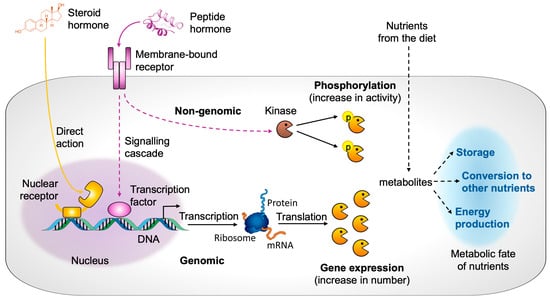
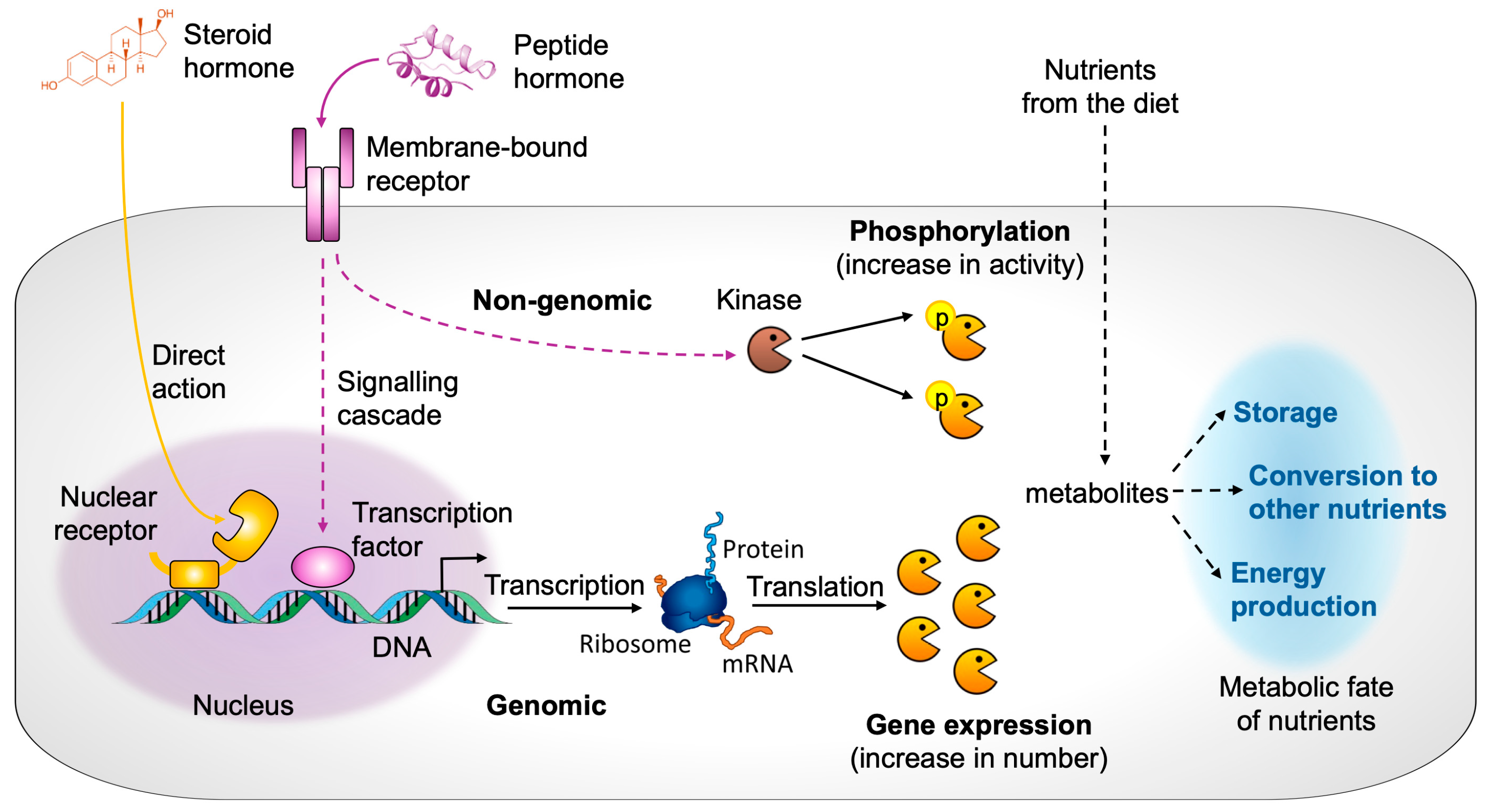
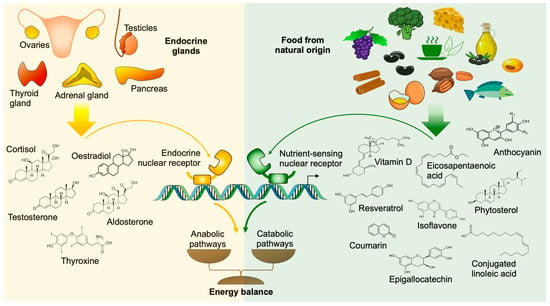
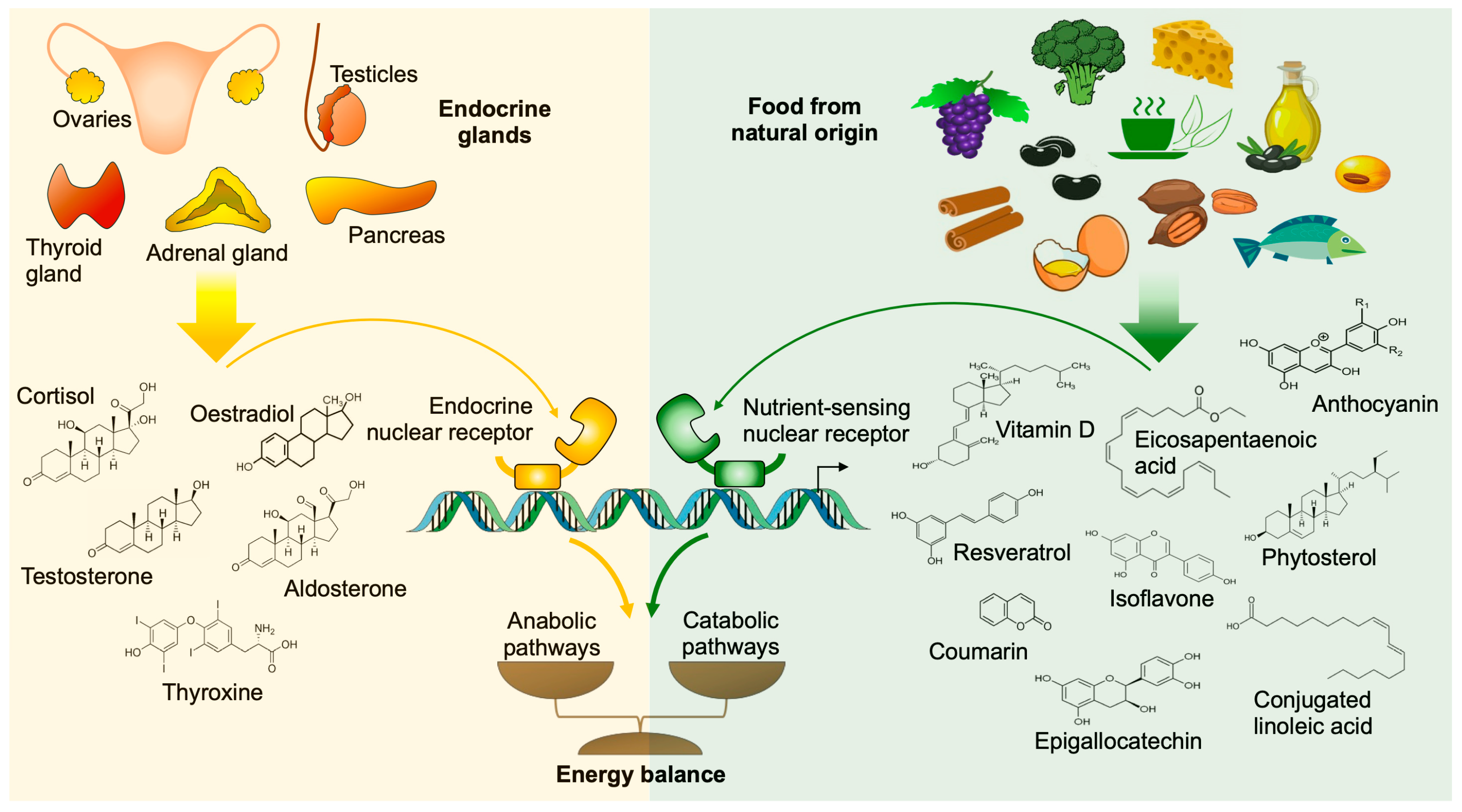
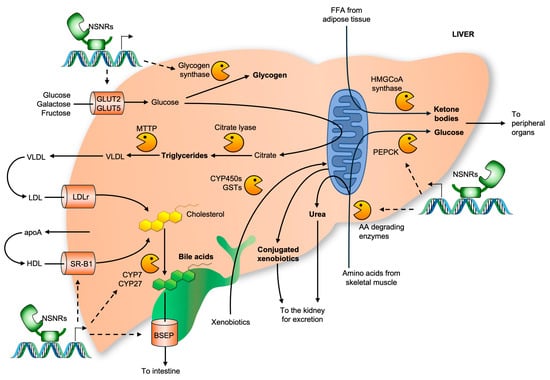
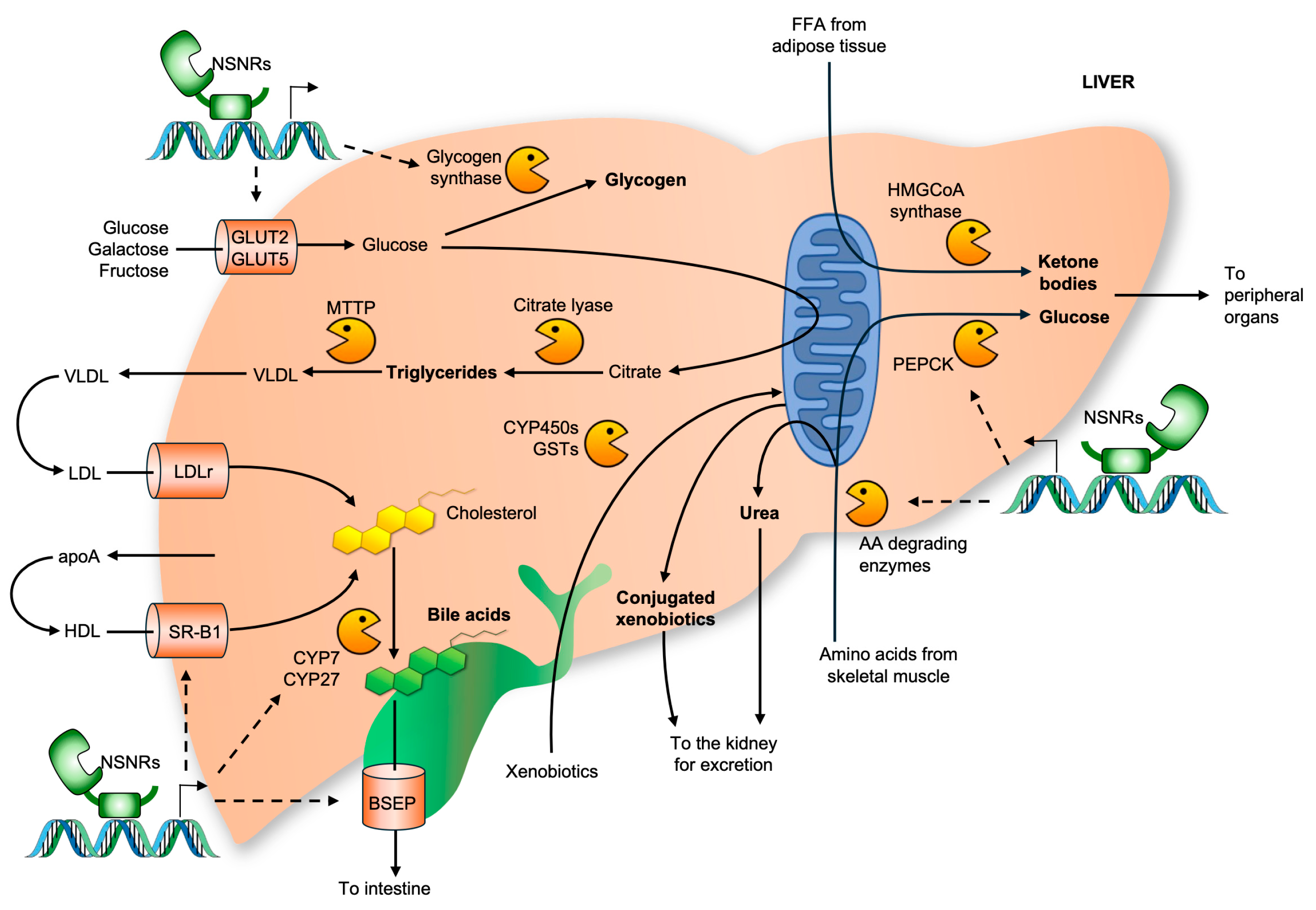
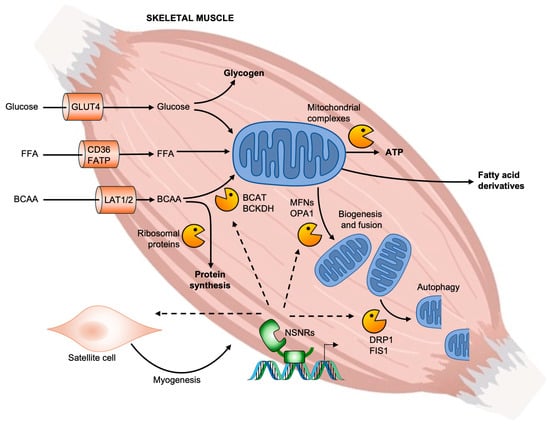
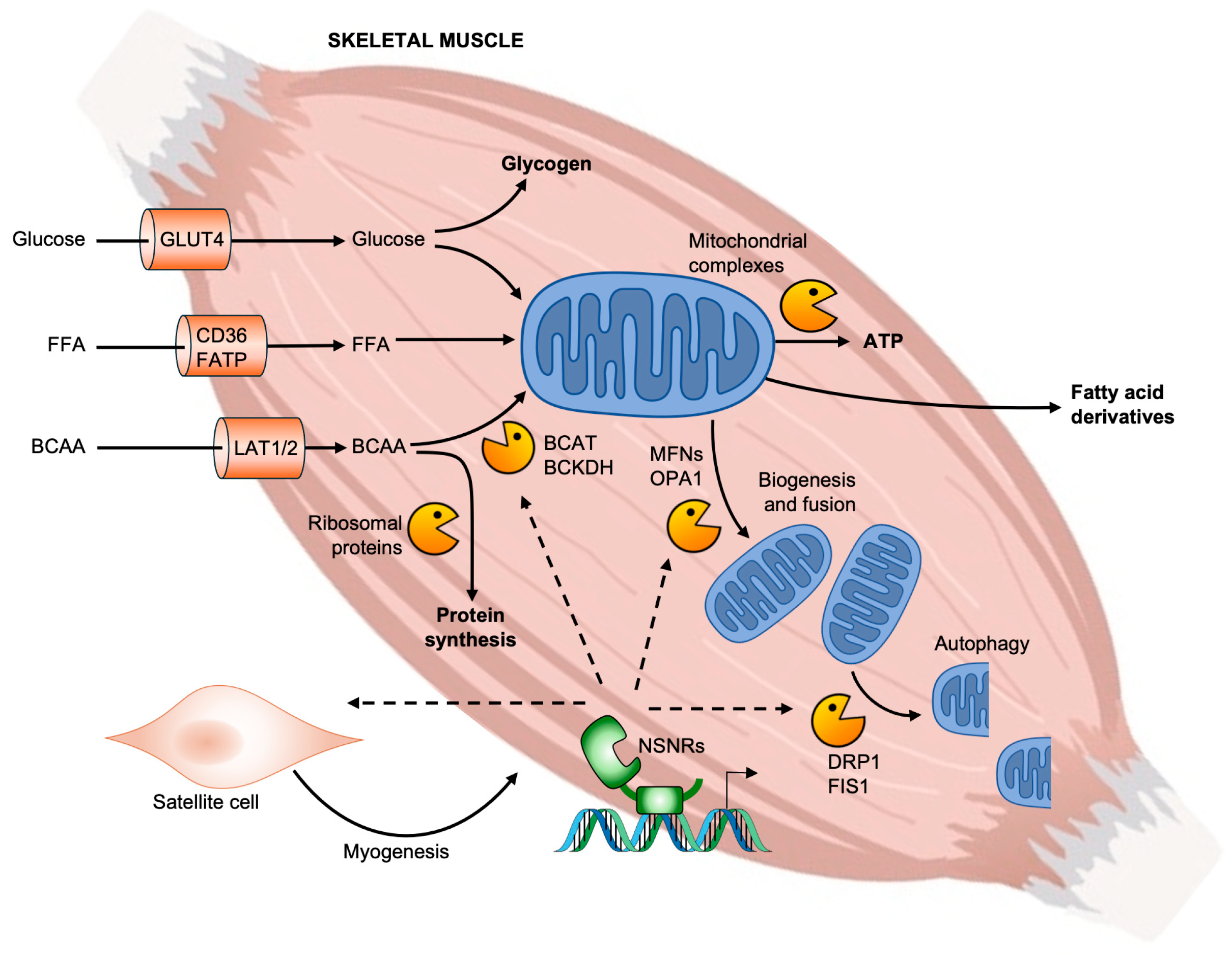
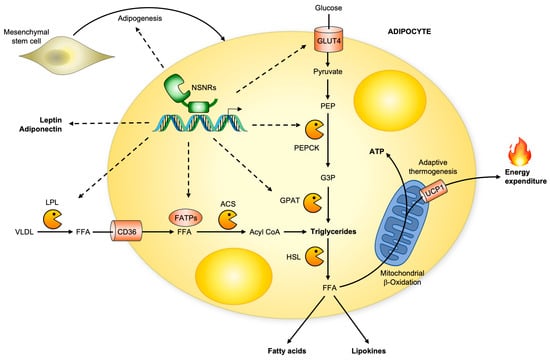
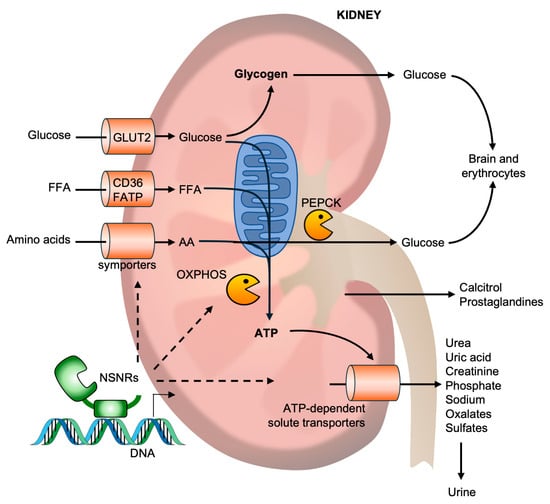
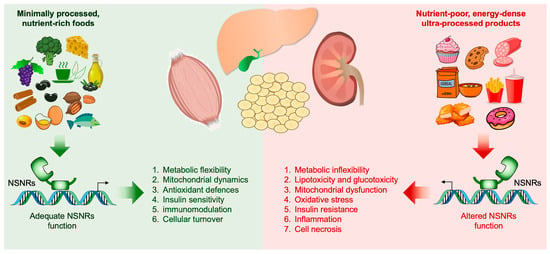
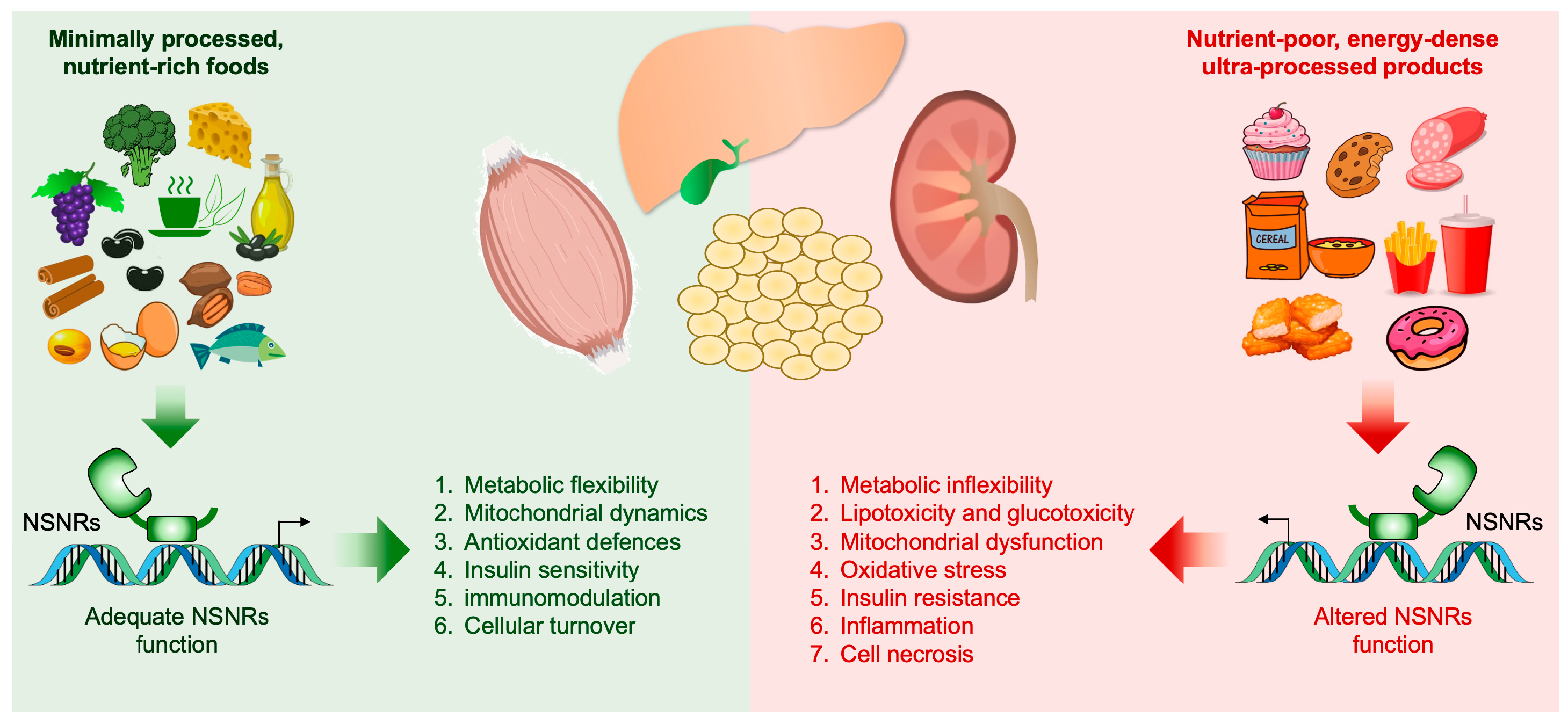
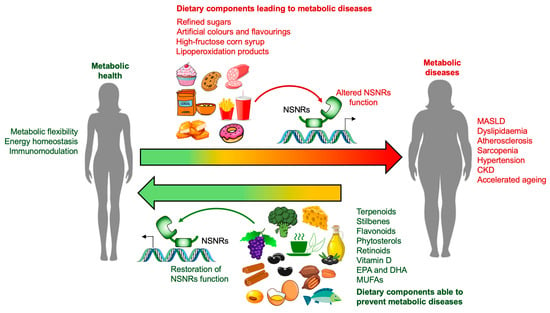
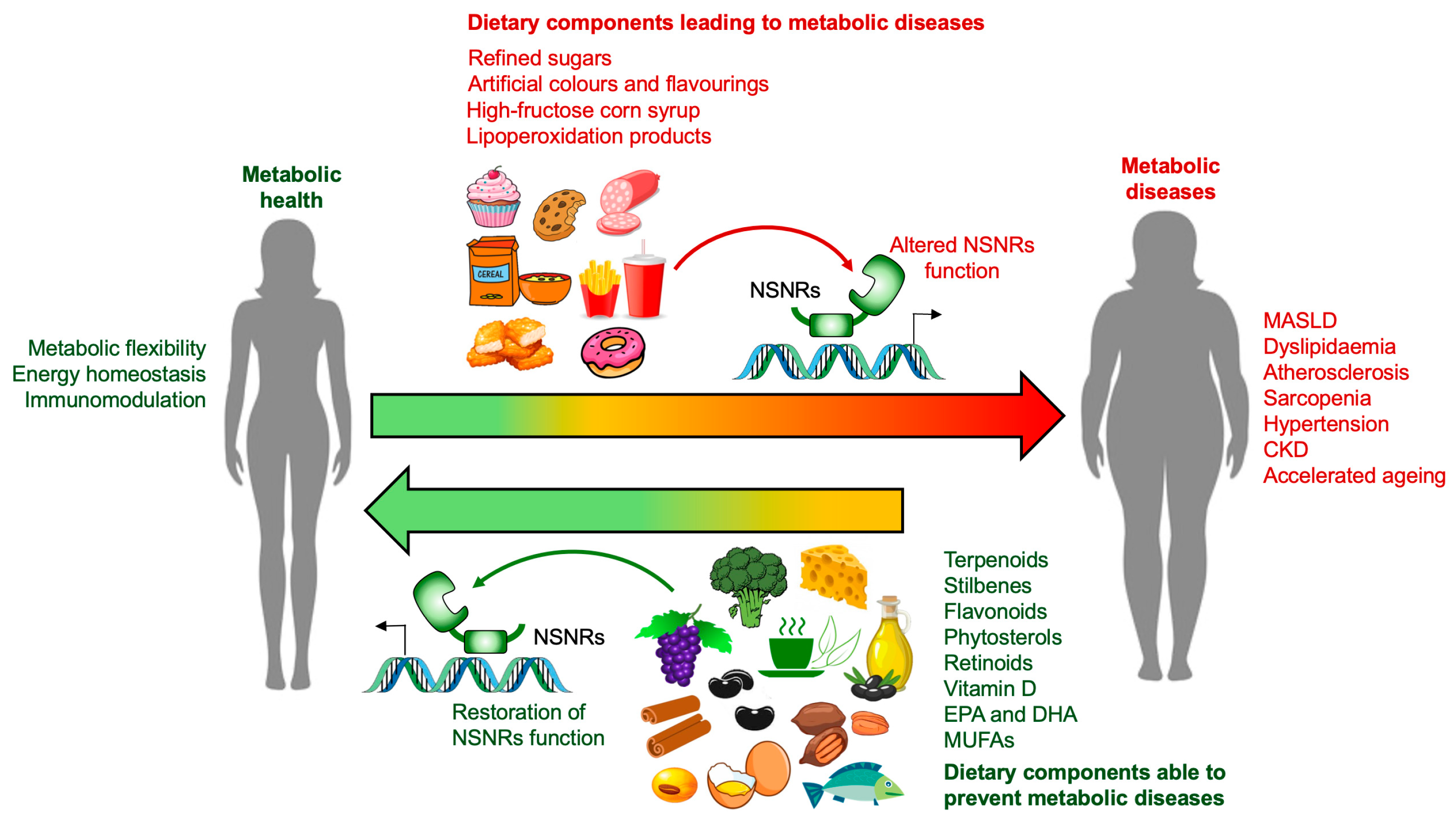
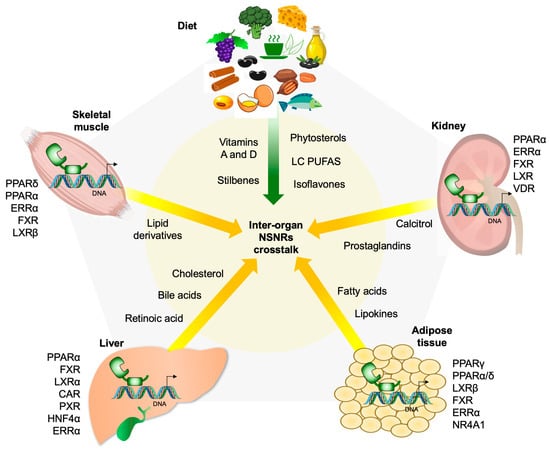
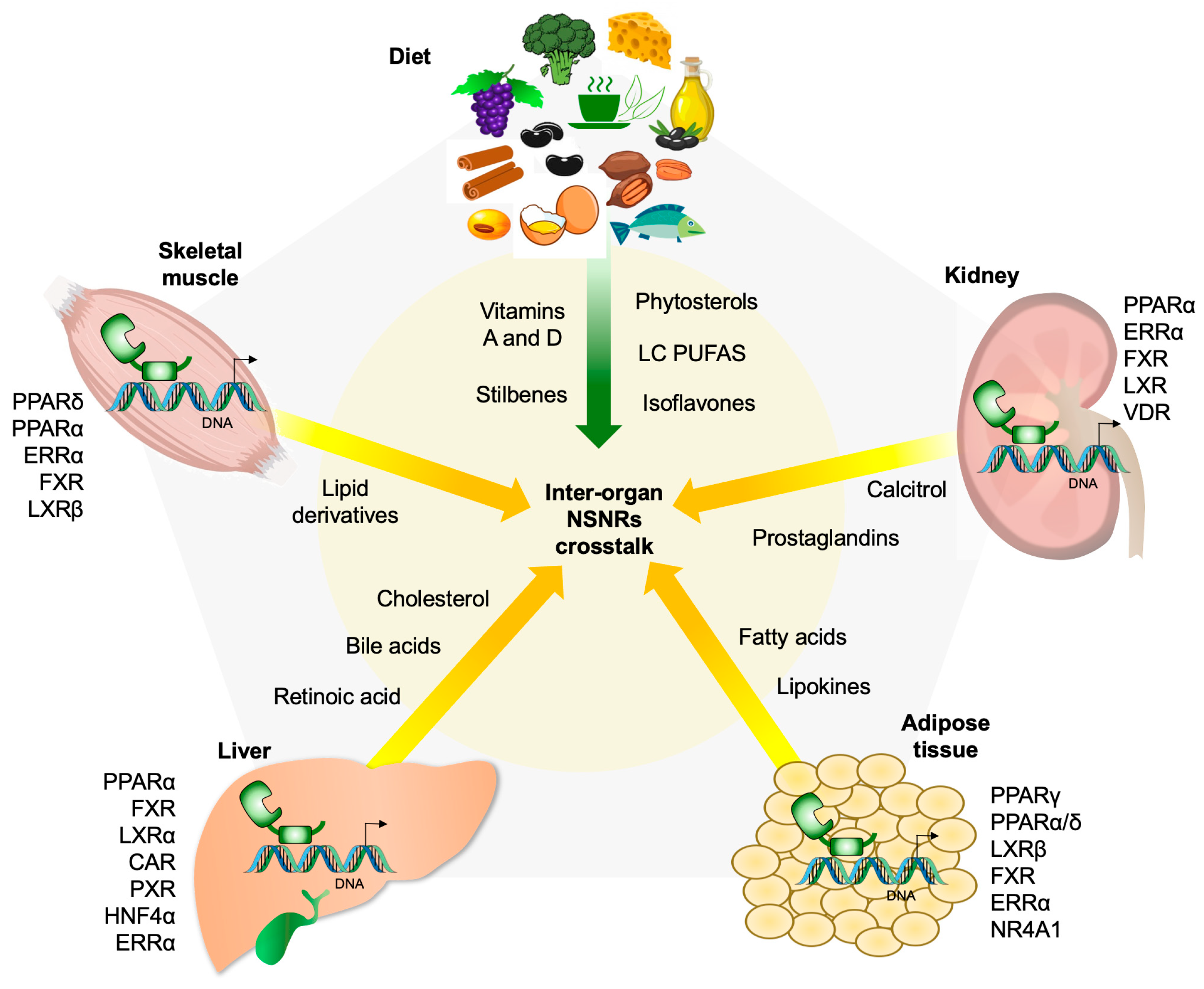

Disclaimer/Publisher’s Note: The statements, opinions and data contained in all publications are solely those of the individual author(s) and contributor(s) and not of MDPI and/or the editor(s). MDPI and/or the editor(s) disclaim responsibility for any injury to people or property resulting from any ideas, methods, instructions or products referred to in the content. |
© 2026 by the authors. Licensee MDPI, Basel, Switzerland. This article is an open access article distributed under the terms and conditions of the Creative Commons Attribution (CC BY) license.