Article

The Preclinical-to-Clinical Empathy Dip: Early Findings from a Longitudinal Study of Medical Students


by
Angelina Van Dyne
1,2,*,
Nicole P. Mirabadi
2,3,4,*,
Federica Klaus
2,4 and
Lisa T. Eyler
2,3,4
1
Joint Doctoral Program in Clinical Psychology, San Diego State University/University of California, San Diego, CA 92120, USA
2
T. Denny Sanford Institute for Empathy and Compassion, University of California, San Diego, CA 92037, USA
3
University of California San Diego School of Medicine, La Jolla, CA 92093, USA
4
Department of Psychiatry, University of California, San Diego, CA 92121, USA
*
Authors to whom correspondence should be addressed.
Int. Med. Educ. 2026, 5(2), 56; https://doi.org/10.3390/ime5020056
Submission received: 12 May 2026 / Revised: 12 June 2026 / Accepted: 16 June 2026 / Published: 18 June 2026

Abstract

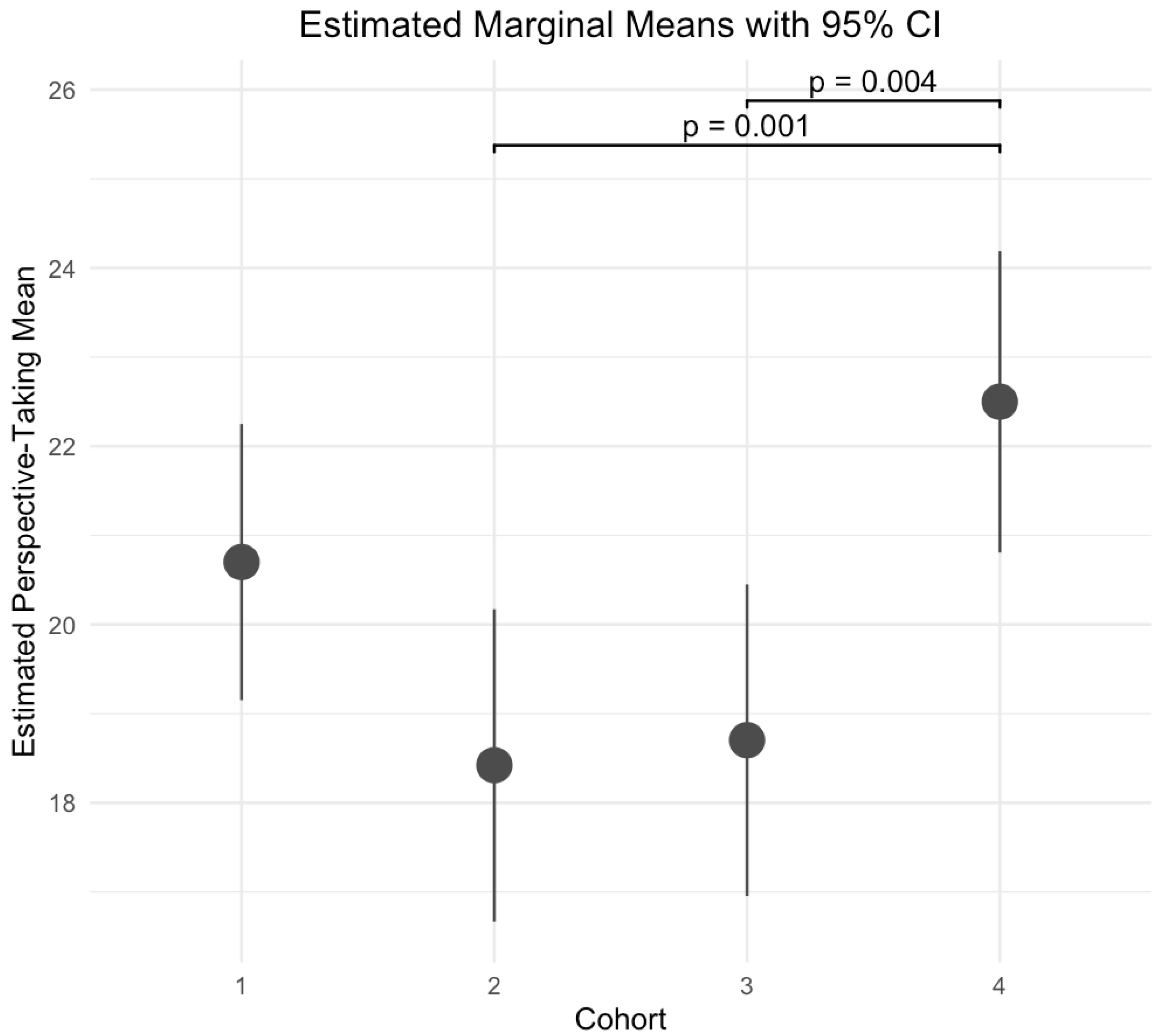
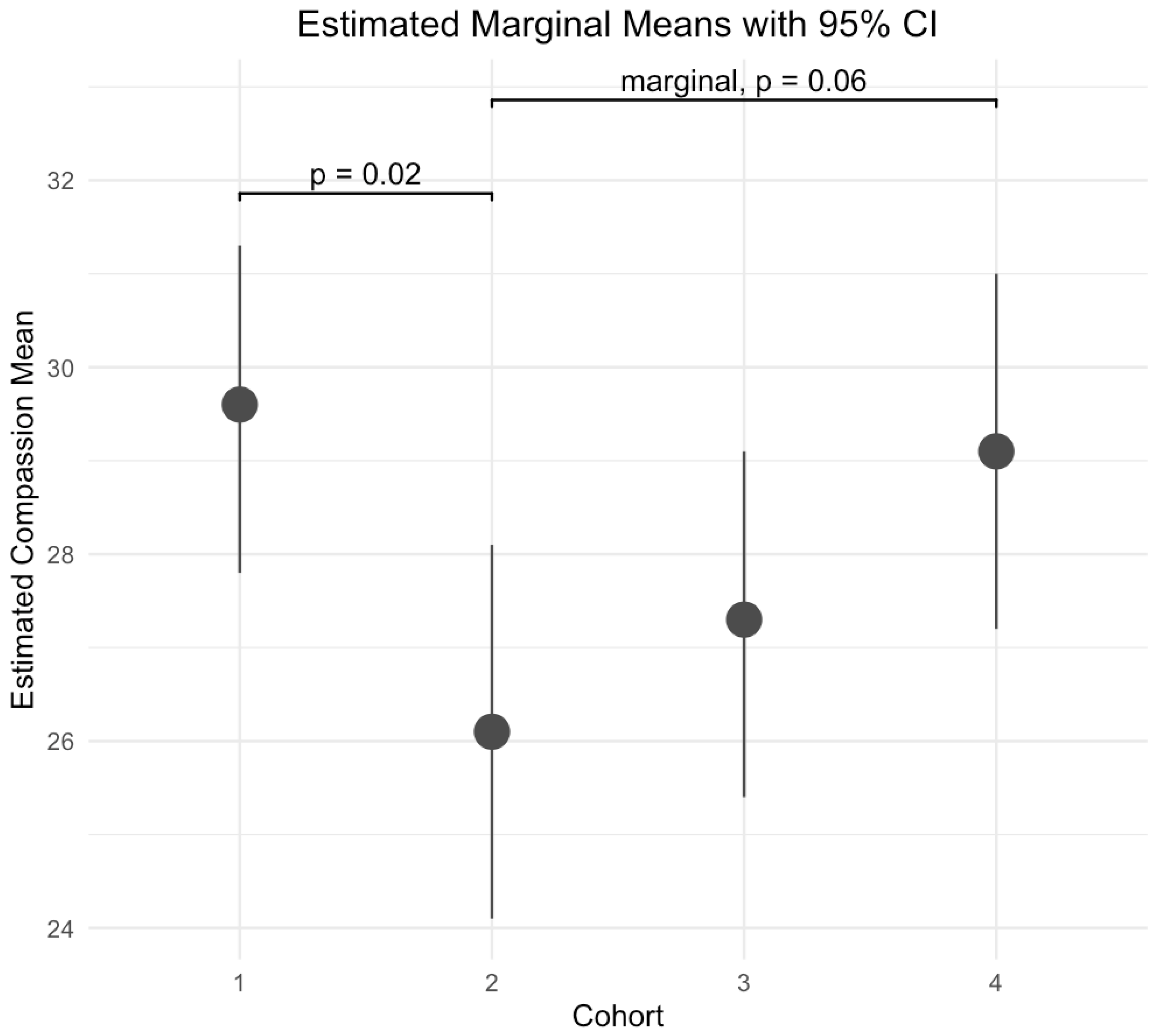
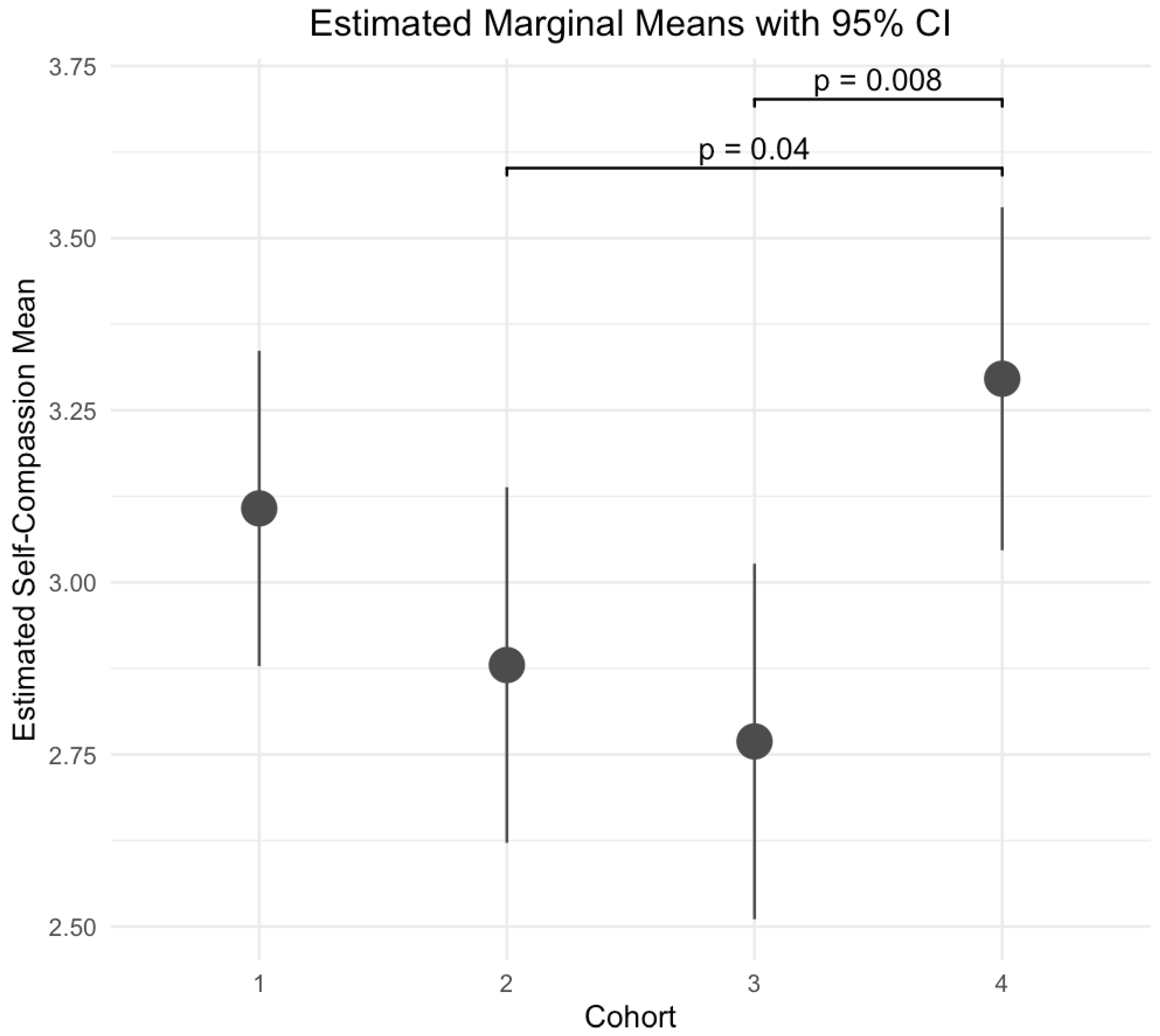
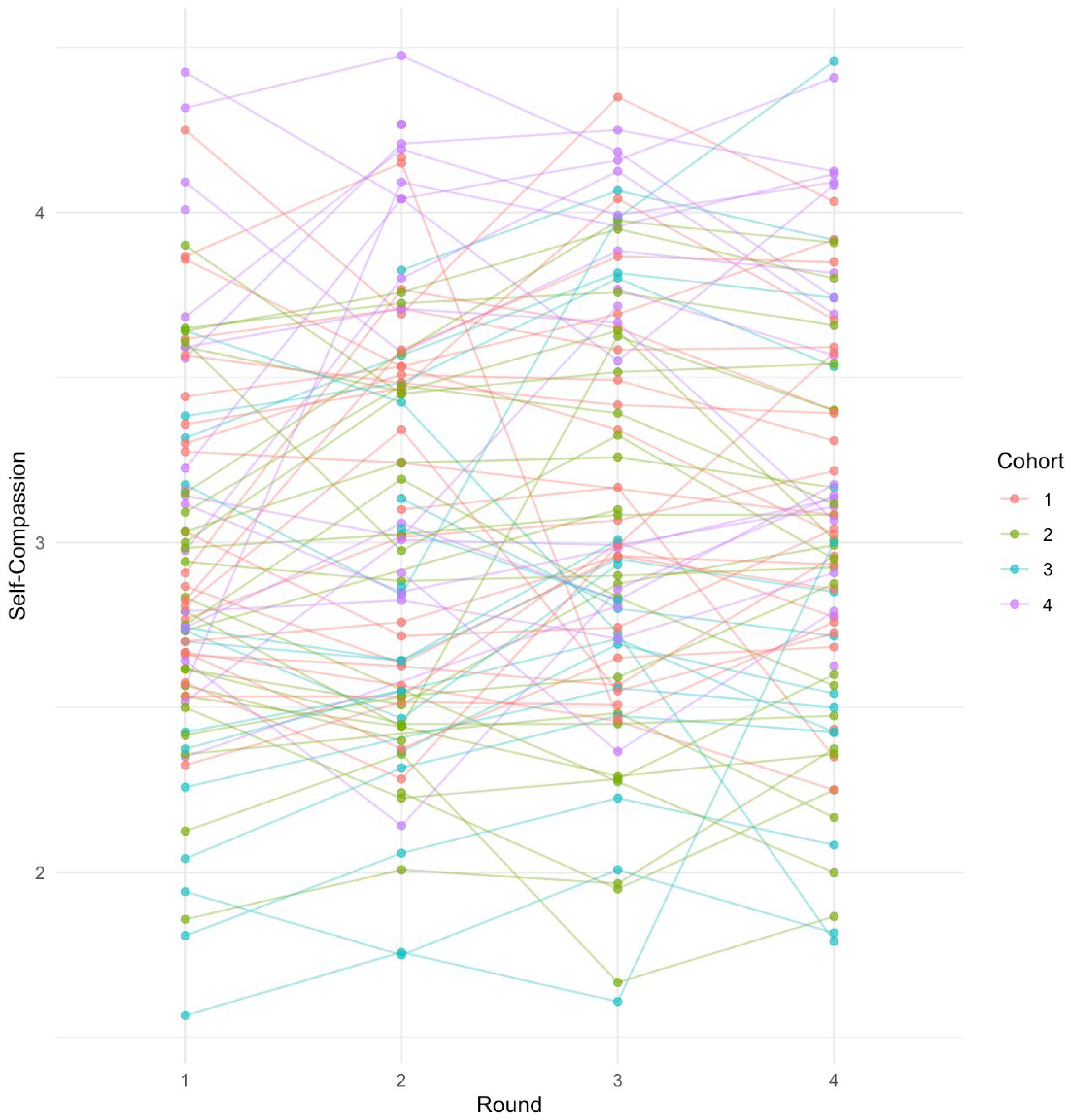
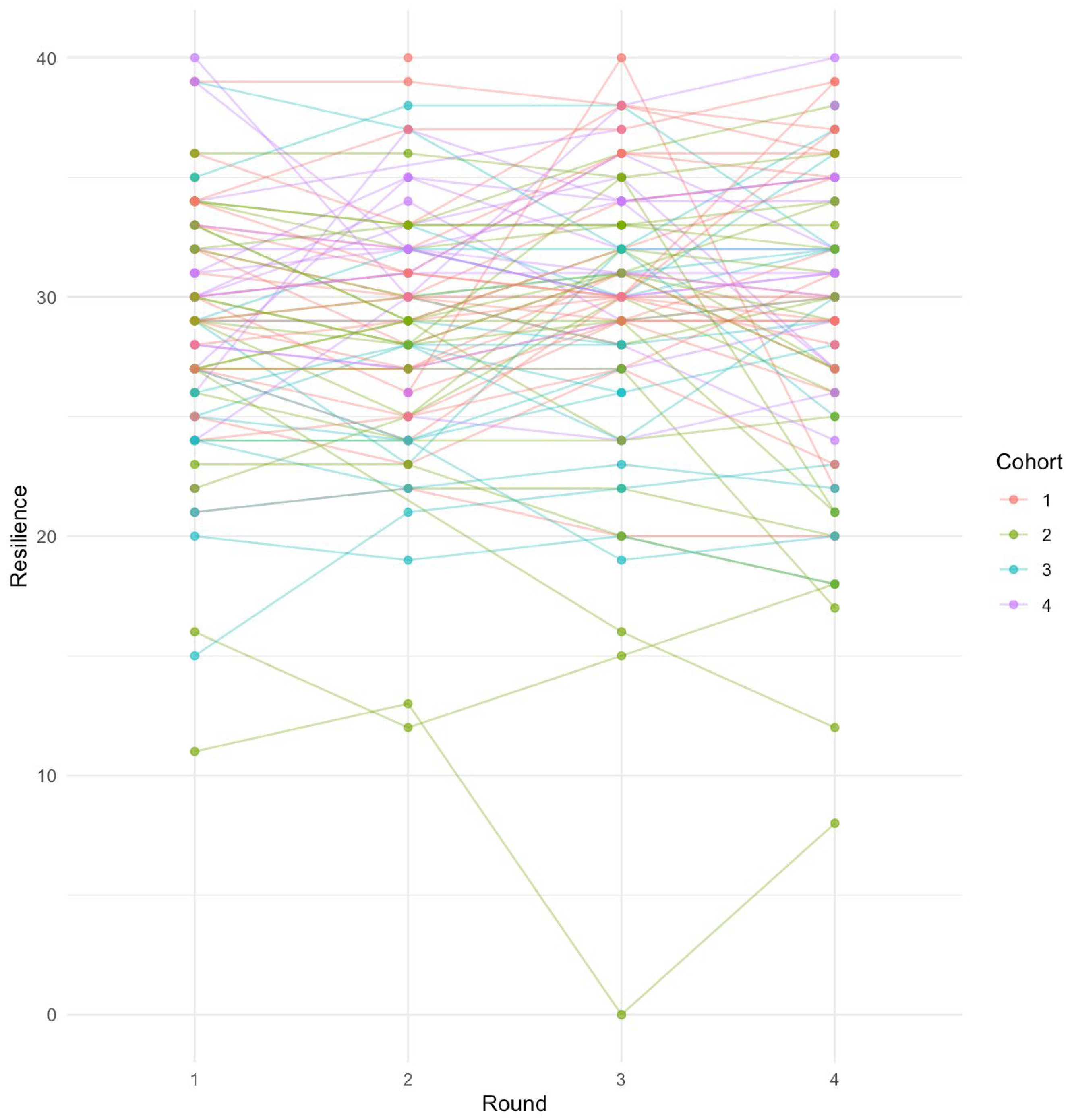
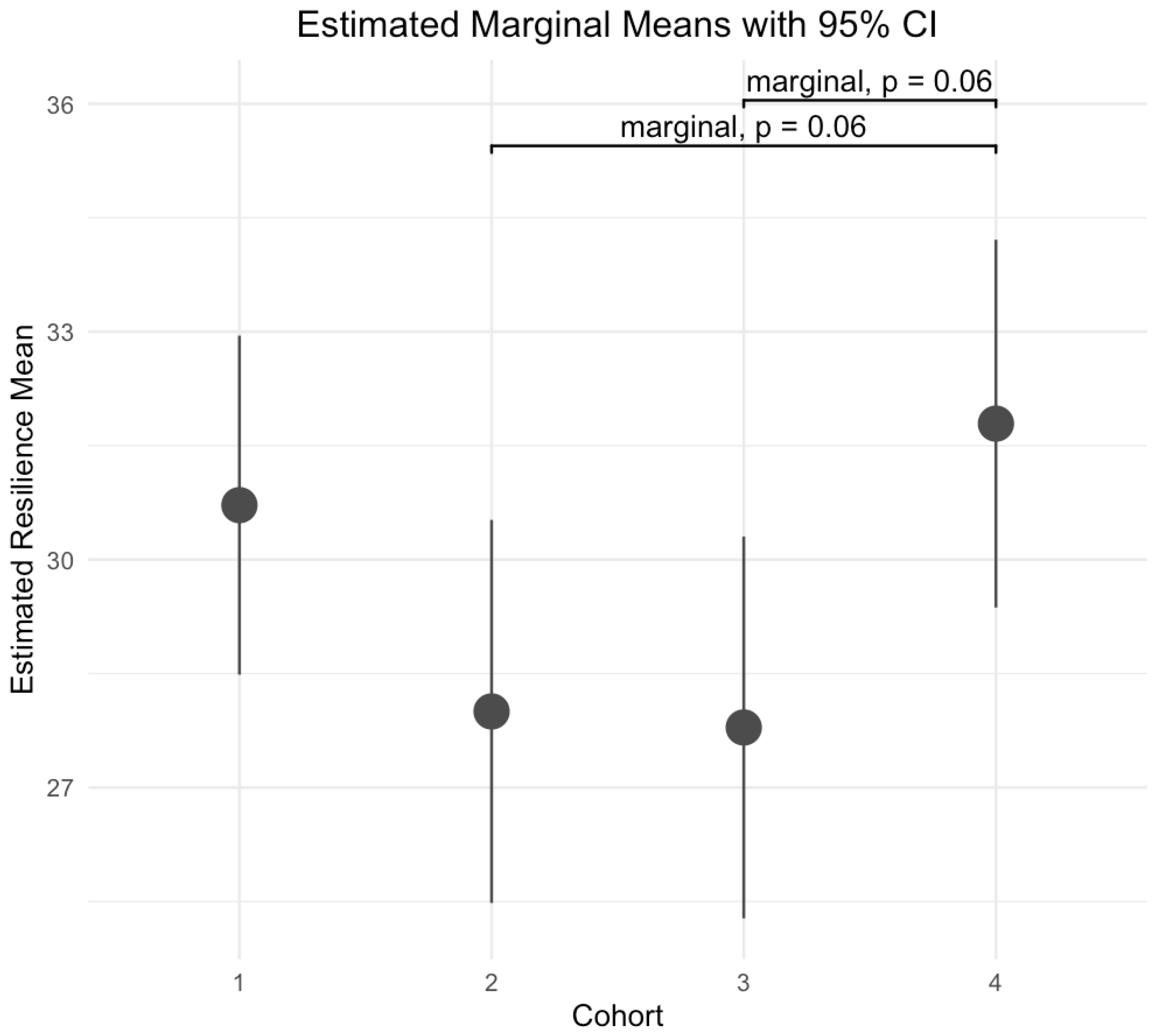
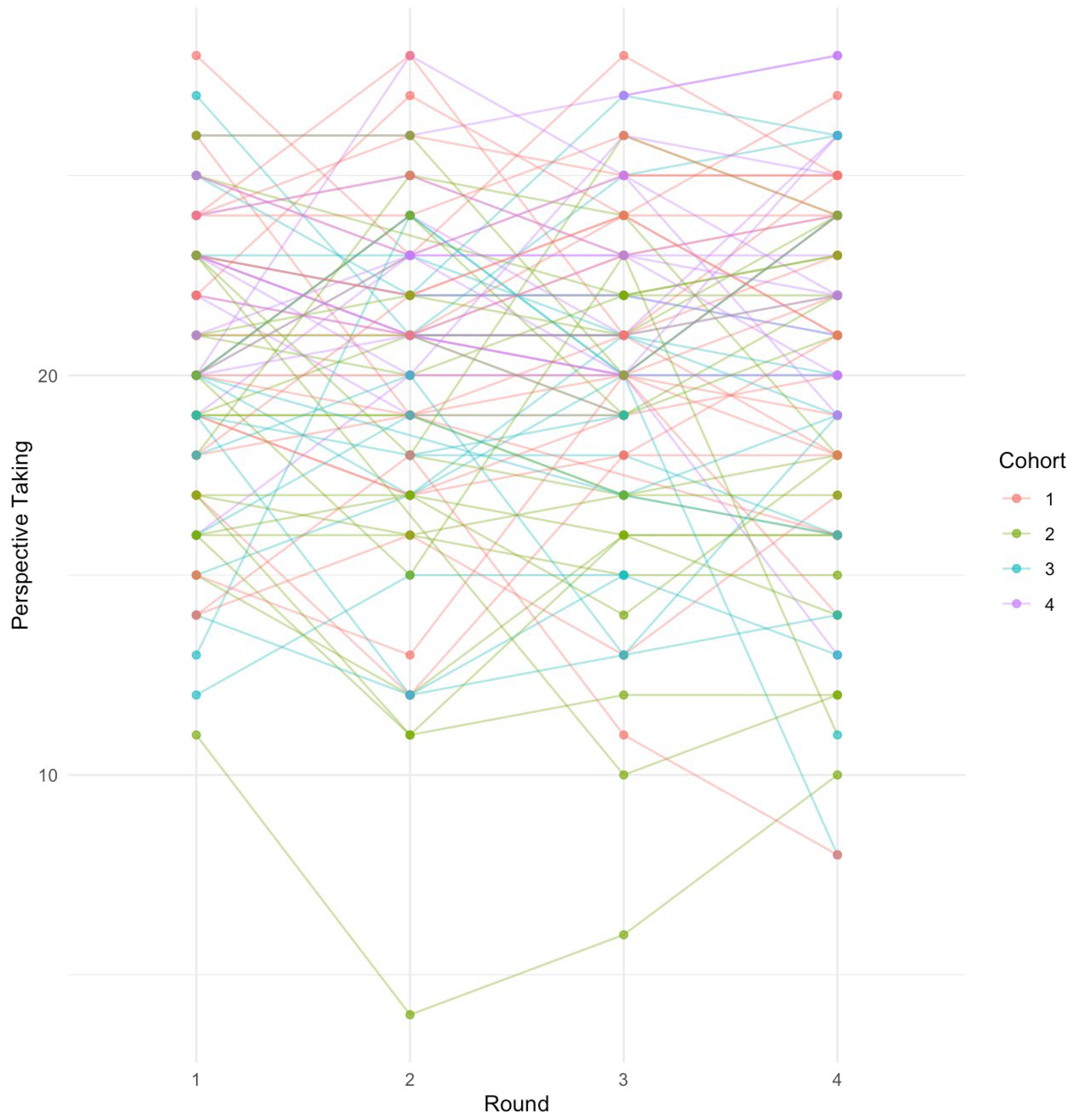
Background: Empathy, compassion, self-compassion, and resilience are essential to medical practice and education. While some evidence shows that these traits may decline during medical school, few studies have examined all these capacities in the same cohorts or trends within an academic year. This study examines first-year longitudinal findings on cohort and within-year changes in these constructs among medical students. Methods: 98 students (58.2% female; Mage = 26.34 (2.86); 37.8% White; MS1 25.5%, MS2 25.5%, MS3 20.4%, MS4 26.5%) from a large US school participated in at least one wave of an online survey distributed 4 times during the 2023–2024 academic year. Validated measures assessed empathy (IRI), compassion (SCBCS), self-compassion (Neff SCS), and resilience (CD-RISC-10). Linear mixed models analyzed between-cohort differences over time with gender and race/ethnicity as covariates. Results: Compared to MS4 students, MS2 and MS3 students had significantly lower cognitive empathy and self-compassion, with marginally lower compassion and higher resilience (p = 0.06). Women reported higher compassion toward others but lower self-compassion and resilience than men. Conclusions: Lower empathy and compassion were observed as early as the second year of medical school, suggesting erosion factors, such as academic pressure and standardized testing, may impact trainees earlier than previously reported.
Keywords: empathy; compassion; self-compassion; resilience; medical education; longitudinal study empathy; compassion; self-compassion; resilience; medical education; longitudinal study