Article

Incidence of Adverse Drug Reactions at the University Hospital Center of Libreville, Gabon: From Data Collection to a Risk Minimization Plan


1
Pharmacoeconomics and Pharmacoepidemiology Team, Pharmacology and Toxicology Laboratory, Faculty of Medicine and Pharmacy, Mohammed V University, Rabat 6203, Morocco
2
Dermatology Department, University Hospital of Libreville, Libreville 10736, Gabon
3
Pharmacy Department, University Hospital of Libreville, Libreville 10736, Gabon
4
Center for Research in Health Sciences, Faculty of Medicine, International University of Rabat, Rabat 11103, Morocco
*
Author to whom correspondence should be addressed.
Pharmacoepidemiology 2026, 5(1), 4; https://doi.org/10.3390/pharma5010004 (registering DOI)
Submission received: 3 October 2025 / Revised: 29 December 2025 / Accepted: 13 January 2026 / Published: 16 January 2026

Abstract

Background: According to the literature, adverse drug reactions (ADRs) account for 5–10% of hospital admissions and affect 25–30% of hospitalized patients, but no data are available for Gabon. Objectives: To estimate the incidence of ADRs among hospitalized patients at the Libreville University Hospital Center (CHUL) and to classify them according to their frequency, severity, mechanism and preventability, while proposing appropriate risk minimization strategies. Patients and Methods: A 14-month, single-center, prospective study included all patients experiencing ADRs, excluding those without ADRs or with intentional overdoses. ADRs were analyzed using the World Health Organization (WHO) causality assessment, the ATC classification, and Rawlins and Thompson criteria. Data were actively collected from patients and hospital records. Results: Among 4999 patients, 105 experienced 177 adverse events (incidence: 3.5%, 95% CI: 1.7–2.5%). Among the identified ADRs, 42% were serious. Nausea and vomiting were the most frequent ADRs, mainly caused by analgesics (nefopam, tramadol) and antibiotics (amoxicillin–clavulanic acid). The gastrointestinal and nervous systems were the most affected. According to the Rawlins and Thompson classification, 90% of ADRs were type A, 8% type B, and 2% type E (withdrawal syndrome). Overall, 90% of ADRs were preventable. Conclusions: This study highlights the importance of pharmacovigilance at CHUL, Gabon, and emphasizes the role of healthcare professionals in ADR reporting and risk minimization.

1. Introduction

A medicine may be highly effective in treating a disease, but it can also cause a number of adverse drug reactions (ADRs). According to the WHO’s definition an ADR is a response to a drug that is noxious and unintended, and occurs at doses normally used in human for the prophylaxis, diagnosis, and treatment of disease, or for modification of physiological function [1,2]. ADRs represent a major and persistent concern in the healthcare sector [3].
ADRs are considered serious (SADRs) when they result in death, are life-threatening, require or prolong hospitalization, cause significant and lasting disability or incapacity, or result in a congenital anomaly or malformation [4,5,6,7]. In contrast, an ADR is considered non-serious (NSADR) when it does not meet any of the aforementioned seriousness criteria [8].
The detection and systematic analysis of drug-related ADRs has become a significant area of study in terms of continuous improvement in the quality of care and risk management in hospitals, particularly since ADRs account for 5 to 10% of hospital admissions and consultations in outpatient clinics [9,10].
In Gabon, no data on their incidence are available in the literature. This gap motivated our study, whose objective was to estimate the incidence of ADR among patients hospitalized at the University Hospital Center of Libreville (CHUL), to classify these ADRs according to age, sex, severity, affected systems and organs, mechanism of occurrence, as well as their preventability, and then to analyze them in order to propose risk-minimization measures aimed at strengthening medication safety and improving the quality of patient care.

2. Results

2.1. Flow and Incidence of ADR

Among the 4999 patients admitted during the study period, 177 ADRs were identified in 105 patients.
  • Event-based incidence: 3.5% (177/4999; 95% CI [1.7–2.5%]).
  • Patient-based incidence: 2.1% (105/4999; 95% CI [1.7–2.5%]).

2.2. Causality Assessment According to the WHO Method

A total of 177 ADRs were assessed using the WHO causality assessment. The results of this assessment are presented in Table 1:

2.3. Distribution by Department

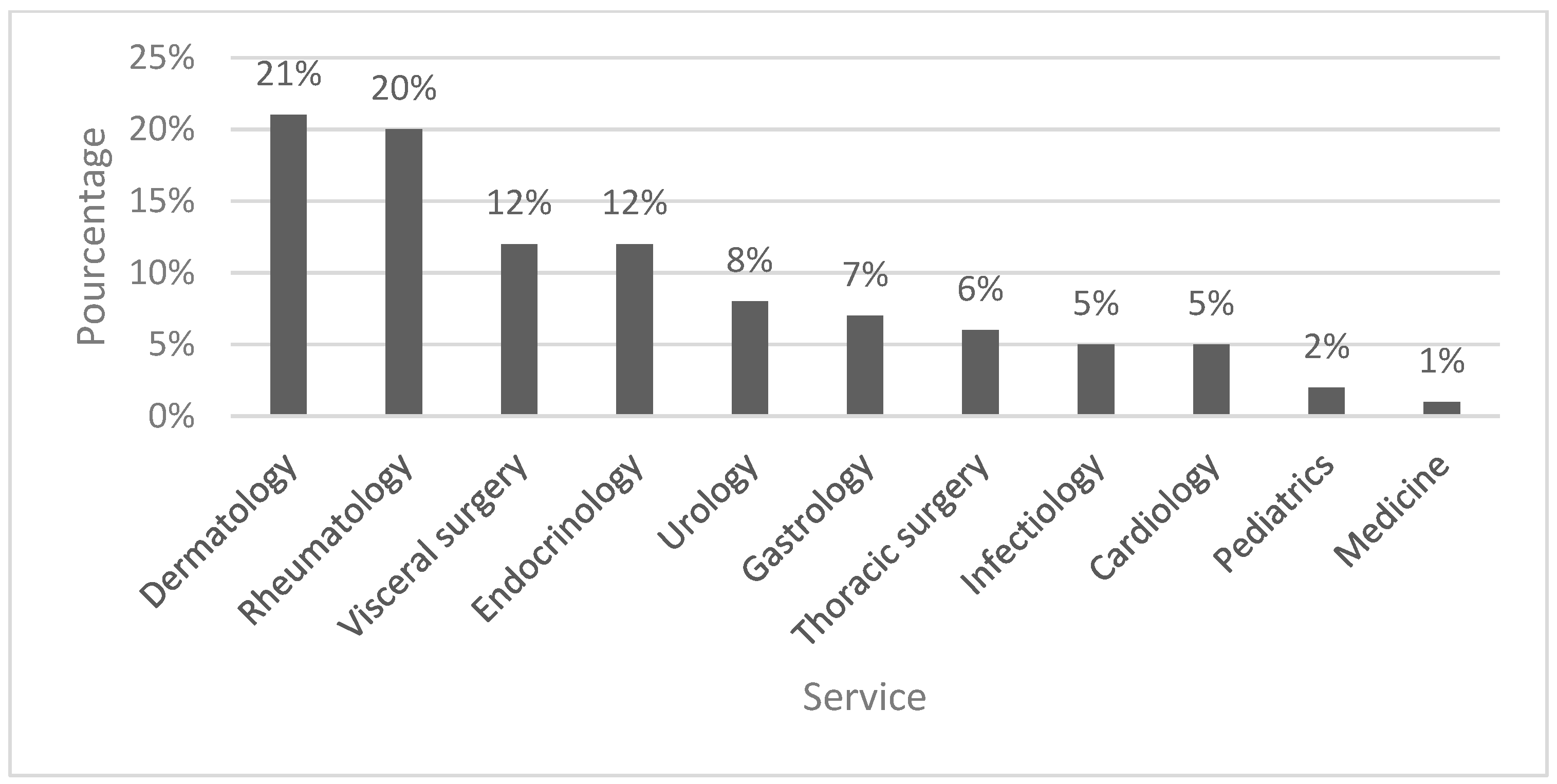
The dermatology department recorded the highest number of cases, with 21% (n = 38) of ADRs, closely followed by the rheumatology department with 20% (n = 36). The distribution of ADRs across hospital departments is illustrated in Figure 1.
  • Descriptive analysis of ADRs collected

2.4. Age Distribution

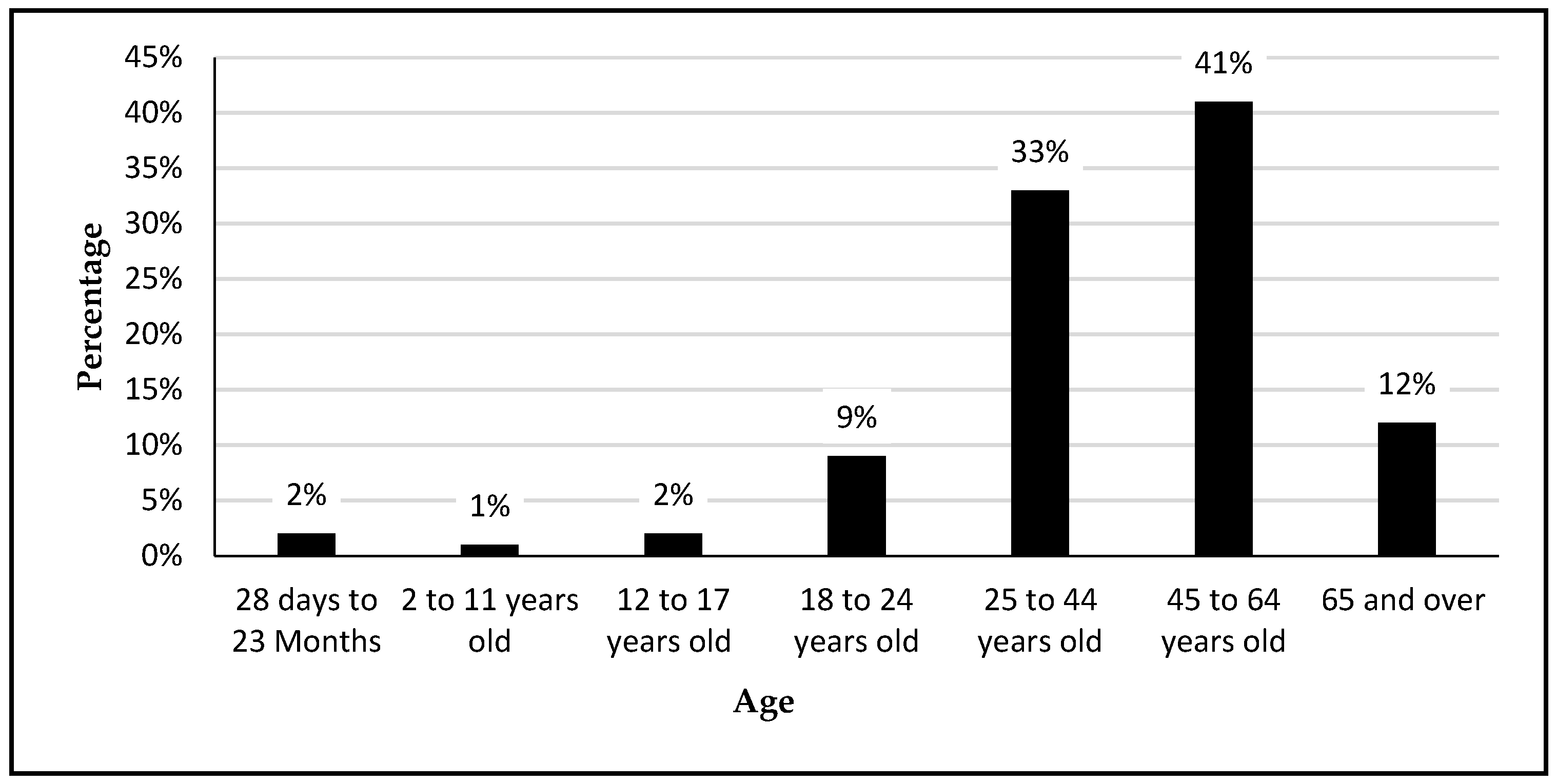
The average age of the patients was 44.7 ± 16.8 years. The majority of ADRs occurred in patients aged 25–44 and 45–64 (Figure 2).

2.5. Gender Distribution

Among the 105 patients studied, women accounted for 60.9% of cases, while men represented 39.1%.

2.6. Distribution by Severity

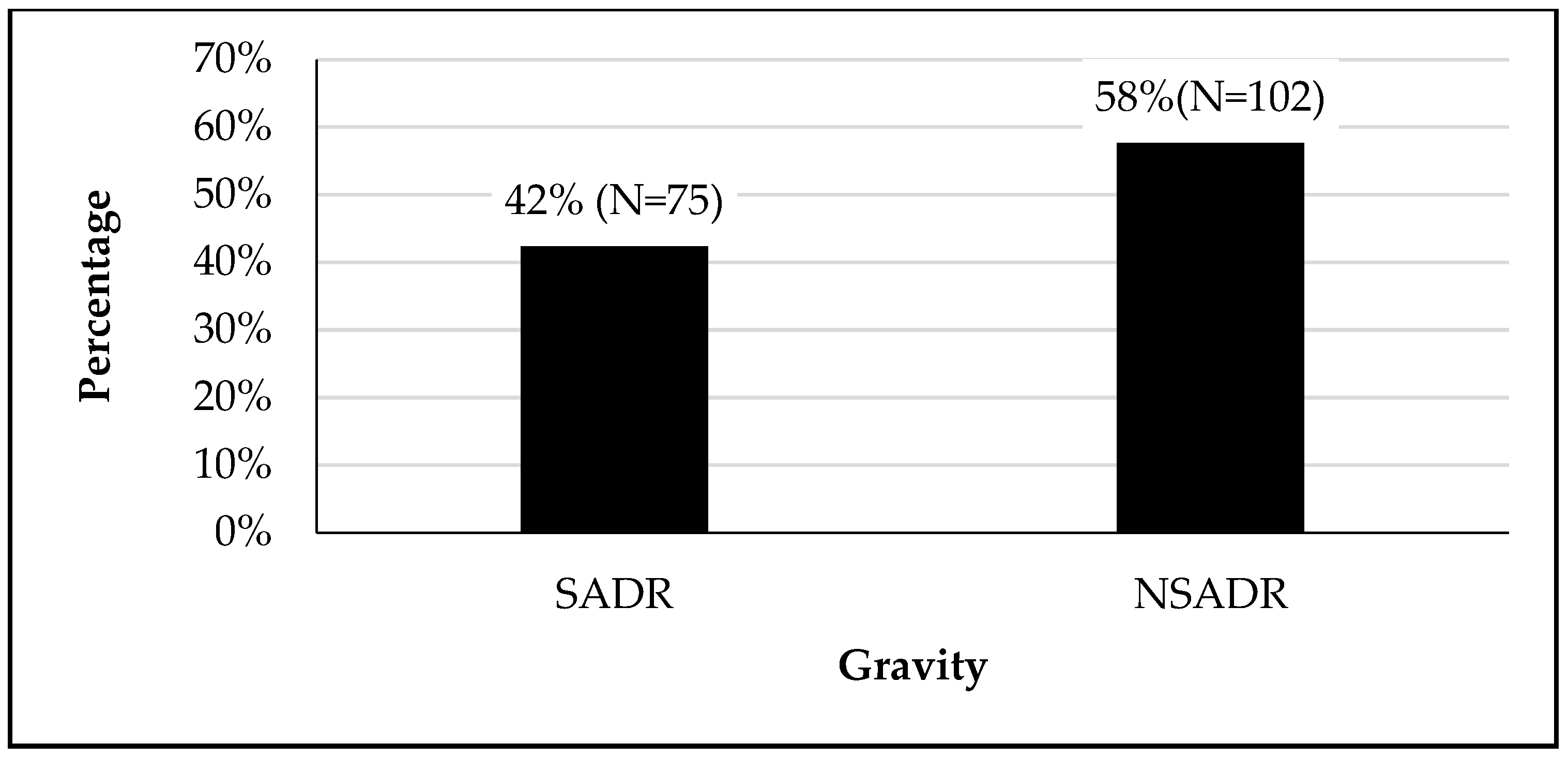
Of a total of 177 ADRs, 75 were classified as serious and the remaining 102 were non-serious (Figure 3).

2.7. Distribution of ADR by Severity Level

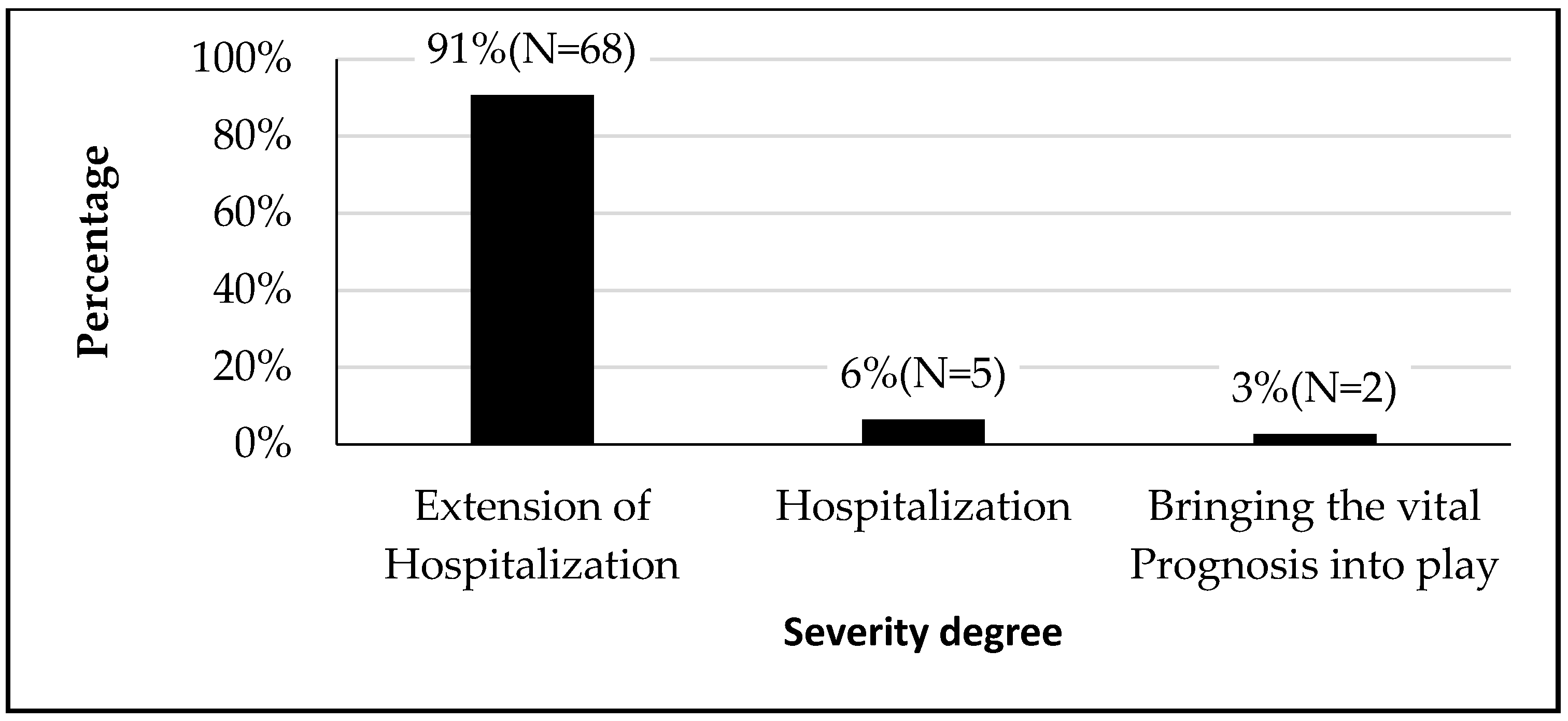
A total of 75 SADRs were identified. Among them, 68 cases (91%) resulted in prolonged hospitalization. Five cases including four Stevens–Johnson syndromes and one case of foot swelling, required a hospitalization (Table 2). Finally, 2 cases, corresponding to a DRESS syndrome and severe anemia, represented life-threatening situations (Figure 4).

2.8. Distribution of ADRs and Drugs at Admission and During Hospitalization

Of the 177 ADRs identified, 5 serious SADRs were recorded at admission (4 cases of Stevens-Johnson syndrome [SJS] and 1 case of foot swelling), while 172 serious or non-serious ADRs were observed during hospitalization.
Five drugs were already present at admission: fluconazole (n = 1), allopurinol (n = 1), lidocaine (n = 1), and the sulfamethoxazole–trimethoprim combination (n = 2). During hospitalization, the majority of drugs were introduced (n = 106), mainly analgesics (n = 46), antibiotics (n = 15), and antihypertensives (n = 10). (Table 3).

2.9. Distribution of Causal Drug Classes and Their Adverse Effects by Age Group

Among adults (18–64 years), adverse effects were mainly observed with analgesics (65.8%, n = 73), followed by antibiotics (24.3%, n = 27) and antihypertensives (6.3%, n = 7). The most frequent adverse effects were nausea and vomiting (46.8%, n = 52 each), mostly related to analgesics and antibiotics, while dizziness (7.2%, n = 8) was primarily associated with antihypertensives.
In elderly patients (≥65 years), analgesics remained predominant (35%, n = 7), followed by antihypertensives (15%, n = 3) and other classes such as hypouricemics and anti-inflammatories (5%, n = 1 each). The most frequent adverse effects were nausea and vomiting (35%, n = 7 each), diarrhea (10%, n = 2), and serious cutaneous reactions such as DRESS and necrolysis (15%, n = 3).

2.10. Distribution of ADRs According to the ATC Classification

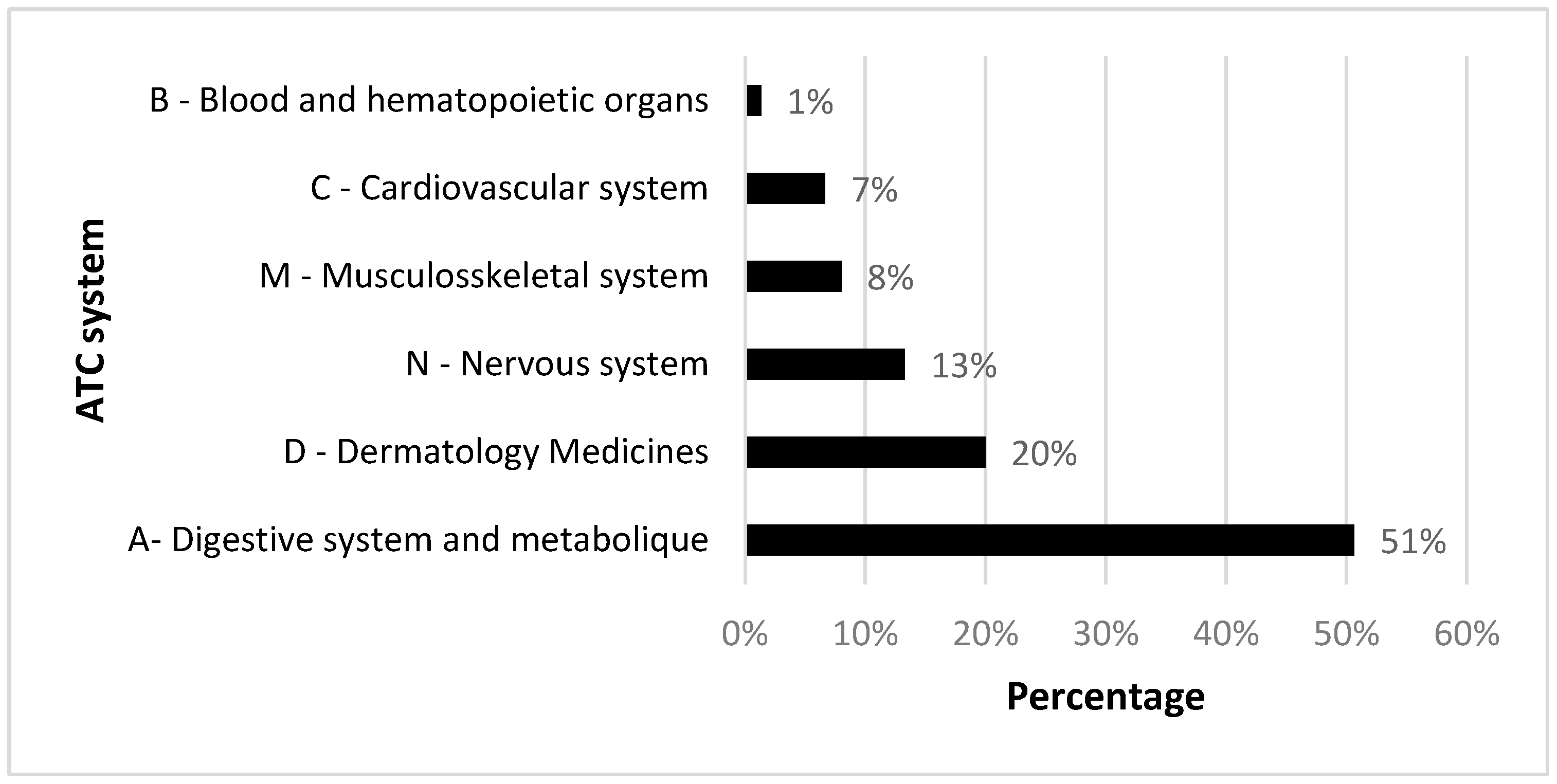
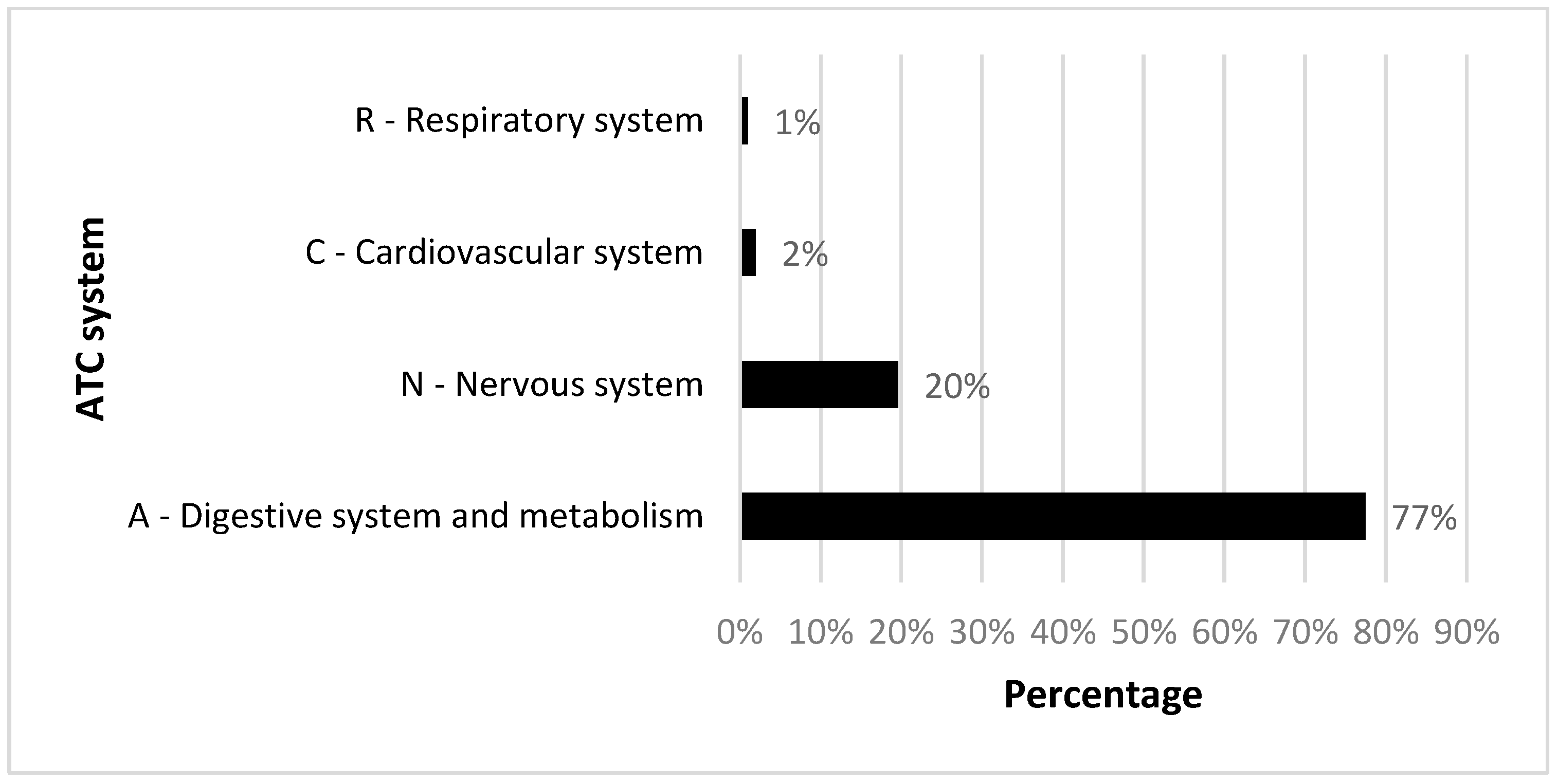
A total of 177 ADRs were induced by medications acting on various body systems and organs according to the ATC classification. Among the main SADRs (75), 38 were related to drugs targeting the alimentary tract and metabolism, 10 to nervous system medications, and 15 to those acting on the skin and subcutaneous tissue. Other systems, such as systemic anti-infectives, blood and blood-forming organs, the musculoskeletal system, the respiratory system, and the cardiovascular system, were only minimally represented (Figure 5). For NSADRs (102), 79 were induced by drugs acting on the alimentary tract and metabolism, while 20 were linked to nervous system medications. Other systems, including blood and blood-forming organs and the cardiovascular system, were only slightly represented (Figure 6).

2.11. Distribution of ADRs According to Therapeutic Classes, Affected Systems, and Their Nature

The analysis of drugs involved in ADRs, according to their therapeutic class and the affected systems or organs, showed that gastrointestinal disorders were the most frequent, accounting for 117 ADRs, mainly associated with analgesics (n = 46) and antibiotics (n = 9). Nervous system disorders were the second most common, with 30 ADRs, primarily attributed to analgesics (n = 14) and antibiotics (n = 5). Skin and subcutaneous tissue disorders accounted for 15 ADRs, including 3 related to analgesics and 3 to antibiotics. The cardiovascular system recorded 7 ADRs, attributed to antihypertensives (n = 1). Musculoskeletal system disorders totaled 6 ADRs, linked to analgesics (n = 1) and anti-inflammatory drugs (n = 1).
Finally, the blood and hematopoietic organ systems accounted for 1 ADR each, associated with antibiotics (n = 1) and glucocorticoids (n = 1), while the respiratory system recorded 1 ADR related to antibiotics (n = 1) (Table 4).
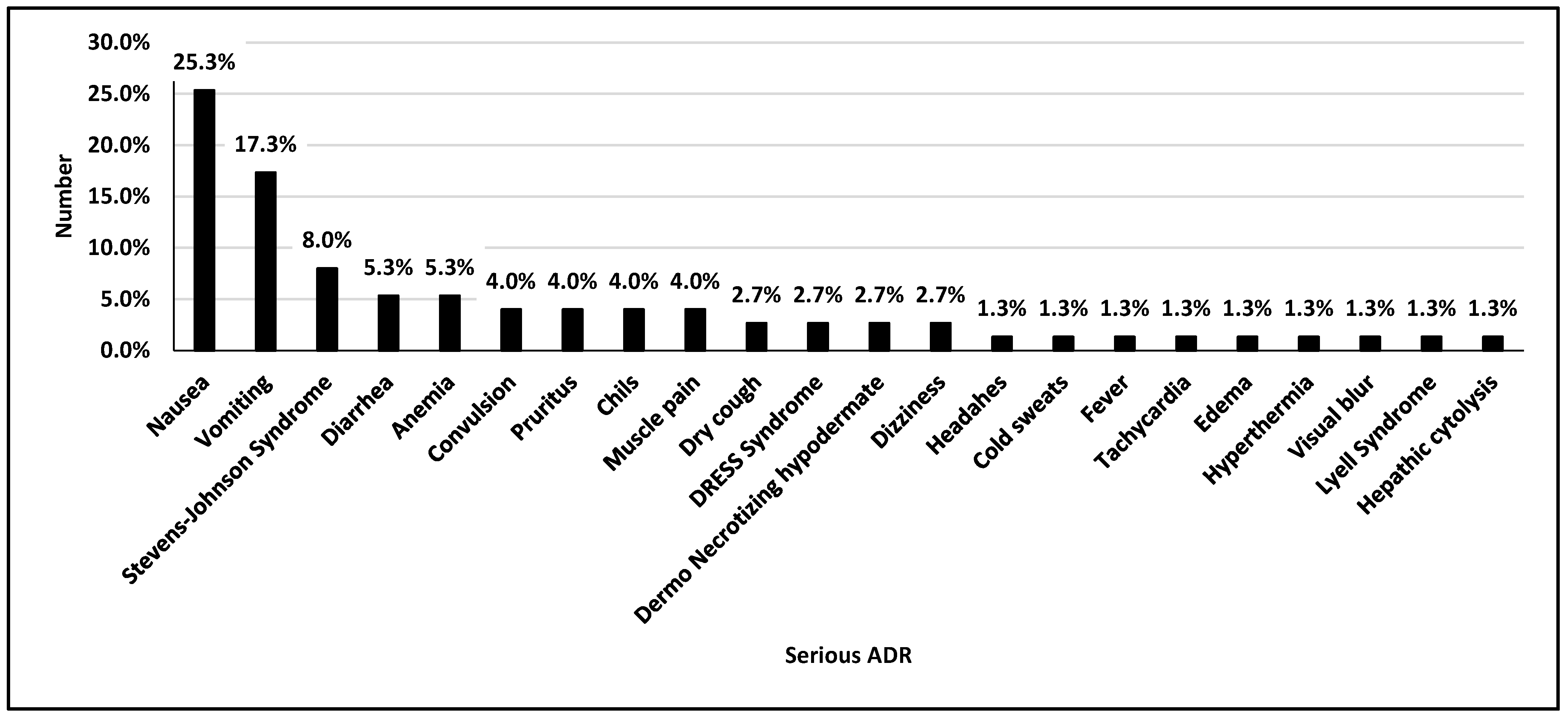
With regard to the nature of ADR, the most frequent SADRs were nausea (25.3%; n = 19), vomiting (17.3%; n = 13), Stevens-Johnson syndrome (8.0%; n = 6), diarrhea, and anemia (5.3%; n = 4), as illustrated in Figure 7.
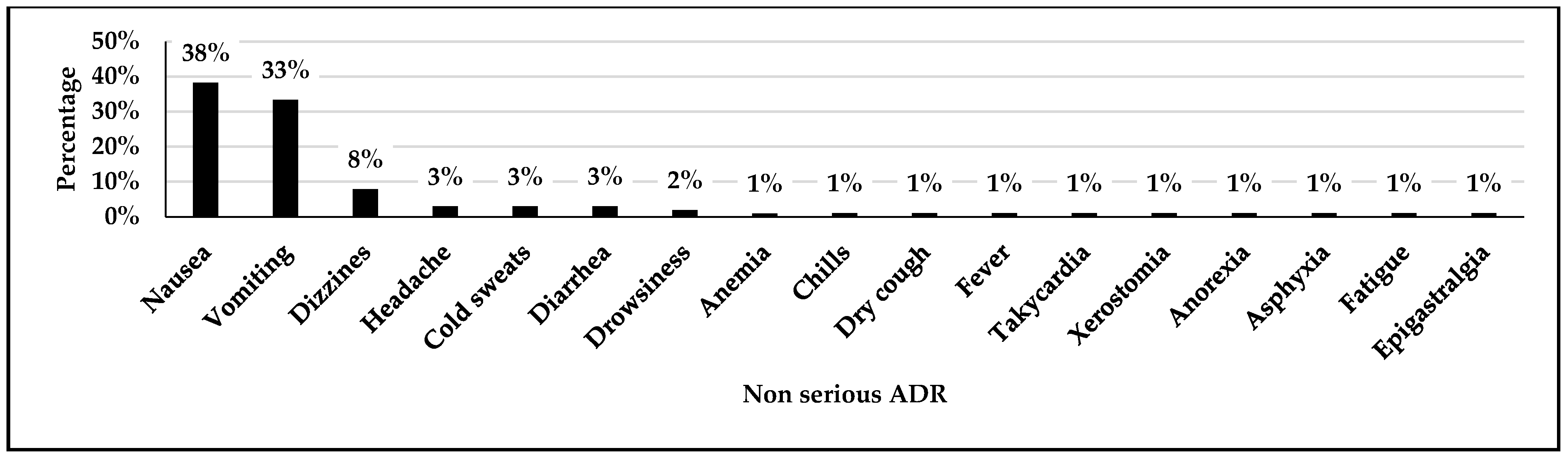
Among the NSADRs, nausea was also the most frequent (38%; n = 39), followed by vomiting (33%; n = 34) and dizziness (8%; n = 8) (Figure 8).

2.12. Distribution of ADR by Mechanism of Occurrence

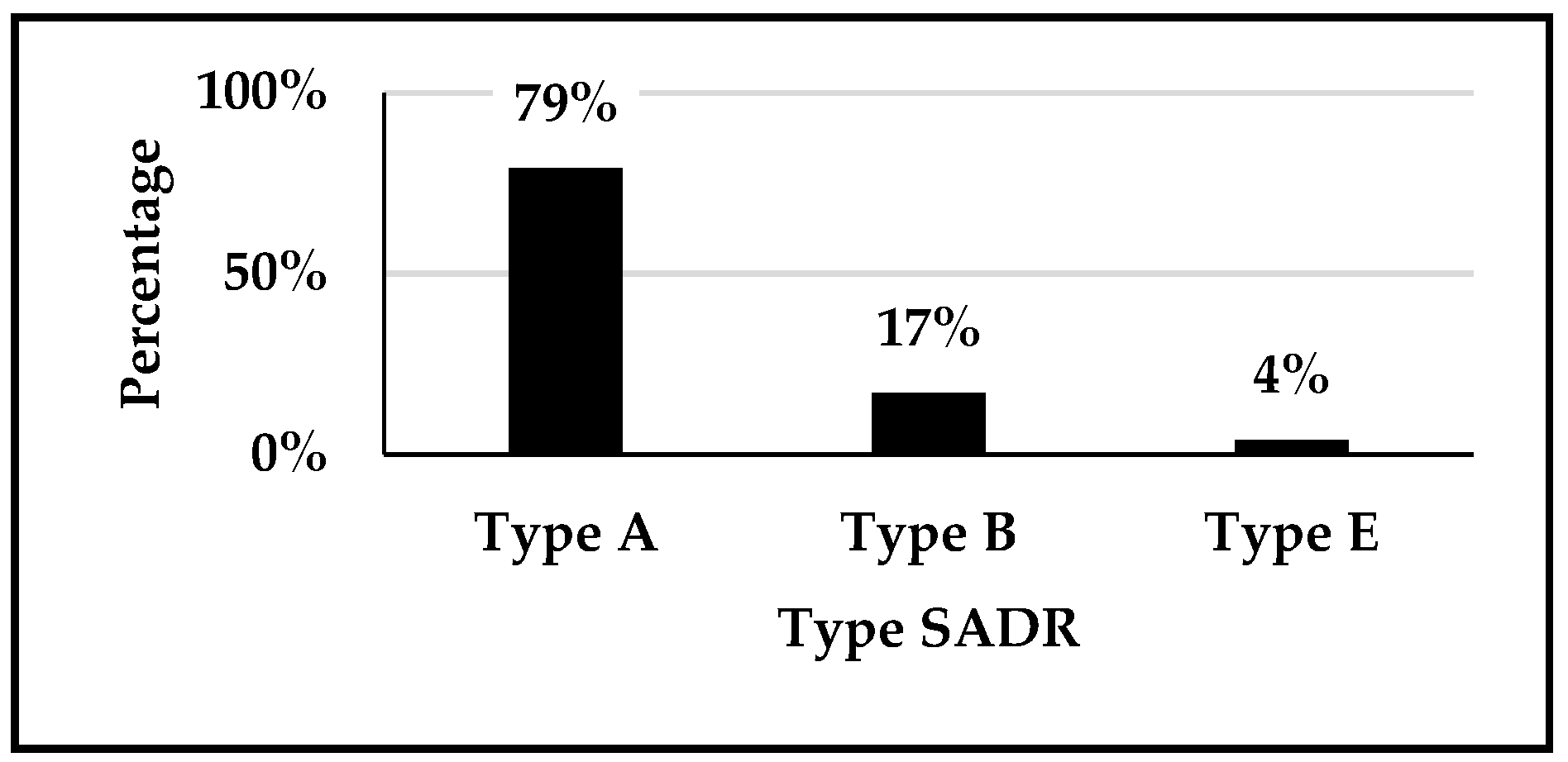
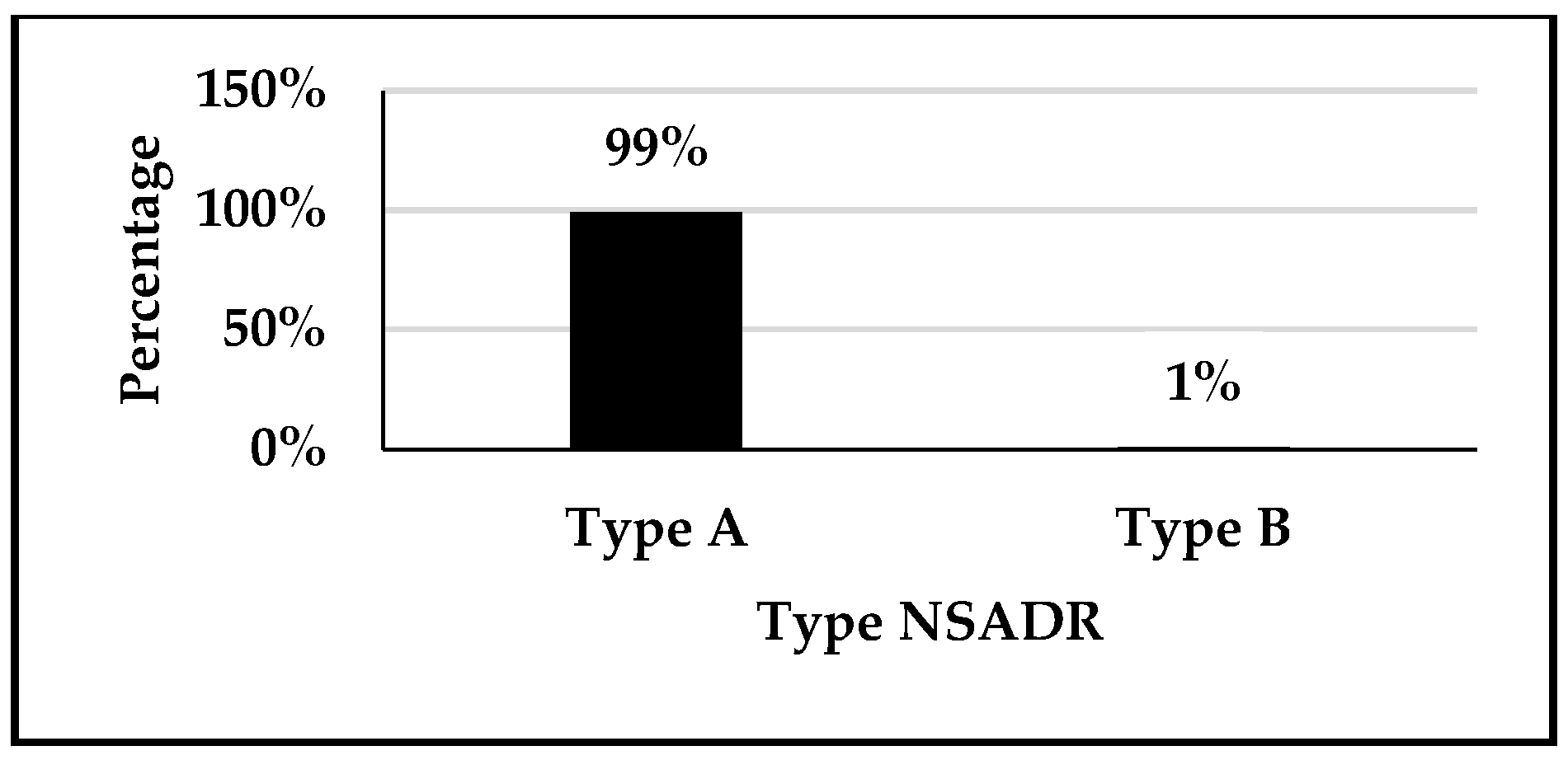
According to the Rawlins and Thompson classification, 79% (n = 59) of SADRs were of type A, 17% (n = 13) of type B, and 4% (n = 3) of type E. In the case of NSADRs (n = 102), 99% (n = 101) were type A and 1% (n = 1) type B. (Figure 9 and Figure 10).

2.13. Avoidability Assessment by Hallas et al. Score

Of the 177 ADRs identified, 140 cases (79.1% of adverse reactions) were classified as potentially preventable according to the modified Hallas scale. These ADRs mainly involved nausea, vomiting, diarrhea, dizziness, injection site pain, epigastric pain, cold sweats, cough, pruritus, and blurred vision associated with dizziness and abdominal pain. Their occurrence was linked to insufficient monitoring of the infusion rate (Table 5).

2.14. Corrective Treatment

Frequent ADRs, such as nausea and vomiting, were managed by adjusting the infusion rate and replacing the potentially responsible analgesics, such as nefopam (acupan) or tramadol (trabar), with first-line analgesics such as paracetamol (paracetamol solution). For rare and severe ADRs, such as SJS, treatment included antihistamines such as dexchlorpheniramine (polaramine 5 mg/1 mL), corticosteroids such as methylprednisolone (solumedrol 120 mg/2 mL), as well as antiseptics, including dacryoserum (a solution containing boric acid, borax, and sodium chloride, 5 mL) and disodium eosinate (eosin 2%). Treatment for Lyell’s syndrome uses these same drugs, with the addition of analgesics such as tramadol and paracetamol, as well as antibiotics such as gentamicin. Finally, DRESS syndrome was treated with corticoids (0.1% cream), enzyme therapy and analgesics (paracetamol), in addition to the treatment for SJS already mentioned.

2.15. Evolution

All adverse events identified in patients during the study were managed either by discontinuing the suspected treatment and replacing it with an equivalent alternative, or by administering symptomatic treatment for the adverse event. The study showed that all ADRs had a favorable outcome.

3. Discussion

The study was based on the active collection of ADRs among hospitalized patients at CHUL over a 14-month period. It did not focus on any specific drug, therapeutic class, or type of ADR. It was not limited to ADRs as a reason for hospitalization, nor to those occurring during hospitalization, prolonging the length of stay, or life-threatening events. Instead, it adopted a comprehensive approach to better analyze ADRs, the first study of this kind conducted at CHUL. A total of 177 ADRs were recorded in our study, corresponding to an incidence of 2.1% per patient. For comparison, the study by Kaur et al. [11], conducted among elderly hospitalized patients in geriatric wards in India, reported that approximately 22.6% of participants experienced at least one ADR, while Oscanoa et al. showed that 10% of hospitalizations among older adults were due to ADRs. This difference may be explained by the older age of the Indian patients, who are often exposed to polypharmacy and increased frailty.
In our cohort, adults aged 18 to 64 years accounted for 63.8% of patients affected by an ADR, compared with 36.2% for elderly patients (≥65 years). Among adults, ADRs were mainly associated with analgesics, followed by antibiotics, with the most frequent adverse effects being nausea and vomiting. In the elderly, analgesics remained predominant, followed by antihypertensives, with nausea and vomiting also being the most common adverse effects. By comparison, Kaur et al. reported that in elderly patients, electrolyte and metabolic disorders (27.5%) were the most common, followed by gastrointestinal disorders (18%), with antibiotics (32.2%) and diuretics (11.4%) being the main drug classes involved, while analgesics were less frequently implicated. In contrast, our adults showed a higher involvement of analgesics. Moreover, the lower incidence observed in our cohort reflects the predominance of younger adults and a lower exposure to polypharmacy. For the first time, our study enabled an estimation of the incidence of at least one ADR per patient at CHUL, calculated at 3.54% (95% CI [1.7–2.5%]). This incidence was significantly lower than those reported in Australia, Sweden, England, and a hospital in Tunisia [12,13,14]. The frequency of ADRs varied considerably across studies, potentially due to methodological differences, such as sampling methods, inclusion of ADRs before or after admission, criteria for ADR diagnosis, and the experience of medical staff. Moreover, most published studies rely on retrospective data, which, while allowing for the detection of a greater number of ADRs from medical records, may introduce bias and compromise the validity of the findings [12,13,14,15]. Additionally, variations in the quality and methods of patient medical record documentation between countries could be a significant source of differences in ADR detection [13]. Our study revealed that the incidence of ADRs was higher in dermatology and rheumatology departments. Medical wards were more affected than surgical wards in our study, likely due to the lower number of participating surgical wards (two versus nine). A similar result was observed in the study conducted at the Farhat Hached University Hospital in Tunisia [16]. In our study, the drugs most frequently implicated in the occurrence of ADRs were those acting on the digestive and metabolic systems, the nervous system and those used for skin disorders. Analgesics and antibiotics, in particular, were most often responsible for prolonged hospitalization. Our findings align with existing literature, which indicates that antibiotics are frequently involved in ADRs [17,18]. A study conducted from 2014 to 2015 in selected hospital services in the Sicilian region of southern Italy similarly identified antibacterial and antithrombotic agents as the primary drugs involved in hospital-related drug reactions [19]. In our study, the prolongation of hospital stays due to analgesics could be attributed to the lack of active monitoring of drugs administered to hospitalized patients.
The comparative analysis of ADRs identified at admission and those occurring during hospitalization reveals clearly distinct medication profiles. Only five ADRs were recorded at admission, mainly associated with outpatient treatments such as antibiotics, anti-inflammatory drugs, and antifungals, indicating that ADR-related hospital admissions are relatively uncommon in our setting. In contrast, the vast majority of ADRs occurred during hospitalization. These ADRs were primarily linked to analgesics frequently used in hospitals, particularly tramadol and nefopam which accounted for a substantial number of gastrointestinal and neurological disorders. Antibiotics also contributed to adverse events affecting multiple systems, including the gastrointestinal, nervous, cutaneous, and hematologic systems. This marked difference highlights the significant burden of hospital-acquired iatrogenesis at CHUL and underscores the need to strengthen medication management, particularly for the most frequently implicated therapeutic classes (Table 4).
Furthermore, our sample of five hospitalized patients cannot be considered representative of the Gabonese population of approximately 2.3 million [20], limiting our ability to generalize the implications of these drugs.
Over a 14-month period, 105 patients experienced 177 ADRs, of which 42.4% were classified as serious, resulting in a low overall incidence (3.54%), likely due to under-reporting, a persistent global issue. This under-reporting is partly explained by healthcare professionals’ lack of knowledge and training regarding the identification and reporting of ADRs [21]. Gabon’s inclusion in the WHO International Drug Monitoring Programme in 2023 [22] demonstrates its commitment to pharmacovigilance (PV) and may partly account for the findings observed during the study period. Nausea and vomiting, mainly associated with analgesics and antibiotics, were the most frequent ADRs, reflecting high prescription rates and polypharmacy, which are known to increase the risk of ADRs and drug interactions [23,24]. They were considered SADRs due to a prolonged hospital stay. These ADRs manifested as acute reactions, likely related to the administered dose, as well as subacute reactions, with an average onset time of approximately one hour.
The digestive and metabolic systems were the most affected, followed by the nervous system, due to the higher number of drugs involved in the occurrence of ADRs. Olumuyiwa J.F et al. found that the nervous and gastrointestinal systems were, respectively, the most impacted in hospitalized patients [25]. In their study, the drugs most frequently implicated in ADRs were insulin (27.5%), non-steroidal anti-inflammatory drugs (19.6%), antihypertensive drugs (15.7%) and antimalarial drugs (9.8%). A study by Apretna E et al. found a high frequency (18.2%) of ADRs of cutaneous and hematological origin possibly induced by cardiovascular drugs (12.8%), which were the most represented, followed by anti-infectives (11.0%), psychotropic drugs (9.6%), analgesics (9.6%), anticoagulants (9.0%) and antiretrovirals (7.1%) [17].
These differences compared to our study can be attributed to the diversity of contexts and medication use in each study. ADRs in our study were classified according to the Rawlins and Thompson classification. SADRs of type A accounted for 78.7% (n = 59), mainly nausea and vomiting; 17.3% (n = 13) were type B, specifically SJS; and 4% (n = 3) were type E, including visual disturbances, dizziness, and abdominal pain. Among non-serious ADR, 99% (n = 101) were type A, namely nausea and vomiting, and 1% (n = 1) were type B, particularly cases of tachycardia. In our study, 79.1% of ADR were considered avoidable according to the Hallas scale [26], due to the predominance of type A and type E reactions, which are predictable and therefore potentially preventable [27,28,29]. A substantial proportion of these events could have been avoided through regular and intensive monitoring of treatment. This rate is considerably higher than that reported in other studies, where the proportion of predictable ADRs ranged from 35% to 70% [30,31]. As a result, controlling these health risks will help to minimize both the medical impact and the cost of managing them. Moreover, the findings of our study underscore the need to establish an ADR monitoring system, which is currently lacking at the CHUL, Gabon.
  • Suggestions for minimising the risk of ADRs
Given the significant number of potentially avoidable ADRs (90%; n = 160), several actions can be taken to enhance therapeutic vigilance:
1.
Regulatory Framework: In Gabon, Decree 1445 of 28 November 1995 regulates the importation, distribution, and promotion of pharmaceutical products. Article 24 of the decree stipulates that “any doctor, dental surgeon, or midwife who observes an unexpected or toxic effect that could be attributed to a medicine they have prescribed shall report it to the Medicines and Pharmacy Directorate.” This regulation serves as a reminder of the rules governing the use of healthcare products and emphasizes the importance of adhering to protocols and indications [32].
2.
Vigilance with Analgesics, Particularly Tramadol: Tramadol was frequently used and highlighted in our study. Healthcare professionals must exercise caution when prescribing or dispensing drugs containing tramadol:
  • Patient Selection: Before prescribing tramadol, prescribers should carefully assess patients, considering their history of drug addiction.
  • Short Duration: To limit the risk of dependence, tramadol should be prescribed for the shortest possible duration [33].
  • Tapering Off: To avoid withdrawal syndrome, the dosage should be gradually reduced before discontinuing treatment [33].
  • Alternative Treatments: Drug treatments should not be the first-line option for chronic pain.
  • Instead, non-drug techniques, such as hypnosis, acupuncture, and neuromodulation, are recommended by pain specialists for better management of chronic pain [34].
3.
Considerations for Nefopam: Nefopam, a WHO tier 1 analgesic, is indicated for the “symptomatic treatment of painful conditions.” The symptoms likely induced by this drug, such as nausea and vomiting, were noted in our study. Risk minimization measures include:
  • Withdrawal Syndrome: Discontinuation of a morphine drug in a physically dependent patient treated with Nefopam may lead to withdrawal syndrome.
  • Regular Reassessment: The benefit/risk ratio of treatment with Nefopam should be regularly reassessed.
  • Chronic Pain: Nefopam is not indicated for the treatment of chronic pain [35].
4.
Antibiotics: Antibiotics were the second most common cause of ADRs, with the combination of amoxicillin/clavulanic acid being particularly implicated (with probable causality). This combination likely caused nausea, vomiting, and diarrhea. Recommended actions include:
  • Allergy Precautions: Avoid prescribing amoxicillin/clavulanic acid in cases of allergy to amoxicillin, clavulanic acid, or penicillins, as well as in the event of a serious allergic reaction to any antibiotic [36].
  • Infection Control: To prevent cross-transmission, adhere to contact precautions, patient isolation, or cohorting (grouping of patients), use single-use or dedicated equipment, disinfect the environment with bleach, and control environmental contamination [37].
5.
Training: Strengthening the theoretical and practical training of doctors, pharmacists, midwives, nurses, and other healthcare professionals in the management of medicines and therapeutic decision-making is crucial [38]. This approach, recommended by Gabon’s Drug Agency (AM), should become a priority objective for Faculties of Medicine and Pharmacy and all drug-related institutions.
6.
Doctor-Patient Relationship: Improving the doctor-patient relationship is essential. Doctors must inform and convince patients of the validity of their prescriptions, the importance of compliance, and the limited scope for acceptable self-medication [39].
7.
Correct Use of Medicines: Adherence to the correct use of medicines, as outlined in the summary of product characteristics or According to the Marketing Authorization (AMM) recommendations, is critical. Improperly adjusted dosages during medical care likely contributed to the occurrence of both serious and non-serious ADRs.
8.
Reporting Adverse Reactions: Report adverse reactions, particularly any suspected serious, unexpected, or novel ADR, to the National Pharmacovigilance Centre (CNPV) based at the MA.
  • The limitations of our study
Our study has several limitations that should be acknowledged. First, although the incidence of ADR was estimated through active surveillance over a 14-month period, it is likely that not all cases were captured, and some may have gone unnoticed. Therefore, the true incidence is probably equal to or higher than the one observed. Second, unlike most published studies that rely on retrospective data and allow a larger number of ADRs to be identified from medical records, our prospective observational approach was chosen to reduce potential biases related to the quality and completeness of documentation. However, this strategy may have led to an underestimation of the total number of ADRs.
Third, the relatively small sample size limits the generalizability of our findings to the entire hospital population in Gabon. In addition, the absence of long-term follow-up did not allow us to assess the course of ADRs beyond hospitalization.
Moreover, the scarcity of data on ADRs in elderly patients is notable, as this population carries the highest risk of ADRs due to age-related polypharmacy and physio pharmacological changes. This factor may also explain the low rates observed. Finally, the local context represents a major limitation: underreporting of ADR remains a significant challenge, particularly in Gabon where PV is still recent and insufficiently developed. The lack of a structured hospital reporting system at CHUL restricts both the notification and systematic analysis of ADRs by healthcare professionals. Despite these limitations, this study provides a first estimate of ADR incidence in a Gabonese university hospital and highlights the need to strengthen PV systems, improve the quality of medical documentation, and promote active reporting by healthcare professionals.

4. Patients and Methods

We conducted a single-center prospective study at CHUL over a 14-month period, from 14 February 2023 to 10 April 2024. The study received approval from the competent Ethics Committee. The 14-month duration was chosen to cover a full annual cycle for one start-up month for system implementation and one closing month for validation and data consolidation. Inclusion criteria comprised all patients hospitalized in any department during the study period who either (a) developed an ADR during hospitalization, or (b) were admitted due to an ADR. Causality assessment was subsequently performed for all cases to classify them according to the WHO method. In line with the operational criteria of this study, events categorized as ‘certain’, ‘probable’, or ‘possible’ were considered eligible for analysis. Each patient’s full medical record, nursing notes, and medication chart were reviewed to differentiate ADRs that caused admission from those that occurred during hospital stay. Cases where symptoms were attributable to the underlying disease rather than drug exposure were excluded after medical review.
Fourteen CHUL departments participated in this study, including cardiology, thoracic surgery, visceral surgery, dermatology, endocrinology, gastrology, infectious diseases, internal medicine, pediatrics, intensive care, rheumatology and urology. Causality assessment was performed independently by two trained clinical pharmacists and one pharmacologist using the WHO-UMC criteria. Discrepancies were resolved by consensus. When consensus could not be reached, the case was discussed with a senior clinician. No formal inter-rater reliability coefficient was calculated, but agreement was reached in all discordant cases after review. The data collection form contained the patient’s sociodemographic information (age, sex, place of residence, identification number, reason for hospitalization, associated pathology), information on the drug responsible for the ADR (specialty name and presentation, dosage and route of administration, drug class, start and stop dates, indication, method of dispensing and administration), and specific details of the ADR (date of occurrence, clinical and paraclinical description, differential diagnoses eliminated, course and classification). Finally, informed verbal consent was obtained from all participants, and the confidentiality and anonymity of the data were strictly guaranteed.

4.1. WHO Causality Assessment Method

The WHO causality assessment method is based on three criteria: the chronology between drug intake and the occurrence of the adverse event, pharmacological or medical plausibility, and the absence of alternative explanations. It classifies adverse events into six categories: certain (clearly established relationship with disappearance upon withdrawal or recurrence upon reintroduction), probable (reasonable time sequence and improvement upon withdrawal, with no other plausible cause), possible (temporal association but potentially explained by another cause), unlikely (time sequence or alternative explanation making the relationship less credible), conditional/unclassified (additional information required), and unassessable (insufficient or contradictory data) [40].

4.2. ATC Classification

The ATC (Anatomical, Therapeutic, Chemical) classification is an international system used to categorize active substances into different groups according to the organ or system on which they act and their therapeutic, pharmacological, and chemical properties [41]. ATC codes generally follow the structure LCCLLCC (where L represents a letter and C a digit) and define five hierarchical levels of grouping. The first level of the ATC classification corresponds to the first letter of the code and includes drugs targeting 14 main anatomical sites (Table 6).

4.3. Rawlins and Thompson Classification

The Rawlins-Thompson classification divides the ADR in two categories: type A reactions, which are dose-dependent and predictable from the known pharmacology of the drug, and type B reactions, which are non-dose-dependent and unpredictable [42]. The classification has gradually been expanded to include additional types, ordered alphabetically, such as type C (dose-dependent and time-related [chronic] reactions), type D (delayed reactions), type E (withdrawal reactions), and type F (therapeutic failure) [43].

4.4. Statistical Analysis

Data were analyzed using descriptive statistics. Categorical variables were expressed as frequencies and percentages, and incidence estimates were presented with 95% confidence intervals. No incidence density or inferential comparisons were calculated, as the study was not designed for hypothesis testing. Analyses were performed using Jamovi 2.5.3 software [44].

5. Conclusions

In this study, the incidence of ADR at CHUL was estimated at 3.5% among 4999 patients over a 14-month period, based on active patient monitoring, review of medical records and WHO causality assessment. Of these, 90% were considered preventable according to the Rawlins-Thompson classification and expert evaluation. These results highlight the crucial importance of systematic ADR reporting and the continuous training of healthcare professionals in PV. To enhance patient safety, the following measures are planned at CHUL:
  • ▪ A structured ADR monitoring and reporting system accessible to all healthcare professionals,
  • ▪ Regular, practical training sessions for physicians, pharmacists, nurses, and midwives on ADR identification, documentation, and reporting,
  • ▪ Protocols for managing high-risk medications, including appropriate patient selection, dose adjustment, and prevention of drug interactions,
  • ▪ Systematic follow-up and analysis of collected data to identify trends, assess the effectiveness of preventive measures, and optimize clinical practices.

Author Contributions

P.C.N.N. conceptualized the study and was responsible for drafting the initial version of the manuscript, as well as for its revision and editing. R.L. contributed to drafting the initial version. S.C. participated in the investigation. S.N. took part in the investigation and provided supervision at CHUL. I.H. performed the formal analysis and contributed to the methodology. Y.C. contributed to the methodology. S.S. contributed to the methodology, supervised the work, and validated the manuscript. All authors have read and agreed to the published version of the manuscript.

Funding

This research was self-funded by the authors and received no external funding.

Institutional Review Board Statement

The study received a favorable opinion from the Ethics Committee for Biomedical Research of the Faculty of Medicine and Pharmacy, Mohammed V University, Rabat, Morocco. (Reference: CERB 19/22; Date: 23 March 2022).

Data Availability Statement

The data presented in this study are available from the corresponding author upon request.

Acknowledgments

We would like to thank the Director of CHUL in Gabon for authorizing the collection of data on adverse drug reactions in the CHUL departments. We would also like to express our gratitude to the managers of the departments involved in our study, in particular doctors, pharmacists and nurses, whose assistance was invaluable for the reporting and imputability of drugs. We would also like to thank the National Health Insurance and Social Welfare Fund for providing the necessary data on the costs of care for patients participating in our study.

Conflicts of Interest

The authors declare that there are no conflicts of interest.

Abbreviations

The following abbreviations are used in this manuscript:
ADRsAdverse drug reactions
CHULUniversity Hospital Center of Libreville
SADRsSerious ADR
NSADRNon-serious ADR
ATCAnatomical, Therapeutic, Chemical
WHOWord Health Organization
SJSStevens-Johnson syndrome
PVPharmacovigilance
NSAIDsnon-steroidal anti-inflammatory drugs
AMDrug Agency
AMMAccording to the Marketing Authorization
CNPVNational Pharmacovigilance Centre

References

  1. WHO. International Drug Monitoring the Role of National Centres; Technical Report Series; WHO: Geneva, Switzerland, 1972; Volume 498. [Google Scholar]
  2. Couper, M.R.; Mehta, D.K. (Eds.) WHO Model Formulary 2002, 1st ed.; World Health Organisation: Geneva, Switzerland, 2002; p. 9. [Google Scholar]
  3. World Health Organization (WHO). International Drug Surveillance: The Role of National Centers. Report of a WHO Meeting Held in Geneva from 20 to 25 September 1971. 1972. Available online: https://iris.who.int/handle/10665/40968 (accessed on 4 February 2024).
  4. Edwards, I.R.; Aronson, J.K. Adverse drug reactions: Definitions, diagnosis, and management. Lancet 2000, 356, 1255–1259. [Google Scholar] [CrossRef] [PubMed]
  5. Serious Adverse Reaction. European Medicines Agency. Available online: https://www.ema.europa.eu/en/glossary-terms/serious-adverse-reaction (accessed on 4 February 2024).
  6. Smith Marsh, D.E. Severity of Adverse Drug Reactions. In MSD Manual Consumer Version; University of Illinois at Chicago College of Pharmacy: Chicago, IL, USA, 2023. [Google Scholar]
  7. Directive 2000/38/EC of 5 June 2000, Amending Chapter Vb (Pharmacovigilance) of Council Directive 75/319/EEC on the Approximation of Legislative, Regulatory, and Administrative Provisions Relating to Medicinal Products. Official Journal of the European Communities. 2000. Available online: https://eur-lex.europa.eu/legal-content/EN/ALL/?uri=CELEX%3A32000L0038 (accessed on 4 February 2024).
  8. Cobert, B.; Gregory, W.; Thomas, J.-L. Theory and definitions of drug safety—Pharmacovigilance. In Cobert’s Manual of Drug Safety and Pharmacovigilance, 3rd ed.; World Scientific: Singapore, 2019; p. 17. [Google Scholar]
  9. Zed, P.J.; Abu-Laban, R.B.; Balen, R.M.; Loewen, P.S.; Hohl, C.M.; Brubacher, J.R.; Wilbur, K.; Wiens, M.O.; Samoy, L.J.; Lacaria, K.; et al. Incidence, severity, and preventability of drug-related visits to the emergency department: A prospective study. Can. Med. Assoc. J. 2008, 178, 1563–1569. [Google Scholar] [CrossRef] [PubMed]
  10. Lagnaoui, R. Adverse drug reactions in a department of systemic diseases-oriented internal medicine: Prevalence, incidence, direct costs, and avoidability. Eur. J. Clin. Pharmacol. 2000, 56, 181–186. [Google Scholar] [CrossRef] [PubMed]
  11. Kaur, U.; Chakrabarti, S.S.; Singh, B.; Gambhir, I.S. A Prospective Observational Pilot Study of Adverse Drug Reactions in Patients Admitted in the Geriatric Ward of a Tertiary Hospital in North India. Curr. Pharmacogenom. Pers. Med. 2018, 16, 147–155. [Google Scholar] [CrossRef]
  12. Kable, A.K.; Gibberd, R.W.; Spigelman, A.D. Adverse events in surgical patients in Australia. Int. J. Qual. Health Care 2002, 14, 269–276. [Google Scholar] [CrossRef]
  13. Schwendimann, R.; Blatter, C.; Dhaini, Z.; Simon, M.; Ausserhofer, D. The occurrence, types, consequences and preventability of in-hospital adverse events: A scoping review. BMC Health Serv. Res. 2018, 18, 521. [Google Scholar] [CrossRef]
  14. Grira, M.; Larbi, T.; El Ouni, A.; Bouslama, K.; Abdallah, M.; Harmel, A.; Hamzaoui, S.; M’Rad, S. The incidence of serious adverse events in a Tunisian hospital: A retrospective medical record review study. Tunis. Med. 2015, 93, 795–799. [Google Scholar]
  15. Albolino, S.; Tartaglia, R.; Bellandi, T.; Bianchini, E.; Fabbro, G.; Forni, S.; Cernuschi, G.; Biggeri, A. Variability of adverse events in the public health department of the Tuscany region. Intern. Emerg. Med. 2017, 12, 1033–1042. [Google Scholar] [CrossRef]
  16. Bouafia, N.; Bougmiza, I.; Bahri, F.; Letaief, M.; Astagneau, P.; Njah, M. Scope and impact of serious adverse events: An incidence study in a hospital in central-eastern Tunisia. Pan Afr. Med. J. 2013, 16, 68. [Google Scholar] [CrossRef]
  17. Apretna, E.; Haramburu, F.; Taboulet, F.; Bégaud, B. Medical and socio-economic consequences of adverse drug reations. Presse Méd. 2005, 34, 271–276. [Google Scholar] [CrossRef]
  18. Moore, N.; Lecointre, D.; Noblet, C.; Mabille, M. Frequency and cost of serious adverse drug reactions in a department of general medicine. Br. J. Clin. Pharmacol. 1998, 45, 301–308. [Google Scholar] [CrossRef]
  19. Giardina, C.; Cutroneo, P.M.; Mocciaro, E.; Russo, G.T.; Mandraffino, G.; Basile, G.; Rapisarda, F.; Ferrara, R.; Spina, E.; Arcoraci, V. Adverse drug reactions in hospitalized patients: Results of the FORWARD (Facilitation of Reporting in Hospital Ward) study. Front. Pharmacol. 2018, 9, 350. [Google Scholar] [CrossRef]
  20. World Bank. Gabon—Overview. Available online: https://www.worldbank.org/en/country/gabon/overview (accessed on 21 June 2024).
  21. Daghriri, S.H.; Alnaami, H.A.; Almusallam, A.H.; Assiri, M.Y.A.; Swelleh, W.E.; Alasmari, M.A.; Alanazi, N.A.H.; Alharbi, O.Z.; Alwani, A.M.S.; Alotaibi, A.M. Knowledge, attitude, and practice of healthcare professionals at selected public hospitals regarding adverse drug reaction reporting and related factors. J. Int. Crisis Risk Commun. Res. 2024, 7, 1624–1632. [Google Scholar]
  22. WHO Programme for International Drug Monitoring. Available online: https://www.who.int/teams/regulation-prequalification/regulation-and-safety/pharmacovigilance/networks/pidm (accessed on 18 June 2024).
  23. Carbonin, P.U.; Antonelli-Incalzi, R.; Bernabei, R. Clinical pharmacology and geriatrics. Lancet 1987, 329, 747. [Google Scholar] [CrossRef]
  24. Everitt, D.E.; Avorn, J. Drug prescribing for the elderly. Arch. Intern. Med. 1986, 146, 2393–2396. [Google Scholar] [CrossRef]
  25. Olumuyiwa, J.F.; Peter, E.A.; Omagbemi, S. The observed effect of adverse drug reactions on the length of hospital stay among medical inpatients in a Nigerian University Teaching Hospital. Toxicol. Res. Appl. 2019, 3, 1–7. [Google Scholar] [CrossRef]
  26. Hallas, J.; Harvald, B.; Gram, L.F.; Grodum, E.; Brøsen, K.; Haghfelt, T.; Damsbo, N. Drug-related hospitalizations: The role of definitions and intensity of data collection, and possibilities for prevention. J. Intern. Med. 1990, 228, 83–90. [Google Scholar] [CrossRef] [PubMed]
  27. Zegers, M.; De Bruijne, M.C.; Spreeuwenberg, P.; Wagner, C.; Van Der Wal, G.; Groenewegen, P.P. Variation in adverse event rates between hospitals and hospital departments. Int. J. Qual. Health Care 2011, 2, 126–133. [Google Scholar] [CrossRef] [PubMed]
  28. Zegers, M.; De Bruijne, M.C.; Wagner, C.; Groenewegen, P.P.; Waaijman, R.; Van Der Wal, G. Design of a retrospective patient record study on adverse events in Dutch hospitals. BMC Health Serv. Res. 2007, 7, 27. [Google Scholar] [CrossRef]
  29. Zegers, M.; De Bruijne, M.C.; De Keizer, B.; Merten, H.; Groenewegen, P.P.; Van Der Wal, G.; Wagner, C. Incidence, root causes, and outcomes of adverse events in surgical units: Implications for potential preventive strategies. Patient Saf. Surg. 2011, 5, 13. [Google Scholar] [CrossRef]
  30. Michel, P.; Quenon, J.L.; Djihoud, A.; Tricaud-Vialle, S.; de Sarasqueta, A.M. French national survey of inpatient adverse events prospectively evaluated with ward staff. Qual. Saf. Health Care 2007, 16, 369–377. [Google Scholar] [CrossRef] [PubMed]
  31. Hendrie, J.; Sammartino, L.; Silvapulle, M.J.; Braitberg, G. Experience in adverse events detection in an emergency department: Incidence and outcome of events. Emerg. Med. Australas. 2007, 19, 16–24. [Google Scholar] [CrossRef] [PubMed]
  32. Ghita, B.; Loubna, A.; Houda, S.; Benkirane, R.; Tebaa, A.; Soulaymani Bencheikh, R. Risk Minimization Action. Toxicologie Maroc. No. 42. 2019. Available online: https://www.capm-sante.ma/uploads/documents/80.pdf (accessed on 25 July 2024).
  33. ANSM. News—Tramadol: A Measure to Limit Misuse in France. Available online: https://ansm.sante.fr/actualites/tramadol-une-mesure-pour-limiter-le-mesusage-en-france (accessed on 25 July 2024).
  34. Tourmente, C. AlloDocteurs. Tramadol, a High-Risk Drug. 2021. Available online: https://www.allodocteurs.fr/le-tramadol-un-medicament-a-risque-32184.html (accessed on 25 July 2024).
  35. Summary of Product Characteristics—ACUPAN 20 mg/2 mL, Injectable Solution—Public Medicines Data-Base. Available online: https://base-donnees-publique.medicaments.gouv.fr/affichageDoc.php?specid=62580656&typedoc=R (accessed on 25 July 2024).
  36. Antibio’Malin. Amoxicillin + Clavulanic Acid: All You Need to Know About This Antibiotic. Available online: https://www.sante.fr/antibiomalin-pour-savoir-comment-bien-utiliser-les-antibiotiques/amoxicilline-acide-clavulanique (accessed on 25 July 2024).
  37. Eckert, C.; Barbut, F. Post-antibiotic diarrhea. Rev. Francoph. Lab. 2010, 2010, 93–99. [Google Scholar] [CrossRef]
  38. Vayre, P. From risk to harm: The boundaries of chance/fault in medical liability. Bull. Acad. Med. 2000, 184, 131. [Google Scholar]
  39. Sarradon-Eck, A. The meaning of adherence: An ethnography of medication practices among hypertensive patients. Sci. Soc. Santé 2007, 25, 5–36. [Google Scholar]
  40. WHO. Causality Assessment of Suspected Adverse Reactions; WHO: Geneva, Switzerland, 2016. [Google Scholar]
  41. World Health Organization. Anatomical Therapeutic Chemical (ATC) Classification. Available online: https://www.who.int/tools/atc-ddd-toolkit/atc-classification (accessed on 16 August 2024).
  42. Rawlins, M.D. Clinical pharmacology: Adverse reactions to drugs. Br. Med. J. 1981, 282, 974–976. [Google Scholar] [CrossRef] [PubMed]
  43. Aronson, J.K. Drug therapy. In Davidson’s Principles and Practice of Medicine, 19th ed.; Haslett, C., Chilvers, E.R., Boon, N.A., Colledge, N.R., Hunter, J.A.A., Eds.; Elsevier Science: Edinburgh, UK, 2002; pp. 147–163. [Google Scholar]
  44. Jamovi—Open Statistical Software for Desktop and Cloud. 2024. Version 2.5. Available online: https://www.jamovi.org/ (accessed on 11 July 2024).
Figure 1. Breakdown of ADR by department. Description: Number n (%).
Pharmacoepidemiology 05 00004 g001
Figure 2. Distribution of ADRs by age. Description: Number n (%).
Pharmacoepidemiology 05 00004 g002
Figure 3. Severity of ADRs. Description: Serious Adverse Event (SADR) (n = 42%) and non-serious adverse event (NSADR) with n (%).
Pharmacoepidemiology 05 00004 g003
Figure 4. Distribution of ADRs according to their degree of severity. Description: Number.
Pharmacoepidemiology 05 00004 g004
Figure 5. Incriminated drugs by ATC system for SADR severity. Description: Number (%).
Pharmacoepidemiology 05 00004 g005
Figure 6. Incriminated drugs by ATC system for NSADRs. Description: Number (%).
Pharmacoepidemiology 05 00004 g006
Figure 7. Distribution of SADRs by type. Note. ADR refers to adverse events, and SADR refer to serious adverse event. Description: Number n (%).
Pharmacoepidemiology 05 00004 g007
Figure 8. Distribution of NSADRs by type. Note. ADRs refer to adverse events, and NSADRs refer to non-serious adverse events. Description: Number n (%).
Pharmacoepidemiology 05 00004 g008
Figure 9. Distribution of SADRs by mechanism of occurrence. Description: Number n (%).
Pharmacoepidemiology 05 00004 g009
Figure 10. Distribution of NSADRs by mechanism of occurrence. Description: Number n (%).
Pharmacoepidemiology 05 00004 g010
Table 1. Causality according to WHO method. The causality scores are expressed in numbers (n) and percentages. The study showed possible and probable causal links.
Causality ScoreNumber of ADRs
(n)
Percentage
(%)
Possible11363.8
Probable6436.2
Total177100
n: number of suspected drugs.
Table 2. Drug classes according to the ATC System for ADRs.
GroupsClass of Drugs InvolvedMolecules
(n)
SADR
(n)
NSADR
(n)
Total
(n)
AGastrointestinal disorder
AnalgesicsTramadol (21) *, Nefopam (23) *,93746
AntibioticsAmoxicillin/Clavulanic Acid (5) *, Ciprofloxacin(1), Ceftriaxone (1), Metronidazole (2)549
Anti-hyperglycemic agentsMetformin (3) *3-3
IECCaptopril (2)2-1
AntihypertensiveAmlodipine (1)1-1
anti-goutColchicine (1)1-1
PPIPantoprazole (1)1-1
NNervous system disorder
AnalgesicsTramadol (5), Nefopam (8), Paracetamol (1)41014
AntibioticsMetronidazole (1), Amoxicillin/Clavulanic Acid (1), Ceftriaxone (2), Sulfamethoxazole + Trimethoprime (1)5-5
AntihypertensiveAmlodipine/Perindopril (3) *,
Hydrochlorothiazide (1)
134
DSkin and subcutaneous tissue disorders
AnalgesicsNefopam (3)3-3
AntibioticsSulfamethoxazole + Trimethoprim (1), Amoxicillin/Clavulanic Acid (1), Flucloxacillin (1)3-3
Local anestheticsLidocaine (2)2-2
Hypo-urecimiantsAllopurinol (2)2-2
Anti-tuberculosisTrimethoprim/Sulfamethoxazole (1), Isoniazid (1)2-2
AntifungalFluconazole (1)1-1
Anti-inflammatoryIbuprofen (1)1-1
JAnti-infectious disorders for systemic use
Anti-infectivesSulfamethoxazole + Trimethoprim (4) *4-4
BBlood and hematopoietic organ disorders
AntibioticSulfamethoxazole + Trimethoprim (1)1-1
GlucocorticoidPrednisone (1)1-1
Anti-tuberculosisTrimethoprim/Sulfamethoxazole (1)-11
MMusculoskeletal condition
AnalgesicTramadol (1)1-1
Anti-inflammatoryIbuprofen (1)1-1
RBreathing condition
AntibioticAmoxicillin/Clavulanic Acid (1)1-1
CHeart conditions
AntihypertensiveRamipril (1)-11
5556111
* Tramadol, nefopam, sulfamethoxazole + trimethoprim, amoxicillin/clavulanic acid, Amlodipine and metformin are the drugs most commonly implicated in the occurrence of ADRs. n: Number.
Table 3. Drug classes according to the ATC system involved in ADR at admission or during hospitalization.
GroupsClass of Drugs InvolvedMolecules
(n)
Admission
(n)
Hospitalization
(n)
Total
(n)
AGastrointestinal disorder
AnalgesicsTramadol (21) *, Nefopam (23) *,-4646
AntibioticsAmoxicillin/Clavulanic Acid (5) *, Ciprofloxacin(1), Ceftriaxone (1), Metronidazole (2)-99
Anti-hyperglycemic agentsMetformin (3) *-33
IECCaptopril (2)-21
AntihypertensiveAmlodipine (1)-11
anti-goutColchicine (1)-11
PPIPantoprazole (1)-11
NNervous system disorder
AnalgesicsTramadol (5), Nefopam (8), Paracetamol (1)-1414
AntibioticsMetronidazole (1), Amoxicillin/Clavula- Acid nique (1), Ceftriaxone (2), Sulfamethoxazole + Trime- thoprime (1)-55
AntihypertensiveAmlodipine/Perindopril (3),
Hydrochlorothiazide (1)
-44
DSkin and subcutaneous tissue disorders
AnalgesicsNefopam (3)-33
AntibioticsSulfamethoxazole + Trimethoprim (1), Amoxcillin/Clavulanic Acid (1), Flucloxacillin (1)123
Local anestheticsLidocaine (2)112
Anti-hyperuricemic Allopurinol (2)112
Anti-tuberculosisTrimethoprim/Sulfamethoxazole (1), Isoniazid (1) 22
AntifungalFluconazole (1)1-1
Anti-inflammatoryIbuprofen (1)-11
JAnti-infectious disorders for systemic use
Anti-infectivesSulfamethoxazole + Trimethoprim (4) *134
BBlood and hematopoietic organ disorders
AntibioticSulfamethoxazole + Trimethoprim (1)-11
GlucocorticoidPrednisone (1)-11
Anti-tuberculosisTrimethoprim/Sulfamethoxazole (1)-11
MMusculoskeletal condition
AnalgesicTramadol (1)-11
Anti-inflammatoryIbuprofen (1)-11
RBreathing condition
AntibioticAmoxicillin/Clavulanic Acid (1)-11
CHeart conditions
AntihypertensiveRamipril (1)-11
5106111
* Tramadol, nefopam, sulfamethoxazole + trimethoprim, amoxicillin/clavulanic acid, Amlodipine and metformin are the drugs most commonly implicated in the occurrence of ADRs. n: Number.
Table 4. Distribution of causal drug classes and their adverse effects according to age classes.
Age GroupMain Drug Classes
n (%)
Adverse Effects
n (%)
28–23 monthsAntibiotics 2 (1.8%)Diarrhea 1 (0.9%), Chills 1 (0.9%), Hyperthermia 1 (0.9%), Pruritus 1 (0.9%)
2–11 yearsAntibiotics 1 (0.9%)Diarrhea 1 (0.9%)
12–17 yearsAnalgesics 2 (1.8%)Nausea 2 (1.8%), Vomiting 2 (1.8%)
18–64 yearsAnalgesics 73 (65.8%), Antibiotics 27 (24.3%), Antihypertensives 7 (6.3%), Others 4 (3.6%)Nausea 52 (46.8%), Vomiting 52 (46.8%), Dizziness 8 (7.2%), Diarrhea 6 (5.4%), Injection site pain 2 (1.8%), Pruritus 1 (0.9%), Stevens–Johnson syndrome 2 (1.8%), Lyell syndrome 2 (1.8%)
65 yearsAnalgesics 7 (6.3%), Antihypertensives 3 (2.7%), Hypouricemics 1 (0.9%), Anti-inflammatories 1(0.9%)Nausea 7 (35%), Vomiting 7 (35%), Diarrhea 2 (10%), Dizziness 1 (5%), Serious cutaneous reactions (DRESS, necrolysis) 3 (15%)
Table 5. Avoidability and reasons for occurrence of ADRs.
Type of Avoidability of
ADR
Number of ADRs
(%)
Examples of ADRsReason for ADR Occurrence
Possibly avoidable140 (79.1%)Nausea, Vomiting, Diarrhea, Dizziness, Injection site pain, Epigastralgia, Cold sweats, Cough, Pruritus, Blurred vision, Dizziness, Abdominal painLack of supervision or monitoring of infusion rate during drug administration
Not avoidable37 (20.9%)
Table 6. First level of the ATC classification.
GroupSystems and Organs
AAlimentary tract and metabolism
BBlood and blood-forming organs
CCardiovascular system
DDermatological
GGenito-urinary system and sex hormones
HSystemic hormonal preparations, excluding sex hormones and insulins
JAnti-infectives for systemic use
LAntineoplastic and immunomodulating agents
MMusculoskeletal system
NNervous system
PAntiparasitic products
RRespiratory system
SSensory organs
VVarious
Disclaimer/Publisher’s Note: The statements, opinions and data contained in all publications are solely those of the individual author(s) and contributor(s) and not of MDPI and/or the editor(s). MDPI and/or the editor(s) disclaim responsibility for any injury to people or property resulting from any ideas, methods, instructions or products referred to in the content.