1. Introduction
Class II malocclusion represents one of the most prevalent orthodontic problems encountered in clinical practice and constitutes a significant proportion of orthodontic treatment demand worldwide. Class II malocclusion may be of skeletal or dentoalveolar origin. Among skeletal forms, mandibular retrognathism represents the most common presentation and is frequently associated with increased overjet, convex facial profile, and functional imbalance [
1]. Epidemiological studies have demonstrated that mandibular retrognathism represents the predominant skeletal component in a majority of Class II cases [
1]. This sagittal discrepancy is frequently associated with increased overjet, compromised facial esthetics, lip incompetence, and functional imbalance, which may negatively affect both oral health and psychosocial well-being.
Early orthopedic intervention during the growth phase has been widely advocated for patients presenting with skeletal Class II malocclusion. Functional appliance therapy aims to modify unfavorable growth patterns, improve sagittal jaw relationships, and enhance facial harmony by positioning the mandible in an advanced functional position [
2]. When instituted at an appropriate stage of skeletal maturation, such therapy may reduce the severity of malocclusion, facilitate subsequent fixed appliance treatment, and improve long-term treatment stability.
Despite extensive clinical use over several decades, the biological mechanisms and clinical effectiveness of functional appliances remain subjects of ongoing debate. Numerous studies have reported variable outcomes with respect to skeletal modification, dentoalveolar adaptation, and soft tissue changes [
3]. While some investigations have suggested significant mandibular growth stimulation, others have emphasized the predominance of dentoalveolar compensation. This inconsistency has contributed to uncertainty regarding the predictability and long-term stability of functional appliance therapy.
Individual variability in treatment response represents one of the principal challenges in evaluating functional appliances. Differences in growth potential, vertical growth pattern, genetic predisposition, neuromuscular adaptation, orofacial resting postures and patient adherence have all been identified as critical determinants of treatment outcome [
4]. These biological and behavioral factors frequently confound comparisons between different appliance systems in routine clinical studies, thereby limiting the strength of available evidence.
Twin studies, particularly those involving monozygotic twins, provide a powerful methodological approach for controlling genetic variability and minimizing environmental influences [
5]. Monozygotic twins share identical genetic material and typically exhibit highly similar craniofacial growth patterns, dental development, and muscular characteristics. When treated at the same chronological age and growth stage, such twins offer a natural biological control model in which differences in treatment outcomes may be more confidently attributed to appliance-related factors rather than inherent biological variation.
The twin block appliance, introduced by Clark, remains one of the most extensively studied and widely accepted removable functional appliances for the management of skeletal Class II malocclusion [
6]. Its popularity stems from its relative simplicity, patient acceptability, and demonstrated clinical effectiveness. Several investigations have documented its ability to produce combined skeletal and dentoalveolar changes, particularly when used during periods of active growth [
7].
In recent years, advances in material science and appliance design have led to the development of clear functional appliances aimed at improving esthetics, reducing appliance bulk, and enhancing patient acceptance. These appliances attempt to replicate the orthopedic and dental effects of conventional designs while offering improved appearance and comfort. In addition to conventional twin block therapy, various modifications and contemporary approaches have been introduced to improve patient comfort and esthetics, including vacuum-formed functional appliances and hybrid designs that aim to deliver similar orthopedic effects with improved patient acceptance [
8,
9]. Improved esthetics may be particularly important for adolescent patients, in whom social acceptance and self-image play important roles in treatment adherence.
Although several clinical studies have compared conventional and modified twin block appliances [
8,
9], high-quality evidence evaluating clear functional appliances under genetically controlled conditions remains limited. Most available investigations involve heterogeneous patient samples, thereby limiting the ability to isolate appliance-specific effects. Furthermore, long-term data comparing esthetic and conventional designs remain scarce.
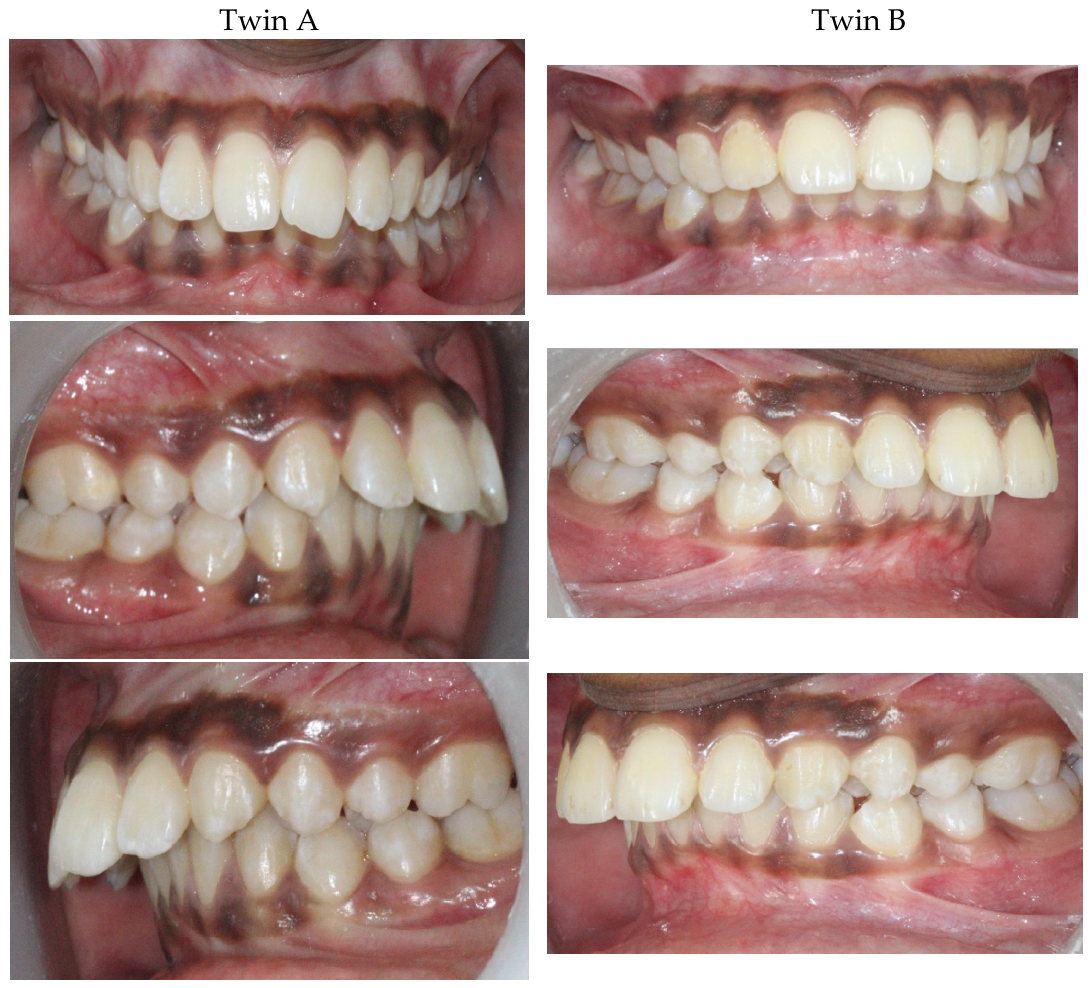
The present case report was therefore undertaken to compare the clinical and cephalometric effects of a clear functional jaw corrector and a conventional twin block appliance in monozygotic twins presenting with similar skeletal and dental Class II malocclusion during the active growth phase. By utilizing a genetically controlled model, this study aims to provide more reliable insight into appliance-related treatment effects and contribute to evidence-based clinical decision-making.
Study Rationale
The scientific rationale for the present investigation is based on the recognition that genetic and growth-related variability represent a major limitation in orthodontic research. Even well-designed randomized clinical trials may be influenced by individual differences in growth pattern and biological response. Monozygotic twin studies offer a rare opportunity to overcome these limitations by providing a biologically matched comparison.
Furthermore, increasing patient demand for esthetic treatment options has led to growing interest in clear functional appliances. However, clinicians require robust scientific evidence regarding their effectiveness relative to conventional designs. The present report seeks to address this knowledge gap by evaluating two appliances under controlled biological conditions.
4. Discussion
The present monozygotic twin case report was designed to evaluate and compare the effects of two different functional appliance systems under near-identical biological conditions. In orthodontic research, direct comparison of treatment modalities is frequently complicated by substantial inter-individual variability in growth potential, craniofacial morphology, neuromuscular adaptability, and patient adherence. These confounding variables often obscure appliance-specific effects and contribute to inconsistent or contradictory findings in the literature. By utilizing monozygotic twins of identical age, sex, skeletal maturation stage, and malocclusion characteristics, the present study minimizes genetic and environmental variability and allows a more reliable interpretation of treatment-related differences.
Functional appliance therapy has long been advocated for the management of skeletal Class II malocclusion during the growth phase, particularly in patients with mandibular retrusion [
1,
2]. The biological principle underlying such therapy is based on altering mandibular posture to stimulate adaptive changes in skeletal structures, musculature, and dentoalveolar components. However, the extent to which these adaptive changes result in permanent skeletal modification remains controversial. Numerous investigations have demonstrated that the therapeutic response to functional appliances is highly variable and influenced by individual biological characteristics [
3,
4].
The twin block appliance, introduced by Clark, has become one of the most widely accepted removable functional appliances due to its relative simplicity, patient acceptability, and proven clinical effectiveness [
6]. Several studies have documented its ability to produce improvement in sagittal jaw relationships through a combination of skeletal and dental mechanisms [
7]. Mills and McCulloch [
7] reported that twin block therapy primarily results in dentoalveolar adaptations accompanied by modest skeletal changes. These findings have been corroborated by subsequent investigations and reviews [
8,
9], which emphasized that appliance design, timing of treatment, and growth pattern play crucial roles in determining treatment outcome.
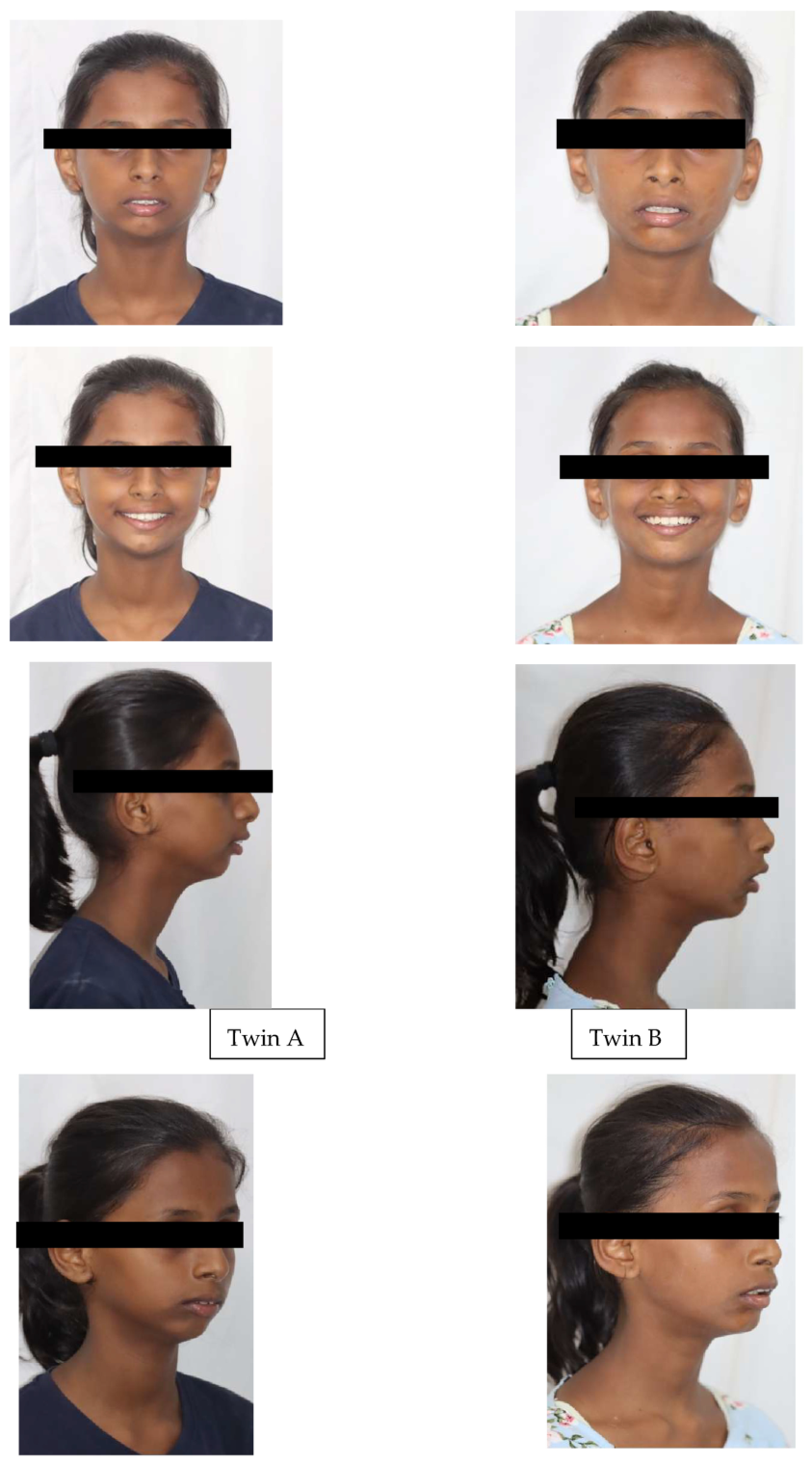
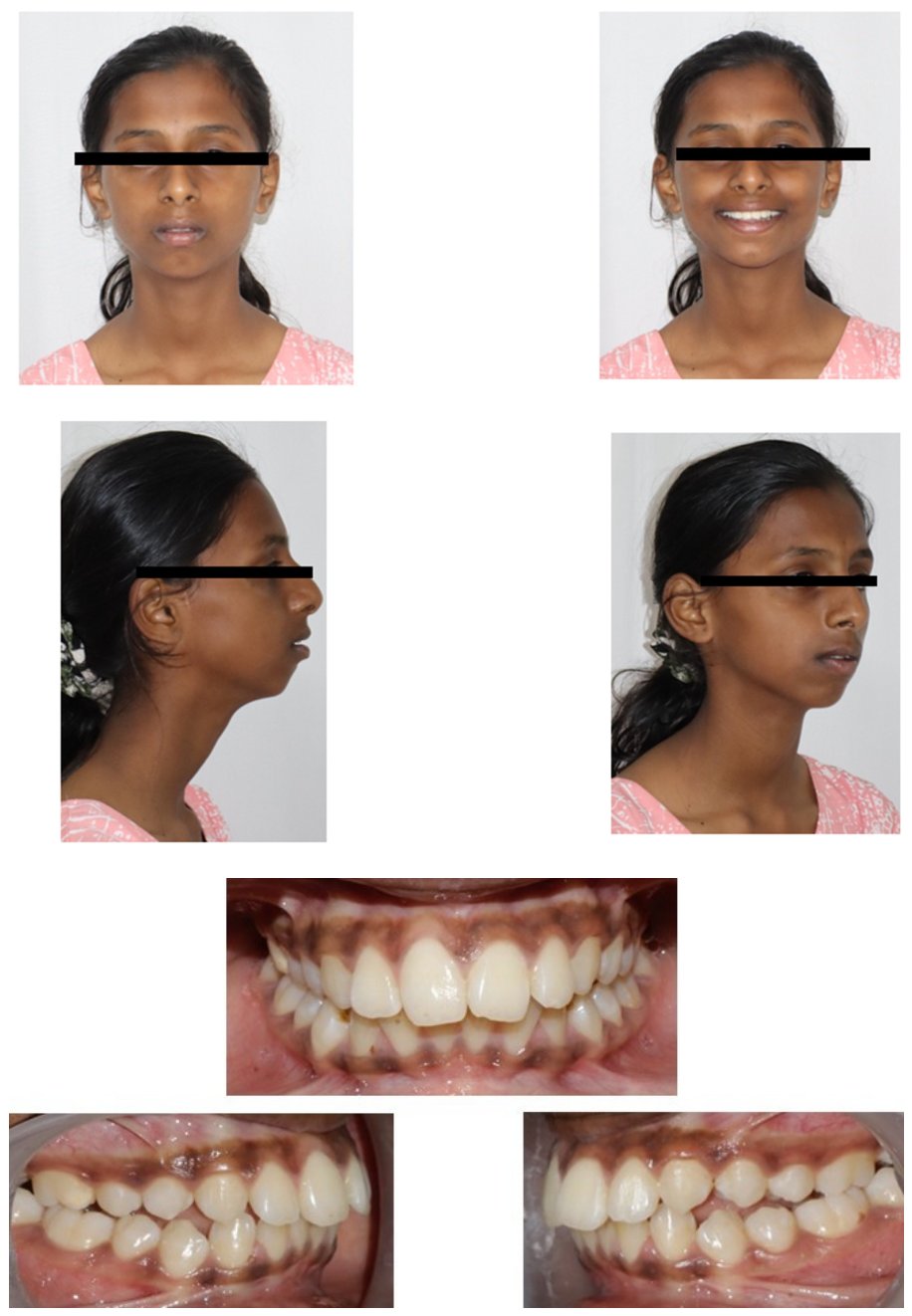
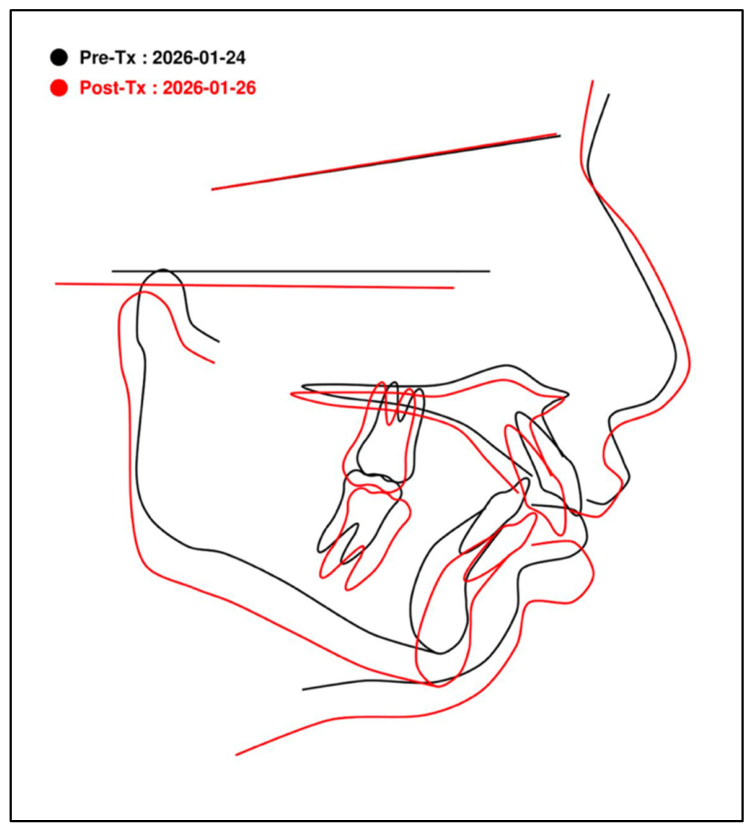
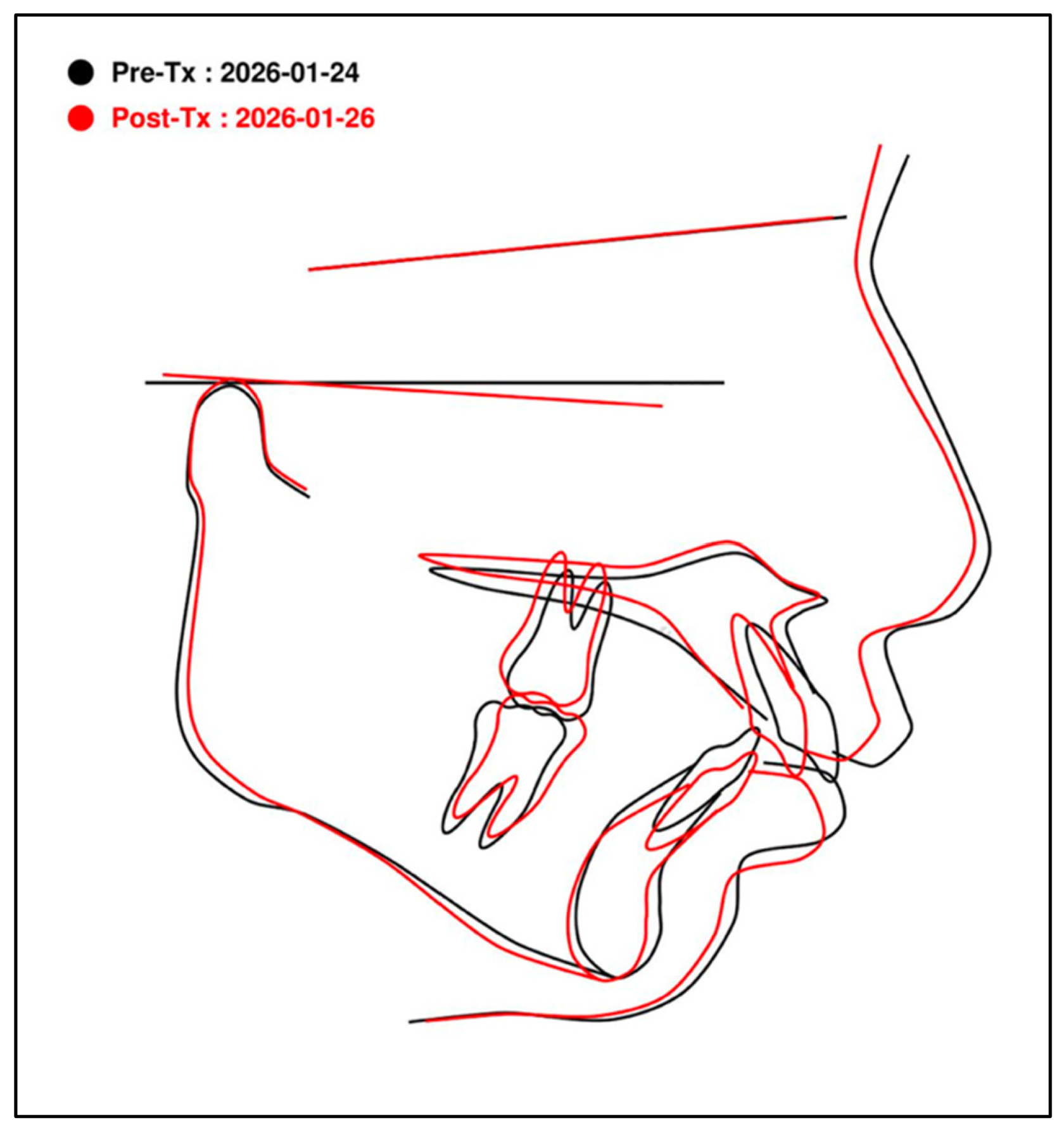
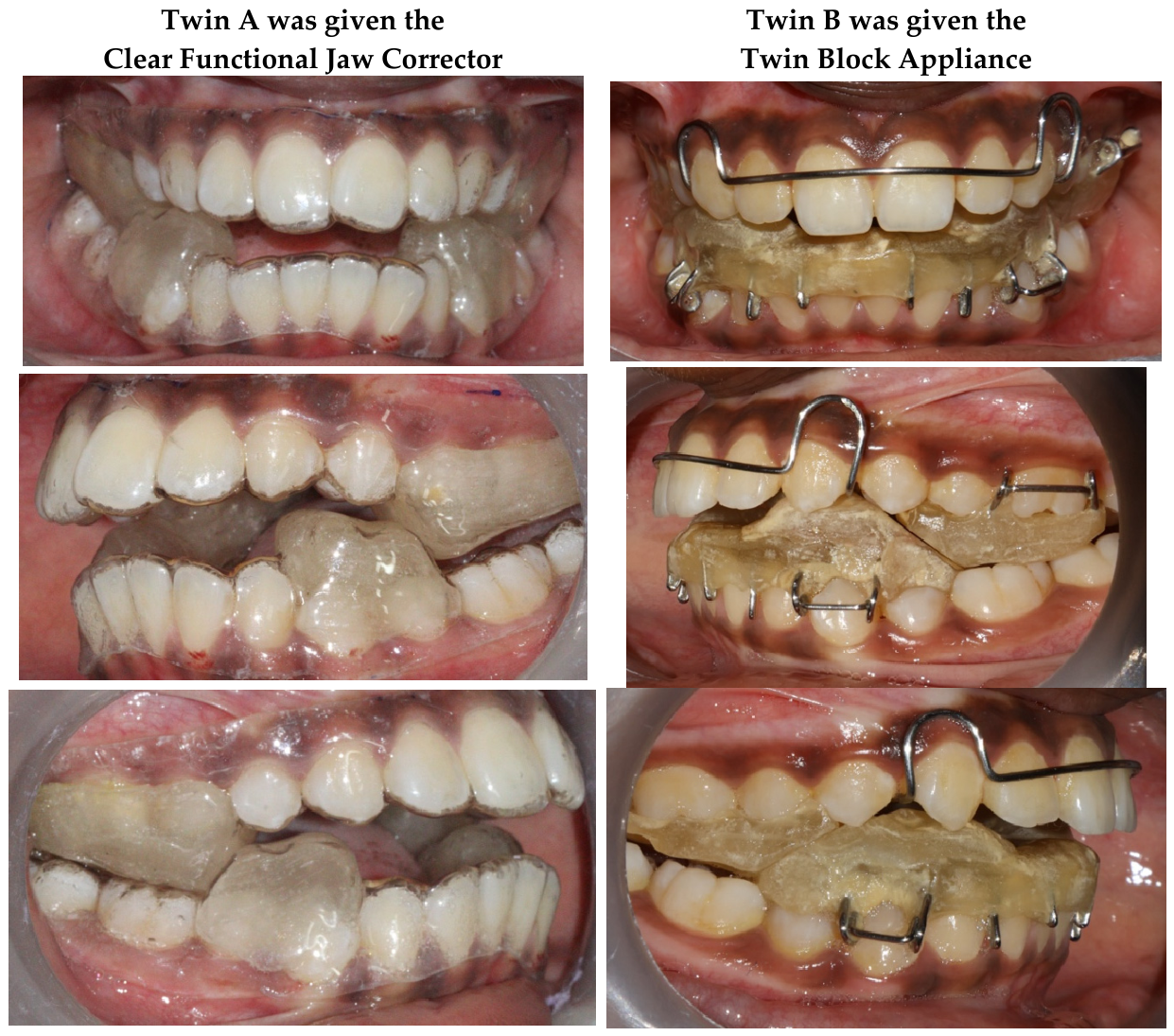
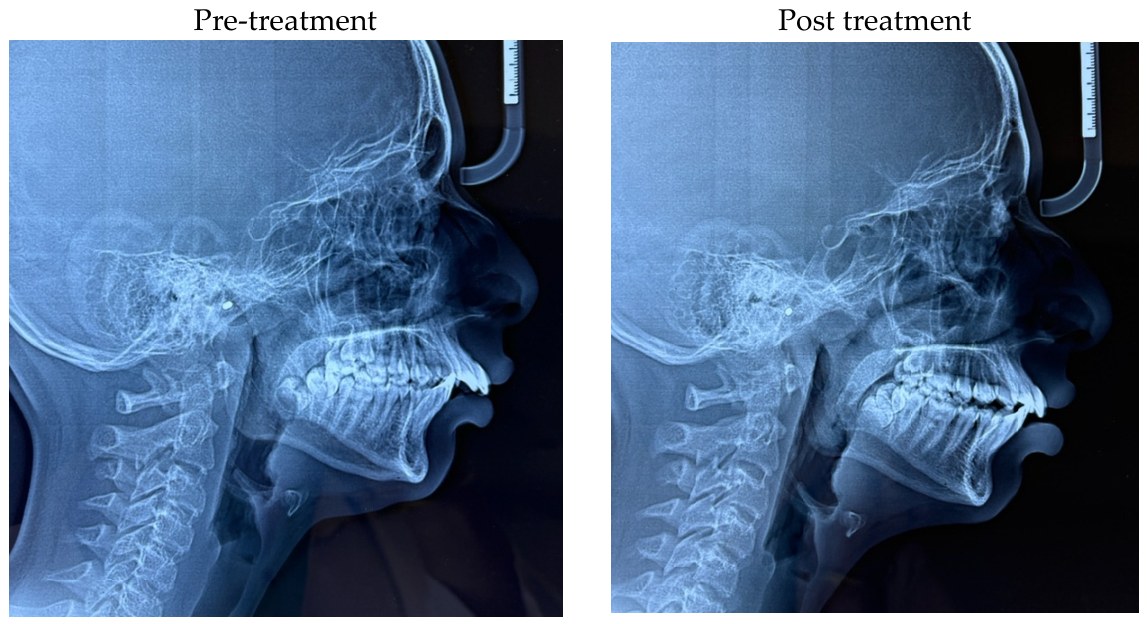
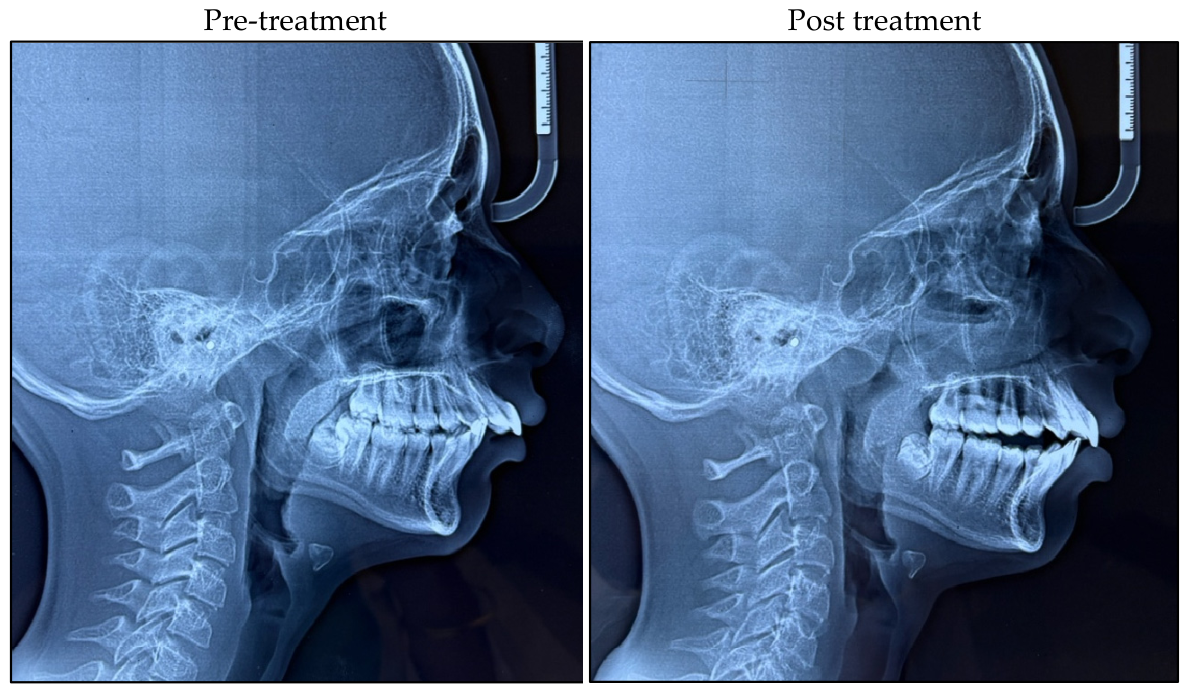
In the present study, both twins exhibited improvement in sagittal jaw relationships following functional appliance therapy. However, the magnitude and nature of changes differed between the two patients. Twin A, treated with the clear functional jaw corrector, demonstrated greater reduction in ANB angle, improved vertical control, and complete correction of molar and canine relationships. In contrast, Twin B, treated with the conventional twin block appliance, exhibited limited skeletal improvement, greater dentoalveolar compensation, and incomplete canine correction. These findings suggest that appliance design may influence the balance between skeletal and dental effects, even when biological variables are controlled.
Both appliances used in the present study are based on the same fundamental biomechanical principle of inclined plane guidance. Therefore, they should be considered as design variations rather than entirely distinct functional appliance systems. However, differences in material properties, retention mechanisms, and appliance bulk may influence force distribution, patient comfort, and treatment response.
The systematic review and meta-analysis by Mani et al. [
10] concluded that both clear and conventional twin block appliances are capable of producing clinically meaningful correction of Class II malocclusion. However, the authors also highlighted considerable heterogeneity among studies, particularly with respect to dentoalveolar effects and vertical changes. The present report reflects this heterogeneity at an individual level, demonstrating differential responses in two genetically identical patients treated with different appliances.
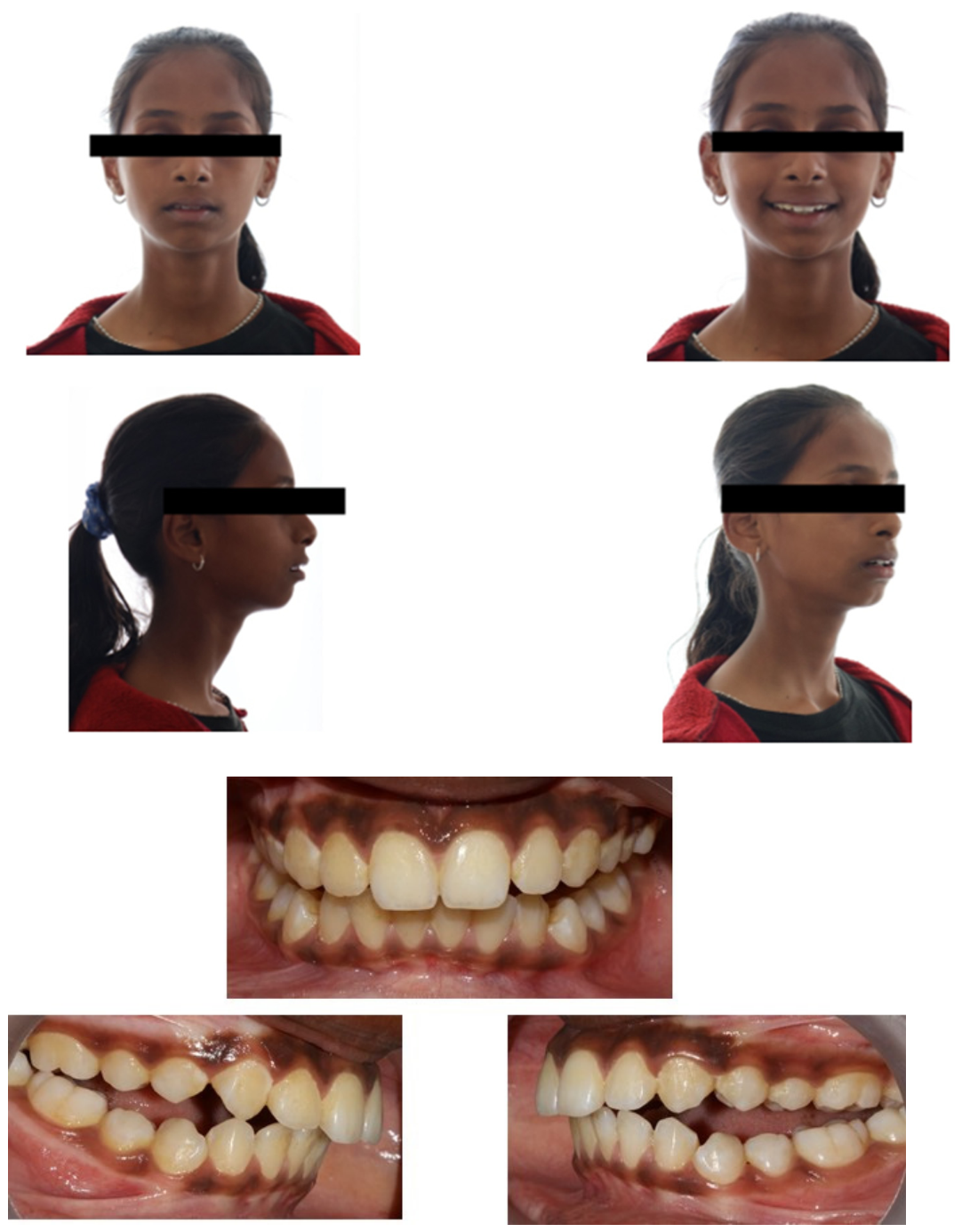
Although improvement in facial profile and chin prominence was observed in both patients, lip competence remained suboptimal. This suggests that underlying orofacial muscular imbalance persisted despite orthodontic correction. Orofacial myofunctional factors, including lip strength, tongue posture, and breathing patterns, play a critical role in treatment efficiency and long-term stability. The absence of adjunctive myofunctional therapy in the present cases appears to have limited neuromuscular adaptation. Interdisciplinary management involving an otorhinolaryngologist and an orofacial myofunctional therapist could potentially improve functional outcomes and stability [
11].
One of the most noteworthy observations in Twin A was the greater reduction in ANB angle achieved primarily through a decrease in SNA rather than an increase in SNB. This finding suggests a restraining effect on maxillary growth rather than true mandibular length increase. Previous investigations have reported similar patterns, indicating that functional appliances frequently achieve sagittal correction through maxillary restraint and dentoalveolar adaptation rather than significant mandibular growth stimulation [
7,
12]. Perinetti et al. emphasized that removable functional appliances produce limited mandibular growth and that much of the observed correction is attributable to positional and dental changes.
Twin B exhibited greater proclination of both maxillary and mandibular incisors, indicating increased dentoalveolar compensation. Such compensation may facilitate short-term sagittal correction but has been associated with compromised long-term stability and less favorable esthetic outcomes. Similar findings in patients treated with mandibular advancement using clear aligners, where dental movements contributed substantially to correction. Excessive incisor proclination may also increase susceptibility to periodontal complications and relapse, underscoring the importance of careful incisor control during functional therapy. Neither appliance corrected concomitant orofacial myofunctional disorders without targeted behavioral intervention.
The presence of a lateral open bite following treatment highlights the importance of considering functional factors such as tongue posture and possible lateral tongue interposition. In patients with lip incompetence and suspected oral breathing patterns, abnormal tongue positioning may contribute to occlusal instability. These findings emphasize the need for a comprehensive approach that includes functional assessment and, where necessary, myofunctional therapy.
Mesially directed occlusal forces generated during mandibular advancement are known to contribute to proclination of the mandibular incisors. The extent of this effect may vary depending on appliance design and force distribution. The vacuum-formed appliance provides more uniform coverage and may result in more evenly distributed forces, whereas the conventional twin block relies on acrylic blocks and clasps, which may produce localized force concentration and greater dentoalveolar compensation.
The allocation of appliances was not randomized. Twin A was treated with the clear functional appliance based on patient preference and esthetic considerations, whereas Twin B received a conventional twin block appliance as part of routine clinical protocol.
It is important to note that these cases illustrate the effects of functional appliance therapy in the absence of adjunctive orofacial myofunctional therapy. While contemporary orthodontic management often incorporates both mechanical and behavioral approaches, the present report provides insight into the isolated effects of appliance therapy. This allows for a clearer understanding of the dentoskeletal changes produced by the appliances, while also highlighting the limitations of treatment when functional factors are not addressed.
Vertical growth control represents a critical factor in the management of Class II malocclusion, particularly in patients with vertical growth tendencies. Both twins in the present study exhibited a vertical growth pattern at baseline. Twin A demonstrated better vertical stability following treatment, whereas Twin B exhibited increased mandibular plane angles. Increased vertical opening during functional appliance therapy has been associated with reduced sagittal correction and increased dental compensation [
7,
12]. The full-coverage design and occlusal characteristics of the clear functional appliance may have contributed to improved vertical control in Twin A by limiting posterior tooth eruption and maintaining favorable mandibular rotation.
Neuromuscular adaptation plays an important role in the response to functional appliance therapy. By positioning the mandible forward, functional appliances alter muscle activity patterns and temporomandibular joint loading. Adaptive remodeling of these structures may contribute to treatment stability. However, individual variability in neuromuscular response may influence treatment outcome. Differences in muscular adaptability between patients may partially explain variability in skeletal response observed in functional appliance therapy [
3,
4]. Although neuromuscular parameters were not directly assessed in the present study, their potential influence should be acknowledged.
Patient adherence remains one of the most critical determinants of success in removable functional appliance therapy. Although both twins demonstrated comparable adherence based on clinical assessment and parental reports, subtle differences in wear patterns may have influenced treatment outcomes.
Genetic factors play a substantial role in craniofacial development, dental arch morphology, and orthodontic treatment response. Twin and family studies have consistently demonstrated moderate to high heritability of craniofacial characteristics [
13,
14,
15,
16]. In a systematic review [
17] significant genetic influence on craniofacial soft tissue morphology in monozygotic twins was observed while Germeç Çakan et al. and Yue et al. [
14,
15,
18] highlighted the genetic determinants of facial skeletal characteristics. Sidlauskas et al. [
15] further demonstrated high heritability of mandibular cephalometric variables. These findings support the use of monozygotic twins as a biologically controlled model for evaluating orthodontic interventions.
By minimizing genetic variability, the present study allows treatment-related differences to be attributed more confidently to appliance-specific factors [
19]. This is particularly relevant in functional appliance therapy, where individual variability in growth response is substantial. Yue et al. [
18] demonstrated that divergent treatment approaches can lead to different long-term outcomes in monozygotic twins despite identical genetic backgrounds. Such findings reinforce the scientific value of twin-based comparisons and highlight their potential role in refining orthodontic treatment protocols.
Doll et al. [
20] demonstrated a strong association between patient discomfort, appliance acceptance, and adherence. Appliances that are bulky, uncomfortable, or socially conspicuous may reduce wear time, particularly in adolescent patients. The transparent design and reduced bulk of the clear functional appliance may therefore represent a clinically relevant advantage in promoting sustained adherence.
From a clinical perspective, the present findings emphasize the importance of individualized appliance selection. Although both appliances produced improvement in sagittal relationships, differences in dentoalveolar response, vertical control, and occlusal correction were evident. Clear functional appliances may be particularly advantageous in patients requiring enhanced esthetics, improved vertical control, and greater acceptance, whereas conventional twin block appliances remain reliable and cost-effective options in appropriately selected cases.
Furthermore, clinicians should recognize that functional appliance therapy rarely produces uniform skeletal effects across all patients. Comprehensive diagnosis, careful treatment planning, and continuous monitoring are essential to optimize outcomes and minimize undesirable compensatory changes. The integration of skeletal maturity assessment, growth pattern evaluation, and patient-related factors into appliance selection may enhance treatment predictability.
4.1. Clinical Implications
The results of this monozygotic twin case report have several important clinical implications. First, they highlight that appliance design can influence treatment outcomes even under near-identical biological conditions. Second, they emphasize the importance of considering vertical growth pattern and dentoalveolar effects when selecting functional appliances. Third, they suggest that esthetic appliance designs may enhance patient acceptance and potentially improve treatment efficiency.
Clinicians should recognize that functional appliance therapy does not produce uniform skeletal effects in all patients and that dentoalveolar compensation often plays a substantial role in sagittal correction. Careful case selection, appliance design, and monitoring of incisor inclination and vertical changes are therefore essential to optimize outcomes.
4.2. Limitations
The present study has several limitations. First, the allocation of appliances was not randomized, introducing potential selection bias. Second, no independent blinded observer was used for outcome assessment, which may introduce observational bias. Third, no formal airway or ENT evaluation was performed. Fourth, orofacial myofunctional assessment and therapy were not included, which appears to have limited functional adaptation and treatment outcomes.