Review

Antibiotic Resistance and Virulence Mechanisms in Klebsiella pneumoniae: Understanding for Better Interventions


by
Assefa Asnakew Abebe
1,2,*,
Alemayehu Godana Birhanu
1 and
Tesfaye Sisay Tessema
1
1
Unit of Molecular Biology and Bioinformatics, Institute of Biotechnology, Addis Ababa University, Addis Ababa P.O. Box 1176, Ethiopia
2
Unit of Molecular Biology, Department of Medical Laboratory Sciences, Institute of Health, Bule Hora University, Bule Hora P.O. Box 144, Ethiopia
*
Author to whom correspondence should be addressed.
Bacteria 2026, 5(1), 9; https://doi.org/10.3390/bacteria5010009
Submission received: 8 October 2025 / Revised: 3 November 2025 / Accepted: 20 January 2026 / Published: 2 February 2026

Abstract

Klebsiella pneumoniae is a prominent pathogen implicated in a wide range of infections, including pneumonia, urinary tract infections, and septicemia. Its ability to acquire and disseminate antibiotic resistance, coupled with the rising prevalence of hypervirulent strains, represents a significant public health threat. Understanding the molecular basis of drug resistance can guide the design and development of effective treatment strategies. Antimicrobial resistance (AMR) in these bacteria is a complicated process and cannot be attributed to a single resistance mechanism. K. pneumoniae develops resistance to antibiotics through a variety of mechanisms, ranging from single molecular mechanisms to complex interactions, where molecular synergy exacerbates resistance. This review summarizes the current understanding of the molecular mechanisms that contribute to the drug resistance and virulence of this pathogen. Key antibiotic resistance mechanisms include drug inactivation via B-lactamases and carbapenemases, membrane remodeling, efflux pump systems, such as AcrAB-TolC and OqxAB, and biofilm formation facilitated by quorum sensing. Additionally, the role of ribosomal changes in resistance is highlighted. This review also examines the mechanisms of virulence, emphasizing fimbriae, iron acquisition systems, and immune evasion strategies. Understanding these mechanisms of drug resistance and virulence is crucial for remodeling existing antibiotics and developing new therapeutic strategies.

1. Introduction

Klebsiella pneumoniae (K. pneumoniae) is a ubiquitous, rod-shaped, capsulated, facultative anaerobic, non-motile, Gram-negative bacterium. The genome size of this bacterium ranges from 5.1 to 5.6 Mb [1,2]. Genetic variation among different strains of this species can be attributed to genome rearrangements, which often result from the inversion of chromosomes, mobile genetic elements, plasmids, and the presence of genes specific to strains. K. pneumoniae was initially described in 1882 by Carl Friedlander as a bacterium recovered from the lungs of patients who died of pneumonia and is known as the Friedlander bacterium [3]. Later, the Klebsiella genus was named by German microbiologist Edwin Klebs, who assigned it the current name K. pneumoniae [4]. K. pneumoniae is found in different environments, including soil, water, and the gastrointestinal and respiratory tracts of humans and animals. K. pneumoniae can colonize healthcare environments and medical devices. This bacterium is a major public health challenge because of its increasing pathogenicity, virulence, and emergence of antimicrobial resistance. The association of K. pneumoniae with invasive procedures and its ability to form biofilms increases the risk of infection and complicates the treatment options [5,6]. Historically, this bacterium has been associated with infections in immunocompromised individuals. However, the emergence of antibiotic-resistant strains and increased virulence has presented dual risks in healthy and immunocompetent individuals [3,7,8,9]. The increasing number of infections and the emergence of MDR strains of this bacterium have attracted attention.
The prevalence of multidrug-resistant (MDR) K. pneumoniae strains is increasing. While various molecular mechanisms contribute to resistance, the production of extended-spectrum beta-lactamases (ESBLs) and carbapenemases is the primary driver of drug resistance in this pathogen. Another concern associated with this bacterium is its pathogenicity, which results from the complex interaction of various virulence factors that enable colonization and immune evasion and facilitate systemic spread [10]. These virulence factors include lipopolysaccharides, iron uptake systems, capsules, exopolysaccharides associated with mucoviscosity, and adhesins [11]. Reports indicate that K. pneumoniae isolates are increasingly displaying MDR characteristics, with a rapid increase in global resistance rates for carbapenems [12]. The dual challenges of increased virulence and drug resistance to currently available antibiotics highlight the urgent need for innovative treatment options, such as promising phage therapies [13,14].

Antimicrobial Resistance in K. pneumoniae

Antimicrobial resistance (AMR) has been recognized as a significant public health crisis. AMR is characterized by the ability of microorganisms to resist medications intended to kill them [15]. The World Health Organization (WHO) has identified AMR as a critical threat to public health. If there are no new antibiotics or novel therapeutic options, it is estimated that by 2050, infections related to AMR could lead to the death of 10 million people [16]. K. pneumoniae rapidly develops resistance to antibiotics. By 2024, carbapenem-resistant K. pneumoniae had risen to the top position on the WHO bacterial priority pathogen list (BPPL), highlighting an alarming increase in resistance among these pathogens [17]. The WHO has prioritized Klebsiella pneumoniae as a critical pathogen due to its ability to acquire AMR genes, rendering it resistant to multiple classes of antibiotics. Current studies reveal that more than half of K. pneumoniae isolates are resistant to key antibiotics like third-generation cephalosporins and carbapenems, underscoring the urgent need for enhanced surveillance, novel treatment strategies, and effective antimicrobial stewardship [9,18]

2. Molecular Mechanisms of Drug Resistance in K. pneumoniae

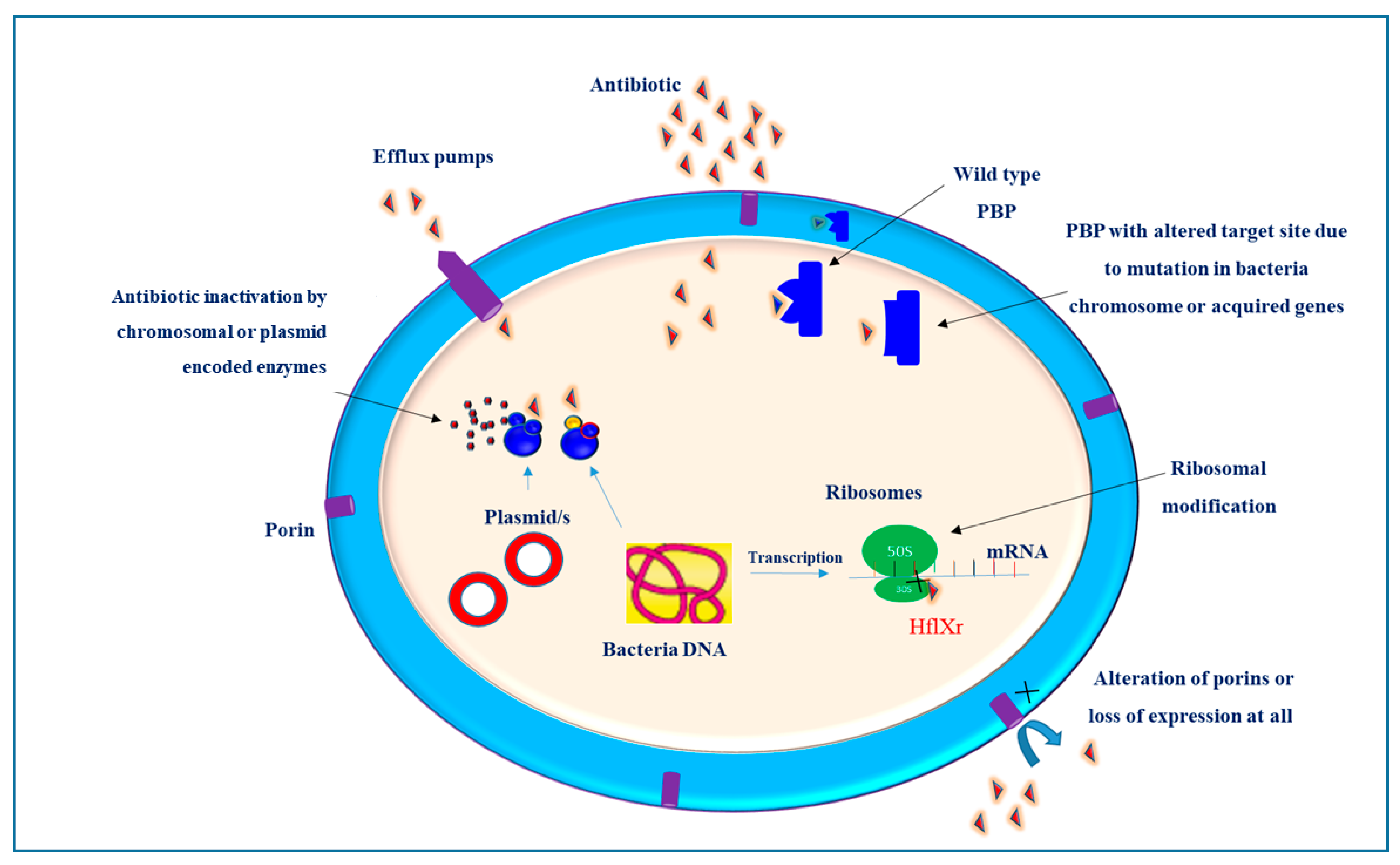
The emergence of multidrug-resistant (MDR) strains of Klebsiella pneumoniae constitutes a significant public health challenge due to the pathogen’s multifaceted and dynamic resistance mechanisms. Unlike simpler models of antimicrobial resistance (AMR), resistance in K. pneumoniae arises from an intricate interplay of molecular strategies, which collectively amplify the bacterium’s ability to withstand diverse antibiotic classes (Figure 1). This complexity arises not only from individual resistance determinants but also from synergistic interactions between mechanisms, underlining the pathogen’s adaptive versatility (Figure 1). A primary mode of resistance involves modification of antibiotic targets, thereby reducing drug affinity and efficacy. Complementarily, K. pneumoniae frequently expresses a spectrum of drug-inactivating enzymes, such as β-lactamases, which hydrolyze antibiotic molecules, rendering them ineffective [19]. The genetic basis of these enzymatic factors is notably versatile, with resistance genes encoded both chromosomally and on mobile plasmids. The latter route facilitates horizontal gene transfer (HGT), which has been pivotal in disseminating resistance traits across clinical isolates.
Plasmid acquisition is particularly consequential, as it enables the concurrent carriage of multiple resistance genes, fostering the development of extensively drug-resistant (XDR) strains. For instance, co-localization of genes such as blaNDM and fluoroquinolone resistance determinants within single plasmids has been repeatedly documented in nosocomial isolates, highlighting the role of plasmids as reservoirs for resistance cassettes that complicate treatment strategies [20].
Efflux pump systems, primarily chromosomally encoded in K. pneumoniae, provide an additional layer of resistance by decreasing intracellular drug concentrations through active extrusion. These pumps are tightly regulated at the genetic level. They can synergize with plasmid-borne resistance genes to enhance resistance phenotypes, demonstrating a dual genetic control framework that underscores the pathogen’s adaptability under antibiotic selective pressure. This synergy between chromosomal and plasmid-mediated mechanisms exemplifies the evolutionary plasticity of K. pneumoniae, which is further accelerated by mobile genetic elements facilitating rapid genetic recombination and adaptation [21]. The presence of multiple resistance genes on a single plasmid has been documented, contributing to the development of extensively drug-resistant (XDR) strains. For example, studies have shown the presence of carbapenemase and fluoroquinolone resistance genes, as well as blaAmpC and fluoroquinolone resistance genes, within plasmids acquired by bacteria that frequently lead to hospital-acquired infections. Efflux pump systems, which are chromosomally encoded, play a significant role in antibiotic resistance by altering the permeability of the cell membrane to drugs. These pumps are a key mechanism contributing to the drug resistance observed in K. pneumoniae [22].

2.1. Drug Inactivation and Target Modification

K. pneumoniae can resist antibiotics by producing hydrolyzing enzymes, such as B-lactamases, AmpC B-lactamases, and carbapenemases. These enzymes hydrolyze critical parts of the antibiotics. The primary resistance mechanism involves the production of β-lactamases, enzymes that hydrolyze and inactivate β-lactam antibiotics. B-lactams are a widely used class of antibiotics. After the discovery of benzylpenicillin in the 1920s by Alexander Fleming, numerous penicillin derivatives and related B-lactam classes, including monobactams, cephalosporins, cephamycins, and carbapenems, have been developed. The development was aimed either at expanding the spectrum of activity to cover new species or to combat emerging resistance [23]. B-lactams are commonly used to treat infections caused by K. pneumoniae. B-lactams work by inhibiting penicillin-binding protein (PBPs) (Figure 1), enzymes responsible for cell wall synthesis [24,25].
Without proper peptidoglycan cross-linking, cells experience an uncontrolled influx, leading to swelling and lysis. Even minor disruptions in cross-linking can trigger structural instability, causing membrane blebbing and eventual rupture. Therefore, the precise architecture of peptidoglycan is essential for bacterial survival, acting as both a structural component and an osmotic barrier [23]. A key target in the peptidoglycan synthesis pathway is the PBPs, transpeptidases responsible for catalyzing the final cross-linking step in the peptidoglycan assembly. B-lactams mimic the D-Ala-D-Ala terminus of peptidoglycan precursors and act as suicide substrates [26]. B-lactams irreversibly bind to PBPs and inhibit transpeptidase activity. This disruption prevented peptidoglycan cross-linking. This weakens the bacterial cell wall and leads to cell death through osmotic lysis. The effectiveness of B-lactams is attributed to their covalent interactions with PBPs across all bacterial species [24]. Bacteria develop resistance to β-lactam antibiotics by modifying penicillin-binding proteins (PBPs) at the molecular level, which reduces the binding affinity of these antibiotics. In K. pneumoniae, this resistance primarily arises from mutations in the genes encoding PBPs, leading to structural changes that decrease their ability to bind β-lactams effectively [24,25]. The loss or structural modification of outer membrane proteins (OMPs) is another mechanism that confers resistance to K. pneumoniae. The outer membrane acts as a barrier that antibiotic molecules must cross before binding to penicillin-binding proteins (PBPs). Antibiotics must pass through the porins, specifically OmpK35 and OmpK36. However, the expression levels of these porins are frequently modified, leading to a reduction in membrane permeability. This decrease limits the influx of antibiotics into the bacterial cell, thereby reducing their intracellular concentrations and effectiveness. As a result, such alterations in porin abundance directly contribute to the development of antibiotic resistance by preventing sufficient drug accumulation within the bacteria [27,28]. Together, these multilayered defenses create a formidable barrier against treatment, underscoring the urgent need for integrated molecular surveillance and novel therapeutic strategies to manage emerging multidrug-resistant K. pneumoniae infections.

2.1.1. B-Lactamases

B-lactamases are enzymes that are capable of hydrolyzing B-lactam antibiotics. The dominant mechanism of resistance in K. pneumoniae involves the production of an extended spectrum of B-lactamases (ESBLs) and AmpC B-lactamases, which are often found on mobile genetic elements, allowing for rapid spread among bacterial populations [29,30]. B-lactamases are categorized into ESBLs, cephalosporinases (AmpC), and carbapenemases. The production of these enzymes in K. pneumoniae confers resistance to carbapenems, penicillins, and cephalosporins. ESBLs include cefotaximase (CTX), Temoneria (TEM), sulfhydryl variable (SHV), and oxacillinase (OXA). AmpC confers resistance to first- to third-generation cephalosporins and enzyme inhibitors. AmpC can be either chromosomal- or plasmid-mediated. Currently, more than 40 genetic variants of AMPC have the potential for rapid plasmid-mediated spread among strains [31]. Production of carbapenemase enzymes is another mechanism of resistance in K. pneumoniae, leading to the development of carbapenem-resistant K. pneumoniae (CRKP). These enzymes reduce the sensitivity to carbapenem-class antibiotics [32].
Temoneria (TEM)-1 is the first reported B-lactamase. TEM was described in 1965, followed by the identification of sulfhydryl variable (SHV)-1 B-lactamase. These enzymes help bacteria survive penicillin treatment. Subsequently, derivatives of TEM and SHV-type B-lactamase, classified as ESBL, were detected. These variants demonstrate hydrolysis of oxyimino B-lactam antibiotics due to minor molecular changes in their active sites [33,34].
Notably, this type of resistance was observed in K. pneumoniae shortly after the introduction of third-generation cephalosporins in 1982 [23]. Historically, SHVs or TEMs have been the dominant B-lactamases. However, there has been a shift, with CTX-M being the most commonly detected ESBL worldwide. The distribution of ESBL-producing K. pneumoniae, which encodes CTX-M, has increased significantly over the years [35]. Outbreaks of ESBL-producing K. pneumoniae in hospitals have posed a threat for several years, dating back to the first report in the 1980s in France. The production of diverse B-lactamases in K. pneumoniae, including ESBLs, AmpC cephalosporinases, and carbapenemases, constitutes the primary mechanism driving resistance to critical β-lactam antibiotics (Table 1). The evolving landscape of these enzymes, from the early TEM and SHV variants to the widespread CTX-M types, highlights the dynamic adaptation of K. pneumoniae to antimicrobial pressure [36]. The rapid dissemination of these genes via mobile genetic elements exacerbates the challenge of treating infections caused by multidrug-resistant strains, underscoring the urgent need for continuous surveillance, stewardship, and the development of novel therapeutic strategies.

2.1.2. Carbapenemases

Carbapenemases are bacterial enzymes that break down carbapenem antibiotics, causing significant treatment challenges. Among these, the “Big Five” carbapenemases K. pneumoniae carbapenemase (KPC) (class A), imipenemase (IMP), Verona integron encoded metallo-β-lactamase (VIM), New Delhi metallo-β-lactamase (NDM) (class B metallo-β-lactamases), and OXA-48-like oxacillinases (class D)—are of particular clinical concern due to their widespread distribution and their role in conferring resistance in Gram-negative bacteria such as K. pneumoniae [32] (Table 1). Carbapenemases are B-lactamases with versatile hydrolytic activity. Many of these enzymes can hydrolyze nearly all B-lactams, making them largely resistant to the currently available B-lactam antibiotics. Carbapenemases are categorized into A, B, and D molecular classes of B-lactamases. Molecular classes A and D use serine-dependent hydrolytic mechanisms, whereas class B comprises metallo-B-lactamases that incorporate zinc into their active site [32]. The term carbapenem-hydrolyzing enzymes is preferable over “carbapenemases,” as carbapenems represent only one part of the substrate spectrum. The mechanism of action of carbapenem-hydrolyzing enzymes acts through the action of catalytic sites, such as serine or zinc. According to Ambler’s classification of B-lactamases, carbapenem-hydrolyzing enzymes are classified into molecular classes A, B, and D [37]. Each class comprises multiple enzyme families and their respective subfamilies. Among these enzymes, IMP, VIM, KPC, NDM, and OXA are particularly significant in clinical settings [38,39]. These enzymes are encoded both chromosomally and on plasmid genes, resulting in variability among carbapenemases. Plasmid-encoded carbapenemase genes can be horizontally transferred between related bacterial genera, facilitating the rapid spread of carbapenemase-producing bacteria [20].
Serine Carbapenemases (Molecular Class A Carbapenemases)
Serine carbapenemases constitute a group of B-lactamases (functional group 2f) that utilize serine residues for their hydrolytic activity [39,40]. These enzymes effectively degrade a wide range of β-lactam antibiotics, including carbapenems, penicillins, and monobactams, using serine residues in their active site. Serine carbapenemases are not inhibited by metal-chelating agents such as ethylenediaminetetraacetic acid (EDTA) [39,40]. These enzymes are commonly identified in K. pneumoniae clinical isolates. The well-characterized groups of serine carbapenemases include KPC (K. pneumoniae carbapenemase), IMI/NMC (imipenem-hydrolyzing B-lactamase/non-metallo-carbapenemase), SME (Serratia marcescens enzyme), and GES (Guiana ESBL). In addition, SHV-38 and SFC-1 (Serratia fonticola carbapenemase-1) represent emerging variants. SHV-38, SFC-1, IMI/NMC, and SME are typically chromosomal, whereas KPC and GES are often plasmid-mediated, facilitating rapid horizontal transmission among bacterial populations [20,32].
Molecular Class B Carbapenemases/Metallo-B-Lactamases (MBLs)
MBLs are zinc-dependent enzymes that hydrolyze carbapenems and nearly all B-lactams [41,42]. MBLs can be categorized into three subclasses: B1, B2, and B3. Each subclass has unique characteristics. Class B1 MBLs, including NDM, VIM, IMP, GIM, and SIM, are the most clinically significant and require two zinc ions for catalysis [38,39]. These enzymes are frequently plasmid-mediated, enabling rapid K. pneumoniae. Class B2 MBLs are active mono-zinc proteins [43]. CphA from Aeromonas species utilizes only one zinc ion (Zn2+) for catalysis and demonstrates a high specificity for carbapenems. Notably, the Zn1 site in B2 MBLs is non-catalytic and can inhibit activity when occupied. Class B3 MBLs, which include L1 from Stenotrophomonas maltophilia, AIM-1 from P. aeruginosa, and BcII from Bacillus cereus, also require two zinc ions but are structurally and phylogenetically distinct from B1 and B2 enzymes. B3 MBLs possess active site motifs, such as HHH/DHH, and show greater sequence diversity [44]. In contrast to B1 MBLs, B3 MBLs are often encoded chromosomally. MBLs can evade inhibition by B-lactamase inhibitors such as clavulanate, and MBLs can be inhibited by chelating agents such as EDTA [45,46]. Unlike serine β-lactamases, MBLs are not inhibited by traditional β-lactamase inhibitors but can be targeted by metal chelators such as EDTA, highlighting the need for novel therapeutic approaches to overcome MBL-mediated resistance.
Molecular Class D Carbapenemases (OXA Carbapenemase)
Class D carbapenemases, commonly referred to as oxacillinase (OXA) carbapenemases, are serine-dependent enzymes that hydrolyze carbapenems and B-lactam antibiotics [47]. OXA is a carbapenem-hydrolyzing enzyme classified into a family of molecular class D serine-dependent enzymes. OXA was first reported in 2003 in Turkey [48]. These enzymes have a wide genetic diversity and are encoded by plasmids. Class D carbapenemases utilize a serine residue for their catalytic activity and exhibit resistance to inhibition by EDTA, clavulanate, and tazobactam, owing to their serine-based mechanism. Class D carbapenemases have been identified predominantly in K. pneumoniae. The OXA group consisted of more than 489 variants, 37 of which were classified as clinically significant carbapenemases. Among these, OXA-48, including its variants (OXA-181 and OXA-232), is particularly noteworthy and often associated with outbreaks in healthcare environments [49,50]. In contrast to plasmid-mediated carbapenemases (e.g., KPC), OXA enzymes are primarily encoded chromosomally, although plasmid-borne variants have been reported. Their capacity to circumvent conventional inhibitors and propagate through horizontal gene transfer highlights their significance in the context of multidrug-resistant infection [20].
The five most significant carbapenemases, known as “the Big Five,” are KPC, IMP, VIM, NDM, and OXA [51]. These enzymes are commonly found in K. pneumoniae and other pathogenic bacteria. Their ability to spread via plasmids and chromosomes, especially variants like OXA-48, makes them a critical factor in the rise in multidrug-resistant K. pneumoniae infections and underscores the challenge in managing last-resort carbapenem therapy.
K. pneumoniae Carbapenemase (KPC)
This is the most clinically reported type of molecular class A carbapenemase. KPC was first identified in North Carolina, USA, in 1996 [52]. KPC is now globally distributed, with reports from all continents and regions [53,54,55,56,57,58,59,60]. Reports have identified over 150 different blaKPC-coding genes [61]. The most prevalent KPC variants are KPC-2 and KPC-3. Newer variants that confer resistance to ceftazidime/avibactam (CZA), such as KPC-80, KPC-97, KPC-81, and KPC-96, have also been reported [62]. This variation is caused by the accumulation of mutations in active site loops, such as the Ω-loop and Lys270-loop [61]. Although KPC has been repeatedly reported in K. pneumoniae, it has also been isolated from other Enterobacterales, including Enterobacter spp., Klebsiella oxytoca, E. coli, Serratia marcescens, Citrobacter freundii, Salmonella enterica, Proteus mirabilis, and P. aeruginosa [63,64,65,66]. The widespread emergence and diversification of KPC enzymes significantly threaten the effectiveness of current β-lactam and carbapenem therapies, complicating infection management worldwide. Urgent development of novel inhibitors and robust surveillance systems is essential to control the spread and impact of KPC-producing pathogens.
Imipenemase (IMP)
IMPs are carbapenemases classified as a family of molecular class B MBLs that utilize zinc ions (Zn2+) for their catalytic effect, allowing them to confer resistance to carbapenems, particularly imipenem and meropenem [67]. IMP was first identified in Japan as IMP-1, which has since diversified into 88 variants, with the majority being found in Asia [67,68,69]. IMP is increasingly identified in K. pneumoniae, significantly contributing to its multidrug resistance. In K. pneumoniae, IMP carbapenemases are typically encoded on plasmids, enabling rapid horizontal gene transfer within and between bacterial populations [36]. These enzymes inactivate nearly all B-lactams, except monobactams, such as aztreonam, rendering carbapenems ineffective. The IMP-43 and IMP-44 variants demonstrated increased catalytic efficiency against carbapenems compared to the IMP-7 and IMP-11 variants [67,70]. This highlights the growing threat posed by IMP carbapenemase. The global dissemination of IMP-producing pathogens, facilitated by plasmid-mediated horizontal gene transfer, exacerbates resistance and complicates treatment. The presence of IMP enzymes in K. pneumoniae undermines the effectiveness of carbapenems, often regarded as last-resort antibiotics for severe infections caused by this pathogen. This enzymatic resistance severely restricts treatment options and is linked to increased morbidity and mortality in infected patients. Therefore, monitoring and controlling the spread of IMP-producing K. pneumoniae is essential for infection prevention and effective antimicrobial stewardship.
Verona Integron-Encoded Metallo-B-Lactamases (VIMs)
VIMs are carbapenem-hydrolyzing enzymes classified into a family of molecular class B MBLs that utilize zinc ions (Zn2+) for their catalytic activity [71,72]. VIMs are encoded by integron blaVIM genes found in plasmids. These enzymes are among the most widespread metallo-B-lactamases (MBLs) worldwide and demonstrate a wide range of hydrolytic activities against cephamycins, penicillins, cephalosporins, and carbapenems. VIMs are not effective against monobactams such as aztreonam. VIM was first reported in 1999 in Verona [73]; since then, it has been reported in regions including the Far East, the USA, Europe, and South America [74]. Variants of VIM, VIM-1, and VIM-2 were most frequently reported. These carbapenemases are primarily associated with K. pneumoniae. The global spread of VIM-producing bacteria is facilitated by mobile genetic elements within the class 1 integrons. This enables horizontal gene transfer across various bacterial species. Recent studies have highlighted the emergence of novel variants, such as VIM-84 in Asia and Europe, which further complicate the management of multidrug-resistant infections [75,76].
New Delhi Metallo-B-Lactamases (NDM)
NDMs are hydrolytic enzymes classified into a family of molecular class B carbapenemases (MBLs). NDM was first reported in 2008 in a Swedish patient of Indian descent who had been treated in New Delhi, India [77,78]. The first NDM variant was isolated from K. pneumoniae as NDM-1. Since then, NDM has been disseminated globally. These enzymes hydrolyze almost all B-lactams and carbapenems. These enzymes do not hydrolyze or inactivate monobactams such as aztreonam. NDM carbapenemases are plasmid-mediated and can be shared among bacterial species via horizontal gene transfer. Although aztreonam is still effective against NDM-producing strains, the coexistence of other resistance mechanisms, such as ESBLs, may reduce its efficacy in some cases [79].
Table 1. Summary of β-lactamase and carbapenemase classes and key features.
Enzyme ClassMolecular ClassRepresentative EnzymesSubstrate SpecificityInhibitionRefs.
Serine-B-lactamases (Class A)AKPC, TEM, SHV, CTX-MPenicillins, cephalosporins, and carbapenems (KPC)Inhibited by clavulanic acid, sulbactam[39,40]
Metallo-B-lactamases (Class B)BIMP, NDM, VIM, SPM, GIMBroad spectrum, including carbapenems but not monobactamsInhibited by metal chelators (e.g., EDTA)[38,39]
Serine-B-lactamases (Class C)CAmpC-type enzymesCephalosporins and penicillinsNot inhibited by clavulanic acid[80]
Oxacillinases (Class D)DOXA-48-like carbapenemases, OXA-23, OXA-24/40, OXA-58, OXA-1, OXA-10Penicillins, cephalosporins, and carbapenems (OXA-48 group)Variable inhibition by clavulanic acid[47]
Extended-Spectrum-B-lactamases (ESBLs)Mostly Class ACTX-M, SHV variants, TEM variantsExpanded activity against third-generation cephalosporinsInhibited by clavulanic acid[33,34]
Carbapenemases (Functional Group)Classes A, B, DKPC (A), IMP, VIM, NDM (B), OXA-48-like (D)Hydrolyze carbapenems and other Î2-lactamsVaries by class (see above)[38,39]

2.1.3. Resistance to Colistin, Aminoglycosides, and Fluoroquinolones

In addition to its primary resistance mechanisms, K. pneumoniae has several secondary pathways that enhance its multidrug-resistant profile and create significant challenges for effective treatment. One notable mechanism is the presence of plasmid-borne mcr genes [81], which pose a critical threat by conferring resistance to colistin, a last-resort antibiotic. These genes code for phosphoethanolamine transferase enzymes that chemically modify the lipid A component of the bacterial outer membrane lipopolysaccharide. This modification decreases colistin binding, reducing its bactericidal effectiveness. The plasmid location of mcr genes enables horizontal gene transfer among bacterial populations, promoting the rapid dissemination of colistin resistance in both clinical and environmental K. pneumoniae isolates.
Aminoglycoside resistance in K. pneumoniae is primarily driven by aminoglycoside-modifying enzymes, which include acetyltransferases (such as aac(3)-II and aac(6′)-Ib), nucleotidyltransferases, and phosphotransferases [18]. These enzymes inactivate aminoglycosides through processes like acetylation, adenylation, or phosphorylation, effectively neutralizing the antibiotic. The genes for these enzymes are often located on transferable genetic elements, such as plasmids and transposons, facilitating their spread among bacterial populations. Furthermore, 16S rRNA methyltransferases, like ArmA and RmtB, provide high-level resistance by methylating the ribosomal target of aminoglycosides, which prevents the drugs from binding effectively.
Fluoroquinolone resistance mainly results from point mutations in the quinolone resistance-determining regions (QRDRs) of the genes encoding DNA gyrase (gyrA) and topoisomerase IV (parC) [82,83]. These mutations modify the target enzymes, preventing fluoroquinolones from effectively binding and inhibiting their activity. Resistance is further increased by efflux pumps, such as AcrAB-TolC and OqxAB, which actively remove fluoroquinolones from the bacterial cell, reducing intracellular drug concentrations. Additionally, plasmid-mediated quinolone resistance (PMQR) genes can work in conjunction with chromosomal mutations and efflux mechanisms to elevate resistance levels [83]. Collectively, the mechanisms of plasmid-mediated colistin resistance, enzymatic drug modification by aminoglycoside-modifying enzymes, and target alteration plus efflux in fluoroquinolone resistance contribute substantially to the multidrug-resistant threat posed by K. pneumoniae. Understanding and monitoring these pathways are crucial for developing effective therapeutic strategies and containment policies to combat infections caused by this formidable pathogen.

2.2. Membrane Remodeling

The cell envelope is crucial for the adaptation and survival of the bacteria. The cell envelope of Gram-negative bacteria possesses three important layers: the outer membrane (OM), peptidoglycan, and inner membrane [26]. Porin proteins exist in the outer membrane. They are called outer membrane porins and act as protein channels [27]. These porins allow the transport of small nutrients, antibiotics, iron, and hydrophilic molecules across the outer membrane. Porins also serve as bacteriocins and phage receptor proteins, and in association with lipopolysaccharide and peptidoglycan, maintain the integrity of the cell. Earlier studies have indicated a dual role for these proteins in virulence and drug resistance [27]. Extensive studies related to porin characterization have been conducted on the E. coli laboratory strain K-12. OmpC and OmpF porins are well known and have been characterized in this strain. In E. coli, the pore of OmpF is narrower than that of OmpC, which makes it easier for molecules to pass through the latter. In K. pneumoniae, two well-known active major outer membrane porins, OmpK35 and OmpK36, have been identified. OmpK35 and OmpK36 were homologous to OmpC and OmpF, respectively. OmpK35 and OmpK36 allow antibiotics to penetrate the K. pneumoniae cell wall. This experiment was initially shown in various studies that cloned the ectopic expression of OmpK35 or OmpK36 in deficient strains lacking both OmpK35 and OmpK36. These studies indicate that cephalosporins pass through OmpK35 more efficiently than through OmpK36. These studies also showed that OmpK35 is not expressed in media with high osmolality. This agrees with the theory that OmpF is preferentially expressed in a medium with low osmolality, whereas OmpC is highly abundant at high osmolality [27]. Most K. pneumoniae strains that produce ESBL express only OmpK36, whereas the majority of non-ESBL-producing K. pneumoniae were found to express both OmpK35 and OmpK36 [27]. ESBL-producing K. pneumoniae typically lacks one of these porins, making it more likely to develop resistance by losing the expression of the remaining porins. Both clinical and experimental evidence show that the loss of porins in K. pneumoniae that produces ESBLs increases resistance to oxyimino cephalosporins and cefoxitin and decreases susceptibility to fluoroquinolones [84,85].
Coordinated OMP membrane folding and insertion are facilitated by the B-barrel assembly machinery (BAM) complex [86]. The BAM complex of Gram-negative bacteria is composed of the outer membrane protein BamA, also known as Omp85 or YaeT, and lipoproteins, such as BamB (YfgL), BamC (NIpB), BamD (YfiO), and BamE (SmpA) [87]. In the BAM complex, BamA is the core molecular component that plays a crucial role in assembling outer membrane proteins (OMPs). Other lipoproteins, including BamA, BamC, BamD, and BamE, directly or indirectly interact with BamA, anchored to the periplasmic side of the outer membrane [88]. The absence of BamA causes misfolding of the outer membrane of the B-barrel, preventing its proper insertion into the bacterial outer membrane. This misfolding damages the outer membrane structure, ultimately leading to bacterial cell death [88]. The assembly of porins into the outer membrane of bacteria at the molecular level, combined with molecular knowledge of the signals that determine which porin-encoding genes are activated in response to specific stimuli, such as antibiotics, is crucial [27,89]. Targeting molecules such as BAM on the bacterial outer membrane surface could serve as promising sites for drug development.

2.3. Efflux Pump Systems

Efflux pumps are transport proteins localized in the bacterial membrane. Efflux pumps regulate the internal cellular environment by fluxing toxic substances, including antibiotics. Most efflux pump systems are activated by stimuli (i.e., substrate-induced activation). This mechanism reduces the concentration of antibiotics within the bacteria and contributes to the development of drug resistance. Multidrug efflux pumps contribute to increased resistance to various antimicrobial agents, including antibiotics, dyes, antiseptics, and detergents. In K. pneumoniae, several multidrug efflux pumps have been identified, including AcrAB, AxAB, EefAB, KexD, KmrA, KdeA, and CepA [18,90]. Among these, the dominant efflux pump systems are AcrAB-ToIC and OqxAB from the RND family. AcrAB, OqxAB, EefAB, and KexD belong to the RND family. The RND-type efflux pump system is composed of three parts: outer membrane, inner membrane, and periplasmic protein. The RND-type efflux pump, along with its function in intrinsic resistance, is also thought to play a role in bacterial colonization of the intestinal tract by releasing virulence factors [18,90]. The AcrAB-ToIC system is also known for fluxing B-lactam antibiotics, macrolides, fluoroquinolones, tetracycline, and amido-alcohol antibiotics. The regulatory genes acrR and ramR associated with this system often contain mutations that favor overexpression of the AcrAB-ToIC efflux pump [91]. This efflux plays an important role in the drug resistance observed in K. pneumoniae. Autosomal transfer of OqxAB to a plasmid can increase the expression of the efflux pump, which further increases drug resistance.

2.4. Quorum Sensing and Biofilm Formation

A biofilm is a collection of bacteria embedded in self-produced molecules known as an extracellular polymeric matrix. Biofilm formation is a multistage process that includes the attachment of free bacteria to the surface or other cells, followed by the formation of microcolonies, maturation, and dispersion, which allows the biofilm to spread and colonize new surfaces [92]. Biofilms are formed when many bacterial cells aggregate in extracellular mucus composed of a polysaccharide matrix, lipids, and proteins secreted by bacteria. Biofilms may comprise a single bacterial species or a mixture of other microorganisms [93]. Bacteria form biofilms in response to external pressure, including high osmotic pressure, low pH, oxidative stress, and antimicrobial exposure. The mechanism by which bacterial cells communicate their population density is known as quorum sensing (QS), also called density sensing. This process regulates various biological behaviors in bacteria by adjusting gene expression based on the population density. As the density of the bacterial population increases, bacterial cells begin to produce signaling molecules that trigger various cellular mechanisms, such as the expression of virulence factors, antibiotic tolerance, biofilm formation, and the development of drug resistance [94]. This coordination allows bacteria to activate this mechanism only in the presence of maximum environmental stress or conditions that threaten their survival and require a collective adaptive response [18,90,95,96].
In K. pneumoniae, QS is essential for regulating biofilm formation, the expression of virulence factors, and antimicrobial resistance. This bacterium primarily utilizes acyl-homoserine lactones (AHLs) as QS signaling molecules, which coordinate group behaviors crucial for its survival and pathogenicity. QS enhances the production of extracellular polymeric substances that comprise the biofilm matrix, facilitating strong biofilm development on both living tissues and medical devices [97]. Biofilm formation in K. pneumoniae is strongly linked to its ability to evade host immune responses and resist antibiotic treatment, contributing to persistent infections such as pneumonia, urinary tract infections, and bloodstream infections. The biofilm matrix acts as a physical barrier that limits antibiotic penetration and facilitates horizontal gene transfer of resistance genes, including those encoding carbapenemases [98]. Moreover, QS-regulated biofilm formation increases the expression of capsular polysaccharides and fimbrial adhesins in K. pneumoniae, both of which are key virulence determinants that promote adherence and immune evasion. Disrupting QS signaling pathways in K. pneumoniae has shown promise as a therapeutic strategy to inhibit biofilm formation and reduce virulence, underscoring the impact of QS on its pathogenic potential [98]. During critical stress conditions such as nutrient limitation, immune attack, oxidative stress, desiccation, or antibiotic exposure, bacteria require strong defenses. The bacterial capsule, a protective polysaccharide layer, helps shield cells from these threats by preventing phagocytosis, reducing water loss, and limiting antibiotic entry. Quorum sensing allows bacteria to detect when their population and stress levels are sufficient to trigger the energy-demanding production of capsules, ensuring coordinated formation that enhances survival and virulence under high-risk conditions. The activity of the bacterial community is regulated by the expression of autoinducers. Autoinducers vary among different bacteria. For instance, Gram-negative bacteria, including K. pneumoniae, rely on acyl-homoserine lactones, which are small molecules. Gram-positive bacteria use auto-inducing peptides that activate the kinase activities of their receptors [95].

3. Molecular Mechanisms of Virulence and Pathogenicity in K. pneumoniae

Although K. pneumoniae is historically known to cause infection in immunocompromised individuals, there are increasing reports of virulent strains capable of causing disease in healthy individuals [3,7,8,9,11,59,99]. The pathogenicity of K. pneumoniae depends on the presence and type of its virulence factors. Infections caused by K. pneumoniae include respiratory tract infection (RTI), urinary tract infection (UTI), bloodstream infection (BSI), and wound site infections. K. pneumoniae strains are traditionally known to have low virulence and a high degree of antibiotic resistance; therefore, these infections are difficult to treat. Hypervirulent strains are highly pathogenic and can cause community-acquired infections. Hypervirulent strains mainly cause meningitis and liver abscesses [9,99,100]. Although hypervirulent strains commonly cause community-acquired infections, studies have reported that hospital outbreaks are associated with hypervirulent K. pneumoniae. Although the convergence of MDR and hypervirulence is emerging, hypervirulent strains are more susceptible to antibiotic treatment than classical strains. Well-known and characterized virulence factors in K. pneumoniae are fimbriae, capsules, siderophores, iron uptake systems, and the ability to metabolize allantoin [101,102].

3.1. Fimbriae

Gram-negative bacteria and some Gram-positive bacteria have fimbriae that help them adhere to the surface and other cells [103]. Although the clusters were under-characterized, from the genome analysis of K. pneumoniae, ten types of fimbriae were estimated. Seven gene clusters were identified and named kpa to kpg [104]. The operon responsible for the expression of E. coli common pilus (ECP), a well-studied and characterized E. coli fimbriae, has been reported in K. pneumoniae. The well-known and characterized fimbriae in K. pneumoniae are types 1 and 3, which serve as structural and adhesive molecules. K. pneumoniae virulence is enhanced by the presence of fimbriae. Fimbriae facilitate adherence to surfaces and host tissues. Type 1 and type 3 fimbriae are membrane-anchored and divided into adhesive and structural subunits. The subunits contain specific genes in the form of gene clusters, fim (fimABCDEFGHIK) and mrk (mrkABCDF), in type 1 and type 3 fimbriae, respectively [11,105]. Adhesive subunits in the extremities are involved in virulence. K. pneumoniae uses the fimH gene to express the FimH adhesive subunit, which is important for recognizing and adhering to the mannosylated regions of glycoproteins in the urothelium (uroplaquin Ia). FimH gene-expressing K. pneumoniae is considered uropathogenic, as the urothelium is a uroplasmic-rich tissue [11,106]. The mrkA and mrkD genes of type 3 fimbriae express the adhesive subunits of type 3 fimbriae. K. pneumoniae fimbriae in this class are known to mediate biofilm formation, which was demonstrated in gene knockout studies by comparing the wild-type and mrk-deficient mutant strains. Studies have also shown the co-presence of type 1 and type 3 fimbriae, which increases virulence, and mrkD adhesins with FimH. Studies have reported that the prevalence of mrkD is 100% among biofilm-producing K. pneumoniae isolates [11,107]. Understanding the genetic regulation and interplay of fimbrial gene clusters offers valuable insight for developing new strategies to prevent and treat biofilm-associated infections.

3.2. Iron Acquisition Systems

Iron is an essential metabolic cofactor for both eukaryotes and prokaryotes. There is natural competition for this metal between the host cells and bacterial pathogens. Iron is vital to organismal growth and development [108]. Iron acts as a cofactor for essential enzymes involved in oxidative metabolism and is a crucial component of oxygen transport proteins. Although iron is abundant in nature, its presence in the oxidized state (Fe3+) reduces the free iron available for microbial use. The concentration of free iron in the natural environment is approximately 1 × 10⁻¹⁸ mo/L, which is very low compared with the 1 × 10⁻⁶ mo/L required by most microbes [109].
The ability of many pathogens to proliferate is restricted by iron availability. The iron concentration required for bacterial growth is higher than that required for its free availability in mammalian hosts [108]. Studies conducted in a siderophore mutant E. coli strain were found to acquire 0.05 µM, increasing the iron concentration from 2 µM to improve growth in this strain [110]. This creates selective pressure that promotes the evolution of systems that can overcome iron sequestration in hosts. Although mammalian cells defend against this mechanism by sequestering Fe3+ in binding proteins and ferritin [111], K. pneumoniae has a mechanism to overcome the limited iron in the host environment. In response to host defense mechanisms that limit iron access, K. pneumoniae secretes siderophore proteins to extract Fe3+ from tissues, cells, and proteins. Siderophores are small molecules known for their strong ability to bind iron, which is crucial for the life forms that require this metal. K. pneumoniae-secreted siderophores have a strong affinity for iron chelates and transport iron to bacteria, which is essential for their development and metabolism. Since these siderophores have a greater affinity for absorbing iron than the host, this is one of the pathogenicity factors [111]. The ligand-gated porins in these bacteria actively acquire ferric siderophores and other iron-containing molecules such as heme. K. pneumoniae produces important siderophores such as enterobactin, which is encoded by the gene cluster entABCDEF. The Enterobactin entB gene is the most frequently reported [112,113]. Another prevalent siderophore in K. pneumoniae is yersiniabactin, which is found in nearly all hypervirulent strains. The ybtAEPQSTUX gene cluster, irp1, and irp2 are responsible for the expression of yersiniabactin [114]. The frequently reported genes include irp1, irp2, ybtA, and ybtS. Another important siderophore found in hypervirulent K. pneumoniae, aerobactin, is rare in the classical K. pneumoniae strains. Aerobactins are expressed in the iucABCD gene cluster [115]. The prevalence of these siderophores is high in hypervirulent K. pneumoniae [116], and they can serve as virulence markers. The ability of K. pneumoniae to produce diverse siderophores allows it to overcome host iron sequestration. This underscores the importance of iron acquisition systems as key virulence factors. These systems also represent potential targets for therapeutic intervention in infections caused by this pathogen.

3.3. Capsule

The capsule is the most widely studied virulence factor in K. pneumoniae. The capsule contains an extracellular polysaccharide matrix. Capsules enhance cellular fitness by protecting against harmful stimuli, such as antibiotics, and facilitate competitive interactions with other bacterial species. Capsules are also known to increase virulence, especially in human hosts [96]. K. pneumoniae uses its capsules to evade immune phagocytosis and to protect itself from biocidal molecules. The capsular polysaccharide (CPS) is a crucial virulence factor that contributes to the hypervirulent phenotype of K. pneumoniae. Variations in the composition and structure of CPS affect the virulence of these bacteria. Although the host immune defense system consists of an innate immune system that provides first-line defense against invading foreign antigens, K. pneumoniae CPS has immune evasion mechanisms that enhance survival, colonization, and dissemination. Factors such as lipopolysaccharides (LPS) and CPS contribute to survival and pathogenicity [117,118]. CPS (K antigen) and LPS (O antigen) are key components of the outer membrane of K. pneumoniae. These molecules play an important role in host interactions. K. pneumoniae contains LPS that are anchored to its membrane. LPS is composed of three structural components: the lipid A oligosaccharide core and the terminal side chain of the O antigen. Lipid A anchors the bacterial cell membrane and is synthesized by the Ipx gene cluster [117,119]. The host immune system recognizes LPS predominantly through lipid A, which binds strongly to Toll-like receptor 4 (TLR4). This recognition leads to the activation of innate immune responses. However, the modification of this molecule hinders recognition of K. pneumoniae by immune cells [117]. The core oligosaccharide connects lipid A to O antigen. The waa locus contains genes that encode the core oligosaccharides. The O antigen is attached to the core oligosaccharide via the WaaL ligase, which is encoded by the waaL gene. The O antigen is composed of a polymer of repeating units of oligosaccharides located in the outer part of LPS. The wb gene cluster regulates the synthesis, assembly, and transfer of diverse O antigens. Among the nine K. pneumoniae identified, the differences arose from variations in the sequence and composition of the sugar monomers. Diverse repeats of O antigens contribute to the structural variations in LPS [120]. LPS is important for both the virulence and drug resistance of these bacteria. K. pneumoniae develops resistance to polymyxin by altering the LPS structure, as polymyxin primarily targets the negatively charged lipid A [121].
K. pneumoniae produces an acidic CPS that plays a crucial role in its survival within the host. Historically, K. pneumoniae has been categorized based on its (K antigen) serotyping, with 79 capsule types currently identified [122]. Differences in the capsule types of K. pneumoniae are due to variations in the nucleotide sequences and the number of genes. Studies have proposed a new classification system for CPS that relies on the sequencing of conserved wzi/wzc genes located in the cps locus [123,124,125]. The CPS of K. pneumoniae is recognized as a key virulence factor, owing to its ability to inhibit phagocytosis. The severity of infection associated with this bacterium is also linked to the presence of strains possessing specific K antigens or CPS types. For instance, the CPS of K1- and K2-expressing K. pneumoniae strains is associated with pyogenic liver abscesses, and they were found to be resistant to serum complement [117,126]. Understanding the genetic regulation and diversity of CPS and LPS highlights their roles in pathogenicity and antimicrobial resistance. This knowledge emphasizes their potential as targets for therapeutic intervention.

4. Novel Therapeutic Strategies

Recent experimental and preclinical studies have highlighted promising novel therapeutic strategies against multidrug-resistant K. pneumoniae. Phage therapy, which employs bacteriophages specific to K. pneumoniae, has shown remarkable efficacy in disrupting biofilms and reducing bacterial loads in infected animal models (Table 2). For example, phage cocktails that combine multiple bacteriophages have significantly increased survival rates in mice infected with drug-resistant strains, while also lowering bacterial burden in tissues and blood [127,128]. Additionally, individual phages targeting specific K. pneumoniae serotypes have demonstrated therapeutic potential in surgical-site infection models, improving survival rates and decreasing inflammation. Importantly, combining phages with antibiotics like meropenem or imipenem has enhanced bacterial clearance and reduced the development of resistance [129,130,131].
Anti-biofilm agents complement these therapies by inhibiting biofilm formation or promoting biofilm dispersal, thereby restoring antibiotic susceptibility and aiding immune system clearance. Antimicrobial peptides (AMPs), which are naturally occurring small cationic peptides, disrupt bacterial membranes and modulate host immunity [15,132]. Studies indicate that AMPs can work synergistically with conventional antibiotics against K. pneumoniae, leading to reduced dosages and diminished resistance emergence. Furthermore, nanoparticle-based approaches enable targeted delivery of antimicrobials and provide intrinsic antibacterial activity through the generation of reactive oxygen species and membrane disruption, thereby enhancing drug penetration and overcoming resistance barriers [133]. Collectively, these strategies form a multifaceted arsenal against MDR K. pneumoniae, offering promising advances for more effective clinical interventions. Continued research and clinical validation of these approaches are vital to address the growing threat posed by drug-resistant K. pneumoniae infections.
Table 2. Successful phage therapies against MDR K. pneumoniae.
Study/ReportModel/Patient Phage Therapy DetailsOutcome/Success SummaryRef.
φNK5 phage in a mouse model of K. pneumoniae liver infectionMouse model (liver abscess)Single dose φNK5, intragastric or intraperitonealProtected mice from death, cleared bacteria, and reduced liver damage[127]
Personalized phage therapy for prosthetic knee infectionHuman patient with prosthetic knee infectionDe novo isolated phages φ2 and φ4, used aloneInfection controlled, clinical improvement, tolerated well[128]
Phage cocktail Katrice-16 against MDR K. pneumoniae ST16In vitro and preclinicalCocktail of 8 lytic phagesHigh in vitro activity against MDR K. pneumoniae, potential for human use[134]
Treated pneumonia caused by MDR K. pneumoniaeA human patient with pneumoniaIncreasing doses of nebulized phages over 16 days, combined with antibiotics initiallyClinical improvement, bacterial load reduction, and discharge from the hospital[135]
Dual-phage cocktail in mice for K. pneumoniae infectionMouse modelDual-phage cocktailImproved survival rates compared to single-phage therapy
Treated pneumonia caused by MDR K. pneumoniae Murine pneumonia modelPhages pKp11 and pKp383 targeting ST11 and ST383 MDR K. pneumoniaeEffective treatment of pneumonia [136]
Phage cocktail therapy for burn wound infections (includes K. pneumoniae)Animal modelPhage cocktailRemarkable therapeutic efficacy and tolerance[137]
Phage therapy in refractory pneumonia caused by MDR K. pneumoniaeClinical case reportsPhage therapy alone or combined with antibioticsPromising treatment outcomes in refractory pneumonia[138]
Phage cocktails reduce inflammation in mouse mammary gland infectionMouse modelPhage cocktailReduced bacterial load and inflammatory factors[139]
Phage therapy for carbapenem-resistant K. pneumoniae in a trauma patientHuman patientPhage cocktail targeting K. pneumoniae Avoided amputation, clinical improvement[135]
Phage therapy for K. pneumoniae infections in burn woundsAnimal modelPhage cocktailImproved survival and infection control[140]

5. Conclusions

The molecular basis of K. pneumoniae virulence and mechanisms of drug resistance are multifaceted and complex. Understanding the molecular mechanisms involved can help predict novel therapeutic targets. The production of B-lactamases and carbapenemases renders last-resort drugs ineffective. Genetic variations in these enzymes complicate treatment options. Different enzymes exhibit varying resistance profiles and are often associated with specific geographic regions. Additionally, certain virulence factors play dual roles in influencing virulence and antibiotic resistance. For example, the ability to form biofilms enhances resistance mechanisms and promotes colonization and infection. K. pneumoniae uses lipid A for virulence and resistance. Moreover, genes associated with virulence, such as those encoding adhesins and siderophores, help the bacterium evade the host immune system and persist in the presence of antimicrobial agents. The increasing prevalence of MDR and hypervirulent strains highlights the need for novel therapeutic strategies. Future research should focus on exploring novel therapeutic strategies, including developing anti-biofilm agents, combining traditional antibiotics with natural compounds, and advancing therapies such as phage therapy, antimicrobial peptides, and nanoparticles to combat resistant and hypervirulent bacterial strains. Such innovative approaches show significant potential for effectively tackling resistant K. pneumoniae infections and enhancing patient outcomes.

Funding

This research received no external funding.

Institutional Review Board Statement

Not applicable.

Informed Consent Statement

Not applicable.

Data Availability Statement

Not applicable.

Conflicts of Interest

The authors declare no conflicts of interest.

References

  1. Kumar, V.; Sun, P.; Vamathevan, J.; Li, Y.; Ingraham, K.; Palmer, L.; Huang, J.; Brown, J.R. Comparative genomics of Klebsiella pneumoniae strains with different antibiotic resistance profiles. Antimicrob. Agents Chemother. 2011, 55, 4267–4276. [Google Scholar] [CrossRef]
  2. Bai, J.; Liu, Q.; Yang, Y.; Wang, J.; Yang, Y.; Li, J.; Li, P.; Li, X.; Xi, Y.; Ying, J. Insights into the evolution of gene organization and multidrug resistance from Klebsiella pneumoniae plasmid pKF3-140. Gene 2013, 519, 60–66. [Google Scholar] [CrossRef]
  3. Paczosa, M.K.; Mecsas, J. Klebsiella pneumoniae: Going on the offense with a strong defense. Microbiol. Mol. Biol. Rev. 2016, 80, 629–661. [Google Scholar] [CrossRef]
  4. Rogers, K. Klebsiella. Available online: https://www.britannica.com/science/Klebsiella (accessed on 1 June 2025).
  5. Bengoechea, J.A.; Sa Pessoa, J. Klebsiella pneumoniae infection biology: Living to counteract host defences. FEMS Microbiol. Rev. 2019, 43, 123–144. [Google Scholar] [CrossRef]
  6. Murray, C.J.; Ikuta, K.S.; Sharara, F.; Swetschinski, L.; Aguilar, G.R.; Gray, A.; Han, C.; Bisignano, C.; Rao, P.; Wool, E. Global burden of bacterial antimicrobial resistance in 2019: A systematic analysis. Lancet 2022, 399, 629–655. [Google Scholar] [CrossRef]
  7. Lam, M.M.C.; Wyres, K.L.; Duchêne, S.; Wick, R.R.; Judd, L.M.; Gan, Y.-H.; Hoh, C.-H.; Archuleta, S.; Molton, J.S.; Kalimuddin, S.; et al. Population genomics of hypervirulent Klebsiella pneumoniae clonal-group 23 reveals early emergence and rapid global dissemination. Nat. Commun. 2018, 9, 2703. [Google Scholar] [CrossRef]
  8. Hala, S.; Malaikah, M.; Huang, J.; Bahitham, W.; Fallatah, O.; Zakri, S.; Antony, C.P.; Alshehri, M.; Ghazzali, R.N.; Ben-Rached, F.; et al. The emergence of highly resistant and hypervirulent Klebsiella pneumoniae CC14 clone in a tertiary hospital over 8 years. Genome Med. 2024, 16, 58. [Google Scholar] [CrossRef] [PubMed]
  9. WHO. Antimicrobial Resistance, Hypervirulent Klebsiella Pneumoniae—Global Situation. 2024. Available online: https://www.who.int/emergencies/disease-outbreak-news/item/2024-DON527 (accessed on 1 August 2025).
  10. Riwu, K.H.P.; Effendi, M.H.; Rantam, F.A.; Khairullah, A.R.; Widodo, A. A review: Virulence factors of Klebsiella pneumonia as emerging infection on the food chain. Vet. World 2022, 15, 2172–2179. [Google Scholar] [CrossRef] [PubMed]
  11. Monteiro, A.d.S.S.; Cordeiro, S.M.; Reis, J.N. Virulence Factors in Klebsiella pneumoniae: A Literature Review. Indian J. Microbiol. 2024, 64, 389–401. [Google Scholar] [CrossRef] [PubMed]
  12. Wang, G.; Zhao, G.; Chao, X.; Xie, L.; Wang, H. The characteristic of virulence, biofilm and antibiotic resistance of Klebsiella pneumoniae. Int. J. Environ. Res. Public Health 2020, 17, 6278. [Google Scholar] [CrossRef]
  13. Abedon, S.T.; García, P.; Mullany, P.; Aminov, R. Phage therapy: Past, present and future. Front. Microbiol. 2017, 8, 981. [Google Scholar] [CrossRef]
  14. Townsend, E.M.; Kelly, L.; Gannon, L.; Muscatt, G.; Dunstan, R.; Michniewski, S.; Sapkota, H.; Kiljunen, S.J.; Kolsi, A.; Skurnik, M. Isolation and characterization of Klebsiella phages for phage therapy. Ther. Appl. Res. 2021, 2, 26–42. [Google Scholar] [CrossRef]
  15. Abebe, A.A.; Birhanu, A.G. Methicillin Resistant Staphylococcus aureus: Molecular Mechanisms Underlying Drug Resistance Development and Novel Strategies to Combat. Infect. Drug Resist. 2023, 16, 7641–7662. [Google Scholar] [CrossRef] [PubMed]
  16. Willy, C.; Bugert, J.J.; Classen, A.Y.; Deng, L.; Düchting, A.; Gross, J.; Hammerl, J.A.; Korf, I.H.E.; Kühn, C.; Lieberknecht-Jouy, S.; et al. Phage Therapy in Germany-Update 2023. Viruses 2023, 15, 588. [Google Scholar] [CrossRef]
  17. WHO. WHO Bacterial Priority Pathogens List, in WHO. 2024. Available online: https://www.who.int/publications/i/item/9789240093461 (accessed on 1 August 2025).
  18. Li, Y.; Kumar, S.; Zhang, L. Mechanisms of Antibiotic Resistance and Developments in Therapeutic Strategies to Combat Klebsiella pneumoniae Infection. Infect. Drug Resist. 2024, 17, 1107–1119. [Google Scholar] [CrossRef] [PubMed]
  19. Blair, J.M.; Webber, M.A.; Baylay, A.J.; Ogbolu, D.O.; Piddock, L.J. Molecular mechanisms of antibiotic resistance. Nat. Rev. Microbiol. 2015, 13, 42–51. [Google Scholar] [CrossRef] [PubMed]
  20. Castañeda-Barba, S.; Top, E.M.; Stalder, T. Plasmids, a molecular cornerstone of antimicrobial resistance in the One Health era. Nat. Rev. Microbiol. 2024, 22, 18–32. [Google Scholar] [CrossRef]
  21. Srinivasan, V.B.; Singh, B.B.; Priyadarshi, N.; Chauhan, N.K.; Rajamohan, G. Role of novel multidrug efflux pump involved in drug resistance in Klebsiella pneumoniae. PLoS ONE 2014, 9, e96288. [Google Scholar] [CrossRef]
  22. Gaurav, A.; Bakht, P.; Saini, M.; Pandey, S.; Pathania, R. Role of bacterial efflux pumps in antibiotic resistance, virulence, and strategies to discover novel efflux pump inhibitors. Microbiology 2023, 169, 001333. [Google Scholar] [CrossRef]
  23. Bush, K.; Bradford, P.A. β-Lactams and β-Lactamase Inhibitors: An Overview. Cold Spring Harb. Perspect. Med. 2016, 6, a025247. [Google Scholar] [CrossRef]
  24. Dabhi, M.; Patel, R.; Shah, V.; Soni, R.; Saraf, M.; Rawal, R.; Goswami, D. Penicillin-binding proteins: The master builders and breakers of bacterial cell walls and its interaction with β-lactam antibiotics. J. Proteins Proteom. 2024, 15, 215–232. [Google Scholar] [CrossRef]
  25. Sethuvel, D.P.M.; Bakthavatchalam, Y.D.; Karthik, M.; Irulappan, M.; Shrivastava, R.; Periasamy, H.; Veeraraghavan, B. β-Lactam Resistance in ESKAPE Pathogens Mediated Through Modifications in Penicillin-Binding Proteins: An Overview. Infect. Dis. Ther. 2023, 12, 829–841. [Google Scholar] [CrossRef] [PubMed]
  26. Garde, S.; Chodisetti, P.K.; Reddy, M. Peptidoglycan: Structure, synthesis, and regulation. EcoSal Plus 2021, 9. [Google Scholar] [CrossRef]
  27. Tsai, Y.K.; Fung, C.P.; Lin, J.C.; Chen, J.H.; Chang, F.Y.; Chen, T.L.; Siu, L.K. Klebsiella pneumoniae outer membrane porins OmpK35 and OmpK36 play roles in both antimicrobial resistance and virulence. Antimicrob. Agents Chemother. 2011, 55, 1485–1493. [Google Scholar] [CrossRef]
  28. Sugawara, E.; Kojima, S.; Nikaido, H. Klebsiella pneumoniae Major Porins OmpK35 and OmpK36 Allow More Efficient Diffusion of β-Lactams than Their Escherichia coli Homologs OmpF and OmpC. J. Bacteriol. 2016, 198, 3200–3208. [Google Scholar] [CrossRef] [PubMed]
  29. Raouf, F.E.A.; Benyagoub, E.; Alkhudhairy, M.K.; Akrami, S.; Saki, M. Extended-spectrum beta-lactamases among Klebsiella pneumoniae from Iraqi patients with community-acquired pneumonia. Rev. Assoc. Med. Bras. 2022, 68, 833–837. [Google Scholar] [CrossRef]
  30. Soltani, E.; Hasani, A.; Rezaee, M.A.; Pirzadeh, T.; Oskouee, M.A.; Hasani, A.; Oskouie, A.N.; Binesh, E. Virulence characterization of Klebsiella pneumoniae and its relation with ESBL and AmpC beta-lactamase associated resistance. Iran. J. Microbiol. 2020, 12, 98–106. [Google Scholar] [CrossRef] [PubMed]
  31. Li, Y.; Kumar, S.; Zhang, L.; Wu, H.; Wu, H. Characteristics of antibiotic resistance mechanisms and genes of Klebsiella pneumoniae. Open Med. 2023, 18, 20230707. [Google Scholar] [CrossRef]
  32. Queenan, A.M.; Bush, K. Carbapenemases: The versatile β-lactamases. Clin. Microbiol. Rev. 2007, 20, 440–458. [Google Scholar] [CrossRef]
  33. Livermore, D.M.; Canton, R.; Gniadkowski, M.; Nordmann, P.; Rossolini, G.M.; Arlet, G.; Ayala, J.; Coque, T.M.; Kern-Zdanowicz, I.; Luzzaro, F. CTX-M: Changing the face of ESBLs in Europe. J. Antimicrob. Chemother. 2007, 59, 165–174. [Google Scholar] [CrossRef]
  34. Rawat, D.; Nair, D. Extended-spectrum β-lactamases in Gram Negative Bacteria. J. Glob. Infect. Dis. 2010, 2, 263–274. [Google Scholar] [CrossRef]
  35. Lewis, J.S.; Herrera, M.; Wickes, B.; Patterson, J.E.; Jorgensen, J.H. First report of the emergence of CTX-M-type extended-spectrum β-lactamases (ESBLs) as the predominant ESBL isolated in a US health care system. Antimicrob. Agents Chemother. 2007, 51, 4015–4021. [Google Scholar] [CrossRef]
  36. Li, J.; Shi, Y.; Song, X.; Yin, X.; Liu, H. Mechanisms of Antimicrobial Resistance in Klebsiella: Advances in Detection Methods and Clinical Implications. Infect. Drug Resist. 2025, 18, 1339–1354. [Google Scholar] [CrossRef]
  37. De, J.M.; Ehlers, M.; Dos, S.R.; Kock, M. Review-Understanding β-lactamase Producing Klebsiella pneumoniae. In Antimicrobial Resistance; [Internet]; IntechOpen: Rijeka, Croatia, 2015. [Google Scholar]
  38. Antunes, N.T.; Lamoureaux, T.L.; Toth, M.; Stewart, N.K.; Frase, H.; Vakulenko, S.B. Class D β-lactamases: Are they all carbapenemases? Antimicrob. Agents Chemother. 2014, 58, 2119–2125. [Google Scholar] [CrossRef]
  39. Han, R.; Shi, Q.; Wu, S.; Yin, D.; Peng, M.; Dong, D.; Zheng, Y.; Guo, Y.; Zhang, R.; Hu, F. Dissemination of carbapenemases (KPC, NDM, OXA-48, IMP, and VIM) among carbapenem-resistant Enterobacteriaceae isolated from adult and children patients in China. Front. Cell. Infect. Microbiol. 2020, 10, 314. [Google Scholar] [CrossRef] [PubMed]
  40. Hammoudi Halat, D.; Ayoub Moubareck, C. The current burden of carbapenemases: Review of significant properties and dissemination among gram-negative bacteria. Antibiotics 2020, 9, 186. [Google Scholar] [CrossRef] [PubMed]
  41. Chen, C.; Oelschlaeger, P.; Wang, D.; Xu, H.; Wang, Q.; Wang, C.; Zhao, A.; Yang, K.-W. Structure and mechanism-guided design of dual serine/metallo-carbapenemase inhibitors. J. Med. Chem. 2022, 65, 5954–5974. [Google Scholar] [CrossRef] [PubMed]
  42. Boyd, S.E.; Livermore, D.M.; Hooper, D.C.; Hope, W.W. Metallo-β-lactamases: Structure, function, epidemiology, treatment options, and the development pipeline. Antimicrob. Agents Chemother. 2020, 64, e00397-20. [Google Scholar] [CrossRef]
  43. Palzkill, T. Metallo-β-lactamase structure and function. Ann. N. Y. Acad. Sci. 2013, 1277, 91–104. [Google Scholar] [CrossRef]
  44. Ju, L.-C.; Cheng, Z.; Fast, W.; Bonomo, R.A.; Crowder, M.W. The continuing challenge of metallo-β-lactamase inhibition: Mechanism matters. Trends Pharmacol. Sci. 2018, 39, 635–647. [Google Scholar] [CrossRef]
  45. Wilson, L.A.; Knaven, E.G.; Morris, M.T.; Monteiro Pedroso, M.; Schofield, C.J.; Brück, T.B.; Boden, M.; Waite, D.W.; Hugenholtz, P.; Guddat, L. Kinetic and structural characterization of the first B3 metallo-β-lactamase with an active-site glutamic acid. Antimicrob. Agents Chemother. 2021, 65, e0093621. [Google Scholar] [CrossRef]
  46. Krco, S.; Davis, S.J.; Joshi, P.; Wilson, L.A.; Monteiro Pedroso, M.; Douw, A.; Schofield, C.J.; Hugenholtz, P.; Schenk, G.; Morris, M.T. Structure, function, and evolution of metallo-β-lactamases from the B3 subgroup—Emerging targets to combat antibiotic resistance. Front. Chem. 2023, 11, 1196073. [Google Scholar] [CrossRef]
  47. Selleck, C.; Larrabee, J.A.; Harmer, J.; Guddat, L.W.; Mitić, N.; Helweh, W.; Ollis, D.L.; Craig, W.R.; Tierney, D.L.; Monteiro Pedroso, M. AIM-1: An Antibiotic-Degrading Metallohydrolase That Displays Mechanistic Flexibility. Chem.–Eur. J. 2016, 22, 17704–17714. [Google Scholar] [CrossRef] [PubMed]
  48. Yoon, E.-J.; Jeong, S.H. Class D β-lactamases. J. Antimicrob. Chemother. 2021, 76, 836–864. [Google Scholar] [CrossRef]
  49. Antunes, N.T.; Fisher, J.F. Acquired class D β-lactamases. Antibiotics 2014, 3, 398–434. [Google Scholar] [CrossRef] [PubMed]
  50. Poirel, L.; Potron, A.; Nordmann, P. OXA-48-like carbapenemases: The phantom menace. J. Antimicrob. Chemother. 2012, 67, 1597–1606. [Google Scholar] [CrossRef]
  51. Stewart, A.; Harris, P.; Henderson, A.; Paterson, D. Treatment of infections by OXA-48-producing Enterobacteriaceae. Antimicrob. Agents Chemother. 2018, 62, e01195-18. [Google Scholar] [CrossRef] [PubMed]
  52. Johnson, C.L.; Setterfield, M.A.; Hassanain, W.A.; Wipat, A.; Pocock, M.; Faulds, K.; Graham, D.; Keegan, N. Multiplex detection of the big five carbapenemase genes using solid-phase recombinase polymerase amplification. Analyst 2024, 149, 1527–1536. [Google Scholar] [CrossRef]
  53. Chen, L.; Mathema, B.; Chavda, K.D.; DeLeo, F.R.; Bonomo, R.A.; Kreiswirth, B.N. Carbapenemase-producing Klebsiella pneumoniae: Molecular and genetic decoding. Trends Microbiol. 2014, 22, 686–696. [Google Scholar] [CrossRef]
  54. Brink, A.J.; Coetzee, J.; Clay, C.G.; Sithole, S.; Richards, G.A.; Poirel, L.; Nordmann, P. Emergence of New Delhi metallo-beta-lactamase (NDM-1) and Klebsiella pneumoniae carbapenemase (KPC-2) in South Africa. J. Clin. Microbiol. 2012, 50, 525–527. [Google Scholar] [CrossRef]
  55. Lowe, M.; Kock, M.M.; Coetzee, J.; Hoosien, E.; Peirano, G.; Strydom, K.-A.; Ehlers, M.M.; Mbelle, N.M.; Shashkina, E.; Haslam, D.B. Klebsiella pneumoniae ST307 with blaoxa-181, South Africa, 2014–2016. Emerg. Infect. Dis. 2019, 25, 739. [Google Scholar] [CrossRef]
  56. Budia-Silva, M.; Kostyanev, T.; Ayala-Montaño, S.; Bravo-Ferrer Acosta, J.; Garcia-Castillo, M.; Cantón, R.; Goossens, H.; Rodriguez-Baño, J.; Grundmann, H.; Reuter, S. International and regional spread of carbapenem-resistant Klebsiella pneumoniae in Europe. Nat. Commun. 2024, 15, 5092. [Google Scholar] [CrossRef]
  57. Ramos-Castañeda, J.A.; Ruano-Ravina, A.; Barbosa-Lorenzo, R.; Paillier-Gonzalez, J.E.; Saldaña-Campos, J.C.; Salinas, D.F.; Lemos-Luengas, E.V. Mortality due to KPC carbapenemase-producing Klebsiella pneumoniae infections: Systematic review and meta-analysis: Mortality due to KPC Klebsiella pneumoniae infections. J. Infect. 2018, 76, 438–448. [Google Scholar] [CrossRef] [PubMed]
  58. Shankar, C.; Shankar, B.A.; Manesh, A.; Veeraraghavan, B. KPC-2 producing ST101 Klebsiella pneumoniae from bloodstream infection in India. J. Med. Microbiol. 2018, 67, 927–930. [Google Scholar] [CrossRef] [PubMed]
  59. Remya, P.; Shanthi, M.; Sekar, U. Prevalence of blaKPC and its occurrence with other beta-lactamases in Klebsiella pneumoniae. J. Lab. Physicians 2018, 10, 387–391. [Google Scholar] [CrossRef] [PubMed]
  60. Xu, M.; Fu, Y.; Fang, Y.; Xu, H.; Kong, H.; Liu, Y.; Chen, Y.; Li, L. High prevalence of KPC-2-producing hypervirulent Klebsiella pneumoniae causing meningitis in Eastern China. Infect. Drug Resist. 2019, 12, 641–653. [Google Scholar] [CrossRef]
  61. Awoke, T.; Teka, B.; Aseffa, A.; Sebre, S.; Seman, A.; Yeshitela, B.; Abebe, T.; Mihret, A. Detection of bla KPC and bla NDM carbapenemase genes among Klebsiella pneumoniae isolates in Addis Ababa, Ethiopia: Dominance of bla NDM. PLoS ONE 2022, 17, e0267657. [Google Scholar] [CrossRef]
  62. Ding, L.; Shen, S.; Chen, J.; Tian, Z.; Shi, Q.; Han, R.; Guo, Y.; Hu, F. Klebsiella pneumoniae carbapenemase variants: The new threat to global public health. Clin. Microbiol. Rev. 2023, 36, e0000823. [Google Scholar] [CrossRef]
  63. Sanz, M.B.; Pasteran, F.; de Mendieta, J.M.; Brunetti, F.; Albornoz, E.; Rapoport, M.; Lucero, C.; Errecalde, L.; Nuñez, M.R.; Monge, R. KPC-2 allelic variants in Klebsiella pneumoniae isolates resistant to ceftazidime-avibactam from Argentina: Bla KPC-80, bla KPC-81, bla KPC-96 and bla KPC-97. Microbiol. Spectr. 2024, 12, e04111–e04123. [Google Scholar] [CrossRef]
  64. Robledo, I.E.; Aquino, E.E.; Vázquez, G.J. Detection of the KPC gene in Escherichia coli, Klebsiella pneumoniae, Pseudomonas aeruginosa, and Acinetobacter baumannii during a PCR-based nosocomial surveillance study in Puerto Rico. Antimicrob. Agents Chemother. 2011, 55, 2968–2970. [Google Scholar] [CrossRef]
  65. Cai, J.C.; Zhou, H.W.; Zhang, R.; Chen, G.X. Emergence of Serratia marcescens, Klebsiella pneumoniae, and Escherichia coli Isolates possessing the plasmid-mediated carbapenem-hydrolyzing beta-lactamase KPC-2 in intensive care units of a Chinese hospital. Antimicrob. Agents Chemother. 2008, 52, 2014–2018. [Google Scholar] [CrossRef]
  66. Validi, M.; Dallal, M.M.S.; Douraghi, M.; Mehrabadi, J.F.; Foroushani, A.R. Identification of Klebsiella pneumoniae carbapenemase-producing Klebsiella oxytoca in clinical isolates in Tehran Hospitals, Iran by chromogenic medium and molecular methods. Osong Public Health Res. Perspect. 2016, 7, 301–306. [Google Scholar] [CrossRef] [PubMed]
  67. Kazmierczak, K.M.; Biedenbach, D.J.; Hackel, M.; Rabine, S.; de Jonge, B.L.; Bouchillon, S.K.; Sahm, D.F.; Bradford, P.A. Global dissemination of bla KPC into bacterial species beyond Klebsiella pneumoniae and in vitro susceptibility to ceftazidime-avibactam and aztreonam-avibactam. Antimicrob. Agents Chemother. 2016, 60, 4490–4500. [Google Scholar] [CrossRef]
  68. Pongchaikul, P.; Mongkolsuk, P. Comprehensive analysis of imipenemase (IMP)-type metallo-β-lactamase: A global distribution threatening asia. Antibiotics 2022, 11, 236. [Google Scholar] [CrossRef] [PubMed]
  69. Lowe, C.F.; Matic, N.; Champagne, S.; Romney, M.G.; Leung, V.; Ritchie, G. The brief case: IMP, the uncommonly common carbapenemase. J. Clin. Microbiol. 2020, 58, e01094-19. [Google Scholar] [CrossRef]
  70. Cheng, Z.; Bethel, C.R.; Thomas, P.W.; Shurina, B.A.; Alao, J.-P.; Thomas, C.A.; Yang, K.; Marshall, S.H.; Zhang, H.; Sturgill, A.M. Carbapenem use is driving the evolution of imipenemase 1 variants. Antimicrob. Agents Chemother. 2021, 65, e01714-20. [Google Scholar] [CrossRef]
  71. Tada, T.; Miyoshi-Akiyama, T.; Shimada, K.; Shimojima, M.; Kirikae, T. IMP-43 and IMP-44 metallo-β-lactamases with increased carbapenemase activities in multidrug-resistant Pseudomonas aeruginosa. Antimicrob. Agents Chemother. 2013, 57, 4427–4432. [Google Scholar] [CrossRef]
  72. Bahr, G.; Gonzalez, L.J.; Vila, A.J. Metallo-β-lactamases in the age of multidrug resistance: From structure and mechanism to evolution, dissemination, and inhibitor design. Chem. Rev. 2021, 121, 7957–8094. [Google Scholar] [CrossRef]
  73. Rondinelli, M.A. Variations in Carbapenem Resistance Associated with the Verona Integron-Encoded Metallo-Beta-Lactamase Across the Order Enterobacterales. Master’s Thesis, Queen’s University, Kingston, ON, Canada, 2022. [Google Scholar]
  74. Lombardi, G.; Luzzaro, F.; Docquier, J.-D.; Riccio, M.L.; Perilli, M.; Colì, A.; Amicosante, G.; Rossolini, G.M.; Toniolo, A. Nosocomial infections caused by multidrug-resistant isolates of Pseudomonas putida producing VIM-1 metallo-β-lactamase. J. Clin. Microbiol. 2002, 40, 4051–4055. [Google Scholar] [CrossRef] [PubMed]
  75. Makena, A.; Düzgün, A.Ö.; Brem, J.; McDonough, M.A.; Rydzik, A.M.; Abboud, M.I.; Saral, A.; Çiçek, A.Ç.; Sandalli, C.; Schofield, C.J. Comparison of Verona integron-borne metallo-β-lactamase (VIM) variants reveals differences in stability and inhibition profiles. Antimicrob. Agents Chemother. 2016, 60, 1377–1384. [Google Scholar] [CrossRef]
  76. Zhao, L.; Pu, J.; Liu, Y.; Cai, H.; Han, M.; Yu, Y.; Tang, J. High prevalence of carbapenem-resistant Pseudomonas aeruginosa and identification of a novel VIM-type metallo-β-lactamase, VIM-92, in clinical isolates from northern China. Front. Microbiol. 2025, 16, 1543509. [Google Scholar] [CrossRef]
  77. Matsumura, Y.; Peirano, G.; Devinney, R.; Bradford, P.A.; Motyl, M.R.; Adams, M.D.; Chen, L.; Kreiswirth, B.; Pitout, J.D.D. Genomic epidemiology of global VIM-producing Enterobacteriaceae. J. Antimicrob. Chemother. 2017, 72, 2249–2258. [Google Scholar] [CrossRef]
  78. Wu, W.; Feng, Y.; Tang, G.; Qiao, F.; McNally, A.; Zong, Z. NDM Metallo-β-Lactamases and Their Bacterial Producers in Health Care Settings. Clin. Microbiol. Rev. 2019, 32, 10–1128. [Google Scholar] [CrossRef] [PubMed]
  79. Halaby, T.; Reuland, A.E.; Al Naiemi, N.; Potron, A.; Savelkoul, P.H.; Vandenbroucke-Grauls, C.M.; Nordmann, P. A case of New Delhi metallo-β-lactamase 1 (NDM-1)-producing Klebsiella pneumoniae with putative secondary transmission from the Balkan region in the Netherlands. Antimicrob. Agents Chemother. 2012, 56, 2790–2791. [Google Scholar] [CrossRef]
  80. Al-Agamy, M.H.; El-Mahdy, T.S.; Radwan, H.H.; Poirel, L. Cooccurrence of NDM-1, ESBL, RmtC, AAC(6′)-Ib, and QnrB in Clonally Related Klebsiella pneumoniae Isolates Together with Coexistence of CMY-4 and AAC(6′)-Ib in Enterobacter cloacae Isolates from Saudi Arabia. Biomed. Res. Int. 2019, 2019, 6736897. [Google Scholar] [CrossRef]
  81. Mitra, S.; Mukherjee, S.; Naha, S.; Chattopadhyay, P.; Dutta, S.; Basu, S. Evaluation of co-transfer of plasmid-mediated fluoroquinolone resistance genes and bla(NDM) gene in Enterobacteriaceae causing neonatal septicaemia. Antimicrob. Resist. Infect. Control 2019, 8, 46. [Google Scholar] [CrossRef]
  82. Janssen, A.B.; Doorduijn, D.J.; Mills, G.; Rogers, M.R.C.; Bonten, M.J.M.; Rooijakkers, S.H.M.; Willems, R.J.L.; Bengoechea, J.A.; van Schaik, W. Evolution of Colistin Resistance in the Klebsiella pneumoniae Complex Follows Multiple Evolutionary Trajectories with Variable Effects on Fitness and Virulence Characteristics. Antimicrob. Agents Chemother. 2020, 65, e01958-20. [Google Scholar] [CrossRef] [PubMed]
  83. Minarini, L.A.; Darini, A.L. Mutations in the quinolone resistance-determining regions of gyrA and parC in Enterobacteriaceae isolates from Brazil. Braz. J. Microbiol. 2012, 43, 1309–1314. [Google Scholar] [CrossRef]
  84. Kherroubi, L.; Bacon, J.; Rahman, K.M. Navigating fluoroquinolone resistance in Gram-negative bacteria: A comprehensive evaluation. JAC Antimicrob. Resist. 2024, 6, dlae127. [Google Scholar] [CrossRef]
  85. García-Sureda, L.; Doménech-Sánchez, A.; Barbier, M.; Juan, C.; Gascó, J.; Albertí, S. OmpK26, a novel porin associated with carbapenem resistance in Klebsiella pneumoniae. Antimicrob. Agents Chemother. 2011, 55, 4742–4747. [Google Scholar] [CrossRef] [PubMed]
  86. Jacoby, G.A.; Mills, D.M.; Chow, N. Role of β-lactamases and porins in resistance to ertapenem and other β-lactams in Klebsiella pneumoniae. Antimicrob. Agents Chemother. 2004, 48, 3203–3206. [Google Scholar] [CrossRef]
  87. Fairman, J.W.; Noinaj, N.; Buchanan, S.K. The structural biology of β-barrel membrane proteins: A summary of recent reports. Curr. Opin. Struct. Biol. 2011, 21, 523–531. [Google Scholar] [CrossRef]
  88. Wu, T.; Malinverni, J.; Ruiz, N.; Kim, S.; Silhavy, T.J.; Kahne, D. Identification of a multicomponent complex required for outer membrane biogenesis in Escherichia coli. Cell 2005, 121, 235–245. [Google Scholar] [CrossRef]
  89. Hagan, C.L.; Silhavy, T.J.; Kahne, D. β-Barrel membrane protein assembly by the Bam complex. Annu. Rev. Biochem. 2011, 80, 189–210. [Google Scholar] [CrossRef]
  90. Rosas, N.C.; Lithgow, T. Targeting bacterial outer-membrane remodelling to impact antimicrobial drug resistance. Trends Microbiol. 2022, 30, 544–552. [Google Scholar] [CrossRef]
  91. Ni, R.T.; Onishi, M.; Mizusawa, M.; Kitagawa, R.; Kishino, T.; Matsubara, F.; Tsuchiya, T.; Kuroda, T.; Ogawa, W. The role of RND-type efflux pumps in multidrug-resistant mutants of Klebsiella pneumoniae. Sci. Rep. 2020, 10, 10876. [Google Scholar] [CrossRef]
  92. Schneiders, T.; Amyes, S.G.; Levy, S.B. Role of AcrR and ramA in fluoroquinolone resistance in clinical Klebsiella pneumoniae isolates from Singapore. Antimicrob. Agents Chemother 2003, 47, 2831–2837. [Google Scholar] [CrossRef]
  93. Assefa, M.; Amare, A. Biofilm-Associated Multi-Drug Resistance in Hospital-Acquired Infections: A Review. Infect. Drug Resist. 2022, 15, 5061–5068. [Google Scholar] [CrossRef]
  94. Zhao, A.; Sun, J.; Liu, Y. Understanding bacterial biofilms: From definition to treatment strategies. Front. Cell Infect. Microbiol. 2023, 13, 1137947. [Google Scholar] [CrossRef]
  95. Raju, D.V.; Nagarajan, A.; Pandit, S.; Nag, M.; Lahiri, D.; Upadhye, V. Effect of bacterial quorum sensing and mechanism of antimicrobial resistance. Biocatal. Agric. Biotechnol. 2022, 43, 102409. [Google Scholar] [CrossRef]
  96. Papenfort, K.; Bassler, B.L. Quorum sensing signal–response systems in Gram-negative bacteria. Nat. Rev. Microbiol. 2016, 14, 576–588. [Google Scholar] [CrossRef]
  97. Kim, K.H.; Aulakh, S.; Paetzel, M. The bacterial outer membrane β-barrel assembly machinery. Protein Sci. 2012, 21, 751–768. [Google Scholar] [CrossRef]
  98. Balestrino, D.; Haagensen, J.A.; Rich, C.; Forestier, C. Characterization of type 2 quorum sensing in Klebsiella pneumoniae and relationship with biofilm formation. J. Bacteriol. 2005, 187, 2870–2880. [Google Scholar] [CrossRef]
  99. Li, Y.; Ni, M. Regulation of biofilm formation in Klebsiella pneumoniae. Front. Microbiol. 2023, 14, 1238482. [Google Scholar] [CrossRef]
  100. Zhu, J.; Wang, T.; Chen, L.; Du, H. Virulence Factors in Hypervirulent Klebsiella pneumoniae. Front. Microbiol. 2021, 12, 642484. [Google Scholar] [CrossRef]
  101. Weber-Dąbrowska, B.; Żaczek, M.; Łobocka, M.; Łusiak-Szelachowska, M.; Owczarek, B.; Orwat, F.; Łodej, N.; Skaradzińska, A.; Łaczmański, Ł.; Martynowski, D.; et al. Characteristics of Environmental Klebsiella pneumoniae and Klebsiella oxytoca Bacteriophages and Their Therapeutic Applications. Pharmaceutics 2023, 15, 434. [Google Scholar] [CrossRef]
  102. Paczosa, M.K. High-Throughput Identification and Characterization of Klebsiella pneumoniae Virulence Determinants in the Lungs. Ph.D. Thesis, Tufts University-Graduate School of Biomedical Sciences, Boston, MA, USA, 2017. [Google Scholar]
  103. Klebba, P.E.; Newton, S.M.; Six, D.A.; Kumar, A.; Yang, T.; Nairn, B.L.; Munger, C.; Chakravorty, S. Iron acquisition systems of gram-negative bacterial pathogens define TonB-dependent pathways to novel antibiotics. Chem. Rev. 2021, 121, 5193–5239. [Google Scholar] [CrossRef]
  104. Jin, X.; Marshall, J.S. Mechanics of biofilms formed of bacteria with fimbriae appendages. PLoS ONE 2020, 15, e0243280. [Google Scholar] [CrossRef]
  105. Wu, C.C.; Huang, Y.J.; Fung, C.P.; Peng, H.L. Regulation of the Klebsiella pneumoniae Kpc fimbriae by the site-specific recombinase KpcI. Microbiology 2010, 156, 1983–1992. [Google Scholar] [CrossRef]
  106. Caneiras, C.; Lito, L.; Melo-Cristino, J.; Duarte, A. Community- and Hospital-Acquired Klebsiella pneumoniae Urinary Tract Infections in Portugal: Virulence and Antibiotic Resistance. Microorganisms 2019, 7, 138. [Google Scholar] [CrossRef]
  107. Adeolu, M.; Alnajar, S.; Naushad, S.; S. Gupta, R. Genome-based phylogeny and taxonomy of the ‘Enterobacteriales’: Proposal for Enterobacterales ord. nov. divided into the families Enterobacteriaceae, Erwiniaceae fam. nov., Pectobacteriaceae fam. nov., Yersiniaceae fam. nov., Hafniaceae fam. nov., Morganellaceae fam. nov., and Budviciaceae fam. nov. Int. J. Syst. Evol. Microbiol. 2016, 66, 5575–5599. [Google Scholar] [CrossRef]
  108. Andrews, S.C.; Robinson, A.K.; Rodríguez-Quiñones, F. Bacterial iron homeostasis. FEMS Microbiol. Rev. 2003, 27, 215–237. [Google Scholar] [CrossRef]
  109. Raymond, K.N.; Dertz, E.A.; Kim, S.S. Enterobactin: An archetype for microbial iron transport. Proc. Natl. Acad. Sci. USA 2003, 100, 3584–3588. [Google Scholar] [CrossRef]
  110. Hartmann, A.; Braun, V. Iron uptake and iron limited growth of Escherichia coli K-12. Arch. Microbiol. 1981, 130, 353–356. [Google Scholar] [CrossRef]
  111. Parrow, N.L.; Fleming, R.E.; Minnick, M.F. Sequestration and scavenging of iron in infection. Infect. Immun. 2013, 81, 3503–3514. [Google Scholar] [CrossRef]
  112. Cheng, J.; Zhou, M.; Nobrega, D.B.; Barkema, H.W.; Xu, S.; Li, M.; Kastelic, J.P.; Shi, Y.; Han, B.; Gao, J. Genetic diversity and molecular epidemiology of outbreaks of Klebsiella pneumoniae mastitis on two large Chinese dairy farms. J. Dairy Sci. 2021, 104, 762–775. [Google Scholar] [CrossRef]
  113. Chen, T.; Dong, G.; Zhang, S.; Zhang, X.; Zhao, Y.; Cao, J.; Zhou, T.; Wu, Q. Effects of iron on the growth, biofilm formation and virulence of Klebsiella pneumoniae causing liver abscess. BMC Microbiol. 2020, 20, 36. [Google Scholar] [CrossRef]
  114. Zhu, Z.; Huang, H.; Xu, Y.; Wang, M.; Lv, J.; Xu, L.; Shi, C.; Xu, Y.; Yang, R.; Chen, L. Emergence and genomics of OXA-232-producing Klebsiella pneumoniae in a hospital in Yancheng, China. J. Glob. Antimicrob. Resist. 2021, 26, 194–198. [Google Scholar] [CrossRef]
  115. Bailey, D.C.; Alexander, E.; Rice, M.R.; Drake, E.J.; Mydy, L.S.; Aldrich, C.C.; Gulick, A.M. Structural and functional delineation of aerobactin biosynthesis in hypervirulent Klebsiella pneumoniae. J. Biol. Chem. 2018, 293, 7841–7852. [Google Scholar] [CrossRef]
  116. Remya, P.; Shanthi, M.; Sekar, U. Characterisation of virulence genes associated with pathogenicity in Klebsiella pneumoniae. Indian J. Med. Microbiol. 2019, 37, 210–218. [Google Scholar] [CrossRef]
  117. Cortés, G.; Borrell, N.; de Astorza, B.; Gómez, C.; Sauleda, J.; Albertí, S. Molecular analysis of the contribution of the capsular polysaccharide and the lipopolysaccharide O side chain to the virulence of Klebsiella pneumoniae in a murine model of pneumonia. Infect. Immun. 2002, 70, 2583–2590. [Google Scholar] [CrossRef]
  118. Xu, L.; Li, J.; Wu, W.; Wu, X.; Ren, J. Klebsiella pneumoniae capsular polysaccharide: Mechanism in regulation of synthesis, virulence, and pathogenicity. Virulence 2024, 15, 2439509. [Google Scholar] [CrossRef]
  119. Raetz, C.R.; Guan, Z.; Ingram, B.O.; Six, D.A.; Song, F.; Wang, X.; Zhao, J. Discovery of new biosynthetic pathways: The lipid A story. J. Lipid Res. 2009, 50, S103–S108. [Google Scholar] [CrossRef]
  120. Whitfield, C. Biosynthesis of lipopolysaccharide O antigens. Trends Microbiol. 1995, 3, 178–185. [Google Scholar] [CrossRef]
  121. Nang, S.C.; Han, M.L.; Yu, H.H.; Wang, J.; Torres, V.V.L.; Dai, C.; Velkov, T.; Harper, M.; Li, J. Polymyxin resistance in Klebsiella pneumoniae: Multifaceted mechanisms utilized in the presence and absence of the plasmid-encoded phosphoethanolamine transferase gene mcr-1. J. Antimicrob. Chemother. 2019, 74, 3190–3198. [Google Scholar] [CrossRef]
  122. Pan, Y.-J.; Lin, T.-L.; Chen, C.-T.; Chen, Y.-Y.; Hsieh, P.-F.; Hsu, C.-R.; Wu, M.-C.; Wang, J.-T. Genetic analysis of capsular polysaccharide synthesis gene clusters in 79 capsular types of Klebsiella spp. Sci. Rep. 2015, 5, 15573. [Google Scholar] [CrossRef]
  123. Brisse, S.; Passet, V.; Haugaard, A.B.; Babosan, A.; Kassis-Chikhani, N.; Struve, C.; Decré, D. wzi Gene sequencing, a rapid method for determination of capsular type for Klebsiella strains. J. Clin. Microbiol. 2013, 51, 4073–4078. [Google Scholar] [CrossRef] [PubMed]
  124. Pan, Y.-J.; Lin, T.-L.; Lin, Y.-T.; Su, P.-A.; Chen, C.-T.; Hsieh, P.-F.; Hsu, C.-R.; Chen, C.-C.; Hsieh, Y.-C.; Wang, J.-T. Identification of capsular types in carbapenem-resistant Klebsiella pneumoniae strains by wzc sequencing and implications for capsule depolymerase treatment. Antimicrob. Agents Chemother. 2015, 59, 1038–1047. [Google Scholar] [CrossRef]
  125. Pan, Y.-J.; Fang, H.-C.; Yang, H.-C.; Lin, T.-L.; Hsieh, P.-F.; Tsai, F.-C.; Keynan, Y.; Wang, J.-T. Capsular polysaccharide synthesis regions in Klebsiella pneumoniae serotype K57 and a new capsular serotype. J. Clin. Microbiol. 2008, 46, 2231–2240. [Google Scholar] [CrossRef] [PubMed]
  126. Siu, L.K.; Yeh, K.-M.; Lin, J.-C.; Fung, C.-P.; Chang, F.-Y. Klebsiella pneumoniae liver abscess: A new invasive syndrome. Lancet Infect. Dis. 2012, 12, 881–887. [Google Scholar] [CrossRef] [PubMed]
  127. Hung, C.H.; Kuo, C.F.; Wang, C.H.; Wu, C.M.; Tsao, N. Experimental phage therapy in treating Klebsiella pneumoniae-mediated liver abscesses and bacteremia in mice. Antimicrob. Agents Chemother. 2011, 55, 1358–1365. [Google Scholar] [CrossRef]
  128. Cano, E.J.; Caflisch, K.M.; Bollyky, P.L.; Van Belleghem, J.D.; Patel, R.; Fackler, J.; Brownstein, M.J.; Horne, B.; Biswas, B.; Henry, M.; et al. Phage Therapy for Limb-threatening Prosthetic Knee Klebsiella pneumoniae Infection: Case Report and In Vitro Characterization of Anti-biofilm Activity. Clin. Infect. Dis. 2021, 73, e144–e151. [Google Scholar] [CrossRef]
  129. Rubalskii, E.; Ruemke, S.; Salmoukas, C.; Boyle, E.C.; Warnecke, G.; Tudorache, I.; Shrestha, M.; Schmitto, J.D.; Martens, A.; Rojas, S.V. Bacteriophage therapy for critical infections related to cardiothoracic surgery. Antibiotics 2020, 9, 232. [Google Scholar] [CrossRef]
  130. Eskenazi, A.; Lood, C.; Wubbolts, J.; Hites, M.; Balarjishvili, N.; Leshkasheli, L.; Askilashvili, L.; Kvachadze, L.; van Noort, V.; Wagemans, J. Combination of pre-adapted bacteriophage therapy and antibiotics for treatment of fracture-related infection due to pandrug-resistant Klebsiella pneumoniae. Nat. Commun. 2022, 13, 302. [Google Scholar] [CrossRef] [PubMed]
  131. Doub, J.B.; Ng, V.Y.; Lee, M.; Chi, A.; Lee, A.; Würstle, S.; Chan, B. Salphage: Salvage bacteriophage therapy for recalcitrant MRSA prosthetic joint infection. Antibiotics 2022, 11, 616. [Google Scholar] [CrossRef]
  132. Asma, S.T.; Imre, K.; Morar, A.; Herman, V.; Acaroz, U.; Mukhtar, H.; Arslan-Acaroz, D.; Shah, S.R.A.; Gerlach, R. An Overview of Biofilm Formation-Combating Strategies and Mechanisms of Action of Antibiofilm Agents. Life 2022, 12, 1110. [Google Scholar] [CrossRef] [PubMed]
  133. Chatupheeraphat, C.; Peamchai, J.; Luk-In, S.; Eiamphungporn, W. Synergistic effect and antibiofilm activity of the antimicrobial peptide K11 with conventional antibiotics against multidrug-resistant and extensively drug-resistant Klebsiella pneumoniae. Front. Cell Infect. Microbiol. 2023, 13, 1153868. [Google Scholar] [CrossRef]
  134. Martins, W.; Li, M.; Sands, K.; Lenzi, M.H.; Portal, E.; Mathias, J.; Dantas, P.P.; Migliavacca, R.; Hunter, J.R.; Medeiros, E.A.; et al. Effective phage cocktail to combat the rising incidence of extensively drug-resistant Klebsiella pneumoniae sequence type 16. Emerg. Microbes Infect. 2022, 11, 1015–1023. [Google Scholar] [CrossRef] [PubMed]
  135. Broncano-Lavado, A.; Santamaría-Corral, G.; Esteban, J.; García-Quintanilla, M. Advances in Bacteriophage Therapy against Relevant MultiDrug-Resistant Pathogens. Antibiotics 2021, 10, 672. [Google Scholar] [CrossRef]
  136. Gan, L.; Fu, H.; Tian, Z.; Cui, J.; Yan, C.; Xue, G.; Fan, Z.; Du, B.; Feng, J.; Zhao, H.; et al. Bacteriophage Effectively Rescues Pneumonia Caused by Prevalent Multidrug-Resistant Klebsiella pneumoniae in the Early Stage. Microbiol. Spectr. 2022, 10, e0235822. [Google Scholar] [CrossRef]
  137. Chadha, P.; Katare, O.P.; Chhibber, S. In vivo efficacy of single phage versus phage cocktail in resolving burn wound infection in BALB/c mice. Microb. Pathog. 2016, 99, 68–77. [Google Scholar] [CrossRef] [PubMed]
  138. Li, Z.; Hu, J.; Ma, X.; Liu, Q.; Bao, C.; Liu, C.; Wang, D.; Xu, S. Promising treatments for refractory pneumonia caused by multidrug-resistant Klebsiella pneumoniae. J. Drug Deliv. Sci. Technol. 2023, 87, 104874. [Google Scholar] [CrossRef]
  139. Liang, B.; Han, B.; Shi, Y.; Li, X.; Zhao, W.; Kastelic, J.; Gao, J. Effective of phage cocktail against Klebsiella pneumoniae infection of murine mammary glands. Microb. Pathog. 2023, 182, 106218. [Google Scholar] [CrossRef]
  140. Kou, X.; Yang, X.; Zheng, R. Challenges and opportunities of phage therapy for Klebsiella pneumoniae infections. Appl. Environ. Microbiol. 2024, 90, e01353-24. [Google Scholar] [CrossRef] [PubMed]
Figure 1. Generalized illustration of mechanisms involved in antimicrobial resistance.
Bacteria 05 00009 g001
Disclaimer/Publisher’s Note: The statements, opinions and data contained in all publications are solely those of the individual author(s) and contributor(s) and not of MDPI and/or the editor(s). MDPI and/or the editor(s) disclaim responsibility for any injury to people or property resulting from any ideas, methods, instructions or products referred to in the content.