

Review

Management and Genetics Approaches for Enhancing Meat Quality in Poultry Production Systems: A Comprehensive Review

Department of Poultry Science, Auburn University, Auburn, AL 36849, USA
*
Author to whom correspondence should be addressed.
Poultry 2026, 5(1), 4; https://doi.org/10.3390/poultry5010004 (registering DOI)
Submission received: 21 October 2025 / Revised: 28 November 2025 / Accepted: 9 December 2025 / Published: 1 January 2026

Abstract

This review explores strategies to enhance meat quality in poultry, focusing on both management and genetic methods. Poultry meat quality is influenced by many factors, including rearing conditions, nutrition, animal welfare, and post-slaughter processing. Key management factors such as stocking density, ventilation, temperature, and humidity are emphasized for their significant impact on bird welfare and the resulting meat texture, color, and microbial stability. Welfare-enhancing practices like gentle handling, environmental enrichment, and thermal comfort are highlighted for their direct effects on stress levels and meat properties such as water-holding capacity and pH. Innovations in slaughtering and chilling techniques, including electrical and gas stunning and rapid chilling, are shown to preserve meat quality and prevent common defects like pale, soft, and exudative (PSE) or dark, firm, and dry (DFD) meat. The review also underscores the importance of hygiene protocols, hazard analysis and critical control points (HACCP) systems, and traceability technologies to ensure food safety and foster consumer trust. On the genetic front, it discusses conventional selection, marker-assisted selection (MAS), and genomic selection (GS) as tools for breeding birds with better meat quality traits, including tenderness, intramuscular fat, and resistance to conditions like woody breast. Functional genomics and gene editing are identified as the leading edge of future advances. Ultimately, the review advocates for an integrated approach that balances productivity, quality, animal welfare, and sustainability. As consumer expectations increase, the poultry industry must adopt precise, science-based strategies across the entire production process to reliably deliver high-quality meat products.

1. Introduction

The global demand for high-quality poultry meat continues to rise, driven by population growth, increasing urbanization, and shifting consumer preferences for affordable, lean, and protein-rich food sources [1]. Poultry meat has gained widespread acceptance due to its cost-effectiveness, nutritional profile, and adaptability to diverse culinary traditions. However, as market competition intensifies and consumer awareness expands, expectations around meat quality, including tenderness, flavour, juiciness, appearance, and shelf life, have become more stringent. Sensory traits such as appearance, texture, juiciness, moisture, firmness, tenderness, aroma, and flavour play a crucial role in shaping consumer perceptions of meat quality before purchase and during consumption. At the same time, objective parameters like water holding capacity, shear force, drip and cook loss, pH levels, shelf life, collagen concentration, protein solubility, coherence, and fat binding ability are vital for meat processors engaged in developing value-added meat products [2]. Consequently, poultry producers are under increasing pressure to ensure consistent meat quality while maintaining productivity and sustainability.
Historically, the poultry industry has prioritized performance traits such as rapid growth, high feed conversion efficiency, and increased breast yield through intensive breeding and management systems [3]. While these strategies have significantly improved production efficiency, they have also contributed to undesirable outcomes in meat quality, including myopathies like woody breast and white striping, variable pH levels, and poor water-holding capacity [4]. Additionally, environmental stressors, suboptimal husbandry practices, and reliance on antibiotic growth promoters have raised concerns regarding animal welfare, food safety, and consumer trust.
In this context, both management and genetic strategies have emerged as critical levers for improving poultry meat quality. Effective environmental and welfare management practices, such as optimal stocking density, thermal regulation, hygiene, and stress reduction, can mitigate physiological disruptions that degrade meat characteristics [5]. Simultaneously, advances in genetic selection, marker-assisted breeding, and genomic technologies offer long-term, heritable improvements in key quality traits. However, the mechanisms by which gene–environment interactions influence meat quality traits such as tenderness, pH regulation, and resistance to myopathies remain insufficiently understood. Given the multifactorial nature of meat quality, a holistic understanding of how management and genetic interventions interact is essential. This review aims to synthesize current research on both fronts to provide a comprehensive perspective on strategies for meat quality enhancement and integrate management and genetic approaches to enhance poultry meat quality and identify existing knowledge gaps, and future research priorities. By critically evaluating practical on-farm management practices alongside cutting-edge genetic technologies, the review aims to guide stakeholders, including producers, breeders, researchers, and policymakers, toward integrated solutions.

2. Management Approaches

2.1. Rearing Conditions and Stocking Density

Stocking density is a key factor influencing bird welfare and meat quality. The National Chicken Council recommends 32 to 44 kg per square meter to balance production goals with access to feeders and drinkers, while organizations such as the Global Animal Partnership support lower levels of 27 to 29 kg per square meter [6]. High densities limit movement, increase stress, and raise the risk of defects such as hock burns, breast blisters, and scabby hips, all of which reduce carcass value [7,8,9,10,11,12,13]. Crowded houses also accumulate more moisture and excreta, lowering litter quality and increasing footpad dermatitis and other skin lesions [14,15,16,17]. These conditions result in both aesthetic and hygienic defects, which negatively impact consumer perception and may result in product downgrading [14]. Providing adequate space improves welfare and supports more uniform growth and muscle development [9,18,19]. Birds with more room show better feed efficiency, stronger immune function, and lower mortality [20,21,22]. These conditions support steadier muscle metabolism, which improves texture and colour [9,19,23]. Stocking density also affects biochemical and oxidative indicators that are linked to meat quality [10].
Effective environmental control becomes increasingly important as density rises. Ventilation and temperature regulation reduce thermal stress and help maintain stable growth conditions [11,24]. Hot weather can lower feed intake, disrupt muscle biochemistry, and result in PSE-like meat [25,26,27,28]. Birds under heat load show panting and wing spreading, which signal discomfort [26,27,29]. Mechanical ventilation, evaporative cooling, and good insulation help stabilize the microclimate and improve both welfare and meat quality [9,29,30,31].

2.2. Antibiotics and Alternatives

Antibiotics have long been used to promote growth and prevent disease in poultry, but concerns about resistance have led to tighter regulations and efforts to reduce their use [32,33,34,35]. This shift has encouraged the adoption of alternatives that support health and performance without compromising meat quality. Probiotics, prebiotics, organic acids, and phytogenic compounds improve gut microbiota and support immune function [34,36,37,38]. Probiotics help maintain balanced intestinal flora, limit pathogenic bacteria, and improve nutrient absorption, growth, and survival [7,38,39,40,41,42]. Prebiotics such as oligosaccharides enhance the growth of beneficial bacteria and improve gut integrity [34,39,43]. Organic acids, including formic and lactic acid, lower gastrointestinal pH, reduce harmful microbes, and support digestive enzyme activity [38,39,44,45,46,47]. Studies show that probiotics offer broader stabilization of the gut community than organic acids, although both have practical value [48].
Phytogenic compounds such as garlic, oregano, and thyme provide antimicrobial, antioxidant, and anti-inflammatory effects [49,50,51,52]. They support digestive health and can improve meat flavour and aroma. These products are now incorporated into commercial feeding strategies aimed at reducing disease pressure and improving nutrient use. By lowering the need for antibiotics, these approaches help produce high-quality, residue-free meat that meets consumer expectations for natural products [42,53].

2.3. Husbandry and Welfare Practices

Welfare practices have a direct influence on carcass traits and consumer acceptance. Stress caused by rough handling, poor lighting, or social disruption triggers hormonal responses that alter muscle metabolism and can cause rapid pH decline after slaughter, producing PSE or DFD meat [54,55,56]. These physiological changes can result in rapid pH decline post-mortem, leading to undesirable meat conditions such as PSE or DFD textures [57,58]. These conditions affect texture, water holding, colour, and shelf life [59].
Temperature management is crucial in poultry housing. Poultry are highly susceptible to thermal stress due to their feather insulation and limited ability to dissipate heat. When temperatures rise beyond their thermoneutral zone, birds begin to pant, reduce feed intake, and exhibit behavioural changes such as spreading wings and lethargy [27,28,60,61]. These responses not only impair growth but also contribute to physiological imbalances that negatively affect meat texture and water-holding capacity. Prolonged exposure to high temperatures can result in PSE-like meat, which is less palatable and has reduced shelf life [26]. Conversely, low temperatures can also be problematic, increasing energy requirements and reducing feed efficiency [26]. Therefore, maintaining optimal thermal conditions through climate control systems ensures metabolic stability and promotes consistent muscle development.
Humidity is another critical factor that interacts with temperature to influence bird comfort and health. High humidity levels exacerbate the effects of heat stress by impeding the bird’s ability to cool itself through evaporative respiration [26,27,62]. This can lead to increased mortality and the development of carcass defects. Moreover, excessive moisture in the environment contributes to litter degradation, promoting the growth of harmful bacteria and increasing the incidence of skin lesions [17,63]. Managing humidity through proper building design, litter management, and ventilation can mitigate these risks and preserve meat integrity [64,65,66]. Practices such as providing adequate space, enrichment activities, and gentle handling techniques minimize stress and promote well-being.
Ventilation plays a dual role in regulating both temperature and air quality. Efficient ventilation systems remove excess heat, moisture, and noxious gases such as ammonia, which can impair respiratory health and overall productivity [67]. Poor air quality not only affects bird welfare but also contributes to uneven growth and increased susceptibility to disease [68,69,70]. These factors can translate into inconsistent meat quality across flocks. Modern poultry facilities employ mechanical ventilation systems that are calibrated to environmental conditions and bird density, ensuring that airflow is sufficient to maintain a healthy and stable environment [28,68,71]. Proper ventilation, in conjunction with temperature and humidity control, forms the foundation of a welfare-oriented husbandry system that supports high-quality meat production.
Implementing low-stress handling protocols is also essential to maintaining meat quality [56,72]. This includes gentle catching methods, minimizing transport times, and providing appropriate rest periods before slaughter [12]. Lighting management plays a role as well; birds exposed to excessive or erratic lighting patterns can exhibit heightened fear responses and aggression [73]. Using dim lighting and maintaining consistent photoperiods can reduce stress and support better growth and carcass uniformity [74]. Environmental enrichment is another welfare-enhancing practice with potential benefits for meat quality [75]. Providing perches, pecking objects, and access to outdoor spaces encourages natural behaviours and reduces boredom-related stress. While the impact of enrichment on meat traits may be subtle, improvements in overall bird health and behaviour contribute to more consistent growth and better muscle condition [75,76,77]. These practices also align with consumer expectations for ethically produced meat, enhancing the marketability of poultry products and supporting brand differentiation in competitive markets [42,78,79].

2.4. Processing Innovations

Post-farm processing plays a crucial role in preserving and enhancing meat quality [12,80]. Pre-slaughter conditions, including transport and lairage, must be carefully managed to minimize stress and prevent quality deterioration [81,82]. Birds subjected to rough handling or prolonged transport experience elevated cortisol levels, which accelerate muscle glycogen depletion and lead to poor meat texture and colour [83,84,85]. Increased cortisol levels are a key factor in the metabolic and physiological alterations linked to heat stress, greatly influencing muscle development, body composition, and meat quality [86,87]. Modern poultry operations utilize automated systems and carefully timed schedules to reduce waiting times and optimize animal welfare before slaughter [83,88,89,90].
Slaughtering techniques also have a direct impact on meat quality [91]. Proper stunning methods ensure that birds are rendered unconscious immediately and remain so until death, minimizing pain and distress [92,93,94]. Exsanguination must be complete to prevent blood clots, which can affect the appearance and shelf life of the carcass [91]. After slaughter, carcasses are typically chilled to reduce microbial growth and prevent spoilage [95]. Stunning methods are a critical aspect of processing that directly affects meat quality. Electrical and gas stunning are the most commonly used techniques, each with specific advantages [96,97]. Properly calibrated electrical stunning ensures immediate unconsciousness and minimal movement, reducing the likelihood of haemorrhages and bruising [91]. Gas stunning, often regarded as more humane, results in lower levels of carcass damage and better muscle relaxation, which enhances meat tenderness [98]. Innovations in stunning technology continue to improve both welfare and product consistency. Stunning systems in poultry plants are used to make birds unconscious before slaughter, which supports welfare and can improve product quality. Commercial operations rely on electrical methods, such as water bath systems that are common and inexpensive but can produce uneven results, and head-only systems that deliver a more controlled current [99]. They also use controlled-atmosphere systems, where gas mixtures or low-pressure chambers render birds unconscious while they remain in their crates, avoiding live shackling and often yielding better quality [99]. In parallel, HACCP programs focus on food safety, with key control points that include checking carcasses for fecal contamination after evisceration, verifying antimicrobial treatments, managing chiller temperatures and times, meeting required cook temperatures for ready-to-eat items, and maintaining proper storage and transport temperatures to limit pathogen growth [100]. In terms of food safety, after implementing a HACCP-based intervention program, one European poultry enterprise reduced its Salmonella contamination rate from 12% to 3% [101].
The chilling process is critical for maintaining meat quality. Rapid chilling methods, such as immersion chilling or air chilling, quickly lower the carcass temperature, inhibiting bacterial proliferation and preventing cold shortening, a phenomenon that toughens muscle fibres [95,102]. Proper chilling protocols also minimize moisture loss, helping to maintain meat juiciness and tenderness. Antimicrobial strategies can be implemented during processing to minimize foodborne pathogens like Salmonella and Campylobacter [103]. Further processing techniques, such as in-line maturation and controlled chilling, contribute significantly to final meat quality [104,105,106]. Rapid chilling reduces bacterial growth and preserves muscle integrity, while electrical stimulation accelerates post-mortem glycolysis, preventing cold shortening and improving tenderness [95,107,108]. Integrating these technologies into a cohesive processing line allows producers to deliver uniform, high-quality products that meet the expectations of retailers and consumers alike. As competition intensifies, the ability to consistently produce meat with superior sensory and functional attributes will be a key differentiator in the global poultry market.

2.5. HACCP and Hygiene Management

Food safety and hygiene are foundational to meat quality assurance. The implementation of HACCP systems has revolutionized how poultry processors manage contamination risks [109,110,111]. By identifying and controlling critical points along the production chain, HACCP minimizes the likelihood of microbial and chemical hazards that can compromise meat quality [109,112,113]. Regular monitoring of parameters such as water quality, equipment sanitation, and carcass temperature ensures that processing conditions remain within safe and optimal ranges. Sanitation Standard Operating Procedures (SSOPs) complement HACCP by providing detailed protocols for cleaning and maintenance [112,114]. These procedures address the removal of organic matter, biofilms, and residues that can harbour pathogens [115]. Consistent application of SSOPs reduces cross-contamination risks and extends the shelf life of poultry products. In addition, emerging technologies such as UV sterilization, ozone treatment, and antimicrobial sprays offer new tools for enhancing hygiene without compromising meat integrity [42].
Traceability systems supported by digital technologies allow for real-time quality tracking from farm to fork [42,116,117,118]. These systems record data on feed composition, flock health, processing conditions, and distribution timelines. In the event of a quality issue or recall, such systems enable rapid identification of the source and containment of affected products. By ensuring transparency and accountability, traceability enhances consumer confidence and supports regulatory compliance, reinforcing the overall quality management framework.

2.6. Technological Trends and Future Outlook

The poultry industry is undergoing a technological transformation aimed at optimizing quality, sustainability, and consumer satisfaction. Innovations in automation, artificial intelligence, and machine learning are being integrated into breeding, feeding, and processing operations to enhance decision-making and efficiency. Vision grading systems, for example, use cameras and algorithms to assess carcass quality parameters such as size, colour, and defects with high precision [119,120,121,122]. This enables consistent grading and reduces subjectivity in quality assessments. An automated climate system in poultry houses keeps conditions healthy by tracking temperature and humidity with sensors and adjusting airflow as needed. It can also activate evaporative cooling to manage heat and moisture [123]. Keeping the environment stable, it reduces stress, cuts losses, and supports better welfare and growth.
Packaging technologies are also evolving to preserve meat quality better and extend shelf life. Modified atmosphere packaging replaces oxygen with inert gases like nitrogen and carbon dioxide, slowing microbial growth and oxidative spoilage [124,125]. Active packaging solutions that release antimicrobial agents or absorb excess moisture are being developed to further protect meat during storage and transport. These technologies contribute to reduced food waste and improved consumer satisfaction. Looking ahead, sustainability will be a defining factor in poultry meat production. Strategies such as precision farming, renewable energy use, and circular waste management are gaining traction. Additionally, consumer demand for transparency and ethical sourcing is prompting companies to invest in certifications and eco-labels. As global markets continue to evolve, the ability to deliver high-quality poultry meat through environmentally and socially responsible practices will be critical for long-term success.
In short, improving poultry meat quality requires a comprehensive and integrated approach that encompasses genetics, nutrition, welfare, processing, and hygiene. Each component of the production chain offers unique opportunities to enhance meat characteristics and meet consumer expectations. As the industry continues to innovate and adapt to changing market demands, the adoption of science-based, ethical, and sustainable management strategies will be essential. By prioritizing quality at every stage, producers can ensure that poultry meat remains a trusted, nutritious, and desirable source of protein for consumers worldwide. While improvements in management and processing can rapidly enhance meat quality within production cycles, achieving long-term, heritable progress depends on genetic selection strategies.

3. Genetic Approaches

The global poultry industry continues to experience significant growth, driven by increasing consumer demand for affordable and high-quality animal protein. Poultry meat is now one of the most widely consumed protein sources worldwide due to its relatively low cost, nutritional value, and adaptability across culinary cultures [126,127]. Historically, the poultry sector has prioritized rapid growth, high feed conversion efficiency, and maximum breast muscle yield in its breeding strategies [5,128]. While these performance-oriented goals have substantially increased productivity and economic returns, they have also highlighted a critical trade-off: declining meat quality in some commercial broiler strains [3,129,130].
Today, consumers are more discerning than ever, with heightened expectations regarding meat tenderness, juiciness, flavour, appearance, and shelf life [131]. Furthermore, the rise of foodservice and ready-to-eat poultry products places additional emphasis on quality consistency. To meet these evolving expectations, genetic strategies have emerged as a sustainable and long-term solution for enhancing meat quality traits in poultry [132,133,134]. Unlike nutritional or management interventions, which can yield only temporary or situational improvements, genetic selection offers permanent enhancements passed from one generation to the next [135]. Advances in genomics, bioinformatics, and molecular biology have equipped poultry breeders with more precise tools for identifying and propagating desirable traits [136]. As a result, the field of poultry genetics is increasingly converging on a more holistic breeding philosophy—one that balances production efficiency with meat quality and animal welfare.
Moreover, the growing pressure to reduce reliance on chemical additives and intensive management practices has intensified the interest in genetics as a primary driver of meat quality [133,137]. This approach not only addresses consumer concerns about food safety and sustainability but also enhances the economic efficiency of production systems. Genetically improving meat quality traits offers cumulative and compounding benefits, unlike temporary fixes that require repeated intervention [133,137,138]. Ultimately, genetic strategies represent a cornerstone of innovation in modern poultry production, offering scalable, ethical, and scientifically grounded solutions to meet the quality expectations of future markets.

3.1. Historical Context and the Shift Toward Quality

Throughout much of the 20th century, poultry breeding was predominantly focused on enhancing growth performance traits. Selective breeding practices emphasized rapid weight gain, short production cycles, and high breast muscle yield to maximize economic efficiency [118,129]. These objectives were largely met, leading to broilers that could reach market weight in under six weeks, a significant achievement in modern agriculture. However, this single-minded focus came at a cost. As growth rates accelerated and breast muscle mass increased disproportionately, breeders and processors began encountering new challenges related to meat quality [1].
Several structural and biochemical abnormalities, such as woody breast, white striping, and spaghetti meat, emerged as unintended consequences of intensive selection [139,140]. These myopathies negatively affect the texture, appearance, and consumer acceptability of poultry meat [140,141,142]. At the same time, traits such as water-holding capacity, pH stability, and intramuscular fat content began to receive greater scrutiny [143]. These quality-related parameters are now recognized as critical to the functionality and palatability of processed poultry products [2,144]. Notably, muscle abnormalities have become more prevalent in birds with extremely rapid growth and high breast yield, prompting concerns from processors and consumers alike [141,145]. The increased incidence of downgrades, reduced product usability, and rising consumer complaints has created a strong incentive to reevaluate breeding goals [5,12].
In response to these concerns, breeding objectives have gradually shifted toward a more balanced model that includes both performance and quality traits. Geneticists and poultry scientists now recognize that sustainable improvements must address not only growth and yield but also muscle structure, biochemical composition, and consumer-facing attributes [144,146]. This shift has been supported by technological advances in phenotyping, high-throughput genotyping, and big data analytics, allowing for more comprehensive evaluation of birds across multiple traits. For example, meat quality attributes such as drip loss, ultimate pH, fibre density, and tenderness are now being measured in conjunction with traditional traits like feed conversion ratio and daily weight gain [146,147,148].
Breeding companies are adopting multi-trait selection indices that consider meat quality, health, and robustness, aligning genetic improvement with consumer preferences and industry needs [129,146]. In addition, there is growing collaboration between breeding companies, processors, and retailers to ensure that genetic progress is aligned with downstream processing and marketing requirements. This transformation represents a paradigm shift in poultry breeding, one that places equal emphasis on quality as it does on quantity. It reflects a broader trend in animal agriculture, where product quality, animal welfare, and environmental sustainability are gaining equal footing with economic efficiency in shaping the future of genetic innovation [133].

3.2. Understanding the Genetic Basis of Meat Quality Traits

Meat quality traits in poultry are influenced by a complex interplay of genetic, environmental, and management factors. From a genetic perspective, many quality-related attributes are considered moderately heritable, meaning that selective breeding can lead to meaningful and lasting improvements over successive generations [118,133]. These traits include, but are not limited to, ultimate pH, intramuscular fat (IMF) content, muscle fibre type and diameter, water-holding capacity, and colour stability [149,150]. Each of these components contributes to the overall sensory and functional characteristics of the meat, such as tenderness, juiciness, appearance, and shelf life [151,152].
Ultimate pH, for instance, is a key determinant of water retention and texture. It is influenced by the glycogen reserves in muscle tissue at the time of slaughter and the subsequent rate of post-mortem glycolysis [58,153]. Birds with higher muscle glycogen content tend to exhibit a more favourable pH decline curve, resulting in firmer, more water-retentive meat [58,154,155]. Conversely, rapid pH decline can cause protein denaturation and produce PSE meat, a common defect associated with fast-growing genotypes [155,156]. Genetic variation in metabolic enzyme activity and stress response pathways directly influences this process, making it a viable target for selection [157].
Intramuscular fat content is another critical trait, contributing significantly to meat flavour, juiciness, and mouthfeel [158,159]. While poultry meat is generally leaner than red meats, slight increases in Intramuscular fat can enhance sensory quality without negatively affecting health perception [144,160]. Genetic studies have revealed that fat deposition patterns are heritable and linked to genes involved in lipid metabolism and adipogenesis [161]. Selective breeding can therefore be employed to modulate IMF levels in a controlled manner, especially in specialty or premium product lines.
Muscle fibre characteristics, including fibre type distribution (fast-twitch vs. slow-twitch), cross-sectional area, and density, also have a strong genetic basis [158,162,163]. Birds bred for extremely fast growth often develop hypertrophied muscle fibres with altered structural integrity, predisposing them to texture irregularities and myopathies like woody breast [145]. Understanding the genetic architecture behind muscle development pathways, such as those governed by myogenic regulatory factors, enables breeders to modulate growth in ways that preserve or enhance meat texture [157].
Moreover, research has identified significant genetic correlations between meat quality traits and behavioural or stress-related phenotypes. For example, birds selected for low fear responses tend to exhibit more stable metabolic profiles, which can reduce pre-slaughter stress and improve pH regulation post-mortem [157]. This highlights the importance of adopting a systems-level approach in genetic selection, one that considers the interaction between physiology, behaviour, and meat quality outcomes.
With growing access to genomic tools, the identification of quantitative trait loci (QTLs) and single-nucleotide polymorphisms (SNPs) associated with key quality traits is accelerating [164,165]. These discoveries enable the development of targeted selection strategies that integrate both genotypic and phenotypic information. Overall, a deep understanding of the genetic underpinnings of meat quality provides the foundation for precision breeding programs aimed at delivering poultry products that consistently meet consumer expectations for taste, texture, and appearance.

3.3. Conventional Breeding and Selection Programs

Conventional poultry breeding has long relied on phenotypic selection and pedigree-based evaluation to improve traits of economic importance [12,129,146]. This method involves selecting birds based on observable characteristics and known family histories, followed by mating the top-performing individuals to generate superior offspring. While this approach has yielded significant improvements in growth rate, feed efficiency, and reproductive performance, its application to meat quality traits presents unique challenges. Many quality attributes are not directly observable until after slaughter, making it difficult to evaluate breeding candidates during their productive lives.
To overcome this limitation, breeders often use correlated traits or indirect selection methods. For example, since traits like meat pH and water-holding capacity are difficult to measure on a large scale, selection may focus on related indicators such as stress tolerance, behavioural scores, or muscle histology patterns [149]. Breeding programs may also employ performance testing of siblings or progeny to infer the genetic merit of candidates, allowing for the identification of lines that consistently produce higher-quality meat [165]. In this way, quality-focused selection is integrated into broader breeding goals without sacrificing other performance attributes.
Modern statistical tools, such as Best Linear Unbiased Prediction (BLUP), enable the calculation of estimated breeding values (EBVs) based on performance data across multiple generations [166,167]. These models account for both genetic and environmental sources of variation, improving the accuracy and efficiency of selection. Multi-trait selection indices further enhance this process by weighting various traits according to their economic importance, heritability, and genetic correlations [168,169,170]. For example, a broiler line might be evaluated on a composite index that includes growth rate, feed conversion ratio, meat pH, and incidence of woody breast, allowing for balanced progress across multiple fronts [129,135,171,172].
Breeding companies maintain closed populations and nucleus lines with tightly controlled pedigrees and performance records [146]. These elite lines serve as the genetic foundation for commercial hybrids, which are produced through crossbreeding to exploit heterosis. Within these elite populations, conventional selection continues to play a crucial role, especially when combined with emerging technologies like genomic selection and marker-assisted breeding [118,173].
Despite its limitations, conventional breeding remains a cost-effective and widely used approach, particularly for traits with moderate to high heritability [174]. Its integration with modern technologies ensures that meat quality improvement remains grounded in proven selection principles while benefiting from enhanced precision and predictive power [118]. As data collection systems and on-farm phenotyping technologies continue to evolve, the potential for conventional breeding to contribute meaningfully to meat quality enhancement will only increase [175].

3.4. Marker-Assisted Selection (MAS)

MAS represents a pivotal advancement in poultry breeding, providing a genetic toolkit that enhances the accuracy and efficiency of selection for meat quality traits [143]. Unlike traditional methods that rely solely on phenotypic data, MAS integrates molecular markers, usually single-nucleotide polymorphisms (SNPs), that are tightly linked to genes or QTLs associated with desired characteristics [176,177]. This allows breeders to identify and select animals with superior genetic potential at an early age, well before the traits can be physically measured. The relevance of MAS in meat quality improvement lies in its ability to target complex traits that are otherwise difficult to evaluate directly due to cost, time constraints, or the need for post-mortem analysis [143].
In poultry, MAS has been widely used to enhance traits such as disease resistance, feed efficiency, and reproductive performance [143]. Its application to meat quality, though more recent, is gaining traction as high-resolution genomic data become increasingly available. Numerous QTLs have been mapped for traits such as ultimate pH, drip loss, cooking yield, and intramuscular fat content. By selecting for markers associated with these QTLs, breeders can indirectly but effectively improve meat quality outcomes across multiple generations [178]. For example, polymorphisms in genes like PRKAG3 (associated with muscle metabolism), CAPN1 (calpain, involved in postmortem proteolysis), and FASN (fatty acid synthase, related to fat deposition) have shown promise in influencing meat tenderness and lipid profile.
The key advantage of MAS is its potential to reduce generation intervals and increase selection intensity [177,179,180]. Because DNA can be extracted from blood, feathers, or tissue samples at an early age, selection decisions can be made before expensive and time-consuming phenotyping is required [181]. This accelerates genetic progress and reduces the costs associated with performance testing. Moreover, MAS facilitates the preservation of favourable alleles that might be underrepresented or masked in phenotypic selection alone [143]. In this way, it complements and strengthens conventional breeding programs.
Despite its strengths, MAS has some limitations. The effectiveness of marker-based selection depends on the strength of the association between the marker and the trait, which can vary across genetic backgrounds and environmental conditions [179]. In some cases, markers may be linked to traits in specific populations but not in others, limiting their universal applicability. Therefore, robust validation studies and cross-population analyses are essential to ensure reliable outcomes. As genomic databases grow and statistical models improve, the precision and scalability of MAS will continue to advance, making it a cornerstone of modern meat quality improvement in poultry [143].

3.5. Genomic Selection (GS)

GS represents a transformative leap forward in animal breeding. It builds on the foundation established by marker-assisted selection but expands its scope dramatically by incorporating information from thousands or even millions of markers across the entire genome [182,183]. Rather than focusing on a handful of significant loci, GS evaluates the cumulative effects of all SNPs to estimate the genomic estimated breeding values (GEBVs) of individuals [182,184]. These GEBVs provide a highly accurate prediction of an animal’s genetic potential, even for complex traits influenced by many small-effect genes, such as meat quality [182].
The application of GS in poultry breeding is relatively recent but is gaining rapid momentum due to declining genotyping costs and improved computational tools. In the context of meat quality, GS enables more precise selection for traits like tenderness, water-holding capacity, ultimate pH, and resistance to myopathies such as woody breast and white striping [118]. By using dense marker panels and reference populations with detailed phenotypic data, breeders can build predictive models that guide selection decisions in commercial breeding lines.
GS offers several advantages over both conventional selection and MAS. First, it eliminates the need for prior identification of individual QTLs or candidate genes, since it captures genome-wide variance [183]. This is particularly useful for polygenic traits, where many genes each contribute a small portion to the overall phenotype. Second, GS allows for early selection, reducing generation intervals and accelerating genetic progress [185]. Birds can be genotyped shortly after hatching, and selection decisions can be made without waiting for performance records or slaughter data. Third, GS improves selection accuracy, especially for low-heritability traits or those that are difficult to measure directly [135].
The implementation of GS in meat quality improvement requires the development of large and well-characterized reference populations [186]. These populations serve as the foundation for training predictive models by linking genomic data with phenotypic performance. As more data are collected, the accuracy of genomic predictions increases, and the models can be updated regularly to reflect new information and changing selection goals [187]. In some cases, GS can be combined with conventional selection indices to balance meat quality traits with growth performance, reproductive efficiency, and health resilience [183].
Challenges in GS include the computational complexity of managing large datasets, the need for high-quality phenotypic data, and the risk of overfitting predictive models. However, advances in bioinformatics, machine learning, and cloud computing are rapidly addressing these issues. As a result, GS is poised to become the dominant approach in poultry breeding, offering unprecedented precision and speed in the genetic improvement of meat quality traits. With continued investment and collaboration among industry stakeholders, genomic selection will play a central role in delivering high-quality, consistent, and consumer-preferred poultry products.

3.6. Functional Genomics and Gene Expression

Poultry meat quality is shaped by a complex set of genetic factors, with several key genes identified as major regulators of muscle development, fat deposition, and overall carcass characteristics. Among the most studied are the calpain genes CAPN1 and CAPN3, which play essential roles in muscle proteolysis and myofibrillar restructuring [188]. Variants in CAPN1 have been associated with differences in body and thigh weight, while polymorphisms in CAPN3 correlate with thigh yield and shear force, underscoring their influence on tenderness and muscle integrity [188]. Beyond tenderness, recent genomic analyses have identified DMD, KLF7, and CREB1as significant contributors to myofiber type composition, a trait closely linked to meat texture and functional quality in broilers [189]. Beyond genetic variation, understanding how genes are expressed and regulated provides deeper insights into meat quality. Functional genomics examines how specific genes are activated in muscle tissues during growth, stress, and post-mortem changes. Technologies such as RNA sequencing (RNA-seq) and microarrays allow researchers to identify expression patterns associated with desirable or undesirable meat traits. For example, studies have shown that genes involved in oxidative stress response, calcium regulation, and energy metabolism are differentially expressed in birds affected by woody breast [3,4,118,131,190]. By characterizing these expression profiles, scientists can pinpoint biological pathways that contribute to muscle abnormalities. This knowledge not only informs breeding decisions but also supports the development of nutritional and management interventions that mitigate risk.
Epigenetic factors, including DNA methylation and histone modifications, are also being explored. These changes do not alter the DNA sequence but influence gene activity [191,192]. Environmental conditions, such as temperature and feed composition, can induce epigenetic changes that persist across generations. Incorporating epigenetic data into breeding programs is an emerging frontier that could enhance the precision and sustainability of meat quality improvement. Epigenetic regulation also contributes to meat-quality variation, with studies showing that ABCA1, COL6A1, and GSTT1L exhibit differential methylation patterns across hens of different ages. These modifications influence intramuscular fat deposition and water-holding capacity, two traits that strongly affect juiciness and processing characteristics [193]. Similarly, genes such as LPL and EX-FABP, which are involved in lipid transport and intramuscular fat synthesis, play important roles in determining flavor and tenderness by modulating fat distribution within muscle tissue [194,195].
Together, these findings highlight that while genetics provides a crucial foundation for improving meat quality, it operates within a broader biological framework influenced by environmental, nutritional, and management factors. This underscores the need for a multifactorial breeding strategy that integrates genetic markers, epigenetic insights, and optimized production conditions to achieve consistent and sustainable improvements in poultry meat quality.

3.7. Transgenic and Gene Editing Technologies

The advent of gene editing tools such as CRISPR/Cas9 has opened new possibilities for targeted genetic improvement in poultry. Unlike traditional transgenics, which involve the insertion of foreign DNA, gene editing allows for precise modifications of existing genes [42,196,197,198]. This can be used to knock out undesirable alleles or introduce beneficial mutations without altering the species’ genetic integrity.
Although regulatory and ethical concerns currently limit the commercial application of gene editing in food animals, research is ongoing. Potential applications in poultry include editing genes associated with muscle fibre development, fat metabolism, and stress resilience. For example, modifying myostatin (MSTN), a negative regulator of muscle growth, has shown promise in increasing muscle mass and reducing fat in experimental models [4].
Gene editing also holds promise for improving animal welfare, such as creating birds that are less susceptible to stress or disease. These improvements can have indirect effects on meat quality by enhancing health and reducing physiological disruptions during production. As regulatory frameworks evolve and public acceptance grows, gene editing may become a powerful tool in the meat quality enhancement toolbox.

3.8. Balancing Quality with Performance and Welfare

A key challenge in genetic improvement is striking a balance among multiple objectives. Enhancing meat quality must not come at the expense of growth rate, feed efficiency, reproductive performance, or animal welfare. For example, selecting for increased intramuscular fat may improve flavour but could also increase total carcass fat, affecting yield and processing characteristics [199,200,201]. To address this, breeding programs use selection indices that weigh multiple traits based on economic and biological importance. These indices are regularly updated to reflect market trends, consumer preferences, and new scientific discoveries. Furthermore, cross-disciplinary collaboration among geneticists, nutritionists, veterinarians, and meat scientists ensures that genetic strategies align with the broader goals of sustainable and ethical poultry production.

3.9. Commercial Applications

Several breeding companies have begun integrating meat quality traits into their genetic lines. For example, slow-growing broilers marketed under specialty or organic labels are selected not only for welfare and adaptability but also for texture and flavour [5,133,143,202]. These birds often exhibit superior sensory characteristics and command premium prices. In high-performance broilers, strategies such as culling lines with high incidence of woody breast or white striping and selecting for favourable pH and fibre properties are being implemented. Internal research, field trials, and partnerships with academic institutions support these efforts. The use of genomic tools enables precise and rapid progress, allowing companies to deliver high-quality meat without compromising production efficiency.
The future of genetic strategies to improve meat quality lies in integration and innovation. Combining genomic, transcriptomic, epigenetic, and phenotypic data in advanced selection models will enhance accuracy and customization. Machine learning and artificial intelligence may also play a role in identifying complex trait interactions and optimizing breeding decisions. Consumer-driven demands for transparency, animal welfare, and sustainability will continue to shape breeding priorities. As a result, meat quality will remain a central focus, with genetics offering a scalable and long-lasting solution. Continued investment in research, infrastructure, and data analytics will be essential to fully realize the potential of genetic improvement in poultry meat production.
Overall, genetic approaches provide a powerful and sustainable pathway to improving meat quality in poultry. From conventional breeding to cutting-edge genomics and gene editing, a wide array of tools is now available to address the complex traits that define meat characteristics. By integrating these strategies with performance, welfare, and environmental considerations, the poultry industry can meet the evolving expectations of consumers while maintaining efficiency and profitability. As scientific understanding deepens and technologies become more accessible, the role of genetics in delivering high-quality poultry meat will only grow more significant.

3.10. Integrated Strategies for Synergizing Management and Genetic Interventions

Integrating genetic selection with management innovations is essential for achieving sustained improvements in poultry meat quality. Genetic progress provides the foundation: many key meat quality traits, including ultimate pH (pHu), color, drip loss, and water-holding capacity, show moderate to high heritability, enabling effective selection [203]. Advances in high-throughput genomic technologies facilitate the identification of QTL and genetic markers associated with traits such as pH decline kinetics, color stability, and water loss, supporting more precise genomic selection [204]. However, rapid-growth selection also increases susceptibility to myopathies, such as Wooden Breast and White Striping, highlighting the need for balanced strategies that prioritize both production efficiency and muscle integrity [205].
Management practices complement genetics by creating environmental conditions that allow selected traits to be expressed optimally. Nutritional interventions, including optimized amino acid profiles, alternative protein sources such as insect meals, and functional additives, can enhance oxidative muscle development and support healthier muscle physiology [205]. Emerging techniques like in ovo feeding improve early nutrient absorption and immune development, indirectly supporting better post-hatch growth and meat quality. Similarly, incubation management and pre-slaughter stress reduction influence muscle fiber characteristics, energy reserves, and post-mortem biochemical processes, reinforcing the improvements targeted through genetic selection. Quality control measures, including carcass inspections and microbiological testing, further strengthen consumer confidence and ensure that improvements at the genetic and management levels translate into safer and higher-quality products [201].
Interactions between nutrition and gene regulation represent a powerful avenue for improving poultry meat quality, as nutritional genomics helps reveal how dietary components influence biological pathways associated with growth, metabolism, and muscle development. Nutrigenomics research shows that nutrients can directly modulate the expression of genes involved in immune function, metabolic efficiency, and muscle accretion, ultimately enhancing meat yield and quality [206]. Bioactive dietary components such as vitamins, probiotics, and functional additives further support these improvements by stimulating favorable gene-expression patterns that contribute to better muscle structure and overall meat characteristics [3]. Nutrition also contributes to epigenetic regulation; for example, dietary factors can induce DNA methylation changes that alter gene activity without modifying the DNA sequence itself, with some of these effects potentially passing to subsequent generations and influencing long-term meat quality outcomes [207].
These insights have led to practical applications in poultry production, where tailored nutritional programs are increasingly designed to optimize gene expression for desirable traits such as higher yield, improved texture, and enhanced resilience to production stressors. Studies have shown that appropriate nutrient formulations can help align gene regulation with performance goals across varied production environments [208,209]. Advanced molecular tools, including RNA sequencing, are expanding our understanding of nutrient–gene interactions and enabling more targeted dietary strategies based on genetic profiles [208]. Nevertheless, the effectiveness of such interventions is influenced by the complexity of gene–environment interactions, meaning that outcomes may differ among genetic lines or management systems. This underscores the importance of continued research to refine nutrigenomic approaches and ensure that nutrition-based gene modulation consistently enhances meat quality across diverse poultry production settings.
An integrated strategy acknowledges the interactions between biological potential and environmental influences, aiming to minimize trade-offs that arise when genetics or management are addressed in isolation. For example, enhancing pHu through genetic selection improves water retention, tenderness, and technological yield without negatively affecting production traits, but requires management systems that avoid excessive muscle glycogen depletion or metabolic stress [210]. Likewise, managing growth rates, environmental conditions, and nutritional density can reduce the risk of pathological muscle hypertrophy that is genetically linked to fast-growing lines [211,212]. Ultimately, synergizing these approaches supports a more sustainable production model, one that delivers high-quality meat, reduces the incidence of defects, and aligns with consumer demand for reliable and welfare-conscious poultry products. A summary of management and genetic approaches for improving poultry meat quality is provided in Table 1. In addition, a conceptual framework of integrated management and genetic strategies influencing poultry meat quality is shown in Figure 1.

3.11. Challenges and Future Perspectives

While substantial progress has been made in improving poultry meat quality, several challenges continue to hinder consistent and scalable outcomes across the industry. One of the primary obstacles is the complexity and variability of meat quality traits, which are influenced by both genetic and environmental factors. Traits such as tenderness, water-holding capacity, and resistance to myopathies like woody breast or white striping are polygenic, making their improvement through conventional breeding time-consuming and resource-intensive. Despite advances in marker-assisted and genomic selection, the lack of large, standardized reference populations and phenotypic databases limits predictive accuracy and selection efficiency.
Environmental management also presents persistent challenges. Climate change has increased the frequency and intensity of thermal stress events, complicating efforts to maintain stable rearing environments. High temperatures and humidity not only impair bird welfare and productivity but also contribute to inconsistent meat quality outcomes. The rising costs associated with energy, infrastructure, and technological upgrades further constrain the ability of small- to mid-scale producers to adopt advanced ventilation, cooling, and monitoring systems.
In the area of food safety and processing, balancing microbial control with meat integrity remains a delicate task. Emerging antimicrobial resistance, coupled with consumer resistance to chemical preservatives, has necessitated the search for alternative decontamination technologies that do not compromise sensory quality. Additionally, ensuring hygienic conditions across a decentralized supply chain, especially in developing countries, remains a significant challenge.
Looking forward, the integration of “precision poultry farming” technologies holds significant promise. Tools such as artificial intelligence, machine learning, and sensor networks can optimize rearing, feeding, and environmental conditions in real time, minimizing stress and variability in meat quality. Genomic tools will become more accurate and accessible with the expansion of whole-genome sequencing and deeper phenotypic profiling. Furthermore, functional genomics and epigenetic research will open new avenues for understanding the gene–environment interactions that shape meat traits.
Consumer-driven trends toward sustainability and animal welfare will continue to shape breeding and production priorities. The potential of gene editing technologies like CRISPR offers targeted solutions but faces regulatory and ethical scrutiny. Cross-disciplinary collaboration among geneticists, nutritionists, engineers, and animal welfare experts will be essential in developing integrated, ethical, and cost-effective strategies.
To conclude, the future of poultry meat quality lies in overcoming biological, technical, and socio-economic barriers through innovation, data integration, and stakeholder cooperation. A multi-pronged, science-driven approach is vital to delivering consistent, high-quality, and ethically produced poultry meat to meet the demands of a rapidly evolving global market.

4. Conclusions

Improving poultry meat quality requires a comprehensive, multi-dimensional approach that integrates precise environmental management, animal welfare practices, and advanced genetic selection. Effective control of rearing factors, such as stocking density, temperature, humidity, and ventilation, not only enhances bird welfare but also improves meat attributes like texture, colour, and water-holding capacity. Genetic tools, including conventional selection, MAS, and GS, offer sustainable improvements in meat quality traits by targeting muscle development, fat deposition, and resistance to myopathies. Post-harvest interventions like low-stress handling, optimized stunning and chilling methods, and strict hygiene protocols further contribute to consistent meat quality and safety. These findings can be directly applied in commercial poultry operations by breeders, farm managers, and processors to align production outcomes with consumer expectations for ethically produced and high-quality meat. This review has addressed these knowledge gaps by synthesizing management-based and genetic approaches. The practical implementation of reviewed management and genetic strategies can improve meat quality, welfare, and economic outcomes. Future frameworks should integrate AI-driven monitoring, genomics, and sustainability principles, including precision agriculture, nutrigenomics, and circular resource use.

Author Contributions

Conceptualization, M.N.; writing—original draft preparation, M.N., A.F., R.R., R.K., Z.T. and F.R.; writing—review and editing, M.N., A.F. and D.B. All authors have read and agreed to the published version of the manuscript.

Funding

This research received no external funding.

Institutional Review Board Statement

Not applicable.

Informed Consent Statement

Not applicable.

Data Availability Statement

Not applicable.

Conflicts of Interest

The authors declare no conflicts of interest.

References

  1. Mueller, A.J.; Maynard, C.J.; Jackson, A.R.; Mauromoustakos, A.; Kidd, M.T.; Rochell, S.J.; Caldas-Cueva, J.P.; Sun, X.; Giampietro-Ganeco, A.; Owens, C.M. Assessment of Meat Quality Attributes of Four Commercial Broiler Strains Processed at Various Market Weights. Poult. Sci. 2023, 102, 102571. [Google Scholar] [CrossRef]
  2. Mir, N.A.; Rafiq, A.; Kumar, F.; Singh, V.; Shukla, V. Determinants of Broiler Chicken Meat Quality and Factors Affecting Them: A Review. J. Food Sci. Technol. 2017, 54, 2997–3009. [Google Scholar] [CrossRef]
  3. Choi, J.; Kong, B.; Bowker, B.C.; Zhuang, H.; Kim, W.K. Nutritional Strategies to Improve Meat Quality and Composition in the Challenging Conditions of Broiler Production: A Review. Animals 2023, 13, 1386. [Google Scholar] [CrossRef] [PubMed]
  4. Petracci, M.; Estévez, M. (Eds.) Burleigh Dodds series in agricultural science. In Improving Poultry Meat Quality; Burleigh Dodds Science Publishing Limited: Cambridge, UK, 2023; ISBN 978-1-003-28683-7. [Google Scholar]
  5. Petracci, M.; Mudalal, S.; Soglia, F.; Cavani, C. Meat Quality in Fast-Growing Broiler Chickens. World’s Poult. Sci. J. 2015, 71, 363–374. [Google Scholar] [CrossRef]
  6. Zhou, S.; Watcharaanantapong, P.; Yang, X.; Thornton, T.; Gan, H.; Tabler, T.; Prado, M.; Zhao, Y. Evaluating Broiler Welfare and Behavior as Affected by Growth Rate and Stocking Density. Poult. Sci. 2024, 103, 103459. [Google Scholar] [CrossRef]
  7. Lu, T.; Marmion, M.; Ferone, M.; Wall, P.; Scannell, A.G.M. On Farm Interventions to Minimise Campylobacter Spp. Contamination in Chicken. Br. Poult. Sci. 2021, 62, 53–67. [Google Scholar] [CrossRef]
  8. Zabir, M.; Miah, M.; Alam, M.; Bhuiyan, M.; Haque, M.; Sujan, K.; Mustari, A. Impacts of Stocking Density Rates on Welfare, Growth, and Hemato-Biochemical Profile in Broiler Chickens. J. Adv. Vet. Anim. Res. 2021, 8, 1. [Google Scholar] [CrossRef]
  9. Bilal, R.M.; Hassan, F.; Farag, M.R.; Nasir, T.A.; Ragni, M.; Mahgoub, H.A.M.; Alagawany, M. Thermal Stress and High Stocking Densities in Poultry Farms: Potential Effects and Mitigation Strategies. J. Therm. Biol. 2021, 99, 102944. [Google Scholar] [CrossRef] [PubMed]
  10. Nasr, M.A.F.; Alkhedaide, A.Q.; Ramadan, A.A.I.; Hafez, A.E.S.E.; Hussein, M.A. Potential Impact of Stocking Density on Growth, Carcass Traits, Indicators of Biochemical and Oxidative Stress and Meat Quality of Different Broiler Breeds. Poult. Sci. 2021, 100, 101442. [Google Scholar] [CrossRef]
  11. Son, J.; Kim, H.-J.; Hong, E.-C.; Kang, H.-K. Effects of Stocking Density on Growth Performance, Antioxidant Status, and Meat Quality of Finisher Broiler Chickens under High Temperature. Antioxidants 2022, 11, 871. [Google Scholar] [CrossRef]
  12. Barbut, S.; Leishman, E.M. Quality and Processability of Modern Poultry Meat. Animals 2022, 12, 2766. [Google Scholar] [CrossRef]
  13. Sadiq, R.K.; Abrahimkhil, M.A.; Rahimi, N.; Banuree, S.Z.; Banuree, S.A.H. Effects of Dietary Supplementation of Vitamin E on Growth Performance and Immune System of Broiler Chickens. J. World’s Poult. Res. 2023, 208, 5–13. [Google Scholar] [CrossRef]
  14. De Jong, I.C.; Gunnink, H.; van Harn, J. Wet Litter Not Only Induces Footpad Dermatitis but Also Reduces Overall Welfare, Technical Performance, and Carcass Yield in Broiler Chickens. J. Appl. Poult. Res. 2014, 23, 51–58. [Google Scholar] [CrossRef]
  15. Hossain, M.A.; Zulkifili, I.; Islam, S.; Awad, E. Effect of Wood Shaving Litter Density on the Growth, Leg Disorders and Manurial Value in Broiler. Bangladesh J. Anim. Sci. 2018, 47, 21–27. [Google Scholar] [CrossRef]
  16. Yunitasari, F.; Jayanegara, A.; Ulupi, N. Performance, Egg Quality, and Immunity of Laying Hens Due to Natural Carotenoid Supplementation: A Meta-Analysis. Food Sci. Anim. Resour. 2022, 43, 282–304. [Google Scholar] [CrossRef] [PubMed]
  17. Boussaada, T.; Lakhdari, K.; Benatallah, S.A.; Meradi, S. Effects of Common Litter Types and Their Physicochemical Properties on the Welfare of Broilers. Vet. World 2022, 15, 1523–1529. [Google Scholar] [CrossRef] [PubMed]
  18. Sirri, F.; Minelli, G.; Folegatti, E.; Lolli, S.; Meluzzi, A. Foot Dermatitis and Productive Traits in Broiler Chickens Kept with Different Stocking Densities, Litter Types and Light Regimen. Ital. J. Anim. Sci. 2007, 6, 734–736. [Google Scholar] [CrossRef]
  19. Shynkaruk, T.; Long, K.; Leblanc, C.A.; Schwean-Lardner, K. Impact of Stocking Density on the Welfare and Productivity of Broiler Chickens Reared to 34 d of Age. J. Appl. Poult. Res. 2023, 32, 100344. [Google Scholar] [CrossRef]
  20. Willems, O.W.; Miller, S.P.; Wood, B.J. Aspects of Selection for Feed Efficiency in Meat Producing Poultry. World’s Poult. Sci. J. 2013, 69, 77–88. [Google Scholar] [CrossRef]
  21. Bartz, B.M.; Anderson, K.A.; Oviedo-Rondón, E.O.; Livingtson, K.; Grimes, J.L. Effects of Stocking Density on Large White, Commercial Tom Turkeys Reared to 20 Weeks of Age: 1. Growth and Performance. Poult. Sci. 2020, 99, 5582–5586. [Google Scholar] [CrossRef]
  22. Purswell, J.L.; Olanrewaju, H.A.; Zhao, Y. Effect of Feeder Space on Live Performance and Processing Yields of Broiler Chickens Reared to 56 Days of Age. J. Appl. Poult. Res. 2021, 30, 100175. [Google Scholar] [CrossRef]
  23. Martínez-Pérez, M.; Sarmiento-Franco, L.; Santos-Ricalde, R.; Sandoval-Castro, C.A. Poultry Meat Production in Free-Range Systems: Perspectives for Tropical Areas. World’s Poult. Sci. J. 2017, 73, 309–320. [Google Scholar] [CrossRef]
  24. Goo, D.; Kim, J.H.; Park, G.H.; Delos Reyes, J.B.; Kil, D.Y. Effect of Heat Stress and Stocking Density on Growth Performance, Breast Meat Quality, and Intestinal Barrier Function in Broiler Chickens. Animals 2019, 9, 107. [Google Scholar] [CrossRef]
  25. Wasti, S.; Sah, N.; Singh, A.K.; Lee, C.N.; Jha, R.; Mishra, B. Dietary Supplementation of Dried Plum: A Novel Strategy to Mitigate Heat Stress in Broiler Chickens. J. Anim. Sci. Biotechnol. J. Anim. Sci. Biotechnol. 2021, 12, 58. [Google Scholar] [CrossRef]
  26. Goel, A. Heat Stress Management in Poultry. Anim. Physiol. Nutr. 2021, 105, 1136–1145. [Google Scholar] [CrossRef]
  27. Onagbesan, O.M.; Uyanga, V.A.; Oso, O.; Tona, K.; Oke, O.E. Alleviating Heat Stress Effects in Poultry: Updates on Methods and Mechanisms of Actions. Front. Vet. Sci. 2023, 10, 1255520. [Google Scholar] [CrossRef] [PubMed]
  28. Cornescu, G.M.; Panaite, T.D.; Untea, A.E.; Varzaru, I.; Saracila, M.; Dumitru, M.; Vlaicu, P.A.; Gavris, T. Mitigation of Heat Stress Effects on Laying Hens’ Performances, Egg Quality, and Some Blood Parameters by Adding Dietary Zinc-Enriched Yeasts, Parsley, and Their Combination. Front. Vet. Sci. 2023, 10, 1202058. [Google Scholar] [CrossRef] [PubMed]
  29. Wasti, S.; Sah, N.; Mishra, B. Impact of Heat Stress on Poultry Health and Performances, and Potential Mitigation Strategies. Animals 2020, 10, 1266. [Google Scholar] [CrossRef] [PubMed]
  30. Boushy, A.R.E.; van Marle, A.L. The Effect of Climate on Poultry Physiology in Tropics and Their Improvement. World’s Poult. Sci. J. 1978, 34, 155–171. [Google Scholar] [CrossRef]
  31. Santos, M.J.B.; Pandorfi, H.; Rabello, C.B.-V.; da Silva, E.P.; Torres, T.R.; Santos, P.A.; Morril, W.B.; Duarte, N.M. Performance of Free-Range Chickens Reared in Production Modules Enriched with Shade Net and Perches. Braz. J. Poult. Sci. 2014, 16, 19–27. [Google Scholar] [CrossRef]
  32. Sapkota, A.R.; Lefferts, L.Y.; McKenzie, S.; Walker, P. What Do We Feed to Food-Production Animals? A Review of Animal Feed Ingredients and Their Potential Impacts on Human Health. Environ. Health Perspect. 2007, 115, 663–670. [Google Scholar] [CrossRef]
  33. Jha, R.; Mishra, P. Dietary Fiber in Poultry Nutrition and Their Effects on Nutrient Utilization, Performance, Gut Health, and on the Environment: A Review. J. Anim. Sci. Biotechnol. 2021, 12, 51. [Google Scholar] [CrossRef]
  34. Fathima, S.; Shanmugasundaram, R.; Sifri, M.; Selvaraj, R. Yeasts and Yeast-Based Products in Poultry Nutrition. J. Appl. Poult. Res. 2023, 32, 100345. [Google Scholar] [CrossRef]
  35. Zhao, W.; Lee, K.; Kim, I.H. Optimizing Finishing Pig Performance and Sustainability: The Role of Protein Levels and Eco-Friendly Additive. Animals 2025, 15, 1248. [Google Scholar] [CrossRef]
  36. Nataraja, D.; Malathi, V.; Naik, J.; Indresh, H.C.; Sreedhara, J.N. Effect of Butyric Acid Supplementation on Growth Performance and Immune Response in Broilers. Int. J. Curr. Microbiol. Appl. Sci. 2020, 9, 2422–2430. [Google Scholar] [CrossRef]
  37. Soro, A.B.; Whyte, P.; Bolton, D.J.; Tiwari, B.K. Strategies and Novel Technologies to Control Campylobacter in the Poultry Chain: A Review. Compr. Rev. Food Sci. Food Saf. 2020, 19, 1353–1377. [Google Scholar] [CrossRef] [PubMed]
  38. Mekonnen, Y.T.; Savini, F.; Indio, V.; Seguino, A.; Giacometti, F.; Serraino, A.; Candela, M.; De Cesare, A. Systematic Review on Microbiome-Related Nutritional Interventions Interfering with the Colonization of Foodborne Pathogens in Broiler Gut to Prevent Contamination of Poultry Meat. Poult. Sci. 2024, 103, 103607. [Google Scholar] [CrossRef] [PubMed]
  39. Khan, S.; Moore, R.J.; Stanley, D.; Chousalkar, K.K. The Gut Microbiota of Laying Hens and Its Manipulation with Prebiotics and Probiotics To Enhance Gut Health and Food Safety. Appl. Environ. Microbiol. 2020, 86, e00600-20. [Google Scholar] [CrossRef] [PubMed]
  40. Madlala, T.; Okpeku, M.; Adeleke, M.A. Understanding the Interactions between Eimeria Infection and Gut Microbiota, towards the Control of Chicken Coccidiosis: A Review. Parasite 2021, 28, 48. [Google Scholar] [CrossRef]
  41. Krysiak, K.; Konkol, D.; Korczyński, M. Overview of the Use of Probiotics in Poultry Production. Animals 2021, 11, 1620. [Google Scholar] [CrossRef]
  42. Chowdhury, M.A.H.; Ashrafudoulla, M.; Mevo, S.I.U.; Mizan, M.F.R.; Park, S.H.; Ha, S. Current and Future Interventions for Improving Poultry Health and Poultry Food Safety and Security: A Comprehensive Review. Comp. Rev. Food Sci. Food Safe 2023, 22, 1555–1596. [Google Scholar] [CrossRef] [PubMed]
  43. Basnet, J.; Eissa, M.A.; Cardozo, L.L.Y.; Romero, D.G.; Rezq, S. Impact of Probiotics and Prebiotics on Gut Microbiome and Hormonal Regulation. Gastrointest. Disord. 2024, 6, 801–815. [Google Scholar] [CrossRef] [PubMed]
  44. Abd El-Hack, M.E.; El-Saadony, M.T.; Shehata, A.M.; Arif, M.; Paswan, V.K.; Batiha, G.E.-S.; Khafaga, A.F.; Elbestawy, A.R. Approaches to Prevent and Control Campylobacter Spp. Colonization in Broiler Chickens: A Review. Environ. Sci. Pollut. Res. 2021, 28, 4989–5004. [Google Scholar] [CrossRef]
  45. Gasaly, N.; Hermoso, M.A.; Gotteland, M. Butyrate and the Fine-Tuning of Colonic Homeostasis: Implication for Inflammatory Bowel Diseases. Int. J. Mol. Sci. 2021, 22, 3061. [Google Scholar] [CrossRef] [PubMed]
  46. Maiuolo, J.; Bulotta, R.M.; Ruga, S.; Nucera, S.; Macrì, R.; Scarano, F.; Oppedisano, F.; Carresi, C.; Gliozzi, M.; Musolino, V.; et al. The Postbiotic Properties of Butyrate in the Modulation of the Gut Microbiota: The Potential of Its Combination with Polyphenols and Dietary Fibers. Int. J. Mol. Sci. 2024, 25, 6971. [Google Scholar] [CrossRef]
  47. Kumar, S.; Mukherjee, R.; Gaur, P.; Leal, É.; Lyu, X.; Ahmad, S.; Puri, P.; Chang, C.-M.; Raj, V.S.; Pandey, R.P. Unveiling Roles of Beneficial Gut Bacteria and Optimal Diets for Health. Front. Microbiol. 2025, 16, 1527755. [Google Scholar] [CrossRef]
  48. Naeem, M.; Bourassa, D. Probiotics in Poultry: Unlocking Productivity Through Microbiome Modulation and Gut Health. Microorganisms 2025, 13, 257. [Google Scholar] [CrossRef]
  49. Pashtetsky, V.; Ostapchuk, P.; Kuevda, T.; Zubochenko, D.; Yemelianov, S.; Uppe, V. Use of Phytobiotics in Animal Husbandry and Poultry. E3S Web Conf. 2020, 215, 02002. [Google Scholar] [CrossRef]
  50. Abdel-Moneim, A.E.; Shehata, A.M.; Alzahrani, S.O.; Shafi, M.E.; Mesalam, N.M.; Taha, A.E.; Swelum, A.A.; Arif, M.; Fayyaz, M.; Abd El-Hack, M.E. The Role of Polyphenols in Poultry Nutrition. Anim. Physiol. Nutr. 2020, 104, 1851–1866. [Google Scholar] [CrossRef]
  51. Krauze, M. Phytobiotics, a Natural Growth Promoter for Poultry. In Veterinary Medicine and Science; Babinszky, L., Oliveira, J., Mauro Santos, E., Eds.; IntechOpen: London, UK, 2021; Volume 8, ISBN 978-1-83969-403-5. [Google Scholar]
  52. Alem, W.T. Effect of Herbal Extracts in Animal Nutrition as Feed Additives. Heliyon 2024, 10, e24973. [Google Scholar] [CrossRef]
  53. Aminullah, N.; Mostamand, A.; Zahir, A.; Mahaq, O.; Azizi, M.N. Phytogenic Feed Additives as Alternatives to Antibiotics in Poultry Production: A Review. Vet. World 2025, 18, 141–154. [Google Scholar] [CrossRef] [PubMed]
  54. Carrasco-García, A.A.; Pardío-Sedas, V.T.; León-Banda, G.G.; Ahuja-Aguirre, C.; Paredes-Ramos, P.; Hernández-Cruz, B.C.; Murillo, V.V. Effect of Stress during Slaughter on Carcass Characteristics and Meat Quality in Tropical Beef Cattle. Asian-Australas. J. Anim. Sci. 2020, 33, 1656–1665. [Google Scholar] [CrossRef]
  55. Terlouw, E.M.C.; Picard, B.; Deiss, V.; Berri, C.; Hocquette, J.-F.; Lebret, B.; Lefèvre, F.; Hamill, R.; Gagaoua, M. Understanding the Determination of Meat Quality Using Biochemical Characteristics of the Muscle: Stress at Slaughter and Other Missing Keys. Foods 2021, 10, 84. [Google Scholar] [CrossRef]
  56. Ijaz, M.; Mahmood, M.; Yar, M.K.; Bakhsh, M.; Ullah, S. Effect of On- and off-Farm Factors on Animal Stress and Meat Quality Characteristics. In Animal Husbandry; IntechOpen: London, UK, 2022. [Google Scholar]
  57. Kiyimba, F.; Hartson, S.D.; Rogers, J.; VanOverbeke, D.L.; Mafi, G.G.; Ramanathan, R. Changes in Glycolytic and Mitochondrial Protein Profiles Regulates Postmortem Muscle Acidification and Oxygen Consumption in Dark-Cutting Beef. J. Proteom. 2020, 232, 104016. [Google Scholar] [CrossRef]
  58. Mo, M.; Zhang, Z.; Wang, X.; Shen, W.; Zhang, L.; Lin, S. Molecular Mechanisms Underlying the Impact of Muscle Fiber Types on Meat Quality in Livestock and Poultry. Front. Vet. Sci. 2023, 10, 1284551. [Google Scholar] [CrossRef]
  59. Matarneh, S.K.; Silva, S.; Gerrard, D.E. New Insights in Muscle Biology That Alter Meat Quality. Annu. Rev. Anim. Biosci. 2021, 9, 355–370. [Google Scholar] [CrossRef]
  60. Kim, D.-H.; Lee, Y.; Kim, S.-H.; Lee, K.-W. The Impact of Temperature and Humidity on the Performance and Physiology of Laying Hens. Animals 2020, 11, 56. [Google Scholar] [CrossRef]
  61. Teyssier, J.-R.; Preynat, A.; Cozannet, P.; Briens, M.; Mauromoustakos, A.; Greene, E.S.; Owens, C.M.; Dridi, S.; Rochell, S.J. Constant and Cyclic Chronic Heat Stress Models Differentially Influence Growth Performance, Carcass Traits and Meat Quality of Broilers. Poult. Sci. 2022, 101, 101963. [Google Scholar] [CrossRef]
  62. Sharma, S.K.; Rathore, G.; Joshi, M. Impact of Climate Change on Animal Health and Mitigation Strategies: A Review. Indian J. Anim. Res. 2024, 10, 18805. [Google Scholar] [CrossRef]
  63. Pepper, C.-M.; Dunlop, M.W. Review of Litter Turning during a Grow-out as a Litter Management Practice to Achieve Dry and Friable Litter in Poultry Production. Poult. Sci. 2021, 100, 101071. [Google Scholar] [CrossRef] [PubMed]
  64. Qiu, Y.; Zhou, Y.; Chang, Y.; Liang, X.; Zhang, H.; Lin, X.; Qing, K.; Zhou, X.; Luo, Z. The Effects of Ventilation, Humidity, and Temperature on Bacterial Growth and Bacterial Genera Distribution. Int. J. Environ. Res. Public Health 2022, 19, 15345. [Google Scholar] [CrossRef]
  65. Chatterjee, C.; Singh, J. Impact of Ammonia and Humidity on Poultry. Available online: https://www.poultrytrends.in/impact-of-ammonia-and-humidity-on-poultry/ (accessed on 22 June 2025).
  66. Tabler, T. Managing Litter Moisture in Broiler Houses with Built-Up Litter; Mississipi Sate University: Starkville, MS, USA, 2022. [Google Scholar]
  67. Tabler, T. Managing Heat and Minimum Ventilation Systems in the Broiler House; Mississipi Sate University: Starkville, MS, USA, 2021. [Google Scholar]
  68. Benvenga, M.; Nääs, I.; Lima, N.; Carvalho-Curi, T.; Reis, J. Optimization Algorithm Applied to Environmental Control in Broiler Houses. Braz. J. Poult. Sci. 2020, 22, eRBCA-2020-1372. [Google Scholar] [CrossRef]
  69. Barbosa, L.V.S.; De Moura, D.J.; Estellés, F.; Ramón-Moragues, A.; Calvet, S.; Villagrá, A. Assessment of Husbandry Practices That Can Reduce the Negative Effects of Exposure to Low Ammonia Concentrations in Broiler Houses. Animals 2022, 12, 1096. [Google Scholar] [CrossRef]
  70. Fabian, E.E.; Lorenzoni, G. Key Aspects of Inlets for Mechanical Ventilation of Poultry Housing. Code: ART-5670; The Pennsylvania State University: Starkville, MS, USA, 2025. [Google Scholar]
  71. Ricke, S.C. Strategies to Improve Poultry Food Safety, a Landscape Review. Annu. Rev. Anim. Biosci. 2021, 9, 379–400. [Google Scholar] [CrossRef] [PubMed]
  72. Yang, Y.; Gao, H.; Li, X.; Cao, Z.; Li, M.; Liu, J.; Qiao, Y.; Li, M.; Zhao, Z.; Pan, H. Correlation Analysis of Muscle Amino Acid Deposition and Gut Microbiota Profile of Broilers Reared at Different Ambient Temperatures. Anim. Biosci. 2020, 34, 93–101. [Google Scholar] [CrossRef] [PubMed]
  73. Franco, B.M.R.; Shynkaruk, T.; Crowe, T.G.; Fancher, B.I.; French, N.; Gillingham, S.; Schwean-Lardner, K. Does Light Color during Brooding and Rearing Impact Broiler Productivity? Poult. Sci. 2022, 101, 101937. [Google Scholar] [CrossRef] [PubMed]
  74. Franco, B.M.R.; Shynkaruk, T.; Crowe, T.G.; Fancher, B.I.; French, N.; Gillingham, S.; Schwean-Lardner, K. Light Color and the Commercial Broiler: Effect on Behavior, Fear, and Stress. Poult. Sci. 2022, 101, 102052. [Google Scholar] [CrossRef]
  75. Neethirajan, S. Rethinking Poultry Welfare—Integrating Behavioral Science and Digital Innovations for Enhanced Animal Well-Being. Poultry 2025, 4, 20. [Google Scholar] [CrossRef]
  76. Ohara, A.; Oyakawa, C.; Yoshihara, Y.; Ninomiya, S.; Sato, S. Effect of Environmental Enrichment on the Behavior and Welfare of Japanese Broilers at a Commercial Farm. J. Poult. Sci. 2015, 52, 323–330. [Google Scholar] [CrossRef]
  77. Jacobs, L.; Blatchford, R.A.; de Jong, I.C.; Erasmus, M.A.; Levengood, M.; Newberry, R.C.; Regmi, P.; Riber, A.B.; Weimer, S. Enhancing Their Quality of Life: Environmental Enrichment for Poultry. Poult. Sci. 2022, 102, 102233. [Google Scholar] [CrossRef]
  78. Petracci, M.; Cavani, C. Muscle Growth and Poultry Meat Quality Issues. Nutrients 2011, 4, 1–12. [Google Scholar] [CrossRef]
  79. Acheampong, S. Future of Broiler Farming: Trends, Challenges, and Opportunities. In Agricultural Sciences; Al-Marzooqi, W., Ed.; IntechOpen: London, UK, 2024; Volume 14, ISBN 978-0-85466-011-7. [Google Scholar]
  80. Smith, D.P. Poultry Processing and Products. In Food Processing; Clark, S., Jung, S., Lamsal, B., Eds.; Wiley: Hoboken, NJ, USA, 2014; pp. 549–566. ISBN 978-0-470-67114-6. [Google Scholar]
  81. Faucitano, L. Preslaughter Handling Practices and Their Effects on Animal Welfare and Pork Quality1. J. Anim. Sci. 2018, 96, 728–738. [Google Scholar] [CrossRef]
  82. Cappellozza, B.I.; Marques, R.S. Effects of Pre-Slaughter Stress on Meat Characteristics and Consumer Experience. In Meat and Nutrition; IntechOpen: London, UK, 2021. [Google Scholar]
  83. Debut, M.; Berri, C.; Baeza, E.; Sellier, N.; Arnould, C.; Guemene, D.; Jehl, N.; Boutten, B.; Jego, Y.; Beaumont, C.; et al. Variation of Chicken Technological Meat Quality in Relation to Genotype and Preslaughter Stress Conditions. Poult. Sci. 2003, 82, 1829–1838. [Google Scholar] [CrossRef]
  84. Zhang, L.; Yue, H.; Zhang, H.J.; Xu, L.; Wu, S.; Yan, H.; Gong, Y.-X.; Qi, G. Transport Stress in Broilers: I. Blood Metabolism, Glycolytic Potential, and Meat Quality. Poult. Sci. 2009, 88, 2033–2041. [Google Scholar] [CrossRef] [PubMed]
  85. Azarpajouh, S. Low-Stress Handling Ensures Good Quality Broiler Meat. Available online: https://www.poultryworld.net/the-industrymarkets/processing/low-stress-handling-ensures-good-quality-broiler-meat/ (accessed on 26 June 2025).
  86. Vogel, K.D.; Romans, E.F.I.; Kirk, A.A.; Obiols, P.L.; Velarde, A. Stress Physiology of Animals During Transport. In Livestock Handling and Transport; Grandin, T., Ed.; CABI: Wallingford, UK, 2024; pp. 34–67. ISBN 978-1-80062-511-2. [Google Scholar]
  87. Prates, J.A.M. Enhancing Meat Quality and Nutritional Value in Monogastric Livestock Using Sustainable Novel Feed Ingredients. Foods 2025, 14, 146. [Google Scholar] [CrossRef] [PubMed]
  88. Grandin, T. Livestock Handling at the Abattoir: Effects on Welfare and Meat Quality. Meat Muscle Biol. 2020, 4, 1–11. [Google Scholar] [CrossRef]
  89. Sabaw, A.B.; Muhammed, T.S. Meat Quality and Carcass Characteristics Assessments in Broiler Chickens Subjected to Different Pre-Slaughter Feed Withdrawal Times. In Proceedings of the IOP Conference Series Earth and Environmental Science; IOP Publishing: Bristol, UK, 2021; Volume 761, p. 12112. [Google Scholar] [CrossRef]
  90. Ncho, C.M.; Berdos, J.I.; Gupta, V.; Rahman, A.; Mekonnen, K.T.; Bakhsh, A. Abiotic Stressors in Poultry Production: A Comprehensive Review. Anim. Physiol. Nutr. 2025, 109, 30–50. [Google Scholar] [CrossRef]
  91. Hayat, M.N.; Ismail-Fitry, M.R.; Kaka, U.; Rukayadi, Y.; Kadir, M.Z.A.A.; Radzi, M.A.M.; Kumar, P.; Nurulmahbub, N.A.; Sazili, A.Q. Assessing Meat Quality and Textural Properties of Broiler Chickens: The Impact of Voltage and Frequency in Reversible Electrical Water-Bath Stunning. Poult. Sci. 2024, 103, 103764. [Google Scholar] [CrossRef]
  92. Barbut, S. Past and Future of Poultry Meat Harvesting Technologies. World’s Poult. Sci. J. 2010, 66, 399–410. [Google Scholar] [CrossRef]
  93. Joseph, P.; Schilling, M.W.; Williams, J.B.; Radhakrishnan, V.; Battula, V.; Christensen, K.B.; Vizzier-Thaxton, Y.; Schmidt, T.B. Broiler Stunning Methods and Their Effects on Welfare, Rigor Mortis, and Meat Quality. World’s Poult. Sci. J. 2013, 69, 99–112. [Google Scholar] [CrossRef]
  94. Stenberg, E.; Segerkvist, K.A.; Karlsson, A.; Ólafsdóttir, A.; Hilmarsson, Ó.Þ.; Guðjónsdóttir, M.; Þorkelsson, G. A Comparison of Two Different Slaughter Systems for Lambs. Effects on Carcass Characteristics, Technological Meat Quality and Sensory Attributes. Animals 2021, 11, 2935. [Google Scholar] [CrossRef] [PubMed]
  95. Savell, J.W.; Mueller, S.L.; Baird, B.E. The Chilling of Carcasses. Meat Sci. 2005, 70, 449–459. [Google Scholar] [CrossRef]
  96. Savenije, B.; Schreurs, F.J.G.; Winkelman-Goedhart, H.A.; Gerritzen, M.A.; Korf, J.; Lambooij, E. Effects of Feed Deprivation and Electrical, Gas, and Captive Needle Stunning on Early Postmortem Muscle Metabolism and Subsequent Meat Quality. Poult. Sci. 2002, 81, 561–571. [Google Scholar] [CrossRef] [PubMed]
  97. Shalginbayev, D.B.; Uazhanova, R.U.; Antipova, L.V.; Baibatyrov, T.A. Study of Sensory Characteristics of Poultry Meat Obtained With the Use of Modern Stunning Technology. In Proceedings of the IOP Conference Series Materials Science and Engineering; IOP Publishing: Bristol, UK, 2020; Volume 994, p. 12015. [Google Scholar] [CrossRef]
  98. Li, W.; Yan, C.; Descovich, K.; Phillips, C.J.C.; Chen, Y.; Huang, H.; Wu, X.; Liu, J.; Chen, S.; Zhao, X. The Effects of Preslaughter Electrical Stunning on Serum Cortisol and Meat Quality Parameters of a Slow-Growing Chinese Chicken Breed. Animals 2022, 12, 2866. [Google Scholar] [CrossRef] [PubMed]
  99. Berg, C.; Raj, M. A Review of Different Stunning Methods for Poultry—Animal Welfare Aspects (Stunning Methods for Poultry). Animals 2015, 5, 1207–1219. [Google Scholar] [CrossRef]
  100. FSIS. HACCP Guidance; Food Safety and Inspection Service: Washington, DC, USA, 2025. Available online: http://www.fsis.usda.gov/inspection/compliance-guidance/haccp (accessed on 13 November 2025).
  101. Wierup, M. The Importance of Hazard Analysis by Critical Control Point for Effective Pathogen Control in Animal Feed: Assessment of Salmonella Control in Feed Production in Sweden, 1982–2005. Foodborne Pathog. Dis. 2023, 20, 545–552. [Google Scholar] [CrossRef]
  102. Huang, H.; Lv, E.; Lu, H.; Guo, J. Experimental Analysis of a Spray Hydrocooler with Cold Energy Storage for Litchi. Appl. Sci. 2023, 13, 8195. [Google Scholar] [CrossRef]
  103. Raut, R.; Maharjan, P.; Fouladkhah, A.C. Practical Preventive Considerations for Reducing the Public Health Burden of Poultry-Related Salmonellosis. Int. J. Environ. Res. Public Health 2023, 20, 6654. [Google Scholar] [CrossRef]
  104. Støier, S.; Larsen, H.D.; Aaslyng, M.D.; Lykke, L. Improved Animal Welfare, the Right Technology and Increased Business. Meat Sci. 2016, 120, 71–77. [Google Scholar] [CrossRef] [PubMed]
  105. Vasilev, D.; Stajković, S.; Karabasil, N.; Dimitrijević, M.; Teodorović, V. Perspectives in Meat Processing. In Proceedings of the IOP Conference Series Earth and Environmental Science; IOP Publishing: Bristol, UK, 2019; Volume 333, p. 12024. [Google Scholar] [CrossRef]
  106. Hayat, M.N.; Kumar, P.; Sazili, A.Q. Are Spiritual, Ethical, and Eating Qualities of Poultry Meat Influenced by Current and Frequency during Electrical Water Bath Stunning? Poult. Sci. 2023, 102, 102838. [Google Scholar] [CrossRef] [PubMed]
  107. Tomović, V.; Petrović, L.; Džinić, N. Effects of Rapid Chilling of Carcasses and Time of Deboning on Weight Loss and Technological Quality of Pork Semimembranosus Muscle. Meat Sci. 2008, 80, 1188–1193. [Google Scholar] [CrossRef] [PubMed]
  108. Mickelson, M.A.; Warner, R.D.; Seman, D.L.; Crump, P.M.; Claus, J. Carcass Chilling Method and Electrical Stimulation Effects on Meat Quality and Color in Lamb. Meat Muscle Biol. 2018, 2, 107. [Google Scholar] [CrossRef]
  109. Northcutt, J.K.; Russell, S.M. General Guidelines for Implementation of HACCP in a Poultry Processing Plant; The University of Georgia: Washington, DC, USA, 2010. [Google Scholar]
  110. Suherman, S.; Janitra, A.A.; Budhiary, K.N.S.; Pratiwi, W.; Idris, F. Review on Hazard Analysis and Critical Control Point (HACCP) in the Dairy Product: Cheese. In Proceedings of the IOP Conference Series Materials Science and Engineering; IOP Publishing: Bristol, UK, 2021; Volume 1053, p. 12081. [Google Scholar] [CrossRef]
  111. Nganje, W.E.; Burbidge, L.D.; Denkyirah, E.K.; Ndembe, E. Predicting Food-Safety Risk and Determining Cost-Effective Risk-Reduction Strategies. J. Risk Financ. Manag. 2021, 14, 408. [Google Scholar] [CrossRef]
  112. Tompkin, R.B. The Use of HACCP in the Production of Meat and Poultry Products. J. Food Prot. 1990, 53, 795–803. [Google Scholar] [CrossRef]
  113. Valdokhina, S.I. Process Approach in Integrated Quality and Safety Management System for Poultry Products. In Proceedings of the IOP Conference Series Earth and Environmental Science; IOP Publishing: Bristol, UK, 2019; Volume 315, p. 22050. [Google Scholar] [CrossRef]
  114. Sanitation Performance Standards. In Handbook of Meat and Meat Processing; Hui, Y.H., Ed.; CRC Press: Boca Raton, FL, USA, 2012; pp. 734–759. ISBN 978-0-429-15146-0. [Google Scholar]
  115. Ryther, R. Food Technologies: Cleaning and Disinfection Technologies (Clean-In-Place, Clean-Out-of-Place). Encycl. Food Saf. 2014, 3, 149–155. [Google Scholar] [CrossRef]
  116. Huffman, R. Current and Future Technologies for the Decontamination of Carcasses and Fresh Meat. Meat Sci. 2002, 62, 285–294. [Google Scholar] [CrossRef]
  117. Singh, M.; Rama, E.N.; Kataria, J.M.; Leone, C.; Thippareddi, H. Emerging Meat Processing Technologies for Microbiological Safety of Meat and Meat Products. Meat Muscle Biol. 2020, 4, 1–18. [Google Scholar] [CrossRef]
  118. Rebezov, M.; Farhan Jahangir Chughtai, M.; Mehmood, T.; Khaliq, A.; Tanweer, S.; Semenova, A.; Khayrullin, M.; Dydykin, A.; Burlankov, S.; Thiruvengadam, M.; et al. Novel Techniques for Microbiological Safety in Meat and Fish Industries. Appl. Sci. 2021, 12, 319. [Google Scholar] [CrossRef]
  119. Zhu, L.; Spachos, P.; Pensini, E.; Plataniotis, K.N. Deep Learning and Machine Vision for Food Processing: A Survey. Curr. Res. Food Sci. 2021, 4, 233–249. [Google Scholar] [CrossRef] [PubMed]
  120. Curti, P.D.F.; Selli, A.; Pinto, D.L.; Merlos-Ruiz, A.; Balieiro, J.C.D.C.; Ventura, R.V. Applications of Livestock Monitoring Devices and Machine Learning Algorithms in Animal Production and Reproduction: An Overview. Anim. Reprod. 2023, 20, e20230077. [Google Scholar] [CrossRef] [PubMed]
  121. Ikram, A.; Mehmood, H.; Arshad, M.T.; Rasheed, A.; Noreen, S.; Gnedeka, K.T. Applications of Artificial Intelligence (AI) in Managing Food Quality and Ensuring Global Food Security. CyTA—J. Food 2024, 22, 2393287. [Google Scholar] [CrossRef]
  122. Aghababaei, A.; Aghababaei, F.; Pignitter, M.; Hadidi, M. Artificial Intelligence in Agro-Food Systems: From Farm to Fork. Foods 2025, 14, 411. [Google Scholar] [CrossRef]
  123. Elwakeel, A.E. A Smart Automatic Control and Monitoring System for Environmental Control in Poultry Houses Integrated with Earlier Warning System. Sci. Rep. 2025, 15, 31630. [Google Scholar] [CrossRef]
  124. Guillard, V.; Gaucel, S.; Fornaciari, C.; Angellier-Coussy, H.; Buche, P.; Gontard, N. The Next Generation of Sustainable Food Packaging to Preserve Our Environment in a Circular Economy Context. Front. Nutr. 2018, 5, 121. [Google Scholar] [CrossRef]
  125. Dodero, A.; Escher, A.; Bertucci, S.; Castellano, M.; Lova, P. Intelligent Packaging for Real-Time Monitoring of Food-Quality: Current and Future Developments. Appl. Sci. 2021, 11, 3532. [Google Scholar] [CrossRef]
  126. Grzybowska-Brzezińska, M.; Banach, J.K.; Grzywińska-Rąpca, M. Shaping Poultry Meat Quality Attributes in the Context of Consumer Expectations and Preferences—A Case Study of Poland. Foods 2023, 12, 2694. [Google Scholar] [CrossRef]
  127. Aprianto, M.A.; Muhlisin; Kurniawati, A.; Hanim, C.; Ariyadi, B.; Anas, M.A. Effect Supplementation of Black Soldier Fly Larvae Oil (Hermetia illucens L.) Calcium Salt on Performance, Blood Biochemical Profile, Carcass Characteristic, Meat Quality, and Gene Expression in Fat Metabolism Broilers. Poult. Sci. 2023, 102, 102984. [Google Scholar] [CrossRef]
  128. Zuidhof, M.J.; Schneider, B.L.; Carney, V.L.; Korver, D.R.; Robinson, F.E. Growth, Efficiency, and Yield of Commercial Broilers from 1957, 1978, and 2005. Poult. Sci. 2014, 93, 2970–2982. [Google Scholar] [CrossRef] [PubMed]
  129. Tavárez, M.A.; de los Santos, F.S. Impact of Genetics and Breeding on Broiler Production Performance: A Look into the Past, Present, and Future of the Industry. Anim. Front. 2016, 6, 37–41. [Google Scholar] [CrossRef]
  130. Aziz, E.; Masoud, S.R. The Effect of Feeding Frequency and Amount on Performance, Behavior and Physiological Responses of Broilers. J. Appl. Vet. Sci. 2021, 6, 76–85. [Google Scholar] [CrossRef]
  131. Lilly, R.A.; Schilling, M.W.; Silva, J.L.; Martin, J.M.; Corzo, A. The Effects of Dietary Amino Acid Density in Broiler Feed on Carcass Characteristics and Meat Quality. J. Appl. Poult. Res. 2011, 20, 56–67. [Google Scholar] [CrossRef]
  132. Oviedo-Rondón, E.O.; Velleman, S.G.; Wineland, M.J. The Role of Incubation Conditions in the Onset of Avian Myopathies. Front. Physiol. 2020, 11, 545045. [Google Scholar] [CrossRef]
  133. Rajčić, A.; Baltić, M.Ž.; Lazić, I.B.; Starčević, M.; Baltić, B.; Vučićević, I.; Nešić, S. Intensive Genetic Selection and Meat Quality Concerns in the Modern Broiler Industry. In Proceedings of the IOP Conference Series Earth and Environmental Science; IOP Publishing: Bristol, UK, 2021; Volume 854, p. 12077. [Google Scholar] [CrossRef]
  134. Ibrahim, M.; Stadnicka, K. The Science of Genetically Modified Poultry. Phys. Sci. Rev. 2023, 9, 825–842. [Google Scholar] [CrossRef]
  135. Dou, D.; Shen, L.; Zhou, J.; Cao, Z.; Luan, P.; Li, Y.; Xiao, F.; Guo, H.; Li, H.; Zhang, H. Genome-Wide Association Studies for Growth Traits in Broilers. BMC Genom. Data 2022, 23, 1. [Google Scholar] [CrossRef]
  136. Gul, H.; Habib, G.; Khan, I.M.; Rahman, S.U.; Khan, N.M.; Wang, H.; Khan, N.U.; Liu, Y. Genetic Resilience in Chickens against Bacterial, Viral and Protozoal Pathogens. Front. Vet. Sci. 2022, 9, 1032983. [Google Scholar] [CrossRef]
  137. Dikeman, M.E. Management and Genetics Research to Improve the Quality of Animal Products: A Beef Perspective. J. Appl. Poult. Res. 2002, 11, 343–346. [Google Scholar] [CrossRef]
  138. Guedes-Oliveira, J.M.; Kim, Y.H.B.; Conte-Júnior, C.A. What Are the Potential Strategies to Achieve Potentially More Healthful Meat Products? Int. J. Food Sci. Technol. 2021, 56, 6157–6170. [Google Scholar] [CrossRef]
  139. Lee, J.; Mienaltowski, M.J. Broiler White Striping: A Review of Its Etiology, Effects on Production, and Mitigation Efforts. Poultry 2023, 2, 292–304. [Google Scholar] [CrossRef]
  140. Velleman, S.G. Broiler Breast Muscle Myopathies: Association with Satellite Cells. Poult. Sci. 2023, 102, 102917. [Google Scholar] [CrossRef] [PubMed]
  141. Liu, J.; Puolanne, E.; Schwartzkopf, M.; Arner, A. Altered Sarcomeric Structure and Function in Woody Breast Myopathy of Avian Pectoralis Major Muscle. Front. Physiol. 2020, 11, 287. [Google Scholar] [CrossRef] [PubMed]
  142. Nusairat, B.; Téllez-Isaías, G.; Qudsieh, R.I. An Overview of Poultry Meat Quality and Myopathies. In Broiler Industry; IntechOpen: London, UK, 2022. [Google Scholar]
  143. Yue, K.; Cao, Q.; Shaukat, A.; Zhang, C.; Huang, S. Insights into the Evaluation, Influential Factors and Improvement Strategies for Poultry Meat Quality: A Review. npj Sci. Food 2024, 8, 62. [Google Scholar] [CrossRef]
  144. Scollan, N.D.; Price, E.M.; Morgan, S.A.; Huws, S.A.; Shingfield, K.J. Can We Improve the Nutritional Quality of Meat? Proc. Nutr. Soc. 2017, 76, 603–618. [Google Scholar] [CrossRef]
  145. Petracci, M.; Soglia, F.; Madruga, M.S.; de Carvalho, L.M.; Ida, E.I.; Estévez, M. Wooden-Breast, White Striping, and Spaghetti Meat: Causes, Consequences and Consumer Perception of Emerging Broiler Meat Abnormalities. Compr. Rev. Food Sci. Food Saf. 2019, 18, 565–583. [Google Scholar] [CrossRef]
  146. Neeteson, A.-M.; Avendaño, S.; Koerhuis, A.; Duggan, B.; Souza, E.; Mason, J.; Ralph, J.; Rohlf, P.; Burnside, T.; Kranis, A.; et al. Evolutions in Commercial Meat Poultry Breeding. Animals 2023, 13, 3150. [Google Scholar] [CrossRef]
  147. Dadgar, S.; Lee, E.S.; Leer, T.L.V.; Burlinguette, N.; Classen, H.L.; Crowe, T.G.; Shand, P.J. Effect of Microclimate Temperature during Transportation of Broiler Chickens on Quality of the Pectoralis Major Muscle. Poult. Sci. 2010, 89, 1033–1041. [Google Scholar] [CrossRef]
  148. Davoodi, P. Characteristics of Carcass Traits and Meat Quality of Broiler Chickens Reared under Conventional and Free-Range Systems. J. World’s Poult. Res. 2020, 10, 623–630. [Google Scholar] [CrossRef]
  149. Bihan-Duval, E.L. Genetic Variability within and between Breeds of Poultry Technological Meat Quality. World’s Poult. Sci. J. 2004, 60, 331–340. [Google Scholar] [CrossRef]
  150. Desire, S.; Johnsson, M.; Ros-Freixedes, R.; Chen, C.-Y.; Holl, J.W.; Herring, W.O.; Gorjanc, G.; Mellanby, R.J.; Hickey, J.M.; Jungnickel, M.K. A Genome-Wide Association Study for Loin Depth and Muscle pH in Pigs from Intensely Selected Purebred Lines. Genet. Sel. Evol. 2023, 55, 42. [Google Scholar] [CrossRef] [PubMed]
  151. Listrat, A.; Lebret, B.; Louveau, I.; Astruc, T.; Bonnet, M.; Lefaucheur, L.; Picard, B.; Bugeon, J. How Muscle Structure and Composition Influence Meat and Flesh Quality. Sci. World J. 2016, 2016, 3182746. [Google Scholar] [CrossRef] [PubMed]
  152. Patriani, P.; Hafid, H. The Effectiveness of Gelugur Acid (Garcinia Atroviridis) Marinade on the Physical Quality of Culled Chicken Meat. J. Ilmu Dan Teknol. Has. Ternak 2021, 16, 105–116. [Google Scholar] [CrossRef]
  153. Guardia, S.; Lessire, M.; Corniaux, A.; Métayer-Coustard, S.; Mercerand, F.; Tesseraud, S.; Bouvarel, I.; Berri, C. Short-Term Nutritional Strategies before Slaughter Are Effective in Modulating the Final pH and Color of Broiler Breast Meat. Poult. Sci. 2014, 93, 1764–1773. [Google Scholar] [CrossRef] [PubMed]
  154. Ylä-Ajos, M.; Ruusunen, M.; Puolanne, E. Glycogen Debranching Enzyme and Some Other Factors Relating to Post-mortem pH Decrease in Poultry Muscles. J. Sci. Food Agric. 2006, 87, 394–398. [Google Scholar] [CrossRef]
  155. Chauhan, S.S.; LeMaster, M.N.; Clark, D.L.; Foster, M.K.; Miller, C.E.; England, E.M. Glycolysis and pH Decline Terminate Prematurely in Oxidative Muscles despite the Presence of Excess Glycogen. Meat Muscle Biol. 2019, 3, 254–264. [Google Scholar] [CrossRef]
  156. Warriss, P.D.; Bevis, E.A.; Ekins, P.J. The Relationships between Glycogen Stores and Muscle Ultimate pH in Commercially Slaughtered Pigs. Br. Vet. J. 1989, 145, 378–383. [Google Scholar] [CrossRef]
  157. Mead, G.C. (Ed.) Woodhead Publishing in Food Science and Technology. In Poultry Meat Processing and Quality; Woodhead Publishing Ltd.: Cambridge, UK, 2004; ISBN 978-1-85573-727-3. [Google Scholar]
  158. Pena, R.; Ros-Freixedes, R.; Tor, M.; Estany, J. Genetic Marker Discovery in Complex Traits: A Field Example on Fat Content and Composition in Pigs. Int. J. Mol. Sci. 2016, 17, 2100. [Google Scholar] [CrossRef] [PubMed]
  159. Kowalczyk, M.; Kaliniak-Dziura, A.; Prasow, M.; Domaradzki, P.; Litwińczuk, A. Meat Quality—Genetic Background and Methods of Its Analysis. Czech J. Food Sci. 2022, 40, 15–25. [Google Scholar] [CrossRef]
  160. Hocquette, J.-F.J.-F.; Gondret, F.; Baéza, É.; Médale, F.; Jurie, C.C.; Pethick, D.W. Intramuscular Fat Content in Meat-Producing Animals: Development, Genetic and Nutritional Control, and Identification of Putative Markers. Animal 2009, 4, 303–319. [Google Scholar] [CrossRef] [PubMed]
  161. Liu, L.; Cui, H.; Xing, S.; Zhao, G.; Wen, J. Effect of Divergent Selection for Intramuscular Fat Content on Muscle Lipid Metabolism in Chickens. Animals 2019, 10, 4. [Google Scholar] [CrossRef]
  162. Park, S.J.; Beak, S.-H.; Jung, D.J.S.; Kim, S.Y.; Jeong, I.H.; Piao, M.Y.; Kang, H.J.; Fassah, D.M.; Na, S.W.; Yoo, S.P.; et al. Genetic, Management, and Nutritional Factors Affecting Intramuscular Fat Deposition in Beef Cattle—A Review. Asian-Australas. J. Anim. Sci. 2018, 31, 1043–1061. [Google Scholar] [CrossRef] [PubMed]
  163. Cui, H.; Liu, L.; Liu, X.; Wang, Y.; Luo, N.; Tan, X.; Zhu, Y.; Liu, R.; Zhao, G.; Wen, J. A Selected Population Study Reveals the Biochemical Mechanism of Intramuscular Fat Deposition in Chicken Meat. J. Anim. Sci. Biotechnol. 2022, 13, 54. [Google Scholar] [CrossRef]
  164. Gao, Y.; Zhang, R.; Hu, X.; Li, N. Application of Genomic Technologies to the Improvement of Meat Quality of Farm Animals. Meat Sci. 2007, 77, 36–45. [Google Scholar] [CrossRef]
  165. Baneh, H.; Elatkin, N.; Gentzbittel, L. Genome-Wide Association Studies and Genetic Architecture of Carcass Traits in Angus Beef Cattle Using Imputed Whole-Genome Sequences Data. Genet. Sel. Evol. 2025, 57, 26. [Google Scholar] [CrossRef] [PubMed]
  166. Saxena, V.K.; Kolluri, G. Selection Methods in Poultry Breeding: From Genetics to Genomics. In Application of Genetics and Genomics in Poultry Science; Liu, X., Ed.; InTech: Milton, QLD, Australia, 2018; ISBN 978-1-78923-630-9. [Google Scholar]
  167. Carpio, M.G.; Rossi, D.; Cimmino, R.; Zullo, G.; Gombia, Y.; Altieri, D.; Palo, R.D.; Biffani, S. Accounting for Genetic Differences Among Unknown Parents in Bubalus Bubalis: A Case Study From the Italian Mediterranean Buffalo. Front. Genet. 2021, 12, 625335. [Google Scholar] [CrossRef]
  168. Yan, W.; Fregeau-reid, J. Breeding Line Selection Based on Multiple Traits. Crop Sci. 2008, 48, 417–423. [Google Scholar] [CrossRef]
  169. Pfeiffer, C.; Fuerst-Waltl, B.; Schwarzenbacher, H.; Steininger, F.; Fuerst, C. A Comparison of Methods to Calculate a Total Merit Index Using Stochastic Simulation. Genet. Sel. Evol. 2015, 47, 36. [Google Scholar] [CrossRef]
  170. Cerón-Rojas, J.J.; Crossa, J. The Statistical Theory of Linear Selection Indices from Phenotypic to Genomic Selection. Crop Sci. 2022, 62, 537–563. [Google Scholar] [CrossRef]
  171. Sell-Kubiak, E.; Wimmers, K.; Reyer, H.; Szwaczkowski, T. Genetic Aspects of Feed Efficiency and Reduction of Environmental Footprint in Broilers: A Review. J. Appl. Genet. 2017, 58, 487–498. [Google Scholar] [CrossRef] [PubMed]
  172. Lee, K.P.; Anthony, N.B.; Orlowski, S.; Rhoads, D.D. SNP-Based Breeding for Broiler Resistance to Ascites and Evaluation of Correlated Production Traits. Hereditas 2022, 159, 9. [Google Scholar] [CrossRef] [PubMed]
  173. Obe, T.; Boltz, T.P.; Kogut, M.H.; Ricke, S.C.; Brooks, L.A.; Macklin, K.S.; Peterson, A. Controlling Salmonella: Strategies for Feed, the Farm, and the Processing Plant. Poult. Sci. 2023, 102, 103086. [Google Scholar] [CrossRef] [PubMed]
  174. Anand, A.; Subramanian, M.; Kar, D. Breeding Techniques to Dispense Higher Genetic Gains. Front. Plant Sci. 2023, 13, 1076094. [Google Scholar] [CrossRef]
  175. Liu, Z.; Wu, T.; Xiang, G.; Wang, H.; Wang, B.; Feng, Z.; Mu, Y.; Li, K. Enhancing Animal Disease Resistance, Production Efficiency, and Welfare through Precise Genome Editing. Int. J. Mol. Sci. 2022, 23, 7331. [Google Scholar] [CrossRef]
  176. Shiri, M.; Akhavan, K. Molecular Marker Assisted Selection as Approach to Increase the Selection Efficiency of Drought Tolerant Genotypes. Int. J. Sci. World 2014, 2, 16–20. [Google Scholar] [CrossRef]
  177. Moniruzzaman, M.; Khatun, R.; Mintoo, A.A. Application of Marker Assisted Selection for Livestock Improvement in Bangladesh. Bangladesh Vet. 2015, 31, 1–11. [Google Scholar] [CrossRef]
  178. Kong, H.; Anthony, N.B.; Rowland, K.; Khatri, B.; Kong, B.-W. Genome Re-Sequencing to Identify Single Nucleotide Polymorphism Markers for Muscle Color Traits in Broiler Chickens. Asian-Australas. J. Anim. Sci. 2017, 31, 13–18. [Google Scholar] [CrossRef]
  179. Wakchaure, R.; Ganguly, S.; Praveen, P.K.; Kumar, A.; Sharma, S.; Mahajan, T. Marker Assisted Selection (MAS) in Animal Breeding: A Review. J. Drug Metab. Toxicol. 2015, 6, e127. [Google Scholar] [CrossRef]
  180. Raza, S.H.A.; Khan, R.; Abdelnour, S.A.; Abd El-Hack, M.E.; Khafaga, A.F.; Taha, A.; Ohran, H.; Mei, C.; Schreurs, N.M.; Zan, L. Advances of Molecular Markers and Their Application for Body Variables and Carcass Traits in Qinchuan Cattle. Genes 2019, 10, 717. [Google Scholar] [CrossRef]
  181. Sitzenstock, F.; Ytournel, F.; Sharifi, A.; Cavero, D.; Täubert, H.; Preisinger, R.; Simianer, H. Efficiency of Genomic Selection in an Established Commercial Layer Breeding Program. Genet. Sel. Evol. 2013, 45, 29. [Google Scholar] [CrossRef]
  182. Meuwissen, T.; Hayes, B.; Goddard, M. Accelerating Improvement of Livestock with Genomic Selection. Annu. Rev. Anim. Biosci. 2013, 1, 221–237. [Google Scholar] [CrossRef] [PubMed]
  183. Sinha, D.; Maurya, A.K.; Abdi, G.; Majeed, M.; Agarwal, R.; Mukherjee, R.; Ganguly, S.; Aziz, R.; Bhatia, M.; Majgaonkar, A.; et al. Integrated Genomic Selection for Accelerating Breeding Programs of Climate-Smart Cereals. Genes 2023, 14, 1484. [Google Scholar] [CrossRef] [PubMed]
  184. Wolc, A.; Zhao, H.; Arango, J.; Settar, P.; Fulton, J.E.; O’Sullivan, N.; Preisinger, R.; Stricker, C.; Habier, D.; Fernando, R.L.; et al. Response and Inbreeding from a Genomic Selection Experiment in Layer Chickens. Genet. Sel. Evol. 2015, 47, 59. [Google Scholar] [CrossRef] [PubMed]
  185. Sun, Q.; Wang, P.; Li, W.; Li, W.; Lu, S.; Yu, Y.; Zhao, M.; Meng, Z. Genomic Selection on Shelling Percentage and Other Traits for Maize. Breed. Sci. 2019, 69, 266–271. [Google Scholar] [CrossRef]
  186. Jones, H.E.; Wilson, P.B. Progress and Opportunities through Use of Genomics in Animal Production. Trends Genet. 2022, 38, 1228–1252. [Google Scholar] [CrossRef]
  187. Stock, K.; Reents, R. Genomic Selection: Status in Different Species and Challenges for Breeding. Reprod. Domest. Anim. 2013, 48, 2–10. [Google Scholar] [CrossRef]
  188. Felício, A.M.; Boschiero, C.; Balieiro, J.C.C.; Ledur, M.C.; Ferraz, J.B.S.; Michelan Filho, T.; Moura, A.S.A.M.T.; Coutinho, L.L. Identification and Association of Polymorphisms in CAPN1 and CAPN3 Candidate Genes Related to Performance and Meat Quality Traits in Chickens. Genet. Mol. Res. 2013, 12, 472–482. [Google Scholar] [CrossRef]
  189. Fan, C.; Shan, Y.; Zhang, M.; Tu, Y.; Ji, G.; Ju, X.; Shu, J.; Liu, Y. Genome-Wide Association Study of Myofiber Type Composition Traits in a Yellow-Feather Broiler Population. Poult. Sci. 2025, 104, 104634. [Google Scholar] [CrossRef]
  190. Wu, X.; Zhang, Q.; Xu, S.; Jin, P.; Luan, P.; Li, Y.; Cao, Z.; Leng, L.; Wang, Y.; Wang, S. Differential Expression of Six Chicken Genes Associated with Fatness Traits in a Divergently Selected Broiler Population. Mol. Cell. Probes 2015, 30, 1–5. [Google Scholar] [CrossRef]
  191. Geraghty, A.A.; Lindsay, K.L.; Alberdi, G.; McAuliffe, F.M.; Gibney, E.R. Nutrition during Pregnancy Impacts Offspring’s Epigenetic Status—Evidence from Human and Animal Studies. Nutr. Metab. Insights 2015, 8s1, NMI.S29527. [Google Scholar] [CrossRef]
  192. Ibeagha-Awemu, E.M.; Zhao, X. Epigenetic Marks: Regulators of Livestock Phenotypes and Conceivable Sources of Missing Variation in Livestock Improvement Programs. Front. Genet. 2015, 6, 302. [Google Scholar] [CrossRef] [PubMed]
  193. Zhang, M.; Yan, F.-B.; Li, F.; Jiang, K.-R.; Li, D.-H.; Han, R.-L.; Li, Z.-J.; Jiang, R.-R.; Liu, X.-J.; Kang, X.-T.; et al. Genome-Wide DNA Methylation Profiles Reveal Novel Candidate Genes Associated with Meat Quality at Different Age Stages in Hens. Sci. Rep. 2017, 7, 45564. [Google Scholar] [CrossRef] [PubMed]
  194. Song, J.; Lv, Z.; Guo, Y. Research Advances in Intramuscular Fat Deposition and Chicken Meat Quality: Genetics and Nutrition. J. Anim. Sci. Biotechnol. 2025, 16, 100. [Google Scholar] [CrossRef]
  195. Wang, Q.; Li, N.; Deng, X.; Lian, Z.; Li, H.; Wu, C. Single Nucleotide Polymorphism Analysis on Chicken Extracelluar Fatty Acid Binding Protein Gene and Its Associations with Fattiness Trait. Sci. China Ser. C Life Sci. 2001, 44, 429–434. [Google Scholar] [CrossRef]
  196. Royan, M. The Immune-Genes Regulation Mediated Mechanisms of Probiotics to Control Salmonella Infection in Chicken. World’s Poult. Sci. J. 2017, 73, 603–610. [Google Scholar] [CrossRef]
  197. Mengstie, M.A.; Wondimu, B.Z. Mechanism and Applications of CRISPR/Cas-9-Mediated Genome Editing. BTT 2021, 15, 353–361. [Google Scholar] [CrossRef]
  198. Ansori, A.N.; Antonius, Y.; Susilo, R.J.; Hayaza, S.; Kharisma, V.D.; Parikesit, A.A.; Zainul, R.; Jakhmola, V.; Saklani, T.; Rebezov, M.; et al. Application of CRISPR-Cas9 Genome Editing Technology in Various Fields: A Review. Narra J. 2023, 3, e184. [Google Scholar] [CrossRef] [PubMed]
  199. Shi-Zheng, G.; Zhao, S. Physiology, Affecting Factors and Strategies for Control of Pig Meat Intramuscular Fat. Recent Pat. Food Nutr. Agric. 2009, 1, 59–74. [Google Scholar] [CrossRef]
  200. Zhao, L.; Liu, X.; Gomez, N.A.; Gao, Y.; Son, J.S.; Chae, S.A.; Zhu, M.-J.; Du, M. Stage-Specific Nutritional Management and Developmental Programming to Optimize Meat Production. J. Anim. Sci. Biotechnol. 2023, 14, 2. [Google Scholar] [CrossRef] [PubMed]
  201. Rebezov, M.; Khayrullin, M.; Assenova, B.; Farida, S.; Baydan, D.; Garipova, L.; Savkina, R.; Rodionova, S. Improving Meat Quality and Safety: Innovative Strategies. Slovak J. Food Sci. 2024, 18, 523–546. [Google Scholar] [CrossRef]
  202. Maynard, C.J.; Jackson, A.R.; Caldas-Cueva, J.P.; Mauromoustakos, A.; Kidd, M.T.; Rochell, S.J.; Owens, C.M. Meat Quality Attributes of Male and Female Broilers from 4 Commercial Strains Processed for 2 Market Programs. Poult. Sci. 2023, 102, 102570. [Google Scholar] [CrossRef]
  203. Le Bihan-Duval, E.; Berri, C. Genetics and Genomics for Improving Poultry Meat Quality. In Poultry Quality Evaluation; Elsevier: Amsterdam, The Netherlands, 2017; pp. 199–220. ISBN 978-0-08-100763-1. [Google Scholar]
  204. Le Bihan-Duval, E.; Berri, C.; Pitel, F.; Nadaf, J.; Sibut, V.; Gigaud, V.; Duclos, M. Approches Combinées de Génomique Positionnelle et Expressionnelle Pour l’étude Des Gènes Contrôlant La Qualité de La Viande Chez Les Volailles. INRA Prod. Anim. 2008, 21, 159–166. [Google Scholar] [CrossRef]
  205. Yılmaz, B. Broylerlerde Beslenme Stratejilerinin Karkas Kalitesi Üzerine Etkileri. Turk. JAF Sci. Tech. 2025, 13, 2858–2865. [Google Scholar] [CrossRef]
  206. Alagawany, M.; Elnesr, S.S.; Farag, M.R.; El-Naggar, K.; Madkour, M. Nutrigenomics and Nutrigenetics in Poultry Nutrition: An Updated Review. World’s Poult. Sci. J. 2022, 78, 377–396. [Google Scholar] [CrossRef]
  207. Murdoch, B.M.; Murdoch, G.K.; Greenwood, S.; McKay, S. Nutritional Influence on Epigenetic Marks and Effect on Livestock Production. Front. Genet. 2016, 7, 182. [Google Scholar] [CrossRef]
  208. Hassan, F.; Alagawany, M.; Jha, R. Editorial: Interplay of Nutrition and Genomics: Potential for Improving Performance and Health of Poultry. Front. Physiol. 2022, 13, 1030995. [Google Scholar] [CrossRef]
  209. Asmelash, B.; Mahlet, D.; Brhane, H. Livestock Nutrigenomics Applications and Prospects. J. Vet. Sci. Technol. 2018, 9, 1–4. [Google Scholar] [CrossRef]
  210. Métayer-Coustard, S.; Tesseraud, S.; Praud, C.; Royer, D.; Bordeau, T.; Coudert, E.; Cailleau-Audouin, E.; Godet, E.; Delaveau, J.; Le Bihan-Duval, E.; et al. Early Growth and Protein-Energy Metabolism in Chicken Lines Divergently Selected on Ultimate pH. Front. Physiol. 2021, 12, 643580. [Google Scholar] [CrossRef] [PubMed]
  211. Huang, X.; Ahn, D.U. The Incidence of Muscle Abnormalities in Broiler Breast Meat—A Review. Korean J. Food Sci. Anim. Resour. 2018, 38, 835–850. [Google Scholar] [CrossRef] [PubMed]
  212. Alnahhas, N.; Pouliot, E.; Saucier, L. The Hypoxia-Inducible Factor 1 Pathway Plays a Critical Role in the Development of Breast Muscle Myopathies in Broiler Chickens: A Comprehensive Review. Front. Physiol. 2023, 14, 1260987. [Google Scholar] [CrossRef] [PubMed]
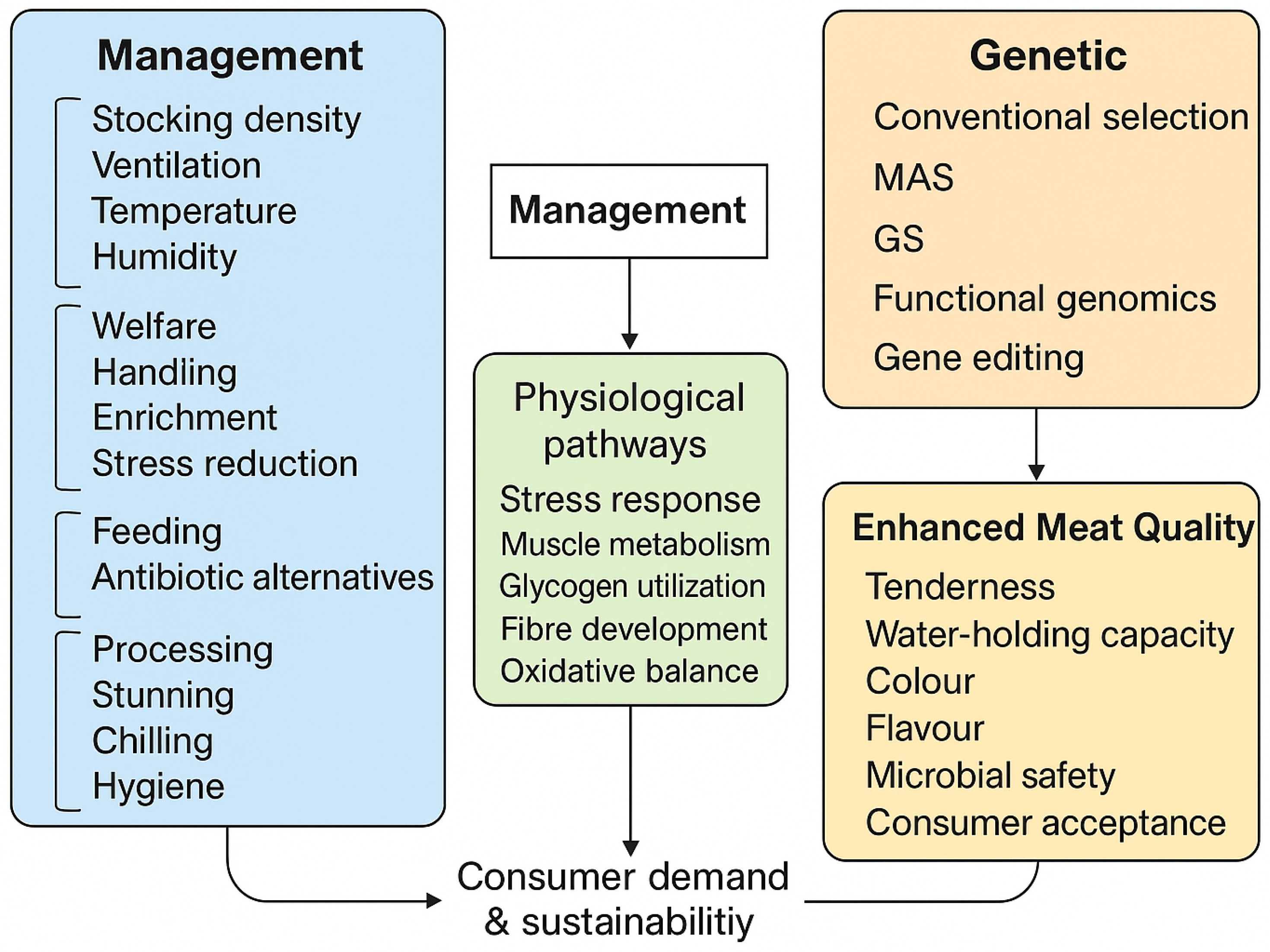
Figure 1. Conceptual framework of integrated management and genetic strategies influencing poultry meat quality (Figure created using BioRender software, 2025 https://www.biorender.com/).
Poultry 05 00004 g001
Table 1. Summary of management and genetic approaches for improving poultry meat quality.
ApproachKey Factors/ToolsPrimary Effects on Meat QualityMechanisms/PathwaysSupporting References
Management
Rearing environmentOptimal stocking density, temperature–humidity control, dry litter, ventilationImproved texture and colour; reduced PSE/DFD; lower oxidative stressLower stress hormones; stabilized glycolysis; controlled heat load[8,9,10,11,14,15,16,17,19,20,21,22,23,24,25,26,27,28,29,30,31]
Antibiotics and alternativesProbiotics, prebiotics, organic acids, phytogenic additivesBetter gut integrity, nutrient absorption, reduced contaminationMicrobiota stabilization; improved immunity and digestion[32,33,34,35,36,37,38,39,40,41,42,43,44,45,46,47,48,49,50,51,52,53]
Husbandry & welfareHandling, lighting, enrichmentFewer defects, better WHC, improved colourReduced stress-induced rapid pH decline[54,55,56,57,58,59,60,73,74,75]
Thermal stress managementEvaporative cooling, ventilation, insulationPrevents PSE-like meat; uniform muscle developmentAvoids metabolic imbalance; maintains feed intake[24,25,26,27,28,29,30,31,60,61,62,63,72]
Litter & air quality controlLitter turning, moisture management, ammonia controlFewer lesions; better hygiene and skin integrityReduced inflammation; less bacterial overgrowth[14,15,16,17,63,64,65,66,67,68,69,70]
Pre-slaughter managementFeed withdrawal strategy; gentle handlingBetter colour; improved WHC; fewer bruisesReduced cortisol; smoother rigor mortis transition[88,89,90]
Stunning and slaughterElectrical/gas stunning; proper bleed-outEnhanced tenderness; reduced PSE/DFDControlled rigor onset; regulated glycolysis[91,92,93,94,95,96]
Chilling & food safetyRapid chilling; sanitation; HACCP/SSOPExtended shelf life; better colour retentionReduced bacterial growth; preserved protein integrity[71,92,95]
Genetic
Conventional breedingPhenotypic selection; BLUP; multi-trait indicesImproved tenderness, pH stability, carcass yieldSelection on muscle structure, collagen, fat deposition[146,149,150]
Marker-assisted selectionSNP markers; QTL mappingImproved WHC, IMF, tendernessGenes for fibre type, lipid metabolism (CAPN1/3, FASN)[58,59,145]
Genomic selectionDense SNP panels; GEBVsEarly selection for pH, tenderness, myopathy resistanceCaptures many small-effect loci[146,150]
Functional genomicsRNA-seq; epigenetics; proteomicsInsight into WB/WS; improved IMF predictionPathways: oxidative stress, calcium handling[58,59,140,141,142]
Gene editingCRISPR/Cas9; targeted editsPotential improvements in muscle growth and qualityPrecise gene modification (e.g., MSTN)[143,144,145,146]
Integrated genetic × environmentPrecision housing + genomic toolsResilience to heat stress; reduced WB/WSGene–environment interaction[143,146]
BLUP—Best Linear Unbiased Prediction; EBV/GEBV—Estimated Breeding Value/Genomic Estimated Breeding Value; DFD—Dark, Firm, Dry meat; IMF—Intramuscular Fat; PSE—Pale, Soft, Exudative meat; QTL—Quantitative Trait Locus; RNA-seq—RNA sequencing (gene expression profiling); SNP—Single Nucleotide Polymorphism; SSOP—Sanitation Standard Operating Procedures; WB/WS—Woody Breast/White Striping myopathies; WHC—Water-Holding Capacity; HACCP—Hazard Analysis and Critical Control Points; MSTN—Myostatin gene.
Disclaimer/Publisher’s Note: The statements, opinions and data contained in all publications are solely those of the individual author(s) and contributor(s) and not of MDPI and/or the editor(s). MDPI and/or the editor(s) disclaim responsibility for any injury to people or property resulting from any ideas, methods, instructions or products referred to in the content.



