This is an early access version, the complete PDF, HTML, and XML versions will be available soon.
Article

Learning to Code with Context: A Study-Based Approach †

Institute for Software Technology, Department of Computer Science, University of the Bundeswehr Munich, Werner-Heisenberg-Weg 39, 85579 Neubiberg, Germany
*
Author to whom correspondence should be addressed.
This paper is an extended version of our paper published in Borghoff, U.M.; Minas, M.; Schopp, J. Generative AI in Student Software Development Projects: A User Study on Experiences and Self-Assessment. In Proceedings of the 6th ACM European Conference on Software Engineering Education (ECSEE 2025), Seeon/Bavaria, Germany, 2–4 June 2025.
Software 2026, 5(2), 27; https://doi.org/10.3390/software5020027 (registering DOI)

Submission received: 16 May 2026 / Revised: 14 June 2026 / Accepted: 18 June 2026 / Published: 21 June 2026

Abstract

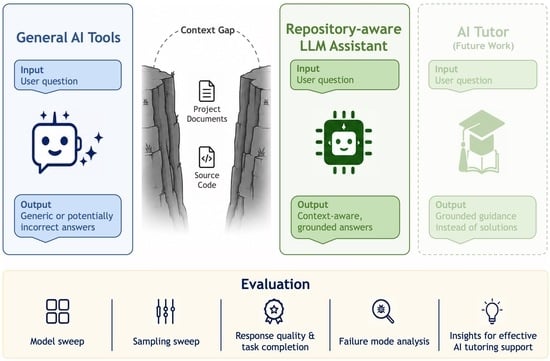
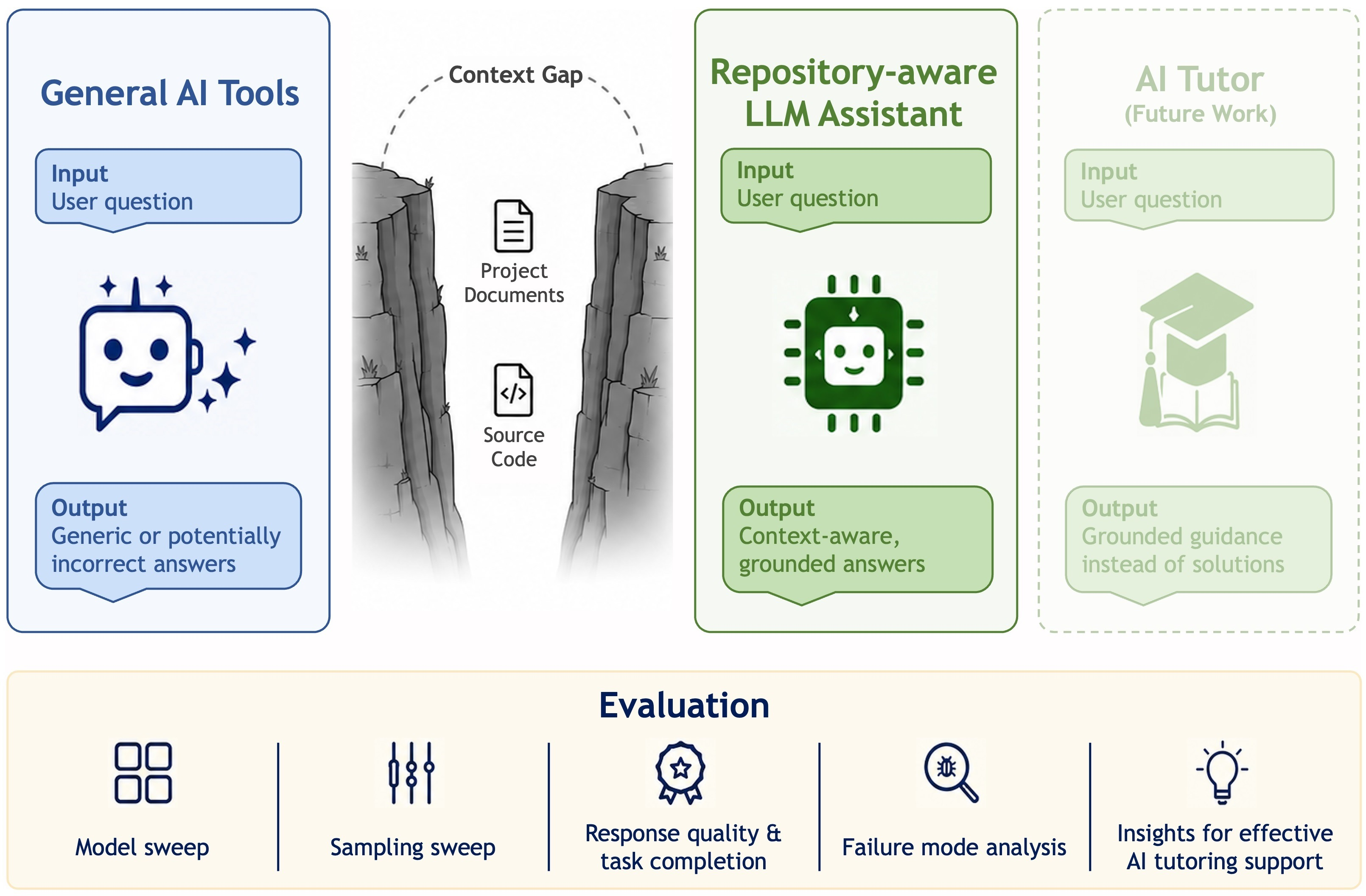
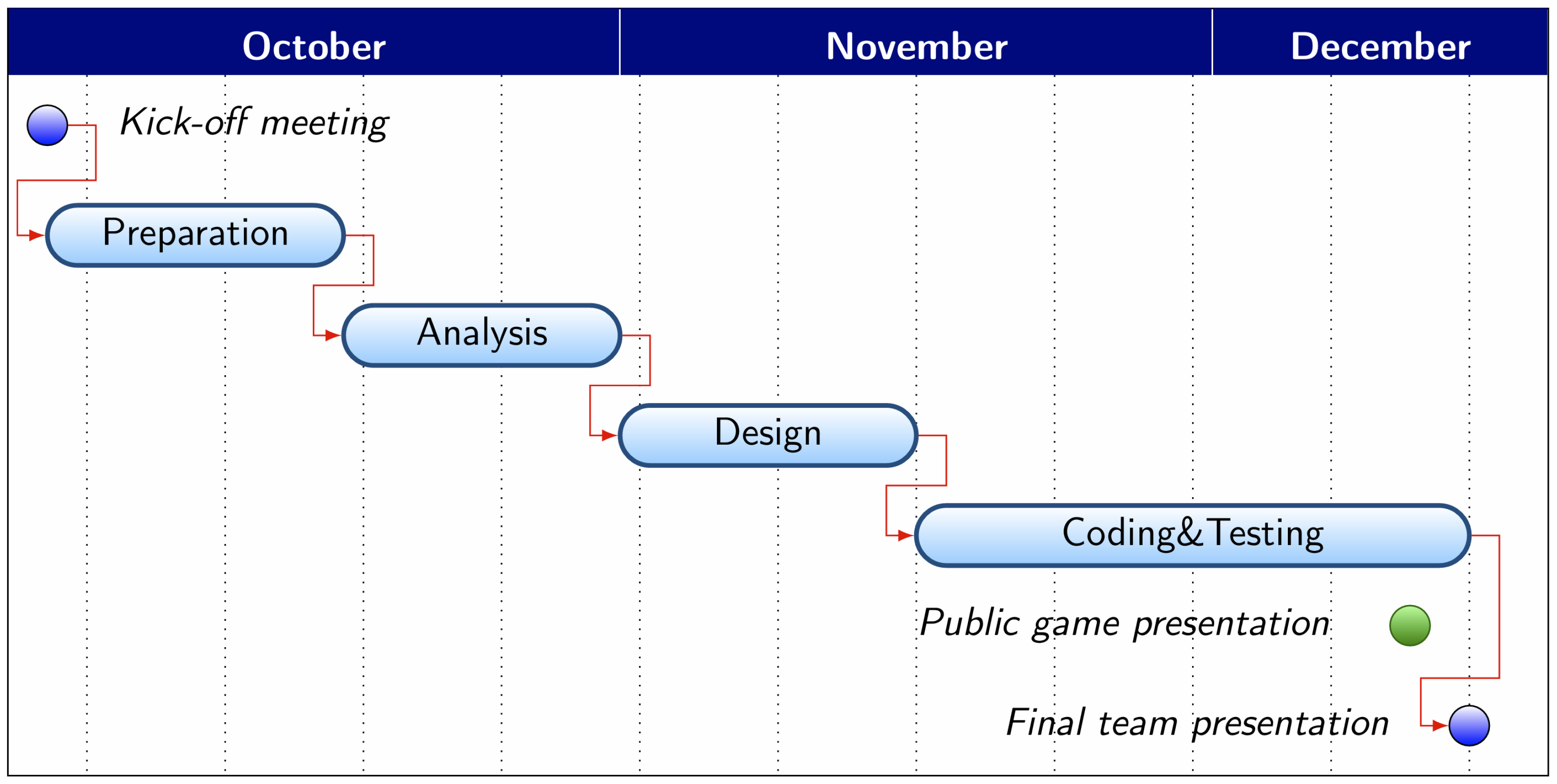
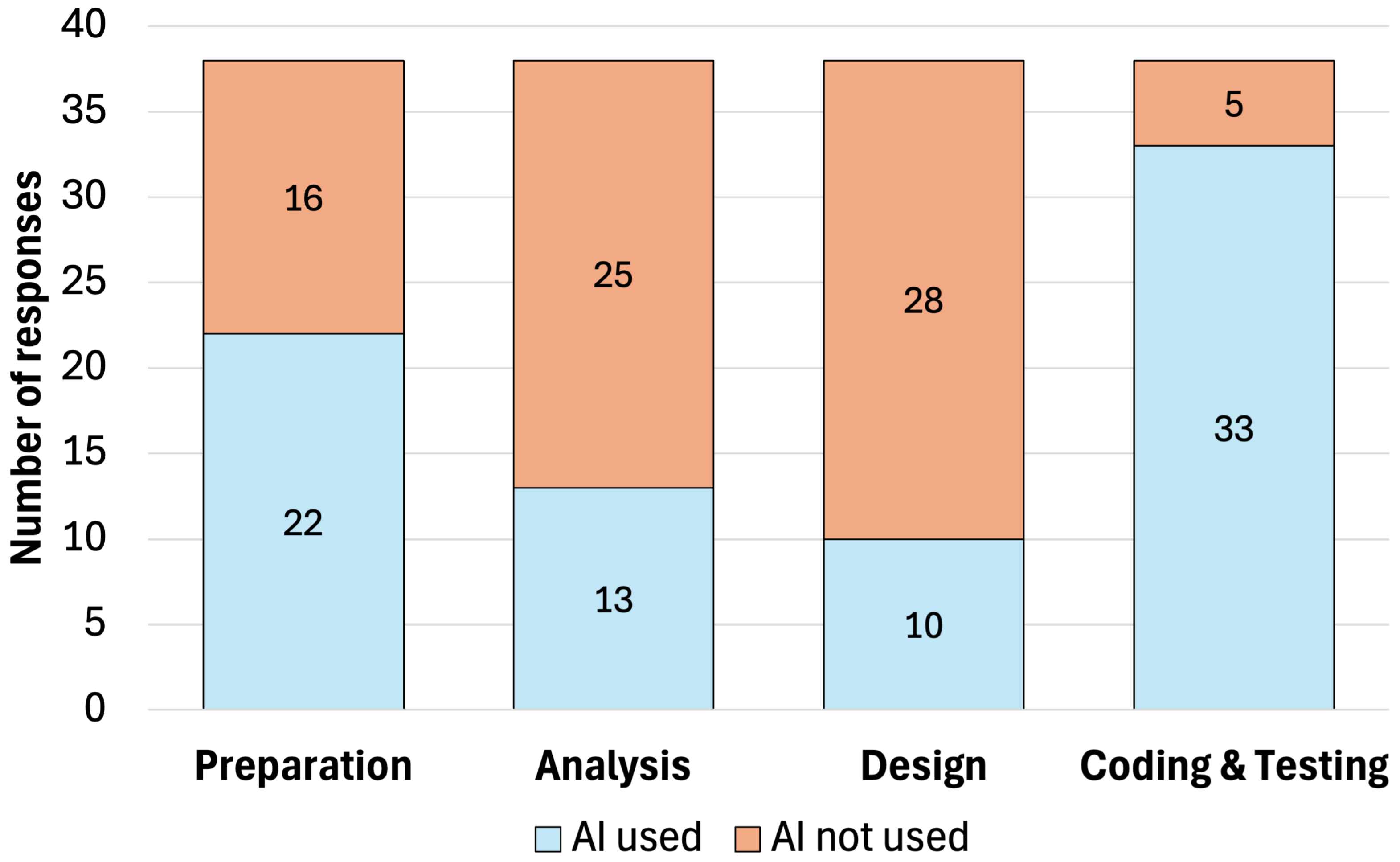
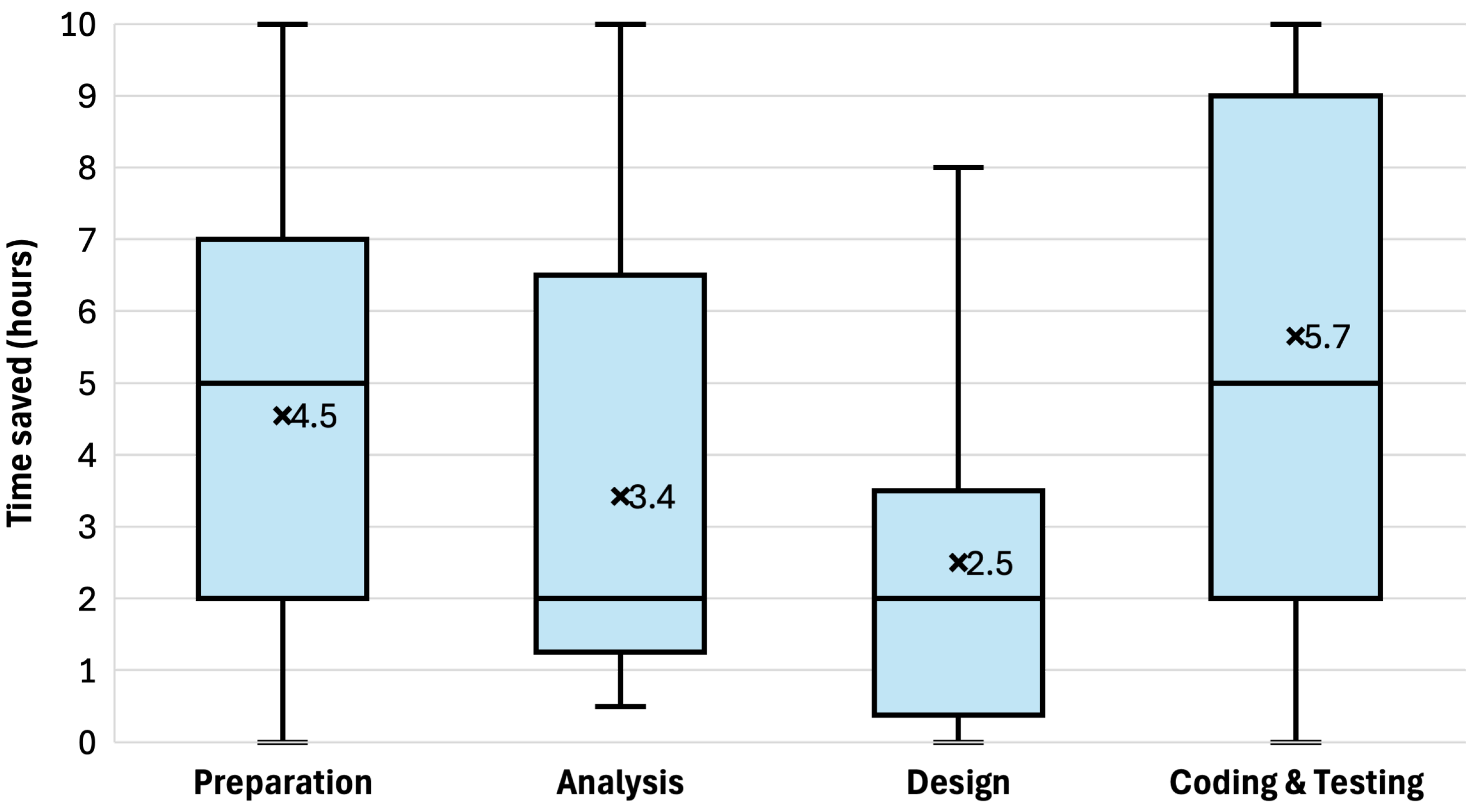
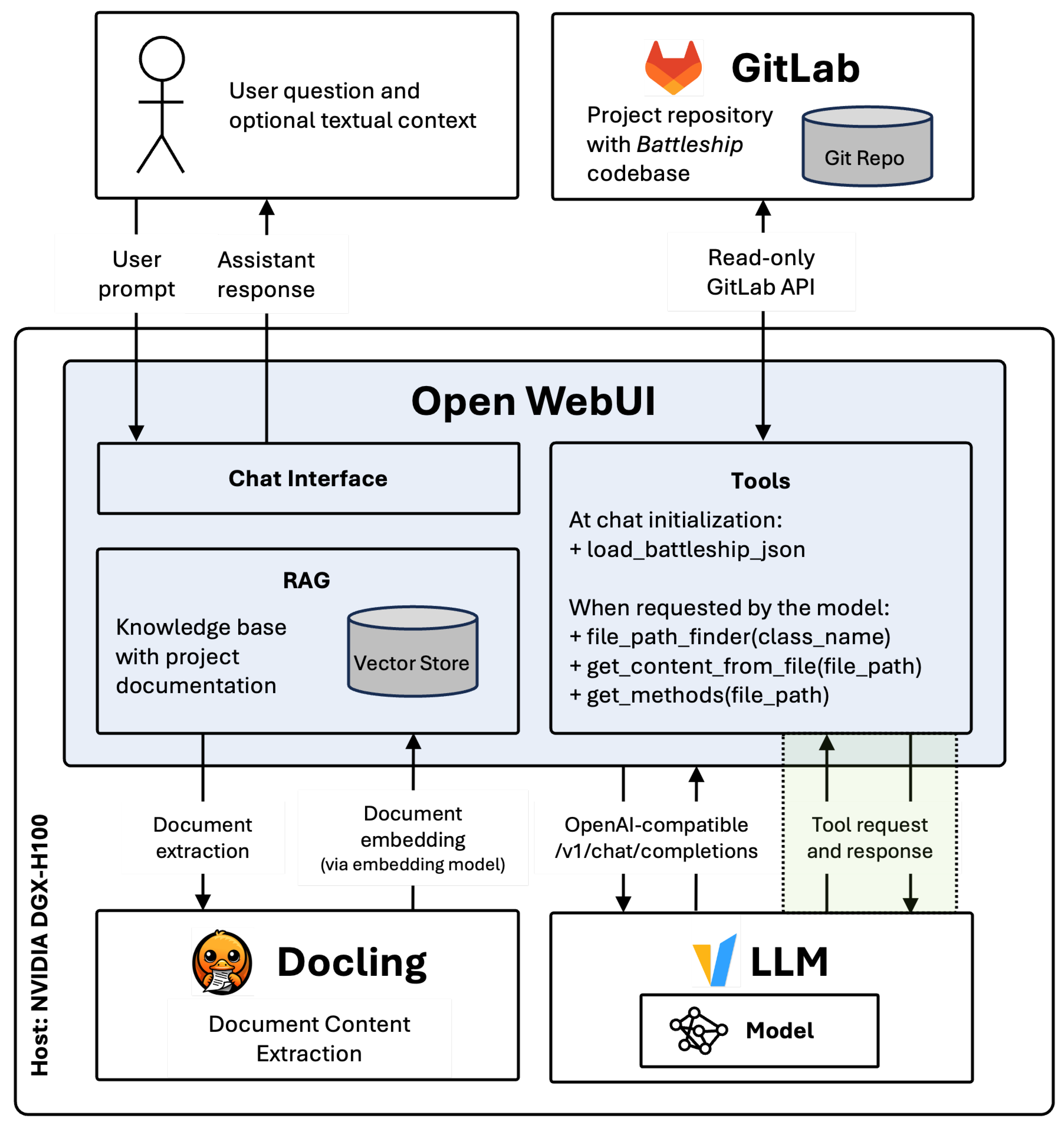
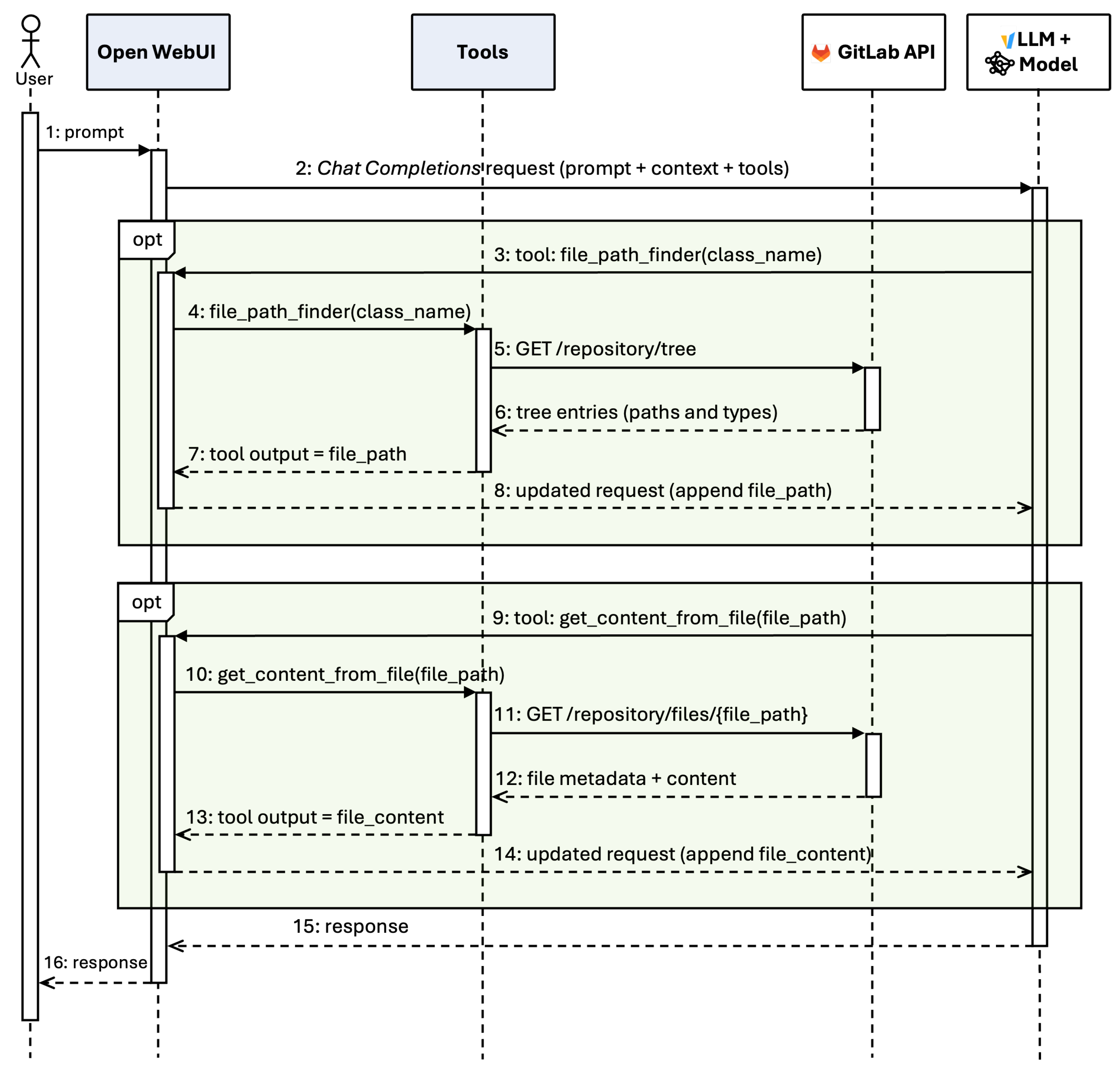
The rapid emergence of generative AI tools is transforming software development. Consequently, software engineering education must adapt to ensure that students not only learn traditional development methods but also understand how to use these new technologies effectively and responsibly. In particular, project-based courses provide an effective setting in which to explore and evaluate the integration of AI assistance into real-world development practices. This paper presents our approach and a user study conducted in the context of a university programming project in which students collaboratively developed computer games. The study investigates how participants used generative AI tools across different phases of the software development process, identifies the tasks for which these tools were perceived as most useful, and analyzes the challenges students encountered. Building on these insights, we further examine a repository-aware, locally deployed large language model (LLM) assistant designed to provide project-contextualized support. The system employs retrieval-augmented generation (RAG) to ground its responses in relevant documentation and source code, thereby enabling a qualitative analysis of model behavior, parameter sensitivity, and common failure modes. These findings deepen our understanding of context-aware AI support in educational software projects and inform the future integration of AI-based assistance into software engineering curricula.
Keywords: software development project course; software engineering education; generative AI; repository-aware LLM; retrieval-augmented generation; qualitative analysis software development project course; software engineering education; generative AI; repository-aware LLM; retrieval-augmented generation; qualitative analysis