


Abstract
The progress of contemporary pharmacology is deeply linked to pharmacokinetics (PK) and its quantitative exploration through PK modeling. By offering a robust mathematical framework to describe and predict drug absorption, distribution, metabolism, and excretion (ADME), PK modeling is essential for designing and optimizing safe and effective dosing regimens and for advancing personalized medicine and model-informed drug development (MIDD). The reliability of population PK (popPK) and physiologically based PK (PBPK) models depends on high-quality experimental data to estimate PK parameters. Traditional PK data sources include clinical studies, preclinical animal models, and human-derived cell lines. Although considered gold standards, these sources have significant drawbacks. Clinical trials are often restricted by ethical, logistical, and financial challenges and often include homogenous populations that fail to reflect real-world interindividual variability. Similarly, animal and cell-based models lack the physiological complexity of humans, leading to discrepancies between preclinical predictions and clinical outcomes. These constraints have stimulated interest in alternative platforms that more faithfully recapitulate human physiology and interindividual diversity. This review explores the potential of organoids as a novel or complementary source of PK-relevant data. Organoids, three-dimensional (3D) stem cell-derived structures, mimic the cellular architecture, functional heterogeneity, and physiological responses of human tissues. In particular, intestinal, liver, and kidney organoids preserve essential cellular features of ADME processes, positioning them as promising tools for integration into popPK and PBPK modeling frameworks.
1. Introduction
The evolution of pharmacokinetics (PK), defined as the study of the kinetics of drug absorption, distribution, and excretion (ADME), from a primarily descriptive discipline to a predictive science has been driven by the application of mathematical modeling. The roots of this transformation can be traced back to 1994, when the U.S. Food and Drug Administration (FDA) published its formal guidance introducing pharmacometric approaches through sparse sampling, Studies in Support of Special Populations: Geriatrics [1]. This document emerged in response to an identified gap: PK data were not routinely collected in elderly patients, a population known to exhibit distinct physiological characteristics that could influence drug behavior. To address this, the FDA proposed a PK screening strategy, now recognized as population PK (popPK), based on the collection of sparse PK samples in geriatric patients and their comparison with data from younger patients. This approach revealed significant differences in PK parameters between the two groups, highlighting the need for pharmacometric methods capable of identifying and quantifying sources of PK variability. Building on these findings, in 1999, the FDA published its first guidance for the pharmaceutical industry on the use of popPK modeling [2], which was rapidly integrated into the drug development pipeline. Subsequently, regulatory statements from other agencies, such as the European Medicines Agency (EMA) [3], further underscored the importance of pharmacometrics, including PK modeling. A landmark moment occurred in 2004 with the publication of the FDA report Challenge and Opportunity on the Critical Path to New Products [4], which strongly advocated for model-based drug development (MBDD). Since then, PK modeling has become an integral component of New Drug Application (NDA) and Biological License Application (BLA), supporting drug approval decisions, clinical trial design, and product labeling. The impact of PK analysis in regulatory submissions has been so powerful that the FDA established the Division of Pharmacometrics within the Center for Drug Evaluation and Research (CDER) to address the increasing number and complexity of model-based evaluations [5].
Accurate estimation of PK parameters requires robust datasets that reflect the biological complexity of drug PK profiles across individuals. Generating databases for PK analysis is a critical and time-consuming task. Data should be scrutinized to ensure accuracy. Sparse, biased, or non-representative data can result in misleading parameter estimates, underestimation of interindividual variability (IIV), and unreliable predictions. This review aims to explore the potential of organoids as a novel and complementary source of PK-relevant data. Herein, we discuss current PK data generation strategies and their inherent limitations and evaluate the biological and functional advantages of organoids in the context of PK modeling.
2. Approaches to PK Modeling
By quantifying PK parameters, researchers can design or optimize dosing regimens that achieve or maintain the optimal balance between efficacy and toxicity. This predictive capability is greatly enhanced through physiologically based PK (PBPK) modeling. The general concept of PBPK modeling is to mathematically describe the physiological, physicochemical, and biochemical processes that influence the PK behavior of a compound [6]. PBPK models are constructed using an extensive set of physiological and anatomical principles, including blood flow rates, organ volumes, vessel surface areas, and the expression levels of enzymes and transporters, which collectively represent the organism as a structure composed of physiologically relevant compartments, where each compartment typically corresponds to a single organ or tissue (Figure 1). Additionally, drug-specific properties, including lipophilicity, solubility, pKa, molecular weight, and plasma protein binding, are integrated into the model [7,8]. This mechanistic framework has gained significant regulatory recognition, with the FDA and other major agencies increasingly accepting its use in drug development [9]. PBPK models are routinely applied to predict food effects, assess drug–drug interactions (DDIs), evaluate the impact of particle size or formulation changes, and simulate complex scenarios. Furthermore, these models can be tailored to represent specific populations, such as pediatric or geriatric groups, or pathological conditions like renal impairment, providing valuable insights into IIV and supporting personalized medicine strategies [7].
Figure 1.
Key components of PBPK and popPK models. PBPK models are structured around three main domains: the drug, the system, and the trial. Drug-related data comprise physicochemical and experimental or predicted ADME data. System-related data encompasses physiological and anatomical information relevant for ADME. Trial-related data include study design factors such as dosing regimen, administration route, and duration. In turn, popPK models rely primarily on analysis datasets, incorporating observed drug concentration-time data, individual covariates (e.g., age, weight, genetic markers), and study metadata (e.g., dosing history, sampling times). Adapted from [10], Springer Nature, 2016.
The identification and quantification of IIV in drug exposure and response is effectively achieved through popPK analysis. This approach allows for a systematic evaluation of variability in plasma drug concentrations observed among human trial subjects, typically receiving the same dose regimen, by attributing differences to intrinsic factors, such as body weight, age, renal or hepatic function, and genetic polymorphisms, as well as extrinsic factors, including food effects and concomitant medications that may alter the ADME processes of a drug [11]. PopPK models are capable of integrating all relevant PK information across a wide range of doses and populations, including both patients and healthy volunteers (Figure 1). This enables a comprehensive assessment of multiple covariates that may not be captured within a single clinical trial. Data for such analyses can be derived from studies with rich or sparse sampling, single or multiple dosing regimens, and different physiological conditions. Population analysis includes a relatively large and diverse sample of individuals, which increases the precision of the estimates and provides robust evidence regarding which covariates significantly influence drug exposure. These insights are critical throughout the drug development process and, as emphasized in FDA guidance on popPK modeling [2], have broad applicability: from dose regimen selection in clinical trials to defining sample size and sampling scheme requirements, deriving exposure metrics for exposure-response studies, and informing pediatric trial designs. Furthermore, popPK models are increasingly applied to support drug labeling decisions related to specific populations and DDIs, using data from early- and late-stage clinical trials.
3. Clinical Studies as the Principal Data Source for PK Models
It is axiomatic that PK models are only as robust and reliable as the data upon which they are constructed. The datasets required for modeling are inherently complex, requiring precise and accurate information regarding drug administration (timing, dosage, and frequency), sample collection schedules, and reliable demographic and laboratory data associated with each biological specimen [12]. Plasma drug concentration serves as a surrogate for drug exposure in popPK studies [13], with clinical trials remaining the primary source of these critical data. To date, over 500,000 clinical studies have been registered with ClinicalTrials.gov, roughly 14.7 times higher than it was in 2020 (34,000 clinical studies) [14]. Although clinical research findings are often published in peer-reviewed articles or shared via clinical trial registries, most clinical study data are rarely publicly available.
Traditional methods of PK analysis, such as non-compartmental analysis (NCA), demand extensive sampling (multiple observations per subject) to accurately estimate drug exposure. In contrast, popPK modeling allows for the use of sparse sampling strategies, often utilizing only 1 to 4 samples per individual, even with opportunistic sampling schedules [15,16]. Even single observations per subject can contribute valuable information when modeling population-level parameters. PopPK analysis harnesses routinely collected sparse PK data across diverse individuals to describe the behavior of a drug in the target population. This approach enables the development of models that can simulate real-world scenarios, accommodate variability, and ultimately enhance the precision of therapeutic decision-making [11,17].
According to FDA guidance [2], assessing whether the available data are sufficient to address the study objectives is a fundamental step in any popPK analysis. The dataset should encompass an adequate number of subjects with appropriately timed and sufficiently numerous PK samples. Covariates, whether continuous or categorical, cannot be reliably evaluated for their influence on drug exposure unless their distribution is broad and their representation in the dataset is sufficient.
3.1. Underrepresentation in Clinical Trials
Randomized controlled trials (RCTs), the gold standard for evaluating medical interventions and the top tier of evidence-based medicine, provide valuable information that underpins therapeutic decision-making and informs clinical prescribing guidelines [18,19,20,21,22]. These trials are meticulously designed to minimize bias and control for confounding variables, thereby enhancing the internal validity of efficacy assessments for specific interventions. However, substantial concerns persist regarding the representativeness of the populations enrolled in such trials. Indeed, most RCTs enroll narrowly defined cohorts, often including patients with a single medical condition and excluding those deemed at increased risk of adverse drug reactions (ADRs), such as pediatric and geriatric individuals, patients with multimorbidity, or those on polypharmacy regimens [22,23,24,25,26,27,28,29,30]. As a result, the net benefit or net risk associated with therapeutic interventions remains largely unknown for a substantial portion of the general population, particularly those receiving concurrent treatments or living with complex health conditions [22]. In this regard, it becomes evident that RCTs are designed to exclude a significant portion of the real-world population, leaving many subgroups without treatment decision information. This limitation becomes increasingly problematic in the context of an aging global population, where multimorbidity and polypharmacy are more the rule than the exception [31,32,33,34,35,36,37,38]. Moreover, the exclusion of children from clinical trials, often due to well-understood ethical concerns, frequently results in off-label prescribing, which clearly presents a risk-benefit balance that is questionable. Tan and colleagues [22] systematically quantified the prevalence of individuals with vulnerable characteristics who are typically underrepresented or excluded from RCTs involving prescription drugs. Drawing on data from 43,895 RCTs registered in ClinicalTrials.gov and real-world health records of over 5.6 million individuals, the researchers examined 989 unique drugs across 286 conditions and 13 therapeutic categories. Their findings revealed striking disparities: vulnerable populations, particularly adolescents, older adults, and individuals with multimorbidity or concomitant medication use, were frequently excluded from clinical trials.
On one hand, the need for sample homogeneity in clinical trial design is understandable. Clinical outcomes may vary depending on the inclusion criteria, and greater heterogeneity among the study population, mirroring a real-world setting, introduces complexities that may challenge statistical analyses and interpretation [39]. On the other hand, several authors advocate for greater diversity in clinical trial enrollment [40,41]. Greater inclusivity is imperative to ensure that the study population is representative of patients likely to receive the drug post-approval and to strengthen the external validity and applicability of trial outcomes. Despite such advocacy, pharmacovigilance units continue to detect moderate to severe ADRs in subpopulations excluded from pre-approval studies.
Ethnic and racial minorities remain notably underrepresented. According to a review of 167 new molecular entities approved by the FDA between 2008 and 2013, approximately one in five exhibited differences in drug exposure and/or response across racial or ethnic groups [42]. Data from 2011 indicate that while African Americans and Hispanics comprised 12% and 16% of the US population, respectively, they accounted for only 5% and 1% of clinical trial participants [43]. The 2020 US Census reported a diversity index of 61.1%, with African Americans and Hispanics representing 12% and 19% of the population, respectively [44]. Despite incremental progress, current efforts to achieve representative heterogeneity in clinical trials fall far short of ideal.
The FDA itself acknowledges the importance of ensuring that inclusion criteria reflect the diversity of the populations. Since 2016, it has issued several guidance documents specifically aimed at promoting greater diversity in clinical trials, with a focus on the inclusion of underrepresented racial and ethnic populations. In October 2016, the FDA released guidance on the standardized collection and reporting of race and ethnicity data [45], followed in November 2020 by a document titled Enhancing the Diversity of Clinical Trial Populations [46], which provides concrete recommendations on eligibility criteria, enrollment strategies, and study designs aimed at increasing diversity. In April 2022, the agency published a draft guidance encouraging sponsors to develop a Race and Ethnicity Diversity Plan [47] to improve the inclusion of underrepresented populations. Most recently, in January 2024, another draft guidance focused on the collection of race and ethnicity data in trials involving FDA-regulated medical products was released [48]. Nevertheless, in a brief exploratory search we conducted on PubMed for clinical trials published in 2025, we observed that most studies still fail to report the racial or ethnic composition of participants. In many cases, only age, and sometimes BMI and height, are presented as relevant demographic variables. This trend persists despite more than a decade of discussions and regulatory efforts calling for increased transparency in participant reporting. This raises a critical question: why do outdated habits persist, even in the face of clear regulatory guidance and a growing awareness of the importance of diversity in clinical research?
When trial populations are excessively homogeneous, results may be biased or lack generalizability, thereby limiting the robustness and comprehensiveness of available PK data and impairing our understanding of interindividual differences in therapeutic response. The same issue applies to pediatric populations [49]. Extrapolating adult PK data to children is often inadequate due to developmental differences in drug ADME [50]. While both the FDA and EMA support the use of adult data to inform the design of initial pediatric PK trials [51], findings often deviate significantly, particularly in drug clearance, because of age-related differences in the expression and activity of metabolizing enzymes [52,53,54,55]. In the context of model-informed dosing, it may expose children to sub- and/or supra-therapeutic concentrations, potentially leading to reduced efficacy and/or heightened toxicity and poor-outcomes in real-world clinical care settings [56].
Conducting pediatric trials remains a complex task, fraught with unique ethical and logistical challenges. These include (1) low parental consent rates, (2) limited allowable blood volume per subject, (3) insufficient expertise in pediatric popPK/PD modeling, (4) difficulty in optimizing sampling times, (5) lack of adequately sensitive micro-analytical techniques to detect drug concentration in ultra-low volume specimens, and (6) broader ethical concerns regarding the exposure of vulnerable populations to experimental pharmacological agents [49].
Strategies to Enhance Diversity in Clinical Trials
Given these limitations in participant selection criteria for clinical trials, the construction of a robust PK model can be an exhaustive task, especially one aimed at characterizing IIV in PK parameters [57]. In such cases, adequate covariate information must be included. This requires a study sample that is diverse concerning age, race, ethnicity, body weight and composition, and sex. One strategy to incorporate underrepresented and vulnerable populations into PK data collection is the use of scavenged or opportunistic sampling. These approaches minimize the number of additional blood draws and thereby reduce patient burden, which is especially important in pediatric and geriatric populations. In opportunistic sparse sampling, additional blood is collected at the same time as samples ordered for routine clinical care, eliminating the need for extra venipunctures. Scavenged sampling relies on residual blood remaining after clinical laboratory testing. Once the required clinical assays are completed, the research team can recover the leftover sample to measure drug concentrations [49,58,59]. Girdwood et al. [58] provide a detailed illustration of how scavenged samples can be used to construct a PK curve.
Opportunistic sampling offers significant advantages over intensive PK studies, which typically require multiple blood draws over a fixed time window to adequately characterize ADME processes. PopPK models are inherently well-suited to sparse data, meaning that the conventional requirement of 10–15 samples per subject is no longer a limitation. The high number of venipunctures in intensive designs can be painful, particularly if there is no existing vascular access, and the large blood volume often required (>3 mL per sample) can be burdensome, impractical, and even unsafe in neonates and young children. These concerns, combined with parental reluctance, often result in low consent rates for pediatric PK studies. By using scavenged samples, the risk of anemia is reduced, no additional blood is drawn beyond that needed for clinical purposes, and higher rates of parental consent can be achieved. Other benefits include the availability of multiple samples per patient and the avoidance of rigid, time-specific sampling schedules [49,58,59].
Previous studies have successfully applied sparse sampling with a popPK framework to characterize antimicrobial PK in children [60,61,62]. A notable example is a prospective observational study in a pediatric intensive care unit in which patients receiving cefepime, meropenem, or piperacillin/tazobactam had residual blood collected from samples obtained for routine care [63]. Over a two-week period, 138 samples from 22 pediatric patients were collected. For all three antibiotics, the samples spanned the full dosing intervals without clustering at specific times. This demonstrated that opportunistic sampling can yield sufficient data to evaluate PK variability.
However, this approach also has limitations: (1) potential degradation of the drug in whole blood or processed samples over time, (2) sampling times that may be suboptimal for PK characterization, (3) less precise recording of collection and dosing times, and (4) small residual volumes. Therefore, explicit protocols for clinical laboratories on the handling and storage of residual samples are essential, as is the verification of drug and metabolite stability in the chosen matrix over the relevant time frame [49].
Another promising strategy to address the challenges of sample collection in pediatric patients is the use of dried blood spots (DBS). This technique involves placing a small drop of blood onto filter paper, which is subsequently extracted for analysis. Compared with conventional venipuncture, DBS collection markedly reduces the required blood volume while also simplifying the logistics of sample preparation, transport, and storage. Randell and colleagues [64] evaluated the feasibility of DBS for the external validation of a popPK model of metronidazole in critically ill preterm infants. Their findings showed that plasma metronidazole concentrations could be reliably estimated from DBS, enabling successful model validation. The authors recommended collecting DBS samples in parallel with liquid matrix samples during early, small-scale studies, performing comparability analyses, and progressively refining the correlation between the two matrices to optimize the use of DBS in future large-scale investigations.
While these innovative strategies mitigate the practical and ethical challenges of PK data collection in underrepresented populations, further efforts are required to actively increase the inclusion of vulnerable populations in clinical trials. Enhancing demographic heterogeneity will enable the construction of PK models that more accurately capture IIV and better identify the influence of covariates on PK parameters.
3.2. Data Quality Challenges: Incompleteness, Inaccuracy, and Inconsistency
PopPK models are generally developed using clinical data from retrospective studies. Such studies are often not designed with the primary aim of characterizing a drug’s PK and; therefore, the clinical data collected may be suboptimal. The limitations of retrospective clinical datasets can be broadly categorized into (1) missing information and (2) erroneous records [18]. Incomplete and irretrievably missing data may arise from participants’ inability to provide required information, inadequate clinical assessments (e.g., insufficient physical examinations), laboratory errors (e.g., incomplete data entry), or inadequate quality control within the electronic data management system. Erroneous data, which may go undetected, can be even more troublesome than incomplete data. Such errors may arise from specimen mislabeling or poorly calibrated equipment. Ideally, PK models, particularly popPK analysis, should be developed from datasets in which all dosing times, drug concentration measurements, and sampling times are accurately known. Unfortunately, it is rare for all of this information to be available [65,66].
Data derived from retrospective studies can also be compromised by procedural errors, such as blood being drawn from the same line used for drug infusion or insufficiently discarded waste blood, leading to artifactual increases in measured concentrations. In many cases, the original sampling strategy may not have collected enough samples to capture the concentration-time profile of the drug, resulting in datasets of insufficient quality or quantity to reliably estimate PK parameters. In contrast, prospective studies specifically designed to characterize PK parameters employ optimized sampling strategies. In these studies, blood samples for drug concentration analysis are collected within predefined time windows, in adequate volume for the analytical assay, and with a sufficient number of samples per individual to support robust PK modeling. Typically, a power analysis is performed to determine the number of patients, doses, and samples needed to build a model, and an optimal sampling scheme is established over an appropriate time course to capture the relevant PK profile [65]. The D-optimal design is the most widely applied criterion for optimizing sampling strategies, as it identifies the timepoints that maximize the informational content about the drug’s PK while minimizing the number of samples required for the study [65,67,68].
Regarding dosing and sampling times, clinical data in retrospective studies may be captured inaccurately, often because healthcare professionals are unaware of the importance of exact timings for pharmacometric analysis, leading to biased plasma concentration-time profiles. Indeed, clinical trial data are frequently reported as incomplete, particularly datasets collected during large, late-phase trials or routine patient care and follow-up visits [66]. The timing variable in such cases is typically subject to Berkson-type measurement error (ME) [69], which is more common in routine clinical practice and less prevalent in controlled clinical trials. This occurs when actual sampling times are recorded incorrectly, and nominal protocol times are instead used in the dataset. Santalo et al. [70] reported vancomycin trough concentrations collected earlier than the protocol-specified time, producing trough values that did not reflect the actual clinical situation and leading to inappropriate dosing. Incorrect recording of dosing times can distort the entire PK profile [66]. Since PK describes the time course of drug concentrations, precise timing of blood sampling and drug administration is a critical component of any dataset [71]. Observing unexpectedly high concentrations in a patient compared to others at the same nominal timepoint may stem from an inaccurate sampling time record or an erroneous concentration entry (e.g., 0.53 μg/mL instead of 5.3 μg/mL) [66]. To address this issue, many popPK studies simply use the nominal scheduled time as recorded, accepting that the sampling time, a predictive variable, is measured with error from a statistical modeling perspective [72].
Although Phase I trials are the primary source of data for model development, Phase II studies often include PK analysis as a secondary endpoint. As a result, only a few samples are collected per patient, and sampling schedules are kept as flexible as possible [72]. Again, the lack of a study design tailored for population analysis poses a major limitation to assembling a robust dataset for popPK modeling. Furthermore, retrospective studies may not apply the same exclusion criteria that a prospective PK-focused trial would implement. For instance, using data from Phase I trials in healthy volunteers may yield model estimates that differ substantially from those relevant to the intended target population for the popPK analysis [65].
3.3. Bridging Clinical Data and Computational Modeling
In a 2014 press release, the EMA reinforced its commitment to increasing access to and publication of clinical trial data. In its draft guidance, the EMA proposed controlled access to raw clinical trial data, including patient-level datasets, individual patient line listings, individual case forms, and documentation explaining the dataset structure and content [73]. Beyond the EMA, other transparency initiatives have emerged in recent years, although this remains a topic requiring ongoing discussion. Notably, platforms such as ClinicalTrials.gov register the methods and results of both current and past trials. Pharmaceutical companies have also implemented patient-level clinical data sharing programs, including the GlaxoSmithKline (GSK) Transparency Initiative and Roche’s Global Policy on Sharing of Clinical Trial Data. Access to patient-level data generally requires submission of a research proposal describing the intended use of the dataset, which is then reviewed by an independent review panel (IRP).
The Clinical Study Data Request (CSDR) system is one prominent example, enabling investigators to request access to anonymized global clinical trial data consolidated from multiple studies and sponsors. Following IRP review, all CSDR member organizations restrict data access to a secure online analysis environment designed to safeguard patient confidentiality while maintaining data utility for secondary analyses [74]. Kochhar et al. [75] reported CSDR usage metrics, noting that between 2014 and the end of January 2019, a total of 471 research proposals were submitted through the platform. The authors emphasized CSDR’s value as a freely available resource aggregating datasets from both pharmaceutical companies and academic research funders. However, they also acknowledged the substantial financial and operational burden placed on trial sponsors to support this secure, managed-access model, raising concerns about its long-term sustainability. For pharmacometricians, such a platform represents a particularly valuable avenue for accessing datasets suitable for PK modeling.
Beyond CSDR, other major clinical data sharing initiatives include the Biological Specimen and Data Repository Information Coordinating Center (BioLINCC), Project Data Sphere, Supporting Open Access to Researchers-Bristol Myers Squibb (SOAR-BMS), Vivli, and the Yale Open Data Access (YODA) Project. An evaluation conducted by Vasquez et al. [14] examined the characteristics, accessibility, and usage patterns of these major repositories. Their analysis identified a total of 9091 studies available for request. Of these, 400 were in the therapeutic areas of cardiovascular disease and diabetes, 418 in oncology and hematology, and 996 in infectious diseases. Although only these therapeutic categories were explicitly reported, the absence of other areas, such as respiratory diseases, suggests they may be underrepresented, potentially limiting the breadth of patient-level data accessible through such platforms. In addition, the authors detailed the characteristics of data access requests. Across all platforms, 1201 requests were submitted, of which only 586 resulted in a finalized data sharing agreement. The YODA Project had the highest approval-to-request ratio, indicating comparatively greater accessibility once a request is submitted.
Several popPK studies have leveraged patient-level and PK data obtained through these clinical trial data-sharing platforms. For example, Saleh et al. [76], in 2019, developed a popPK model of eltrombopag, a thrombopoietic growth factor approved for the treatment of thrombocytopenia in chronic hepatitis C virus (HCV) patients, using data from two phase 3 trials (ENABLE1 and ENABLE2). These datasets were made available by GSK through the CSDR platform following proposal submission and IRP. Similarly, Retout et al. [77] characterized the PK of emicizumab, a bispecific monoclonal antibody for routine prophylaxis of bleeding in people with hemophilia A (PwHA), in both adult and pediatric patients. Their model was based on data from 389 PwHA across five clinical studies, provided by Roche via the CSDR platform. More recently, pooled phase 1 and phase 3 data retrieved from CSDR were used to characterize the PK of a long-acting subcutaneous antipsychotic (LASCA) and support its clinical use [78]. In the context of oncology, individual patient tumor data from 11 clinical trials in non-small cell lung cancer (NSCLC) were used to develop a semi-mechanistic model of NSCLC tumor growth and response to the therapeutic agents administered in those trials [79]. As described by the authors, data access was obtained through the CSDR portal, where 11 studies sponsored by Roche and Eli Lilly that met the study’s requirements were identified.
Other platforms also play an important role. For instance, James et al. [80] conducted a popPK analysis of fepixnebart, a humanized immunoglobulin G4 monoclonal antibody to treat broad-spectrum chronic pain, using pooled phase 2 data from three Eli Lilly studies in osteoarthritis, diabetic peripheral neuropathic pain (DPNP), and chronic low back pain (CLBP). The datasets were accessed via Vivli after proposal review and approval. In another example, a popPK model originally developed from synthetic data generated by a PBPK model was externally validated using a GSK dataset obtained through Vivli, again following the platform’s review process [81].
In parallel, efforts such as PK-DB, an open-access PK database developed by Grzegorzewski and colleagues [82] are expanding the availability of curated PK data and associated metadata (e.g., demographics, dosing regimens, PK parameters, and concentration-time profiles) to support computational modeling. PK-DB has actually been used in several published studies. Köller et al. [83] employed it to develop a PBPK model of indocyanine green (ICG), a widely applied test compound that is used in clinical routine to evaluate hepatic function, to study the effect of liver cirrhosis and liver resection on ICG PK, and to evaluate the model-based prediction of postoperative ICG-R15 (retention ratio 15 min after administration) as a measure for postoperative outcome. In another example, PK-DB was used to develop a PBPK model of dextromethorphan (DXM) to investigate the influence of CYP2D6 polymorphisms on its PK [84]. These initiatives underscore the critical role of open, standardized, and well-curated datasets in advancing model-informed drug development.
Despite these efforts toward facilitating data access, pharmacometricians are not always able to obtain datasets that directly address their specific research questions. For this reason, it is also common practice to compile data from multiple sources, particularly clinical trial reports published in the literature. In such cases, population mean values are typically used, assigning each trial as a single individual, thereby creating a new aggregated dataset. This strategy can increase data diversity, as each study follows a different design and protocol. However, aggregated data from different studies may be limited or inconsistent in terms of formatting, availability of patient-level information, sampling times precision, or reported measurement units [57]. An example is a study published in 2022 aimed at optimizing the dosing regimen of nebivolol in patients with cardiovascular disease [85]. The developed popPK model was based on a PubMed search for clinical PK data on nebivolol. Data were extracted from six published studies, five of which were assigned to single patients using the respective population mean values. This approach was necessary because the authors faced limitations in accessing metadata, particularly individual concentration-time profiles for each participant.
4. Animal Models for PK Data Generation
The use of animal models in scientific research is based on the concept of comparative medicine, owing to the anatomical, physiological, pathological, and behavioral similarities between humans and animals, particularly mammals. These resemblances make animal models a valuable resource for investigating a broad range of biological mechanisms and assessing novel therapeutic approaches, offering essential insights into human disease pathways, potential preventive and therapeutic targets, and treatment strategies. In the context of PK, animal models serve as indispensable tools during the preclinical phase, allowing the assessment of basic PK parameters, drug efficacy, and safety. As such, they continue to play a crucial role in translational research [86,87,88,89].
Data derived from animal studies are routinely employed in PK modeling, particularly in PBPK models, which often require ADME properties that are not readily available in humans, as we demonstrated in the previous section. Animal data, especially from rodents, are widely used to construct both compartmental and non-compartmental PK models. In PBPK modeling, tissue distribution data, enzyme activity profiles, and plasma protein binding estimates obtained from animals are usually integrated to predict systemic and tissue-level drug exposure in humans [90]. For this reason, most PBPK modeling platforms allow the incorporation of animal-derived data to enable allometric scaling. This method is based on the principle that anatomical, physiological, and biochemical variables across mammals, such as tissue volumes, blood flow, and process rates, can be scaled between species according to body weight [91]. This scaling is then applied to the prediction of concentration-time profiles and PK parameters. Despite these advances in the understanding of this methodology, misconceptions and pitfalls in the application of allometric scaling during drug development continue to occur [92].
A wide range of animal models is employed in preclinical studies. In a comprehensive survey, Gattani and coworkers [93] analyzed 841 publications indexed in PubMed between January 2016 and January 2021, reporting that mice were the most commonly used species (639 studies), followed by rats (186 studies). Guinea pigs and rabbits were rarely employed, with only 1 and 15 studies, respectively. Table 1 summarizes these findings along with the advantages and limitations of commonly used laboratory animal models.
Table 1.
Commonly used laboratory animal models in preclinical studies, with their frequency of use, advantages, and limitations. Representativeness data were retrieved from a systematic review by Gattani et al. (2024) [93], who analyzed 841 publications published between January 2016 and January 2021.
Despite their widespread use and substantial contributions to modern medicine and the approval of new molecular entities, the translational success of animal models to humans has historically been problematic [94,95]. Robinson et al. [96] highlighted three key concerns regarding the use of animal models: (i) study design and data analysis, (ii) inherent heterogeneity of animals and humans, and (iii) challenges in translating preclinical animal studies into human clinical trials. First, animal studies are often criticized for inconsistent methodologies, lack of randomization and blinding, and inadequate or absent statistical analyses. Variability in drug dosing regimens, laboratory errors that remain unrecognized or unreported, and methodological inconsistencies can directly affect data quality. Consequently, integration of such data into PK models may yield imprecise predictions of concentration-time curves and PK parameters, undermining subsequent extrapolations to humans. Although improvements in study design and internal validity have been achieved, these efforts have not translated into greater success in clinical extrapolation, likely due to fundamental species differences.
Notably, interspecies variations in drug-metabolizing enzymes, transporter expression, and physiological parameters can severely limit translational accuracy. Martignoni et al. [91] compared cytochrome P450 (CYP) isoforms across species and found that CYP2E1 exhibits relatively consistent activity, supporting more reliable interspecies extrapolation for drugs metabolized primarily by this enzyme. In contrast, CYP1A, CYP2C, CYP2D, and CYP3A isoforms showed pronounced species-dependent differences in catalytic activity, highlighting the need for caution when extrapolating metabolism data for such enzymes from animals to humans. Beyond metabolic differences, anatomical, physiological, and biochemical variability in the gastrointestinal (GI) tract also play a critical role in drug absorption [97]. Factors such as gastric pH, bile composition, pancreatic secretions, intestinal fluid volume and content, as well as mucus characteristics, can influence dissolution, solubility, intestinal transit, and membrane transport. Moreover, microbial composition of the GI tract may significantly impact reductive metabolism, enterohepatic circulation, and colonic drug delivery. Variations in lipid and/or protein composition of enterocyte membranes further alter drug binding and passive, active, and carrier-mediated transport.
Several systematic reviews and meta-analyses have covered the poor translational value of animal studies to human clinical trials [98]. In one systematic review comparing treatment effects in six separate animal experiments with human trials, concordance was highly variable: while some animal results paralleled clinical outcomes, others yielded contradictory findings [99]. This inconsistency may stem from genetic differences between animal models and humans, as well as divergent responses to pharmacological interventions. In addition, animal model selection is not always evidence-based. Instead, practical considerations such as cost, housing, feeding, veterinary support, and laboratory expertise often guide the choice of species; thus, the selected animal model may not be suitable to address the clinical question under investigation.
Taken together, these limitations underscore that while animal models remain indispensable tools in early PK evaluation, their predictive value for human drug disposition is often limited. There is a growing need for alternative or complementary approaches that provide more human-relevant data. In this context, organoids have emerged as a promising platform for PK studies, offering the potential to capture IIV and yield more accurate predictions of human PK.
5. Organoids as an Alternative or Complementary Data Source
The emergence of three-dimensional (3D) human cell culture systems has increasingly captured scientific interest in recent decades. Indeed, this trend has permeated virtually all domains of biomedical research and has inevitably become part of the evolution of PK studies. Organoids are advanced in vitro 3D cellular models derived from stem cells that possess self-organizing and self-renewal capabilities, and the ability to differentiate into structures resembling the architecture and functionality of native organs. These 3D constructs display a high degree of similarity to their parental tissues, faithfully replicating their unique biological characteristics. In contrast, conventional two-dimensional (2D) cell cultures fail to reproduce the in vivo morphology and intracellular interactions [100,101,102,103,104,105]. Due to their planar growth configuration, 2D cells gradually lose their structural organization, become flattened, and may exhibit abnormal patterns of division [106]. Consequently, this leads to impaired cell–cell and cell-extracellular matrix (ECM) interactions, ultimately generating cellular phenotypes that do not accurately mimic the functional behavior of in vivo tissues and organs [107].
The first breakthrough in the organoid field was reported in 2009 by Toshiro Sato and coworkers [108], who successfully cultured intestinal organoids from adult stem cells (ASCs), reproducing the crypt-villus architecture of the small intestine. Since then, the repertoire of human organoid models has rapidly expanded, encompassing a wide array of organs and demonstrating broad applicability in disease modeling, drug development, and regenerative medicine [109,110,111]. Reflecting this rapid progression, the FDA Modernization Act 2.0 (2022) explicitly endorsed the use of scientifically validated alternatives, including organoids and organ-on-chip systems, for drug safety and efficacy testing [112]. Further, on 10 April 2025, the FDA issued guidance to phase out traditional animal testing in favor of these human-relevant systems [113]. In alignment, the 2025 establishment of the NIH Office of Research Innovation, Validation, and Application marked a major institutional shift toward reducing animal experimentation [114]. Similarly, the European Union has revised its legislative framework to minimize animal testing and promote regulatory acceptance of organoid and organ-on-chip data [115]. These policies now allow pharmaceutical companies to submit non-animal data derived from such platforms as primary evidence for regulatory applications, favoring innovation in experimental approaches. These developments collectively signal a paradigm shift from animal-centric models toward human-relevant platforms like organoids and microphysiological systems (MPS).
From the perspective of PK data generation for computational modeling, organoids represent a valuable data-generation platform, especially for studies that are ethically or practically unfeasible in human subjects. They more accurately simulate human physiological responses than conventional in vitro systems or animal models. Traditional in vitro ADME assays rely on recombinant enzymes, liver microsomes, and 2D cultures such as primary hepatocytes and Caco-2 cells [116]. Alongside clinical and preclinical data, these assays contribute critical inputs to PK model development, including absorption parameters (e.g., bioavailability, permeability, absorption constant rate), distribution (e.g., protein binding, transporter interactions), metabolism (clearance, Michaelis-Menten constant, maximum velocity), and excretion (e.g., elimination rate constant). However, these models often lack the architectural and functional complexity of intact tissues, leading to discrepancies between in vitro results and in vivo drug behavior [117]. Notably, the FDA has acknowledged that one limitation to PBPK model acceptance is the inadequate characterization of drug elimination or disposition pathways of the probe substrate model [117]. Given this context, 3D cellular platforms that recapitulate the physiological environment of their source organs offer a promising alternative for generating reliable PK-relevant data [117,118,119,120]. Organoid-based models can bridge the translational gap by providing predictive data for human drug disposition.
Numerous organoid protocols have been developed, with two primary stem cell sources used for their generation: induced pluripotent stem cells (iPSCs) and ASCs (Figure 2) [121]. iPSC-derived organoids are generated through the reprogramming of somatic cells into pluripotent states, followed by differentiation into multiple organ-specific cell types [122]. Conversely, ASC-derived or patient-derived organoids (PDOs) are established directly from dissociated tissues (healthy or diseased) and cultured under organ-specific growth factor conditions. ASC-derived organoids closely mirror the phenotypes of their tissue of origin, making them particularly valuable for personalized medicine, as they faithfully represent the disease state of individual patients [123].
Figure 2.
Establishment and maturation processes of organoids. iPSC-derived organoids typically exhibit limited maturation, resembling embryonic or early fetal tissues, whereas embryonic stem cell (ESC)-derived organoids reach a more advanced maturation stage. ASC-derived organoids closely mimic native human tissues, and tumor-derived organoids capture the properties of adult tumors. The generation of iPSC- and ESC-derived organoids requires the initial specification of pluripotent cells into germ layer (endoderm, mesoderm, or ectoderm), followed by induction and maturation through exposure to growth factors that guide the development of organ-specific cell types. ASC- and tumor-derived organoid cultures are established by isolating tissue-specific cell populations, which are then embedded in ECM and maintained with defined growth factor cocktails that support their propagation and structural organization. Adapted from [105,124], Springer Nature, 2020, and Wiley, 2023. Created with Servier Medical Art (https://smart.servier.com), licensed under CC BY 4.0 (https://creativecommons.org/licenses/by/4.0/) (accessed on 26 November 2025).
5.1. iPSC-Derived Organoids
The principle behind the differentiation of iPSCs into ‘tissue in a dish’ is well understood [125], as well as the generation and characterization of human induced pluripotent stem cells (hiPSCs) [103]. hiPSCs exhibit similarities to human embryonic stem cells (hESCs) in terms of their genetic and epigenetic characteristics, possessing the capacity for multilineage differentiation [126]. However, hiPSC-based technologies are preferred over hESCs primarily due to the ease of derivation from healthy or diseased donors, thereby circumventing the ethical concerns associated with the use of embryonic cells. The protocol for generating iPSC-derived organoids relies on the time and dose-specific supplementation of a range of inductive factors, namely Wnt, fibroblast growth factor (FGF), retinoic acid (RA), and transforming growth factor β/bone morphogenetic protein (TGFβ/BMP) to promote self-renewal potential and spontaneous differentiation into the three germ layer lineages: ectoderm, mesoderm, or endoderm [103,125,127,128,129,130]. This is followed by embedding the cells in an ECM to establish the 3D culture system, which recreates the endogenous microenvironment by providing various autocrine signals, enabling a more accurate simulation of cellular morphology, proliferation, migration, and other developmental processes.
In general, these protocols are more complex and time-consuming than adult stem cell (ASC)-derived organoid protocols, due to the pluripotent nature of iPSCs. Unlike ASCs, which are already committed to a specific organ lineage, iPSCs must first be directed toward the desired germ layer prior to terminal differentiation into the target tissue or organ [103]. Depending on the germ layer lineage, different types of ‘mini-organs’ can be generated: endoderm-derived organoids typically include more complex systems such as the GI and respiratory tracts, mesodermal derivatives include kidney, muscle, heart, and blood vessels, and ectodermal derivatives encompass the brain, eyes, and ears (Figure 2) [103,130].
Several authors have discussed the limitations associated with iPSC-derived organoid models (Table 2), and strategies to overcome these challenges have already been reported, continuously bringing these models closer to the ideal [103,130]. It is anticipated that, shortly, iPSC-derived organoids will become the first-line model for addressing a wide range of scientific and biomedical questions.
Table 2.
Key limitations of iPSC-derived organoids [103,130].
In particular, patient-specific iPSCs represent a great model for PK research, as they provide an in vitro system that recapitulates individual variability in drug disposition by directly capturing the influence of genetic, epigenetic, and environmental covariates. iPSC-derived hepatocytes, for instance, can be used to evaluate differences in CYP activity, phase II metabolism, or transporter expression across patients, providing mechanistic insights into how factors such as genetic polymorphisms, sex, age, comorbidities, or prior drug exposure impact clearance. Similarly, iPSC-derived intestinal or renal models can shed light on variability in drug absorption and excretion pathways, allowing the characterization of covariates that are otherwise difficult to study in clinical trials. By integrating these patient-specific experimental data into popPK or PBPK models, researchers can better predict sources of variability and refine dosing strategies for subpopulations at risk or altered drug response.
To the best of our knowledge, the use of hiPSC-derived data as a basis for PK model construction remains limited. Mayumi et al. developed a novel PBPK approach that incorporated results from a permeation study using hiPSC-derived intestinal epithelial cells (hiPSC-IECs) to predict human PK profiles following oral drug administration. In hiPSC-IECs, the expression of CYP3A4 and P-gp was upregulated by rifampicin and 1,25-dihydroxyvitamin D3. The permeability of 24 compounds, including CYP3A4 and P-gp substrates, showed a strong correlation with GI availability (Fa × Fg). This relationship enabled the conversion of permeability values to an apparent absorption rate constant (kaapp), based on correlations between Fa Fg and the in vivo ka of 27 drugs. The derived kaapp values were subsequently integrated into the PBPK model, which also included optimized processes for metabolism and tissue distribution. The absolute average fold error for key PK parameters, such as maximum plasma concentration and bioavailability, was less than two for the test drugs, indicating a high predictive accuracy. hiPSC-derived hepatocyte-like cells (HLCs) have been reported as reliable models to reflect IIV in hepatic drug-metabolizing capacity and drug responsiveness. In their study, Takayama et al. demonstrated that the CYP metabolic capacity and drug responsiveness of primary human hepatocyte-derived iPSC-HLCs (PHH-iPS-HLCs) were highly correlated with those of the original primary human hepatocytes (PHHs). This finding indicates that PHH-iPS-HCLs retain donor-specific CYP metabolic function and that interindividual differences in drug metabolism, caused by polymorphisms in CYP genes, can be faithfully recapitulated in these cells. This study supports our view that such tools are extremely valuable for PK modeling and for accelerating drug discovery, particularly for predicting individual PK profiles. Moreover, they enable the identification of covariates influencing drug kinetics, which may increase or decrease efficacy and/or toxicity, thereby exerting a significant impact on therapeutic response.
5.2. Patient-Derived Organoids (PDOs)
Although predominantly applied in oncology, PDOs, self-organizing miniature organ-like structures derived from tissue-specific ASCs, hold significant potential for the customization and optimization of therapeutic regimens for a wide range of compounds. This is primarily due to their unique ability to mimic the structural and functional properties of human organs and tissues. PDOs are generated from biopsies of either healthy or diseased tissue by embedding extracted ASCs into a 3D ECM (such as Matrigel), which provides the necessary mechanical and biochemical support. The cells are then cultured in tissue-specific media formulations, supplemented with growth factors tailored to simulate the target organ environment in vitro.
Disease modeling and drug response studies have become increasingly precise within the context of individual patients, enabling the development of patient-tailored therapeutic strategies. The establishment of biobanks containing large collections of patient-derived tumor organoids (PDTOs), alongside matched healthy organoids, has been reported in multiple studies. This represents a significant advancement in cancer research, supporting the study of cancer biology, biomarker identification, and drug screening. Beyond oncology, PDOs have also been employed in the study of various other diseases, as highlighted in several articles.
Despite the numerous opportunities presented by these 3D models, PDOs, similar to iPSC-derived organoids, exhibit certain limitations (Table 3) that currently hinder their widespread preclinical and clinical implementation. Although numerous protocols for organoid generation exist, the efficiency and reproducibility of these methods remain suboptimal. In vitro cell differentiation is highly susceptible to disruption by environmental factors and manual intervention, due to the low level of automation, resulting in batch-to-batch variability and an increased risk of human error. These limitations are, however, often overlooked due to the high costs associated with organoid production.
Table 3.
Limitations of PDOs and strategies to overcome them.
Furthermore, given their micron-scale size, organoids can only recapitulate a limited set of tissue functions. A major challenge lies in the absence of vascular systems, native tissue microenvironments, and fully functional ECMs. While more complex than traditional 2D cell cultures, organoids still fall short of replicating the complexity of human beings. In particular, drug metabolism and responses in organoids continue to differ substantially from those observed in vivo, due to variability in enzyme expression and activity. Vascular networks are critical for delivering nutrients, oxygen, and growth factors to cells. However, as organoids increase in size, central cells often become deprived of these essential elements, and waste clearance becomes increasingly inefficient. Several reports [159,160,161] have noted the formation of a necrotic core in organoids, as these structures can grow up to a few millimeters in diameter, leading to insufficient mass transfer of oxygen and nutrients. Consequently, the expression of genes associated with hypoxia and apoptosis increases, along with the activation of stress-related metabolic pathways that impair the normal development and maturation of large organoids. This phenomenon can evidently bias quantitative PK parameters, such as metabolic rates and transporter activities; therefore, the integration of organoid-derived data into PK modeling must be undertaken with caution, carefully considering all factors, including intra-organoid gradients. Currently, two strategies are being explored to overcome this challenge: (1) in vivo vascularization through transplantation into animal models, and (2) in vitro vascularization via co-culture with endothelial cells and microengineering technologies. In addition, controlling organoid size may represent a simpler and more cost-effective strategy to mitigate this limitation.
The lack of inter-organ communication makes these systems overly simplified for the integration of organoid-derived data into full-body PBPK or popPK models. The intestine-liver-kidney axes, representing the primary organs responsible for ADME process, as well as enterohepatic recirculation, which plays an active role in prolonging drug half-life and, consequently, its pharmacological effect, and endocrine feedback mechanisms that maintain homeostasis, are all critical components that must be considered when constructing a PK model. At present, organoid-based systems are not yet capable of replicating these complex interactions. However, emerging models such as organoids-on-a-chip have been proposed to simulate more physiologically relevant multi-organ microenvironments. Several authors [162,163] declare that these platforms can effectively recapitulate inter-organ communication through precise control of chemical, physical, and cellular microenvironments.
Another notable limitation is the lack of standardized culture protocols. Variability across research institutions, stemming from differences in tissue sources and freshness, processing techniques, media formulations, and ECM components, introduces technical inconsistencies. Ethical concerns related to the origin of tissue samples also present barriers. These include obtaining informed consent from patients and adhering to stringent ethical guidelines that ensure patient rights and confidentiality. Such requirements often impede research groups from adopting organoid-based models. While several companies (e.g., HUB Organoids B.V., Merck KGaA, and ATCC®) have begun commercializing organoids, their high cost and limited culture duration still exceed those of conventional cell lines. Unless these obstacles are addressed, organoids will remain a promising, but largely theoretical, alternative to existing models. From the perspective of integrating organoid-generated data into PK modeling, these latter limitations are of particular concern, as they restrict large-scale screening and data generation across multiple donors. PopPK models are deigned to identify variability among individuals; therefore, organoids would need to be developed from each donor represented in the modeled population. This raises several critical questions: How many replicates per donor are required? What is the cost associated with producing organoids from multiple donors? How much time would be needed to generate organoids and produce data suitable for model integration? How many donors are sufficient to identify covariates influencing PK parameters? At present, there are no definitive answers.
Nonetheless, many researchers advocate for the replacement of animal models with PDOs in preclinical studies, especially as our understanding of interspecies differences continues to grow. It is now widely accepted that extrapolating data from animal studies to humans often fails to predict drug behavior in the human population accurately. Although still in its early stages, the development of organoids representing key organs involved in ADME processes is progressing, aligning with the goal of complementing or even replacing animal-based toxicity and efficacy studies in drug development. These include intestinal organoids, liver organoids, and kidney organoids.
5.2.1. Intestinal Organoids
The absorption of orally administered drugs occurs predominantly in the small intestine, making this organ critical for evaluating PKs and GI-related drug toxicity. Ideally, PK assessment in the human small intestine should be based on assays performed using primary human intestinal cells or native intestinal tissues. However, the availability of such biological material is limited. Currently, Caco-2 cells, derived from a human colorectal adenocarcinoma cell line, are widely employed for intestinal drug absorption studies. These cells are capable of forming polarized monolayers that mimic some aspects of the intestinal epithelial barrier, but their limited expression of drug-metabolizing enzymes and transporters hinders the accurate evaluation of intestinal drug kinetics. Animal models have also been used; however, interspecies differences in anatomy, physiology, and transporter/enzyme expression, as previously stated, limit the translational relevance of such models to human physiology.
Having said that, intestinal organoids have emerged as a promising alternative. In 2009, Sato et al. demonstrated for the first time that intestinal epithelial tissue organoids could be generated from Lgr5-positive stem cells isolated from crypt regions of the small intestine. They showed that when these crypt regions were embedded in Matrigel, they could give rise to self-organizing 3D intestinal structures. Importantly, these organoids could be maintained in culture for over eight months while retaining structural and functional integrity. Since then, numerous protocols have been developed and optimized to generate intestinal organoids (Table 4).
Table 4.
Representative protocols for generating intestinal organoids and their key characteristics.
Among the various applications, pharmacokinetically functional intestinal organoids have been reported as valuable in vitro models for studying drug absorption. To our knowledge, the first study characterizing the PK properties of intestinal organoids was conducted in 2018 by Onozato et al. [172]. Until then, only intestinal organoids derived from murine intestinal cells had been described for evaluating efflux transport via the ATP-binding cassette subfamily B member 1/multidrug resistance protein 1 (ABCB1/MDR1), also known as glycoprotein P (P-gp) [173,174]. Onozato et al. [172] aimed to establish the differentiation of hiPSCs into pharmacokinetically functional intestinal organoids, demonstrating CYP3A4 activity and inducibility, as well as Pgp-mediated efflux, thus culminating in a model suitable for in vitro experiments in PK studies. hiPSC-derived organoids are capable of expressing key drug transporters and demonstrating functional efflux activity of P-gp, as well as expressing drug-metabolizing enzymes such as CYP3A4. In addition, these organoids exhibit microvilli, tight junctions, and multiple intestinal cell types, including enterocytes, goblet cells, and Paneth cells, which are key features of the GI tract [175]. Saito and colleagues [176] initially developed a protocol to generate mature enterocyte-like cells from hiPSCs that exhibited Pgp-mediated efflux and CYP3A-mediated metabolism. However, they recognized that the protocol was complex and time-consuming, requiring continuous maintenance of iPSC cultures and lengthy, multi-step differentiation procedures. The authors reported that the total time required to obtain a mature intestinal organoid exceeded 20 days from the onset of differentiation. Due to this prolonged culture period, quality control was a limiting factor. With the identification of key growth factors that support long-term maintenance of ASCs—notably Wnt agonist R-spondin 1, EGF, and Noggin [177], Sato et al. [178] established a simpler and more accessible protocol using 3D cluster culture to generate iPSC-derived intestinal organoids. These organoids can be expanded long-term (over three months) and cryopreserved. Characterization of these 3D culture systems demonstrated expression of markers for enterocytes, intestinal stem cells, Paneth cells, enteroendocrine cells, and goblet cells. Moreover, the organoids exhibited high expression levels of drug transporters (e.g., ABCG2 and ABCB1) and CYP enzymes (e.g., CYP3A4). Therefore, these models are suitable for predicting drug bioavailability and other PK parameters related to intestinal absorption. Incorporating such data into PK modeling opens the door to a more streamlined and accelerated science.
As organoids in general, these 3D models face several limitations. First, the spherical architecture of intestinal organoids limits direct access to the luminal side, complicating the assessment of luminal-to-basal drug transport when compared to conventional 2D monolayer cultures or Transwell systems [111]. Having said that, advanced cell culture techniques such as microinjection of compounds directly into the lumen or the development of organoid-derived 3D scaffolds with an exposed luminal surface are viable solutions to overcome this structural barrier. Second, like many organoid systems, intestinal organoids typically lack components of the vasculature, immune system, and enteric nervous system, which restricts their ability to fully recapitulate systemic interactions or immune-related responses. Third, while intestinal organoids have shown utility in predicting certain drug-induced toxicities, such as diarrhea, they remain insufficient for modeling a broader spectrum of GI adverse effects (nausea, vomiting, constipation). These symptoms likely require co-culture systems incorporating elements of the innate immune and nervous systems to more accurately replicate the physiological responses of the human gut. Lastly, most of these models are cultured under static conditions, lacking mechanical cues such as fluid flow and peristaltic motion that are critical for mimicking the dynamic environment of the intestine [179]. MSPs, like organ-on-a-chip platforms, have been proposed as a promising approach to enhance the physiological relevance [180,181].
5.2.2. Liver Organoids
As previously highlighted throughout this manuscript, although animal studies combined with 2D cell-based models are widely used to predict drug-induced hepatotoxicity during drug discovery and development, nearly 50% of compounds that appear non-toxic in these systems ultimately fail to predict toxicity in humans. This limitation arises from interspecies differences in animal models and the oversimplified nature of 2D cell cultures. Consequently, these models neither accurately reproduce human-specific drug metabolic reactions nor reflect the broader physiological functions of the human liver, in addition to being constrained by high costs and ethical concerns [182,183,184,185]. Hepatic organoids, therefore, have the potential to predict drug-induced hepatotoxicity with greater accuracy. Indeed, researchers and the pharmaceutical industry are increasingly investing in animal-free approaches to study drug PK and toxicity [186].
Several studies have described the growing number of protocols for generating hepatic organoids with applications in PK modeling (Figure 3). For instance, Hu et al. [187] summarized and compared different liver organoid culture strategies, reinforcing the controversies surrounding medium components. Variations exist in terms of cell sources, culture medium composition, and cultivation techniques. However, a major drawback remains the lack of a standardized protocol for the generation of hepatic organoids. Liu et al. [188] likewise outlined multiple strategies for organoid generation, highlighting the concept that organoids can be derived not only from stem cells but also from differentiated cells such as cholangiocytes.
Figure 3.
Schematic overview of the culture workflow for tissue-derived liver organoids. Liver or liver tissues are enzymatically dissociated into single cells, which are subsequently embedded in Matrigel and plated. Organoid growth is then supported by the addition of a defined culture medium with specific growth factors. Adapted from [187], Springer Nature, 2023. Created with Servier Medical Art (https://smart.servier.com), licensed under CC BY 4.0 (https://creativecommons.org/licenses/by/4.0/) (accessed on 26 November 2025).
Hepatic organoids generally recapitulate key features of liver physiology, including albumin secretion, regenerative capacity, inflammatory responses, drug metabolism, and detoxification [185,189]. A major milestone in the field was the market withdrawal of trovafloxacin following the identification of hepatotoxicity risks using liver organoids, which strengthened confidence in these models for early hepatotoxicity prediction [189]. Notwithstanding, depending on the protocol employed for organoid generation, reduced expression of CYP enzymes is often observed. Since CYPs are the most critical enzymes in drug metabolism, efforts have been directed toward modifying culture conditions to promote metabolic maturation and nuclear receptor activity compared to conventional 2D cells [190].
Indeed, several studies have employed human liver organoids for compound toxicity prediction. For example, Sgodda et al. [191] differentiated hESCs into hepatic progenitors through modulation of the Wnt signaling pathway and subsequently transferred them into a 3D culture system to create ESC-derived hepatic organoids. Upon acetaminophen exposure, these organoids exhibited higher sensitivity to acetaminophen-induced toxicity compared with 2D ESC-derived hepatic cells. Another study by Forsythe et al. [192] developed human liver organoids by embedding a suspension of 80% primary human hepatocytes, 10% hepatic stellate cells, and 10% Kupffer cells in Matrigel, which was seeded into 96-well plates to form spherical aggregates. Using this system, they successfully screened four environmental heavy metals. Beyond small-scale in vitro assays for metabolism and toxicity, hepatic organoids can also be applied to HTS. Shinozawa et al. [193] generated hepatic organoids with human hepatocyte-like properties by embedding foregut cells differentiated from hiPSCs into Matrigel, followed by the addition of maturation factors and transfer into floating cultures. These organoids were replated onto 384-well plates for HTS live imaging. Using this approach, they evaluated 238 drugs, including 32 negative controls and 206 reported drug-induced liver injury (DILI) compounds, with bile acid transport activity and cell viability as endpoints. Their results showed high predictivity, with 88.7% sensitivity and 88.9% specificity. Notably, they demonstrated that bosentan-induced cholestasis was specific to CYP2C9*2 human liver organoids, revealing that organoids can capture drug susceptibility differences associated with genetic polymorphisms. This particular feature of hepatic organoids is especially relevant for popPK, where the influence of genetic variability on drug kinetics is a critical factor. Due to ethical considerations, access to patient-specific genetic backgrounds, particularly polymorphisms in drug-metabolizing enzymes, is limited, making the integration of such information into popPK studies impractical. Incorporating hepatic organoid models into popPK modeling, therefore, offers a promising strategy to overcome this limitation and improve the predictive power of PK simulations.
A selection of major drawbacks of liver organoid technology, together with corresponding strategies developed to overcome them, is presented in the table below (Table 5).
Table 5.
Summary of key limitations of liver organoids and corresponding approaches developed to mitigate them [111,179,187].
5.2.3. Kidney Organoids
The kidney is one of the most complex and highly organized organs in the human body, containing approximately one million nephrons, the functional units responsible for blood filtration [197]. From a PK perspective, the kidneys play a pivotal role in the elimination (metabolism and excretion) of a wide range of drugs. Similarly to other organoid systems, kidney organoids have emerged in response to the limitations of simpler models. These have been developed to recapitulate specific functions of the nephron, including podocytes in the glomerular capillaries, epithelial cells in the proximal tubules, loops of Henle, and distal tubules [198,199,200]. Owing to the diversity of renal cell types, protocols for generating kidney organoids differ considerably in terms of complexity and cellular composition. In this context, Khoshdel-Rad et al. [197] have provided useful compilations of protocols for generating both ASC- and iPSC-derived renal organoids.
Given their PK properties, particularly drug accumulation in the cytoplasm and subsequent clearance, nephrotoxicity remains one of the most frequently reported adverse effects associated with pharmacotherapy. Approximately 30% of drugs fail in human clinical trials (Figure 4), particularly in Phase III, due to nephrotoxicity, imposing a substantial economic burden on the pharmaceutical industry [201,202,203]. This reflects the same recurring limitation: conventional 2D cell culture systems and animal models often fail to predict in vivo nephrotoxicity accurately. While kidney organoids have substantial potential to serve as in vitro platforms for the preclinical investigation of drug effects, efficacy, and safety, their translation into practical application remains limited. Theoretically, these systems provide distinct advantages over traditional 2D cultures. One such benefit is their multicellular composition, in contrast to 2D cell cultures, which are generally restricted to one or two cell types [198]. Importantly, nephrotoxicity can manifest in various renal cell types. Whereas 2D systems containing a single cell type may fail to capture critical toxicological information, 3D culture systems provide a more physiologically relevant context for drug testing. So far, current kidney organoid protocols for nephrotoxicity assessment have focused on tubular injury, as is the case with gentamicin and cisplatin [204]. However, little is known about their capacity to model glomerular toxicity, which may be induced by agents such as mitomycin C and non-steroidal anti-inflammatory drugs (NSAIDs) [205]. Another advantage of these organoids is their ability to be maintained in culture for extended periods while preserving cell-type-specific phenotypes, whereas 2D cells progressively lose phenotypic traits, rendering them unsuitable for long-term in vitro studies. Finally, kidney organoids may also serve as platforms for HTS, which is currently not feasible with 2D cell cultures. Evidence exists regarding organoid differentiation to be adapted for 96- and 384-well plate formats compatible with HTS using automated liquid handling systems [206].
Figure 4.
Reported causes underlying the ~90% clinical failure rate of drug development during Phase II and Phase III clinical trials based on data from 2010 to 2017: insufficient clinical efficacy (45%), unmanageable toxicity (30%), suboptimal drug PK properties (15%), and limited commercial viability or inadequate strategic planning (10%) [201,202,203].
Despite these features, no preclinical evidence yet supports the use of kidney organoids as reliable predictive tools for PK or toxicity studies. Several authors argue that, although considerable work remains, PK studies in organoids would be of great value [198]. Notably, their potential is increasingly recognized by major regulatory agencies. hPSC-derived kidney organoids have been shown to reproduce the toxicity of known nephrotoxic agents such as doxorubicin, aminoglycosides, and cisplatin [207].
Several limitations still hinder the broad application of these models. First, epithelial cells within kidney organoids typically mature only to mid-to-late fetal stages, which compromises their physiological relevance [208,209]. Second, current models lack functional glomerular filtration and the consequent urine flow. Although kidney organoids may contain podocytes and small blood vessels, these are not yet connected to the larger vasculature that could interface with external pumps to simulate blood circulation. Third, the absence of a complete immune system limits the capacity of organoids to model renal injury accurately [209]. At present, no reliable in vitro-to-in vivo extrapolation system exists for quantitative prediction of renal clearance [198]. While transporter expression in proximal tubular cells can be quantified using liquid chromatography-tandem mass spectrometry, transporter expression varies across in vitro systems depending on culture time and conditions, and the precise subcellular localization of transporters remains difficult to determine [198,210,211,212,213]. Moreover, the lack of quantitative data on uptake and efflux transporter expression in vivo, as well as their relative contributions to renal drug transport, further complicates scaling from in vitro to in vivo. Similarly, although Caco-2 and MDCK (Madin-Darby canine kidney) cells can be used to investigate drug permeability, these models do not fully replicate human proximal tubule permeability or microvilli architecture. Many 2D proximal tubule models, including primary cells, lack transporter expression and localization altogether, rendering them unsuitable for predicting renal clearance.
In principle, kidney organoids could be used to predict drug clearance. The integration of organoid-derived in vitro data with MPS and PBPK modeling represents a powerful approach to predict renal clearance of drugs and metabolites, as well as DDIs involving renal transporters. Once in vitro data are generated, PBPK modeling can further be employed to predict changes in renal clearance under different conditions, including renal impairment, progression of chronic kidney disease (CKD), age, weight increase, and sex differences [214]. Taken together, the combination of kidney-on-a-chip technologies with PBPK modeling holds great promise to elevate renal clearance prediction to the same level of accuracy currently achieved for hepatic metabolic clearance.
6. Conclusions
Organoids generate data that can be integrated into PK modeling across virtually all stages of drug development (Figure 5). Throughout this manuscript, we have outlined the multiple sources of data used for PK model building, namely clinical trials and animal studies. Indeed, the importance of these studies for the discovery of new therapeutic molecules cannot and should not be overlooked. However, scientific progress is driven precisely by identifying limitations and developing new solutions. Preclinical drug discovery involves the optimization of efficacy and the generation of lead compounds with the most favorable ADME/PK profile. Current models used to predict these properties, including in silico approaches and in vitro systems, such as liver microsomes, primary cells, and tumor cell lines, do not accurately determine the PK parameters ultimately observed in the clinic. Consequently, only ~9% of preclinical candidates reach the market, primarily due to high toxicity and limited efficacy, with attrition increasing as clinical trial phases progress [215].
Figure 5.
Limitations of PK data generation across drug development phases (Preclinical to Phase IV) and potential solutions provided by organoid technology. Created with Servier Medical Art (https://smart.servier.com), licensed under CC BY 4.0 (https://creativecommons.org/licenses/by/4.0/) (accessed on 26 November 2025).
Organoids can mimic the architecture and function of native tissues. When derived from human organs that are central to drug ADME, namely the intestine, liver, and kidney, they form a 3D model system highly useful for assessing drug efficacy and toxicity [103,215], ultimately improving the translational value of laboratory findings into clinical settings. Therefore, organoids may help to close the gap between animal data and clinical outcomes, as discussed in earlier sections, by addressing challenges such as species differences, ethical constraints, low-quality data, and the difficulty of studying IIV. Species differences are a major limitation in animal models, which organoids, being derived specifically from human cells, can overcome. Ethical concerns exist both in animal studies and in clinical trials, particularly restricting PK profiling in vulnerable populations such as children and the elderly. Patient-specific hiPSCs and PDOs represent an optimistic solution to this challenge: with only a small blood sample or biopsy, it is possible to grow organoids that retain the donor’s original phenotype. Moreover, issues related to low-quality clinical PK data (e.g., sparse or suboptimal sampling timepoints) may also be addressed, as these 3D cellular systems allow for continuous in vitro monitoring in which researchers can collect all necessary data for PK modeling. When data generated from patient-specific hiPSCs are incorporated into PK models, particularly popPK models, it becomes feasible to study IIV in subpopulations typically excluded from clinical trials. This enables the construction of a comprehensive PK profile of a drug within a given population and the optimization of therapeutic regimens based on patient-specific characteristics, like age, weight, sex, and genotype. Such an approach represents a major step toward personalized medicine.
Although the use of organoid-derived data for PK modeling is still in its embryonic phase, its potential is evident, and more studies are needed to further address this topic. Several reports have already demonstrated the value of intestinal, hepatic, and renal organoids for predicting drug uptake, metabolism, and excretion. A multi-organ or even whole-body in vitro reflection of PK may seem futuristic at present. However, multi-organ-on-a-chip systems for this purpose are already being reported [163]. The complete establishment and validation of these models for application in drug development and clinical practice is still pending but will undoubtedly benefit from ongoing progress in bioprinting, microfluidics, and organoid research.
Author Contributions
Conceptualization, N.V.; methodology L.M.; formal analysis, L.M. and N.V.; investigation, L.M.; writing—original draft preparation, L.M.; writing—review and editing, N.V.; supervision, N.V.; project administration, N.V.; funding acquisition, N.V. All authors have read and agreed to the published version of the manuscript.
Funding
This work was financed by the FEDER—Fundo Europeu de Desenvolimento Regional through COMPETE 2020—Operational Program for Competitiveness and Internationalization (POCI), Portugal 2020, and by Portuguese funds through the FCT—Fundação para a Ciência e a Tecnologia, in a framework of the projects in CINTESIS, R&D Unit (reference UIDB/4255/2020), and within the scope of the project “RISE—LA/P/0053/2020.” N.V. would also like to thank the support from the FCT and FEDER (European Union), award number IF/00092/2014/CP1255/CT0004, PRR-09/C06-834I07/2024.P11721, 2024.18026.PEX and the Chair in Onco-Innovation at the FMUP.
Institutional Review Board Statement
Not applicable.
Informed Consent Statement
Not applicable.
Data Availability Statement
No new data were created or analyzed in this study. Data sharing is not applicable to this article.
Acknowledgments
L.M. thanks FCT for her Grant (2024.02576.BD). During the preparation of this manuscript, the authors used ChatGPT (OpenAI, GPT-5, 2025) to assist with language revision and text structuring. The authors have reviewed and edited the output and take full responsibility for the content of this publication.
Conflicts of Interest
The authors declare no conflicts of interest.
Abbreviations
The following abbreviations are used in this manuscript:
| PK | Pharmacokinetics |
| ADME | Absorption, distribution, metabolism, and excretion |
| MIID | Model-informed Drug Development |
| popPK | Population Pharmacokinetic |
| PBPK | Physiologically based Pharmacokinetic |
| 3D | Three-dimensional |
| FDA | Food and Drug Administration |
| EMA | European Medicines Agency |
| MBDD | Model-based Drug Development |
| NDA | New Drug Application |
| BLA | Biological License Application |
| CDER | Center for Drug Evaluation and Research |
| IIV | Interindividual Variability |
| pKa | Ionization Constant |
| DDI | Drug–drug Interaction |
| NCA | Non-compartmental Analysis |
| RCT | Randomized Controlled Trial |
| ADR | Adverse Drug Reaction |
| BMI | Body Mass Index |
| PD | Pharmacodynamics |
| DBS | Dried Blood Spots |
| ME | Measurement Error |
| GSK | GlaxoSmithKline |
| IRP | Independent Review Panel |
| CSDR | Clinical Study Data Request |
| BioLINCC | Biological Specimen and Data Repository Information Coordinating Center |
| SOAR-BMS | Supporting Open Access to Researcher-Bristol Myers Squibb |
| YODA | Yale Open Data Access |
| NHLBI | National Heart, Lung and Blood Institute |
| NIH | National Institutes of Health |
| DSP | Dainippon Sumitomo Pharma Co. |
| CEO | Chief Executive Officer |
| NCI | National Cancer Institute |
| DCRI | Duke Clinical Research Institute |
| MRCT | Multi-Regional Clinical Trials Center of Brigham and Women’s Hospital and Harvard |
| UCSF | University of California San Francisco |
| HCV | Hepatitis C Virus |
| PwHA | People with Hemophilia A |
| LASCA | Long-acting Subcutaneous Antipsychotic |
| NSCLC | Non-small Cell Lung Cancer |
| DPNP | Diabetic Peripheral Neuropathic Pain |
| CLBP | Chronic Low Back Pain |
| PK-DB | Open Database for Pharmacokinetics Information |
| ICG | Indocyanine Green |
| DXM | Dextromethorphan |
| CYP2D6 | Cytochrome P450 2D6 |
| PubMed | Openly accessible, free database |
| CYP2E1 | Cytochrome P450 2E1 |
| CYP1A | Cytochrome P540 1A |
| CYP2C | Cytochrome P450 2C |
| CYP2D | Cytochrome P450 2D |
| CYP3A | Cytochrome P450 3A |
| GI | Gastrointestinal tract |
| 2D | Two-dimensional |
| ECM | Extracellular Matrix |
| ASC | Adult Stem Cell |
| MPS | Microphysiological systems |
| Caco-2 | Immortalized cell line of human colorectal adenocarcinoma cells |
| iPSC | Induced Pluripotent Stem Cell |
| PDO | Patient-derived Organoid |
| ESC | Embryonic Stem Cell |
| hiPSC | Human Induced Pluripotent Stem Cell |
| Wnt | Wnt Signaling Pathway |
| FGF | Fibroblast Growth Factor |
| RA | Retinoic Acid |
| TGFβ | Transforming Growth Factor β |
| BMP | Bone Morphogenetic Protein |
| hiPSC-IEC | hiPSC-derived Intestinal Epithelial Cell |
| CYP3A4 | Cytochrome P450 3A4 |
| P-gp | P-Glycoprotein |
| ka | Absorption Rate Constant |
| kaapp | Apparent Absorption Rate Constant |
| Fa | Fraction Absorbed |
| Fg | Fraction escaping gut-wall elimination |
| HLC | Hepatocyte-like Cell |
| PHH | Primary Human Hepatocyte |
| PHH-iPS-HLC | Primary Human Hepatocyte-derived iPS-HLC |
| PDTO | Patient-derived Tumor Organoid |
| Lgr5 | Leucine-rich Repeat-containing G-protein Coupled Receptor 5 |
| FGF4 | Fibroblast Growth Factor 4 |
| Sag | S-arrestin gene |
| BMP4 | Bone Morphogenetic Protein 4 |
| FGF7 | Fibroblast Growth Factor 7 |
| FGF10 | Fibroblast Growth Factor 10 |
| EGF | Epidermal Growth Factor |
| Y-27632 | ROCK Inhibitor |
| ENR | Enoyl-acyl Carrier Protein |
| MEKi | Mitogen-activated Protein Kinase Inhibitor |
| BMP2 | Bone Morphogenetic Protein 2 |
| ABCB1/MDR1 | Adenosine triphosphate-binding cassette subfamily B member 1/multidrug resistance protein 1 |
| ABCG2 | Adenosine triphosphate-binding cassette subfamily G member 2 |
| HTS | High-throughput screening |
| DILI | Drug-Induced Liver Injury |
| NSAID | Non-Steroidal Anti-Inflammatory Drug |
| MDCK | Madin-Darby Canine Kidney |
| CKD | Chronic Kidney Disease |
References
- International Council for Harmonisation. ICH E7 Studies in Support of Special Populations: Geriatrics—Scientific Guideline; International Council for Harmonisation: Geneva, Switzerland, 1994. [Google Scholar]
- Food and Drug Administration. Guidance for Industry Population Pharmacokinetics; U.S. Department of Health and Human Services: Washington, DC, USA, 1999; pp. 301–827.
- European Medicines Agency. Evaluation of the Pharmacokinetics of Medicinal Products in Patients with Decreased Renal Function—Scientific Guideline; European Medicines Agency: Amsterdam, The Netherlands, 2004.
- Food and Drugs Administration. Challenge and Opportunity on the Critical Path to New Medical Products; U.S. Department of Health and Human Services: Washington, DC, USA, 2004.
- Dunn, A.; Gobburu, J.V.S. The Trajectory of Pharmacometrics to Support Drug Licensing and Labelling. Br. J. Clin. Pharmacol. 2025, 91, 932–937. [Google Scholar] [CrossRef] [Scilit]
- Khalil, F.; Läer, S. Physiologically Based Pharmacokinetic Modeling: Methodology, Applications, and Limitations with a Focus on Its Role in Pediatric Drug Development. Biomed. Res. Int. 2011, 2011, 907461. [Google Scholar] [CrossRef] [Scilit]
- Wang, W.; Ouyang, D. Opportunities and Challenges of Physiologically Based Pharmacokinetic Modeling in Drug Delivery. Drug Discov. Today 2022, 27, 2100–2120. [Google Scholar] [CrossRef] [Scilit]
- Jones, H.; Rowland-Yeo, K. Basic Concepts in Physiologically Based Pharmacokinetic Modeling in Drug Discovery and Development. CPT Pharmacomet. Syst. Pharmacol. 2013, 2, 63. [Google Scholar] [CrossRef] [Scilit] [PubMed]
- Shebley, M.; Sandhu, P.; Emami Riedmaier, A.; Jamei, M.; Narayanan, R.; Patel, A.; Peters, S.A.; Reddy, V.P.; Zheng, M.; de Zwart, L.; et al. Physiologically Based Pharmacokinetic Model Qualification and Reporting Procedures for Regulatory Submissions: A Consortium Perspective. Clin. Pharmacol. Ther. 2018, 104, 88–110. [Google Scholar] [CrossRef] [Scilit] [PubMed]
- Jamei, M. Recent Advances in Development and Application of Physiologically-Based Pharmacokinetic (PBPK) Models: A Transition from Academic Curiosity to Regulatory Acceptance. Curr. Pharmacol. Rep. 2016, 2, 161–169. [Google Scholar] [CrossRef] [Scilit] [PubMed]
- Mould, D.; Upton, R. Basic Concepts in Population Modeling, Simulation, and Model-Based Drug Development—Part 2: Introduction to Pharmacokinetic Modeling Methods. CPT Pharmacomet. Syst. Pharmacol. 2013, 2, 38. [Google Scholar] [CrossRef] [Scilit]
- Mould, D.; Upton, R. Basic Concepts in Population Modeling, Simulation, and Model-Based Drug Development. CPT Pharmacomet. Syst. Pharmacol. 2012, 1, 6. [Google Scholar] [CrossRef] [Scilit]
- Krivelevich, I.; Lin, S. Visualization of Sparse PK Concentration Sampling Data, Step by Step (Improvement by Improvement). In Proceedings of the PharmaSUG 2021, Virtual, 24–27 May 2021. [Google Scholar]
- Vazquez, E.; Gouraud, H.; Naudet, F.; Gross, C.P.; Krumholz, H.M.; Ross, J.S.; Wallach, J.D. Characteristics of Available Studies and Dissemination of Research Using Major Clinical Data Sharing Platforms. Clin. Trials 2021, 18, 657–666. [Google Scholar] [CrossRef] [Scilit]
- Sathe, A.G.; Brundage, R.C.; Ivaturi, V.; Cloyd, J.C.; Chamberlain, J.M.; Elm, J.J.; Silbergleit, R.; Kapur, J.; Coles, L.D. A Pharmacokinetic Simulation Study to Assess the Performance of a Sparse Blood Sampling Approach to Quantify Early Drug Exposure. Clin. Transl. Sci. 2021, 14, 1444–1451. [Google Scholar] [CrossRef] [Scilit]
- Jonsson, E.N.; Wade, J.R.; Karlsson, M.O. Comparison of Some Practical Sampling Strategies for Population Pharmacokinetic Studies. J. Pharmacokinet. Biopharm. 1996, 24, 245–263. [Google Scholar] [CrossRef] [Scilit] [PubMed]
- Weber, W.; Martinez, J.-M.; Rüppel, D.; Lockwood, G. Population Pharmacokinetics in Clinical Pharmacology. In Drug Discovery and Evaluation: Methods in Clinical Pharmacology; Springer: Berlin/Heidelberg, Germany, 2011; pp. 189–205. [Google Scholar]
- Friedman, L.M.; Furberg, C.D.; DeMets, D.L.; Reboussin, D.M.; Granger, C.B. Fundamentals of Clinical Trials; Springer International Publishing: Cham, Switzerland, 2015; ISBN 978-3-319-18538-5. [Google Scholar]
- Masic, I.; Miokovic, M.; Muhamedagic, B. Evidence Based Medicine—New Approaches and Challenges. Acta Inform. Medica 2008, 16, 219–225. [Google Scholar] [CrossRef] [Scilit] [PubMed]
- Sackett, D.L.; Rosenberg, W.M.C.; Gray, J.A.M.; Haynes, R.B.; Richardson, W.S. Evidence Based Medicine: What It Is and What It Isn’t. BMJ 1996, 312, 71–72. [Google Scholar] [CrossRef] [Scilit] [PubMed]
- Burns, P.B.; Rohrich, R.J.; Chung, K.C. The Levels of Evidence and Their Role in Evidence-Based Medicine. Plast. Reconstr. Surg. 2011, 128, 305–310. [Google Scholar] [CrossRef] [Scilit]
- Tan, Y.Y.; Papez, V.; Chang, W.H.; Mueller, S.H.; Denaxas, S.; Lai, A.G. Comparing Clinical Trial Population Representativeness to Real-World Populations: An External Validity Analysis Encompassing 43 895 Trials and 5 685 738 Individuals across 989 Unique Drugs and 286 Conditions in England. Lancet Healthy Longev. 2022, 3, e674–e689. [Google Scholar] [CrossRef] [Scilit]
- Buffel du Vaure, C.; Dechartres, A.; Battin, C.; Ravaud, P.; Boutron, I. Exclusion of Patients with Concomitant Chronic Conditions in Ongoing Randomised Controlled Trials Targeting 10 Common Chronic Conditions and Registered at ClinicalTrials.gov: A Systematic Review of Registration Details. BMJ Open 2016, 6, e012265. [Google Scholar] [CrossRef] [Scilit]
- Stoll, C.R.T.; Izadi, S.; Fowler, S.; Philpott-Streiff, S.; Green, P.; Suls, J.; Winter, A.C.; Colditz, G.A. Multimorbidity in Randomized Controlled Trials of Behavioral Interventions: A Systematic Review. Health Psychol. 2019, 38, 831–839. [Google Scholar] [CrossRef] [Scilit]
- Townsley, C.A.; Selby, R.; Siu, L.L. Systematic Review of Barriers to the Recruitment of Older Patients with Cancer Onto Clinical Trials. J. Clin. Oncol. 2005, 23, 3112–3124. [Google Scholar] [CrossRef] [Scilit]
- Zulman, D.M.; Sussman, J.B.; Chen, X.; Cigolle, C.T.; Blaum, C.S.; Hayward, R.A. Examining the Evidence: A Systematic Review of the Inclusion and Analysis of Older Adults in Randomized Controlled Trials. J. Gen. Intern. Med. 2011, 26, 783–790. [Google Scholar] [CrossRef] [Scilit]
- Kronish, I.M.; Fenn, K.; Cohen, L.; Hershman, D.L.; Green, P.; Jenny Lee, S.A.; Suls, J. Extent of Exclusions for Chronic Conditions in Breast Cancer Trials. JNCI Cancer Spectr. 2018, 2, pky059. [Google Scholar] [CrossRef] [Scilit]
- Van Spall, H.G.C.; Toren, A.; Kiss, A.; Fowler, R.A. Eligibility Criteria of Randomized Controlled Trials Published in High-Impact General Medical Journals. JAMA 2007, 297, 1233–1240. [Google Scholar] [CrossRef] [Scilit] [PubMed]
- He, J.; Morales, D.R.; Guthrie, B. Exclusion Rates in Randomized Controlled Trials of Treatments for Physical Conditions: A Systematic Review. Trials 2020, 21, 228. [Google Scholar] [CrossRef] [Scilit] [PubMed]
- Martin, R.C.; DiBlasio, C.A.; Fowler, M.E.; Zhang, Y.; Kennedy, R.E. Assessment of the Generalizability of Clinical Trials of Delirium Interventions. JAMA Netw. Open 2020, 3, e2015080. [Google Scholar] [CrossRef] [Scilit] [PubMed]
- St Sauver, J.L.; Boyd, C.M.; Grossardt, B.R.; Bobo, W.V.; Finney Rutten, L.J.; Roger, V.L.; Ebbert, J.O.; Therneau, T.M.; Yawn, B.P.; Rocca, W.A. Risk of Developing Multimorbidity across All Ages in an Historical Cohort Study: Differences by Sex and Ethnicity. BMJ Open 2015, 5, e006413. [Google Scholar] [CrossRef] [Scilit]
- Koné Pefoyo, A.J.; Bronskill, S.E.; Gruneir, A.; Calzavara, A.; Thavorn, K.; Petrosyan, Y.; Maxwell, C.J.; Bai, Y.; Wodchis, W.P. The Increasing Burden and Complexity of Multimorbidity. BMC Public Health 2015, 15, 415. [Google Scholar] [CrossRef] [Scilit]
- Cassell, A.; Edwards, D.; Harshfield, A.; Rhodes, K.; Brimicombe, J.; Payne, R.; Griffin, S. The Epidemiology of Multimorbidity in Primary Care: A Retrospective Cohort Study. Br. J. Gen. Pract. 2018, 68, e245–e251. [Google Scholar] [CrossRef] [Scilit]
- Pearson-Stuttard, J.; Ezzati, M.; Gregg, E.W. Multimorbidity—A Defining Challenge for Health Systems. Lancet Public Health 2019, 4, e599–e600. [Google Scholar] [CrossRef] [Scilit]
- Payne, R.A.; Avery, A.J. Polypharmacy: One of the Greatest Prescribing Challenges in General Practice. Br. J. Gen. Pract. 2011, 61, 83–84. [Google Scholar] [CrossRef] [Scilit]
- Wang, X.; Liu, K.; Shirai, K.; Tang, C.; Hu, Y.; Wang, Y.; Hao, Y.; Dong, J.Y. Prevalence and Trends of Polypharmacy in U.S. Adults, 1999–2018. Glob. Health Res. Policy 2023, 8, 25. [Google Scholar] [CrossRef] [Scilit]
- Delara, M.; Murray, L.; Jafari, B.; Bahji, A.; Goodarzi, Z.; Kirkham, J.; Chowdhury, Z.; Seitz, D.P. Prevalence and Factors Associated with Polypharmacy: A Systematic Review and Meta-Analysis. BMC Geriatr. 2022, 22, 601. [Google Scholar] [CrossRef] [Scilit]
- Davies, L.E.; Spiers, G.; Kingston, A.; Todd, A.; Adamson, J.; Hanratty, B. Adverse Outcomes of Polypharmacy in Older People: Systematic Review of Reviews. J. Am. Med. Dir. Assoc. 2020, 21, 181–187. [Google Scholar] [CrossRef] [Scilit] [PubMed]
- Srijithesh, P.; Husain, S. Influence of Trial Design, Heterogeneity and Regulatory Environment on the Results of Clinical Trials: An Appraisal in the Context of Recent Trials on Acute Stroke Intervention. Ann. Indian. Acad. Neurol. 2014, 17, 365–370. [Google Scholar] [CrossRef] [Scilit] [PubMed]
- Clark, L.T.; Watkins, L.; Piña, I.L.; Elmer, M.; Akinboboye, O.; Gorham, M.; Jamerson, B.; McCullough, C.; Pierre, C.; Polis, A.B.; et al. Increasing Diversity in Clinical Trials: Overcoming Critical Barriers. Curr. Probl. Cardiol. 2019, 44, 148–172. [Google Scholar] [CrossRef] [Scilit] [PubMed]
- Schwartz, A.L.; Alsan, M.; Morris, A.A.; Halpern, S.D. Why Diverse Clinical Trial Participation Matters. N. Engl. J. Med. 2023, 388, 1252–1254. [Google Scholar] [CrossRef] [Scilit]
- Ramamoorthy, A.; Pacanowski, M.; Bull, J.; Zhang, L. Racial/Ethnic Differences in Drug Disposition and Response: Review of Recently Approved Drugs. Clin. Pharmacol. Ther. 2015, 97, 263–273. [Google Scholar] [CrossRef] [Scilit]
- Coakley, M.; Fadiran, E.O.; Parrish, L.J.; Griffith, R.A.; Weiss, E.; Carter, C. Dialogues on Diversifying Clinical Trials: Successful Strategies for Engaging Women and Minorities in Clinical Trials. J. Women’s Health 2012, 21, 713–716. [Google Scholar] [CrossRef] [Scilit]
- U.S. Census Bureau. Racial and Ethnic Diversity in the United States: 2010 Census and 2020 Census. Available online: https://www.census.gov/library/visualizations/interactive/racial-and-ethnic-diversity-in-the-united-states-2010-and-2020-census.html (accessed on 7 August 2025).
- Food and Drug Administration. Collection of Race and Ethnicity Data in Clinical Trials. Guidance for Industry and Food and Drug Administration Staff; U.S. Department of Health and Human Services: Washington, DC, USA, 2016.
- Food and Drug Administration. Enhancing the Diversity of Clinical Trial Populations—Eligibility Criteria, Enrollment Practices, and Trial Designs. Guidance for Industry; U.S. Department of Health and Human Services: Washington, DC, USA, 2020.
- Food and Drug Administration. Diversity Plans to Improve Enrollment of Participants from Underrepresented Racial and Ethnic Populations in Clinical Trials. Guidance for Industry; U.S. Department of Health and Human Services: Washington, DC, USA, 2022.
- Food and Drug Administration; Center for Drug Evaluation and Research (CDER); Center for Biologics Evaluation and Research (CBER); Center for Devices and Radiologic Health (CDRH); Oncology Center of Excellence (OCE). Collection of Race and Ethnicity Data in Clinical Trials and Clinical Studies for FDA-Regulated Medical Products. Guidance for Industry; U.S. Department of Health and Human Services: Washington, DC, USA, 2024.
- Laughon, M.M.; Benjamin, D.K.; Capparelli, E.V.; Kearns, G.L.; Berezny, K.; Paul, I.M.; Wade, K.; Barrett, J.; Smith, P.B.; Cohen-Wolkowiez, M. Innovative Clinical Trial Design for Pediatric Therapeutics. Expert. Rev. Clin. Pharmacol. 2011, 4, 643–652. [Google Scholar] [CrossRef] [Scilit]
- Rodriguez, W.; Selen, A.; Avant, D.; Chaurasia, C.; Crescenzi, T.; Gieser, G.; Di Giacinto, J.; Huang, S.-M.; Lee, P.; Mathis, L.; et al. Improving Pediatric Dosing through Pediatric Initiatives: What We Have Learned. Pediatrics 2008, 121, 530–539. [Google Scholar] [CrossRef] [Scilit]
- Food and Drug Administration; Center for Drug Evaluation and Research. General Clinical Pharmacology Considerations for Pediatric Studies of Drugs, Including Biological Products Guidance for Industry Clinical Pharmacology Revision 1 Contains Nonbinding Recommendations; Center for Drug Evaluation and Research: Silver Spring, MD, USA, 2022.
- Hunt, C.M.; Westerkam, W.R.; Stave, G.M. Effect of Age and Gender on the Activity of Human Hepatic CYP3A. Biochem. Pharmacol. 1992, 44, 275–283. [Google Scholar] [CrossRef] [Scilit]
- Kinirons, M.T.; O’Mahony, M.S. Drug Metabolism and Ageing. Br. J. Clin. Pharmacol. 2004, 57, 540–544. [Google Scholar] [CrossRef] [Scilit]
- O’Malley, K.; Crooks, J.; Duke, E.; Stevenson, I.H. Effect of Age and Sex on Human Drug Metabolism. Br. Med. J. 1971, 3, 607–609. [Google Scholar] [CrossRef] [Scilit]
- Sotaniemi, E.A.; Arranto, A.J.; Pelkonen, O.; Pasanen, M. Age and Cytochrome P450-Linked Drug Metabolism in Humans: An Analysis of 226 Subjects with Equal Histopathologic Conditions. Clin. Pharmacol. Ther. 1997, 61, 331–339. [Google Scholar] [CrossRef] [Scilit]
- Hartman, S.J.F.; Orriëns, L.B.; Zwaag, S.M.; Poel, T.; de Hoop, M.; de Wildt, S.N. External Validation of Model-Based Dosing Guidelines for Vancomycin, Gentamicin, and Tobramycin in Critically Ill Neonates and Children: A Pragmatic Two-Center Study. Pediatr. Drugs 2020, 22, 433–444. [Google Scholar] [CrossRef] [Scilit] [PubMed]
- Berezowska, M.; Hayden, I.S.; Brandon, A.M.; Zats, A.; Patel, M.; Barnett, S.; Ogungbenro, K.; Veal, G.J.; Taylor, A.; Suthar, J. Recommended Approaches for Integration of Population Pharmacokinetic Modelling with Precision Dosing in Clinical Practice. Br. J. Clin. Pharmacol. 2025, 91, 1064–1079. [Google Scholar] [CrossRef] [Scilit]
- Girdwood, S.T.; Kaplan, J.; Vinks, A.A. Methodologic Progress Note: Opportunistic Sampling for Pharmacology Studies in Hospitalized Children. J. Hosp. Med. 2020, 16, 35–37. [Google Scholar] [CrossRef] [Scilit] [PubMed]
- Balevic, S.J.; Cohen-Wolkowiez, M. Innovative Study Designs Optimizing Clinical Pharmacology Research in Infants and Children. J. Clin. Pharmacol. 2018, 58, S58–S72. [Google Scholar] [CrossRef] [Scilit] [PubMed]
- Wade, K.C.; Wu, D.; Kaufman, D.A.; Ward, R.M.; Benjamin, D.K.; Sullivan, J.E.; Ramey, N.; Jayaraman, B.; Hoppu, K.; Adamson, P.C.; et al. Population Pharmacokinetics of Fluconazole in Young Infants. Antimicrob. Agents Chemother. 2008, 52, 4043–4049. [Google Scholar] [CrossRef] [Scilit]
- Dehoog, M.; Schoemaker, R.; Mouton, J.; Vandenanker, J. Vancomycin Population Pharmacokinetics in Neonates. Clin. Pharmacol. Ther. 2000, 67, 360–367. [Google Scholar] [CrossRef] [Scilit]
- Garcia, B. Population Pharmacokinetics of Gentamicin in Premature Newborns. J. Antimicrob. Chemother. 2006, 58, 372–379. [Google Scholar] [CrossRef] [Scilit]
- Tang Girdwood, S.C.; Tang, P.H.; Murphy, M.E.; Chamberlain, A.R.; Benken, L.A.; Jones, R.L.; Stoneman, E.M.; Kaplan, J.M.; Vinks, A.A. Demonstrating Feasibility of an Opportunistic Sampling Approach for Pharmacokinetic Studies of Β-Lactam Antibiotics in Critically Ill Children. J. Clin. Pharmacol. 2021, 61, 565–573. [Google Scholar] [CrossRef] [Scilit]
- Randell, R.L.; Balevic, S.J.; Greenberg, R.G.; Cohen-Wolkowiez, M.; Thompson, E.J.; Venkatachalam, S.; Smith, M.J.; Bendel, C.; Bliss, J.M.; Chaaban, H.; et al. Opportunistic Dried Blood Spot Sampling Validates and Optimizes a Pediatric Population Pharmacokinetic Model of Metronidazole. Antimicrob. Agents Chemother. 2024, 68, e01533-23. [Google Scholar] [CrossRef] [Scilit] [PubMed]
- Taylor, Z.L.; Poweleit, E.A.; Paice, K.; Somers, K.M.; Pavia, K.; Vinks, A.A.; Punt, N.; Mizuno, T.; Girdwood, S.T. Tutorial on Model Selection and Validation of Model Input into Precision Dosing Software for Model-informed Precision Dosing. CPT Pharmacomet. Syst. Pharmacol. 2023, 12, 1827–1845. [Google Scholar] [CrossRef] [Scilit] [PubMed]
- Irby, D.J.; Ibrahim, M.E.; Dauki, A.M.; Badawi, M.A.; Illamola, S.M.; Chen, M.; Wang, Y.; Liu, X.; Phelps, M.A.; Mould, D.R. Approaches to Handling Missing or “Problematic” Pharmacology Data: Pharmacokinetics. CPT Pharmacomet. Syst. Pharmacol. 2021, 10, 291–308. [Google Scholar] [CrossRef] [Scilit]
- Jamsen, K.M.; Duffull, S.B.; Tarning, J.; Lindegardh, N.; White, N.J.; Simpson, J.A. Optimal Designs for Population Pharmacokinetic Studies of the Partner Drugs Co-Administered with Artemisinin Derivatives in Patients with Uncomplicated Falciparum Malaria. Malar. J. 2012, 11, 143. [Google Scholar] [CrossRef] [Scilit] [PubMed]
- Foracchia, M.; Hooker, A.; Vicini, P.; Ruggeri, A. POPED, a Software for Optimal Experiment Design in Population Kinetics. Comput. Methods Programs Biomed. 2004, 74, 29–46. [Google Scholar] [CrossRef] [Scilit]
- Carroll, R.J.; Ruppert, D.; Stefanski, L.A.; Crainiceanu, C.M. Measurement Error in Nonlinear Models; CRC Press: Boca Raton, FL, USA, 2006; ISBN 9781420010138. [Google Scholar]
- Santalo, O.; Baig, U.; Poulakos, M.; Brown, D. Early Vancomycin Concentrations and the Applications of a Pharmacokinetic Extrapolation Method to Recognize Sub-Therapeutic Outcomes. Pharmacy 2016, 4, 37. [Google Scholar] [CrossRef] [Scilit]
- Choi, L.; Crainiceanu, C.M.; Caffo, B.S. Practical Recommendations for Population PK Studies with Sampling Time Errors. Eur. J. Clin. Pharmacol. 2013, 69, 2055–2064. [Google Scholar] [CrossRef] [Scilit]
- Chenel, M.; Ogungbenro, K.; Duval, V.; Laveille, C.; Jochemsen, R.; Aarons, L. Optimal Blood Sampling Time Windows for Parameter Estimation Using a Population Approach: Design of a Phase II Clinical Trial. J. Pharmacokinet. Pharmacodyn. 2005, 32, 737–756. [Google Scholar] [CrossRef] [Scilit]
- Koenig, F.; Slattery, J.; Groves, T.; Lang, T.; Benjamini, Y.; Day, S.; Bauer, P.; Posch, M. Sharing Clinical Trial Data on Patient Level: Opportunities and Challenges. Biom. J. 2015, 57, 8–26. [Google Scholar] [CrossRef] [Scilit]
- Clinical Study Data Request. Available online: https://www.clinicalstudydatarequest.com/Default.aspx (accessed on 13 August 2025).
- Kochhar, S.; Knoppers, B.; Gamble, C.; Chant, A.; Koplan, J.; Humphreys, G.S. Clinical Trial Data Sharing: Here’s the Challenge. BMJ Open 2019, 9, e032334. [Google Scholar] [CrossRef] [Scilit]
- Saleh, M.I.; Melhim, S.B.; Al-Ramadhani, H.M.; Alzubiedi, S. Bayesian Population Pharmacokinetic Modeling of Eltrombopag in Chronic Hepatitis C Patients. Eur. J. Drug Metab. Pharmacokinet. 2019, 44, 31–42. [Google Scholar] [CrossRef] [Scilit] [PubMed]
- Retout, S.; Schmitt, C.; Petry, C.; Mercier, F.; Frey, N. Population Pharmacokinetic Analysis and Exploratory Exposure–Bleeding Rate Relationship of Emicizumab in Adult and Pediatric Persons with Hemophilia A. Clin. Pharmacokinet. 2020, 59, 1611–1625. [Google Scholar] [CrossRef] [Scilit] [PubMed]
- Perlstein, I.; Merenlender Wagner, A.; Elgart, A.; Zandvliet, A.S.; Hellmann, F.; Lin, Y.; van Maanen, E.; Plock, N.; Fauchet, F.; Singh, R. Population Pharmacokinetic Modeling of TV-46000, a Risperidone Long-Acting Subcutaneous Antipsychotic for the Treatment of Patients with Schizophrenia. Neurol. Ther. 2025, 14, 829–848. [Google Scholar] [CrossRef] [Scilit]
- Schneider, B.K.; Benzekry, S.; Mochel, J.P. Optimizing First-Line Therapeutics in Non-Small Cell Lung Cancer: Insights from Joint Modeling and Large-Scale Data Analysis. CPT Pharmacomet. Syst. Pharmacol. 2025, 14, 1637–1649. [Google Scholar] [CrossRef] [Scilit]
- James, D.E.; Bailey, J.; van der Walt, J.-S.; Winkler, J.; Schoemaker, R. Population Pharmacokinetics and Pharmacodynamics of Fepixnebart (LY3016859) and Epiregulin in Patients with Chronic Pain. Clin. Pharmacokinet. 2025, 64, 757–767. [Google Scholar] [CrossRef] [Scilit] [PubMed]
- Marques, L.; Vale, N. Toward Personalized Salbutamol Therapy: Validating Virtual Patient-Derived Population Pharmacokinetic Model with Real-World Data. Pharmaceutics 2024, 16, 881. [Google Scholar] [CrossRef] [Scilit]
- Grzegorzewski, J.; Brandhorst, J.; Green, K.; Eleftheriadou, D.; Duport, Y.; Barthorscht, F.; Köller, A.; Ke, D.Y.J.; De Angelis, S.; König, M. PK-DB: Pharmacokinetics Database for Individualized and Stratified Computational Modeling. Nucleic Acids Res. 2021, 49, D1358–D1364. [Google Scholar] [CrossRef] [Scilit]
- Köller, A.; Grzegorzewski, J.; Tautenhahn, H.-M.; König, M. Prediction of Survival After Partial Hepatectomy Using a Physiologically Based Pharmacokinetic Model of Indocyanine Green Liver Function Tests. Front. Physiol. 2021, 12, 730418. [Google Scholar] [CrossRef] [Scilit]
- Grzegorzewski, J.; Brandhorst, J.; König, M. Physiologically Based Pharmacokinetic (PBPK) Modeling of the Role of CYP2D6 Polymorphism for Metabolic Phenotyping with Dextromethorphan. Front. Pharmacol. 2022, 13, 1029073. [Google Scholar] [CrossRef] [Scilit]
- Marques, L.; Costa, B.; Vale, N. New Data for Nebivolol after In Silico PK Study: Focus on Young Patients and Dosage Regimen. Pharmaceutics 2022, 14, 1911. [Google Scholar] [CrossRef] [Scilit]
- Barré-Sinoussi, F.; Montagutelli, X. Animal Models Are Essential to Biological Research: Issues and Perspectives. Future Sci. OA 2015, 1, FSO63. [Google Scholar] [CrossRef] [Scilit]
- Chang, M.C.J.; Grieder, F.B. The Continued Importance of Animals in Biomedical Research. Lab Anim. 2024, 53, 295–297. [Google Scholar] [CrossRef] [Scilit] [PubMed]
- Mukherjee, P.; Roy, S.; Ghosh, D.; Nandi, S.K. Role of Animal Models in Biomedical Research: A Review. Lab. Anim. Res. 2022, 38, 18. [Google Scholar] [CrossRef] [Scilit] [PubMed]
- Jota Baptista, C.V.; Faustino-Rocha, A.I.; Oliveira, P.A. Animal Models in Pharmacology: A Brief History Awarding the Nobel Prizes for Physiology or Medicine. Pharmacology 2021, 106, 356–368. [Google Scholar] [CrossRef] [Scilit] [PubMed]
- Zhuang, X.; Lu, C. PBPK Modeling and Simulation in Drug Research and Development. Acta Pharm. Sin. B 2016, 6, 430–440. [Google Scholar] [CrossRef] [Scilit]
- Martignoni, M.; Groothuis, G.M.M.; de Kanter, R. Species Differences between Mouse, Rat, Dog, Monkey and Human CYP-Mediated Drug Metabolism, Inhibition and Induction. Expert. Opin. Drug Metab. Toxicol. 2006, 2, 875–894. [Google Scholar] [CrossRef] [Scilit]
- Mahmood, I. Misconceptions and Issues Regarding Allometric Scaling during the Drug Development Process. Expert. Opin. Drug Metab. Toxicol. 2018, 14, 843–854. [Google Scholar] [CrossRef] [Scilit]
- Gattani, A.; Khurade, K.; Tripathi, R.; Seetharaman, R.; Jalgaonkar, S. A Comprehensive Analysis of Use of Small Laboratory Animals in Preclinical Research: A Five-Year Quantitative Descriptive Analysis. J. Pharmacol. Pharmacother. 2025, 16, 193–201. [Google Scholar] [CrossRef] [Scilit]
- Hartung, T. The (Misleading) Role of Animal Models in Drug Development. Front. Drug Discov. 2024, 4, 1355044. [Google Scholar] [CrossRef] [Scilit]
- Atkins, J.T.; George, G.C.; Hess, K.; Marcelo-Lewis, K.L.; Yuan, Y.; Borthakur, G.; Khozin, S.; LoRusso, P.; Hong, D.S. Pre-Clinical Animal Models Are Poor Predictors of Human Toxicities in Phase 1 Oncology Clinical Trials. Br. J. Cancer 2020, 123, 1496–1501. [Google Scholar] [CrossRef] [Scilit]
- Robinson, N.B.; Krieger, K.; Khan, F.M.; Huffman, W.; Chang, M.; Naik, A.; Yongle, R.; Hameed, I.; Krieger, K.; Girardi, L.N.; et al. The Current State of Animal Models in Research: A Review. Int. J. Surg. 2019, 72, 9–13. [Google Scholar] [CrossRef] [Scilit] [PubMed]
- Kararli, T.T. Comparison of the Gastrointestinal Anatomy, Physiology, and Biochemistry of Humans and Commonly Used Laboratory Animals. Biopharm. Drug Dispos. 1995, 16, 351–380. [Google Scholar] [CrossRef] [Scilit] [PubMed]
- Leenaars, C.H.C.; Kouwenaar, C.; Stafleu, F.R.; Bleich, A.; Ritskes-Hoitinga, M.; De Vries, R.B.M.; Meijboom, F.L.B. Animal to Human Translation: A Systematic Scoping Review of Reported Concordance Rates. J. Transl. Med. 2019, 17, 223. [Google Scholar] [CrossRef] [Scilit] [PubMed]
- Perel, P.; Roberts, I.; Sena, E.; Wheble, P.; Briscoe, C.; Sandercock, P.; Macleod, M.; Mignini, L.E.; Jayaram, P.; Khan, K.S. Comparison of Treatment Effects between Animal Experiments and Clinical Trials: Systematic Review. BMJ 2007, 334, 197. [Google Scholar] [CrossRef] [Scilit]
- Tang, X.-Y.; Wu, S.; Wang, D.; Chu, C.; Hong, Y.; Tao, M.; Hu, H.; Xu, M.; Guo, X.; Liu, Y. Human Organoids in Basic Research and Clinical Applications. Signal Transduct. Target. Ther. 2022, 7, 168. [Google Scholar] [CrossRef] [Scilit]
- Brevini, T.; Tysoe, O.C.; Sampaziotis, F. Tissue Engineering of the Biliary Tract and Modelling of Cholestatic Disorders. J. Hepatol. 2020, 73, 918–932. [Google Scholar] [CrossRef] [Scilit]
- Lancaster, M.A.; Knoblich, J.A. Organogenesis in a Dish: Modeling Development and Disease Using Organoid Technologies. Science 2014, 345, 1247125. [Google Scholar] [CrossRef] [Scilit]
- Heinzelmann, E.; Piraino, F.; Costa, M.; Roch, A.; Norkin, M.; Garnier, V.; Homicsko, K.; Brandenberg, N. IPSC-Derived and Patient-Derived Organoids: Applications and Challenges in Scalability and Reproducibility as Pre-Clinical Models. Curr. Res. Toxicol. 2024, 7, 100197. [Google Scholar] [CrossRef] [Scilit]
- Corrò, C.; Novellasdemunt, L.; Li, V.S.W. A Brief History of Organoids. Am. J. Physiol. Cell Physiol. 2020, 319, C151–C165. [Google Scholar] [CrossRef] [Scilit]
- Yang, S.; Hu, H.; Kung, H.; Zou, R.; Dai, Y.; Hu, Y.; Wang, T.; Lv, T.; Yu, J.; Li, F. Organoids: The Current Status and Biomedical Applications. MedComm 2023, 4, e274. [Google Scholar] [CrossRef] [Scilit]
- Baker, B.M.; Chen, C.S. Deconstructing the Third Dimension—How 3D Culture Microenvironments Alter Cellular Cues. J. Cell Sci. 2012, 125, 3015–3024. [Google Scholar] [CrossRef] [Scilit] [PubMed]
- Saraswathibhatla, A.; Indana, D.; Chaudhuri, O. Cell–Extracellular Matrix Mechanotransduction in 3D. Nat. Rev. Mol. Cell Biol. 2023, 24, 495–516. [Google Scholar] [CrossRef] [Scilit] [PubMed]
- Sato, T.; Vries, R.G.; Snippert, H.J.; van de Wetering, M.; Barker, N.; Stange, D.E.; van Es, J.H.; Abo, A.; Kujala, P.; Peters, P.J.; et al. Single Lgr5 Stem Cells Build Crypt-Villus Structures in Vitro without a Mesenchymal Niche. Nature 2009, 459, 262–265. [Google Scholar] [CrossRef] [Scilit] [PubMed]
- Okamoto, R.; Shimizu, H.; Suzuki, K.; Kawamoto, A.; Takahashi, J.; Kawai, M.; Nagata, S.; Hiraguri, Y.; Takeoka, S.; Sugihara, H.Y.; et al. Organoid-Based Regenerative Medicine for Inflammatory Bowel Disease. Regen. Ther. 2020, 13, 1–6. [Google Scholar] [CrossRef] [Scilit]
- Zhou, Z.; Cong, L.; Cong, X. Patient-Derived Organoids in Precision Medicine: Drug Screening, Organoid-on-a-Chip and Living Organoid Biobank. Front. Oncol. 2021, 11, 762184. [Google Scholar] [CrossRef] [Scilit]
- Kimura, H.; Nishikawa, M.; Kutsuzawa, N.; Tokito, F.; Kobayashi, T.; Kurniawan, D.A.; Shioda, H.; Cao, W.; Shinha, K.; Nakamura, H.; et al. Advancements in Microphysiological Systems: Exploring Organoids and Organ-on-a-Chip Technologies in Drug Development -Focus on Pharmacokinetics Related Organs. Drug Metab. Pharmacokinet. 2025, 60, 101046. [Google Scholar] [CrossRef] [Scilit]
- Zhou, L.; Huang, J.; Li, C.; Gu, Q.; Li, G.; Li, Z.A.; Xu, J.; Zhou, J.; Tuan, R.S. Organoids and Organs-on-Chips: Recent Advances, Applications in Drug Development, and Regulatory Challenges. Med 2025, 6, 100667. [Google Scholar] [CrossRef] [Scilit]
- Li, B.; Tang, Y.; Huang, Z.; Ma, L.; Song, J.; Xue, L. Synergistic Innovation in Organ-on-a-Chip and Organoid Technologies: Reshaping the Future of Disease Modeling, Drug Development and Precision Medicine. Protein Cell 2025, pwaf058. [Google Scholar] [CrossRef] [Scilit]
- FDA Pushes to Replace Animal Testing. Nat. Biotechnol. 2025, 43, 655. [CrossRef] [Scilit]
- Sun, J.; Chang, W.; Li, B.; Zhang, X.; Deng, Y.; Cai, Y.; Gu, Z.; Xie, Z. Organoids Pharmacology and Toxicology. EngMedicine 2025, 2, 100089. [Google Scholar] [CrossRef] [Scilit]
- Huang, S.M.; Strong, J.M.; Zhang, L.; Reynolds, K.S.; Nallani, S.; Temple, R.; Abraham, S.; Habet, S.A.; Baweja, R.K.; Burckart, G.J.; et al. New Era in Drug Interaction Evaluation: US Food and Drug Administration Update on CYP Enzymes, Transporters, and the Guidance Process. J. Clin. Pharmacol. 2008, 48, 662–670. [Google Scholar] [CrossRef] [Scilit] [PubMed]
- Wang, H.; Brown, P.C.; Chow, E.C.Y.; Ewart, L.; Ferguson, S.S.; Fitzpatrick, S.; Freedman, B.S.; Guo, G.L.; Hedrich, W.; Heyward, S.; et al. 3D Cell Culture Models: Drug Pharmacokinetics, Safety Assessment, and Regulatory Consideration. Clin. Transl. Sci. 2021, 14, 1659–1680. [Google Scholar] [CrossRef] [Scilit] [PubMed]
- Ribeiro, A.J.S.; Yang, X.; Patel, V.; Madabushi, R.; Strauss, D.G. Liver Microphysiological Systems for Predicting and Evaluating Drug Effects. Clin. Pharmacol. Ther. 2019, 106, 139–147. [Google Scholar] [CrossRef] [Scilit] [PubMed]
- Baudy, A.R.; Otieno, M.A.; Hewitt, P.; Gan, J.; Roth, A.; Keller, D.; Sura, R.; Van Vleet, T.R.; Proctor, W.R. Liver Microphysiological Systems Development Guidelines for Safety Risk Assessment in the Pharmaceutical Industry. Lab Chip 2020, 20, 215–225. [Google Scholar] [CrossRef] [Scilit]
- Fowler, S.; Chen, W.L.K.; Duignan, D.B.; Gupta, A.; Hariparsad, N.; Kenny, J.R.; Lai, W.G.; Liras, J.; Phillips, J.A.; Gan, J. Microphysiological Systems for ADME-Related Applications: Current Status and Recommendations for System Development and Characterization. Lab Chip 2020, 20, 446–467. [Google Scholar] [CrossRef] [Scilit]
- Hofer, M.; Lutolf, M.P. Engineering Organoids. Nat. Rev. Mater. 2021, 6, 402–420. [Google Scholar] [CrossRef] [Scilit]
- Rowe, R.G.; Daley, G.Q. Induced Pluripotent Stem Cells in Disease Modelling and Drug Discovery. Nat. Rev. Genet. 2019, 20, 377–388. [Google Scholar] [CrossRef] [Scilit]
- Kim, H.-Y.; Charton, C.; Shim, J.H.; Lim, S.Y.; Kim, J.; Lee, S.; Ohn, J.H.; Kim, B.K.; Heo, C.Y. Patient-Derived Organoids Recapitulate Pathological Intrinsic and Phenotypic Features of Fibrous Dysplasia. Cells 2024, 13, 729. [Google Scholar] [CrossRef] [Scilit]
- Kim, J.; Koo, B.-K.; Knoblich, J.A. Human Organoids: Model Systems for Human Biology and Medicine. Nat. Rev. Mol. Cell Biol. 2020, 21, 571–584. [Google Scholar] [CrossRef] [Scilit]
- McCauley, H.A.; Wells, J.M. Pluripotent Stem Cell-Derived Organoids: Using Principles of Developmental Biology to Grow Human Tissues in a Dish. Development 2017, 144, 958–962. [Google Scholar] [CrossRef] [Scilit]
- Narsinh, K.H.; Plews, J.; Wu, J.C. Comparison of Human Induced Pluripotent and Embryonic Stem Cells: Fraternal or Identical Twins? Mol. Ther. 2011, 19, 635–638. [Google Scholar] [CrossRef] [Scilit]
- Hogberg, H.T.; Bressler, J.; Christian, K.M.; Harris, G.; Makri, G.; O’Driscoll, C.; Pamies, D.; Smirnova, L.; Wen, Z.; Hartung, T. Toward a 3D Model of Human Brain Development for Studying Gene/Environment Interactions. Stem Cell Res. Ther. 2013, 4, S4. [Google Scholar] [CrossRef] [Scilit] [PubMed]
- Lancaster, M.A.; Renner, M.; Martin, C.-A.; Wenzel, D.; Bicknell, L.S.; Hurles, M.E.; Homfray, T.; Penninger, J.M.; Jackson, A.P.; Knoblich, J.A. Cerebral Organoids Model Human Brain Development and Microcephaly. Nature 2013, 501, 373–379. [Google Scholar] [CrossRef] [Scilit] [PubMed]
- Mimeault, M.; Hauke, R.; Mehta, P.P.; Batra, S.K. Recent Advances in Cancer Stem/Progenitor Cell Research: Therapeutic Implications for Overcoming Resistance to the Most Aggressive Cancers. J. Cell Mol. Med. 2007, 11, 981–1011. [Google Scholar] [CrossRef] [Scilit] [PubMed]
- Xu, Z.; Yang, J.; Xin, X.; Liu, C.; Li, L.; Mei, X.; Li, M. Merits and Challenges of IPSC-Derived Organoids for Clinical Applications. Front. Cell Dev. Biol. 2023, 11, 1188905. [Google Scholar] [CrossRef] [Scilit]
- Lee, H.; Yang, S.; Lee, K.J.; Kim, S.-N.; Jeong, J.-S.; Kim, K.Y.; Jung, C.-R.; Jeon, S.; Kwon, D.; Lee, S.; et al. Standardization and Quality Assessment for Human Intestinal Organoids. Front. Cell Dev. Biol. 2024, 12, 1383893. [Google Scholar] [CrossRef] [Scilit]
- Zhou, C.; Wu, Y.; Wang, Z.; Liu, Y.; Yu, J.; Wang, W.; Chen, S.; Wu, W.; Wang, J.; Qian, G.; et al. Standardization of Organoid Culture in Cancer Research. Cancer Med. 2023, 12, 14375–14386. [Google Scholar] [CrossRef] [Scilit]
- Yang, H.; Li, J.; Wang, Z.; Khutsishvili, D.; Tang, J.; Zhu, Y.; Cai, Y.; Dai, X.; Ma, S. Bridging the Organoid Translational Gap: Integrating Standardization and Micropatterning for Drug Screening in Clinical and Pharmaceutical Medicine. Life Med. 2024, 3, lnae016. [Google Scholar] [CrossRef] [Scilit]
- Yang, R.; Qi, Y.; Zhang, X.; Gao, H.; Yu, Y. Living Biobank: Standardization of Organoid Construction and Challenges. Chin. Med. J. 2024, 137, 3050–3060. [Google Scholar] [CrossRef] [Scilit]
- Tu, T.; Wang, Z.; Bai, J.; Sun, W.; Peng, W.K.; Huang, R.Y.; Thiery, J.; Kamm, R.D. Rapid Prototyping of Concave Microwells for the Formation of 3D Multicellular Cancer Aggregates for Drug Screening. Adv. Healthc. Mater. 2014, 3, 609–616. [Google Scholar] [CrossRef] [Scilit]
- Piraino, F.; Selimović, Š.; Adamo, M.; Pero, A.; Manoucheri, S.; Bok Kim, S.; Demarchi, D.; Khademhosseini, A. Polyester μ-Assay Chip for Stem Cell Studies. Biomicrofluidics 2012, 6, 044109. [Google Scholar] [CrossRef] [Scilit] [PubMed]
- Selimović, Š.; Piraino, F.; Bae, H.; Rasponi, M.; Redaelli, A.; Khademhosseini, A. Microfabricated Polyester Conical Microwells for Cell Culture Applications. Lab Chip 2011, 11, 2325. [Google Scholar] [CrossRef] [Scilit] [PubMed]
- Brandenberg, N.; Hoehnel, S.; Kuttler, F.; Homicsko, K.; Ceroni, C.; Ringel, T.; Gjorevski, N.; Schwank, G.; Coukos, G.; Turcatti, G.; et al. High-Throughput Automated Organoid Culture via Stem-Cell Aggregation in Microcavity Arrays. Nat. Biomed. Eng. 2020, 4, 863–874. [Google Scholar] [CrossRef] [Scilit] [PubMed]
- Tan, T.; Mouradov, D.; Lee, M.; Gard, G.; Hirokawa, Y.; Li, S.; Lin, C.; Li, F.; Luo, H.; Wu, K.; et al. Unified Framework for Patient-Derived, Tumor-Organoid-Based Predictive Testing of Standard-of-Care Therapies in Metastatic Colorectal Cancer. Cell Rep. Med. 2023, 4, 101335. [Google Scholar] [CrossRef] [Scilit]
- Gjorevski, N.; Sachs, N.; Manfrin, A.; Giger, S.; Bragina, M.E.; Ordóñez-Morán, P.; Clevers, H.; Lutolf, M.P. Designer Matrices for Intestinal Stem Cell and Organoid Culture. Nature 2016, 539, 560–564. [Google Scholar] [CrossRef] [Scilit]
- Liu, H.; Wang, Y.; Cui, K.; Guo, Y.; Zhang, X.; Qin, J. Advances in Hydrogels in Organoids and Organs-on-a-Chip. Adv. Mater. 2019, 31, 1902042. [Google Scholar] [CrossRef] [Scilit]
- Poudel, H.; Sanford, K.; Szwedo, P.K.; Pathak, R.; Ghosh, A. Synthetic Matrices for Intestinal Organoid Culture: Implications for Better Performance. ACS Omega 2022, 7, 38–47. [Google Scholar] [CrossRef] [Scilit]
- Sinha, A.; Maibam, M.; Jain, R.; Aggarwal, K.; Sahu, A.K.; Gupta, P.; Paul, S.; Bisht, B.; Paul, M.K. Organoid: Biomedical Application, Biobanking, and Pathways to Translation. Heliyon 2025, 11, e43028. [Google Scholar] [CrossRef] [Scilit]
- Botti, G.; Di Bonito, M.; Cantile, M. Organoid Biobanks as a New Tool for Pre-Clinical Validation of Candidate Drug Efficacy and Safety. Int. J. Physiol. Pathophysiol. Pharmacol. 2021, 13, 17–21. [Google Scholar]
- Foundation Hubrecht Organoid Biobank. Available online: https://www.hubrechtorganoidbiobank.org (accessed on 19 August 2025).
- Xie, X.; Li, X.; Song, W. Tumor Organoid Biobank-New Platform for Medical Research. Sci. Rep. 2023, 13, 1819. [Google Scholar] [CrossRef] [Scilit]
- Licata, J.P.; Schwab, K.H.; Har-el, Y.; Gerstenhaber, J.A.; Lelkes, P.I. Bioreactor Technologies for Enhanced Organoid Culture. Int. J. Mol. Sci. 2023, 24, 11427. [Google Scholar] [CrossRef] [Scilit]
- Ye, S.; Marsee, A.; van Tienderen, G.S.; Rezaeimoghaddam, M.; Sheikh, H.; Samsom, R.-A.; de Koning, E.J.P.; Fuchs, S.; Verstegen, M.M.A.; van der Laan, L.J.W.; et al. Accelerated Production of Human Epithelial Organoids in a Miniaturized Spinning Bioreactor. Cell Rep. Methods 2024, 4, 100903. [Google Scholar] [CrossRef] [Scilit] [PubMed]
- Qian, X.; Jacob, F.; Song, M.M.; Nguyen, H.N.; Song, H.; Ming, G. Generation of Human Brain Region–Specific Organoids Using a Miniaturized Spinning Bioreactor. Nat. Protoc. 2018, 13, 565–580. [Google Scholar] [CrossRef] [Scilit] [PubMed]
- Nashimoto, Y.; Hayashi, T.; Kunita, I.; Nakamasu, A.; Torisawa, Y.; Nakayama, M.; Takigawa-Imamura, H.; Kotera, H.; Nishiyama, K.; Miura, T.; et al. Integrating Perfusable Vascular Networks with a Three-Dimensional Tissue in a Microfluidic Device. Integr. Biol. 2017, 9, 506–518. [Google Scholar] [CrossRef] [Scilit] [PubMed]
- van den Berg, C.W.; Ritsma, L.; Avramut, M.C.; Wiersma, L.E.; van den Berg, B.M.; Leuning, D.G.; Lievers, E.; Koning, M.; Vanslambrouck, J.M.; Koster, A.J.; et al. Renal Subcapsular Transplantation of PSC-Derived Kidney Organoids Induces Neo-Vasculogenesis and Significant Glomerular and Tubular Maturation In Vivo. Stem Cell Rep. 2018, 10, 751–765. [Google Scholar] [CrossRef] [Scilit] [PubMed]
- Zhao, X.; Xu, Z.; Xiao, L.; Shi, T.; Xiao, H.; Wang, Y.; Li, Y.; Xue, F.; Zeng, W. Review on the Vascularization of Organoids and Organoids-on-a-Chip. Front. Bioeng. Biotechnol. 2021, 9, 637048. [Google Scholar] [CrossRef] [Scilit]
- Sun, X.-Y.; Ju, X.-C.; Li, Y.; Zeng, P.-M.; Wu, J.; Zhou, Y.-Y.; Shen, L.-B.; Dong, J.; Chen, Y.-J.; Luo, Z.-G. Generation of Vascularized Brain Organoids to Study Neurovascular Interactions. eLife 2022, 11, e76707. [Google Scholar] [CrossRef] [Scilit]
- Leung, C.M.; de Haan, P.; Ronaldson-Bouchard, K.; Kim, G.-A.; Ko, J.; Rho, H.S.; Chen, Z.; Habibovic, P.; Jeon, N.L.; Takayama, S.; et al. A Guide to the Organ-on-a-Chip. Nat. Rev. Methods Primers 2022, 2, 33. [Google Scholar] [CrossRef] [Scilit]
- Singh, D.; Mathur, A.; Arora, S.; Roy, S.; Mahindroo, N. Journey of Organ on a Chip Technology and Its Role in Future Healthcare Scenario. Appl. Surf. Sci. Adv. 2022, 9, 100246. [Google Scholar] [CrossRef] [Scilit]
- Kowalski, W.J.; Vatti, S.; Sakamoto, T.; Li, W.; Odutola, S.R.; Liu, C.; Chen, G.; Boehm, M.; Mukouyama, Y. In Vivo Transplantation of Mammalian Vascular Organoids onto the Chick Chorioallantoic Membrane Reveals the Formation of a Hierarchical Vascular Network. Sci. Rep. 2025, 15, 7150. [Google Scholar] [CrossRef] [Scilit]
- Werschler, N.; Quintard, C.; Nguyen, S.; Penninger, J. Engineering next Generation Vascularized Organoids. Atherosclerosis 2024, 398, 118529. [Google Scholar] [CrossRef] [Scilit] [PubMed]
- Konoe, R.; Morizane, R. Strategies for Improving Vascularization in Kidney Organoids: A Review of Current Trends. Biology 2023, 12, 503. [Google Scholar] [CrossRef] [Scilit] [PubMed]
- Bhaduri, A.; Andrews, M.G.; Mancia Leon, W.; Jung, D.; Shin, D.; Allen, D.; Jung, D.; Schmunk, G.; Haeussler, M.; Salma, J.; et al. Cell Stress in Cortical Organoids Impairs Molecular Subtype Specification. Nature 2020, 578, 142–148. [Google Scholar] [CrossRef] [Scilit] [PubMed]
- Qian, X.; Song, H.; Ming, G. Brain Organoids: Advances, Applications and Challenges. Development 2019, 146, dev166074. [Google Scholar] [CrossRef] [Scilit]
- LaMontagne, E.; Muotri, A.R.; Engler, A.J. Recent Advancements and Future Requirements in Vascularization of Cortical Organoids. Front. Bioeng. Biotechnol. 2022, 10, 1048731. [Google Scholar] [CrossRef] [Scilit]
- Huang, Y.; Liu, T.; Huang, Q.; Wang, Y. From Organ-on-a-Chip to Human-on-a-Chip: A Review of Research Progress and Latest Applications. ACS Sens. 2024, 9, 3466–3488. [Google Scholar] [CrossRef] [Scilit]
- Saorin, G.; Caligiuri, I.; Rizzolio, F. Microfluidic Organoids-on-a-Chip: The Future of Human Models. Semin. Cell Dev. Biol. 2023, 144, 41–54. [Google Scholar] [CrossRef]
- Spence, J.R.; Mayhew, C.N.; Rankin, S.A.; Kuhar, M.F.; Vallance, J.E.; Tolle, K.; Hoskins, E.E.; Kalinichenko, V.V.; Wells, S.I.; Zorn, A.M.; et al. Directed Differentiation of Human Pluripotent Stem Cells into Intestinal Tissue in Vitro. Nature 2011, 470, 105–109. [Google Scholar] [CrossRef] [Scilit]
- Zhang, R.; Chen, Y.; Feng, Z.; Cai, B.; Cheng, Y.; Du, Y.; Ou, S.; Chen, H.; Pan, M.; Liu, H.; et al. Reprogramming Human Urine Cells into Intestinal Organoids with Long-Term Expansion Ability and Barrier Function. Heliyon 2024, 10, e33736. [Google Scholar] [CrossRef] [Scilit]
- Tong, T.; Qi, Y.; Rollins, D.; Bussiere, L.D.; Dhar, D.; Miller, C.L.; Yu, C.; Wang, Q. Rational Design of Oral Drugs Targeting Mucosa Delivery with Gut Organoid Platforms. Bioact. Mater. 2023, 30, 116–128. [Google Scholar] [CrossRef] [Scilit]
- Takahashi, Y.; Sato, S.; Kurashima, Y.; Yamamoto, T.; Kurokawa, S.; Yuki, Y.; Takemura, N.; Uematsu, S.; Lai, C.-Y.; Otsu, M.; et al. A Refined Culture System for Human Induced Pluripotent Stem Cell-Derived Intestinal Epithelial Organoids. Stem Cell Rep. 2018, 10, 314–328. [Google Scholar] [CrossRef] [Scilit] [PubMed]
- Belair, D.G.; Visconti, R.J.; Hong, M.; Marella, M.; Peters, M.F.; Scott, C.W.; Kolaja, K.L. Human Ileal Organoid Model Recapitulates Clinical Incidence of Diarrhea Associated with Small Molecule Drugs. Toxicol. Vitr. 2020, 68, 104928. [Google Scholar] [CrossRef] [Scilit] [PubMed]
- Peters, M.F.; Landry, T.; Pin, C.; Maratea, K.; Dick, C.; Wagoner, M.P.; Choy, A.L.; Barthlow, H.; Snow, D.; Stevens, Z.; et al. Human 3D Gastrointestinal Microtissue Barrier Function As a Predictor of Drug-Induced Diarrhea. Toxicol. Sci. 2019, 168, 3–17. [Google Scholar] [CrossRef] [Scilit] [PubMed]
- Takahashi, J.; Sugihara, H.Y.; Kato, S.; Nagata, S.; Okamoto, R.; Mizutani, T. Protocol to Generate Large Human Intestinal Organoids Using a Rotating Bioreactor. STAR Protoc. 2023, 4, 102374. [Google Scholar] [CrossRef] [Scilit]
- Pleguezuelos-Manzano, C.; Puschhof, J.; van den Brink, S.; Geurts, V.; Beumer, J.; Clevers, H. Establishment and Culture of Human Intestinal Organoids Derived from Adult Stem Cells. Curr. Protoc. Immunol. 2020, 130, e106. [Google Scholar] [CrossRef] [Scilit]
- Onozato, D.; Yamashita, M.; Nakanishi, A.; Akagawa, T.; Kida, Y.; Ogawa, I.; Hashita, T.; Iwao, T.; Matsunaga, T. Generation of Intestinal Organoids Suitable for Pharmacokinetic Studies from Human Induced Pluripotent Stem Cells. Drug Metab. Dispos. 2018, 46, 1572–1580. [Google Scholar] [CrossRef] [Scilit]
- Mizutani, T.; Nakamura, T.; Morikawa, R.; Fukuda, M.; Mochizuki, W.; Yamauchi, Y.; Nozaki, K.; Yui, S.; Nemoto, Y.; Nagaishi, T.; et al. Real-Time Analysis of P-Glycoprotein-Mediated Drug Transport across Primary Intestinal Epithelium Three-Dimensionally Cultured in Vitro. Biochem. Biophys. Res. Commun. 2012, 419, 238–243. [Google Scholar] [CrossRef] [Scilit]
- Zhang, Y.; Zeng, Z.; Zhao, J.; Li, D.; Liu, M.; Wang, X. Measurement of Rhodamine 123 in Three-Dimensional Organoids: A Novel Model for P-Glycoprotein Inhibitor Screening. Basic Clin. Pharmacol. Toxicol. 2016, 119, 349–352. [Google Scholar] [CrossRef] [Scilit]
- Tanaka, K.; Mochizuki, T.; Baba, S.; Kawai, S.; Nakano, K.; Tachibana, T.; Uchimura, K.; Kato, A.; Miyayama, T.; Yamaguchi, T.; et al. Robust and Reproducible Human Intestinal Organoid-Derived Monolayer Model for Analyzing Drug Absorption. Sci. Rep. 2025, 15, 11403. [Google Scholar] [CrossRef] [Scilit]
- Saito, T.; Amako, J.; Watanabe, T.; Shiraki, N.; Kume, S. Human Pluripotent Stem Cell-Derived Intestinal Organoids for Pharmacokinetic Studies. Eur. J. Cell Biol. 2025, 104, 151489. [Google Scholar] [CrossRef] [Scilit]
- Fujii, M.; Matano, M.; Toshimitsu, K.; Takano, A.; Mikami, Y.; Nishikori, S.; Sugimoto, S.; Sato, T. Human Intestinal Organoids Maintain Self-Renewal Capacity and Cellular Diversity in Niche-Inspired Culture Condition. Cell Stem Cell 2018, 23, 787–793.e6. [Google Scholar] [CrossRef] [Scilit]
- Sato, T.; Stange, D.E.; Ferrante, M.; Vries, R.G.J.; van Es, J.H.; van den Brink, S.; van Houdt, W.J.; Pronk, A.; van Gorp, J.; Siersema, P.D.; et al. Long-Term Expansion of Epithelial Organoids from Human Colon, Adenoma, Adenocarcinoma, and Barrett’s Epithelium. Gastroenterology 2011, 141, 1762–1772. [Google Scholar] [CrossRef] [Scilit] [PubMed]
- Matsui, T.; Shinozawa, T. Human Organoids for Predictive Toxicology Research and Drug Development. Front. Genet. 2021, 12, 767621. [Google Scholar] [CrossRef] [Scilit] [PubMed]
- Bein, A.; Shin, W.; Jalili-Firoozinezhad, S.; Park, M.H.; Sontheimer-Phelps, A.; Tovaglieri, A.; Chalkiadaki, A.; Kim, H.J.; Ingber, D.E. Microfluidic Organ-on-a-Chip Models of Human Intestine. Cell. Mol. Gastroenterol. Hepatol. 2018, 5, 659–668. [Google Scholar] [CrossRef] [Scilit] [PubMed]
- Kasendra, M.; Tovaglieri, A.; Sontheimer-Phelps, A.; Jalili-Firoozinezhad, S.; Bein, A.; Chalkiadaki, A.; Scholl, W.; Zhang, C.; Rickner, H.; Richmond, C.A.; et al. Development of a Primary Human Small Intestine-on-a-Chip Using Biopsy-Derived Organoids. Sci. Rep. 2018, 8, 2871. [Google Scholar] [CrossRef] [Scilit]
- Olson, H.; Betton, G.; Robinson, D.; Thomas, K.; Monro, A.; Kolaja, G.; Lilly, P.; Sanders, J.; Sipes, G.; Bracken, W.; et al. Concordance of the Toxicity of Pharmaceuticals in Humans and in Animals. Regul. Toxicol. Pharmacol. 2000, 32, 56–67. [Google Scholar] [CrossRef] [Scilit]
- Koo, B.-K.; Huch, M. Organoids: A New in Vitro Model System for Biomedical Science and Disease Modelling and Promising Source for Cell-Based Transplantation. Dev. Biol. 2016, 420, 197–198. [Google Scholar] [CrossRef] [Scilit]
- Rossi, G.; Manfrin, A.; Lutolf, M.P. Progress and Potential in Organoid Research. Nat. Rev. Genet. 2018, 19, 671–687. [Google Scholar] [CrossRef] [Scilit]
- Kim, Y.; Kim, H.; Kim, Y. Advancing Hepatotoxicity Assessment: Current Advances and Future Directions. Toxicol. Res. 2025, 41, 303–323. [Google Scholar] [CrossRef] [Scilit]
- Krebs, C. Proceedings of a Workshop to Address Animal Methods Bias in Scientific Publishing. ALTEX 2022, 40, 677–688. [Google Scholar] [CrossRef] [Scilit]
- Hu, Y.; Hu, X.; Luo, J.; Huang, J.; Sun, Y.; Li, H.; Qiao, Y.; Wu, H.; Li, J.; Zhou, L.; et al. Liver Organoid Culture Methods. Cell Biosci. 2023, 13, 197. [Google Scholar] [CrossRef] [Scilit]
- Liu, S.; Cheng, C.; Zhu, L.; Zhao, T.; Wang, Z.; Yi, X.; Yan, F.; Wang, X.; Li, C.; Cui, T.; et al. Liver Organoids: Updates on Generation Strategies and Biomedical Applications. Stem Cell Res. Ther. 2024, 15, 244. [Google Scholar] [CrossRef] [Scilit] [PubMed]
- Mun, S.J.; Ryu, J.-S.; Lee, M.-O.; Son, Y.S.; Oh, S.J.; Cho, H.-S.; Son, M.-Y.; Kim, D.-S.; Kim, S.J.; Yoo, H.J.; et al. Generation of Expandable Human Pluripotent Stem Cell-Derived Hepatocyte-Like Liver Organoids. J. Hepatol. 2019, 71, 970–985. [Google Scholar] [CrossRef] [Scilit] [PubMed]
- Kim, H.; Im, I.; Jeon, J.S.; Kang, E.-H.; Lee, H.-A.; Jo, S.; Kim, J.-W.; Woo, D.-H.; Choi, Y.J.; Kim, H.J.; et al. Development of Human Pluripotent Stem Cell-Derived Hepatic Organoids as an Alternative Model for Drug Safety Assessment. Biomaterials 2022, 286, 121575. [Google Scholar] [CrossRef] [Scilit] [PubMed]
- Sgodda, M.; Dai, Z.; Zweigerdt, R.; Sharma, A.D.; Ott, M.; Cantz, T. A Scalable Approach for the Generation of Human Pluripotent Stem Cell-Derived Hepatic Organoids with Sensitive Hepatotoxicity Features. Stem Cells Dev. 2017, 26, 1490–1504. [Google Scholar] [CrossRef] [Scilit]
- Forsythe, S.D.; Devarasetty, M.; Shupe, T.; Bishop, C.; Atala, A.; Soker, S.; Skardal, A. Environmental Toxin Screening Using Human-Derived 3D Bioengineered Liver and Cardiac Organoids. Front. Public Health 2018, 6, 103. [Google Scholar] [CrossRef] [Scilit]
- Shinozawa, T.; Kimura, M.; Cai, Y.; Saiki, N.; Yoneyama, Y.; Ouchi, R.; Koike, H.; Maezawa, M.; Zhang, R.-R.; Dunn, A.; et al. High-Fidelity Drug-Induced Liver Injury Screen Using Human Pluripotent Stem Cell–Derived Organoids. Gastroenterology 2021, 160, 831–846.e10. [Google Scholar] [CrossRef] [Scilit]
- Chen, C.; Soto-Gutierrez, A.; Baptista, P.M.; Spee, B. Biotechnology Challenges to In Vitro Maturation of Hepatic Stem Cells. Gastroenterology 2018, 154, 1258–1272. [Google Scholar] [CrossRef] [Scilit]
- Scheidecker, B.; Shinohara, M.; Sugimoto, M.; Danoy, M.; Nishikawa, M.; Sakai, Y. Induction of in Vitro Metabolic Zonation in Primary Hepatocytes Requires Both Near-Physiological Oxygen Concentration and Flux. Front. Bioeng. Biotechnol. 2020, 8, 524. [Google Scholar] [CrossRef] [Scilit]
- Utami, T.; Danoy, M.; Khadim, R.R.; Tokito, F.; Arakawa, H.; Kato, Y.; Kido, T.; Miyajima, A.; Nishikawa, M.; Sakai, Y. A Highly Efficient Cell Culture Method Using Oxygen-permeable PDMS-based Honeycomb Microwells Produces Functional Liver Organoids from Human Induced Pluripotent Stem Cell-derived Carboxypeptidase M Liver Progenitor Cells. Biotechnol. Bioeng. 2024, 121, 1177–1189. [Google Scholar] [CrossRef] [Scilit]
- Khoshdel-Rad, N.; Ahmadi, A.; Moghadasali, R. Kidney Organoids: Current Knowledge and Future Directions. Cell Tissue Res. 2022, 387, 207–224. [Google Scholar] [CrossRef] [Scilit] [PubMed]
- Little, M.H.; Combes, A.N. Kidney Organoids: Accurate Models or Fortunate Accidents. Genes. Dev. 2019, 33, 1319–1345. [Google Scholar] [CrossRef] [Scilit] [PubMed]
- Chen, W.-Y.; Evangelista, E.A.; Yang, J.; Kelly, E.J.; Yeung, C.K. Kidney Organoid and Microphysiological Kidney Chip Models to Accelerate Drug Development and Reduce Animal Testing. Front. Pharmacol. 2021, 12, 695920. [Google Scholar] [CrossRef] [Scilit] [PubMed]
- Dowden, H.; Munro, J. Trends in Clinical Success Rates and Therapeutic Focus. Nat. Rev. Drug Discov. 2019, 18, 495–496. [Google Scholar] [CrossRef] [Scilit]
- Harrison, R.K. Phase II and Phase III Failures: 2013–2015. Nat. Rev. Drug Discov. 2016, 15, 817–818. [Google Scholar] [CrossRef] [Scilit]
- Sun, D.; Gao, W.; Hu, H.; Zhou, S. Why 90% of Clinical Drug Development Fails and How to Improve It? Acta Pharm. Sin. B 2022, 12, 3049–3062. [Google Scholar] [CrossRef] [Scilit]
- Soo, J.Y.-C.; Jansen, J.; Masereeuw, R.; Little, M.H. Advances in Predictive in Vitro Models of Drug-Induced Nephrotoxicity. Nat. Rev. Nephrol. 2018, 14, 378–393. [Google Scholar] [CrossRef] [Scilit]
- Markowitz, G.S.; Bomback, A.S.; Perazella, M.A. Drug-Induced Glomerular Disease. Clin. J. Am. Soc. Nephrol. 2015, 10, 1291–1299. [Google Scholar] [CrossRef] [Scilit]
- Czerniecki, S.M.; Cruz, N.M.; Harder, J.L.; Menon, R.; Annis, J.; Otto, E.A.; Gulieva, R.E.; Islas, L.V.; Kim, Y.K.; Tran, L.M.; et al. High-Throughput Screening Enhances Kidney Organoid Differentiation from Human Pluripotent Stem Cells and Enables Automated Multidimensional Phenotyping. Cell Stem Cell 2018, 22, 929–940.e4. [Google Scholar] [CrossRef] [Scilit]
- DesRochers, T.M.; Suter, L.; Roth, A.; Kaplan, D.L. Bioengineered 3D Human Kidney Tissue, a Platform for the Determination of Nephrotoxicity. PLoS ONE 2013, 8, e59219. [Google Scholar] [CrossRef] [Scilit]
- Takasato, M.; Er, P.X.; Chiu, H.S.; Maier, B.; Baillie, G.J.; Ferguson, C.; Parton, R.G.; Wolvetang, E.J.; Roost, M.S.; Chuva de Sousa Lopes, S.M.; et al. Kidney Organoids from Human IPS Cells Contain Multiple Lineages and Model Human Nephrogenesis. Nature 2015, 526, 564–568. [Google Scholar] [CrossRef] [Scilit]
- Davies, J.A.; Holland, I.; Gül, H. Kidney Organoids: Steps towards Better Organization and Function. Biochem. Soc. Trans. 2024, 52, 1861–1871. [Google Scholar] [CrossRef] [Scilit] [PubMed]
- Prasad, B.; Achour, B.; Artursson, P.; Hop, C.E.C.A.; Lai, Y.; Smith, P.C.; Barber, J.; Wisniewski, J.R.; Spellman, D.; Uchida, Y.; et al. Toward a Consensus on Applying Quantitative Liquid Chromatography-Tandem Mass Spectrometry Proteomics in Translational Pharmacology Research: A White Paper. Clin. Pharmacol. Ther. 2019, 106, 525–543. [Google Scholar] [CrossRef] [Scilit] [PubMed]
- Prasad, B.; Johnson, K.; Billington, S.; Lee, C.; Chung, G.W.; Brown, C.D.A.; Kelly, E.J.; Himmelfarb, J.; Unadkat, J.D. Abundance of Drug Transporters in the Human Kidney Cortex as Quantified by Quantitative Targeted Proteomics. Drug Metab. Dispos. 2016, 44, 1920–1924. [Google Scholar] [CrossRef] [Scilit] [PubMed]
- Sweet, D.H.; Eraly, S.A.; Vaughn, D.A.; Bush, K.T.; Nigam, S.K. Organic Anion and Cation Transporter Expression and Function during Embryonic Kidney Development and in Organ Culture Models. Kidney Int. 2006, 69, 837–845. [Google Scholar] [CrossRef] [Scilit]
- Motohashi, H.; Sakurai, Y.; Saito, H.; Masuda, S.; Urakami, Y.; Goto, M.; Fukatsu, A.; Ogawa, O.; Inui, K. Gene Expression Levels and Immunolocalization of Organic Ion Transporters in the Human Kidney. J. Am. Soc. Nephrol. 2002, 13, 866–874. [Google Scholar] [CrossRef] [Scilit]
- Huang, W.; Isoherranen, N. Novel Mechanistic PBPK Model to Predict Renal Clearance in Varying Stages of CKD by Incorporating Tubular Adaptation and Dynamic Passive Reabsorption. CPT Pharmacomet. Syst. Pharmacol. 2020, 9, 571–583. [Google Scholar] [CrossRef] [Scilit]
- Büning, A.; Reckzeh, E. Opportunities of Patient-derived Organoids in Drug Development. Br. J. Pharmacol. 2025, 1–6. [Google Scholar] [CrossRef] [Scilit]
- Yang, R.; Yu, Y. Patient-Derived Organoids in Translational Oncology and Drug Screening. Cancer Lett. 2023, 562, 216180. [Google Scholar] [CrossRef] [Scilit]

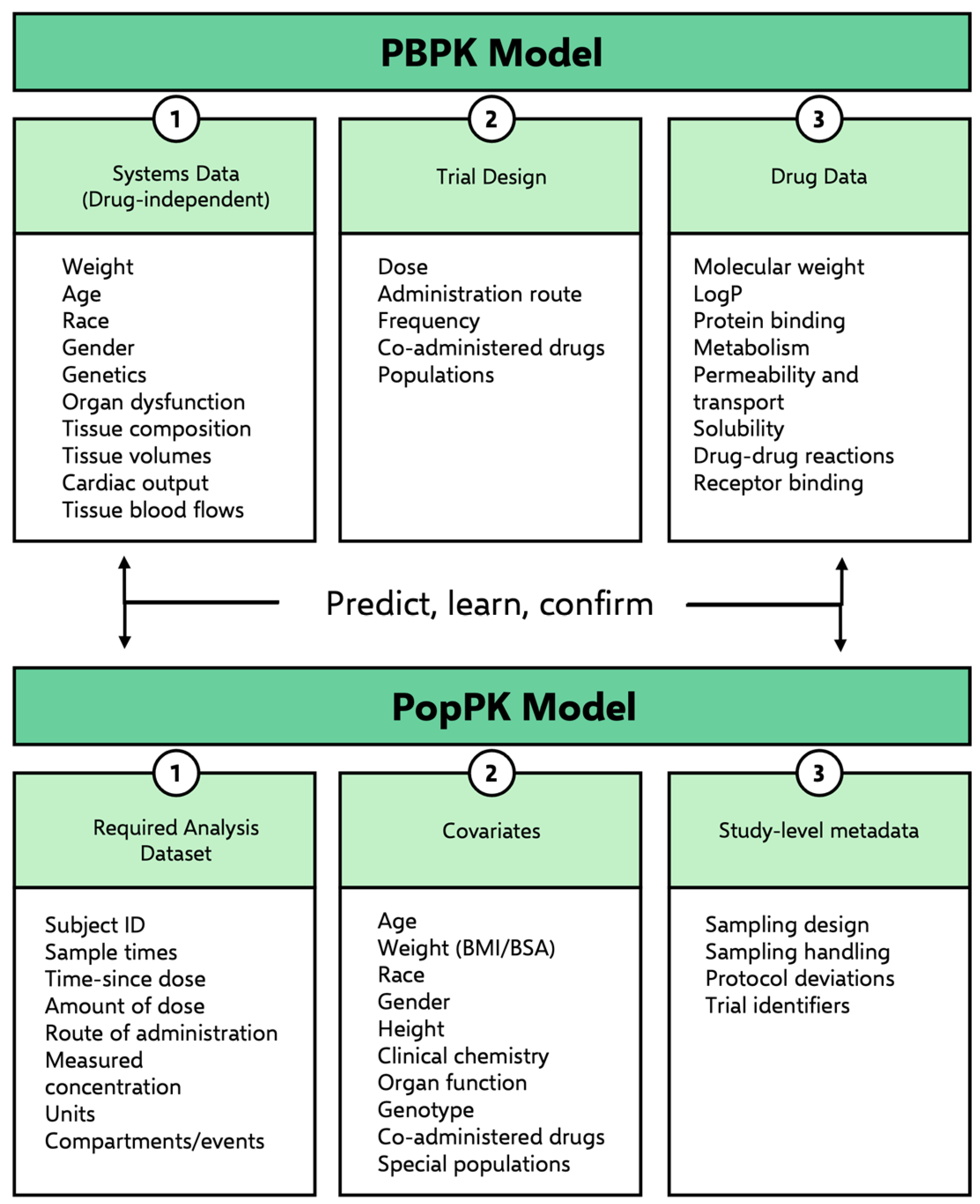
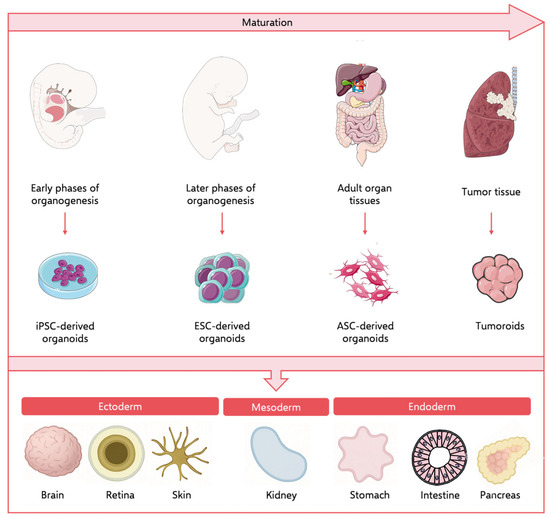
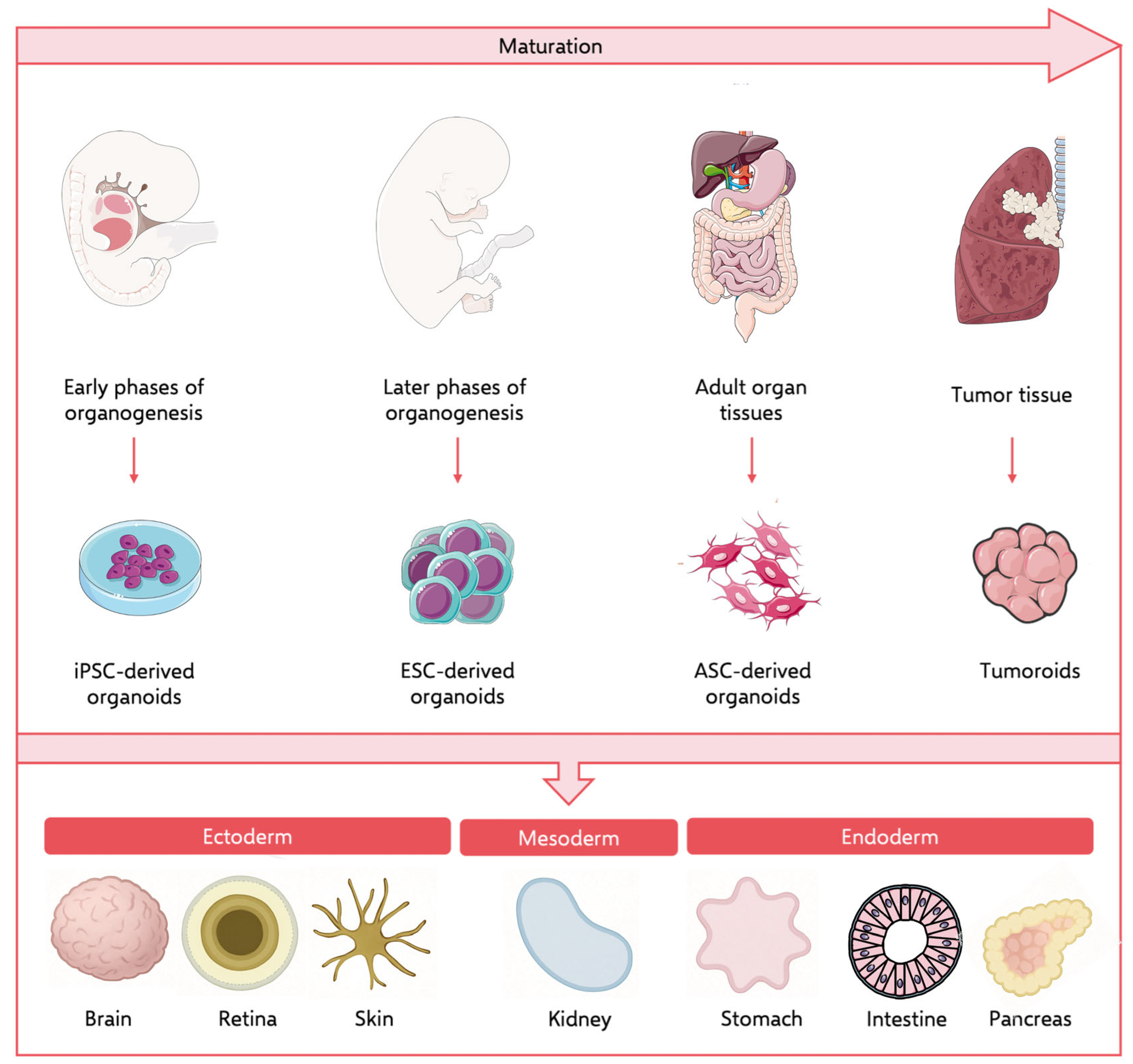
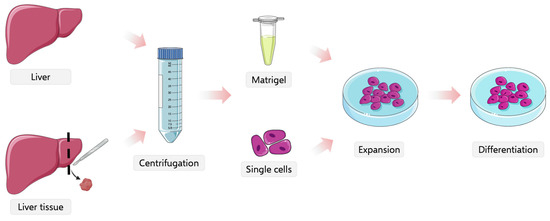
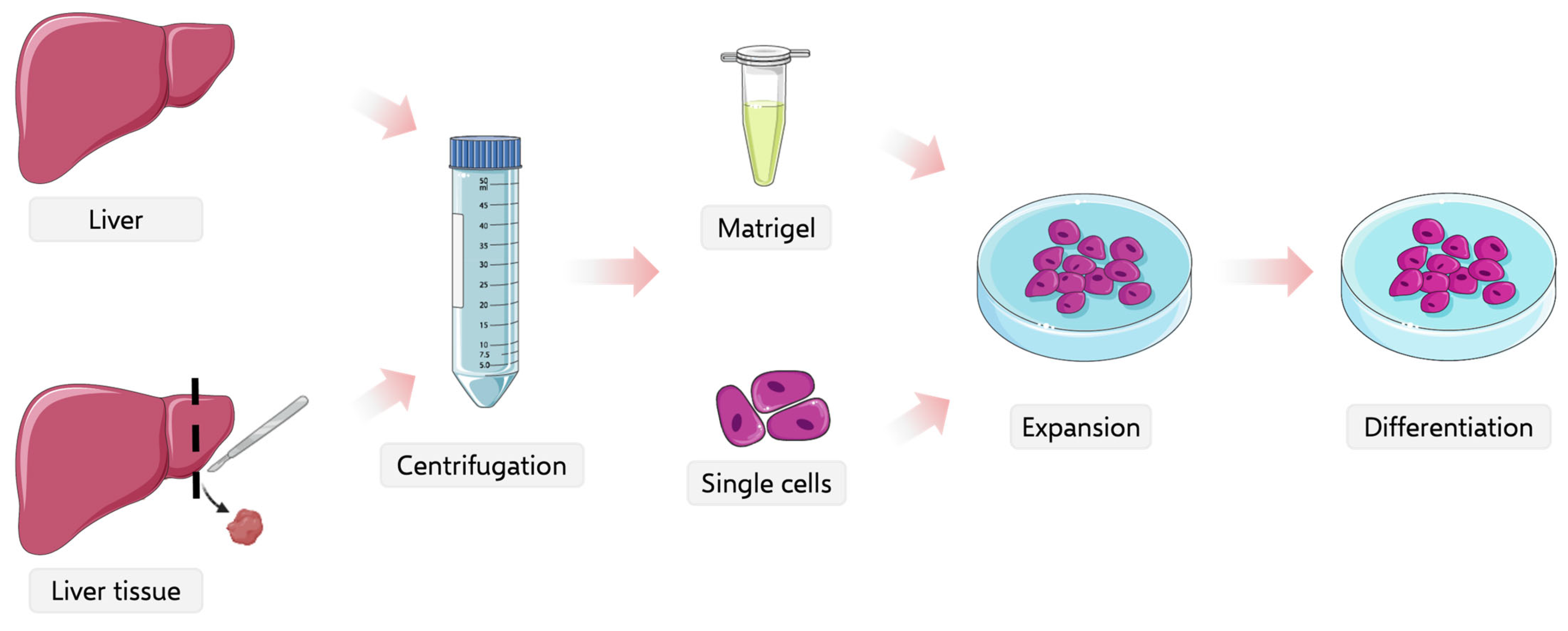
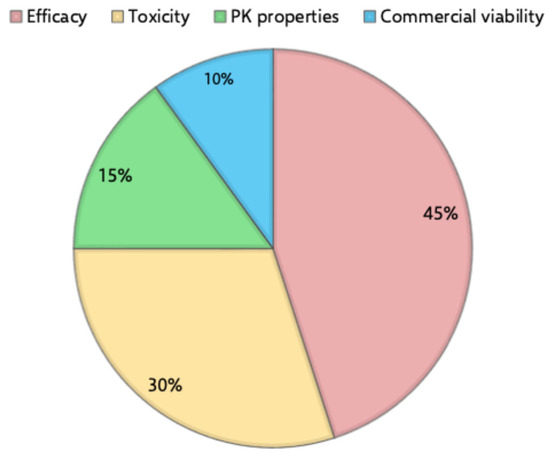
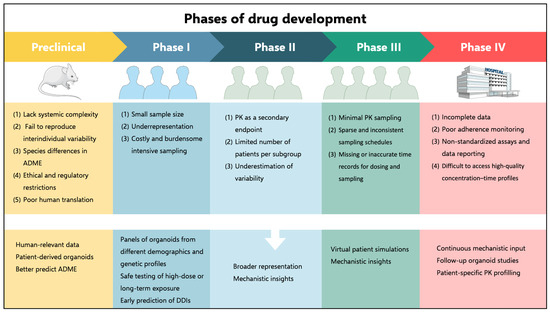
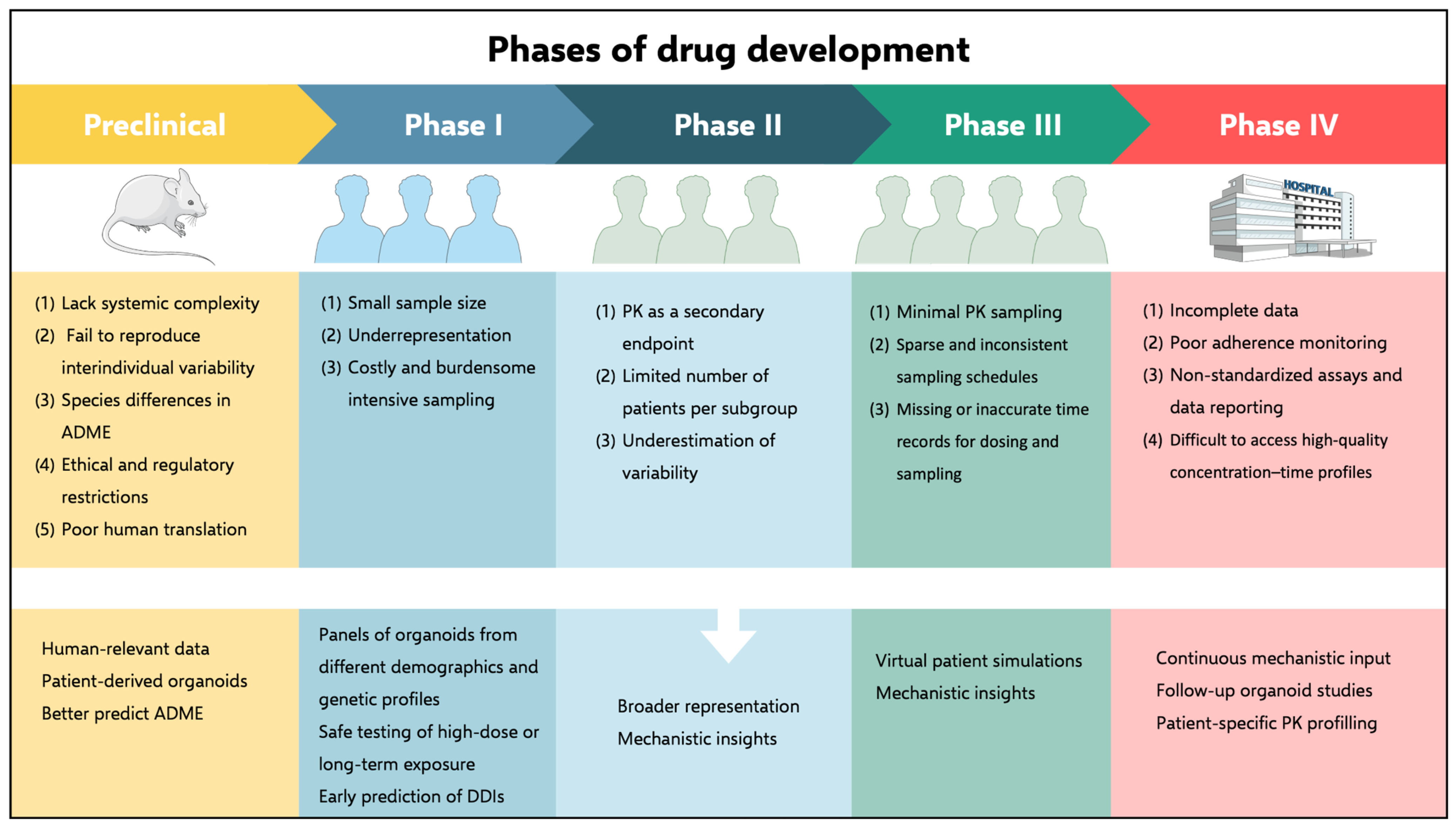

Disclaimer/Publisher’s Note: The statements, opinions and data contained in all publications are solely those of the individual author(s) and contributor(s) and not of MDPI and/or the editor(s). MDPI and/or the editor(s) disclaim responsibility for any injury to people or property resulting from any ideas, methods, instructions or products referred to in the content. |
© 2025 by the authors. Licensee MDPI, Basel, Switzerland. This article is an open access article distributed under the terms and conditions of the Creative Commons Attribution (CC BY) license (https://creativecommons.org/licenses/by/4.0/).