
Self-Consistent Field Modelling of Microplastic Particle Formation and Adsorption of Macromolecular Pollutants

 , , , and
Abstract
1. Introduction
2. Model and Method
2.1. Model
2.2. Method
3. Results and Discussion
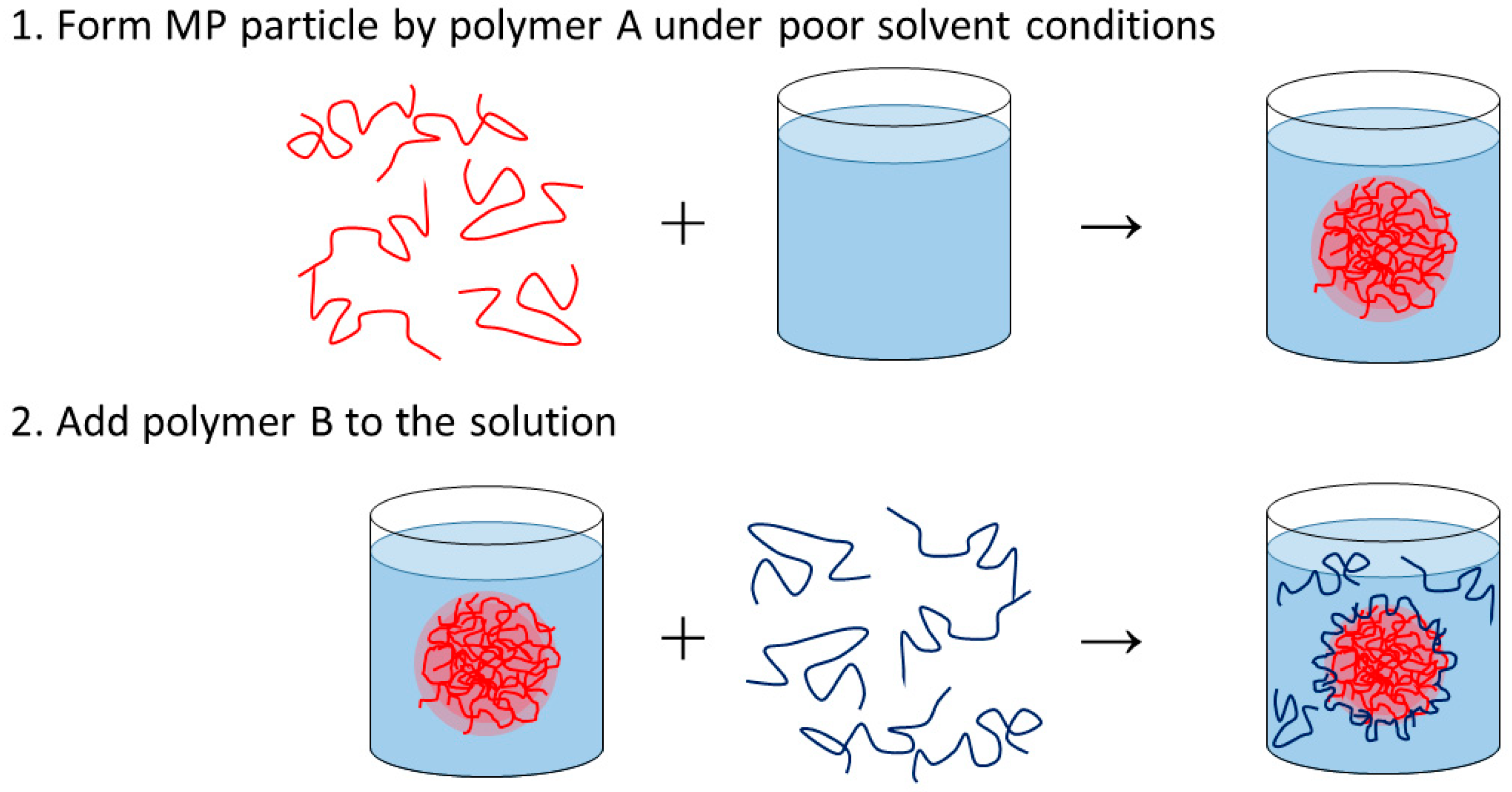
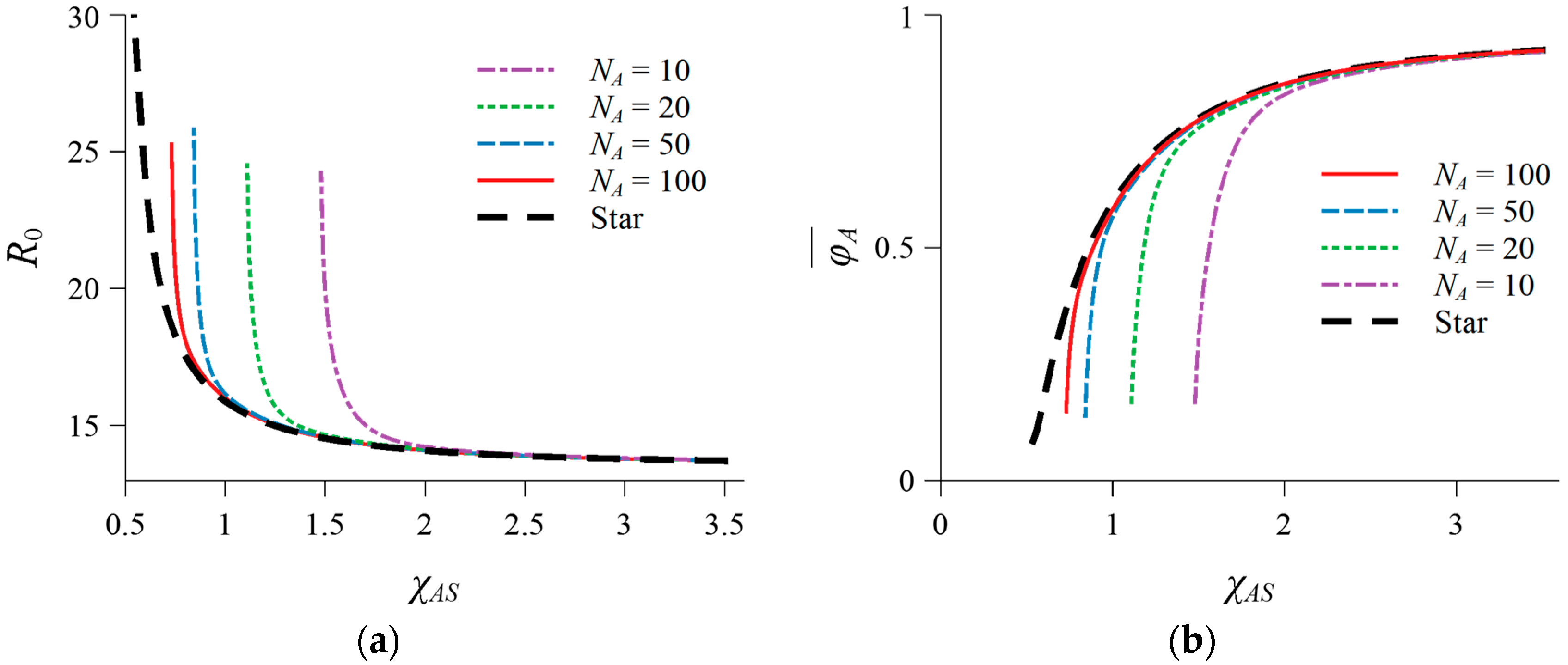
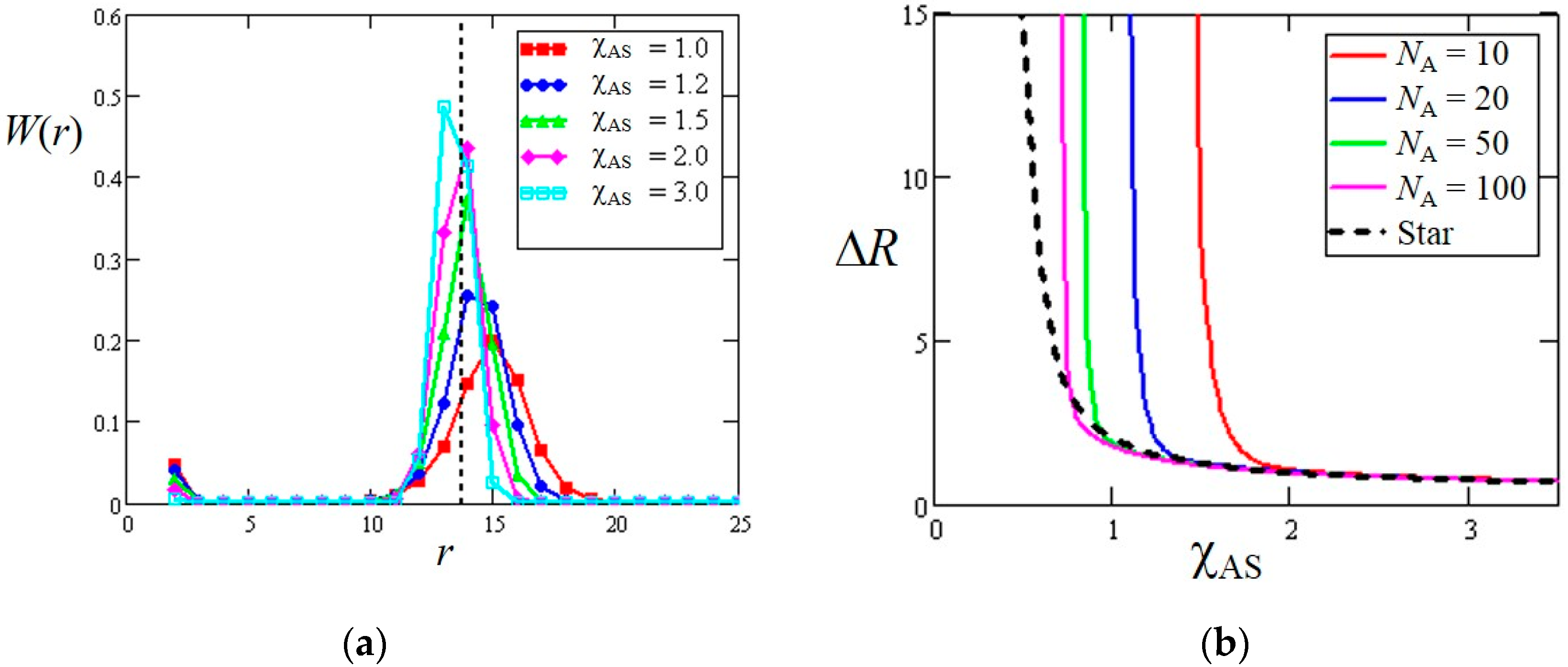
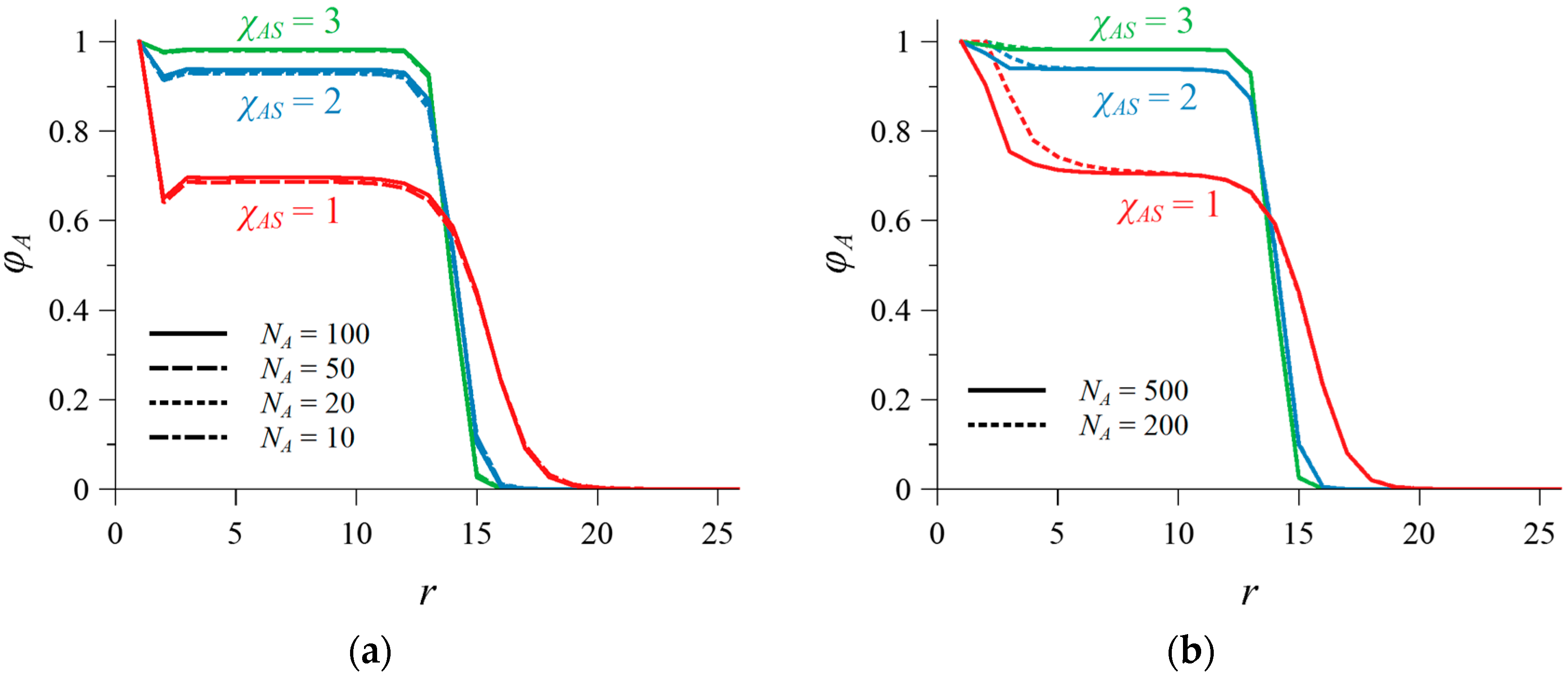
3.1. MP Particle Formation
3.2. Polymer Adsorption onto MP Particle
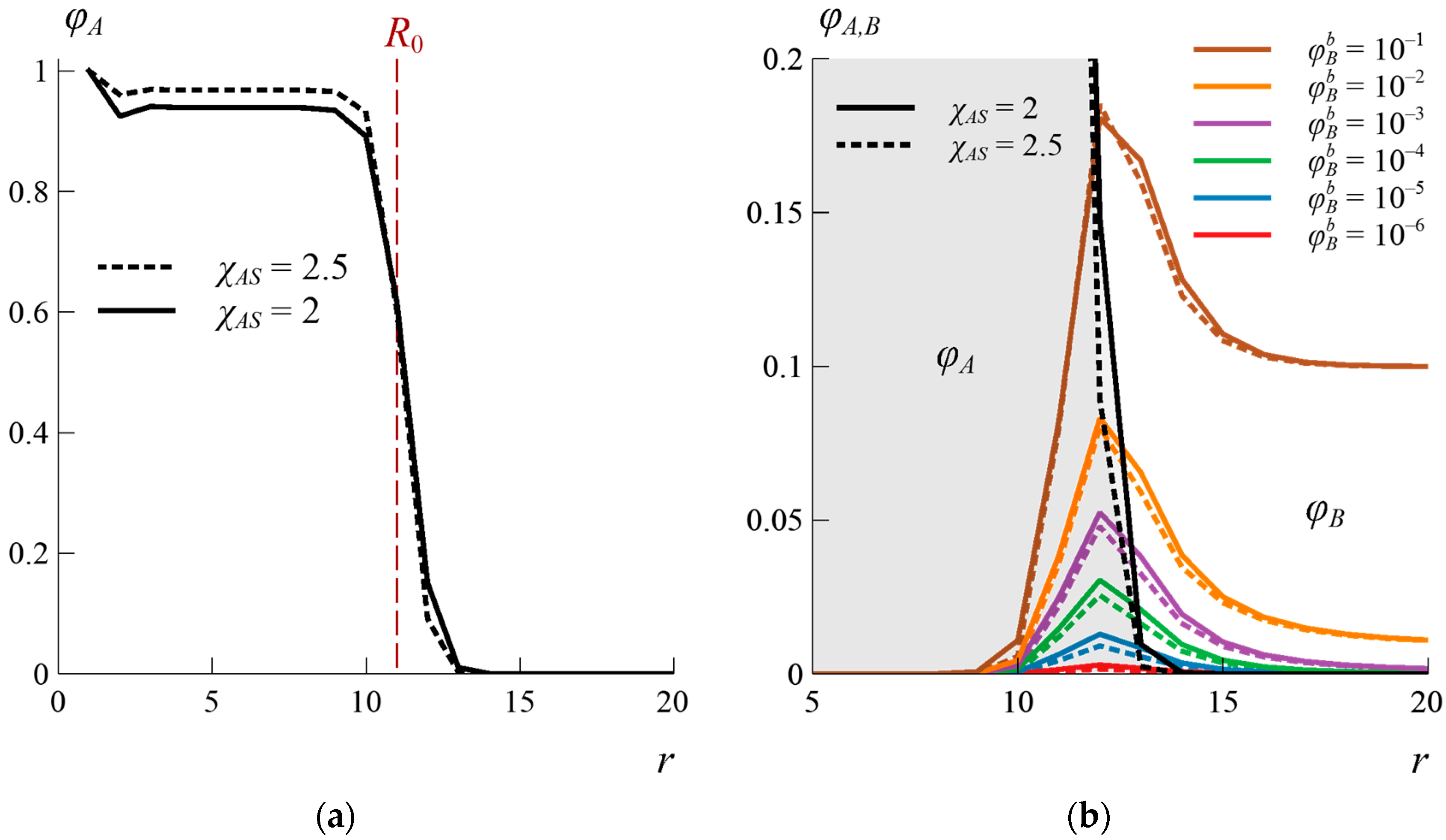
3.2.1. Density Profiles
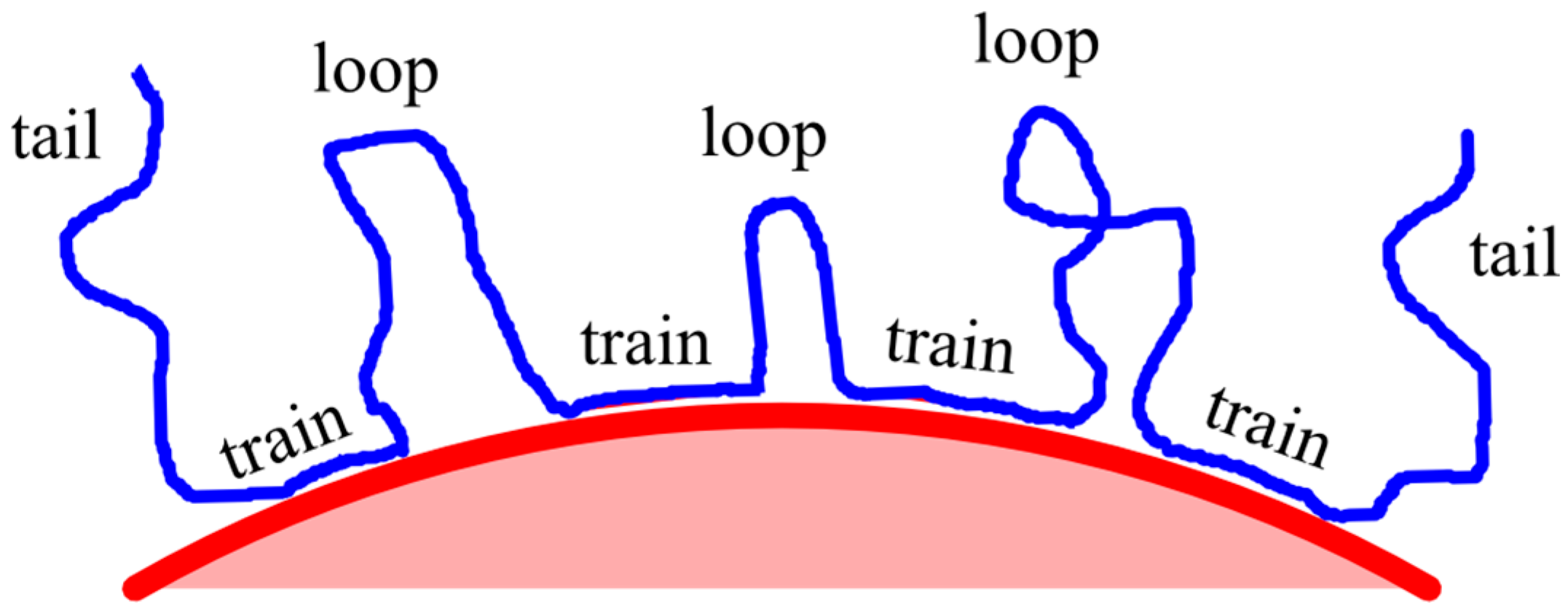
- A train is a continuous section of the polymer chain whose monomer units are located in layers R ≤ R0 + 1
- A loop is a continuous section of a polymer chain whose end units are located in the layer R = R0 + 2, and all units of the loop have coordinates r ≥ R0 + 2. The loop connects two trains
- A tail is a continuous sequence of units at the end of the polymer chain, where its first unit is located in the layer r = R0 + 2, and all tail units, including the free end, have coordinates r ≥ R0 + 2. The tail is connected to a train.
- A chain is considered as adsorbed if it has at least one monomer unit with the coordinate r ≤ R0 + 1
- A free chain has no contact with the particle, and all its links are located in layers r ≥ R0 + 2.
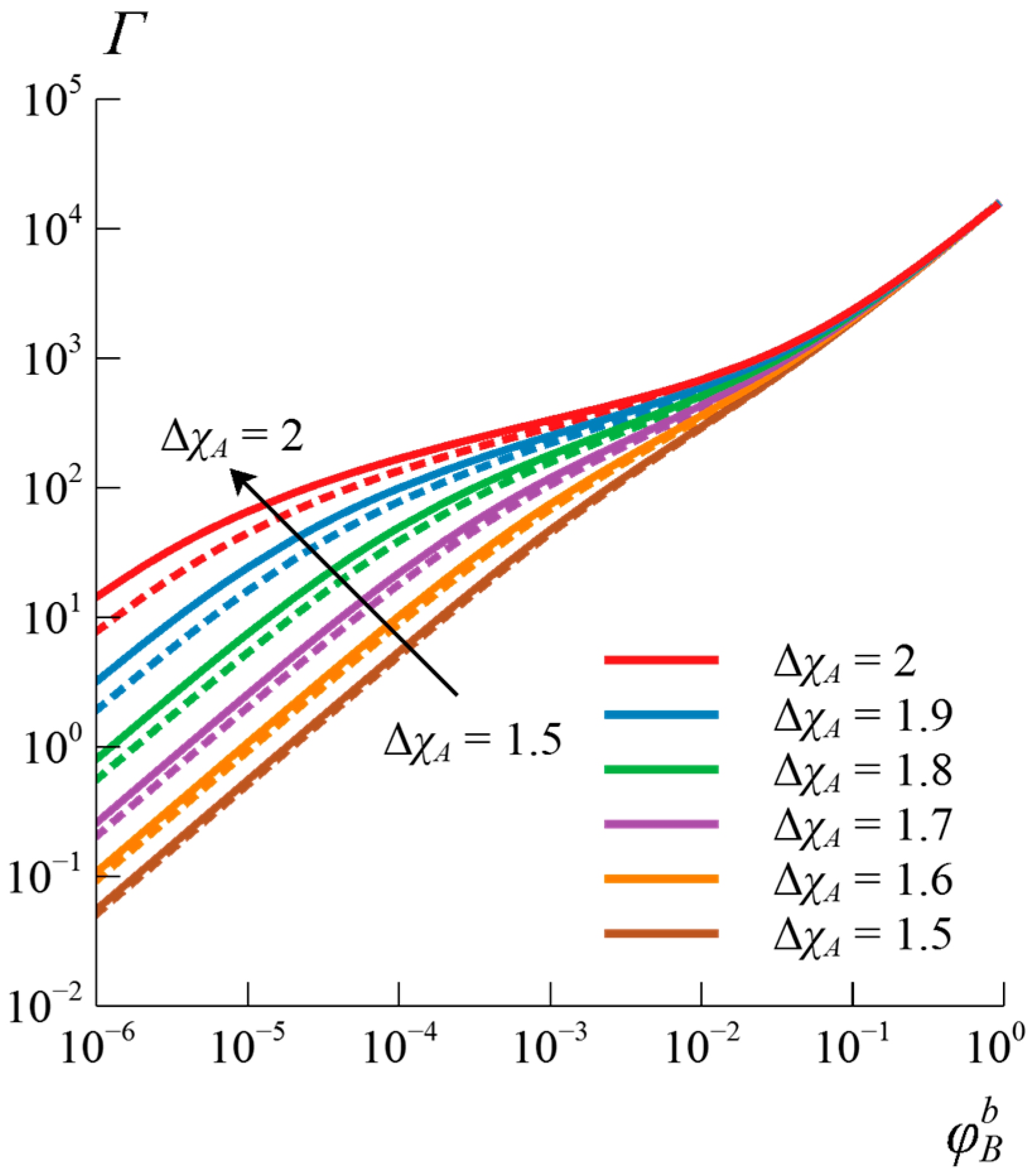
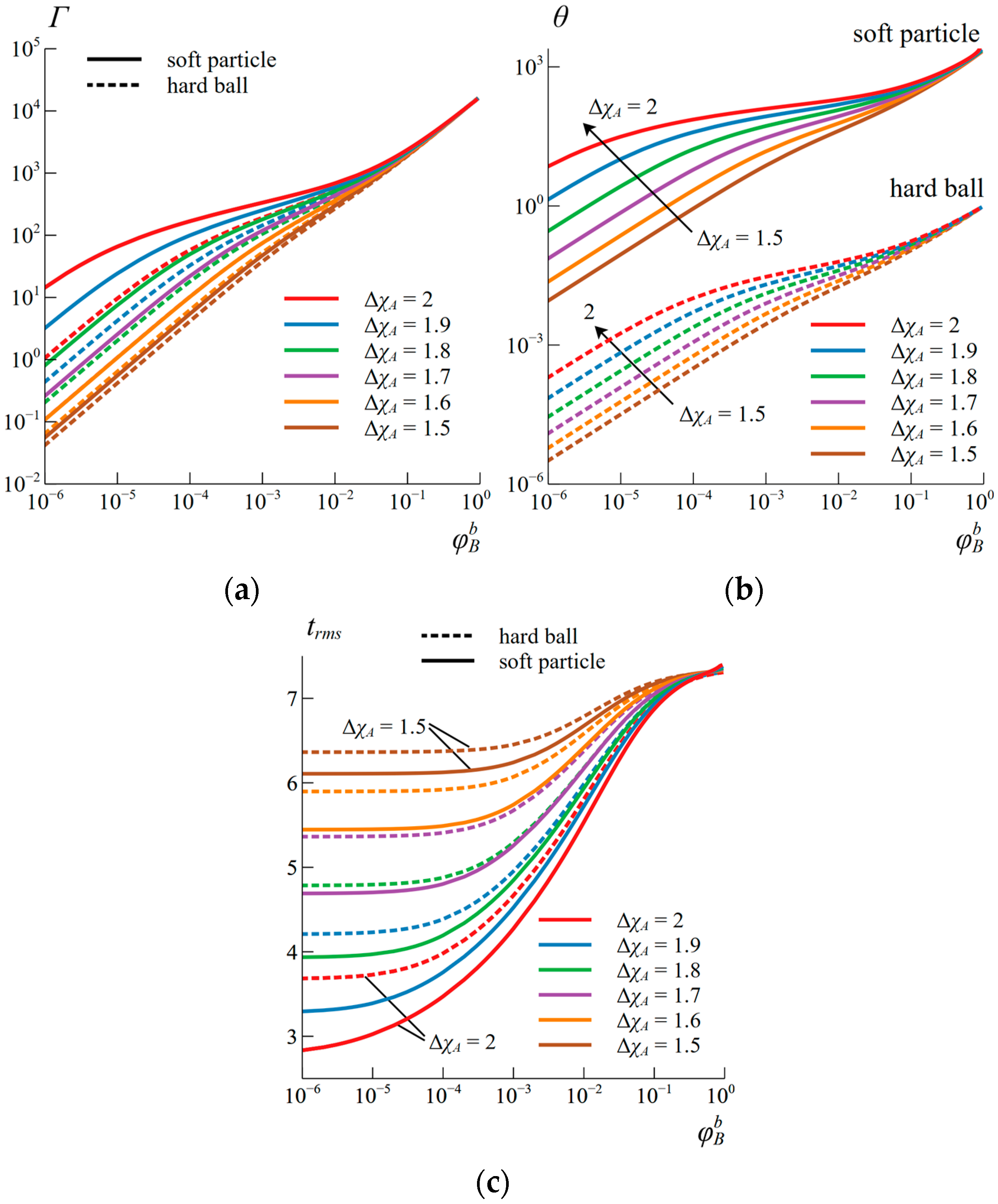
3.2.2. Adsorption Isotherms
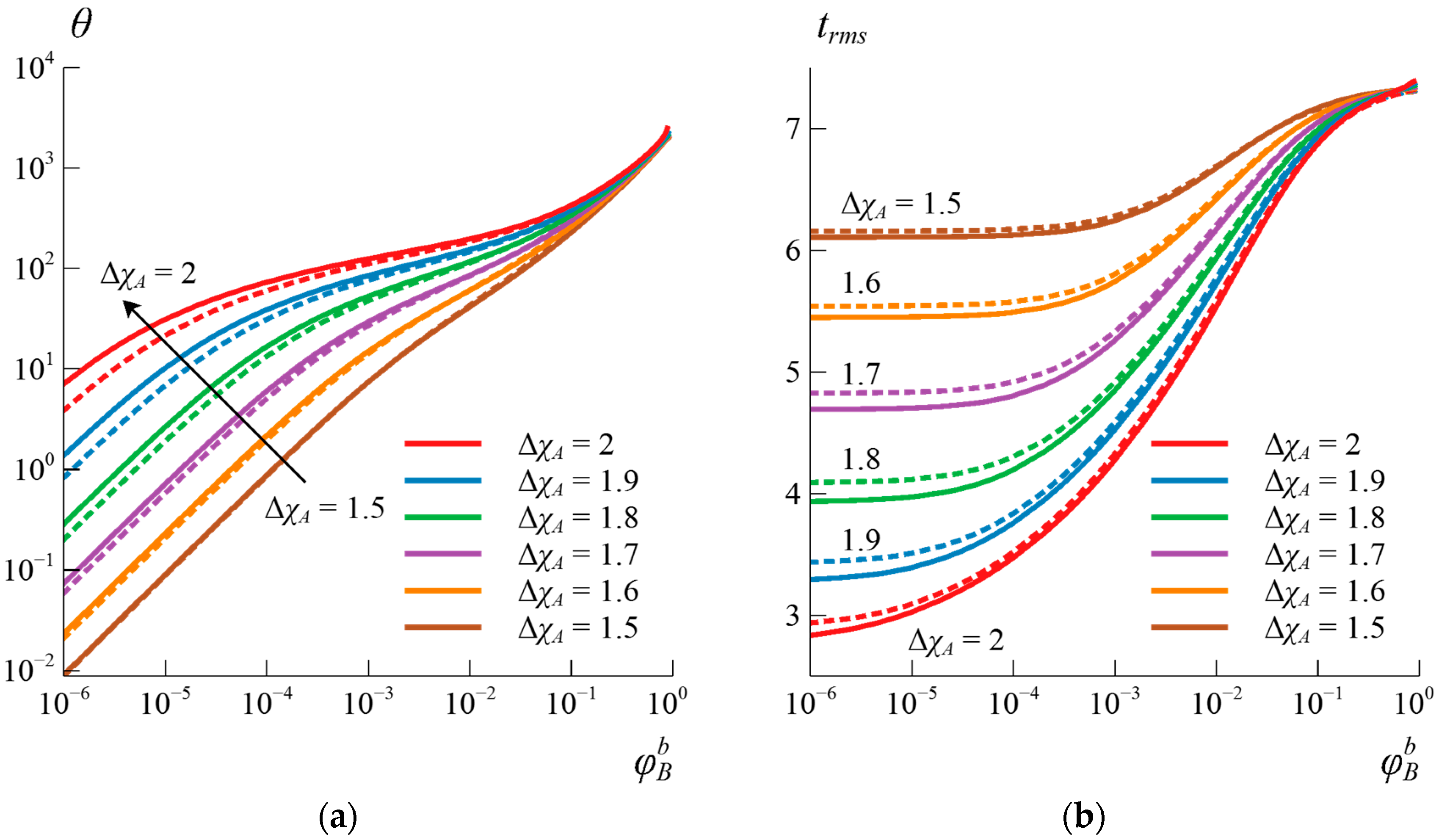
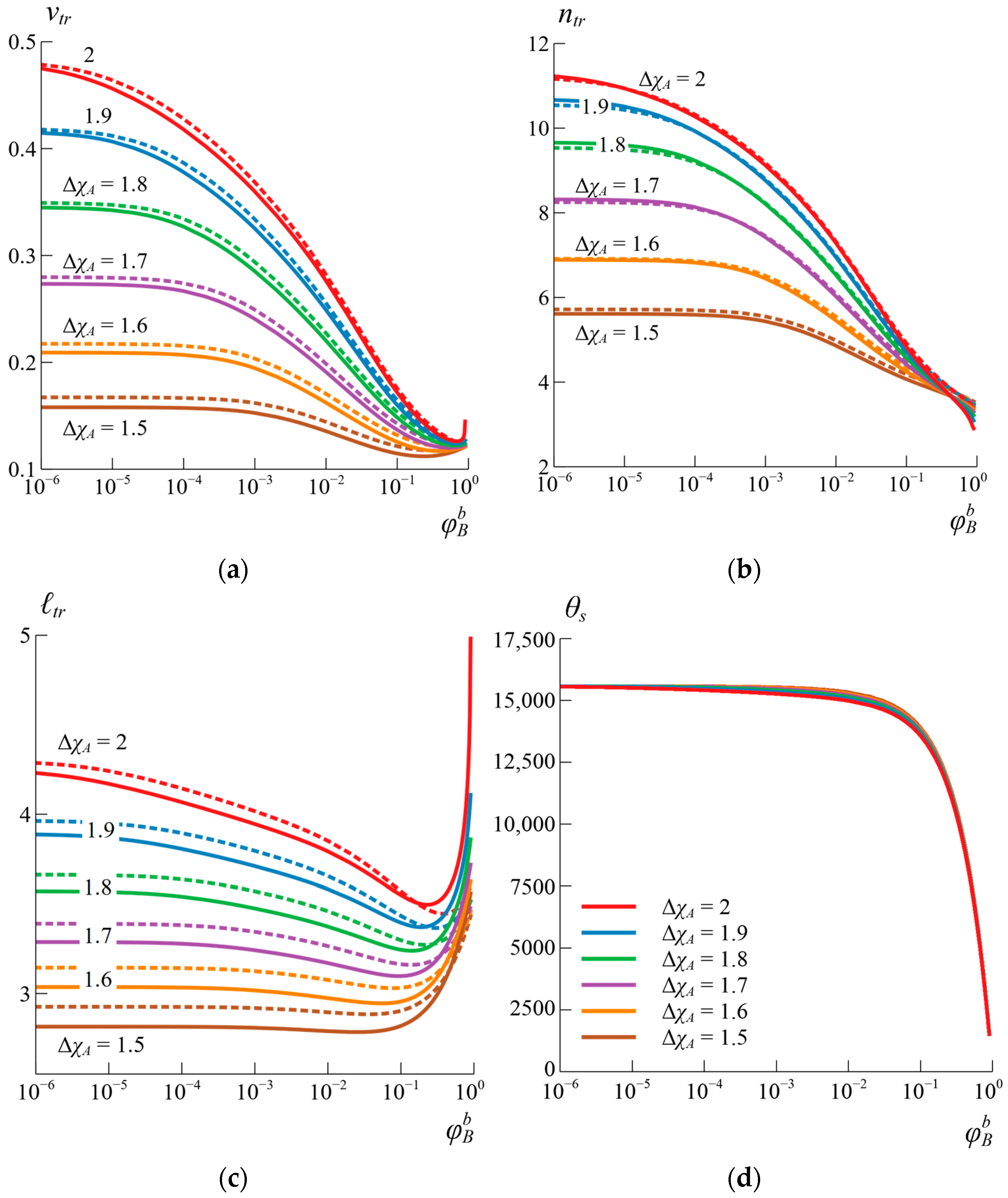
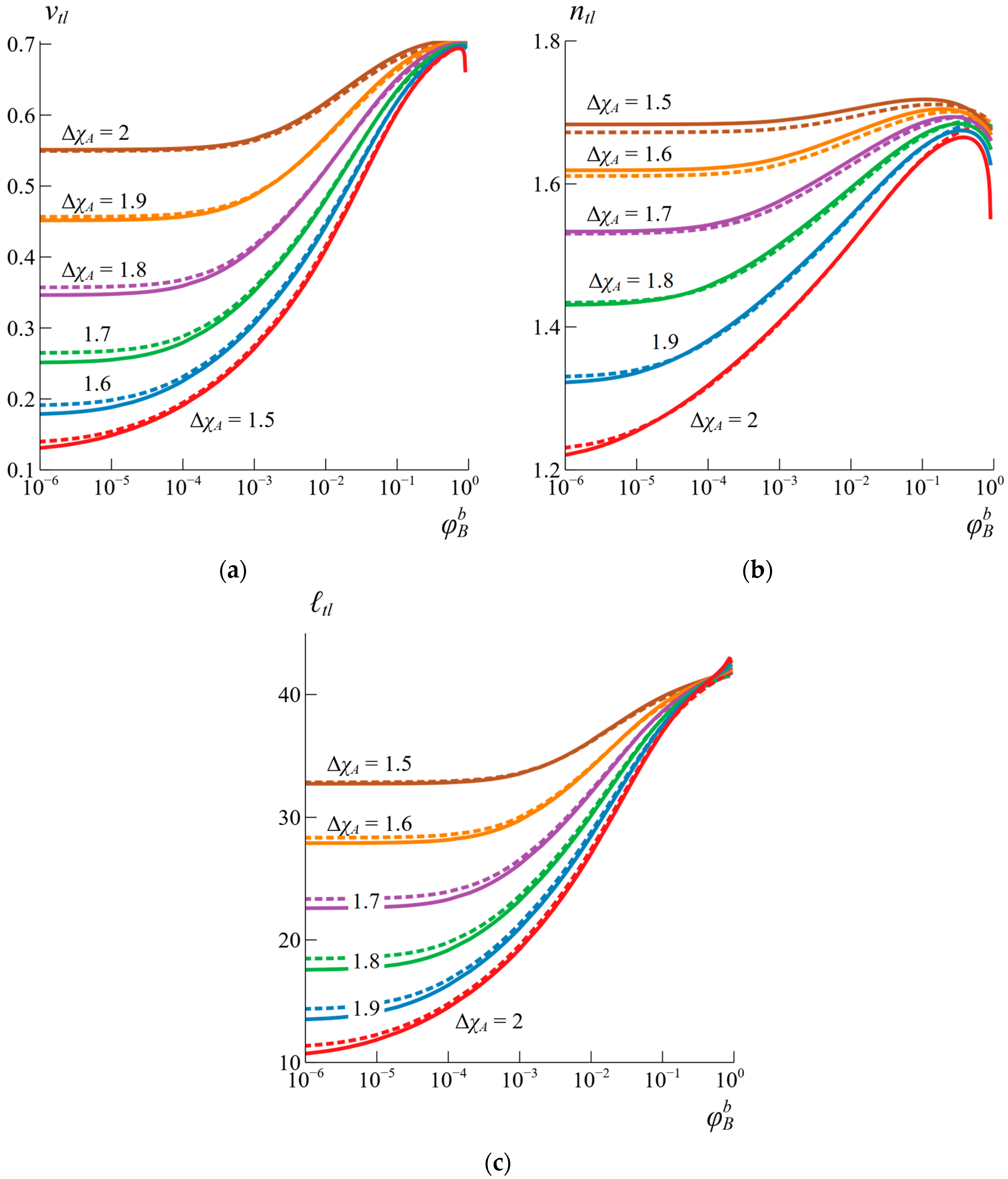
3.2.3. Individual Chain Characteristics: Trains, Loops, and Tails
- As the polymer concentration increases, the amount of polymer adsorbed on the MP particle increases
- The number of units in polymer chains that are directly bound to the particle (i.e., belong to trains, but not to loops or tails) behaves similarly
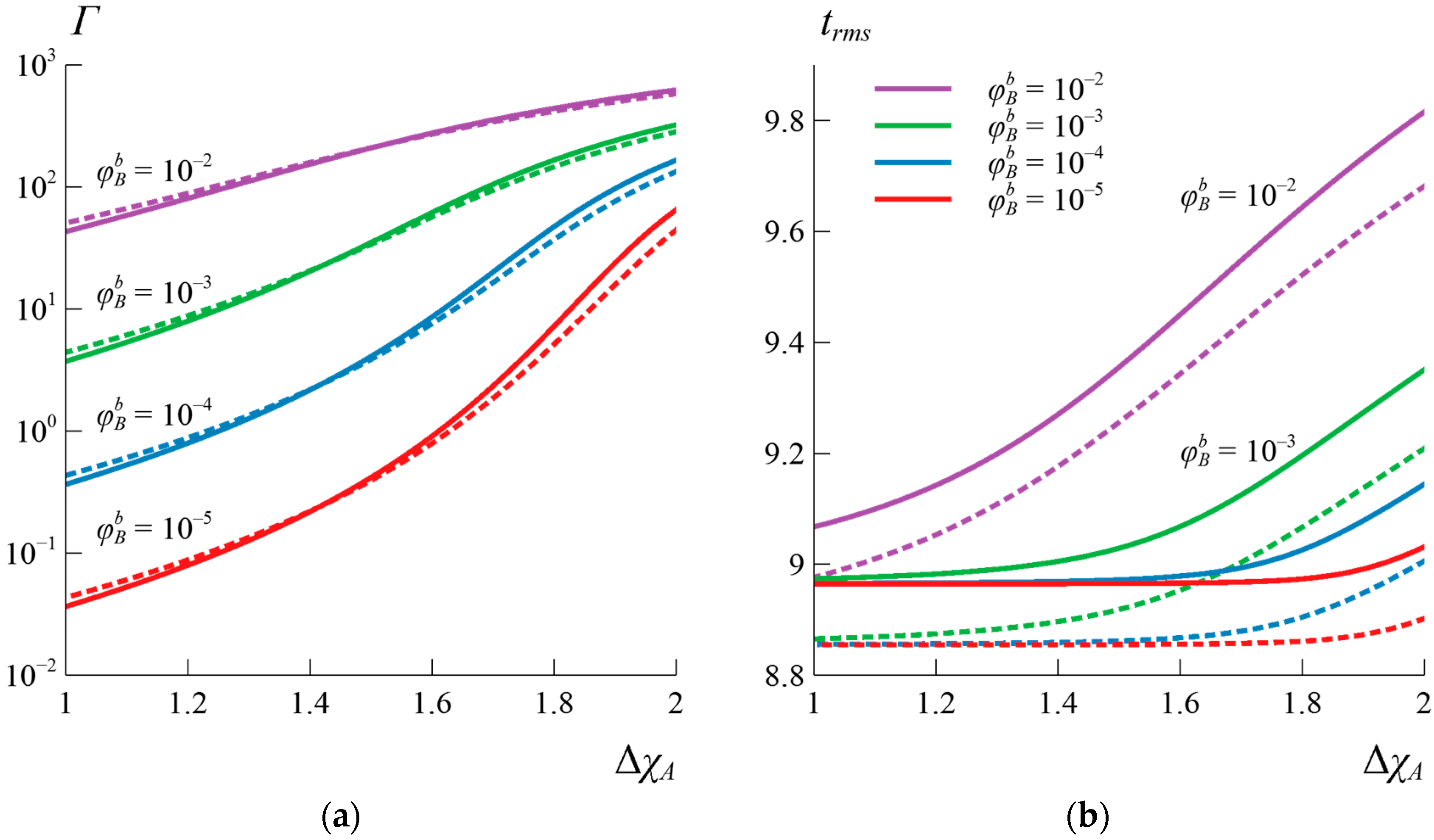
- The increase in the amount of adsorbed polymer upon increasing polymer concentration leads to an obvious increase in the root-mean-square thickness of the adsorbed layer. At the same time, with a stronger effective attraction of polymer B to the particle, the thickness of the adsorbed layer is smaller
- Softer MP particles adsorb a larger amount of polymer, forming a thinner adsorbed layer
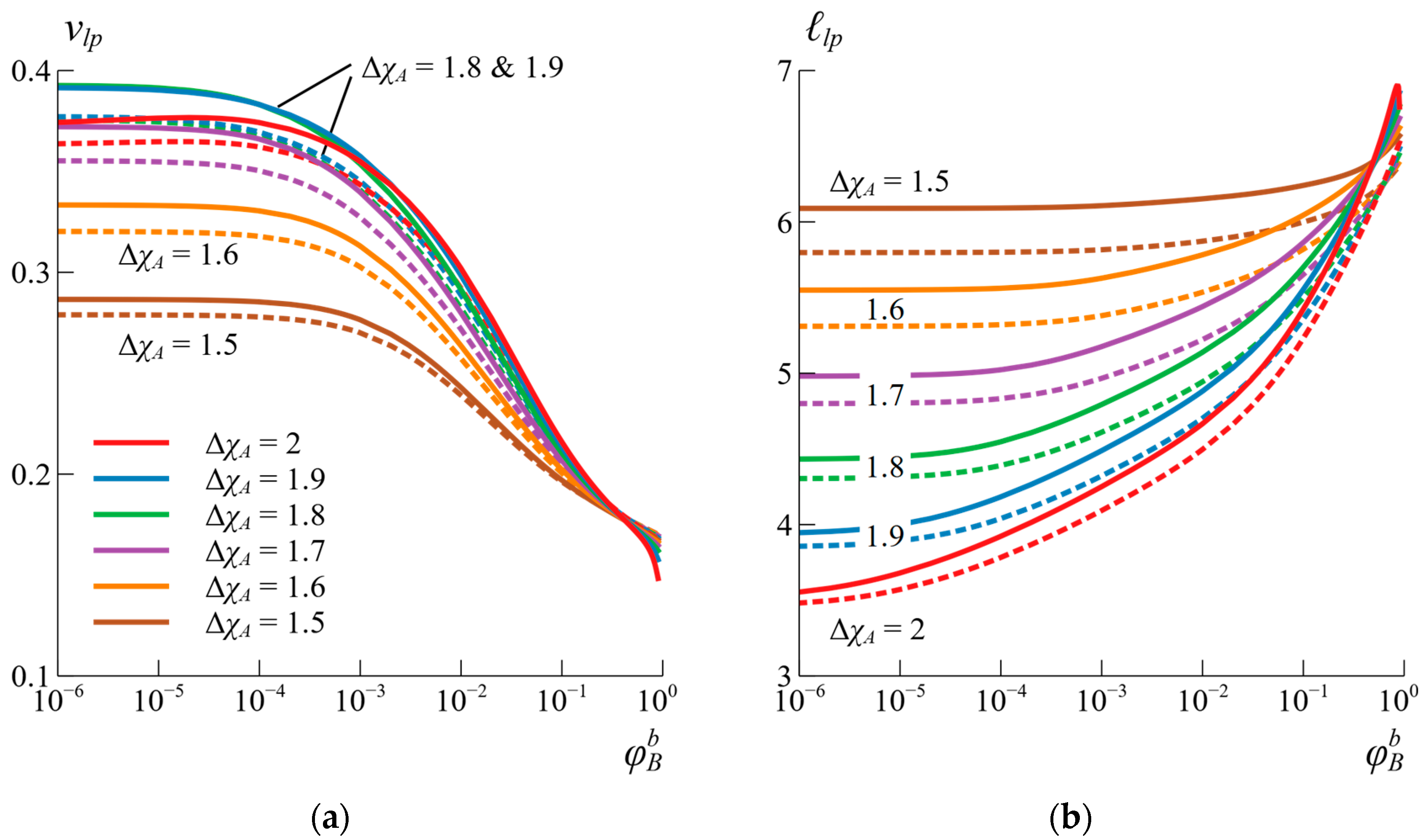
- The characteristics of an individual adsorbed polymer chain exhibit a non-trivial and counterintuitive behavior—the fraction of adsorbed units in a single chain decreases with increasing polymer concentration in solution. An increase in the concentration also leads to a decrease in the fraction of units in loops, with a certain increase in the average loop length, and to an increase in the average tail length and the fraction of tail-forming units in the chain.
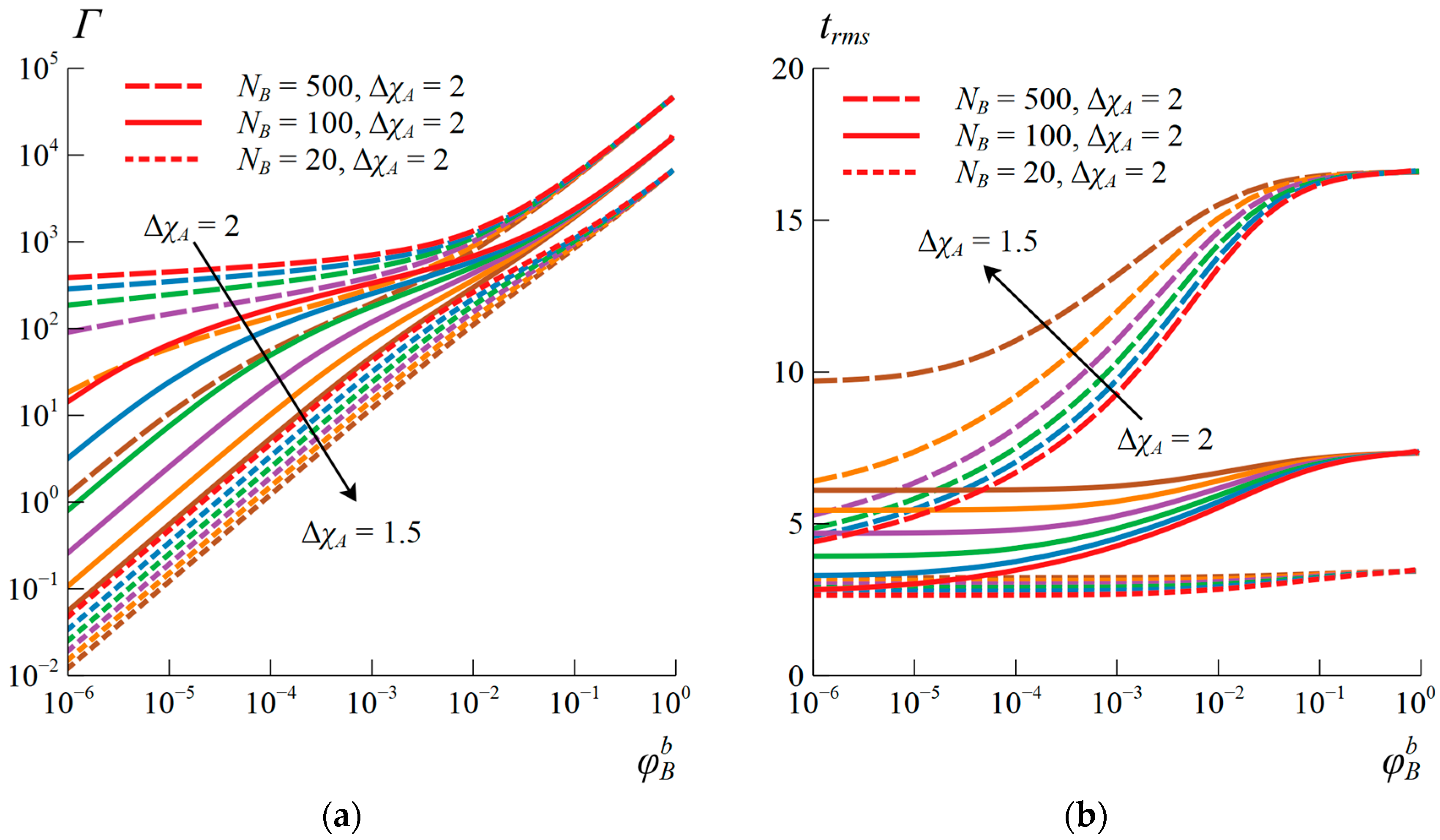
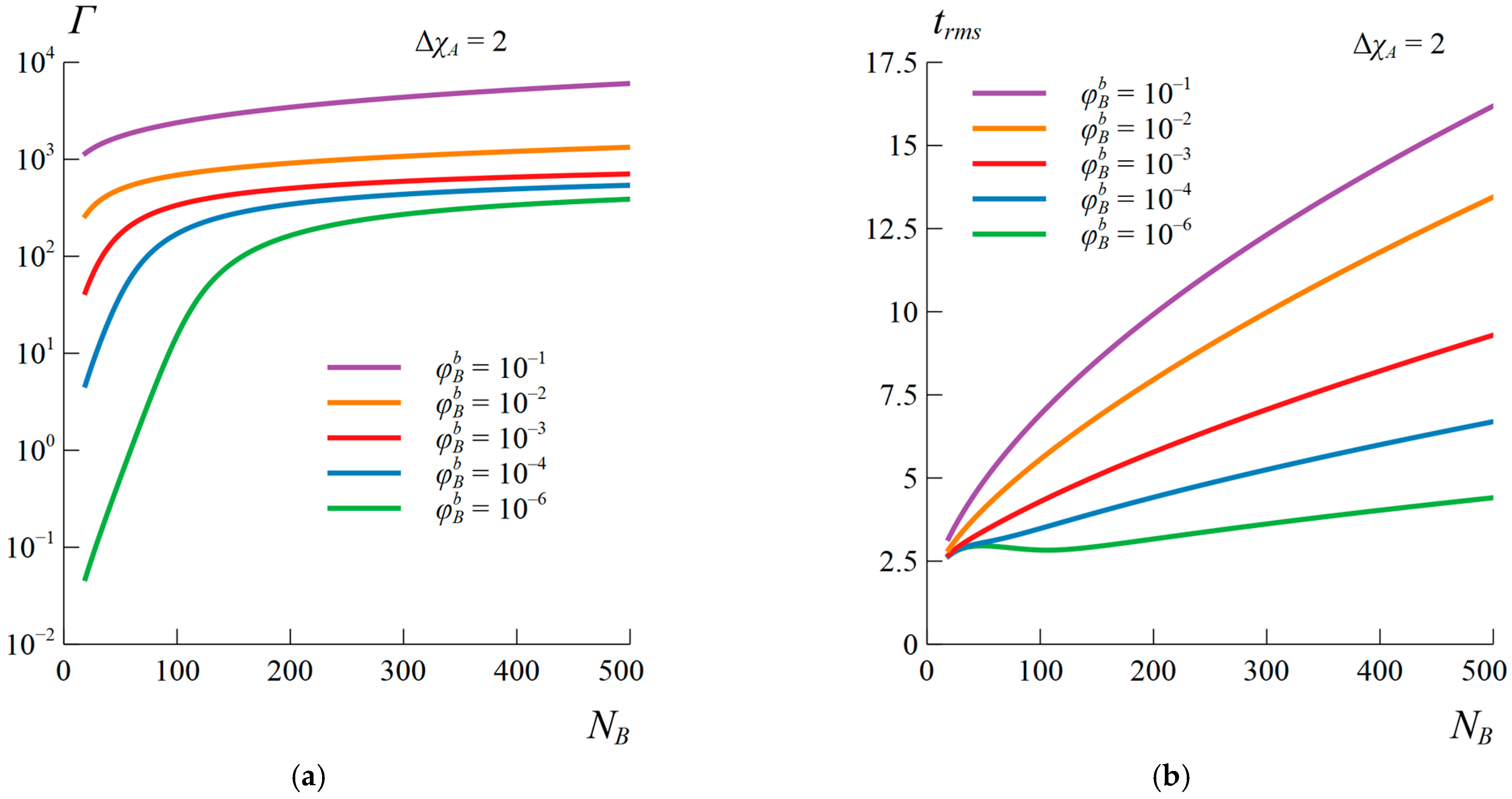
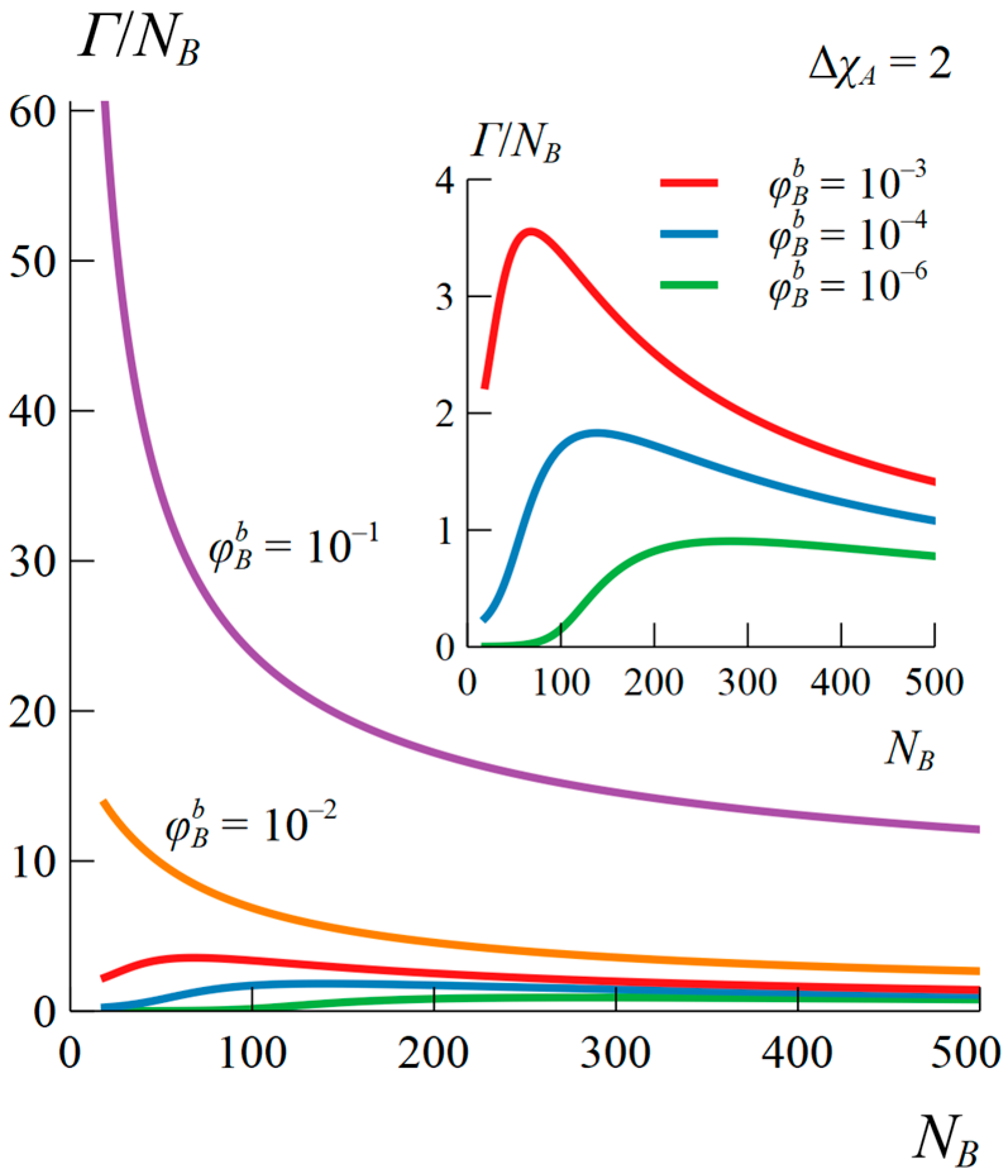
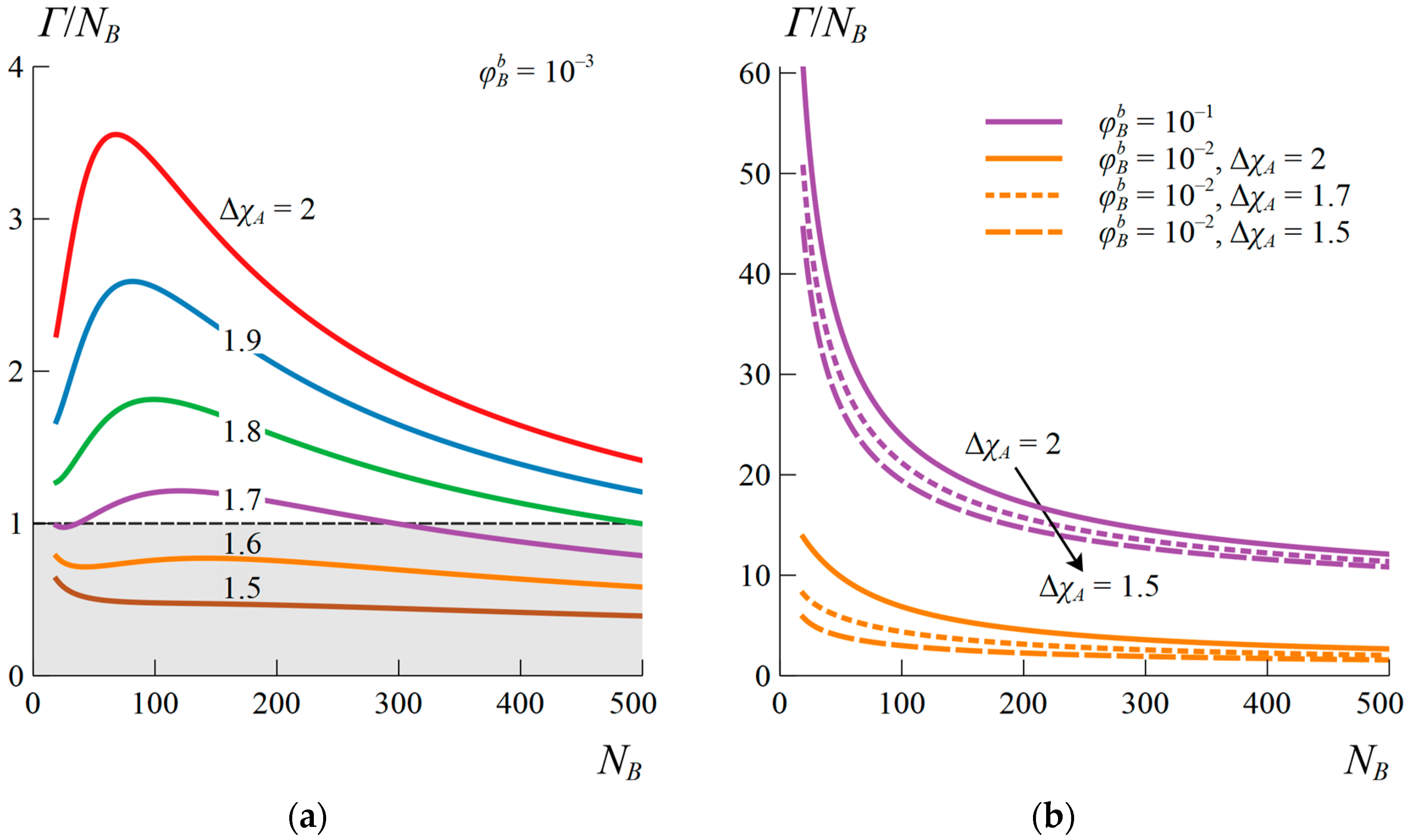
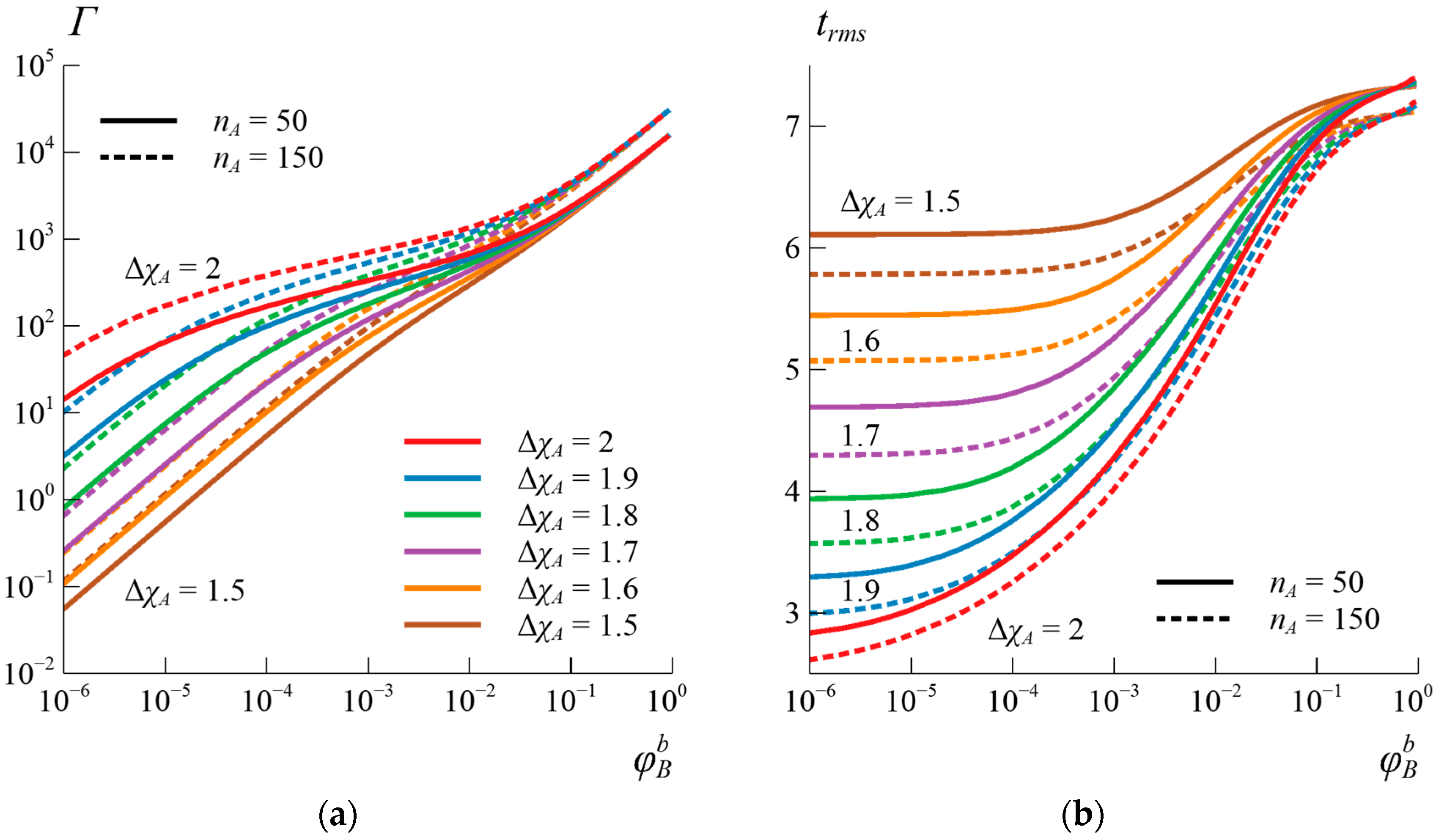
3.2.4. Effect of the Length of Dissolved Chains on the Adsorption
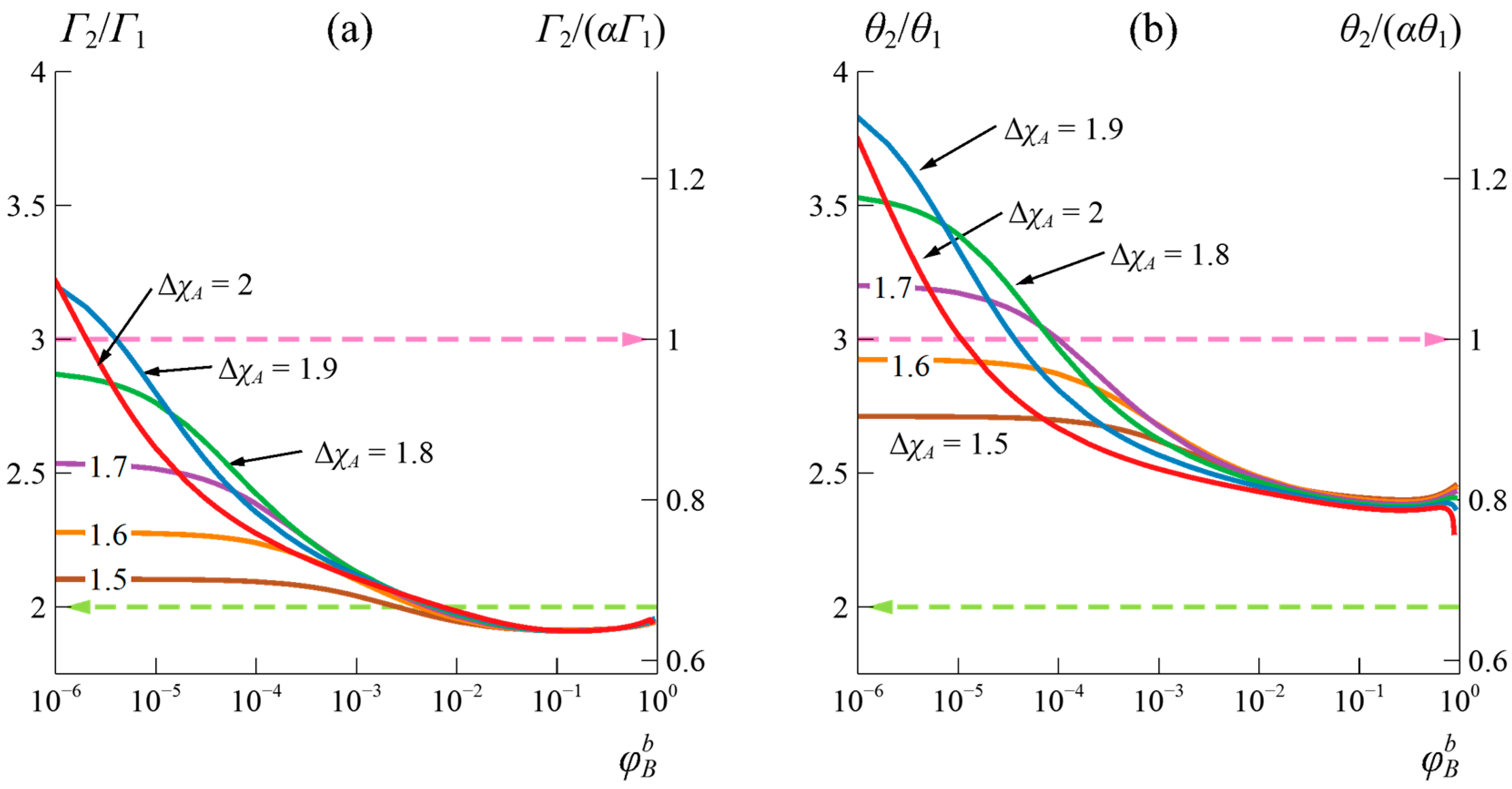
3.2.5. Adsorption onto a “Soft” MP Particle vs. Adsorption onto the “Equivalent” Hard Sphere
3.2.6. Effects of the Adsorption Characteristics on the Effective Adsorption Energy
3.2.7. Effect of the MP Particle Size on Adsorption
4. Conclusions
Author Contributions
Funding
Institutional Review Board Statement
Informed Consent Statement
Data Availability Statement
Acknowledgments
Conflicts of Interest
Abbreviations
| MP | Microplastic |
| SF-SCF | Scheutjens–Fleer self-consistent field |
| SCF | Self-consistent field |
References
- Mai, N.H.A.; Yusir, A.; Jung, J.; Barnard, T.G. Global trends evolution and future research hotspots in microplastic pollution and removal in water. A bibliometric analysis. J. Environ. Chem. Eng. 2025, 13, 119505. [Google Scholar] [CrossRef]
- Hermabessiere, L.; Dehaut, A.; Paul-Pont, I.; Lacroix, C.; Jezequel, R.; Soudant, P.; Duflos, G. Occurrence and effects of plastic additives on marine environments and organisms: A review. Chemosphere 2017, 182, 781. [Google Scholar] [CrossRef] [PubMed]
- Ho, C.M.; Feng, W.; Li, X.; Kalaipandian, S.; Ngien, S.K.; Yu, X. Exploring the complex interactions between microplastics and marine contaminants. Mar. Pollut. Bull. 2026, 222, 118697. [Google Scholar] [CrossRef]
- Al-Emran, M.; Nayem, M.J. Vector effects of microplastics on organic pollutants: Sorption-desorption and bioaccumulation kinetics. Chemosphere 2025, 388, 144698. [Google Scholar] [CrossRef]
- Gao, Y.; Gao, W.; Liu, Y.; Zou, D.; Li, Y.; Lin, Y.; Zhao, J. A comprehensive review of microplastic aging: Laboratory simulations, physicochemical properties, adsorption mechanisms, and environmental impacts. Sci. Total Environ. 2024, 957, 177427. [Google Scholar] [CrossRef]
- Yu, Y.; Mo, W.Y.; Luukkonen, T. Adsorption behaviour and interaction of organic micropollutants with nano and microplastics—A review. Sci. Total Environ. 2021, 797, 149140. [Google Scholar] [CrossRef]
- Munoz, M.; Ortiz, D.; Nieto-Sandoval, J.; de Pedro, Z.M.; Casas, J.A. Adsorption of micropollutants onto realistic microplastics: Role of microplastic nature, size, age, and NOM fouling. Chemosphere 2021, 283, 131085. [Google Scholar] [CrossRef] [PubMed]
- Kinigopoulou, V.; Pashalidis, I.; Kalderis, D.; Anastopoulos, I. Microplastics as carriers of inorganic and organic contaminants in the environment: A review of recent progress. J. Mol. Liq. 2022, 350, 118580. [Google Scholar] [CrossRef]
- Costigan, E.; Collins, A.; Hatinoglu, M.D.; Bhagat, K.; MacRae, J.; Perreault, F.; Apul, O. Adsorption of organic pollutants by microplastics: Overview of a dissonant literature. J. Hazard. Mater. Adv. 2022, 6, 100091. [Google Scholar] [CrossRef]
- Jiang, H.; Ding, Z.; Lei, X.; Li, X.; Que, S.; Zhou, J.; Tang, J.; Huang, Y.; Sun, D. Competitive Adsorption Studies of Cd(II) and As(III) by Poly (Butylene Succinate) Microplastics: Based on Experimental and Theoretical Calculation. Water 2025, 17, 74. [Google Scholar] [CrossRef]
- Fang, S.; Hua, C.; Yang, J.; Liu, F.; Wang, L.; Wu, D.; Ren, L. Combined pollution of soil by heavy metals, microplastics, and pesticides: Mechanisms and anthropogenic drivers. J. Hazard. Mater. 2025, 485, 136812. [Google Scholar] [CrossRef] [PubMed]
- Zhu, G.; Yue, K.; Ni, X.; Yuan, C.; Wu, F. The types of microplastics, heavy metals, and adsorption environments control the microplastic adsorption capacity of heavy metals. Environ. Sci. Pollut. Res. 2023, 30, 80807–80816. [Google Scholar] [CrossRef]
- Sahai, H.; Valverde, M.G.; Morales, M.M.; Hernando, M.D.; Del Real, A.M.A.; Fernández-Alba, A.R. Exploring sorption of pesticides and PAHs in microplastics derived from plastic mulch films used in modern agriculture. Chemosphere 2023, 333, 138959. [Google Scholar] [CrossRef]
- Zeng, Z.; Jia, B.; Liu, X.; Chen, L.; Zhang, P.; Qing, T.; Feng, B. Adsorption behavior of triazine pesticides on polystyrene microplastics aging with different processes in natural environment. Environ. Pollut. 2024, 356, 124319. [Google Scholar] [CrossRef]
- Purwiyanto, A.I.S.; Suteja, Y.; Ningrum, P.S.; Putri, W.A.E.; Agustriani, F.; Cordova, M.R.; Koropitan, A.F. Concentration and adsorption of Pb and Cu in microplastics: Case study in aquatic environment. Mar. Pollut. Bull. 2020, 158, 111380. [Google Scholar] [CrossRef]
- Khalid, N.; Aqeel, M.; Noman, A.; Khan, S.M.; Akhter, N. Interactions and effects of microplastics with heavy metals in aquatic and terrestrial environments. Environ. Pollut. 2021, 290, 118104. [Google Scholar] [CrossRef]
- Wang, X.; Zhang, R.; Li, Z.; Yan, B. Adsorption properties and influencing factors of Cu(II) on polystyrene and polyethylene terephthalate microplastics in seawater. Sci. Total Environ. 2022, 812, 152573. [Google Scholar] [CrossRef] [PubMed]
- Prajapati, A.; Narayan Vaidya, A.; Kumar, A.R. Microplastic properties and their interaction with hydrophobic organic contaminants: A review. Environ. Sci. Pollut. Res. 2022, 29, 49490–49512. [Google Scholar] [CrossRef]
- Frescura, L.M.; de Menezes, B.B.; Junior, R.A.F.; Mortari, S.R.; de Moraes Bastos, A.F.; da Rosa, M.B. Polycyclic aromatic hydrocarbon derivatives onto polar microplastics of polyurethane: Equilibrium, thermodynamics, and kinetics of monolayer-multilayer adsorption. Environ. Sci. Pollut. Res. 2024, 31, 55158–55168. [Google Scholar] [CrossRef]
- Yu, H.; Yang, B.; Waigi, M.G.; Peng, F.; Li, Z.; Hu, X. The effects of functional groups on the sorption of naphthalene on microplastics. Chemosphere 2020, 261, 127592. [Google Scholar] [CrossRef] [PubMed]
- Kong, X.; Zhang, J.; Ji, Q.; Li, C.; Chen, X.; Cao, X.; Chen, X.; Cao, X.; Zhu, F.; Yang, S.; et al. Insights into adsorption mechanisms of nitro polycyclic aromatic hydrocarbons on common microplastic particles: Experimental studies and modeling. Chemosphere 2023, 320, 138050. [Google Scholar] [CrossRef]
- Conesa, J.A. Adsorption of PAHs and PCDD/Fs in Microplastics: A Review. Microplastics 2022, 1, 346–358. [Google Scholar] [CrossRef]
- Hou, G.; Zhao, X.; Zhao, T.; Wu, X.; Pu, S.; Tang, Z.; Wu, F. The adsorption of PAHs on microplastics and desorption in the simulated human digestive system. Chem. Eng. J. 2023, 473, 145157. [Google Scholar] [CrossRef]
- Li, Z.; Sun, L.; Wang, H. Adsorption behaviour and mechanism of polycyclic aromatic hydrocarbons onto typical microplastics in a soil solution. Int. J. Environ. Anal. Chem. 2024, 104, 5638–5653. [Google Scholar] [CrossRef]
- Jiménez-Skrzypek, G.; Hernández-Expósito, O.M.; Hernández-Borges, J.; González-Sálamo, J. Sorption of levonorgestrel on polyethylene, polystyrene and polypropylene microplastics. Chemosphere 2023, 335, 139042. [Google Scholar] [CrossRef] [PubMed]
- Santos, L.H.M.L.M.; Rodríguez-Mozaz, S.; Barceló, D. Sorption of Pharmaceuticals on Microplastics. In Handbook of Microplastics in the Environment; Rocha-Santos, T., Costa, M., Mouneyrac, C., Eds.; Springer: Cham, Switzerland, 2022; pp. 1–36. [Google Scholar]
- Sun, Q.; Liu, L.; Gong, Y.; Liu, P. Adsorption behavior and interaction mechanism of microplastics with typical hydrophilic pharmaceuticals and personal care products. Environ. Res. 2024, 244, 117897. [Google Scholar] [CrossRef]
- Upadhyay, R.; Singh, S.; Kaur, G. Sorption of pharmaceuticals over microplastics’ surfaces: Interaction mechanisms and governing factors. Environ. Monit. Assess. 2022, 194, 803. [Google Scholar] [CrossRef]
- McDougall, L.; Thomson, L.; Brand, S.; Wagstaff, A.; Lawton, L.A.; Petrie, B. Adsorption of a diverse range of pharmaceuticals to polyethylene microplastics in wastewater and their desorption in environmental matrices. Sci. Total Environ. 2022, 808, 152071. [Google Scholar] [CrossRef]
- Stapleton, M.J.; Ansari, A.J.; Hai, F.I. Antibiotic sorption onto microplastics in water: A critical review of the factors, mechanisms and implications. Water Res. 2023, 233, 119790. [Google Scholar] [CrossRef]
- Ji, H.; Wan, S.; Liu, Z.; Xie, X.; Xiang, X.; Liao, L.; Zheng, W.; Fu, Z.; Liao, P.; Chen, R. Adsorption of antibiotics on microplastics (MPs) in aqueous environments: The impacts of aging and biofilms. J. Environ. Chem. Eng. 2024, 12, 111992. [Google Scholar] [CrossRef]
- Li, J.; Zhang, K.; Zhang, H. Adsorption of antibiotics on microplastics. Environ. Pollut. 2018, 237, 460–467. [Google Scholar] [CrossRef]
- Yuzhanin, K.I.; Panova, I.G.; Shevchenko, N.N.; Yaroslavov, A.A. Migration of cationic polymer between anionic polymer microspheres. Mendeleev Commun. 2025, 35, 205–207. [Google Scholar]
- Yuzhanin, K.I.; Panova, I.G.; Kozhunova, E.Y.; Shevchenko, N.N.; Yaroslavov, A.A. Micro-Sized Polymer Hydrogels as Model Microplastics: Interaction with Polycationic Toxins in Solution and Precipitate. Langmuir 2025, 41, 12645–12654. [Google Scholar] [CrossRef]
- Bakir, A.; O’Connor, I.A.; Rowland, S.J.; Hendriks, A.J.; Thompson, R.C. Relative importance of microplastics as a pathway for the transfer of hydrophobic organic chemicals to marine life. Environ. Pollut. 2016, 219, 56. [Google Scholar] [CrossRef] [PubMed]
- Xia, Y.; Niu, S.; Yu, J. Microplastics as vectors of organic pollutants in aquatic environment: A review on mechanisms, numerical models, and influencing factors. Sci. Total Environ. 2023, 887, 164008. [Google Scholar]
- de Sá, L.C.; Oliveira, M.; Ribeiro, F.; Rocha, T.L.; Futter, M.N. Studies of the effects of microplastics on aquatic organisms: What do we know and where should we focus our efforts in the future? Sci. Total Environ. 2018, 645, 1029. [Google Scholar] [PubMed]
- Flory, P.J. Principles of Polymer Chemistry; Cornell University Press: Ithaca, NY, USA, 1953. [Google Scholar]
- Fleer, G.J.; Cohen Stuart, M.A.; Scheutjens, J.M.H.M.; Cosgrove, T.; Vincent, B. Polymers at Interfaces; Chapman and Hall: London, UK, 1993. [Google Scholar]
- Scheutjens, J.M.H.M.; Fleer, G.J. Statistical theory of the adsorption of interacting chain molecules. 1. Partition function, segment density distribution, and adsorption isotherms. J. Phys. Chem. 1979, 83, 1619–1635. [Google Scholar] [CrossRef]
- Klushin, L.I.; Polotsky, A.A.; Hsu, H.-P.; Markelov, D.A.; Binder, K.; Skvortsov, A.M. Adsorption of a single polymer chain on a surface: Effects of the potential range. Phys. Rev. E 2013, 87, 022604. [Google Scholar] [CrossRef]
- de Gennes, P.G. Scaling theory of polymer adsorption. J. Phys. 1976, 37, 1445–1452. [Google Scholar] [CrossRef]
- de Gennes, P.-G. Scaling Concepts in Polymer Physics; Cornell University Press: Ithaca, NY, USA, 1979. [Google Scholar]









Disclaimer/Publisher’s Note: The statements, opinions and data contained in all publications are solely those of the individual author(s) and contributor(s) and not of MDPI and/or the editor(s). MDPI and/or the editor(s) disclaim responsibility for any injury to people or property resulting from any ideas, methods, instructions or products referred to in the content. |
© 2026 by the authors. Licensee MDPI, Basel, Switzerland. This article is an open access article distributed under the terms and conditions of the Creative Commons Attribution (CC BY) license.
Share and Cite
Polotsky, A.A.; Ivanova, A.S.; Mercurieva, A.A.; Toshchevikov, V.P.; Kenny, J. Self-Consistent Field Modelling of Microplastic Particle Formation and Adsorption of Macromolecular Pollutants. Microplastics 2026, 5, 58. https://doi.org/10.3390/microplastics5010058
Polotsky AA, Ivanova AS, Mercurieva AA, Toshchevikov VP, Kenny J. Self-Consistent Field Modelling of Microplastic Particle Formation and Adsorption of Macromolecular Pollutants. Microplastics. 2026; 5(1):58. https://doi.org/10.3390/microplastics5010058
Chicago/Turabian StylePolotsky, Alexey A., Anna S. Ivanova, Anna A. Mercurieva, Vladimir P. Toshchevikov, and José Kenny. 2026. "Self-Consistent Field Modelling of Microplastic Particle Formation and Adsorption of Macromolecular Pollutants" Microplastics 5, no. 1: 58. https://doi.org/10.3390/microplastics5010058
APA StylePolotsky, A. A., Ivanova, A. S., Mercurieva, A. A., Toshchevikov, V. P., & Kenny, J. (2026). Self-Consistent Field Modelling of Microplastic Particle Formation and Adsorption of Macromolecular Pollutants. Microplastics, 5(1), 58. https://doi.org/10.3390/microplastics5010058