Communication

Blame Attribution and Compliance with COVID-19 Measures in Australia: The Theory of Planned Behaviour


by
KyuJin Shim
1 and
Dashi Zhang
2,*
1
Communication and Media, IE University, 28046 Madrid, Spain
2
School of Culture and Communication & FBE, University of Melbourne, Parkville VIC 3010, Australia
*
Author to whom correspondence should be addressed.
COVID 2025, 5(2), 14; https://doi.org/10.3390/covid5020014
Submission received: 3 December 2024 / Revised: 13 January 2025 / Accepted: 17 January 2025 / Published: 27 January 2025
(This article belongs to the Section COVID Public Health and Epidemiology)

Abstract

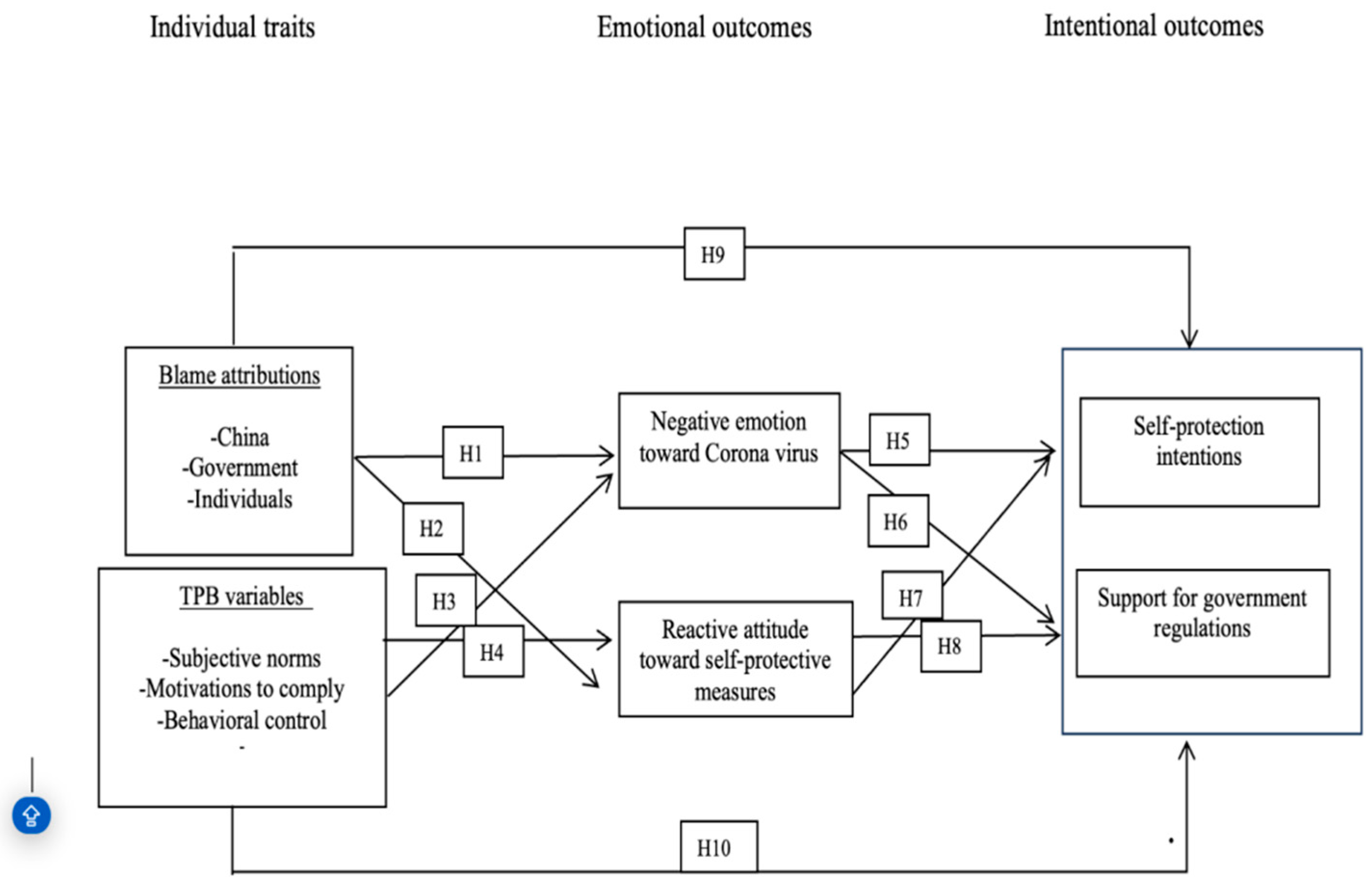
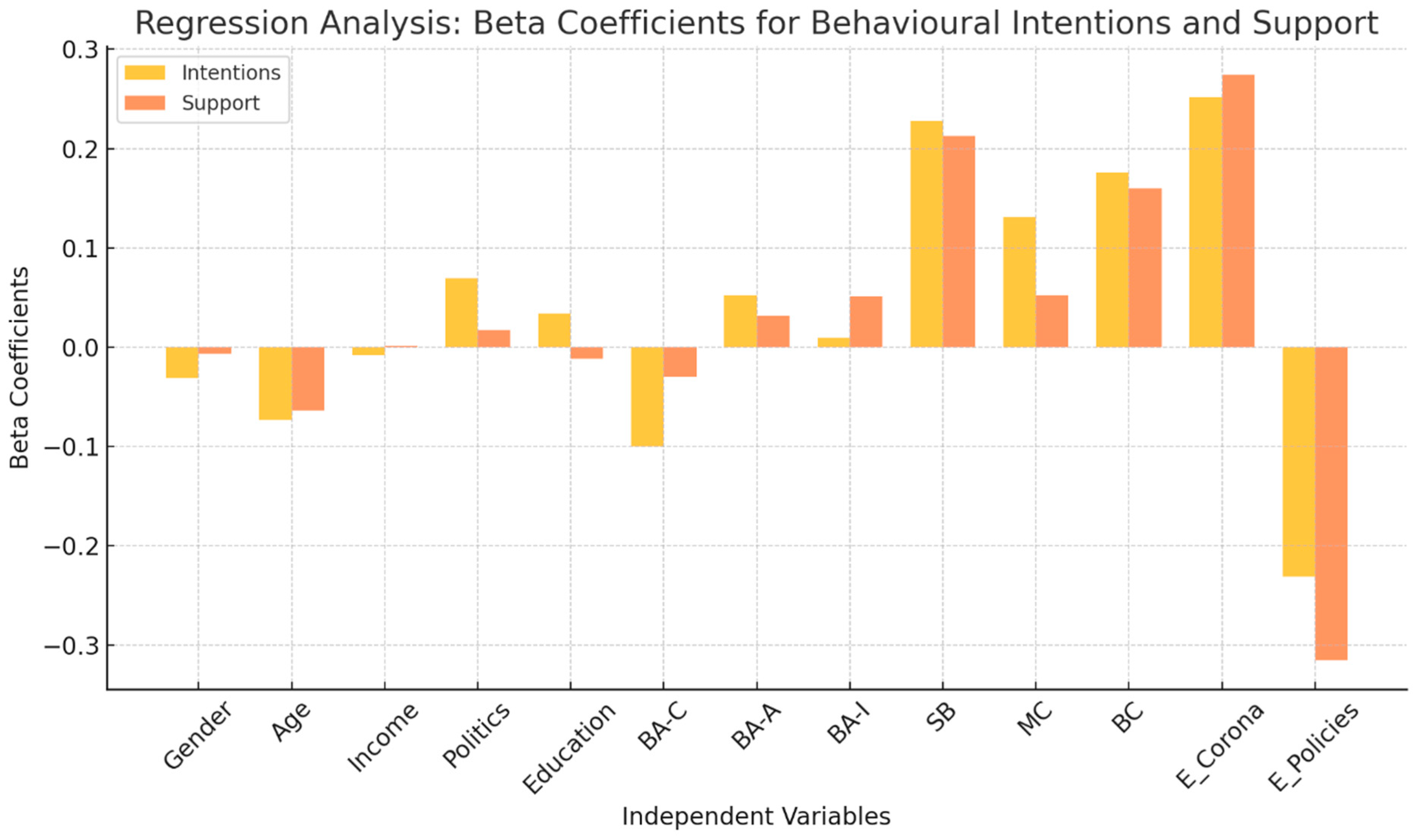
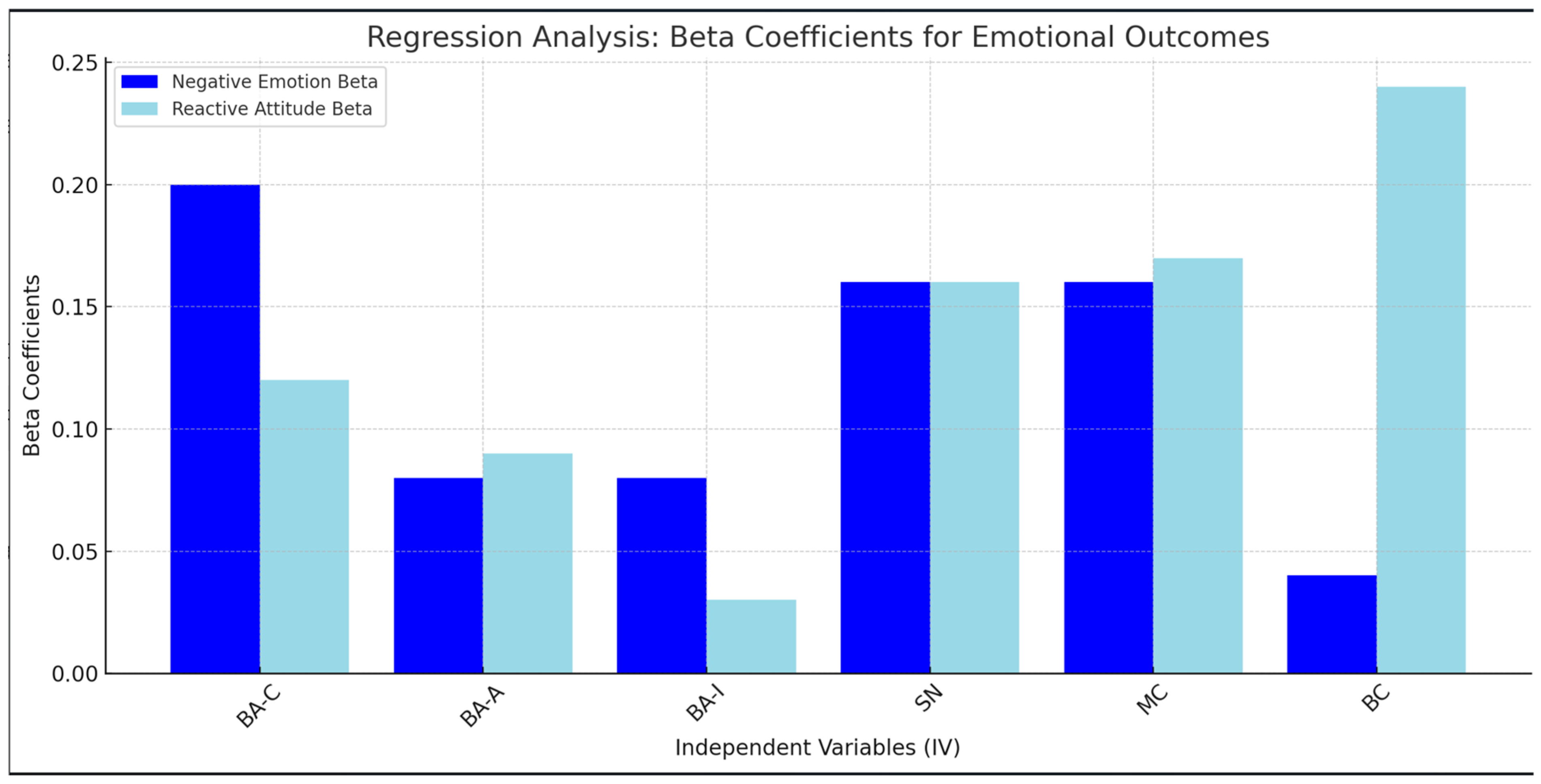
This study scrutinizes the influence of “blame attribution” and the Theory of Planned Behaviour (TPB) on compliance with COVID-19 public health measures in Australia. This study elucidates that blaming individuals rather than governments surprisingly augments support for governmental regulations, highlighting the complexities of blame attribution in shaping public adherence to health policies. It underscores the nuanced roles of TPB elements like subjective norms and behavioural control, revealing that feelings of empowerment, social responsibility, and recognizing personal roles in pandemic control enhance the inclination to support governmental directives. The outcomes emphasize the criticality of understanding blame attribution and TPB dynamics for devising efficacious communication and management strategies, promoting societal adherence to essential regulations and actions during health crises, and fostering a more resilient societal infrastructure for dealing with pandemics.
Keywords: health communication; public policy; theory of planned behaviour (TPB); COVID-19; attitude; Australia; China health communication; public policy; theory of planned behaviour (TPB); COVID-19; attitude; Australia; China