


Abstract
Verticillium wilt of olive (VWO), caused by the vascular soilborne fungus Verticillium dahliae, is one of the most devastating diseases of olive cultivation in the Mediterranean area. The adoption of tolerant genotypes is considered an efficient strategy to reduce its impact in the absence of effective chemical control. In the present study we assessed the response of seventy-seven olive cultivars (Olea europaea L.) to the defoliating pathotype of V. dahliae under controlled inoculation conditions. Five plants per cultivar were inoculated and compared with non-inoculated controls. Disease progression was monitored weekly for ten weeks and measured through three complementary parameters: Relative Area Under the Disease Progress Curve (RAUDPC), Final Mean Severity (FMS), and Percentage of Dead Plants (PDP). Statistical analyses, including ANOVA followed by Tukey’s HSD, correlation evaluation, and principal component analysis (PCA), were applied to classify cultivars into five susceptibility classes. Notable variability was observed among cultivars, with 7.8% classified as Highly Resistant (HR), 24.7% as Resistant (R), 46.8% as Moderately Susceptible (MS), and 20.8% as Susceptible (S) or Extremely susceptible (E). The cultivar Ghiacciolo showed the highest level of tolerance, displaying only slight symptoms and no statistically significant difference from the non-inoculated control, whereas ‘Carbuncion’, ‘Giogolino’, and ‘Pampagliosa’ exhibited more severe disease than the susceptible reference ‘Picual’. Strong correlations among RAUDPC, FMS, and PDP confirmed the consistency of the disease assessment framework, while PCA revealed distinct clustering patterns according to resistance level. Overall, these findings provide reliable evidence for the selection of olive cultivars suitable for areas vulnerable to V. dahliae.
1. Introduction
The olive tree (Olea europaea L.) is a perennial arboreal species classified within the Oleaceae family and represents the only taxon within this family that produces edible fruits [1,2]. It is a crop of major historical, economic, and cultural significance and is regarded as one of the earliest domesticated plant species [2,3]. Although the origin and domestication of the olive tree are still subject to debate, it is widely believed that this species originated in the Iranian upland, from where it later spreads across the Mediterranean basin [1]. Currently, olive cultivation extends between 30° and 45° latitude in both hemispheres, covering approximately 10.5 million hectares worldwide, about 98% of which is concentrated in the Mediterranean region [4].
The olive tree has traditionally been regarded as a resilient crop, able to withstand adverse environmental conditions such as prolonged drought, high temperatures, and elevated salinity levels [5]. However, in recent decades, a combination of biotic and abiotic stressors—including the emergence of novel phytopathogens and the impacts of climate change—has increasingly compromised its adaptive capacity [2].
Among the biotic threats that have gained increasing relevance in recent years, verticillium wilt of olive (VWO) is currently regarded as one of the most severe and widespread diseases affecting this crop [2]. Its occurrence is particularly alarming in endemic regions, where it causes substantial economic losses due to reduced productivity, shortened lifespan of olive groves, and the consequent decline in olive oil yield [4]. In addition to the quantitative impacts, recent studies have also highlighted qualitative effects, demonstrating significant alterations in the organoleptic properties of fruits from infected trees, with potential implications for the quality of the extracted oil [6]. The disease, caused by the fungus Verticillium dahliae Kleb., was first reported in Italy in 1946 and progressively spread to numerous olive-growing regions throughout the Mediterranean area [1].
V. dahliae is a soil-borne and hemibiotrophic ascomycete. It represents one of the most important species within the Verticillium genus, due to its extended geographical distribution and its ability to infect a wide range of host plants [2]. Infection caused by V. dahliae results in highly variable symptomatology, reflecting the presence of strains with different levels of virulence. Among the strains infecting olive, two main pathotypes are recognized: the defoliating (D) and the non-defoliating (ND) [7]. The D pathotype is characterized by high virulence, inducing severe symptoms such as acute wilting, chlorosis, extensive defoliation, stunted vegetative growth, and, in the most severe cases, plant death [2]. In contrast, the ND pathotype generally causes milder symptoms, including limited defoliation, localized twig dieback, and moderate chlorotic and necrotic lesions. In this case, plant growth reduction is present but less pronounced [2].
These two pathotypes are closely associated with the two main manifestations of olive verticillium wilt: an acute form, “apoplexy,” and a chronic one, known as “slow decline” [2]. Apoplexy is typically linked to the D pathotype and it is characterized by rapid episodes of extensive branch dieback, leaf chlorosis (with leaves turning brown and curling), and, in the most severe cases, plant death, particularly in young trees [7,8]. In contrast, “slow decline” is generally associated with the ND pathotype and it is characterized by partial defoliation, milder leaf chlorosis, localized twig dieback and the progressive death of inflorescences [2,9].
Although this distinction between pathotypes and syndromes is generally valid, symptom expression can differ according to environmental conditions, cultivar susceptibility and other epidemiological factors [2].
This symptomatic variability, in addition to being associated with the presence of the two pathotypes, is closely linked to the peculiar biological strategy of V. dahliae, whose life cycle consists of two distinct phases: a parasitic and a non-parasitic one [10]. During the non-parasitic phase, the fungus persists in the soil through microsclerotia (MS), melanized survival structures produced by necrotic or senescing tissues of infected plants (such as leaves and twigs), during the final stages of colonization [2,10]. Once mature, MS are released into the soil and can be readily disseminated by physical and anthropogenic agents (e.g., wind, rain, irrigation, and agricultural practices), thus constituting the primary source of inoculum for new infections.
The parasitic phase begins when MS, stimulated by root exudates of susceptible host plants, germinate and produce infectious hyphae that penetrate the roots and propagate through the tissues until reaching the xylem [2,11]. Within the xylem, the fungus colonizes the vessels, alternating between phases of proliferation and partial clearance, likely triggered by host defense responses [12,13,14]. This vascular invasion leads to hyphal accumulation, the secretion of cell wall–degrading enzymes, and the activation of plant physiological responses, which collectively contribute to vessel occlusion [11,15,16]. These factors disrupt water transport, ultimately leading to typical symptoms of verticillium wilt, such as wilting, chlorosis, necrosis, defoliation, and stunted growth [10,14].
This dual biological strategy confers to V. dahliae remarkable adaptability and persistence in cropping systems, even in the absence of its host. Together with its ability to cause systemic infection and the limited efficacy of current chemical and agronomic control measures, these traits make the management of the verticillium wilt particularly difficult [9,10].
Identifying genetically tolerant cultivars is a key sustainable approach to limit the spread of the disease. In this study, we evaluated the tolerance and susceptibility of 77 olive cultivars to V. dahliae through controlled inoculation and subsequent monitoring of symptom development.
2. Material and Methods
2.1. Selection and Preparation of Plant Materials
A total of 77 olive (Olea europaea L.) cultivars were selected from the CREA OFA’s International Olive World Germplasm bank (OWGB; Crosia, Italy, 39°36′54.1″, 16°46′11.0″). The set included 72 Italian cultivars, representative of the main olive growing regions of northern, central, and southern Italy, and 5 foreign cultivars from different geographic origins (Table 1).
Table 1.
Summary of the 77 olive cultivars analyzed and their geographic origin.
Among the tested cultivars for the tolerance with V. dahliae, Frantoio and Picual—indicated as tolerant and susceptible controls, respectively—were also included [17,18,19]. 9–12-month-old olive plants growing in pots were supplied by a certified plant nursery. For each cultivar, five plants were inoculated with V. dahliae (total: 385 plants) and five additional plants served as negative controls irrigated with tap water only, resulting in 770 plants overall (385 inoculated + 385 controls) [17,18,20].
Inoculations were conducted in two experimental cycles: the first (January–March 2024) included 65 cultivars, while the second involved the remaining 12 cultivars, tested in two consecutive phases (May–July 2024 and December 2024–February 2025).
Control plants were maintained under controlled conditions, irrigated with water only, and neither inoculated nor treated with fertilizers.
2.2. Phatogen Inoculum Preparation
Inoculation was performed following Jurado et al. protocol [7], modified by López-Escudero et al. [18].
After the acclimatization period, plants were inoculated with an isolate of the defoliating (D) pathotype of V. dahliae (strain V117), obtained from the fungal collection of the Department of Agronomy, University of Córdoba, Spain [17,21]. The V117 strain was isolated from cotton and previously described as highly virulent on olive plants [18]. Isolate V117 was selected as representing the standard reference for the highly virulent Defoliating pathotype in olive pathology. Its extensive use in previous major germplasm screenings ensures that the resistance classifications obtained in this study are directly comparable with established literature and historical datasets.
The inoculum was prepared from a pure culture grown on Potato Dextrose Agar (PDA) at 25 °C until full colonization. Mycelium was then transferred to Nutrient Broth (NB) and incubated for 30 days at 25 °C in an orbital shaker-incubator (SKI4, Aralab®, Rio de Mouro, Portugal) set at 120 rpm. The resulting conidia-rich suspension was filtered through sterile gauze to remove mycelial fragments and microsclerotia. Conidial concentration was standardized to 1 × 10⁷ conidia/mL using a Bürker counting chamber.
2.3. Plant Inoculation Procedure
Before inoculation, plants were removed from their original pots and roots were thoroughly rinsed under running water to eliminate residual substrate [22]. Root systems were then immersed for 30 min in the conidial suspension of V. dahliae. After inoculation, plants were transplanted into new pots containing a commercial peat-based potting mix with standard nutrient composition, and placed in a growth chamber maintained at 22 ± 2 °C [19]. To minimize transplant stress and enhance infection efficiency, plants were kept in darkness and high relative humidity (95%) for three days [18]. Subsequently, standard growth conditions of light and humidity were restored. Control plants underwent the same procedure, with roots immersed in water for 30 min to ensure treatment uniformity.
2.4. Disease Severity Assessment
Disease monitoring was performed weekly over a 10-week period, starting from two weeks after inoculation, when V. dahliae symptoms typically become evident. Visual alterations observed in the early days after inoculation (e.g., wilting, necrosis, leaf desiccation) were considered transplant-related and excluded from disease scoring.
Disease severity was assessed using a 0–16 rating scale (Table S1) based on symptomatic plant tissue (chlorosis, necrosis, and/or defoliation). This scale estimates the percentage of affected tissue, divided into four quartile classes (<25% = healthy plant or mild symptoms; 26–50% = moderate symptoms; 51–75% = extensive symptoms; and 76–100% = severe symptoms/death), with four intermediate grades (1–4) per quartile [20].
2.5. Molecular Detection of V. dahliae in Infected Plantlets
At the end of the 10-week monitoring period the presence of V. dahliae in inoculated plants has been molecularly tested. Total genomic DNA was isolated from shoot and twig tissues of the artificially infected olive plants using the DNeasy Plant Mini Kit (Qiagen, Hilden, Germany) following the protocol described by Mercado-Blanco et al. [23]. Fungal presence was verified by conventional PCR using the specific primer pair VerDITS-Fw (5′-CCGGTCCATCAGTCTCTCTG-3′) and VerDITS-Rv (5′-CACACTACATATCGCGTTTCG-3′) [24]. Amplification reactions were performed in a 25 µL final volume. The thermal cycling conditions consisted of an initial denaturation at 95 °C for 5 min; followed by 40 cycles of denaturation at 95 °C for 5 s, annealing at 55 °C for 15 s, and extension at 72 °C for 30 s; and a final extension at 72 °C for 7 min [25]. Amplicons were subsequently verified by 1.5% agarose gel electrophoresis.
2.6. Statistical Analysis
Three parameters were evaluated: Relative Area Under the Disease Progress Curve (RAUDPC), Final Mean Severity (FMS), and Percentage of Dead Plants (PDP). RAUDPC was calculated using the following formula [21]:
where Si is the mean disease severity score per cultivar at observation i, Δt is the interval between observations (7 days), Smax is the maximum attainable score (4), and T is the total monitoring period (10 weeks). A cumulative RAUDPC value was also computed weekly to monitor disease progression over time. FMS [26] was determined as the mean final severity score per cultivar at week 10, whereas PDP [27] was calculated as the mean final mortality percentage per cultivar. Based on RAUDPC, cultivars were grouped into five susceptibility classes, consistent with FMS and PDP values (Table 2). ANOVA followed by Tukey’s HSD test was performed to assess differences among cultivars, while Pearson’s correlation was used to evaluate relationships between parameters. Principal component analysis (PCA) was conducted to investigate multivariate associations among disease metrics.
Table 2.
Susceptibility classes of olive cultivars based on RAUDPC values: Highly Resistant (HR), Resistant (R), Medium Susceptible (MS), Susceptible (S), and Extremely Susceptible (E).
3. Results
3.1. Parameter Analysis
Statistical analysis confirmed the successful establishment of Verticillium dahliae infection in all inoculated plants, with symptom progression varying considerably depending on the cultivar. Inoculated plants exhibited a significantly higher percentage of defoliation compared to non-inoculated controls. In most cultivars, defoliation levels were statistically different from those of the control, highlighting the impact of inoculation. However, in the cultivar Ghiacciolo, symptoms remained so mild that no statistically significant difference with the inoculated control could be detected. The molecular detection of V. dahliae in the inoculated plantlets via PCR confirmed the presence of the fungus in the aerial parts of all the tested cultivars; evidence requiring further genetic, biochemical and anatomical insights.
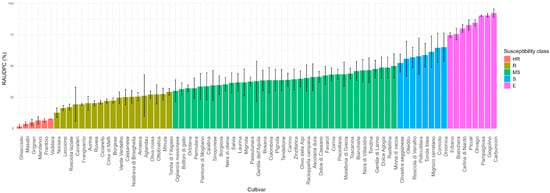
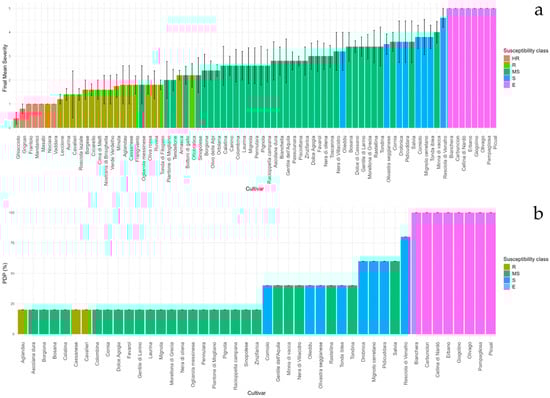
RAUDPC analysis revealed significant variation among cultivars in response to V. dahliae infection. ANOVA indicated highly significant differences among cultivars (F = 7.509, p < 0.0001) and post hoc Tukey grouping identified distinct clusters (Table S2), separating highly resistant cultivars (low RAUDPC) from intermediate and highly susceptible groups (Figure 1).
Figure 1.
Relative Area Under the Disease Progress Curve (RAUDPC, %) of 77 olive cultivars inoculated with V. dahliae, calculated from weekly disease severity assessments collected over the 10 weeks following inoculation. Cultivars are grouped by susceptibility class: Highly Resistant (HR), Resistant (R), Medium Susceptible (MS), Susceptible (S), and Extremely Susceptible (E). Bars represent mean ± SEM. Values reflect the overall disease progression up to the 10th week of monitoring. As detailed in the Materials and Methods, experiments were conducted during three periods: January–March 2024, May–July 2024, and December 2024–February 2025.
Based on RAUDPC, cultivars were classified into five susceptibility classes. Most cultivars (46.8%) fell within the intermediate MS class, followed by 24.7% classified as resistant (R), and 7.8% (six cultivars) as highly resistant (HR). The remaining 20.8% were distributed between the susceptible (S) and extremely susceptible (E) classes (Figure S1).
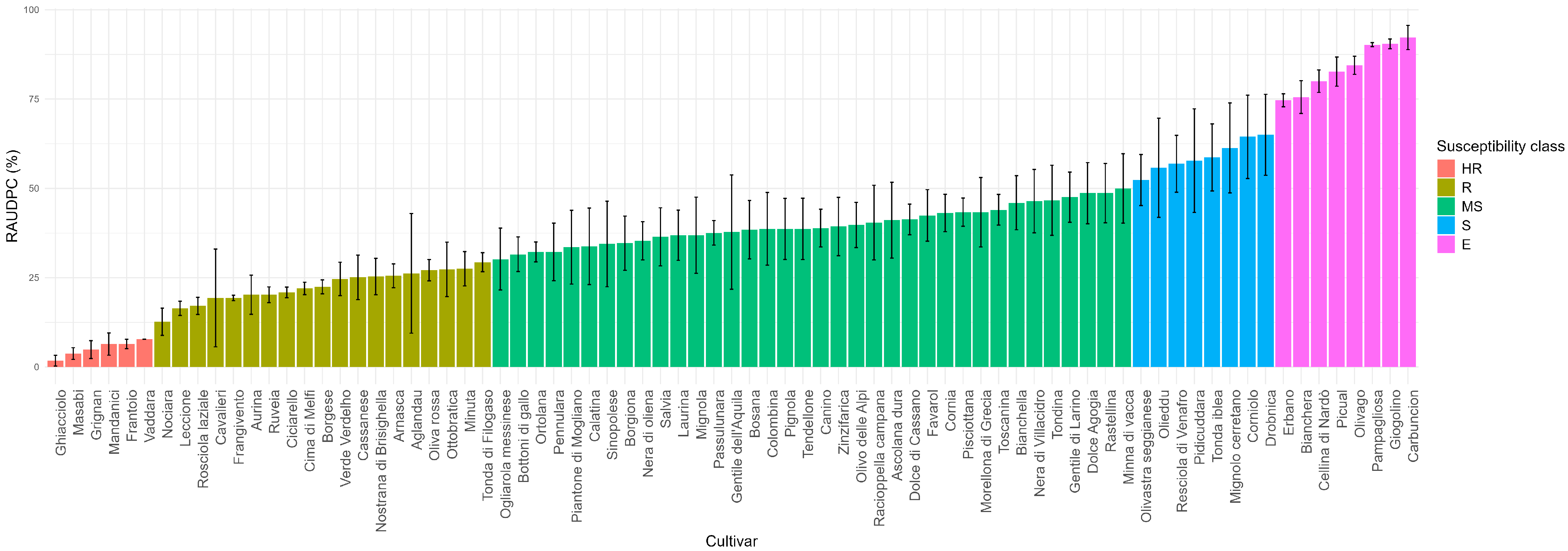
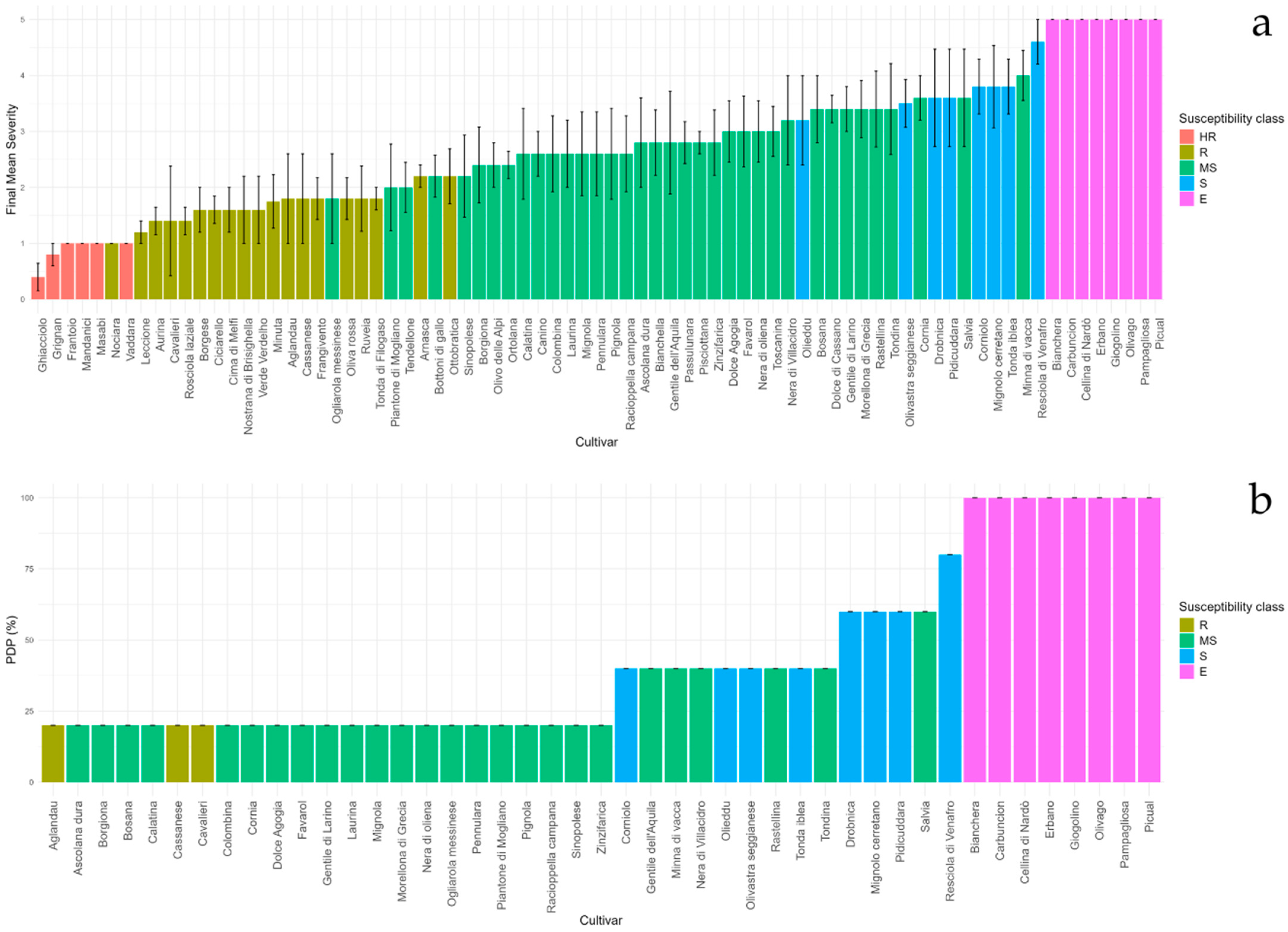
Within each susceptibility class, ANOVA revealed limited differences, reflecting similar performance among cultivars in the same group. FMS and PDP analyses confirmed this classification (Figure 2a,b), showing highly significant differences among cultivars (p < 0.0001) and highlighting marked variability in symptom severity and mortality rates. Tukey’s test further delineated statistically distinct cultivar groups (Tables S3 and S4). More specifically, all the HR cvs (Frantoio, Ghiacciolo, Grignan, Mandanici, Masabi and Vaddara), 16 out of 18 R cvs (Arnasca, Aurina, Borgese, Ciciarello, Cima di Melfi, Frangivento, Leccione, Minuta, Nociara, Nostrana di Brisighella, Oliva rossa, Ottobratica, Rosciola laziale, Ruveia, Tonda di Filogaso and Verde Verdelho), and the MS cvs Bianchella, Bottoni di gallo, Canino, Dolce di Cassano, Olivo delle Alpi, Ortolana, Passulunara, Pisciottana, Tendellone and Toscanina, showed no dead plant at the end of the trial (Table S4).
Figure 2.
(a) Final mean severity (FMS) of 77 olive cultivars at 10 weeks post-inoculation, based on weekly disease severity assessment, grouped by susceptibility class. Bars represent mean ± SEM. (b) Percentage of dead plants (PDP) per cultivar at 10 weeks post-inoculation, grouped by susceptibility class, net of the cultivars which presented no dead plant. As detailed in the Materials and Methods, experiments were conducted during three periods.
The combined evaluation of RAUDPC, FMS, and PDP provided a reliable description of disease progression and outcomes. Correlation analysis confirmed strong positive relationships among these parameters (Figure S2), validating the consistency of the adopted assessment system.
3.2. Principal Component Analysis
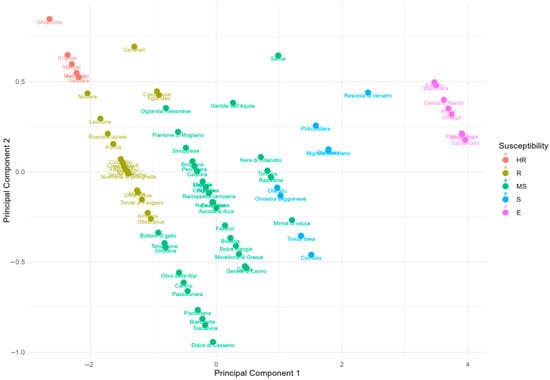
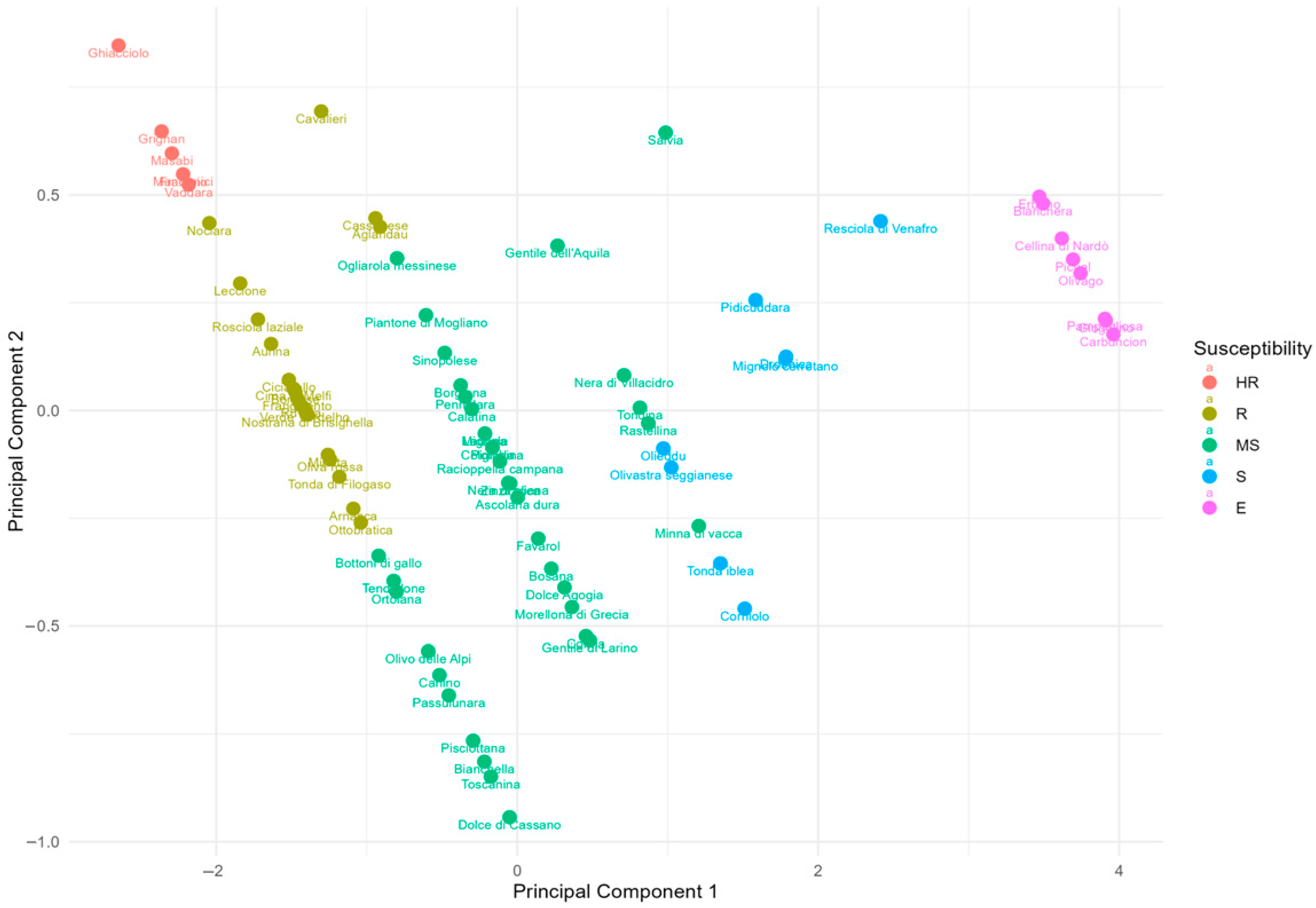
A Principal Component Analysis (PCA) was performed to visualize the overall variability of RAUDPC, FMS, and PDP across cultivars. The biplot of PC1–PC2 (Figure 3) showed a clear separation of cultivars according to their susceptibility to V. dahliae.
Figure 3.
Principal Component Analysis (PCA) biplot of PC1 and PC2 based on RAUDPC, FMS, and PDP. Cultivars are color-coded by susceptibility class: Highly Resistant (HR, red), Resistant (R, yellow-green), Moderately Susceptible (MS, green), Susceptible (S, blue), and Extremely Susceptible (E, purple). Resistant cultivars cluster in the lower-left quadrant, whereas susceptible ones are distributed toward the right. The analysis is based on the cumulative dataset from the experimental periods indicated in Section 2.
PC1 represented a gradient of increasing disease severity, driven by the simultaneous increase in all three parameters. Cultivars on the right side of the plot displayed high susceptibility (classes S and E), while those on the left showed lower values and greater resistance (classes HR and R). PC2, inverted for clarity, was positively influenced by mortality (PDP) and negatively influenced by RAUDPC and FMS, highlighting differences in the composition of damage.
Cultivars in the lower region of the plot exhibited high mortality but lower severity and disease progression, suggesting limited tolerance despite mild symptoms (e.g., cultivar Cavalieri, classified as resistant but with 20% mortality). Conversely, those in the upper region showed low mortality but higher RAUDPC and FMS values, indicating a more chronic infection course (e.g., variety Corniolo, susceptible with 40% mortality).
The distribution of cultivars aligned with the five susceptibility classes, with HR cultivars clustering in the lower-left quadrant and highly susceptible ones (S and E) in the right half. This analysis validated the adopted assessment system while also highlighting intermediate or atypical cases, suggesting diverse tolerance mechanisms or differing infection dynamics.
3.3. Highly Resistant Class (HR)
Cultivars classified as highly resistant (HR) exhibited minimal symptom development, with final severity scores ≤ 1 and no mortality (Figure S3).
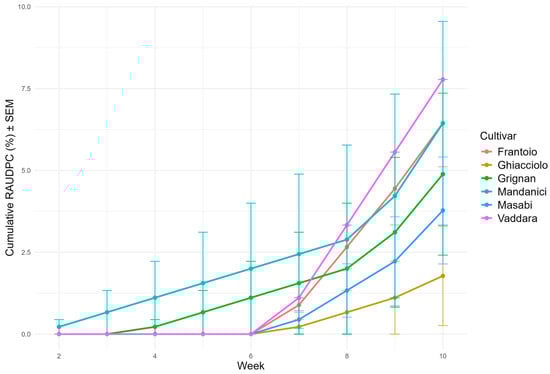
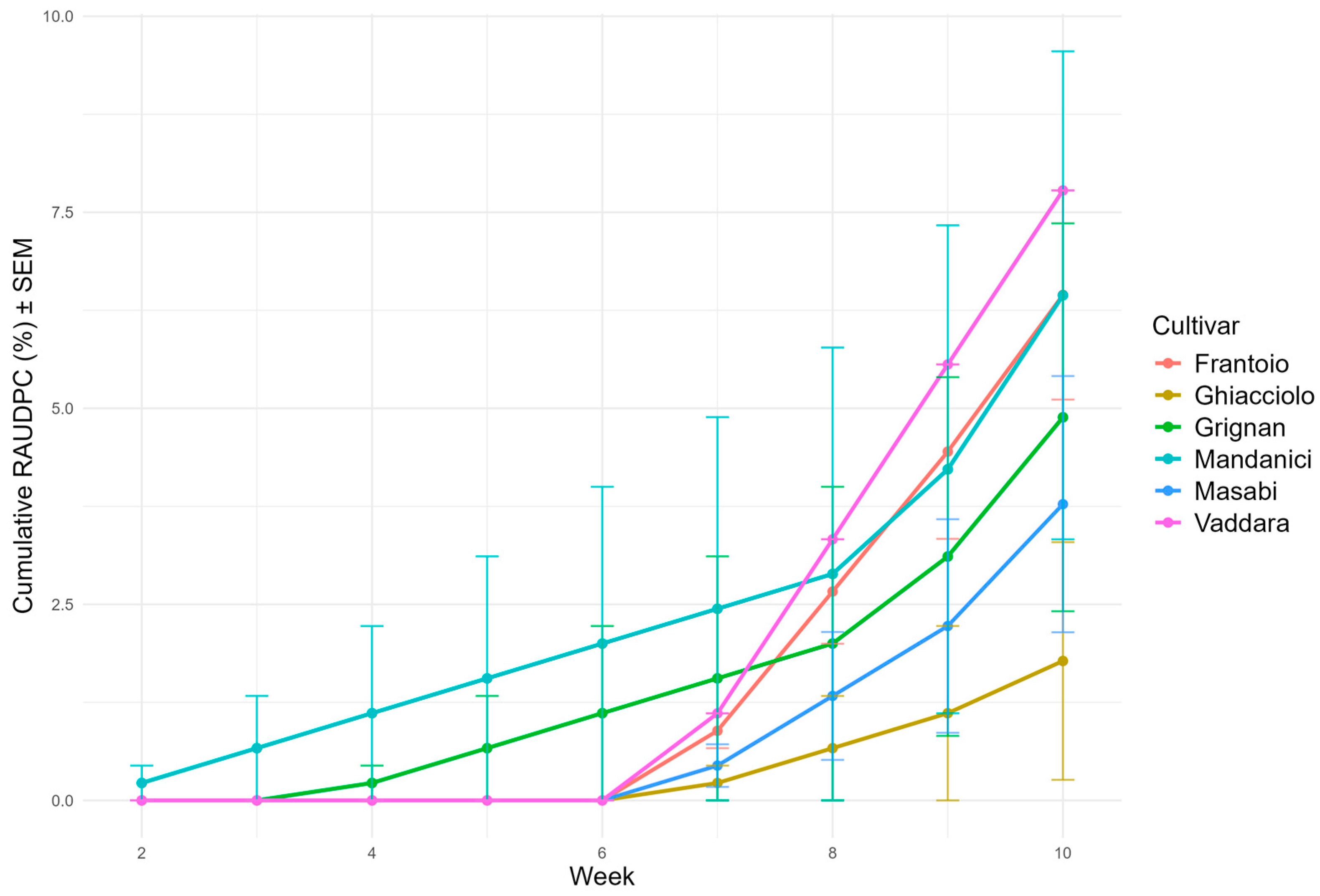
The cultivar Frantoio is widely recognized as a reference standard for resistance to VWO and extensively studied for its underlying genetic mechanisms [28,29,30]. It displayed a RAUDPC value of 6.446 and moderate symptoms (FMS = 1), with a disease progression curve stable until week 6, followed by slight defoliation in later stages (Figure 4). The cvs ‘Vaddara’ and ‘Mandanici’, both Sicilian (the latter also reported as drought-tolerant [31]), showed similar profiles, each with FMS = 1. Symptoms occurred earlier than in ‘Frantoio’, with RAUDPC reaching 7.78 for ‘Vaddara’ and 6.442 for ‘Mandanici’. ‘Grignan’ (Veneto, Italy) [32], cultivated near Lake Garda, and ‘Masabi’ (Syria) showed lower RAUDPC values, reflecting an early onset of symptoms followed by gradual disease progression, a pattern consistent with sustained resistance. Notably, ‘Grignan’ is also known for its high-quality extra virgin olive oil, with distinctive aromatic and sensory traits [33]. ‘Ghiacciolo’ (Emilia-Romagna, Italy), typical of the Brisighella area, displayed the lowest RAUDPC value (1.778) and delayed symptom expression, with no visible symptoms until week 6 and a final severity score of 0.4, indicating the highest level of resistance observed. This cultivar is morphologically characterized by umbonate fruits with rough green surfaces that persist until full maturity [34]. ANOVA on RAUDPC showed no significant differences within the HR group (p > 0.05), whereas FMS analysis revealed significant variation (p < 0.05). Post hoc Tukey’s test identified three distinct groups: ‘Ghiacciolo’ (b), ‘Grignan’ (ab), and ‘Frantoio’, ‘Mandanici’, ‘Masabi’, and ‘Vaddara’ (a). These findings confirm strong resistance across all HR cultivars while highlighting variation in symptom expression dynamics.
Figure 4.
Weekly cumulative RAUDPC (%) for HR cultivars, showing delayed symptom progression in ‘Frantoio’ and ‘Ghiacciolo’ compared with earlier onset in ‘Grignan’ and ‘Mandanici’.
3.4. Resistant Class (R)
Resistant cultivars represented 24.7% of the monitored samples and were characterized mild symptom development, with Final Mean Severity (FMS) values ranging from 1 to 2.2 (Figures S4 and S5) and mortality rates between 0 and 20%.
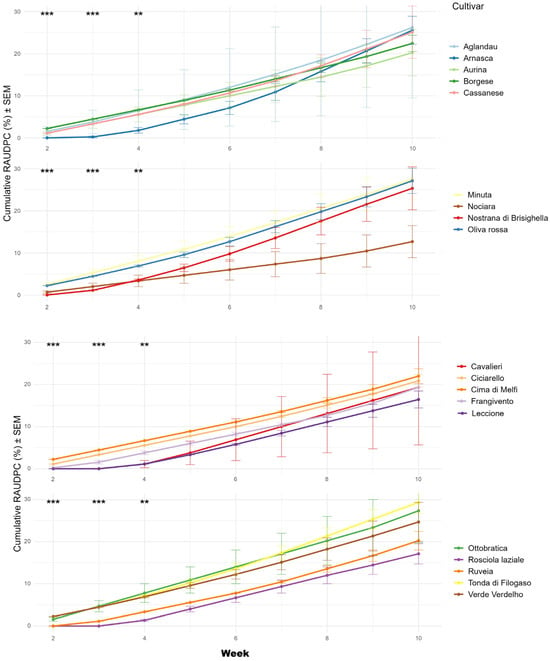
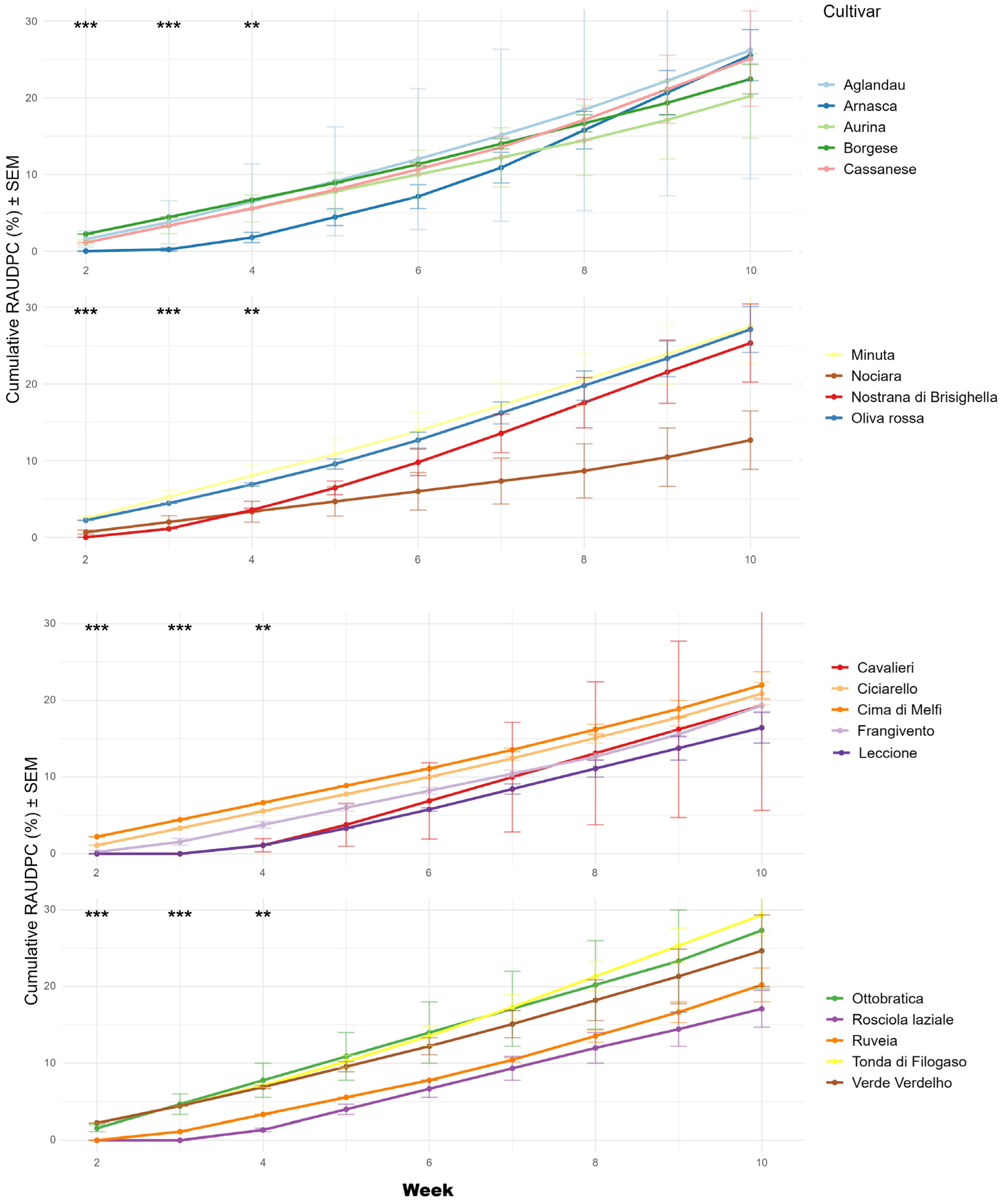
Although the ANOVA did not reveal statistically significant differences among parameters (p < 0.05), the analysis of weekly cumulative RAUDPC (Figure 5) values indicated a gradual progression of symptoms over time, with observable variability among cultivars. Overall, all cultivars in this group exhibited infection-related symptoms of limited severity, first detectable from the fourth week post-inoculation.
Figure 5.
Weekly cumulative RAUDPC of resistant (Class R) olive cultivars, divided into four groups for clarity of visualization. Despite their classification as resistant, cultivars showed differences in the rate of RAUDPC accumulation over the 10-week period. ** p < 0.01, *** p < 0.001.
Several Italian cultivars, including Nociara, Leccione, Rosciola Laziale, Cavalieri, and Frangivento (RAUDPC < 20), exhibited a slower progression of disease symptoms, resulting in comparatively lower final values than other cultivars in the group. Conversely, southern Italian cultivars such as Minuta, Oliva Rossa, Ottobratica, and Tonda di Filogaso exhibited a more pronounced infection dynamic, reaching higher final severity values.
3.5. Moderately Susceptible Class (MS)
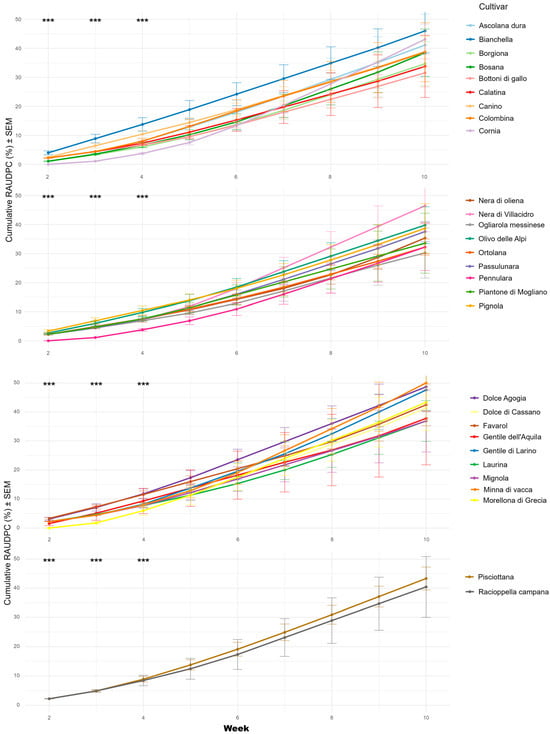
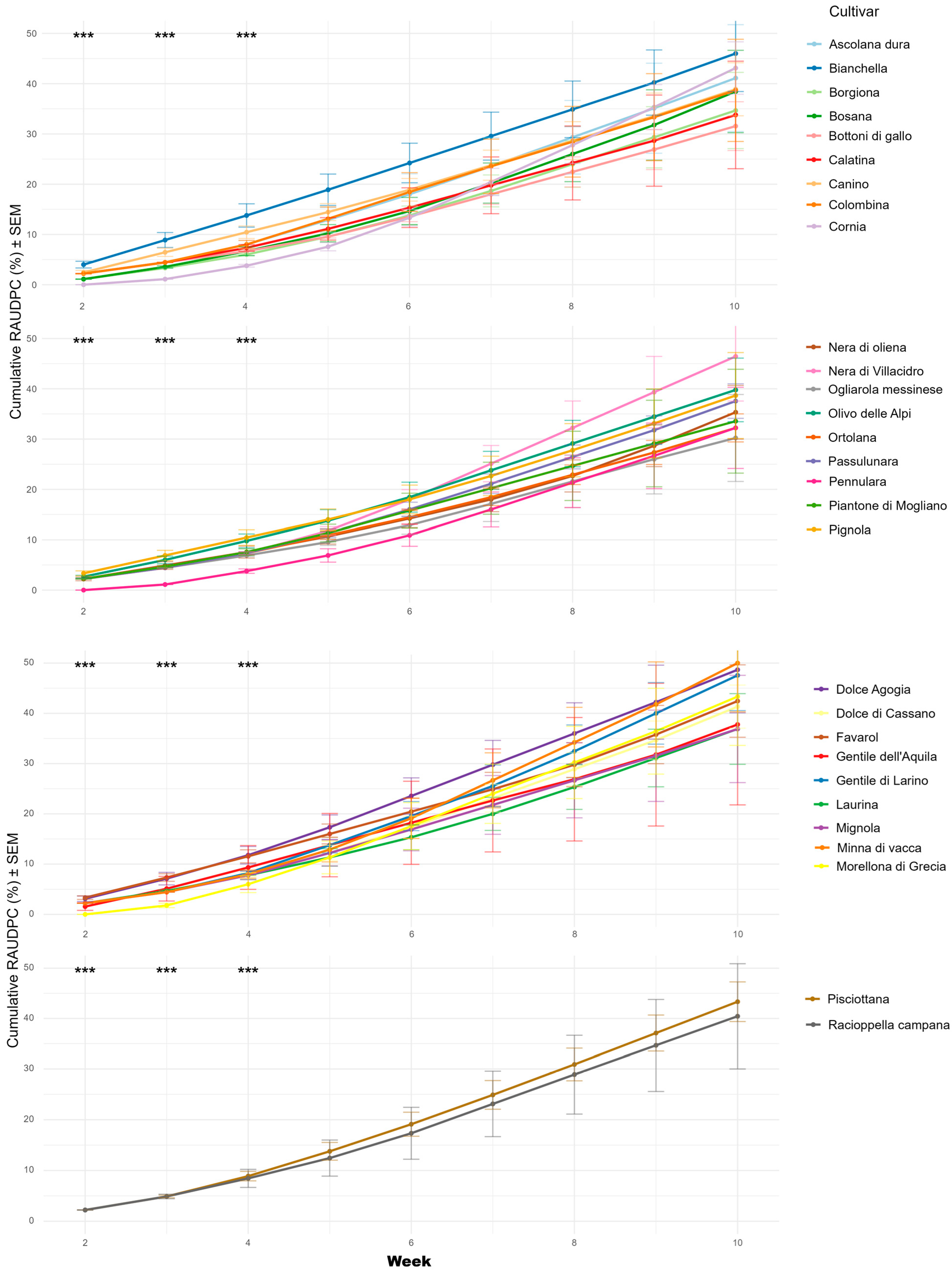
The moderately susceptible (MS) class comprised 46.8% of the assessed cultivars, representing the largest susceptibility group. It included exclusively Italian cultivars, which exhibited FMS values ranging from 1.8 to 4.0 and mortality rates between 0% and 40%. The temporal progression of symptoms within this class appeared relatively homogeneous across cultivars. However, symptom onset occurred earlier than in the resistant (R) group, with the first signs detectable as early as the second week post-inoculation.
Intra-class statistical analysis did not reveal significant differences among cultivars; nonetheless, some varieties, such as Ogliarola Messinese, Bottoni di Gallo, Ortolana, and Pennulara, exhibited a milder disease course (Figures S6 and S7), with RAUDPC values below 33, FMS scores lower than 2.6, and mortality rates not exceeding 20%. Intermediate disease progression patterns were observed in cultivars such as Tendellone, Canino, Zinzifarica, and Olivo delle Alpi, whereas Gentile di Larino, Dolce Agogia, Rastellina, and Minna di Vacca (RAUDPC > 47) exhibited a more pronounced progression curve (Figure 6).
Figure 6.
Weekly cumulative RAUDPC of MS class olive cultivars, divided into four groups for clarity of visualization. Despite their classification in same class, cultivars showed differences in the rate of RAUDPC accumulation in a specific range, *** p < 0.001.
Overall, this class did not exhibit aggressive disease progression (Figure 6), consistent with a moderate susceptibility profile to V. dahliae. Limited literature is available for some cultivars in this group, primarily concerning agronomic traits or oil quality, while no prior studies have addressed their tolerance or susceptibility to V. dahliae.
3.6. Susceptible Class (S)
The susceptible (S) class comprised eight cultivars, including a single foreign variety, Drobnica, originating from southern Dalmatia [35].
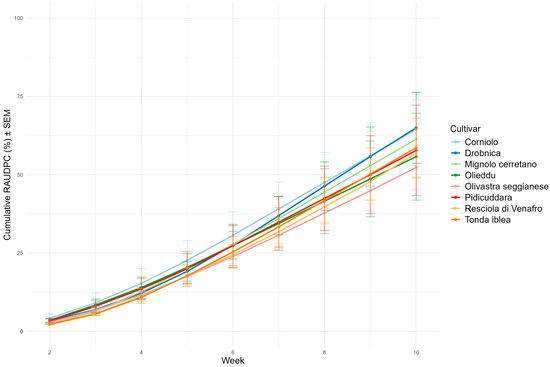
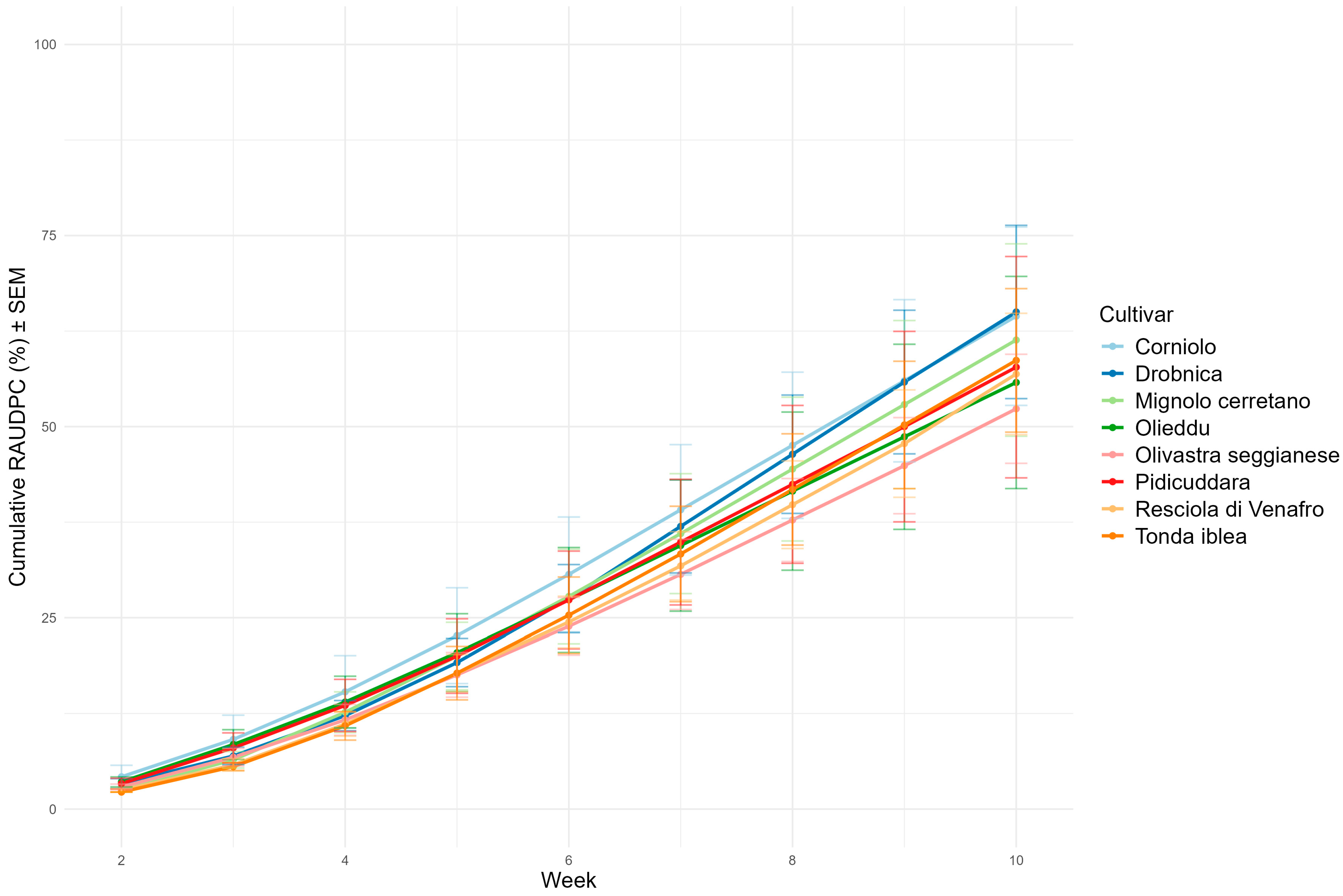
This class included cultivars exhibiting pronounced disease progression, with RAUDPC values ranging from 52.3 to 65, FMS between 3.2 and 4.6 (Figure S8), and mortality rates varying from 40% to 80%. The cumulative RAUDPC trend (Figure 7) showed a linear increase in symptom severity across all cultivars, with a steady progression from the second week until the final assessment.
Figure 7.
Cumulative RAUDPC (%) trend for cultivars classified as susceptible (S) across ten weeks of monitoring. All accessions exhibited a progressive increase in symptom severity, with early manifestations evident from the second week and a similar progression pattern among cultivars.
‘Mignolo Cerretano’, leiolo’, and ‘Drobnica’ displayed the highest RAUDPC values (>61%), indicating both greater infection intensity and more rapid symptom progression. Notably, the cultivar Resciola di Venafro exhibited the highest final severity (FMS = 4.6) and an 80% mortality rate, placing it among the most susceptible within this group. Conversely the cvs Olieddu and Olivastra Seggianese showed comparatively milder values across all three parameters.
3.7. Extremely Susceptible Class (E)
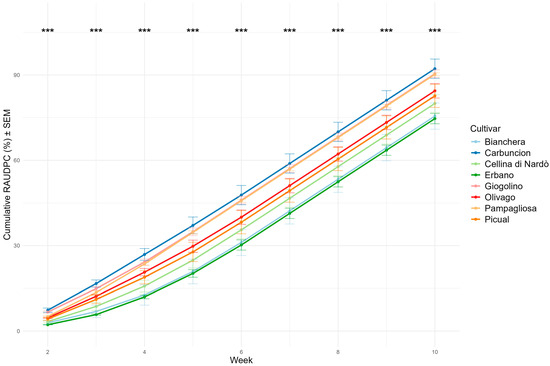
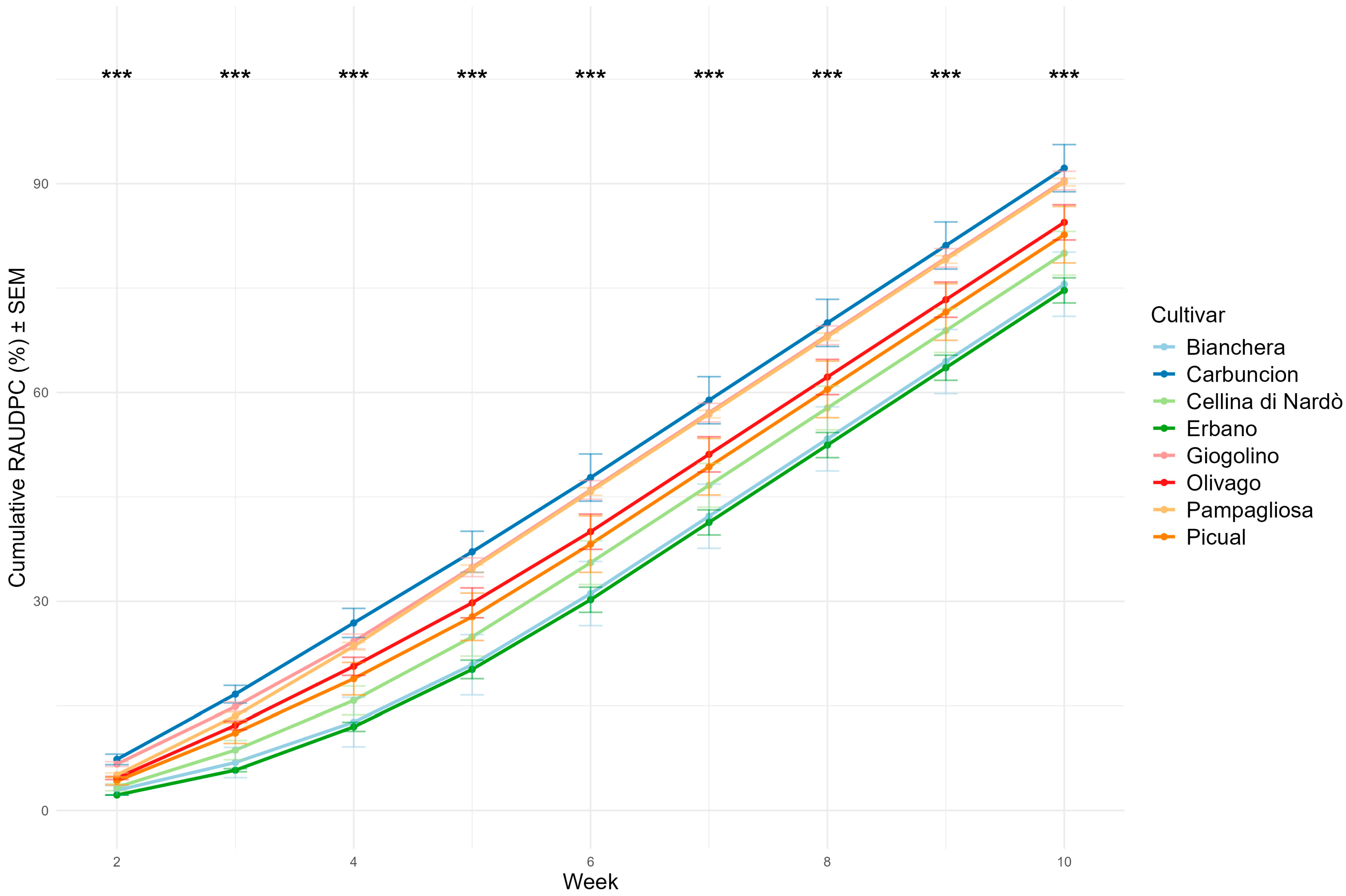
The extremely susceptible (E) class grouped cultivars that exhibited the most aggressive disease progression, with RAUDPC values ranging from 74.7% to 92.2% (Figure S9a) and the highest final mean severity (FMS = 5.0; Figure S9b). In all cultivars within this class, infection led to complete plant mortality by the tenth week. The temporal RAUDPC trend (Figure 8) showed a rapid and continuous increase in symptom severity across all cultivars, with pronounced symptom development evident from the earliest weeks.
Figure 8.
Cumulative RAUDPC (%) trends over ten weeks for cultivars classified as extremely susceptible. All accessions exhibited early and constant symptom progression. Picual, widely used as a susceptibility reference cultivar for V. dahliae, is highlighted within this group, *** p < 0.001.
‘Picual’, widely reported in the literature as a reference standard for high susceptibility to V. dahliae [36], confirmed its representativeness within this group, with a RAUDPC of 82.7%, FMS of 5.0, and 100% mortality. However, some cultivars exhibited an even faster or more severe disease progression compared to Picual, including Carbuncion (RAUDPC = 92.2%), a typical variety of Emilia-Romagna [33] (RAUDPC = 92.2%), Giogolino, from Tuscany (90.4%) and Pampagliosa (90.2%) from Campania, highlighting their extreme sensitivity to the pathogen. Erbano, Bianchera [37], Cellina di Nardò and Olivago also fully fell within this category, having rapidly reached maximum severity and mortality levels.
The heterogeneous geographical distribution of these extremely susceptible cultivars (from Friuli-Venezia Giulia to Calabria, and from Spain to Apulia) suggests a widespread failure of host defense mechanisms against the pathogen, warranting further investigations to elucidate the factors underlying such phenotypic responses.
4. Discussion
The identification of a broader number of highly resistant varieties is an essential first step towards a greater understanding of the mechanisms of V. dahliae resistance, allowing the identification of tolerant genotypes with potential value for breeding programs. Accordingly, the work by Trapero et al. [30] by testing seedlings from open and controlled pollination among 22 olive cultivars (and other O. cuspidata plants), suggests the heritability of the—possibly quantitative—trait of V. dahliae resistance, relying on a vast array of defense mechanisms. In fact, changes in the expression levels of several defense-related genes, resulting in enzymatic and non-enzymatic responses have been described in olive seedlings with varying degrees of susceptibility to V. dahliae after pathogen inoculation. In this regard, V. dahliae inoculation induced a higher membrane conductivity, the early activation of the genes coding for the enzymes peroxidase and polyphenol oxidase, a higher expression of chitinase and β-1,3-glucanase genes, and a higher content of lignin and polyphenols in the resistant cultivar Sayali in comparison to the susceptible one Chemlali [38]. In accordance, a study on two years old plants of 14 olive cultivars tested for their resistance after V. dahliae inoculation, highlighted that the resistant genotypes showed, in planta, a higher concentration of H2O2, a higher activity of the antioxidant enzymes superoxide dismutase, polyphenol oxidase, glutathione peroxidase, ascorbate peroxidase and catalase, and a higher content of soluble proteins and total polyphenols. Moreover, susceptible plants presented a higher amount of fungal DNA [39]. This latter evidence, in addition to the action of the enzymes and metabolites produced after inoculation/colonization, could also be attributed to the inborn reduced vulnerability of the resistant varieties. In a RNA-seq study evaluating the differences in the gene expression profiles in the roots of adult plants of 29 apparently healthy olive cultivars distributed according to the 5 resistance/susceptibility classes used in this study, 421 genes resulted having an inverse pattern in the comparison between HR and E varieties, with the former showing a higher expression of transcription factors, importins, plant defense-related genes and a lower expression of genes related to root growth [40], thus suggesting an innate predisposition to resistance to this soilborne fungus.
For the cultivars tested in this study, only a few data are available in the literature regarding their tolerance to V. dahliae.
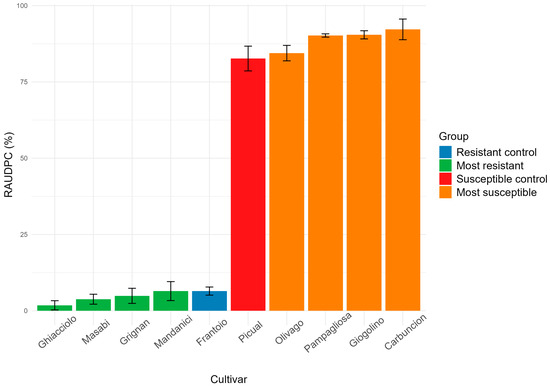
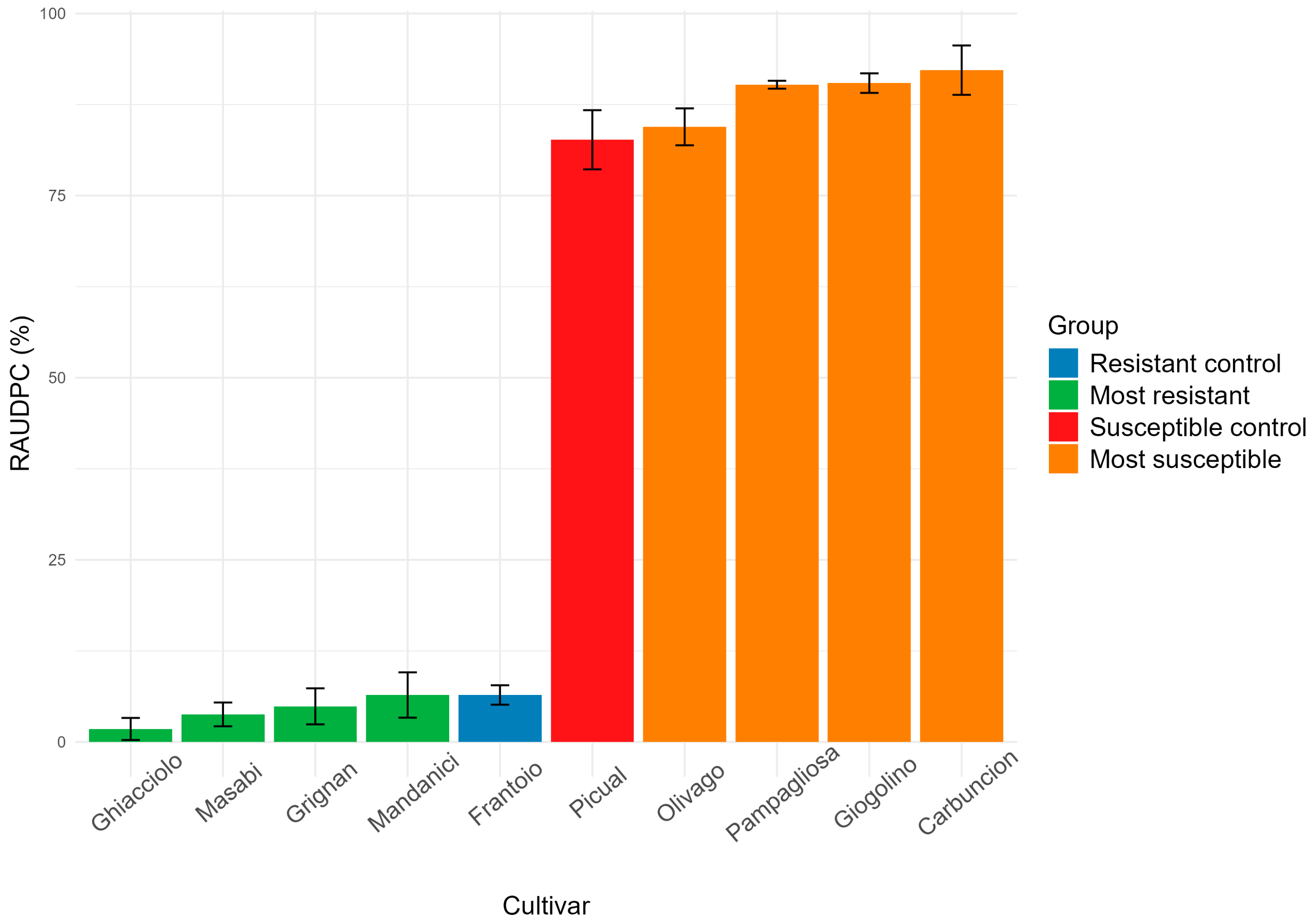
Among the cultivars grouped in the HR class, Mandanici, Grignan, Masabi, and Ghiacciolo exhibited high tolerance, comparable to that of the tolerant [41] cv Frantoio (Figure 9).
Figure 9.
Mean RAUDPC (%) with standard error of the mean (SEM) for the most tolerant and most susceptible cultivars, including reference controls.
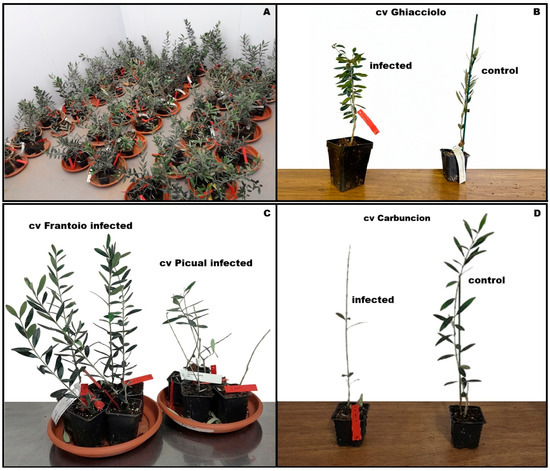
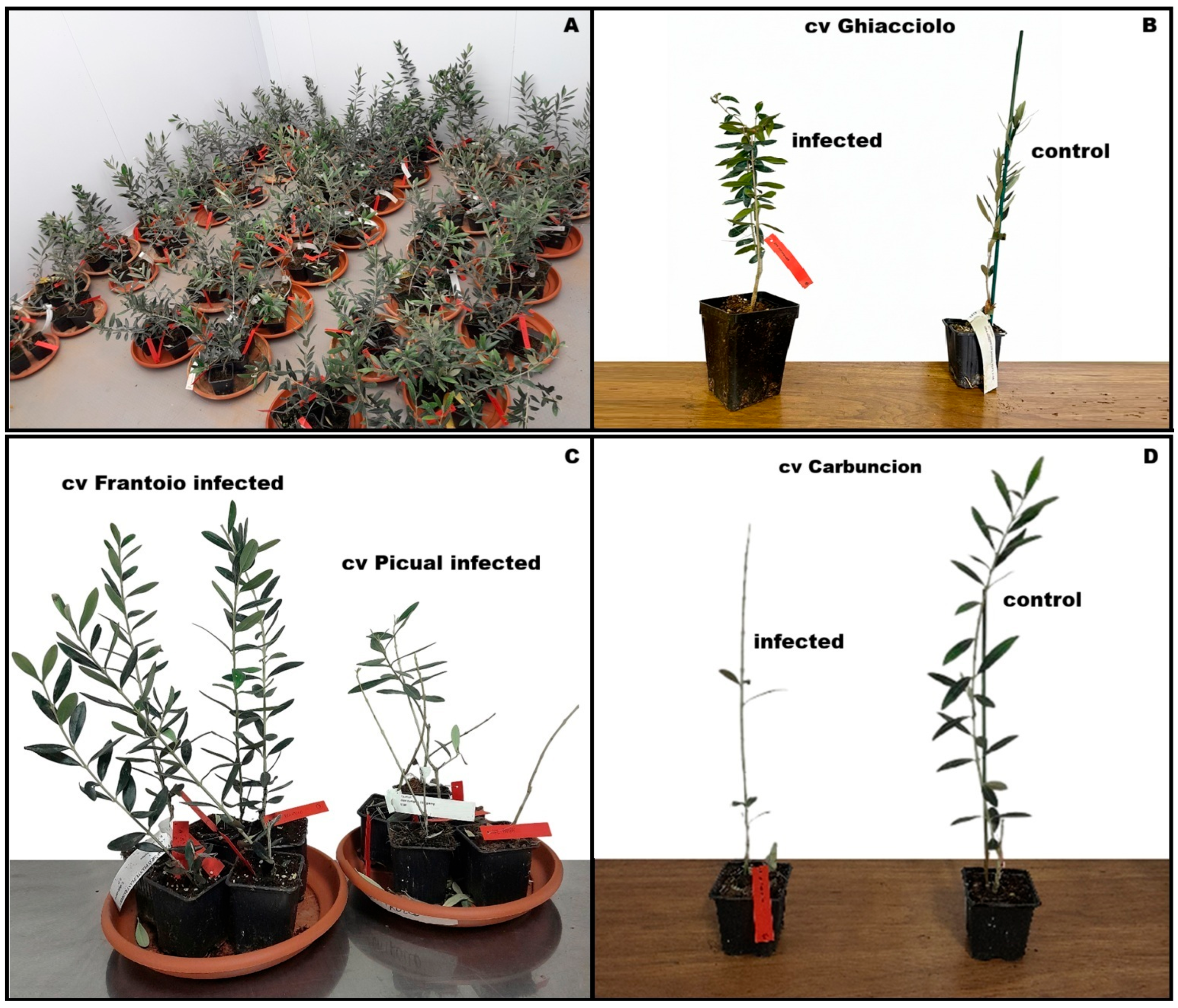
Regarding the best performer cultivar Ghiacciolo (Figure 10B), in its cultivation area (Emilia Romagna), it has been described [42] as having good resistance to frost damages and to the most common olive tree parasites, providing an oil with a high oleic acid content. Its low tree vigor, combined with its high resistance to Verticillium wilt, make it an ideal candidate for use as a rootstock. This result highlights the cultivar’s ability to adapt to local conditions, which may represent a valuable starting point for future research into the genetic and molecular mechanisms underlying resistance [42]. Conversely, the identification of susceptible accessions provides practical information on the varieties to be excluded from cultivation in high-risk areas for Verticillium wilt. As shown in the results, cultivars Olivago, Pampagliosa, Giogolino, and Carbuncion (Figure 10D) exhibited pronounced disease severity, with RAUDPC values exceeding those recorded for Picual (Figure 10), which is traditionally used as a susceptibility reference (class E) [36].
Figure 10.
(A) Olive plantlets in growth chamber under controlled conditions 1 day after inoculation. (B) Comparison of an infected (left) and a control (right) plantlet of the tolerant cv Ghiacciolo 10 weeks after inoculation. (C) Comparison of infected plantlets of the reference cultivars Frantoio (tolerant, left) and Picual (susceptible, right) 10 weeks after inoculation. (D) Comparison of an infected (left) and a control (right) plantlet of the susceptible cultivar Carbuncion 10 weeks after inoculation.
Within the group of cultivars classified in the intermediate response classes, several had previously been tested for their resistance to Verticillium dahliae. Among these, Bosana and Bottoni di Gallo showed intermediate levels of disease severity, falling within the MS class, confirming earlier reports in the literature, where their susceptibility levels ranged from high to low [43,44]. The findings of this study also confirmed previously reported data for the cultivars Frangivento and Nostrana di Brisighella, which have been described [41,45] as resistant and were here classified within the R group.
5. Conclusions
The results obtained in the present study provide useful insights into the selection of olive cultivars naturally resistant to verticillium wilt, which may serve as a guideline in the establishment of new plantations. For instance, cultivars identified as susceptible represent a risky agronomic investment and should be avoided in areas at risk of V. dahliae spread. Conversely, ‘Ghiacciolo’, which showed the best performance within the HR class, represents a promising candidate for future studies aimed at elucidating the genetic and molecular mechanisms underlying resistance to this vascular pathogen. Moreover, these findings may contribute to the identification of suitable rootstocks to be prioritized in nursery practices, as the adoption of resistant genetic material at this stage represents a critical strategy to limit the risk of pathogen dissemination and to enhance the long-term sustainability of olive cultivation systems.
In conclusion, the wide variability observed in cultivar responses to V. dahliae underscores the critical importance of careful selection of genetic material. Given the limited availability of effective treatments for VWO, the adoption of integrated management strategies, centered on the use of tolerant genotypes, emerges as a key approach for the sustainable control of this devastating disease in olive cultivation.
Supplementary Materials
The following supporting information can be downloaded at: https://www.mdpi.com/article/10.3390/crops6010009/s1, Figure S1: Distribution (%) of olive cultivars across susceptibility classes based on RAUDPC. Figure S2: Correlation matrix of RAUDPC, FMS, and PDP. All three parameters show strong positive correlations, supporting the consistency of the disease assessment metrics. Figure S3: a: RAUDPC (%) and b: Final Mean Severity (FMS) of highly resistant (HR) cultivars. Bars indicate mean ± SEM; letters denote Tukey’s HSD significance (p < 0.05). Figure S4: Mean RAUDPC (%) values with standard error of the mean (SEM) for cultivars classified as resistant (class R). Figure S5: Final Mean Severity (FMS) values with standard error of the mean (SEM) for cultivars classified as resistant (class R). Figure S6: Mean RAUDPC (%) values with standard error of the mean (SEM) for cultivars classified as moderately susceptible (MS). Figure S7: Final Mean Severity (FMS) values with standard error of the mean (SEM) for cultivars classified as moderately susceptible (MS). Figure S8: a: Mean RAUDPC (%) values with standard error of the mean (SEM) for eight cultivars classified as susceptible (S). b: Final Mean Severity (FMS) values SEM for the same cultivars. Figure S9: a: Mean RAUDPC (%) values with standard error of the mean (SEM) for eight cultivars classified as extremely susceptible to. Letters denote significantly different groups according to Tukey’s test (p < 0.0001). b: Final Mean Severity (FMS) values with SEM for the same cultivars. Table S1: 0–16 rating scale adopted for disease severity assessment. Table S2: Mean RAUDPC values for the tested cultivars. Data were subjected to Analysis of Variance (ANOVA) and means were compared using Tukey’s Honestly Significant Difference (HSD) post-hoc test. Means within the column sharing the same letter are not significantly different. Table S3: Mean FMS values for the tested cultivars. Data were subjected to Analysis of Variance (ANOVA) and means were compared using Tukey’s Honestly Significant Difference (HSD) post-hoc test. Means within the column sharing the same letter are not significantly different. Table S4: Mean PDP values for the tested cultivars. Data were subjected to Analysis of Variance (ANOVA) and means were compared using Tukey’s Honestly Significant Difference (HSD) post-hoc test. Means within the column sharing the same letter are not significantly different.
Author Contributions
Conceptualization, V.V.; methodology, V.V., A.I., I.D.R., L.L., F.P.; software A.I., I.D.R., F.P.; formal analysis, V.V., A.I., I.D.R., L.L., G.G., E.P., F.P.; investigation, V.V., A.I., I.D.R., L.L., F.P.; data curation, V.V., A.I., I.D.R., F.P.; writing—original draft preparation, V.V., I.D.R., F.P.; writing—review and editing, V.V., A.I., I.D.R., L.L., G.G., E.P., F.P.; supervision, E.P.; funding acquisition, V.V., E.P. All authors have read and agreed to the published version of the manuscript.
Funding
This work was supported by the European project GEN4OLIVE (“Mobilization of Olive GenRes through pre-breeding activities to face the future challenges and development of an intelligent interface to ensure a friendly information availability for end users”-gen4olive.eu/it) receiving funding from the European Union’s Horizon 2020 research and innovation programme under grant agreement No. 101000427.
Data Availability Statement
The original contributions presented in this study are included in the article/Supplementary Material. Further inquiries can be directed to the corresponding author.
Conflicts of Interest
The authors declare no conflicts of interest.
References
- Jiménez-Díaz, R.M.; Cirulli, M.; Bubici, G.; del Mar Jiménez-Gasco, M.; Antoniou, P.P.; Tjamos, E.C. Verticillium Wilt, A Major Threat to Olive Production: Current Status and Future Prospects for Its Management. Plant Dis. 2012, 96, 304–329. [Google Scholar] [CrossRef] [Scilit]
- López-Escudero, F.J.; Mercado-Blanco, J. Verticillium Wilt of Olive: A Case Study to Implement an Integrated Strategy to Control a Soil-Borne Pathogen. Plant Soil. 2011, 344, 1–50. [Google Scholar] [CrossRef] [Scilit]
- Lombardo, L.; Farolfi, C.; Tombesi, S.; Novelli, E.; Capri, E. Development of a sustainability technical guide for the Italian olive oil supply chain. Sci. Total Environ. 2022, 820, 153332. [Google Scholar] [CrossRef] [Scilit]
- Montes-Osuna, N.; Mercado-Blanco, J. Verticillium Wilt of Olive and Its Control: What Did We Learn during the Last Decade? Plants 2020, 9, 735. [Google Scholar] [CrossRef] [Scilit]
- Aragüés, R.; Guillén, M.; Royo, A. Five-Year Growth and Yield Response of Two Young Olive Cultivars (Olea europaea L., Cvs. Arbequina and Empeltre) to Soil Salinity. Plant Soil 2010, 334, 423–432. [Google Scholar] [CrossRef] [Scilit]
- Landa, B.B.; Pérez, A.G.; Luaces, P.; Montes-Borrego, M.; Navas-Cortés, J.A.; Sanz, C. Insights Into the Effect of Verticillium dahliae Defoliating-Pathotype Infection on the Content of Phenolic and Volatile Compounds Related to the Sensory Properties of Virgin Olive Oil. Front. Plant Sci. 2019, 10, 232. [Google Scholar] [CrossRef] [Scilit] [PubMed]
- Jurado, D.R.; López, M.A.B.; Rapoport, H.F.; Diaz, R.M.J. Present Status of Verticillium Wilt of Olive in Andalucía (Southern Spain)1. EPPO Bull. 1993, 23, 513–516. [Google Scholar] [CrossRef] [Scilit]
- Blanco-López, M.A.; Jiménez-Díaz, R.M.; Caballero, J.M. Symptomatology, Incidence and Distribution of Verticillium Wilt of Olive Trees in Andalucía. Phytopathol. Mediterr. 1984, 23, 1–8. [Google Scholar]
- Lopez-Escudero, F.J.; Blanco-Lopez, M.A. Effect of a Single or Double Soil Solarization to Control Verticillium Wilt in Established Olive Orchards in Spain. Plant Dis. 2001, 85, 489–496. [Google Scholar] [CrossRef] [Scilit]
- Keykhasaber, M.; Thomma, B.P.H.J.; Hiemstra, J.A. Verticillium Wilt Caused by Verticillium dahliae in Woody Plants with Emphasis on Olive and Shade Trees. Eur. J. Plant Pathol. 2018, 150, 21–37. [Google Scholar] [CrossRef] [Scilit]
- Pegg, G.F.; Brady, B.L. Verticillium Wilts; CABI Publishing: Wallingford, UK, 2002. [Google Scholar]
- El-Zik, K.M. Integrated Control of Verticillium Wilt of Cotton. Plant Dis. 1985, 69, 1025. [Google Scholar] [CrossRef] [Scilit]
- Fradin, E.F.; Thomma, B.P.H.J. Physiology and Molecular Aspects of Verticillium Wilt Diseases Caused by V. dahliae and V. albo-atrum. Mol. Plant Pathol. 2006, 7, 71–86. [Google Scholar] [CrossRef] [Scilit] [PubMed]
- Klosterman, S.J.; Atallah, Z.K.; Vallad, G.E.; Subbarao, K.V. Diversity, Pathogenicity, and Management of Verticillium Species. Annu. Rev. Phytopathol. 2009, 47, 39–62. [Google Scholar] [CrossRef] [Scilit]
- Báidez, A.G.; Gómez, P.; Del Río, J.A.; Ortuño, A. Dysfunctionality of the Xylem in Olea europaea L. Plants Associated with the Infection Process by Verticillium dahliae Kleb. Role of Phenolic Compounds in Plant Defense Mechanism. J. Agric. Food Chem. 2007, 55, 3373–3377. [Google Scholar] [CrossRef] [Scilit]
- Hiemstra, J.A. A Compendium of Verticillium Wilts in Tree Species; Ponsen & Looijen, the Commission of the European Communities: Wageningen, The Netherlands, 1998; ISBN 978-90-73771-25-3. [Google Scholar]
- Cardoni, M.; Gómez-Lama Cabanás, C.; Valverde-Corredor, A.; Villar, R.; Mercado-Blanco, J. Unveiling Differences in Root Defense Mechanisms Between Tolerant and Susceptible Olive Cultivars to Verticillium dahliae. Front. Plant Sci. 2022, 13, 863055. [Google Scholar] [CrossRef] [Scilit] [PubMed]
- López-Escudero, F.J.; del Río, C.; Caballero, J.M.; Blanco-López, M.A. Evaluation of Olive Cultivars for Resistance to Verticillium dahliae. Eur. J. Plant Pathol. 2004, 110, 79–85. [Google Scholar] [CrossRef] [Scilit]
- Mercado-Blanco, J.M.; Collado-Romero, M.; Rodríguez-Jurado, D.; Jiménez-Díaz, R.M. Aplicación de Técnicas Moleculares Para Determinar La Incidencia y Extensión de La Colonización de Plantas de Olivo Por Los Patotipos de Verticillium dahliae. Olivae Rev. Of. Cons. Oleíc. Int. 2005, 104, 36–45. [Google Scholar]
- Valverde, P.; Trapero, C.; Arquero, O.; Serrano, N.; Barranco, D.; Muñoz Díez, C.; López-Escudero, F.J. Highly Infested Soils Undermine the Use of Resistant Olive Rootstocks as a Control Method of Verticillium Wilt. Plant Pathol. 2021, 70, 144–153. [Google Scholar] [CrossRef] [Scilit]
- Varo, A.; Moral, J.; Lozano-Tóvar, M.D.; Trapero, A. Development and Validation of an Inoculation Method to Assess the Efficacy of Biological Treatments against Verticillium Wilt in Olive Trees. BioControl 2016, 61, 283–292. [Google Scholar] [CrossRef] [Scilit]
- Díaz-Rueda, P.; Aguado, A.; Romero-Cuadrado, L.; Capote, N.; Colmenero-Flores, J.M. Wild Olive Genotypes as a Valuable Source of Resistance to Defoliating Verticillium dahliae. Front. Plant Sci. 2021, 12, 662060. [Google Scholar] [CrossRef] [Scilit]
- Mercado-Blanco, J.; Rodríguez-Jurado, D.; Parrilla-Araujo, S.; Jiménez-Díaz, R.M. Simultaneous Detection of the Defoliating and Nondefoliating Verticillium dahliae Pathotypes in Infected Olive Plants by Duplex, Nested Polymerase Chain Reaction. Plant Dis. 2003, 87, 1487–1494. [Google Scholar] [CrossRef] [Scilit] [PubMed]
- Keykhasaber, M.; Pham, K.T.K.; Thomma, B.P.H.J.; Hiemstra, J.A. Reliable Detection of Unevenly Distributed Verticillium dahliae in Diseased Olive Trees. Plant Pathol. 2017, 66, 641–650. [Google Scholar] [CrossRef] [Scilit]
- Falcón-Piñeiro, A.; Zaguirre-Martínez, J.; Ibáñez-Hernández, A.C.; Guillamón, E.; Santander, K.; Barrero-Domínguez, B.; López-Feria, S.; Garrido, D.; Baños, A. Evaluation of the Biostimulant Activity and Verticillium Wilt Protection of an Onion Extract in Olive Crops (Olea europaea). Plants 2024, 13, 2499. [Google Scholar] [CrossRef] [Scilit]
- García-Ruiz, G.M.; Trapero, C.; Varo-Suárez, Á.; Trapero, A.; López-Escudero, F.J. Identifying Resistance to Verticillium Wilt in Local Spanish Olive Cultivars. Phytopathol. Mediterr. 2015, 54, 453–460. [Google Scholar] [CrossRef] [Scilit]
- López-Escudero, F.J.; Mwanza, C.; Blanco-López, M.A. Reduction of Verticillium dahliae Microsclerotia Viability in Soil by Dried Plant Residues. Crop Prot. 2007, 26, 127–133. [Google Scholar] [CrossRef] [Scilit]
- Leyva-Pérez, M.D.L.O.; Jiménez-Ruiz, J.; Gómez-Lama Cabanás, C.; Valverde-Corredor, A.; Barroso, J.B.; Luque, F.; Mercado-Blanco, J. Tolerance of Olive (Olea europaea) Cv Frantoio to Verticillium dahliae Relies on Both Basal and Pathogen-induced Differential Transcriptomic Responses. New Phytol. 2018, 217, 671–686. [Google Scholar] [CrossRef] [Scilit] [PubMed]
- Martos-Moreno, C.; López-Escudero, F.J.; Blanco-López, M.Á. Resistance of Olive Cultivars to the Defoliating Pathotype of Verticillium dahliae. HortScience 2006, 41, 1313–1316. [Google Scholar] [CrossRef] [Scilit]
- Trapero, C.; Rallo, L.; López-Escudero, F.J.; Barranco, D.; Díez, C.M. Variability and Selection of Verticillium Wilt Resistant Genotypes in Cultivated Olive and in the Olea Genus. Plant Pathol. 2015, 64, 890–900. [Google Scholar] [CrossRef] [Scilit]
- Scalisi, A.; Marino, G.; Marra, F.P.; Caruso, T.; Lo Bianco, R. A Cultivar-Sensitive Approach for the Continuous Monitoring of Olive (Olea europaea L.) Tree Water Status by Fruit and Leaf Sensing. Front. Plant Sci. 2020, 11, 340. [Google Scholar] [CrossRef] [Scilit]
- Cipriani, G.; Marrazzo, M.T.; Marconi, R.; Cimato, A.; Testolin, R. Microsatellite Markers Isolated in Olive (Olea europaea L.) Are Suitable for Individual Fingerprinting and Reveal Polymorphism within Ancient Cultivars. Theor. Appl. Genet. 2002, 104, 223–228. [Google Scholar] [CrossRef] [Scilit]
- Hmmam, I.; Mariotti, R.; Ruperti, B.; Cultrera, N.; Baldoni, L.; Barcaccia, G. Venetian Olive (Olea europaea) Germplasm: Disclosing the Genetic Identity of Locally Grown Cultivars Suited for Typical Extra Virgin Oil Productions. Genet. Resour. Crop Evol. 2018, 65, 1733–1750. [Google Scholar] [CrossRef] [Scilit]
- Rotondi, A.; Magli, M.; Ricciolini, C.; Baldoni, L. Morphological and Molecular Analyses for the Characterization of a Group of Italian Olive Cultivars. Euphytica 2003, 132, 129–137. [Google Scholar] [CrossRef] [Scilit]
- Bilušić, T.; Žanetić, M.; Ljubenkov, I.; Generalić Mekinić, I.; Štambuk, S.; Bojović, V.; Soldo, B.; Magiatis, P. Molecular Characterization of Dalmatian Cultivars and the Influence of the Olive Fruit Harvest Period on Chemical Profile, Sensory Characteristics and Oil Oxidative Stability. Eur. Food Res. Technol. 2018, 244, 281–289. [Google Scholar] [CrossRef] [Scilit]
- Santos-Rufo, A.; Molina-Molina, M.; Alcántara-Vara, E.; Weiland-Ardáiz, C.; López-Escudero, F.J. Vessel Anatomical Features of ‘Picual’ and ‘Frantoio’, Two Olive Cultivars Different in Resistance against Verticillium Wilt of Olive. Plants 2023, 12, 2910. [Google Scholar] [CrossRef] [Scilit]
- Colzi, I.; Marone, E.; Luti, S.; Pazzagli, L.; Mancuso, S.; Taiti, C. Metabolic Responses in Leaves of 15 Italian Olive Cultivars in Correspondence to Variable Climatic Elements. Plants 2023, 12, 1953. [Google Scholar] [CrossRef] [Scilit]
- Gharbi, Y.; Barkallah, M.; Bouazizi, E.; Hibar, K.; Gdoura, R.; Triki, M.A. Lignification, Phenols Accumulation, Induction of PR Proteins and Antioxidant-Related Enzymes Are Key Factors in the Resistance of Olea europaea to Verticillium Wilt of Olive. Acta Physiol. Plant. 2017, 39, 43. [Google Scholar] [CrossRef] [Scilit]
- Gharbi, Y.; Barkallah, M.; Bouazizi, E.; Cheffi, M.; Gdoura, R.; Triki, M.A. Differential Fungal Colonization and Physiological Defense Responses of New Olive Cultivars Infected by the Necrotrophic Fungus Verticillium dahliae. Acta Physiol. Plant. 2016, 38, 242. [Google Scholar] [CrossRef] [Scilit]
- Ramírez-Tejero, J.A.; Jiménez-Ruiz, J.; Serrano, A.; Belaj, A.; León, L.; De La Rosa, R.; Mercado-Blanco, J.; Luque, F. Verticillium Wilt Resistant and Susceptible Olive Cultivars Express a Very Different Basal Set of Genes in Roots. BMC Genom. 2021, 22, 229. [Google Scholar] [CrossRef] [Scilit]
- Bellini, E. La Toscana Nella Storia Dell’olivo e Dell’olio; ARSIA: Perugia, Italy, 2002. [Google Scholar]
- Rotondi, A. L’attitudine Alla Propagazione e la Certificazione Genetica e Sanitaria Dell’olivo in Emilia-Romagna; Regione Emilia-Romagna: Bologna, Italy; Consiglio Nazionale delle Ricerche: Roma, Italy, 2004; ISBN 978-88-900593-3-9. [Google Scholar]
- Ciccarese, F.; Ambrico, A.; Longo, O.; Schiavone, D. Search for Resistance to Verticillium-Wilt and Leaf Spot in Olive. Acta Hortic. 2002, 586, 717–720. [Google Scholar] [CrossRef] [Scilit]
- Mulè, R.; Fodale, A.S.; Tucci, A. Selezione Varietale Dell’olivo Nella Sicilia Sud-Occidentale: Caratterizzazione di ‘Tunnulidda’, ‘Cacaridduni’, Zarbo’ e ‘Bottini di Gallo Vassallo’, Quattro Entità Minori del Germoplasma Olivicolo Siciliano. Convegno “Germoplasma Olivicolo e Tipicità Dell’olio”; SOI, Univ. Perugia, Dip. Arboricoltura e Protezione Piante: Perugia, Italy, 2004. [Google Scholar]
- Cirulli, M.; Montemurro, G. A Comparison of Pathogenic Isolates of Verticillium dahliae and Sources of Resistance in Olive. Poljopr. Znan. Smotra 1976, 39, 469–476. [Google Scholar]

Disclaimer/Publisher’s Note: The statements, opinions and data contained in all publications are solely those of the individual author(s) and contributor(s) and not of MDPI and/or the editor(s). MDPI and/or the editor(s) disclaim responsibility for any injury to people or property resulting from any ideas, methods, instructions or products referred to in the content. |
© 2026 by the authors. Licensee MDPI, Basel, Switzerland. This article is an open access article distributed under the terms and conditions of the Creative Commons Attribution (CC BY) license.