1. Introduction
Human thermal balance is maintained through continuous heat exchange between the body and the environment, in which clothing plays a key role by modulating heat transfer within the clothing microclimate [
1]. In clothing design, the space between the human body and the garment—commonly referred to as ease allowance—is important. Ease allowance serves multiple functions, including compensating for surface irregularities of the human body, allowing joint motion, and suppressing heat transfer to the environment.
One of the key functions of ease allowance is the formation of air layers within the clothing microclimate, which can substantially contribute to thermal insulation. Špelić et al. reviewed the insulating role of such air layers and reported that they may account for up to 60% of total clothing insulation [
2]. In layered clothing systems, air layers are formed not only between the body and the innermost garment but also between adjacent garment layers, resulting in a segmented (layered) air-layer structure [
3]. For example, Takada et al. quantified air-layer thicknesses in layered suit ensembles and reported total air-layer thicknesses on the anterior side of approximately 25 mm [
3]. These findings indicate that, compared with a single-garment configuration, layered suit wearing can create a thicker and structurally more complex air-layer system that affects overall thermal insulation. The contribution of air contained in textiles and in air spaces between clothing layers and between the body and clothing, as well as the effects of wind and movement, has been reviewed in the context of overall garment thermal resistance [
4].
Previous studies have identified multiple factors that influence the insulating effect of clothing air layers. These factors can be broadly grouped into environmental conditions and garment-related parameters. Environmental conditions such as ambient temperature and airflow have been shown to affect clothing insulation by altering convective heat transfer and air exchange within the clothing microclimate [
5,
6,
7]. In particular, wind and body movement are well known to reduce clothing insulation by enhancing convective heat transfer and ventilation within the clothing microclimate [
7,
8,
9]. Garment-related parameters include air-layer thickness, material thickness, fabric air permeability, and openings, all of which can modify the conductive, convective, and radiative heat-transfer pathways across the air layer [
5,
10,
11,
12,
13,
14,
15,
16]. Although fewer in number, studies have also discussed the influence of air-layer structure (i.e., how the air space is geometrically formed and segmented) on thermal insulation [
4,
17,
18].
Air-layer thickness is known to influence clothing insulation nonlinearly, with a maximum insulation typically reported around 5–20 mm, beyond which buoyancy-driven convection can increase heat transfer. Fabric thickness is often treated as an important determinant of insulation; however, in textile structures, fabric thickness and air permeability are frequently correlated, making it difficult to isolate their individual contributions in a controlled manner [
15]. Consequently, systematic studies that independently control fabric thickness and air permeability under well-defined air-layer conditions remain limited. Moreover, layered wearing conditions form segmented air layers, where a garment layer separates the air space into upper and lower regions (sandwich-structured air layer). While air-layer thickness effects have been widely discussed, systematic investigations that explicitly examine fabric-separated (sandwiched) air-layer structures representative of layered suit ensembles under controlled total thickness and airflow conditions remain scarce. In this context, the present study provides a systematic evaluation of (i) single air layer with different thicknesses and (ii) sandwich-structured air layer with controlled total thickness, while simultaneously assessing heat flux and air-layer temperature under both no-airflow and airflow conditions. In this study, thermal insulation is evaluated based on heat flux from the hot plate and air-layer temperature; therefore, we discuss the results in terms of overall heat transfer across the air layer (conduction, convection, and radiation) rather than material thermal conductivity alone.
Air-layer temperature is an important determinant of wearer thermal comfort. Nevertheless, relatively few studies have simultaneously evaluated heat flux and air-layer temperature when assessing thermal insulation of garment materials, despite the fact that thermal comfort depends on multiple microclimate variables (temperature, humidity, and airflow). Harada reviewed the relationship between clothing microclimate temperature and comfort and reported that thermal comfort can be achieved when the air-layer temperature ranges from 31.0 to 33.0 °C [
19]. In this study, we varied air-layer conditions and simultaneously measured heat flux and air-layer temperature to characterize thermal behavior in the clothing microclimate, providing a basis for interpreting material effects not only in terms of heat transfer but also in relation to thermal comfort.
Methods for evaluating the effects of environmental and garment-related factors on clothing insulation are diverse, ranging from human subject tests and thermal manikins to heated-cylinder systems, sweating guarded hotplates, and hot plate based setups. Standardized manikin-based methods for measuring dry thermal insulation have been established (e.g., ISO 15831 and ASTM F1291) [
20,
21]; however, a widely adopted standardized approach that systematically controls both air-layer thickness and ambient airflow is still lacking [
15]. Torres et al. compared multiple test methods (hot plate, sweating guarded hotplate, and heated cylinder) and reported that hot plate results showed correspondence with those from the heated cylinder, which involves more complex physical phenomena [
15]. Building on this evidence, we developed an experimental apparatus by integrating custom-designed air-layer spacers and an ambient airflow generation system into a commercially available hot plate device, enabling systematic evaluation of air-layer thickness/structure and airflow effects with a practical and widely accessible setup.
The purpose of this study was to investigate how fabric air permeability, air-layer thickness/structure (single vs. sandwiched), and ambient airflow jointly affect thermal insulation and air-layer temperature in a layered suit system. To this end, we developed a hot plate based experimental apparatus equipped with custom-designed air-layer spacers and an airflow-generation system and evaluated suit fabrics with comparable fabric thickness but different air permeabilities. By systematically varying air-layer conditions and simultaneously measuring heat flux and air-layer temperature under no-airflow and airflow conditions, this study provides a basis for material selection and design strategies aimed at improving thermal comfort in layered suit wear.
2. Materials and Methods
2.1. Specimens
For fabricating worsted suit fabrics with different air permeabilities while controlling material thickness, three types of spun yarns with different structures were produced.
The spun yarns were ring-spun yarn (RSY), compact-spun yarn (CSY), and compact siro-spun yarn (CSSY). RSY is a spinning method in which twist is imparted as the traveler rotates around the ring while holding the yarn. Owing to its simple structure, high productivity, and high quality, it can be regarded as a widely used spinning method. CSY is a spinning method in which fibers are suctioned by a suction device integrated into the spinning machine immediately before the twisting process and aligned along the yarn axis, thereby reducing yarn hairiness. CSSY is a spinning method that, in addition to the principle of CSY, forms a two-ply yarn structure during the twisting process. For all yarn types, the fiber materials were wool and staple polyester, which were sufficiently blended in advance to achieve a mixture ratio of 50%.
The fabrics were deliberately designed to isolate the effect of air permeability. Structural parameters, including yarn density, fabric thickness, and weave construction, were kept nearly identical across all specimens, while differences in air permeability were introduced by varying the spinning method. As a result, fabric thickness variation was limited to within 0.01 mm, whereas air permeability differed substantially, enabling independent evaluation of its effect on thermal insulation.
To ensure consistency, the yarn count, yarn density, and weave construction were unified, and the fabric thickness and areal density were homogenized. The specimen structures, yarn hairiness, and air permeability are summarized in
Table 1.
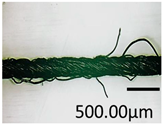
Air permeability was measured using an air permeability tester (KES-F8-AP1, Katotech Co., Ltd., Kyoto, Japan), and the measured values were converted into standardized units. As a result, air permeability increased in the order of RSY < CSY < CSSY, with the air permeability of CSSY being approximately 5.0 times higher than that of RSY. From the yarn appearances, it was observed that CSSY exhibited lower hairiness and a clearer yarn contour compared with RSY and CSY.
Yarn hairiness was measured using a Uster Hairiness Tester 3 (Uster Technologies AG, Uster, Switzerland). As a result, yarn hairiness decreased in the order of CSSY < CSY < RSY, with the hairiness of CSSY being approximately 62% of that of RSY. It is considered that increased yarn hairiness covers the inter-yarn voids formed by the interlacing of warp and weft yarns, thereby reducing air permeability.
2.2. Development of a Thermal Insulation Experimental Apparatus Using an Apparatus with the Hot Plate
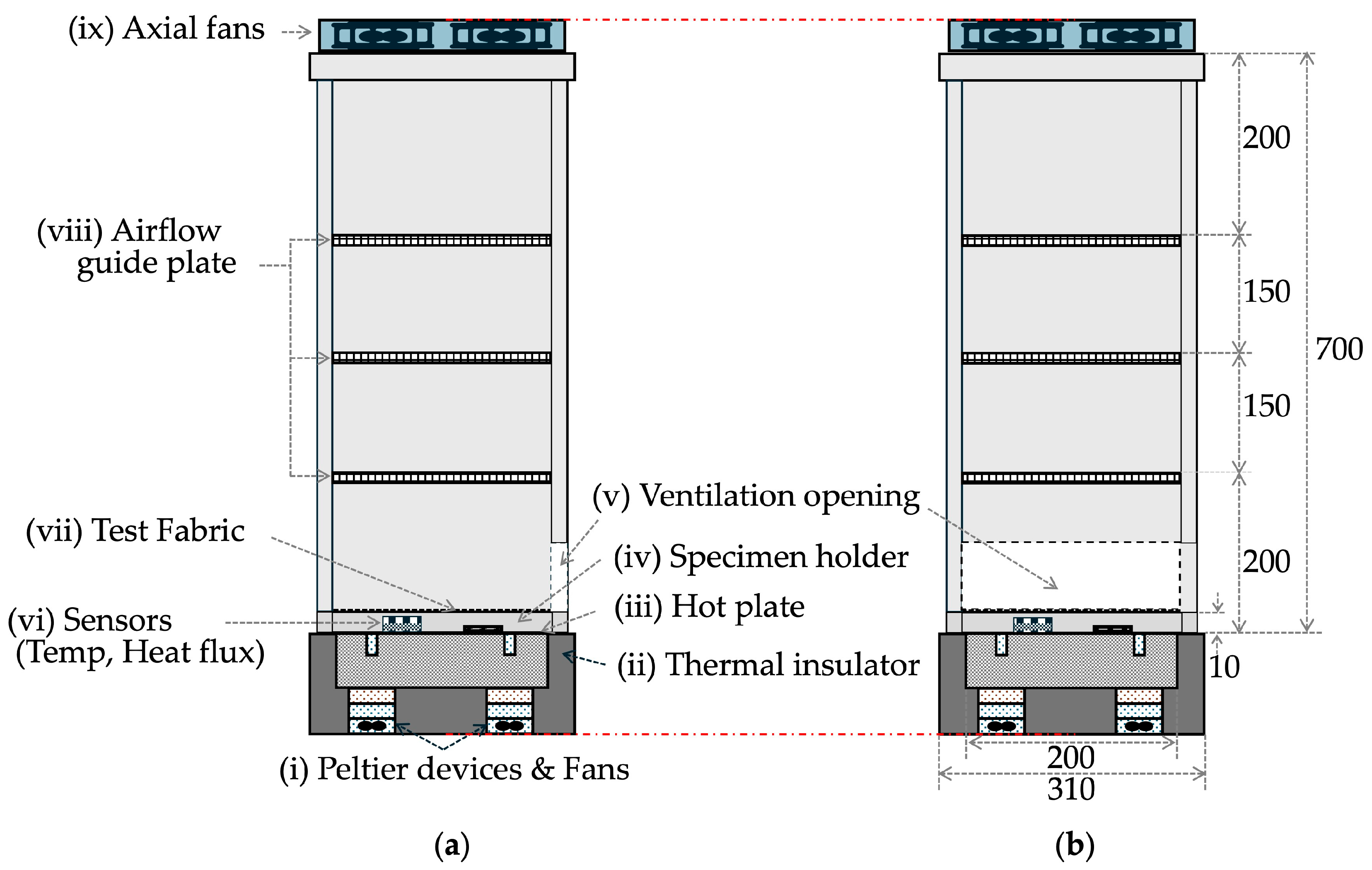
Figure 1 shows a schematic overview of the experimental apparatus. An apparatus with the hot plate, the Skin Model System (Intercross-700; Intercross Co., Ltd., Tokyo, Japan), was used [
22]. This apparatus is equipped with the hot plate measuring 200 mm × 200 mm, which is surrounded by a 60 mm heat-transfer guard. Three acrylic air-layer spacers measuring 310 mm × 310 mm with a thickness of 10 mm were fabricated, with the region corresponding to the hot plate formed an air layer, and these spacers were stacked on the heat-transfer guard. By placing fabric specimens cut to 310 mm × 310 mm on the top surface of the air-layer spacers, air layers with thicknesses of 10, 20, and 30 mm were formed. The bottom surface of the air layer was the hot plate, the top surface was the fabric specimen, and the side surfaces were the acrylic plates. A thermocouple sensor (TR-72W, TR-3110, T&D Co., Ltd., Nagano, Japan) was installed in the air layer at a height of 5 mm above the hot plate to measure the air-layer temperature. The fabric specimens were fixed to the acrylic surfaces using double-sided tape, taking care to avoid applying tension to the specimens. In addition, by stacking two spacers with fabric specimens attached in advance, the sandwich-structure consisting of the fabric and the air layer could be formed.
Next, an ambient airflow generation system was constructed to provide ambient airflow to the fabric specimens and the hot plate. The apparatus consisted of an axial fan to generate airflow and a wind tunnel (200 mm in length, 200 mm in width, and 690 mm in height) to confine the airflow supply area and was fixed above the air-layer spacers. At the lowermost end of the wind tunnel, which was in contact with the air-layer spacers, a single outlet opening (200 mm in length and 100 mm in height) was provided on one side to discharge the airflow. In addition, to straighten the airflow inside the wind tunnel, stainless steel plain-weave wire meshes (mesh number: 8; wire spacing: 2.5 mm; open area ratio: 60%) were installed at positions 200 mm and 350 mm above the upper surface of the fabric specimen, and a punching metal plate (hole diameter: 3 mm; pitch: 4 mm; open area ratio: 51%) was installed at a position 500 mm above the specimen.
2.3. Experimental Condition
This study examined how air-layer thickness relevant to layered suit wearing influences heat flux and air-layer temperature. Based on previous measurements reported by Takada et al. [
3], air-layer thickness levels of 10, 20, and 30 mm (AL10, AL20, and AL30, where AL denotes air-layer thickness) were selected.
In Series 1, single air layers of AL10, AL20, and AL30 were tested. In Series 2 (total air-layer thickness 20 mm), the single air layer condition (AL20) was compared with a sandwich-structured air layer condition consisting of two air layers (AL10-10). Here, ALx-y denotes the sandwich-structured air layer configuration with a lower/upper air-layer thickness of x/y mm. In Series 3 (total air-layer thickness 30 mm), AL30 was compared with AL10-20 and AL20-10.
Experimental Series 1 through 3 were conducted using a continuous protocol consisting of a natural convection interval without ambient airflow (15 min), followed by a forced convection interval with forced airflow applied (15 min). All experiments were performed in a climatic chamber maintained at 20 °C and 65% relative humidity. The hot plate was controlled at 35 °C, and measurements were initiated after thermal stabilization was confirmed. Ambient airflow was generated by four axial fans operated at their rated currents. Under these conditions, the air velocity measured at a position 10 mm above the hot plate with an air-layer thickness of 0 mm was 1.01 ± 0.32 m/s. Three sets of specimens were prepared, and measurements were conducted three times for each air-layer condition.
2.4. Test Methods
The fabric specimens were fixed to the upper surface of the air-layer spacer using textile adhesive tape (J5MPWT2, SEKISUI Co., Ltd., Osaka, Japan) along the four edges without tension to avoid sagging or wrinkles. Air-layer thicknesses of 10, 20, and 30 mm were achieved by stacking one, two, or three spacers, respectively, with the fabric-mounted spacer placed on the top. For sandwich-structured air layer configurations, spacers with attached fabric specimens were stacked to create the intended two air-layer; the fabric used to separate the air layers was identical to the outermost fabric. The stacked spacers were aligned on the heat-transfer guard using four alignment rods.
A heat-flux sensor and a thermocouple for air-layer temperature measurement were fixed at predefined locations using double-sided adhesive tape (HW154, Nichiban Co., Ltd., Tokyo, Japan) to ensure consistent placement and stable contact. Measurements were performed according to the protocol described in
Section 2.3, without interrupting data recording during the transition from natural to forced convection interval. Heat flux from the hot plate (HF, W/m
2) and air-layer temperature (T, °C) were recorded at 1-s intervals. The averages over 10–15 min and 25–30 min were used as the natural and forced convection interval results, respectively.
Statistical analysis was performed using two-way ANOVA followed by post hoc multiple comparisons when appropriate (Excel Statistics, BellCurve Inc., ver. 4.10, Tokyo, Japan).
2.5. Validation of the Experimental Apparatus
To evaluate the reliability of the developed experimental apparatus, two aspects were examined under the same environmental and control conditions as the main experiments (20 °C, 65% RH, hot plate temperature 35 °C). The heating control system is based on a commercially available hot plate testing system (Intercross Co., Ltd., intercross-700; stated measurement accuracy: ±3%). A custom-made air-layer spacer and an ambient airflow generation system were integrated into this apparatus.
Repeatability: The repeatability of heat-flux measurements was evaluated by performing three repeated measurements under identical conditions without fabric specimens. The standard deviation (SD) and coefficient of variation (CV) were calculated. Under natural convection, heat flux was 129.85 ± 5.79 W/m2 (CV = 4.46%), whereas under forced convection it was 436.19 ± 6.89 W/m2 (CV = 1.58%), indicating stable and repeatable measurements under the present conditions.
Influence of apparatus components: The influence of the spacer and wind-tunnel components on the measured heat flux was examined under no-airflow conditions using three configurations: HF1 (bare hot plate), HF2 (30 mm spacer installed), and HF3 (30 mm spacer + wind tunnel installed). The measured heat flux values were 128.49 W/m2 (HF1), 132.77 W/m2 (HF2), and 128.98 W/m2 (HF3). Relative to HF1, the change was +4.28 W/m2 (≈3.3%) for HF2 and +0.49 W/m2 (≈0.4%) for HF3. The HF2 difference is comparable to the stated measurement accuracy (±3%) and therefore cannot be conclusively attributed to additional conductive heat leakage through the acrylic components. Importantly, the main experiments were conducted under the HF3 configuration, for which the difference from HF1 was well within the measurement accuracy. Therefore, under the present experimental conditions, the influence of the experimental apparatus components on the measured heat flux is limited and within measurement uncertainty and is not expected to affect the interpretation of the experimental results.
3. Results
3.1. Series 1: Effect of Different Air-Layer Thicknesses on Thermal Insulation
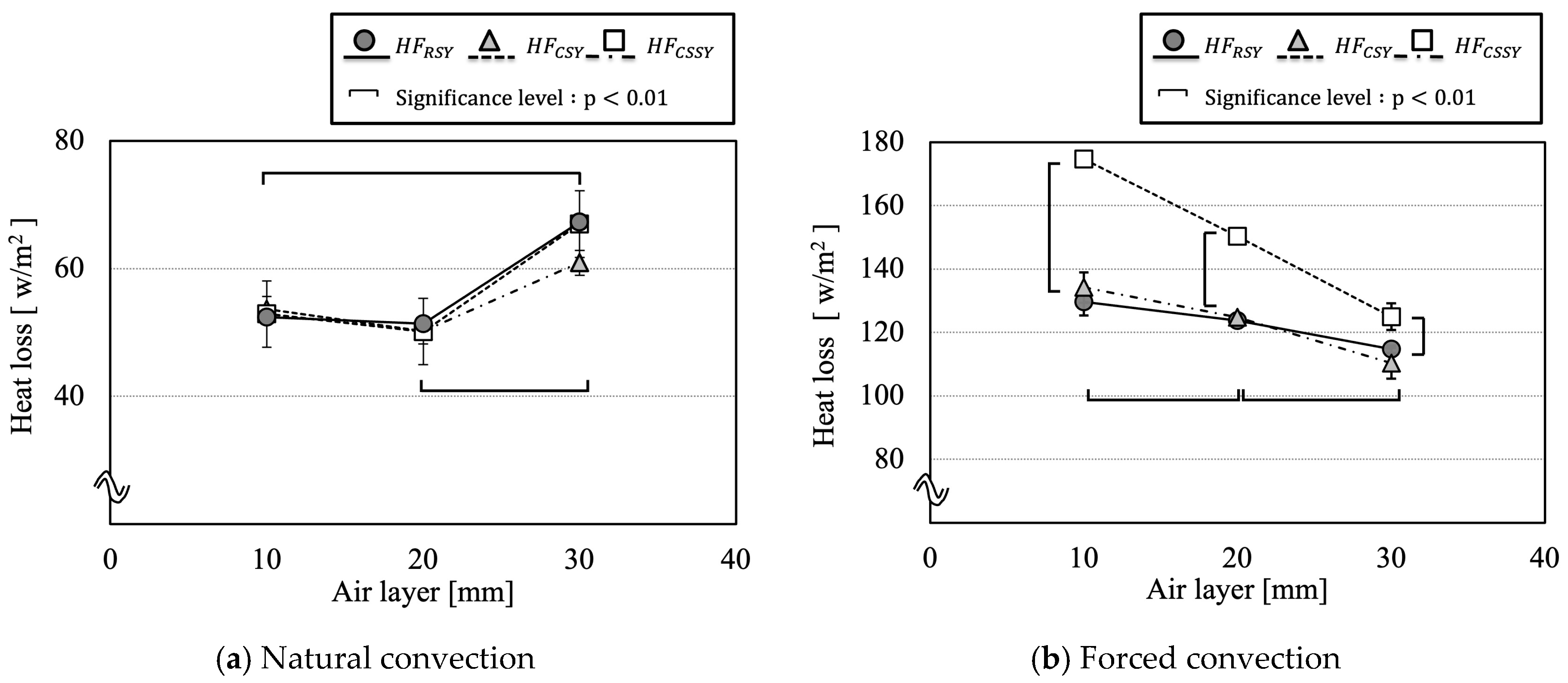
Figure 2 shows the heat flux from the hot plate as the function of air-layer thickness.
In the natural convection interval, a significant effect of air-layer thickness was observed (p < 0.001). The heat flux at AL10 was not significantly different from AL20 (p = 0.149), whereas the heat flux at AL30 was higher than those at AL10 and AL20 by 22.7% and 28.6%, respectively. No significant differences among specimens were observed (p = 0.212).
In contrast, in the forced convection interval, the heat flux was generally higher than that in the natural convection interval and decreased with increasing air-layer thickness. A significant interaction between air-layer thickness and specimen type was observed (p < 0.001). At AL10, CSSY showed higher heat flux than RSY and CSY by 34.8% and 30.2%, respectively (p < 0.001), whereas RSY and CSY did not differ significantly.
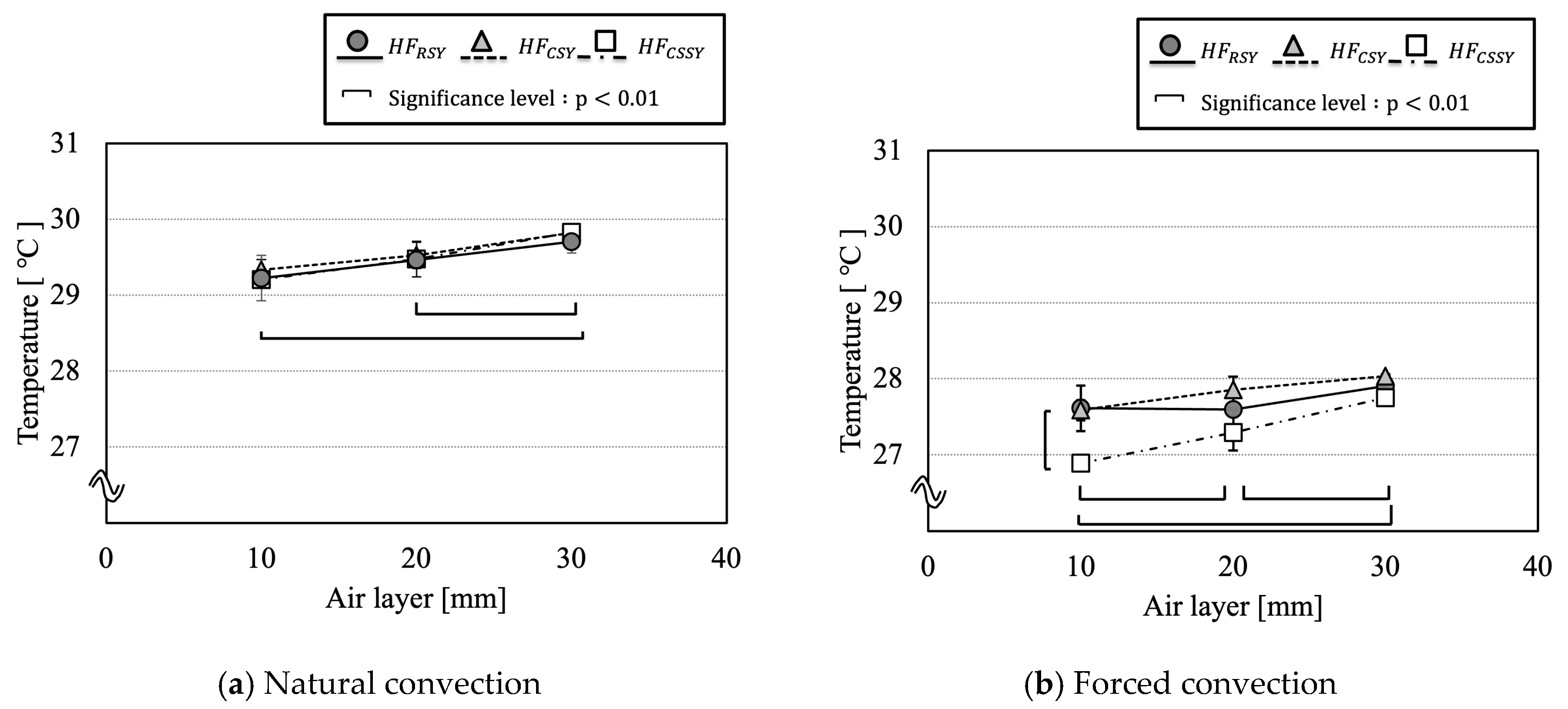
Figure 3 shows the air-layer temperature as a function of air-layer thickness.
In the natural convection interval, air-layer temperature increased slightly with increasing air-layer thickness, with AL20 and AL30 being higher than AL10 by 0.23 °C and 0.53 °C, respectively (p < 0.001). No significant specimen effect was observed (p = 0.177).
In contrast, in the forced convection interval, air-layer temperature also increased with increasing air-layer thickness, although the magnitude of change was small. A significant interaction between air-layer thickness and specimen type was observed (p = 0.046).
3.2. Series 2: Effect of Sandwich-Structured Air Layer with Total Thickness of 20 mm
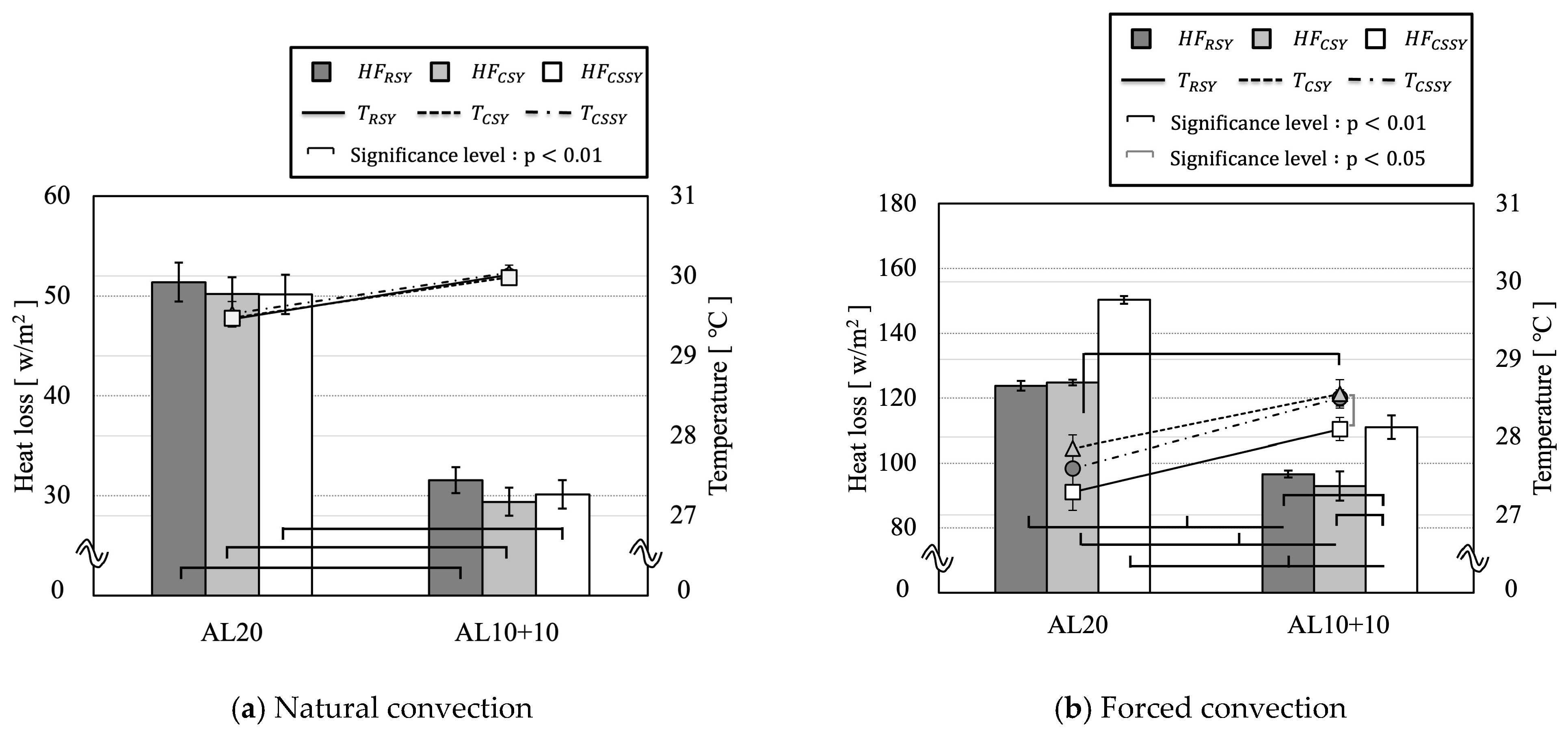
Figure 4 shows the heat flux and air-layer temperature when the total air-layer thickness was fixed at 20 mm, comparing the single air layer structure (AL20) and a sandwiched air-layer structure (AL10-10). For the sandwiched structure, the air-layer temperature corresponds to that of the bottom air-layer.
In the natural convection interval, a significant effect of air-layer structure on heat flux was observed (p < 0.001). The heat flux of AL20 was higher than that of AL10-10 by 40.0%. No significant differences among specimens were observed, as the heat flux values of RSY, CSY, and CSSY under AL10-10 were not significantly different (p = 0.218).
In contrast, in the forced convection interval, the heat flux of AL10-10 was lower than that of AL20 by 24.7%. A significant interaction between air-layer structure and specimen type was observed (p = 0.005), and Tukey’s honestly significant difference (HSD) test was performed. The largest difference was observed for CSSY, where the heat flux at AL20 was 26.2% higher than that at AL10-10 (p < 0.001).
For air-layer temperature in the natural convection interval, a significant effect of air-layer structure was also observed (p < 0.001). The temperature at AL20 was lower than that at AL10-10 by 0.53 °C. No significant differences among specimens were observed, as the temperatures of RSY, CSY, and CSSY under AL10-10 were not significantly different (p = 0.801).
In contrast, in the forced convection interval, a significant effect of air-layer structure on air-layer temperature was observed (p < 0.001), with the temperature at AL20 being lower than that at AL10-10 by 0.81 °C. In addition, significant differences among specimens were observed, with CSSY showing lower temperatures than RSY and CSY by 0.40 °C and 0.45 °C, respectively (p = 0.004).
3.3. Series 3: Effect of Sandwich-Structured Air Layer with Total Thickness of 30 mm
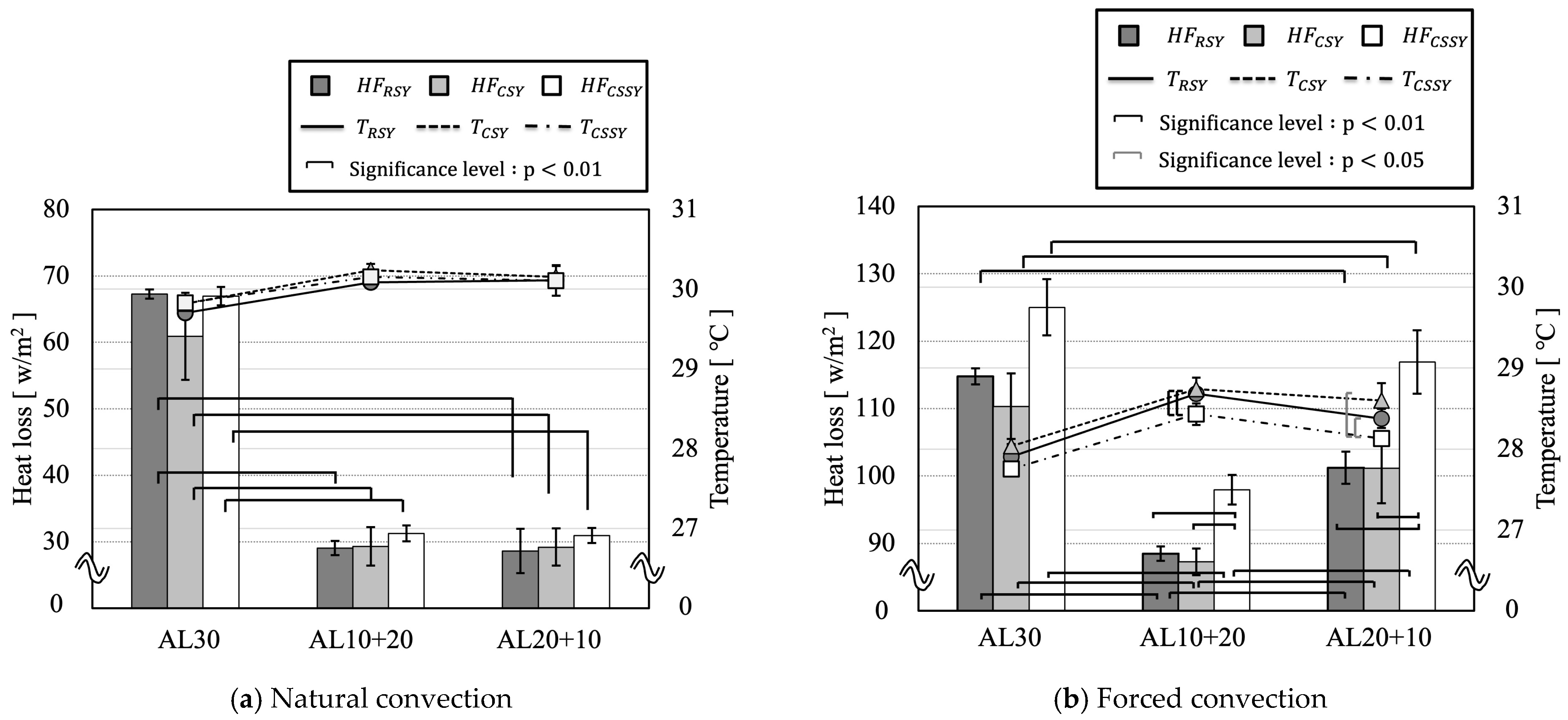
Figure 5 shows the heat flux and air-layer temperature for a total air-layer thickness of 30 mm, comparing a simple air layer (AL30) and sandwich-structured air layers (AL10-20 and AL20-10). For the sandwich-structured air layer, the air-layer temperature corresponds to that of the bottom air-layer.
In the natural convection interval, a significant effect of air-layer structure on heat flux was observed (p < 0.001). The heat flux of AL30 was lower than those of AL10-20 and AL20-10 by 54.1% and 54.5%, respectively, with no significant difference between the two sandwich-structured air layer configurations. In addition, no significant differences among specimens were observed for either AL10-20 (p = 0.612) or AL20-10 (p = 0.611).
In contrast, in the forced convection interval, a significant effect of air-layer structure on heat flux was also observed (p < 0.001). The heat flux of AL30 was higher than that of AL10-20 and AL20-10 by 21.8% and 8.8%, respectively. AL20-10 showed a 16.7% higher heat flux than AL10-20. A significant specimen effect was also observed (p < 0.001). For AL10-20, CSSY showed higher heat flux than RSY and CSY by 10.7% and 12.3%, respectively, whereas no significant difference was observed between RSY and CSY (p = 0.904). For AL20-10, CSSY showed higher heat flux than RSY and CSY by 15.5% and 15.6%, respectively, while no significant difference was observed between RSY and CSY (p = 0.999).
For the air-layer temperature in the natural convection interval, a significant effect of air-layer structure was observed (p < 0.001). The temperature at AL30 was lower than those at AL10-20 and AL20-10 by 0.23 °C and 0.37 °C, respectively, while AL10-20 showed a lower temperature than AL20-10 by 0.14 °C. No significant specimen effect was observed (p = 0.134).
In the forced convection interval, air-layer structure also significantly affected air-layer temperature (p < 0.001). The temperature at AL30 was lower than those at AL10-20 and AL20-10 by 0.49 °C and 0.72 °C, respectively, while AL20-10 showed a lower temperature than AL10-20 by 0.23 °C. A significant specimen effect was also observed. For AL10-20, CSSY showed lower temperatures than RSY and CSY by 0.40 °C (p = 0.002) and 0.45 °C (p < 0.001), respectively, whereas no significant difference was observed between RSY and CSY (p = 0.859). For AL20-10, CSSY showed lower temperatures than RSY and CSY by 0.25 °C (p < 0.045) and 0.31 °C (p < 0.013), respectively, while no significant difference was observed between RSY and CSY (p = 0.826).
To summarize the air permeability effect in the forced-convection interval,
Table 2 lists the percent difference in heat flux between CSSY and RSY and the corresponding
p-values across air-layer configurations.
3.4. Relationship Between Heat Flux and Air-Layer Temperature in Single and Sandwich-Structured Air Layer
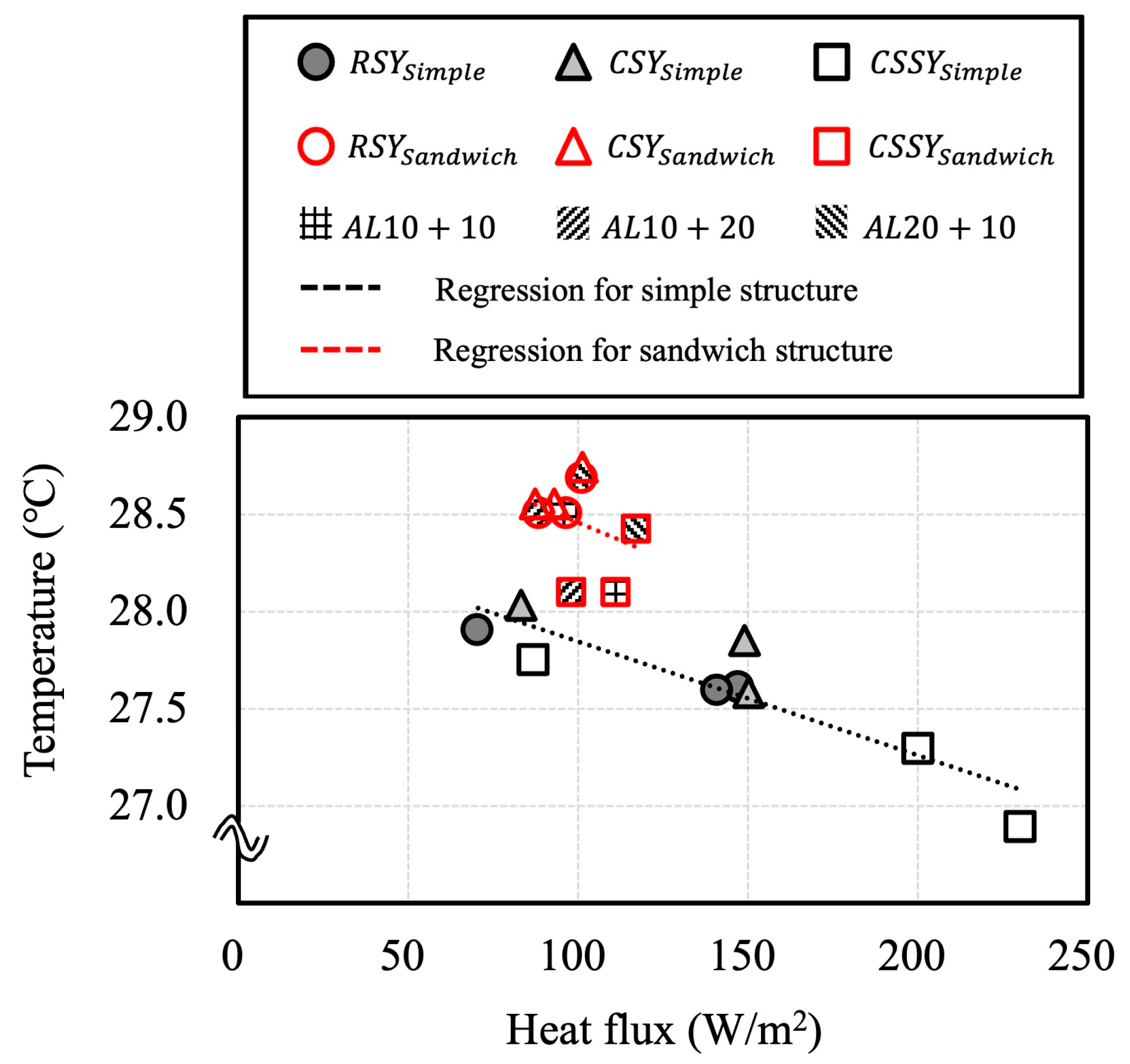
Figure 6 shows the relationship between heat flux from the heated plate (W/m
2) and the air-layer temperature (°C) for the simple and sandwich-structured air layer.
For the simple structure, the data points (RSY, CSY, and CSSY) exhibited an approximately linear negative trend, and the fitted regression line indicated a strong inverse relationship between heat flux and air-layer temperature (R2 = 0.85).
In contrast, for the sandwich-structured air layer, the data points were distributed within a narrower heat-flux range and did not follow a clear linear trend, resulting in a weak relationship between heat flux and air-layer temperature (R2 = 0.10).
In addition, for similar ranges of air-layer temperature, the corresponding heat-flux values differed between the simple and sandwich-structured air layer, indicating that the heat-flux–temperature relationship is structure-dependent and cannot be described by a single linear relationship.
4. Discussion
4.1. Effect of Air-Layer Thickness on Heat Flux
Based on Series 1, under conditions without ambient airflow, the boundary air-layer thickness that maximized thermal insulation was 20 mm (AL20), whereas at 30 mm (AL30) the heat flux increased. This trend is consistent with the development of buoyancy-driven convection in thicker air-layers, which can enhance convective heat transfer near the hot plate [
23,
24,
25], supporting previous reports that ~20 mm is a critical air-layer thickness for maximizing insulation [
15,
16].
When ambient airflow was applied, heat flux increased markedly compared with the no-airflow (natural-convection) interval, reflecting both enhanced heat removal at the fabric surface and forced convection generated within the air layer. Importantly, the magnitude of this increase decreased as the air-layer thickness increased, suggesting that a thicker air-layer acts as a buffer that attenuates airflow penetration and weakens forced convection near the hot plate.
4.2. Effect of Sandwich-Structured Air Layer on Thermal Insulation
Based on Series 2 and Series 3, the sandwich-structured air layer (two air layers separated by a fabric) markedly reduced heat flux from the hot plate compared with the single air layer of the same total thickness, and this suppression was observed both with and without ambient airflow. The influence of the air permeability of the separating fabric was observed only when ambient airflow was applied, indicating that air permeability becomes relevant mainly when externally driven airflow penetrates the fabric.
Under no-airflow conditions, each sub-layer thickness in the sandwich-structured air layer configuration was ≤20 mm; therefore, buoyancy-driven convection is expected to be limited in both layers, consistent with the critical air-layer thickness observed in Series 1. Under ambient airflow, the effect of the sandwich-structured air layer configuration depended on the air-layer thickness distribution: a thicker lower air-layer led to a stronger reduction in heat flux, suggesting that the lower air-layer acts as an effective buffer that attenuates the penetration and propagation of forced airflow toward the hot plate.
We propose that airflow first affects the upper air-layer and the fabric surface, and then partially transmits through the separating fabric into the lower air-layer. When the lower air-layer is thicker, the forced airflow reaching the hot plate is weakened, resulting in lower heat flux. Although conductive and radiative transfer across the air layers may also be influenced by the air-layer temperature field, the present results suggest that forced-convection effects likely dominate the observed differences under ambient airflow.
Finally, we note that the proposed scenario is interpretative and should be verified in future work with direct flow/air-layer temperature-field measurements.
4.3. Measurement of Air-Layer Temperature and Its Applicability to Thermal Comfort Clothing Design
As shown in
Figure 6, an approximately linear relationship (R
2 = 0.85). In contrast, this relationship was weak for the sandwich-structured air layer (R
2 = 0.10). This suggests that the air-layer structure alters the ventilation and mixing dynamics within the microclimate. In particular, the fabric separating the air layers in the sandwich-structured air layer configuration likely reduces air exchange between the upper and lower air-layers, thereby modifying heat transport within the air space. In addition, because the ventilation rate depends on the thickness distribution between the upper and lower air-layers, a simple linear relationship between heat flux and air-layer temperature is not necessarily expected for the sandwich-structured air layer.
These findings highlight that simultaneous evaluation of heat flux, and air-layer temperature is useful for assessing layered clothing systems and for designing suit ensembles with improved thermal comfort.
4.4. Effect of Fabric Air Permeability
To isolate the effect of fabric air permeability, the fabrics were designed to keep other parameters as comparable as possible while varying air permeability via the spinning method. The air permeability effect was apparent primarily under forced convection.
Based on the results in
Table 2, under forced convection, CSSY (the most permeable fabric) showed higher heat flux than RSY (the least permeable fabric), with increases ranging from as little as 11% (AL10-20) to as much as 35% (AL10). Importantly, no significant fabric effect was observed under no-airflow conditions, indicating that air permeability cannot be evaluated adequately without externally driven airflow. Moreover, the magnitude of the air permeability effect varied with air-layer thickness/structure, demonstrating that accurate evaluation of air permeability requires testing under combined conditions of ambient airflow and controlled air-layer configuration.
Therefore, air permeability and airflow conditions act jointly to govern airflow penetration through the fabric, and the heat-transfer behavior in this study is determined by the combined effects of air-layer thickness/structure, fabric air permeability, and airflow conditions.
5. Conclusions
This study assumed a layered wearing condition of a suit for thermal comfort and investigated the effects of air-layer thickness, sandwich-structured air layer, fabric air permeability, and ambient airflow on the heat flux from the heated plate and the air-layer temperature. The main findings are as follows:
1. Under natural convection conditions (no airflow), the critical air-layer thickness that maximized thermal insulation was 20 mm, whereas at 30 mm, heat flux increased due to the contribution of natural convection.
2. Under forced convection conditions (ambient airflow), thermal insulation decreased, and the influence of external airflow reached the vicinity of the hot plate more readily in thinner air-layers. In contrast, increasing the air-layer thickness reduced the effect of forced convection associated with airflow penetration, thereby suppressing heat flux.
3. The sandwich-structured air layer significantly reduced heat flux (i.e., increased thermal insulation) compared with the single air layer of the same total thickness, and this effect was observed regardless of the presence or absence of ambient airflow.
4. The effect of the sandwich-structured air layer depended on the thickness distribution within the air layer, and under ambient airflow conditions, configurations with a thinner upper air-layer and a thicker lower air-layer showed a more pronounced increase in thermal insulation.
5. The relationship between heat flux and air-layer temperature depended on the air-layer structure. While a consistent relationship was observed in the single air layer, no simple relationship was established in the sandwich-structured air layer due to differences in ventilation behavior.
6. The effect of fabric air permeability became evident mainly under forced convection conditions, where airflow penetration enhanced convective heat transfer, resulting in increased heat flux. Therefore, accurate evaluation of the effect of air permeability requires testing under combined conditions of ambient airflow and air-layer configuration.
Based on these findings, the combined evaluation of air-layer thickness, layered structure (referred to as the sandwich-structured air layer in this study), and airflow conditions is useful for the design of thermally comfortable garments.




 ,
,