Article

Productivity Improvement Model in the Garment Industry: Application of Standardized Work and Poka Yoke with Artificial Vision


by
Miguel Ángel Vergara
1,
Miguel Barbachán Villalobos
1,
Percy Castro-Rangel
1,
José C. Alvarez
1,* and
Robert Lepore
2
1
Faculty of Engineering, Universidad Peruana de Ciencias Aplicadas, Lima 15023, Peru
2
Systems and Industrial Engineering, The University of Arizona, Tucson, AZ 85721, USA
*
Author to whom correspondence should be addressed.
Textiles 2025, 5(4), 64; https://doi.org/10.3390/textiles5040064
Submission received: 30 July 2025 / Revised: 31 October 2025 / Accepted: 12 November 2025 / Published: 4 December 2025

Abstract

Peru’s highly competitive garment sector, where microenterprises account for 88.4% of all enterprises, the main barrier to sustainability is low productivity, driven by high rework rates and operational errors. To address this problem, this research proposes an improvement model that combines Standardized Work to unify processes with a Poka Yoke technological solution using artificial vision for real-time defect prevention. This dual approach addresses the root causes of inefficiency, merging a core principle of Lean Manufacturing with an accessible Industry 4.0 tool designed for implementation in resource-constrained environments. The validation of the model demonstrated its remarkable effectiveness, achieving transformative results: the sewing rework rate was drastically reduced from 28.43% to 8.94%, the labeling rework rate were reduced from 18.02% to 3.88%, the production cycle time was optimized from 23.74 to 16.54 min per garment, with a 173.74% increase in productivity. These results not only confirm the validity of the model, but, due to its basis in universal principles and scalable technology, they also guarantee high applicability and replicability in other micro and small companies in the sector, offering a clear path towards a qualitative leap in productivity and competitiveness.

1. Introduction

The textile and clothing sector plays an important role in the global economy, with total exports valued at $66.061 billion in 2020. China is the largest exporter and producer of apparel, accounting for 23% of global production. In Peru, exports reached US$517 million, representing approximately 1% of the world total [1]. The sector’s domestic relevance is underlined by its 6.4% contribution to manufacturing GDP in 2019. In addition, it is a key driver of employment, generating approximately 400,000 jobs per year, which corresponds to 26.2% of the industrial workforce and 2.3% of the national total. However, despite this structural importance, the sector experienced a sharp drop of 32.1% in production, mainly due to significant declines in the apparel (−35.9%) and textiles (−25.7%) sub-sectors [2,3].
Micro and small enterprises (MSEs) are essential pillars for economic progress and job creation, especially in the textile sector. In Peru, their relevance is even greater, as they account for more than 90% of all companies in the country [4]. In this context, the implementation of solid quality management practices is not only advisable but indispensable, as it enables notable improvements in product quality, strengthens market competitiveness, and enhances customer satisfaction. Therefore, identifying and addressing the areas that require optimization becomes a decisive factor for sustaining growth and maintaining competitiveness in an increasingly interconnected global economy [5]. In the current digital era, the human leadership at the head of these companies is decisive; furthermore, promoting entrepreneurial skills and strengthening leadership are fundamental steps to ensure the successful adoption of technological innovations [6].
The textile and apparel sector is a key pillar of the production system, as it has considerable economic weight, provides important social benefits, and continues to be a relevant source of employment. However, the transition toward digital processes poses significant management and operational challenges, especially because many activities that once depended on manual labor are now being automated [7]. In this scenario, the incorporation of Industry 4.0 principles becomes essential for those companies seeking to modernize and preserve their competitiveness. At the heart of this transformation is artificial intelligence (AI), which offers innovative solutions capable of increasing productivity and reducing operating costs. Through advanced techniques such as deep learning, natural language processing, and computer vision, AI platforms can analyze large volumes of data and extract information that enables more precise, timely, and strategic decision-making [8,9,10].
Companies in this sector face the permanent challenge of optimizing their productivity levels, which is crucial to consolidate their position in the markets in which they operate. Therefore, it is essential to implement innovative strategies that address recurring issues such as rework and downtime. In this context, technology and globalization have become key allies, allowing companies to achieve high standards of productivity and competitiveness without requiring excessive investments. The Lean philosophy should be considered one of the most promising initiatives in continuous improvement [11].
A review of the literature on the textile and apparel sector presents several methods of improvement to address the aforementioned challenges. One study applied standardized work in conjunction with the Predetermined Motion Time System (PMTS) in a garment company to improve productivity in sewing operations. As a result, daily production increased from 1062 pieces to 1935 pieces, downtime was reduced from 0.113 min to 0.022 min per product, and operator downtime during an 8 h shift decreased from 120 min to 42.58 min [12]. In another case, one study aimed to optimize the inspection process by applying emerging technologies such as machine vision. With this tool, an accuracy rate of 85.6% in detecting fabric imperfections was achieved, significantly improving operational efficiency and productivity in textile manufacturing and retail [13].
This study is driven by the motivation to propose a tangible solution to reduce the notable gap between the productivity indicators of a company located in the Gamarra cluster and the performance standards of the global textile market. To achieve this, a model based on the synergy of two Lean tools is proposed: Standardized Work, to optimize the efficiency of processes, and Poka Yoke, enhanced with artificial vision to prevent errors and reduce rework. The research is justified by the urgency of strengthening the competitiveness of local SMEs through direct productivity improvement. The feasibility and potential impact of the proposed model will be assessed through a scenario-based simulation, providing a quantitative basis for strategic decision-making focused on continuous improvement.
Previous studies often explore Standardized Work or Poka Yoke in isolation, revealing limitations in their standalone application within dynamic industrial contexts. Standardized Work, while effective in reducing variability and establishing best practices [14], can be inherently reactive to human errors or process deviations that still occur, lacking proactive error prevention at its source. Conversely, traditional Poka Yoke applications, though valuable for specific error proofing, frequently struggle with adaptability to the complexity and variability of modern textile processes or with seamless integration into broader standardization efforts. These individual approaches often present a unidimensional focus, which may not suffice to sustain competitiveness in demanding environments. Our work directly addresses this gap by integrating Standardized Work as the foundation for process optimization with an advanced Poka Yoke system, enhanced by artificial vision for real-time defect prevention. This synergistic approach provides a more comprehensive and robust solution, overcoming the limitations of individual methodologies and offering a scalable framework for continuous improvement in the textile sector.
All data collection and operator interviews were conducted with the explicit consent of the company, which signed a formal consent letter authorizing the use of the information for research purposes, ensuring compliance with ethical standards for studies involving human participants.

2. Literature Review

The Peruvian textile sector, a fundamental pillar of the country’s economic structure, faces considerable obstacles to improving productivity and ensuring product quality. In particular, micro and small textile enterprises are often affected by significant gaps in both know-how and capital availability. The presence of these shortcomings significantly fuels the recurrence of rework, which not only drives up operating costs but also weakens the company’s competitive position. To address these issues, it becomes essential to foster the integration of technological advancements while steadily refining production practices. This approach is particularly relevant in a sector that continues to grapple with long-standing challenges in productivity and quality within its manufacturing processes [15].
The following section presents an analysis of successful experiences from diverse contexts, taking into account the themes, tools, and typologies explored throughout this study.

2.1. Productivity in the Textile Sector

The textile sector represents a key pillar for both the manufacturing industry and the wider socio-economic environment, due to its significant contribution to economic growth and its considerable capacity to create jobs. In this context, optimizing productivity has become a strategic imperative for companies in the sector. This metric is critical, as it quantifies the efficiency with which inputs are transformed into final goods that meet market demand [16,17]. Indeed, the intensification of global competition driven by globalization and technological advances requires continuous improvements in productivity and product quality to ensure commercial viability [18]. As a practical example, a textile company focused on the production of girls’ pants faced serious performance problems, which were reflected in high operating costs and long production cycles. To correct these deficiencies, a detailed analysis of times and processes was implemented, which led to the following improvements:
  • Increased productivity by 6.53%.
  • Reduction in waiting times from 1325 min to 221 min.
  • Decreased operating costs by $576.
  • The number of workers was reduced from 38 to 36 [19].
The line balancing technique has been frequently used in studies related to productivity issues in companies in the textile sector. The main drawback is usually the imbalance in the production line, which negatively affects the efficiency, speed, and performance of the company. This situation becomes evident when comparing the planned production with the actual output achieved in the polo shirt sewing area. To address this gap, the objective was set to enhance productivity in this section through line balancing, supported by control limit analysis and production system simulation [20]. As a result of this approach, the following outcomes were obtained:
  • Increased daily production from 1032 to 1289 pieces/day.
  • Labor productivity increased from 46.9 to 58.59 pieces/operator.
  • Machine productivity increased from 54.32 to 71.6 pieces/machine.
On the other hand, keeping machines operating at their best is essential for boosting productivity. This requires well-structured and consistent maintenance plans. By applying tools such as Failure Modes and Effects Analysis (FMEA) and cause-and-effect diagrams, this helped identify the most critical equipment and define the most effective maintenance strategies. As a result, efficiency reached 90%, and production output climbed to 194.76 m of woven fabric, confirming that machine availability is a decisive factor in enhancing production performance [21].
To ensure its commercial viability, the textile industry must constantly enhance its productivity. A study at M5G5 illustrates this point, revealing that implementing improvement tools led to a reduction in operational costs of approximately US$2654.28 while also bolstering the company’s sustainability by optimizing resources and minimizing waste. This proves that productivity enhancements and environmental sustainability are not separate objectives, but rather interconnected goals that should be seamlessly integrated [22].

2.2. Reprocesses

Rework represents a recurring problem in the textile industry, as it significantly affects productivity and operational efficiency. These problems often arise due to a lack of standardization of tasks, human error, process variability, and deficiencies in quality controls. In garment manufacturing, these failures can manifest as incorrect seam joints, missing labels, thread breaks, and inconsistent finishes. Correcting these defects requires additional time and resources, which negatively impacts productivity indicators and lead times [23].
To address this problem, theoretical tools and practical methodologies were implemented. Initially, a time study was conducted to identify bottlenecks and establish standard times for each task, reducing variability and improving efficiency. As a result, cycle time was reduced by 32%, the number of operators was reduced from 20 to 14, production time was reduced by 11%, and productivity increased by 16% [24].
Another factor that increases rework is variation in threads, use of improper methods, lack of equipment maintenance, and insufficient operator training. This causes delays, increases costs, and reduces competitiveness. To counter this, tools such as visual monitoring, continuous training, and the DMAIC approach were applied to reduce rework rates. In addition, Lean Manufacturing techniques were used, such as time studies to standardize processes, SMED to minimize setup times, preventive maintenance to improve machine efficiency, and event simulation to evaluate operational scenarios. After implementing these measures, the reprocessing rate was reduced from 30% to 6%, the setup time decreased from 3.64 h to 1.52 h, and the OTIF (On Time In Full) indicator improved from 41.08% to 71.70% [25].
The high rework rate was directly related to defective products, disorganization in the plant, and machine maintenance failures. To address this, the 5S methodology was implemented to standardize work processes and minimize variability, as well as Value Stream Mapping (VSM) diagrams to identify non-value-added activities. Eventually, the workstations were redesigned using simulators, leading to an increase in productivity from 0.38 to 0.89 units per operator [14].

2.3. Unproductive Times

Small and medium-sized enterprises (SMEs) in the manufacturing sector face serious obstacles that limit their growth and hinder their ability to compete effectively in the market. Fundamentally, these challenges stem from internal operational inefficiencies. A critical factor undermining productive performance is the prevalence of non-productive time, defined as intervals during which resources fail to add value to the final product. Far from being inevitable, this downtime is often the direct result of poor planning, improper process management, and the absence of clear and standardized work procedures. As a consequence, high defect rates, significant variability in workflow and a large proportion of non-value-added activities become evident, reinforcing a cycle of low productivity that hinders the sustainable development of the company [26].
For this reason, to address the main problem, several authors agree that the use of the Design, Measure, Analyze, Improve and Control (DMAIC) methodology and Lean Manufacturing, where tools such as FMEA, VSM, Poka Yoke, Standardized Work, Line Balancing and 5S [27,28] were implemented. These methodologies and tools are beneficial for the production process, providing improvements such as the reduction in production times, increased productivity and decreased downtime.
Although results may vary depending on the specific implementation of each tool or methodology, studies show that reducing downtime is an essential step in improving operational efficiency in the textile industry. In this sense, Lean and DMAIC methodologies, together with the aforementioned tools, offer a clear and effective way to optimize processes, increase business competitiveness and ensure greater profitability [29].

2.4. Value Stream Mapping

In recent years, the textile industry has faced significant challenges, such as increased competition and the progressive tightening of quality standards. Lean methodologies have emerged as a strategic framework to address these issues, with the aim of optimizing the value perceived by the customer [30]. Within this set of tools, Value Stream Mapping (VSM) stands out for its ability to visually and comprehensively represent all the stages of the production process from the reception of raw materials to the delivery of the final product. Its primary objective is the identification and systematic elimination of non-value-adding activities [31].
By using value stream mapping, textile companies can gain a clear understanding of their material and information flow, identify bottlenecks, reduce downtime, and optimize resources. Its main benefits include improved productivity, reduced operating costs, and improved customer response times. In addition, by aligning with the principles of Lean Manufacturing, this tool fosters an organizational culture focused on efficiency and customer satisfaction, critical aspects to compete in a dynamic market such as Peruvian textiles [32].
For some authors, the tool was very useful to analyze the value stream of the production process and thus identify bottlenecks. They then identified the activities that add value and those that do not, to eliminate or reduce the latter. In this way, it was possible to implement proposals for improvement, which were reflected in the results obtained [33,34]. This is why the tool is commonly used by various authors to identify opportunities for improvement.

2.5. Process Standardization

Standardization is particularly crucial in the textile industry due to its labor-intensive nature and the multiple factors that affect quality and production times, such as fabric handling, the operation of specialized machines, and sewing and finishing processes [25]. The implementation of defined and systematic procedures helps mitigate variability in results, which directly translates into substantial advantages such as reduced operating costs and lead times, along with tangible improvements in final product quality and occupational safety.
Within the Peruvian textile context, this discipline not only optimizes the use of human and material resources but also streamlines the training of personnel by establishing a framework of good practices [24]. In addition, it provides an objective reference point for identifying deviations and solving problems effectively [35]. However, maintaining a competitive advantage solely through this tool is becoming increasingly difficult due to increasing production volumes, product diversity, and increasing quality standards in the market [36].

2.6. Industry 4.0

The global manufacturing industry is on a relentless pursuit of optimization to improve efficiency, minimize costs, and reduce production downtime. Traditionally, this sector has depended on conventional methods that tend to be slow and labor-intensive [37]. Approaches like reactive maintenance, where repairs are carried out only after a breakdown, are now giving way to more proactive and cost-efficient strategies. In this shift, emerging technologies such as predictive maintenance, powered by the Internet of Things (IoT) and machine learning, are showing remarkable potential. For instance, a system developed for circular knitting machines reached a 92% accuracy rate in predicting failures, allowing maintenance teams to act in time and prevent unexpected production stoppages [38].
This technological leap is especially relevant for the textile industry, where traditional factories require high resource consumption, making optimization essential for both sustainability and competitiveness [15]. The integration of computer vision and artificial intelligence (AI) has already demonstrated its transformative impact. A case study in Spain, for example, showed that capturing high-resolution images under controlled lighting, combined with self-learning algorithms, enabled the creation of an advanced system for automatically detecting fabric defects, such as color inconsistencies and surface flaws, greatly improving the speed and precision of quality control [39]. By applying AI in this way, companies can significantly reduce defects, cut material waste, and strengthen the alignment between their operational goals and the increasing demand for environmental sustainability [40].
In the Peruvian context, the adoption of these technologies represents a critical strategic opportunity, especially for micro, small and medium-sized enterprises (MSMEs). This business segment, which generates about 28% of GDP and accounts for half of the country’s employment, faces an alarming survival rate that is only 10% higher in the first year due to profitability issues and a limited capacity for technological adaptation [41]. Implementing AI and machine vision systems could directly address these shortcomings by automating quality inspection, optimizing resource use, and predicting equipment failures. In addition, AI not only affects machinery but also has the potential to improve high-performance work systems by supporting the continuous training and development of employees, preparing them for a new era of smart manufacturing [42]. Therefore, the integration of these technologies emerges as a key way to boost the competitiveness, profitability and sustainability of the textile industry in Peru.

2.7. Discrete Systems Simulation

Discrete system simulation plays a fundamental role in improving processes within the textile industry, allowing each stage to be accurately modeled, from design to production. Tools such as human digital modeling, 3D virtual prototyping and digital twins have made it possible to simulate the fit of garments, customize designs according to different morphologies and reduce the need for physical tests [43]. In addition, these simulations facilitate the evaluation of complex textile behavior phenomena such as hanging, slipping, and permeability without resorting to repetitive testing, which speeds up development and drives innovation in materials and design [44].
Likewise, virtual simulations have been applied to transform textile waste into new products using physical and digital models. This approach allows you to represent stages such as analysis, design and production, evaluating each step before its actual execution. The use of digital twins reached more than 90% match between digital and physical prototypes, supporting their accuracy and applicability [45]. In addition, tools such as FlexSim 7.7 have been used in vocational training, allowing production lines to be analyzed, providing improvements in process planning, and the ability to detect bottlenecks through interactive virtual environments [46].
Finally, 3D virtual prototyping has established itself as a key tool in the design of commercial garments and the restoration of heritage pieces. Using digital simulations and technologies such as deep learning, it is possible to digitally replicate old garments with high fidelity [47,48]. Overall, discrete event simulation facilitates a detailed representation of complex systems, reducing costs, time and errors, while promoting sustainability and customization in the textile industry.

3. Proposal Model

Innovative Proposal

The proposed model consists of implementing methodologies from the Lean Manufacturing philosophy, specifically Standardized Work and Poka Yoke with artificial vision, with the aim of increasing productivity in polo shirt manufacturing processes. These tools aim to optimize operational efficiency by reducing waste, errors, and downtime, allowing the company to improve its competitiveness in the market. By standardizing processes and preventing defects, a more controlled and efficient environment will be created, which will positively impact the quality of the final product and reduce costs.
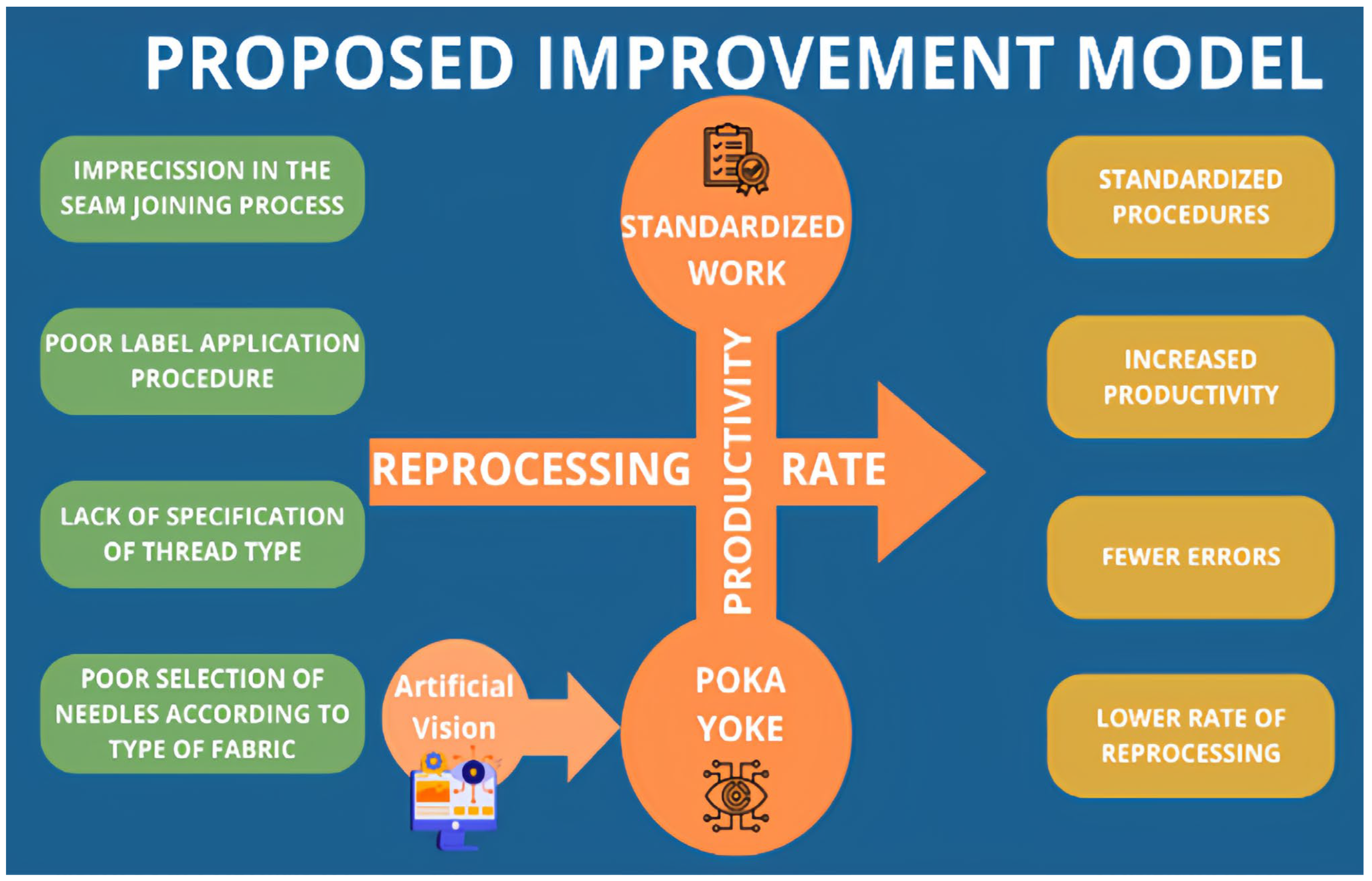
Figure 1 shows the interaction that links the tools with the objectives of this research.
Polo shirt production was identified as the most strategic process within the company’s product portfolio. This diagnosis is based on an ABC and PQ analysis, which shows that this product represents 45.9% of the company’s total production volume and accounts for 35% of its revenue. In the production of polo shirts, the absence of proper process control and systems for detecting errors in real time makes the situation even worse. This not only increases variability but also leads to more frequent rework. As a result, cycle times become longer, the workflow becomes irregular, and the final product quality drops. These issues highlight how urgent it is to implement a clear and well-structured improvement plan. Research carried out in the Peruvian textile industry has proven that applying Lean Manufacturing tools—like Standardized Work and 5S—can boost both productivity and competitiveness, particularly when facing the challenges of imported goods and long production times [49]. In this case, the proposed solution focuses on two key stages.
Phase 1: Standardized Work. Consists of creating and applying clear operating procedures for every production task. By setting consistent work methods and providing proper training for operators, the variability in processes can be reduced, cycle times become more stable, and overall efficiency improves. Standardization also makes it easier to track errors and audit processes.
Phase 2: Poka Yoke with computer vision. Intelligent error detection mechanisms, including vision sensors and automated detection systems, are introduced to prevent defects such as missing labels or misaligned seams. These systems stop the process or alert the operator when anomalies are detected, allowing for immediate corrective action and preventing the spread of errors.
This two-pronged approach enables the integration of lean principles with Industry 4.0 tools to support continuous improvement in quality and performance. However, as reported in studies on the adoption of Industry 4.0 in the textile sector, significant barriers, such as a lack of advanced IT infrastructure, organizational resistance to change, and concerns about return on investment, remain critical challenges in similar manufacturing contexts [50].
The interaction between these techniques and inputs results in clear results, including increased productivity, standardized procedures, fewer errors, and a reduced rework rate. In addition, it encourages a more efficient workflow and improves the overall quality of the final product. This contributes to a more competitive and sustainable production process.
Following the implementation of the continuous improvement tools, a mathematical model was developed to represent the relationship between productivity on a textile production line and the reduction in faulty procedures using Standardized Work and Poka Yoke with machine vision. Currently, the line has low productivity due to high cycle times and a high rework rate, especially at the sewing station. The model quantifies the impact of procedural improvements on efficiency and reduction in rework. The mathematical model is expressed as:
Y = 1 C T 0 α x 1   ×   1 r 0 + β x 1
where
  • CT0 = 23.74 min: baseline cycle time
  • r0 = 0.2843: baseline sewing rework rate
  • α = reduction coefficient for cycle time
  • β = improvement coefficient for rework reduction
  • x1 ∈ [0, 1]: degree of implementation of process improvements
The model is based on the premise that, by reducing deficient procedures, it is possible to reduce the cycle time and reduce the rework rate, which leads to a direct improvement in the overall productivity of the line. This relationship is represented by a non-linear function that links these key variables and allows different scenarios for improvement for decision-making to be simulated.
To validate the proposed model, its results were contrasted with historical data corresponding to the year 2023 and 2024, in which no improvement tools had been applied, that is, the level of improvement in deficient procedures x1 is equal to 0. In this way, historical values were used as model data:
C T 0 2023 = 27.12   m i n
α = C T 0 2023 C T 0 2024 = 27.12 23.74 = 3.38   m i n
r 0 2023 = 43.52 %
β = r 0 2023 r 0 2024 = 43.52 % 28.43 % = 15.09 %
x 1 = 0
Y = 1 27.12 3.38 0 × 1 0.4352 + 0.1509 0 = 0.0208   u n i t s / m i n
To convert this value to productivity in units per US$, the labor cost of an operator in a typical MYPE textile company in the commercial emporium of Gamarra, in Lima, Peru, was estimated. According to company data, the average salary is approximately US$16.81 for an 8 h workday, which is equivalent to US$2.1 per hour or US$0.035 per min.
0.0208   u n i t s / m i n 0.035   U S $ / m i n = 0.594   u n i t s / U S $
In order to evaluate the accuracy of the proposed mathematical model, the results obtained through the model were compared with the company’s actual productivity data during the year 2024. This comparison allows validating whether the behavior estimated by the model is close to the real performance of the production process. To do this, the percentage of variation between the two values was calculated, which provides a quantitative measure of the accuracy of the model.
V a r i a t i o n   % = 0.594 0.575 0.575 × 100 % = 3.30 %
This margin of difference is low, which confirms that the proposed model is valid and sufficiently accurate to represent the behavior of productivity in the production line, considering the current conditions and the improvements implemented. Therefore, this model can be used as a reliable simulation and planning tool for future strategic decisions in the company.
The proposed model contributes to the body of knowledge by integrating Lean methodologies with smart manufacturing tools to address quality and productivity issues in textile production. Unlike traditional Lean implementations, the inclusion of machine vision allows for real-time quality control and reduces operator lock-in. In addition, the model is scalable and adaptable to other labor-intensive manufacturing environments.

4. Methodology

4.1. Analysis of the Problem

The analysis of the problem started by determining which product would serve as the reference for the study. The polo shirt was chosen because of its high production frequency and strategic importance within the company. This choice was backed by a sales review covering 2023 and 2024, which confirmed that it was a high-demand and high-volume product, ideal for achieving improvements with a meaningful impact on operations.
Once the product was defined, a Value Stream Mapping (VSM) exercise was carried out to outline the complete production flow of the polo shirt. This tool made it possible to visualize how materials and information moved through each stage, while also revealing the points in the process that generated the most delays and variability. To deepen this diagnosis, each activity in the workflow was classified as either value-adding or non-value-adding, and time measurements were taken for all subprocesses. These metrics served as baseline indicators for assessing performance and quantifying existing inefficiencies. The next step was to apply a Failure Mode and Effects Analysis (FMEA) to detect possible failure points across the production line. This stage was conducted together with sewing operators, whose practical knowledge and day-to-day experience provided valuable insights for identifying operational issues and understanding their effects on both quality and productivity.
To close the diagnostic phase, systematic observations were performed over 40 consecutive days using structured log sheets. Every deviation, incident, or execution error was recorded, resulting in 303 documented cases. These records were then organized, classified, and analyzed with the help of a Pareto chart, which highlighted the most frequent and critical categories of problems. These findings became the foundation for developing the improvement model.

4.2. Implementation of the Innovative Proposal

4.2.1. Standardized Work

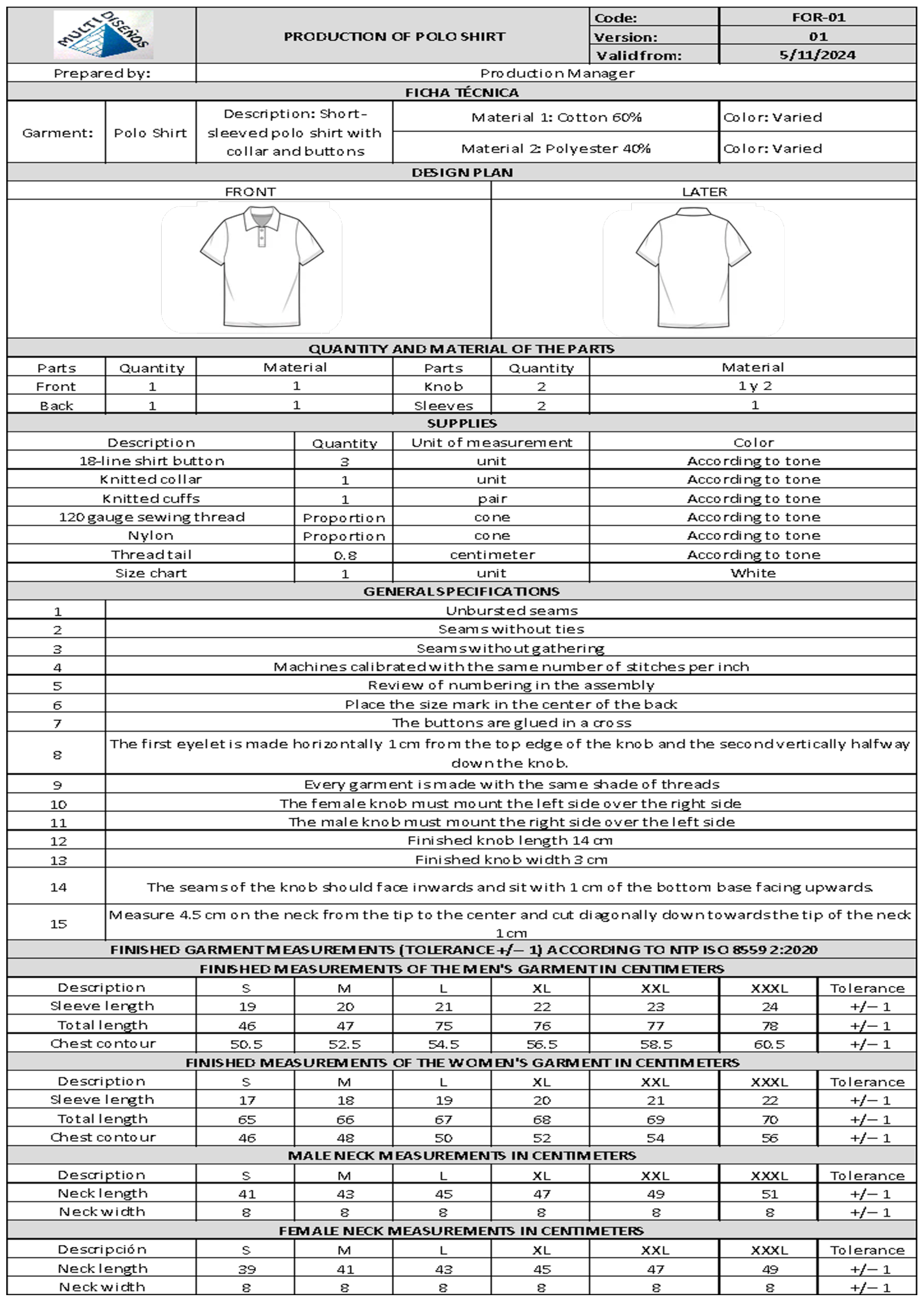
Following the mapping of the current process and the classification of each activity, a proposal for process standardization was developed. As part of this, a technical specification sheet for polo shirt production was developed, presented in Figure 2, detailing essential elements such as fabric type, available colors, dimensions, seam types, and finishing requirements to guarantee compliance with design and quality standards. The document also provides clear cutting and sewing instructions, as well as specifications for accessories like buttons and labels, ensuring that all team members work under the same guidelines. This approach not only helps to minimize errors but also strengthens quality control and streamlines production. In addition, new standardized procedures and records were introduced to meet operational needs more efficiently.
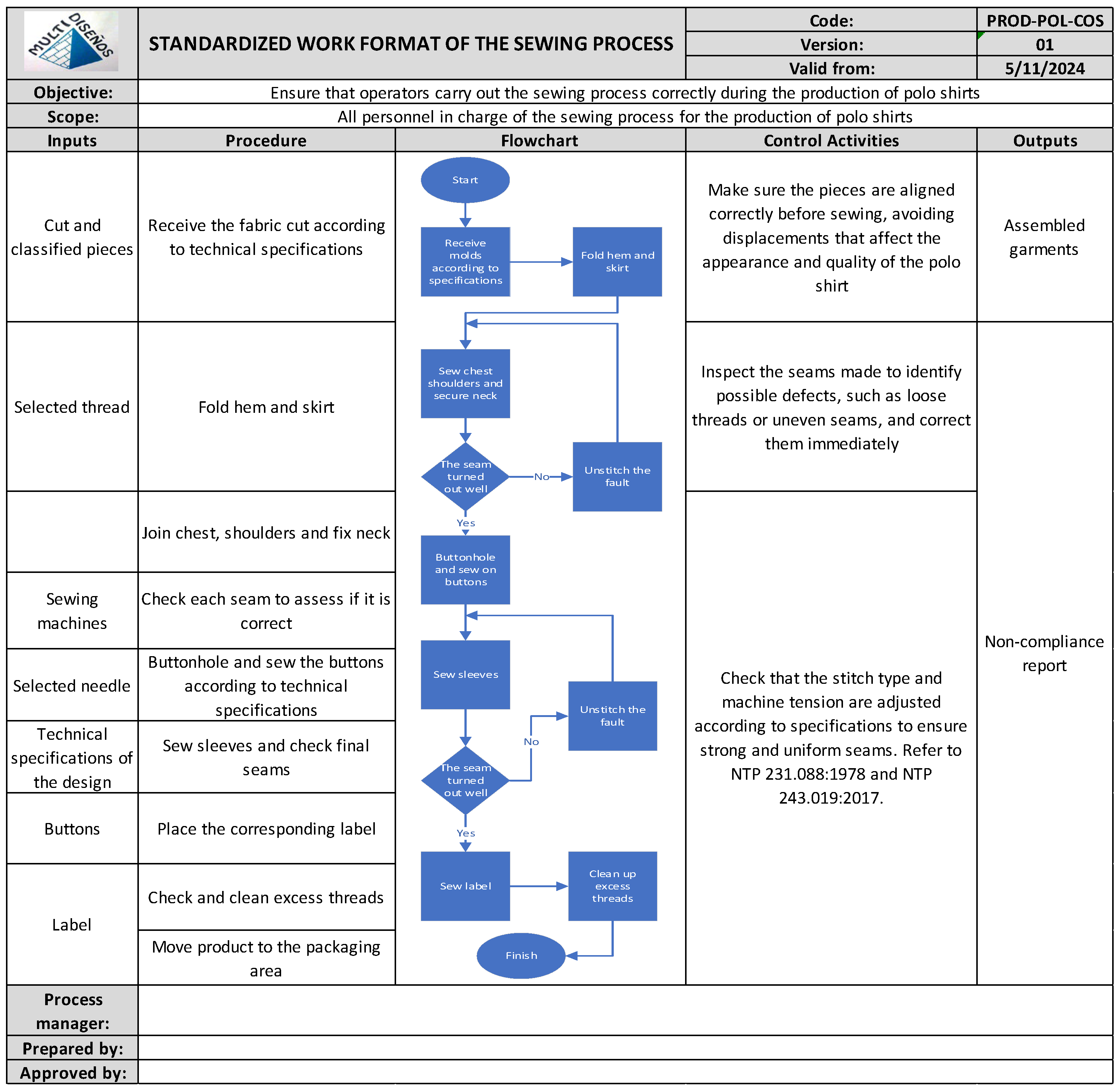
These standardized formats serve as a reference throughout the entire production process. They document the work sequence, required times, and technical specifications for every stage from fabric cutting to garment assembly and final packaging. Each step is described in detail to maintain uniformity and product quality. For instance, Appendix B illustrates the standardized work format for the sewing process, specifying the procedures and quality checks needed to optimize this critical operation.
The structure of these formats is designed to ensure clarity, order, and efficiency. They begin by defining the objectives, stating both the purpose and the expected results, followed by the scope, which determines the processes or areas covered. The necessary inputs, such as raw materials or operational data, are then identified, and the sequence of tasks is broken down step by step to ensure consistent execution. A flowchart is also included to visually represent the process, making it easier to understand and helping to detect potential inefficiencies.
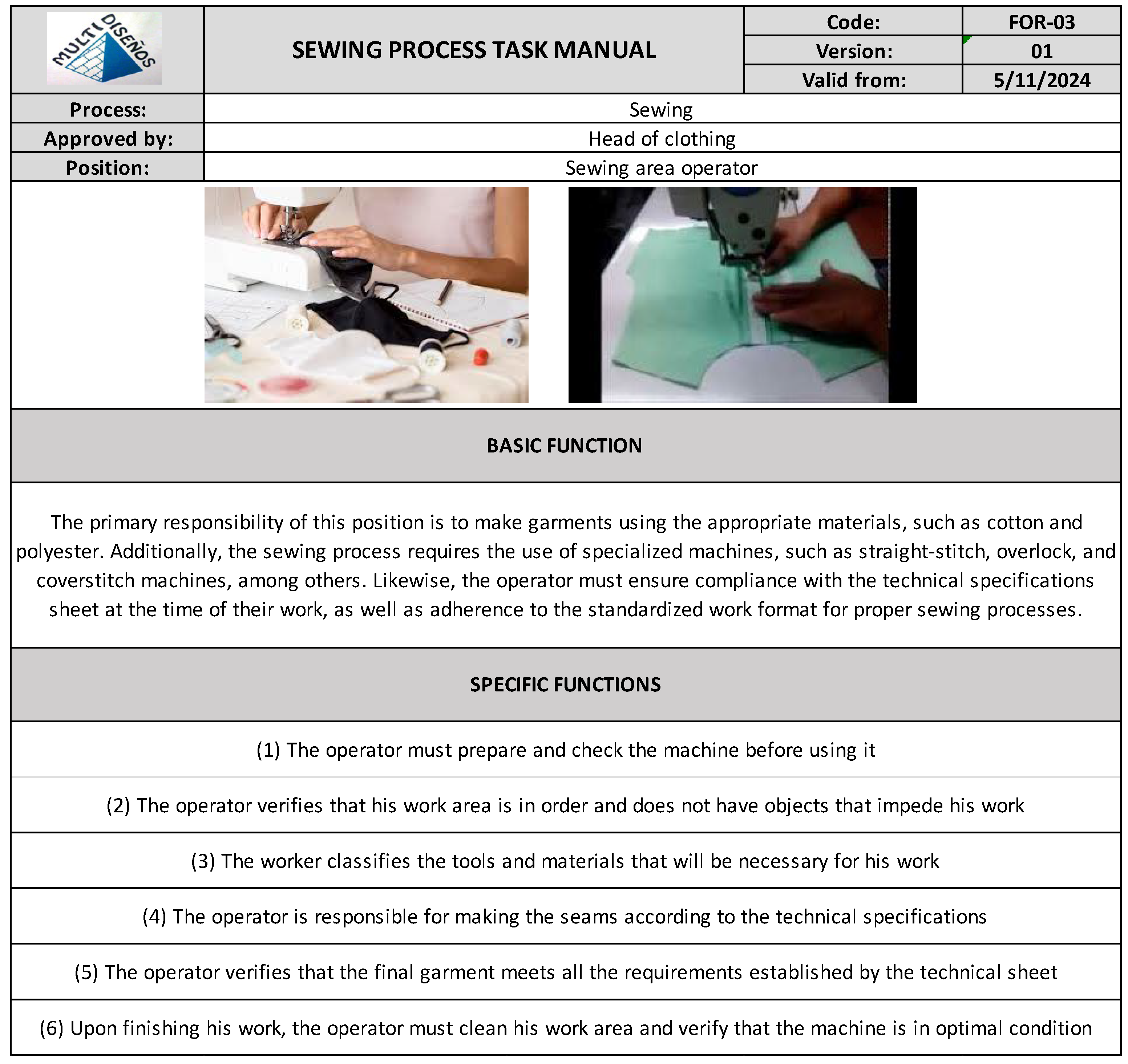
Furthermore, these formats incorporate control mechanisms that guarantee quality and operational consistency. By unifying procedures, they reduce process variability and lower the risk of mistakes. The expected results are clearly stated and aligned with organizational objectives, and each format designates a person responsible for monitoring, validating, and ensuring compliance. This fosters a culture of continuous improvement and operational excellence. As an example, Appendix C presents a function manual outlining both the general and specific responsibilities within the sewing process.
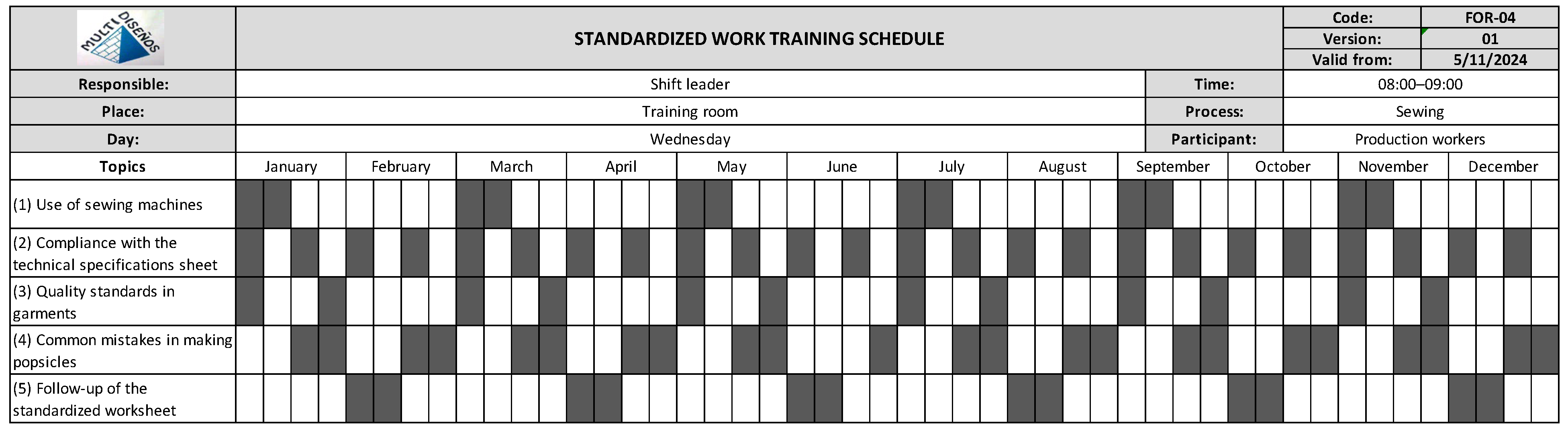
Finally, a continuous training plan for staff is programmed to ensure they become familiar with the new formats, which are illustrated in Appendix D.
In this final phase, the proposed model is implemented with detailed monitoring and evaluation of key indicators, documenting improvements and actions for continuous improvement. The implementation involved the integration of both Standardized Work and a Poka Yoke system using artificial vision, applied directly to the sewing process. Throughout this stage, data was collected systematically to track performance variations and ensure alignment with the expected outcomes. Special attention was given to operational consistency, reduction in human error, and early identification of process deviations.
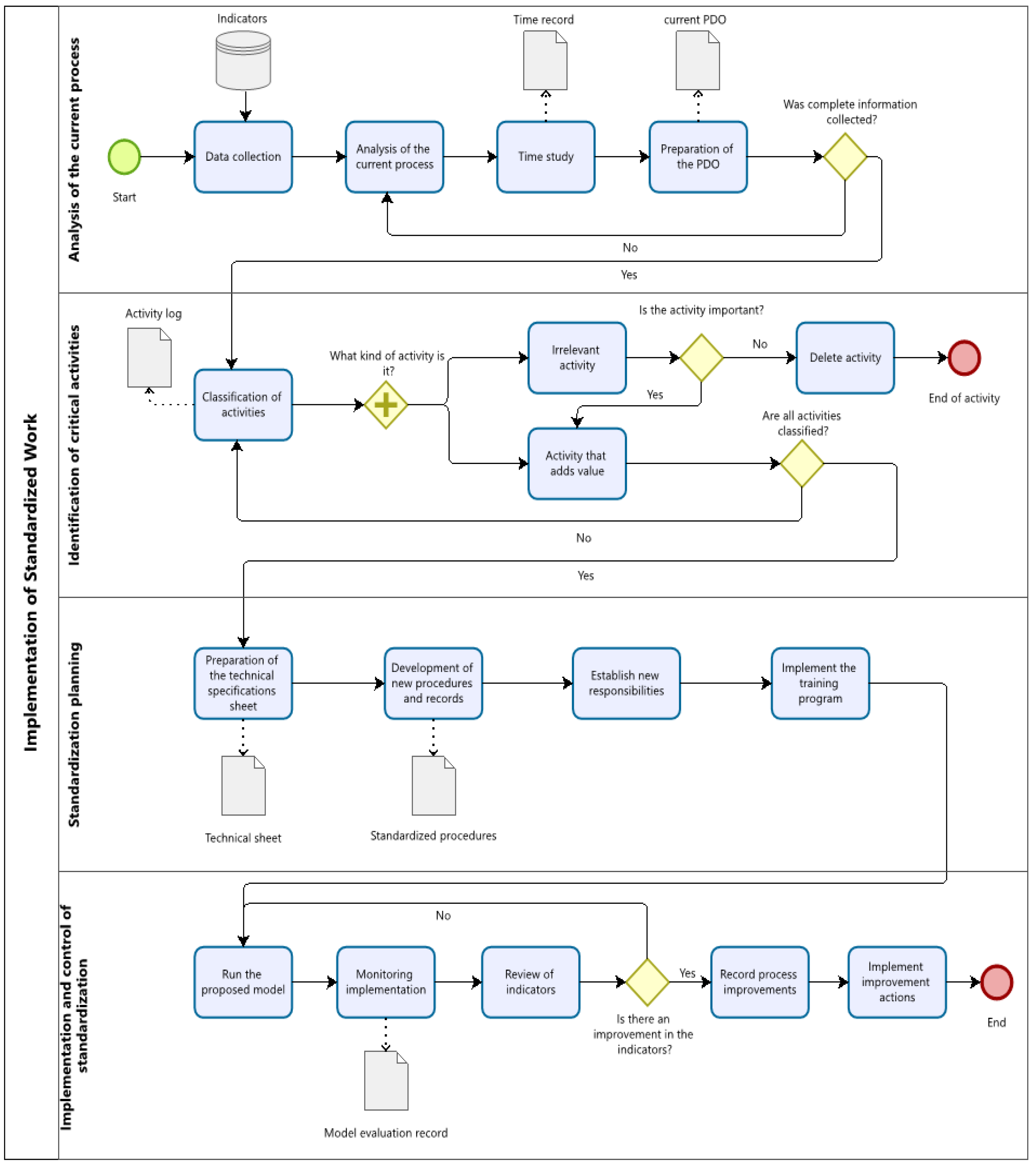
In parallel, operator feedback was gathered to support the refinement of the implemented measures and to promote active participation in the improvement cycle. Figure 3 provides a visual summary of the four phases of the model through a flowchart, illustrating the structured progression from initial diagnosis to final implementation, with emphasis on adaptability and replicability in similar production environments.

4.2.2. Poka Yoke with Artificial Vision

Today, traditional error detection methods have low efficiency, high error rates, and high costs. In addition, in demanding work environments, these methods can pose health risks to workers [51]. The Fourth Industrial Revolution, known as Industry 4.0, involves transitioning traditional production processes to more automated systems through the integration of new technologies, such as artificial intelligence (AI) and the Internet of Things (IoT). These technologies can efficiently analyze and diagnose without human intervention [52].
In the textile sector, quality inspection is traditionally carried out through direct physical and visual review. While effective to a certain extent, this method requires significant investment in inspector training, both in time and financial resources, and typically achieves an accuracy rate of only 60% to 75% [53]. The Poka Yoke system in this study is enhanced with machine vision technology to automatically detect defects such as missing labels or stitching errors during production. While traditional Poka Yoke relies on mechanical devices or manual checks to prevent mistakes, integrating artificial vision provides real-time, consistent detection and immediate feedback for corrective action. This approach strengthens error-proofing in small-scale textile operations without requiring extensive human supervision, offering a scalable solution for improving quality and process reliability. In contrast, automated inspection systems offer a faster and more reliable alternative, allowing defects to be detected early in the process and reducing waste. Computer-assisted monitoring not only improves detection rates but also helps to lower operational costs [54]. In recent years, machine vision technology has emerged as a particularly valuable solution, thanks to its ability to analyze features, dimensions, and defects with high precision. Notably, modern edge detection techniques have achieved accuracy levels above 90% in dimensional measurement tasks, surpassing the capabilities of manual inspection [55].
In this study, the proposed solution focuses on implementing an automated label detection system for polo shirts, using computer vision to ensure consistent quality and reduce the rework caused by human oversight. The system would be integrated directly into the production line, inspecting each garment in real time as a preventive control before it proceeds to the next manufacturing stage.
The core of this solution is a Deep Learning–based object detection algorithm, trained with a dataset containing images of garments both correctly and incorrectly labeled. Once trained, the model can determine whether a polo shirt has its label and whether it is positioned correctly. This approach aims to strengthen quality assurance, decrease reliance on manual inspections, and guarantee greater consistency in labeling.
During operation, the system will analyze each garment as it passes through the inspection station. If the label is detected in the correct position, a green light will be activated, signaling to the operator that the garment meets the standard and can advance to embroidery. If the label is missing or misplaced, no signal will be triggered, prompting the operator to check and correct the issue immediately. This mechanism ensures early error detection, preventing defects from accumulating in later stages.
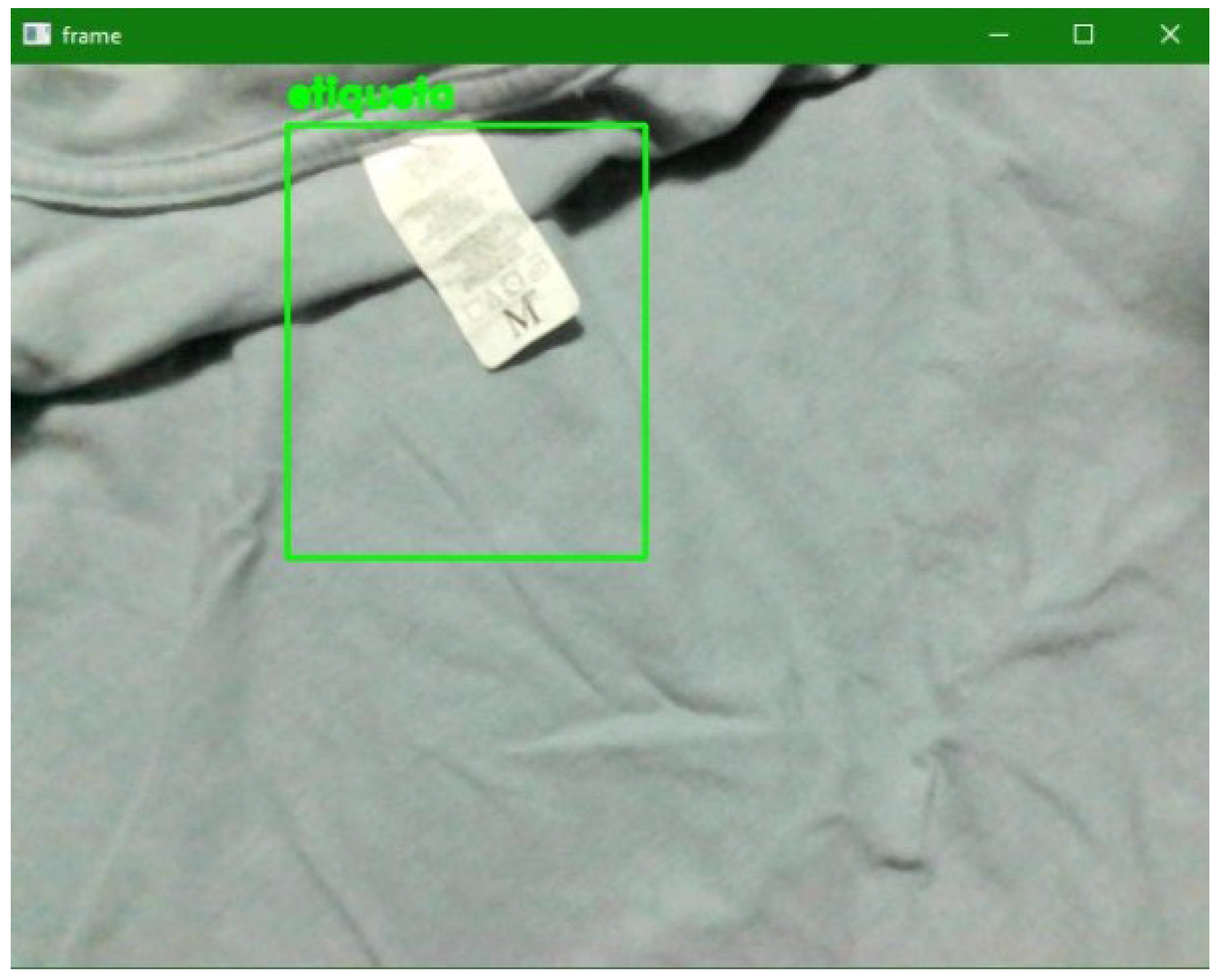
As proof of concept, an object recognition program was previously tested for identifying polo shirts in video frames, as shown in Figure 4. Using a dataset of 350 images, the model was trained to distinguish between frames with and without the garment, achieving a high detection accuracy. This methodology will be adapted to label identification in the textile industry, providing an efficient and fully automated way to improve traceability and strengthen quality control throughout the production of polo shirts. In related work, edge detection algorithms such as Sobel and Canny have demonstrated superior performance in identifying object contours, which are essential for accurate dimensional analysis and image-based object recognition in industrial environments [56]. The Python code, from software version 3.11, used for object detection is provided in Appendix A [57].
The error detection system was trained with a dataset of 831 images, consisting of 359 positive cases (with label) and 472 negative cases (without label). The dataset was stratified into 70% for training, 15% for validation, and 15% for testing, in order to ensure an adequate number of examples for classifier learning while also providing independent subsets for parameter tuning and performance evaluation.
In the testing phase, applied to a sample of 200 images, the system correctly identified 111 positive cases and 74 negative cases, while producing 9 false negatives and 6 false positives.
  • Precision = 111 120 × 100 % = 92.5 %
  • Recall = 111 117 × 100 % = 94.8 %
  • Overall accuracy = 185 200 × 100 % = 92.5 %
These results demonstrate a robust and balanced performance, confirming that the integration of the Poka Yoke tool with computer vision constitutes an effective solution for reducing errors in the inspection process.
The proposed model integrates Lean Manufacturing and Industry 4.0 under a complementary framework. Lean tools such as Standardized Work and Poka Yoke establish the foundation for operational discipline and waste reduction, while Industry 4.0 concepts strengthen these tools through digital traceability, data collection, and real-time monitoring. This interaction enables a continuous feedback loop where information from connected systems supports decision-making, enhances error detection, and reinforces the sustainability of productivity improvements.

4.3. Validation Method

For the validation of the proposed productivity improvement model, simulation using Digital Twin technology has been chosen. This tool allows the creation of a virtual replica of the physical production system, using real data to predict the performance and capabilities of a process or product [58]. By digitizing the production line, it is possible to evaluate the impact of the application of Standardized Work and Poka Yoke supported by artificial vision in real operating conditions. This will help identify opportunities for improvement and project performance benefits without impacting the company’s operations. Through this simulation, key indicators will be analyzed, ensuring a reliable projection of the expected results after the implementation of the model.
An open-source platform for Digital Twins and Virtual Engineering has been proposed as an alternative to facilitate the adoption of Industry 4.0 within companies. This design consists of three main components: 3D object management, a virtual environment module and its corresponding interface [59].
It is possible to create a Cyber-Physical Production System for an existing industrial production plant. Based on the information provided by the installed PLCs, a vision-based multi-object tracking system was implemented, which allows for the precise real-time identification and location of products within the plant. This real-time data is integrated into a visual model of discrete events via an OPC-UA server, resulting in an accurate digital twin and real-time visual representation of the industrial process [60].
Currently, the company’s processes are at a critical risk level. For this reason, to determine whether the proposed solution has a favorable impact on the company, the aforementioned indicators are measured and shown in Table 1.

5. Results

5.1. Results of the Problem Analysis

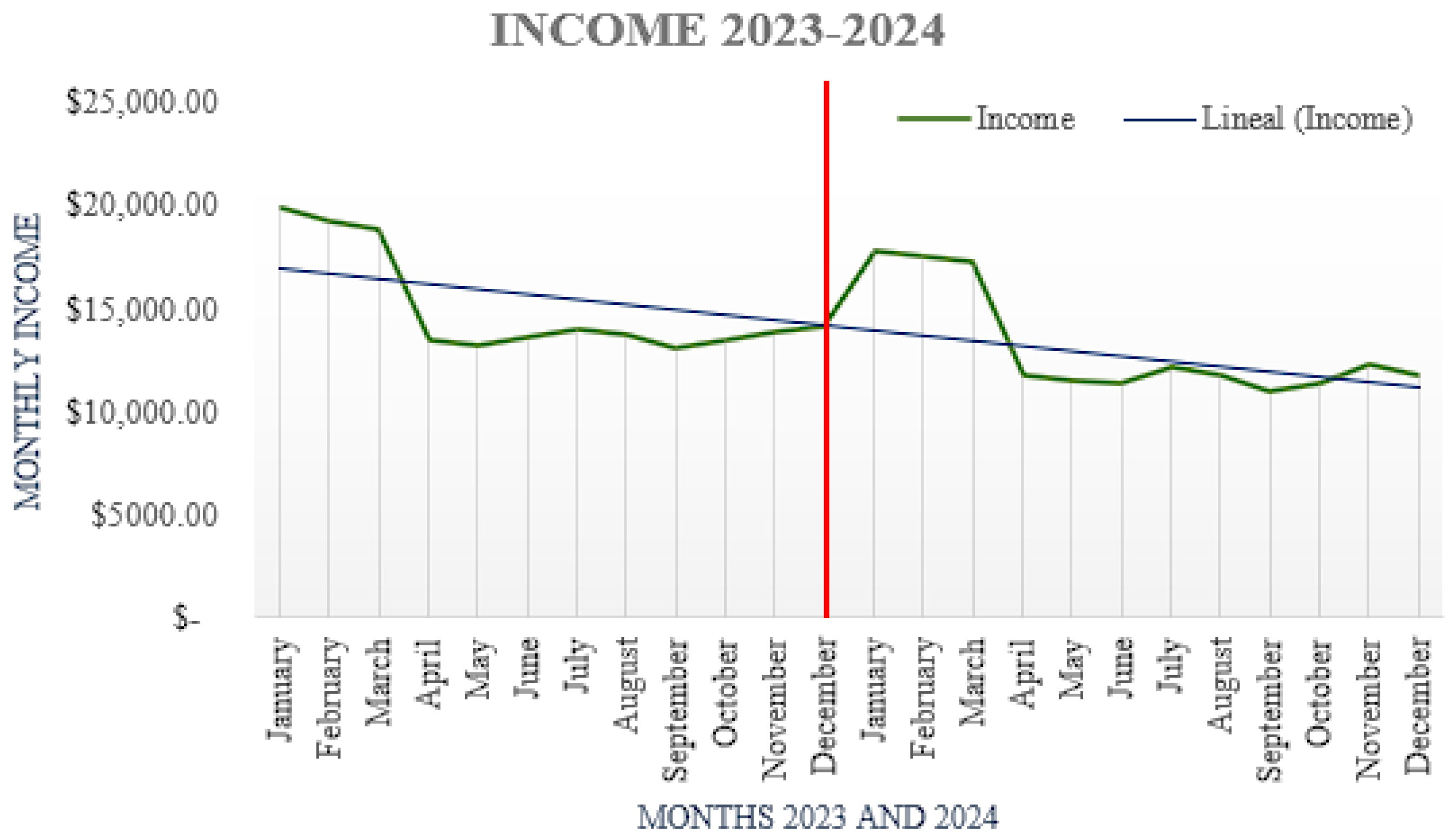
The analysis was conducted in a Peruvian textile company whose main product is short-sleeved cotton polo shirts. Based on the review of operational and financial records from 2023 and 2024, a consistent decline in revenue and an increase in operating costs were identified, signaling potential inefficiencies in the production process. Figure 5 summarizes the income in 2023 and 2024. These findings supported the need to conduct a detailed diagnostic phase to understand the root causes, focusing on process performance, rework levels, and production flow disruptions.
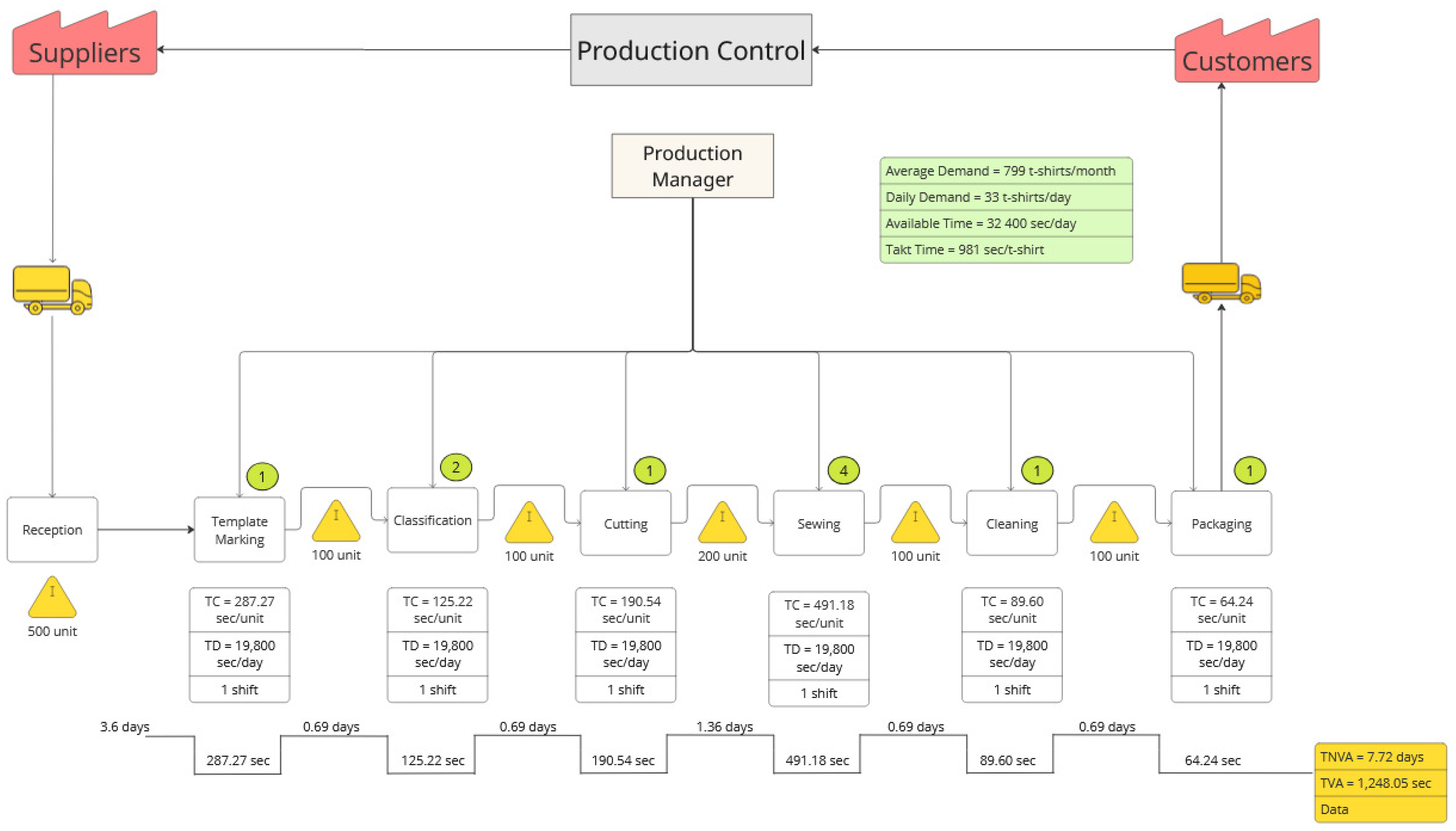
Figure 6 illustrates the Value Stream Mapping (VSM) of the case study, detailing process durations, human resource allocation, product demand, and idle times across the production flow. Through this analysis, it was possible to distinguish activities that contributed value from those that did not, while also pinpointing bottlenecks that caused delays in production. The evaluation further allowed for the calculation of essential parameters, including takt time, representing the production rate required to meet customer demand, and the cycle time for each process stage.
Once the mapping was completed, a detailed time study was carried out using systematic observation and accurate data recording at every phase of the polo shirt manufacturing process. This involved breaking the workflow into individual tasks, timing several repetitions of each operation, and determining the average time along with its standard deviation to guarantee consistency and accuracy.
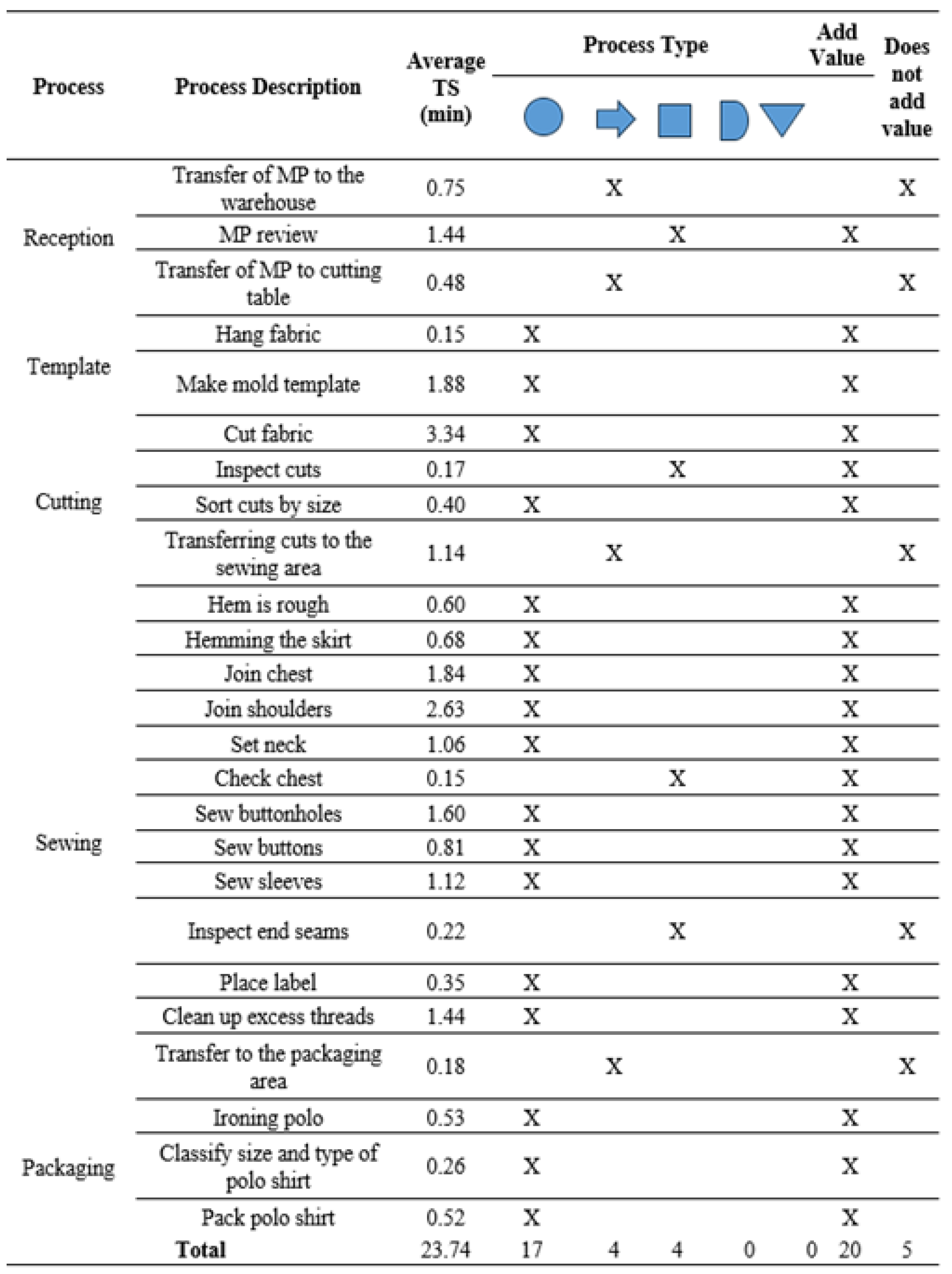
By applying this methodical approach, standard times were defined for all activities, whether they involved manual labor or machinery. The findings indicated that producing a single garment required a total standard time of 23.74 min. This figure became a critical baseline indicator for the company, allowing for the quantification of current performance levels and the identification of improvement opportunities. The standard time not only supported the diagnosis of process inefficiencies but also provided a foundation for setting productivity goals, evaluating operator performance, and designing improvement strategies aimed at optimizing both the efficiency and effectiveness of the production system.
According to Figure 7, the standard time for the polo shirt making process is 23.74 min, with 20 value-added activities and 5 non-value-added activities, mainly in the sewing process. Therefore, a Failure Modes and Effects Analysis (FMEA) was performed to identify potential failures at each stage of the process.
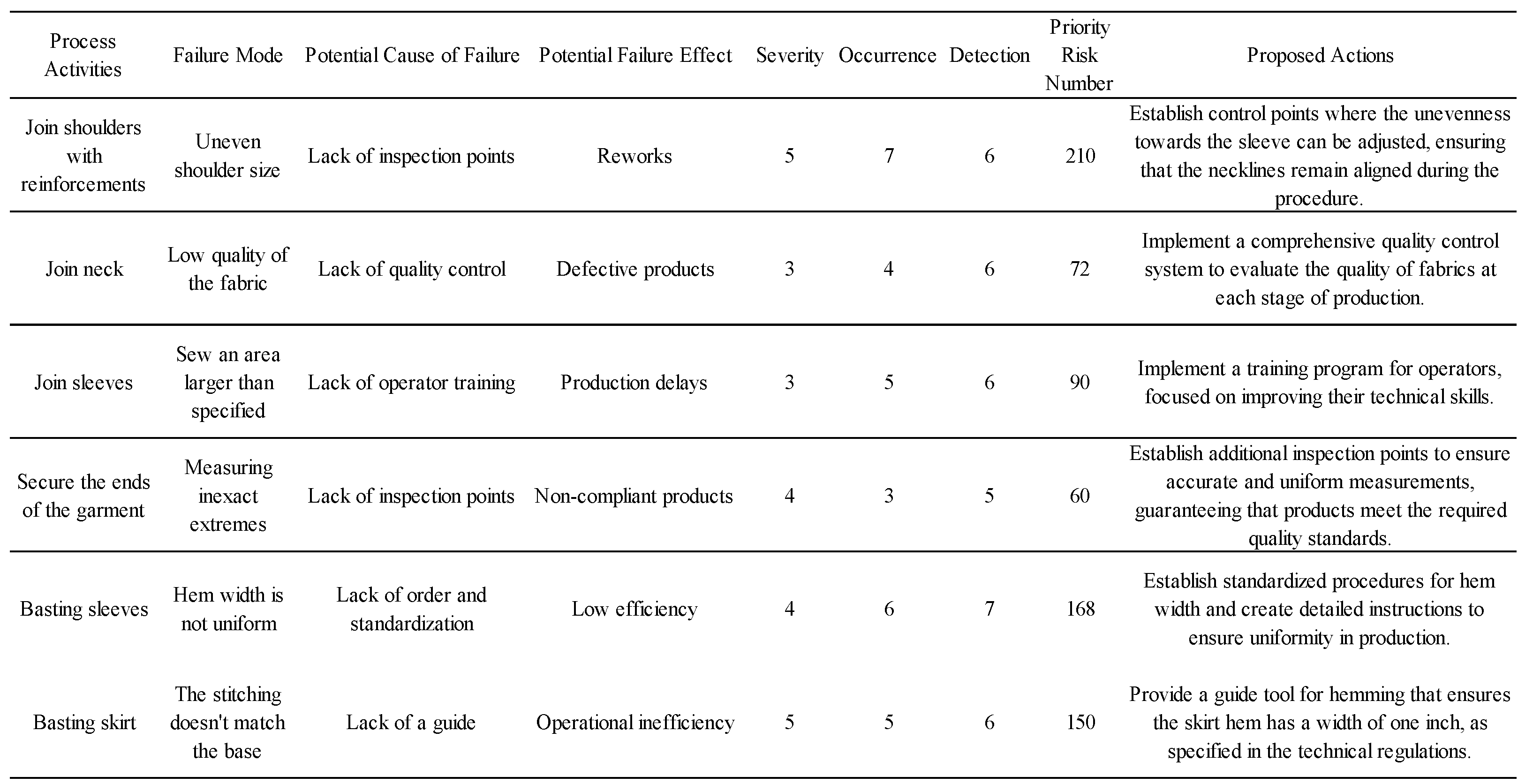
The FMEA tool, Figure 8, provided us with the possible causes that impact the production process. However, together with the company’s operators, a detailed record of the incidents of problems detected was carried out, which made it possible to identify the most frequent problem in the manufacturing process of the polo shirts.
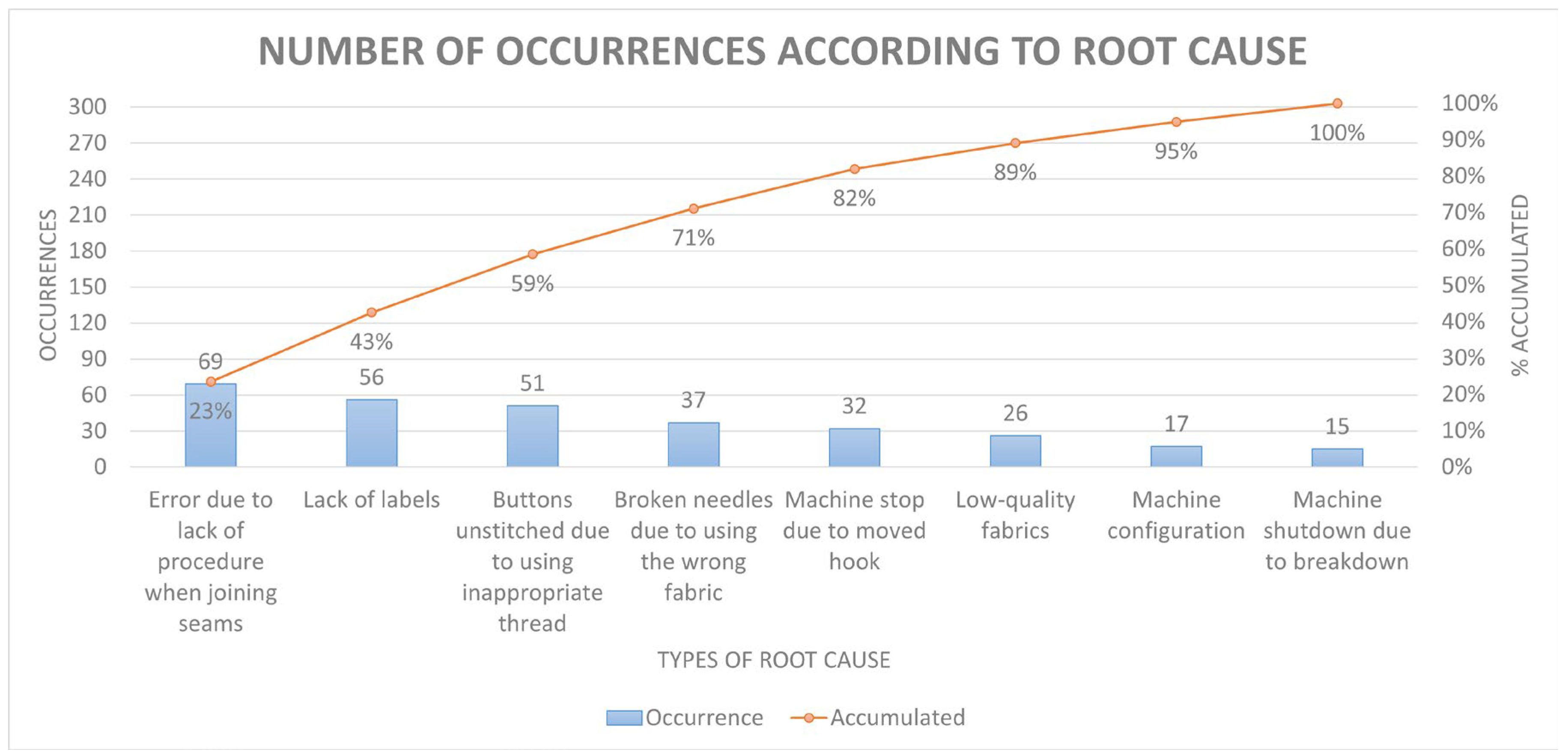
As shown in the Pareto diagram in Figure 9, errors in joining the seams due to the lack of an established procedure are followed by the absence of labels on the polo shirts, buttons being unfastened due to the use of improper thread, and needle breakage caused by the use of incorrect fabric, which are the most relevant causes in the polo shirt manufacturing process.

5.2. Results of the Validation

Modeling is defined as the process of developing representations of a system, process, or phenomenon for the purpose of studying it, performing simulations, and formulating predictions. The main objective of this methodology is to facilitate the analysis of how the various changes can impact the system, as well as to optimize its operation. Currently, the development of virtual systems provides a robust tool for the evaluation of multiple scenarios. In this context, the implementation of modeling in the manufacturing industry has brought substantial benefits to production processes.
In particular, in the construction sector [61], they point out that digital replicas are crucial for the optimization of industrialized manufacturing and can accompany projects throughout their life cycle; this is useful as it allows a person to simulate different scenarios and analyze the results for more efficient project execution. On the other hand, in the metalworking sector [62], they indicate that this technology offers new perspectives for process analysis and contributes to the prediction of failures in the forming of metal sheets, in order to improve the quality of the final product. Finally, in the textile industry [63], it has been demonstrated how the simulation of the production process facilitated the evaluation of the effectiveness of a proposed improvement model with respect to the existing one, in addition to allowing the proposal and evaluation of the potential impact of alternative models on the production line.
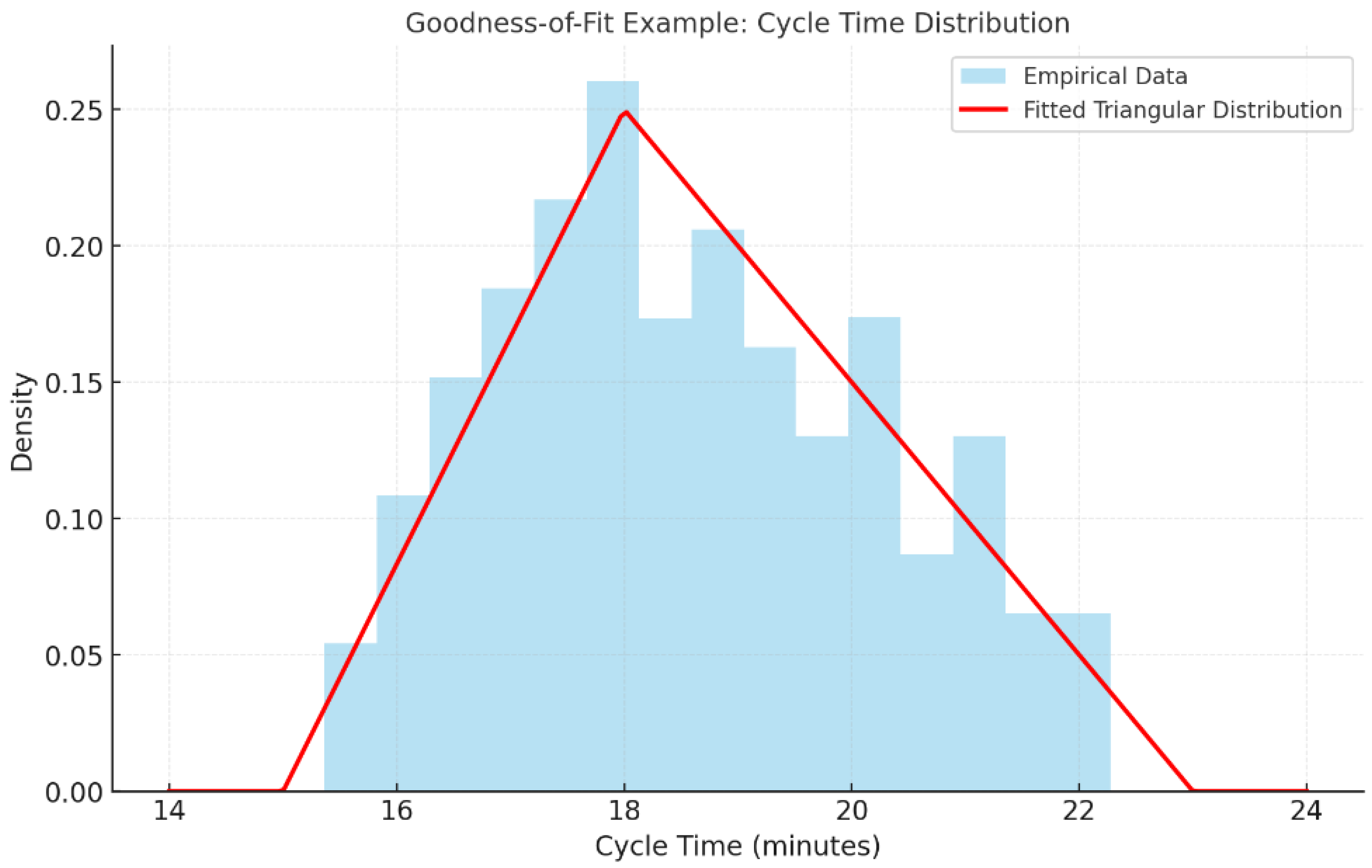
For the efficient analysis of the case study, the simulation of the cotton polo shirt production line was applied. Initially, the current state of the company was modeled with the aim of measuring the reliability of the model, contrasting it with the real indicators of the process. To this end, the following distributions, as shown in Table 2, are proposed at each stage of the process. To ensure the statistical representativeness of the distributions, historical data of cycle times and defect rates were collected from the sewing process. These data were analyzed using SIMIO’s Input Analyzer version 17, which tests multiple candidate distributions. Goodness-of-fit tests, including the Kolmogorov–Smirnov and Chi-square tests, were applied to evaluate the adequacy of each case. The selected parameters correspond to the distribution that minimized the squared error and thus best represented the empirical data. This procedure guarantees that the stochastic behavior incorporated in the simulation reflects the real variability of manual operations in the textile process. Figure 10 illustrates the fit of the selected triangular distribution for the sewing times. The histogram of the empirical data reveals a unimodal distribution with a slight skew, a common characteristic in manual processes where clear operational boundaries exist but execution varies. The superimposed triangular probability density function with a minimum near 15 min, a maximum at 23 min, and a pronounced mode at 18 min effectively captures these features. The visual congruence between the model and the observed data not only validates the results of the goodness-of-fit tests but also confirms that the triangular distribution is a robust analog for representing the nature of the sewing process within the simulation model.

5.3. Analysis of the Current Process

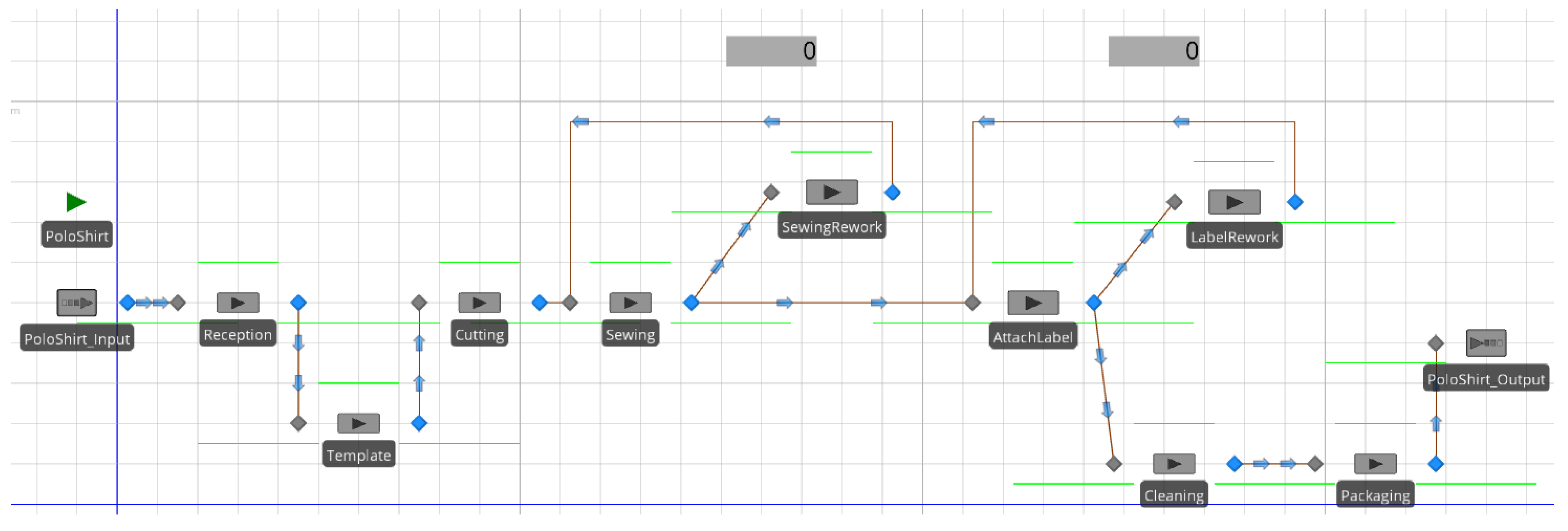
The time distribution for each process was derived from a dedicated study conducted specifically for the case study. Once these distributions were determined, the systematic model of the current cotton polo shirt production process was developed using the SIMIO LLC software version 17. The main objective of this modeling stage was to simulate the operational indicators of the real process and, in this way, validate the fidelity of the base model with respect to the existing operation. Figure 11 illustrates the simulation model representing the current state of the production process.
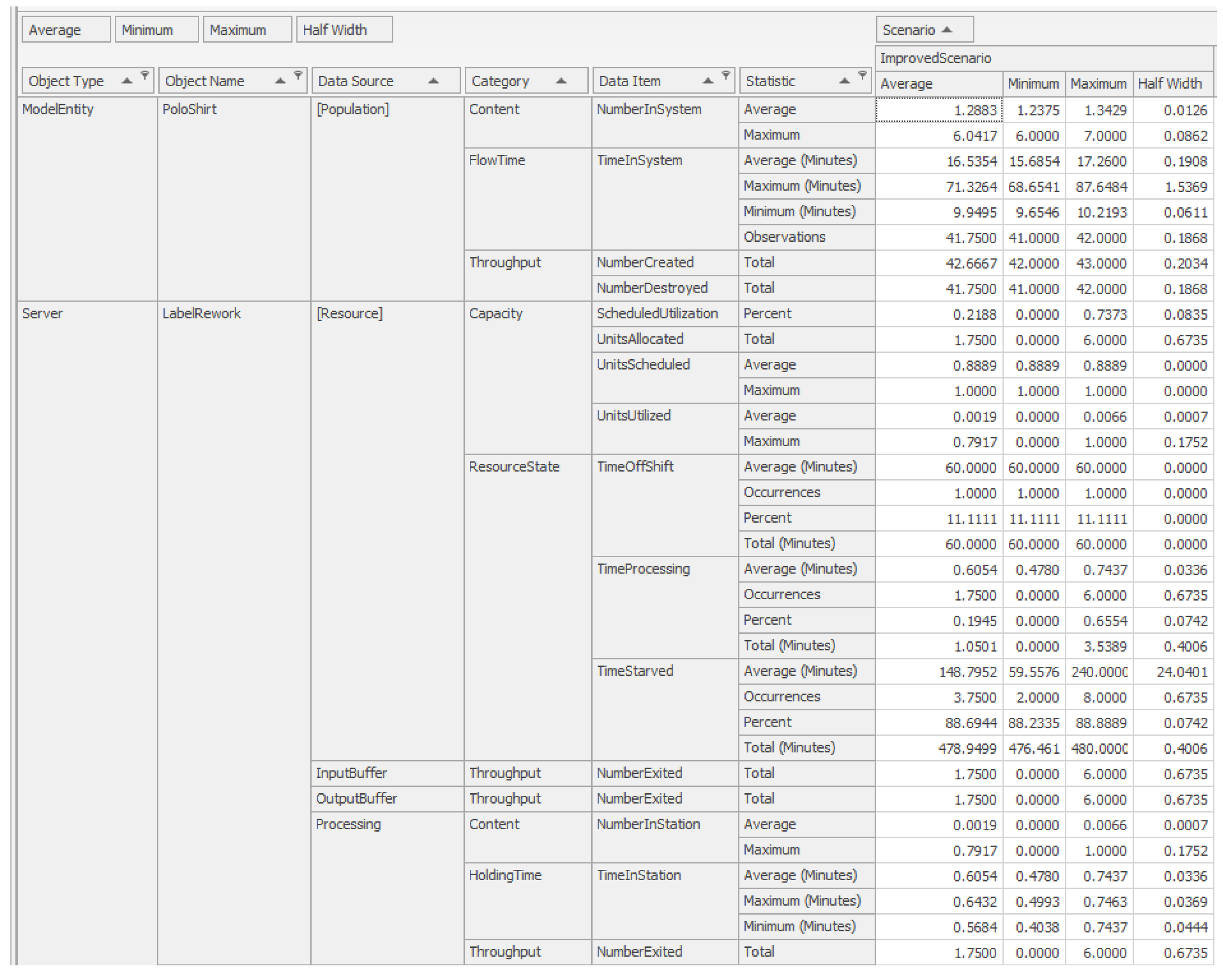
The simulated production was generated in SIMIO version 17 over a full year, using company demand parameters as input, and the resulting simulated output is presented in Figure 12. In addition to the Digital Twin validation, goodness-of-fit metrics were applied to compare simulated and actual results. The comparison between real and simulated monthly production is shown in Table 3. This analysis yielded a Mean Absolute Error (MAE) of 19 units per month. Relative to an average monthly output of 798 units, this corresponds to a relative error of 2.38%. These results confirm that the model reliably reproduces actual productivity behavior, while leaving a small but acceptable margin that could be further refined through additional calibration.

5.3.1. Analysis of the Improvement Proposal

Once the validity of the As Is simulation model was confirmed, the improvement proposals were incorporated into a new model (hereinafter, To Be model). These improvements, which involve the Standardized Work tools and Poka Yoke (previously exposed), were implemented in the virtual system with the aim of evaluating their impact. Specifically, it was sought to: (a) reduce the average production time and errors in the production process through Standardized Work, and (b) reduce the number of labels reprocessed using Poka Yoke. It is essential to note that, to ensure a fair comparison, the To Be model was executed under the same operational parameters (production volume, working hours) as the As Is model.
The calibration of the productivity parameters was based on observed production outcomes before and after implementing standardized work procedures and a vision-based error-proofing system. The average production time per unit decreased from roughly 23.7 min to 16.5 min, while the sewing defect rate dropped from 28.4% to 8.9%. These improvements were used to adjust the simulation model so that predicted productivity aligned closely with real-world results, as shown in Figure 13. The non-linear behavior of productivity arises from the inherent variability in processing times and defect occurrences, where extreme values are less likely and most events cluster around typical values. This stochastic nature means that as processes stabilize, additional improvements in cycle time or defect prevention yield smaller incremental gains, resulting in a concave, non-linear relationship that accurately reflects the real dynamics of the textile production process.

5.3.2. Mathematical Model Testing

To evaluate the effectiveness of the proposed model, a test scenario was developed using updated and field-validated values. This simulation demonstrates how reducing cycle time and rework rate according to the implemented level of improvement (x1) directly influences overall productivity.
Initially, estimated coefficients of α = 3 (a full implementation reduces cycle time by 3 min) and β = 0.10 (a full implementation reduces the rework rate by 10 percentage points) were considered for the preliminary analysis. However, based on post-deployment data, the cycle time was reduced from 23.74 min to 16.54 min, and the sewing rework rate from 28.43% to 8.94%. To adjust the model accordingly, the coefficients of improvement were calculated as follows:
α =   C T 0 C T f i n a l = 23.74 16.54   = 7.20
β = r 0 r f i n a l = 0.2843 0.0894 = 0.195
Assuming full implementation of improvements (x1 = 1), the model becomes:
Y = 1 23.74 7.20   ×   ( 1 0.2843 + 0.195 )
Y = 1 16.54 × 0.9107 = 0.0551   u n i t s / m i n
To convert this value to productivity in units per US$, the labor cost of an operator in a typical SME textile company in the commercial emporium of Gamarra, in Lima, Peru, was estimated. According to company data, the average salary is approximately US$16.81 for an 8 h workday, which is equivalent to US$2.1 per hour or US$0.035 per minute.
Y = 0.0551   u n i t s / m i n 0.035   U S $ / m i n = 1.574   u n i t s / U S $
This result reflects a 173.74% improvement in productivity compared to the base value of 0.575 units/US$, confirming the positive impact of standardized work procedures and the implementation of an improved Poka Yoke system with machine vision technology on operational efficiency.

6. Discussion

6.1. Scenario vs. Results

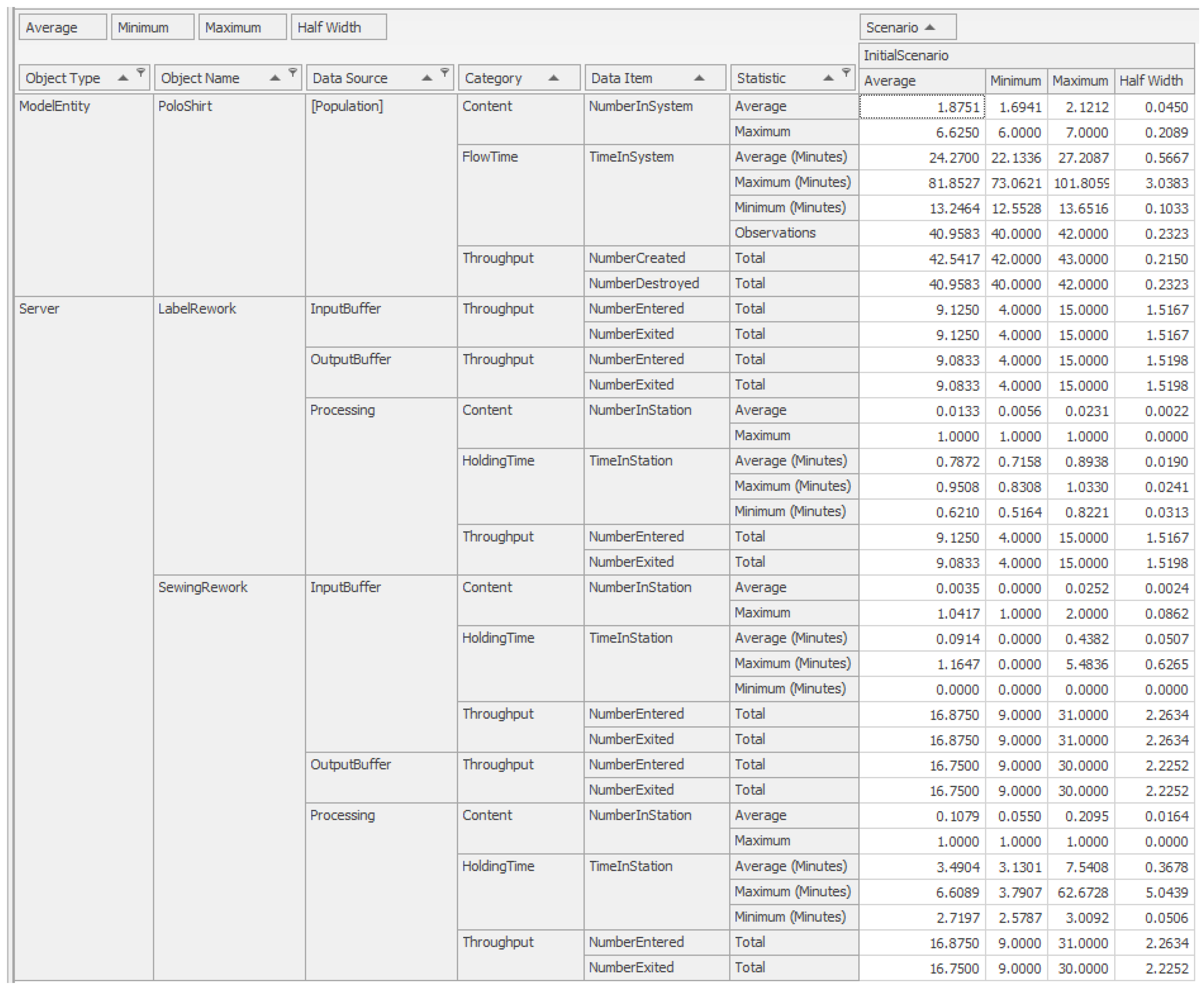
To evaluate the effectiveness of the proposed improvement model, a comparative analysis was conducted between the baseline scenario (current state) and the post-implementation scenario. This evaluation was based on key performance indicators such as rework rate, cycle time, and overall productivity. By simulating both scenarios under equivalent operating conditions, it was possible to measure the quantitative impact of the implemented strategies and validate their contribution to enhancing process efficiency and product quality. The following section presents the results of this comparison, highlighting the improvements achieved through the application of Standardized Work and Poka Yoke with artificial vision. A comparative analysis of the key performance indicators between both simulation models (As Is and To Be) is presented in Table 4 below.
Following the joint implementation of Standardized Work, the Poka Yoke system, and the use of machine vision, noticeable improvements in productivity were achieved. In the initial scenario, the company recorded a productivity of 0.575 units per US$, affected by variability in the execution of tasks and reprocesses. With the proposal applied, productivity increased to 1.574 units per US$, which represents an improvement of 173.74%. This combination of tools made it possible to better organize operations, reduce interruptions and ensure a more efficient execution of the production process.
In addition, the reduction in sewing rework was another of the most relevant achievements. Before the intervention, the percentage of products with errors reached 28.43%, generating constant rework and waste of materials. The comprehensive application of tools to detect visual failures in real time allowed this percentage to be reduced to 8.94%. This decrease directly impacted the quality of the final product, facilitating a more continuous and reliable workflow.
To further strengthen the reliability of these results, 95% confidence intervals (CIs) were calculated for the key metrics. For the As Is scenario, productivity ranged from 0.57 to 0.62 units/US$, sewing rework from 27.3% to 29.7%, and cycle time from 23.8 to 25.0 min. In the To Be scenario, the corresponding intervals were 1.50–1.65 units/US$ for productivity, 8.0–9.8% for sewing rework, and 16.0–17.0 min for cycle time. These intervals capture the inherent variability of the process and simulation assumptions, providing a more robust assessment of performance improvements. The inclusion of confidence intervals confirms that the observed enhancements are statistically meaningful, reinforcing the effectiveness of the implemented Standardized Work procedures and Poka Yoke system with machine vision.
Scenario comparison demonstrates a comprehensive improvement in process performance. The increase in productivity and the decrease in rework reflect an optimization of both human and technological resources. These results show that the application of simple but well-integrated tools can generate significant impacts on operational efficiency and product quality, while laying the groundwork for more sustainable production practices.
Beyond improvements in productivity, the proposed approach also entails implications for cost efficiency and environmental performance. By reducing rework and minimizing defective output, the company lowers material waste and associated labor expenses, which directly translates into lower unit costs. At the same time, fewer defective garments mean a reduction in textile waste and resource consumption, supporting more sustainable production practices. These additional benefits highlight the broader relevance of the model, as it not only enhances operational efficiency but also contributes to economic and environmental goals increasingly valued in the textile sector.
Moreover, the results obtained in this study can be compared with both local and international textile productivity standards. While local studies in Peru report productivity figures primarily focused on labor-based outputs, our model considers total productivity, integrating both labor and operational efficiency. In a broader context, international guidelines and benchmarks, such as those from ISO manufacturing standards, indicate comparable improvements in productivity when Lean and Poka Yoke principles are systematically applied. This alignment suggests that the approach not only meets local expectations but also conforms to global best practices in textile manufacturing, reinforcing its relevance and applicability across diverse industrial environments.

6.2. Comparison with the State of the Art

The validation of the proposed model demonstrated a significant improvement in the operational efficiency of the garment manufacturing process, reaffirming the effectiveness of integrating continuous improvement tools such as Standardized Work with accessible technological solutions like vision-based Poka Yoke. The proposed approach effectively targets key sources of variability and operational error, enhancing process consistency while minimizing reliance on subjective human judgment. Evidence from prior research demonstrates that computer vision technologies can significantly reduce inspection times and error rates in high-volume manufacturing environments [64]. The integration of Lean methodologies with vision-based systems enables structural improvements in quality control and production stability, confirming that well-planned interventions can deliver substantial impact even under resource constraints.
Unlike studies that depend on considerable investments in advanced infrastructure, such as high-resolution imaging equipment and sophisticated monitoring platforms [65], this model illustrates that notable performance gains can be achieved through cost-effective, scalable solutions tailored to the operational realities of micro and small enterprises. This distinction is particularly relevant in the Peruvian textile sector, where limited capital availability often hinders the adoption of digital transformation initiatives. While industries such as automotive have advanced toward Industry 4.0 through tools like Industrial IoT and Big Data analytics to refine design and manufacturing processes [66], the present findings demonstrate that simpler, context-appropriate technologies can deliver results of comparable significance in less industrialized contexts.
In addition, the model’s straightforward design, reliance on accessible tools, and emphasis on root cause elimination contribute to its replicability in other labor-intensive industries. Its scalability potential is derived not from technological sophistication, but from its capacity for strategic integration into existing production workflows. This approach could be adapted to medium-sized companies or to more complex textile processes, such as finishing, dyeing, or printing, where operational variability and quality control challenges are even greater. Recent studies further indicate that vision-based systems supported by neural networks can reliably replace manual operations in textile manufacturing, reinforcing both the relevance and the transferability of such solutions to similar industrial environments [67].
Building on these insights, the findings provide practical guidance for small and medium-sized enterprises in the textile sector, demonstrating that meaningful improvements in productivity and quality can be achieved through accessible, cost-effective interventions. By adopting standardized processes and vision-based Poka Yoke systems, companies can reduce rework, optimize resource use, and enhance overall competitiveness. Furthermore, the study opens avenues for future work, including testing similar approaches across different garments, extending the methodology to more complex processes, and exploring integration with advanced artificial intelligence tools for predictive quality control. These directions reinforce the practical relevance of the proposed model while contributing to the continuous advancement of sustainable and efficient textile manufacturing practices.

7. Conclusions

A study carried out in a small Peruvian textile company examined how productivity could be enhanced by tackling one of its main limitations: the high percentage of rework in cotton polo shirt production. The improvement approach combined Standardized Work with a machine vision-based Poka Yoke system, aiming to reduce variability and operational mistakes from their source.
Standardized Work played a central role in aligning processes, establishing precise and uniform procedures that helped reduce human error and ensured greater operational consistency. Meanwhile, the Poka Yoke mechanism equipped with machine vision technology enabled immediate detection of defects—particularly missing labels and stitching issues—before products reached later stages, significantly decreasing the need for post-production adjustments. This combined strategy delivered a clear positive impact on production performance, driving measurable and lasting improvements. The rework rate decreased substantially from 28.43% to 8.94%, and labeling errors were reduced from 17% to 3.88%. Production cycle time per garment was optimized from 23.74 min to 16.54 min, and overall productivity improved by 173.74%. These results reflect not only increased operational efficiency and product quality but also a significant reduction in resource consumption associated with reprocessing tasks.
In addition to productivity gains, the reduction in rework achieved through Standardized Work and vision-based Poka Yoke decreases the consumption of raw materials and the number of labor hours lost to corrections, resulting in measurable cost savings. Furthermore, by preventing defective garments from moving forward in the line, the system avoids unnecessary use of energy and resources, reducing the environmental footprint of operations. This combined economic and ecological contribution positions the proposed model as a comprehensive strategy aligned with current industry priorities in competitiveness and sustainable practices.
Ultimately, this research confirms that combining Lean Manufacturing principles with accessible Industry 4.0 technologies can produce high-impact results, even in resource-limited environments. The simplicity, replicability and scalability of the proposed model make it a practical solution for other micro and small companies in the textile sector that seek to improve their productivity and competitiveness in a demanding market.

Author Contributions

Conceptualization, M.Á.V. and M.B.V.; methodology, M.Á.V., M.B.V. and J.C.A.; software, M.Á.V. and M.B.V.; validation, M.Á.V. and M.B.V.; formal analysis, M.Á.V., M.B.V., P.C.-R., J.C.A. and R.L.; investigation, M.Á.V. and M.B.V.; resources, M.Á.V. and M.B.V.; data curation, M.Á.V. and M.B.V.; writing-original draft preparation, M.Á.V. and M.B.V.; writing—review and editing, P.C.-R., J.C.A. and R.L.; visualization, M.Á.V. and M.B.V.; supervision, P.C.-R.; project administration, P.C.-R.; funding acquisition, J.C.A. and R.L. All authors have read and agreed to the published version of the manuscript.

Funding

The research presented in this publication was funded by Universidad Peruana de Ciencias Aplicadas, 2025, UPC-EXPOST 2025-2 and The University of Arizona.

Institutional Review Board Statement

Not applicable.

Informed Consent Statement

Not applicable.

Data Availability Statement

All results of the simulation that was included in the paper can be found here: https://doi.org/10.17632/3yyg4bgzrh.2 (accessed on 29 July 2025).

Acknowledgments

This research has been supported by Universidad Peruana de Ciencias Aplicadas and The University of Arizona.

Conflicts of Interest

The authors declare no conflict of interest.

Appendix A

i m p o r t   c v 2
c a p   =   c v 2 . V i d e o C a p t u r e ( 1 ,   c v 2 . C A P _ D S H O W )
m u g c l a s s i f   =   c v 2 . C a s c a d e C l a s s i f i e r ( c a s c a d e . x m l )
w h i l e   T r u e :
r e t , f r a m e =   c a p . r e a d ( )
  g r a y = c v 2 . c v t C o l o r ( f r a m e ,   c v 2 . C O L O R _ B G R 2 G R A Y )
  M U G = m u g c l a s s i f . d e t e c t M u l t i S c a l e ( g r a y ,
  s c a l e F a c t o r = 5 ,
  m i n N e i g h b o r s = 99 ,
  m i n S i z e = ( 80,88 ) )
  f o r   ( x , y , w , h )   i n   M U G :
  c v 2 . r e c t a n g l e ( f r a m e ,   ( x , y ) , ( x + w , y + h ) ,   ( 0,255,0 ) , 2 )
  c v 2 . p u t T e x t ( f r a m e ,   t a z a ,   ( x , y 10 ) , 2,0.7 , ( 0,255,0 ) , 2 , c v 2 . L I N E _ A A )
  c v 2 . i m s h o w ( f r a m e , f r a m e )
  i f   c v 2 . w a i t K e y ( 1 )   = = 27 :
  b r e a k
c a p . r e l e a s e ( )
c v 2 . d e s t r o y A l l W i n d o w s

Appendix B

Figure A1 presents the standardized work format used during the sewing process of polo shirt manufacturing. The material presented here offers detailed procedural, operational, and quality-control guidelines that complement the methodological description in the main text.
Figure A1. Standardized work format for the sewing process in the manufacture of polo shirts.
Textiles 05 00064 g0a1

Appendix C

As shown in Figure A2, the task manual for the sewing process details the operator’s main responsibilities, specific functions, and required operational conditions for garment assembly. This documentation supports the standardized workflow presented in the main text and clarifies the competencies expected in the sewing workstation.
Figure A2. Task manual for the sewing process in the manufacture of polo shirts.
Textiles 05 00064 g0a2

Appendix D

Figure A3 illustrates the standardized job training schedule designed to structure and monitor operator training throughout the year. This schedule outlines the monthly allocation of key training topics and supports the continuous development framework described in the main text.
Figure A3. Standardized job training schedule.
Textiles 05 00064 g0a3

References

  1. Ministry of Production. Sectoral Research Study Textile and Apparel Sector 2020. 2022. Available online: https://ogeiee.produce.gob.pe/index.php/en/shortcode/oee-documentos-publicaciones/publicaciones-anuales/item/1065-estudio-de-investigacion-sectorial-sector-textil-y-confecciones-2020 (accessed on 5 March 2025).
  2. Institute of Economic and Social Studies. Textile and Apparel Industry, National Society of Industries. 2021. Available online: https://sni.org.pe/wp-content/uploads/2022/01/27-Industria-Textil-y-Confecciones.pdf (accessed on 11 March 2025).
  3. Montoya, M.L.; Salhofer, S. Environmental assessment of cotton textile production in Peru: A case study for a cotton T-shirt. Sci. Total Environ. 2025, 970, 179031. [Google Scholar] [CrossRef] [PubMed]
  4. ComexPerú. Micro and small enterprises in Peru. Results in 2022. 2023. Available online: https://www.comexperu.org.pe/articulo/las-micro-y-pequenas-empresas-en-el-peru-resultados-en-2022 (accessed on 22 March 2025).
  5. Ledesma, M.A. Enhancing Competitiveness of Peruvian Textile Mses Through Quality Management: A Focus on Leadership, Training, and Continuous Improvement. J. Ilm. Ilmu Terap. 2024, 8, 666–677. [Google Scholar]
  6. Barbachán-Ruales, E.; Pareja-Pérez, L.; Bernardo-Santiago, M.; Solano-Gutiérrez, J. Brain preferences, entrepreneurial capacity, and effective personality: A necessary relationship for university students in Peru. Investig. Y Postgrado 2018, 33, 31–49. Available online: https://revistas.upel.edu.ve/index.php/investigacionypostgrado/article/view/2805/3107 (accessed on 10 April 2025).
  7. Mannadhan, P.; Szymański, J.R.; Zurek, M.; Sathiyanarayanan, M. A Novel Framework for the Iraqi Manufacturing Industry Towards the Adoption of Industry 4.0. Sustainability 2024, 16, 9045. [Google Scholar] [CrossRef]
  8. Costa, H.; Teixeira, S.; Ribeiro, A.; Fonseca, R. Intralogistics Automation in Textile & Clothing Companies. Procedia Comput. Sci. 2025, 256, 488–495. [Google Scholar] [CrossRef]
  9. Bermeo, M.C.; Valencia, A.; Rojas, E.M.; Cardona, S.; Rodríguez, P.A.; Gonzáles, J.D.; Londoño, W.; García, R.B. Research agenda on the evolution of digital transformation in the textile sector: A bibliometric analysis and research trends. Discov. Sustain. 2025, 6, 294. [Google Scholar] [CrossRef]
  10. Malik, S.; Muhammad, K.; Waheed, Y. Artificial intelligence and industrial applications-A revolution in modern industries. Ain Shams Eng. J. 2024, 15, 102886. [Google Scholar] [CrossRef]
  11. Sejri, N.; Abbes, N. The effects of integrated Lean Six Sigma methodology with ergonomics principles in the garment industry. Industria Textila 2025, 76, 11–18. [Google Scholar] [CrossRef]
  12. Mondal, P.; Jana, P. Application of the Predetermined Motion and Time System in the Sewing Automaton to Improve Productivity and Operator Utilization. J. Text. Appar. Res. 2022, 28, 550–568. [Google Scholar] [CrossRef]
  13. Mao, M.; Lee, A.; Hong, M. Efficient Fabric Classification and Object Detection Using YOLOv10. Electronics 2024, 13, 3840. [Google Scholar] [CrossRef]
  14. Advíncula, E.A.; Vigo, J.M.O.; Ibáñez, C.R.; Sifuentes, C.T. Methodology to increase productivity in a production process in a textile company through 5S and Standard Work. In Proceedings of the LACCEI International Multiconference on Engineering, Education and Technology, Boca Raton, FL, USA, 18–22 July 2022. [Google Scholar]
  15. Chen, Y.C.; Chiu, W.Y.; Wang, Q.Y.; Chen, J.W.; Zhao, H.T. Energy-Efficient Prediction in Textile Manufacturing: Enhancing Accuracy and Data Efficiency with Ensemble Deep Transfer Learning. IEEE Access 2025, 13, 57177–57190. [Google Scholar] [CrossRef]
  16. Sierra, M.; Madriz, D.A.; Castillo, M.E.; Coronel, P.A.; Chacín, J.C. Strategies for the improvement of productivity, quality and competitiveness in companies in the clothing sector in the State of Táchira, Venezuela. Aibi Rev. Investig. Adm. Ing. 2022, 10, 96–102. [Google Scholar]
  17. Jewel, S.; Hong, J.; Im, C. Innovation Strategies for Textile Companies in Bangladesh: Development Using Quadrant Analysis Based on a Productivity Index. Sustainability 2022, 14, 16329. [Google Scholar] [CrossRef]
  18. Wang, C.N.; Nguyen, P.T.T.; Wang, Y.H.; Dang, T.T. A Study of Performance Evaluation for Textile and Garment Enterprises. Processes 2022, 10, 2381. [Google Scholar] [CrossRef]
  19. Yıldız, M.S.; Gürsoy, G.Ç. Bir Tekstil İşletmesinde Yalın Altı Sigma İle Süreç İyileştirmeye Yönelik Bir Örnek Olay Çalışması (A Case Study for Process Improvement with Lean Six Sigma in a Textile Industry). J. Bus. Res. 2021, 13, 1553–1573. [Google Scholar]
  20. Yemane, A. Improving BOB T-Shirt Productivity Through Line Balancing Using Control Limit Analysis and Discrete Event Simulation, Case Study: MAA Apparel and Textile Factory. J. Optim. Ind. Eng. 2021, 14, 225–238. [Google Scholar]
  21. Kipchumba, B.B.; Chemweno, P.; Ochola, J.; Nganyi, E.O. Statistical Mapping and Data Collection of Critical Equipment Failures in the Textile Manufacturing Fabric Section. Eng. Rep. 2024, 6, e12743. [Google Scholar] [CrossRef]
  22. Domínguez-García, B.; Guerrero-Cárdenas, G.; Urrutia-Rodríguez, A.; Geldres-Marchena, T. Design of an improvement plan to reduce costs in the textile company Multiconfecciones Guzmán. In Proceedings of the 3rd LACCEI International Multiconference on Entrepreneurship, Innovation and Regional Development—LEIRD 2023, Virtual, 4–6 December 2023; LACCEI: Boca Raton, FL, USA; pp. 1–10. [Google Scholar]
  23. Tekletsadik, S.E. Quality Improvement through Reduction of Rejection of Export Items by Implementing Statistical Quality Control (SQC) Tools: A Case Study. Manag. Sci. Lett. 2023, 13, 33–40. [Google Scholar] [CrossRef]
  24. Mulugeta, L. Improving Productivity through Lean Manufacturing Tools in the Ethiopian Apparel Manufacturing Company. Mater. Today Proc. 2020, 37, 1432–1436. [Google Scholar] [CrossRef]
  25. Simegnaw Ahmmed, A.; Ayele, M. In-depth analysis and defect reduction for the Ethiopian cotton spinning industry based on the TQM approach. J. Eng. 2020, 2020, 5792434. [Google Scholar] [CrossRef]
  26. Rojas, E.; Sotomayor, Y.; Viacava, G. A model to increase efficiency in a manufacturing S&ME in the cardboard sector applying SMED, TPM, 5S and JIDOKA. In Proceedings of the LACCEI International Multi-Conference for Engineering, Education and Technology, Boca Raton, FL, USA, 18–22 July 2022. [Google Scholar]
  27. Nedra, A.; Néjib, S.; Boubaker, J.; Morched, C. An Integrated Lean Six Sigma Approach to Modeling and Simulation: A Case Study of Clothing SME. Autex Res. J. 2022, 22, 305–311. [Google Scholar] [CrossRef]
  28. Sharma, A.; Bhanot, N.; Gupta, A.; Trehan, R. Applying the Lean Six Sigma Framework to Improve Manufacturing Efficiency: A Case Study in the Indian Context. Int. J. Product. Perform. Manag. 2022, 71, 1561–1589. [Google Scholar] [CrossRef]
  29. Joy, R.A.; Hawlader, M.S.; Rahman, M.S.; Hossain, M.R.; Shamim, S.I.; Mahmud, H. Improving the Quality, Productivity, and Cost Aspects of a Garment Industry Sewing Line Using the TQM Approach. Math. Probl. Eng. 2024, 2024, 6697213. [Google Scholar] [CrossRef]
  30. Luzuriaga, J.E.; Luzuriaga, C.E.; Algoner, W.C.; Luque, C.E. Lean Manufacturing and its Impact on Productivity: A Systematic Review of the Literature between 2013 and 2023 in Industrial Companies in the Textile Sector. In Proceedings of the LACCEI International Multi-Conference for Engineering, Education and Technology, Buenos Aires, Argentina, 17–21 July 2023. [Google Scholar]
  31. López, K.A.; Valdivieso, L.; Arambarri, J.; Giordano, C.E.; García, J.A.R. Management model to improve the dispatch compliance of a textile SME using Lean Manufacturing, Systematic Layout Planning and Digital Transformation methodologies in the era of nearshoring. In Proceedings of the LACCEI International Multi-Conference for Engineering, Education and Technology, Buenos Aires, Argentina, 17–21 July 2023. [Google Scholar]
  32. Dagne, T.B. Improving Productivity Through Custom Lean and Six Sigma for Apparel Manufacturing Industries. J. Optim. Ind. Eng. 2023, 16, 9–17. Available online: https://journals.iau.ir/article_698211_934d3bbf345b58084eee29da38ff495b.pdf (accessed on 17 May 2025).
  33. Lista, A.P.; Tortorella, G.L.; Bouzona, M.; Mostafad, S.; Romeroe, D. Lean Design Design: A Case Study Applied to the Textile Industry. Production 2021, 31, e20210090. [Google Scholar] [CrossRef]
  34. Alanya, B.S.; Dextre, K.E.; Nuñez, V.H.; Marcelo, G.E.; Alvarez, J.C.; Hatakeyama, K. Application of Lean Manufacturing to Improve Processes and Increase Productivity in Peru’s Textile Industry: Case Study. S. Afr. J. Ind. 2024, 35, 140–153. [Google Scholar]
  35. Habib, M.A.; Rizvan, R.; Ahmed, S. Implementing Lean Manufacturing to Improve Operational Performance in a Labeling and Packaging Plant: A Case Study in Bangladesh. Results Eng. 2023, 17, 100818. [Google Scholar] [CrossRef]
  36. Millan, S.; Collao, M.; Franco, G.; Del Solar, E. Service model based on Lean Manufacturing, MRP and MPS to increase the level of service in a MYPE in the textile sector. In Proceedings of the LACCEI International Multi-Conference for Engineering, Education and Technology, Buenos Aires, Argentina, 17–21 July 2023. [Google Scholar]
  37. Fontana, E.; Farajtabar, M.; Marchello, G.; Lahoud, M.; Abidi, H.; Meddahi, A.; Baizid, K.; D’Imperio, M.; Cannella, F. Wrinkle-Free Sewing with Robotics: The Future of Soft Material Manufacturing. Biomim. Biohybrid Syst. 2023, 14157, 142–155. [Google Scholar]
  38. Elkateb, S.; Métwalli, A.; Shendy, A.; Abu, A.E.B. Machine learning and IoT—Based predictive maintenance approach for industrial applications. Alex. Eng. J. 2024, 88, 298–309. [Google Scholar] [CrossRef]
  39. Gil-Arroyo, B.; Sanz, J.M.; Arroyo, Á.; Urda, D.; Basurto, N.; Herrero, Á. Dataset for defect detection in textile manufacturing. Data Brief 2025, 59, 111451. [Google Scholar] [CrossRef]
  40. De Carvalho, P.T.; Lopes, J.D.; Raimundo, R.J. Innovation Impact in the Textile Industry: From the Toyota Production System to Artificial Intelligence. Sustainability 2025, 17, 1170. [Google Scholar] [CrossRef]
  41. Armas, L.A.; Warthon, R.K.; Arambarri, J.; Giordano, C.E.; García, J.A.R. Digital transformation and BPM model to improve the profitability of a clothing retail MSME through increasing the productivity of logistics and sales processes. In Proceedings of the LACCEI International Multi-Conference for Engineering, Education and Technology, Buenos Aires, Argentina, 17–21 July 2023. [Google Scholar]
  42. Zahoor, S.; Chaudhry, I.S.; Yang, S.; Ren, X. Artificial intelligence application and high-performance work systems in the manufacturing sector: A moderated-mediating model. Artif. Intell. Rev. 2025, 58, 11. [Google Scholar] [CrossRef]
  43. Donmezer, S.; Demircioglu, P.; Bogrekci, I.; Bas, G.; Durakbasa, M.N. Revolutionizing the Garment Industry 5.0: Embracing Closed-Loop Design, E-Libraries, and Digital Twins. Sustainability 2023, 15, 15839. [Google Scholar] [CrossRef]
  44. Dietrich, F. Proposing a virtual simulation method to predict the shape-fidelity of 3D-knitted-textiles using knit-meshes and geometric invariants. Mater. Res. Proc. 2023, 28, 239–248. [Google Scholar]
  45. Lee, H. The Dual Strategy for Textile and Fashion Production Using Clothing Waste. Sustainability 2023, 15, 11509. [Google Scholar] [CrossRef]
  46. Strazdiene, E.; Laiskonyte, A. The Application of Process Simulation Software FlexSim in Textile Study Program. In Proceedings of the 15th International Scientific and Practical Conference, Rezekne, Latvia, 27–28 June 2024; Volume 2, pp. 499–502. [Google Scholar]
  47. Papachristou, E.; Kalaitzi, D.; Pissas, V. A methodological framework for the integration of 3D virtual prototyping into the design development of laser-cut garments. J. Eng. Fibers Fabr. 2023, 18. Available online: https://journals.sagepub.com/doi/10.1177/15589250231194621 (accessed on 15 March 2025). [CrossRef]
  48. Chen, H.; Xu, H.; Zhang, Y. The restoration of garment heritages based on digital virtual technology: A case of the Chinese pale brown lace-encrusted unlined coat. Ind. Textila 2023, 74, 12–20. [Google Scholar] [CrossRef]
  49. Damian, C.E.; Espiritu, D.A.; Quiroz, J.C.; Nallusamy, S. Productivity Enhancement through a Proposed Methodology in the Cutting Process of SMEs. Int. J. Mech. Eng. 2023, 10, 1–10. [Google Scholar] [CrossRef]
  50. Singh, R.; Yadav, V.; Gaur, T.S.; Siddh, M.M. Barriers to adopting industry 4.0 in Indian textile and clothing industries. Discov. Appl. Sci. 2025, 7, 560. [Google Scholar] [CrossRef]
  51. Liu, J.; Zhan, J.; Ma, Z.; Znhao, L.; Yuan, J. An Online Quality Detection Algorithm for CD-Yolo-Based Cocoon Cluster. IEEE Access 2024, 13, 196143–196154. Available online: https://ieeexplore.ieee.org/document/10815723 (accessed on 10 April 2025). [CrossRef]
  52. Carrilho, R.; Yaghoubi, E.; Lindo, J.; Hambarde, K.; Proença, H. Toward Automated Tissue Defect Detection: A Survey of Recent Computer Vision Approaches. Electronics 2024, 13, 3728. [Google Scholar] [CrossRef]
  53. Heleno, P.; Davies, R.; Brázio, B.; Dinis, J. An artificial vision quality control system for the industrial production of acrylic fibre. EURASIP J. Appl. Signal Process. 2002, 7, 728–735. [Google Scholar]
  54. Servi, M.; Magherini, R.; Buonamici, F.; Volpe, Y.; Furferi, R. Integrating Artificial Intelligence and Augmented Reality for Assisted Textile Defect Detection. J. Eng. Fibers Fabr. 2024, 19. Available online: https://journals.sagepub.com/doi/10.1177/15589250231206502 (accessed on 3 June 2025).
  55. Salunke, D.; Tekade, P.; Ranjan, N.; Ujalambkar, D.; Sangve, S.; Mane, D. Real-Time Dimension Detection using Customized Canny Edge Detection Algorithm. Int. J. Eng. Trends Technol. 2023, 71, 375–384. [Google Scholar] [CrossRef]
  56. Salunke, D.; Dhamankar, B.; Chidrawar, S.; Kangule, R.; Sondge, S.; Deshmukh, S. Comparative Analysis of Edge Detection Methods using Deep Learning. Int. J. Eng. Trends Technol. 2023, 71, 61–70. [Google Scholar] [CrossRef]
  57. Solano, G. How to create your own object detector with Haar Cascade|Python and OpenCV. OMES, 29 July 2020. Available online: https://omes-va.com/como-crear-tu-propio-detector-de-objetos-con-haar-cascade-python-y-opencv/ (accessed on 25 May 2025).
  58. Javaid, M.; Haleem, A.; Suman, R. Digital twin applications towards Industry 4.0: A review. Cogn. Robot. 2023, 3, 71–92. [Google Scholar] [CrossRef]
  59. Falah, M.; Sukaridhoto, S.; Al Rasyid, M.; Wicaksono, H. Virtual Engineering Design and Digital Twin Platform as an Implementation of Cyber-Physical Systems. Procedia Manuf. 2020, 52, 331–336. [Google Scholar] [CrossRef]
  60. Ward, R.; Soulatiantork, P.; Finneran, S.; Hughes, R.; Tiwari, A. Real-Time Vision-Based Multi-Object Tracking of a Production Process: Industrial Digital Twin Case Study. Proc. Inst. Mech. Eng. Part B J. Eng. Manuf. 2021, 235, 1861–1872. [Google Scholar] [CrossRef]
  61. Moshood, T.D.; Rotimi, J.O.; Shahzad, W.; Bamgbade, J.A. Infrastructure digital twin technology: A new paradigm for future construction industry. Technol. Soc. 2024, 77, 102519. [Google Scholar] [CrossRef]
  62. Link, P.; Penter, L.; Rückert, U.; Klingel, L.; Verl, A.; Ihlenfeldt, S. Real-time quality prediction and local adjustment of friction with digital twin in sheet metal forming. Robot. Comput.-Integr. Manuf. 2025, 91, 102848. [Google Scholar] [CrossRef]
  63. Teshome, M.M.; Meles, T.Y.; Yang, C.L. Productivity improvement through assembly line balancing by using simulation modeling in case of Abay garment industry Gondar. Heliyon 2024, 10, e23585. [Google Scholar] [CrossRef]
  64. Shahin, M.; Chen, F.F.; Bouzary, H.; Hosseinzadeh, A. Deploying Convolutional Neural Network to Reduce Waste in Production System. Manuf. Lett. 2023, 35, 1187–1195. [Google Scholar] [CrossRef]
  65. Ozek, A.; Seckin, M.; Demircioglu, P.; Bogrekci, I. Artificial Intelligence Driving Innovation in Textile Defect Detection. Textiles 2025, 5, 12. [Google Scholar] [CrossRef]
  66. El Affaki, O.; Benhadou, M.; Haddout, A. Synergy between Industry 4.0 Technologies and Automotive Standard Requirements: Guide for Implementation and Interactions Model Proposal. Int. J. Eng. Trends Technol. 2023, 71, 368–376. [Google Scholar] [CrossRef]
  67. Furferi, R.; Servi, M. A Machine Vision-Based Algorithm for Color Classification of Recycled Wool Fabrics. Appl. Sci. 2023, 13, 2464. [Google Scholar] [CrossRef]
Figure 1. Proposal for an improvement model for the case study. An initial diagnostic evaluation identified a high rework rate (28.43%) as the main cause of low productivity, particularly concentrated in the sewing station. This problem is mainly due to the absence of standard operating procedures, which leads to inconsistent execution among operators. In addition, frequent defects were identified, such as missing labels, button detachment due to improper thread use, and needle breakage as a result of incorrect fabric selection.
Textiles 05 00064 g001
Figure 2. Technical sheet of the polo shirt manufacturing process.
Textiles 05 00064 g002
Figure 3. Flowchart of the implementation stages of the Standardized Work.
Textiles 05 00064 g003
Figure 4. Label detection on a polo shirt.
Textiles 05 00064 g004
Figure 5. Company revenue for 2023 and 2024.
Textiles 05 00064 g005
Figure 6. Value Stream Mapping of the polo shirt manufacturing process. Referring to Figure 6, it can be seen that there is a bottleneck in the sewing area. However, for a more detailed assessment, an analysis of value-added and non-value-added activities is carried out to identify inefficiencies in the process. This will make it easier to categorize the activities in the manufacturing process of polo shirts that generate value and those that do not.
Textiles 05 00064 g006
Figure 7. Analysis of the activities that add and do not add value to the polo shirt manufacturing process.
Textiles 05 00064 g007
Figure 8. Failure mode analysis and effects on the sewing process.
Textiles 05 00064 g008
Figure 9. Pareto diagram of types of failures.
Textiles 05 00064 g009
Figure 10. Fit of empirical sewing time data with triangular probability distribution.
Textiles 05 00064 g010
Figure 11. Modeling of the current process. This simulation model was developed to reflect real operating conditions, based on data collected through direct observation and time studies. It was configured under an effective production schedule of 8 working hours per day and 24 days per month, consistent with the company’s actual operating calendar. Task durations, flow sequences, and decision rules were integrated to ensure realistic system behavior. The rework logic was carefully defined to align with how quality issues are actually managed in the production line, considering the delays and resource consumption they generate. This allowed the model to accurately capture the operational impact of reprocessing on productivity and overall system performance, providing a reliable basis for evaluating potential improvements.
Textiles 05 00064 g011
Figure 12. Model results.
Textiles 05 00064 g012
Figure 13. Results of the simulated To Be model.
Textiles 05 00064 g013
Table 1. Results of the current indicator.
ToolIndicatorAs Is
Standardized WorkSewing Rework rate28.43%
Productivity0.575 units/US$
Cycle Time23.74 min
Poka Yoke with Artificial VisionUnlabeled Garment Index18.02%
Table 2. Distribution of each process.
OperationDistribution
PoloShirt_InputRandom. Triangular (11.5,12.5,14.5)
ReceptionRandom. Triangular (1.2,1.5,1.8)
TemplateRandom. Triangular (1.3,1.6,1.9)
CuttingRandom. Triangular (1,1.5,2)
SewingRandom. Triangular (4.5,5,6.5)
Sewing ReworkRandom. Triangular (2.5,3,4.5)
Attach LabelRandom. Triangular (1.5,1.8,2.1)
Label ReworkRandom. Triangular (0.5,0.8,1.1)
CleaningRandom. Triangular (1,1.2,1.4)
PackagingRandom. Triangular (0.8,1.0,1.2)
Table 3. As Is, real and simulated production.
MonthMonthly ProductionSimulated Monthly ProductionMAE
January985102136
February87585025
March94390142
April7377381
May6126153
June64265513
July7867788
August7737785
September6476558
October78877810
November63261517
December1167110661
Table 4. Real indicators vs. simulated indicators.
ObjectiveIndicatorScenarioSimulated
As IsTo BeAs IsTo Be
Reduce incidents presented as sewing reworkSewing Rework Rate28.43%7%28.52%8.94%
Increase productivity (units/US$)Productivity0.5751.4950.5941.574
Reduce incidents presented as rework due to a lack of labels on the garmentUnlabeled Garment Index17%3%17.96%3.88%
Reduce manufacturing time per polo shirt (min)Cycle Time Index23.7416.524.4116.54
Disclaimer/Publisher’s Note: The statements, opinions and data contained in all publications are solely those of the individual author(s) and contributor(s) and not of MDPI and/or the editor(s). MDPI and/or the editor(s) disclaim responsibility for any injury to people or property resulting from any ideas, methods, instructions or products referred to in the content.