


Abstract
Digital transformation plays a significant role in modernizing and improving the efficiency of ports around the world. However, digitalization also brings a set of challenges that ports must face. They have to respond to several unique challenges because of the complexity of their operations and the varying demands of stakeholders. This study seeks to identify and summarize the challenges of digital transformation processes in ports. For this purpose, the World Ports Sustainability Program database was used. The findings revealed 74 digitalization initiatives carried out by ports, which makes it possible to recognize 7 dimensions and 32 sub-dimensions of challenges to the digital transformation process. Among the identified dimensions are port infrastructure, the interconnection between various systems, the port organization model, regulation, security and privacy, market evolution, and the establishment of partnerships to implement these projects. The results of this study are relevant to mitigate the risks of the digitalization process in ports and respond to market needs that demand greater transparency and visibility of their operations.
1. Introduction
Logistics in ports plays a multifaceted and essential role in the efficiency and success of port operations. It encompasses everything from coordinating the movement of goods to inventory management, documentation, customs integration, and security. By optimizing these processes, logistics contribute significantly to international trade, economic growth, and global connectivity [1,2,3].
In the port context, logistics covers several essential functions that contribute to the smooth and efficient running of cargo handling activities. The first crucial point is addressed by Akhavan [4] and Mangan et al. [5] and includes the receipt and discharge of goods. Logistics plays a vital role in coordinating berthing operations, positioning vessels, and efficiently unloading cargo from ships, ensuring that products are moved quickly and safely. Temporary storage is also a key focus area [6]. Logistics in ports involves allocating suitable spaces for storing different types of goods, ensuring that they are organized and protected from damage. Furthermore, inventory management is another critical task [7,8,9]. Maintaining a balance between supply and demand, monitoring stock levels, and moving goods as necessary is a crucial part of port logistics. The integration of modes is another aspect that logistics addresses strategically [10]. Ports are connection points between different modes of transportation, and logistics work to ensure a smooth and efficient transition of goods between ships, trucks, and trains. This includes coordinating schedules, choosing the most efficient routes, and minimizing waiting times [11,12,13]. Additionally, port logistics deals with risk management and security. This involves implementing security measures to protect goods, port facilities, and workers, as well as preparing for emergencies such as cargo spills [14].
Digital transformation is profoundly reshaping logistics activity, optimizing processes, and improving efficiency throughout the supply chain. The adoption of technologies such as the Internet of Things (IoT), Big Data, artificial intelligence (AI), and automation has a significant impact on the way companies manage their logistics operations [15,16]. However, digital transformation brings with it several challenges that require careful approaches to ensure successful implementation. One of the main challenges is the integration of heterogeneous systems and platforms. As Herold et al. report [17], many companies have legacy systems and diverse technologies in their operations, which makes it difficult to create a cohesive platform. Interoperability between these systems is essential for an efficient supply chain, but complex integration can require a significant investment in terms of time, resources, and expertise [18]. Organizational culture is another obstacle. Adopting new technologies and working practices often requires profound cultural changes [19]. Teams can be resistant to change and slow to adapt to new forms of collaboration and work processes. Financial costs also represent a substantial challenge [20]. Implementing advanced digital solutions in logistics can be expensive, covering not only the initial costs of acquisition and implementation, but also the ongoing costs of maintenance, updating, and training. Finally, Santhi and Muthuswamy [21] report that cybersecurity is a critical concern in the digital transformation of logistics. With greater dependence on digital systems and connectivity, the risk of cyberattacks increases.
When looking at the specific sector of maritime ports, the digital transformation in port logistics offers the promise of modernizing and optimizing operations that are essential for global trade. However, this change also faces several specific challenges that must be addressed to achieve the desired benefits. Studies in this area are rather limited, indicating a significant research gap that needs to be addressed. The study by Paulauskas et al. [22] reveals that the digitalization level in ports is quite asymmetrical and that small and medium-sized ports in particular experience difficulties in this process, with digitalization levels being 30% lower than larger ports. A similar conclusion can be obtained by considering the small and medium-sized ports in Sweden [23]. Coordination between different stakeholders is seen by Brunila et al. [24] as one of the main challenges. Ports involve a variety of actors, such as government agencies, carriers, customs authorities, and logistics companies. The implementation of effective digital systems requires close collaboration between these parties to ensure interoperability and the efficient exchange of information. The inefficiency of the technological infrastructure is another factor found by Tijan et al. [25]. In practice, many ports have legacy systems that may not be easily integrated with new digital solutions. This can make it difficult to collect, share, and analyze data effectively in real-time. Furthermore, it is recognized that the lack of connectivity in some areas can hinder the deployment of advanced technologies. Notteboom et al. [26] also point out the challenge of training teams. The introduction of new technologies requires employees to acquire new skills to operate, maintain, and make the most of these tools. Resistance to change and a lack of adequate training can hinder the successful adoption of digital solutions. The weak relationship between academia and technology transfer processes based on science is also recognized by Cunha et al. [27]. Finally, the study by Heikkilä et al. [28] outlines alternative scenarios for the future of smart ports and concludes that digital transformation will be a priority for digital innovation based on pillars such as automation, sustainable development, and cooperation. This vision of port digitalization processes aligned with sustainable development objectives is also followed by Gasparotti et al. [29]. This study seeks to complement the vision of these authors and to characterize and summarize the digital transformation challenges facing ports from a global perspective. For this purpose, the database provided by the World Ports Sustainability Program (WPSP) is used, which gathers information on ports’ digital transformation processes and their efforts to address the United Nations’ sustainable development goals. The database comprises 327 ports around the world. In this sense, the first research question (RQ1) seeks to identify and explore the characteristics of the digitalization projects implemented by ports. This approach will also make it possible to recognize the challenges of this digital transformation and address RQ2, which aims to identify the digital transformation challenges faced by ports through a qualitative research approach using thematic analysis. Moreover, this study seeks to find recommendations based on the empirical digitalization processes carried out by ports to respond to the challenges previously identified. In this sense, RQ3 aims to identify the approaches that have been proposed by ports to mitigate the digitalization challenges previously identified.
This manuscript is organized as follows: first, a review of the literature on digital transformation processes is undertaken. Next, the methodology and research methods used to explore the study data obtained from the WPSP are presented. After this, the results are presented and discussed, considering their relevance and originality for interpreting the contributions of this study. Finally, the conclusions are summarized. It is also in this last section that the limitations of this study are presented and suggestions for future work are proposed.
2. Literature Review
Digital transformation is a multifaceted process that involves the integration of digital technologies and strategies across various aspects of an organization, society, or industry, to enhance operations, communication, and decision making. Digitalization encourages interdisciplinary research by making it easier for researchers from different fields to access and integrate diverse data sets and knowledge sources [30]. At its core, digitalization starts with the digitization of analog data and assets [31]. This involves converting physical documents, images, and records into machine-readable formats through technologies such as scanning and optical character recognition. Once digitized, data are stored and managed in digital repositories. Borangiu et al. [32] and El-Haddadeh [33] highlight that cloud computing and data centers offer scalable storage solutions, facilitating easy access to information from anywhere. Gao et al. [34] add that efficient data management systems are essential for organizing and indexing data, reducing redundancy, and enabling rapid retrieval.
The digitalization process also encompasses automation. Manual and repetitive tasks are replaced by software applications, robotics, and artificial intelligence. This streamlines processes, reduces errors, and accelerates operations, resulting in increased productivity [35,36]. This automation extends to interconnected systems as pointed out by Plekhanov et al. [37]. Through the IoT, devices, machines, and systems communicate and share data in real-time, enabling remote monitoring, control, and data-driven decision making. Capurro et al. [38] concluded that digitalization’s true power lies in data analysis. The sheer volume of digital data generated is harnessed through advanced analytics, including machine learning and data mining. This empowers organizations to uncover insights, patterns, and trends that inform strategic decisions and predictive models [39,40].
Enhanced communication and collaboration are key factors in digitalization. The convergence of technology, connectivity, and diverse work environments necessitates comprehensive strategies that go beyond simple bullet points. Imran et al. [41] recommend that to effectively foster improved communication and collaboration, organizations must embrace holistic approaches that combine technological tools, cultural shifts, and well-defined processes. Tools such as videoconferencing and collaborative document sharing empower teams to engage in real-time discussions, share information, and collectively contribute to projects. Furthermore, the integration of emerging technologies, such as AI-powered chatbots and virtual reality, can further enhance engagement and streamline workflows [42]. Moreover, well-defined workflows, regular check-ins, and effective task allocation mechanisms contribute to keeping teams aligned and on track [43]. Regular feedback loops help to ensure that teams are adapting to changing circumstances and learning from their experiences [44].
One of the most significant impacts of digitalization is its ability to fuel innovation and give rise to new business models across industries. This synergy between digitalization, innovation, and business models stems from several key drivers and mechanisms. First, digitalization provides an unprecedented abundance of data. With the proliferation of internet-connected devices and platforms, an immense volume of data is generated, capturing insights into consumer behavior, market trends, and operational performance. Kostakis and Kargas [45] advocate that businesses can leverage this data to gain deep insights into customer preferences, enabling them to tailor their products and services to meet specific needs effectively. Second, digitalization enables agile and iterative development processes. Traditional business models often involve lengthy product development cycles, making it challenging to incorporate rapid changes and respond to evolving market demands. However, digitalization facilitates iterative development through techniques such as agile methodologies and continuous integration [46,47]. This iterative approach fosters ongoing innovation, allowing businesses to refine their offerings in response to real-time feedback, ultimately leading to more customer-centric solutions. Third, digitalization encourages collaboration and co-creation. Online platforms, social media, and digital communication tools enable businesses to engage with customers, partners, and even competitors in new ways [48]. This interconnectedness can lead to collaborative innovation, where diverse stakeholders contribute their expertise to create value-added solutions.
The benefits of digitalization processes are unequivocal. However, with these benefits come significant security challenges that must be addressed to ensure the integrity, confidentiality, and availability of digital systems and data. One of the key reasons why security is critical in the realm of digitalization is the sheer volume of sensitive information being transferred and stored digitally. Personal data, financial records, intellectual property, and other confidential information are constantly being exchanged across digital platforms. Without robust security measures, these data become vulnerable to unauthorized access, cyberattacks, and data breaches. Such incidents can lead to severe consequences, including identity theft, financial loss, and reputational damage to individuals and organizations alike [49,50,51]. Moreover, the interconnected nature of digital systems amplifies the potential impact of security breaches. As revealed by Shinde and Kulkarni [52], a single vulnerability in one part of a digital network might compromise an entire ecosystem, disrupting critical services and causing widespread chaos.
Digitalization has impacted every facet of logistics, from supply chain management to last-mile delivery, revolutionizing the industry’s efficiency, transparency, and overall effectiveness. One of the key impacts of digitalization is the enhanced visibility and transparency it offers across the supply chain. Advanced tracking and monitoring systems powered by the IoT allow real-time monitoring of shipments, enabling companies to pinpoint their exact location, condition, and estimated time of arrival. The literature reveals that this increased visibility minimizes disruptions, reduces the risk of theft or damage, and facilitates proactive problem solving [53,54]. However, digitalization can also pose risks in terms of the digital divide, which is characterized by Vassilakopoulou and Hustad [55] as the gap between those with access to technology and those without. Consequently, it could exacerbate existing inequalities in the industry. Last, digitalization is an iterative process. Rapid technological advancements cause continuous adaptation. Organizations must assess and integrate new technologies to remain competitive and relevant in an ever-evolving digital landscape.
Ports are pivotal nodes in global supply chains, facilitating the movement of goods between land and sea. By embracing digital transformation, ports can address various challenges and capitalize on numerous opportunities to enhance their efficiency, productivity, and sustainability. The pursuit of operational efficiency is one of the objectives of ports. Digital technologies such as the IoT, automation, and advanced data analytics enable ports to optimize their operations. Sensors and smart systems can monitor cargo handling, equipment performance, and traffic flow in real time [56]. This leads to faster loading and unloading of vessels, reduced waiting times for ships, and overall increased operational efficiency. Real-time tracking and increasing the visibility of operations are other goals. Digital transformation provides the means to track cargo and vessels in real time. These real-time data are invaluable for various stakeholders, including shipping companies, logistics providers, and regulatory agencies [57]. Finally, ports have a significant environmental impact due to their energy consumption, emissions, and potential ecosystem disruption [58]. Digital transformation can help mitigate this impact by monitoring and reducing carbon emissions. Various examples can be found of the benefits of digital transformation in ports around the world. Eagle [59] highlights the cases of the ports of Hamburg, Antwerp, and Singapore in using technology for greater operational efficiency. Moore [60] gives the example of Tianjin port in China to highlight the potential of 5G technology, automation, and renewable energy for autonomous driving processes. Klar [61] applies the concept of digital twins to ports, resulting in a digital representation of a physical port facility and its operations. It is a concept rooted in the broader field of IoT and Industry 4.0, where physical objects and systems are mirrored in a virtual environment using data from sensors, devices, and various data sources.
3. Materials and Methods
This study adopts a qualitative methodology to respond to the objectives of this study to identify the areas of digitalization in ports and their main challenges. There is no global entity that gathers statistical information on ports to allow a quantitative analysis of this phenomenon and, consequently, a qualitative approach exploring the experience of various ports on a global scale is the most appropriate methodological alternative. Furthermore, ports have very different characteristics, which would be difficult to explore in a quantitative analysis given the high variability of the data. As recognized by the United Nations Conference on Trade and Development (UNCTAD) [62], the number of operations and the different players working in the port sector create challenges for digitalization. In this sense, it is relevant to explore how the different information flows can be integrated into technological solutions, how different platforms can communicate with each other, or how platforms can adapt to the environment in which the port is located. The qualitative approach lets us capture a detailed description of the data, which allows us to gather multiple perspectives on the same phenomenon. Ponelis [63] states that the qualitative approach is characterized by its flexibility, which allows for adjustments throughout the analysis process. Furthermore, contextualization is crucial in qualitative analysis, as it emphasizes understanding the cultural, social, and historical contexts that shape the experiences being reported [64].
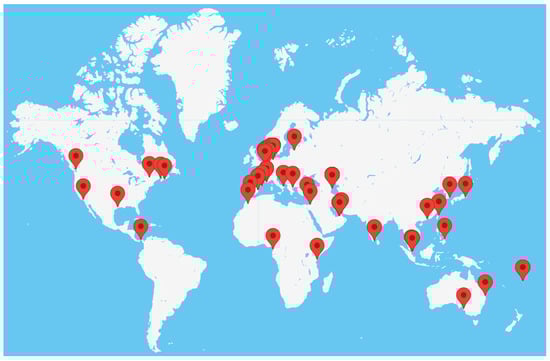
This study uses the database provided by the WPSP, which is a global initiative launched in 2018 that aims to promote sustainability in seaports worldwide. It represents a collaboration between ports, port authorities, international organizations, businesses, local communities, and other stakeholders related to the port sector. The program was developed to address the environmental, social, and economic challenges that ports face, seeking to make port operations more sustainable in several dimensions. Through collaboration and knowledge exchange between ports and stakeholders, the WPSP seeks to create a global community of ports committed to sustainability. As recognized by Balic et al. [65], the WPSP plays a significant role in promoting more responsible and sustainable port practices, as the maritime transport sector faces increasing pressure to minimize its environmental impact and maximize its social and economic benefits. The WPSP collects initiatives developed by ports in six areas, namely digitalization, infrastructure, health safety and security, environmental care, community building, and climate and energy. In the digitalization field, we find innovative digital applications, data collaboration with stakeholders, process and documentation flow improvements, optimization of logistic processes, just-in-time (JIT) arrival of ships, port management systems, smart port initiatives, among others. In total, 74 initiatives were identified on a global scale, as shown in Figure 1. It should be noted that no initiatives were identified in South America and only two initiatives were reported in Africa.
Figure 1.
Distribution map of digitalization initiatives (own source).
Table 1 summarizes the initiatives included in this study. Each initiative is assigned a unique identifier for referencing purposes, the project title, country, year, and a brief summary of its objectives. It should be noted that most of these projects have been reported in the last three years (2021 to 2023) and are mainly taking place in Europe and the Middle East.
Table 1.
Characterization of the initiatives included in the sample.
A fundamental factor in qualitative research is triangulation. According to Carter et al. [66], the triangulation process aims to minimize possible biases, increase the accuracy of interpretations, and provide a more complete and robust understanding of the phenomenon under study. Campbell et al. [67] also point out that triangulation helps to confirm whether the conclusions obtained from different sources or approaches converge toward the same understanding of the phenomenon. This strengthens the internal validity of the research, making it more likely that the interpretations are adequately reflecting reality. In this study, triangulation is ensured by using methods that complement the description of each project provided by the WPSP platform. Textual information was collected on the following elements associated with each project: (i) a description of each project on the official website of each initiative; (ii) a “.pdf” or “.pptx” file presenting the project; (iii) a “.pdf” file presenting the project’s results; (iv) a video in “.mp4” format presenting the project; and (v) other media releases associated with each project, considering their textual conversion to “.pdf” or audio conversion to “.mp4”.
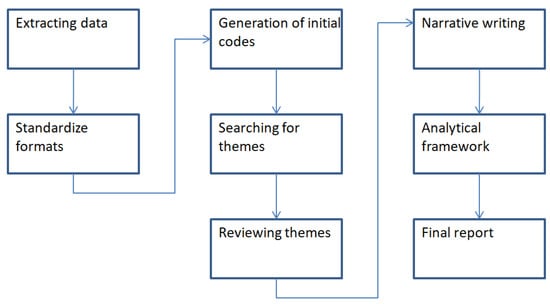
This study uses thematic analysis as an iterative method that goes deep enough to identify patterns in the data. This approach is highlighted in the literature as a useful and robust research method for the qualitative exploration of information on social, cultural, and human phenomena, contributing to a deeper and more holistic understanding of the subjects under investigation [68,69,70]. Thematic analysis was applied in this study and the NVivo v.12 software (version 12, Lumivero, Denver, CO, USA, 2018) was used to identify patterns in the data. NVivo is software designed to assist in the qualitative analysis and interpretation of data in research and studies involving unstructured information such as text, audio, video, and other types of data. It offers data organization and coding features, textual analysis, data visualization, data integration, and export. The software is recognized for facilitating the analysis of large data sets, identifying patterns, exploring themes, relationships, and trends within the data. It is widely used by researchers, professionals, and academics in a variety of fields, including social sciences, health, education, and business [71,72,73,74]. The phases of the thematic analysis process are presented in Figure 2. In the first phase, the data relating to each project are extracted and standardized in the formats indicated above. After this, and in a second phase, the data are loaded into NVivo. This software generates codes by identifying sentences or segments of text that are relevant to the data. Descriptive codes are assigned to each unit of meaning. This code is a word or short phrase that summarizes the content. Codes that share similar themes are then grouped together. Categories are built based on the codes, ensuring that they are mutually exclusive and comprehensive. Throughout the process, the categories are redefined to better represent the patterns identified. Finally, in the third phase, a brief narrative is written to describe each theme, and an analytical framework is built to present the relationship between the various themes. It is important this framework explains how the themes are related and interconnected, considering the research context and relevant theories. Finally, a report is written describing the analysis process and the implications of the results.
Figure 2.
Phases of the thematic analysis (own source).
4. Results
Table 2 shows the top 10 final themes identified during the thematic analysis process. The themes were grouped into a single final theme that represents a pattern in the data. Final themes related to sustainability, communication and collaboration, logistics, and technology stand out. Other terms related to the development and implementation of technological solutions such as “application” and “software” are also found. Themes arising from the context of the COVID-19 pandemic also emerge. Other less relevant themes not identified in the table include elements such as “decision-making”, “regulation”, “data analytics”, “standardization”, “smart cities”, and “heritage”. The 10 main themes identified represent close to 65% of all themes.
Table 2.
Main themes identified through the thematic analysis process.
Not all the themes identified correspond to challenges in the process of digitalization in ports. Many of them contain information about the context in which the projects are implemented and elements relating to the proposed solutions for digitizing ports. To this end, the challenges relating to the digitization process were broken down into a tree, which allowed the dimensions and sub-dimensions of these challenges to be identified. Associated with each dimension are three examples of quotes from projects that support these challenges. The number of initiatives with full agreement (NIFA), number of initiatives with partial agreement (NIPA), and number of initiatives with no agreement (NINA) were also calculated. This information is presented in Table 3. A total of 7 dimensions and 32 sub-dimensions were identified. In the interoperability dimension, the main challenge is related to systems integration. Only 8.1% (n = 6) of the projects do not present any challenges relating to this sub-dimension. The efficiency and productivity of ports is the main challenge in the infrastructure dimension. This challenge is not present in only 10.8% (n = 8) of the projects. There is a greater homogeneity of challenges in the organizational dimension, but the inefficiency of business processes stands out in 67% of the projects. Cybersecurity and the emergence of data breaches are two elements that stand out in the “Data security and privacy” dimension. “Changes in the customer needs” is the most relevant challenge in the “Market” dimension, which appears in 43.2% of the projects. In the "regulation" dimension, environmental concerns are the main element found, appearing in 73.33% of the projects. Finally, the involvement of partners is the main identified challenge in the “Partnership” dimension.
Table 3.
Challenges identified in the thematic analysis.
Table 4 complements the information on the dimensions and sub-dimensions found in the thematic analysis process by highlighting three quotes from the projects that support each dimension.
Table 4.
Examples of quotes that support thematic analysis.
5. Discussion
Efficiency and productivity are two key factors identified in RQ1 that are crucial for the competitiveness of ports at a global scale. Ports serve as critical hubs for the movement of goods, facilitating the import and export of raw materials, manufactured products, and commodities. Their efficiency and productivity have far-reaching impacts on various stakeholders, including businesses, consumers, and governments. Effectively, ports that can efficiently move goods have a competitive advantage. Kaliszewski et al. [75] and Wagner et al. [76] note that businesses prefer using ports that offer quicker turnarounds, lower costs, and reliable services. Therefore, ports that lag in efficiency risk losing shipping lines and customers to more efficient alternatives, thereby impacting their revenue and long-term sustainability. Furthermore, ports are complex logistical ecosystems with numerous interdependent processes and stakeholders, and optimization strategies can significantly impact their operations and outcomes. Optimization strategies are implemented in different areas, such as efficiency enhancement, resource utilization, and capacity expansion [77,78,79]. However, resource constraints in ports can have far-reaching and multifaceted impacts on their operations, efficiency, competitiveness, and overall contributions to global trade and economic growth. Ports have finite physical space and infrastructure. As revealed by Jiang et al. [80], resource constraints often lead to congestion in ports, both at the berths and within the terminal yards. This congestion results in delays for vessels, which can disrupt schedules and increase costs for shipping lines. Moreover, resource constraints can hamper environmental sustainability efforts. For example, Othman et al. [81] examined small-sized ports in Egypt and concluded that they may struggle to invest in cleaner technologies and practices, leading to increased emissions, noise pollution, and ecological damage.
Interoperability was identified in RQ2 as one of the most important challenges in the digitalization processes in global logistics [82,83,84]. Interoperability in ports is a complex challenge that involves the ability of different systems, equipment, and processes to work together efficiently and effectively to ensure the continuous flow of cargo and goods. Indeed, some ports may not have sufficient financial resources to invest in advanced interoperability technology, which limits their ability to integrate effectively into global logistics networks. Many ports still use outdated technology that does not support modern interoperability standards. It is in this sense that the study by Inkinen et al. [85] indicates that open data in ports can play a crucial role in enhancing transparency and accountability. By providing access to information about port operations and performance, open data initiatives empower various stakeholders to make informed decisions. Therefore, port authorities can use open data to demonstrate their commitment to transparency and build trust between the public and investors. The existence of divergent standards and protocols is another obstacle to interoperability in ports. For example, port management systems, container tracking systems, and security systems can adopt different standards, making communication between them difficult. The pursuit of standardization is an action that is becoming increasingly important. Standardization ensures that ports worldwide adhere to common practices and regulations, facilitating the movement of goods across borders. Along these lines are the proposals of Inkinen et al. [86] and Hoven [87], who presented scenarios and proposals for standardization action in the daily activities of ports.
Challenges in the organizational dimension were also identified in RQ2, although their prevalence is lower than in the infrastructure and interoperability dimensions. The inefficiency of business processes is the main component identified in this dimension. It can manifest itself in various ways, adversely affecting all parties involved, from port operators to carriers and, ultimately, consumers. The main way in which inefficiency is evidenced is reported by Elmi et al. [88] through operational delays. This includes delays in loading and unloading ships, handling containers, and transferring cargo to trucks or trains. Liu et al. [89] add that inefficient ports are prone to congestion due to a lack of coordination in operations, which has been further exacerbated during the COVID-19 pandemic. This can result in piles of containers, queued trucks, ships waiting in line to dock, and a general atmosphere of chaos, which hampers productivity and increases the risk of accidents. Inevitably, these situations of inefficiency in business processes can also lead to an increase in operating costs. Also in the operational dimension are projects that aim to increase accessibility to the digital services available in ports. An example of this is found at Port Saint John in Canada, where the installation of Wi-Fi access points has enabled ships to access port resources such as shopping and emotional support. This initiative has also contributed to addressing sustainable development goals such as good health and well-being, decent work, and innovation.
Security and privacy in ports have evolved significantly in recent decades due to technological advances, regulatory changes, and the growing awareness of the importance of these critical aspects for global trade and the protection of critical infrastructure. Regulation plays a crucial role in ports, designing the legal and regulatory framework that guides their operations, safety, environmental protection, international trade, and relations with the community [90]. In parallel, and with the growing dependence on information and communication systems, cybersecurity has become a critical concern for ports. Port authorities are investing in cybersecurity measures to protect control systems and IT infrastructure from cyber threats [91]. An example of this investment is recognized by the implementation of the CRC at the Port of Los Angeles. As its executive director acknowledges “…we must take every precaution against potential cyber incidents, particularly those that could threaten or disrupt the flow of cargo. This new Cyber Resilience Center provides a new level of awareness for our stakeholders by providing enhanced intelligence, better collective knowledge sharing, and heightened protection against cyber threats within our supply chain community” [92]. Data privacy is a risk that has grown with the collection and storage of large volumes of data related to maritime trade and port operations [93]. It is in this sense that many ports are implementing robust privacy policies that establish clear guidelines for the collection, use, and sharing of personal data. This includes the development of codes of ethics that guide privacy practices. However, the specific approach to privacy in ports can vary depending on geographical location, applicable legislation, and local practices. The balance between the need for security and the protection of privacy is an ongoing challenge that ports face as they evolve to meet the demands of the digital age.
Digitalization projects in ports addressed in RQ3 confirm that customer needs have changed and prompted the emergence of new initiatives. The evolution of customer needs in ports reflects transformations in the maritime industry, global trade, and the changing expectations of stakeholders. Roberts et al. [94] point out that environmental awareness is shaping customer expectations in ports. Customers are now looking for port facilities and operations that are aligned with environmentally responsible practices, such as reducing carbon emissions, using clean energy, and minimizing waste. Pruyn & van Hassel [95] add that the digitalization of port operations has also become a priority for customers. They expect technology-based services such as real-time cargo-tracking systems, online booking of space in the port, and effective communication via digital platforms [96,97,98]. It is from this perspective that the Routescanner project promoted by the Port of Rotterdam has emerged; this project aims to provide a complete and integrated solution that enables freight forwarders and owners to reduce their logistics-related emissions and help them make the best routing decisions. Another relevant example is implemented at the Port of Mombasa in Kenya, where the KPA e-citizen platform has increased visibility over port processes and facilitated payment settlement processes, since the institution offers a cash payment application integrated into its cell phones and the e-citizen platform.
The digitalization of ports is also a necessary response to the demands of the globalized economy and increasingly complex supply chains, and partnerships are the key to successfully achieving this goal. These are important elements in the answer to RQ3. First, partnerships in the digitalization of ports allow access to resources and expertise. Developing and implementing advanced technologies, such as traffic management systems, cargo tracking, process automation, and data analysis, requires specific knowledge that is often outside the scope of port authorities. Constante et al. [99] argue that collaborating with technology companies, universities, and specialized organizations can speed up the digitization process, ensuring that best practices and solutions are adopted. Partnerships also play a critical role in ensuring interoperability. Ports are not isolated islands. They are part of a global transportation network. Cooperation between different ports and transportation companies is key to ensuring that digital systems in different ports can communicate effectively. Partnerships enable the development of common standards and the creation of interconnected platforms that facilitate the exchange of information and the flow of cargo [100]. The area of sustainability can also benefit from partnerships. Alamoush et al. [101] point out that partnerships with environmentally conscious companies and organizations can boost sustainability initiatives, making ports greener and more in line with global carbon reduction targets.
In summary, the challenges found in this study confirm the impediments to digitalization processes found by Brunila et al. [24], in which challenges related to the infrastructure, operation, and regulation of ports are highlighted. The findings also confirm the vision of Heikkilä et al. [28], in which cybersecurity is widely highlighted as a challenge that ports will gradually face. The future evolution scenarios outlined by Heikkilä et al. [28] suggest that partnerships will be key to the competitiveness of ports. In this sense, this study confirms this view by revealing that port digitalization initiatives consider the involvement of multiple partners in digital innovation platforms to be fundamental to the implementation of these initiatives. However, this study also reveals some innovative results that emerge mainly from new customer needs. Indeed, the COVID-19 pandemic has changed behaviors and the way customers interact with services. Digital interaction channels are becoming increasingly important. Customers are looking for a complete, real-time view of all port activities. Another factor identified is that digitalization has generated a large amount of data, the potential of which has not yet been properly exploited. Digitalization channels allow for the efficient collection, analysis, and application of this data to continuously improve port operations. Also relevant is the emergence of the work–life balance issue, which ports must address and promote physical and mental health, and personal growth and development in their employees. It is in this direction that the initiative promoted by the FPCL emerges, implementing a holistic approach to digitalization based on four key areas: value creation, sustainability, digital transformation, and work–life balance. As a result, the benefits of digitalization not only affect the organization but also involve its employees, clients, and the community.
6. Conclusions
The digitalization of ports represents a significant transformation in the maritime industry, offering numerous benefits, as recognized in the literature. Ports have been looking at this process as a way of responding to the new challenges of increasing productivity and efficiency, as revealed in RQ1. However, this process is not without its challenges, which need to be carefully navigated for successful implementation. The main challenges identified in RQ2 are related to the infrastructure in ports, the organization of business processes, and the interconnection between different architectures, devices, and legacy systems. Port-related regulations can also be extremely complex, involving multiple government bodies, and local, national, and international laws. Regulation has also led ports down a path of transition towards more sustainable port practices. Associated with digitalization processes also come data security and privacy risks. As ports adopt new technologies, such as autonomous vessels, IoT sensors, and blockchain for supply chain management, they become more susceptible to cyber threats. Customer needs in ports have also evolved considerably and are related to changes in global industries and the expectations of stakeholders involved in maritime trade, as revealed in RQ3. Customers are looking for new technological solutions to increase operational efficiency, automation, transparency and visibility, flexibility and adaptability, and environmental sustainability. The initiatives that the world’s ports have developed seek to respond to these challenges by involving various players. Establishing partnerships is key to bringing technological innovations to ports, improving automation, security, and data management. This can turn them into more competitive and efficient ports.
This study offers both theoretical and practical contributions. In the theoretical dimension, this study uses the WPSP database to identify 7 dimensions and 32 sub-dimensions of digital transition challenges in ports. The challenges identified include port infrastructure, the interconnection and sharing of information between various technological solutions, the organization of business processes, the monitoring of regulations from national and international perspectives, the security risks that emerge with the technological revolution, the evolution of the market with increasingly demanding customers in terms of increased visibility and monitoring of the services offered by ports, and the establishment of partnerships that can effectively contribute to the emergence of innovative technological solutions. In the practical dimension, the results of this study are relevant for ports to adopt a holistic and integrated approach to digitalization, which will allow them to improve the efficiency and competitiveness of their operations. Emerging technologies, such as IoT and blockchain, can contribute to monitoring cargo handling, cargo conditions, and equipment, as well as helping to ensure the security and traceability of cargo transactions and simplifying customs processes.
This study also has some limitations. First, the WPSP is a database that includes digitization projects on a global scale, but the identification of projects is dependent on their notification by operators. There may be initiatives of international relevance that have not yet been reported. Furthermore, Africa and South America are poorly represented in the WPSP. Another limitation of this database is the difficulty in identifying the implementation status of each project. This information is not available, and it can only be obtained informally based on the description of each project. In this sense, and as future work, it would be important to recognize how the challenges have been overcome by ports throughout the digitization process. It would also be relevant to explore how knowledge about digitalization processes has contributed to the most recent initiatives being more successful. In future work, we also recognize the importance of complementing the available information with quantitative indicators that make it possible to measure and comparatively analyze the success rate of digitalization processes. Finally, another suggestion for future work is to explore how digitalization has contributed to increasing cooperation mechanisms between ports. These cooperation mechanisms can take various forms, such as the establishment of networks between regional and international ports to share information and best practices and optimize transport logistics. It would also be relevant to explore how digitalization has helped to standardize processes by adopting common standards and protocols to simplify interaction between ports, customs authorities, and carriers.
Funding
This research received no external funding.
Institutional Review Board Statement
Not applicable.
Informed Consent Statement
Not applicable.
Data Availability Statement
Data available on request from the author.
Conflicts of Interest
The authors declare no conflict of interest.
References
- Cullinane, K.; Haralambides, H. Global trends in maritime and port economics: The COVID-19 pandemic and beyond. Marit. Econ. Logist. 2021, 23, 369–380. [Google Scholar] [CrossRef]
- Haralambides, H. The state-of-play in maritime economics and logistics research (2017–2023). Marit. Econ. Logist. 2023; in press. [Google Scholar] [CrossRef]
- Hlali, A. Impact of logistics and economic structure on seaport infrastructure: A case of Mediterranean countries. Austral. J. Marit. Ocean Affairs, 2023; in press. [Google Scholar] [CrossRef]
- Akhavan, M. Evolution of Hub Port-Cities into Global Logistics Centres: Lessons from the Two Cases of Dubai and Singapore. Int. J. Transp. Econ. 2017, 44, 25–47. [Google Scholar] [CrossRef]
- Mangan, J.; Lalwani, C.; Fynes, B. Port-centric logistics. Int. J. Logist. Manag. 2008, 19, 29–41. [Google Scholar] [CrossRef]
- Chew, E.P.; Günther, H.O.; Kim, K.H.; Kopfer, H. Maritime container logistics and onshore transportation systems (Part 2). Flex. Serv. Manuf. J. 2012, 24, 211–213. [Google Scholar] [CrossRef]
- Estrada, M.A.R.; Koutronas, E. The multi-dimensional ports stock inventory and logistic control graphical modelling. Proc. Comp. Sci. 2019, 149, 80–85. [Google Scholar] [CrossRef]
- Lezhnina, E.A.; Balykina, Y.E. Cooperation between Sea Ports and Carriers in the Logistics Chain. J. Mar. Sci. Eng. 2021, 9, 774. [Google Scholar] [CrossRef]
- Kmiecik, M. Logistics Coordination Based on Inventory Management and Transportation Planning by Third-Party Logistics (3PL). Sustainability 2022, 14, 8134. [Google Scholar] [CrossRef]
- Tongzon, J.L.; Nguyen, H.O. Effects of port-shipping logistics integration on technical and allocative efficiency. Asian J. Shipp. Logist. 2021, 37, 109–116. [Google Scholar] [CrossRef]
- Lin, C.W.; Hsu, W.C.J.; Su, H.J. Subjective and Objective Analysis of Schedule Delaying Factors for Container Shipping Lines. J. Int. Logist. Trade 2020, 18, 181–192. [Google Scholar] [CrossRef]
- Ksciuk, J.; Kuhlermann, S.; Tierney, K.; Koberstein, A. Uncertainty in maritime ship routing and scheduling: A Literature review. Eur. J. Operat. Res. 2023, 308, 499–524. [Google Scholar] [CrossRef]
- Wang, W.; Xu, X.; Peng, Y.; Zhou, Y.; Jiang, Y. Integrated scheduling of port-centric supply chain: A special focus on the seaborne uncertainties. J. Clean. Prod. 2020, 262, 121240. [Google Scholar] [CrossRef]
- Scholliers, J.; Permala, A.; Toivonen, S.; Salmeda, H. Improving the Security of Containers in Port Related Supply Chains. Transp. Res. Proc. 2016, 14, 1374–1383. [Google Scholar] [CrossRef]
- Kayikci, Y. Sustainability impact of digitization in logistics. Proc. Manuf. 2018, 21, 782–789. [Google Scholar] [CrossRef]
- Richnák, P. Current Trend of Industry 4.0 in Logistics and Transformation of Logistics Processes Using Digital Technologies: An Empirical Study in the Slovak Republic. Logistics 2022, 6, 79. [Google Scholar] [CrossRef]
- Herold, D.M.; Ćwiklicki, M.; Pilch, K.; Mikl, J. The emergence and adoption of digitalization in the logistics and supply chain industry: An institutional perspective. J. Enterp. Inf. Manag. 2021, 34, 1917–1938. [Google Scholar] [CrossRef]
- Pan, S.; Trentesaux, D.; McFarlane, D.; Montreuil, B.; Ballot, E.; Huang, G.Q. Digital interoperability in logistics and supply chain management: State-of-the-art and research avenues towards Physical Internet. Comp. Indust. 2021, 128, 103435. [Google Scholar] [CrossRef]
- Raza, Z.; Woxenius, J.; Vural, C.A.; Lind, M. Digital transformation of maritime logistics: Exploring trends in the liner shipping segment. Comp. Indust. 2023, 145, 103811. [Google Scholar] [CrossRef]
- Niemczyk, J.; Szala, P. Benefits and costs of connecting logistics enterprises to digital logistics platforms. The perspective of transaction costs theory. Inform. Ekonom. 2021, 4, 81–99. [Google Scholar] [CrossRef]
- Santhi, A.R.; Muthuswamy, P. Influence of Blockchain Technology in Manufacturing Supply Chain and Logistics. Logistics 2022, 6, 15. [Google Scholar] [CrossRef]
- Paulauskas, V.; Filina-Dawidowicz, L.; Paulauskas, D. Ports Digitalization Level Evaluation. Sensors 2021, 21, 6134. [Google Scholar] [CrossRef] [PubMed]
- Rabot, T.; Wang, S.; Henesey, N. Harboring the Future: Examining the Digitalization Challenges and Opportunities for Small and Medium-Sized Ports in Sweden. Available online: http://hj.diva-portal.org/smash/get/diva2:1762296/FULLTEXT01.pdf (accessed on 11 October 2023).
- Brunila, O.P.; Kunnaala-Hyrkki, V.; Inkinen, T. Hindrances in port digitalization? Identifying problems in adoption and implementation. Eur. Transp. Res. Rev. 2021, 13, 62. [Google Scholar] [CrossRef]
- Tijan, E.; Jovic, M.; Aksentijevic, S.; Pucihar, A. Digital transformation in the maritime transport sector. Technol. Forecast. Soc. Chang. 2021, 170, 120879. [Google Scholar] [CrossRef]
- Notteboom, T.; Parola, F.; Satta, G.; Torre, T. The Role of Skills and Competences in the Maritime Logistics Industry. Elect. J. Manag. 2019, 3, 1–7. [Google Scholar] [CrossRef]
- Cunha, D.R.; Cutrim, S.S.; Porte, M.; Diniz, N.V. Innovations and smart technologies at Brazilian ports. Manag. Adm. Prof. Rev. 2023, 14, 7373–7390. [Google Scholar] [CrossRef]
- Heikkilä, M.; Saarni, J.; Saurama, A. Innovation in Smart Ports: Future Directions of Digitalization in Container Ports. J. Mar. Sci. Eng. 2022, 10, 1925. [Google Scholar] [CrossRef]
- Gasparotti, C.; Mincu, G.M.; Nitu, C.; Raileanu, A.; Turcanu, A. Ports Digitization—A Challenge for Sustainable Development. Rom. J. Econ. Forecast. 2023, 2, 143–160. [Google Scholar]
- Almeida, F.; Morais, J.; Santos, J.D. A Bibliometric Analysis of the Scientific Outcomes of European Projects on the Digital Transformation of SMEs. Publications 2022, 10, 34. [Google Scholar] [CrossRef]
- Verhoef, P.C.; Broekhuizen, T.; Bart, Y.; Bhattacharya, A.; Dong, J.Q.; Fabian, N.; Haenlein, M. Digital transformation: A multidisciplinary reflection and research agenda. J. Bus. Res. 2021, 122, 889–901. [Google Scholar] [CrossRef]
- Borangiu, T.; Trentesaux, D.; Thomas, A.; Leitão, P.; Barata, J. Digital transformation of manufacturing through cloud services and resource virtualization. Comp. Indust. 2019, 108, 150–162. [Google Scholar] [CrossRef]
- El-Haddadeh, R. Digital Innovation Dynamics Influence on Organisational Adoption: The Case of Cloud Computing Services. Inf. Syst. Front. 2020, 22, 985–999. [Google Scholar] [CrossRef]
- Gao, D.; Yan, Z.; Zhou, X.; Mo, X. Smarter and Prosperous: Digital Transformation and Enterprise Performance. Systems 2023, 11, 329. [Google Scholar] [CrossRef]
- Du, X.; Jiang, K. Promoting enterprise productivity: The role of digital transformation. Borsa Istanb. Rev. 2022, 22, 1165–1181. [Google Scholar] [CrossRef]
- Cette, G.; Nevoux, S.; Py, L. The impact of ICTs and digitalization on productivity and labor share: Evidence from French firms. Econ. Innov. New Technol. 2022, 31, 669–692. [Google Scholar] [CrossRef]
- Plekhanov, D.; Franke, H.; Netland, T.H. Digital transformation: A review and research agenda. Eur. Manag. J. 2022; in press. [Google Scholar] [CrossRef]
- Capurro, R.; Fiorentino, R.; Garzella, S.; Giudici, A. Big data analytics in innovation processes: Which forms of dynamic capabilities should be developed and how to embrace digitization? Eur. J. Innov. Manag. 2022, 25, 273–294. [Google Scholar] [CrossRef]
- Kim, K.; Kim, B. Decision-Making Model for Reinforcing Digital Transformation Strategies Based on Artificial Intelligence Technology. Information 2022, 13, 253. [Google Scholar] [CrossRef]
- Mishra, S.; Tripathi, A.R. AI business model: An integrative business approach. J. Innov. Entrep. 2021, 10, 18. [Google Scholar] [CrossRef]
- Imran, F.; Shahzad, K.; Butt, A.; Kantola, J. Digital Transformation of Industrial Organizations: Toward an Integrated Framework. J. Chang. Manag. 2021, 21, 451–479. [Google Scholar] [CrossRef]
- Miklosik, A.; Evans, N.; Qureshi, A. The Use of Chatbots in Digital Business Transformation: A Systematic Literature Review. IEEE Access 2021, 9, 106530–106539. [Google Scholar] [CrossRef]
- Zafarzadeh, M.; Wiktorsson, M.; Hauge, J.B. A Systematic Review on Technologies for Data-Driven Production Logistics: Their Role from a Holistic and Value Creation Perspective. Logistics 2021, 5, 24. [Google Scholar] [CrossRef]
- Almeida, F.L. Management of non-technological projects by embracing agile methodologies. Int. J. Proj. Organ. Manag. 2021, 13, 135–149. [Google Scholar] [CrossRef]
- Kostakis, P.; Kargas, A. Big-Data Management: A Driver for Digital Transformation? Information 2021, 12, 411. [Google Scholar] [CrossRef]
- AlNuaimi, B.K.; Singh, S.K.; Ren, S.; Budhwar, P.; Vorobyev, D. Mastering digital transformation: The nexus between leadership, agility, and digital strategy. J. Bus. Res. 2022, 145, 636–648. [Google Scholar] [CrossRef]
- Palfreyman, J.; Morton, J. The benefits of agile digital transformation to innovation processes. J. Strat. Contract. Negot. 2022, 6, 26–36. [Google Scholar] [CrossRef]
- Siaw, C.A.; Okorie, C. Value co-creation on technology-enabled platforms for business model responsiveness and position enhancement in global value chains. Strateg. Change 2022, 31, 9–18. [Google Scholar] [CrossRef]
- Bürger, O.; Häckel, B.; Karnebogen, P.; Töppel, J. Estimating the impact of IT security incidents in digitized production environments. Decis. Supp. Syst. 2019, 127, 113144. [Google Scholar] [CrossRef]
- Gebremeskel, B.K.; Jonathan, G.M.; Yalew, S.D. Information Security Challenges During Digital Transformation. Proc. Comp. Sci. 2023, 219, 44–51. [Google Scholar] [CrossRef]
- Srinivas, S.; Liang, H. Being digital to being vulnerable: Does digital transformation allure a data breach? J. Elect. Bus. Digit. Econ. 2022, 1, 111–137. [Google Scholar] [CrossRef]
- Shinde, N.; Kulkarni, P. Cyber incident response and planning: A flexible approach. Comp. Fraud Sec. 2021, 2021, 14–19. [Google Scholar] [CrossRef]
- Liu, K.P.; Chiu, W. Supply Chain 4.0: The impact of supply chain digitalization and integration on firm performance. Asian J. Bus. Ethics 2021, 10, 371–389. [Google Scholar] [CrossRef]
- Shahadat, H.; Chowdhury, A.; Nathan, R.J.; Fekete-Farkas, M. Digital Technologies for Firms’ Competitive Advantage and Improved Supply Chain Performance. J. Risk Financ. Manag. 2023, 16, 94. [Google Scholar] [CrossRef]
- Vassilakopoulou, P.; Hustad, E. Bridging Digital Divides: A Literature Review and Research Agenda for Information Systems Research. Inform. Syst. Front. 2023, 25, 955–969. [Google Scholar] [CrossRef] [PubMed]
- Pham, T.Y. A smart port development: Systematic literature and bibliometric analysis. Asian J. Shipp. Logist. 2023, 39, 57–62. [Google Scholar] [CrossRef]
- Vaquero, V.; Repiso, E.; Sanfeliu, A. Robust and Real-Time Detection and Tracking of Moving Objects with Minimum 2D LiDAR Information to Advance Autonomous Cargo Handling in Ports. Sensors 2019, 19, 107. [Google Scholar] [CrossRef] [PubMed]
- Sdoukopoulos, E.; Boile, M.; Tromaras, A.; Anastasiadis, N. Energy Efficiency in European Ports: State-of-Practice and Insights on the Way Forward. Sustainability 2019, 11, 4952. [Google Scholar] [CrossRef]
- Eagle, J. How Ports Are Using Technology to Boost Efficiency. Available online: https://www.hoistmagazine.com/features/how-ports-are-using-technology-to-boost-efficiency-10965513/ (accessed on 11 October 2023).
- Moore, R. The Digital Transformation of Tianjin Port. Available online: https://www.rivieramm.com/news-content-hub/news-content-hub/the-digital-transformation-of-tianjin-port-76675 (accessed on 11 October 2023).
- Klar, R.; Fredriksson, A.; Angelakis, V. Digital Twins for Ports: Derived from Smart City and Supply Chain Twinning Experience. IEEE Access 2023, 11, 71777–71799. [Google Scholar] [CrossRef]
- UNCTAD. Ports of Tomorrow: Measuring Digital Maturity to Empower Sustainable Port Operations and Business Ecosystems. Available online: https://unctad.org/news/ports-tomorrow-measuring-digital-maturity-empower-sustainable-port-operations-and-business (accessed on 26 August 2023).
- Ponelis, S.R. Using Interpretive Qualitative Case Studies for Exploratory Research in Doctoral Studies: A Case of Information Systems Research in Small and Medium Enterprises. Int. J. Dr. Stud. 2015, 10, 535–550. [Google Scholar] [CrossRef]
- Busetto, L.; Wick, W.; Gumbinger, C. How to use and assess qualitative research methods. Neurol. Res. Pract. 2020, 2, 14. [Google Scholar] [CrossRef]
- Balic, K.; Zgaljic, D.; Boljat, H.U.; Sliskovic, M. The Port System in Addressing Sustainability Issues—A Systematic Review of Research. J. Mar. Sci. Eng. 2022, 10, 1048. [Google Scholar] [CrossRef]
- Carter, N.; Bryant-Lukosius, D.; DiCenso, A.; Blythe, J.; Neville, A. The use of triangulation in qualitative research. Oncol. Nurs. Forum 2014, 41, 545–547. [Google Scholar] [CrossRef] [PubMed]
- Campbell, R.; Goodman-Williams, R.; Feeney, H.; Fehler-Cabral, G. Assessing Triangulation Across Methodologies, Methods, and Stakeholder Groups: The Joys, Woes, and Politics of Interpreting Convergent and Divergent Data. Am. J. Eval. 2020, 41, 125–144. [Google Scholar] [CrossRef]
- Byrne, D. A worked example of Braun and Clarke’s approach to reflexive thematic analysis. Qual. Quant. 2022, 56, 1391–1412. [Google Scholar] [CrossRef]
- Castleberry, A.; Nolen, A. Thematic analysis of qualitative research data: Is it as easy as it sounds? Curr. Pharm. Teach. Learn. 2018, 10, 807–815. [Google Scholar] [CrossRef] [PubMed]
- Nowell, L.S.; Norris, J.M.; White, D.E.; Moules, N.J. Thematic Analysis: Striving to Meet the Trustworthiness Criteria. Int. J. Qual. Meth. 2017, 16, 1609406917733847. [Google Scholar] [CrossRef]
- Roberts, K.; Dowell, A.; Nie, J.B. Attempting rigour and replicability in thematic analysis of qualitative research data; a case study of codebook development. BMC Med. Res. Method. 2019, 19, 1–8. [Google Scholar] [CrossRef]
- Dalkin, S.; Forster, N.; Hodgson, P.; Lhussier, M.; Carr, S.M. Using computer assisted qualitative data analysis software (CAQDAS; NVivo) to assist in the complex process of realist theory generation, refinement and testing. Int. J. Soc. Res. Method. 2021, 24, 123–134. [Google Scholar] [CrossRef]
- Sinkovics, N. Enhancing the foundations for theorising through bibliometric mapping. Int. Mark. Rev. 2016, 33, 327–350. [Google Scholar] [CrossRef]
- Shaw, C.; de Andrade Pereira, F.; McNally, C.; Farghaly, K.; Hartmann, T.; O’Donnell, J. Information management in the facilities domain: Investigating practitioner priorities. Facilities 2023, 41, 285–305. [Google Scholar] [CrossRef]
- Kaliszewski, A.; Kozlowski, A.; Dabrowski, J.; Klimek, H. Key factors of container port competitiveness: A global shipping lines perspective. Mar. Policy 2020, 117, 103896. [Google Scholar] [CrossRef]
- Wagner, N.; Kotowska, I.; Pluciński, M. The Impact of Improving the Quality of the Port’s Infrastructure on the Shippers’ Decisions. Sustainability 2022, 14, 6255. [Google Scholar] [CrossRef]
- Zhang, H.; Collart-Dutilleul, S.; Mesghouni, K. Parameters’ Optimization of Resources in a Container Terminal. IFAC Proc. Vol. 2013, 46, 395–400. [Google Scholar] [CrossRef]
- Paulauskas, V.; Henesey, L.; Plačiene, B.; Jonkus, M.; Paulauskas, D.; Barzdžiukas, R.; Kaulitzky, A.; Simutis, M. Optimizing Transportation between Sea Ports and Regions by Road Transport and Rail and Inland Waterway Transport Means Including “Last Mile” Solutions. Appl. Sci. 2022, 12, 10652. [Google Scholar] [CrossRef]
- Li, X.; Sun, B.; Jin, J.; Ding, J. Speed Optimization of Container Ship Considering Route Segmentation and Weather Data Loading: Turning Point-Time Segmentation Method. J. Mar. Sci. Eng. 2022, 10, 1835. [Google Scholar] [CrossRef]
- Jiang, X.; Zhong, M.; Shi, G.; Li, W.; Sui, Y. Vessel scheduling model with resource restriction considerations for restricted channel in ports. Comp. Indust. Eng. 2023, 177, 109034. [Google Scholar] [CrossRef]
- Othman, A.; El Gazzar, S.; Knez, M. Investigating the Influences of Smart Port Practices and Technology Employment on Port Sustainable Performance: The Egypt Case. Sustainability 2022, 14, 14014. [Google Scholar] [CrossRef]
- Westerheim, H.; Hauge, J.B. Interoperability in supply chain and logistics: What can the Common Framework offer?—A scientific evaluation. Int. J. Advanc. Logist. 2015, 4, 9–16. [Google Scholar] [CrossRef]
- Zeid, A.; Sundaram, S.; Moghaddam, M.; Kamarthi, S.; Marion, T. Interoperability in Smart Manufacturing: Research Challenges. Machines 2019, 7, 21. [Google Scholar] [CrossRef]
- Al-Banna, A.; Rana, Z.A.; Yaqot, M.; Menezes, B. Interconnectedness between Supply Chain Resilience, Industry 4.0, and Investment. Logistics 2023, 7, 50. [Google Scholar] [CrossRef]
- Inkinen, T.; Helminen, R.; Saarikoski, J. Port Digitalization with Open Data: Challenges, Opportunities, and Integrations. J. Open Innov. Technol. Mark. Complex. 2019, 5, 30. [Google Scholar] [CrossRef]
- Inkinen, T.; Helminen, R.; Saarikoski, J. Technological trajectories and scenarios in seaport digitalization. Res. Transp. Bus. Manag. 2021, 41, 100633. [Google Scholar] [CrossRef]
- Hoven, T. Standardization of Utility Connections in Ports: Cold ironing of ships in ports. IEEE Elect. Magaz. 2023, 11, 18–24. [Google Scholar] [CrossRef]
- Elmi, Z.; Singh, P.; Meriga, V.K.; Goniewicz, K.; Borowska-Stefańska, M.; Wiśniewski, S.; Dulebenets, M.A. Uncertainties in Liner Shipping and Ship Schedule Recovery: A State-of-the-Art Review. J. Mar. Sci. Eng. 2022, 10, 563. [Google Scholar] [CrossRef]
- Liu, J.; Wang, X.; Chen, J. Port congestion under the COVID-19 pandemic: The simulation-based countermeasures. Comp. Ind. Eng. 2023, 183, 109474. [Google Scholar] [CrossRef]
- Xu, B.; Liu, W.; Li, J. Resilience Regulation Strategy for Container Port Supply Chain under Disruptive Events. J. Mar. Sci. Eng. 2023, 11, 732. [Google Scholar] [CrossRef]
- Ben Farah, M.A.; Ukwandu, E.; Hindy, H.; Brosset, D.; Bures, M.; Andonovic, I.; Bellekens, X. Cyber Security in the Maritime Industry: A Systematic Survey of Recent Advances and Future Trends. Information 2022, 13, 22. [Google Scholar] [CrossRef]
- Port of Los Angeles. Port of Los Angeles Launches First-of-Its-Kind Cyber Resilience Center. Available online: https://www.portoflosangeles.org/references/2022-news-releases/news_012422_csc_ibm (accessed on 30 August 2023).
- Zarzuelo, I.P. Cybersecurity in ports and maritime industry: Reasons for raising awareness on this issue. Transp. Policy 2021, 100, 1–4. [Google Scholar] [CrossRef]
- Roberts, T.; Williams, I.; Preston, J.; Clarke, N.; Odum, M.; O’Gorman, S. Ports in a Storm: Port-City Environmental Challenges and Solutions. Sustainability 2023, 15, 9722. [Google Scholar] [CrossRef]
- Pruyn, J.; van Hassel, E. Editorial: Frontiers in Maritime Transport Chains: Digital and Organizational Innovations in Maritime Transport and Port Operations. Front. Future Transp. 2022, 3, 869530. [Google Scholar] [CrossRef]
- Grosche, P.; Haid, S. Digitalizing the Port Ecosystem—Creating Value in Infrastructure Operations, Vessel Turnaround, Cargo Handling and Passenger Journey. Available online: https://www.rolandberger.com/en/Insights/Publications/Digital-ports-How-to-create-impact-on-the-bottom-line.html (accessed on 3 September 2023).
- Delencios, F.X. To Get Smart, Ports Go Digital. Available online: https://www.bcg.com/publications/2018/to-get-smart-ports-go-digital (accessed on 3 September 2023).
- Peltier-Thiberge, N. Digital Improvements Can Make or Break Ports. Available online: https://blogs.worldbank.org/transport/digital-improvements-can-make-or-break-ports (accessed on 3 September 2023).
- Constante, J.M.; Langen, P.W.; Prunonosa, S.F. Innovation ecosystems in ports: A comparative analysis of Rotterdam and Valencia. J. Shipp. Trade 2023, 8, 18. [Google Scholar] [CrossRef]
- Gizelis, C.A.; Mavroeidakos, T.; Marinakis, A.; Litke, A.; Moulos, V. Towards a Smart Port: The Role of the Telecom Industry. In Artificial Intelligence Applications and Innovations. AIAI 2020 IFIP WG 12.5 International Workshops, Proceedings of the MHDW 2020 and 5G-PINE 2020, Neos Marmaras, Greece, 5–7 June 2020; Springer: Cham, Switzerland, 2020; Volume 585, pp. 128–139. [Google Scholar] [CrossRef]
- Alamoush, A.S.; Ballini, F.; Ölçer, A.I. Revisiting port sustainability as a foundation for the implementation of the United Nations Sustainable Development Goals (UN SDGs). J. Shipp. Trade 2021, 6, 19. [Google Scholar] [CrossRef]

Disclaimer/Publisher’s Note: The statements, opinions and data contained in all publications are solely those of the individual author(s) and contributor(s) and not of MDPI and/or the editor(s). MDPI and/or the editor(s) disclaim responsibility for any injury to people or property resulting from any ideas, methods, instructions or products referred to in the content. |
© 2023 by the author. Licensee MDPI, Basel, Switzerland. This article is an open access article distributed under the terms and conditions of the Creative Commons Attribution (CC BY) license (https://creativecommons.org/licenses/by/4.0/).