Article

A Mathematical Model for the Pullout Response of Hooked-End Shape Memory Alloy Fibres Embedded into Concrete


by
Demewoz W. Menna
1,* and
Aikaterini S. Genikomsou
2,*
1
Department of Civil Engineering, Queen’s University, Kingston, ON K7L 3N6, Canada
2
Department of Civil Engineering, University of Patras, 26 504 Rio, Greece
*
Authors to whom correspondence should be addressed.
Constr. Mater. 2026, 6(2), 22; https://doi.org/10.3390/constrmater6020022

Submission received: 2 October 2025 / Revised: 25 February 2026 / Accepted: 26 March 2026 / Published: 2 April 2026

Abstract

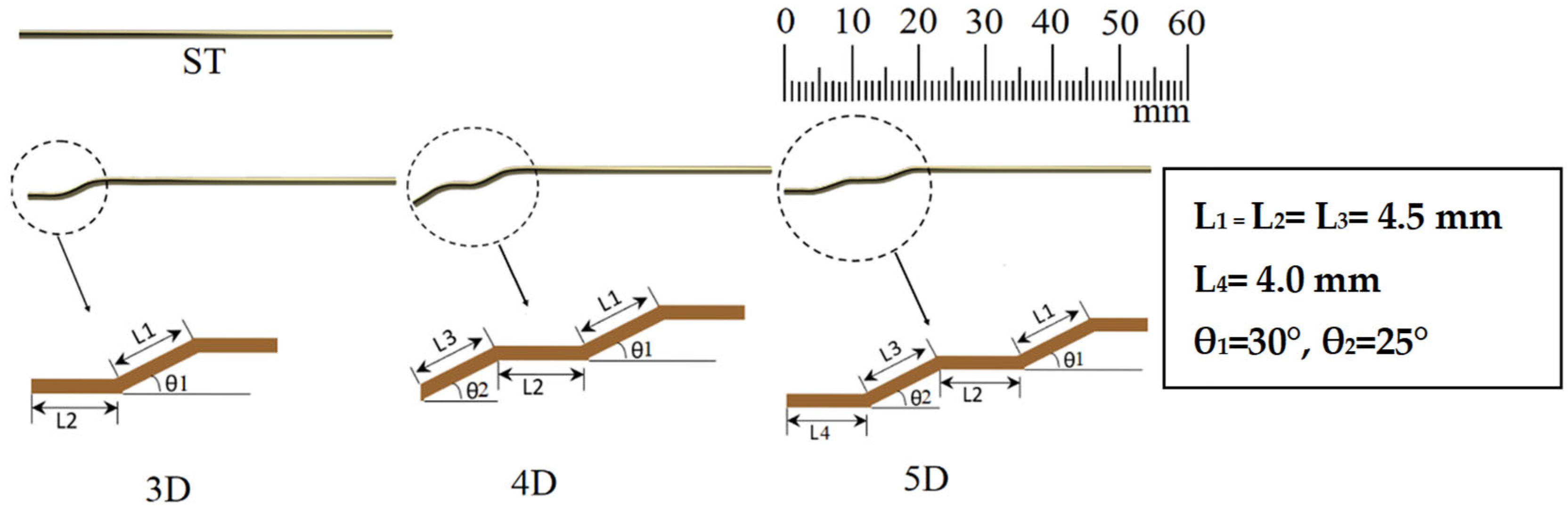
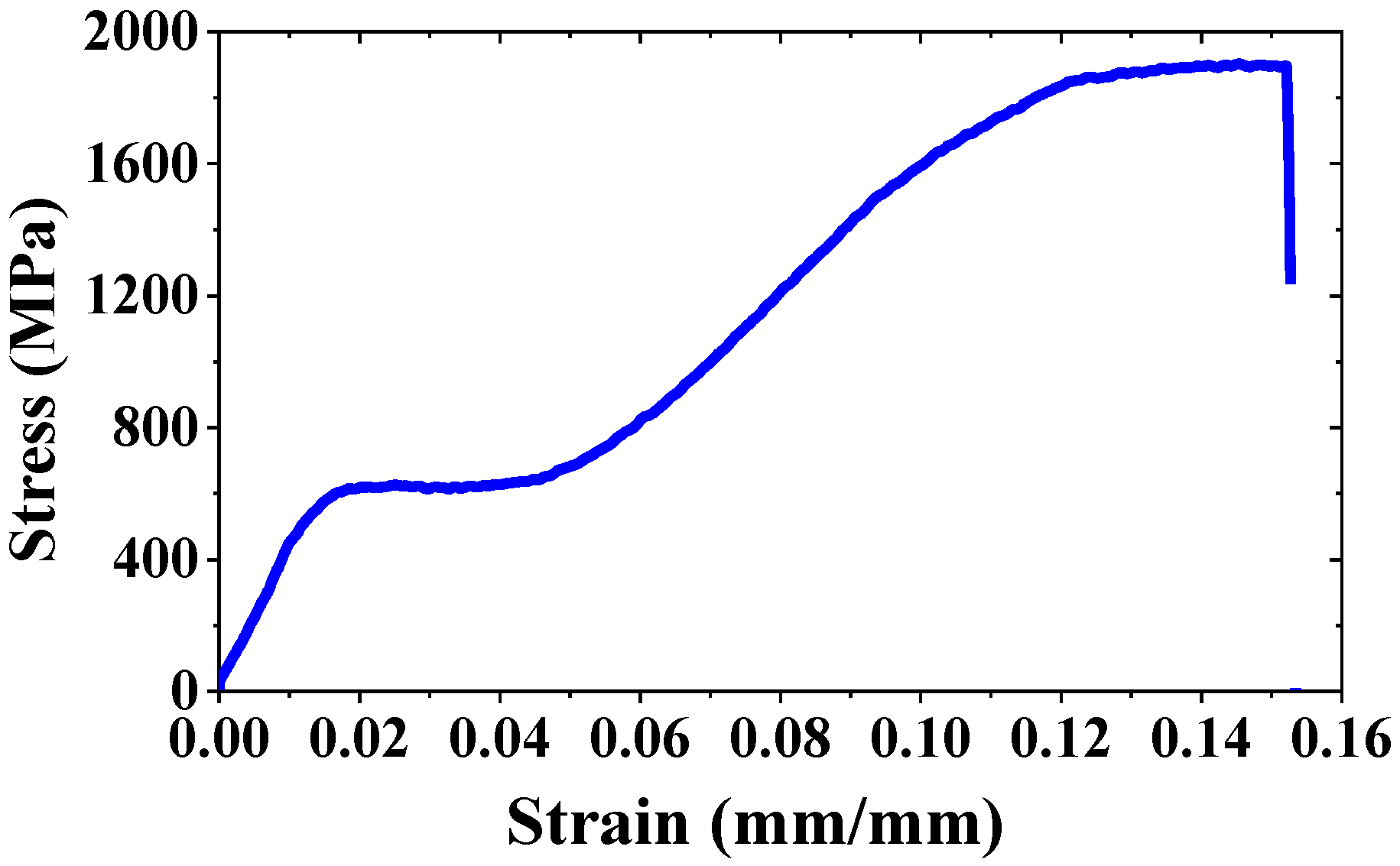
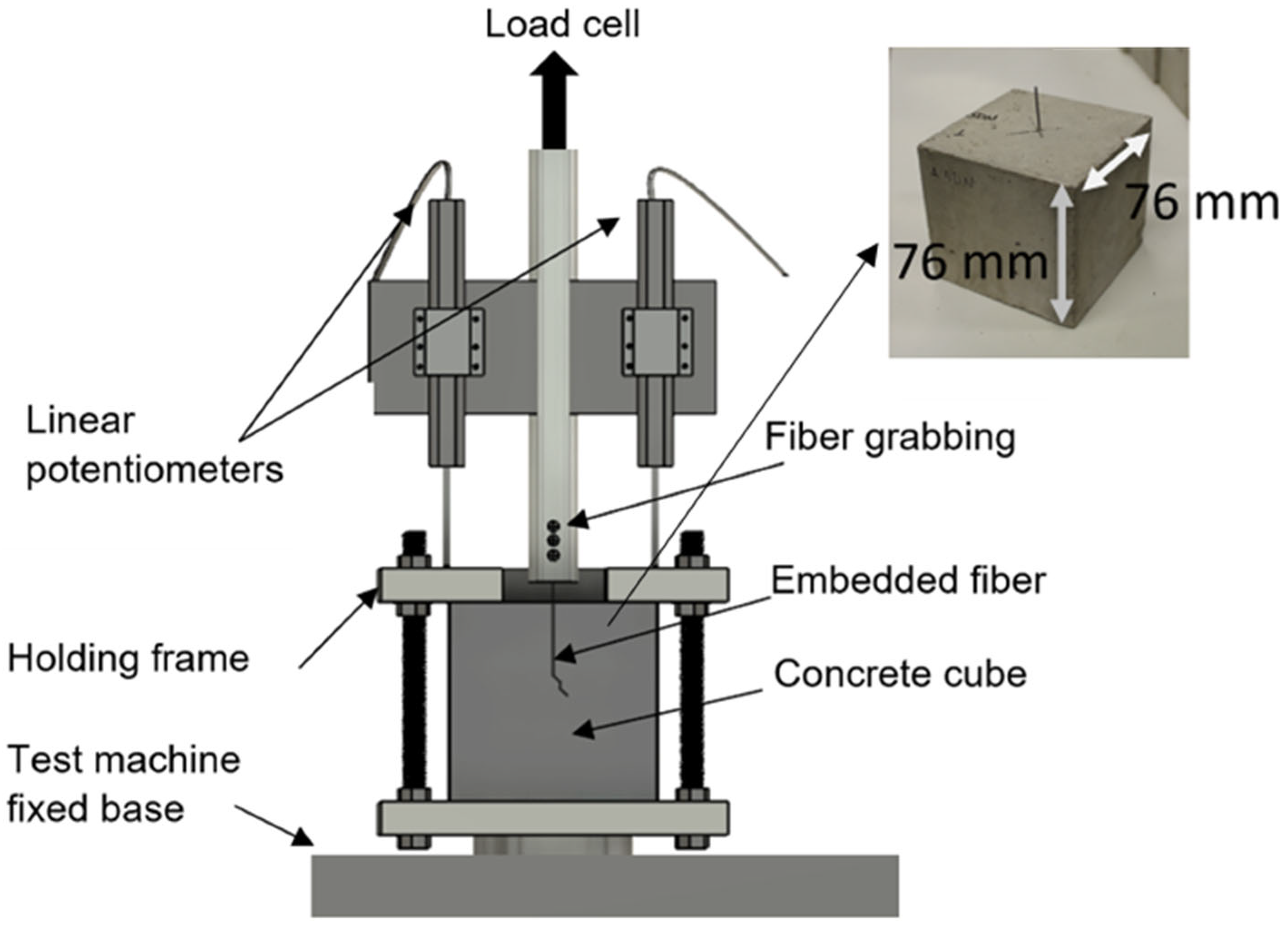
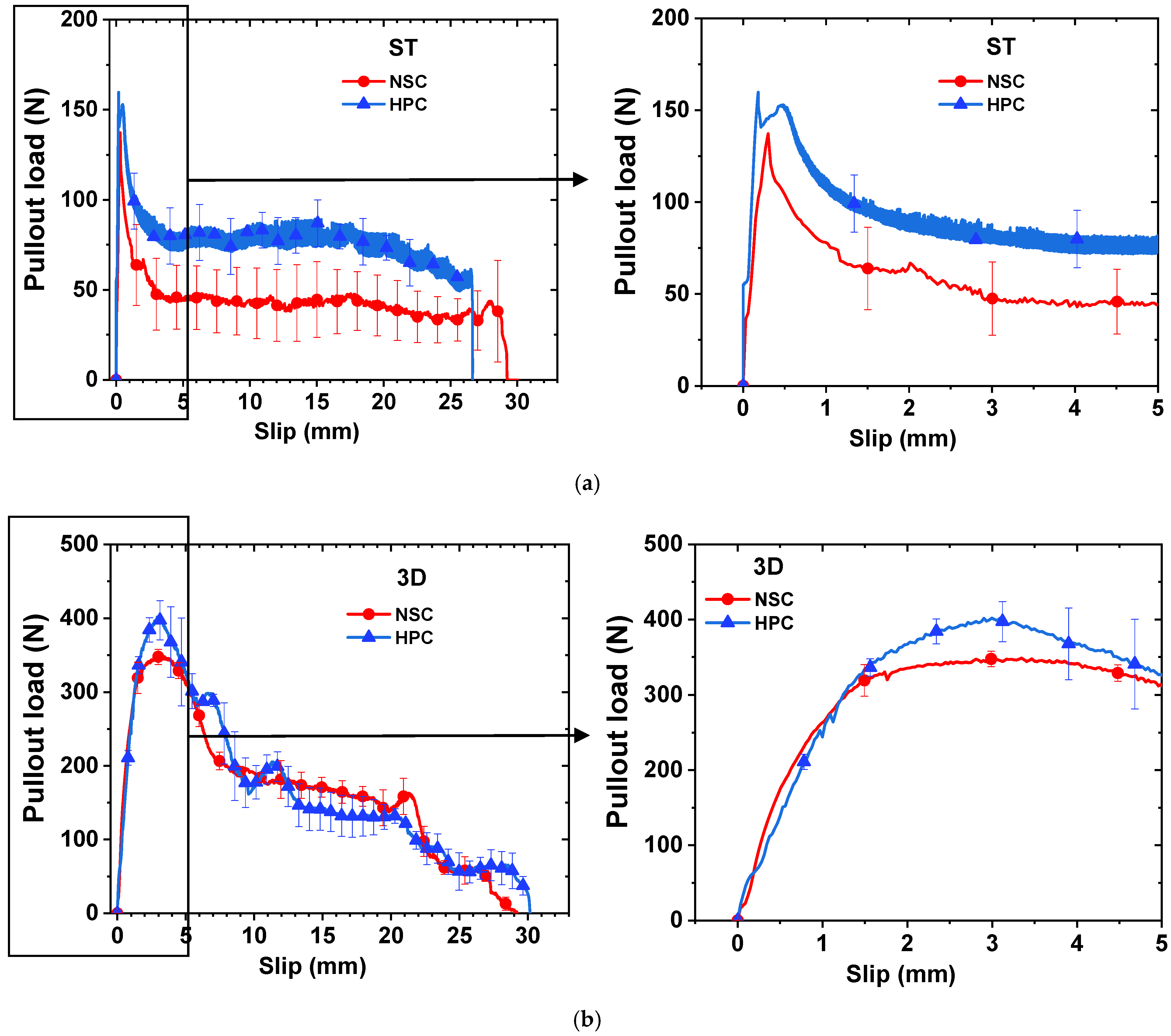
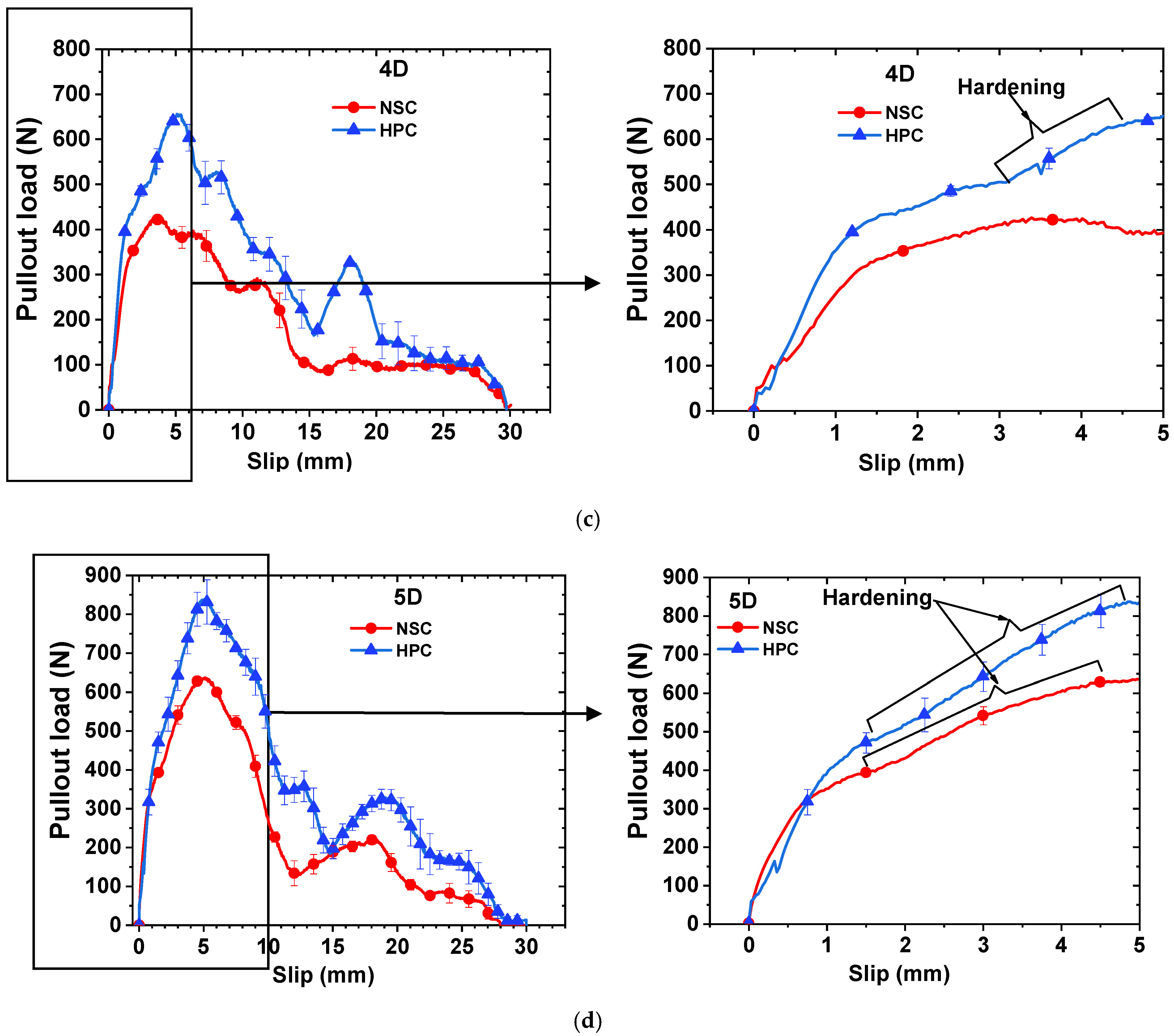
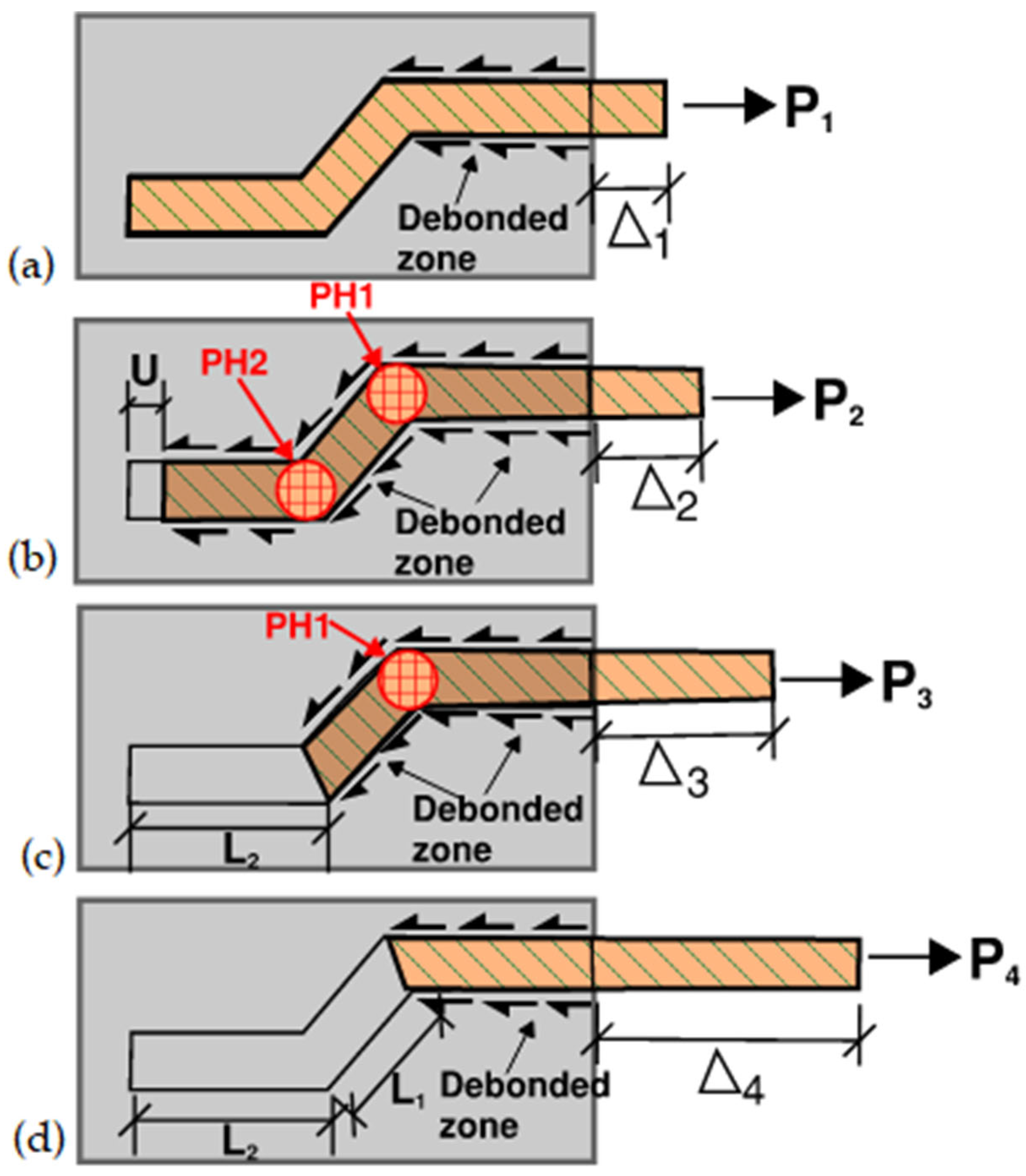
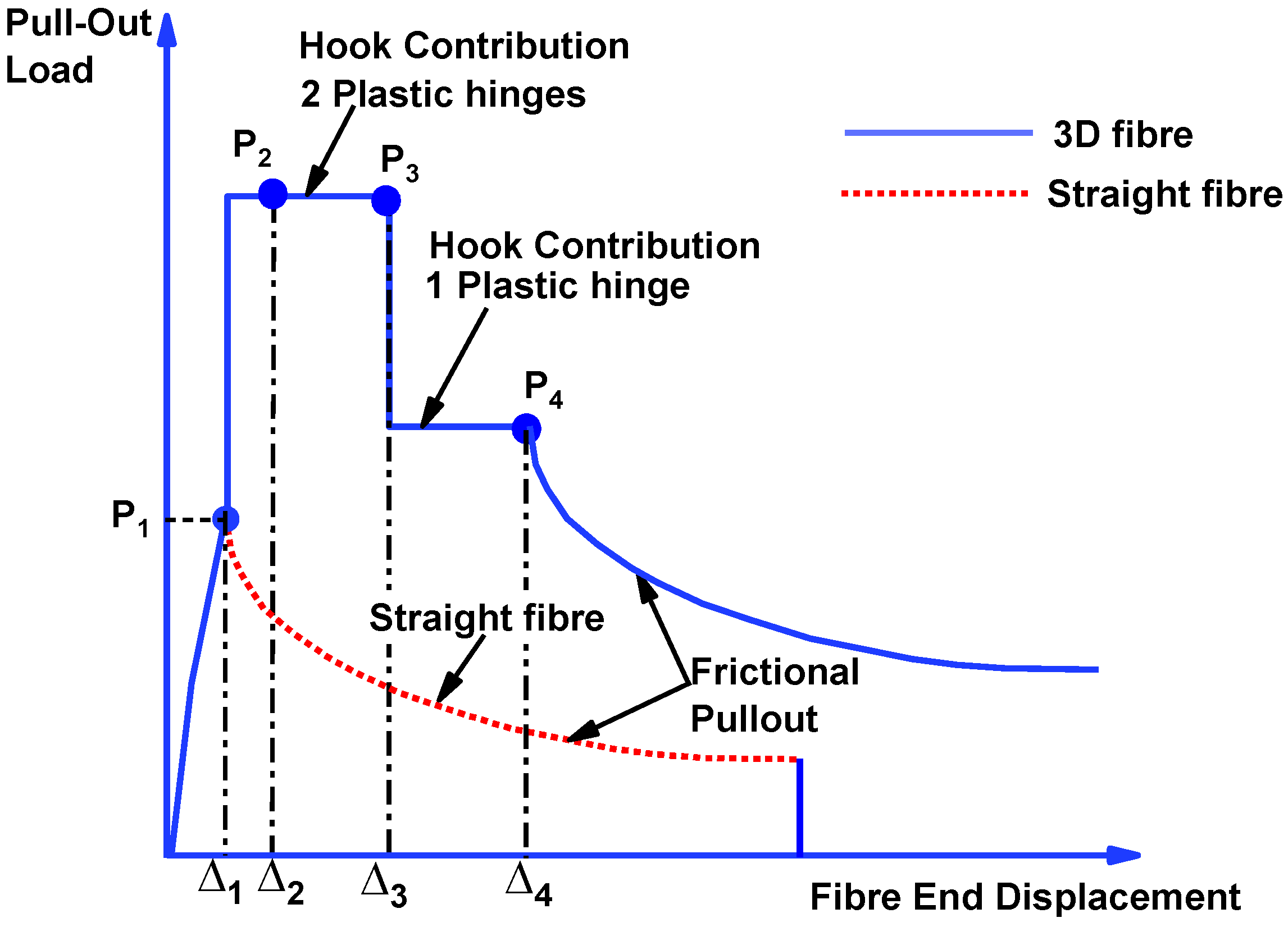
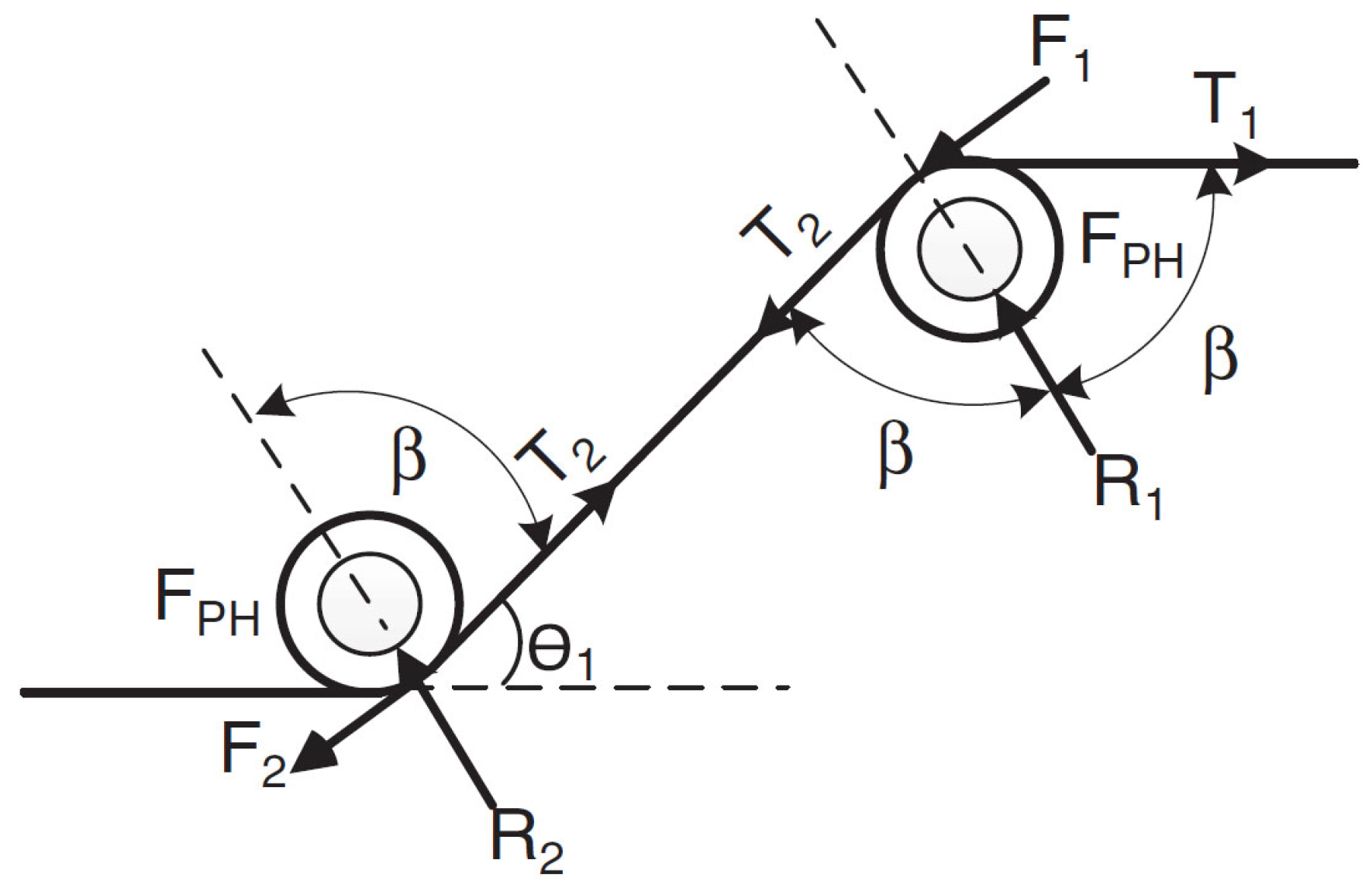
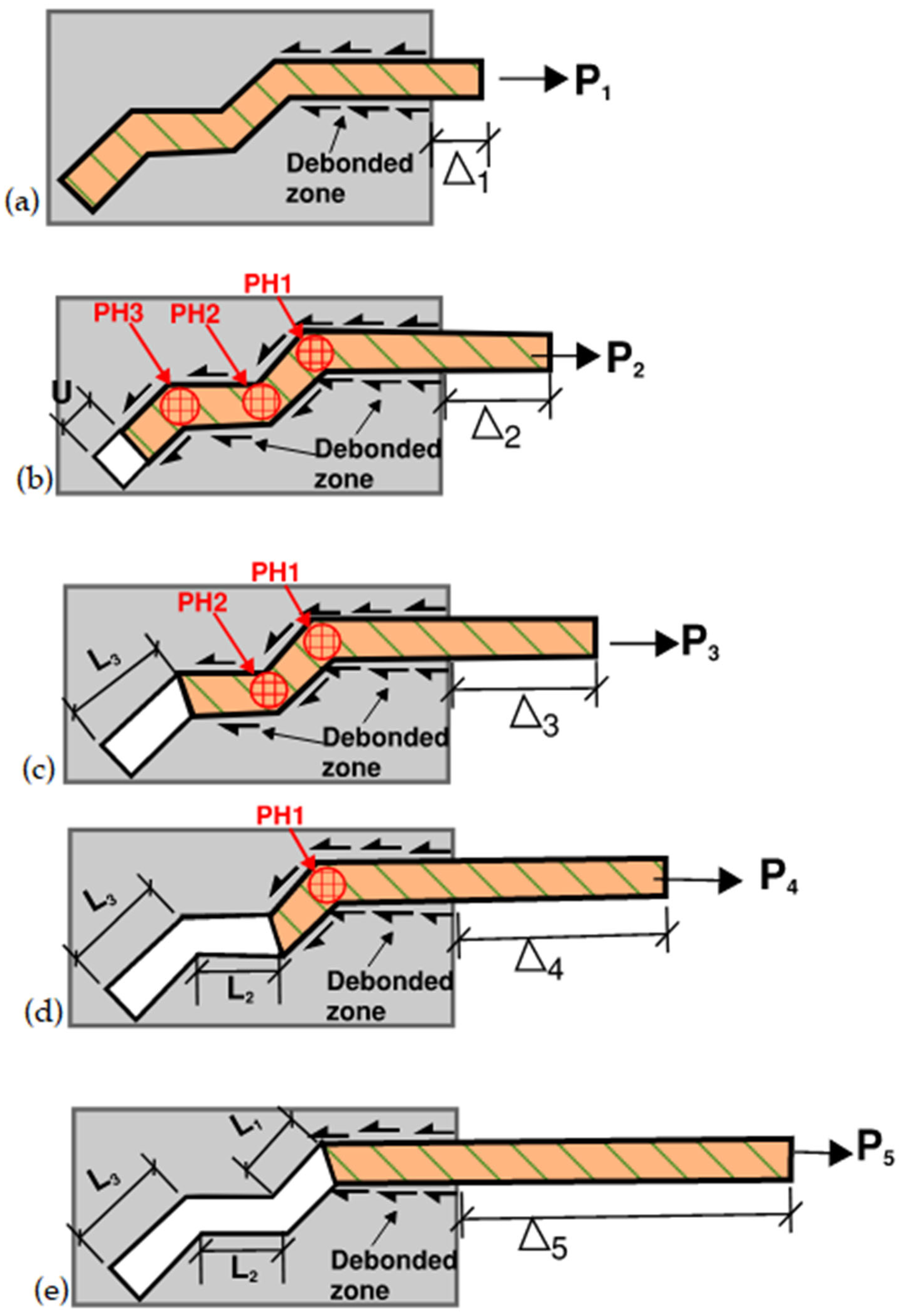
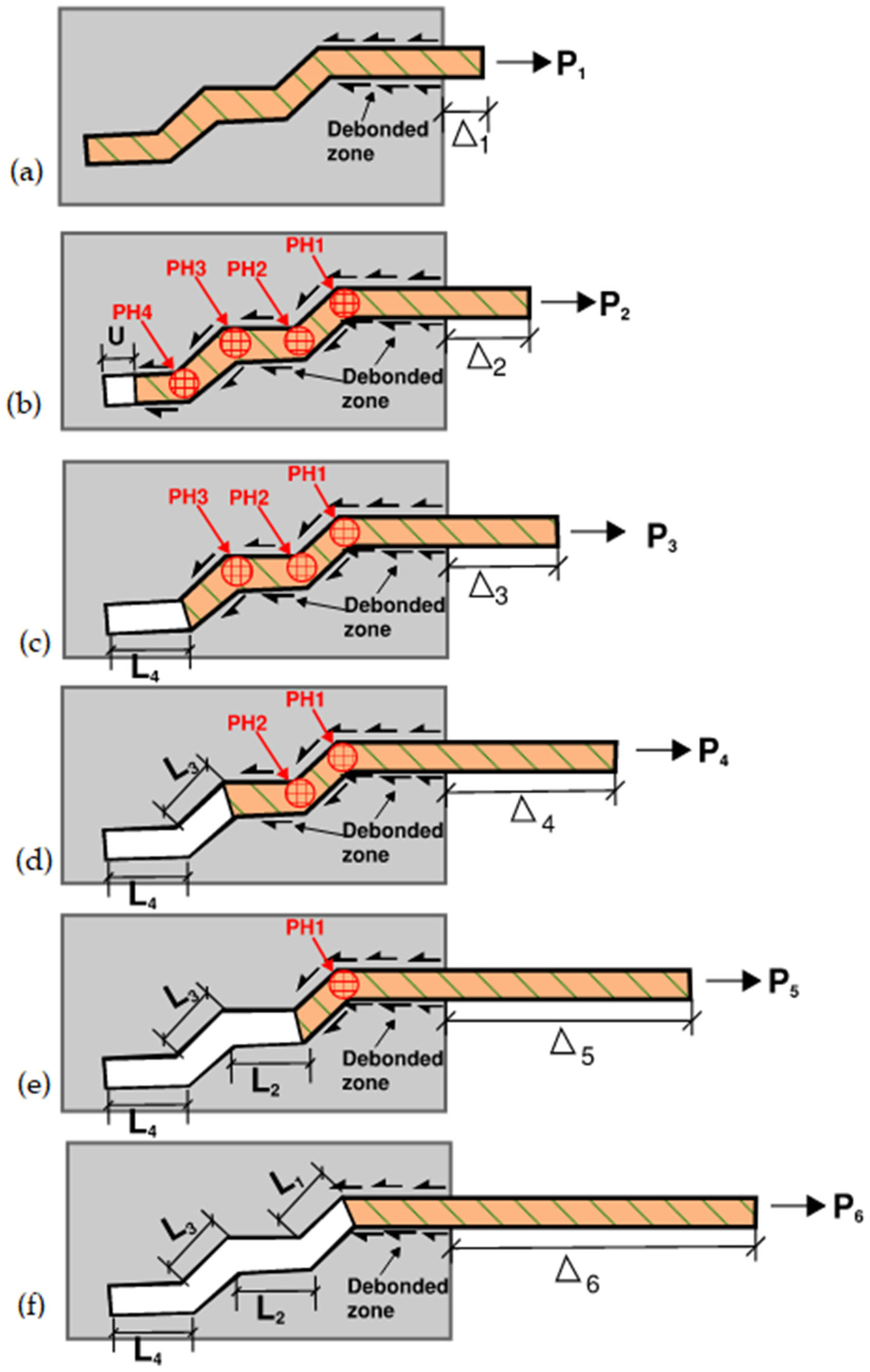
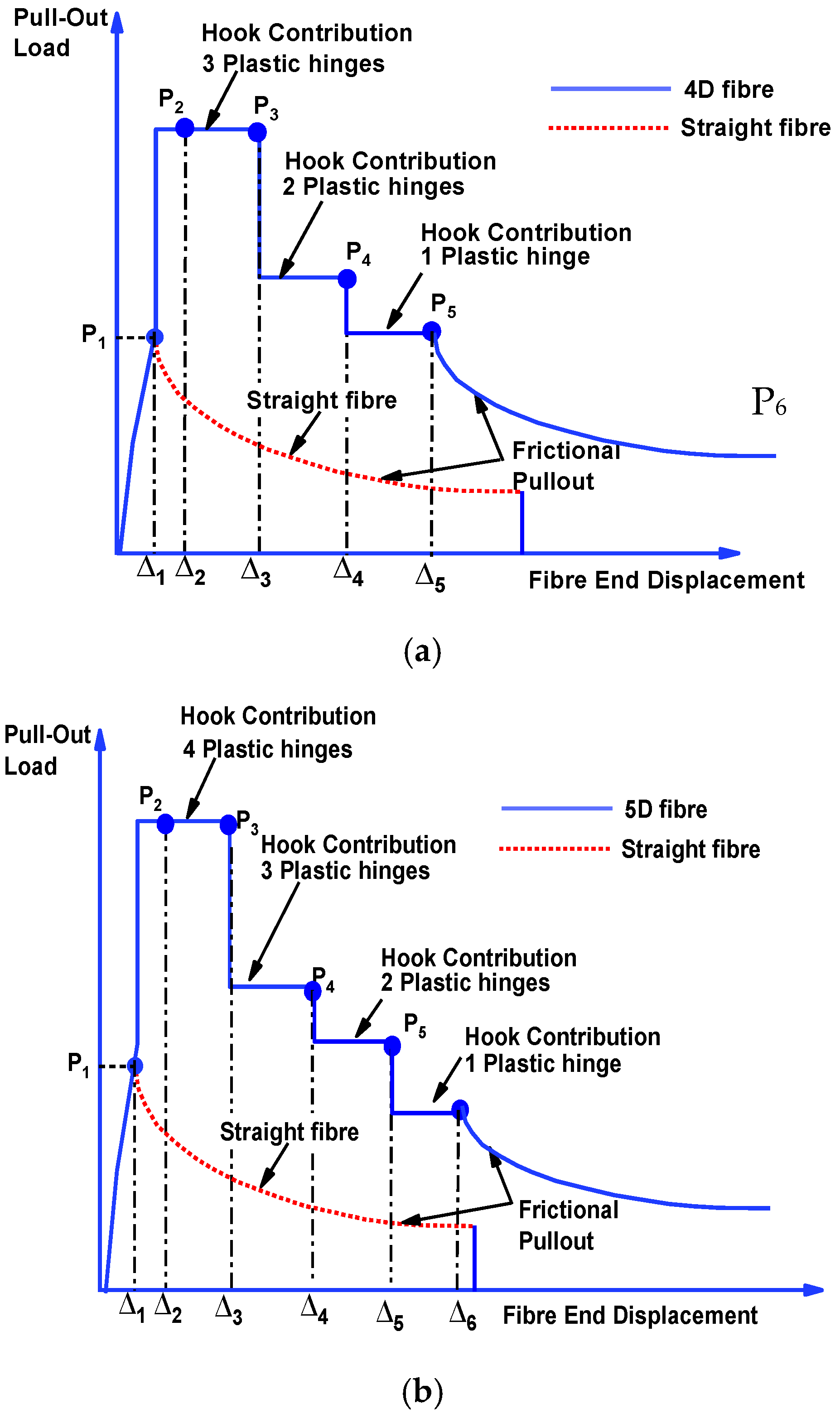
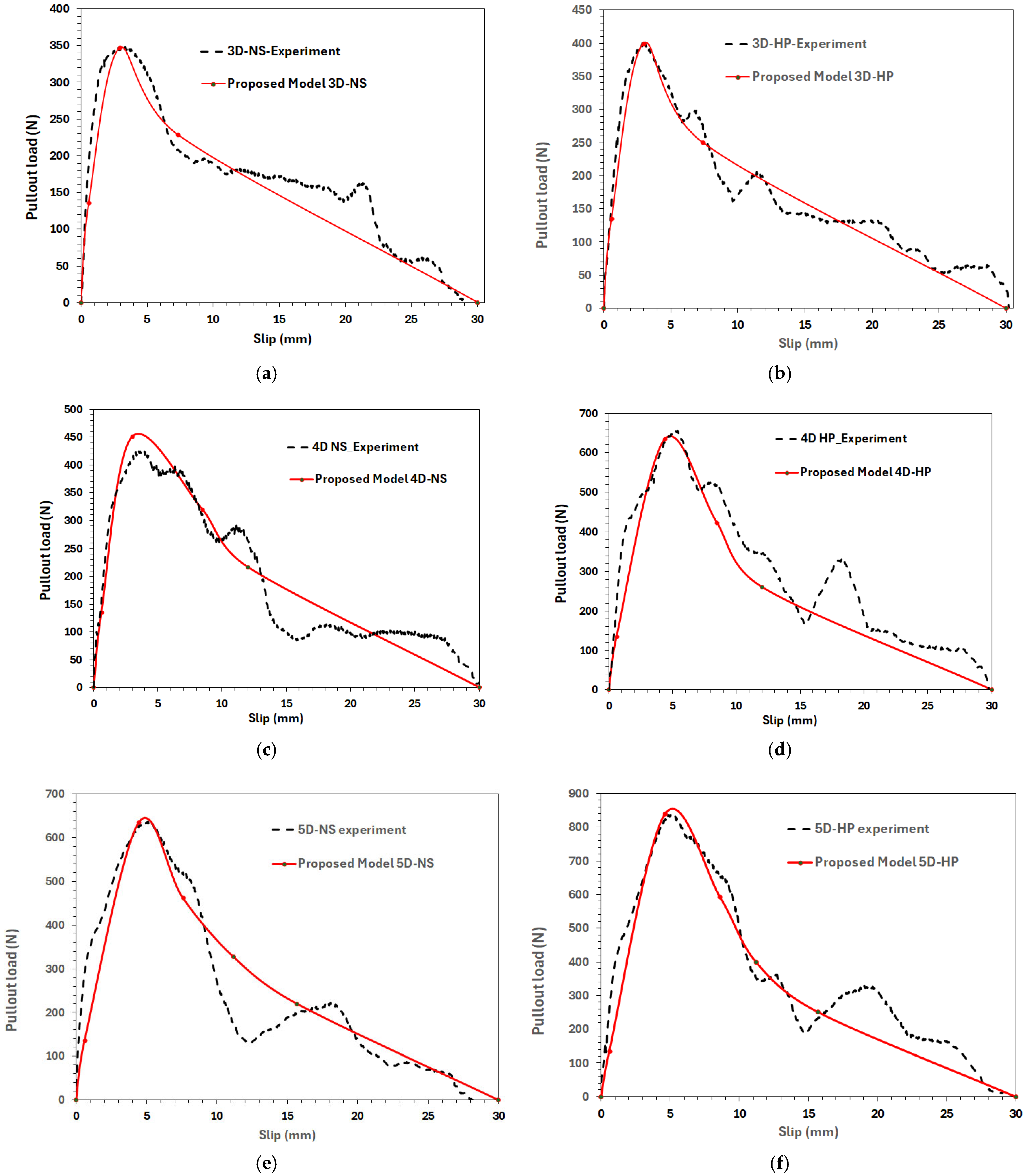
This study investigates the pullout behaviour of hooked-end superelastic shape memory alloy (SMA) fibres embedded in concrete with the aim to develop an analytical model. Single fibre pullout experiments were performed to evaluate the mechanical response of SMA fibres with various hook geometries. A mathematical model based on the friction pulley method was then developed to predict the experimental pullout load versus displacement plots. The model integrates the tensile stress–strain response and the elastic–plastic constitutive behaviour of superelastic SMA materials, while also accounting for fibre slip and superelastic deformation during the pullout process. The pullout process is modelled through staged mechanisms including elastic response and debonding, progressive mechanical anchorage, and frictional pullout. The contribution of mechanical anchorage is governed by the elastic–superelastic strain distribution within the hook bends. The proposed model reasonably reproduces the overall load-slip response, peak pullout load, slip at peak load, and pullout energy for the three different fibre geometries extracted from normal strength and high-performance concrete matrix. The proposed mathematical model offers a transferable and predictive tool for assessing the pullout performance of hooked-end SMA fibres and supports their integration into design of SMA fibre-reinforced cementitious composites.
Keywords: superelastic shape memory alloys; fibre reinforced concrete; pullout performance; energy dissipation superelastic shape memory alloys; fibre reinforced concrete; pullout performance; energy dissipation