1. Introduction
Landslides are one of the most critical natural hazards, typically initiated when slope-forming materials lose stability due to interactions among lithology, geological structure, topography, and weathering, and are further accelerated by external triggers such as intense rainfall, rising groundwater levels, snowmelt, earthquakes, volcanic activity, or human disturbances. In most mountainous areas with tectonic influence, the existence of large-scale landslides, mostly in a creeping state of displacement, is an added disaster risk to mountain populations. Stabilization efforts of such landslides include various structural as well as non-structural measures including drainage-assisted water table lowering, and stability is assured by evaluating the residual shear strength of the sliding zone clayey material.
The shear residual strength of a clayey material represents the minimum constant shear resistance mobilized along a well-defined slip surface, typically after significant displacement under relatively low shear strain rates, during which clay particles are reoriented into a stable configuration [
1]. This parameter plays a critical role in evaluating the long-term stability of both first-time and reactivated landslides [
2]. In many cases, landslide slip surfaces are located within clay-rich soils that have experienced previous shearing, thereby reaching a residual state [
3,
4]. Consequently, accurate assessment of the residual strength of such soils is essential for reliable hazard analysis and the design of effective slope stabilization measures. Residual shear strength mainly depends on the mineral composition rather than plasticity or grain size. Soils rich in massive minerals such as quartz, feldspar, calcite, and mica exhibit higher residual strength, whereas those dominated by clay minerals, including montmorillonite (or smectite group), show much lower strength [
5].
Conventional landslide stabilization or prevention strategies primarily rely on engineering solutions, including subsurface drainage systems and structural reinforcements. Despite their effectiveness, conventional stabilization methods are often costly, time-consuming, and environmentally intrusive, limiting their applicability in large-scale or resource-limited settings. This motivates the exploration of alternative approaches that can enhance slope stability with lower economic and social impacts.
So, one promising direction towards a new landslide stabilization technique involves investigating the influence of chemical interactions between soil minerals and groundwater composition. Several studies, e.g., refs. [
6,
7,
8,
9,
10,
11,
12] have reported that increasing the concentration of salt solutions enhances the shear strength of soils. Di Maio and Fenelli [
13] demonstrated that replacing distilled water with alternative fluids significantly alters the mechanical behavior of clayey soils. Abood et al. [
14] further showed that adding chloride salts such as NaCl, MgCl
2, and CaCl
2 to silty clay reduces the liquid limit, increases the plastic limit, lowers the plasticity index, and enhances the maximum dry density and compressive strength. Additionally, Rassoul Ajalloeian et al. [
15] found that higher water salinity decreases Atterberg limits and compressibility indices, while increasing shear strength parameters. Collectively, these studies confirm that chloride salts have a positive influence on the engineering properties of fine-grained soils. Furthermore, Shinichiro Matsuo [
16] has found that the stability of the slope was disturbed by the loss of calcium ions from the slope through seepage water. Ouhadi et al. [
17] have also deduced that pH and ion exchange are two different phenomena responsible for overcoming soil dispersity.
Despite all these findings, limited research has addressed how chemical-induced mineralogical changes influence the strength characteristics of landslide-prone clays. In particular, understanding the effect of cation adsorption changes on shear strength remains underexplored. To understand how geochemical changes in clay mineralogy could influence the frictional resistance of clay particles, this study investigates the role of ion adsorption from calcium chloride, magnesium chloride, and potassium chloride solutions on the mineralogical and mechanical properties of landslide soils.
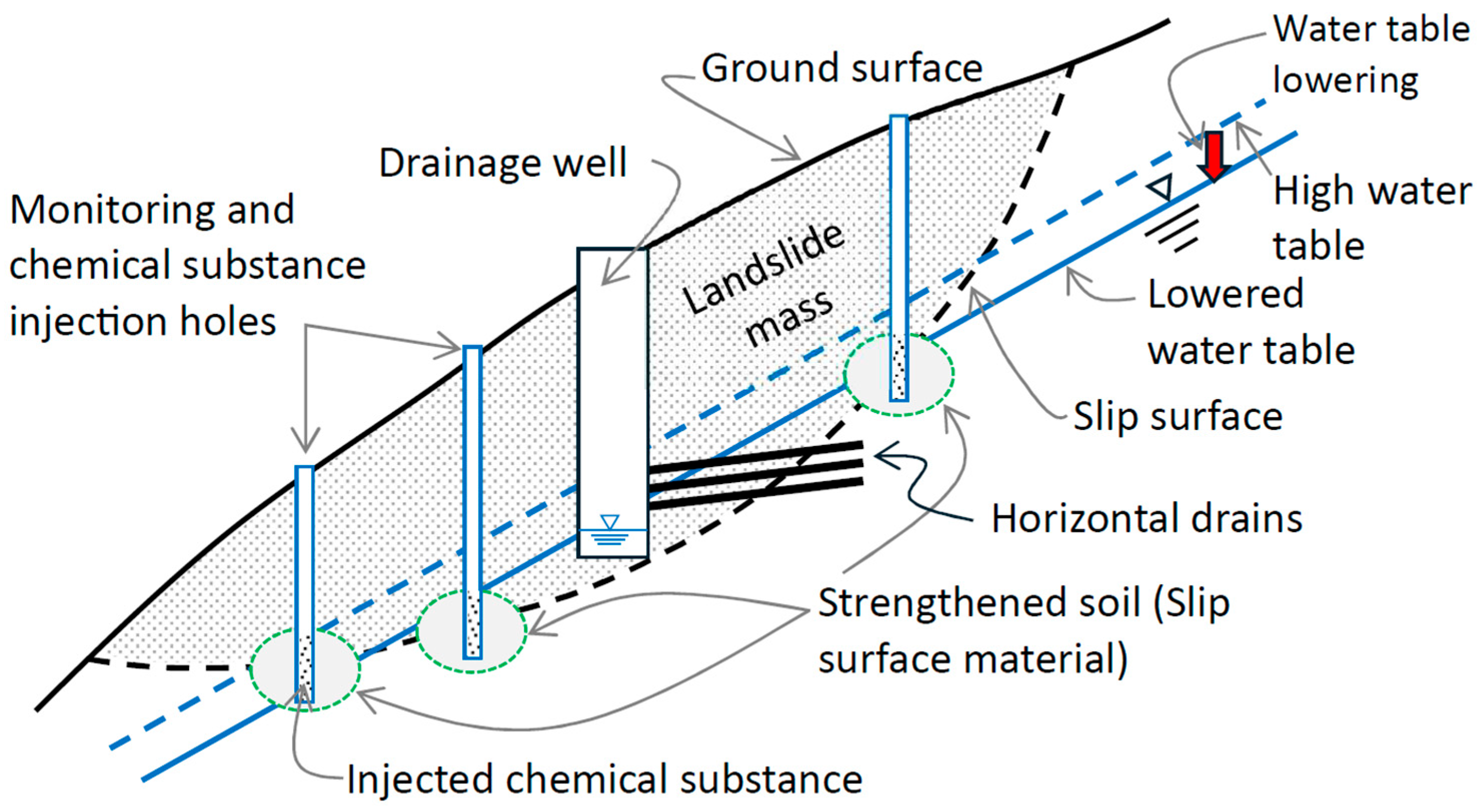
This approach of modifying soil properties through artificial cation exchange represents a paradigm shift from conventional slope or landslide stabilization techniques. Since groundwater chemistry directly affects slope stability, controlling cation concentrations can be considered to offer an innovative, cost-efficient, and sustainable strategy for landslide stabilization. A schematic diagram of a possible landslide prevention strategy using chemical substance injection into the landslide slip surface or weak clay layer zone is presented in
Figure 1. While practical applications may still be limited due to data constraints, emerging evidence highlights that cation adsorption and exchange significantly influence the residual strength enhancement and microstructural stability, opening avenues for novel slope stabilization techniques. The conceptual basis of chemically modifying clay behavior through pore-water chemistry builds upon earlier laboratory and field investigations by Di Maio and co-workers, including long-term monitoring at the Costa della Gaveta earthflow [
18] as well as field-scale potassium chloride stabilization studies reported by Helle et al. [
19]. This study complements these landslide stabilization efforts by providing controlled laboratory quantification of ion-specific adsorption effects on drained residual shear strength.
With the above background information and issues in landslide stabilization techniques, the primary objective of this study is to conduct fundamental experimental work towards proposing chemical-based countermeasures and establishing long-term stability management strategies for landslide-prone regions. For this, controlled laboratory experiments were conducted using aqueous solutions with varied concentrations of chloride compounds to examine their effects on the shear strength of landslide clay and mineralogical transformations. The landslide clay samples for experimental use were obtained from a real landslide site in Ehime Prefecture, Japan.
2. Practical Considerations and Limitations
The practical implementation of chemical-based landslide stabilization through artificial cation exchange involves many challenges. For example, reaching landslide slip surfaces is inherently complex due to their irregular geometry and spatial variability. However, existing investigation and remediation techniques, such as inclined drilling, drainage wells, and subsurface galleries, can be used to access weak clay layers identified through borehole logging, inclinometer measurements, and geophysical surveys. The proposed approach is therefore intended as a localized or targeted treatment applied to identified shear zones (as also illustrated in
Figure 1) rather than a uniform treatment of the entire landslide mass.
Moreover, the permeation of chemical solutions through fine-grained soils is limited by low hydraulic conductivity. In landslides, however, slip surfaces are typically composed of mobilized or heavily sheared clayey material with reoriented clay particles, micro fissures, and shear-induced fabric, which can locally enhance permeability relative to intact clay. Ion exchange is therefore expected to occur preferentially in these zones. Low-pressure injections or controlled infiltration methods are required to promote chemical interaction while avoiding hydraulic fracturing or reactivation of slope movement.
The experimental results presented in this study are derived from controlled laboratory conditions and should be interpreted accordingly. While the observed changes in mineralogical characteristics and residual shear strength provide valuable insight into governing mechanisms, direct extrapolation to field-scale landslides is not straightforward. Natural slopes exhibit complex stress paths, heterogeneous mineralogy, and variable groundwater regimes that cannot be fully replicated in laboratory testing. Consequently, the results should be regarded as mechanistic evidence rather than direct design values.
Furthermore, groundwater circulation represents an additional controlling factor in field applications. Groundwater flow may dilute the introduced or injected salts, transport the ions away from the treatment zone, or gradually reverse cation exchange through mass-action effects [
20,
21]. These processes suggest that chemical stabilization may require repeated application, recharge, or integration with drainage measures to regulate pore-water chemistry. Long-term effectiveness would therefore depend on site-specific hydrogeological conditions, monitoring of groundwater chemistry, and evaluation of ion persistence over time.
3. Materials and Methods
3.1. Landslide Soil Sample
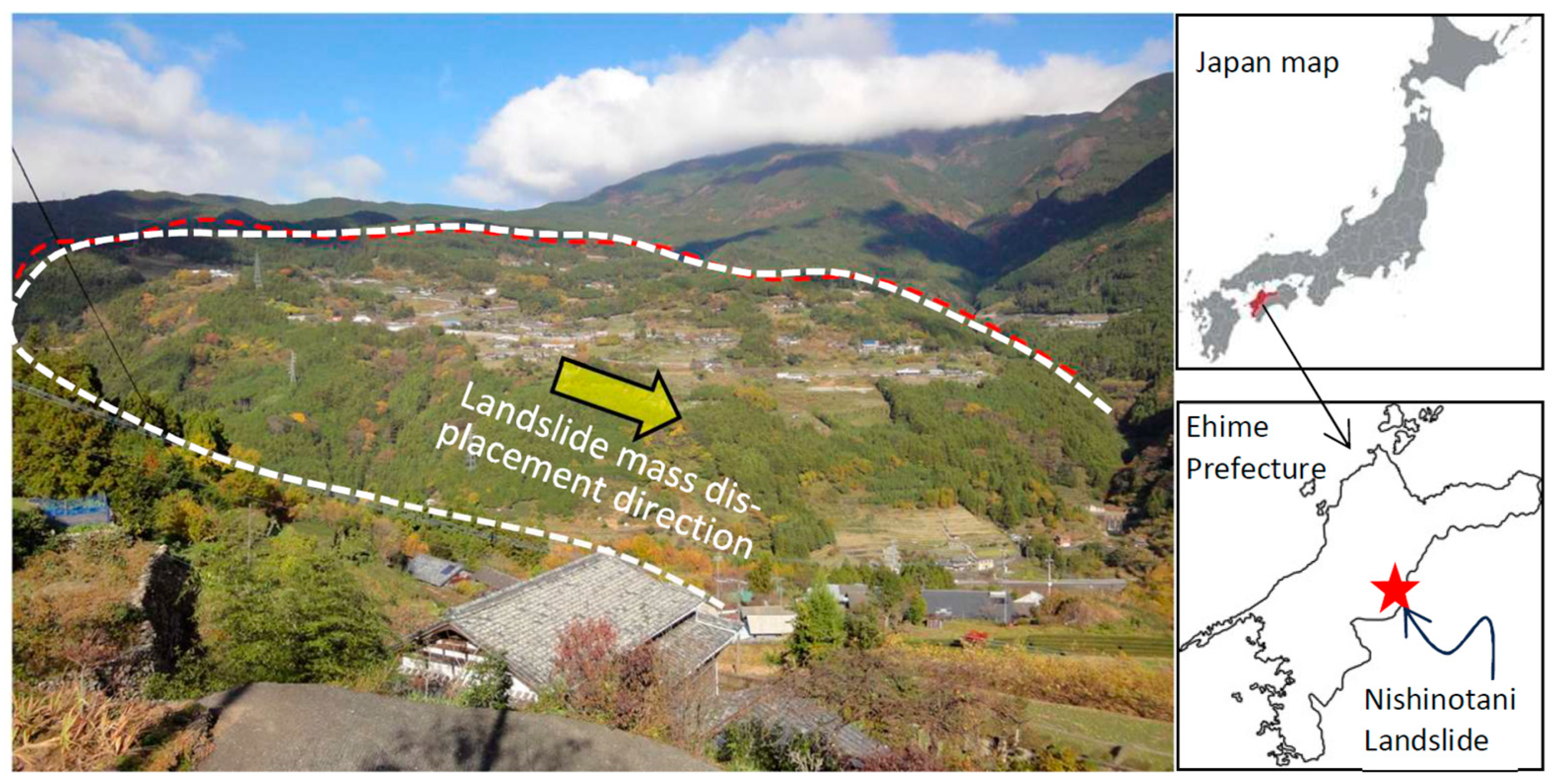
The landslide soil samples for laboratory experiments for this study were obtained from the Nishinotani landslide area in Kumakogen Town, Ehime Prefecture, Japan (
Figure 2). The landslide is a creeping-type mass movement and has a few centimeters of displacement per year. It is situated near the boundary between Ehime and Kochi Prefectures, to the north of National Route 33, which connects Matsuyama and Kochi cities. The affected area lies on a southeast-facing slope along the left bank of the Niyodo River. The slip surface is interpreted to form within a landslide mass composed of colluvial deposits of approximately 10 m to 15 m thickness.
The clay samples used in this study were collected from the clay-rich zone interpreted as the active slip surface of the Nishinotani landslide, based on borehole logging data, field observations, and previous geotechnical investigations conducted as part of the ongoing landslide mitigation project. The sampling depth corresponds to the shearing zone where long-term displacement was confirmed, and the shear zone material was at a near-residual state of shear. Although the samples were collected from a limited number of locations, the mineralogical composition and physical properties of the material are consistent with those typically observed in slip surface clays of creeping landslides in the region. To minimize the influence of local heterogeneity, the collected material was thoroughly remolded prior to testing, following standard practice for residual shear strength evaluation, which is known to be independent of initial soil fabric.
Owing to the large scale of the movement and the potential for extensive damage, a landslide prevention project supported by the Ministry of Land, Infrastructure, Transport, and Tourism (MLIT) is still underway. The countermeasure techniques include installation of drainage wells, horizontal boreholes, surface drainage channels, and anchor systems in selected areas.
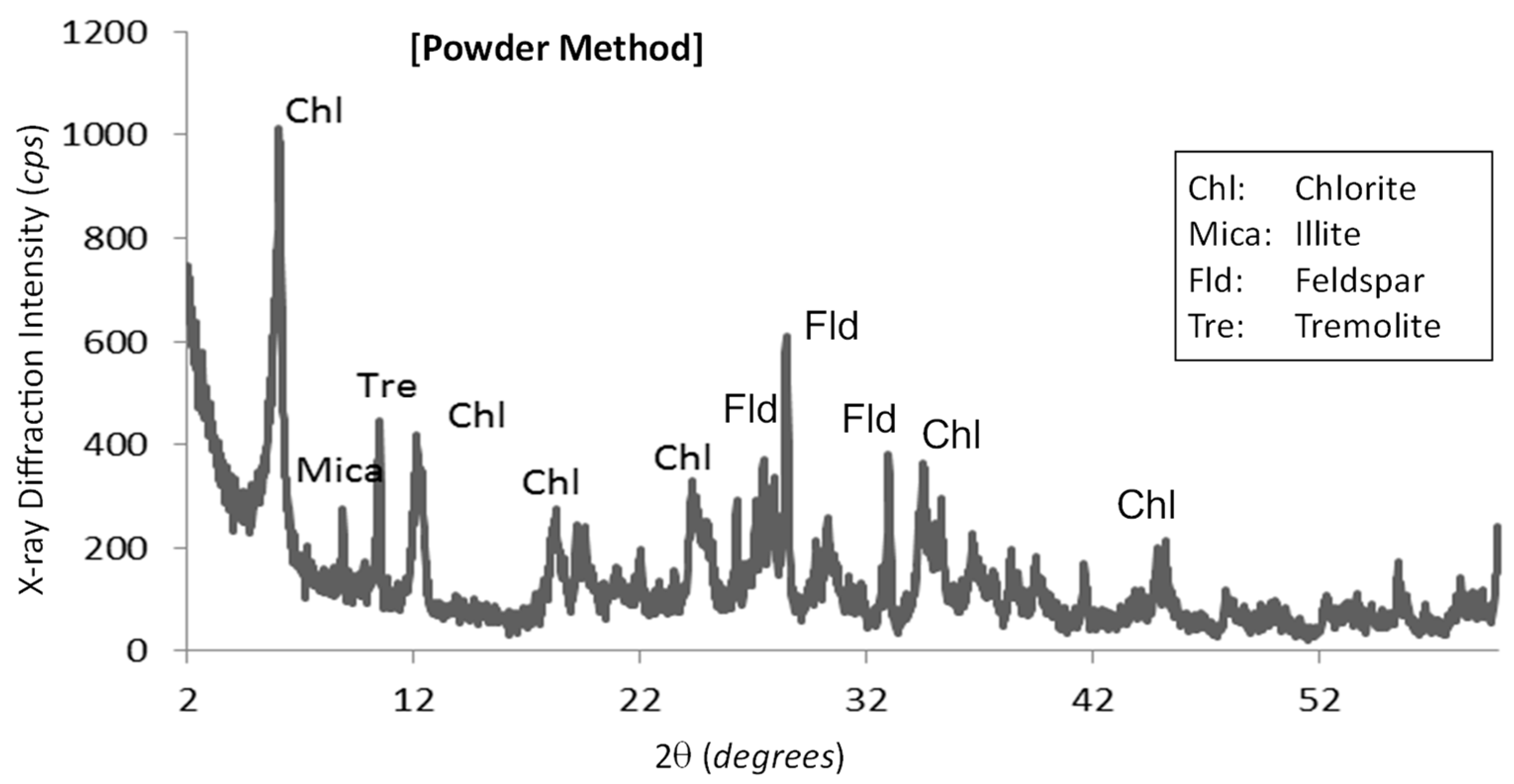
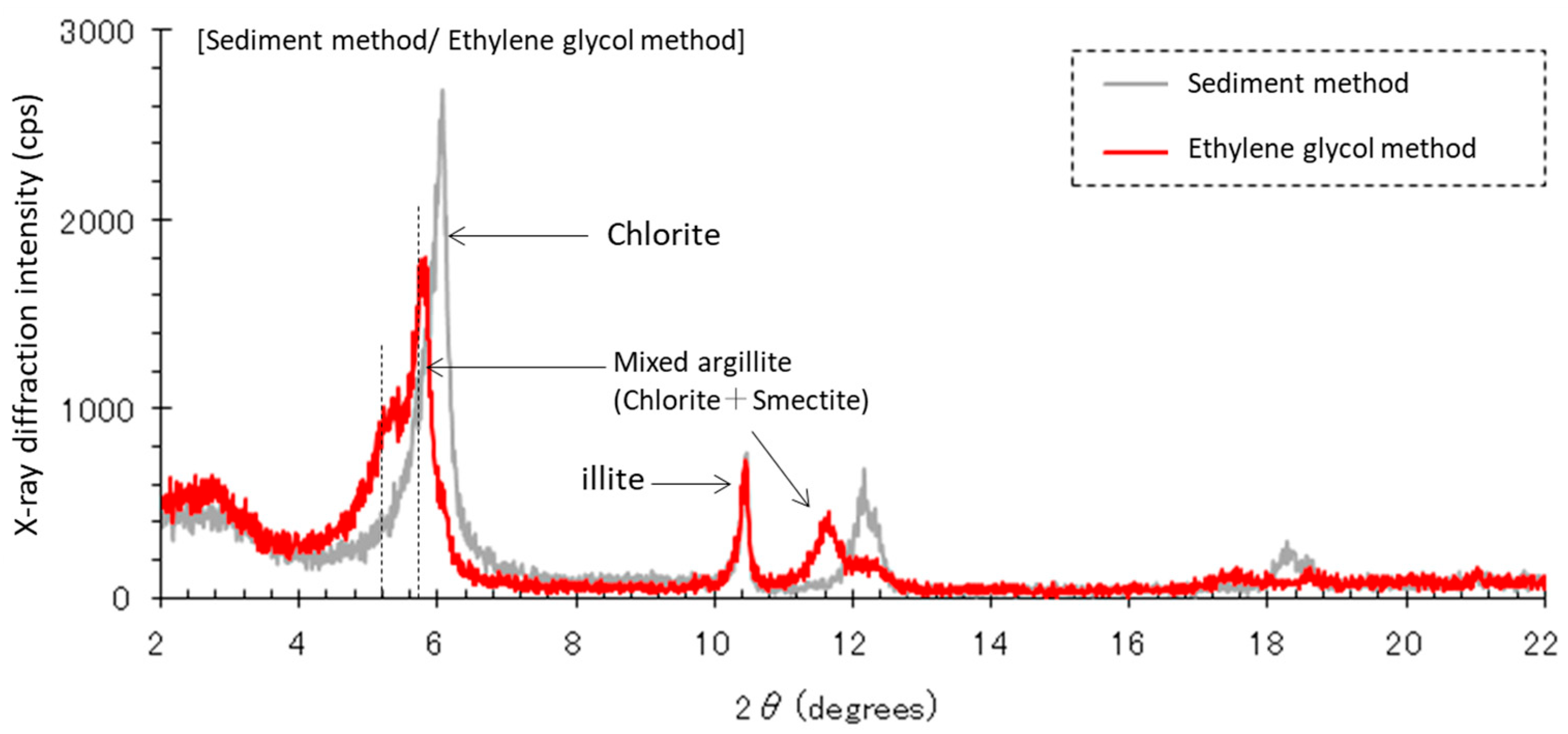
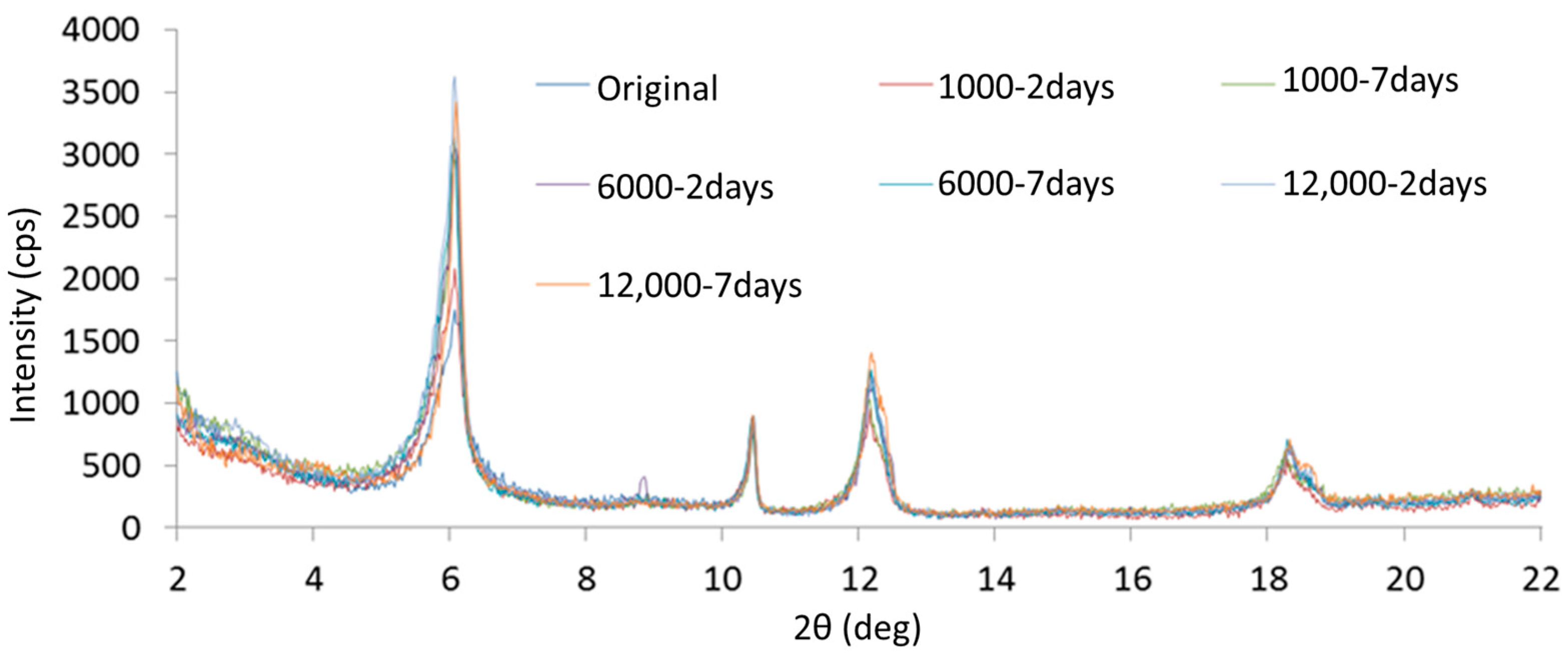
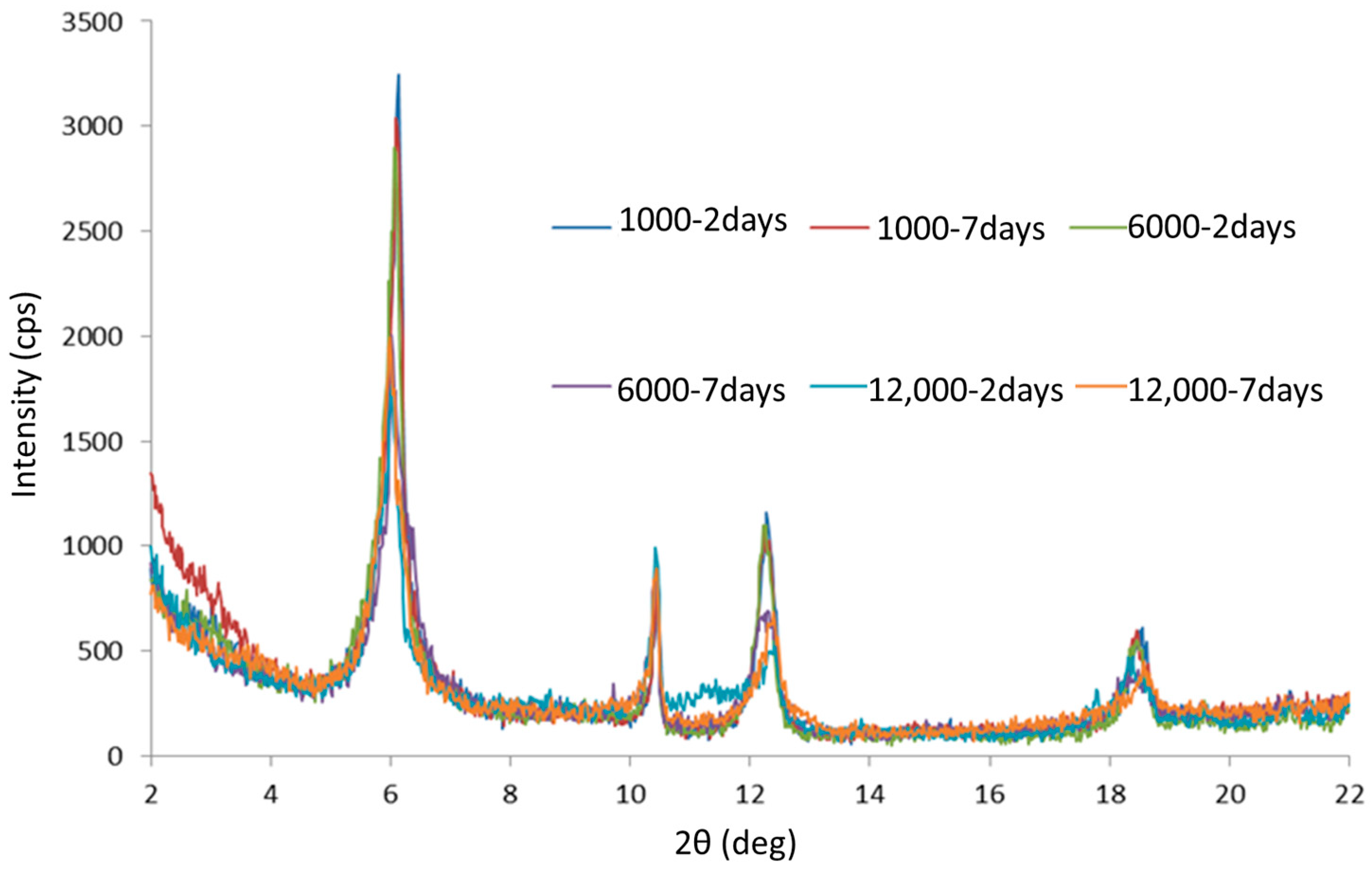
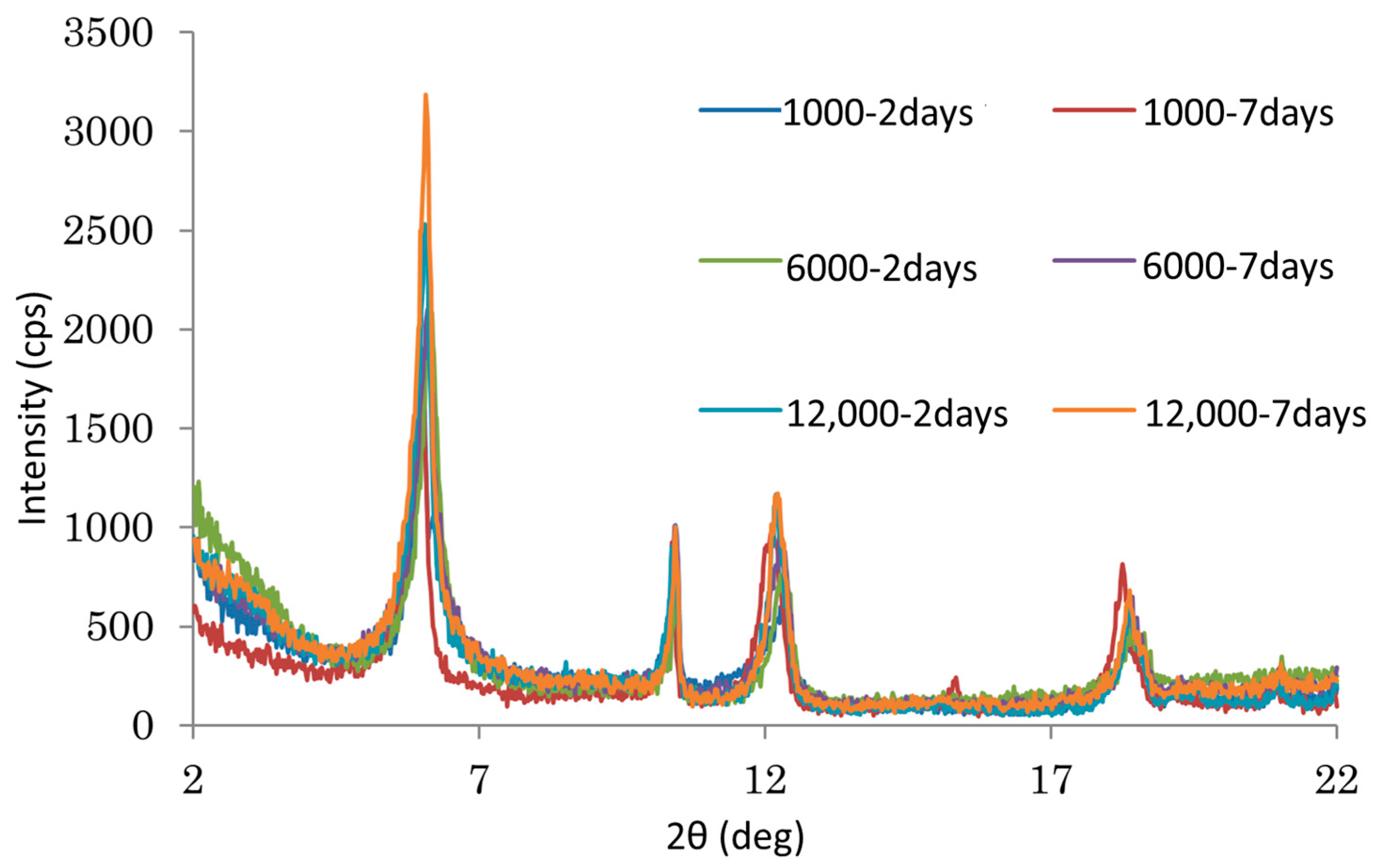
To find out the mineralogical composition of the collected landslide clay samples, X-ray diffraction (XRD) tests were conducted according to existing and well-accepted standard procedures. The XRD patterns of the powder method (with particle size below 0.075 mm) and subsequent sediment and ethylene glycol treatment (sediment method with particle size below 0.002 mm) revealed that the landslide soil primarily contains feldspar and mica, along with a significant proportion of mixed-layer clay minerals, predominantly chlorite and the smectite, as typically indicated in
Figure 3 (powder method X-ray diffraction pattern) and
Figure 4 (ethylene glycol-treated sediment method X-ray diffraction pattern). Moreover, in
Table 1, the basic physical properties of the tested clay material prior to any treatment are summarized, which were obtained in accordance with the Japanese standards for soil testing methods [
22].
3.2. Characteristics of Smectite
The smectite group of clay minerals comprises species whose structure is built from stacked, negatively charged 2:1 layers. Each 2:1 layer consists of two continuous tetrahedral sheets (T), in which [SiO
4]
4− tetrahedra share three corners with adjacent tetrahedra to form a hexagonal, two-dimensional network in the single plane. Sandwiched between these tetrahedral sheets is an octahedral sheet (O), which may be dioctahedral (with divalent cations, such as Mg
2+ or Fe
2+, occupying two out of every three octahedral sheets) or trioctahedral (with all octahedral sites filled). The negative charge generated by isomorphous substitution in the 2:1 layer is balanced by hydrated, exchangeable cations—primarily Ca
2+, Mg
2+, and Na
+—present in the interlayer spaces [
23]. Smectites are expansive clay minerals frequently found in a wide range of surface and subsurface geological settings, including soils, sediments, and aquatic environments [
24]. These sheet-like minerals are distinguished by their large specific surface area [
25] and cationic exchange capacity due to isomorphic substitutions in their crystalline structure. Due to these properties, these compounds have a high potential to absorb inorganic cations, such as the major cations found in natural waters (Na
+, Ca
2+, Mg
2+, and K
+) [
26]. Naturally occurring smectite clays typically contain both sodium (Na
+) and calcium (Ca
2+) ions as exchangeable cations that compensate for the negative charge on their 2:1 layered structure [
27].
3.3. Sample Preparation
The soil samples collected from the Nishinotani landslide were sieved through a 425 μm sieve and oven-dried to achieve 0% water content before testing. Test samples were prepared to evaluate ion adsorption, residual shear strength, and mineralogical changes through ion chromatography, ring shear tests, and X-ray diffraction (XRD) tests, respectively. Initially, the effect of calcium chloride (CaCl2) solution on strength and mineral properties was examined, followed by similar tests using magnesium chloride (MgCl2) and potassium chloride (KCl) solutions. For each test, 200 g of soil was mixed with 120 mL of distilled water containing the respective salt at concentrations of 1000 mg/L, 6000 mg/L, and 12,000 mg/L. The mixtures were left to soak for 2 and 7 days, including deairing time, to allow sufficient ion adsorption. Calcium and magnesium, both divalent cations, were used to study intra-valence effects, while potassium, a monovalent cation common in clays, enabled comparison across different valence states.
3.4. Experimental Procedures
To evaluate the effectiveness of chemical treatment for improving soil shear strength, ring shear tests were performed on soil samples mixed with calcium chloride (CaCl
2), magnesium chloride (MgCl
2), and potassium chloride (KCl) solutions. The chemical substances used to make aqueous solutions are shown in
Table 2.
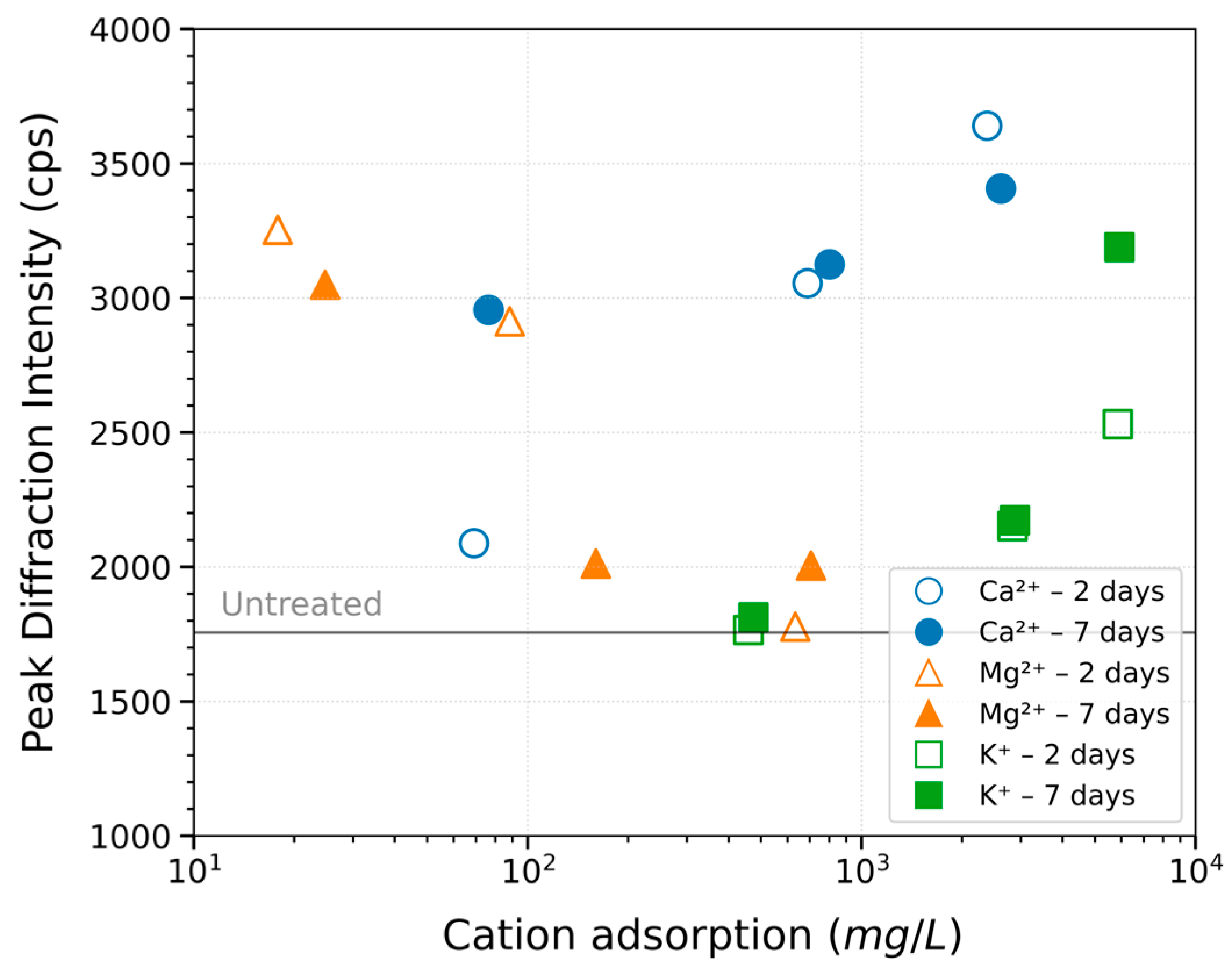
The number of ions adsorbed at the end of soaking was determined using ion chromatography tests, and additionally, X-ray diffraction tests were also performed to compute the degree of crystallinity by observing changes in peak diffraction intensities. The details of the experimental procedures are presented in the subsequent section.
3.4.1. Ion Adsorption Tests
In this experiment, ion chromatography was used to measure the concentrations of ions adsorbed onto and released from the soil samples. The technique separates ions using a dilute solution (eluent) that flows through a column containing an ion-exchange material. As the sample passes through, different ions move at different speeds and are detected automatically by an electrical conductivity or ultraviolet detector.
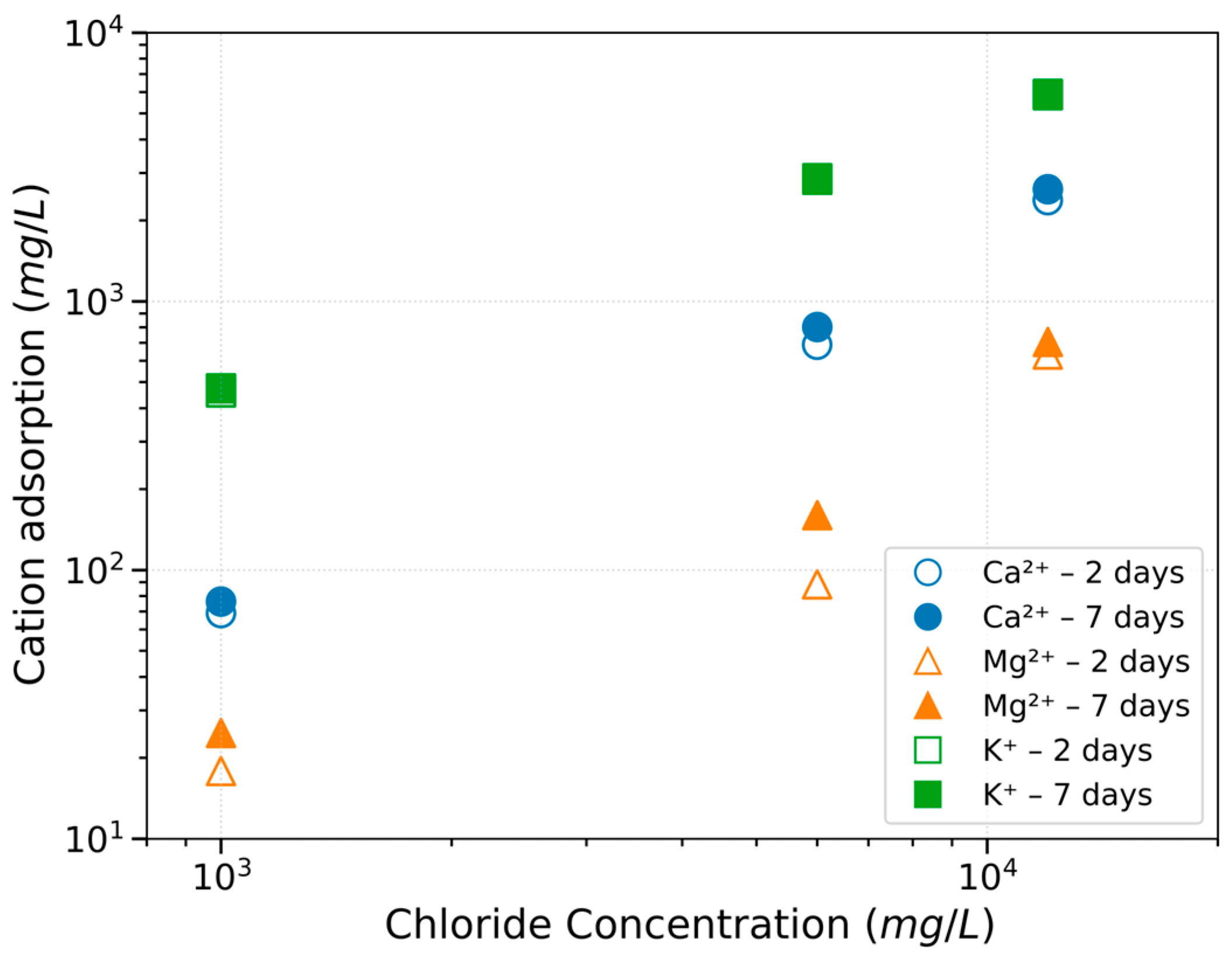
Five cations (Na+, NH4+, K+, Mg2+, and Ca2+) and four anions (Cl−, NO2−, NO3−, and SO42−) were analyzed. However, because the changes in Na+, Ca2+, Mg2+, and K+ were more significant than those in other ions, the discussion focuses on these four.
Eluent solutions for both cations and anions were prepared, and small volumes of the test solutions at various concentrations were filtered before analysis. The same procedure was applied to water samples collected after compaction and after different soaking periods. The eluent was placed in the ion chromatograph, with the flow rate set to 1.0 mL/min for cations and 1.2 mL/min for anions. A standard solution was first injected, and a calibration graph appeared after about 25 min. Then, the filtered samples were injected one by one, taking care to avoid air bubbles. Ion concentrations in the samples were determined by comparing the peak areas of the standard and sample graphs.
3.4.2. X-Ray Diffraction Analysis and Determination of Crystallinity
We used X-ray diffraction (XRD) tests to identify the clay and non-clay minerals in the clay samples and to see how their crystal structures change. When X-rays hit a solid with a regular atomic layout, the scattered rays interfere and make a pattern that tells us the crystal structure. In this study, we followed three routine procedures: (1) the powder method, in which, the sample was oven-dried, finely ground using an agate mortar, placed on a glass slide (powder holder), and scanned over a 2θ range of 2° to 50° at a rate of 2°/min to identify all mineral phases; (2) the sedimentation method, in which, a fixed amount of sample was dispersed in distilled water and allowed to settle so that the coarse particles (i.e., composed of quartz, feldspar, pyroxene, etc.) settled at the bottom and the clay particle-rich suspension in the upper portion was collected and placed on a glass slide in an oriented condition, which after drying on a hot plate was scanned over a 2θ range of 2° to 22° at a rate of 2°/min to emphasize the clay mineral peaks; and (3) the ethylene glycol method, in which, the oriented clay particle sample was exposed to ethylene glycol vapor at 60 °C, allowing the glycol molecules to penetrate the interlayer spaces, leading to expansion of smectite by approximately 2 Å but no change in chlorite, which enables the identification of smectite–chlorite mixed layers (as also illustrated in
Figure 4). The scan range and speed are identical to those used in the sedimentation method. These X-ray diffraction procedures were carried out using equipment and protocols from Rigaku Electric [
28] and Kato S. [
29].
The height of a diffraction peak depends on how the atoms are arranged, which elements are present, their thermal vibrations, any defects in the crystal, and the instrument’s performance and settings.
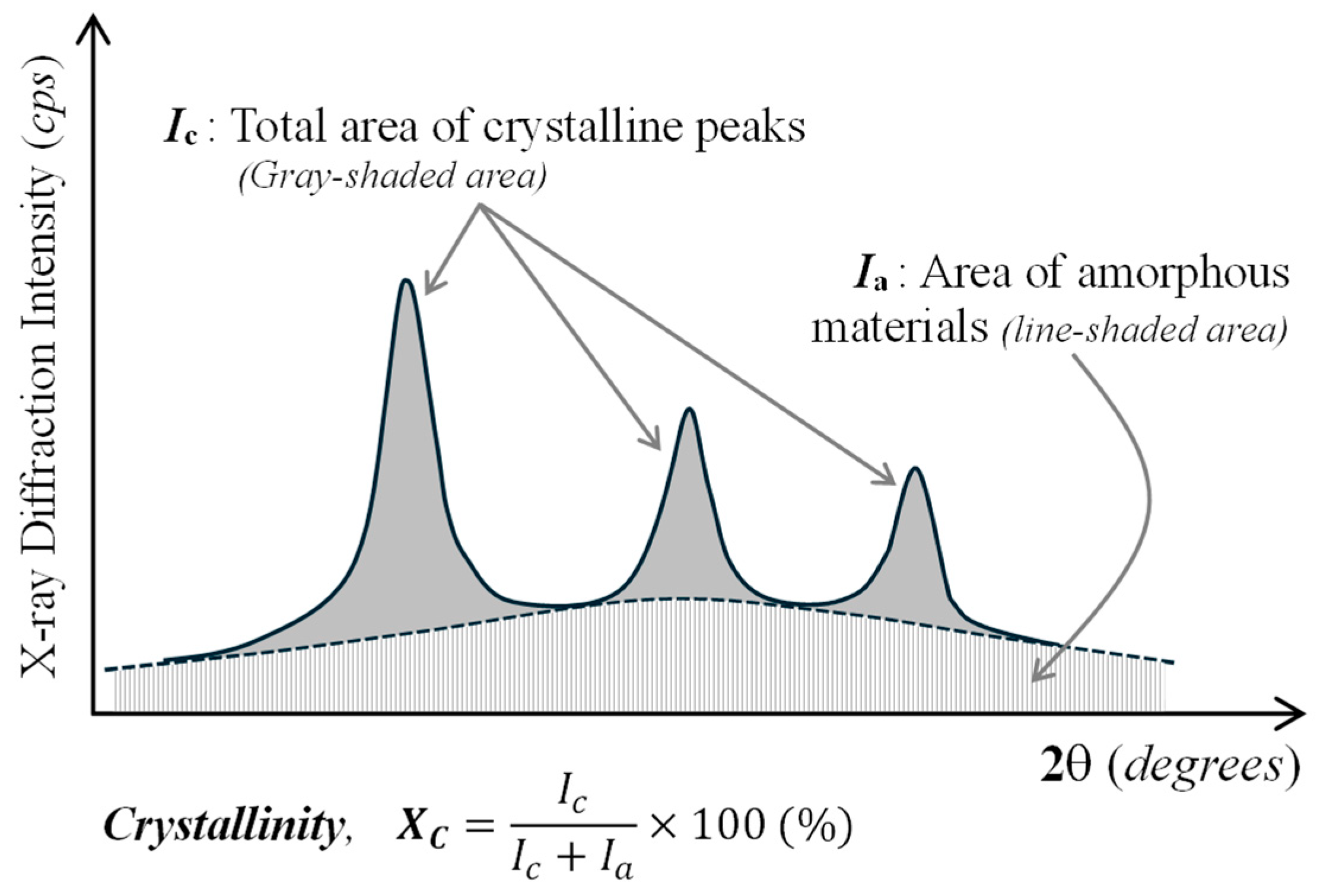
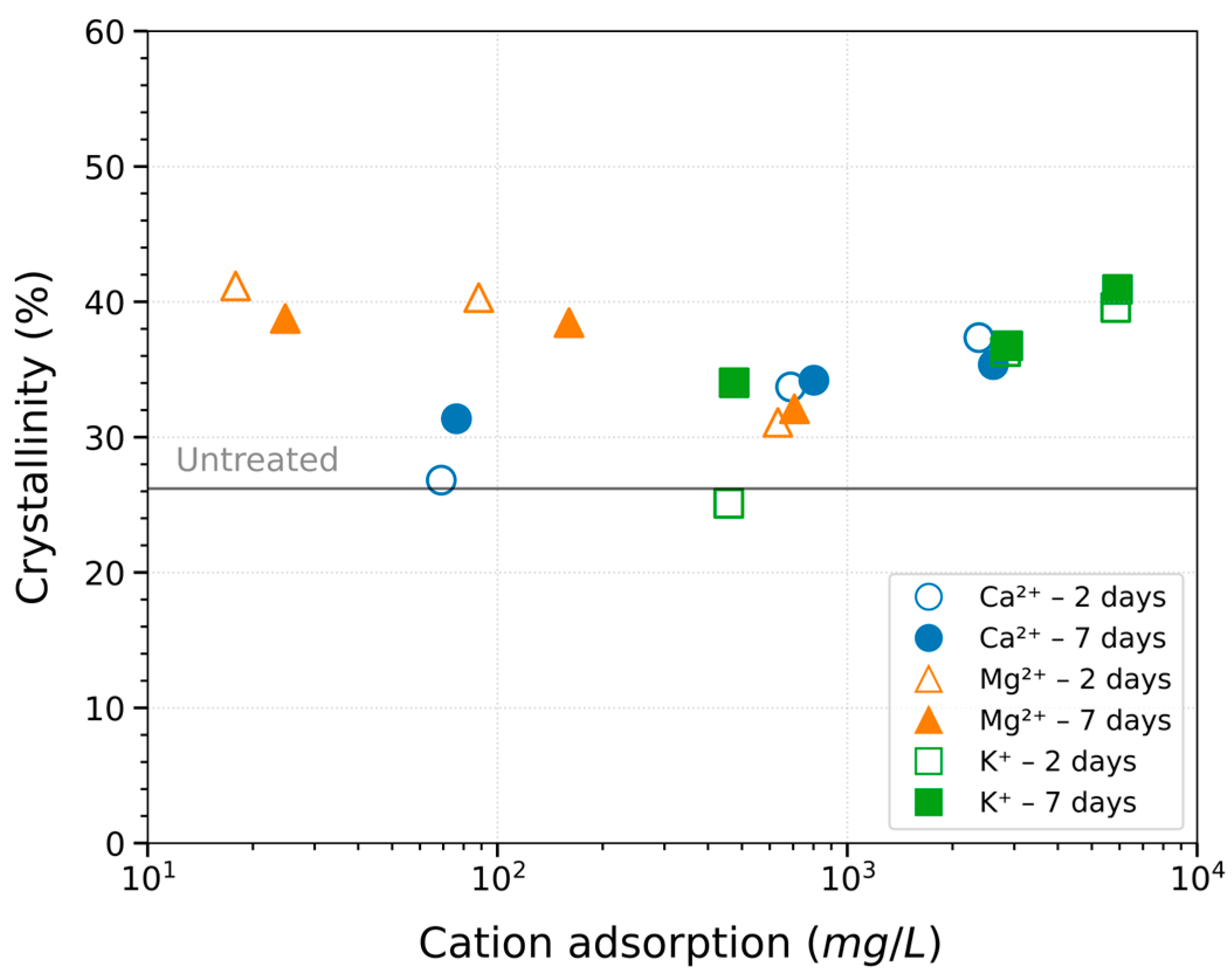
The peak intensity in X-ray diffraction depends on factors such as atomic arrangement, atomic type, thermal vibration, structural defects, and instrument characteristics. Crystallinity represents the proportion of crystalline material relative to the total sample when both crystalline and amorphous phases are present. The degree of crystallinity is the ratio of crystalline minerals to whole mineral substances. The areas of crystalline peaks and amorphous material are shown in
Figure 5.
In crystalline analysis, the crystalline percentage is calculated for a material made up of crystalline and amorphous parts. Crystallinity
is calculated by separating the multiple peaks into scattering due to the crystalline part (normally sharp peaks) and scattering due to the amorphous part, and substituting each integrated intensity into Equation (1) [
24].
where
is crystallinity (%),
is the area of crystalline peaks, and
is the area of amorphous and crystalline peaks.
This formula shows that higher crystallinity means a larger share of well-ordered crystal material. In clays, this indicates a better-developed crystal structure and is closely tied to their physical behavior, so clays with high crystallinity generally have higher strength [
29].
3.4.3. Ring Shear Tests
Finally, ring shear tests were conducted on the soil samples passing a 0.425 mm sieve. Initially, approximately 150 g of clay passing the 0.425 mm sieve was mixed with distilled water until it reached a slurry state and freely flowed on a metal plate. The slurry was then deaired in a vacuum chamber to ensure near 100% saturation, which was because all tests were to be conducted with fully saturated samples to avoid any unknown effects of the state of unsaturation (or metric suction) on the shear resistance. Two ring-shaped filter papers (outer diameter 12 cm, inner diameter 8 cm) were cut and used on the bottom and top of the ring shear apparatus to ensure the shearing condition was fully drained. The deaired slurry was poured into the apparatus, and vertical pressure was applied to consolidate the sample in stages until the target vertical stress of 100 kPa was achieved.
The ring shear apparatus used for shear strength tests on the soil samples treated with various chloride concentrations is a self-made, well-calibrated machine based on the concept of Bishop et al. [
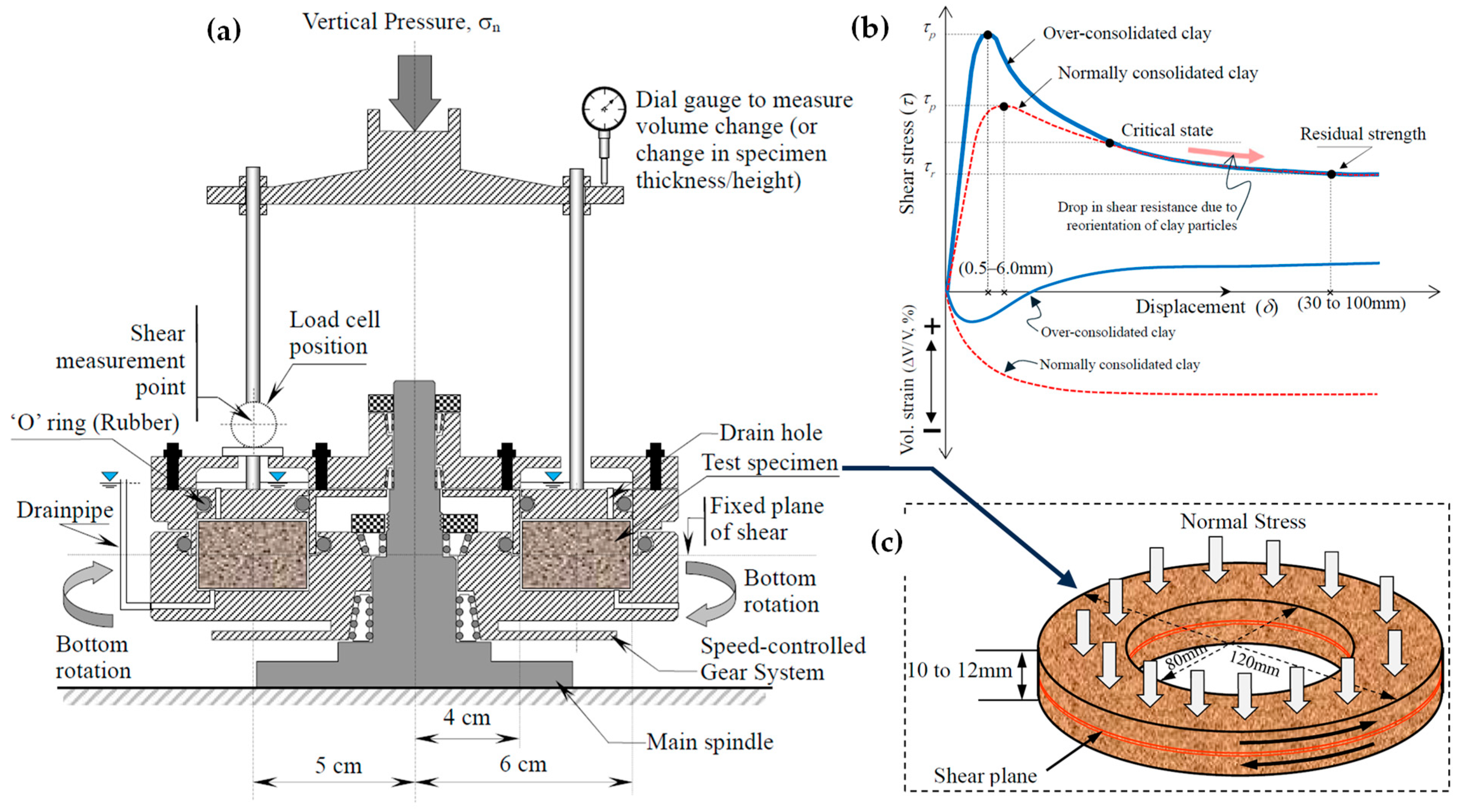
30]. A schematic diagram of the ring shear device employed in the tests is illustrated in
Figure 6, together with the data presentation method and test specimen shape and dimensions. A ring shear apparatus has been widely used to measure the shear strength of soils. It has two major advantages: the area of the shear does not change during shearing, and unlimited continuous shear deformation can take place in the shear plane.
As also indicated in
Figure 6, the specimen container has an inner and outer diameter of 8 cm and 12 cm, respectively, and a depth of about 3.2 cm. The specimen is sheared through a level of 0.7 cm above the base of the lower plate. It has already been proven by Bishop et al. that the ultimate residual strength is unaffected by the initial structure of the soil [
31], so a remolded soil was used for all shear strength tests. Consolidation was performed in stages, and once the required vertical pressure of 100 kPa was achieved, the sample was prepared for shearing. After consolidation, a shear rate of 0.16 mm/min was adopted, which is sufficiently low to minimize the influence of shear rate on soil behavior, following the findings of Bhat et al. [
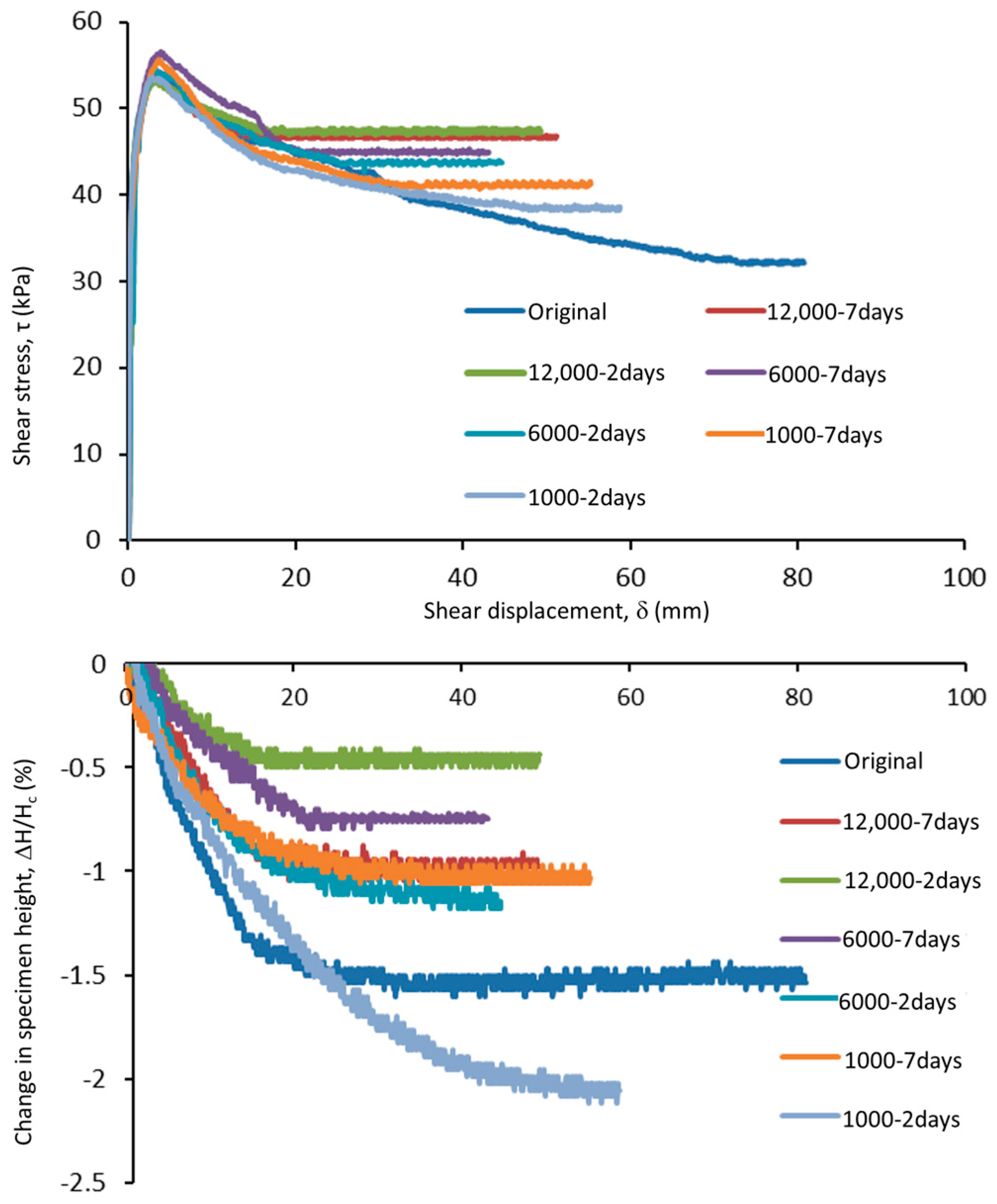
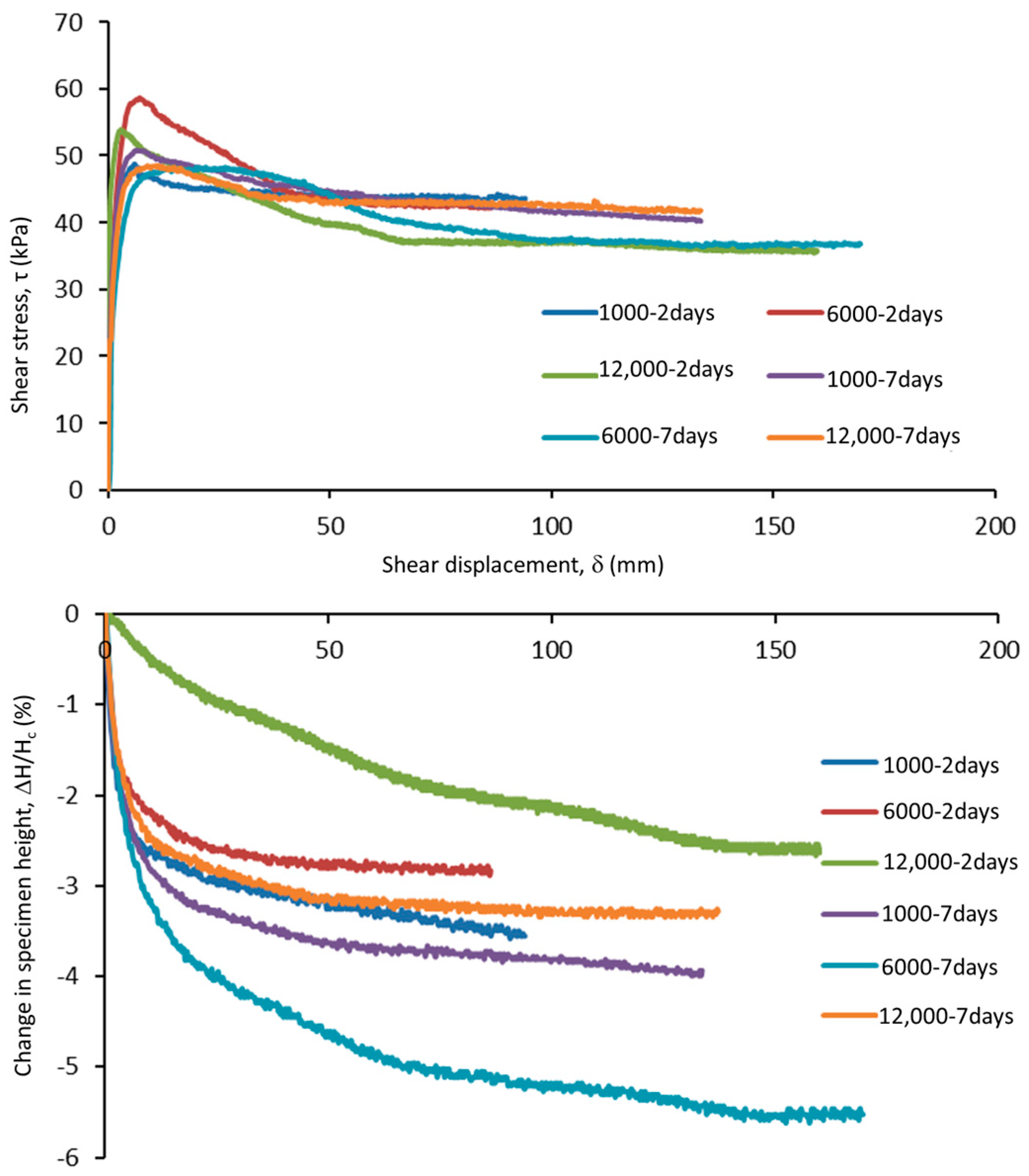
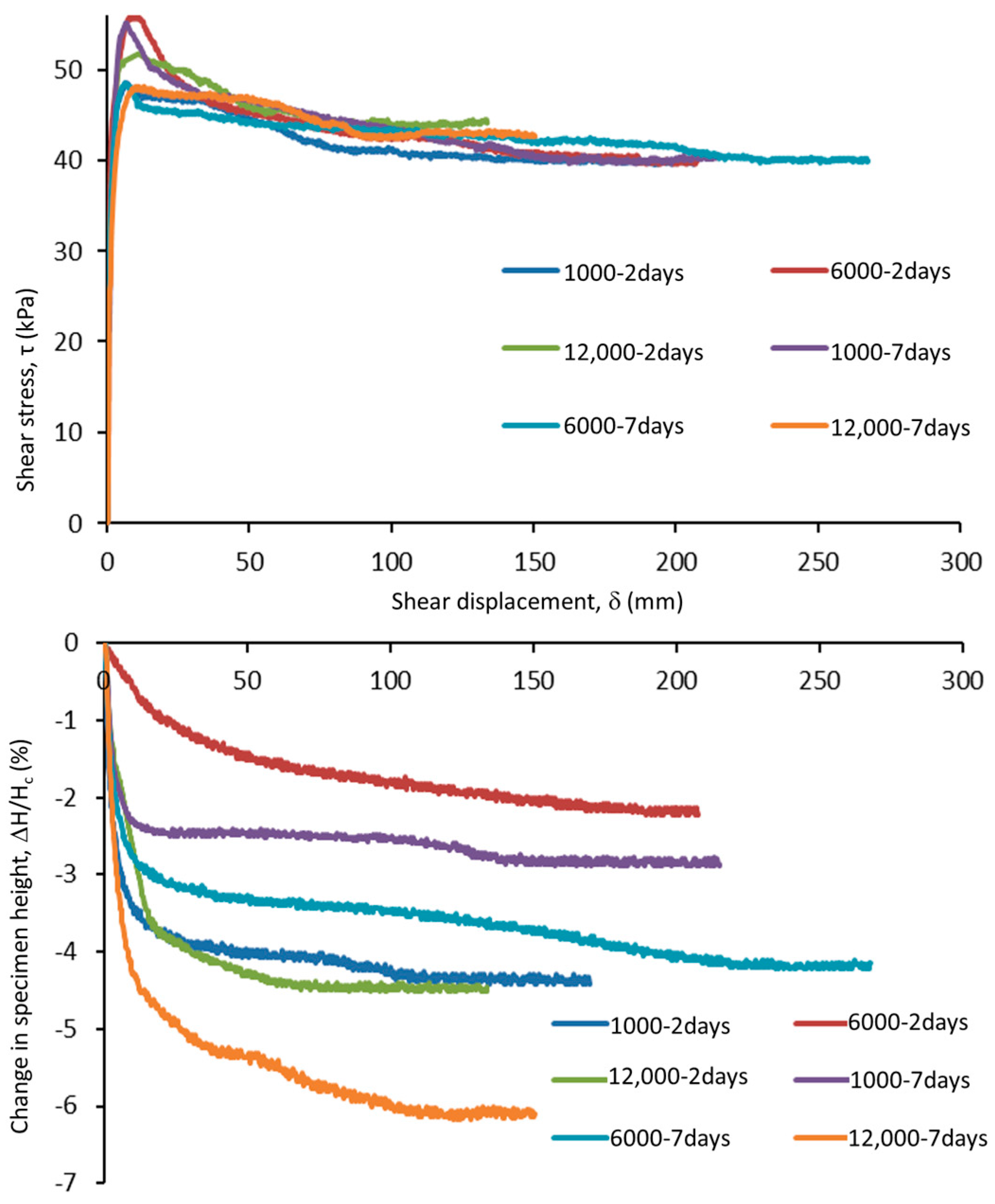
32] for this particular ring shear apparatus. Then, the residual shear strength was determined after ensuring that shear stress had stabilized and reached the minimum attainable value. The ideal shear stress-displacement and volumetric strain-displacement curves are shown in
Figure 6b.
Interpretation of the residual shear strength was made using the Mohr–Coulomb failure criterion,
, originally proposed by Coulomb [
33] and later refined by Mohr [
34] and Terzaghi et al. [
35]. Since fully saturated, remolded samples were used in the tests and in the residual state of shear, the influence of grain interlocking and interparticle force of adhesion can be completely ignored, the cohesion in the Mohr–Coulomb equation can be taken as zero, which leads the Mohr–Coulomb equation to Equation (2).
where
is angle of residual internal friction;
is residual shear stress, representing the minimum constant shear resistance measured for the test samples with different adsorbed ions; and
is the normal stress applied during the shearing, which in our test conditions was fixed at 100 kPa only, considering that the Mohr–Coulomb failure envelope remains a straight line and any amount of normal stress would yield the same angle of residual internal friction.
To investigate the influence of different chloride compounds on the residual strength of the soil, another 150 g of clay (passing through a 0.425 mm sieve) was mixed with aqueous solutions of CaCl2, MgCl2, and KCl at concentrations of 1000, 6000, and 12,000 mg/L. The mixtures were prepared into slurry form, deaired in a vacuum chamber to achieve near 100% saturation, and placed into the ring shear apparatus. Consolidation was again carried out under the vertical pressure of 100 kPa, and the specimens were then sheared, using the same procedure as for the distilled-water sample. After attaining the residual state of shear, each specimen was taken out of the ring shear box, and soil samples were collected for ion adsorption and XRD analyses.
Leachates collected after 2 and 7 days of soaking after consolidation were subjected to ion chromatography tests, which revealed the presence of calcium and sodium. Notably, sodium leaching occurred after 7 days at the highest MgCl2 concentration (12,000 mg/L), while calcium leaching was observed at lower MgCl2 concentrations.
5. Conclusions
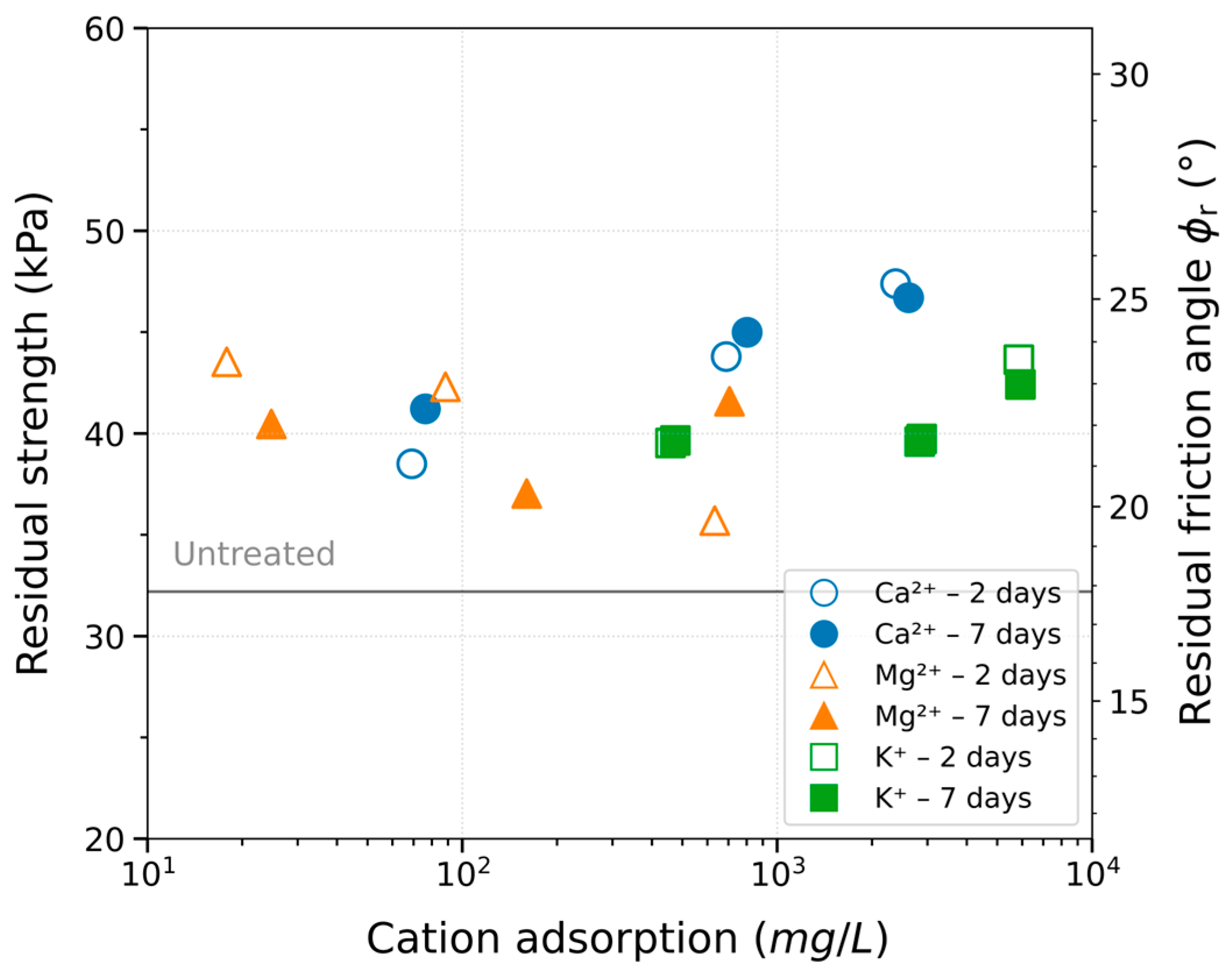
Through integrated ring shear testing, ion chromatography, and X-ray diffraction, this study clarified how controlled cation environments govern the mechanical and mineralogical responses of smectite-rich clay from the Nishinotani landslide. Calcium chloride treatments, especially at higher concentrations and longer soaking durations (2 and 7 days), promoted greater Ca2+ adsorption, which translated into higher residual shear strength and residual friction angle, alongside increased XRD peak intensity and crystallinity. These improvements are consistent with enhanced interparticle bonding driven by Coulombic attraction between Ca2+ and negatively charged clay surfaces. In contrast, MgCl2 solutions increased Mg2+ uptake but induced Ca2+ leaching, leading to measurable declines in both strength parameters and crystallinity. This weakening is attributable to Mg2+’s smaller effective radius and stronger hydration characteristics, which diminish interparticle bonding relative to Ca2+. Potassium chloride treatments showed the opposite trend: increasing K+ adsorption improved residual strength and friction angle, with XRD patterns indicating parallel gains in peak intensity and crystallinity, underscoring K+’s compatibility with the clay structure.
Overall, the results demonstrate a clear relationship between ion adsorption behavior and both soil strength and mineral structure. Calcium and potassium ions improve the stability of smectite-rich clay, whereas magnesium ions reduce it. Effective chemical stabilization, therefore, requires careful selection of exchangeable cations and consideration of the mechanisms governing ion exchange, aggregation, and microstructural organization. Calcium acts as an efficient stabilizer for smectite-bearing clayey soils, while potassium shows strong potential for long-term improvement. In contrast, magnesium should be applied with caution due to its destabilizing influence. These findings highlight a geochemically based and cost-effective approach for landslide mitigation and emphasize the need for field-scale studies to evaluate durability, ion transport, and long-term performance under variable hydrological and chemical conditions. Accordingly, they should be interpreted as laboratory-scale mechanistic evidence supporting chemical stabilization concepts, while comprehensive environmental assessment and field-scale validation remain essential prerequisites for practical implementation.
Also, certain limitations do exist in this experimental method. It is considered that coagulation by cations occurs at the same time as ion exchange. In this study, shear tests were conducted after ion exchange and subsequent coagulation. The ion exchange on-site must take place while the shear is ongoing. In other words, an aqueous solution is poured into the clay sample, and the cations are allowed to be adsorbed. During this process, coagulation may cause an increase in particle size, as well as changes in density and void ratio. Experiments must be conducted to determine how much these changes affect the shear strength with a view towards preparing for practical applications. Therefore, future work should include repeated testing and statistical evaluation to quantify experimental variability and further strengthen reliability in the observed ion-specific trends.