


Article

Clinical and Demographic Characteristics of Acne in a Rural African Population: A Retrospective Study from Eastern Cape, South Africa

by
Khanyiswa Lizeka Madangayte
1,
Olufunmilayo Olukemi Akapo
2,
Mirabel Kah-Keh Nanjoh
3,* and
Avumile Mankahla
1
1
Division of Dermatology, Department of Internal Medicine, Faculty of Medicine and Health Sciences, Walter Sisulu University, Mthatha 5100, South Africa
2
School of Pathology, Faculty of Medicine and Health Sciences, Walter Sisulu University, Mthatha 5100, South Africa
3
School of Public Health, Faculty of Medicine and Health Sciences, Walter Sisulu University, Mthatha 5100, South Africa
*
Author to whom correspondence should be addressed.
Dermato 2026, 6(3), 25; https://doi.org/10.3390/dermato6030025
Submission received: 27 February 2026 / Revised: 28 May 2026 / Accepted: 29 June 2026 / Published: 15 July 2026

Abstract

Background: Acne is a common inflammatory dermatosis with well-documented epidemiology in urban populations; however, data from rural sub-Saharan African settings remain limited. Objective: To characterize the demographic profile, clinical subtypes, severity spectrum, complications, and comorbidities of acne among patients attending a rural tertiary dermatology centre in the Eastern Cape, South Africa. Methods: A quantitative, retrospective cross-sectional study was conducted using census sampling of dermatologist-confirmed acne cases diagnosed between 2022 and 2025. Demographic and clinical variables were extracted from medical records and analysed using descriptive and inferential statistics (p < 0.05). Results: A total of 166 patients were included, all of African ethnicity. Females predominated (89.2%), yielding a female-to-male ratio of 8.2:1. Adult-onset acne was most common (85.5%), with a median onset age of 26 years. Acne vulgaris represented the predominant subtype (83.1%). Papules and comedones were the most frequent lesions, and facial involvement was nearly universal (94.8%). Moderate disease (Grade 2) was most prevalent. Post-acne complications were highly frequent (92.8%), with post-inflammatory hyperpigmentation being the most frequent of these (87.0%). Comorbidities were observed in 52.4% of patients, most commonly eczema and pigmentary disorders. Conclusions: Acne in this rural cohort demonstrated a predominance of adult-onset disease, marked female susceptibility, moderate severity, and a high burden of pigmentary sequelae. These findings highlight the need for context-specific diagnostic and management strategies in underserved rural populations.

1. Introduction

Acne is a chronic inflammatory disorder of the pilosebaceous unit characterized by polymorphic lesions, including comedones, papules, pustules, nodules, and scarring [1,2,3,4]. Its pathogenesis is classically explained by four interrelated mechanisms: sebaceous hypersecretion, follicular hyperkeratinisation, microbial proliferation, and inflammation [5,6,7,8]. These biological processes are influenced by systemic, endocrine, and environmental factors [9,10]. Clinically, acne encompasses multiple phenotypes and variants, including acne vulgaris, acne excoriée (picker’s acne), acne conglobata, acne fulminans, infantile acne, occupational acne, chloracne, and drug-induced acne, reflecting its heterogeneous clinical presentation in dermatological practice [11,12,13]. Acne vulgaris exhibits a range of clinical presentations, from comedonal acne with open and closed comedones to inflammatory papulopustular acne and more severe nodulocystic forms, often accompanied by post-inflammatory hyperpigmentation, particularly in darker skin phototypes [14].
Variations in acne patterns have been linked to determinants such as sex, age, skin phototype, diet, socioeconomic status, and healthcare accessibility. Additionally, comorbid conditions, including polycystic ovary syndrome (PCOS), obesity, and endocrine disorders, have been associated with persistent or severe disease [15,16,17]. The face is most frequently affected; involvement of the trunk and other anatomical sites is well-documented [18,19]. Acne represents the most prevalent follicular dermatosis globally; with an increasing incidence reported across diverse populations [20]. Current estimates indicate a global prevalence of approximately 9.4%, with notable geographic and clinical variability [21,22]. In urban South African populations, acnes affect individuals irrespective of age, sex, or ethnic background [23].
Despite the absence of oncogenic risk, acne imposes a substantial psychosocial burden. The condition is strongly associated with impaired quality of life, diminished self-esteem, and psychological distress with recent cohort and population-based studies documenting lower emotional well-being and resilience among those with acne compared to peers without the condition. Furthermore, acne frequently results in long-term cutaneous sequelae, particularly scarring and post-inflammatory hyperpigmentation, which are themselves linked to worsening psychosocial outcomes [24,25,26].
Understanding acne within rural populations is therefore essential for developing context-specific preventive and therapeutic strategies.
Although acne is widely encountered in dermatological practice, data from rural settings remain limited. This gap is especially relevant in low and middle-income regions, where healthcare access, environmental exposures, and socioeconomic factors may significantly influence disease presentation. This study therefore aimed to comprehensively characterize the demographic profile, clinical subtypes and comorbidities of acne among patients attending a rural tertiary dermatology outpatient department in the Eastern Cape province of South Africa.

2. Materials and Methods

2.1. Study Design

This study employed a quantitative, retrospective, descriptive cross-sectional design. Dermatology consultation records of patients diagnosed with acne between 2022 and 2025 were systematically reviewed.

2.2. Study Setting

The study was conducted at the Dermatology Outpatient Department of a rural tertiary referral hospital in the Eastern Cape, South Africa. The facility serves a predominantly rural population and functions as the primary government-funded dermatologic referral centre within the district.

2.3. Study Population

The study population comprised all patient records documenting a dermatologist-confirmed diagnosis of acne during the study period.

2.4. Sampling Strategy

A census sampling approach was adopted. All eligible medical records meeting the predefined criteria were included, yielding a final sample of 166 patients.

2.5. Eligibility Criteria

Inclusion Criteria and Exclusion Criteria

Dermatologist-confirmed clinical diagnosis of acne, complete and legible documentation of key variables, consultation within the study timeframe, No restrictions on age or sex.
Diagnoses of acne-mimicking dermatoses (e.g., rosacea, folliculitis), Missing essential demographic or clinical data, Recent systemic anti-acne therapy (<3 months), Patients initially diagnosed outside the province.

2.6. Data Collection Procedure

Following approval from the relevant institutional review board and ethics committee, medical records were systematically retrieved and reviewed. Data was extracted using a standardized, study-specific abstraction tool. All records were de-identified prior to analysis and assigned unique study codes to ensure confidentiality. Records with missing essential variables, including age, sex, and lesion classification, were excluded according to the predefined exclusion criteria to minimize incomplete data bias. Data extraction was conducted by the principal researcher in collaboration with a trained research assistant using a structured data extraction checklist. To enhance accuracy and consistency, extracted data were cross-checked during entry, and a double-entry verification process was used during database management to minimize transcription and coding errors.
Variables Assessed include Demographic Variables, Age at onset, Sex, Weight, Ethnicity, Residence, Referral source, Year/month of diagnosis, while the clinical variables include Acne subtype, Lesion morphology, Anatomical distribution, Acne severity, recurrence status, and documented complications. Different comorbidities, dermatologic conditions assessed are systemic diseases, metabolic, and infectious disorders. Recurrence status was defined as repeated relapse of acne lesions after initial improvement or treatment during the follow-up period [27]. Adult-onset (late-onset) acne is defined as the first appearance of acne lesions after age 25, distinguishing it from persistent acne, which begins in adolescence (13–19 years) and continues into young adulthood (20–24 years) [28]. Comorbidities were defined as co-existing medical conditions present before, during, or after acne diagnosis [29,30]. Acne severity grading was based on the Investigator Global assessment (IGA) scale, as documented by the consulting dermatologist. The Investigator Global Assessment (IGA) scale is a widely used global grading tool in clinical practice and research, approved by the United States Food and Drug Administration (FDA) in 2005 [31]. The IGA is a 5-point scale ranging from Grade 0 (clear skin) to Grade 4 (severe acne with numerous lesions and nodules). Intermediate grades include Grade 1 (almost clear), Grade 2 (mild), and Grade 3 (moderate), defined based on the number and type of lesions, including comedones, papules, pustules, and nodules [31]. The scale relies on overall clinical assessment by a trained healthcare professional, making it practical for routine use; however, it may be subject to interobserver variability [31]. Acne severity was assessed by dermatologist using the Investigator Global Assessment Acne severity was graded using the IGA 5-point scale (Grades 0–4), is tabulated below (Table 1).

2.7. Data Management

Extracted data were entered into a structured electronic database with double-entry verification. All identifying patient information was removed to ensure confidentiality.
  • Statistical Analysis
Statistical analyses were performed using SPSS version 30 (IBM Corp., Armonk, NY, USA,10504). Continuous variables are presented as medians with interquartile ranges (IQR), and categorical variables as frequencies, proportions, and 95% confidence intervals (CIs). Group comparisons and associations were assessed using the Mann–Whitney U test for continuous variables and the Chi-square or Fisher’s exact test for categorical variables, as appropriate. All tests were two-tailed, with statistical significance set at p < 0.05, and exact p-values were reported for all comparisons. Multivariable logistic regression was not performed as only one variable was statistically significant in the univariable analysis.
  • Ethical Considerations
Ethical approval was obtained from the relevant institutional ethics committee. Given the retrospective design, a waiver of informed consent was granted. Data confidentiality and anonymization protocols were strictly maintained throughout the study.

3. Results

Table 2 presents the demographic profile of the 166 participants included in the study. All 166 participants were of African ethnicity, reflecting the demographic composition of the rural population served by the hospital. The cohort was overwhelmingly female, with women accounting for 89.2% (n = 148) and men 10.8% (n = 18), resulting in a female-to-male ratio of 8.2:1. Acne onset occurred predominantly in adulthood, with a median age of 26 years (IQR: 21–32) and a broad age range from 11 to 55 years. The median body weight of participants was 70 kg (IQR: 60–84), also demonstrating substantial variability (20–141 kg). Diagnoses were recorded throughout the year, with April contributing the highest proportion of cases. Seasonally, presentations appeared to peak during autumn; however, no statistically significant variation was observed across seasons (χ2 = 5.904, df = 3, p = 0.116). Similarly, although slightly more cases were observed under cold than under hot conditions, the difference was not statistically significant (χ2 = 1.952, df = 1, p = 0.162). Clinics represented the most common specified referral source, followed by hospitals, while a notable proportion of participants were self-referred. Geographically, most participants resided in Mthatha, and the majority originated from King Sabata Dalindyebo Municipality within the OR Tambo District.
The boxplot illustrates the significant differences in age at onset of acne in males and females. Males predominantly presented at late adolescence and early adulthood [median = 19.5 (IQR = 16–30) years], while females extended into the late twenties and early thirties [median = 26 (IQR 21–32) years, p = 0.030]. This statistically significant difference suggests potential demographic patterns of acne onset in different sexes (Figure 1).
Table 3 indicates that acne in this cohort was predominantly adult onset (56.0%), with slightly more than half of participants experiencing frequent recurrence (53.0%). Moderate disease severity was most common, with Grade 2 acne accounting for the largest proportion (45.2%), followed by Grade 1, while severe forms (Grades 3 and 4) were less frequent. Clinically, papules and comedones were the dominant lesion types, and acne was overwhelmingly facial in distribution (94.8%), with limited truncal or multiple-site involvement. Acne vulgaris emerged as the most prevalent subtype, with smaller proportions of nodulocystic, steroid-induced, and excoriated acne. Post-acne complications were highly prevalent (92.8%), primarily driven by post-inflammatory hyperpigmentation, while scarring particularly atrophic and keloidal occurred less frequently.
Table 4 reveals the comorbidities and the prevalence of acne among the participants, while less frequently occurring comorbidities are summarized in Supplementary Table S1. Among participants with comorbidities (52.4%, n = 87), eczema was the most prevalent associated condition (49.4%), followed by melasma (11.5%), HIV infection (6.9%), and tinea versicolor (5.7%). All other comorbidities occurred at low frequencies (≤3.4% each) and represented a heterogeneous mix of dermatologic, infectious, inflammatory, metabolic, and systemic disorders. Overall, the comorbidity profile was dominated by inflammatory and pigmentary skin conditions, with sporadic systemic diseases, highlighting the clinical complexity of acne patients managed in this rural tertiary setting.
There was a strong statistically significant association between melasma and acne severity (p < 0.001). A higher proportion of patients with melasma had Grade 1 (60.0%) and Grade 3 (30.0%) acne. All other variables showed no statistically significant associations with acne severity (Table 5).

4. Discussion

This study provides contemporary insight into the clinical and epidemiological characteristics of acne in a rural sub-Saharan African population, addressing a persistent gap in dermatologic literature. Acne has traditionally been conceptualized as a disorder of adolescence; the marked predominance of adult-onset disease observed in this cohort aligns with emerging global evidence suggesting a shifting epidemiological profile [32]. Recent studies have documented increasing rates of adult acne, particularly among women, which may be associated with hormonal influences, lifestyle factors, psychosocial stress, and delayed healthcare engagement [33,34,35,36]. The pronounced female predominance and significantly later median age of onset among women reinforce findings from contemporary international studies describing adult female acne as a distinct clinical entity [33,37,38]. Previous studies have reported elevated androgen levels in many women presenting with acne, while persistent or late-onset acne is increasingly recognized as a potential clinical marker of underlying endocrine dysfunction, particularly hyperandrogenism and PCOS. The significantly older age of onset observed among females in this cohort may therefore reflect an underlying hormonal contribution to disease persistence or severity [39]. Despite this plausible association, endocrine evaluation was not routinely performed or documented in the reviewed records, limiting the ability of this study to assess the prevalence of PCOS, hyperandrogenism, insulin resistance, or related metabolic abnormalities among participants. Hormonal fluctuations, cosmetic exposures, and socio-behavioural determinants have been implicated, although these mechanisms remain incompletely understood in African populations [40,41]. Importantly, healthcare-seeking behaviours and gender-related perceptions of skin disease may also contribute to the observed sex distribution [42,43]. Considering the exclusion of dermatological mimickers of acne vulgaris, such as rosacea and folliculitis [9], acne vulgaris remained the predominant subtype in this cohort. This finding is consistent with modern epidemiological data, which identify it as the most prevalent form of acne across populations and age groups globally [43]. However, the high prevalence of post-acne complications, particularly post-inflammatory hyperpigmentation, warrants emphasis. Post-inflammatory hyperpigmentation (PIH) constitutes a major source of morbidity in individuals with darker skin phototypes and is increasingly regarded as a primary therapeutic target rather than a secondary outcome [44,45,46]. Contemporary literature highlights that inflammatory pathways, delayed treatment initiation, and inappropriate or irritant therapies may exacerbate pigmentary sequelae [47,48]. The burden of PIH observed in this rural cohort underscores the necessity for early anti-inflammatory intervention and pigment-conscious therapeutic strategies. Moderate acne severity predominated, a finding consistent with recent population-based studies [49,50]. Nevertheless, the substantial recurrence rate observed reflects the chronic, relapsing nature of acne. Treatment non-adherence, interrupted care, and limited access to dermatologic services are well-recognized contributors to recurrence, particularly in resource-constrained settings [51]. Rural healthcare disparities, including specialist shortages and delayed referrals, likely amplify these challenges [52,53].
The comorbidity profile observed in this study, dominated by inflammatory and pigmentary dermatoses, is clinically significant. Recent investigations have emphasized that acne frequently coexists with other dermatologic and systemic conditions, potentially complicating management and influencing therapeutic tolerability [54,55]. The frequent coexistence of eczema and pigmentary disorders may reflect shared inflammatory mechanisms, barrier dysfunction, or underlying genetic predispositions [56,57]. Furthermore, the identification of systemic comorbidities, albeit at low frequencies, highlights the importance of holistic patient assessment.
Several contextual factors may account for the distinctive patterns observed. Rural populations often experience structural barriers to healthcare access, differences in environmental exposures, and socioeconomic determinants that influence disease perception and treatment-seeking behaviours [58,59]. Tele-dermatology and mobile health interventions may improve access to specialist dermatology care in underserved rural communities. These approaches could support earlier diagnosis, timely referrals, and continuity of acne management. This study’s retrospective design introduces inherent limitations, including potential documentation bias and the inability to establish causal relationships. Nonetheless, census sampling and dermatologist-confirmed diagnoses enhance internal validity. They further highlight the necessity for context-specific clinical frameworks, particularly in rural and resource-limited environments. Prospective studies are needed to elucidate pathophysiologic drivers, evaluate treatment outcomes, and quantify psychosocial burden in rural African populations. The observed female predominance in this cohort may be related to hormonal influences, healthcare-seeking behavior, or psychosocial factors reported in previous studies. However, these findings should be interpreted cautiously, as the cross-sectional design of the study does not permit causal inference.

5. Strengths and Limitations

This study possesses several methodological strengths. First, the use of census sampling minimized selection bias by including all eligible dermatologist-confirmed acne cases within the study period. Secondly, diagnoses established by dermatology specialists enhance diagnostic accuracy and internal validity, reducing misclassification bias commonly encountered in epidemiological studies. Thirdly, the study provides rare data from a rural sub-Saharan African population, a setting that remains significantly underrepresented in acne research. The relatively large sample size for a single rural tertiary centre further strengthens the robustness of the descriptive findings.
However, certain limitations merit consideration. The retrospective design inherently depends on the accuracy and completeness of clinical documentation, introducing the potential for information bias. Missing or inconsistently recorded variables, particularly regarding disease duration, prior treatments, and psychosocial outcomes, limited deeper analytical exploration. The retrospective design and lack of routinely documented endocrine investigations limited assessment of PCOS, hyperandrogenism, and related metabolic abnormalities among participants, despite the high prevalence of adult female acne in the cohort. It also limited evaluation of therapeutic responses, adherence patterns, and treatment outcomes. Consequently, the effectiveness of hormonal therapies such as spironolactone and combined oral contraceptives which could not be assessed in this cohort. Additionally, causal relationships cannot be inferred due to the cross-sectional nature of the study. The single-centre setting may restrict generalizability, although the hospital serves a broad rural catchment population. Finally, the absence of standardized patient-reported outcome measures precluded assessment of quality of-life impact.

6. Conclusions

This study characterizes acne within a rural sub-Saharan African population and highlights several clinically meaningful patterns. Acne predominantly presented as adult-onset disease with marked female predominance, moderate severity, and an exceptionally high burden of post-inflammatory hyperpigmentation. Acne vulgaris emerged as the dominant clinical subtype, while recurrence and comorbidities were common. These findings reinforce the evolving recognition of acne as a chronic, heterogeneous disorder extending beyond adolescence. Importantly, the substantial pigmentary morbidity observed underscores the need for early, targeted, and pigment-conscious management strategies in darker skin populations.

6.1. Future Research

Future investigations should prioritize prospective, multicentre designs to improve generalizability and enable causal inference. Longitudinal studies are needed to elucidate disease trajectories, recurrence determinants, and treatment outcomes in rural African populations. Incorporation of standardized quality-of-life instruments would provide critical insight into psychosocial burden. Further research should also explore pathophysiologic drivers of adult-onset acne, healthcare access barriers, and culturally specific treatment practices. Prospective studies incorporating endocrine screening, menstrual history, anthropometric measurements, evaluating treatment outcomes, adherence patterns, the effectiveness of hormonal therapies, and metabolic profiling would provide valuable insight into the burden and phenotypic presentation of PCOS among African women with acne. Recommendation of future longitudinal studies incorporating validated quality of life measures to better quantify psychosocial burden, treatment response, and long-term outcomes among African patients with acne and PIH will be beneficial. Such investigations may also help clarify the relationship between adult female acne, obesity, insulin resistance, and other metabolic comorbidities within underserved rural populations. Additionally, studies evaluating optimized therapeutic strategies for preventing pigmentary sequelae are warranted. Tele-dermatology and mobile health interventions should be explored as potential strategies for extending specialist dermatology services to underserved rural communities. These approaches may improve early diagnosis, continuity of care, and access to specialist support for patients with acne in resource-limited settings.

6.2. Health Implications

The findings of this study carry important clinical and public health implications. The predominance of adult acne challenges traditional screening and management paradigms centred on adolescents. Healthcare providers in rural settings should recognize acne as a common adult presentation requiring sustained care rather than episodic treatment. The high prevalence of post-inflammatory hyperpigmentation highlights the necessity for early anti-inflammatory therapy, appropriate treatment selection, and patient education to minimize pigmentary complications. From a health systems perspective, strengthening dermatologic services, improving referral pathways, and enhancing provider training may reduce disease chronicity and complications. Collectively, these results emphasize the need for context-specific clinical guidelines tailored to rural, resource-constrained, and darker skin populations.

Supplementary Materials

The following supporting information can be downloaded at: https://www.mdpi.com/article/10.3390/dermato6030025/s1, Table S1: Less occurring comorbidities and respective prevalence among 87 acne patients.

Author Contributions

Conceptualization, A.M., M.K.-K.N., K.L.M. and O.O.A.; methodology, A.M., M.K.-K.N., K.L.M., software, M.K.-K.N., K.L.M. validation, K.L.M., A.M., O.O.A. and M.K.-K.N.; formal analysis, M.K.-K.N., K.L.M., investigation, K.L.M., A.M., M.K.-K.N. and O.O.A. resources A.M., K.L.M.; data curation, M.K.-K.N., K.L.M., writing—original draft preparation, O.O.A., K.L.M. and M.K.-K.N., writing—review and editing O.O.A., M.K.-K.N. and K.L.M.; visualization, O.O.A., M.K.-K.N. and K.L.M.; supervision A.M. project administration A.M. funding acquisition A.M. All authors have read and agreed to the published version of the manuscript.

Funding

This research received no external funding.

Institutional Review Board Statement

The study was conducted in accordance with the Declaration of Helsinki and approved by the Health Sciences Research Ethics and Biosafety Com mittee of Walter Sisulu University (protocol code 437/2025; date of approval 17 November 2025).

Informed Consent Statement

Patient consent was waived due to the retrospective design of the study and use of de-identified clinical data.

Data Availability Statement

The data presented in this study are available upon reasonable request from the corresponding author.

Acknowledgments

We thank the healthcare professionals at the facility for their assistance in this study.

Conflicts of Interest

The authors declare no conflicts of interest.

Abbreviations

The following abbreviations are used in this manuscript:
PIHPost-inflammatory hyperpigmentation
PCOSPolycystic ovary syndrome
SKINSCAPESkin Disease in the Eastern Cape
LDLinear dichroism
SPSSStatistical Package for the Social Sciences
IQRInterquartile Range
CIConfidence Interval
IGAInvestigator Global Assessment
KgKilogram

References

  1. Lee, S.G.; Lee, J.H.; Baek, Y.; Chu, J.; Kim, K.H.; Ham, S.; Shin, C.H.; Lee, Y.I. Efficacy and Safety of Human Skin Microbiome-Derived Strains as Topical Treatment for Acne: An In Vitro and In Vivo Study. J. Korean Med. Sci. 2025, 40, e327. [Google Scholar] [CrossRef]
  2. Guguluș, D.L.; Vâță, D.; Popescu, I.A.; Pătrașcu, A.I.; Halip, I.A.; Mocanu, M.; Solovăstru, L.G. The epidemiology of acne in the current era: Trends and clinical implications. Cosmetics 2025, 12, 106. [Google Scholar] [CrossRef]
  3. Jaiswal, S.; Jawade, S.; Madke, B.; Gupta, S.; Gupta, S.N. Recent trends in the management of acne vulgaris: A review focusing on clinical studies in the last decade. Cureus 2024, 16, e56596. [Google Scholar] [CrossRef]
  4. Li, G.; Yue, X.; Lu, Y.; Zhang, C. The global burden of adolescent acne: Trends from 1990 to 2021 and future projections to 2050. Dermatology 2025, 241, 472–482. [Google Scholar] [PubMed]
  5. Kurokawa, I.; Danby, F.W.; Ju, Q.; Wang, X.; Xiang, L.F.; Xia, L.; Chen, W.; Nagy, I.; Picardo, M.; Suh, D.H.; et al. New developments in our understanding of acne pathogenesis and treatment. Exp. Dermatol. 2009, 18, 821–832. [Google Scholar] [CrossRef] [PubMed]
  6. Deng, Y.; Wang, F.; He, L. Skin barrier dysfunction in acne vulgaris: Pathogenesis and therapeutic approaches. Med. Sci. Monit. Int. Med. J. Exp. Clin. Res. 2024, 30, e945336. [Google Scholar] [CrossRef]
  7. Zhang, Y.; Shang, Y.; Bao, J.; Wang, Y. Molecular pathogenesis of acne and their microneedle treatments. Eng. Regen. 2025, 6, 235–248. [Google Scholar] [CrossRef]
  8. Yaniv, R.; Kaplan, B. Acne Vulgaris: Advances in Pathogenesis and Innovations in Therapeutic Strategies. Isr. Med. Assoc. J. 2025, 27, 424–428. [Google Scholar] [PubMed]
  9. Sutaria, A.H.; Masood, S.; Saleh, H.M.; Schlessinger, J. Acne vulgaris. In StatPearls [Internet]; StatPearls Publishing: Treasure Island, FL, USA, 2023. [Google Scholar]
  10. Rao, A.; Douglas, S.C.; Hall, J.M. Endocrine disrupting chemicals, hormone receptors, and acne vulgaris: A connecting hypothesis. Cells 2021, 10, 1439. [Google Scholar] [CrossRef] [PubMed]
  11. Kim, H.J.; Kim, Y.H. Exploring acne treatments: From pathophysiological mechanisms to emerging therapies. Int. J. Mol. Sci. 2024, 25, 5302. [Google Scholar] [CrossRef] [PubMed]
  12. Vasam, M.; Korutla, S.; Bohara, R.A. Acne vulgaris: A review of the pathophysiology, treatment, and recent nanotechnology based advances. Biochem. Biophys. Rep. 2023, 36, 101578. [Google Scholar] [CrossRef] [PubMed]
  13. Mitchell, B.L.; Saklatvala, J.R.; Dand, N.; Hagenbeek, F.A.; Li, X.; Min, J.L.; Thomas, L.; Bartels, M.; Jan Hottenga, J.; Lupton, M.K.; et al. Genome-wide association meta-analysis identifies 29 new acne susceptibility loci. Nat. Commun. 2022, 13, 702. [Google Scholar] [CrossRef] [PubMed]
  14. Davis, E.C.; Callender, V.D. A review of acne in ethnic skin: Pathogenesis, clinical manifestations, and management strategies. J. Clin. Aesthetic Dermatol. 2010, 3, 24. [Google Scholar]
  15. Mehta, M.; Kundu, R.V. Racial differences in treatment preferences of acne vulgaris: A cross-sectional study. J. Drugs Dermatol. JDD 2020, 19, 802. [Google Scholar] [CrossRef] [PubMed]
  16. Pourahmad, B.; Majidnia, M.; Saniee, N.; Afraie, M.; Riyahifar, S.; Darbandi, Z. Prevalence of Acne Vulgaris Among Women with Polycystic Ovary Syndrome: A Systematic Review and Meta-Analysis. Med. J. Islam. Repub. Iran 2025, 39, 105. [Google Scholar] [CrossRef] [PubMed]
  17. Wang, C.; Duan, M. Association among presentation, severity, and risk factors of acne vulgaris among Chinese college students: A cross-sectional study. Medicine 2025, 104, e43393. [Google Scholar] [CrossRef] [PubMed]
  18. Tan, J.; Beissert, S.; Cook-Bolden, F.; Chavda, R.; Harper, J.; Hebert, A. Impact of facial and truncal acne on quality of life: A multi-country population-based survey. JAAD Int. 2021, 3, 102–110. [Google Scholar] [CrossRef] [PubMed]
  19. Li, B.; Jia, X.; Yang, J.; Meng, H.; Qi, F. Truncal acne: Bridging research gaps and enhancing clinical understanding. J. Dermatol. Sci. Cosmet. Technol. 2025, 2, 100082. [Google Scholar] [CrossRef]
  20. Zhu, Z.; Zhong, X.; Luo, Z.; Liu, M.; Zhang, H.; Zheng, H.; Li, J. Global, regional and national burdens of acne vulgaris in adolescents and young adults aged 10–24 years from 1990 to 2021: A trend analysis. Br. J. Dermatol. 2025, 192, 228–237. [Google Scholar] [PubMed]
  21. Alexis, A.; Tan, J.; Rocha, M.; Kerob, D.; Demessant, A.L.; Ly, F.; Wu, Y.; Sachdev, M.; Kurokawa, I. Is Acne the Same Around the World? J. Clin. Aesthetic Dermatol. 2024, 17, 16. [Google Scholar]
  22. Layton, A.M.; Thiboutot, D.; Tan, J. Reviewing the global burden of acne: How could we improve care to reduce the burden? Br. J. Dermatol. 2021, 184, 219–225. [Google Scholar] [PubMed]
  23. Wright, A.K.; Swan, R.; Xu, J.; Lwin, S.M.; Azrielant, S.; Chateau, A.; Ede, C.; Sons, J.; Gxolo, Z.; Skenjana, A.; et al. Skin disease in the Eastern Cape (SKINSCAPE): A Global Psoriasis Atlas point prevalence study in rural South Africa. Br. J. Dermatol. 2026, 194, 125–134. [Google Scholar] [PubMed]
  24. Layton, A.M.; Bettoli, V.; Delore, V.; Puentes, E.; Tan, J.K. The Burden of Acne Vulgaris on Health-Related Quality of Life and Psychosocial Well-Being Domains: A Systematic Review. Am. J. Clin. Dermatol. 2025, 27, 17–47. [Google Scholar] [CrossRef] [PubMed]
  25. De La Garza, H.; Trepanowski, N.; Flores, R.; Visutjindaporn, P.; Patzelt, N.; Vashi, N.A. The Impact of Acne Scarring on Quality of Life, Willingness-to-pay, and Time Trade-off: A Cross-sectional Analysis. J. Clin. Aesthetic Dermatol. 2025, 18, 71. [Google Scholar] [CrossRef]
  26. Dumont, S.; Lorthe, E.; Loizeau, A.; Richard, V.; Nehme, M.; Posfay-Barbe, K.M.; Barbe, R.P.; Toutous Trellu, L.; Stringhini, S.; Guessous, I.; et al. Acne-related quality of life and mental health among adolescents: A cross-sectional analysis. Clin. Exp. Dermatol. 2025, 50, 795–803. [Google Scholar] [PubMed]
  27. Guo, K.; Lu, Z.; Deng, H.; Shao, Y. Risk Factors of Acne Recurrence After Treatment and Establishment of an Early Warning Model. J. Cosmet. Dermatol. 2025, 24, e70545. [Google Scholar] [CrossRef] [PubMed]
  28. Rocha, M.A.; Bagatin, E. Adult-onset acne: Prevalence, impact, and management challenges. Clin. Cosmet. Investig. Dermatol. 2018, 11, 59–69. [Google Scholar] [CrossRef] [PubMed]
  29. Chen, Y.; Wu, C.; Chen, Y. Gastrointestinal comorbidities in patients with acne vulgaris: A population-based retrospective study. JAAD Int. 2024, 18, 62–68. [Google Scholar] [CrossRef] [PubMed]
  30. Wang, Y.; Zhu, M.; Wu, S.; Zheng, H. Acne Comorbidities. Clin. Cosmet. Investig. Dermatol. 2022, 15, 2415–2420. [Google Scholar] [CrossRef] [PubMed]
  31. Bae, I.H.; Kwak, J.H.; Na, C.H.; Kim, M.S.; Shin, B.S.; Choi, H. A Comprehensive Review of the Acne Grading Scale in 2023. Ann. Dermatol. 2024, 36, 65–73. [Google Scholar] [CrossRef] [PubMed]
  32. Dias da Rocha, M.A.; Saint Aroman, M.; Mengeaud, V.; Carballido, F.; Doat, G.; Coutinho, A.; Bagatin, E. Unveiling the nuances of adult female acne: A comprehensive exploration of epidemiology, treatment modalities, dermocosmetics, and the menopausal influence. Int. J. Women’s Health 2024, 16, 663–678. [Google Scholar] [CrossRef]
  33. Telkkälä, A.; Sinikumpu, S.P.; Huilaja, L. Etiology of Adult Female Acne–Systematic Review. Health Sci. Rep. 2025, 8, e70697. [Google Scholar] [CrossRef] [PubMed]
  34. Branisteanu, D.E.; Toader, M.P.; Porumb, E.A.; Serban, I.L.; Pinzariu, A.C.; Branisteanu, C.I.; Vicovan, A.; Dimitriu, A.; Fartusnic, I.A.; Boda, D.; et al. Adult female acne: Clinical and therapeutic particularities. Exp. Ther. Med. 2022, 23, 151. [Google Scholar] [PubMed]
  35. Carmina, E.; Dreno, B.; Lucky, W.A.; Agak, W.G.; Dokras, A.; Kim, J.J.; Lobo, R.A.; Ramezani Tehrani, F.; Dumesic, D. Female adult acne and androgen excess: A report from the multidisciplinary androgen excess and PCOS committee. J. Endocr. Soc. 2022, 6, bvac003. [Google Scholar] [CrossRef] [PubMed]
  36. Mohankar, A.D.; Biswal, S.G.; Sinha, M.; Verma, N.M.; Rafat, K. An observational study on clinico-hormonal profile of adult onset acne in females. Int. J. Res. Dermatol. 2024, 10, 192–195. [Google Scholar] [CrossRef]
  37. Shah, N.; Shukla, R.; Chaudhari, P.; Patil, S.; Patil, A.; Nadkarni, N.; Goldust, M. Prevalence of acne vulgaris and its clinico-epidemiological pattern in adult patients: Results of a prospective, observational study. J. Cosmet. Dermatol. 2021, 20, 3672–3678. [Google Scholar] [CrossRef] [PubMed]
  38. Altunel, C.T.; Tatlıcan, S. The clinical predictors of biochemical hyperandrogenemia and its relation to treatment resistance in women with acne. Adv. Dermatol. Allergol. 2025, 42, 54–61. [Google Scholar] [CrossRef]
  39. Addor, F.A.S.A.; Schalka, S. Acne in adult women: Epidemiological, diagnostic and therapeutic aspects. An. Bras. Dermatol. 2010, 85, 789–795. [Google Scholar] [CrossRef] [PubMed]
  40. Kothai, R.; Kannan, G.; Arul, B.; Venkatesan, M.; Vidyashaagaran, G.A.; Nagappan, A. A Clinico-epidemiological study on acne vulgaris with an assessment of its treatment strategies and drug prescribing practices in a tertiary care hospital-an observational study. Arch. Dermatol. Res. 2025, 317, 601. [Google Scholar] [CrossRef] [PubMed]
  41. Adah, R.; Yusufu, H.; Otene, Q.A.V. Epidemiology and perception of acne among adolescents in Jos, Nigeria: Cross-sectional school-based study. JMIR Dermatol. 2023, 6, e44441. [Google Scholar] [PubMed]
  42. Tan, Y.J.; Jamil, A.; Gunabalasingam, P. Disease perception, treatment-seeking behaviour and psychosocial impact of acne vulgaris among university students-A cross-sectional study. Malays. Fam. Physician 2025, 20, 3. [Google Scholar] [CrossRef] [PubMed]
  43. Rata Mohan, D.S.; Jawahir, S.; Manual, A.; Abdul Mutalib, N.E.; Mohd Noh, S.N.; Ab Rahim, I.; Ab Hamid, J.; Amer Nordin, A. Gender differences in health-seeking behaviour: Insights from the National Health and Morbidity Survey 2019. BMC Health Serv. Res. 2025, 25, 900. [Google Scholar] [CrossRef] [PubMed]
  44. Alshammrie, F.F.; Alshammari, R.; Alharbi, R.M.; Khan, F.H.; Alshammari, S.K.; Alharbi, R.M. Epidemiology of acne vulgaris and its association with lifestyle among adolescents and young adults in Hail, Kingdom of Saudi Arabia: A community-based study. Cureus 2020, 12, e9277. [Google Scholar] [CrossRef] [PubMed]
  45. Auffret, N.; Leccia, M.T.; Ballanger, F.; Claudel, J.P.; Dahan, S.; Dréno, B. Acne-induced post-inflammatory hyperpigmentation: From grading to treatment. Acta Derm.-Venereol. 2025, 105, 42925. [Google Scholar] [CrossRef] [PubMed]
  46. Taylor, S.; Elbuluk, N.; Grimes, P.; Chien, A.; Hamzavi, I.; Alexis, A.; Gonzalez, N.; Weiss, J.; Kang, S.; Desai, S.R. Treatment recommendations for acne-associated hyperpigmentation: Results of the Delphi consensus process and a literature review. J. Am. Acad. Dermatol. 2023, 89, 316–323. [Google Scholar] [CrossRef] [PubMed]
  47. Patil, A.S.; Patil, A.S.; Ugare, P.; Jain, E.; Masareddy, R.S. Advancements in hyperpigmentation management: Exploring conventional methods, phytoconstituents, novel approaches, and instrumental techniques. J. Cosmet. Laser Ther. 2025, 27, 1–16. [Google Scholar] [CrossRef] [PubMed]
  48. Lim, H.W.; Zhang, C.; Taylor, M.; Dlova, N.C.; Conceição, K.; Jablonski, N.; Gupta, N.; Wangari-Olivero, J.; Alexis, A. International expert consensus on knowledge gaps in care for dermatologic disorders in skin of color. Int. J. Dermatol. 2026, 65, 41–56. [Google Scholar] [PubMed]
  49. Chylińska, N.; Maciejczyk, M. Effects of the ketogenic diet on skin—Potential benefits and risks. Front. Nutr. 2025, 12, 1686056. [Google Scholar] [CrossRef] [PubMed]
  50. Wang, J.; Bai, D.; Yao, X.; Song, X.; Yang, X.; Yuan, Y. Knowledge, Attitudes, and Practices of Patients with Moderate to Severe Acne Regarding Oral Medication Therapy: A Structural Equation Modeling Analysis. Clin. Cosmet. Investig. Dermatol. 2026, 19, 554435. [Google Scholar] [PubMed]
  51. Searle, T.N.; Al-Niaimi, F.; Ali, F.R. Cosmeceuticals in acne vulgaris: From mechanism of action to clinical application. Ski. Health Dis. 2026, 6, 77–89. [Google Scholar] [CrossRef]
  52. Carroll, C.; Berquist, V.; Chernew, M.E. Promoting Access to Hospital Care in Rural Areas: Current Approaches and Ongoing Challenges: Article examines promoting access to hospital care in rural areas. Health Aff. 2024, 43, 1664–1671. [Google Scholar] [CrossRef]
  53. Ugwu, H.C.; Obodo, O.R.; Okafor, C.N.; Ojukwu, G.; Ekarika, E.; Ejiyooye, T.F.; Okobi, O.E.; Odusanmi, S.S.; Ugwu, U.N. Implementation of AI-Driven Diagnostic Tools to Improve Access and Efficiency in Rural Healthcare: An Umbrella Review. Cureus 2026, 18, e101326. [Google Scholar] [CrossRef] [PubMed]
  54. Augustin, M.; Dirschka, T.; Gerber, P.A.; Kerscher, M.; Kirsten, N.; Ochsendorf, F. Acne tarda: Recommendations for classification, treatment and care as a result of an expert discussion. JDDG J. Der Dtsch. Dermatol. Ges. 2026, 24, 11–22. [Google Scholar] [CrossRef]
  55. Smith, C.A.; Gosnell, E.; Karatas, T.B.; Deitelzweig, C.; Collins, E.M.; Yeung, H. Hormonal therapies for acne: A comprehensive update for dermatologists. Dermatol. Ther. 2025, 15, 45–59. [Google Scholar] [CrossRef]
  56. Adesanya, E.I.; Matthewman, J.; Schonmann, Y.; Hayes, J.F.; Henderson, A.; Mathur, R.; Mulick, A.R.; Smith, C.H.; Langan, S.M.; Mansfield, K.E. Factors associated with depression, anxiety and severe mental illness among adults with atopic eczema or psoriasis: A systematic review and meta-analysis. Br. J. Dermatol. 2023, 188, 460–470. [Google Scholar] [PubMed]
  57. Silverberg, J.I. Comorbidities and the impact of atopic dermatitis. Ann. Allergy Asthma Immunol. 2019, 123, 144–151. [Google Scholar] [CrossRef] [PubMed]
  58. Oke, O.H.; Santiago-Soltero, K.; Chang, A.Y.; Ashrafzadeh, S.; Charrow, A. Healthcare Inequities, Barriers to Care, and Social Drivers of Health in Hidradenitis Suppurativa. Curr. Dermatol. Rep. 2025, 14, 6. [Google Scholar] [CrossRef]
  59. Challenge, A.R. Climate Change and Dermatologic Diseases. In Climate Change and its Impact on Dermatology, An Issue of Dermatologic Clinics; Elsevier: Amsterdam, The Netherlands, 2025; Volume 44, pp. 67–78. [Google Scholar]
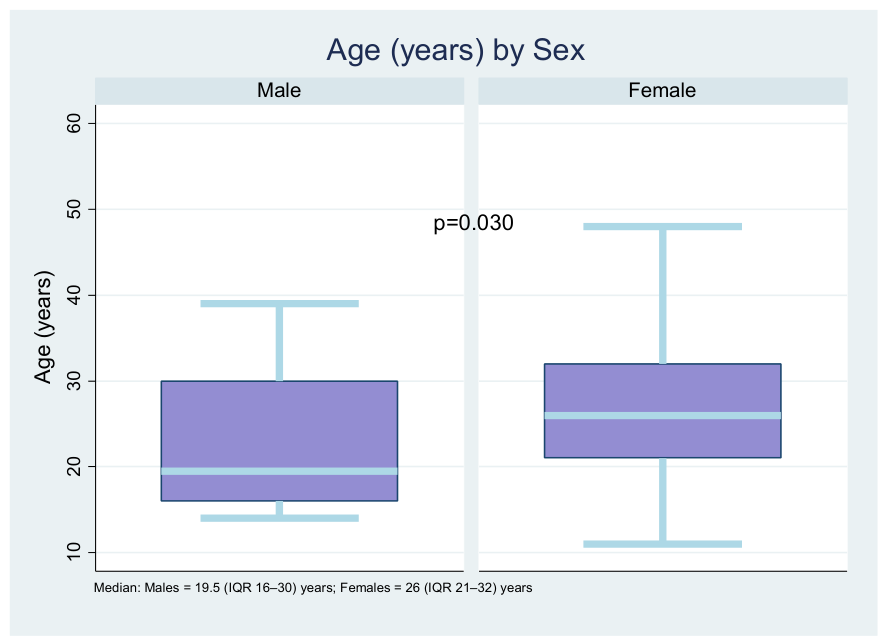
Figure 1. Distribution of age by sex among study participants.
Dermato 06 00025 g001
Table 1. Grading criteria for acne severity using the Investigator Global Assessment scale.
GradeClinical Description
0Clear skin with no inflammatory or non-inflammatory lesions
1Almost clear; rare non-inflammatory lesions with more than one small inflammatory lesion
2Mild severity; greater than grade 1; some non-inflammatory lesions with few inflammatory lesions (papules/pustules), no nodules
3Moderate severity; greater than grade 2; non-inflammatory lesions and inflammatory lesions, with up to one small nodule
4Severe; greater than grade 3; many inflammatory and non-inflammatory lesions with few nodular lesions
Source: [31].
Table 2. Demographic characteristics of 166 patients with acne who attended a rural tertiary hospital from 2022 to 2025.
VariablesCategoryn (%; 95% CI) N = 166
EthnicityAfrican166 (100.0)
SexFemale148 (89.2; 83.8–93.2)
Male18 (10.8; 6.8–16.2)
Age at onset (years)Median (IQR)|Min–Max26 (21–32) | 11–55
Weight (kg)Median (IQR)|Min–Max70 (60–84) | 20–141
Month of diagnosisApril30 (18.1; 12.8–24.4)
October19 (11.4; 7.3–16.9)
May18 (10.8; 6.8–16.2)
February17 (10.2; 6.3–15.5)
August13 (7.8; 4.5–12.7)
June13 (7.8; 4.5–12.7)
July11 (6.6; 3.6–11.2)
December11 (6.6; 3.6–11.2)
November10 (6.0; 3.1–10.4)
September9 (5.4; 2.7–9.7)
January8 (4.8; 2.3–8.9)
March7 (4.2; 1.9–8.1)
SeasonAutumn55 (33.1; 26.3–40.5)
Spring38 (22.9; 17.0–29.7)
Winter37 (22.3;16.5–29.1)
Summer36 (21.7; 15.9–28.4)
ClimateCold92 (55.4; 47.8–62.8)
Hot74 (44.6; 37.2–52.2)
Referring facilityClinic35 (21.1; 15.4–27.8)
Hospital20 (12.0; 7.8–17.6)
In-facility13 (7.8; 4.5–12.7)
Private practice10 (6.0; 3.1–10.4)
Community Health Centre3 (1.8; 0.5–4.7)
Outreach2 (1.2; 0.3–3.8)
Self30 (18.1; 12.8–24.4)
Not stated53 (31.9; 25.2–39.3)
Town of residenceMthatha102 (61.4; 53.9–68.6)
Libode17 (10.2; 6.3–15.5)
Lusikisiki8 (4.8; 2.3–8.9)
Mqanduli8 (4.8; 2.3–8.9)
Ngqeleni5 (3.0; 1.2–6.5)
Port St Johns3 (1.8; 0.5–4.7)
Qumbu3 (1.8; 0.5–4.7)
Mount Frere3 (1.8; 0.5–4.7)
Butterworth2 (1.2; 0.3–3.8)
Flagstaff2 (1.2; 0.3–3.8)
Idutywa2 (1.2; 0.3–3.8)
Qunu2 (1.2; 0.3–3.8)
Willowvale2 (1.2; 0.3–3.8)
Mount Ayliff1 (0.6; 0.1–2.8)
Matatiele1 (0.6; 0.1–2.8)
Bizana1 (0.6; 0.1–2.8)
Tsolo1 (0.6; 0.1–2.8)
Maclear1 (0.6; 0.1–2.8)
Not recorded2 (1.2; 0.3–3.8)
Local municipalityKing Sabata Dalindyebo112 (67.5; 60.1–74.2)
Nyandeni22 (13.3; 8.7–19.0)
Ingquza Hill10 (6.0; 3.1–10.4)
Mbhashe4 (2.4; 0.8–5.6)
Mhlontlo4 (2.4; 0.8–5.6)
Umzimvubu4 (2.4; 0.8–5.6)
Port St Johns3 (1.8; 0.5–4.7)
Mnquma2 (1.2; 0.3–3.8)
Elundini1 (0.6; 0.1–2.8)
Matatiele1 (0.6; 0.1–2.8)
Winnie Madikizela-Mandela1 (0.6; 0.1–2.8)
Unknown2 (1.2; 0.3–3.8)
District municipalityOR Tambo151 (91.0; 85.9–94.6)
Amathole6 (3.6; 1.5–7.3)
Alfred Nzo6 (3.6; 1.5–7.3)
Joe Gqabi1 (0.6; 0.1–2.8)
Unknown2 (1.2; 0.3–3.8)
Table 3. Distribution of clinical patterns and classification of acne subtypes in a rural tertiary hospital setting.
Variablesn (%; 95% CI) N = 166
Age of Onset
Childhood (<12 years)4 (2.4; 0.8–5.6)
Adolescence (12–19 years)31 (18.7; 13.3–25.1)
Young adult (20–24 years)38 (22.9; 17.0–29.7)
Adult-onset (≥25 years)93 (56.0; 48.4–63.4)
Frequent recurrence
Yes88 (53.0; 45.4–60.5)
No78 (47.0; 39.5–54.6)
Acne Grading
Grade 156 (33.7; 26.9–41.2)
Grade 275 (45.2; 37.7–52.8)
Grade 310 (6.0; 3.1–10.4)
Grade 425 (15.1; 10.2–21.1)
Primary lesion
Papules158 (95.2; 91.1–97.7)
Comedones132 (79.5; 72.9–85.1)
Pustules81 (48.8; 41.3–56.4)
Nodules30 (18.1; 12.8–24.4)
Lesion distribution
Face147 (94.8; 90.5–97.5)
Truncal26 (16.8; 11.5–23.2)
Multiple Areas18 (11.6; 7.3–17.4)
Unspecified11 (6.6; 3.6–11.2)
Acne subtype
Acne vulgaris138 (83.1; 76.9–88.2)
Nodulocystic acne24 (14.5; 9.7–20.4)
Steroid-induced acne18 (10.8; 6.8–16.2)
Acne excoriée7 (4.2; 1.9–8.1)
Complications present
Yes154 (92.8; 88.1–96.0)
No12 (7.2; 4.0–11.9)
Named complications, n = 154
Post-inflammatory hyperpigmentation134 (87.0; 81.0–91.6)
Atrophic scarring38 (24.7; 18.4–31.9)
Keloidal scarring5 (3.2; 1.2–7.0)
Table 4. Comorbidities and respective prevalence among 87 acne patients.
Named Co-Morbiditiesn (%; 95% CI) N = 87
Eczema43 (49.4; 39.1–59.8)
Melasma10 (11.5; 6.1–19.4)
HIV infection6 (6.9; 2.9–13.7)
Tinea versicolor5 (5.7; 2.2–12.1)
Chronic urticaria3 (3.4; 1.0–8.9)
Lichen planopilaris3 (3.4; 1.0–8.9)
Contact Dermatitis3 (3.4; 1.0–8.9)
Folliculitis barbae3 (3.4; 1.0–8.9)
Alopecia Areata2 (2.3; 0.5–7.2)
Acanthosis nigricans2 (2.3; 0.5–7.2)
Onychomycosis2 (2.3; 0.5–7.2)
Photosensitive dermatitis2 (2.3; 0.5–7.2)
Conjunctivitis2 (2.3; 0.5–7.2)
Steatocystoma multiplex2 (2.3; 0.5–7.2)
Vitiligo2 (2.3; 0.5–7.2)
Pityriasis versicolor2 (2.3; 0.5–7.2)
Table 5. Distribution of acne severity across demographic and clinical variables.
VariableCategoriesAcne Severityp-Value
Grade 1 n (%), N = 56Grade 2 n (%), N = 75Grade 3 n (%), N = 10Grade 4 n (%), N = 25
SexMale6 (33.3)7 (38.9)1 (5.6)4 (22.2)0.816 *
Female50 (33.8)68 (45.9)9 (6.1)21 (14.2)
Age of OnsetChildhood1 (25.0)3 (75.0)0 (0.0)0 (0.0)0.165 *
Adolescence6 (19.4)16 (51.6)2 (6.5)7 (22.6)
Young adult14 (36.8)21 (55.3)0 (0.0)3 (7.9)
Adult-onset35 (37.6)35 (37.6)8 (8.6)15 (16.1)
SeasonAutumn23 (41.8)23 (41.8)3 (5.5)6 (10.9)0.813 *
Winter8 (21.6)20 (54.1)3 (8.1)6 (16.2)
Spring12 (31.6)17 (44.7)2 (5.3)7 (18.4)
Summer13 (36.1)15 (41.7)2 (5.6)6 (16.7)
ClimateHot25 (33.8)32 (43.2)4 (5.4)13 (17.6)0.875 *
Cold31 (33.7)43 (46.7)6 (6.5)12 (13.0)
Frequent RecurrenceYes28 (31.8)39 (44.3)4 (4.5)17 (19.3)0.371 *
No28 (35.9)36 (46.2)6 (7.7)8 (10.3)
Co-morbiditiesYes31 (35.6)40 (46.0)4 (4.6)12 (13.8)0.799 *
No25 (31.6)35 (44.3)6 (7.6)13 (16.5)
Eczema, n = 87Yes13 (30.2)24 (55.8)1 (2.3)5 (11.6)0.322 *
No18 (40.9)16 (36.4)3 (6.8)7 (15.9)
Retroviral Disease, n = 87Yes4 (66.7)1 (16.7)0 (0.0)1 (16.7)0.319 *
No27 (33.3)39 (48.1)4 (4.9)11 (13.6)
Melasma, n = 87Yes6 (60.0)0 (0.0)3 (30.0)1 (10.0)<0.001 *
No25 (32.5)40 (51.9)1 (1.3)11 (14.3)
* Fisher’s exact test with Monte Carlo correction.
Disclaimer/Publisher’s Note: The statements, opinions and data contained in all publications are solely those of the individual author(s) and contributor(s) and not of MDPI and/or the editor(s). MDPI and/or the editor(s) disclaim responsibility for any injury to people or property resulting from any ideas, methods, instructions or products referred to in the content.


