1. Introduction
Mental health disorders in children and adolescents represent a significant global medical and psychosocial challenge, with prevalence rates rising rapidly in recent years. Estimates indicate that 1 in 6 children aged 2–8 years (17.4%) have a diagnosed neurodevelopmental or behavioral disorder, with many more remaining undiagnosed [
1]. Similarly, mental health conditions affect 1 in 6 individuals aged 5–16 years and approximately 15% of those aged 10–19 years [
2,
3]. These conditions are shaped by a range of factors, including socio-economic status, access to healthcare, and environmental challenges such as family instability, poverty, and social marginalization. Insufficient or delayed access to quality care worsens these conditions, resulting in poorer long-term outcomes [
4,
5].
These psychiatric conditions profoundly impact children’s and adolescents’ quality of life (QoL), influencing their daily functioning, interpersonal relationships, and overall well-being. Beyond the personal toll, they also impose psychological, social, and economic burdens on families [
6,
7]. Studies comparing QoL between children with mental health disorders and their healthy peers consistently report significantly lower scores in affected groups [
8]. These adverse outcomes affect not only personal well-being but also have significant implications for public health, as untreated mental health conditions can result in chronic disabilities, higher healthcare expenditures, and diminished social mobility [
9].
Chronic somatic conditions represent another category of illnesses that adversely affect the QoL of young individuals and their families. With an increasing prevalence of chronic disabilities, assessing and improving patients’ QoL has become a critical public health priority [
10,
11]. While both types of chronic illness are known to negatively influence QoL, psychiatric conditions often involve specific impairments in cognitive, emotional, and social functioning. These may result in more persistent or diffuse consequences across multiple life domains. Comparative studies suggest that over time, individuals with mental health disorders experience greater social and psychological challenges than those with somatic illnesses [
12,
13].
Despite the growing global recognition of these issues, data on the QoL of children and adolescents with psychiatric disorders in Romania remains limited. Romania faces unique challenges in its healthcare system, including uneven access to specialized mental health services, socio-economic disparities, and a shortage of child mental health professionals. These factors contribute to a lack of comprehensive support and timely intervention for affected families [
14].
Mental illnesses can prevent daily tasks, lower self-sufficiency, reduce confidence and self-esteem, and lead to social isolation and poor academic engagement, all of which negatively impact life quality. Furthermore, people with mental illnesses, including children and adolescents, often have higher rates of physical comorbidities, which further deteriorate their overall health and quality of life [
15,
16,
17]. Moreover, limited access to healthcare, stigma, and lower socioeconomic status can exacerbate health problems and negatively impact quality of life of children and adolescents with mental health disorders [
15]. While individuals with somatic illnesses also experience lower quality of life, chronic mental illnesses are associated with the lowest quality of life among chronic disease groups [
17]. The challenges faced by people with mental illnesses are often multidimensional, encompassing psychological, social, and functional domains, which can be more debilitating than physical symptoms alone [
18]. Research on the factors influencing quality of life in mental illness is crucial for developing effective treatment outcomes, as interventions need to address not only the specific mental health disorder but also its impact on physical health, social functioning, and socioeconomic factors [
16,
19,
20].
Previous research in Romania indicates that individuals with chronic mental illnesses experience lower QoL compared to those with only chronic somatic illnesses, who in turn have lower QoL than those without chronic illness. Poor QoL in these populations was linked to functional limitations from the illness, lack of social support, stigma, and inadequate health literacy, with specific factors like having children, family support, better social and conceptual skills, and a perceived level of recovery being associated with higher QoL. However, previous studies in Romania focused on the QoL of adult patients with psychotic disorders/schizophrenia [
21,
22], and thus, our study addresses a significant gap in literature, as there is very limited information on the QoL of Romanian children and adolescents with chronic mental health disorders.
This study builds on previous research conducted by the authors on the same cohort of children and adolescents with chronic somatic or psychiatric diagnoses, where sibling relationship dynamics were investigated in depth [
23]. That study explored the experiences and perceptions of healthy siblings within affected families, revealing significant differences in sibling bonding, empathy, and rivalry depending on the type of chronic condition present. However, it did not directly assess the quality of life of the ill children themselves.
The current paper shifts focus to these children with chronic conditions, aiming to evaluate their quality of life from a parental perspective and to identify specific domains more severely affected by psychiatric versus somatic diagnoses. By targeting intra-clinical group differences, the study provides data relevant to resource prioritization and clinical intervention planning. The quality of life of the participants was measured using the Child Health and Illness Profile—Parent Report Form (CHIP-CE/PRF), a validated and widely used instrument for assessing health status in pediatric populations.
3. Results
The final sample consisted of 100 participants, evenly divided between two groups: children and adolescents with chronic somatic disorders (n = 50) and those with chronic psychiatric or neurodevelopmental disorders (n = 50).
In terms of area of residence, 54% of participants in the somatic group lived in urban settings, compared to 42% in the psychiatric group. Although rural residence was slightly more prevalent in the psychiatric group, statistical analysis using the chi-square test revealed no significant differences in geographic distribution between the two groups (p = 0.317).
Gender distribution was also comparable, with males accounting for 60% in the somatic group and 74% in the psychiatric group. These differences were not statistically significant (p = 0.202), indicating a relatively balanced gender composition.
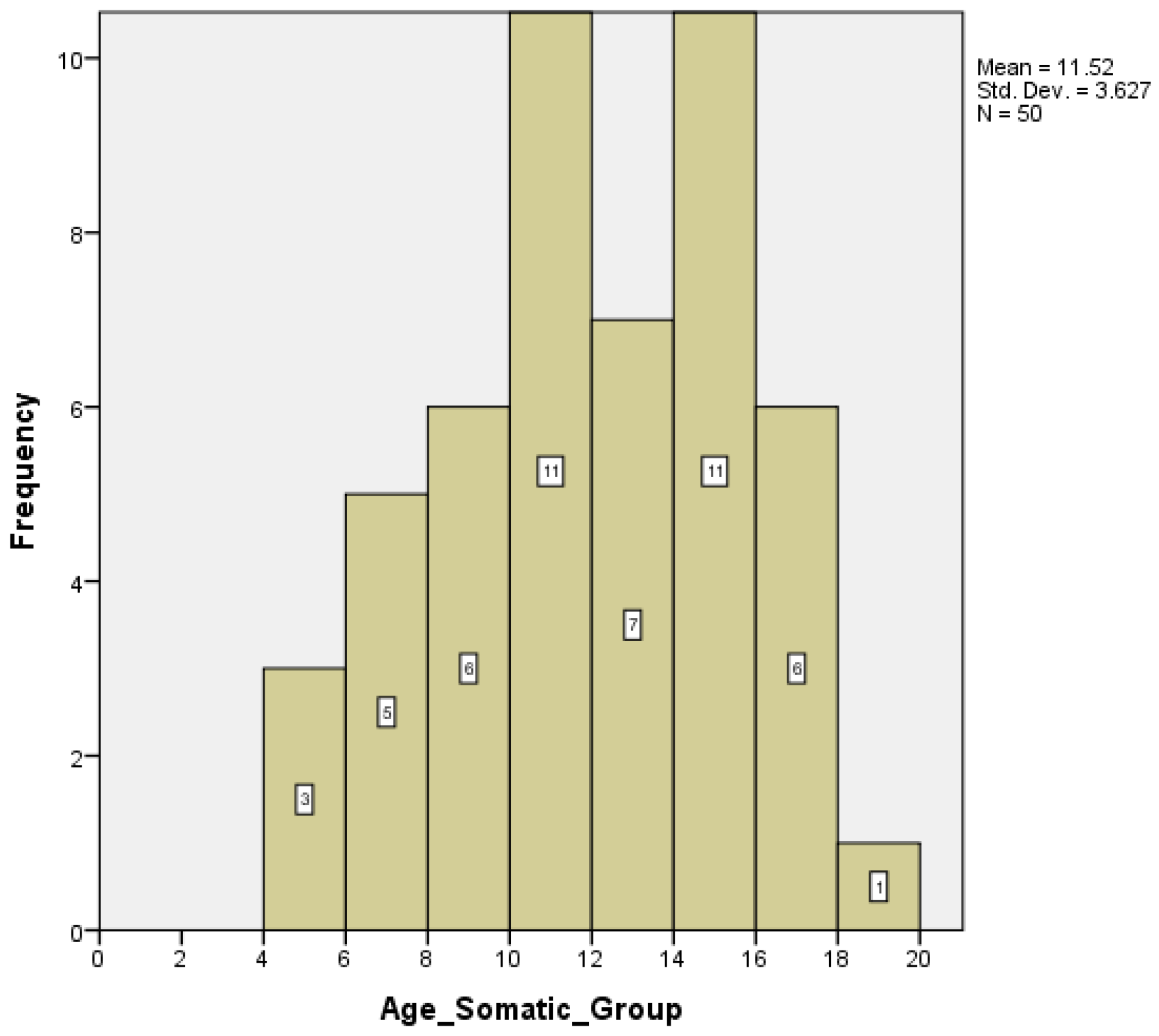
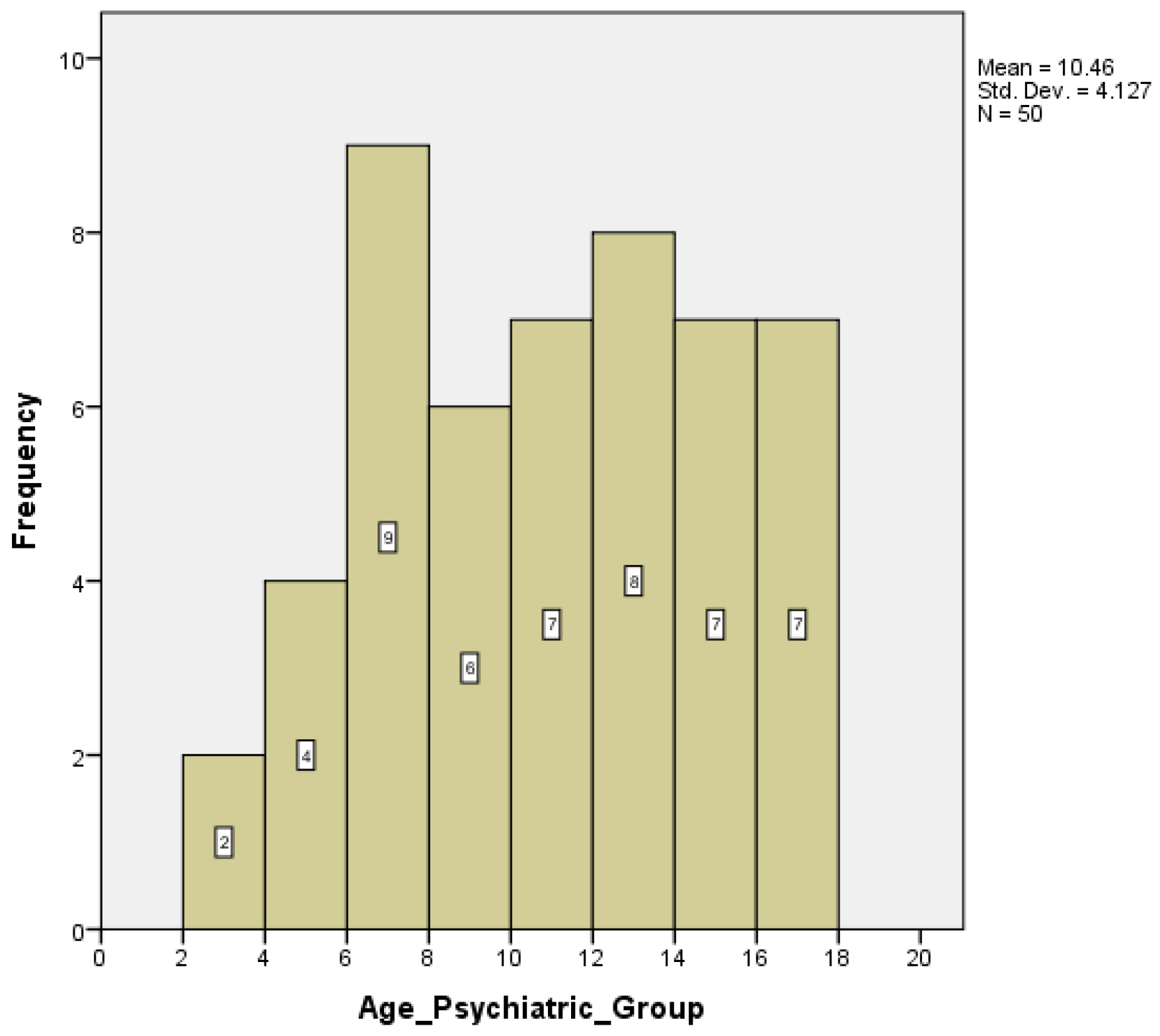
The age of participants ranged from 4 to 18 years in the somatic group (mean = 11.52 years, SD = 3.63), and from 3 to 17 years in the psychiatric group (mean = 10.46 years, SD = 4.13). No statistically significant difference was observed in age distribution between the groups (Mann–Whitney U = 1072.50,
p = 0.22), suggesting comparable developmental stages at the time of evaluation (
Figure 1 and
Figure 2).
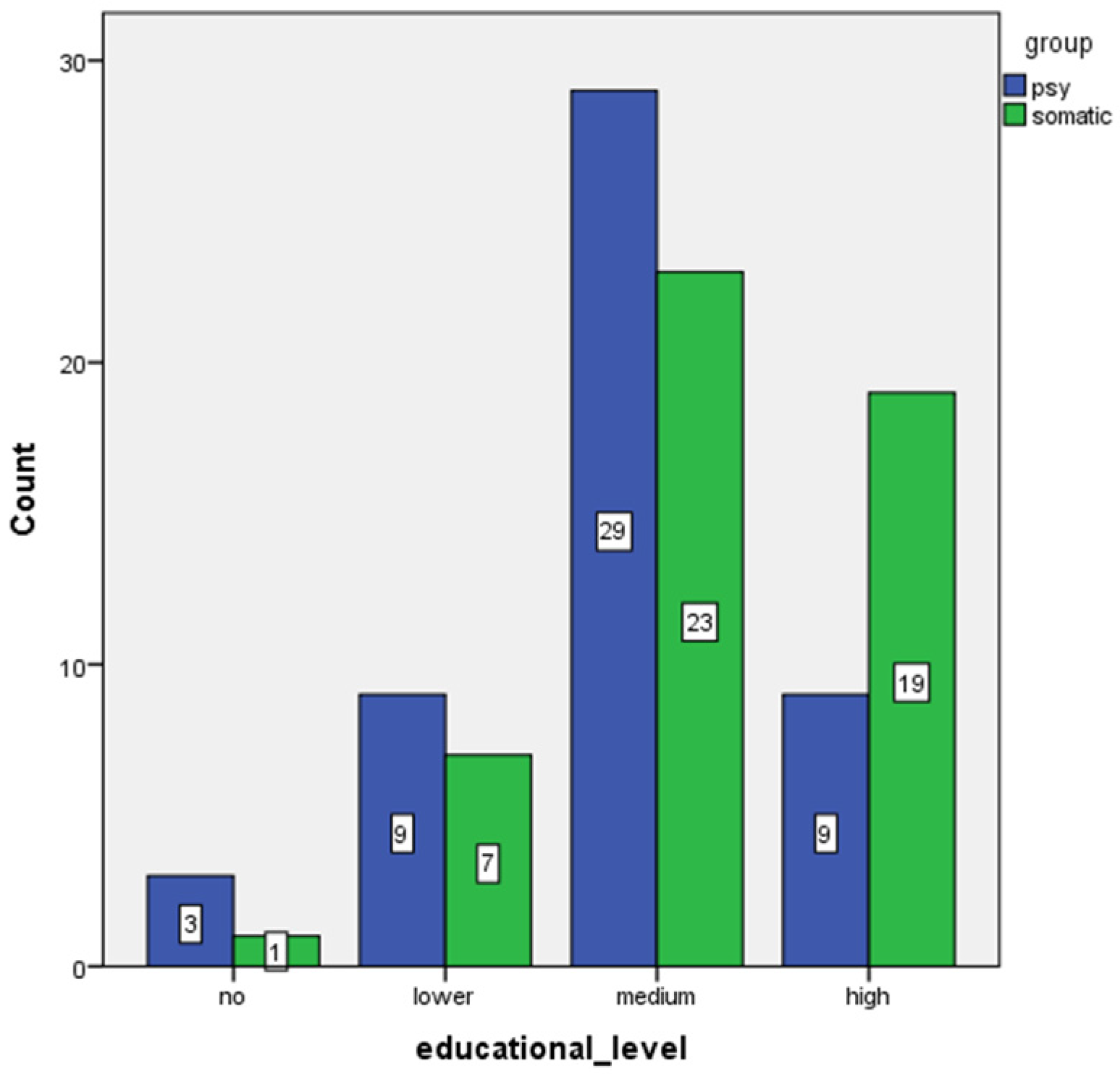
Analysis of parental educational background revealed a significant difference between the two groups. In the somatic disorder group, most respondents reported medium (46%) or high (38%) levels of education, with only a small percentage (16%) indicating primary education or no formal education. By contrast, the psychiatric group was characterized by a lower proportion of highly educated parents (18%) and a greater share with only primary or secondary education (26%). A likelihood ratio chi-square test confirmed that this difference was statistically significant (
p = 0.048), suggesting a potential association between lower parental education and the presence of chronic psychiatric disorders in children. This difference may reflect disparities in health literacy, access to early diagnosis, or treatment adherence across socio-educational strata (
Figure 3).
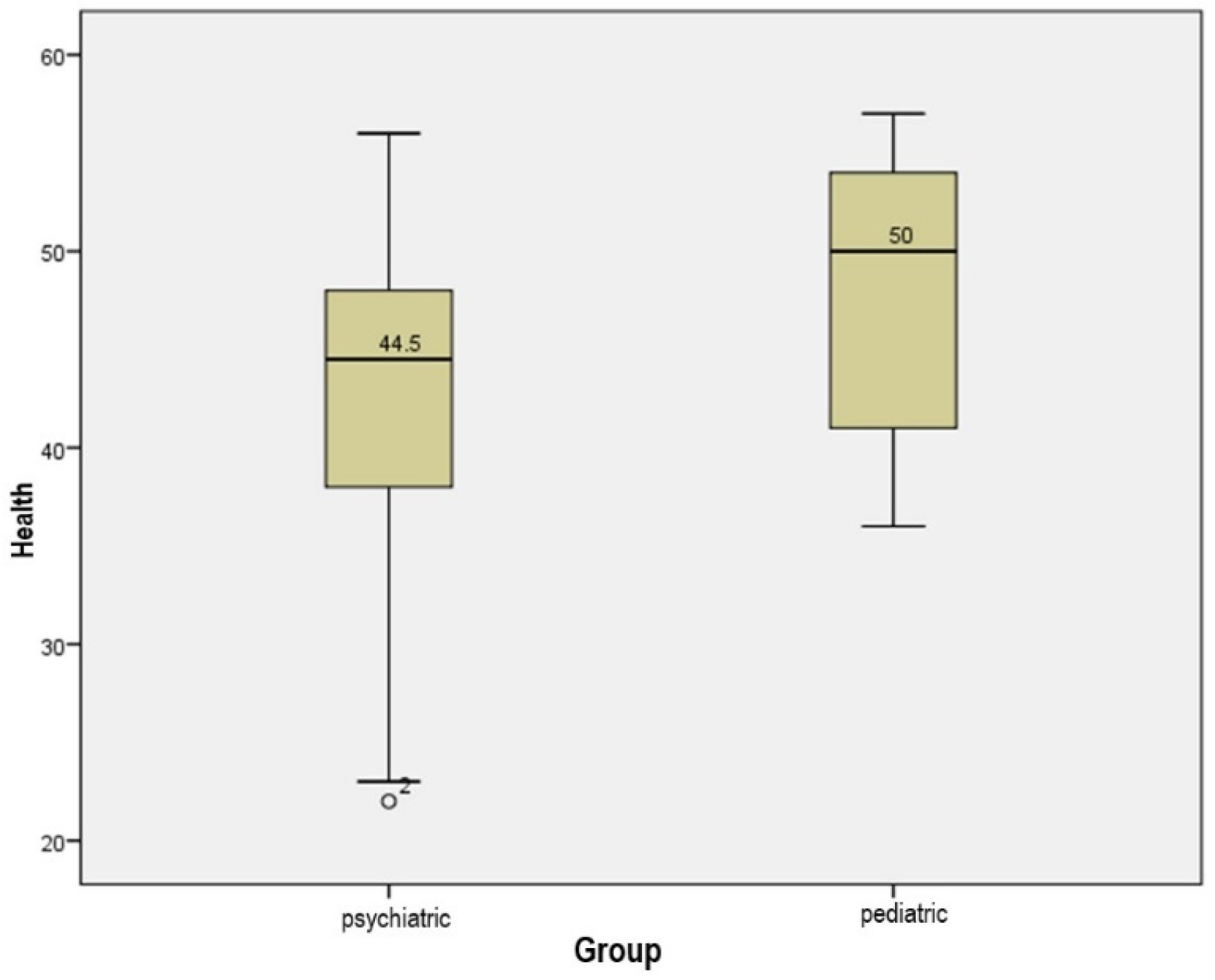
Health and Well-Being Domain Scores. In the Health and Well-Being domain, children and adolescents with chronic somatic conditions had significantly higher scores (mean ± SD = 48.0 ± 6.21) compared to those with psychiatric disorders (mean ± SD = 43.0 ± 8.11), as reported by their parents. This domain reflects overall health status, energy levels, and emotional self-perception, including items such as “How often does the child feel happy?” and “My child really likes himself.” A Mann–Whitney U test confirmed that the difference between groups was statistically significant (U = 799.50,
p = 0.002), suggesting that psychiatric conditions are associated with lower perceived well-being and self-esteem, even from the caregiver’s perspective (
Figure 4).
Somatic and Emotional Symptoms Domain Scores. Scores in the Somatic and Emotional Symptoms domain were relatively similar between the two groups. Children with somatic conditions had a mean score of 49.24 ± 14.08, while those with psychiatric disorders had a slightly higher mean of 52.84 ± 12.21. This domain assesses the frequency and severity of both physical and emotional symptoms as perceived by the parent. Despite the numerical difference, the Mann–Whitney U test did not reveal a statistically significant difference (U = 1072.50, p = 0.221), indicating that, from the caregivers’ perspective, the burden of emotional and somatic symptoms was perceived to be comparable across the two clinical populations.
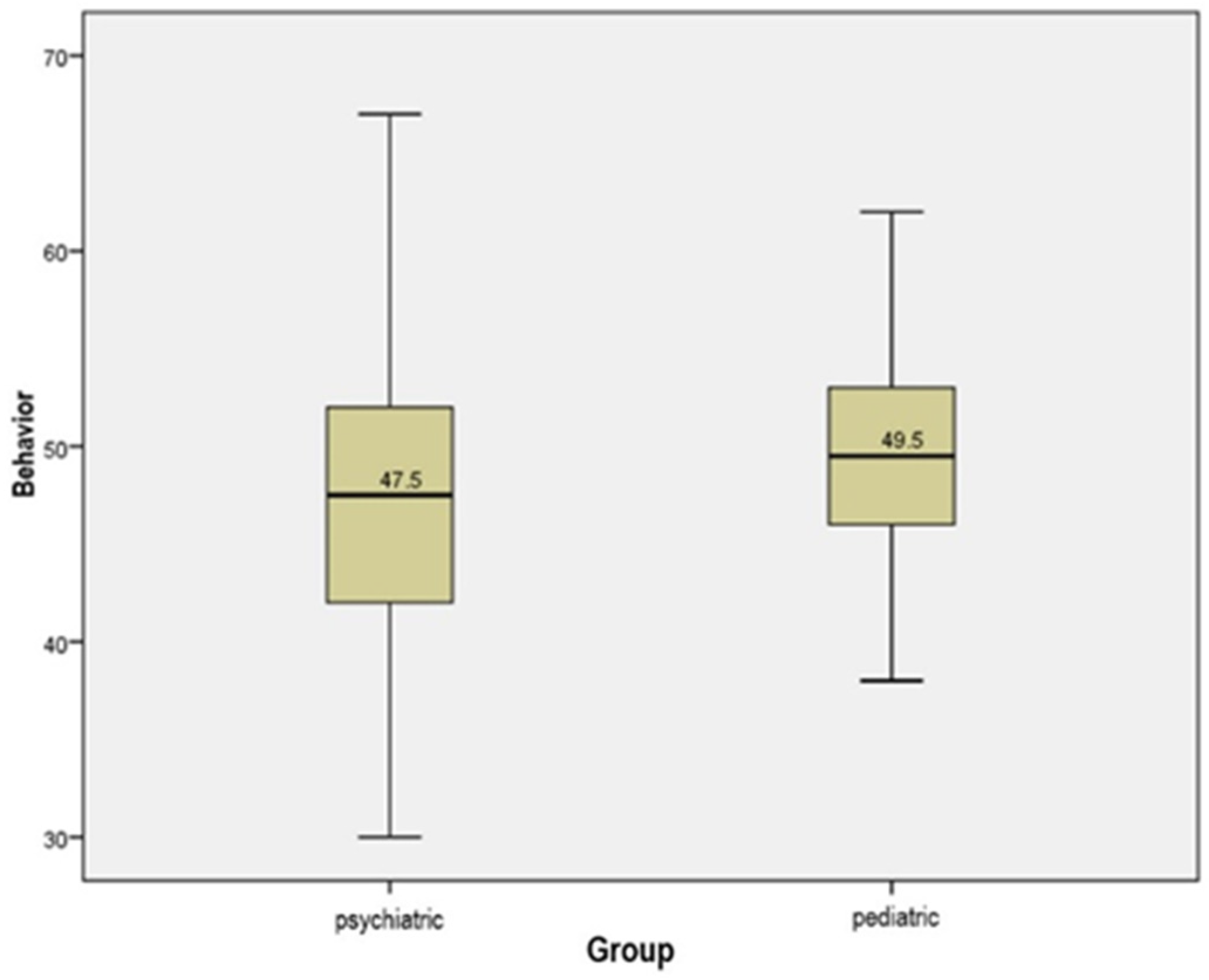
Behavior at Home Domain Scores. In the Behavior at Home domain, which evaluates family support and the child’s involvement in household activities, the somatic group obtained slightly higher scores (mean ± SD = 49.86 ± 5.35) compared to the psychiatric group (mean ± SD = 47.96 ± 7.64). Although the scores suggest a trend toward greater family integration among children with somatic illnesses, the difference was not statistically significant (Mann–Whitney U = 1024.50,
p = 0.120). These findings indicate that parental perceptions of family-related functioning were relatively similar across the two groups, regardless of diagnostic category (
Figure 5).
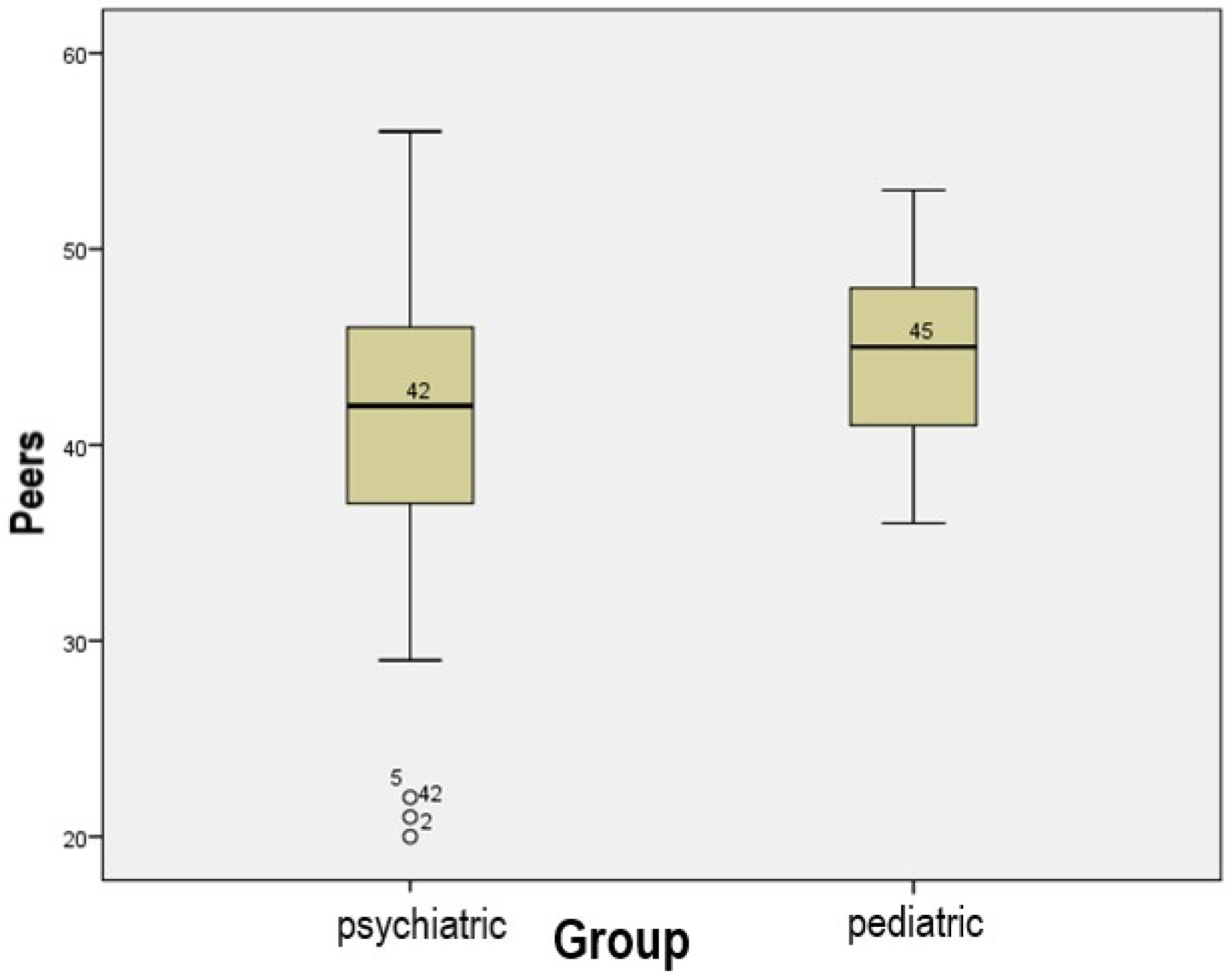
Peer Relations Domain Scores. In the Peer Relations domain, which captures the quality of the child’s interactions with peers and participation in social activities, children in the somatic group scored significantly higher (mean ± SD = 44.76 ± 4.34) than those in the psychiatric group (mean ± SD = 41.08 ± 7.83). A Mann–Whitney U test confirmed that this difference was statistically significant (U = 872.50,
p = 0.009). These results suggest that psychiatric conditions, particularly those involving social and communication difficulties such as autism spectrum disorder, are associated with greater challenges in developing and maintaining peer relationships (
Figure 6).
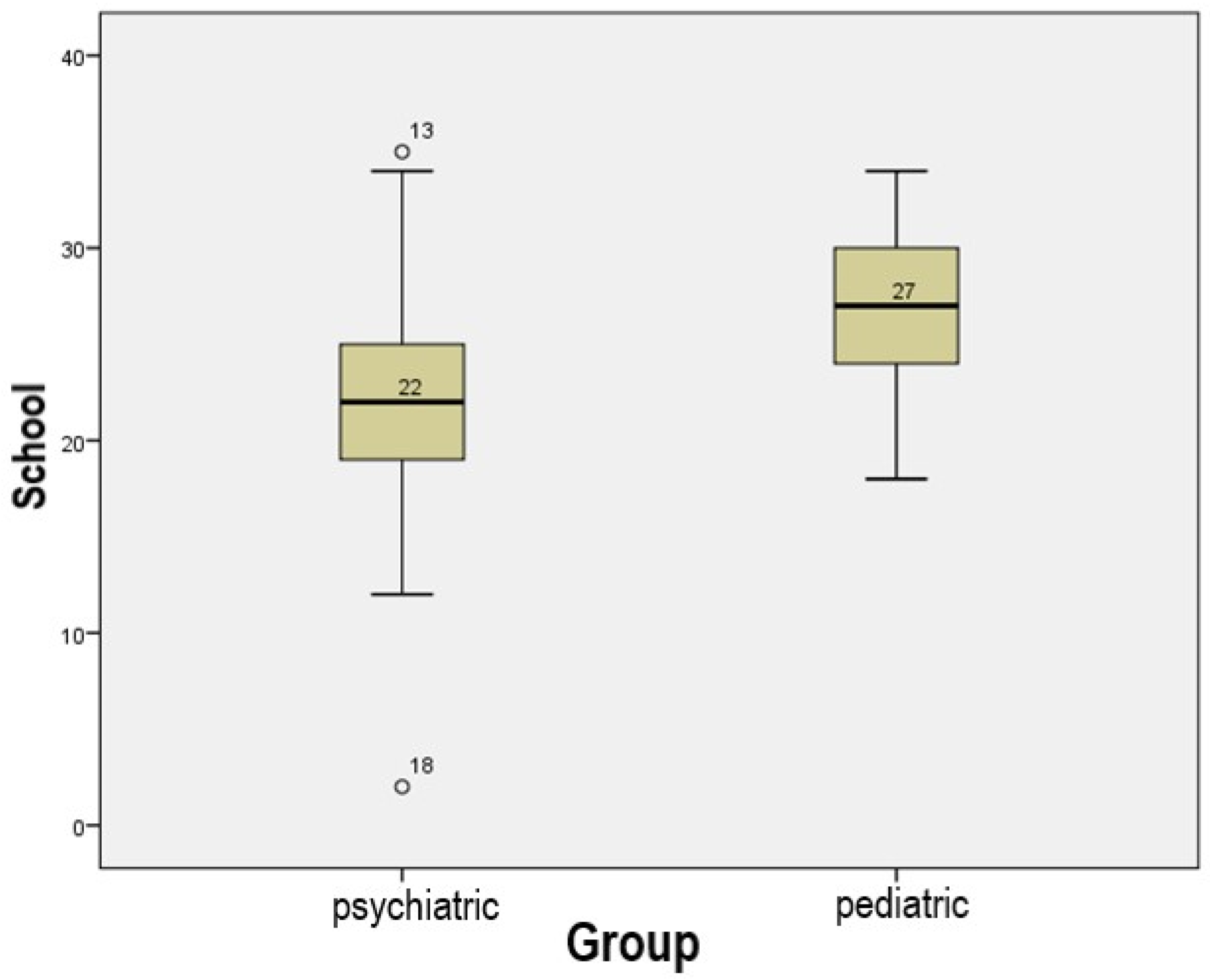
School Performance Domain Scores. In the School Performance domain, which evaluates academic functioning and school engagement, children with somatic conditions demonstrated significantly higher scores (mean ± SD = 27.02 ± 3.56) than those in the psychiatric group (mean ± SD = 22.09 ± 5.88). The difference between groups was statistically significant (Mann–Whitney U = 445.50,
p < 0.001), reflecting the cognitive and behavioral challenges often associated with psychiatric disorders, particularly neurodevelopmental conditions such as autism spectrum disorder and ADHD. These findings highlight the substantial impact of mental health disorders on educational outcomes as perceived by caregivers (
Figure 7).
All quality-of-life results, as assessed through the CHIP-CE/PRF questionnaire, are summarized in
Table 1. The table presents the mean scores and standard deviations for each of the five domains in both study groups, along with the corresponding
p-values from the Mann–Whitney U tests. This overview allows for a consolidated comparison of functional and psychosocial outcomes between children with chronic somatic conditions and those with psychiatric diagnoses.
To complement the non-parametric analysis, we additionally performed independent-samples t-tests for domains in which both groups met the assumption of normality. These included Somatic and Emotional Symptoms (t = 1.37, p = 0.175), Behavior at Home (t = −1.44, p = 0.153), and School Performance (t = −4.89, p < 0.001; n = 43 psychiatric, n = 48 somatic). The results confirmed the pattern observed with Mann–Whitney U tests, supporting the consistency of findings.
4. Discussion
This study aimed to assess the impact of chronic conditions—both psychiatric and somatic—on the quality of life and functional outcomes of children and adolescents. Recognizing that chronic illnesses can significantly affect well-being, the objective was to identify differences between these two groups across key domains: health and self-esteem, peer relationships, and school performance.
Health, Well-Being, and Self-Esteem. One of the most notable findings of this study is the significantly higher Health and Well-Being scores reported for children with chronic somatic conditions compared to those with psychiatric disorders. This domain includes parental perceptions of the child’s physical vitality, emotional state, and self-worth. The consistently lower scores in the psychiatric group may reflect the substantial emotional and identity-related challenges these children face. Items such as “My child really likes himself” or “How often does your child feel happy?” typically received lower ratings in this group, underscoring the psychological burden associated with mental health diagnoses.
This result is consistent with a growing body of literature suggesting that mental health conditions in childhood are associated with more profound impairments in subjective well-being and self-perception than many somatic illnesses [
7,
26].
Previous literature has consistently linked psychiatric disorders in childhood and adolescence with reduced self-esteem, diminished emotional well-being, and impaired self-concept [
27,
28,
29,
30,
31]. Moreover, this relationship is often bidirectional: low self-esteem not only arises from psychiatric conditions but also increases vulnerability to developing emotional disorders. In contrast, children with chronic somatic conditions may retain a relatively intact self-esteem, particularly when their condition is visible and receives familial or social validation. Several factors may contribute to this disparity. First, psychiatric disorders often directly affect emotional regulation, self-concept, and interpersonal functioning—core components of well-being and self-esteem. For instance, children experiencing depressive symptoms or anhedonia frequently report diminished satisfaction with life, reduced self-worth, and impaired social relationships [
26]. These internalizing symptoms may not only reduce perceived health but also color self-assessments of competence and value, leading to lower self-esteem. In contrast, children with chronic somatic conditions, while facing physical limitations or discomfort, may retain a more intact sense of self and social identity. Many somatic conditions are more visible and socially acknowledged, which can elicit empathy and support from peers and adults. This social validation may buffer against the erosion of self-esteem and promote a more positive perception of well-being [
7]. Moreover, the stigma surrounding mental health problems may exacerbate the psychological burden experienced by children with psychiatric disorders. Unlike somatic conditions, which are often met with understanding and accommodation, mental health issues may be misunderstood or minimized, leading to feelings of isolation or shame. This social context likely contributes to the lower scores observed in our sample. It is also important to consider the role of service access and treatment engagement. Children with somatic disorders often receive coordinated care and support from early stages, whereas those with psychiatric conditions may face delays in diagnosis, fragmented services, or limited access to evidence-based interventions. These systemic disparities may further widen the gap in perceived health and well-being.
Our findings underscore the need for targeted interventions that address not only symptom reduction but also the enhancement of self-esteem and subjective well-being, focusing on identity, self-perception, and emotional coping in children with psychiatric disorders. Programs that foster resilience, promote social inclusion, and challenge stigma may be particularly beneficial. Additionally, integrating mental health services into pediatric care settings could help normalize psychological difficulties and facilitate earlier, more holistic support.
Peer Relationships. Children with chronic somatic conditions scored significantly higher than those with psychiatric disorders in the Peer Relations domain, indicating more positive and consistent social interactions. This result, while expected, is not necessarily novel and aligns with well-established findings in the literature, indicating that mental health conditions in childhood are more strongly associated with impaired social functioning and peer difficulties than somatic illnesses [
7,
23,
31,
32,
33]. Several mechanisms may underlie this disparity. Psychiatric disorders—particularly those involving emotional dysregulation, attentional difficulties, or social withdrawal—can directly impair a child’s ability to initiate and maintain peer relationships. For example, children with anxiety or depression may avoid social interactions, while those with ADHD or autism spectrum disorders may struggle with impulse control, emotional dysregulation, poor social reciprocity and perspective-taking, or interpreting social cues. These challenges can lead to peer rejection, isolation, or bullying, further eroding social confidence and opportunities for positive engagement [
31]. In contrast, children with somatic conditions often retain intact social cognition and emotional regulation, allowing them to participate more effectively in peer interactions. Although physical limitations may restrict some activities, these children are generally perceived as less behaviorally disruptive and more socially acceptable by their peers. Moreover, somatic conditions often elicit empathy and support from others, which can foster inclusion and strengthen peer bonds [
7]. Moreover, social stigma and exclusion often intensify these difficulties. Psychiatric disorders are frequently misunderstood or feared by peers, leading to exclusion or negative labeling. Children with psychiatric diagnoses are more likely to be marginalized or rejected by peers, not solely due to their behavior, but also because of prevailing negative societal attitudes toward mental illness. This social stigma can compound the internal distress experienced by affected children and discourage them from seeking or sustaining friendships [
32,
33]. In contrast, somatic illnesses are more visible and socially legitimized, reducing the likelihood of peer rejection, as they tend to elicit empathy or protective responses, allowing affected children to remain more integrated in peer settings. Family dynamics and parenting styles may further influence peer relationships. Studies suggest that children with psychiatric disorders often experience less authoritative parenting and lower family resilience, which are associated with poorer social outcomes [
34]. These children may lack the social modeling, emotional support, or structured opportunities needed to develop and maintain friendships. Our findings highlight the importance of targeted social skills interventions and anti-stigma programs for children with psychiatric disorders. School-based initiatives that promote empathy, inclusion, and mental health literacy may help reduce peer rejection and foster healthier social environments. Additionally, integrating peer support components into treatment plans could enhance social functioning and overall quality of life.
School Performance. Significant differences were also observed in the School Performance domain, with children in the somatic group outperforming those with psychiatric disorders.
This aligns with existing literature showing that mental health difficulties in childhood are strongly associated with academic underachievement, school absenteeism, and reduced educational attainment [
35,
36]. These findings are also consistent with previous research that reflects well-documented academic challenges associated with conditions such as autism spectrum disorder and ADHD [
37,
38,
39,
40,
41]. Difficulties with attention, executive functioning, task completion, and classroom behavior are characteristic of these disorders and can interfere with classroom learning, task completion, and test performance, leading to lower academic achievement, even in the presence of average or above-average intellectual abilities [
40,
41].
Furthermore, children with psychiatric diagnoses may struggle with social interaction or anxiety-related avoidance in school settings, compounding academic disengagement. They often experience higher rates of school absenteeism, either due to emotional distress, behavioral crises, or fragmented access to care. Although children with chronic somatic conditions also face barriers such as absenteeism, fatigue, or medical side effects [
42,
43], they are less likely to experience the cognitive and behavioral disruptions that interfere directly with learning processes; they may have more predictable patterns of absence and are often supported by structured medical follow-up and educational accommodations, which help maintain academic continuity [
35]. Moreover, the stigma surrounding psychiatric disorders may contribute to negative expectations from teachers and peers, potentially reducing academic support and self-efficacy. Children with visible somatic conditions may receive more empathy and tailored assistance, while those with “invisible” psychiatric symptoms may be misunderstood or labeled as disruptive, unmotivated, or oppositional. Family and systemic factors also play a role. Parents of children with psychiatric disorders often face higher caregiving burdens and may struggle to advocate effectively within educational systems. Additionally, schools may lack the resources or training to implement individualized education plans (IEPs) or behavioral interventions for students with mental health needs. Importantly, these results reflect parental perceptions of school performance, which may be influenced by observable classroom struggles or teacher feedback. These findings underscore the need for integrated school-based mental health services, teacher training in recognizing and supporting psychiatric conditions, and policies that promote inclusive education. Interventions such as cognitive-behavioral strategies, executive function coaching, and school-home collaboration have shown promise in improving academic outcomes for children with psychiatric disorders. Future research should explore the longitudinal impact of early mental health interventions on educational trajectories and examine how systemic supports can mitigate the academic burden associated with psychiatric conditions.
While significant differences were observed in most quality-of-life domains, no statistically significant group differences were found in the Somatic and Emotional Symptoms or Behavior at Home domains. These results suggest that, from a caregiver perspective, both children with somatic and psychiatric conditions are perceived as experiencing a comparable level of emotional and physical discomfort, as well as similar patterns of involvement in family activities. The lack of difference in somatic symptoms is perhaps unsurprising, given that both groups contend with chronic health burdens—whether physical or psychological—that can manifest as fatigue, pain, sleep disturbances, or general malaise. Children with psychiatric disorders often report somatic complaints such as headaches, stomachaches, or sleep problems, which may reflect underlying emotional dysregulation or stress. Conversely, children with somatic conditions may experience similar symptoms due to their medical condition or treatment side effects. Thus, the convergence in reported somatic symptoms may reflect a shared experience of chronic discomfort, regardless of diagnostic category. Similarly, the comparable scores in the Behavior at Home domain may reflect the pervasive impact of chronic illness—mental or physical—on family dynamics, routines, and stress levels. Both groups of children may exhibit irritability, oppositional behavior, or withdrawal at home, influenced by the emotional toll of their condition, parental stress, and disrupted daily functioning. Moreover, parental perceptions of behavior may be shaped by caregiving fatigue, expectations, and coping strategies, which could blur distinctions between diagnostic groups. It is also possible that the tools used to assess these domains capture general distress rather than disorder-specific patterns, leading to overlapping scores. Alternatively, families may adapt similarly to chronic conditions over time, developing routines and support systems that buffer against behavioral deterioration, regardless of the child’s diagnosis. The absence of a difference in these domains may reflect a shared burden of chronic illness on family life, regardless of diagnosis, or may indicate a ceiling effect in parental perceptions of daily challenges across both groups. These findings highlight the importance of supporting families across diagnostic categories, recognizing that chronic illness—whether somatic or psychiatric—can strain home life and contribute to emotional and behavioral symptoms. Interventions aimed at enhancing family resilience, improving parent–child communication, and providing psychoeducation may benefit both groups. Future research should explore whether specific subgroups (e.g., children with neurodevelopmental disorders vs. autoimmune conditions) show divergent patterns within these domains and how family-level interventions can be tailored accordingly.
Study limitations. This study has several limitations that should be acknowledged. First, the sample size was relatively small and limited to two clinical centers in Romania, which may reduce the generalizability of the findings. Second, all data regarding the child’s quality of life were based solely on parental reports. While this provides valuable insight into caregiver perspectives, it may introduce subjective bias or underreporting, particularly in families who have adapted to chronic symptoms over time. Third, the use of the CHIP-CE/PRF instrument, which is formally validated for children aged 6 to 11 and for caregivers with a minimum level of formal education, may have introduced measurement variability, as not all participants met these validation criteria. Additionally, the study did not account for important moderating variables such as family structure, income level, or parental mental health, which could influence perceptions of the child’s well-being. Finally, the cross-sectional design limits the ability to infer causal relationships or to observe changes over time in response to treatment or disease progression. Supplementary t-tests were conducted for domains with normal distributions to confirm the robustness of findings, but all main comparisons were based on non-parametric tests to ensure statistical consistency. These limitations should be considered when interpreting the results and in planning future studies using similar designs or instruments.
6. Practical Applications
The results of this study underline the importance of integrating quality-of-life assessments into the routine evaluation of children and adolescents with chronic psychiatric conditions. In clinical settings, standardized tools such as the CHIP-CE/PRF can help identify functional impairments beyond diagnostic criteria and guide individualized treatment planning. Regular monitoring of quality-of-life indicators may also enhance communication with families and support multidisciplinary interventions.
In educational contexts, the findings point to the need for greater awareness and adaptive strategies to support students with psychiatric diagnoses. Schools should consider implementing individualized educational plans (IEPs), social skills programs, and mental health support services to address both academic and interpersonal challenges. Teacher training in recognizing and responding to mental health needs is also critical.
From a policy perspective, the data support increased investment in child mental health services, early intervention programs, and community-based resources aimed at reducing stigma and improving family support. Policymakers should prioritize access to qualified mental health professionals and ensure collaboration between health, education, and social care systems to provide coordinated and equitable care.
Future research directions. Future research should consider including multi-informant assessments, integrating the perspectives of children and adolescents alongside those of parents, teachers, and clinicians. This approach would allow for a more comprehensive and nuanced understanding of how chronic conditions affect different dimensions of functioning. Additionally, expanding the sample to include a broader range of psychiatric and somatic diagnoses, as well as socio-demographic backgrounds, would increase the generalizability of findings. Longitudinal designs are also needed to explore how quality of life evolves over time and in response to treatment, and to identify protective or risk factors that may shape individual trajectories.





 ,
,