Case Report

Cognitive and Psychosocial Recovery in Schizophrenia: Evidence from a Case Study on Integrated Rehabilitation


IRCCS Centro Neurolesi Bonino Pulejo, Strada Statale 113—C.da Casazza, 98124 Messina, ME, Italy
*
Author to whom correspondence should be addressed.
Psychiatry Int. 2026, 7(1), 6; https://doi.org/10.3390/psychiatryint7010006
Submission received: 15 September 2025 / Revised: 21 October 2025 / Accepted: 19 December 2025 / Published: 24 December 2025

Abstract

Background: Schizophrenia is a chronic disorder characterized by positive and negative symptoms, cognitive deficits, and brain alterations, primarily affecting the frontal and temporal lobes. Traumatic events, such as head injury, may worsen these deficits. Objective: The aim of this study is to describe the application of an integrated rehabilitation program, including cognitive and emotional–motivational interventions, in a patient with head trauma and a history of schizophrenia, highlighting the multidimensional nature of the rehabilitation process. Methods: We described the case of a 34-year-old patient. The program included a baseline cognitive and psychological assessment, a 12-month rehabilitation training with three weekly sessions (two cognitive and one emotional–motivational, each lasting 60 min), and a follow-up to assess long-term outcomes. Change significance between baseline and follow-up was assessed using the Reliable Change Index (RCI). Values of RCI ≥ 1.96 indicated a statistically reliable improvement or decline at p < 0.05. Results: The patient showed significant cognitive and emotional recovery, with improvements confirmed by RCI and p-values: attention (RCI = +2.45, p = 0.014), working memory (RCI = +2.85, p = 0.004), executive functions (RCI = +2.18, p = 0.029), depression (RCI = +2.10, p = 0.036), anxiety (RCI = +1.95, p = 0.052), and insight (RCI = +2.20, p = 0.028); mild long-term memory deficits persisted. Conclusions: Integrated rehabilitation promoted cognitive, psychosocial, and occupational recovery, improving daily functioning and reducing maladaptive thoughts, emphasizing the importance of a multidimensional approach in schizophrenia.

1. Introduction

Cognitive impairment is increasingly recognized as a core feature of schizophrenia and a major determinant of functional outcomes [1]. As a result, cognitive and emotional–motivational rehabilitation programs have become crucial components of modern treatment approaches.
Schizophrenia is a severe psychiatric disorder that affects thinking, perception, emotions, and behavior. According to the Diagnostic and Statistical Manual of Mental Disorders, Fifth Edition (DSM-5) the diagnosis requires the presence of characteristic symptoms for at least one month, including delusions, hallucinations, disorganized speech or behavior, and negative symptoms such as diminished emotional expression and avolition [1,2]. These symptoms profoundly alter daily functioning and represent the core clinical features of the illness. Schizophrenia is a chronic disorder with a typically lifelong course and is associated with marked impairments in social functioning, work performance, and quality of life, as well as stigma and social isolation [3].
The pathophysiology of schizophrenia has been linked to neurodevelopmental abnormalities and neurobiological vulnerability. Findings from neuroimaging and neuropsychological studies suggest abnormal functioning in the frontal and temporal lobes, which are responsible for higher-order cognitive processes [4,5]. This helps explain the characteristic cognitive deficits observed in schizophrenia, which are now recognized as stable and enduring features of the disorder rather than secondary consequences of psychosis [6,7].
Cognitive impairments in schizophrenia typically involve attention, working memory, executive functions, processing speed, and social cognition. These deficits are strongly associated with functional outcomes, influencing the ability to live independently, maintain relationships, and adhere to treatment [8,9]. Because they tend to persist even during periods of symptomatic remission, they have become a major target for rehabilitation interventions.
Cognitive dysfunction also has relevant clinical implications. It may compromise adherence to treatment and, consequently, increase relapse risk [9,10]. In addition, reduced insight may lead to denial of illness and poor therapeutic engagement, whereas excessive awareness of the disorder has been linked to depressive symptoms and suicidal risk, underscoring the complexity of treating cognitive and emotional aspects simultaneously [11].
Over the past two decades, several cognitive rehabilitation programs have been developed and validated for schizophrenia. Among the most studied are Cognitive Remediation Therapy (CRT) [12,13] and the Neuropsychological Educational Approach to Remediation (NEAR) [12], which combine structured cognitive exercises with strategies to generalize skills to real-world functioning. Meta-analytic studies show that cognitive remediation produces moderate improvements in global cognition, social functioning, and daily life activities, particularly when integrated with psychosocial or vocational rehabilitation [13,14].
Recent research has expanded the focus from purely cognitive to integrated multimodal interventions, combining cognitive training with social cognition and motivational enhancement components. This evolution reflects the understanding that cognitive improvement alone is insufficient for functional recovery without addressing emotional regulation, self-efficacy, and interpersonal skills [15].
While cognitive rehabilitation is also a well-established practice in patients with traumatic brain injury (TBI), the underlying mechanisms differ. In TBI, deficits result from focal or diffuse brain damage, whereas in schizophrenia they stem from neurodevelopmental dysconnectivity. Consequently, interventions effective for TBI may not fully translate to schizophrenia, where reduced motivation, negative symptoms, and poor insight can limit participation and learning [11]. Nevertheless, methods such as structured cognitive tasks, feedback, and compensatory strategies have been successfully adapted to schizophrenia rehabilitation when combined with psychosocial interventions [12,13].
The integration of cognitive, emotional, and motivational components represents a promising and necessary direction for contemporary rehabilitation. Such multimodal programs aim not only to enhance cognitive performance but also to foster emotional awareness, motivation, and social reintegration dimensions that strongly predict recovery in everyday life [16,17].
Building on this evidence, the present case report describes the application of an integrated rehabilitation program combining cognitive and emotional–motivational interventions in a patient with schizophrenia and a history of traumatic brain injury, highlighting the multidimensional nature of the rehabilitation process.

2. Case Description

The patient, a 34-year-old man, had a medical history notable for psychotic disorder, cognitive deficits, and multiple previous hospitalizations. He was admitted to the neurorehabilitation department following severe brain injuries sustained after a fall from approximately seven meters. At the time of admission, the Glasgow Coma Scale (GCS) score was 10/15, indicating a moderate traumatic brain injury. Post-traumatic amnesia lasted approximately 48 h, consistent with the same level of severity. The trauma resulted in a commotional cranial injury and multiple bone fractures. MRI scans revealed small lesions in both cerebral hemispheres, the brainstem (pontine region), and the cerebellar hemispheres, as well as hyperintensity in the putamen and the head of the caudate nucleus.
At initial evaluation, the patient appeared clinically mute but remained alert. Despite marked psychomotor slowing, he was able to interact with the examiner. During clinical interviews, he presented as cooperative and vigilant, though not fully oriented in space and time. His speech was slow, often incongruent with the conversational context, and accompanied by poor nonverbal communication, fixed and inexpressive facial expressions, and prolonged latency between stimulus and response. Thought disturbances were also observed, including fixed ideas, confabulations, persecutory ideation, severe perseveration, visual hallucinations, and indistinct auditory hallucinations.
The patient commenced an integrated rehabilitation program, beginning with baseline neuropsychological assessments. These evaluations revealed significant impairments in memory (short- and long-term), attention (both sustained and divided), and executive functions (problem-solving, reasoning, pragmatic, and social skills). After six months, partial recovery was observed across several domains, including improvement in insight.
During his one-year hospitalization, the patient underwent a structured neuropsychological evaluation protocol followed by domain-specific rehabilitative training, employing both paper-and-pencil exercises and computerized tasks. The pharmacological management included antipsychotic drugs (risperidone and haloperidol decanoate), biperiden hydrochloride (an antiparkinsonian agent with anticholinergic activity), lorazepam (for anxiety and insomnia), pramipexole (a dopaminergic agonist), and enoxaparin sodium (for perioperative prophylaxis of venous thromboembolism in the context of orthopedic surgery).
The overall anticholinergic burden of the treatment was estimated according to the Anticholinergic Cognitive Burden (ACB) Scale and was rated as low to moderate, mainly attributable to biperiden.
Throughout the entire course of treatment, clinical safety and suicide risk were continuously monitored through regular clinical interviews and direct behavioral observation. No active suicidal ideation or behavior was detected at any stage, and the patient’s emotional stability progressively improved during follow-up.

3. Materials and Methods

The present study was conducted in accordance with the CAse REport (CARE) guidelines [18]. The study was structured into three phases: an initial cognitive evaluation (baseline), a rehabilitative training phase, and a final evaluation (follow-up) to assess the long-term outcomes of the intervention.
In the first phase, the patient underwent a comprehensive battery of neuropsychological assessments, including the Attention Matrices, Raven’s Progressive Matrices, Trail Making Test (TMT), Rey’s Word List, Fluency Tests, Digit Span, Token Test, Insight Test, the Beck Depression Inventory (BDI-II), and the Hamilton Anxiety Rating Scale (HAM-A), which were used to evaluate anxiety and depressive symptoms. The Minnesota Multiphasic Personality Inventory (MMPI-2) was also administered to assess the personality profile. For a detailed description of the tests used, see Table 1.
The rehabilitation program was carried out over a 12-month period and consisted of three weekly sessions, each lasting 60 min: two focused on enhancing cognitive functions and one dedicated to emotional–motivational support. The sessions were conducted by a multidisciplinary team composed of a clinical psychologist, a neuropsychologist, and a cognitive rehabilitation therapist, in collaboration with the treating psychiatrist. All professionals had experience in the treatment of schizophrenia and neuropsychological rehabilitation. The program followed an integrated and gradual approach, personalized according to the patient’s characteristics and progress. The activities were organized to progressively stimulate cognitive functions (attention, memory, executive functions) while simultaneously enhancing self-awareness, motivation, and relational skills. Treatment planning and progress review were regularly discussed within the team to ensure consistency and continuity between cognitive and emotional–motivational interventions.
The program integrated both restorative and compensatory strategies, combining paper-and-pencil tasks with verbal activities aimed at improving attention, memory, and executive functions.
Attention training was designed to suppress distracting stimuli and enhance the identification of target stimuli, with progressive increases in both target complexity and distractor load. Tasks involved auditory and visual-spatial exploration as well as the management of complex activities.
Short-term memory rehabilitation employed computerized exercises requiring the patient to retain and reproduce words or numbers after a 15 min delay. For long-term memory, oral and written narrative exercises were used, focusing on recounting personal life events and clinical history to reinforce spelling and memory consolidation.
Executive function training emphasized the recovery of pragmatic and social abilities, alongside exercises in metacognition and working memory. Problem-solving rehabilitation focused on re-learning the steps necessary for goal-directed behavior: formulating objectives, maintaining them in working memory, identifying and organizing sub-goals, and monitoring outcomes.
This executive function rehabilitation module was conceptually grounded in the principles of the Goal Management Training [19], a structured program designed to enhance goal-directed behavior through iterative phases of goal formulation, sub-goal organization, monitoring, and self-evaluation. The intervention also incorporated elements of Metacognitive Strategy Training [20], aimed at improving self-awareness and cognitive control by encouraging the patient to reflect upon task performance and to generalize learned strategies to everyday situations. Moreover, the pragmatic and social aspects of the program were informed by the Cognitive Pragmatic Treatment [21], derived from the Cognitive Pragmatics Model, which focuses on the reconstruction of communicative intentions and the understanding of social cues through scenario-based dialog and role-play exercises. This integration of evidence-based theoretical frameworks allowed the rehabilitation plan to target both cognitive mechanisms and functional–social outcomes. Throughout hospitalization, the patient also received emotional–motivational therapy to support the recovery of relational and social skills, particularly within group or community contexts. The rehabilitation program is described in detail in Table 2.
To contextualize the duration and timeline of the intervention, a timeline was developed (Figure 1) summarizing the main stages of the rehabilitation process.
Scores obtained from the different tests were expressed in the most appropriate measurement units for each task. The Trail Making Test (forms A, B, and B–A) was reported in seconds, whereas the Attention Matrices, Raven’s Progressive Matrices, Rey Auditory Verbal Learning Test, Verbal Fluency Test, Digit Span, and Token Test were expressed as the number of correct responses or memory span. BDI-II and HAM-A were expressed as total scores, and the MMPI-2 was reported in standardized T-scores (M = 50, SD = 10). In addition to raw scores, standardized scores (T, z, or Equivalent Scores, according to Italian normative data) were calculated, adjusted for age and education. Performances were considered impaired when T < 40, z < –1.5, or Equivalent Score < 2. The statistical significance of change between baseline and follow-up was estimated using the Reliable Change Index [22]. An absolute RCI value ≥ 1.96 was considered a statistically reliable change (p < 0.05).

4. Results

All neuropsychological test scores were converted into standardized scores (T, z, or Equivalent Scores) adjusted for age and education. When possible, the Reliable Change Index (RCI) was also computed to determine the statistical significance of changes between the baseline and follow-up assessments. Detailed results, including measurement units, cutoff values, standardized scores, and RCI values, are reported in Table 3.
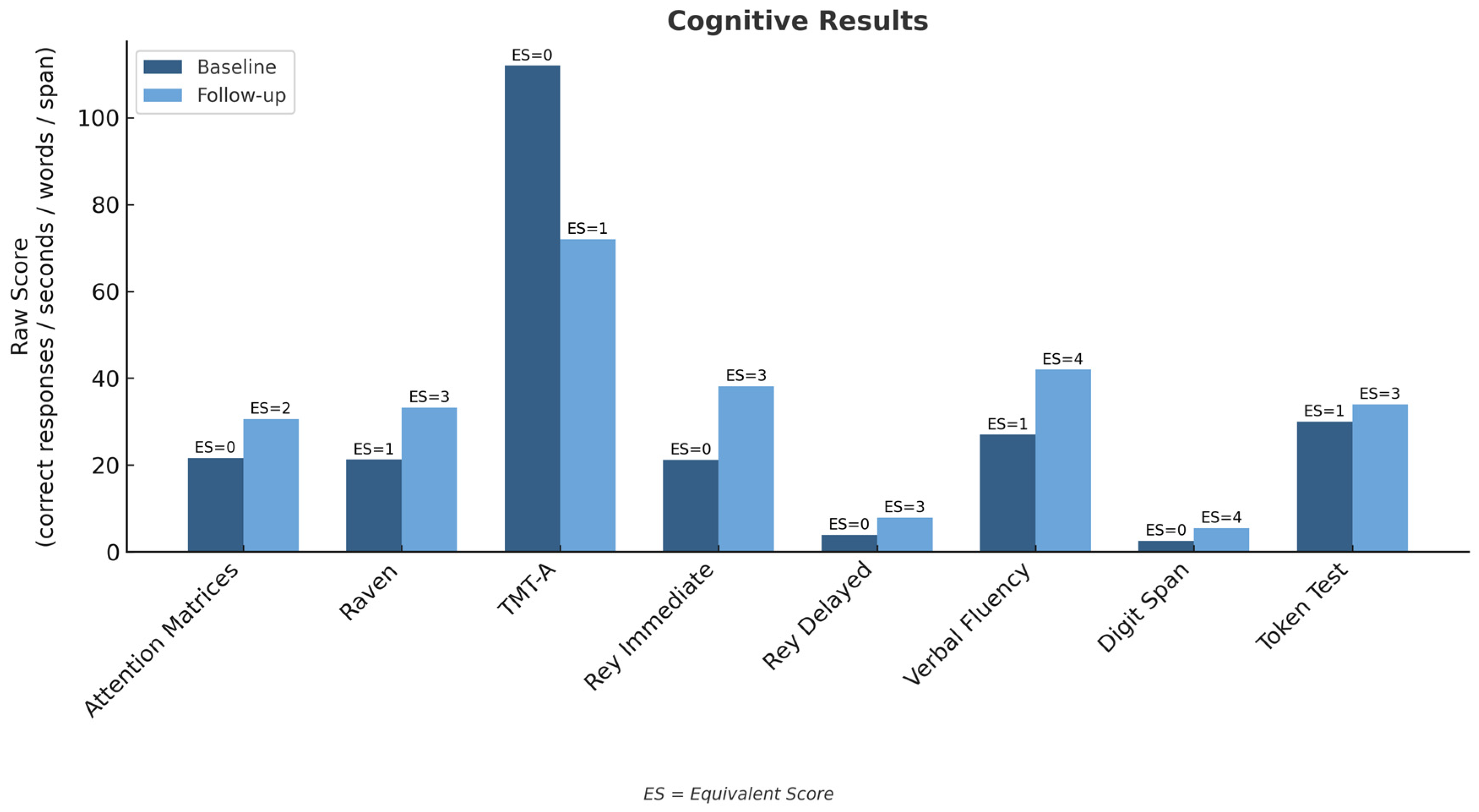
The results indicate a generalized improvement across all cognitive domains, with standardized scores approaching normative levels and RCI values confirming the statistical reliability of changes in attention, memory, and executive functions. Clinical scales (BDI-II and HAM-A) showed a reduction in anxiety and depressive symptoms, consistent with the patient’s overall cognitive recovery and increased self-awareness. Cognitive results are summarized in Figure 2.
Insight was preserved. Within the attentional domain, the patient demonstrated stronger abilities in managing complex tasks and visuospatial exploration, although response latencies remained somewhat elevated. A slight deficit persisted in attention and executive functioning. However, improvements were observed in spatio-temporal orientation and verbal initiative, which became more contextually appropriate, despite a residual slowing of speech.
Executive functioning showed notable progress, with reduced latency in problem-solving and working memory tasks. Pragmatic and social abilities improved as well, accompanied by enhanced non-verbal communication, more natural and varied facial expressions, and a marked increase in expressiveness consistent with environmental and communicative contexts.
These advances were particularly evident in interpersonal communication, where the patient shifted from near inertia, previously limited to brief “yes” or “no” responses, to greater participation, reasoning, and social interaction. Gestures, expressiveness, and significant facial mimicry also increased considerably.
Memory recovery was substantial, though long-term memory remained partially fragmented, particularly regarding the traumatic event. The patient demonstrated awareness of trauma-related difficulties, the ability to employ compensatory aids when needed, and an improved capacity for critical judgment. This enabled him to make effective use of residual abilities and to experience gratification from his achievements.
Improvements were objectively measurable, as the computerized training software tracked errors, response latencies, omissions, and goal attainment, allowing progression from easier to increasingly complex levels. At present, the patient’s performance is nearly comparable to normative standards.
Follow-up testing revealed gains across attention, memory, and executive functions. The patient demonstrated improved capacity to attend to multiple stimuli and to shift attention between tasks, as reflected in higher scores on the Attention Matrices, Raven’s Matrices, Trail Making Test (TMT), and verbal fluency tasks. Memory enhancement was confirmed by improved performance on the Digit Span and Rey Word List tests. Executive function improvements were further supported by higher Token Test scores and restoration of insight as indicated by the Insight Test.
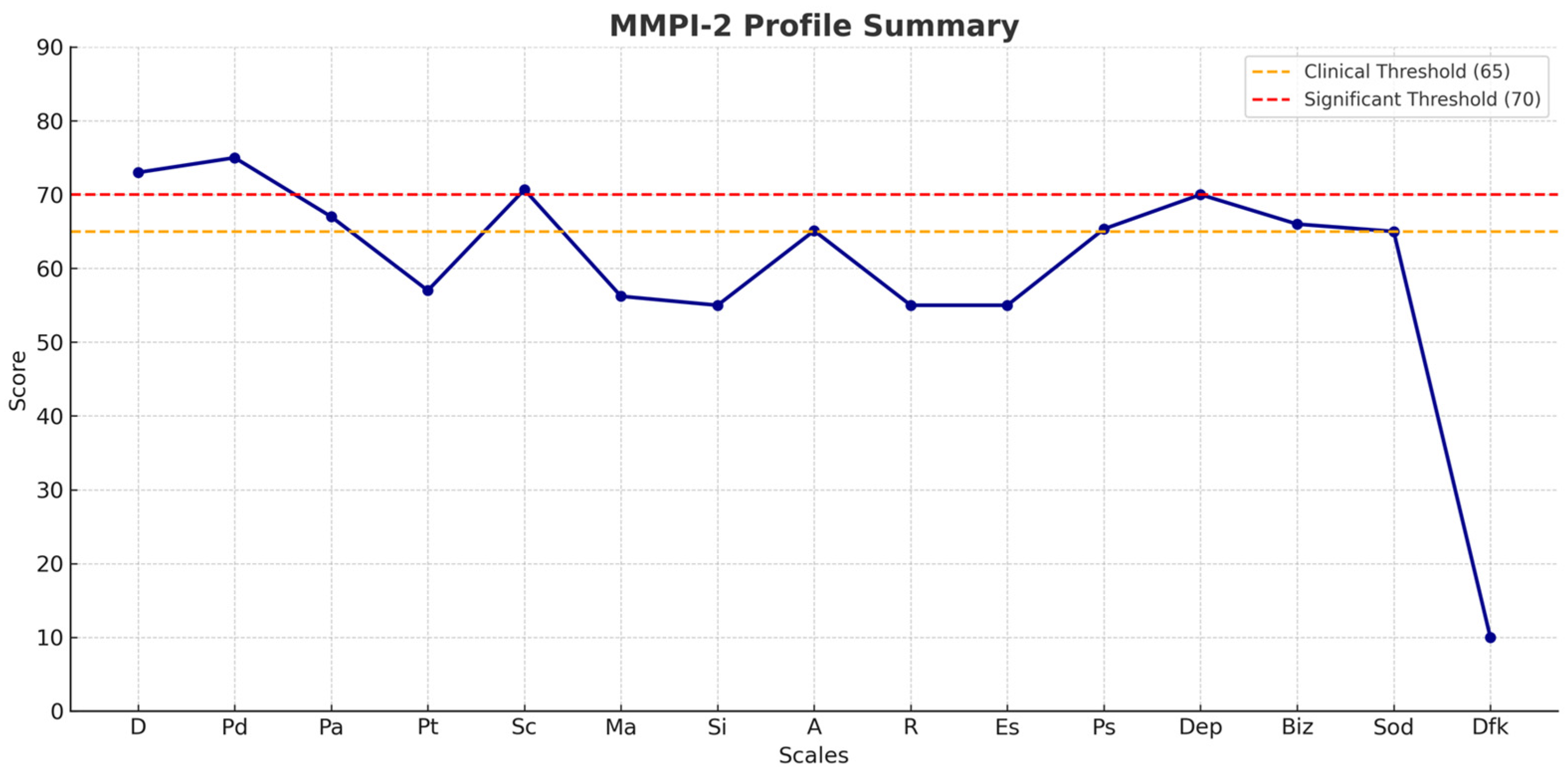
Clinically, persecutory thoughts, hallucinations, and confabulations had resolved. The patient’s affective balance improved, with diminished anxiety-depressive features and greater proximity to normal thresholds, supporting successful social reintegration (Table 4). On a personal level, motivational recovery was also evident (Table 2), although the personality structure continued to show traits of rigidity and bizarreness (Sc = 70; Pa = 67). The MMPI-2 Profile is summarized in Figure 3.
A narrative pattern also emerged, in which the interviewee, when responding to the test, made a more or less conscious effort to downplay certain personality traits perceived as negative. Thymic balance appeared altered (D = 73), with an unstable and markedly depressed mood. There was a partial balance between tendencies toward action and reflection, though the former showed a marked predominance (Pd = 75). Social integration remained unsatisfactory due to the presence of social introversion (Si = 55).
The subject evaluated himself in an apparently realistic manner, without questioning his own abilities. In interpersonal contexts, he showed partial willingness to engage, but interactions were mediated by mechanisms characterized by notable rigidity. Ideation appeared inappropriate and not fully anchored to reality (Sc = 70; Pa = 67), with disturbances in thought content and the presence of defensive mechanisms against anxiety, which was also somatized. Emotional equilibrium appeared unstable, and the defensive strategies employed did not seem to function adequately (DFK = 10).

5. Discussion

The findings of this study indicate that an integrated treatment program aimed at restoring pre-existing cognitive functions leads to notable improvements at both cognitive and psychosocial levels. These improvements extended to everyday life, enabling the patient’s reintegration into professional and occupational activities. Furthermore, a recovery of motivation was observed (Table 2), despite the persistence of certain personality traits characterized by bizarreness and rigidity (Sc = 70; Pa = 67).
A strong therapeutic alliance contributed to excellent adherence, with the patient following the treatments almost consistently [13], thereby facilitating the cognitive, motivational, and psychosocial improvements observed during the rehabilitation program. Verbalization, understood as metacognitive ability, or the articulation of linguistically codified thoughts, supports both metacognition and the construction of self-narratives. Verbal expression may also enhance metacognitive monitoring and control of cognitive performance [14]. The outcomes of integrated rehabilitation confirm that this combined approach, including pharmacological with cognitive interventions, has significant and lasting effects on functioning, symptoms, self-esteem, and insight [15]. In the present case, these domains were almost entirely restored.
It is important to note, however, that the observed recovery cannot be attributed solely to the rehabilitation program. A proportion of the improvement may reflect spontaneous recovery processes following traumatic brain injury, particularly during the first months after the event. Moreover, the remission of psychotic symptoms such as persecutory ideation, hallucinations, and confabulations is likely to have been influenced by pharmacological stabilization with antipsychotic medication [23]. The cognitive rehabilitation program, therefore, should be interpreted as acting synergistically with pharmacotherapy—enhancing self-awareness, executive control, and psychosocial functioning once clinical stabilization had been achieved [24,25,26,27]. This integrated interaction between medication effects, spontaneous recovery, and targeted rehabilitation likely explains the patient’s global improvement.
A systematic review [16] reported a significant correlation between cognitive deficits and levels of insight, particularly between overall cognitive functioning and insight. Several studies support the benefits of cognitive rehabilitation in schizophrenia, including occupational reintegration and improved individual functioning [23,24,25,26,27]. Certain variables such as [1] premorbid functioning, intelligence, onset of the disease and duration of the disease [2] are associated with rehabilitation outcomes. Interestingly, patients with better premorbid functioning may present a higher risk of suicide. In the present case, this aspect was considered clinically relevant, as the patient’s initial psychotic symptoms and post-traumatic emotional instability could have increased vulnerability to suicidal ideation. Therefore, the discussion of suicide risk is included here to contextualize the emotional–motivational component of the rehabilitation process and its preventive value. A review showed that individuals with schizophrenia face a suicide risk approximately eight times higher than the general population [28]. Ryan & Oquendo [29] emphasized that empathic support reduces suicide risk by encouraging clinicians to recognize patient despair, address daily challenges, and help establish realistic goals, an approach consistent with cognitive-motivational rehabilitation. In the patient examined here, improvements in the emotional–motivational dimension were considerable, with thymic balance nearly normalized and subsequent maladaptive thoughts significantly reduced.
In addition to cognitive and psychosocial improvements, it is also important to consider the risk of suicidal behavior, which is frequently associated with certain clinical characteristics in patients with schizophrenia. Although rare, suicides linked to hallucinations have been reported in the literature [30]. From a neurobiological perspective, novel screening strategies may reduce suicide risk. For instance, reduced levels of 5-hydroxyindoleacetic acid (5-HIAA), a serotonin metabolite in cerebrospinal fluid (CSF), have been associated with suicidal behavior in depression and schizophrenia [31]. Research on typical antipsychotics has not demonstrated a reduction in suicide rates, whereas evidence suggests that Clozapine, an atypical antipsychotic, may lower suicidal behavior in schizophrenia [32]. In the clinical context of the patient under study, such assessments can support targeted preventive strategies, integrated within multidimensional rehabilitation programs.
Cognitive deficits are central to social disability and everyday challenges faced by individuals with schizophrenia. A consistent association has been demonstrated between measures of social competence and cognitive domains such as verbal memory and attention [33,34].
Interventions including social skills training, occupational rehabilitation, cognitive rehabilitation, supported employment, and pharmacological therapy are therefore critical in reducing suicide risk among patients with schizophrenia. Typically, these approaches emphasize addressing practical, daily life problems rather than achieving abstract psychological insights. The robustness of current evidence underscores the importance of incorporating comprehensive neuropsychological assessments into the broader diagnostic process for this population.
Future research should focus on identifying reliable vulnerability markers, which could play a decisive role in designing and implementing early interventions for high-risk patients. Furthermore, the results suggest that integrated rehabilitation programs, similar to the one implemented in the present case, can be effectively applied to other patients with schizophrenia and concomitant trauma, providing a replicable model for multidimensional interventions. However, as this is a single-case study, caution is warranted in generalizing the findings to a broader population; future studies with larger samples could confirm and extend these observations.

6. Conclusions

The results of this single case suggest that integrated rehabilitation, combined with cognitive–motivational therapy, may promote improvements in cognitive functions, occupational skills, and social reintegration. However, given the descriptive and uncontrolled nature of this study, these conclusions should be interpreted with caution. Potential confounding factors, such as individual variability, pharmacological effects, and therapeutic alliance, may have contributed to the observed improvements.
Future studies involving larger samples and controlled or component-based designs will be necessary to confirm the efficacy and generalizability of this integrated rehabilitation approach.

Author Contributions

Conceptualization: I.C., A.A. and F.C.; writing—original draft: I.C., A.A., F.C., D.C. and M.P.; methodology: I.C., F.C., D.C. and R.S.C.; investigation: A.A., F.C., R.D.L., D.C. and M.P.; writing—review and editing A.A., M.P., F.C., R.D.L., R.S.C. and A.T.; validation: I.C., A.A. and R.D.L.; supervision R.S.C. and F.C. All authors have read and agreed to the published version of the manuscript.

Funding

This research received no external funding.

Institutional Review Board Statement

Ethical review and approval were waived for this study due to current regulations (EU Regulation 2016/679—GDPR; Italian Legislative Decree 101/2018; Ministerial Decree of 8 February 2013; Opinion of the National Bioethics Committee of 24 May 2012; Guidelines of the Data Protection Authority, Official Gazette no. 72 of 26 March 2012).

Informed Consent Statement

Informed consent was obtained from all subjects involved in the study.

Data Availability Statement

The data presented in this study are available on request from the corresponding author. The data are not publicly available due to privacy restrictions.

Conflicts of Interest

The authors declare no conflicts of interest.

References

  1. Rahman, T.; Lauriello, J. Schizophrenia: An Overview. Focus 2016, 14, 300–307. [Google Scholar] [CrossRef] [PubMed]
  2. Correll, C.U.; Schooler, N.R. Negative Symptoms in Schizophrenia: A Review and Clinical Guide for Recognition, Assessment, and Treatment. Neuropsychiatr. Dis. Treat. 2020, 16, 519–534. [Google Scholar] [CrossRef]
  3. Brasso, C.; Bellino, S.; Bozzatello, P.; Montemagni, C.; Rocca, P. Real-life functioning and duration of illness in schizophrenia: A mediation analysis. Heliyon 2024, 11, e41332. [Google Scholar] [CrossRef]
  4. Rantala, M.J.; Luoto, S.; Borráz-León, J.I.; Krams, I. Schizophrenia: The new etiological synthesis. Neurosci. Biobehav. Rev. 2022, 142, 104894. [Google Scholar] [CrossRef]
  5. Wang, L.; Liu, R.; Liao, J.; Xiong, X.; Xia, L.; Wang, W.; Liu, J.; Zhao, F.; Zhuo, L.; Li, H. Meta-analysis of structural and functional brain abnormalities in early-onset schizophrenia. Front. Psychiatry 2024, 15, 1465758. [Google Scholar] [CrossRef]
  6. Harvey, P.D.; Bosia, M.; Cavallaro, R.; Howes, O.D.; Kahn, R.S.; Leucht, S.; Müller, D.R.; Penadés, R.; Vita, A. Cognitive dysfunction in schizophrenia: An expert group paper on the current state of the art. Schizophr. Res. Cogn. 2022, 29, 100249. [Google Scholar] [CrossRef]
  7. McCutcheon, R.A.; Keefe, R.S.E.; McGuire, P.K. Cognitive impairment in schizophrenia: Aetiology, pathophysiology, and treatment. Mol. Psychiatry 2023, 28, 1902–1918. [Google Scholar] [CrossRef] [PubMed]
  8. Chai, W.J.; Abd Hamid, A.I.; Abdullah, J.M. Working Memory From the Psychological and Neurosciences Perspectives: A Review. Front. Psychol. 2018, 9, 401. [Google Scholar] [CrossRef]
  9. Kawamata, Y.; Ohi, K.; Ito, S.; Hasegawa, N.; Yasuda, Y.; Fujimoto, M.; Yamamori, H.; Fukumoto, K.; Kodaka, F.; Matsumoto, J.; et al. Relationships between clinician adherence to guideline-recommended treatment and memory function in patients with schizophrenia. J. Psychiatr. Res. 2025, 185, 169–176. [Google Scholar] [CrossRef] [PubMed]
  10. Thibaudeau, E.; Bowie, C.R.; Montreuil, T.; Baer, L.; Lecomte, T.; Joober, R.; Abdel-Baki, A.; Jarvis, G.E.; Margolese, H.C.; De Benedictis, L.; et al. Acceptability, engagement, and efficacy of cognitive remediation for cognitive outcomes in young adults with first-episode psychosis and social anxiety: A randomized-controlled trial. Psychiatry Res. 2024, 342, 116243. [Google Scholar] [CrossRef]
  11. Lysaker, P.H.; Pattison, M.L.; Leonhardt, B.L.; Phelps, S.; Vohs, J.L. Insight in schizophrenia spectrum disorders: Relationship with behavior, mood and perceived quality of life, underlying causes and emerging treatments. World Psychiatry Off. J. World Psychiatr. Assoc. (WPA) 2018, 17, 12–23. [Google Scholar] [CrossRef]
  12. Zoupa, E.; Bogiatzidou, O.; Siokas, V.; Liampas, I.; Tzeferakos, G.; Mavreas, V.; Stylianidis, S.; Dardiotis, E. Cognitive Rehabilitation in Schizophrenia-Associated Cognitive Impairment: A Review. Neurol. Int. 2022, 15, 12–23. [Google Scholar] [CrossRef]
  13. Wykes, T.; Huddy, V.; Cellard, C.; McGurk, S.R.; Czobor, P. A meta-analysis of cognitive remediation for schizophrenia: Methodology and effect sizes. Am. J. Psychiatry 2011, 168, 472–485. [Google Scholar] [CrossRef]
  14. Vita, A.; Barlati, S.; Ceraso, A.; Nibbio, G.; Ariu, C.; Deste, G.; Wykes, T. Effectiveness, key elements, and moderators of cognitive rehabilitation response for schizophrenia: A systematic review and meta-analysis of randomised clinical trials. JAMA Psychiatry 2021, 78, 848–858. [Google Scholar] [CrossRef]
  15. Le, T.P.; Ventura, J.; Subotnik, K.L.; Nuechterlein, K.H. Intrinsic motivation predicts cognitive and functional gains during coordinated specialty care for first-episode schizophrenia. Schizophr. Res. 2024, 266, 249–255. [Google Scholar] [CrossRef]
  16. Vita, A.; Barlati, S.; Ceraso, A.; Nibbio, G.; Durante, F.; Facchi, M.; Deste, G.; Wykes, T. Durability of Effects of Cognitive Remediation on Cognition and Psychosocial Functioning in Schizophrenia: A Systematic Review and Meta-Analysis of Randomized Clinical Trials. Am. J. Psychiatry 2024, 181, 520–531. [Google Scholar] [CrossRef] [PubMed]
  17. Stubbe, D.E. The Therapeutic Alliance: The Fundamental Element of Psychotherapy. Focus 2018, 16, 402–403. [Google Scholar] [CrossRef] [PubMed]
  18. Gagnier, J.J.; Kienle, G.; Altman, D.G.; Moher, D.; Sox, H.; Riley, D. The CARE Guidelines: Consensus-based Clinical Case Reporting Guideline Development. Glob. Adv. Health Med. 2013, 2, 38–43. [Google Scholar] [CrossRef]
  19. Robertson, I.H.; Manly, T.; Andrade, J.; Baddeley, B.T.; Yiend, J. ‘Oops!’: Performance correlates of everyday attentional failures in traumatic brain injured and normal subjects. Neuropsychologia 1997, 35, 747–758. [Google Scholar] [CrossRef] [PubMed]
  20. Cicerone, K.D.; Dahlberg, C.; Kalmar, K.; Langenbahn, D.M.; Malec, J.F.; Bergquist, T.F.; Felicetti, T.; Giacino, J.T.; Harley, J.P.; Harrington, D.E.; et al. Evidence-based cognitive rehabilitation: Recommendations for clinical practice. Arch. Phys. Med. Rehabil. 2000, 81, 1596–1615. [Google Scholar] [CrossRef] [PubMed]
  21. Gabbatore, I.; Sacco, K.; Angeleri, R.; Zettin, M.; Bara, B.G.; Bosco, F.M. Cognitive Pragmatic Treatment: A Rehabilitative Program for Traumatic Brain Injury Individuals. J. Head Trauma Rehabil. 2015, 30, E14–E28. [Google Scholar] [CrossRef] [PubMed]
  22. Jacobson, N.S.; Truax, P. Clinical significance: A statistical approach to defining meaningful change in psychotherapy research. J. Consult. Clin. Psychol. 1991, 59, 12–19. [Google Scholar] [CrossRef]
  23. Peña, J.; Ibarretxe-Bilbao, N.; Sánchez, P.; Uriarte, J.J.; Elizagarate, E.; Gutierrez, M.; Ojeda, N. Mechanisms of functional improvement through cognitive rehabilitation in schizophrenia. J. Psychiatr. Res. 2018, 101, 21–27. [Google Scholar] [CrossRef]
  24. Kilicoglu, M.F.V.; Lundin, N.B.; Angers, K.; Moe, A.M. Narrative-Derived Indices of Metacognition among People with Schizophrenia: Associations with Self-Reported and Performance-Based Social Functioning. Behav. Sci. 2024, 14, 265. [Google Scholar] [CrossRef]
  25. Argento, O.; Piacentini, C.; Bossa, M.; Caltagirone, C.; Santamato, A.; Saraceni, V.; Nocentini, U. Motor, cognitive, and combined rehabilitation approaches on MS patients’ cognitive impairment. Neurol. Sci. 2023, 44, 1109–1118. [Google Scholar] [CrossRef] [PubMed]
  26. Pijnenborg, G.H.M.; Larabi, D.I.; Xu, P.; Hasson-Ohayon, I.; de Vos, A.E.; Ćurčić-Blake, B.; Aleman, A.; Van der Meer, L. Brain areas associated with clinical and cognitive insight in psychotic disorders: A systematic review and meta-analysis. Neurosci. Biobehav. Rev. 2020, 116, 301–336. [Google Scholar] [CrossRef] [PubMed]
  27. Shu, X.; Dai, Y.; Tang, J.; Huang, Y.; Hu, R.; Lin, Y. Cognitive rehabilitation in schizophrenia research: A bibliometric and visualization analysis. Front. Psychiatry 2024, 15, 1509539. [Google Scholar] [CrossRef]
  28. Ventriglio, A.; Gentile, A.; Bonfitto, I.; Stella, E.; Mari, M.; Steardo, L.; Bellomo, A. Suicide in the Early Stage of Schizophrenia. Front. Psychiatry 2016, 7, 116. [Google Scholar] [CrossRef] [PubMed]
  29. Ryan, E.P.; Oquendo, M.A. Suicide Risk Assessment and Prevention: Challenges and Opportunities. Focus 2020, 18, 88–99. [Google Scholar] [CrossRef]
  30. de Cates, A.N.; Catone, G.; Marwaha, S.; Bebbington, P.; Humpston, C.S.; Broome, M.R. Self-harm, suicidal ideation, and the positive symptoms of psychosis: Cross-sectional and prospective data from a national household survey. Schizophr. Res. 2021, 233, 80–88. [Google Scholar] [CrossRef]
  31. Carlborg, A.; Jokinen, J.; Nordström, A.L.; Jönsson, E.G.; Nordström, P. CSF 5-HIAA, attempted suicide and suicide risk in schizophrenia spectrum psychosis. Schizophr. Res. 2009, 112, 80–85. [Google Scholar] [CrossRef] [PubMed]
  32. Meltzer, H.Y.; Alphs, L.; Green, A.I.; Altamura, A.C.; Anand, R.; Bertoldi, A.; Bourgeois, M.; Chouinard, G.; Islam, M.Z.; Kane, J.; et al. Clozapine treatment for suicidality in schizophrenia: International Suicide Prevention Trial (InterSePT). Arch. Gen. Psychiatry 2003, 60, 82–91. [Google Scholar] [CrossRef]
  33. Nuechterlein, K.H.; Nasrallah, H.; Velligan, D. Measuring Cognitive Impairments Associated With Schizophrenia in Clinical Practice: Overview of Current Challenges and Future Opportunities. Schizophr. Bull. 2025, 51, 401–421. [Google Scholar] [CrossRef] [PubMed]
  34. Sun, X.; Yue, S.; Duan, M.; Yao, D.; Luo, C. Psychosocial intervention for schizophrenia. Brain-Appar. Commun. A J. Bacomics 2023, 2, 2178266. [Google Scholar] [CrossRef]
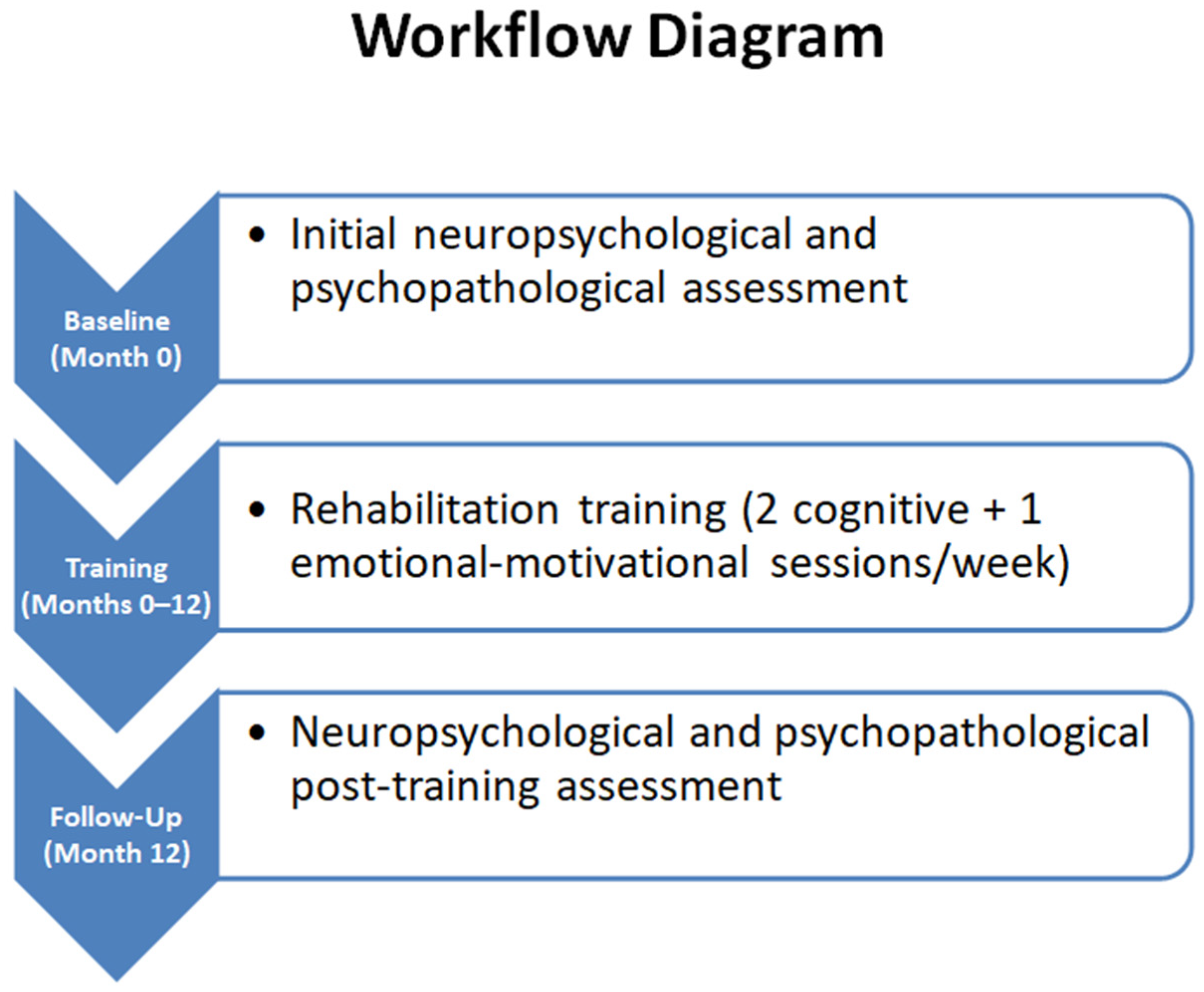
Figure 1. Chronology of the rehabilitation process during the 12-month treatment period.
Psychiatryint 07 00006 g001
Figure 2. Cognitive change summary.
Psychiatryint 07 00006 g002
Figure 3. MMPI-2 Profile Summary.
Psychiatryint 07 00006 g003
Table 1. Description of the tests used in the clinical-psychological evaluation.
TestDescription
Attention MatricesTest evaluating selective and sustained attention. The patient must identify and discriminate visual stimuli among distractors, measuring processing speed, concentration, and resistance to distraction.
Raven’s Progressive MatricesNon-verbal tool for assessing logical reasoning and problem-solving abilities. The subject completes visual patterns of increasing difficulty, measuring abstraction and analytical thinking.
Trail Making Test (TMT)Assesses attention, processing speed, and cognitive flexibility. Part A involves connecting numbers sequentially; Part B alternates numbers and letters, also stimulating planning and executive control.
Rey Auditory Verbal Learning TestMeasures short- and long-term verbal memory. The patient listens to a list of words and must recall them immediately and after a delay, evaluating learning, consolidation, and memory retrieval.
Verbal Fluency TestEvaluates verbal production and executive functions. Includes phonological fluency (words starting with a letter) and semantic fluency (category of objects), measuring speed, planning, inhibitory control, and language skills.
Digit SpanTests working memory and attention. The subject repeats sequences of numbers in forward and backward order. The backward version requires active manipulation of information, assessing retention and processing capacity.
Token TestExamines language comprehension and auditory memory. The patient must follow increasingly complex instructions using tokens of different colors and shapes, evaluating language, attention, and ability to follow complex commands.
Insight TestClinical tool to assess the patient’s awareness of their cognitive and clinical state, useful for identifying distortions in self-awareness and metacognition.
Beck Depression Inventory-II (BDI-II)21-item self-report questionnaire designed to measure depression severity according to DSM-IV criteria. Examines mood, loss of pleasure, guilt, suicidal thoughts, energy, appetite, and sleep.
Hamilton Anxiety Rating Scale (HAM-A)14-item clinical scale assessing severity of anxiety symptoms. Evaluates psychological symptoms (anxiety, fear, tension) and somatic symptoms (muscular, sensory, cardiovascular, gastrointestinal), providing a quantitative measure of anxiety.
Minnesota Multiphasic Personality Inventory-2 (MMPI-2)567-item true/false personality inventory widely used for psychological assessment and diagnosis of psychopathological disorders. Includes 10 clinical scales and 8 validity scales, providing a detailed profile of the subject’s psychological and behavioral characteristics.
Table 2. Rehabilitation program description.
Cognitive FunctionObjectivesIntervention Modalities
AttentionReduce the impact of distracting stimuli; improve target stimulus identificationPaper-and-pencil and verbal exercises, auditory and visuospatial exploration, management of complex tasks; progressive increase in task complexity
Short-term memoryImprove the ability to memorize and recall information over short intervalsComputerized exercises requiring the patient to remember and reproduce words or numbers after 15 min intervals
Long-term memoryConsolidate information and strengthen episodic memoryOral and written narrative exercises, focusing on personal events and clinical history
Executive functionsRecover pragmatic and social skills; improve problem-solving and metacognitionWorking memory and metacognition exercises; relearning the steps to complete goal-directed tasks (goal setting, subgoal organization, result monitoring)
Emotional–motivational supportEnhance relational skills, motivation, and emotional well-beingIndividual or group sessions, discussion, and strategies for emotional regulation
Table 3. Raw scores (with units of measurement), standardized scores, cutoff values, and Reliable Change Index (RCI) between baseline and follow-up.
TestBaseline
(Raw; Unit)
Baseline
(Std.)
Follow-Up
(Raw; Unit)
Follow-Up
(Std.)
Cut-Off/ThresholdRCIp-Value
Attention Matrices21.6 (responses)ES = 030.6 (responses)ES = 2ES < 2 = deficit+2.450.014
Raven’s Progressive Matrices21.25ES = 133.25ES = 3ES < 2 = deficit+2.180.029
Trail Making Test—A112 sES = 072 sES = 1Time > 93 s = deficit+1.970.049
Trail Making Test—B243 sES = 1Time > 282 s = deficitn/an/a
Trail Making Test B–A171 sES = 1Time > 187 s = deficitn/an/a
Rey Word List—Immediate21.2 (words)ES = 038.2 (words)ES = 3<28.5 = deficit+2.800.05
Rey Word List—Delayed3.9 (words)ES = 07.9 (words)ES = 3<4.7 = deficit+2.420.016
Verbal Fluency (phon./sem.)27 (words)ES = 142 (words)ES = 4<25 = deficit+2.100.036
Digit Span (total)2.5 (span)ES = 05.5 (span)ES = 4<3.75 = deficit+2.850.004
BDI-II45 (total)27 (total)0–13 minimal; 14–19 mild; 20–28 moderate; ≥29 severe+2.100.036
HAM-A25 (total)17 (total)0–17 mild; 18–24 moderate; 25–30 severe+1.950.052
Insight Test16Scale 0–8 (Absent → Present)+2.200.028
Table 4. MMPI-2 Results.
MMPI-2
Basic Clinical ScalesAdditional ScalesContent Scales
D (Depression) P = 73A (Anxiety) P = 65.10Dep (Presence of depressive thoughts) P = 70
Pd (Psychopathic deviation) P = 75R (Repression) P = 55Biz (Bizzarries) P = 66
Pa (Paranoia) P = 67Es (Ego Strength) P = 55Sod (Social discomfort) P = 65
Pt (Psychasthenia) P = 57Ps (Post-traumatic stress) P = 65.34Dfk (Difficulties in monitoring and defense) DFK = 10
Sc (Schizophrenia) P = 70.67
Ma (Mania) P = 56.22
Si (Social Introversion) P = 55
(CUT-OFF= 65).
Disclaimer/Publisher’s Note: The statements, opinions and data contained in all publications are solely those of the individual author(s) and contributor(s) and not of MDPI and/or the editor(s). MDPI and/or the editor(s) disclaim responsibility for any injury to people or property resulting from any ideas, methods, instructions or products referred to in the content.