
Proceeding Paper

Adaptive Extended Kalman Filtering for Online Monitoring of Concrete Structures Subject to Impacts †
1
Department of Civil and Environmental Engineering, Politecnico di Milano, Piazza L. da Vinci 32, 20133 Milano, Italy
2
School of Transportation Science and Engineering, Beihang University, Beijing 100191, China
*
Author to whom correspondence should be addressed.
Presented at the 12th International Electronic Conference on Sensors and Applications, 12–14 November 2025; Available online: https://sciforum.net/event/ECSA-12.
Eng. Proc. 2025, 118(1), 38; https://doi.org/10.3390/ECSA-12-26587
Published: 7 November 2025

Abstract

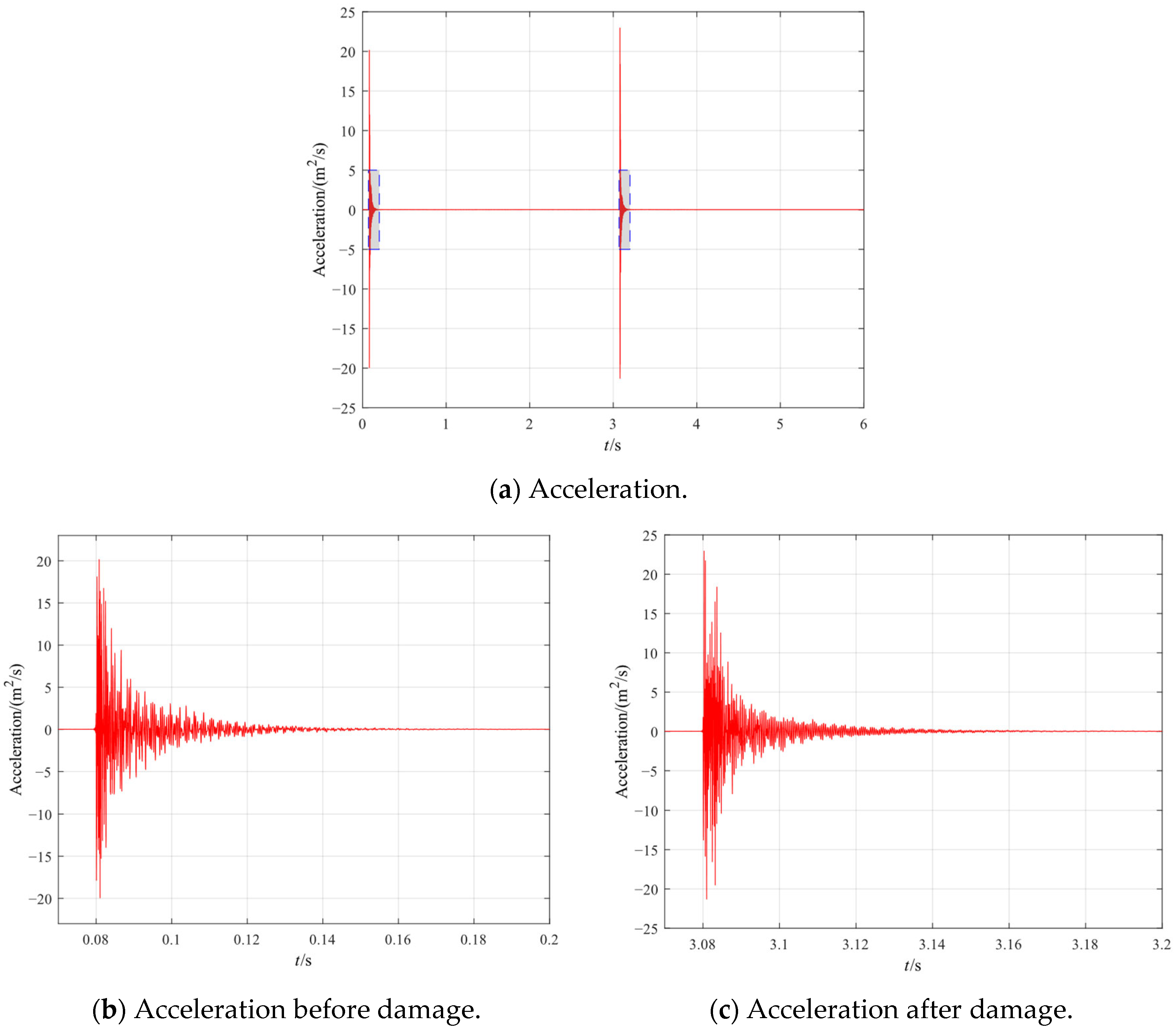
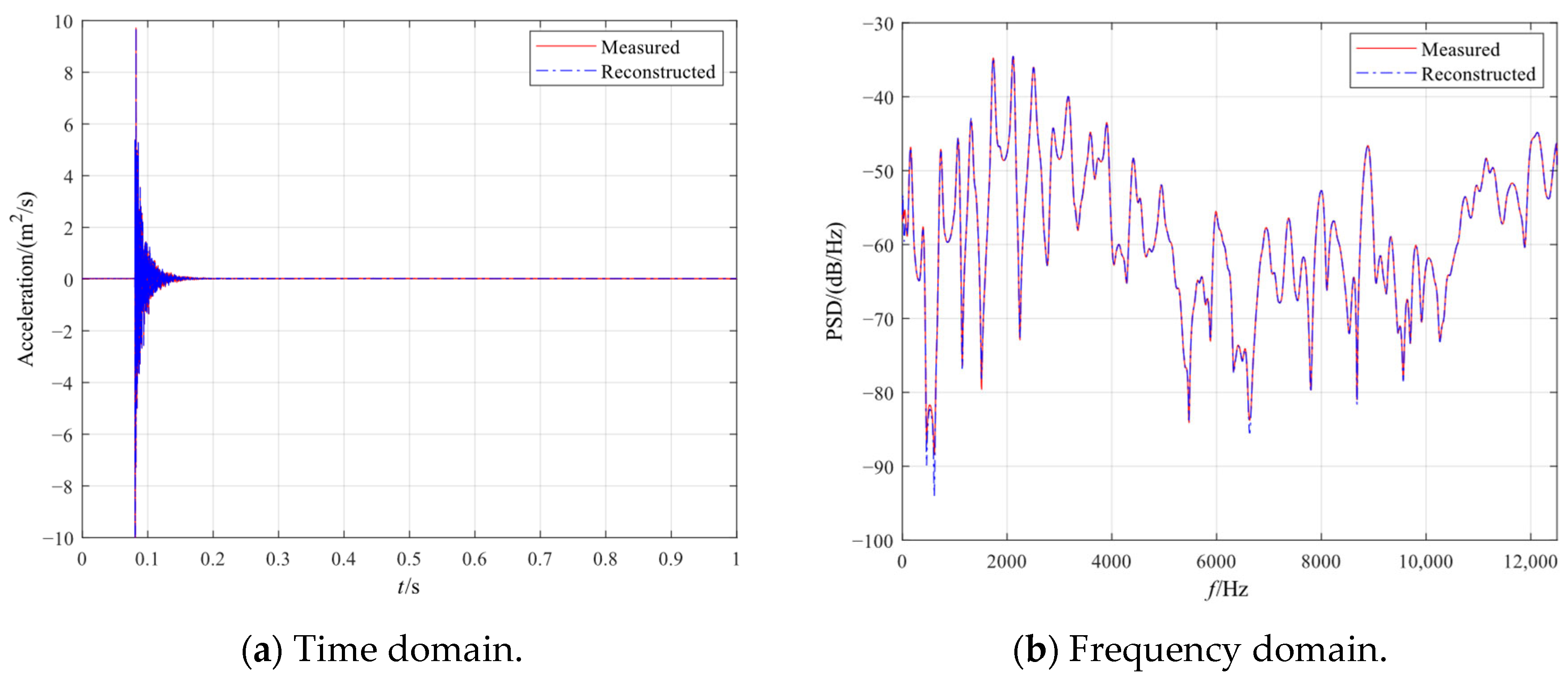
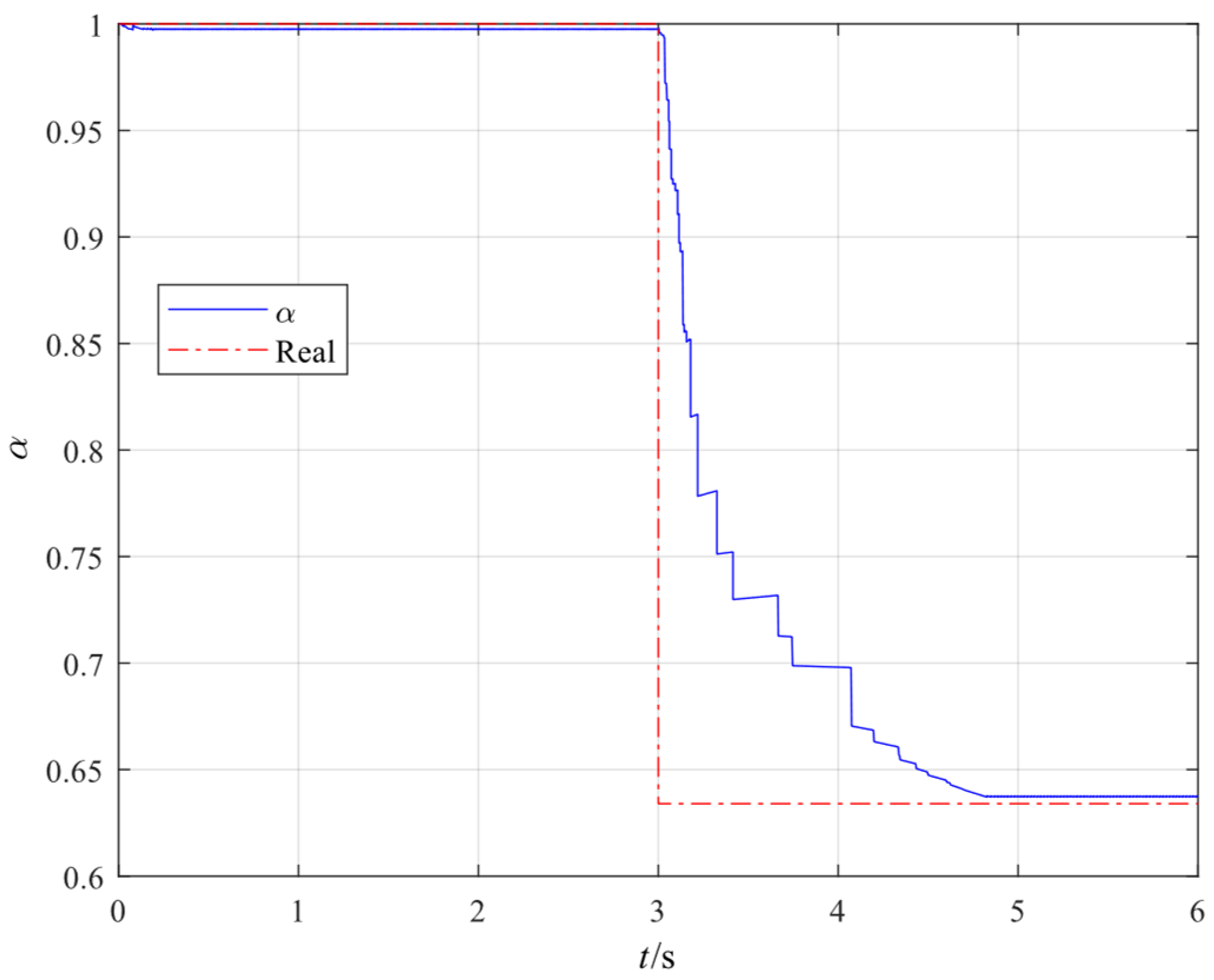
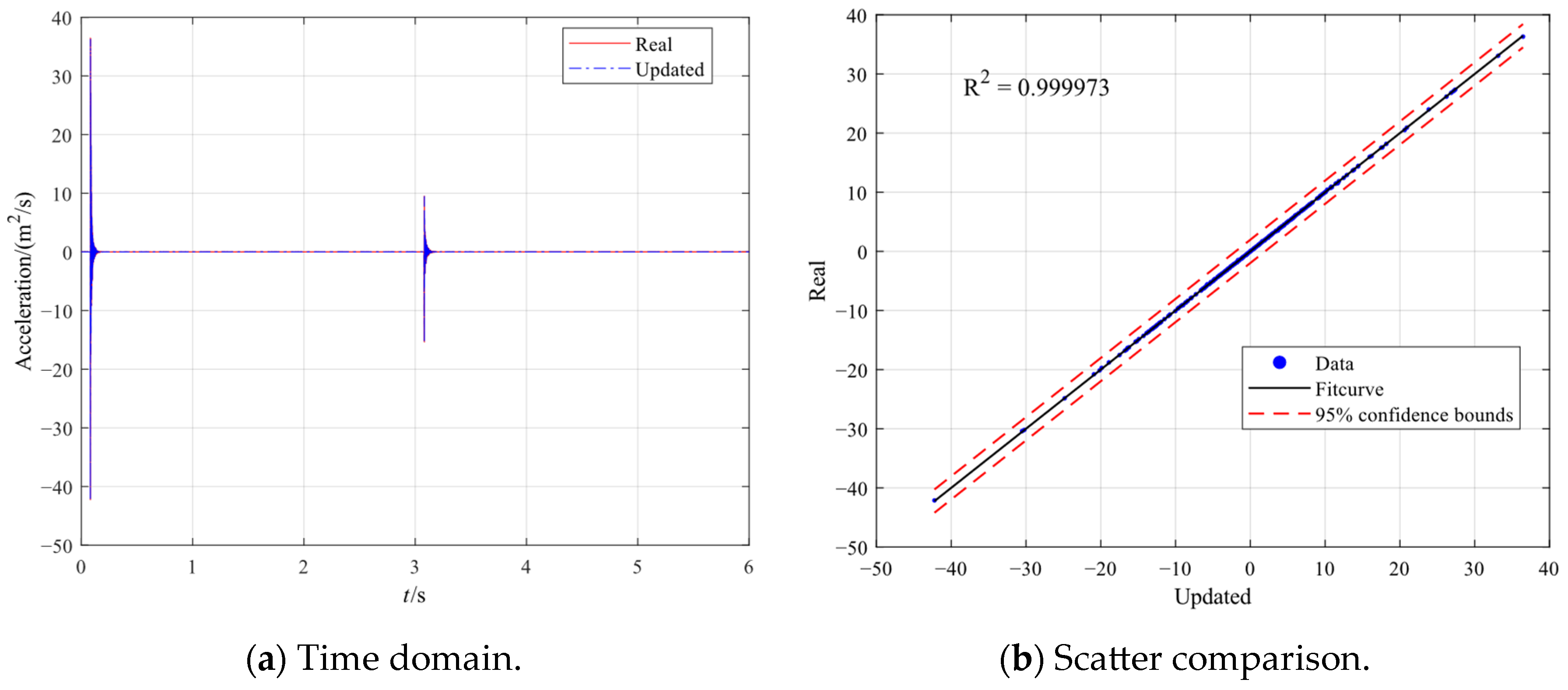
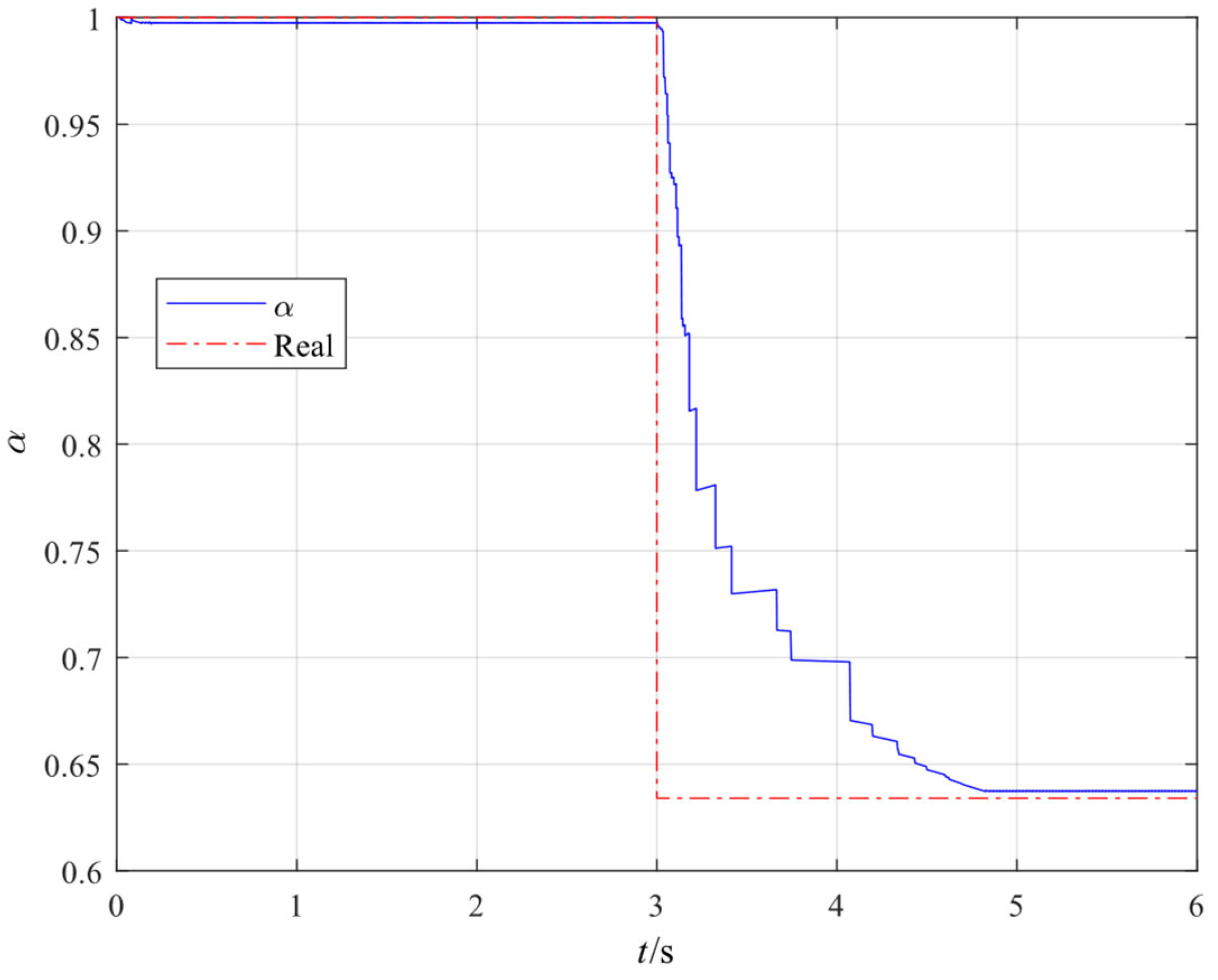
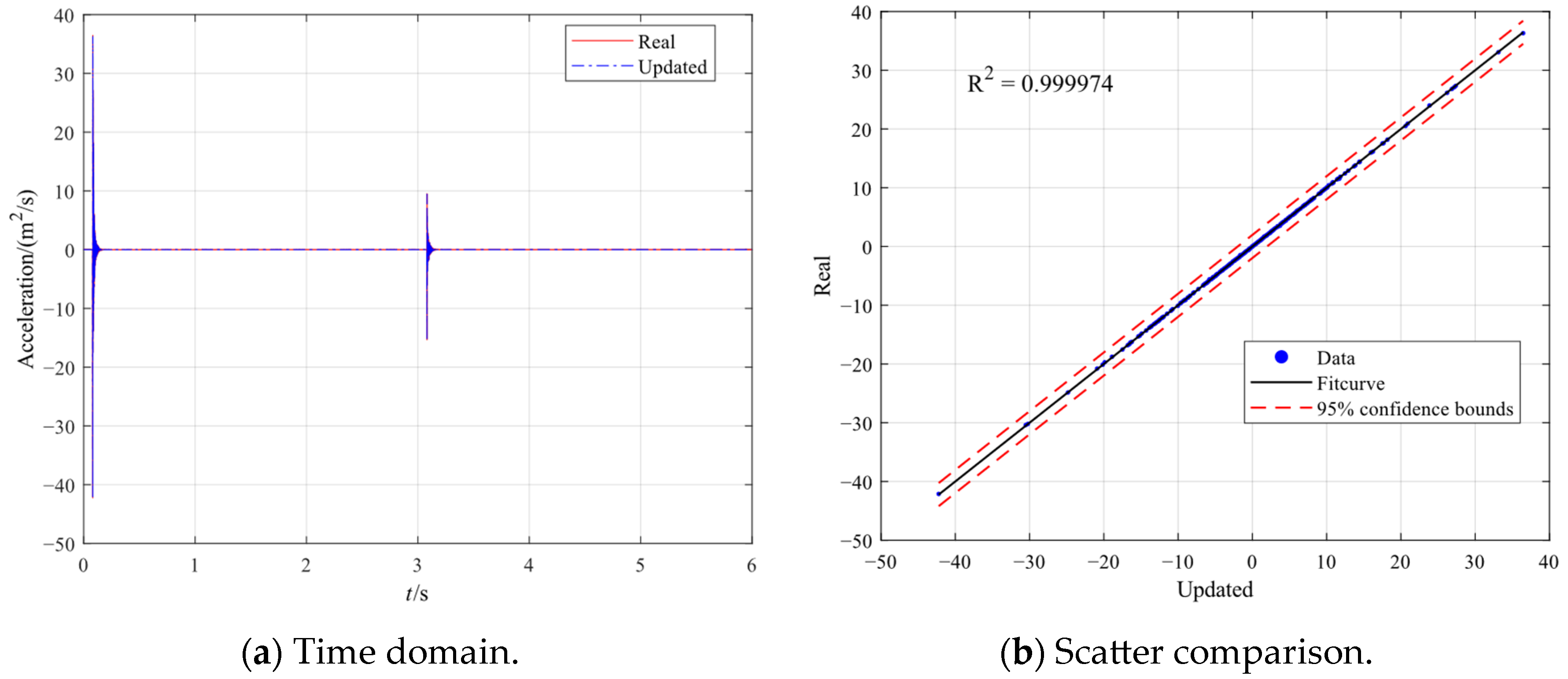
Structures are susceptible to external impacts over the long term, resulting in various types of damage. An online, accurate assessment of the severity of damage is the basis for formulating subsequent maintenance and reinforcement plans. In this work, an online damage identification method based on the Adaptive Extended Kalman Filter (AEKF) is proposed. Initially, the vibration signals of a concrete-filled steel tubular (CFST) test structure subject to multiple lateral impacts are processed, and signals before and after damage inception are spliced to track damage evolution. Subsequently, the natural frequencies extracted from the signals before and after damage inception, along with the amplitude of the damage itself, are integrated into the state vector to build a nonlinear state transfer and observation model, allowing estimation of the dynamic flexural stiffness of the structure. To further improve the problem solution in the presence of signal losses due to sensor detachment or breakage, missing signals are reconstructed using the weighted matrix pencil (MP), thereby ensuring the continuity and stability of the AEKF filtering process. By comparing the results with the actual damage state, the proposed method is shown to effectively track the gradual reduction in flexural stiffness and to verify its feasibility for providing reliable support for online monitoring and damage assessment.
Keywords: concrete-filled steel tube (CFST); impact-induced damage; structural health monitoring (SHM); adaptive extended Kalman filter (AEKF); matrix pencil (MP); dynamic flexural stiffness concrete-filled steel tube (CFST); impact-induced damage; structural health monitoring (SHM); adaptive extended Kalman filter (AEKF); matrix pencil (MP); dynamic flexural stiffness