Proceeding Paper

Design of an X-Band TR Module Based on LTCC †

School of Electronic and Optical Engineering, Nanjing University of Science and Technology, Nanjing 210094, China
*
Author to whom correspondence should be addressed.
Presented at the 12th International Electronic Conference on Sensors and Applications, 12–14 November 2025; Available online: https://sciforum.net/event/ECSA-12.
Eng. Proc. 2025, 118(1), 29; https://doi.org/10.3390/ECSA-12-26546
Published: 7 November 2025

Abstract

Phased array radar, with its electronic scanning, high reliability, and multifunctionality, has become a core equipment for unmanned aerial vehicle detection, modern air defense, meteorological monitoring, and satellite communication. The T/R module is the core equipment of the active phased array radar, and its performance largely determines the performance of the phased array. At the same time, the application scenario requires relatively high transmission gain and transmission power, so attention should be paid to its heating situation. In addition, the overall size requirements for components are gradually becoming stricter, and miniaturization has become a trend in the development of T/R modules. This paper presents a four-channel T/R module in an X-band based on LTCC technology. In order to reduce weight and have high-density electronic devices, this module uses the latest technologies such as low-temperature cofired ceramic substrate (LTCC), Monolithic Microwave Integrated Chip (MMIC), and the MIC assembly process, and is hermetically sealed. The transmission channel of this module has high gain and high power, and the RF signal is transmitted through an eight-layer LTCC board to reduce interference between adjacent signal transmission lines and reduce the module size at the same time. The method of dividing the transmission and reception channels using a metal shell frame reduces crosstalk between the input and output ports of the transmission channel. Good heat dissipation design ensures the thermal management of the module. The test results show that the size of the TR module is 70 mm × 55 mm × 10 mm, the transmission power is ≥39 dBm, the reception gain is >28 dB, and the noise figure is <3 dB.

1. Introduction

Each antenna element in an active phased array is equipped with a dedicated TR module (Transmitter and Receiver module). By controlling the amplitude, phase, and delay information of the output signal from the component, diverse excitation signals can be provided for the antenna elements. Compared to traditional mechanical scanning radar, active phased array does not rely on motor rotation to change the orientation of the antenna array. The radiation signals of each antenna element can complete beamforming in the transmission space, thereby achieving a wider range of radiation coverage, with strong beam adjustment capability and reliability. Therefore, the performance of TR components largely determines the quality of phased array performance.
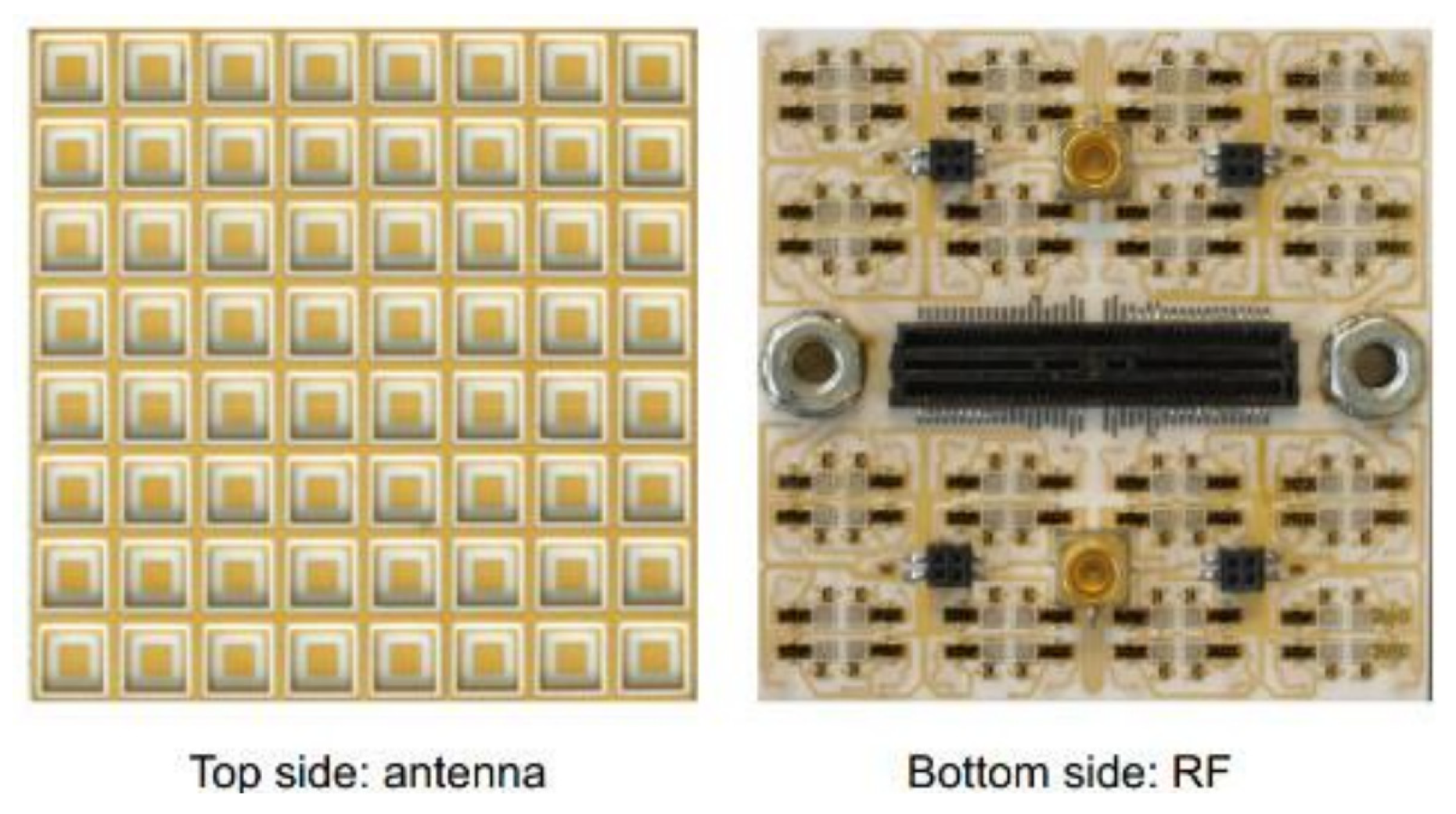
As a high-end phased array application, spaceborne active phased array is mostly used in fields such as satellite ground data transmission, inter-satellite links, remote sensing detection radar, etc. [1,2]. Among them, ground telemetry spaceborne active phased array radar [3], represented by SAR (Synthetic Aperture Radar), usually has a super-large array scale, and has extremely high requirements for array performance such as power consumption, size, weight, operating range, measurement accuracy, etc. Traditional spaceborne SARs are mostly composed of brick-type TR components, but they occupy a large flat area, which is not conducive to miniaturization design. To further reduce the size and weight of the radar array, TR components are gradually transitioning from brick-type structures to tile-type structures (as shown in Figure 1).
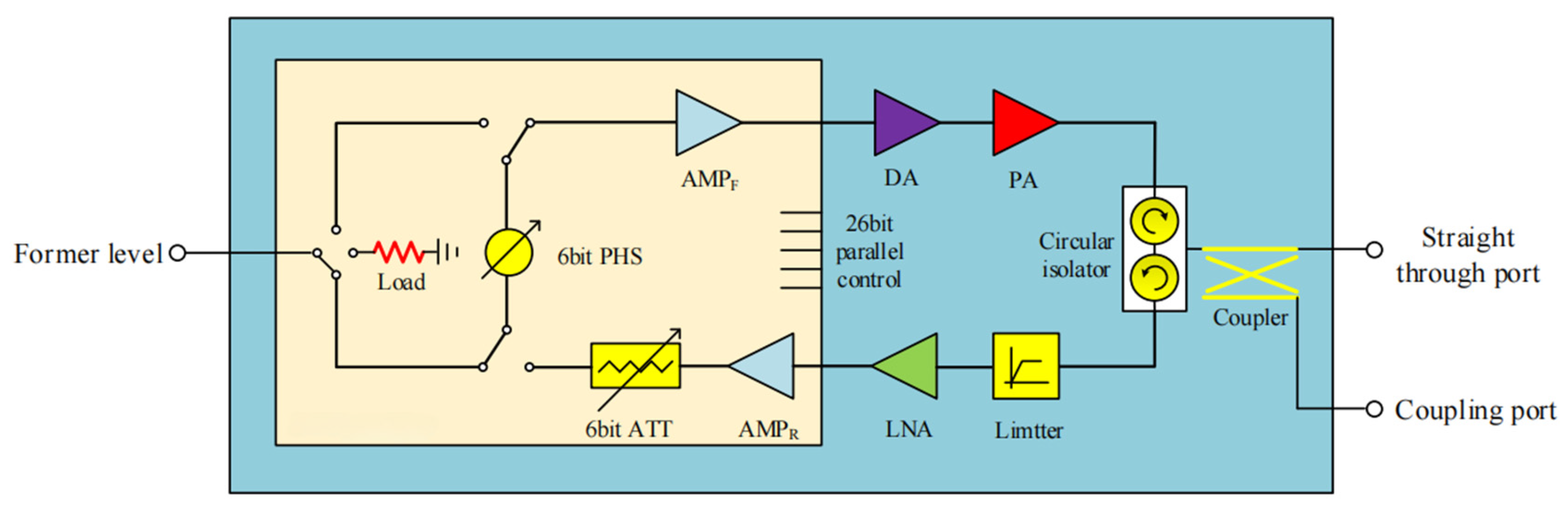
As the core component of active phased array, the TR module feeds each antenna element, resulting in tens of thousands of integrated components in a radar system. Therefore, the ability to design TR components with high performance, high reliability, and low cost will directly affect the overall performance and manufacturing cost of the radar system. Components typically contain active components such as driver amplifiers, power amplifiers, and low-noise amplifiers, as well as passive components such as limiters, circulators, attenuators, and power dividers (as shown in Figure 2). Optimizing the transmission and reception channel structure and selecting appropriate chips can produce TR components that meet the required specifications, taking into account technical risks, design cycles, and design costs. At the same time, the application scenario requires relatively high transmission gain and transmission power, so attention should be paid to its heating situation. In addition, the overall size requirements for components are gradually becoming stricter, and miniaturization has become a trend in the development of T/R modules.
In order to reduce weight and have high-density electronic devices, the module uses the latest technologies such as low-temperature cofired ceramic substrate (LTCC), Monolithic Microwave Integrated Chip (MMIC) [4], and the MIC assembly process, and is hermetically sealed. Separating adjacent RF routing layers by an eight-layer LTCC board reduces crosstalk between different RF lines. Although the cost per unit area of the LTCC substrate is higher, blind holes and irregular cavities have higher costs in traditional substrates. When high integration is required, LTCC technology can actually reduce the costs and wiring area. The design of high-power T/R modules often encounters component heat dissipation issues. This article optimizes the heat dissipation process by lining the 28 V power amplifier chip with molybdenum copper and directly bonding it to the metal aluminum outer box, and adds metal partition walls to better reduce the impact between chips [5,6].

2. Component Design

2.1. Scheme Analysis

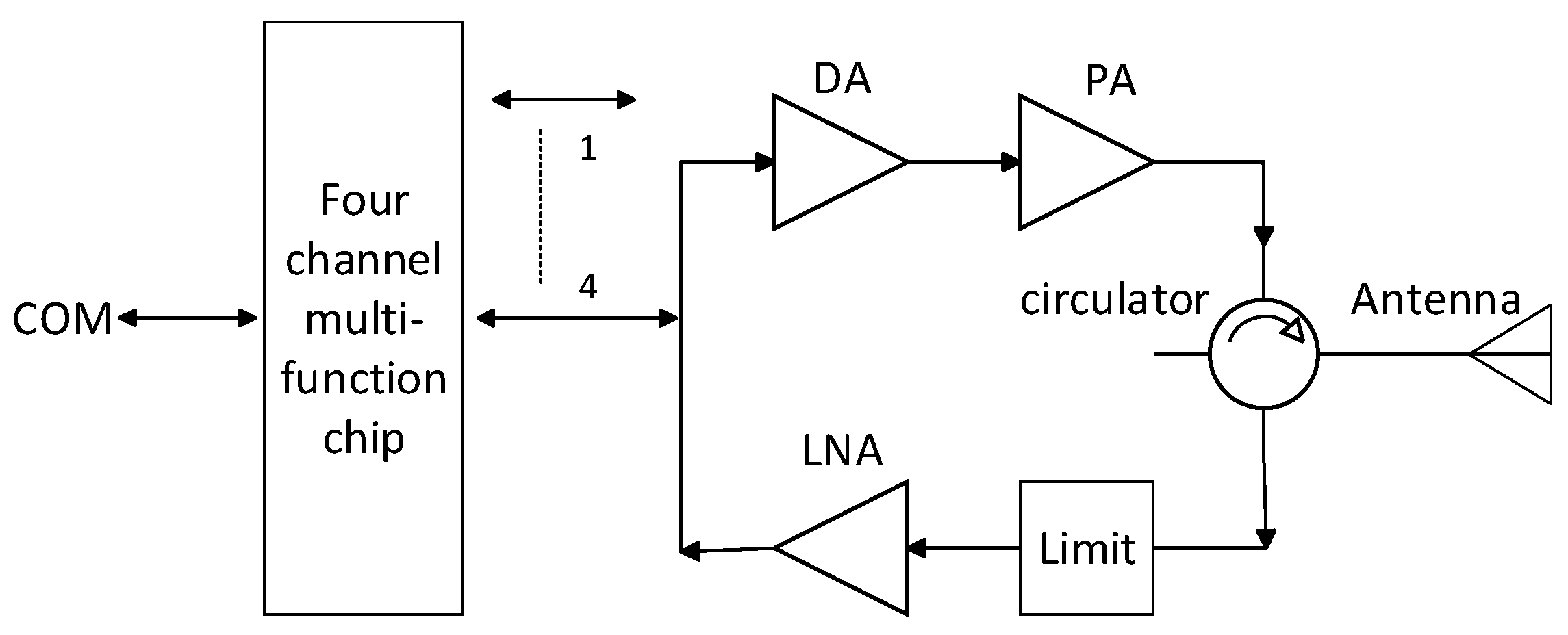
According to the requirements of phased array radar equipment, an X-band (8–12 GHz) four-channel TR component has been designed, and its schematic diagram is shown in Figure 3. This component consists of a transmission channel, a reception channel, power management, and an amplitude and phase control chip. The amplitude and phase multifunctional chip adopts half-duplex communication and can switch between transmission and reception modes [7,8]. In both transmission and reception modes, it can achieve an amplitude adjustment of 0.5 dB steps within the range of 0–31.5 dB and a phase adjustment of 5.625° steps within the range of 0–360°. The four transmission channels are all led out by amplitude and phase multifunctional chips, which form a two-stage amplification link through driver amplifiers and power amplifiers to achieve high-power output; four receiving channels enter the amplitude phase multifunctional chip through a limiter and LNA, ensuring low noise amplification without damaging the chip. The transmission and reception paths of a single channel are separated by a ring resonator and share an antenna.

2.2. Module Structure

The X-band TR component uses a four-channel amplitude phase multifunction chip and four ring isolators in the common branch. A 5 V GaAs driver amplifier(G3506 chip from Zhejiang Chengchang Technology in Hangzhou, China) and a 28 V GaN power amplifier chip(GN1522 chip from Zhejiang Chengchang Technology in China) are used in the transmission branch. A limiter and GaAs low-noise amplifier chip are used in the receiving branch. In addition, the TR component also requires an external control terminal for a multifunctional chip.
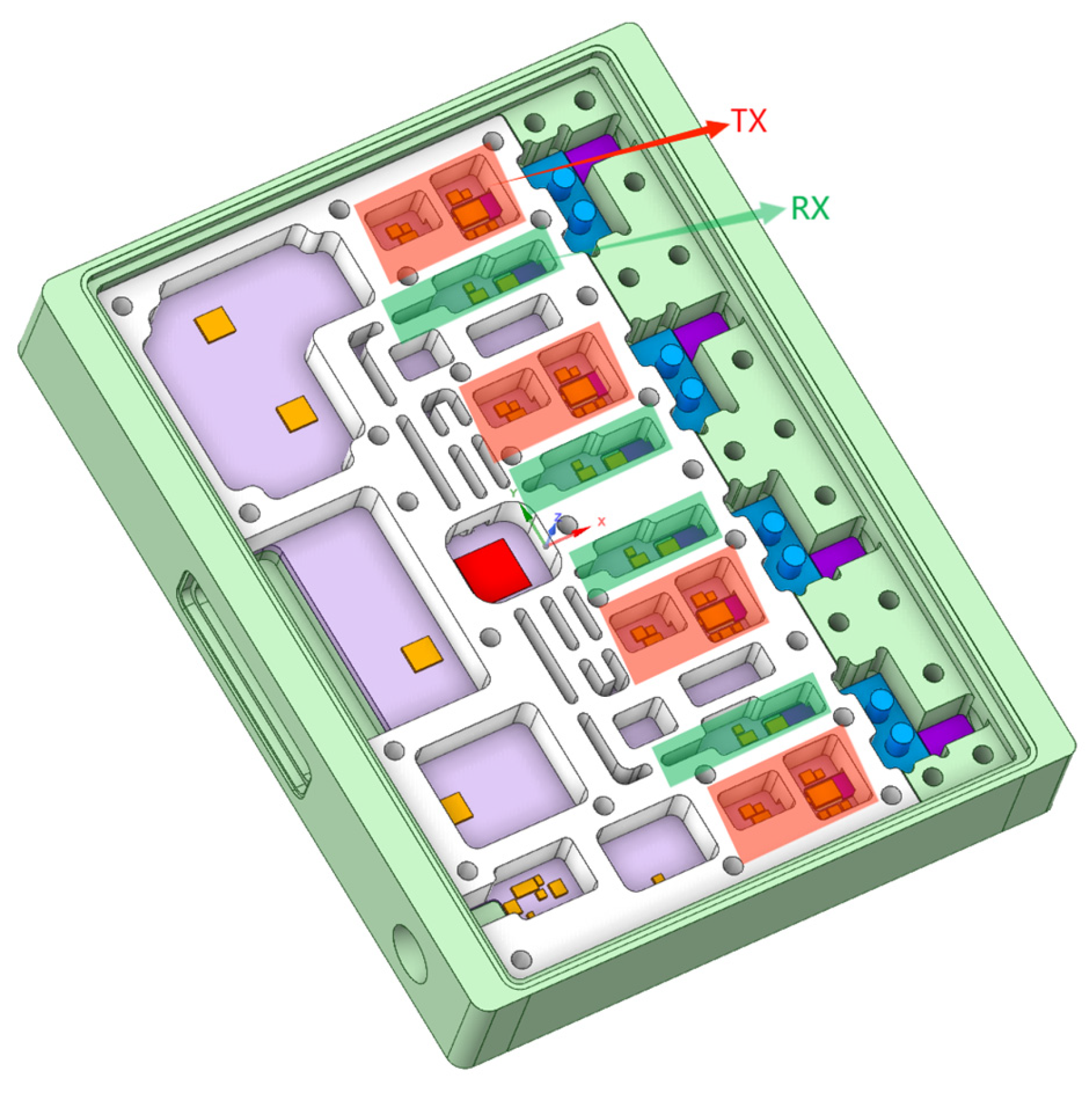
The X-band TR module is a module assembled through micro-assembly technology and hermetically sealed technology [9]. In response to the design difficulties of complex functions, small size, high gain, and high output power, an eight-layer LTCC board is used as the RF substrate to optimize the complex circuit routing design into a small module, achieving the miniaturization of TR module design. Considering the high thermal conductivity of the box material, compatibility with the thermal expansion coefficient of the internal material, and the high strength and ease of processing requirements, the shell made of Al-27 Si material is chosen for structural design [10]. We use molybdenum copper blocks as 28 V amplifier chip carriers and directly bond them to the metal shell to optimize the heat dissipation effect of high-power chips; at the same time, metal partition walls are used to isolate each chip cavity, avoiding mutual interference and crosstalk between chips and channels, ensuring the isolation of high-power TR module transceiver branches, and achieving stable high-power output and good heat dissipation. The three-dimensional structure diagram of the module is shown in Figure 4.

2.3. Thermal Analysis of TR Module

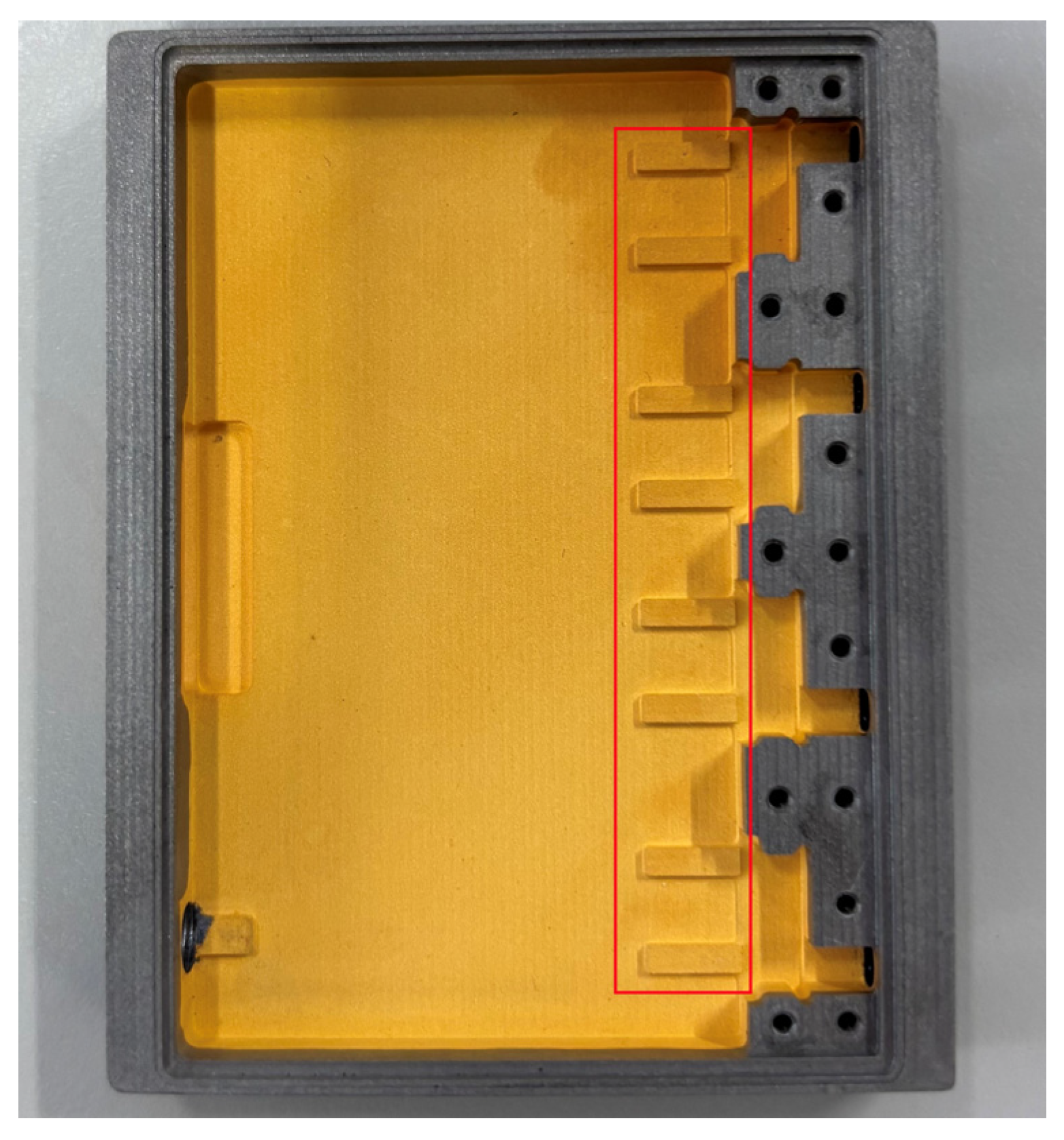
As a first step, the high-dissipation electronic devices and their attachment mechanisms are noted once the product design is initiated. The TR module is mainly composed of a high-power amplifier, low-noise amplifier, amplitude and phase control chip, LTCC, etc. The transmission channel in the TR module is the main heating module, with the average heating power of the driver amplifier being about 0.05 W, the average heating power of the power amplifier being about 1.75 W, and the total average heating power of the TR module being about 7.4 W. The main heat source comes from the 28 V amplifier chip and affects the entire module through natural and radiative heat dissipation. We use high-thermal-conductivity molybdenum copper material as a carrier and directly adhere it to the metal shell to optimize the heat dissipation channel. We keep the metal casing protruding from here consistent with the LTCC board (as shown in Figure 5), so that the amplifier chip can be at the same height as other chips.
The thermal analysis of the X-band TR module is conducted in steady-state conduction mode [11,12]. Table 1 provides the material composition and thermal properties of most components.
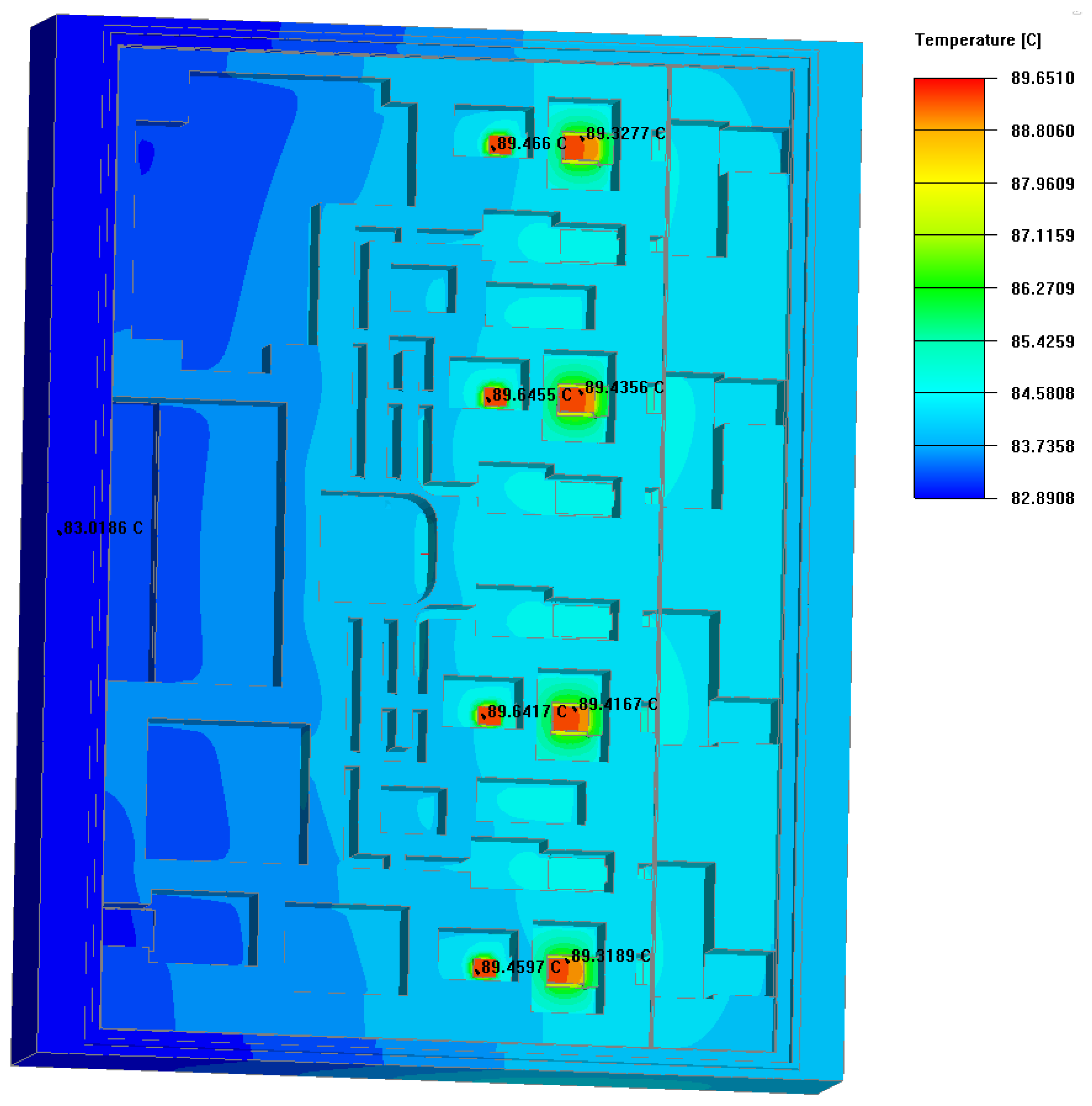
With a set of boundary conditions and assumptions, steady-state conduction mode thermal analysis was conducted with a heating power of 7.4 W and a base temperature of 20 °C using Ansys Icepak 2022R1 software. Figure 6 shows the temperature distribution and temperature of each component. The maximum temperature of the power amplifier chip is 89.4 °C, and the maximum temperature of the driver amplifier chip is 89.6 °C. High power amplifiers are the hotspots of components, which affect recent driver amplifier chips through radiative heat dissipation. The bottom of the driver amplifier chip is an LTCC board, which has poor Z-axis thermal conductivity and far inferior heat dissipation conditions compared to the amplifier chip. Although the heating power of the driver amplifier is very low, its temperature is slightly higher than that of the amplifier chip due to the influence of low heat dissipation efficiency paths and radiation. This is also a validation of the optimized heat dissipation results for the amplifier chip.

3. Micro-Assembly and Testing Results

We conduct a high-precision micro-assembly process based on the dimensions of the TR components. Based on the soldering methods of different components and the different types of solder used, we roughly divide the micro-assembly process into the following five parts:
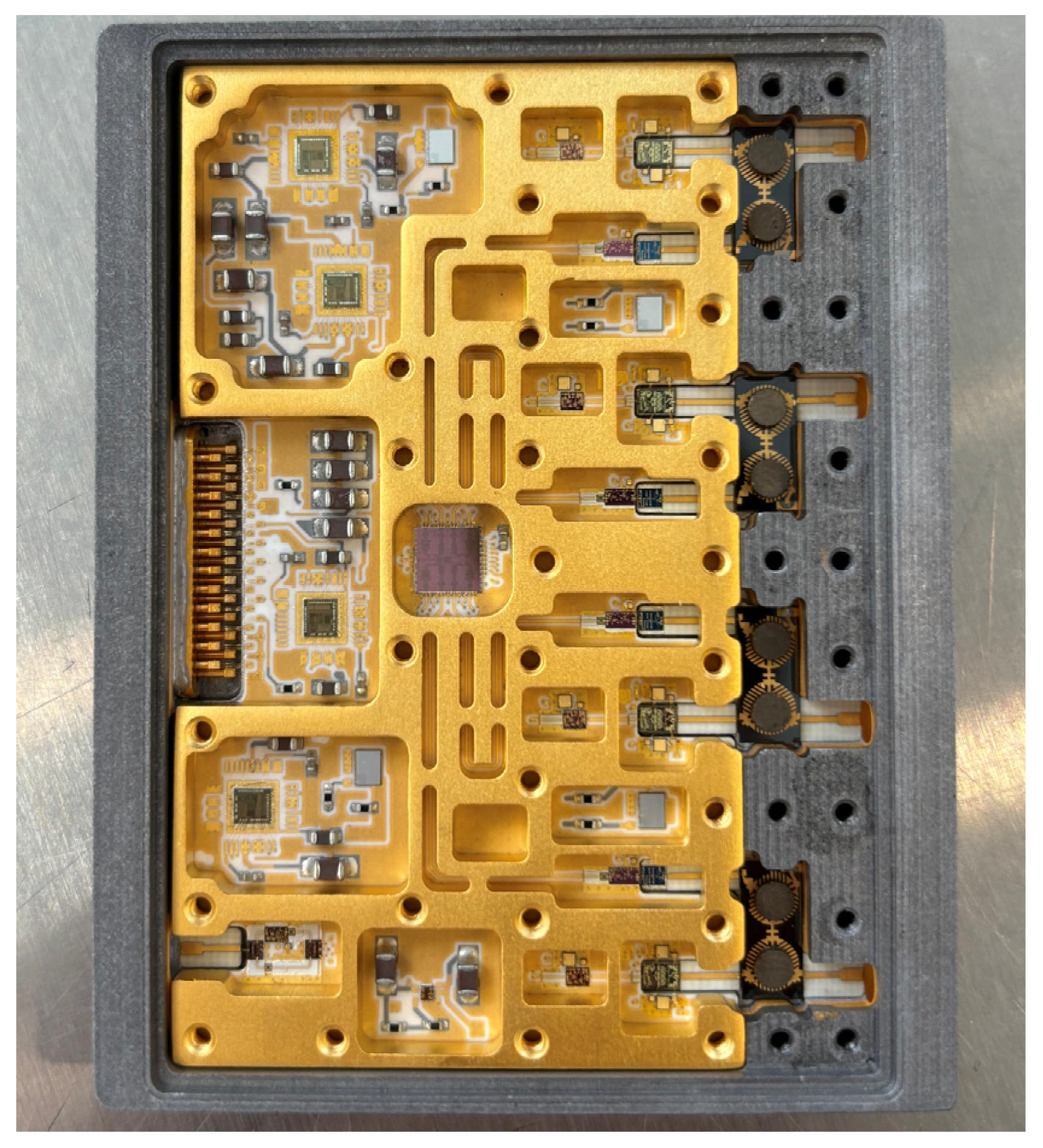
The first step is to solder the capacitor resistor device to the LTCC substrate at a temperature of 240 °C using Sn99Ag0.3Cu0.7 solder. The second step is to use Sn63Pb37 solder to bond the LTCC substrate and J30 connector to the box at 200 °C, and then use ultrasonic cleaning water to clean the solder overflowing from the edge of the substrate. The third step is to first bond the amplifier chip with a molybdenum copper carrier of the same size in advance, and then use H20E two-component conductive adhesive to bond the annular isolator, microwave board, and chip together and bake them in an oven at 120 °C for one hour. The fourth step is to use 25 μm gold wire to bond the solder pads of each chip. Finally, we use conductive adhesive to solder the SMP RF connector to the microwave board and bake at 100 °C for 1 h. The internal diagram of the TR component after micro-assembly is shown in Figure 7.
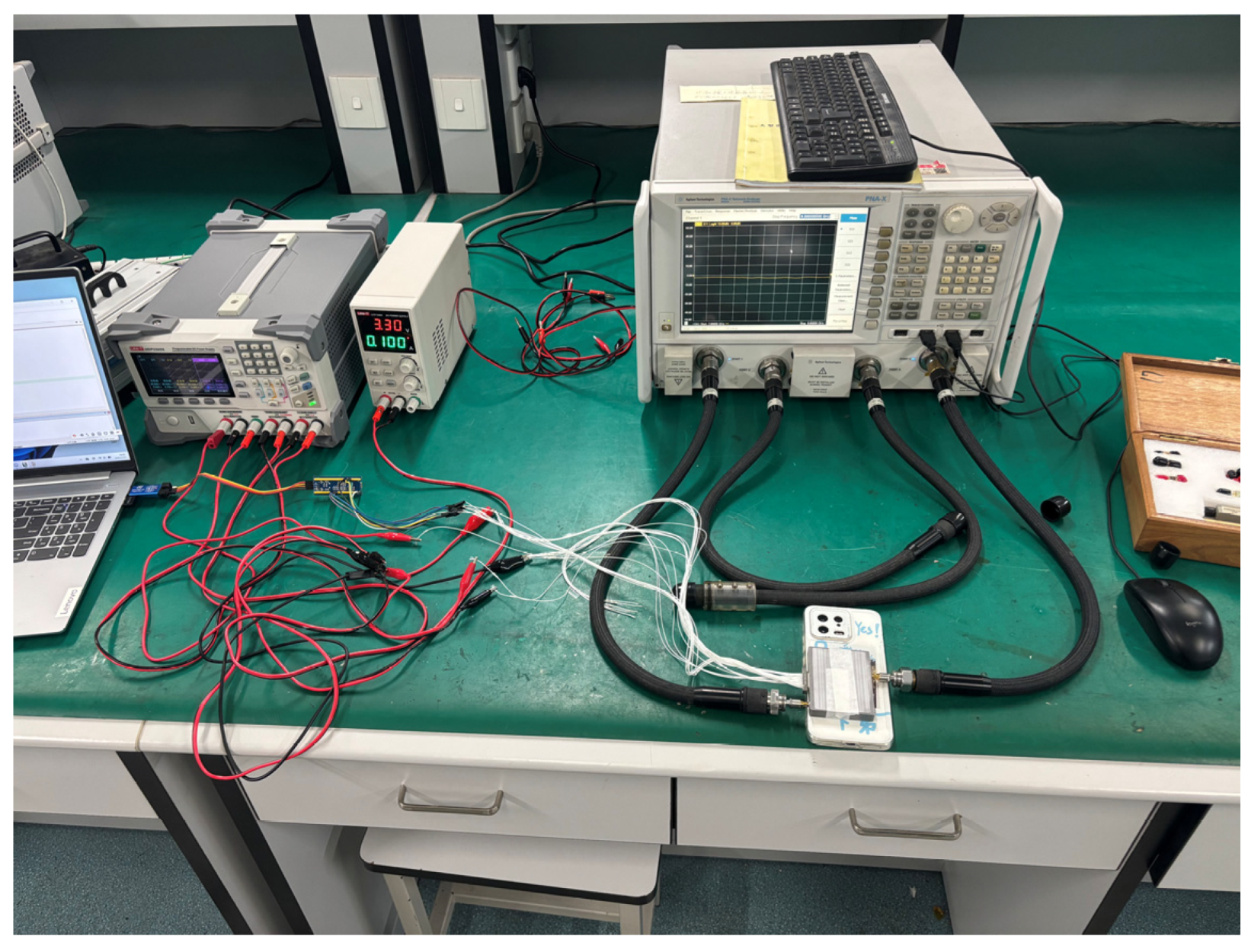
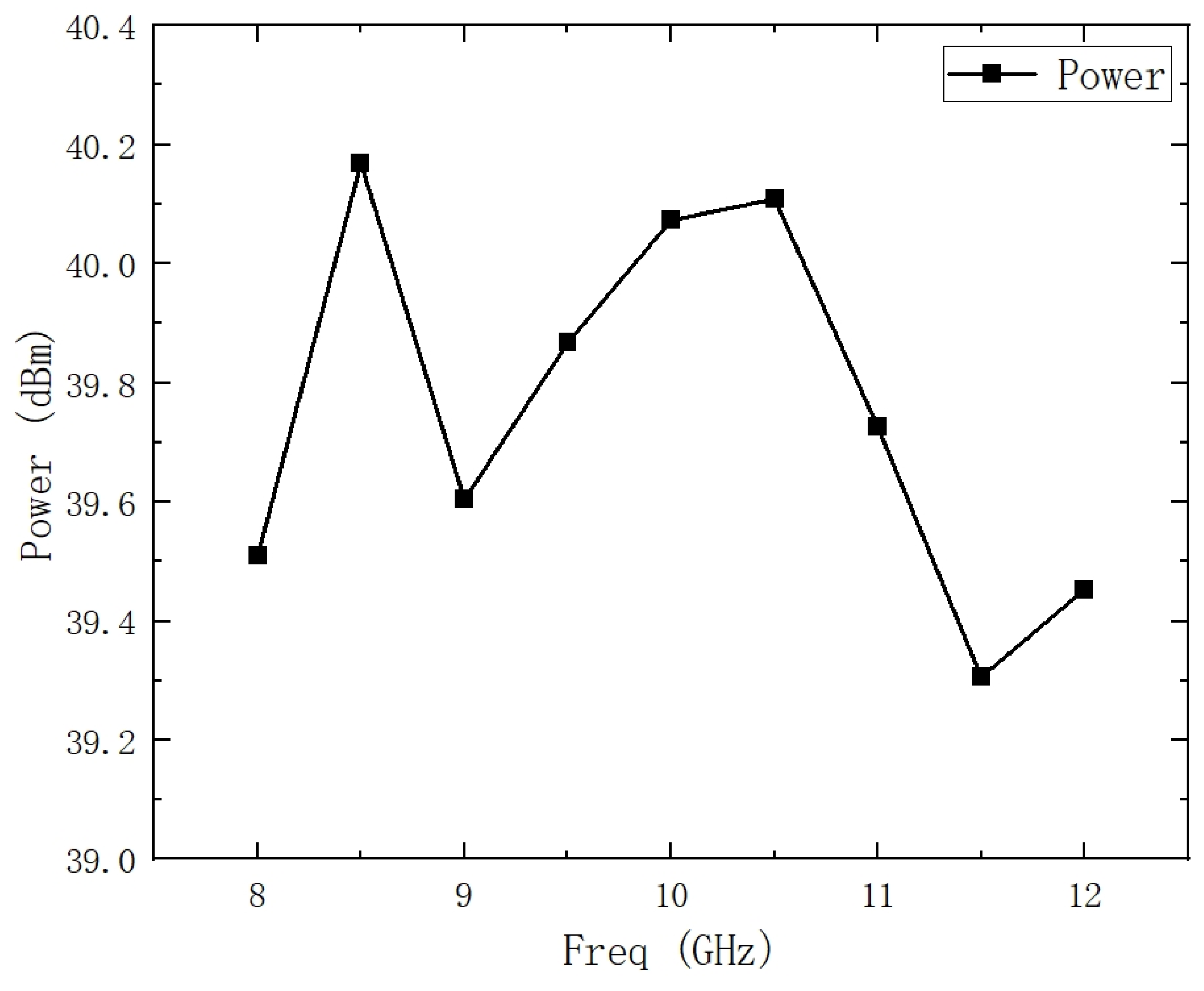
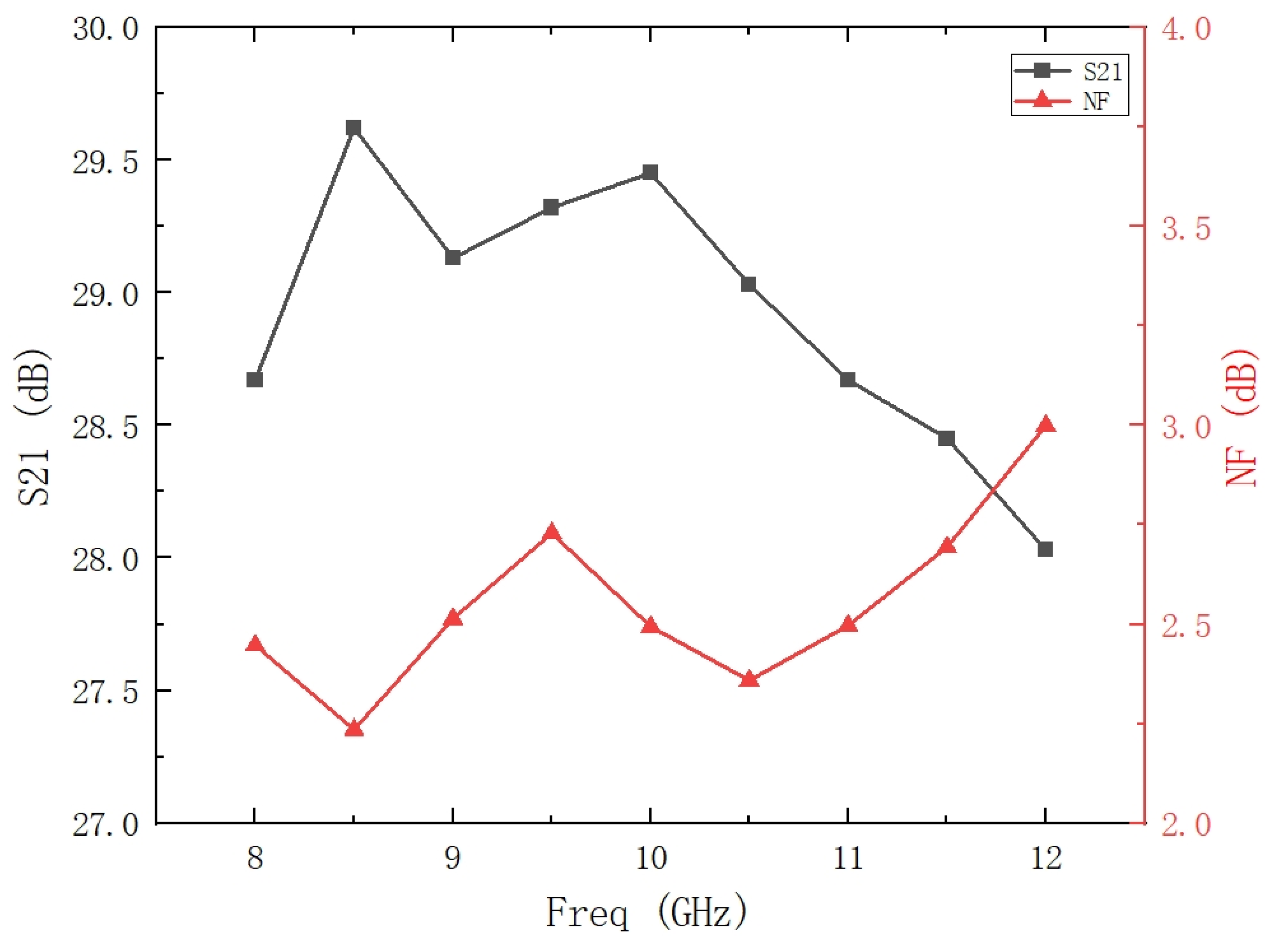
Based on the above analysis, an X-band four-channel T/R module was developed and tested, as shown in Figure 8. The measurement results of output power in the transmitting state are shown in Figure 9, and the gain and noise figure in the receiving state are shown in Figure 10. It can be seen that the receiving gain is greater than 28 dB, the receiving NF is less than 3 dB, and the output power is greater than 39.2 dBm. The results of amplitude and phase consistency testing are shown in Table 2. It can be seen that the amplitude consistency is <±1 dB and the phase consistency is <12°.

4. Conclusions

This article proposes an X-band four-channel TR module based on LTCC technology designed specifically for active phased array systems. This module has high reception gain, low noise figure, and high transmission power. The reception gain is greater than 28 dB, the reception NF is less than 3 dB, and the output power is greater than 39 dBm. At the same time, it also ensures a certain degree of amplitude and phase consistency between each channel. And reasonable optimization solutions are made to address the possible RF signal crosstalk and heat dissipation issues caused by high power. Based on the size of the components, we conduct high-precision component micro-assembly to ensure that the assembly process does not affect the performance of the components. Compared to ordinary high-frequency-board TR components, the use of irregular multi-layer LTCC substrates requires slightly higher costs, but achieves better RF performance and overall size reduction. In a word, this module meets the requirements of high integration and excellent performance, and has shown great prospects in the field of spaceborne active phased array applications.

Author Contributions

Conceptualization, Q.Z. and J.C.; methodology, Q.Z. and J.C.; software, Q.Z.; validation, Q.Z. and J.C.; formal analysis, Q.Z.; investigation, Q.Z. and J.C.; resources, J.C.; data curation, Q.Z.; writing—original draft preparation, Q.Z.; writing—review and editing, J.C.; supervision, J.C.; project administration, J.C.; funding acquisition, J.C. All authors have read and agreed to the published version of the manuscript.

Funding

This research received no external funding.

Institutional Review Board Statement

Not applicable.

Informed Consent Statement

Not applicable.

Data Availability Statement

The original contributions presented in the study are included in the paper; further inquiries can be directed to the corresponding author.

Conflicts of Interest

The authors declare no conflicts of interest.

References

  1. Sanzgiri, S.; Bostrom, D.; Pottenger, W. A hybrid tile approach for Ka band subarray modules. IEEE Trans. Antennas Propag. 1995, 43, 953–959. [Google Scholar] [CrossRef]
  2. Bhavsar, M.L.; Kumar, P.; Chaturvedi, I. LTCC Based Multi-Chip Modules at C-Band and Ka-Band for Satellite Payloads. In Proceedings of the 2017 IEEE MTT-S International Microwave and RF Conference (IMaRC), Ahmedabad, India, 11–13 December 2017; pp. 1–5. [Google Scholar]
  3. Pitz, W.; Miller, D. The Terra SAR-X Satellite. IEEE Trans. Geosci. Remote Sens. 2010, 48, 615–622. [Google Scholar] [CrossRef]
  4. Shin, D.H.; Jeong, J.C.; Moon, S.M.; Yom, I.B.; Kim, D.W. Compact Ku-band GaAs multifunction chip for SATCOM phased arrays. In Proceedings of the 2015 European Microwave Conference (EuMC), Paris, France, 7–10 September 2015; pp. 1471–1474. [Google Scholar]
  5. Wang, L.-F. Design and Implementation of X-band Tile T/R Module. China Comput. Commun. 2017, 8, 183–185. [Google Scholar]
  6. Jin, M. Design of an X-band multichannel T/R module. Radar ECM 2019, 39, 54–57. [Google Scholar]
  7. Liu, X.; Xie, Y.-Z.; Xu, Z.; Yu, Z.-J. Study and implementation of an X-band four-channel T/R module based on stripline. Electron. Compon. Mater. 2019, 38, 79–83. [Google Scholar]
  8. Xiao, N.; Qin, L.-F.; Zhang, X.; Cheng, X.-P. Design and implementation of Miniaturized X-band GaN T/R module. Radio Eng. 2017, 47, 63–66. [Google Scholar]
  9. Lei, O. Development of C-band high integration & high efficiency space-borne T/R module. In Proceedings of the 2018 China International SAR Symposium (CISS), Shanghai, China, 10–12 October 2018; pp. 139–142. [Google Scholar]
  10. Wang, Z.; Xiao, J.; Huang, J.; Yin, H.; Yang, Y.; Yan, B.; Zhao, B. An improved high-power X-band 4×4 tile-type LTCC T/R module based on liquid cooling micro-channels. In Proceedings of the 2019 IEEE MTT-S International Microwave Symposium (IMS), Boston, MA, USA, 2–7 June 2019; pp. 1042–1045. [Google Scholar]
  11. Atar, C.; Aktaş, M. Advances in thermal modeling and analysis of satellites. Gazi Univ. J. Sci. 2022, 35, 42–58. [Google Scholar] [CrossRef]
  12. Wang, Y.; Wang, C.; Lian, P.; Xue, S.; Liu, J.; Gao, W.; Shi, Y.; Wang, Z.; Yu, K.; Peng, X.; et al. Effect of temperature on electromagnetic performance of active phased array antenna. Electronics 2020, 9, 1211. [Google Scholar] [CrossRef]
Figure 1. Ka-band phased array tile-type T/R module with 8 × 8 antenna array. (Developed by IMST GmbH Center in North Rhine Westphalia Germany in 2009).
Engproc 118 00029 g001
Figure 2. Detailed structural diagram of common single-channel TR components.
Engproc 118 00029 g002
Figure 3. Schematic diagram of single-channel transmission and reception of four-channel TR components.
Engproc 118 00029 g003
Figure 4. Internal 3D modeling of components and TR channel cavity diagram.
Engproc 118 00029 g004
Figure 5. Physical picture of the box body and position of the amplifier chip stage.
Engproc 118 00029 g005
Figure 6. Simulation diagram of internal temperature distribution of TR component during stable state.
Engproc 118 00029 g006
Figure 7. Internal physical image of TR component after assembly.
Engproc 118 00029 g007
Figure 8. Physical picture of TR component vector network test.
Engproc 118 00029 g008
Figure 9. Test results of saturated output power with 150 μs pulse width, 30% duty cycle, and 15 dBm input signal power.
Engproc 118 00029 g009
Figure 10. Measurement results of receiving gain and NF at a received signal strength of −40 dBm.
Engproc 118 00029 g010
Table 1. Material properties for TR module.
ComponentMaterialThermal Conductivity (W/mK)
RF substrateLTCC4
PAGaN130
DA, LNAGaAs65
PA carrierMoCu300
Shell, lid, wallAl-27 Si145
Table 2. Amplitude and phase consistency.
TransmittingReceiving
Phase (°)Amplitude (dB)Phase (°)Amplitude (dB)
CH10000
CH2−2~100.1~0.60~60.1~0.7
CH30~120.3~0.72~100.6~1.6
CH4−4~80.2~0.51~70.3~0.9
Disclaimer/Publisher’s Note: The statements, opinions and data contained in all publications are solely those of the individual author(s) and contributor(s) and not of MDPI and/or the editor(s). MDPI and/or the editor(s) disclaim responsibility for any injury to people or property resulting from any ideas, methods, instructions or products referred to in the content.