


Abstract
The use of biodegradable polymers in slow-release NPK fertilizers is gaining prominence for reducing overdosing, minimizing nutrient loss, and enhancing efficiency. This study prepared modified and unmodified thermoplastic starch (TPS) systems via extrusion, incorporating collagen and potassium phosphate. Controlled-release nutrient systems utilizing nitrogen from an organic source were developed and characterized. The materials were characterized using Fourier-transform infrared spectroscopy (FTIR), X-ray diffraction (XRD), contact angle measurements, and biodegradability in the soil. The biodegradability of the polymeric matrix was evaluated through mass loss, with up to 78.9% degradation observed after 60 days for TPS-based systems containing collagen. Structural modifications in the TPS matrix led to changes in crystallinity and hydrophilicity, which directly influenced degradation rates. The nutrient release effect was assessed by monitoring the growth of chili pepper seedlings over 15 days. Seedlings grown in soil containing polymeric systems with 20% collagen or 6.2% urea reached average heights between 5.2 and 7.8 cm, compared to 5.0 cm for the unmodified TPS and 0 cm in treatments with pure urea, which caused seedling mortality. The polymeric systems containing collagen exhibited superior performance as a sustainable nitrogen source, ensuring a slower and more controlled release while yielding positive outcomes for early plant development.
1. Introduction
A plant’s growth depends on various factors such as water, light, carbon dioxide, and, most importantly, the adequate supply of nutrients. However, soil alone cannot meet all the nutritional needs of plants, so fertilizers are essential [1]. Generally, plants’ primary nutrients are nitrogen, phosphorus, and potassium (NPK). Nonetheless, the fertilization efficiency of NPK is relatively low; it is estimated that only 50 to 60% of nitrogen and potassium, and 10 to 25% of phosphorus, are absorbed by crops due to the immediate release of these nutrients into the soil [2]. This scenario is driven by the rapid loss of nutrients caused by degradation processes (photolytic, hydrolytic, and microbial), as well as volatilization, evaporation, and leaching, which reduce the effective minimum concentration of these compounds in the soil [1]. Furthermore, environmental damage, health risks, and economic losses associated with inefficient fertilization have limited the use of these fertilizers. Ensuring high fertilization efficiency and, consequently, increasing agricultural production by improving nutrient absorption rates in crops is of great interest, particularly given the rising global demand for food resulting from continuous and accelerated population growth [3,4]. Therefore, increasing agricultural productivity must be achieved with consideration for environmental issues to meet the growing food demand while prioritizing environmental preservation.
Investing in technologies that enhance agricultural production by improving crop nutrient absorption rates is essential in this context. One example is controlled-release fertilizers (CRFs), in which the bioactive component is dispersed or encapsulated in a matrix that allows its slow and continuous release [2,5]. Various material combinations have been studied for CRF coatings or supports, including inorganic materials, synthetic polymers, natural polymers, and other organic compounds [6,7,8]. Several types of polymer-coated CRFs are available on the market. These coatings are typically made from synthetic polymers, including polyurethane, polyethylene, polyvinyl alcohol, polylactic acid, polyacrylamide, polysulfone, and resins [4,9]. Commercially available systems using these polymeric materials include Environmentally Smart Nitrogen (ESN), Polyon, Osmocote, Nutricote, Multicote 4M®, Nitrocote®, and Meister [10,11,12]. Although CRFs made with non-biodegradable, petrochemical-based synthetic polymers have revolutionized agriculture, they result in soil contamination due to microplastic accumulation [12]. The widespread use of CRFs made with biodegradable polymers is still limited due to high costs and uncertainties regarding their effectiveness in promoting higher yields and profitability.
Currently, natural polymer-based controlled-release fertilizers (CRFs) face several limitations that hinder their large-scale commercialization compared to synthetic polymer systems. The main challenges include higher production costs associated with limited industrial availability of natural polymers, variability in raw material quality, and more complex processing requirements [13,14]. Additionally, natural polymers often exhibit lower mechanical stability and higher sensitivity to moisture, which can compromise the durability and predictability of nutrient release under field conditions. Despite these drawbacks, their biodegradability and environmental compatibility make them promising alternatives to synthetic coatings, particularly when blended with complementary biopolymers such as starch and collagen that can improve structural integrity and modulate release profiles [15,16].
Therefore, research on developing controlled-release fertilizers using natural polymers is highly desirable. Materials such as starch, cellulose, lignin, chitin, and their derivatives stand out as renewable, and biodegradable [17]. Studies have explored the use of starch from various sources, such as cassava, potato, corn, and sago, to encapsulate urea and other fertilizers, aiming to reduce production costs, ensure environmental compatibility, and promote biodegradability [8,18,19,20]. Versino et al. [18] investigated the biodegradation and urea release from composite films based on starch and cassava bagasse containing different urea contents, showing their potential as an alternative material for nitrogen dosage in soil. Himmah et al. [1] studied the development of slow-release fertilizers using starch and carboxymethyl cellulose as coating materials for granulated NPK fertilizers. The nutrient release rate was evaluated through percolation experiments, and the results demonstrated that the type of starch influences the nutrient release rate in the soil. Due to its slow nutrient release rate, Sago starch showed high potential as a coating material for CRFs.
In the context of fertilizers, there is a growing trend toward using organic fertilizers instead of conventional ones. Among the conventional fertilizers used as nitrogen sources, urea is the most commercially utilized and plays a crucial role in agriculture as a nitrogen provider [8,18]. However, urea is often lost through leaching, runoff, and volatilization [21]. As a result, organic nitrogen sources derived from animal or plant residues are being explored in agriculture as fertilizers [22]. These alternatives have the potential not only to meet the nutritional needs of plants but also to reduce dependency on conventional fertilizers and minimize environmental impacts.
Collagen has emerged as an alternative organic nitrogen source. Collagen, used in the formation of superabsorbent hydrogels and as a plant nutrient support, indicates its potential as a fertilizing material. Additionally, treating tannery waste (collagen extracts) has shown promising results [23,24,25,26].
Recent literature has reported significant advances in the development of controlled-release systems based on natural biopolymers such as starch and cellulose, reinforcing the trend toward more sustainable alternatives to synthetic polymers. Gu et al. [27] developed a double-layer system using ethylcellulose as the inner coating and a chitosan hydrogel with di-esterified starch derivatives as the outer layer. Similarly, Tan et al. [28] developed a double-layer coating for slow-release fertilizers, consisting of an inner layer of polymethyl methacrylate and an outer hydrogel layer composed of sodium alginate and sulfonated cellulose derivatives, which effectively delayed nitrogen release. Similarly, Mu et al. [29] designed a coating blend combining phosphate-carbamate starch with polyvinyl alcohol (PVA), achieving a controlled and sustained nutrient release profile.
Although these studies offer significant contributions, the approach proposed in this work is distinct due to the novel use of the starch–collagen combination. The incorporation of collagen into the starch matrix significantly enhanced the structural properties and hydrophilicity of the material, directly influencing the nutrient release behavior. Furthermore, the use of collagen, often sourced from industrial waste, reinforces the system’s sustainable and low-cost nature, presenting a viable and innovative alternative to polysaccharide-only systems.
This study focuses on starch-based biodegradable matrices to enable the slow release of organic nitrogen, phosphorus, and potassium in the soil, with nitrogen derived from collagen. A controlled-release nutrient system was developed via extrusion. The materials were characterized using Fourier-transform infrared spectroscopy (FTIR), X-ray diffraction (XRD), and contact angle measurements. The biodegradability of the polymeric systems was determined through the percentage of mass loss after burial in soil, while the influence of the released nutrients on plant development was evaluated using pepper seedlings cultivated in the same substrate. The results demonstrated that Collagen proved an effective organic nitrogen source, enabling better plant growth and development than urea, particularly at higher concentrations.
2. Materials and Methods
2.1. Materials
The starch used was extracted from cassava, under the commercial brand Pachá, 2022 harvest, manufactured in Contagem, Brazil. It is presented as a fine white powder with an ash content of <0.20% and contains approximately 26% amylose and 74% amylopectin [30]. Glycerin P.A. with a purity of ≥99.7% and anhydrous citric acid P.A. from the brand Anidrol were used.
The collagen solution, with a 14% nitrogen content, was obtained and then homogenized in a 1% (w/v) acetic acid solution, maintained at 60 °C for 2 h. After this period, the mixture was filtered to remove insoluble materials [31]. The urea used was commercially available in granular form with a nitrogen content of 45%.
2.2. Preparation of Polymeric Systems
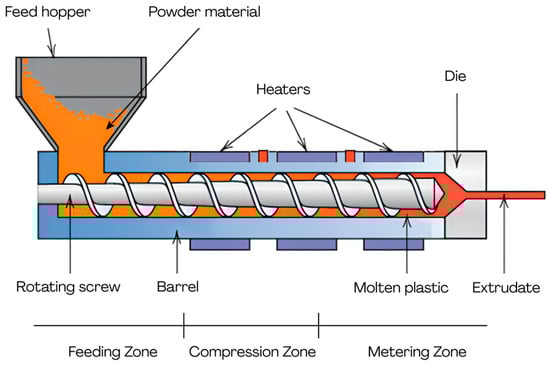
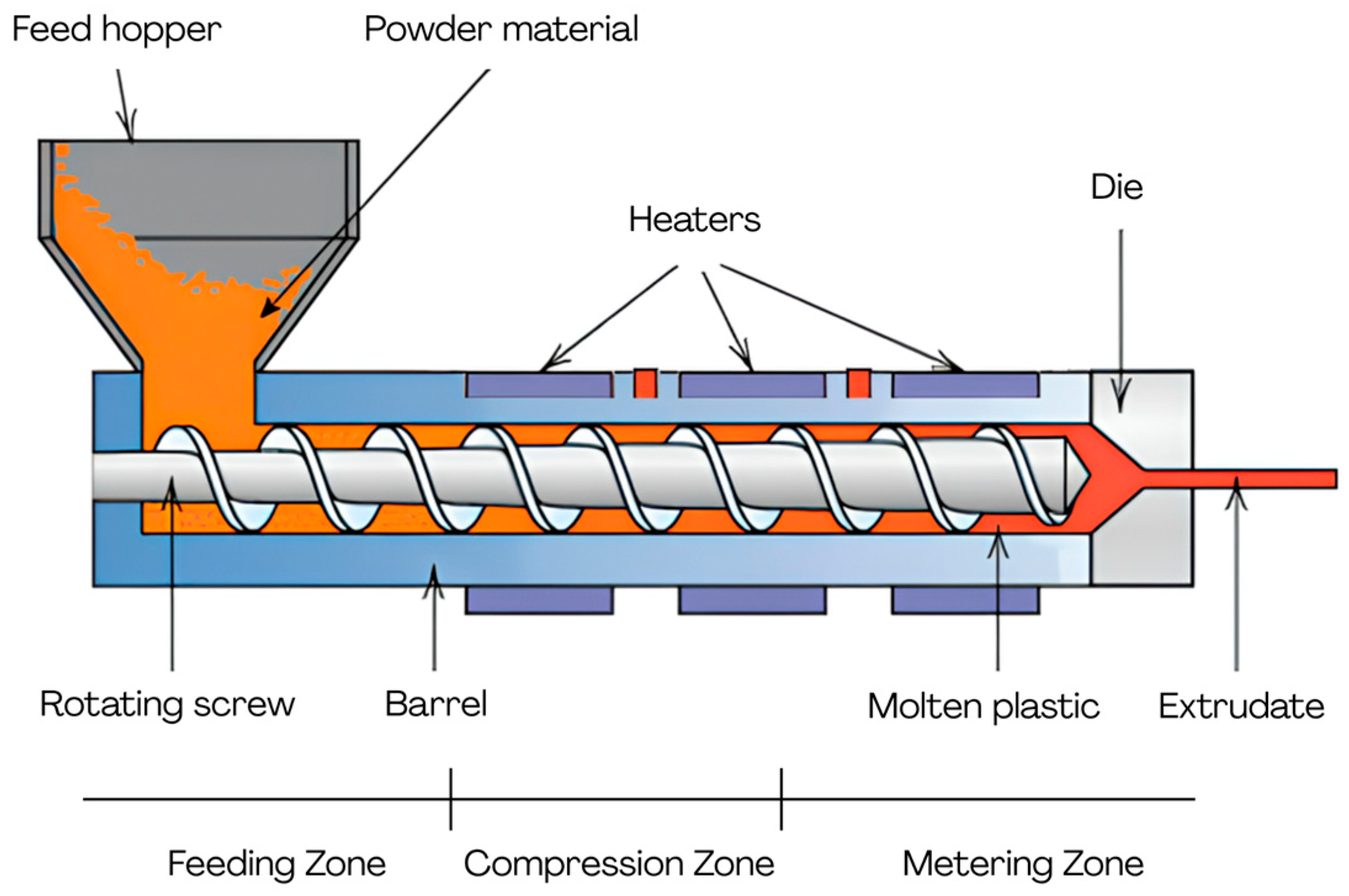
To produce pure thermoplastic starch (TPS) polymeric systems, cassava starch, previously dried in an oven at 100 °C, was manually mixed with 30 wt% glycerin until a homogeneous mixture was achieved. The resulting mixture was processed using a Haake™ PolyLab™ QC single-screw extruder (Thermo Scientific, Karlsruhe, Germany) with four heating zones (Figure 1). The operational parameters included a screw rotation speed of 30 rpm and a temperature profile of 100 °C, 115 °C, and 115 °C in zones 1, 2, and 3, respectively, and 100 °C in zone 4 (the die or output zone). To produce modified TPS, cassava starch, which had been previously dried, was manually mixed with 30 wt% glycerin and 2 wt% citric acid relative to the starch mass. The mixture was stirred until a uniform powder was obtained. This powder was processed in the extruder under the same operating conditions as pure TPS.
Figure 1.
Schematic representation of the single-screw extrusion process used for the preparation of the polymeric systems.
The polymeric systems preparation containing the nutrient source compounds followed the previous procedure. In addition to the mentioned formulations, collagen solutions were added as a nitrogen source, and potassium hydrogen phosphate (K2HPO4) was used as a source of phosphorus and potassium. For comparative purposes, a polymeric system containing urea was also produced.
The collagen and urea concentrations were determined based on their nitrogen content, considering that collagen contains approximately 14% nitrogen and urea 45% nitrogen. Therefore, the formulations were designed to provide comparable amounts of nitrogen between the systems. The addition of 20 wt% collagen corresponds to approximately 2.8% nitrogen (N), a value equivalent to that obtained with 6.2%. For comparison purposes, a formulation with 20 wt% urea was also produced, resulting in ~9.0 wt% nitrogen (20 × 0.45). Furthermore, in the systems that received 15 wt% K2HPO4, this salt provided approximately 2.7% phosphorus (P) and 6.7% potassium (K) relative to the total mass of the composite. The urea and collagen contents were adjusted to ensure the same nitrogen proportion across the systems, as shown in Table 1.
Table 1.
Identification of formulations and calculated contents of N, P, and K in composites.
2.3. Characterizations
2.3.1. Physicochemical Characterization
The polymeric systems were characterized by Fourier-transform infrared spectroscopy (FTIR) using a Shimadzu IR Prestige-21 infrared spectrophotometer (Shimadzu Corporation, Kyoto, Japan) equipped with ATR accessories. The analyses were conducted with 30 scans from 4000 to 400 cm−1.
X-ray diffraction analysis was performed using a Shimadzu XRD-7000 diffractometer (Shimadzu XRD-7000 diffractometer, Shimadzu Corporation, Kyoto, Japan). The diffractograms were recorded in the Bragg angle range (2θ) from 4° to 70°, with a scan step of 0.02°. After obtaining the data, the relative crystallinity of the samples was calculated using OriginPro 2021 software (OriginLab Corporation, Northampton, MA, USA).
The hydrophilicity of the polymeric systems was evaluated through contact angle (θ) measurements. Images were obtained by recording the test using a USB Digital microscope 50–500x, 2.0MP, CMOS sensor Magnifier (OEM Manufacturer, Shenzhen, China) with Camera model HY-500B (Hayear, Shenzhen, China). Using ImageJ software (1.54g National Institutes of Health (NIH), Bethesda, MD, USA. Open-source software), the contact angles were measured by considering the angle formed between the tangent plane to the water droplet and the sample surface.
2.3.2. Biodegradability Assessment
The biodegradability of the materials was evaluated through a soil composting test. For the experiment, 5.0 g of pellets from each material were buried in Terral-brand soil, which is composed of peat, manure, thermophosphate, and limestone. The pellets and soil systems were kept at room temperature with controlled humidity levels between 30% and 40% over 3 months, with the pellets being removed from the soil every 15 days. After each removal, the pellets were carefully cleaned to remove soil residues and then weighed again. Equation (1) was used to determine the weight loss of the materials.
where m1 represents the initial weight and m2 represents the final weight of each sample.
2.3.3. Plant Growth Assessment
The effect of nutrient release on plant development was evaluated by monitoring the growth of chili pepper seedlings. The seedlings were planted in soil containing 5.0 g of the developed systems, with duplicates for each material type. Each duplicate consisted of a vessel containing a pepper seedling. Over the course of 15 days, changes in plant characteristics and height measurements were recorded. An analysis was performed for comparison by incorporating approximately 0.30 g of pure urea (CH4N2O) into the soil (5.0 g), equivalent to 0.22% nitrogen, the same amount released by the polymeric system containing collagen, and the system with 6.2% urea. Additionally, another test was conducted with the incorporation of approximately 1.0 g of urea, equivalent to 0.75% nitrogen (0.467 g), matching the amount that would be released by the polymeric system containing 20% urea. All plant growth assessments were conducted under natural light in a greenhouse environment. The average temperature ranged between 25 °C and 30 °C, with relative humidity levels between 60% and 75% throughout the 15 days. These conditions were consistent across all experimental units.
Additionally, the morphology of the samples after the biodegradation test was evaluated using optical microscopy. Images were captured with a Hayear HY-500B microscope camera (Shenzhen Hayear Electronics Co., Shenzhen, China) and processed using S-EYE software (Hayear, version X.X, Shenzhen, China).
3. Results
3.1. Evaluation of the Structural Properties of the Polymeric Systems
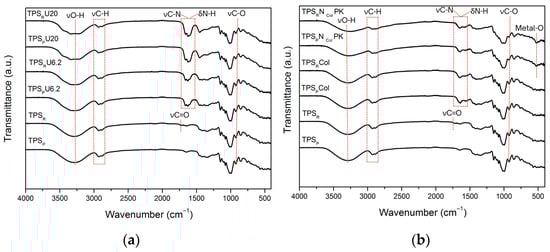
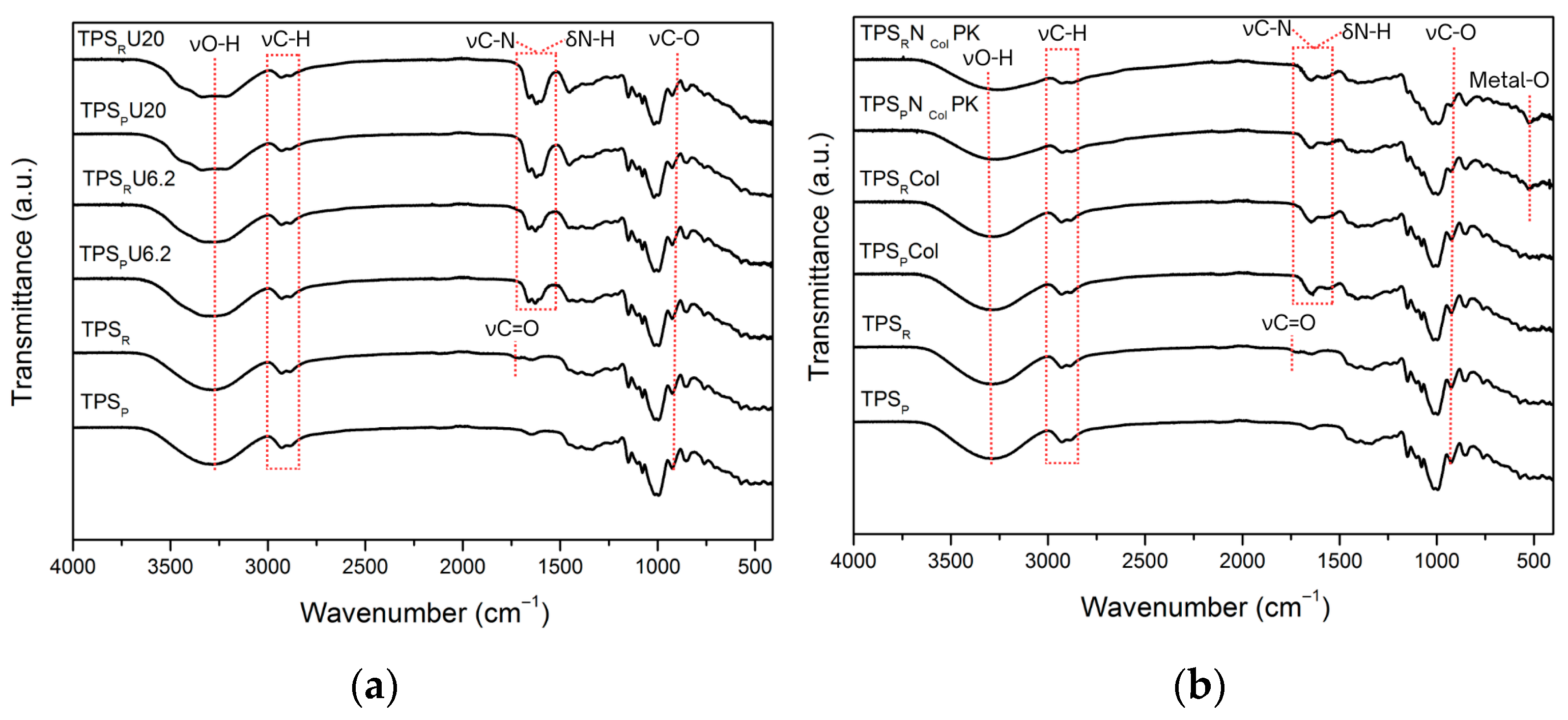
Figure 2 shows the FTIR spectra obtained for pure thermoplastic starch (TPSP) and modified thermoplastic starch (TPSR), along with the spectra of the polymeric materials developed by incorporating collagen and urea. In the spectra for all systems, characteristic bands of starch can be observed.
Figure 2.
FTIR spectra of the developed polymeric systems: (a) containing urea and (b) containing collagen.
The spectra exhibit a broad band in the region from 3600 to 3000 cm−1, centered around 3294 cm−1, attributed to the stretching of the hydroxyl group (νO-H). The less intense bands at 2929 cm−1 and 2885 cm−1 correspond to the symmetric and asymmetric stretching (νC-H) of C-H bonds in systems with the TPSR matrix. In these systems, a band at 1724 cm−1 is observed, attributed to the stretching of the carbonyl group (νC=O) from the ester group. These groups may be part of the chemical structure of carboxylic acid or may result from possible esterification reactions between starch and carboxylic acid [24,25]. The band in the region of 924 cm−1 refers to the vibrational mode of the α-1,4 glycosidic bonds, α-conformation of the C-O-C bonds in the starch chain [30,32,33].
In the spectra of the materials with collagen, TPSPNCol, TPSRNCol, TPSPNColPK, and TPSRNColPK, variations in the intensity and position of the bands between 1180 and 1500 cm−1 were observed in comparison to those of the respective matrix. These changes are attributed to the C-N stretching vibrations (νC-N) in the range of 1000 to 1350 cm−1 and the -CO- stretching vibration (νC-O) at 1400 cm−1, associated with the amino acids present in collagen. Moreover, in the spectra of the TPSPNColPK and TPSRNColPK systems, in which K2HPO4 was incorporated, bands around 500 cm−1 were observed, associated with metal-oxygen bonds.
In the TPSRU20, TPSPU20, TPSPU6.2 spectra, and TPSRU6.2 systems, characteristic absorption bands of urea were observed, specifically the carbonyl stretching (νC=O) of the amide at 1661 cm−1 and the N-H bending (δN-H) at 1626 cm−1. It was observed that with the incorporation of a higher urea content, there was an increase in the intensity of the band at 1456 cm−1, related to C-N stretching vibrations (νC-N). Moreover, modifications in the absorption band profile were detected in the range of 3000 to 3500 cm−1, marked by the emergence of three distinct absorption bands at 3458 cm−1, 3344 cm−1, and 3206 cm−1, attributed to N-H stretching (νN-H) resulting from hydrogen bonding interactions in urea [31]. For these materials, the absence of the absorption band in the 1730 cm−1 region, related to the ester carbonyl stretching, suggests that urea may react with the carboxylic acid and inhibit other reactions of the acid with starch or glycerol. This inhibition occurs due to the pH changes caused by urea or acid-base neutralization reactions, which was also observed by Wang et al. [34].
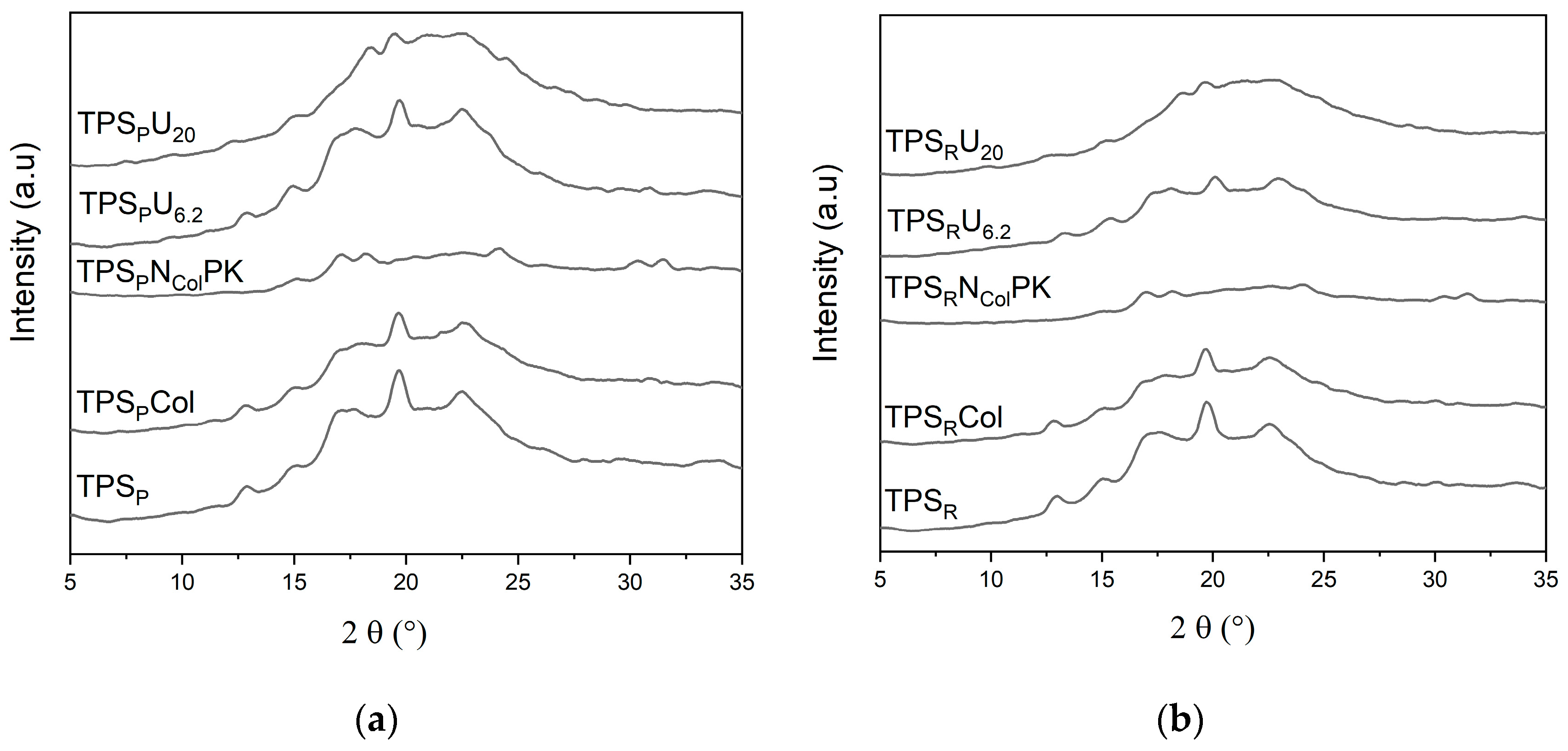
These spectral changes indicate that incorporating urea, collagen, and K2HPO4 into the TPS matrix results in chemical modifications, primarily through interactions with hydroxyl, carbonyl, and amine groups. The absence of the ester carbonyl stretching band at 1730 cm−1 indicates that urea reacts with citric acid, inhibiting esterification reactions and altering the chemical systems. Such insights are crucial for understanding the material behavior and tailoring the properties of TPS-based systems for specific applications. The crystallinity of the polymeric systems, both with and without citric acid, was evaluated through X-ray diffraction, with the corresponding diffractograms presented in Figure 3.
Figure 3.
X-ray diffractograms of the polymeric matrix and the materials developed with nutrient incorporation: (a) Without citric acid and (b) With citric acid.
The X-ray diffractograms of the TPSP and TPSR samples exhibited diffraction peaks corresponding to Bragg angles (2Ɵ) at 12.9°, 15.1°, 17.4°, 19.7°, and 22.5°, which are equivalent to the VH crystallographic pattern. This pattern results from the recrystallization of the amylose structure, characterized by a single helical configuration during the cooling process after processing [35,36]. The peak at 17.4° indicates a B-type crystallinity pattern associated with the crystallization of amylopectin during aging. This result is justified by the fact that amylopectin crystallizes into the B-type pattern during the aging process, and similarly, amylose also forms B-type crystals [37,38]. Carboxylic acid led to alterations in the starch crystallinity index, as presented in Table 2. A higher crystallinity index was observed in TPSR compared to TPSP. Additionally, the plasticization process of starch was found to be more effective in the absence of citric acid. As shown in the FTIR spectra, citric acid triggers esterification reactions. These reactions may involve glycerol and citric acid, leading to a reduction in starch plasticization by glycerol.
Table 2.
Crystallinity index of the polymeric materials.
The data in Table 2 show that incorporating nutrients into the matrices (TPSR and TPSP), such as collagen, urea, and K2HPO4, reduced crystallinity, indicating starch plasticization [39]. This was evidenced by the decrease in crystallinity in samples containing 20% urea compared to those with 6.2%, showing reductions of 31.73% in the crystallinity of the TPSP matrix and 34.73% in the TPSR matrix. On the other hand, the crystallinity index of the TPSPNColPK and TPSRNColPK materials was higher than that of the materials developed with collagen alone, TPSPCol, and TPSRCol. A reduction in recrystallization was observed in the systems containing urea (TPSPU6.2, TPSRU6.2, TPSPU20, and TPSRU20). This result can be attributed to the increased urea content in the matrix, which promoted the formation of hydrogen bonding interactions between starch chains and urea. In systems containing collagen, the difference in the crystallinity index can be linked to changes in the crystallographic pattern resulting from the inclusion of K2HPO4 salt into the matrix, suggesting that these materials have developed a crystalline structure distinct from others.
Figure 4 shows the contact angles between the water droplet and the surface of the polymeric systems. The results indicate that the hydrophilic nature of starch is attributed to hydrogen interactions between the hydroxyl groups of starch chains and water molecules. However, adding citric acid reduces this hydrophilic behavior, as evidenced by the higher contact angle observed for TPSR. This change is associated with the reduced availability of hydroxyl groups to interact with water molecules. As suggested by the FTIR spectra, ester groups are present in this system, indicating the possibility of reactions between the acid and starch or even with glycerol.
Figure 4.
Bar graph of the Contact angle of the developed polymeric systems.
The results for the TPSPCol and TPSRCol systems showed that incorporating collagen increased the material’s hydrophilicity, as evidenced by the reduction in the contact angle compared to the pure matrix, with decreases of 12.90% for TPSPCol and 7.78% for TPSRCol. In the TPSPNColPK and TPSRNColPK materials, where K2HPO4 was incorporated, a further decrease in the contact angle was observed, indicating high hydrophilicity, which can be associated with the hygroscopic nature of the salt.
In the system, TPSRU20, TPSPU20, TPSPU6.2, and TPSRU6.2, it was observed that the addition of urea to the TPSR matrix resulted in a decrease in the contact angle compared to the systems with the TPSP matrix, indicating a reduction in the hydrophobicity of the materials after citric acid addition for both urea concentrations. As confirmed by FTIR characterization, this observation can be attributed to hydrogen interactions between urea and starch chains, which prevent modification reactions. Furthermore, the possibility of free glycerol molecules is attributed to the higher capacity of urea to form hydrogen bonds with starch than glycerol, as reported by Ma & Yu [40]. This phenomenon may explain the reduction in the contact angle of TPSPU20 compared to TPSP.
Additionally, the moisture and ash contents of the polymeric systems were determined from thermogravimetric analysis (TGA), and the corresponding results are presented in the Appendix A (Table A1). These data provide complementary information on the material composition, confirming higher inorganic residue in systems containing collagen and mineral nutrients (N, P, K).
3.2. Evaluation of the Biodegradability of the Developed Polymeric Systems
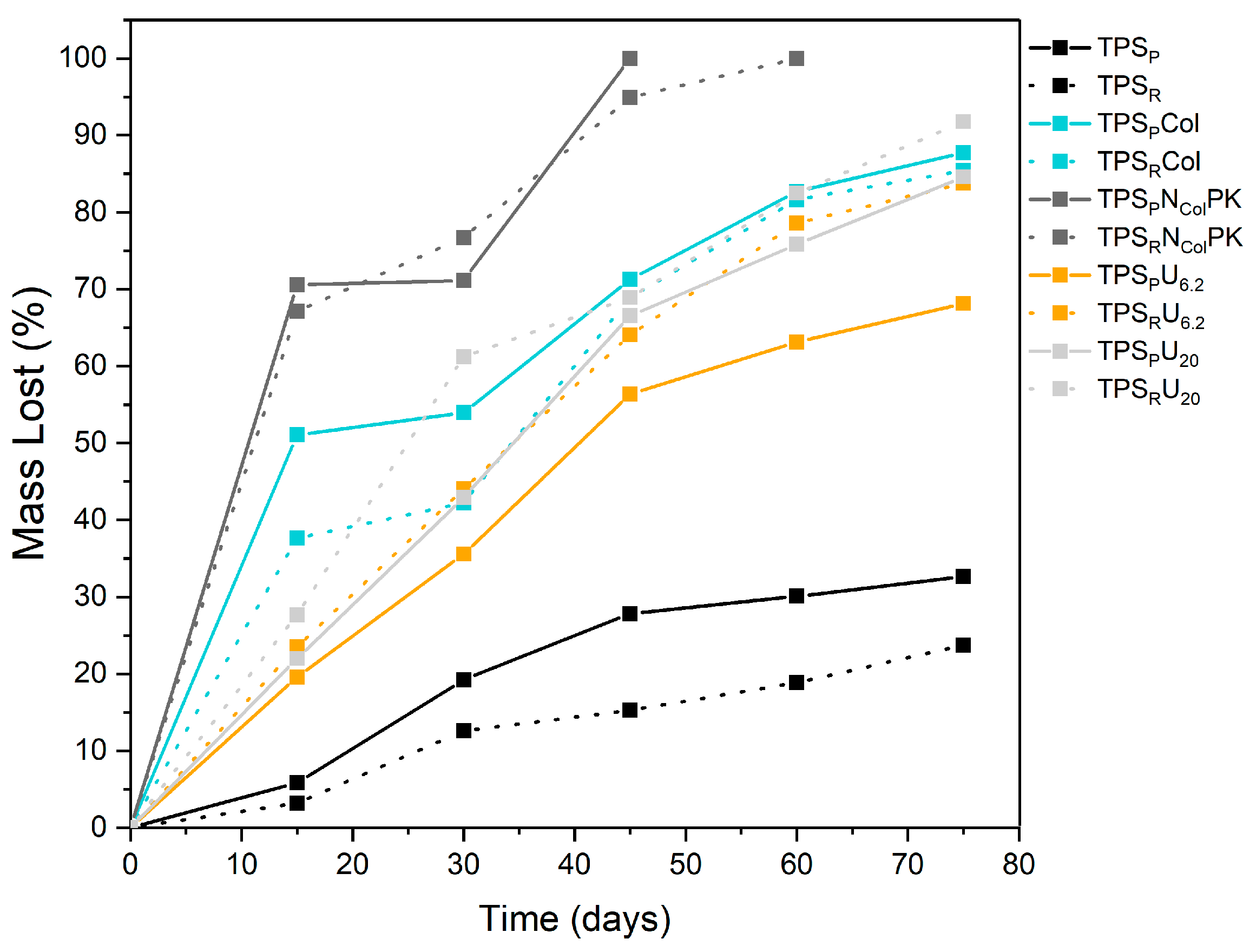
Figure 5 illustrates the biodegradation trend of the developed polymeric systems, with the corresponding values presented in Table 3. The biodegradability assessment of the polymeric materials in soil was conducted by analyzing the mass loss of the systems buried in the soil.
Figure 5.
Mass Loss Graph of Controlled Release Polymeric Systems Over Time.
Table 3.
Mass loss percentage (%) of the polymeric materials.
The results indicate that adding citric acid to the starch matrix slows down the degradation of the polymeric systems. It was observed that TPSP degraded at a mass loss rate approximately 10% higher compared to TPSR. Similarly, the collagen-based systems with the addition of citric acid, TPSRCol, and TPSRNColPK, exhibited slower degradation, with a lower percentage of mass loss over time compared to the TPSPCol and TPSPNColPK systems, which did not contain the compound. Adding carboxylic acid to the starch matrix did not slow down the degradation rate for the systems incorporating urea. It was observed that TPSRU6.2 and TPSRU20 degraded faster than TPSPU6.2 and TPSPU20. These results align with the FTIR characterization data, indicating that urea interferes with the esterification reaction.
The biodegradation rate of the proposed TPS system containing collagen, without citric acid (≈80% in 60 days), demonstrates notable performance compared to other starch-based controlled release systems. Versino et al. [18] reported that cassava starch films incorporated with urea degraded by approximately 57% in just 15 days, releasing up to 95% of the nutrient, indicating rapid degradation, which may be unsuitable for applications requiring prolonged release. In contrast, coatings composed of modified starch and ethyl cellulose have demonstrated a more controlled nitrogen release, primarily due to the reduced permeability and enhanced barrier properties of the hybrid films. However, these systems generally exhibit lower overall biodegradation within short timeframes, reflecting the limited degradability of ethyl cellulose compared to starch-based matrices [17]. More recent studies, such as that of Behera et al. [41], have demonstrated that TPS composites reinforced with natural fibers, including water hyacinth, reach approximately 65.1% degradation in 60 days, suggesting that lignocellulosic reinforcements may slow down the biodegradation process. Other recent work, such as that of Mu et al. [29], has also demonstrated the potential of formulations based on starch and inorganic components, including biochar and hydrotalcite, for controlled nutrient release. However, despite their promising results in improving nutrient retention and water-holding capacity, these systems generally lack quantitative data on polymer matrix degradation over extended periods. Therefore, the system developed in this study stands out for combining high biodegradability within an intermediate timeframe with agronomic functionality, representing a promising solution from both environmental and sustainability perspectives.
The incorporation of K2HPO4 into the polymeric matrix, despite increasing the material’s crystallinity, also increased the degradation percentage. This occurs because the incorporated salt raises the hydrophilicity of the polymeric material, facilitating the fragmentation of its structure and, consequently, its degradation. It was observed that TPSPNColPK and TPSRNColPK degraded more rapidly compared to the other systems, as these materials exhibited high hydrophilicity.
The crystallinity index and hydrophilicity of the TPS-based systems were found to play a decisive role in their degradation behavior. A reduction in crystallinity was observed when collagen or urea was incorporated into the starch matrix (e.g., from 6.23% in pure TPS to 3.84% in TPS–collagen and 2.84% in TPS–urea), which is consistent with a more amorphous structure and higher susceptibility to microbial and hydrolytic attack. In parallel, the decrease in contact angle values upon addition of collagen and K2HPO4 indicates increased hydrophilicity, which favors water uptake and accelerates structural breakdown. These combined structural modifications explain the higher mass loss percentages observed in the biodegradability tests and reinforce the mechanistic understanding that lower crystallinity and greater hydrophilicity directly promote faster degradation of the polymeric systems.
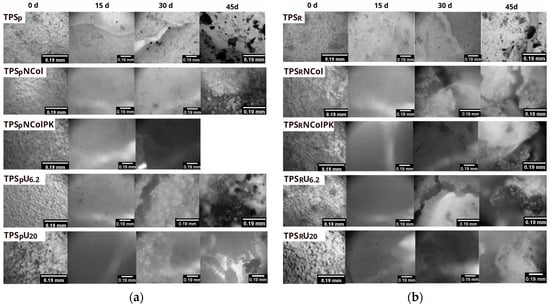
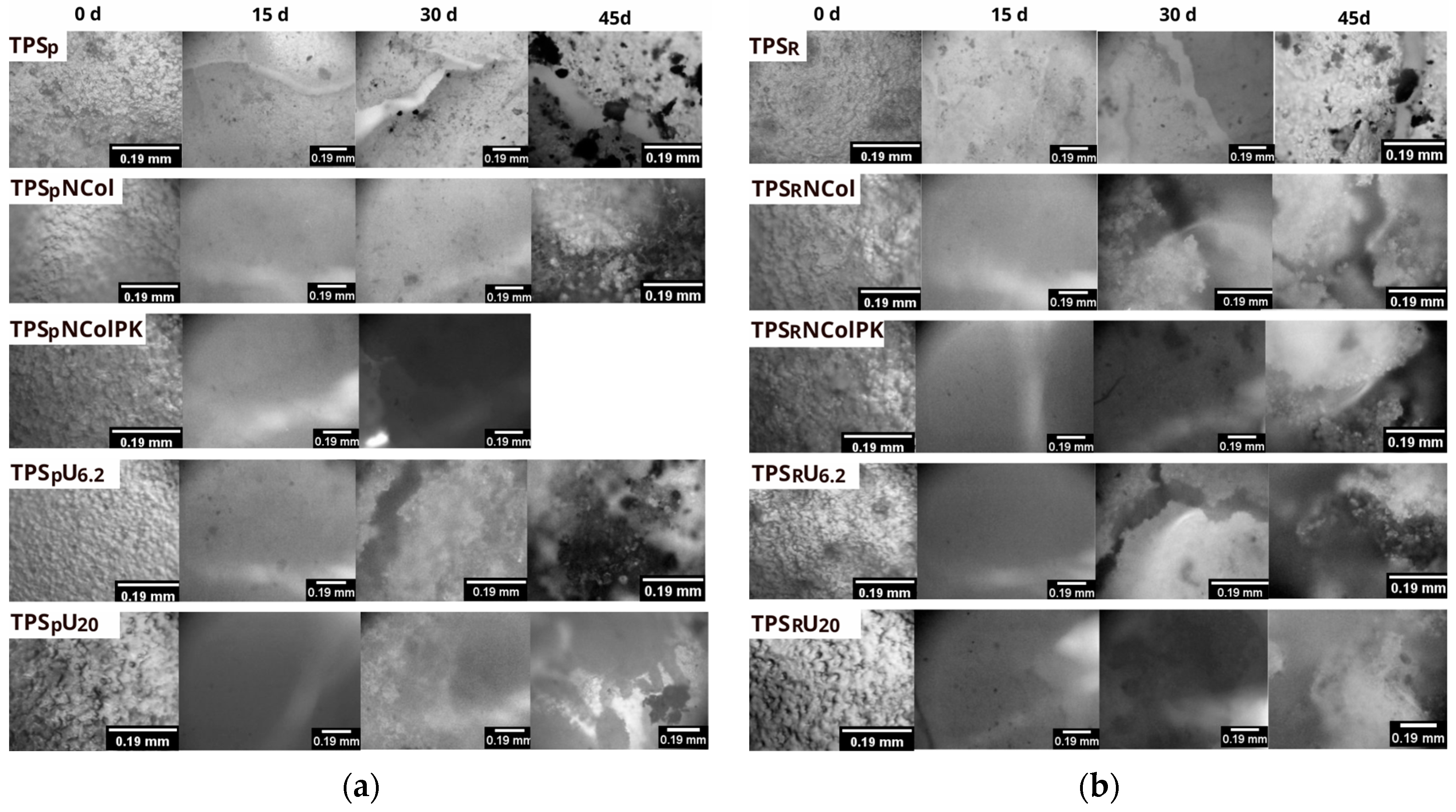
Figure 6 shows the optical microscopy images used to monitor the appearance of the films during the biodegradation assessment of the polymeric systems in soil, taken before burial and after the 1st removal (15 days), 2nd removal (30 days), and 3rd removal (45 days), respectively.
Figure 6.
Optical microscopy images of the polymeric matrix and the materials developed with nutrient incorporation: (a) Without citric acid and (b) With citric acid, before burial and after 15, 30, and 45 days. At 0 days, the surfaces appeared rough and homogeneous. After 15 days, surface erosion was observed; at 30 days, fissures and cracks became evident; and at 45 days, advanced surface deterioration confirmed the progression of the biodegradation process.
In the image of the polymeric systems before burial (0 days), all surfaces appeared rough, with a uniform texture across the entire surface. After the first removal (15 days), the systems exhibited surface erosion, with a smoother appearance. At the second removal (30 days), cracked areas and increased surface degradation were observed, particularly in the TPSR, TPSP, TPSPU6.2, TPSRU6.2, and TPSRNCol systems, which showed more prominent fissures, as displayed in the images. By the third removal (45 days), the TPSPNColPK system had completely degraded, while the other systems continued to show further progress in the degradation process, with an increase in cracks and surface deterioration. The presence of cracks and changes in surface texture are essential visual indicators in the degradation process. Since degradation involves the cleavage of polymer chains, it results in structural and physical alterations. FTIR analysis also helped confirm these structural changes, as shown in Figure A1. The images depict the progression of cracks formed throughout the analysis as the system degrades. Overall, the biodegradation of the polymeric systems was evident over the 45-day analysis period, with variations in degradation rates among the different types of systems.
3.3. Evaluation of Seedling Development
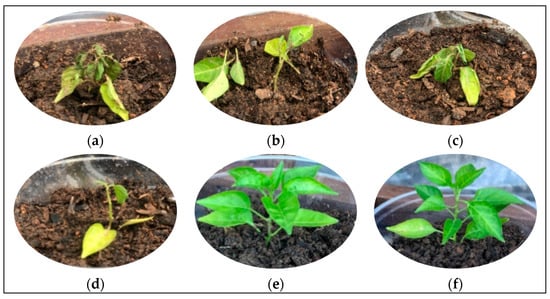
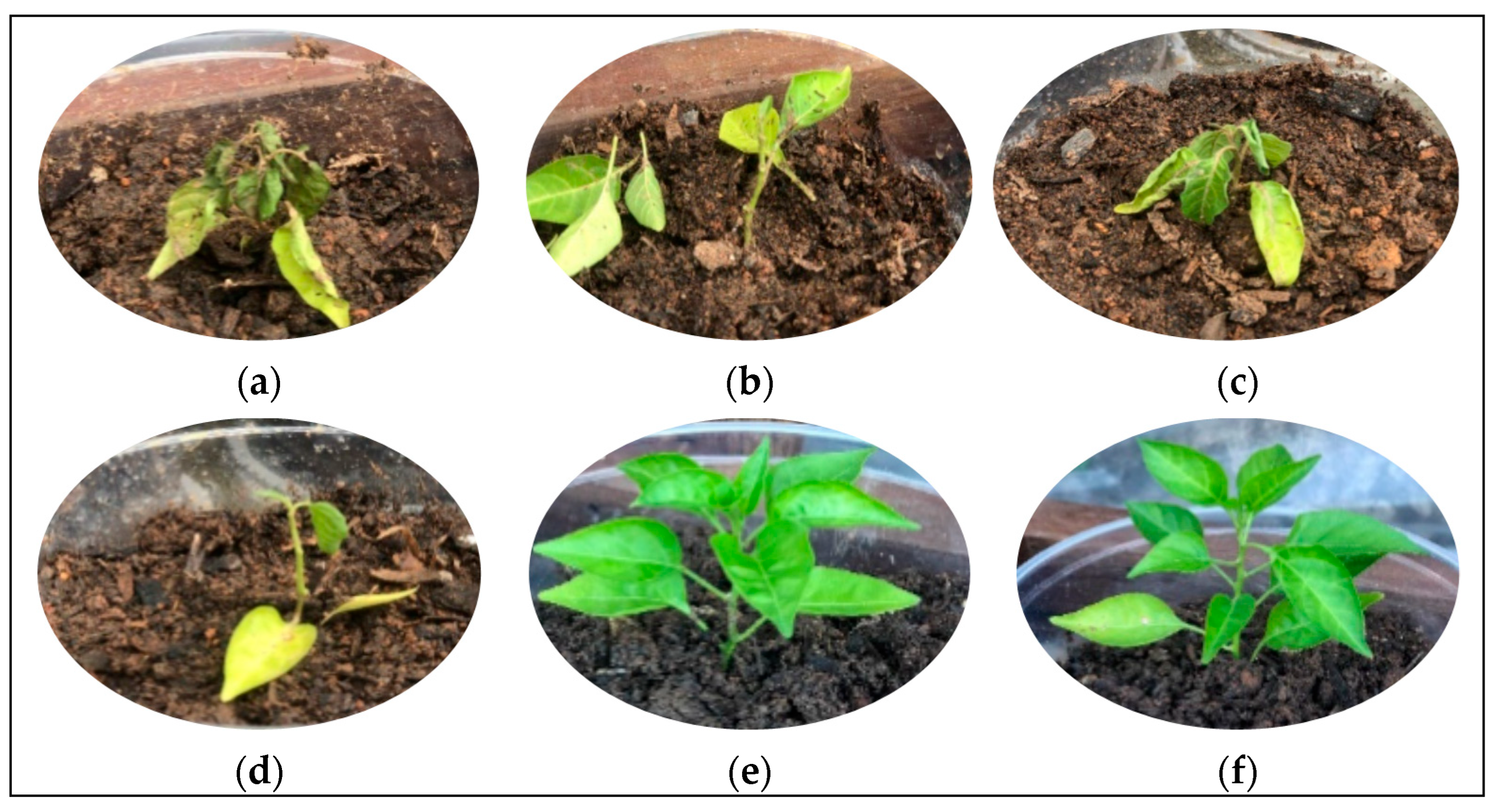
A In this study, the growth of chili pepper seedlings was analyzed in containers with the developed polymeric systems and pure urea as nutrient sources. The seedlings had a height of 4.5 ± 0.5 cm on the day of planting. Figure 7 presents photographs of the pepper seedlings planted in soil under different conditions: in soil containing 0.3 g and 5.0 g of urea, equivalent to 0.22% and 0.75% nitrogen, respectively, after 4 and 2 days of planting; in soil containing the polymeric systems TPSPU20 and TPSRU20, after 5 days of planting; and in soil containing TPSPU6.2 and TPSRU6.2, after 15 days of planting.
Figure 7.
Photographs of pepper seedlings planted in soil containing: (a) 5 g of pure urea after 2 days of planting; (b) TPSPU20 and (c) TPSRU20 after 5 days of planting; (d) 0.30 g of pure urea after 4 days of planting; (e) TPSPU6.2 and (f) TPSRU6.2 after 15 days of planting.
It was observed that seedlings planted in soil containing 5 g of pure urea did not withstand the nutrient concentration released into the soil and died after 2 days of planting (Figure 7a). In soils with the same nitrogen content but incorporated into the TPSPU20 and TPSRU20 systems, the seedlings also did not survive, exhibiting wilting, leaf loss, and weakening after 5 days of planting (Figure 7b,c), ultimately leading to their demise. Seedlings planted in soil containing 0.30 g of pure urea weakened after 4 days of planting, exhibiting leaf drop (Figure 7d). The amount of nitrogen released in this case is equivalent to that in the TPSPU6.2 and TPSRU6.2 polymeric systems. However, seedlings planted in soil containing TPSPU6.2 and TPSRU6.2 showed good growth after 15 days of planting (Figure 7e,f). The death of the seedlings planted in soil containing pure urea occurred mainly due to the high nitrogen content in urea, approximately 45%. The immediate release of this nutrient in high concentrations can be toxic to plants. When urea is incorporated into polymeric systems, the matrix slows the release of nitrogen. However, in the TPSPU20 and TPSRU20 systems, the nutrient was still released at a high concentration, which was likely excessive for the plants’ developmental stage. In contrast, the TPSPU6.2 and TPSRU6.2 systems provided a more controlled nitrogen release, allowing for healthy seedling development.
Additionally, it was observed that the seedlings planted in soil containing the TPSRU6.2 system developed more than those in soil with TPSPU6.2. This finding aligns with the biodegradation test data, as the TPSRU6.2 polymeric system exhibited a higher percentage of mass loss, indicating greater degradation and increased nutrient release. After the 15-day experimental period following planting, the heights of the seedlings, corresponding to the polymeric system incorporated into the soil, are presented in Table 4. TPSPU20 and TPSRU20 were excluded from the table due to seedling mortality observed after 5 days of planting. The rapid release of nitrogen from these formulations led to toxic concentrations in the soil, preventing seedling development. Based on the obtained results, it was observed that seedlings planted without incorporating polymeric systems and with pure matrices (TPSP and TPSR) did not exhibit significant growth after 15 days of planting. In contrast, seedlings grown in soil containing the polymeric systems TPSPCol, TPSRCol, TPSPNColPK, TPSRNColPK, TPSPU6.2, and TPSRU6.2 exhibited good growth, accompanied by significant leaf development.
Table 4.
Height measurements of chili pepper seedlings 15 days after planting.
In terms of nitrogen availability, the incorporation of 20 wt% collagen into the TPS matrix corresponds to ~2.8% N, a value equivalent to that obtained with 6.2 wt% urea. In contrast, the system with 20 wt% urea provides ~9.0% N. This difference in nitrogen content explains the distinct agronomic outcomes: formulations with ~2.8% N (collagen or low urea) supported healthy seedling growth. In contrast, the higher nitrogen availability in the 20 wt% urea system led to toxicity and seedling mortality.
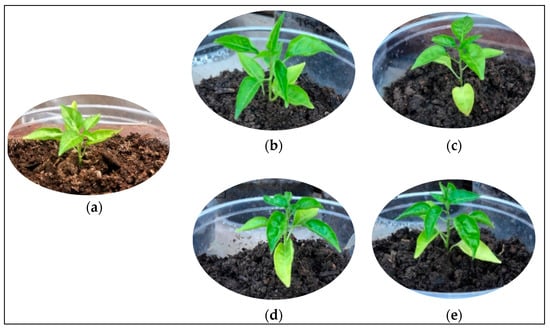
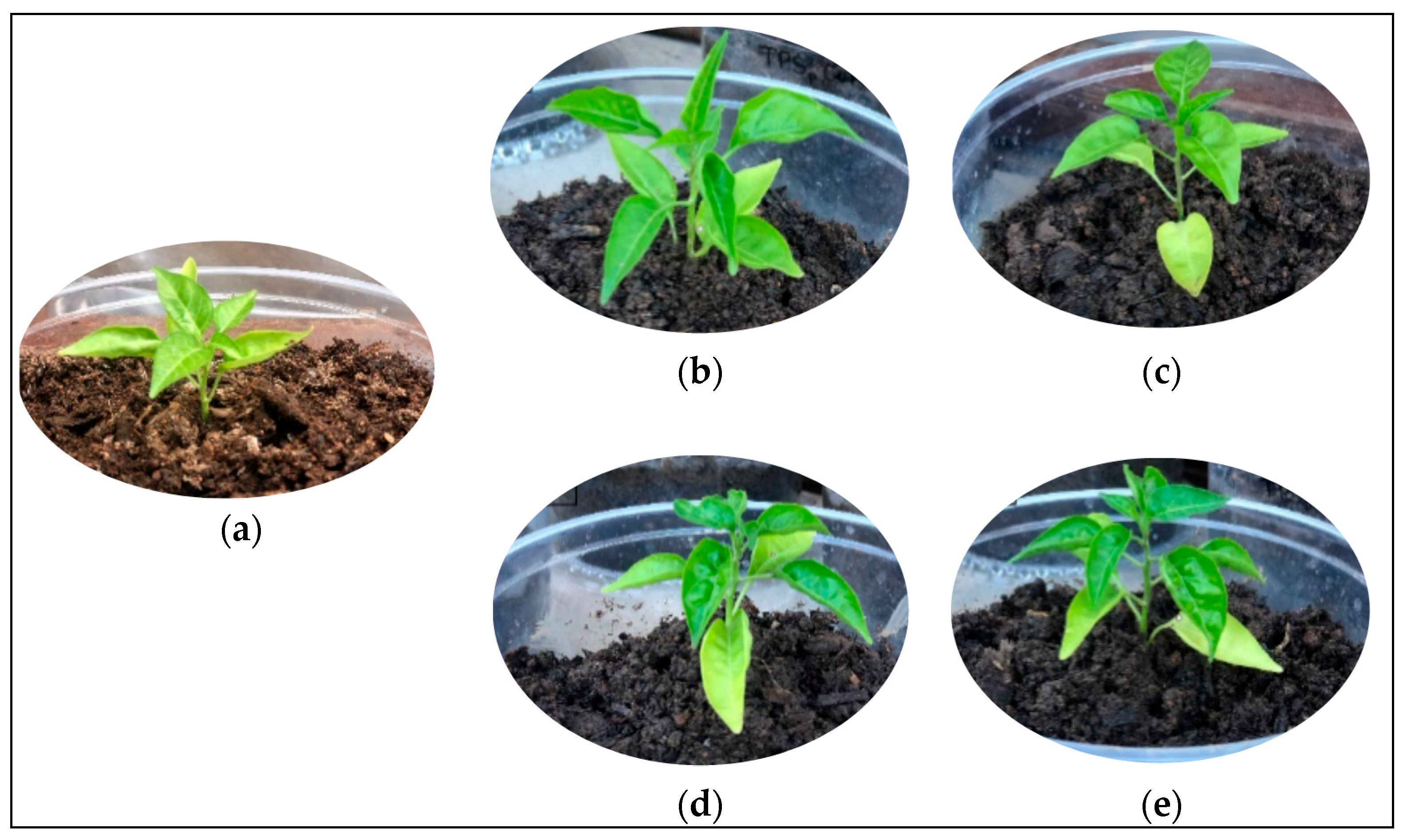
Figure 8 presents photographic records of seedlings planted in soil without polymeric systems and in soil containing the TPSPCol, TPSRCol, TPSPNColPK, and TPSRNColPK systems after 45 days of cultivation. After 45 days of planting, it was observed that the seedlings planted in soil containing the polymeric system with collagen as a nitrogen source showed better growth compared to those planted in soil without the polymeric system. Developing seedlings in soil containing TPSPNColPK and TPSRNColPK were not visually distinct from those planted in soil containing TPSPCol and TPSRCol. One hypothesis is that, at this stage of development, the plant may not require phosphorus and potassium, or the amount of these nutrients released into the soil was below the dosage needed for the plant. Seedlings exhibit specific nutritional requirements. Approximately 45 days after sowing, chili pepper seedlings are still in the vegetative stage, during which nitrogen is the most critical macronutrient, and is readily supplied by collagen. In contrast, phosphorus and potassium tend to play more significant roles in later developmental stages, such as flowering, fruit set, and fruit maturation. Additionally, collagen may have contributed not only as a nitrogen source but also by improving soil conditions, such as enhancing moisture retention and stimulating root development, factors that are beneficial for early growth. From a physiological perspective, it is therefore plausible that the nutrient input provided by collagen alone was sufficient to meet the plant’s needs at this stage, resulting in growth performance comparable to treatments supplemented with P and K.
Figure 8.
Photographs of pepper seedlings planted in soil after 45 days of cultivation: (a) without a polymeric system; (b) TPSPCol; (c) TPSRCol; (d) TPSPNColPK, and (e) TPSRNColPK.
When compared to commercial and experimental systems, such as those coated with ethylcellulose or lignin–PVA blends [7,17], the TPS-collagen matrix offers a competitive advantage by combining complete biodegradability, reduced environmental impact, and the use of low-cost agricultural and industrial residues, all while maintaining nutrient availability. Additionally, the incorporation of collagen not only serves as a sustainable nitrogen source but also enhances the system’s hydrophilicity and degradation profile. Such dual functionality is not commonly addressed in traditional CRF formulations, adding novelty and applicability to the system proposed in this study. These results reinforce the potential of the TPS-based systems developed here as sustainable alternatives for controlled nutrient delivery in agriculture.
The slow-release mechanism in the developed polymeric systems is mainly governed by two factors: (i) the physical barrier effect of the polymer matrix, which controls the diffusion of nutrients into the medium, and (ii) the chemical interactions between the polymer chains and the nutrient source (e.g., hydrogen bonding), which retard their immediate dissolution into the medium. Additionally, the gradual degradation of the starch-based matrix in contact with water contributes to the sustained release of the active compound. These processes occur simultaneously and synergistically, where the diffusion rate of nutrients can be adjusted by modifying the density of the polymeric matrix and the degree of chemical crosslinking of the material. The polymer composition, including the presence of specific functional groups, directly influences the affinity for nutrient molecules, enabling control over the release rate according to the needs of the target system. Therefore, the release profile results from the combined effect of diffusion and matrix degradation, which the polymer composition and the type of nutrient incorporated can modulate.
4. Conclusions
The results demonstrated that modifying the starch matrix and incorporating nutrients led to changes to the structure and physicochemical properties of the developed materials. Alterations in crystallinity and hydrophilicity were identified, which affect the biodegradation rate and, consequently, nutrient release since these parameters influence the degradation of a polymeric material. Evaluating the development of chili pepper seedlings in soils containing the developed polymeric systems confirmed that the TPS matrix provided controlled nutrient release.
Incorporating collagen into the starch matrix resulted in a decrease in crystallinity and an increase in hydrophilicity, thereby enhancing the biodegradation rate of the polymeric system. Collagen proved an effective organic nitrogen source, enabling better plant growth and development than urea, particularly at higher concentrations. Given the consistent agronomic benefits and lower risk of toxicity, future formulations should prioritize collagen over urea as the primary organic nitrogen source in biodegradable controlled-release systems.
Author Contributions
Conceptualization, P.S.d.O.P. and L.C.A.O.; methodology, M.L.S.C.; formal analysis, M.L.S.C.; investigation, M.L.S.C.; resources, M.L.S.C.; data curation, M.L.S.C. and I.A.d.S.M.; writing—original draft preparation, P.S.d.O.P. and I.A.d.S.M.; writing—review and editing, P.P.S. and L.C.A.O.; project administration, P.S.d.O.P.; funding acquisition. All authors have read and agreed to the published version of the manuscript.
Funding
This research received no external funding.
Data Availability Statement
The original contributions presented in this study are included in the article. Further inquiries can be directed to the corresponding author.
Acknowledgments
The authors acknowledge CNPq (313128/2022-7) and FAPEMIG (APQ-05276-23).
Conflicts of Interest
The authors declare no conflicts of interest.
Abbreviations
The following abbreviations are used in this manuscript:
| TPS | Thermoplastic starch |
| NPK | Nitrogen, Phosphorus, and Potassium |
| CRF | Controlled-release fertilizers |
| FTIR | Fourier-transform infrared spectroscopy |
| XRD | X-ray diffraction |
Appendix A
The FTIR spectra are shown in Figure A1. show structural alterations of the materials during the biodegradation test. These spectra reveal changes in the structures of the polymeric systems, indicating the cleavage of chemical bonds throughout the biodegradation process.
Figure A1.
FTIR spectra of samples after the biodegradability test.
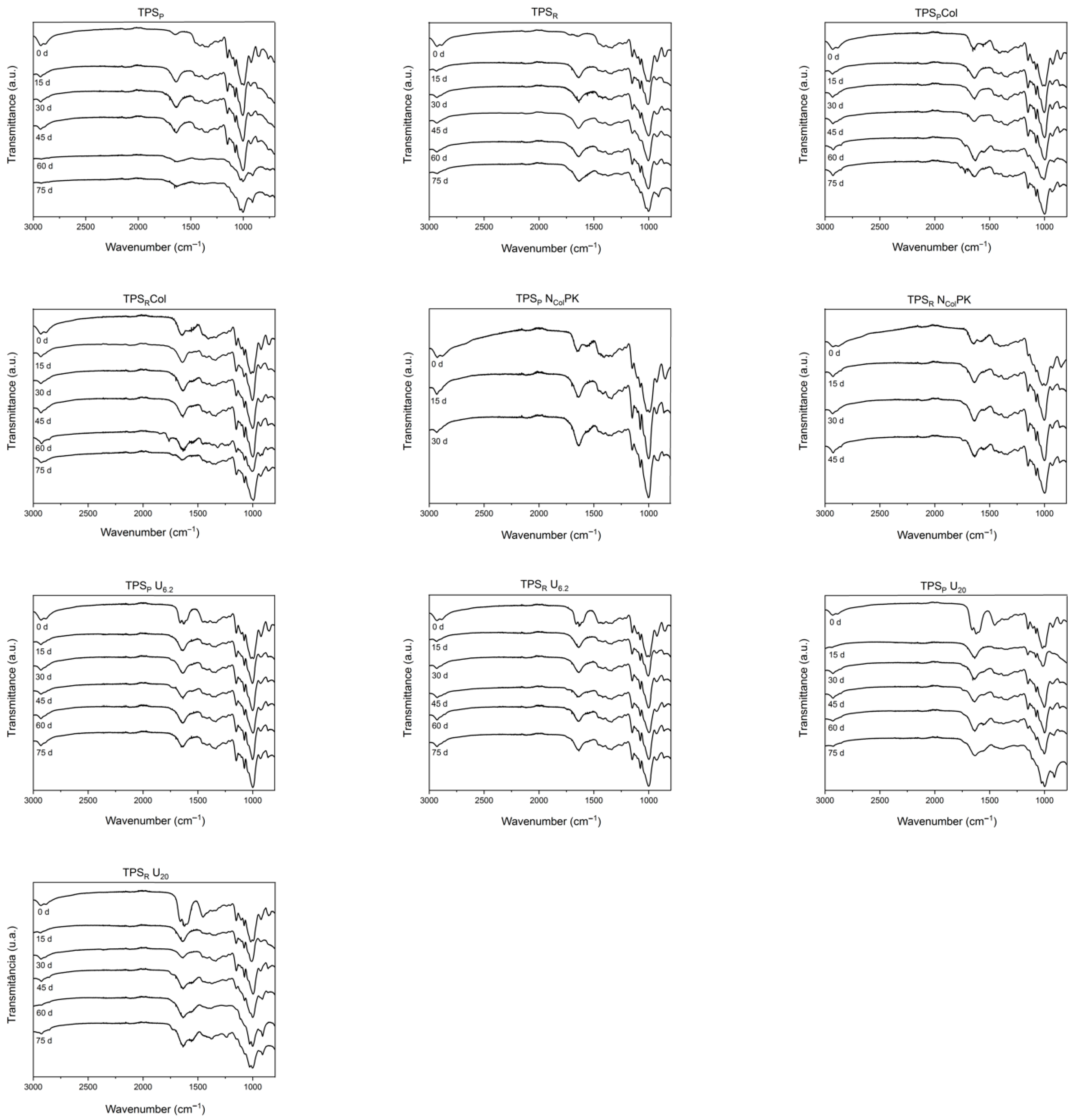
In the spectra monitoring the biodegradation of the polymeric systems, a reduction in the absorption bands at 2929 cm−1 and 2885 cm−1, corresponding to the symmetric and asymmetric stretching of C-H bonds (νC-H), was observed over the analysis period. Additionally, an increase in the band intensity at 1644 cm−1, related to the angular deformation of the hydroxyl group (νO-H), was noted, attributed to water absorption by the materials. Furthermore, changes were observed in the absorption bands at 1410 cm−1 and 1344 cm−1, corresponding to the angular deformation of C-H bonds (νC-H). Modifications were also detected in the set of bands between 1000 and 1149 cm−1, related to C-O stretching (νC-O), and a decrease in the band at 924 cm−1, attributed to the vibrational mode of α-1,4 glycosidic bonds.
In the spectra of the materials incorporating urea, changes were observed in the absorption bands corresponding to the stretching of the amide C=O group (νC=O). The angular deformation of the N-H bond (δN-H) was observed at 1661 cm−1 and 1626 cm−1, along with a decrease in the absorption band related to C-N stretching at 1456 cm−1.
The ash and moisture contents were calculated using thermal analysis. The TGA was performed using a Shimadzu DTG-60H instrument under the following conditions: nitrogen as the purge gas, with a flow rate of 50 mL min−1, a heating rate of 10 °C min−1, an initial temperature of room temperature, and a final temperature of 600 °C. The results were processed using the Origin software to plot the TGA curve and to evaluate the compound’s thermal stability.
The results show that the moisture content of the starch–collagen polymeric systems ranged from approximately 3 to 9%, reflecting the influence of the matrix composition and the presence of collagen, which tends to retain more water due to its hydrophilic character, as demonstrated in Table A1.
Table A1.
Moisture and Ash content of Starch–Collagen polymeric systems obtained from Thermal Analysis.
In contrast, the ash content showed wide variation depending on the formulation. Samples containing collagen and mineral nutrients (N, P, K) exhibited significantly higher values due to the presence of inorganic residue. Conversely, pure TPS matrices and urea-containing systems showed low ash levels, consistent with their predominantly organic composition. These findings confirm that thermogravimetric analysis (TGA) is a reliable method for simultaneously determining these parameters, which are relevant for assessing the stability, composition, and potential agronomic contribution of the materials.
References
- Himmah, N.I.F.; Djajakirana, G.; Darmawan, D. Nutrient Release Performance of Starch Coated NPK Fertilizers and Their Effects on Corn Growth. Sains Tanah J. Soil. Sci. Agroclimatol. 2018, 15, 2. [Google Scholar] [CrossRef] [Scilit]
- Bi, S.; Barinelli, V.; Sobkowicz, M.J. Degradable controlled release fertilizer composite prepared via extrusion: Fabrication, characterization, and release mechanisms. Polymers 2020, 12, 301. [Google Scholar] [CrossRef] [Scilit]
- Vejan, P.; Khadiran, T.; Abdullah, R.; Ahmad, N. Controlled release fertilizer: A review on developments, applications and potential in agriculture. J. Control. Release 2021, 339, 321–334. [Google Scholar] [CrossRef] [Scilit]
- Davidson, D.; Gu, F.X. Materials for Sustained and Controlled Release of Nutrients and Molecules to Support Plant Growth. J. Agric. Food Chem. 2012, 60, 870–876. [Google Scholar] [CrossRef] [Scilit]
- Gutiérrez, T.J.; Valencia, G.A. Reactive extrusion-processed native and phosphated starch-based food packaging films governed by the hierarchical structure. Int. J. Biol. Macromol. 2021, 172, 439–451. [Google Scholar] [CrossRef] [Scilit]
- Kalita, A.; Elayarajan, M.; Janaki, P.; Suganya, S.; Sankari, A.; Parameswari, E. Organo-monomers coated slow-release fertilizers: Current understanding and prospects. Int. J. Biol. Macromol. 2024, 274, 133320. [Google Scholar] [CrossRef] [Scilit]
- dos Santos, A.C.S.; Henrique, H.M.; Cardoso, V.L.; Reis, M.H.M. Slow release fertilizer prepared with lignin and poly(vinyl acetate) bioblend. Int. J. Biol. Macromol. 2021, 185, 543–550. [Google Scholar] [CrossRef] [Scilit]
- Kavitha, R.; Latifah, O.; Ahmed, O.H.; Charles, P.W.; Susilawati, K. Potential of Rejected Sago Starch as a Coating Material for Urea Encapsulation. Polymers 2023, 15, 1863. [Google Scholar] [CrossRef] [Scilit]
- Scaffaro, R.; Citarrella, M.C.; Gulino, E.F. Opuntia Ficus Indica based green composites for NPK fertilizer controlled release produced by compression molding and fused deposition modeling. Compos. Part A Appl. Sci. Manuf. 2022, 159, 107030. [Google Scholar] [CrossRef] [Scilit]
- Andrade, A.B.; Guelfi, D.R.; Chagas, W.F.T.; Cancellier, E.L.; de Souza, T.L.; Oliveira, L.S.S.; Faquin, V.; Du, C. Fertilizing maize croppings with blends of slow/controlled-release and conventional nitrogen fertilizers. J. Plant Nutr. Soil. Sci. 2021, 184, 227–237. [Google Scholar] [CrossRef] [Scilit]
- Jariwala, H.; Santos, R.M.; Lauzon, J.D.; Dutta, A.; Wai Chiang, Y. Controlled release fertilizers (CRFs) for climate-smart agriculture practices: A comprehensive review on release mechanism, materials, methods of preparation, and effect on environmental parameters. Environ. Sci. Pollut. Res. 2022, 29, 53967–53995. [Google Scholar] [CrossRef] [Scilit]
- Lawrencia, D.; Wong, S.K.; Low, D.Y.S.; Goh, B.H.; Goh, J.K.; Ruktanonchai, U.R.; Soottitantawat, A.; Lee, L.H.; Tang, S.Y. Controlled release fertilizers: A review on coating materials and mechanism of release. Plants 2021, 10, 238. [Google Scholar] [CrossRef] [Scilit]
- Gundlapalli, M.; Ganesan, S. Polyhydroxyalkanoates (PHAs): Key Challenges in production and sustainable strategies for cost reduction within a circular economy framework. Results Eng. 2025, 26, 105345. [Google Scholar] [CrossRef] [Scilit]
- Patricio, P.S.d.O.; de Souza, P.P.; Do Couto, M.L.S.; Coura, Í.R. The Polymeric Carbohydrate: Starch—Extraction and Modifications. In Handbook of Biomass; Springer Nature: Singapore, 2024; pp. 775–807. [Google Scholar] [CrossRef] [Scilit]
- Gil, C.S.B.; Gil, V.S.B.; Carvalho, S.M.; Silva, G.R.; Magalhães, J.T.; Oréfice, R.L.; Mansur, A.; Mansur, H.S.; Patricio, P.S.O.; Oliveira, L.C.A. Recycled collagen films as biomaterials for controlled drug delivery. New J. Chem. 2016, 40, 8502–8510. [Google Scholar] [CrossRef] [Scilit]
- Mansouri, H.; Ait Said, H.; Noukrati, H.; Oukarroum, A.; Ben Youcef, H.; Perreault, F. Advances in Controlled Release Fertilizers: Cost-Effective Coating Techniques and Smart Stimuli-Responsive Hydrogels. Adv. Sustain. Syst. 2023, 7, 2300149. [Google Scholar] [CrossRef] [Scilit]
- Lubkowski, K.; Smorowska, A.; Sawicka, M.; Wróblewska, E.; Dzienisz, A.; Kowalska, M.; Sadłowski, M. Ethylcellulose as a coating material in controlled-release fertilizers. Pol. J. Chem. Technol. 2019, 21, 52–58. [Google Scholar] [CrossRef] [Scilit]
- Versino, F.; Urriza, M.; García, M.A. Eco-compatible cassava starch films for fertilizer controlled-release. Int. J. Biol. Macromol. 2019, 134, 302–307. [Google Scholar] [CrossRef] [Scilit] [PubMed]
- Perez Bravo, J.J.; François, N.J. Chitosan/Starch Matrices Prepared by Ionotropic Gelation: Rheological Characterization, Swelling Behavior and Potassium Nitrate Release Kinetics. J. Polym. Environ. 2020, 28, 2681–2690. [Google Scholar] [CrossRef] [Scilit]
- Chen, L.; Xie, Z.; Zhuang, X.; Chen, X.; Jing, X. Controlled release of urea encapsulated by starch-g-poly(l-lactide). Carbohydr. Polym. 2008, 72, 342–348. [Google Scholar] [CrossRef] [Scilit]
- Saha, B.K.; Rose, M.T.; Van Zwieten, L.; Wong, V.N.L.; Patti, A.F. Slow Release Brown Coal-Urea Fertilizer Potentially Influences Greenhouse Gas Emissions, Nitrogen Use Efficiency, and Sweet Corn Yield in Oxisol. ACS Agric. Sci. Technol. 2021, 1, 469–478. [Google Scholar] [CrossRef] [Scilit]
- Bergstrand, K.J. Organic fertilizers in greenhouse production systems—A review. Sci. Hortic. 2022, 295, 110855. [Google Scholar] [CrossRef] [Scilit]
- Stefan, D.S.; Zainescu, G.; Manea-Saghin, A.M.; Triantaphyllidou, I.E.; Tzoumani, I.; Tatoulis, T.I.; Syriopoulos, G.T.; Meghea, A. Collagen-based hydrogels composites from hide waste to produce smart fertilizers. Materials 2020, 13, 4396. [Google Scholar] [CrossRef] [Scilit]
- Tzoumani, I.; Lainioti GCh Aletras, A.J.; Zainescu, G.; Stefan, S.; Meghea, A.; Kallitsis, J.K. Modification of Collagen Derivatives with Water-Soluble Polymers for the Development of Cross-Linked Hydrogels for Controlled Release. Materials 2019, 12, 4067. [Google Scholar] [CrossRef] [Scilit] [PubMed]
- Doina Niculescu, M.; Gaidau, C.; Gabriel Epure, D.; Gidea, M. Experimental Observations about Improving the Properties of Collagen Extracts for Applications in Agriculture. Rev. Chim. 2018, 69, 379–385. [Google Scholar] [CrossRef] [Scilit]
- Nogueira, F.G.E.; do Prado, N.T.; Oliveira, L.C.A.; Bastos, A.R.R.; Lopes, J.H.; de Carvalho, J.G. Incorporation of mineral phosphorus and potassium on leather waste (collagen): A new NcollagenPK-fertilizer with slow liberation. J. Hazard. Mater. 2010, 176, 374–380. [Google Scholar] [CrossRef] [Scilit] [PubMed]
- Gu, S.; Zhang, W.; Tan, X.; Wang, P.; Shi, Z.; Lv, J.; Zhao, M.; Dong, G. Preparation and characterization on a dual-layer slow-release urea fertilizer coated using ethyl cellulose and phosphoric acid-carbamate di-esterified starch-based chitosan hydrogel. Carbohydr. Polym. 2025, 368, 124212. [Google Scholar] [CrossRef] [Scilit]
- Tan, X.; Dong, G.; Shi, Z.; Zhang, D.; Liu, D.; Wang, Y.; Li, J.; Wang, P.; Zhang, W. Preparation and characterization of double-coated slow-release urea fertilizer encapsulated with polymethylmethacrylate and sulfonated cellulose derivatives modified sodium alginate hydrogel. Int. J. Biol. Macromol. 2025, 319, 145572. [Google Scholar] [CrossRef] [Scilit]
- Mu, Z.; Zhang, W.; Chai Dfeng Lv, Q.; Tan, X.; Yuan, R.; Dong, G. Preparation and characterization of slow-release urea fertilizer encapsulated by a blend of starch derivative and polyvinyl alcohol with desirable biodegradability and availability. Int. J. Biol. Macromol. 2024, 271, 132693. [Google Scholar] [CrossRef] [Scilit]
- Matusinho, I.A.d.S.; Ramos, T.F.; de Oliveira, J.B.; Pedroso, E.F.; de Souza, P.P.; Patricio, P.S.d.O. Influence of Starch Source on Properties of Blends Based on Thermoplastic Starch and Poly(Butylene-Adipate-Co-Terephthalate). Carbohydr. Polym. Technol. Appl. 2024, 7, 100433. [Google Scholar] [CrossRef] [Scilit]
- Rodrigues, A.P.H.; de Souza, S.D.; Gil, C.S.B.; Pereira, F.V.; de Oliveira, L.C.A.; de Oliveira Patricio, P.S. Biobased nanocomposites based on collagen, cellulose nanocrystals, and plasticizers. J. Appl. Polym. Sci. 2017, 134, 44954. [Google Scholar] [CrossRef] [Scilit]
- Tatongjai, J.; Lumdubwong, N. Physicochemical properties and textile utilization of low- and moderate-substituted carboxymethyl rice starches with various amylose content. Carbohydr. Polym. 2010, 81, 377–384. [Google Scholar] [CrossRef] [Scilit]
- Reis, K.C.; Pereira, J.; Smith, A.C.; Carvalho, C.W.P.; Wellner, N.; Yakimets, I. Characterization of polyhydroxybutyrate-hydroxyvalerate (PHB-HV)/maize starch blend films. J. Food Eng. 2008, 89, 361–369. [Google Scholar] [CrossRef] [Scilit]
- Wang, J.L.; Cheng, F.; Zhu, P.X. Structure and properties of urea-plasticized starch films with different urea contents. Carbohydr. Polym. 2014, 101, 1109–1115. [Google Scholar] [CrossRef] [Scilit]
- Mahieu, A.; Terrié, C.; Agoulon, A.; Leblanc, N.; Youssef, B. Thermoplastic starch and poly(ε-caprolactone) blends: Morphology and mechanical properties as a function of relative humidity. J. Polym. Res. 2013, 20, 229. [Google Scholar] [CrossRef] [Scilit]
- Vedove, T.M.A.R.D.; Maniglia, B.C.; Tadini, C.C. Production of sustainable smart packaging based on cassava starch and anthocyanin by an extrusion process. J. Food Eng. 2021, 289, 110274. [Google Scholar] [CrossRef] [Scilit]
- Gadhave, R.V.; Das, A.; Mahanwar, P.A.; Gadekar, P.T. Starch Based Bio-Plastics: The Future of Sustainable Packaging. Open J. Polym. Chem. 2018, 08, 21–33. [Google Scholar] [CrossRef]
- Shi, R.; Liu, Q.; Ding, T.; Han, Y.; Zhang, L.; Chen, D.; Tian, W. Ageing of soft thermoplastic starch with high glycerol content. J. Appl. Polym. Sci. 2007, 103, 574–586. [Google Scholar] [CrossRef] [Scilit]
- Gamarano, D.d.S.; Pereira, I.M.; da Silva, M.C.; Mottin, A.C.; Ayres, E. Crystal structure transformations in extruded starch plasticized with glycerol and urea. Polym. Bull. 2020, 77, 4971–4992. [Google Scholar] [CrossRef] [Scilit]
- Ma, X.; Yu, J. The effects of plasticizers containing amide groups on the properties of thermoplastic starch. Starch Staerke 2004, 56, 545–551. [Google Scholar] [CrossRef] [Scilit]
- Behera, D.; Pattnaik, S.S.; Patra, S.S.; Barick, A.K.; Pradhan, J.; Behera, A.K. Development and characterization of water hyacinth reinforced thermoplastic starch as sustainable biocomposites. RSC Sustain. 2025, 3, 1807–1818. [Google Scholar] [CrossRef] [Scilit]

Disclaimer/Publisher’s Note: The statements, opinions and data contained in all publications are solely those of the individual author(s) and contributor(s) and not of MDPI and/or the editor(s). MDPI and/or the editor(s) disclaim responsibility for any injury to people or property resulting from any ideas, methods, instructions or products referred to in the content. |
© 2025 by the authors. Licensee MDPI, Basel, Switzerland. This article is an open access article distributed under the terms and conditions of the Creative Commons Attribution (CC BY) license (https://creativecommons.org/licenses/by/4.0/).