1. Introduction
Ectomyelois ceratoniae (Zeller, 1839), commonly known as the date moth or carob moth, is a cosmopolitan pest of major economic importance in date palm (
Phoenix dactylifera L.) production systems across the Mediterranean basin, the Middle East, and sub-Saharan Africa [
1,
2,
3]. Beyond date palms, this species infests a wide range of stored commodities including carobs, almonds, figs, and pomegranates [
4,
5,
6]. Larval development within fruit tissue leads to severe post-harvest losses, reduced market quality, and significant economic damage for producers [
4]. The concealed feeding behavior of larvae inside the fruit makes early detection and targeted chemical control particularly challenging. Conventional control strategies have largely relied on chemical insecticides; however, their intensive use has raised serious concerns regarding environmental contamination, insecticide resistance, and food safety risks [
7,
8,
9].
The Sterile Insect Technique (SIT) has emerged as a sustainable and environmentally friendly alternative for pest management and has been successfully applied to several lepidopteran species [
1,
4,
10]. In integrated pest management programs targeting
Ectomyelois ceratoniae, SIT has been identified as a key component for population suppression [
1]. A major challenge lies in determining irradiation doses that ensure effective sterility while minimizing detrimental effects on insect development and biological quality [
11]. Among Lepidoptera, this balance is particularly difficult to achieve due to the intrinsic radio-resistance of this order: doses sufficient for full sterility frequently cause somatic damage that reduces adult longevity and mating competitiveness [
4,
12]. For
Ectomyelois ceratoniae specifically, it has been demonstrated that 350 Gy is the fully sterilizing dose for males and 300 Gy for females, with fecundity and longevity progressively affected at increasing doses [
1].
Gamma radiation exerts its biological effects primarily through two mechanisms: direct ionization of DNA molecules, leading to strand breaks, base damage, and chromosomal aberrations; and indirect effects mediated by the radiolysis of intracellular water, which generates reactive oxygen species (ROS) capable of oxidizing proteins, lipids, and nucleic acids [
13,
14]. In rapidly dividing tissues such as digestive epithelia, these molecular lesions are particularly severe because DNA repair mechanisms cannot keep pace with the rate of radiation-induced damage. At sublethal doses, partial repair may occur; however, at sterilizing doses, the accumulation of irreparable lesions leads to cell cycle arrest, apoptosis, and ultimately tissue necrosis [
14]. The dose–response relationship is therefore not linear at the tissue level, and identifying histopathological thresholds is critical for understanding the biological consequences of irradiation in the context of SIT.
Among insect organs, the digestive system is particularly radiosensitive due to the high mitotic activity of epithelial stem cells responsible for continuous tissue renewal [
6,
15,
16,
17,
18,
19,
20]. Previous studies in Lepidoptera have reported radiation-induced histopathological alterations in the midgut and Malpighian tubules, including epithelial degeneration and functional disruption [
10,
21]. Similar dose-dependent effects on development, reproduction, and biological performance have been reported in other lepidopteran species, including
Spodoptera litura [
22]. However, detailed histopathological data for
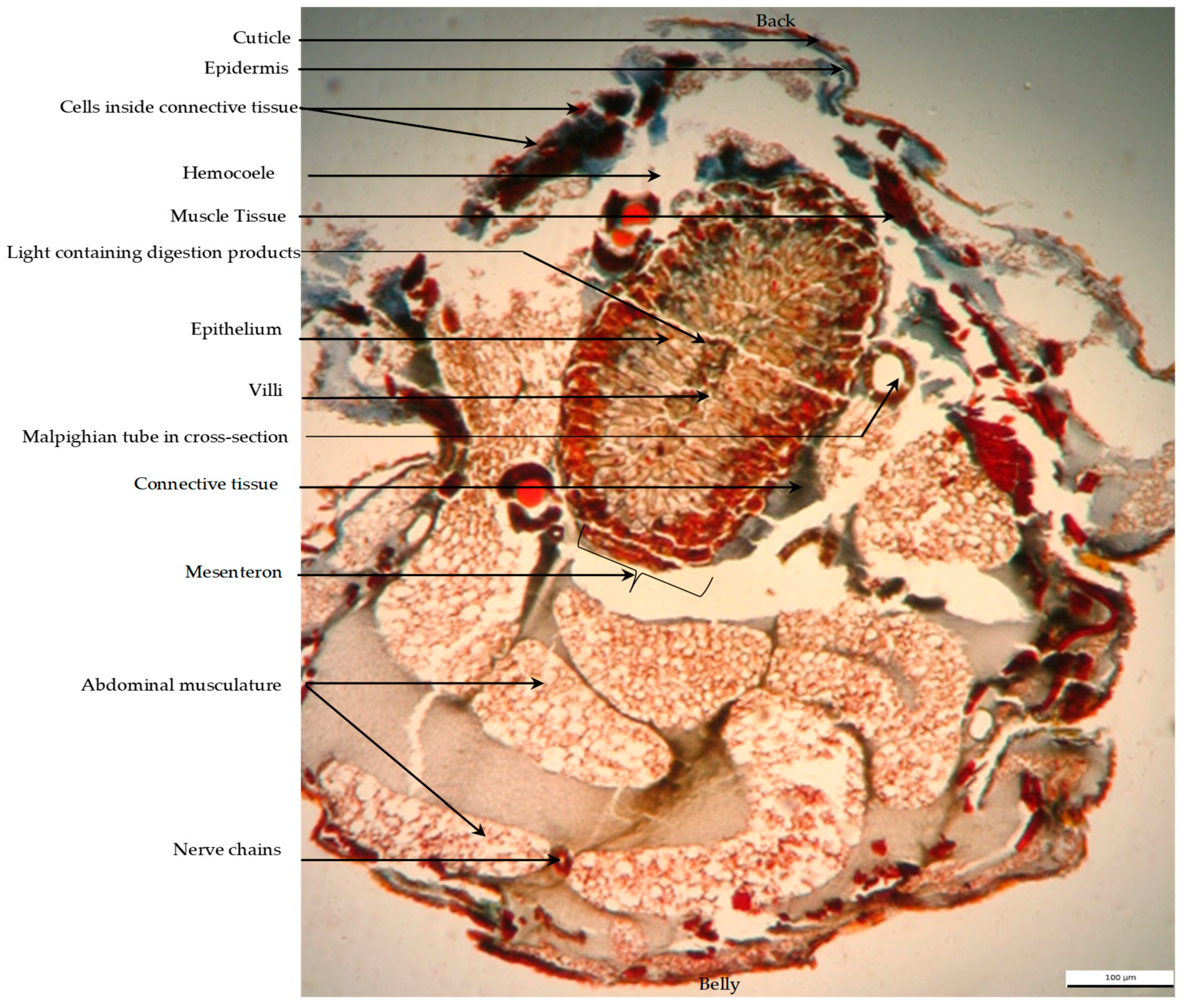
E. ceratoniae remain limited despite its agricultural importance. The larval digestive tract of Lepidoptera consists of the foregut (stomodeum), midgut (mesenteron), and hindgut (proctodeum); Malpighian tubules additionally serve essential roles in excretion and osmoregulation [
2,
18,
23]. Understanding the structural response of these tissues to irradiation is therefore essential for evaluating the physiological impact of sterilization treatments on larval physiology.
To our knowledge, this study provides the first detailed histopathological and quantitative morphometric assessment of gamma irradiation effects on the digestive tissues of fifth-instar larvae of Ectomyelois ceratoniae within the framework of SIT optimization. Rather than defining an “optimal sterilizing dose,” this work aims to characterize dose-dependent tissue damage and identify irradiation thresholds that may be compatible with SIT applications, while highlighting the need for further biological validation at the adult stage.
2. Materials and Methods
2.1. Insect Rearing and Experimental Material
Fifth-instar larvae of Ectomyelois ceratoniae (Zeller, 1839) were used in this study. The insect colony was originally established from individuals collected in date palm orchards in the Biskra region (Algeria) and provided by the National Institute of Agronomic Research (INRA, Biskra, Algeria). Laboratory rearing was carried out at the Faculty of Biological Sciences, University of Science and Technology Houari Boumediene (USTHB, Bab Ezzouar, Algiers, Algeria). Insects were reared on a standardized artificial diet under controlled environmental conditions (25 ± 2 °C, 65 ± 5% RH, and 14:10 h L:D photoperiod). The fifth larval instar was confirmed by head capsule width measurements. Individuals showing signs of disease, lethargy, abnormal coloration, or aberrant behavior were systematically excluded prior to irradiation. Only healthy, actively feeding larvae with homogeneous size and weight were selected. A total of 15 larvae per treatment were used, and each experimental dose was replicated three times.
2.2. Gamma Irradiation Procedure
Larvae were placed individually in standard plastic hemolysis tubes (1.5 mL capacity, CRNA, Algiers, Algeria) and positioned on a rotating turntable (12 rpm, CRNA, Algiers, Algeria) to ensure homogeneous dose distribution. Irradiation was performed using a 60Co gamma irradiator (CRNA, Algiers, Algeria), with samples positioned 60 cm from the radiation source. Larvae were exposed to doses of 250, 300, 350, and 450 Gy at a dose rate of 136 Gy h−1; corresponding exposure times were 1 h 50 min, 2 h 12 min, 2 h 34 min, and 3 h 18 min, respectively. Control larvae were handled identically but received no irradiation. Absorbed dose was determined using Fricke dosimetry, based on the oxidation of Fe2+ to Fe3+, with absorbance measured at 305 nm using a UV–visible spectrophotometer (CRNA, Algiers, Algeria). Dose uniformity ratio (DUR = 1.02) was verified using calibrated alanine dosimeters (CRNA, Algiers, Algeria), confirming the homogeneity of dose delivery.
2.3. Histological Processing
Larvae (
n = 15 per treatment) were collected 24 h post-irradiation. Whole larvae were placed intact, without prior dissection, in tubes containing Bouin’s aqueous fixative and fixed for 24 h at room temperature. Samples were dehydrated through a graded ethanol series (70%, 95%, 100%), cleared in butanol as a transitional solvent, and embedded in paraffin at 60 °C. Serial transverse sections (7 μm thickness) were obtained using a Leitz rotary microtome (Leitz, Wetzlar, Germany). For each individual, a minimum of 5 sections from the midgut region and 5 sections from the hindgut region were selected for analysis, retaining only sections free of artifacts or mechanical damage. Sections were mounted on gelatin-coated slides and stained with Mallory’s trichrome following a standard histological staining protocol [
21].
2.4. Microscopy and Image Acquisition
Slides were examined using a Nikon Eclipse E400 bright-field light microscope (Nikon, Tokyo, Japan) at magnifications ranging from ×40 to ×1000. Images were captured using a Nikon DxM1200 digital camera (Nikon, Tokyo, Japan) mounted on the microscope under standardized and reproducible illumination and exposure settings. For each treatment, at least 10 representative images per tissue type were acquired and analyzed. Image calibration was performed using a Nikon stage micrometer with 1 μm resolution (Nikon, Tokyo, Japan). Image acquisition and morphometric analyses were performed using IageJ software version 1.54 (National Institutes of Health, Bethesda, MD, USA).
2.5. Morphometric and Histopathological Analysis
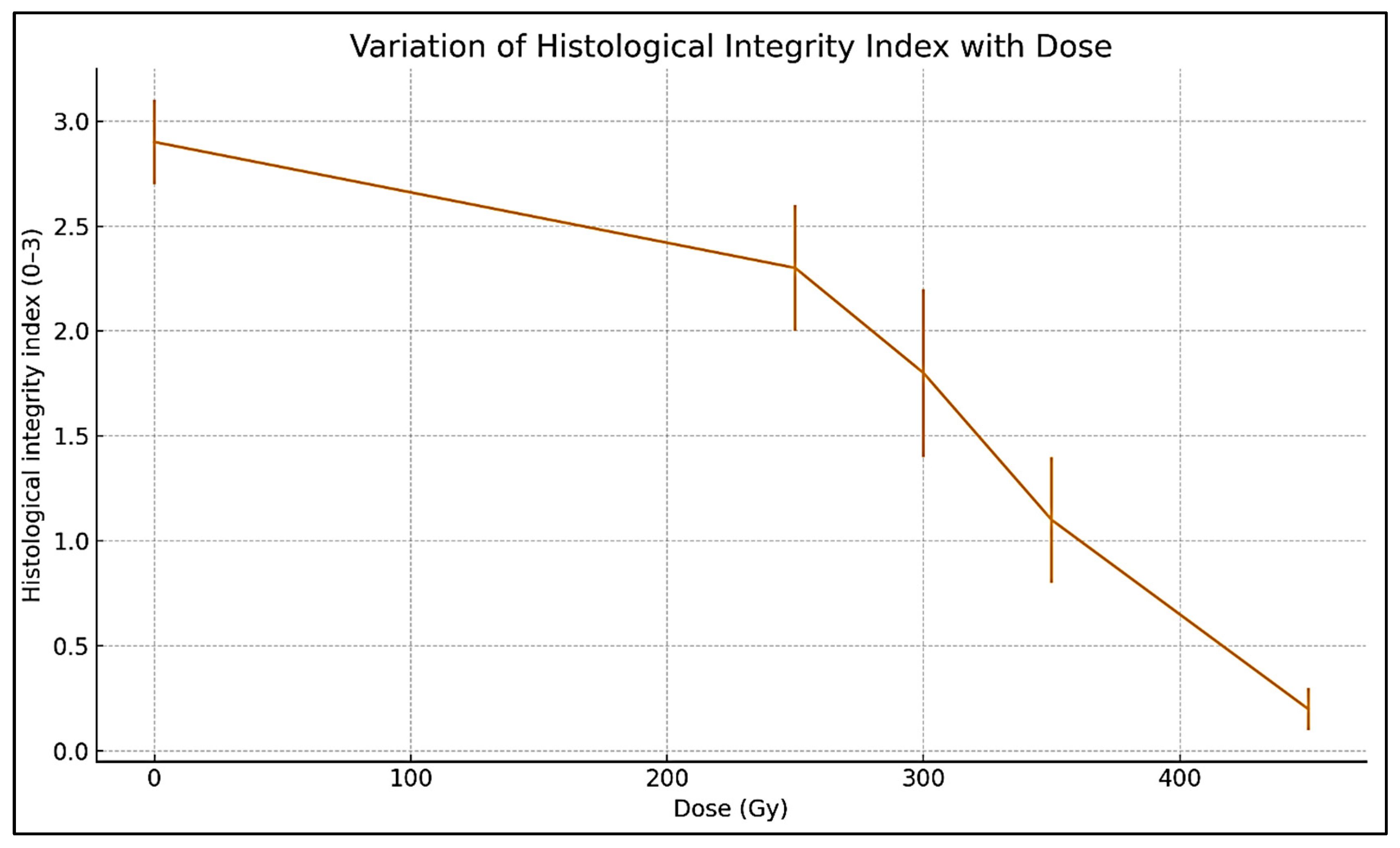
Morphometric measurements were performed on calibrated images. For each larva, the following parameters were quantified: (i) epithelial thickness, measured at 5 randomly selected points per section; (ii) intestinal stem cell density, expressed as the number of regenerative cells per 100 μm of basal epithelium; (iii) Malpighian tubule diameter, measured at 3 independent cross-sections per individual. Histological integrity was scored using a semi-quantitative scale (0–3) defined as follows: 0 = complete tissue destruction with no identifiable epithelial organization; 1 = severe disorganization with more than 50% epithelial loss; 2 = moderate alterations with partial maintenance of cellular architecture; 3 = normal tissue organization with well-defined epithelial layers and intact cell morphology. Scoring was performed independently by two observers in a blinded manner; inter-observer agreement was assessed using Cohen’s kappa coefficient. All measurements were averaged per individual before statistical analysis.
2.6. Statistical Analysis
Data are presented as mean ± standard deviation (SD). Normality of distribution was assessed using the Shapiro–Wilk test prior to parametric analyses. Differences among treatment groups were analyzed using one-way analysis of variance (ANOVA) followed by Tukey’s honestly significant difference (HSD) post hoc test for pairwise comparisons. Statistical analyses were performed using GraphPad Prism version 9.0 (GraphPad Software, San Diego, CA, USA). The significance threshold was set at p < 0.05 for all tests.
2.7. Ethical Statement
This study involved insect material only and did not require ethical approval in accordance with institutional and national guidelines governing research on invertebrates. No vertebrate animals were used at any stage of this study.
2.8. Use of Generative Artificial Intelligence
Generative AI tools were used solely for language refinement and editorial purposes. No AI tools were employed in study design, data collection, analysis, or interpretation.
4. Discussion
This study provides comprehensive evidence of the pronounced radiosensitivity of the digestive tissues of
Ectomyelois ceratoniae larvae to gamma radiation. The observed dose-dependent histopathological alterations are consistent with fundamental principles of radiobiology, particularly the Bergonié Tribondeau law, which states that ionizing radiation preferentially affects highly mitotic and poorly differentiated cells [
14].
4.1. Epithelial Damage and Stem Cell Depletion
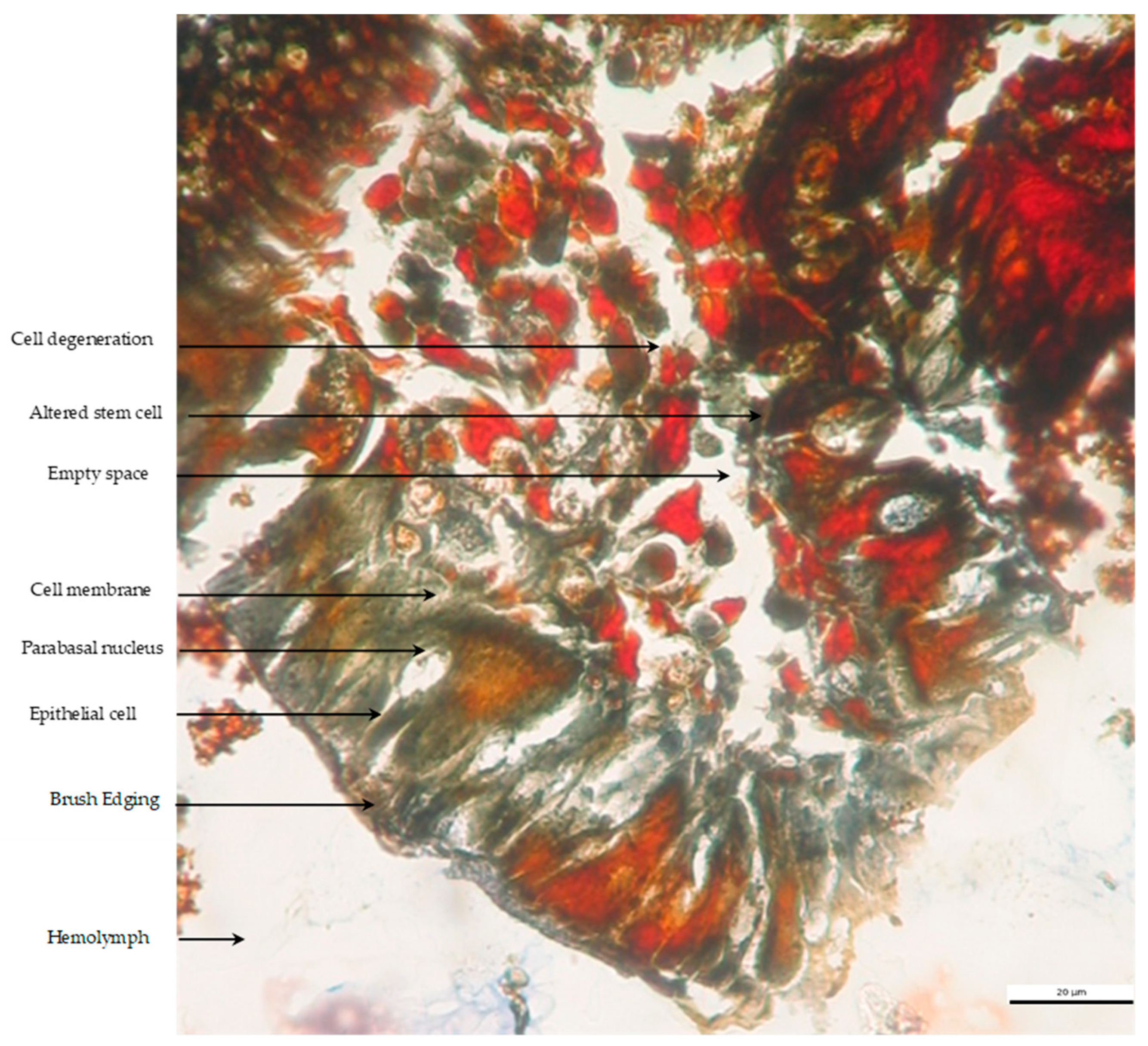
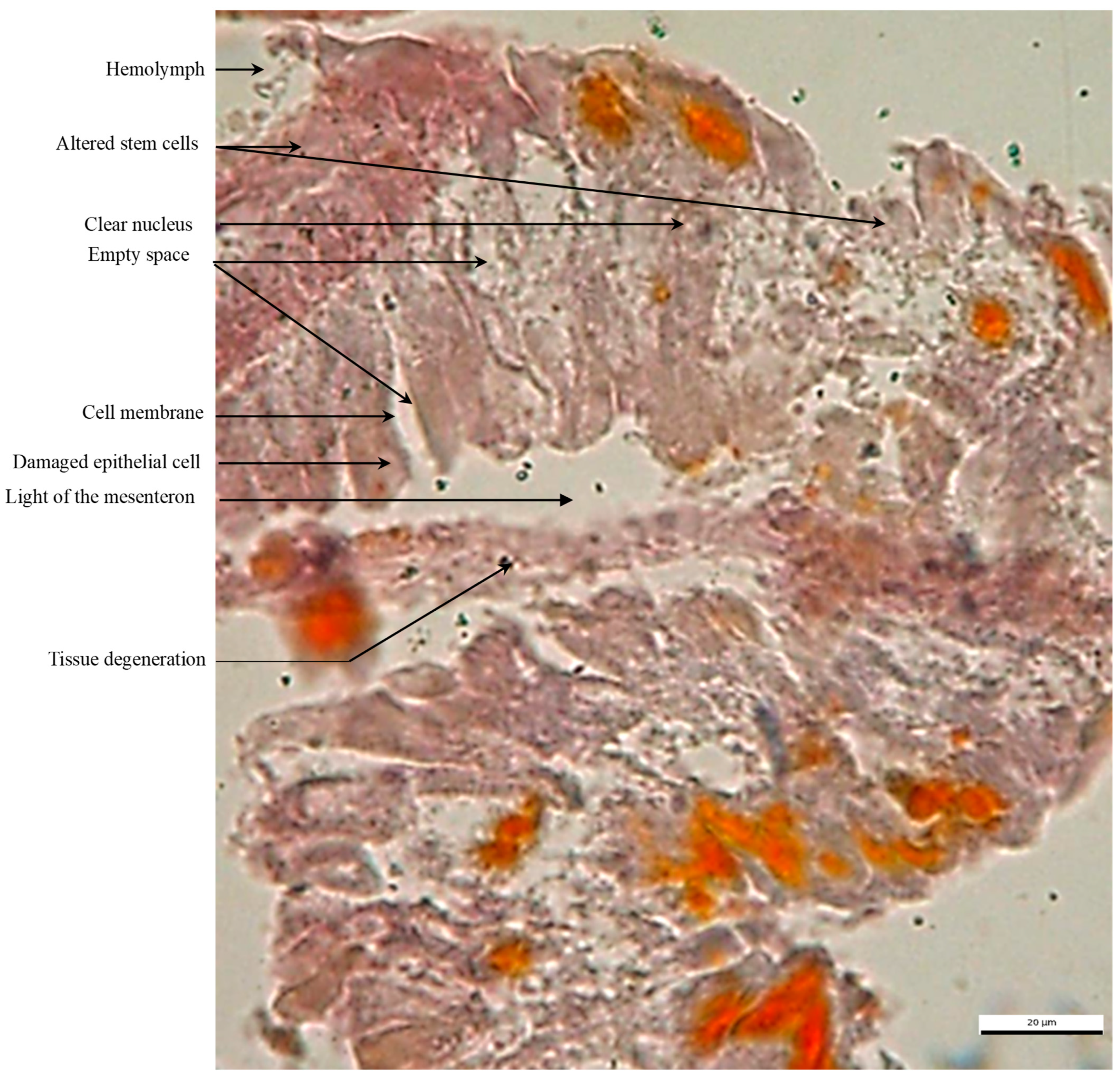
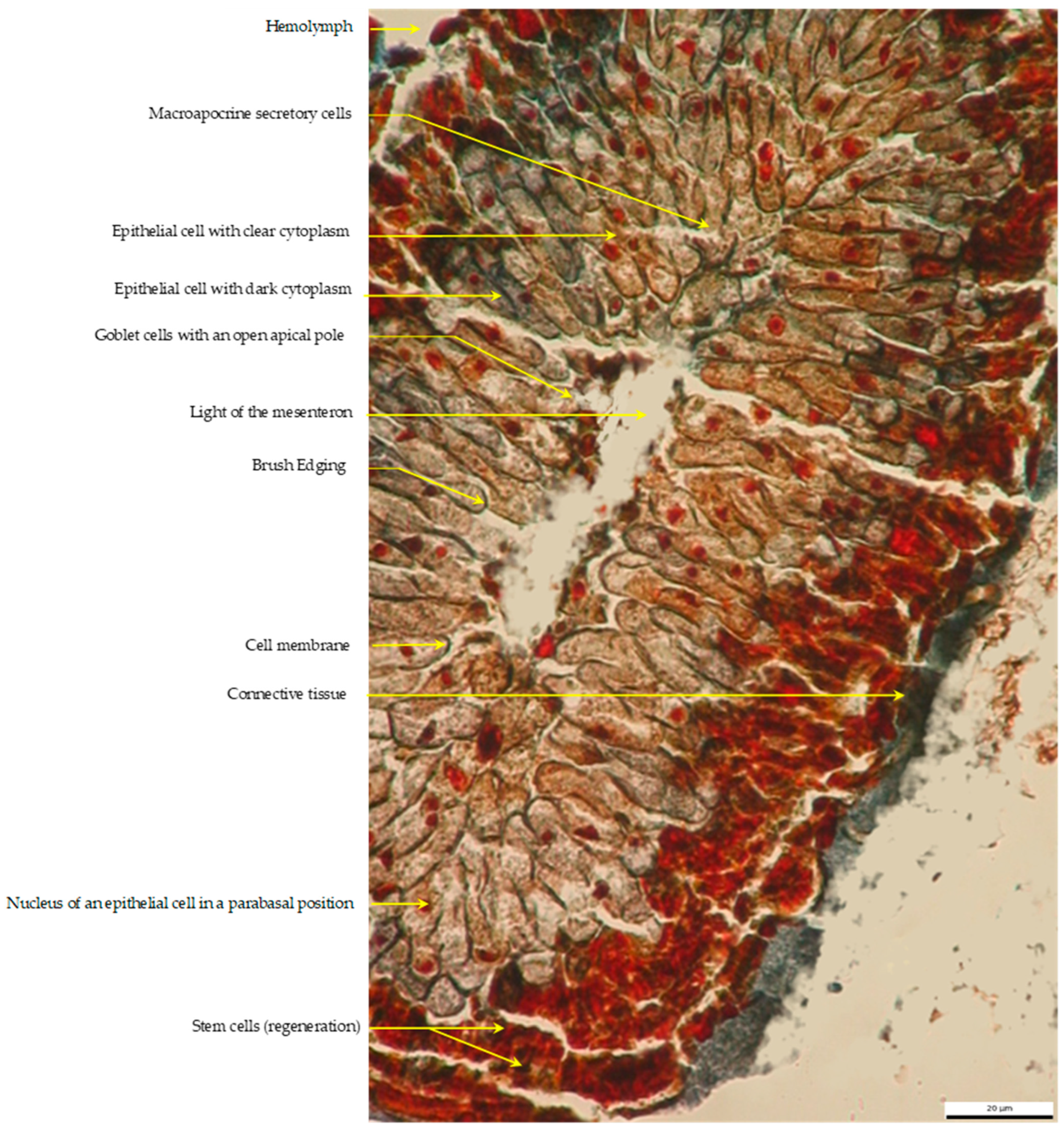
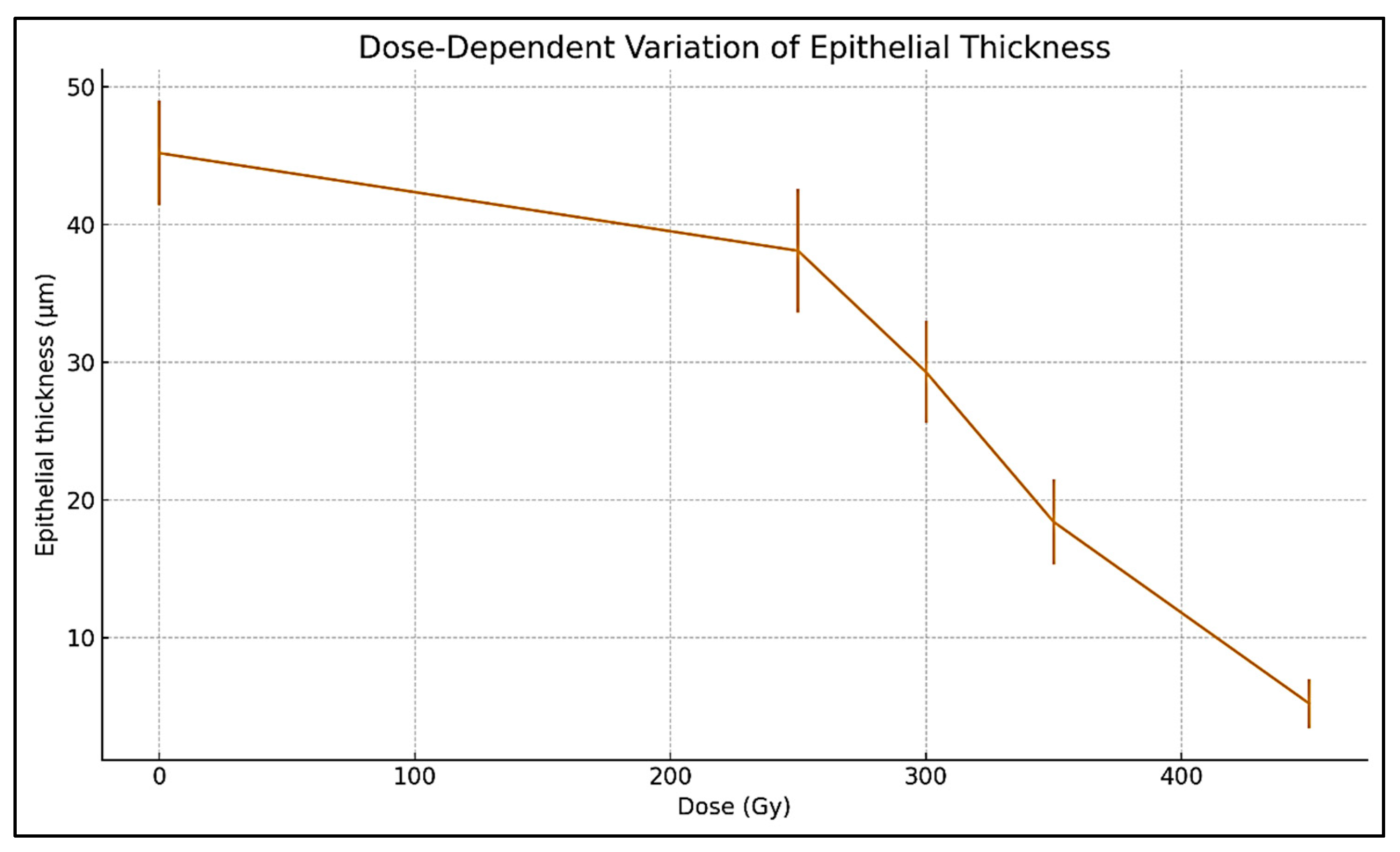
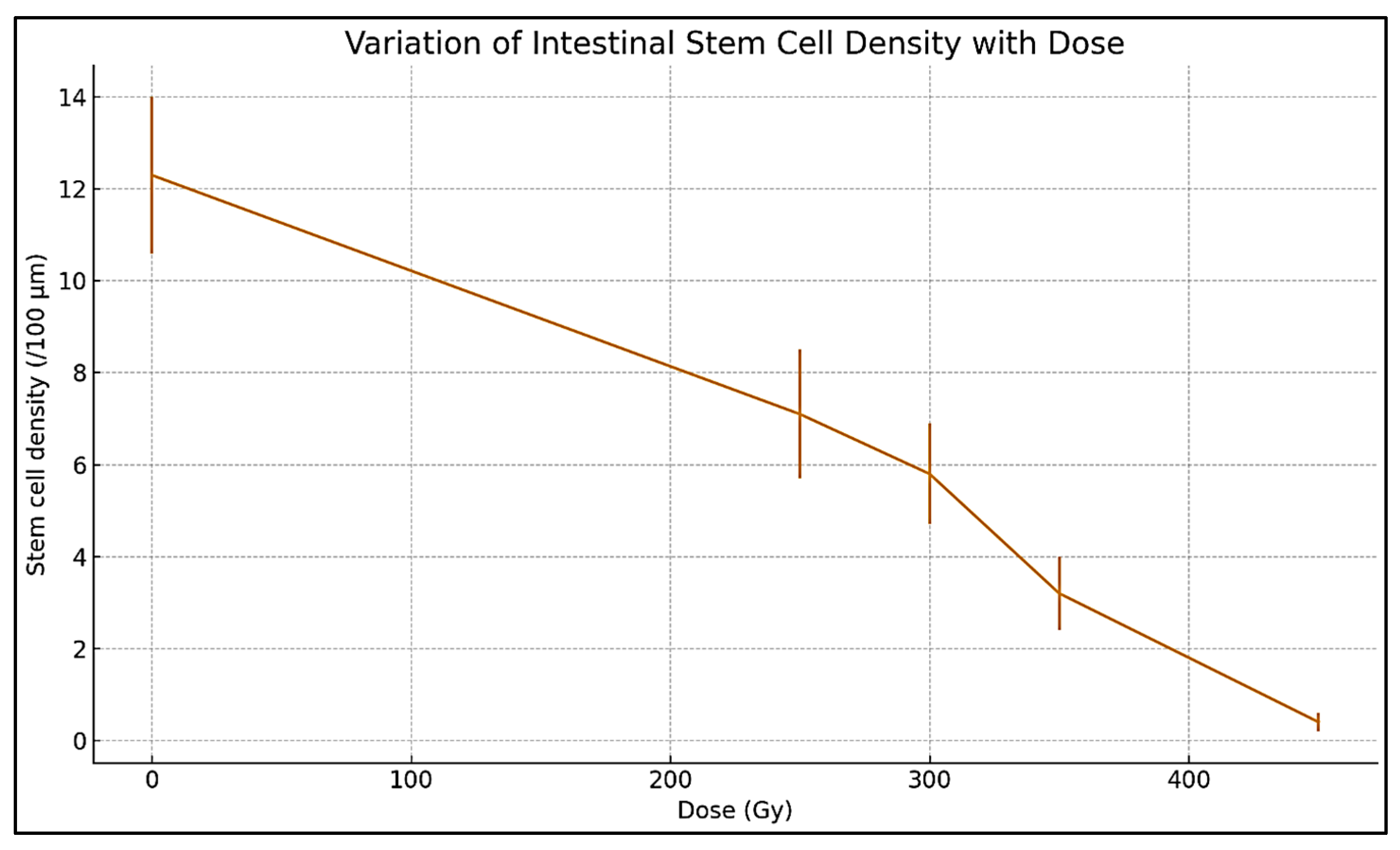
The progressive reduction in epithelial thickness and the near-complete depletion of intestinal stem cells observed from 250 Gy onward represent critical findings with direct implications for the understanding of radiation-induced tissue damage in lepidopteran larvae. Intestinal stem cells are essential for maintaining epithelial renewal, tissue integrity, and digestive function throughout the larval stage [
15]. Their high mitotic activity renders them particularly vulnerable to radiation-induced deoxyribonucleic acid double-strand breaks, cell cycle arrest at the G2/M checkpoint, and subsequent apoptosis mediated by caspase activation [
14]. At doses of 350 Gy and above, the near-complete depletion of stem cells observed in this study indicates that epithelial regeneration is no longer possible [
24], leading to irreversible tissue collapse. Similar patterns of stem cell loss and epithelial disorganization have been reported in
Plodia interpunctella [
4],
Galleria mellonella [
10,
25], and
Ephestia kuehniella [
8,
9,
11,
26], reinforcing the conclusion that intestinal stem cells represent the primary cellular target of ionizing radiation in pyralid moths. In
Spodoptera littoralis, comparable epithelial degeneration was reported at doses between 150 and 250 Gy, reflecting the greater radiosensitivity of noctuid species compared to pyralids [
1]. The relatively higher doses required to induce equivalent damage in
Ectomyelois ceratoniae are consistent with the known radio-resistance of the Pyralidae family and highlight the species-specific nature of radiation responses in Lepidoptera [
4,
12].
4.2. Malpighian Tubule Pathology
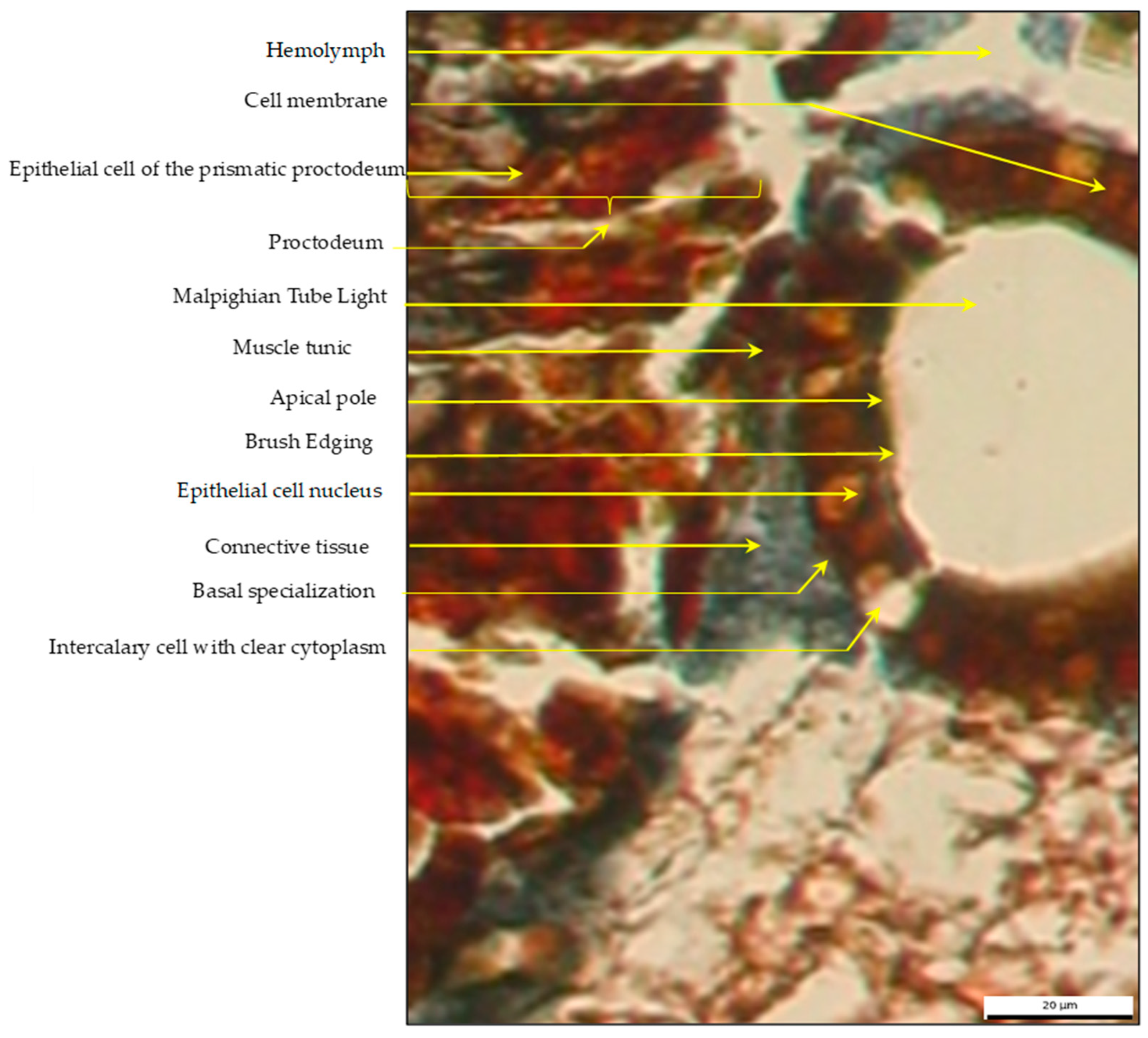
The pathological dilation of Malpighian tubules observed in irradiated larvae constitutes another key indicator of radiation-induced systemic injury. Malpighian tubules play central roles in osmoregulation, ion homeostasis, and the excretion of metabolic waste products [
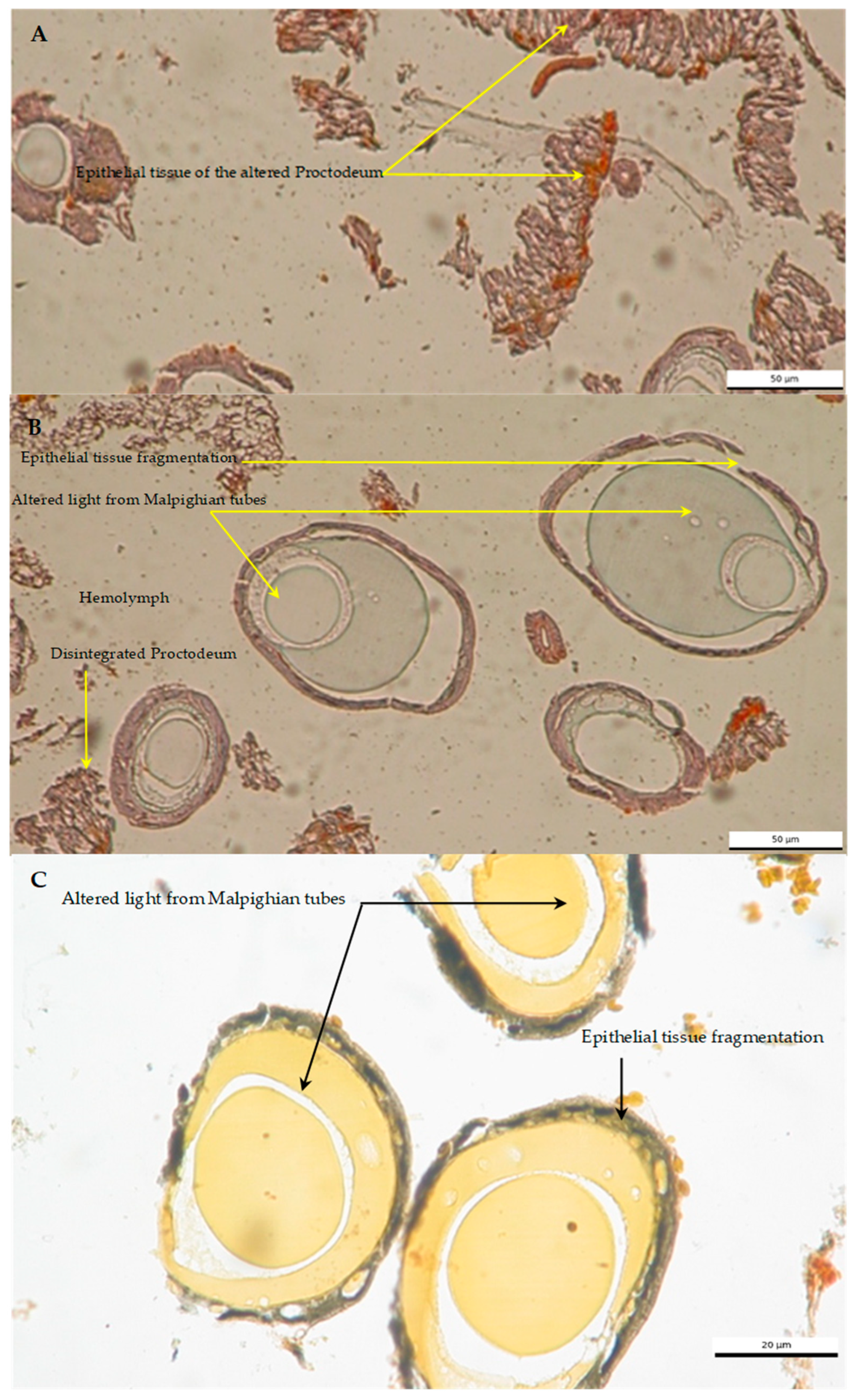
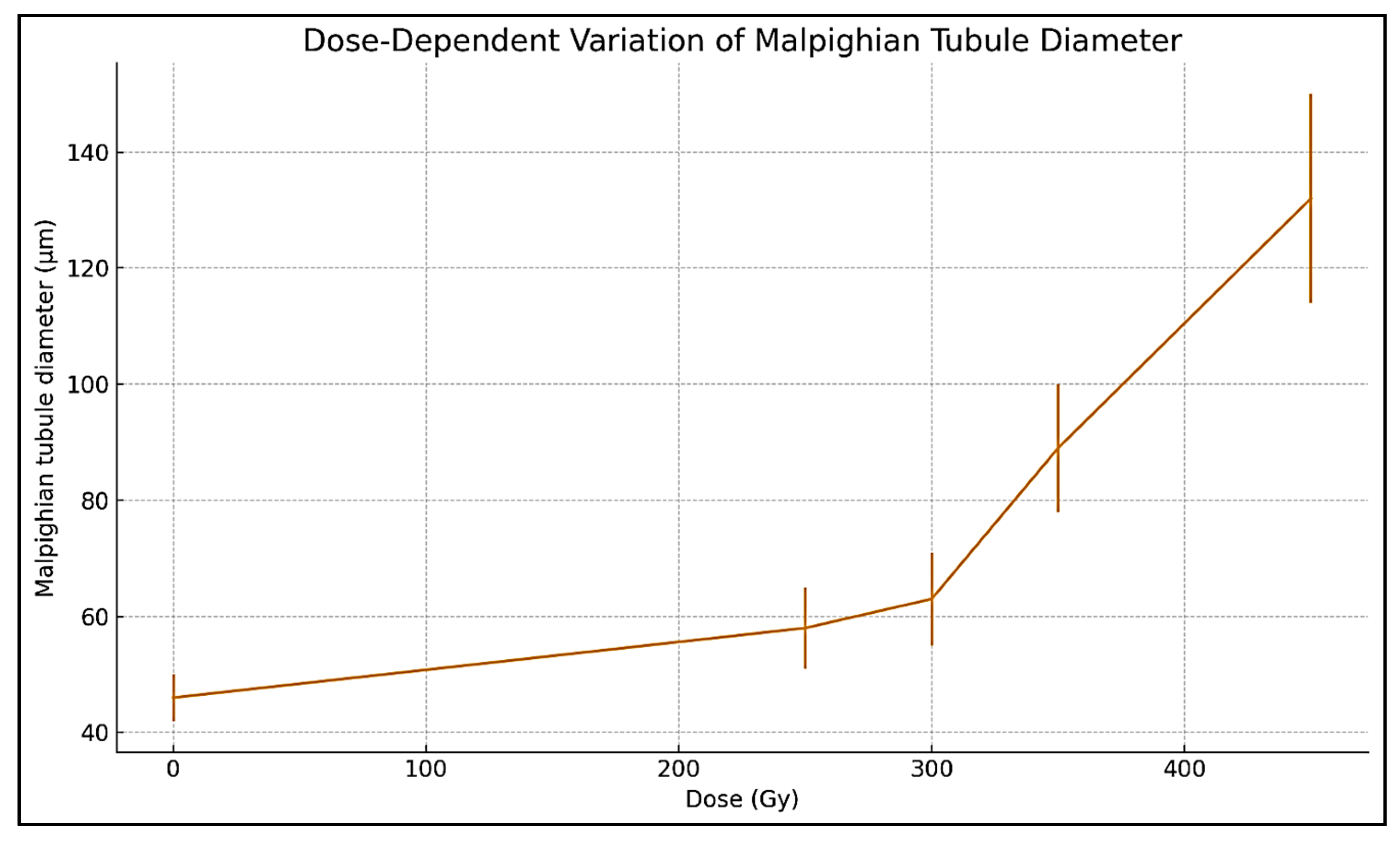
6]. In the present study, mean tubule diameter increased from 46 ± 4 micrometers in control larvae to 132 ± 18 micrometers at 450 Gy, representing a nearly three-fold increase. This progressive enlargement likely reflects radiation-induced alterations in membrane permeability and disruption of ion transport mechanisms, particularly the inhibition of vacuolar-type proton adenosine triphosphatase pumps responsible for maintaining the electrochemical gradient across the tubule epithelium, leading to fluid accumulation and progressive osmotic imbalance [
6,
16,
18,
23,
27]. Notably, the 250 Gy and 300 Gy groups did not differ significantly in tubule diameter, whereas doses of 350 Gy and above produced a significantly greater dilation, suggesting a threshold effect in excretory tissue damage that mirrors the critical transition observed in epithelial parameters. Comparable tubule abnormalities including dilation, epithelial flattening, and nuclear condensation have been reported in gamma-irradiated larvae of
Galleria mellonella [
10],
Plodia interpunctella [
4], and
Manduca sexta [
17]. These observations collectively highlight the high vulnerability of insect excretory systems to ionizing radiation and underscore the systemic nature of the physiological response to gamma irradiation in lepidopteran larvae.
4.3. Dose–Response Relationships and SIT Implications
Quantitative analyses revealed clear and consistent dose–response relationships across all four histopathological parameters, with irradiation doses between 300 and 350 Gy representing a critical tissue-damage threshold in the digestive tissues of
Ectomyelois ceratoniae larvae [
11,
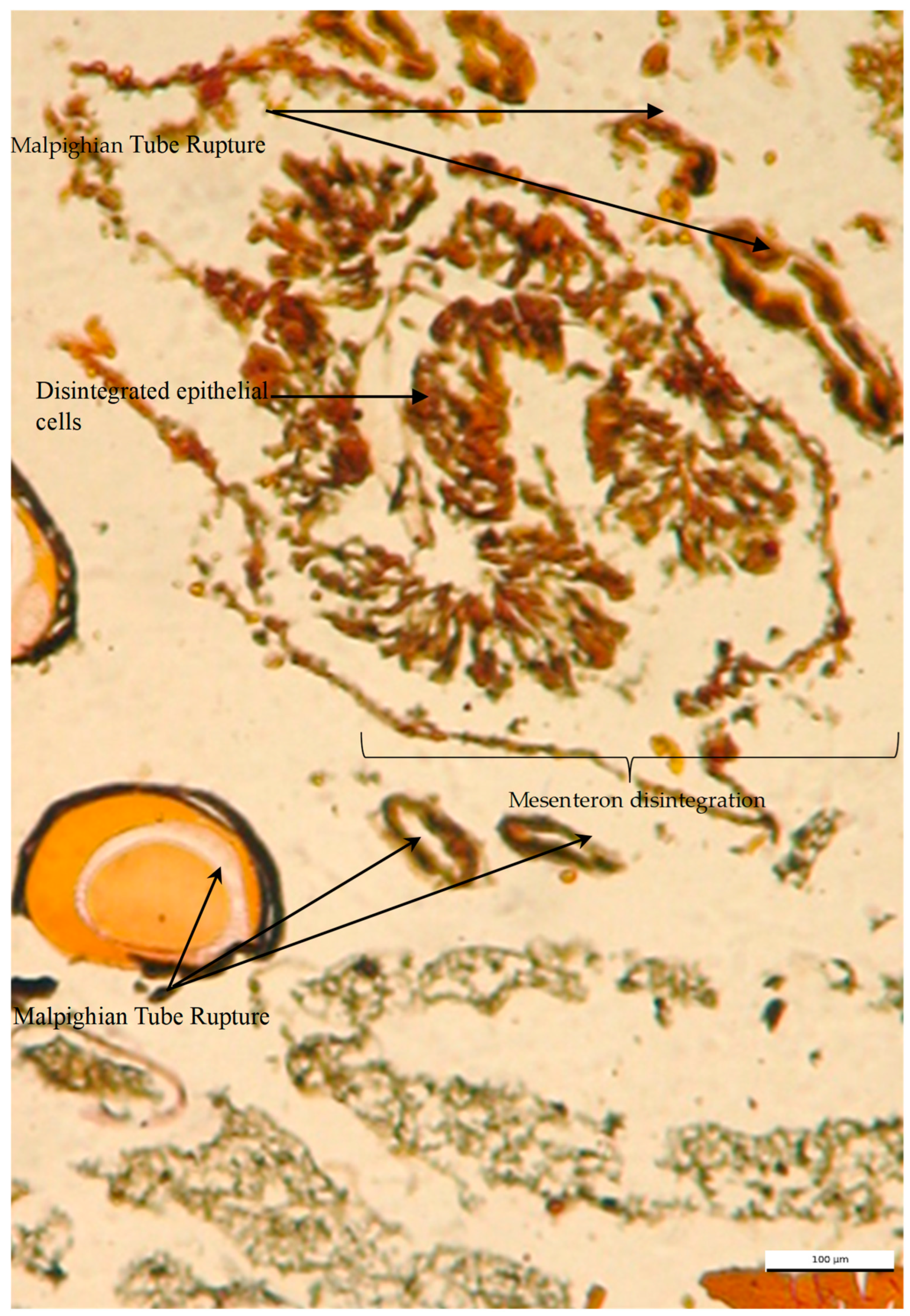
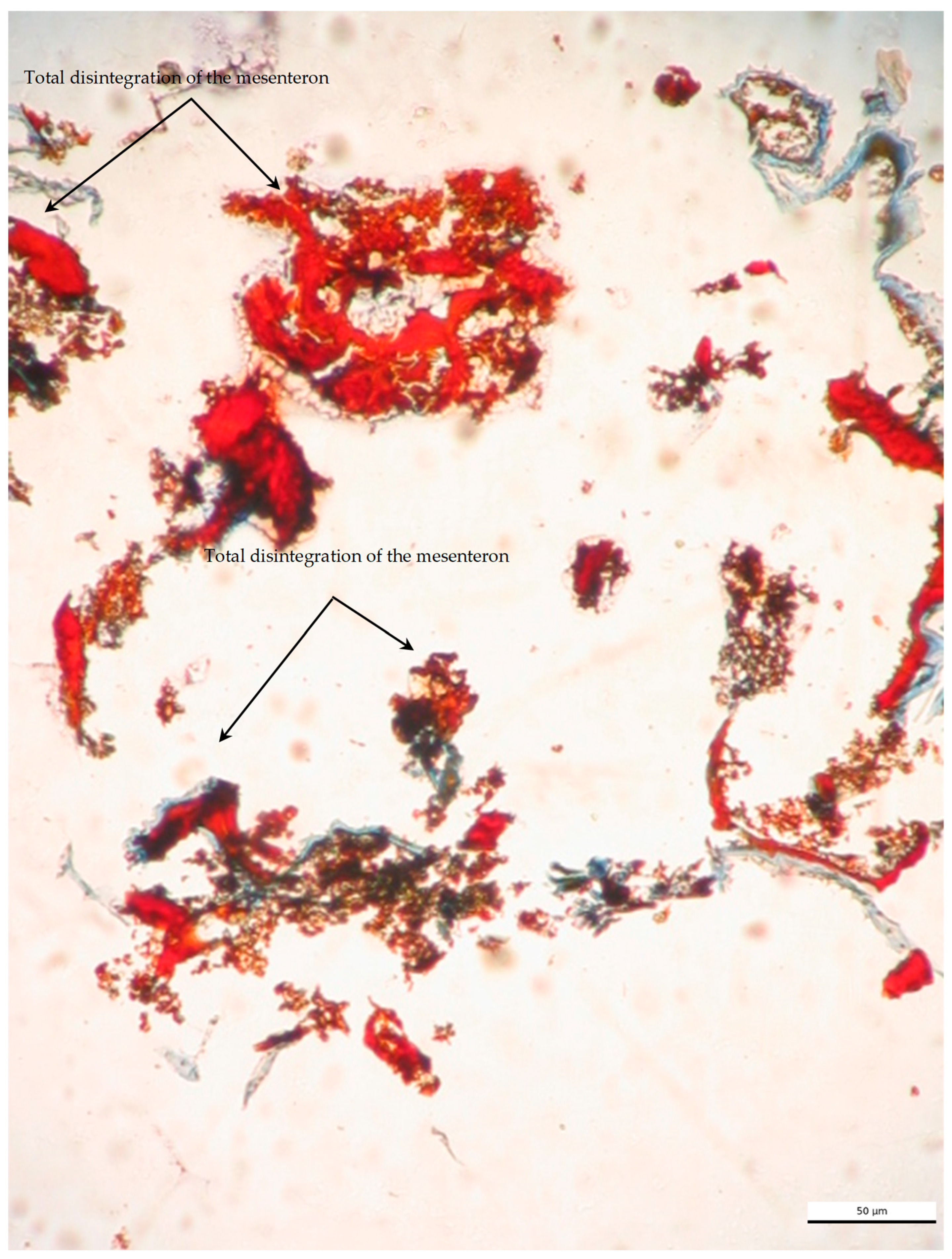
21]. At doses below 300 Gy, histological damage was evident but partial tissue organization remained detectable. In contrast, doses of 350 Gy and above resulted in irreversible collapse of tissue structure, with the histological integrity index approaching zero, indicative of near-complete functional failure of the digestive and excretory systems.
These histopathological findings are consistent with the biological sterility data published who demonstrated that 300 Gy constitutes the fully sterilizing dose for female
Ectomyelois ceratoniae, while 350 Gy is required for complete male sterilization [
4]. However, it must be clearly emphasized that the present study was conducted exclusively on larval stages and focused on histopathological endpoints measured 24 h post-irradiation. Whether the tissue-level damage documented here translates into optimal adult biological quality including emergence rate, flight capacity, and mating competitiveness—remains to be demonstrated through dedicated adult performance assays. The dose range of 300–350 Gy should therefore be regarded as a histopathologically validated tissue-damage window that warrants further biological evaluation, rather than as a confirmed optimal Sterile Insect Technique dose in the operational sense [
1].
In the broader context of Sterile Insect Technique dose optimization in Lepidoptera, the selection of an appropriate irradiation dose requires balancing two competing objectives ensuring sufficient sterility induction while preserving adult biological quality for effective field performance [
12]. For
Ephestia elutella, a dose of 200 Gy applied to male pupae was shown to induce effective sterility while maintaining acceptable mating competitiveness [
22]. In
Plodia interpunctella, sterility induction was found to depend strongly on the developmental stage irradiated, with pupal stages showing greater radio-tolerance than larvae [
4]. For
Spodoptera littoralis, doses of 175–250 Gy induced complete egg sterility in female pupae, though male mating competitiveness declined significantly at higher doses [
1]. The inherited sterility approach, which exploits sub-sterilizing doses to induce partial sterility in irradiated parents combined with enhanced sterility in the first filial generation, has been proposed as a viable alternative for radio-resistant Lepidoptera and may merit evaluation for
Ectomyelois ceratoniae [
4]. The present histopathological data contribute to this framework by identifying tissue-level damage thresholds that can inform dose selection decisions, pending validation through adult biological performance assays.
4.4. Comparative Radiobiology
The pronounced radiosensitivity of the digestive tissues of
Ectomyelois ceratoniae observed in this study is broadly consistent with findings reported for other lepidopteran species, although quantitative differences reflect species-specific variations in radio-resistance. In
Galleria mellonella, complete epithelial disorganization of the midgut was reported at doses of 200–300 Gy [
10], while in
Plodia interpunctella, significant histopathological alterations were documented at doses as low as 150 Gy [
4]. In
Spodoptera litura, gamma irradiation at doses of 100–200 Gy was sufficient to induce severe midgut epithelial damage and impair adult reproductive performance [
6]. The higher doses required to achieve equivalent tissue damage in
Ectomylois ceratoniae suggest a relatively greater radio-resistance in this species, consistent with its classification within the Pyralidae family.
At the mechanistic level, radiation-induced tissue degeneration in insect digestive epithelia involves two complementary pathways. Direct effects include ionization of deoxyribonucleic acid molecules leading to single- and double-strand breaks, base modifications, and chromosomal aberrations that trigger cell cycle arrest and apoptotic cascades [
13,
14]. Indirect effects are mediated by the radiolysis of intracellular water, generating reactive oxygen species including hydroxyl radicals, superoxide anions, and hydrogen peroxide capable of oxidizing membrane lipids, proteins, and nucleic acids [
14]. In tissues with high water content and rapid cell turnover such as the lepidopteran midgut epithelium, the indirect pathway is considered the dominant mechanism of radiation-induced injury [
14]. The high metabolic activity and elevated mitotic index of digestive stem cells further amplify their vulnerability, as rapidly cycling cells have insufficient time to complete deoxyribonucleic acid repair before entering mitosis [
14,
15]. These mechanistic considerations reinforce the value of histopathological analysis as a complementary tool for characterizing dose–response relationships in the context of Sterile Insect Technique optimization.
4.5. Study Limitations and Future Research
Despite providing strong histological and morphometric evidence, several limitations of the present study should be acknowledged. First, all analyses were conducted at a single time point of 24 h post-irradiation, which may not capture delayed histopathological effects or potential tissue recovery processes at sub-lethal doses. Longitudinal studies examining tissue responses at multiple time points including 48 h, 72 h, and one-week post-irradiation would provide valuable insights into the dynamics of radiation-induced damage and repair in Ectomyelois ceratoniae larvae.
Second, the present work focused exclusively on morphological and cellular endpoints. Integration of complementary physiological measurements, such as digestive enzyme activity, nutrient absorption efficiency, and antioxidant enzyme responses, as well as molecular markers of apoptosis (caspase-3 activity, terminal deoxynucleotidyl transferase deoxyuridine triphosphate nick end labeling assay) and oxidative stress (malondialdehyde levels, superoxide dismutase activity), would provide deeper mechanistic insights into the cellular consequences of gamma irradiation.
Third, it should be acknowledged that the naturally soft body wall of fifth-instar larvae of Ectomyelois ceratoniae, further compromised by progressive radiation-induced tissue softening at higher doses, presented significant technical challenges during histological processing, including fixation, paraffin embedding, and microtome sectioning. These constraints inevitably affected the optical quality of certain histological preparations, particularly at doses of 350 Gy and above, where tissue integrity was already severely compromised at the biological level prior to processing. The images presented are therefore representative of the actual biological condition of irradiated tissues at the time of collection, and their appearance reflects the true extent of radiation-induced tissue damage rather than any limitation of the histological methodology itself.
Fourth, establishing direct links between larval histopathological damage and adult biological performance including emergence rates, flight capacity, longevity, and mating competitiveness under semi-field conditions will be essential to validate irradiation dose recommendations for operational Sterile Insect Technique programs targeting
E. ceratoniae. Fifth, the potential interaction between gamma irradiation and the larval gut microbiota of
E. ceratoniae warrants investigation, as radiation-induced dysbiosis may modulate both digestive function and systemic radiosensitivity, with possible consequences for adult biological quality and field competitiveness [
28]. Finally, future studies should consider evaluating the inherited sterility approach in this species, as sub-sterilizing doses may offer a favorable compromise between sterility induction and adult biological competitiveness in this radio-resistant pyralid moth, while reducing the somatic damage associated with full sterilization doses [
4,
12,
21].
5. Conclusions
This study demonstrates that cobalt-60 gamma irradiation induces severe, progressive, and dose-dependent histopathological damage to the digestive tissues of fifth-instar larvae of Ectomyelois ceratoniae. The combined use of qualitative histopathological observations and quantitative morphometric analyses provides robust evidence of the pronounced radiosensitivity of larval digestive epithelia and establishes clear dose–response relationships across a biologically relevant irradiation range.
Specifically, gamma irradiation resulted in progressive epithelial atrophy and near-complete loss of intestinal stem cells at doses of 350 Gy and above, effectively abolishing the capacity for epithelial regeneration. Concomitantly, pathological dilation and structural failure of the Malpighian tubules were documented, reflecting severe impairment of osmoregulatory and excretory functions. Together, these converging alterations across four independent morphometric parameters identify a critical histopathological damage threshold between 300 and 350 Gy, beyond which tissue damage becomes irreversible across all measured endpoints.
These findings are consistent with published biological sterility data for this species and provide, for the first time, a tissue-level histopathological reference framework to complement existing biological approaches in the optimization of Sterile Insect Technique programs targeting Ectomyelois ceratoniae. However, it must be clearly stated that the present study was conducted exclusively on larval tissues at a single post-irradiation time point. The dose range of 300–350 Gy should therefore be regarded as a histopathologically validated tissue-damage threshold, rather than as a confirmed optimal operational dose for Sterile Insect Technique applications. Validation of this dose range through adult biological performance assays—including emergence rate, longevity, flight capacity, and mating competitiveness under semi-field conditions remains an essential next step before operational recommendations can be established.
To our knowledge, this study constitutes the first comprehensive histopathological and morphometric characterization of gamma irradiation effects on the digestive system of Ectomyelois ceratoniae larvae, filling an important gap in the biological knowledge base for this economically significant pest. The methodological framework developed hercombining qualitative tissue analysis with quantitative morphometric scoring may serve as a reproducible reference approach for evaluating radiation responses in other lepidopteran species for which Sterile Insect Technique programs are under development or conside ation. Future research should prioritize the assessment of adult biological quality following larval irradiation, the integration of molecular markers of radiation-induced damage, and the evaluation of the inherited sterility approach as a potential alternative for this radio-resistant pyralid species. Moreover, the histopathological framework employed in this study may be extended to other economically important pest species, contributing to the development of evidence-based SIT strategies within sustainable and integrated pest management programs.