Article

Chemical Characterization and Antiproliferative Evaluation of Compounds Isolated from White Shrimp (Penaeus vannamei) By-Products


by
Héctor Enrique Trujillo-Ruiz
1,
Dania Guadalupe Leal-Rodríguez
1,
Hisila del Carmen Santacruz-Ortega
2,
Oliviert Martínez-Cruz
1,
Sandra Carolina De La Reé-Rodríguez
1,
Armando Burgos-Hernández
1,
Erika Silva-Campa
3,
Ángel Antonio Carbonell-Barrachina
4 and
Carmen María López-Saiz
1,*
1
Departamento de Investigación y Posgrado en Alimentos, Universidad de Sonora, Rosales y Luis Encinas s/n, col. Centro, Hermosillo 83000, Sonora, Mexico
2
Departamento de Investigación en Polímeros y Materiales, Universidad de Sonora, Rosales y Luis Encinas s/n, col. Centro, Hermosillo 83000, Sonora, Mexico
3
Departamento de Física, Universidad de Sonora, Rosales y Luis Encinas s/n, col. Centro, Hermosillo 83000, Sonora, Mexico
4
Departamento de Tecnología Agroalimentaria, Universidad Miguel Hernández, 03312 Elche, Alicante, Spain
*
Author to whom correspondence should be addressed.
Biophysica 2026, 6(2), 17; https://doi.org/10.3390/biophysica6020017
Submission received: 17 January 2026 / Revised: 22 February 2026 / Accepted: 23 February 2026 / Published: 25 February 2026
(This article belongs to the Special Issue Biophysical Methods to Study Membrane Models, Cells, and Tissues)

Abstract

Cancer is the second leading cause of death worldwide, requiring more effective treatments. By-products from the white shrimp (Penaeus vannamei) are a promising source of bioactive compounds. Compounds with antiproliferative activity were isolated and identified in exoskeleton and cephalothorax extracts. The hexane extract of the exoskeleton reduced the viability of Human Prostate Carcinoma cell line (22Rv1) to 40.6% without toxicity in Adult Retinal Pigment Epithelium-19 (ARPE-19). Among the 19 fractions obtained, H3 reduced cell viability to 20.78%. Spectroscopic analysis identified bis(2-ethylhexyl) terephthalate, neoxanthin, and violaxanthin. Fluorescence microscopy showed morphological alterations. These findings demonstrate in vitro antiproliferative activity of compounds derived from shrimp by-products and support further studies to elucidate their mechanisms of action and evaluate their potential relevance in cancer prevention or therapeutic research.

1. Introduction

Cancer is characterized by the uncontrolled growth and proliferation of cells, and it can metastasize to distant organs [1]. It is a multifactorial disease, and several risk factors contribute to its development, including smoking, alcohol use, high body mass index, unsafe sexual practices, elevated fasting plasma glucose and exposure to particulate matter pollution, among others [2]. Over the past decade, research has increasingly focused on the discovery of natural or synthetic compounds capable of preventing cancer. These compounds, known as chemopreventive agents, can suppress, prevent, or delay tumorigenesis by blocking early stages of cancer development or inhibiting the promotion phases [3].
Marine organisms have recently gained attention as a source of compounds with anticancer properties. These include molecules directly isolated from marine environments, as well as compounds that serve as lead structures or molecular templates for the development of novel anticancer agents [4]. Specifically, compounds that intervene in the process of cell proliferation, collectively referred to as antiproliferative compounds, have become the focus of intensive study. It has long been known that a wide range of secondary metabolites with complex and varied chemical structures are produced by marine organisms, such as algae (blue, red, green, and brown), microorganisms (bacteria, fungi), sponges, phytoplankton mollusks (sea cucumbers and hares), coelenterates (sea anemones, gorgonians, and soft corals), and bryozoans. Numerous compounds have been identified to exhibit exceptional biological potential, including anticancer, antibacterial, and anti-inflammatory effects [5].
Previous studies have examined the potential chemopreventive-related properties of by-products from white shrimp (P. vannamei), demonstrating antioxidant [6] and antimutagenic [7] activities. Additionally, lipidic compounds extracted from the muscle tissue of both wild shrimp (Penaeus stylirostris) and white shrimp (P. vannamei) have shown antiproliferative effects against various human cancer cell lines in vitro [8,9].
Investigating the effects of bioactive compounds, such as carotenoids found in P. vannamei, on cancer cell lines, along with the analysis of morphological features associated with cell death, is crucial for advancing the understanding of molecular mechanisms underlying cancer progression and treatment [10]. These studies provide insight into how natural compounds interact with specific signaling pathways and modulate key cellular processes, potentially offering opportunities for the development of targeted therapies with reduced adverse effects. Moreover, identifying distinct morphological markers of cell death facilitates the recognition of specific pathways that may be activated or suppressed in pathological contexts, thereby optimizing therapeutic strategies [11].
Given these considerations, the search for compounds that prevent or inhibit cancer development has become essential. White shrimp, one of the most widely consumed seafood products worldwide, may contain compounds with antiproliferative activity; therefore, the aim of this study was to identify the compounds from P. vannamei by-products with antiproliferative activity against human cancer cell lines.

2. Materials and Methods

2.1. Raw Material

White shrimp samples were obtained from local markets in Hermosillo, Sonora, México. The exoskeleton was manually separated, packed and stored at −20 °C. Cephalothorax samples were donated by a local shrimp processing company, transported on ice to the University of Sonora and stored in polyethylene bags at −20 °C until further use.

2.2. Cell Culture

Five human cancer cell lines, HCT 116 (CCL-247; colon carcinoma), 22Rv1 (CRL-2505; prostate adenocarcinoma), A-549 (CCL-185; lung carcinoma), HeLa (CRM-CCL-2; cervical adenocarcinoma), and MDA-MB-231 (CRM-HTB-26; breast adenocarcinoma), were used. ARPE-19 (CRL-2302; healthy retinal cells) was used as non-cancerous control cells. The 22Rv1 cell line was preserved in RPMI medium (Roswell Park Memorial Institute Medium, Sigma-Aldrich®, Darmstadt, Germany), while DMEM (Dulbecco’s Modified Eagle Medium, Sigma-Aldrich®) was used for the remaining cell lines. All media were supplemented with 5% fetal bovine serum (Gibco, Thermo Fisher Scientific, Waltham, MA, USA). and incubated at 37 °C in a humidified atmosphere of 5% CO2. For cryopreservation, 5% dimethyl sulfoxide (DMSO) was added as a cryoprotectant, and cells were stored at −80 °C until further use. All of them were kindly donated by the Molecular Biology Laboratory at the Department of Scientific and Technological Research of the University of Sonora.

2.3. Serial Extraction

White shrimp exoskeleton and cephalothorax extracts were obtained following the method described by Osuna-Ruiz et al. [12]. A sequential solvent extraction was performed using hexane, acetone, methanol and water. Briefly, 50 g of by-products was homogenized in a food processor with 150 mL of hexane (1:3 w/v) and shaken at 25 °C for 24 h in the dark. The mixture was filtered (Whatman No. 1), and the liquid phase was concentrated using a rotary evaporator (Yamato RE300, Yamato Scientific Co., Ltd., Tokyo, Japan) under reduced pressure at 35 °C, followed by drying under nitrogen stream. The solid residue was re-extracted using the next solvent in the sequence, following the same procedure. All extracts were resuspended in DMSO at known concentrations and stored at −20 °C until further use.

2.4. Cell Viability Assay

The cytotoxic effect of extracts and fractions on cancer cell lines was evaluated using the standard MTT assay [13], with a few modifications. Briefly, 10,000 cells per well were seeded in 96-well plates and incubated for 24 h. Treatments were diluted in medium from DMSO stock solution to final concentrations of 25, 50, 100 and 200 µg/mL. Doxorubicin and/or cisplatin were used as a positive control, while untreated cells (DMSO vehicle) were used as a negative. After 48 h of incubation, 10 µL of an MTT solution (5 mg/mL) was added to each well and incubated for 4 h. The medium was removed and 50 µL of DMSO was added to dissolve the formazan crystals. Absorbance was measured at 570 nm (reference: 630 nm) using an ELISA microplate reader (800 TS, BioTek Instruments, Inc., Winooski, VT, USA). Cell morphology was observed using an inverted epifluorescence microscope (Leica DMi8 Santa Clara, CA, USA).

2.5. Open Column Chromatography

The extract with the highest antiproliferative activity was subjected to open column chromatography. The column (74 cm high and 1.25 cm radius) was packed with activated silica gel (70–230 mesh Sigma-Adrich®). The stationary phase was preconditioned with 2 L of hexane. The mobile phase consisted of hexane:acetone mixtures in the following ratios: 100:0, 49:1, 24:1, 23:2, 22:3, 21:4, 20:5 and 19:6. Eluates were collected in 250 mL glass containers.

2.6. Thin Layer Chromatography (TLC)

TLC was used to group eluates based on similarity. Aliquots were applied to TLC plates (Sigma-Aldrich®) and developed using mobile phases identical to those used in column chromatography. Compounds were visualized under UV light (UVP UVGL-58, Analytik Jena, CA, USA). The delay factor (Rf) was calculated using Formula (1).
R f = C R F S
where
  • Rf: Retention factor.
  • CR: Distance traveled by compound (cm).
  • FS: Distance traveled by solvent front (cm).
Fractions with similar Rf signals were pooled, dried under nitrogen stream, resuspended in DMSO at 20 mg/mL, and stored at −20 °C.

2.7. Fluorescence Staining and Microscopy

To evaluate morphological changes, the method by Van Vuuren et al. [14] was followed. Cells were seeded in 96-well plates and incubated for 24 h, and then treated with fraction at the half maximal inhibitory concentration (IC50) of the active fractions for another 24 h. Cells were fixed with 3.7% formaldehyde in PBS (phosphate-buffered saline) for 15 min and permeabilized with 0.2% Triton X-100 in PBS for another 15 min. Phalloidin-tetramethylrhodamine B isothiocyanate (50 µg/mL) (Sigma-Aldrich, MFCD00278840) was used to stain F-actin, and 4′, 6-Diamidino-2-phenyindole, dilactate (DAPI) (1.5 µg/mL) (Sigma-Aldrich, D9564) was used to stain DNA. Cells were visualized under an inverted epifluorescence microscope (Leica DMi8).

2.8. 1H- and 13C-NMR Analysis

Structural characterization was performed using 1H- and 13C-NMR on a Bruker Avance III 400 spectrometer, 1H (400 MHz) and 13C (100 MHz). Samples were placed in a 5 mm diameter ultraprecision NMR tube, dissolved in CDCl3 (Sigma-Aldrich, Saint Louis, MI, USA) at 20 mg/mL. Tetramethylsilane (TMS) was used as internal standard. Chemical shifts were recorded in ppm.

2.9. Infrared Spectroscopy

Sample was dissolved in deuterated hexane and analyzed using Fourier transform infrared spectroscopy (FTIR) on a Frontier PerkinElmer FTIR/FIT spectrometer (PerkinElmer, Waltham, MA, USA). Spectra were recorded in the range of 4000–400 cm−1.

2.10. UV-Visible Spectroscopy

Samples were dissolved in hexane and placed in a quartz cuvette. Spectra were recorded using a BIOMATE 3S UV-Visible Spectrophotometer across 190–1100 nm.

2.11. Statistical Analysis

Cell viability results were analyzed using a split plot design, and a Tukey-HSD test was applied to determine significant difference between treatments. Statistical analyses were conducted using JMP 13.0 software.

3. Results

3.1. Serial Extraction

The highest yield among cephalothorax extracts was obtained with methanol (9.76 ± 6.24%). The remaining yields were 2.96 ± 3.78 for hexane, 0.56 ± 1.02 for acetone and 4.60 ± 2.53 for water. For exoskeleton extracts, yields were 0.98 ± 1.01 (hexane), 1.65 ± 2.23 (acetone), 1.52 ± 1.12 (methanol), and 0.52 ± 1.09 (water). Hexane extracts from both cephalothorax and exoskeleton were intensely orange, while acetone extract (AE) was paler, methanol extracts were yellow, and the water extracts appeared white and cloudy.

3.2. Antiproliferative Activity of Extracts

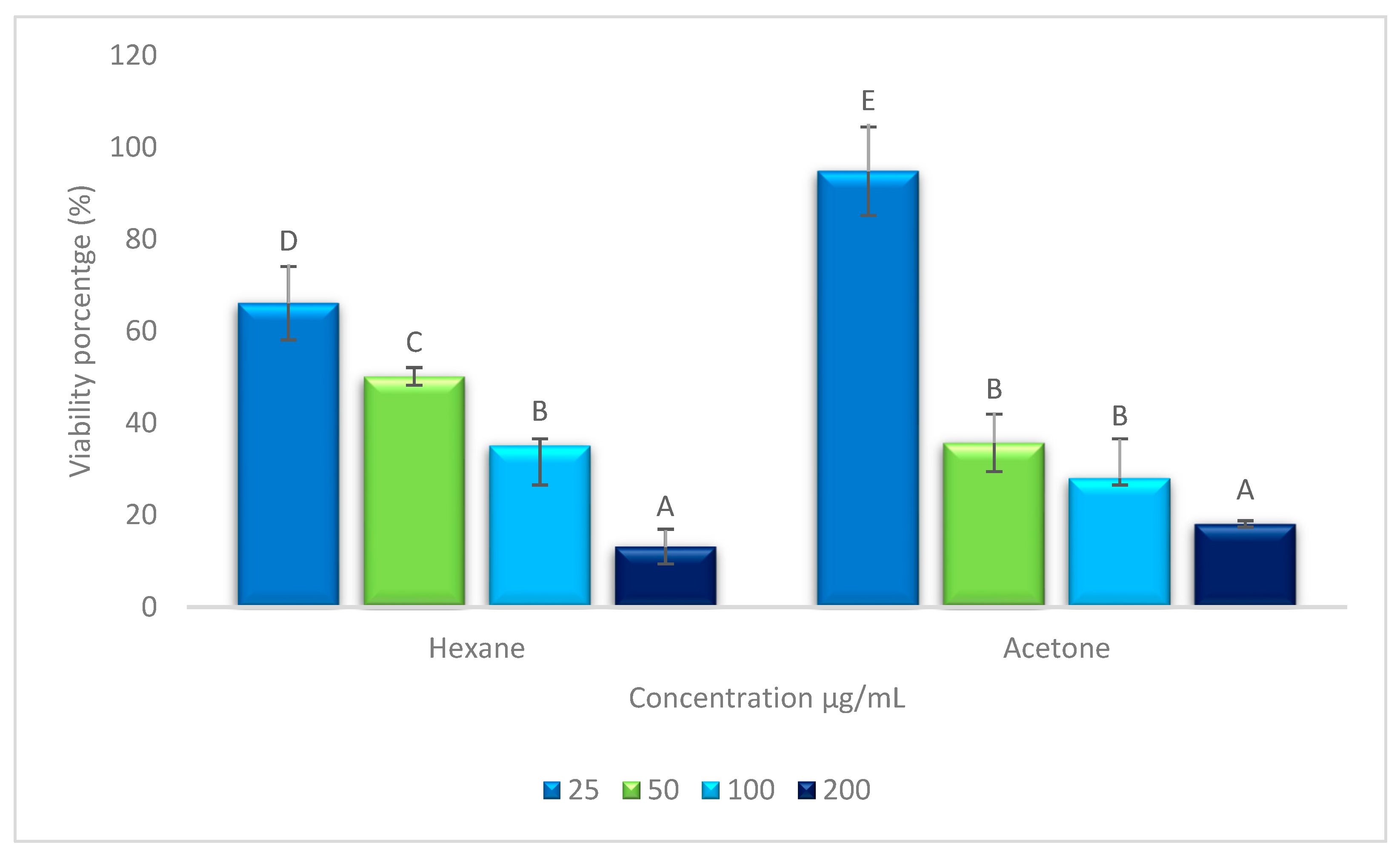
The antiproliferative potential of the crude extracts was evaluated using five cancer cell lines, with the goal of identifying the extract and cell line with the strongest inhibitory effect. Hexane and acetone extract from exoskeleton significantly inhibited 22Rv1 prostate cancer cells (Table 1).
Selectivity towards cancer cells was explored using the non-cancerous ARPE-19 cell line. At 200 µg/mL, cell viability was 77.78 ± 13.04% for the hexane extract and 82.53 ± 3.16% for the acetone extract. These results indicate limited toxicity in ARPE-19 cells under the experimental conditions tested, suggesting a differential effect between cancerous and noncancerous cells at the evaluated concentrations.
A dose–response relationship was observed for both extracts at concentrations ranging from 25 to 200 µg/mL, with the hexane extract showing a stronger effect on 22Rv1 cells (Figure 1).

3.3. Open Column Chromatography and TLC

Based on its superior activity, the hexane extract was selected for fractionation via open column chromatography. A total of 52 eluates were collected and grouped by TLC profile. Fractions with similar Rf values were combined and evaluated for their antiproliferative effect.

3.4. Cell Viability of Bioactive Fractions

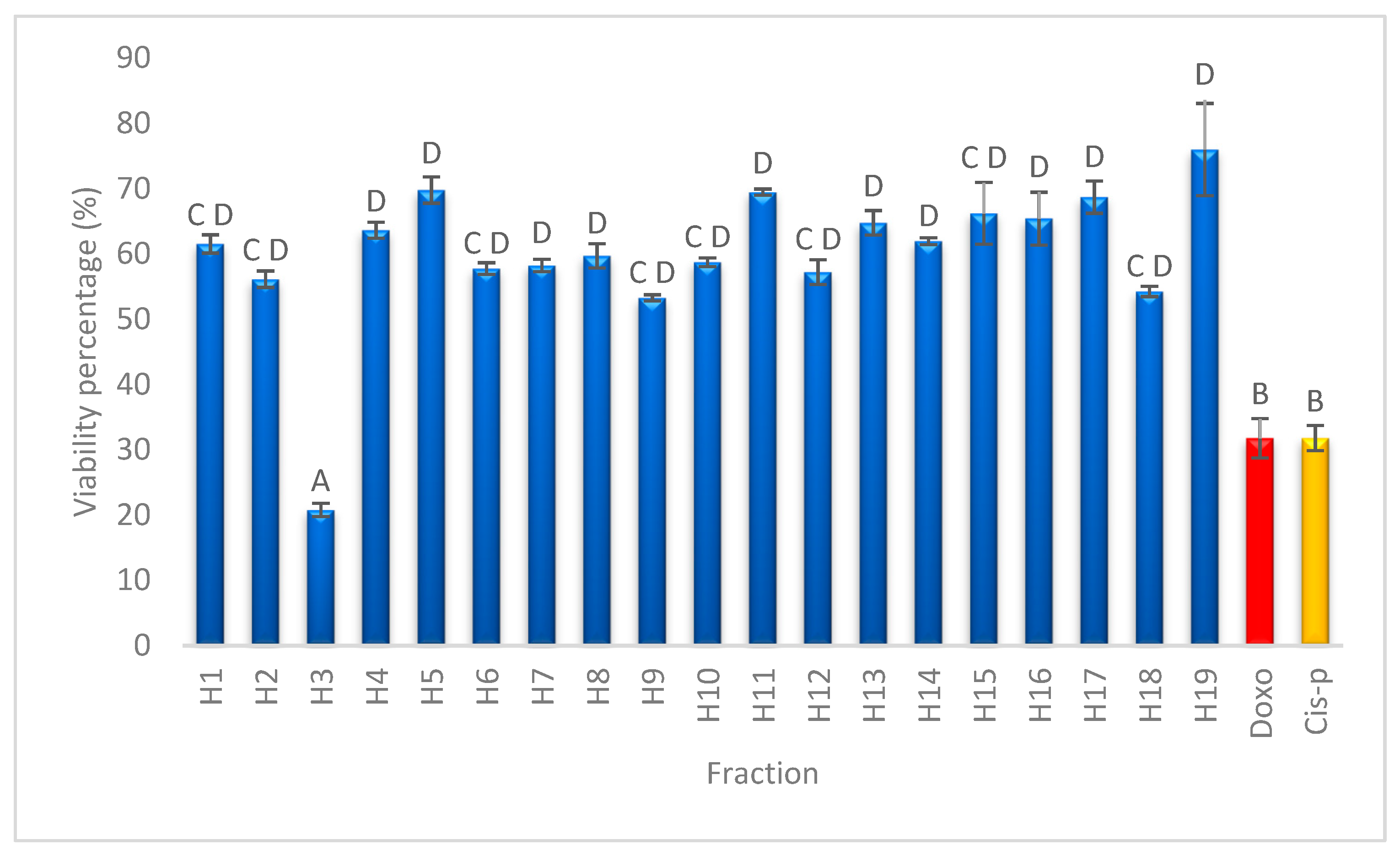
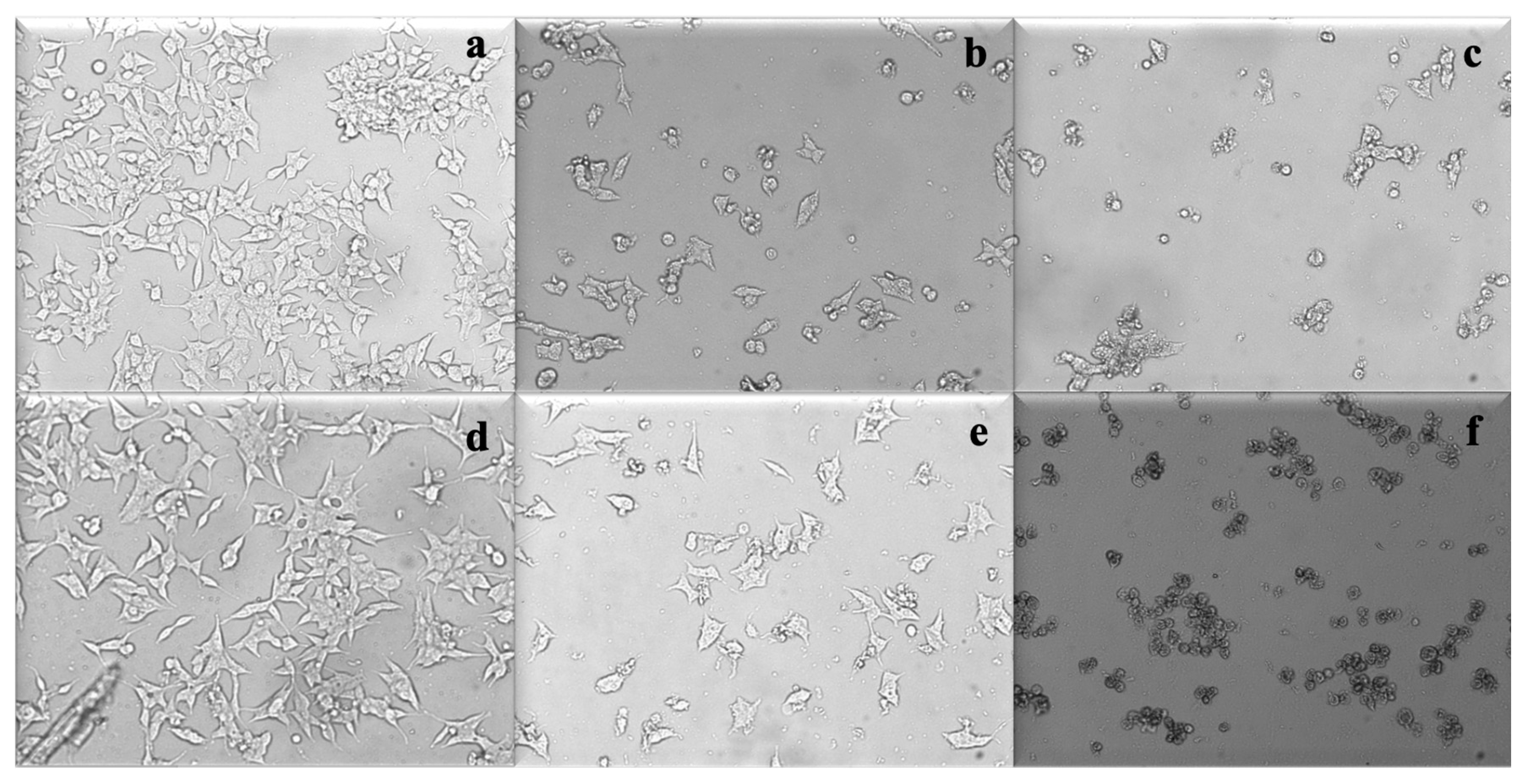
Fractions were tested at 100 µg/mL against 22Rv1 cells. Fraction H3 showed the highest activity, reducing cell viability to 20.78 ± 1.00%. Under the same experimental conditions and concentration, the viability percentage observed for H3 was lower than that obtained with cisplatin and doxorubicin (Figure 2). Figure 3 shows that treated cells exhibited morphological alterations and reduced density.
A dose-dependent inhibitory effect was confirmed for fraction H3 (12.5–200 µg/mL), with over 50% inhibition observed at 25 µg/mL.
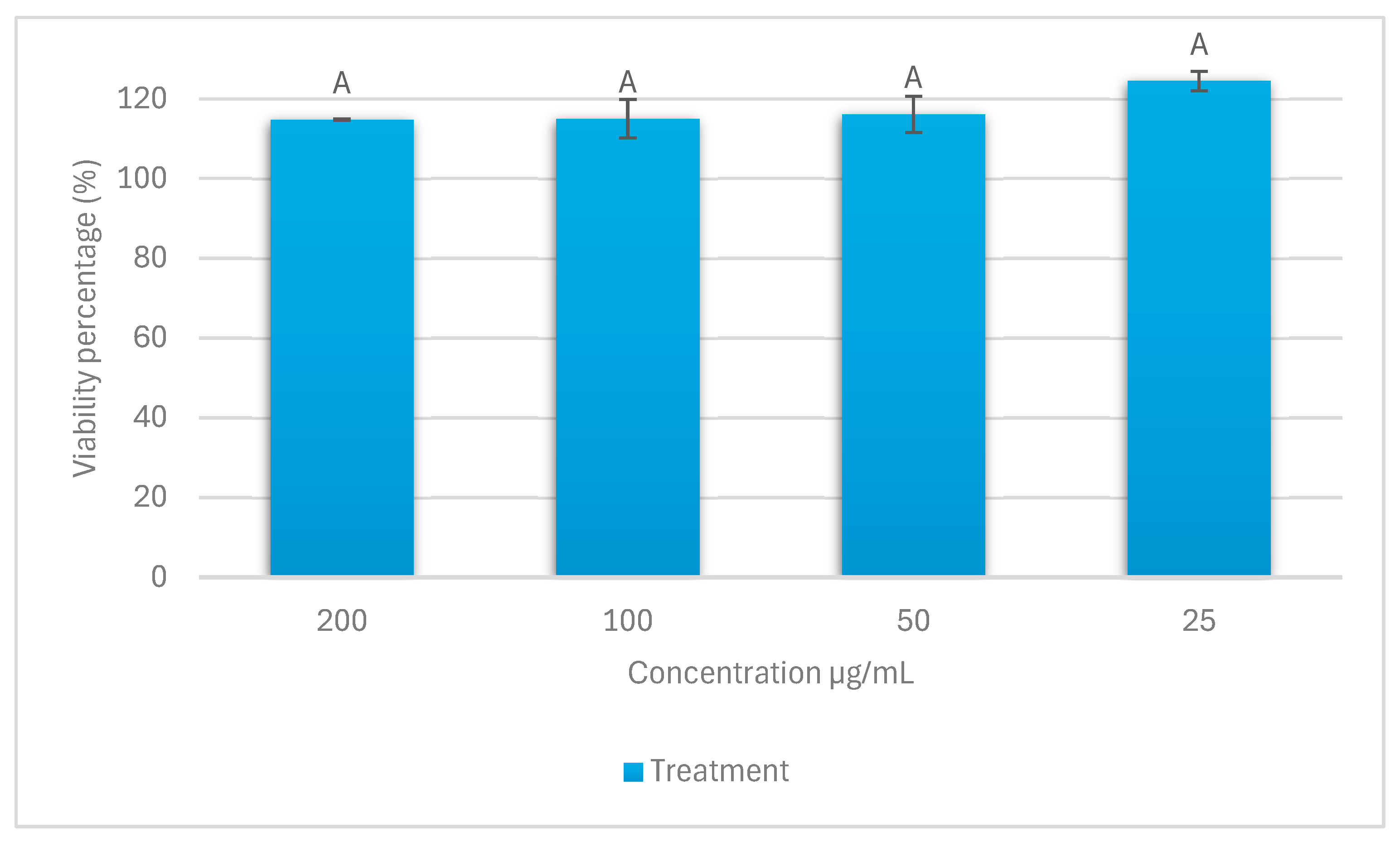
Dioctyl phthalate (Sigma Aldrich), a member of the phthalate family and the most widely used plasticizer, was utilized in a cell viability assay to verify that the antiproliferative action is caused by the carotenoids and not the plasticizer Bis(2-ethylhexyl) terephthalate. Viability percentages of 100% at 200, 100, 50, and 25 µg/mL (Figure 4) of the molecule demonstrate that this type of compound has no influence on the 22Rv1 prostate cancer line.

3.5. Fluorescence Cell Staining and Microscopy Assay

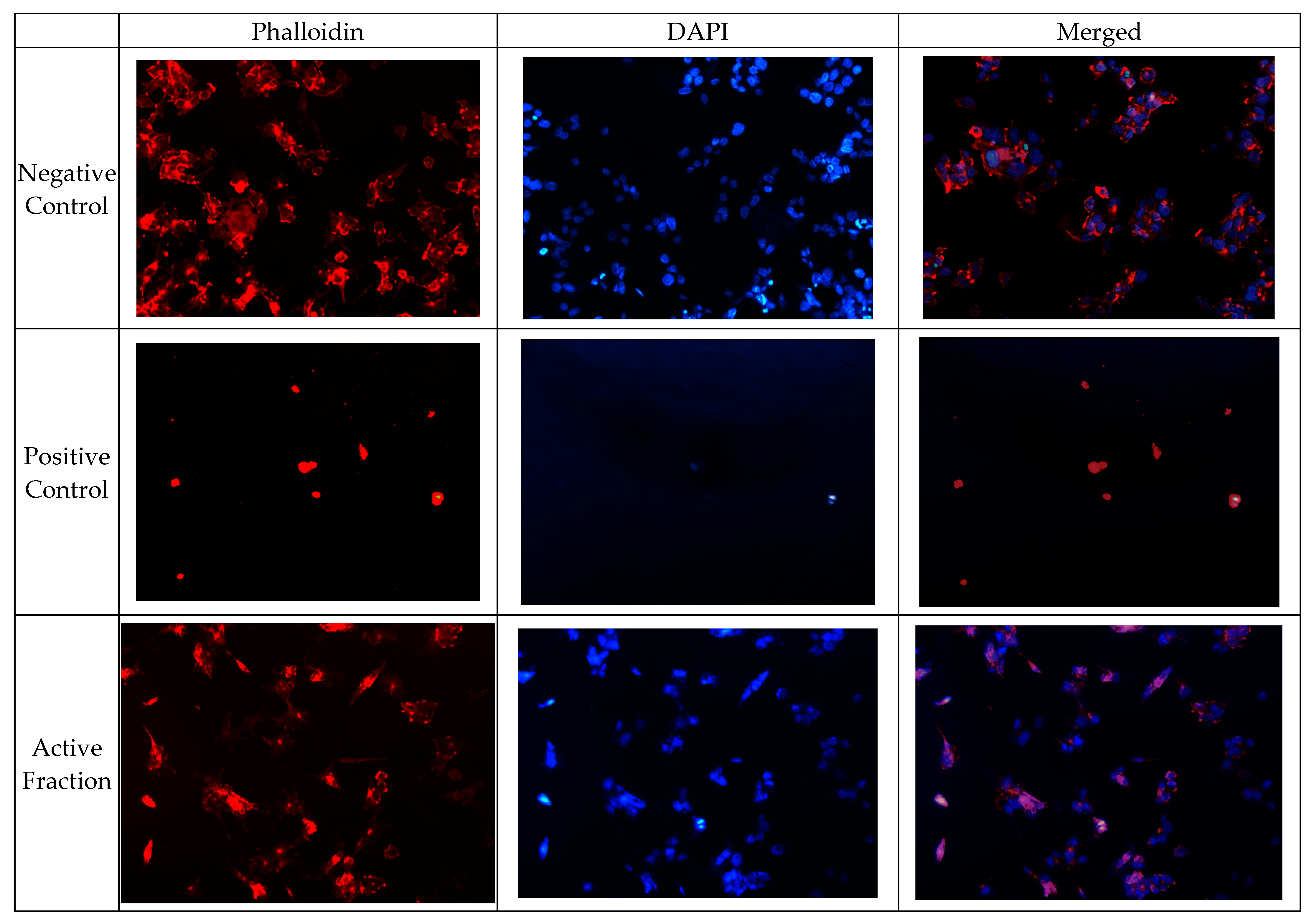
Staining with phalloidin and DAPI was performed to assess cytoskeletal and nuclear alterations in 22Rv1 cells treated with the IC50 of fraction H3 (Figure 5).

3.6. Compound Characterization

3.6.1. Nuclear Magnetic Resonance (1H and 13C NMR)

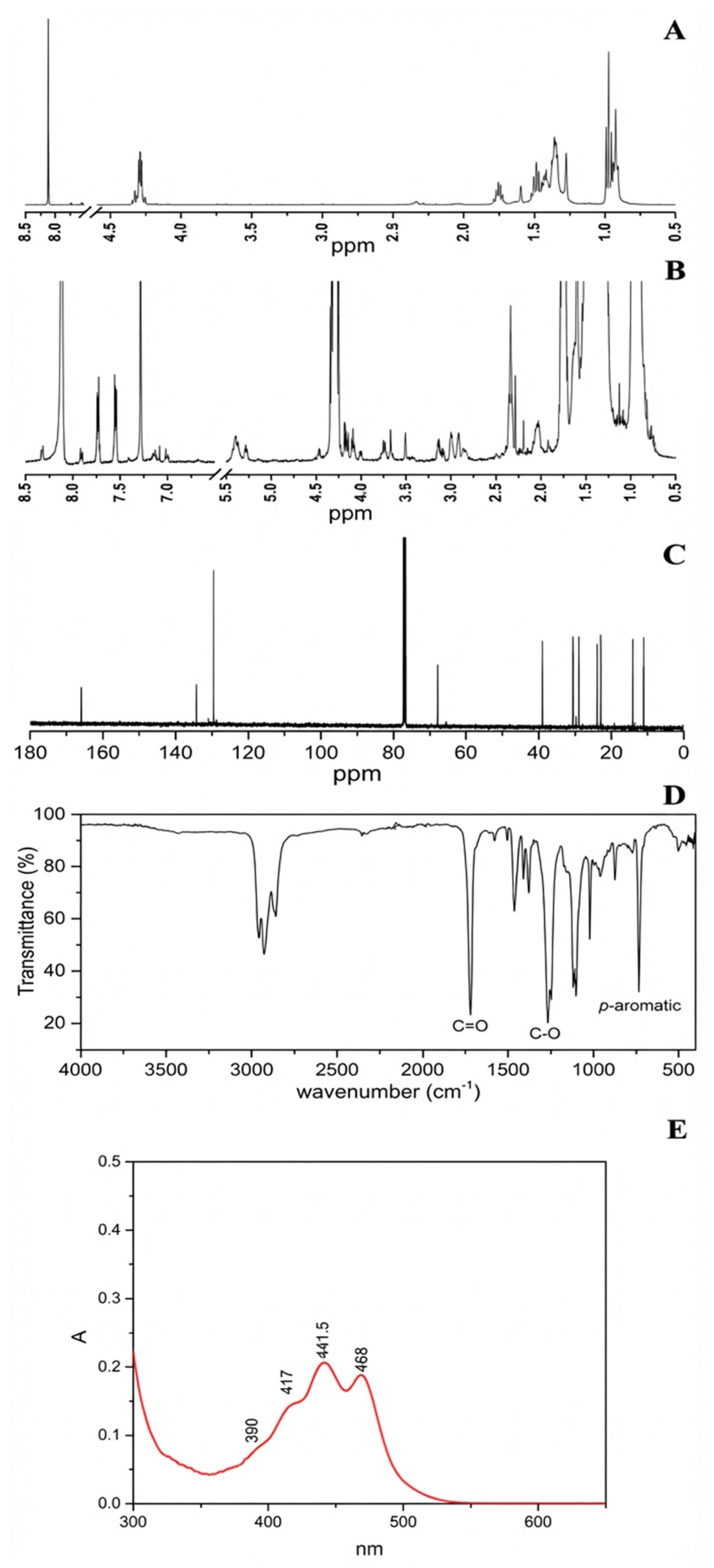
The structural elucidation of compounds present in fraction H3 was performed using 1H and 13C NMR spectroscopy; the spectrum is shown in Figure 6A,C.
The major compound found is Bis(2-ethylhexyl) terephthalate and the signals observed in the 1H NMR spectrum at 8.08 ppm (s, 4H) and at 4.27 ppm (dd, 4H) correspond to the CH2 bound to the O of the ester group. Moving to the high field, the signal at 1.73 ppm (m, 2H) corresponds to CH, the signal at 1.46 ppm (m, 4H) corresponds to CH2 of ethyl group, the signal in the region of 1.41–1.27 ppm (m, 12H) corresponds to CH2 of hexyl fraction, the signal at 0.96 ppm (t, 6H) corresponds to CH3 of the ethyl group and the signal at 0.90 ppm (t, 6H) corresponds to CH3 of the hexyl fraction [15,16].
In the 13C NMR spectra, the signal that appears at 166 ppm corresponds to the C=O of the ester group, the signal at 134 ppm corresponds to the C of the aromatic ring and the signal at 129 ppm corresponds to all the Cs of the aromatic ring. The signal at 68 ppm corresponds to the C linked to the O of the ester group, the signal at 39 ppm corresponds to CH, the signals at 30 and 14 ppm correspond to CH2 and CH3, respectively, of the ethyl group and the signals at 29, 24,23 and 11 ppm correspond to the carbons CH2-CH2-CH2 and CH3, respectively, of the hexyl group.
Figure 6B shows the expanded spectrum, where the presence of other signals that correspond to the minority components of the H3 fraction can be observed. Signals are observed in the regions between 6.9–7.2 ppm and 5.2–5.5 ppm; in these regions, the signals of unsaturated groups appear, either conjugated dienes or aromatic groups, which may be responsible for the color that this fraction presents. Also, in the region from 4.8 to 2, signals are observed, indicating the presence of electronegative groups that cause the deprotection of the protons.
In the 1H NMR spectra, signals of compounds present in much smaller quantities than phthalates correspond to those responsible for the color in the extracts and fractions.

3.6.2. Infrared Spectroscopy

To detect the functional groups of the fraction H3, an infrared spectroscopy was performed (Figure 6D). The analysis confirmed the presence of the ester functional groups and the signal corresponding to the number of waves gave the information that the aromatic ring is disubstituted in the para position.
Based on the combined data from NMR and FTIR, Bis(2-ethylhexyl) terephthalate was identified as one of the major constituents. However, it is necessary to continue analyzing the composition of the H3 fraction since there are signs corresponding to other compounds that have not yet been fully characterized. Phthalate derivatives have been reported as bioactive compounds, demonstrating a variety of biological activities such as antioxidant [17,18] antimicrobial [19], cytotoxic [20], anti-leukemic, and antimutagenic [21] potential. However, in several studies, it has been shown that these compounds have antiproliferative activity [9].

3.6.3. UV-Visible Spectroscopy

UV-visible measurement was carried out, revealing signals between 400 and 500 nm, with maximum absorbance peaks at 417, 441.5 and 468 Figure 6E. These peaks coincide with the maximum absorbance peaks of two carotenoids, neoxanthin and violaxanthin [18].

4. Discussion

4.1. Serial Extraction

Crude extracts contain a variety of compounds and should not be considered chemically pure substances. The exoskeleton of shrimp contains chitin (30–40%), proteins (25–30%), lipids and carbohydrates (5–10%), minerals (20–25%), and bioactive compounds such as carotenoids and polyunsaturated fatty acids [22]. In contrast, the cephalothorax of Pacific white shrimp has been reported as 58.43% protein, 15.75% ash and 17.26% lipids [23].

4.2. Antiproliferative Activity of Extracts

Due to their complex composition, the biological activity of crude extracts cannot be attributed to a single compound. Other studies have reported similar effects of white shrimp muscle compounds on murine [24], breast [8] and prostate [9] cancer cell lines.

4.3. Cell Viability of Bioactive Fractions

Spectrophotometric analysis revealed that Bis(2-ethylhexyl) terephthalate was the major component in H3, accompanied by dibutyl terephthalate and minor compounds likely responsible for the orange coloration. Prior studies have shown that compounds like dibutyl phthalate can inhibit cell proliferation against K562 leukemia cells, demonstrating superior activity compared to other tested compounds [25].
Some epidemiological and experimental studies associate carotenoids such as lycopene with a reduced risk of prostate cancer [26]. It has also been reported to reduce cell proliferation in the human cancer cell lines PC3, DU145 and SKOV3. In MCF-7 breast cancer cells, it may suppress the expression of the BAX and P53 genes [27]. H3 also contains carotenoids such as violaxanthin and neoxanthin. Violaxanthin is known to inhibit proliferation, induce apoptosis, and reverse multidrug resistance (MDR) in breast (MCF-7) and prostate (PC-3, DU 145, and LNCaP) cells [28]. Neoxanthin has been reported to induce apoptosis in the same prostate cancer cell lines [29,30]. These carotenoids may contribute to the observed antiproliferative activity; however, the possible contribution of other minor components present in the fraction cannot be excluded. On the other hand, studies report that supplementation with some carotenoids, such as beta-carotene, can have a harmful effect, acting as a co-carcinogen in different age and ethnic groups. However, these effects require further investigation [31].

4.4. Fluorescence Cell Staining and Microscopy Assay

As shown in Figure 5, chromatin condensation and cellular shrinkage (pyknosis) were observed. These features are hallmarks of early apoptosis [32]. Additionally, membrane blebbing and cytoskeletal protrusions were evident, which typically represent later stages of apoptotic cell death. The induction of apoptotic features in cancer cells is commonly considered a relevant characteristic in the evaluation of potential anticancer agents [33].

5. Conclusions

Compounds extracted from white shrimp exoskeleton exhibited in vitro antiproliferative activity against the prostate cancer cell line 22Rv1 under the experimental conditions evaluated. Although Bis(2-ethylhexyl) terephthalate was identified as the major compound in fraction H3, the contribution of this compound to the observed biological activity appears limited. The presence of carotenoids such as violaxanthin and neoxanthin in the fraction may be associated with the antiproliferative effects detected in the cell viability assays. Further research is required to elucidate the mechanisms of action of these compounds and to evaluate their biological relevance in experimental models beyond in vitro conditions.

Author Contributions

H.E.T.-R.: Methodology; Investigation and Writing—original draft. C.M.L.-S.: Resources, Supervision, Visualization, Project administration, Writing—review and editing; Funding acquisition. D.G.L.-R.: Methodology; Investigation. H.d.C.S.-O.: Methodology, Supervision; Software. O.M.-C.: Project administration; Supervision. S.C.D.L.R.-R.: Methodology; Formal analysis. A.B.-H.: Writing—review and editing; Formal analysis. E.S.-C.: Conceptualization; Validation. Á.A.C.-B.: Validation; Visualization. All authors have read and agreed to the published version of the manuscript.

Funding

This work was financially supported by the Secretaría de Ciencia, Humanidades, Tecnología e Innovación (SECIHTI) through project A1-S-9762.

Informed Consent Statement

Not applicable.

Data Availability Statement

Data will be made available on request.

Acknowledgments

The authors acknowledge the Secretaría de Ciencia, Humanidades, Tecnología e Innovación (SECIHTI) of Mexico for awarding a postgraduate scholarship to Trujillo-Ruiz (CVU: 1078709).

Conflicts of Interest

The authors declare no potential conflicts of interest with respect to research, authorship, or publication of this article.

References

  1. World Health Organization Cancer. Available online: https://www.who.int/health-topics/cancer#tab=tab_1 (accessed on 7 April 2025).
  2. Tran, K.B.; Lang, J.J.; Compton, K.; Xu, R.; Acheson, A.R.; Henrikson, H.J.; Kocarnik, J.M.; Penberthy, L.; Aali, A.; Abbas, Q.; et al. The Global Burden of Cancer Attributable to Risk Factors, 2010–2019: A Systematic Analysis for the Global Burden of Disease Study 2019. Lancet 2022, 400, 563–591. [Google Scholar] [CrossRef]
  3. Mohan Shankar, G.; Swetha, M.; Keerthana, C.K.; Rayginia, T.P.; Anto, R.J. Cancer Chemoprevention: A Strategic Approach Using Phytochemicals. Front. Pharmacol. 2022, 12, 809308. [Google Scholar] [CrossRef]
  4. Santaniello, G.; Nebbioso, A.; Altucci, L.; Conte, M. Recent Advancement in Anticancer Compounds from Marine Organisms: Approval, Use and Bioinformatic Approaches to Predict New Targets. Mar. Drugs 2023, 21, 24. [Google Scholar] [CrossRef]
  5. El-Seedi, H.R.; Refaey, M.S.; Elias, N.; El-Mallah, M.F.; Albaqami, F.M.K.; Dergaa, I.; Du, M.; Salem, M.F.; Tahir, H.E.; Dagliaa, M.; et al. Marine Natural Products as a Source of Novel Anticancer Drugs: An Updated Review (2019–2023). Nat. Prod. Bioprospect. 2025, 15, 13. [Google Scholar] [CrossRef]
  6. Abuzar; Sharif, H.R.; Sharif, M.K.; Arshad, R.; Rehman, A.; Ashraf, W.; Karim, A.; Awan, K.A.; Raza, H.; Khalid, W.; et al. Potential Industrial and Nutritional Applications of Shrimp By-Products: A Review. Int. J. Food Prop. 2023, 26, 3407–3432. [Google Scholar] [CrossRef]
  7. Trujillo-Ruiz, H.E.; López-Saiz, C.M.; García-Alegría, A.M.; Osuna-Ruiz, I.; Santacruz-Ortega, H.D.C.; Meza-Montenegro, M.M.; Maldonado-Escalante, J.F.; Cruz-Ramirez, S.G.; Burgos Hernández, A. Detection and Partial Characterization of Antimutagenic Compounds from White Shrimp (Litopenaeus vannamei) Cephalothorax. CYTA J. Food 2024, 22, 2315990. [Google Scholar] [CrossRef]
  8. DE LA REÉ-RODRÍGUEZ, S.C.; López-Saiz, C.M.; Ezquerra-Brauer, J.M.; Santacruz-Ortega, H.D.C.; Plascencia-Jatomea, M.; Hernández-Zazueta, M.S.; Sandoval-Petris, E.; Martinez-Cruz, O.; Yepiz-Plascencia, G.; Medina-Mendez, I. Lipidic Compounds from the Muscle of White Shrimp (Litopenaeus vannamei): Chemical Structure and Effect on the Proliferation and Morphology of Human Cancer Cell Lines. Food Sci. Technol. 2022, 42, e86822. [Google Scholar] [CrossRef]
  9. García-Romo, J.S.; Noguera-Artiaga, L.; Gálvez-Iriqui, A.C.; Hernández-Zazueta, M.S.; Valenzuela-Cota, D.F.; González-Vega, R.I.; Plascencia-Jatomea, M.; Burboa-Zazueta, M.G.; Sandoval-Petris, E.; Robles-Sánchez, R.M.; et al. Antioxidant, Antihemolysis, and Retinoprotective Potentials of Bioactive Lipidic Compounds from Wild Shrimp (Litopenaeus stylirostris) Muscle. CyTA-J. Food 2020, 18, 153–163. [Google Scholar] [CrossRef]
  10. Dewanjee, S.; Das, S.; Joardar, S.; Bhattacharjee, S.; Chakraborty, P. Carotenoids as Anticancer Agents. In Carotenoids: Structure and Function in the Human Body; Springer: Berlin/Heidelberg, Germany, 2021; pp. 475–512. [Google Scholar] [CrossRef]
  11. Koklesova, L.; Liskova, A.; Samec, M.; Buhrmann, C.; Samuel, S.M.; Varghese, E.; Ashrafizadeh, M.; Najafi, M.; Shakibaei, M.; Büsselberg, D.; et al. Carotenoids in Cancer Apoptosis—The Road from Bench to Bedside and Back. Cancers 2020, 12, 2425. [Google Scholar] [CrossRef] [PubMed]
  12. Osuna-Ruiz, I.; López-Saiz, C.M.; Burgos-Hernández, A.; Velázquez, C.; Nieves-Soto, M.; Hurtado-Oliva, M.A. Antioxidant, Antimutagenic and Antiproliferative Activities in Selected Seaweed Species from Sinaloa, Mexico. Pharm. Biol. 2016, 54, 2196–2210. [Google Scholar] [CrossRef]
  13. Mosmann, T. Rapid Colorimetric Assay for Cellular Growth and Survival: Application to Proliferation and Cytotoxicity Assays. J. Immunol. Methods 1983, 65, 55–63. [Google Scholar] [CrossRef]
  14. Van Vuuren, R.J.; Botes, M.; Jurgens, T.; Joubert, A.M.; Van Den Bout, I. Novel Sulphamoylated 2-Methoxy Estradiol Derivatives Inhibit Breast Cancer Migration by Disrupting Microtubule Turnover and Organization. Cancer Cell Int. 2019, 19, 1. [Google Scholar] [CrossRef]
  15. Grymel, A.; Latos, P.; Matuszek, K.; Erfurt, K.; Barteczko, N.; Pankalla, E.; Chrobok, A. Sustainable Method for the Synthesis of Alternative Bis(2-Ethylhexyl) Terephthalate Plasticizer in the Presence of Protic Ionic Liquids. Catalysts 2020, 10, 457. [Google Scholar] [CrossRef]
  16. Kdimy, A.; Kim, S.J.; Ali, Z.; Khan, M.I.H.; Tripathi, S.K.; El Hajjaji, S.; Le, H.V. Isolation of Two Plasticizers, Bis(2-Ethylhexyl) Terephthalate and Bis(2-Ethylhexyl) Phthalate, from Capparis Spinosa L. Leaves. Chem. Biodivers. 2023, 20, e202300903. [Google Scholar] [CrossRef]
  17. Qian, Z.J.; Kang, K.H.; Kim, S.K. Isolation and Antioxidant Activity Evaluation of Two New Phthalate Derivatives from Seahorse, Hippocampus Kuda Bleeler. Biotechnol. Bioprocess Eng. 2012, 17, 1031–1040. [Google Scholar] [CrossRef]
  18. Shaaban, M.; Abd-Alla, H.I.; Hassan, A.Z.; Aly, H.F.; Ghani, M.A. Chemical Characterization, Antioxidant and Inhibitory Effects of Some Marine Sponges against Carbohydrate Metabolizing Enzymes. Org. Med. Chem. Lett. 2012, 2, 30. [Google Scholar] [CrossRef]
  19. Roy, R.N.; Laskar, S.; Sen, S.K. Dibutyl Phthalate, the Bioactive Compound Produced by Streptomyces Albidoflavus 321.2. Microbiol. Res. 2006, 161, 121–126. [Google Scholar] [CrossRef] [PubMed]
  20. El-Sayed, M.H. Di-(2-Ethylhexyl) Phthalate, a Major Bioactive Metabolite with Antimicrobial and Cytotoxic Activity Isolated from the Culture Filtrate of Newly Isolated Soil Streptomyces (Streptomyces Mirabilis Strain NSQu-25). World Appl. Sci. J. 2012, 20, 1202–1212. [Google Scholar]
  21. Lee, K.H.; Kim, J.H.; Lim, D.S.; Kim, C.H. Anti-Leukaemic and Anti-Mutagenic Effects of Di(2-Ethylhexyl)Phthalate Isolated from Aloe Vera Linne. J. Pharm. Pharmacol. 2000, 52, 593–598. [Google Scholar] [CrossRef] [PubMed]
  22. Nirmal, N.P.; Santivarangkna, C.; Rajput, M.S.; Benjakul, S. Trends in Shrimp Processing Waste Utilization: An Industrial Prospective. Trends Food Sci. Technol. 2020, 103, 20–35. [Google Scholar] [CrossRef]
  23. Sinthusamran, S.; Benjakul, S.; Kijroongrojana, K.; Prodpran, T.; Kishimura, H. Protein Hydrolysates from Pacific White Shrimp Cephalothorax Manufactured with Different Processes: Compositions, Characteristics and Antioxidative Activity. Waste Biomass Valorization 2020, 11, 1657–1670. [Google Scholar] [CrossRef]
  24. López-Saiz, C.M.; Velázquez, C.; Hernández, J.; Cinco-Moroyoqui, F.J.; Plascencia-Jatomea, M.; Robles-Sánchez, M.; Machi-Lara, L.; Burgos-Hernández, A. Isolation and Structural Elucidation of Antiproliferative Compounds of Lipidic Fractions from White Shrimp Muscle (Litopenaeus Vannamei). Int. J. Mol. Sci. 2014, 15, 23555–23570. [Google Scholar] [CrossRef] [PubMed]
  25. Shi, G.; Liu, J.; Zhao, W.; Liu, Y.; Tian, X. Separation and Purification and in Vitro Anti-Proliferative Activity of Leukemia Cell K562 of Galium Aparine L. Petroleum Ether Phase. Saudi Pharm. J. 2016, 24, 241–244. [Google Scholar] [CrossRef]
  26. Rowles, J.L.; Ranard, K.M.; Smith, J.W.; An, R.; Erdman, J.W. Increased Dietary and Circulating Lycopene Are Associated with Reduced Prostate Cancer Risk: A Systematic Review and Meta-Analysis. Prostate Cancer Prostatic Dis. 2017, 20, 361–377. [Google Scholar] [CrossRef]
  27. Peng, S.J.; Li, J.; Zhou, Y.; Tuo, M.; Qin, X.X.; Yu, Q.; Cheng, H.; Li, Y.M. In Vitro Effects and Mechanisms of Lycopene in MCF-7 Human Breast Cancer Cells. Genet. Mol. Res. 2017, 16, 16029434. [Google Scholar] [CrossRef]
  28. Ni, X.; Yu, H.; Wang, S.; Zhang, C.; Shen, S. Astaxanthin Inhibits PC-3 Xenograft Prostate Tumor Growth in Nude Mice. Mar. Drugs 2017, 15, 66. [Google Scholar] [CrossRef]
  29. Hamed, I.; Özogul, F.; Özogul, Y.; Regenstein, J.M. Marine Bioactive Compounds and Their Health Benefits: A Review. Compr. Rev. Food Sci. Food Saf. 2015, 14, 446–465. [Google Scholar] [CrossRef]
  30. Kim, S.K.; Thomas, N.V.; Li, X. Anticancer Compounds from Marine Macroalgae and Their Application as Medicinal Foods. Adv. Food Nutr. Res. 2011, 64, 213–224. [Google Scholar] [CrossRef]
  31. Yang, J.; Zhang, Y.; Na, X.; Zhao, A. β-Carotene Supplementation and Risk of Cardiovascular Disease: A Systematic Review and Meta-Analysis of Randomized Controlled Trials. Nutrients 2022, 14, 1284. [Google Scholar] [CrossRef] [PubMed]
  32. Battistelli, M.; Falcieri, E. Apoptotic Bodies: Particular Extracellular Vesicles Involved in Intercellular Communication. Biology 2020, 9, 21. [Google Scholar] [CrossRef] [PubMed]
  33. Sipahli, S.; Dwarka, D.; Amonsou, E.; Mellem, J. In Vitro Antioxidant and Apoptotic Activity of Lablab purpureus (L.) Sweet Isolate and Hydrolysates. Food Sci. Technol. 2022, 42, e55220. [Google Scholar] [CrossRef]
Figure 1. 22Rv1 viability exposed to exoskeleton hexane and acetone extracts at different concentrations (25–200 μg/mL). Different letters above the bars indicate significant differences (p ≤ 0.05).
Biophysica 06 00017 g001
Figure 2. 22Rv1 viability when exposed to exoskeleton hexane fractions (100 μg/mL), positive control was doxorubicin (doxo; red bar) and Cis-platin (cis-p; orange bar). Values represent mean ± standard deviation from three independent experiments. Different letters above the bars indicate significant differences (p ≤ 0.05).
Biophysica 06 00017 g002
Figure 3. Morphological changes in 22Rv1 (20×). (a) Untreated cells (24 h). (b) Cells treated with fraction H3 (100 μg/mL) after 24 h. (c) Cells treated with fraction H3 (100 μg/mL) after 48 h. (d) Negative control: cells with DMSO. (e) Positive control: cells treated with cisplatin. (f) Positive control, cells treated with doxorubicin.
Biophysica 06 00017 g003
Figure 4. 22Rv1 viability when exposed to dioctyl phthalate (200, 100, 50, 25 μg/mL). Values represent mean ± standard deviation from three independent experiments. Means followed by different letters are statistically different (p ≤ 0.05).
Biophysica 06 00017 g004
Figure 5. Morphological changes in 22Rv1 after 24 h of treatment. Negative control (without treatment); Fraction H3 (IC50 = 43.2 μg/mL). Actin cytoskeleton and DNA were stained with phalloidin and DAPI, respectively. Cells were observed at 20×.
Biophysica 06 00017 g005
Figure 6. 1H NMR Spectra of fraction H3 in CDCl3 (A). The upper spectrum shows the major component, while the lower spectrum is expanded to reveal the minor components (B). 13C NMR Spectra of H3 in CDCl3 (C). FTIR Spectra of H3 by ATR (D). UV-Visible Spectra of H3 in hexane (E).
Biophysica 06 00017 g006
Table 1. Effect of extracts on cancer cell lines viability. The values represent mean ± standard deviation from three independent experiments. Means with different superscripts are statistically different (p ≤ 0.05). Control cell cultures were incubated with DMSO and represent 100% viability.
Treatment (100 μg/mL)Cell Line
Anatomic RegionSolventHCT-116A-549HeLaMDA-MB-23122Rv1
ExoskeletonHexane96.9 ± 9.0 bcd103.0 ± 7.7 cd96.0 ± 21.3 bcd100.8 ± 6.2 bcd40.6 ± 3.1 a
Acetone106.4 ± 22.7 cd100.7 ± 7.7 bcd88.9 ± 5.0 abcd88.1 ± 16.4 abcd47.2 ± 2.3 ab
Methanol93.3 ± 14.5 abcd97.0 ± 14.1 bcd89.9 ± 16.2 abcd90.9 ± 29.2 abcd82.3 ± 26.9 abcd
Water371.1 ± 35.9 e111.0 ± 12.4 cd108.1 ± 8.1 cd116.1 ± 31.4 cd108.6 ± 16.5 cd
CephalothoraxHexane97.0 ± 13.0 bcd115.9 ± 14.3 cd95.6 ± 26.2 bcd124.3 ± 2.9 cd99.6 ± 8.2 bcd
Acetone91.5 ± 2.0 abcd100.5 ± 4.7 bcd125.0 ± 4.6 cd120.6 ± 8.0 cd92.2 ± 0.6 abcd
Methanol114.4 ± 25.8 cd103.6 ± 8.9 cd75.8 ± 4.6 abc91.1 ± 6.4 abcd106.5 ± 23.1 cd
Water133.5 ± 19.1 d101.1 ± 9.0 bcd132.8 ± 18.5 d98.2 ± 1.9 bcd122.6 ± 10.1 cd
Disclaimer/Publisher’s Note: The statements, opinions and data contained in all publications are solely those of the individual author(s) and contributor(s) and not of MDPI and/or the editor(s). MDPI and/or the editor(s) disclaim responsibility for any injury to people or property resulting from any ideas, methods, instructions or products referred to in the content.