Case Report

Primary Trapeziometacarpal (TMC) Arthroplasty for Bennett Fracture in Setting of Severe Thumb Osteoarthritis: A Case Report

1
SC Ortopedia e Traumatologia, Ospedale Villa Scassi, Corso Onofrio Scassi 1, 16149 Genoa, Italy
2
Centro Metropolitano di Chirurgia della Mano, ASL3 Genovese, 16149 Genoa, Italy
*
Author to whom correspondence should be addressed.
Surgeries 2026, 7(1), 6; https://doi.org/10.3390/surgeries7010006 (registering DOI)
Submission received: 15 November 2025 / Revised: 16 December 2025 / Accepted: 25 December 2025 / Published: 26 December 2025

Abstract

Bennett fractures are common intra-articular fractures of the base of the first metacarpal. Not optimal restoration of the articular surface often leads to osteoarthritis, with pain and limited movement. In patients with established and symptomatic TMC osteoarthritis, arthroplasty with MAIA® prosthesis could be a valid option. In July 2024, a right-handed man of 68 years old fell on his hand. Radiographs showed a Bennett fracture in a setting of Eaton–Littler stage 3 osteoarthritis, already painful and disabling according to the patient. For correct pre-operative planning, a 3D model of the affected hand was produced. The patient underwent TMC arthroplasty with a MAIA® prosthesis. Two months after surgery, the results reported no pain (VAS scale) and considerable functionality and mobility of the first ray (AROM, Kapandji score, and PRWHE were investigated). The mean pinch strength of the right hand was 7 kg and of the left hand 7.5 kg using a pinch meter. At one-year follow-up, no complications were reported: the implant did not show signs of loosening or subsidence. TMC arthroplasty in Bennett fractures could represent a safe procedure in patients with established TMC osteoarthritis; however, further studies are requested in order to clarify effectiveness and indications.

1. Introduction

Bennett fracture is the most common fracture involving the base of the thumb. This fracture refers to an intra-articular fracture that separates the palmar ulnar aspect of the first metacarpal base from the remaining first metacarpal [1].
First described in 1882 after Edward Hallaran Bennett [2], during the years, several techniques have been proposed: immobilization with a cast, open or arthroscopy-assisted reduction with screw fixation (ORIF), or closed reduction with percutaneous fixation using Kirschner wires (CRPF).
The literature reports that ORIF gives good results and has the advantage of anatomically reducing the fracture under direct vision, preventing post-traumatic arthritis [3]. CRPF is also reported to give good clinical results using fluoroscopy to assess fracture reduction.
However, the primary aims in the treatment of intra-articular fractures involving the base of the first metacarpal are the anatomical reduction of the articular surface and restoration of the initial length of the first metacarpal [4].
Timmenga et al. [3] showed similar functional outcomes for ORIF and CRPF after long-term follow-up, but the significant correlation between a persistent step-off and gap of 2 mm of the articular surface and the development of post-traumatic arthritis.
Osteoarthritis of the thumb could manifest long-term after Bennett fractures, and it is considered a complication that could lead to further surgeries.
Even if Bennett’s fractures are most common in young to middle-aged adults (20s–40s), especially males, higher proportional rates are found in the elderly (>65 years old) [5], often from falls.
Trapeziometacarpal osteoarthritis is a common disease with a radiological prevalence from 13.4% above 70 years of age up to 35.8% above 55 years. It is considered a debilitating disorder, causing pain in the hand, reduced strength, and limited movement during activities of daily living.
To our knowledge, there are no studies in the literature addressing which could be the best treatment for patients with Bennett fractures in a setting of symptomatic osteoarthritis.
In recent years, primary trapaziometacarpal (TMC) arthroplasty has become a safe and valid procedure in the treatment of TMC osteoarthritis with promising results in the literature.
The aim of this case report is to highlight the outcomes of a Bennett fracture treated with a TMC arthroplasty in a setting of severe trapeziometacarpal osteoarthritis.

2. Case Report

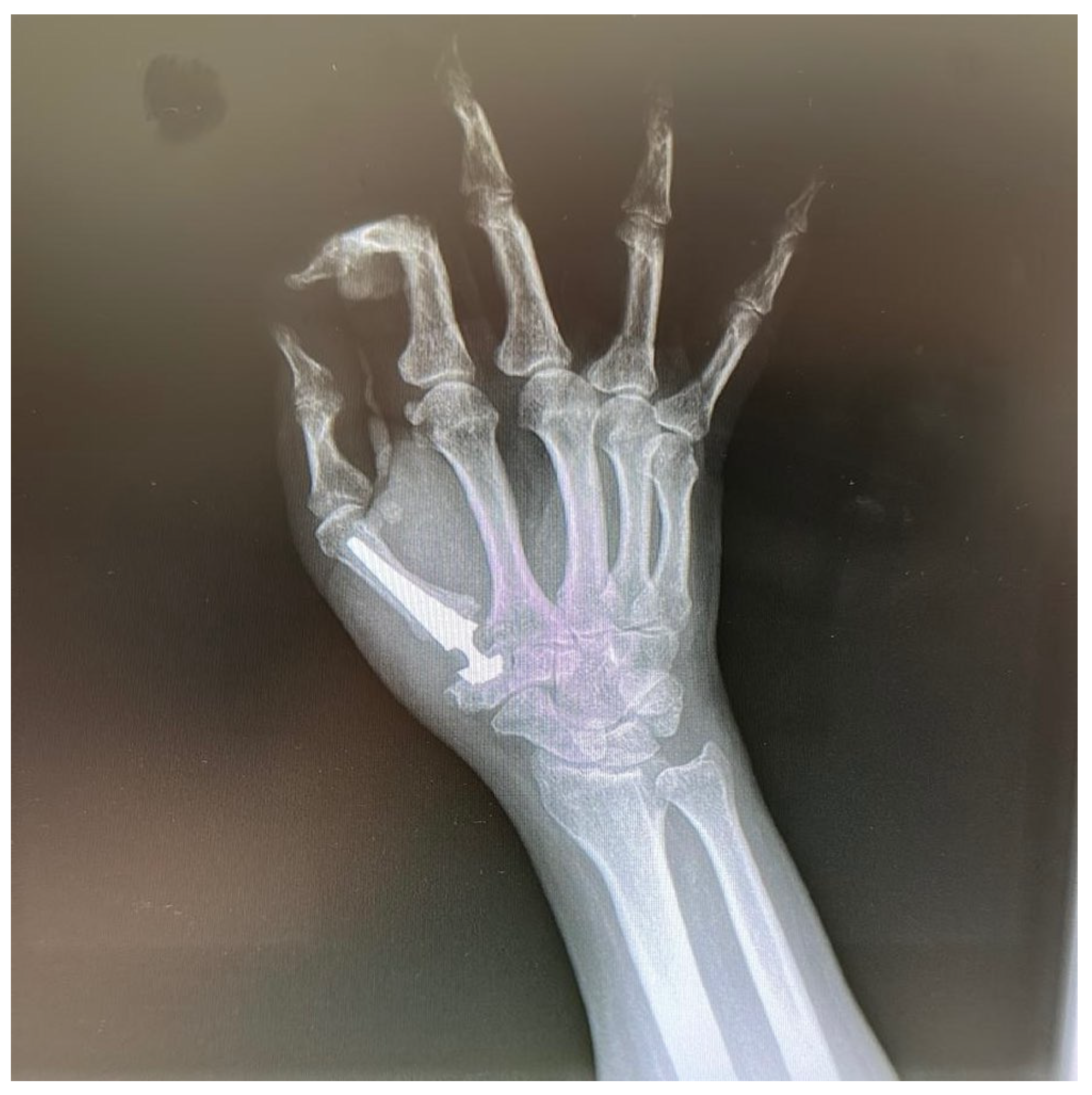
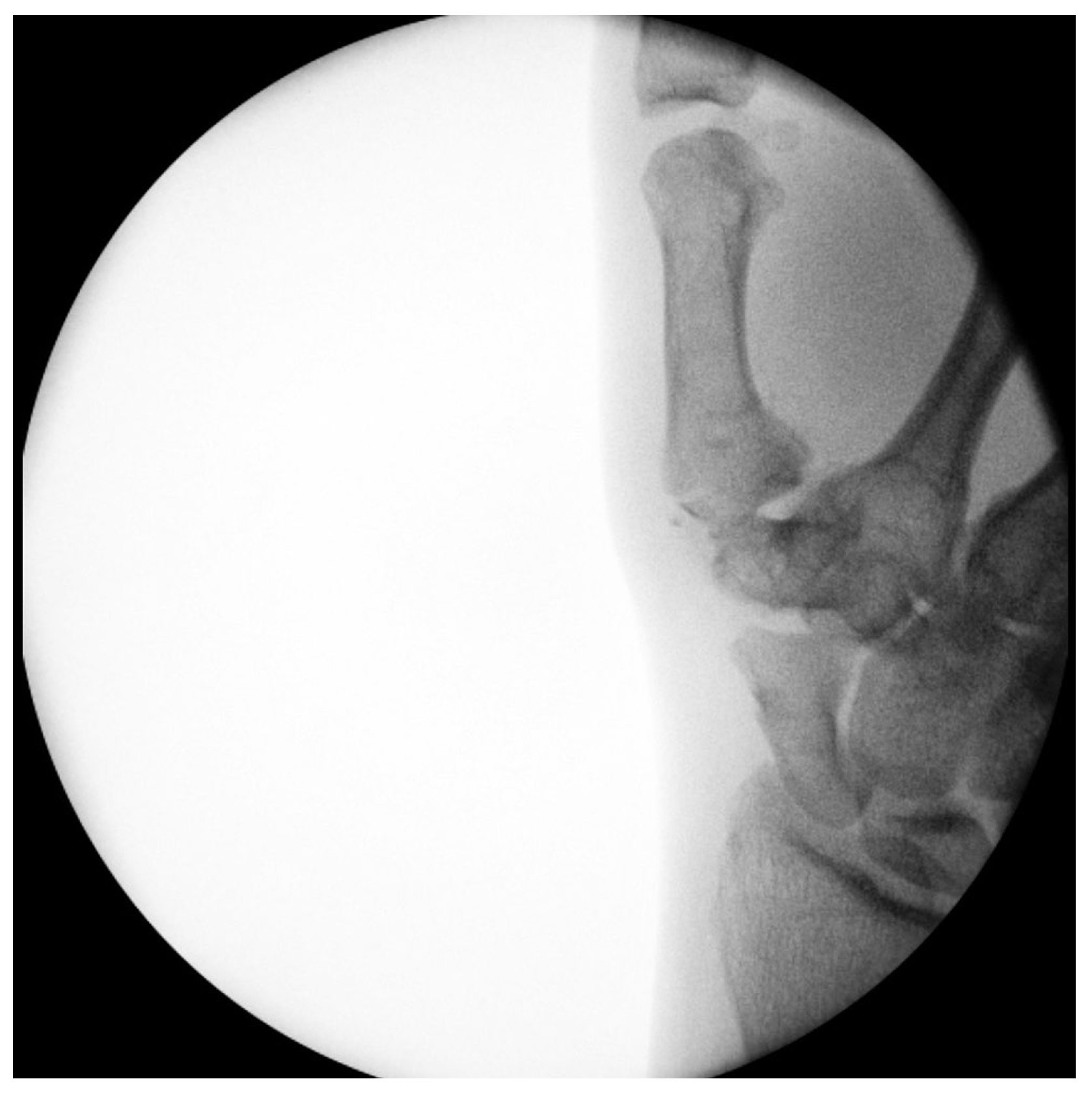
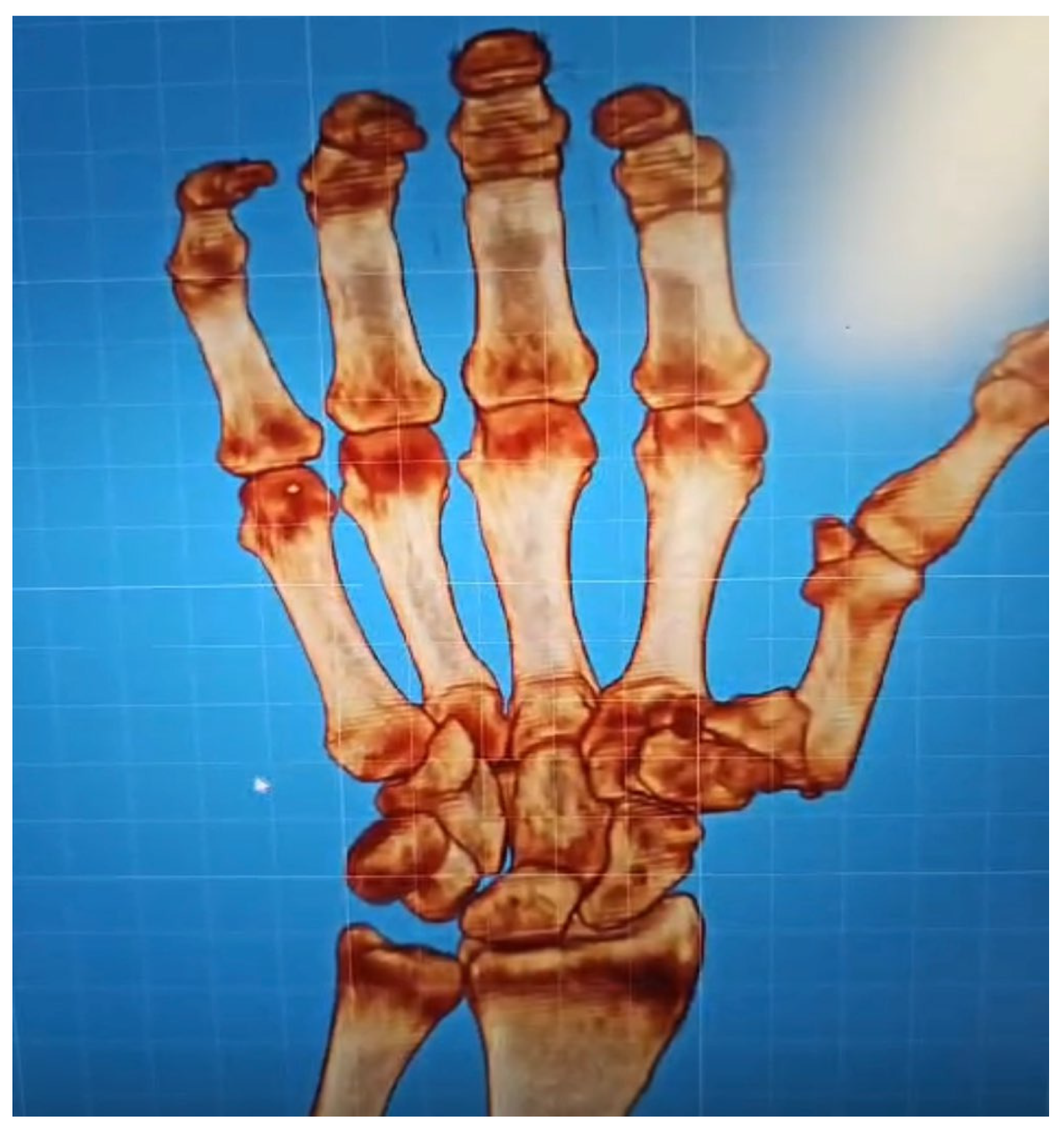
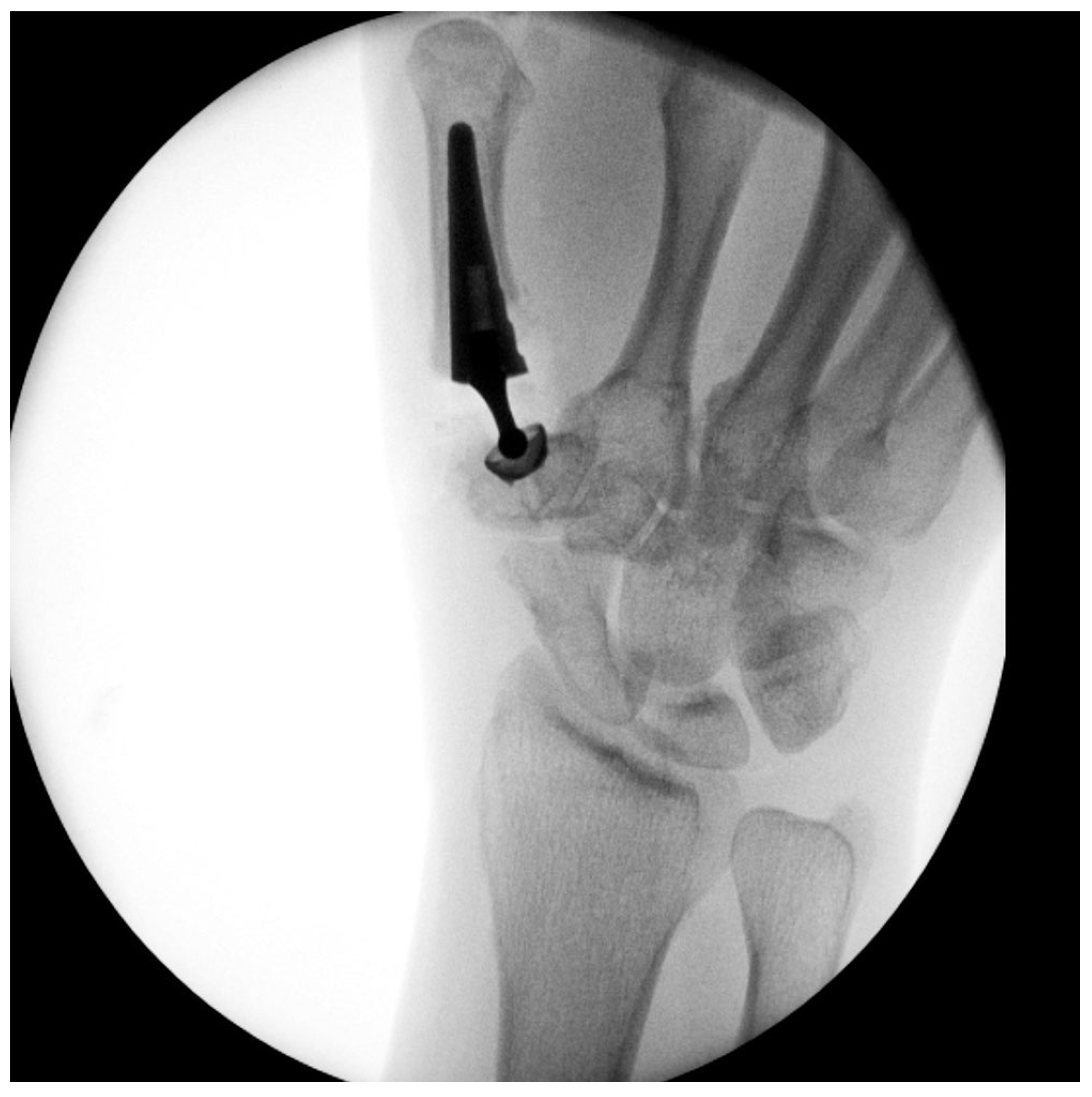
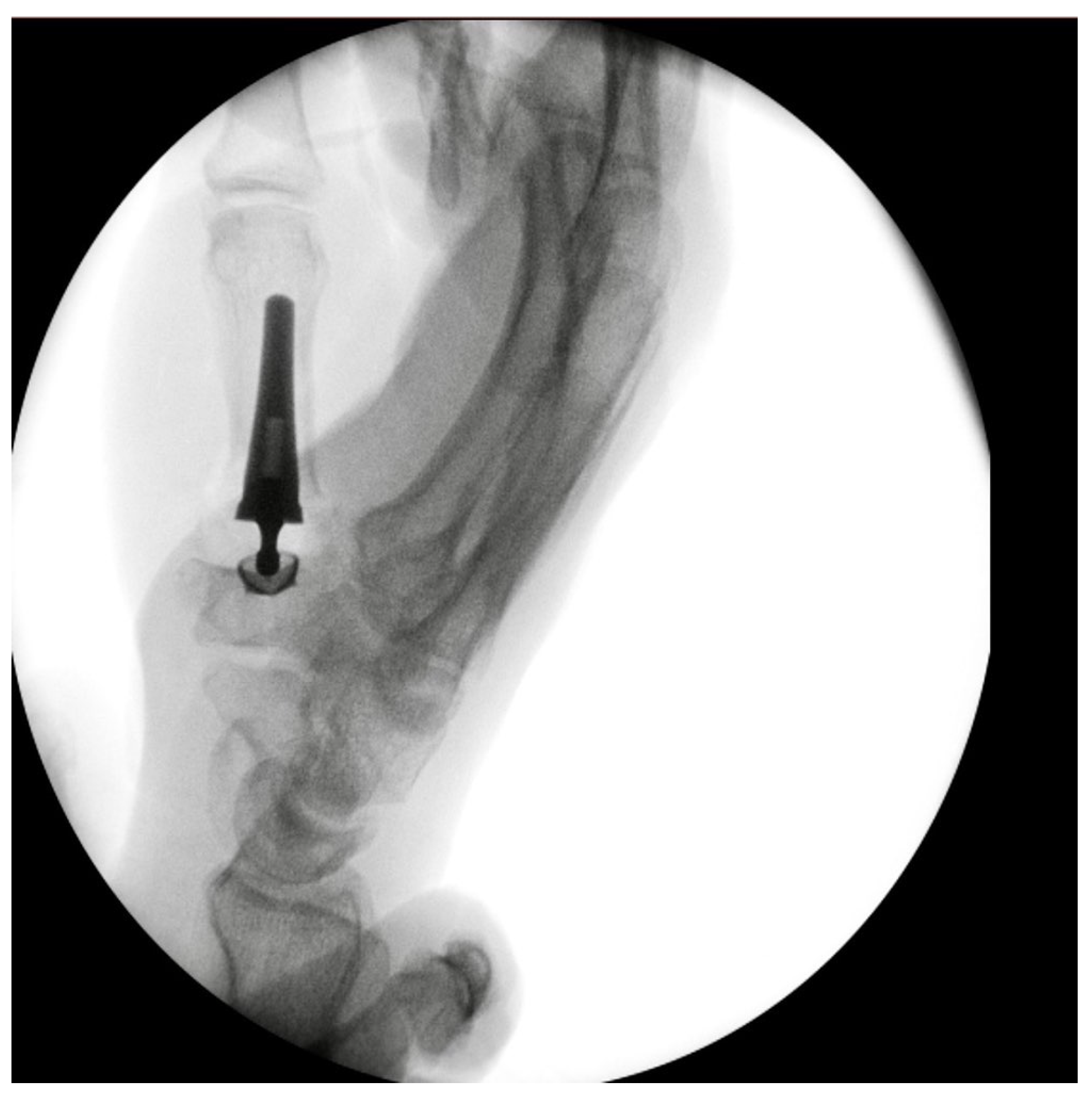
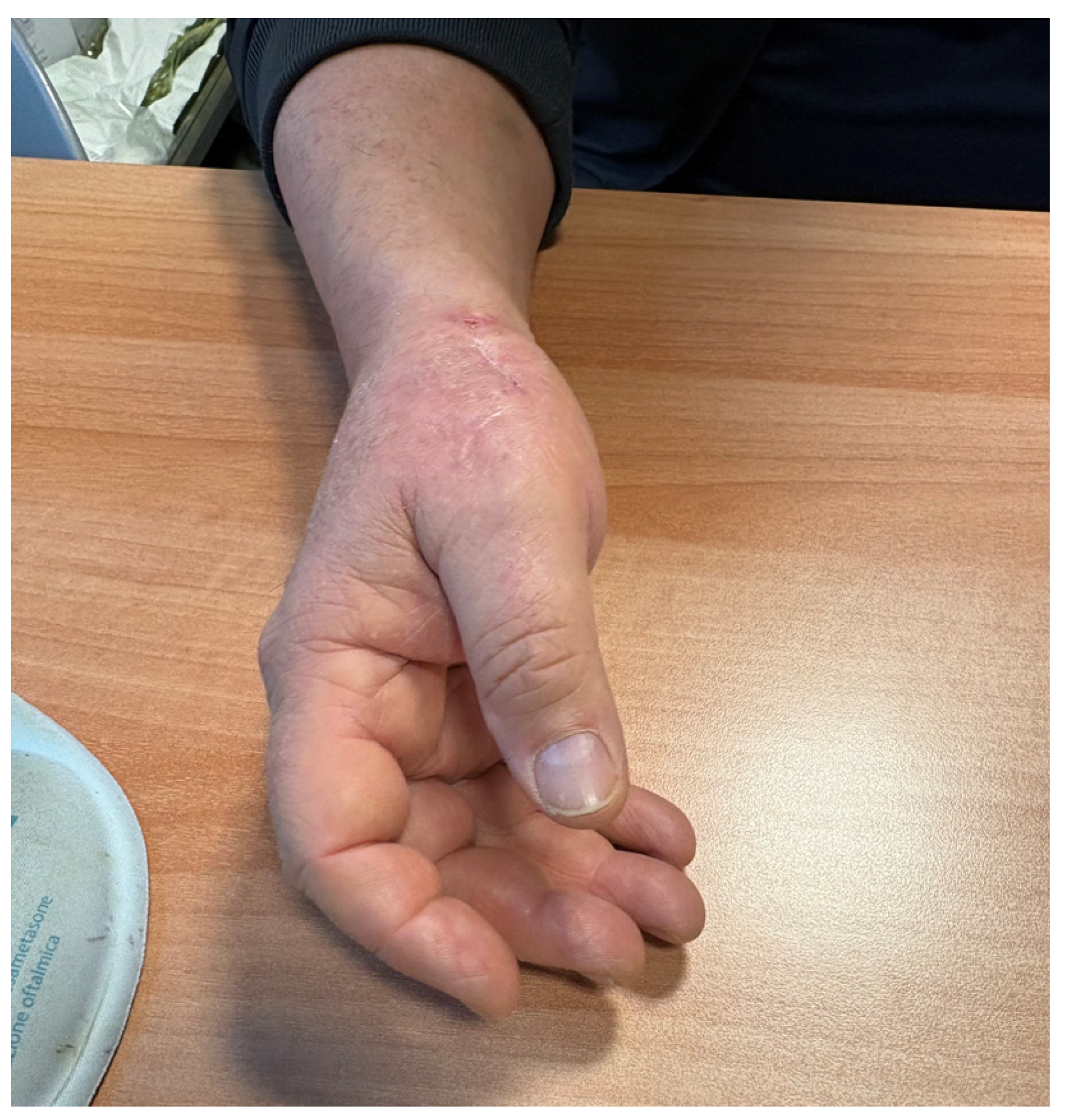
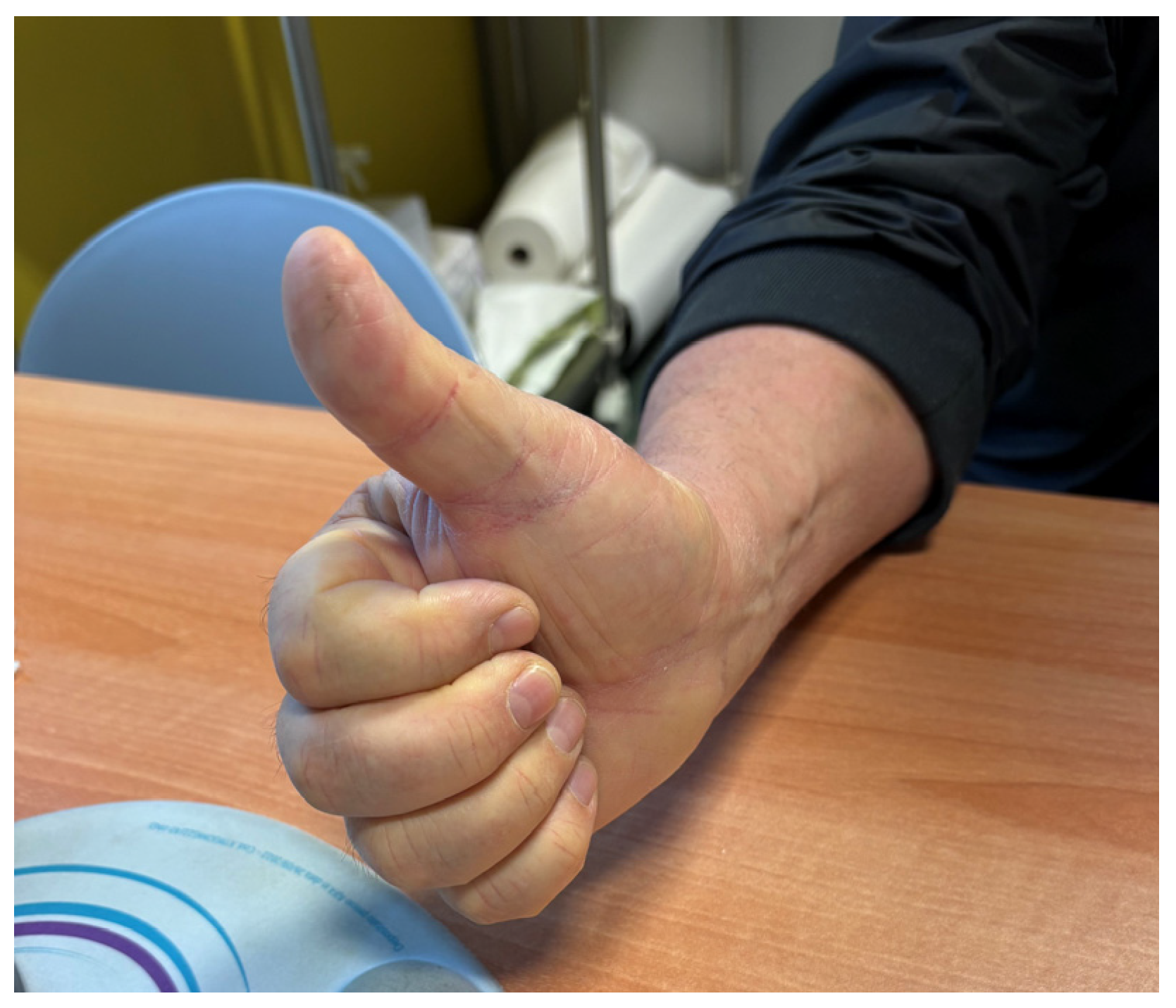
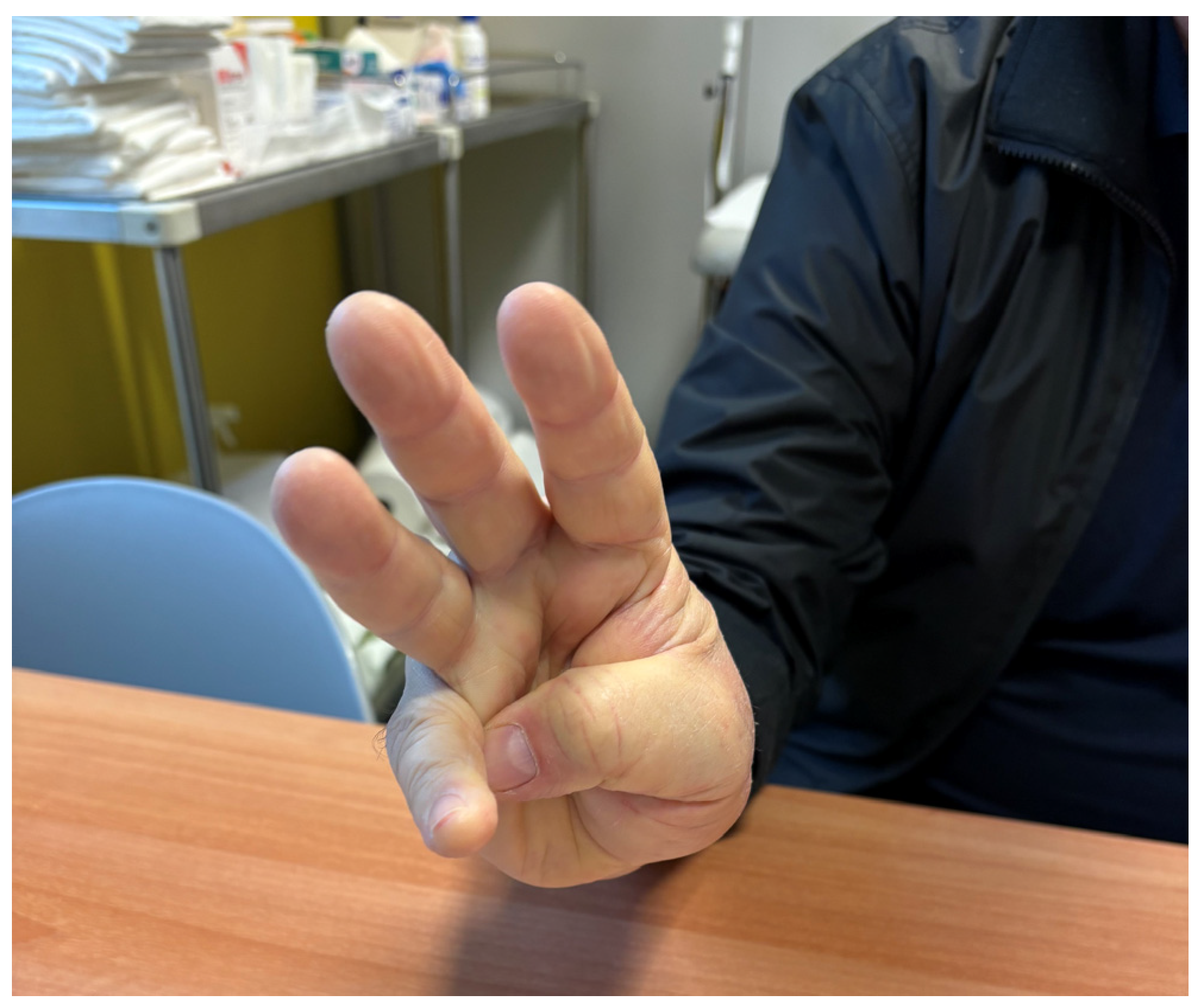
In July 2024, a right-handed man of 68 years old fell on his outstretched right hand. Written informed consent was obtained from the subject involved in this case report. Ethics Committee or Institutional Review Board approval was not required following the General Consensus about the definition of research. Standard series of radiographs revealed an intra-articular fracture at the base of the first metacarpal, known as Bennett’s fracture. Moreover, the radiographs reported a concomitant severe trapeziometacarpal arthritis (stage III according to the Eaton–Littler classification [6]), which was, according to the patient, already painful and disabling. Figure 1 and Figure 2 show standard radiographs of the fractures with the associated TMC osteoarthritis. Decision was made to perform a TMC arthroplasty with MAIA® prosthesis. Several studies with long follow-up report that MAIA® has lower complication rates than other implants, with a 10-year survival rate of up to 93% [7]. Moreover, the surgeon in charge of this case had a long positive experience with this implant. During TMC arthoplasty a total of 5 mm of the metacarpal base is usually excised using an oscillating saw. However, in this case, since the base of the first metacarpal is fractured, a wider resection is needed. In order to have a better understanding of the fracture and consequently of the metacarpal osteotomy line, a computed tomography (CT) was made, and a 3D model was developed. Moreover, the 3D model helped to understand if the length of the remaining metacarpal after resection was sufficient to insert a stem of appropriate size. In Figure 3, the 3D reconstruction of the affected hand is displayed. The surgery was performed under regional anesthesia. A dorso-lateral surgical approach was used, between the abductor pollicis longus (APL) tendon and the extensor pollicis brevis tendon, avoiding the branches of the superficial radial nerve. Postoperatively, the trapeziometacarpal joint was immobilized in a plaster cast for 1 week before starting rehabilitation. Figure 4 and Figure 5 indicate postoperative radiographs after the procedure of TMC arthroplasty with a MAIA® prosthesis. The follow-up protocol includes postoperative X-rays at 3 months and 1 year after surgery if trauma or sudden clinical worsening are not reported. After two months of rehabilitation, a clinical examination was made: the patient’s visual analogue scale [8] for pain (VAS scale) was 0 out of 10. The active range of motion (AROM) of the thumb in flexion was 20°/45°/50°, in extension +14°/−4°/+14°. The Kapandji Score was 9. The function during daily activities was evaluated with the PRWHE (Patient-rated hand wrist evaluation) questionnaire [9]. The PRWHE score was 0 at the end of the rehabilitation program, while at the beginning of the rehabilitation it was 15.5. The mean pinch strength of the right hand was 7 kg and of the left hand 7.5 kg using a pinch meter. The patient also reported a subjective improvement of clinical conditions, both compared to the beginning of rehabilitation and to the situation prior to the fracture, when TMC osteoarthritis was painful and limiting. As for pain, the patient described a rate of 8 out of 10 on the VAS scale. Asked about disability and self-reported symptoms before the fracture, the patient reported a PRWHE of 20.1. In Figure 6, Figure 7 and Figure 8, the good mobility of the first ray is evident 12 months post-surgery.
At one-year follow-up, no changes at the clinical examination and no complications were reported. Radiographs demonstrated good positioning and stability of the implant with no signs of loosening or subsidence. No dislocations occurred.
In Figure 9 radiograph at one-year follow-up is represented.
Like all other intra-articular injuries that need anatomical reduction of the joint surface, Bennett fractures could be associated with post traumatic osteoarthritis: this could lead to pain and functional limitation [4]. In patients with already established and symptomatic TMC arthritis, the treatment of Bennett fractures with TMC arthroplasty could represent a valid option: shorter time of immobilization and improvement of pre-existing pain and functional impairment.
These are not new concepts: for other joints, such as hip and knee, primary prosthetic replacement has increasingly been utilized in the setting of complex fractures and/or poor bone quality. TMC arthroplasty has recently become an established treatment for TMC osteoarthritis: several studies in the literature show that it is a safe procedure associated with a significant reduction in pain and considerable functionality of the first ray [10]. Moreover, the results of this case report seem to be in line with the results obtained by TMC arthroplasty in arthritic patients [11]: Chiche et al. described a mean VAS scale of 2 out of 10, a mean Kapandji score of 9, and a survival rate of 97% at three-year follow-up [11]. Additionally, compared to other surgical techniques, immobilization times are shorter, allowing for early mobilization. Finally, another important issue to address is the economic cost: the implantation of the MAÏA™ prosthesis has higher costs compared to all the other techniques used for Bennett fractures, and the production time of a 3D model could be expensive and time-consuming.
Since this is a case report with one patient and the follow-up is relatively contained, further investigations with a larger case study and longer follow-up are requested in order to clarify effectiveness and indications.

Author Contributions

All authors have read and agreed to the published version of the manuscript. C.S. conceived the idea and wrote the first draft. M.M. analyzed the data. L.P. supervised the project and provided critical feedback.

Funding

This research received no external funding.

Institutional Review Board Statement

Ethics Committee or Institutional Review Board approval was not required since the study is a case report with less than three patients (so the activity will not constitute “research”) and does not involve a systematic investigation designed to contribute to generalizable knowledge.

Informed Consent Statement

Written informed consent was obtained from the subject involved in the study.

Data Availability Statement

The original contributions presented in this study are included in the article. Further inquiries can be directed to the corresponding author.

Conflicts of Interest

The authors declare no conflicts of interest.

References

  1. Goru, P.; Haque, S.; Verma, G.G.; Mustafa, A.; Ebinesan, A. Bennett’s Fracture Management: A Systematic Review of Literature. Cureus 2022, 14, e31340. [Google Scholar] [CrossRef] [PubMed]
  2. Kamphuis, S.; Greeven, A.; Kleinveld, S.; Gosens, T.; Van Lieshout, E.; Verhofstad, M. Bennett’s fracture: Comparative study between open and closed surgical techniques. Hand Surg. Rehabil. 2019, 38, 97–101. [Google Scholar] [CrossRef] [PubMed]
  3. Timmenga, E.J.F.; Blokhuis, T.J.; Maas, M.; Raaijmakers, E.L.F.B. Long-term evaluation of bennett’s fracture A comparison between open and closed reduction. J. Hand Surg. Br. Eur. Vol. 1994, 19, 373–377. [Google Scholar] [CrossRef]
  4. Liverneaux, P.A.; Ichihara, S.; Hendriks, S.; Facca, S.; Bodin, F. Fractures and dislocation of the base of the thumb metacarpal. J. Hand Surg. (Eur. Vol.) 2015, 40, 42–50. [Google Scholar] [CrossRef] [PubMed]
  5. Toffoli, A.; Degeorge, B.; Cloquell, Y.; Teissier, P.; Teissier, J. MAÏA Trapeziometacarpal Joint Arthroplasty: Clinical and Radiological Outcomes of 76 Patients with More Than 10 Years of Follow-Up. J. Hand Surg. 2024, 49, 846–856. [Google Scholar] [CrossRef] [PubMed]
  6. Carter, K.R.; Nallamothu, S.V. Bennett Fracture. In StatPearls; StatPearls Publishing: Treasure Island, FL, USA, 2025. Available online: https://www.ncbi.nlm.nih.gov/books/NBK500035/ (accessed on 7 August 2023).
  7. Kennedy, C.D.; Manske, M.C.; Huang, J.I. Classifications in Brief: The Eaton-Littler Classification of Thumb Carpometacarpal Joint Arthrosis. Clin. Orthop. Relat. Res. 2016, 474, 2729–2733. [Google Scholar] [CrossRef] [PubMed]
  8. Carlsson, A.M. Assessment of chronic pain. I. Aspects of the reliability and validity of the visual analogue scale. Pain 1983, 16, 87–101. [Google Scholar] [CrossRef] [PubMed]
  9. MacDermid, J.C.; Turgeon, T.; Richards, R.S.; Beadle, M.; Roth, J.H. Patient rating of wrist pain and disability: A reliable and valid measurement tool. J. Orthop. Trauma 1998, 12, 577–586. [Google Scholar] [CrossRef] [PubMed]
  10. Raj, S.; Clay, R.; Ramji, S.; Shaunak, R.; Dadrewalla, A.; Sinha, V.; Shaunak, S. Trapeziectomy versus joint replacement for first carpometacarpal (CMC 1) joint osteoarthritis: A systematic review and meta-analysis. Eur. J. Orthop. Surg. Traumatol. 2022, 32, 1001–1021. [Google Scholar] [CrossRef] [PubMed]
  11. Chiche, L.; Chammas, P.E.; D’aLlais, P.V.; Lazerges, C.; Coulet, B.; Chammas, M. Long-term survival analysis of 191 MAÏA® prostheses for trapeziometacarpal arthritis. J. Hand Surg. (Eur. Vol.) 2023, 48, 101–107. [Google Scholar] [CrossRef] [PubMed]
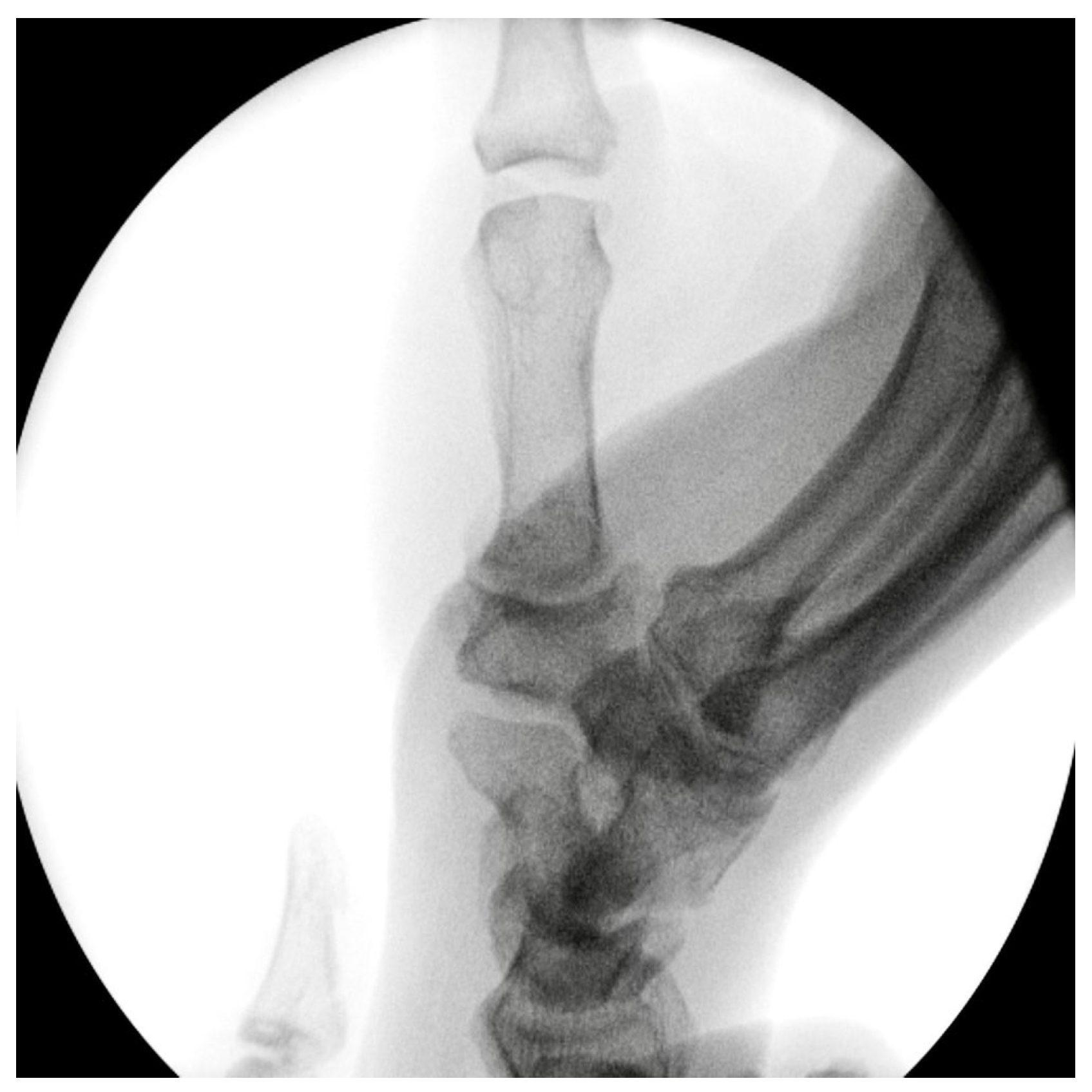
Figure 1. First preoperative radiograph of the Bennett fractures with the associated thumb osteoarthritis.
Surgeries 07 00006 g001
Figure 2. Second preoperative radiograph of the Bennett fractures with the associated thumb osteoarthritis.
Surgeries 07 00006 g002
Figure 3. 3D model of the affected hand developed from the CT scan.
Surgeries 07 00006 g003
Figure 4. First postoperative radiograph after the implant of MAIA® prosthesis.
Surgeries 07 00006 g004
Figure 5. Second postoperative radiograph after the implant of MAIA® prosthesis.
Surgeries 07 00006 g005
Figure 6. Clinical results two months after surgery.
Surgeries 07 00006 g006
Figure 7. Extension of the thumb two months after surgery.
Surgeries 07 00006 g007
Figure 8. Kapanji score two months after surgery.
Surgeries 07 00006 g008
Figure 9. Radiograph at one-year follow-up.
Surgeries 07 00006 g009
Disclaimer/Publisher’s Note: The statements, opinions and data contained in all publications are solely those of the individual author(s) and contributor(s) and not of MDPI and/or the editor(s). MDPI and/or the editor(s) disclaim responsibility for any injury to people or property resulting from any ideas, methods, instructions or products referred to in the content.